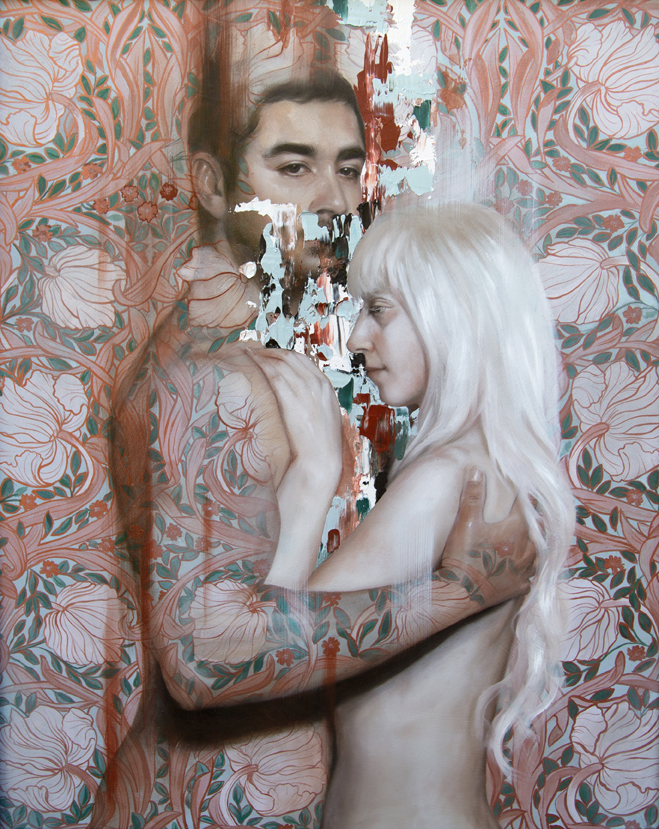
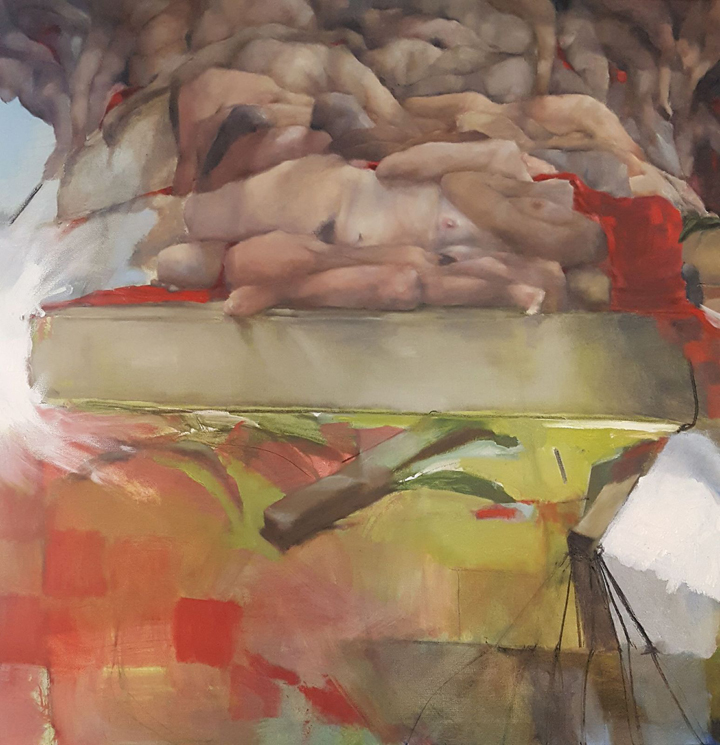
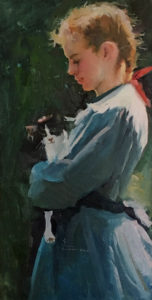
Meredith Marsone, “Loveloss – Surrender,” 2018, oil on board, 19.7 x 15.7 in.
In collaboration with author and curator John Seed, Stanek Gallery presents “Disrupted Realism: Paintings for a Distracted World”
“Disrupted Realism: Paintings for a Distracted World” features works from more than 30 artists based across the United States and internationally.
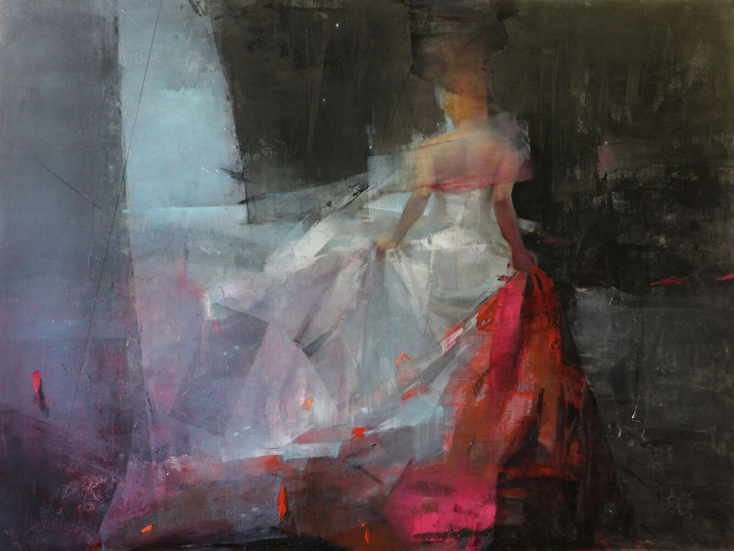
Stanka Kordic, “Bridges Turn #1,” 2017, oil on wood panel, 36 x 48 in.
In January 2018, Stanek Gallery presented “Disrupted Realism,” an exhibition of 16 artists whose work is begetting the emergence of a new movement in contemporary painting. With that exhibition catching the eye of local publisher Schiffer Publishing, John Seed has since written “Disrupted Realism: Paintings for a Distracted World.” The book, which was published in September, contains artists and artworks from six countries and over a dozen states coast to coast.
Now, Stanek Gallery’s upcoming exhibition by the same name brings together those highly accomplished artists, all of whom possess a far-reaching influence.
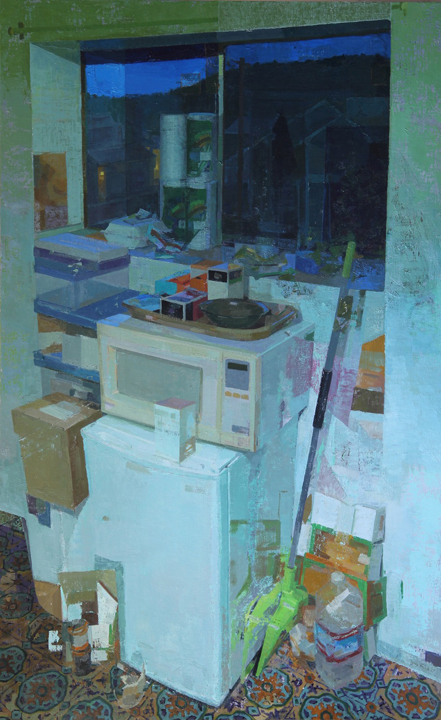
Zoey Frank, “Window at Night,” 2017, oil on linen on panel, 61 x 38 in.
“This is no ordinary group exhibition,” says gallery owner and director Katherine Stanek. “The fact that nearly every artist in the book is participating in this exhibition speaks volumes about the stature and influence they have in the artistic community. Each one possesses such remarkable skill that their paintings reflect an energy and life that is palpable and can only be experienced in person.”
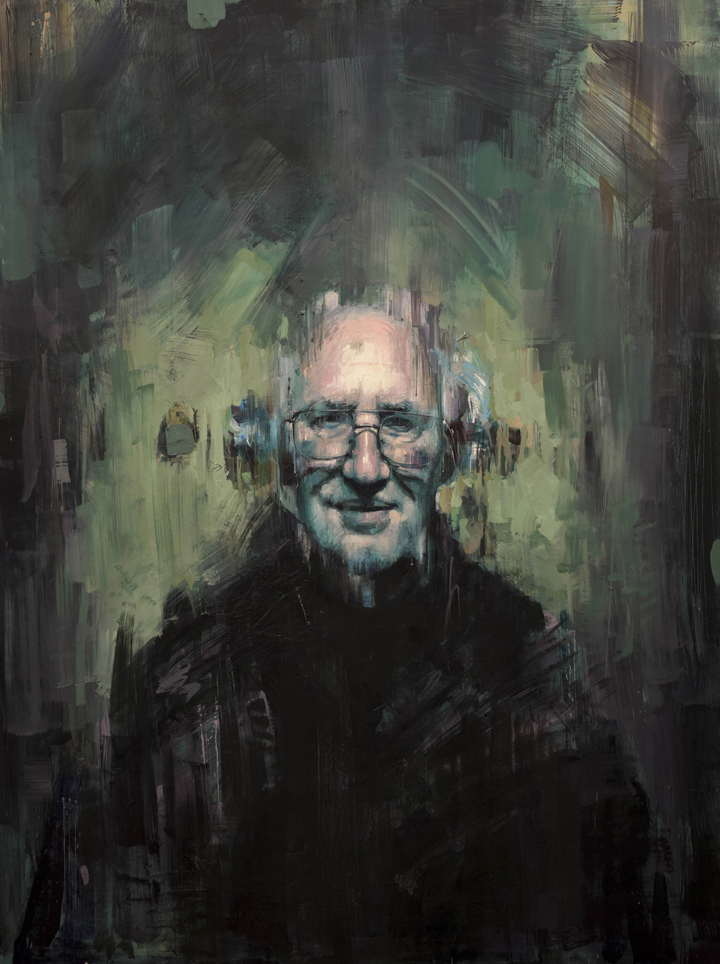
Valerio D’Ospina, “Dr. DeFurio,” 2019, oil on panel, 48 x 36 in.
Featured in this exhibition are the works of Stanek Gallery artists Valerio D’Ospina and Stanka Kordic, along with other Philadelphia-based artists Alex Kanevsky and Santiago Galeas, highlighting the importance of Philadelphia art institutions on an international scale. In addition to these indomitable artists, “Disrupted Realism: Paintings for a Distracted World” will include:
Mia Bergeron ~ Ryan Bradley ~ Zoey Frank ~ Anne Harris ~ Maria Kreyn ~ Meredith Marsone ~ Wyatt Mills ~ Kirtsine Reiner Hansen ~ Kai Samuels-Davis ~ Wendelin Wohlgemuth ~ Daniel Bilodeau ~ Colin Chillag ~ Ann Gale ~ Karen Kaapcke ~ Aiden Kringen ~ Alex Merritt ~ Alyssa Monks ~ Lou Ros ~ Dorian Vallejo ~ Zack Zdrale ~ James Bland ~ Paul Cristina ~ Catherine Kehoe ~ J Louis ~ Joshua Meyer ~ Gage Opdenbrouw ~ Nick Runge ~ John Wentz
Karen Kaapcke, “Raft III (Moored),” 2018, oil, 36 x 36 in.
“The experiences of contemporary artists are diffuse and diverse. They encompass, and reframe, every kind of experience,” writes John Seed. “What I have come to realize is that the diverse forms of disrupted realism have to do with everything in each artist’s life: the real, the remembered, the digital, the imagined, and the dreamed, all filtered through the artist’s perceptions.”
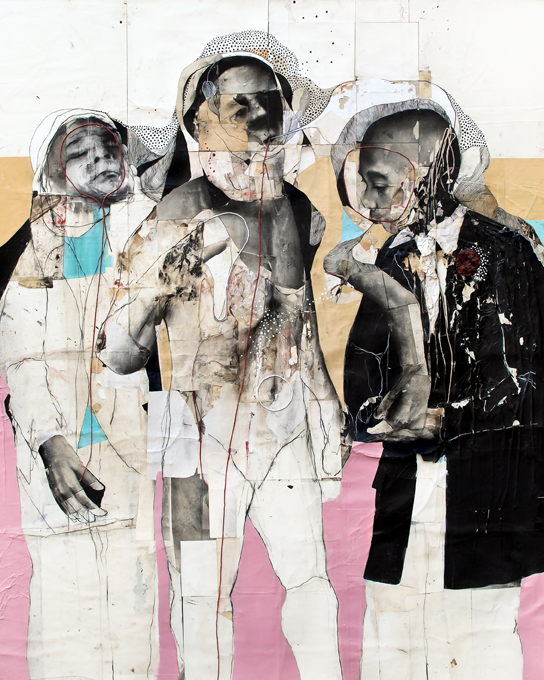
Paul Cristina, “How to Play Jazz in Hell,” 2018, charcoal, oil, acrylic, pastel, and string on paper mounted on canvas, 51 x 47 in.
Exhibition:
“Disrupted Realism: Paintings for a Distracted World”
Public Opening Reception, First Friday, November 1st, 6:00–9:00PM
Book Signing with John Seed, First Friday, November 1st, 6:00–7:00PM
Exhibition continues through December 28, 2019
Location: Stanek Gallery
242 N. 3rd Street
Philadelphia PA 19106
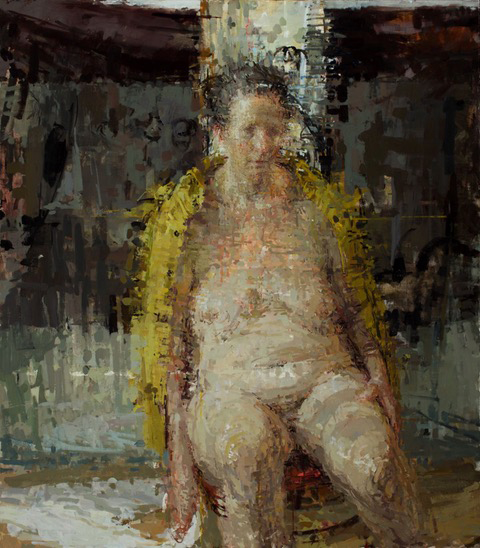
Ann Gale, “Shannon in Passage,” 2016, oil on canvas, 48 x 42 in., Courtesy of Dolby Chadwick Gallery
John Moore, “Tuesday,” 2018, oil on canvas, 54 x 72 in.
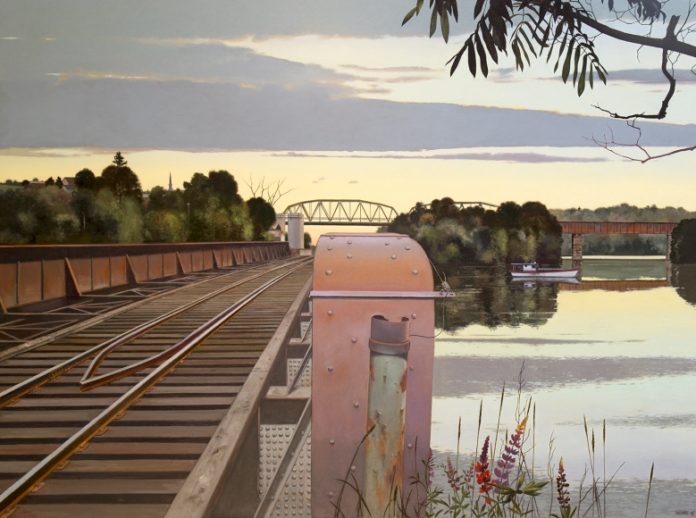
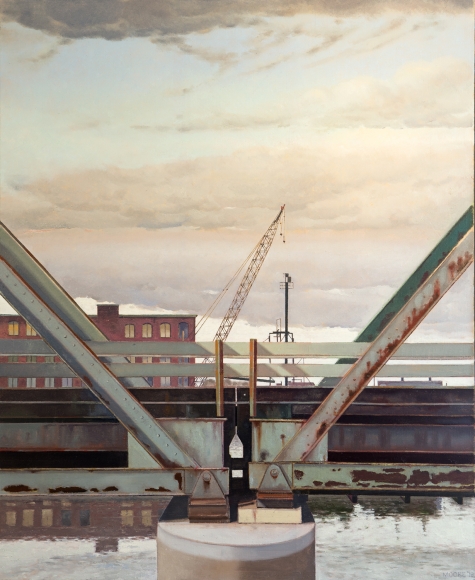
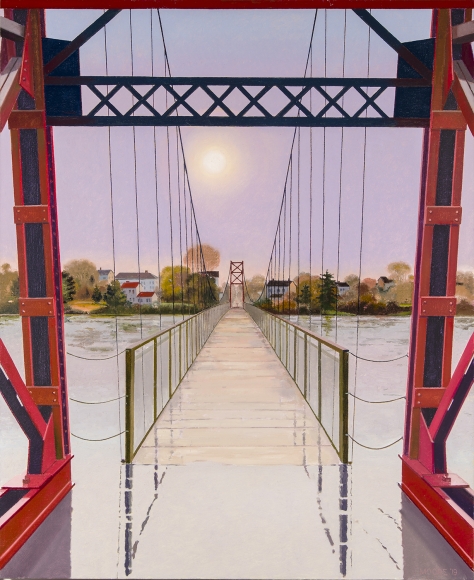
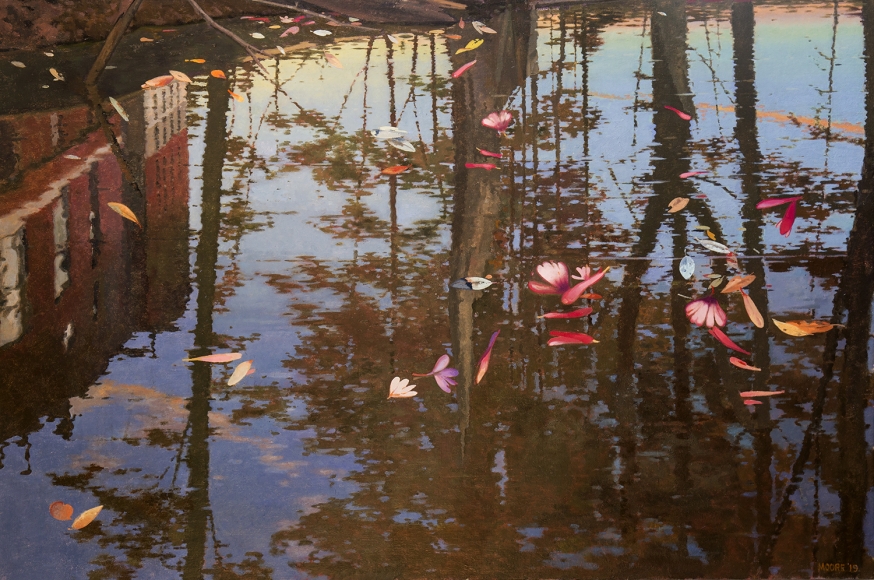
Hirschl & Adler Modern (New York City) is currently showing “After the Rain,” a solo exhibition of thirteen recent paintings by John Moore (b. 1941).
John Moore, “Midday,” 2018, oil on canvas, 44 x 36 in.
From the gallery:
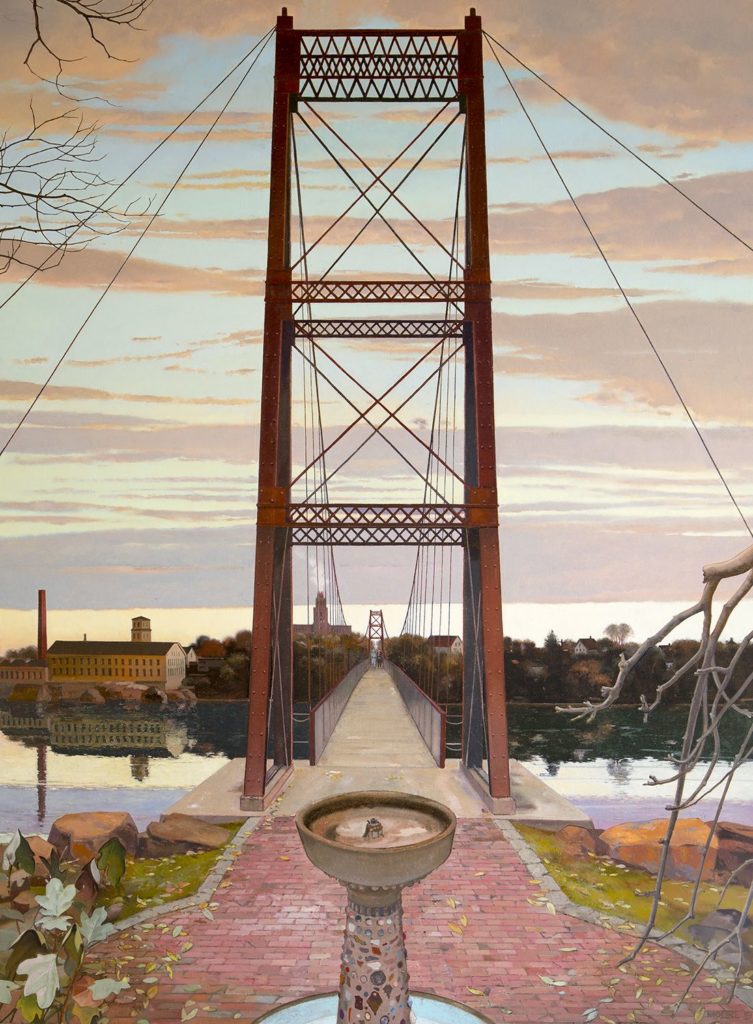
With these works, the artist reveals the vestiges of industry around his adopted home state of Maine and places a marked emphasis on the landscape that seeks to reclaim them. Moore’s luminous handling of land, sky, and water opens the space beyond his signature depictions of factory windows and bridges and, with this heightened atmosphere, recalls the rich tradition of American landscape painting.
To assume these paintings are about the continuing decline of industry limits their reach. These paintings are about the beauty and quiet power of the true American landscape — one of cyclical growth and intervention between man and nature.
John Moore, “High Water,” 2019, oil on canvas, 44 x 36 in.
In his essay for the exhibition catalogue, Christopher Crosman delves deep into the conceptual and formal structure of John Moore’s work. Crosman focuses on Moore’s signature layering of time, space, and composite imagery from sites both real and imagined, as well as his embrace of Maine’s authentic beauty. The new paintings in “After the Rain” are steeped in the artist’s new-found sense of place in Maine, but do so through the artist’s characteristic sense of mystery and timelessness. Crosman perfectly encapsulates this innate sensibility toward painting:
“Cultural and historical allusions aside, Moore is clearly interested in paintings that are simultaneously real and abstract and alive to meanings individual viewers can find within their own experience — how art touches and informs our sense of being in the world and what place means to each of us now and over time. This is what I believe Moore’s bridges and windows posit: linkages between past and present, familiarity and strangeness, rural and urban, idea and feeling. Moore’s paintings join with and extend a continuing American landscape tradition, its post-industrial denouement opening to different, newer, more complex, deeper realms of beauty and transformative promise. Moore’s art connects quiet intersections and passages of distance, time, and memory.”
John Moore, “After the Rain,” 2019, oil on canvas, 36 x 54 in.John Moore, “Fountain and Footbridge,” 2019, oil on canvas, 72 x 54 in.
This exhibition is accompanied by a 24-page catalogue, with 13 full-color illustrations and an essay by Christopher Crosman, founding Chief Curator of Crystal Bridges Museum of American Art, Bentonville, Arkansas, and Director Emeritus of the Farnsworth Art Museum in Rockland, Maine. For more information, visit www.hirschlandadler.com.
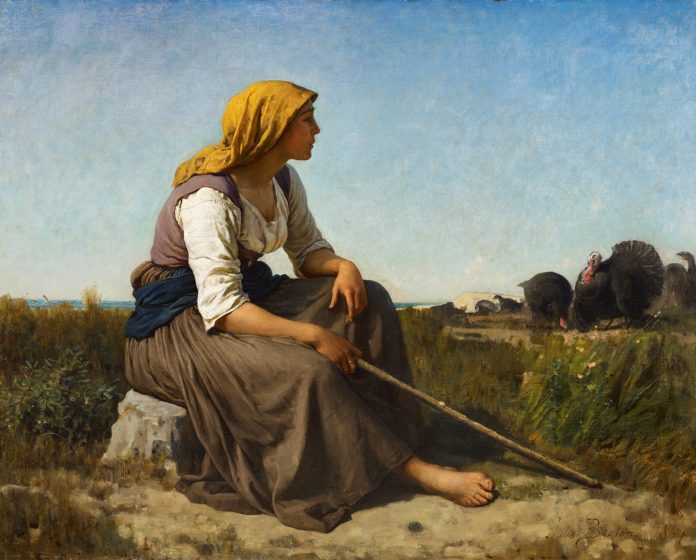
Jules Breton (Courrières, 1827 – Paris, 1906), “Gardeuse de Dindons (The Turkey Tender),” 1864, oil on canvas, 82.6 x 101.6 cm (32.5 x 40 in.) Signed lower right ‘Jules Breton’ and dated ‘1864’
As the fourth iteration of TEFAF (The European Fine Art Fair) New York Fall approaches, the Fair reveals a “first look” at a selection of works to be unveiled at the Park Avenue Armory, November 1–5, 2019. The event covers a staggering 7,000 years of art history.
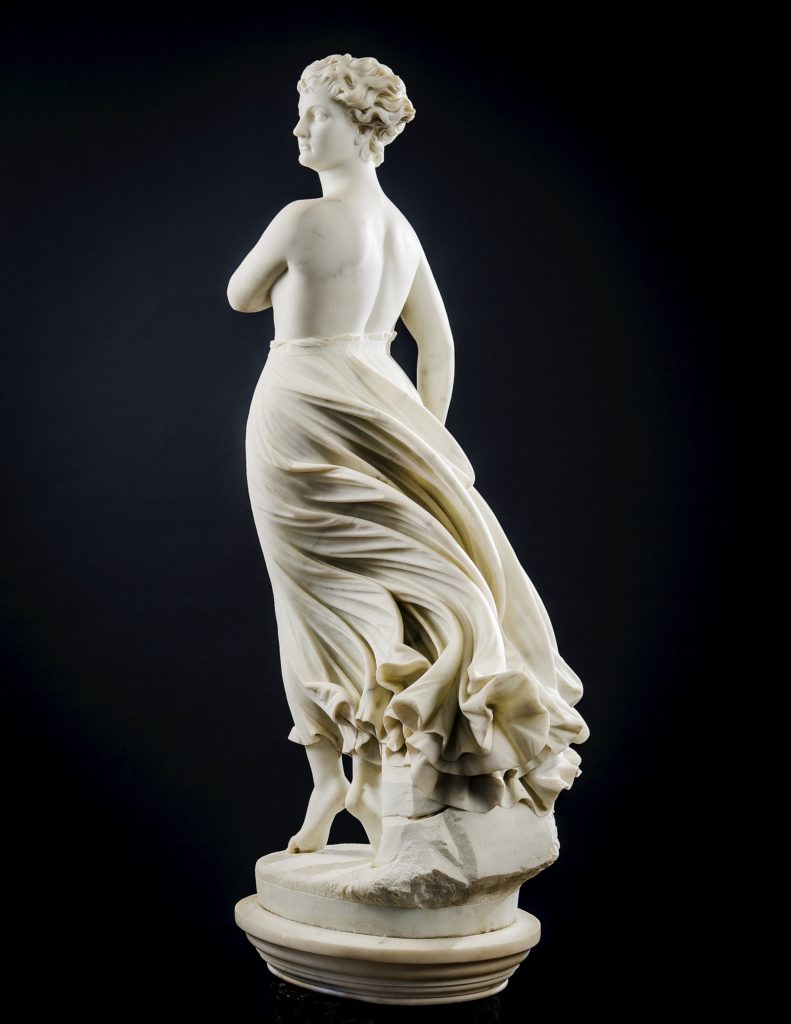
Hirschl & Adler Galleries / Stand 366 Thomas Ridgeway Gould (Boston, 1818 – Florence, 1881), “The West Wind,” modeled circa 1869–70, executed 1874, marble, 83.8 cm (33 in.) Signed on the back ‘THE WEST WIND / T.R. GOULD. INV. Et FECIT / FLORENCE / 1874’ Provenance: Private Collection, New York, until 2012
Illustrating TEFAF New York’s breadth and depth will be pieces such as a George III Carved Giltwood Chimneypiece, 1760, attributed to Matthias Lock, in Giltwood and Marble at Ronald Phillips LTD / Stand 357, from Stedcombe House, Devon, England; Man with a Brush Cut by Karel Appel (Amsterdam, 1921 – Zurich, 2006), oil on burlap, at new exhibitor Galerie de la Béraudière / Stand 104; and a rare Pair of Japanese Six-Fold Screens with Cherry Trees and Chrysanthemums on a Gold Ground from the Hasegawa School in ink, color, gold leaf, paper, Momoyama period, 16th-17th Century at Gregg Baker / Stand 353.
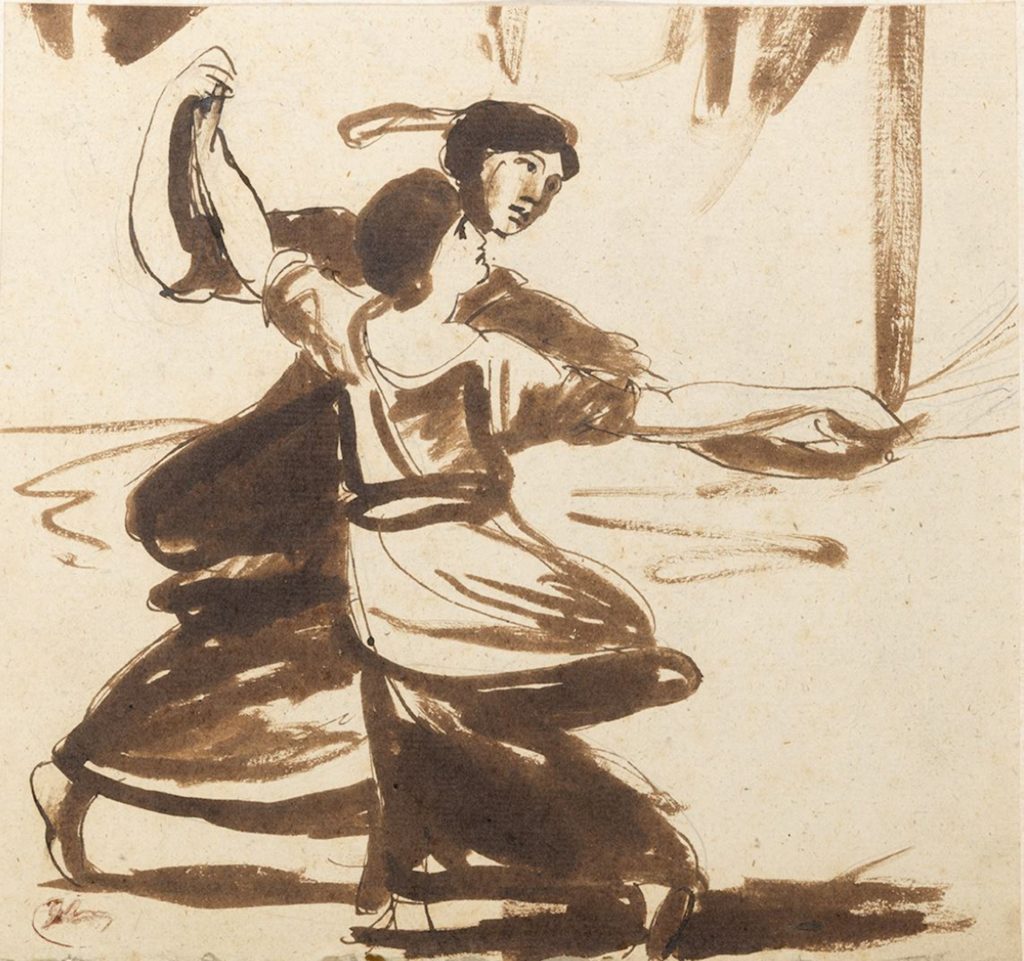
Hazlitt / Stand 376 George Romney (Dalton-in-Furness, 1734 – Kendal, 1802), “Study for the Leveson-Gower Children,” England – 1776–77, pen and brown ink on paper, 23 x 24.3 com (9.1 x 9.17 in.) Provenance: Xavier Haas (1876-1937); stamped lower left (Lugt 4542)
TEFAF has been widely recognized for introducing new ways of looking at, thinking about, and experiencing art. Building on the success of the past three editions, the Fair reinforces the continued relevance of historic art in the current art market, bringing together an international community of the most discerning art collectors, curators, interior designers, and specialists. For the first time, the historic works which make up the core of TEFAF New York Fall will be complemented by works from modern and contemporary dealers in unique booth collaborations, set in select historic rooms of the Armory.
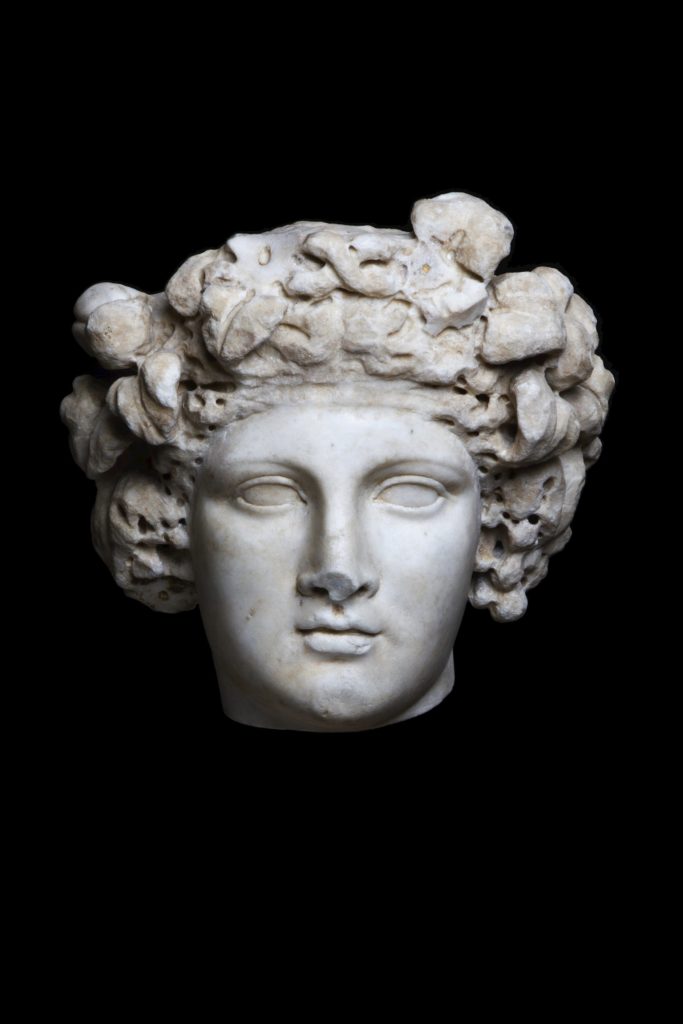
Galerie Chenel / Stand 212 Unknown, “Head of Bacchus,” Roman – 2nd century AD, marble, 23 x 23 x 20 cm (9 x 9 x 7.9 in.) Provenance: Collection of Lucien Mellerio (1879-1943); Collection of Hélène Mellerio (1909-2001)
“We are proud to be working with a globally and stylistically diverse range of 90 specialist dealers,” says Sofie Scheerlinck, Managing Director of TEFAF New York. “The breadth of this Fair is even greater this year with the addition of some exciting new exhibitors, alongside an already eminent roster of specialists, all of whom represent the top of their fields in quality and taste. At each Fair we work to bring visitors a truly extraordinary experience at the Armory through outstanding programming, special exhibitions, installations, design, and events. This year is no exception.”
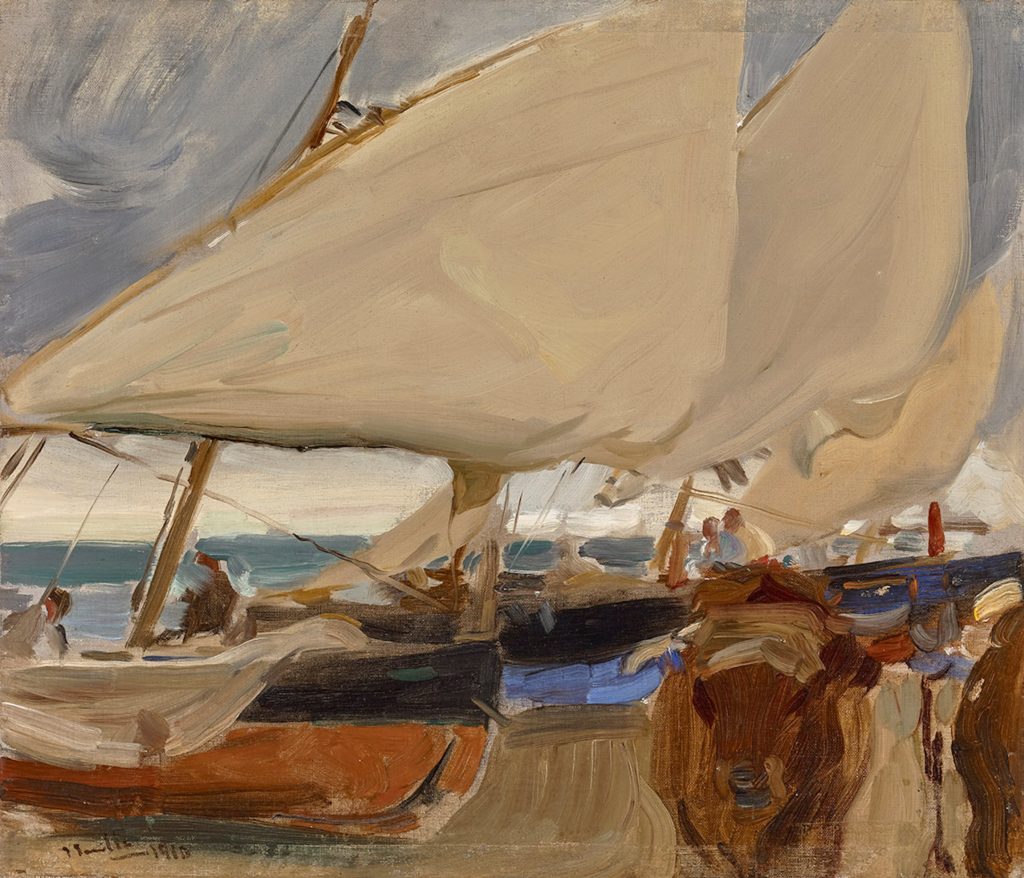
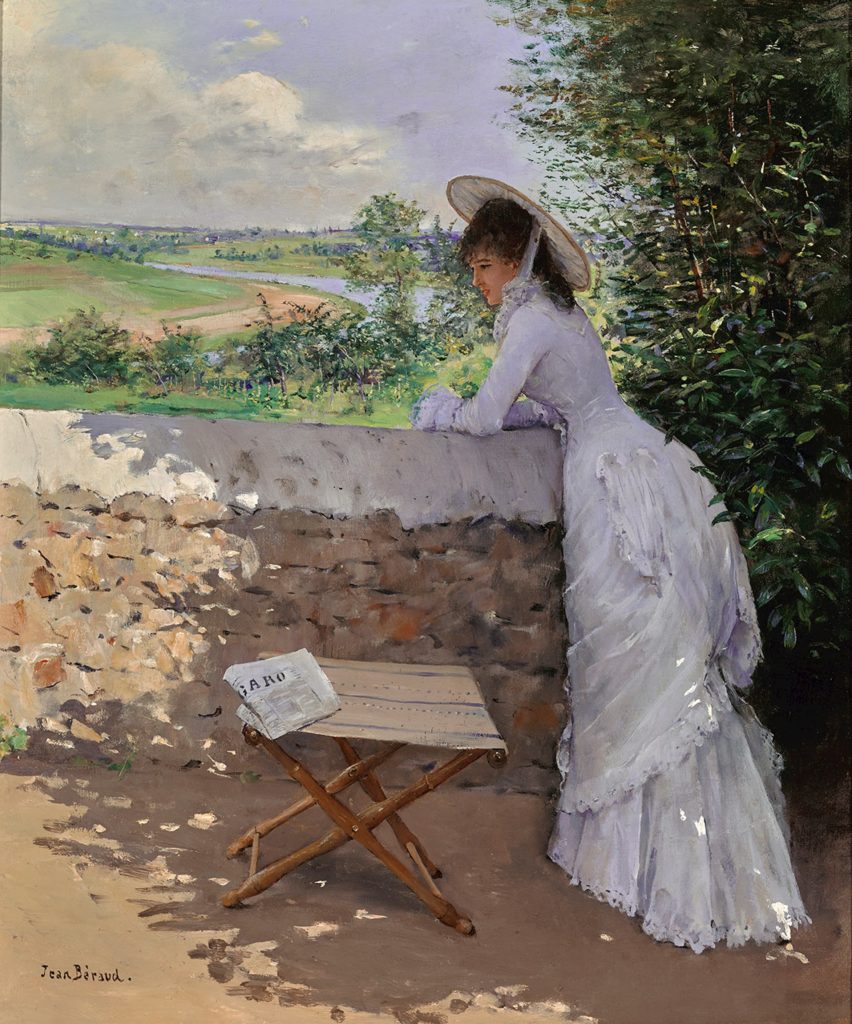
Joaquín Sorolla y Bastida (Valencia, 1863 – Madrid, 1923), “Playa de Valencia,” 1910, oil on canvas, 48 x 56 cm (18.9 x 22 in.) Signed lower right ‘J Sorolla’ and dated 1910Jean Beraud (St. Petersburg, 1849 – Paris, 1935), “Un Figaro de Rêve,” circa 1875, oil on canvas, 64.8 x 54.6 cm (25.5 x 21.5 in.) Signed lower left ‘Jean Béraud’
Of those 90 galleries, TEFAF New York welcomes 17 new exhibitors to TEFAF New York Fall 2019. Here is a first look:
• Anne-Sophie Duval (Stand 203), specialists of Art Deco furniture and applied arts of the early 20th-century is based in Paris, France, where it has been in operation since 1972.
• Artvera’s (Stand 373) is a Geneva-based gallery specializing in European masters of modern art since 2007. To complement its 20th-century Modern masters, Artvera’s also showcases noteworthy nationally and internationally established and emerging contemporary artists.
• Bacarelli & Botticelli, a gallery based in Florence, gives special consideration to the relationship between human physiognomy and animal depiction in ancient art.
• Founded in 1986 in Milan, Bottegantica (Stand 367) specializes in 19th- and 20th-century paintings from the most distinguished artists of the time.
• Brun Fine Art (Stand 377) is a Milan-based gallery with locations in Florence and London, specializing in Italian and continental sculpture, antique furniture, and decorative works from the 15th to the 19th century.
• Cortesi Gallery (Stand 211) was founded in 2013 in Switzerland, specializing in European artistic movements from the 1960s to the present day. The gallery is known for its collaborative exhibitions with specialists, including guest curators and educators.
• Galerie Alain Marcelpoil (Stand 207) Alain Marcelpoil is a renowned expert in the field of Art Deco and is recognized internationally as the leading specialist in the work of designer Andre Sornay (1902–2000). The gallery was founded by Alain Marcelpoil and Nicole Marcelpoil in Paris, France, in 2006.
• Founded in 1992, Galerie de la Béraudière (Stand 104) is a renowned Paris-based gallery with locations in Geneva and Brussels. Its collection gives particular focus to the surrealist movement, providing top quality paintings and sculptures to collectors and institutions.
• Established in 1998, Galerie Zlotowski (Stand 318) is dedicated to modern and avant-garde art of the early 20th century, including European paintings, drawings, and sculpture from 1870 onwards.
• Hazlitt (Stand 376) is a leading firm of London-based art dealers specializing in Master Paintings and Drawings from the 16th to the 20th century.
• Deriving its name from the ancient Greek word for “beauty,” Kallos Gallery (Stand 352) is a London gallery founded in 2014 specializing in antiquities and ancient art.
• Montreal gallery Landau Fine Art (Stand 337) is focused primarily on the great masters of the early to mid 20th century.
• Spanish gallery Mayoral (Stand 202) focuses on informalism as well as on Catalan and Spanish post-war art as well as the great avant-garde artists of the 20th century.
• Michael Goedhuis (Stand 313) established in 1989, offers Chinese contemporary art, with a particular focus on ink paintings, as well as Chinese and Japanese bronzes from the 11th century A.D. onwards.
• Nicolás Cortés (Stand 303) Madrid-based specialists in European painting and sculpture and arts of the Spanish-speaking world.
• Shibunkaku (Stand 101) was established in Kyoto in 1937. Initially specializing in early modern and modern Japanese fine art with an emphasis on calligraphy and painting, the gallery later expanded its expertise to postwar and contemporary art.
• Stuart Lochhead Sculpture (Stand 376) offers the best in all media from antiquity to the 20th century, featuring celebrated and little-known sculptors alike.
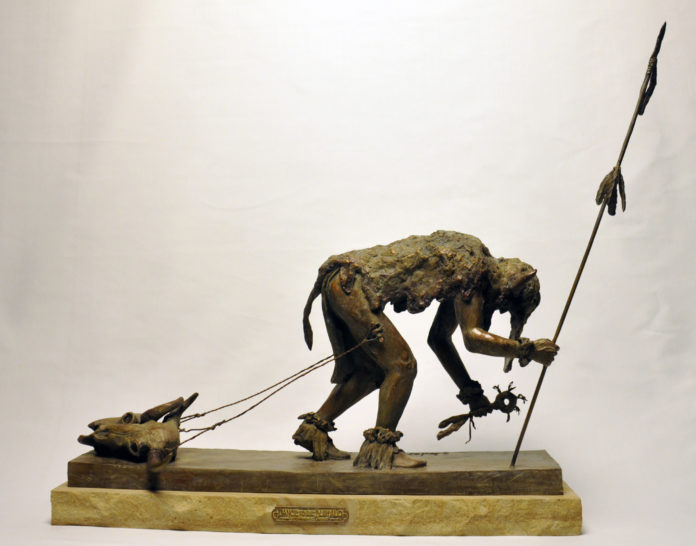
Best of Show: “Dance to the Buffalo,” bronze, 22 x 24 x 8 in., $4,300, by Stephen G. Jones, Woodward, OK
The American Plains Artists 34th Annual Juried Exhibit & Sale opened October 10 to a large crowd at the Pearce Museum at Navarro College in Corsicana, TX, where the exhibit continues through January 4, 2020. Realistic and representational artworks of the American Great Plains are on exhibit by sixty-five APA members from across the U.S.A.
Awards Juror Sonya Terpening awarded the following:
Best of Show: “Dance to the Buffalo” by Stephen G. Jones, Woodward, OK
1st Place Award: “Spirits Within” by Jammey Huggins, Seminole, TX
2nd Place Award: “Attending Sheep” by Felicia, Edwards, CO
3rd Place Award: “Noble Quest” by Susan Temple Neumann, Rowlett, TX
“‘Dance to the Buffalo’ is part of the Sun Dance ritual of the Cheyenne,” says Stephen G. Jones. “While the pledgers are dancing inside the lodge, these pledgers dance around the outside of the lodge. The Cheyenne felt that the only thing they had to give or offer to the spirits were themselves, which was the only thing they truly owned; their pain and suffering were their tithes so to speak. The skulls that this pledger is dragging are tethered to his legs. They are sometimes tethered to their backs, but this particular dancer has made this pledge many times before and his back is too scarred, so he chose his legs instead. At the end of the ritual if the skulls did not pull loose, the children would ride on each of the skulls for added weight to help them to tear loose, completing the pledge.
“‘Dance to the Buffalo’ was a very heartfelt piece for me to sculpt. To have that much dedication and belief to perform such a task is awe inspiring. I hope it strikes a chord on the viewers’ heartstrings as well.”
About Stephen G. Jones: Born 1957
Stephen and his wife, Kathy, live in the historical community of Keenan, which is located on the family ranch, in northwest Oklahoma.
Jones spent over 30 years in the commercial art field and was a successful fashion designer for 10 of those years before becoming a full-time sculptor. Jones is mostly self-taught and has augmented his training by studying under some of the nation’s greatest sculptors. Along with his lifelong hands-on experience in ranching, being a working ranch cowboy and having Cheyenne heritage adds to his in-depth knowledge of the American West as it is today and is what helps breath life into his art. Art has been his lifelong education, and he says he will always remain its student.
First Place Award: “The Spirits Within,” bronze, 20.5 x 8.5 in. diameter, $6,500, by Jammey Huggins, Seminole, TX
Second Place Award: “Attending Sheep,” bronze, 22 x 6.5 x 6 in., $4,000, by Felicia
Third Place Award: “Noble Quest,” oil on linen panel, 36 x 24 in., $5,300, by Susan Temple Neumann
Other awards sponsored by the APA included:
Clyde Heron Award: “Comanche Moon” by T.W. Vanya, Somerville, TX
Best Plains Wildlife: “Greetings” by Mary Lou Pape, Monument, CO
Mystery Award: “Good Water” by David Dorsey, Valentine, NE
Texas Award: “Atterbury Grain” by Tim Oliver, Lubbock, TX
Arrowhead Award (Hosting Facility’s Choice): “Looking for Work” by Victor Blakey, Plano, TX
Golden Spur (Artists’ Choice) Award: “Comanche Moon” by T.W. Vanya, Somerville, TX.
The Plainsman Award (People’s Choice) will be announced at the end of the show.
The American Plains Artists exhibition is on view at the Pearce Museum at Navarro College in Corsicana, TX. Learn more at www.americanplainsartists.com.
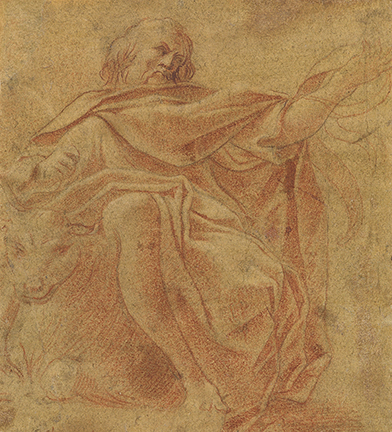
Lot 15: Ludovico Carracci, “St. Luke,” red chalk, circa 1585-88. Estimate $8,000 to $12,000.
In addition to Swann Galleries’ biannual sale of Old Master Through Modern Prints, the house will offer a curated sale of Old Master Drawings on November 5. The auction traces the development of draftsmanship over several centuries from late-Gothic, early-Renaissance works of the 15th century, to Baroque and Rococo drawings of the 17th and 18th centuries.
The Italian Renaissance is represented by early-16th-century studies of eagles ($4,000-6,000); “Christ’s Charge to Peter” from the circle of Raffaello Sanzio da Urbino, based on one of Raphael’s cartoons painted as designs for tapestries ($5,000-8,000); and Ludovico Carracci’s “St. Luke,” red chalk, circa 1585-88 ($8,000-12,000).
Baroque works of note include “The Holy Spirit Appearing to St. Gregory,” red chalk, late 1640s, by Il Guercino, offered at $8,000 to $12,000; and “Scenes from the Battle of Vienna: A Pair,” pen and wash, circa 1685, by Francesco Monti, Il Brescianino—expected to bring $10,000 to $15,000. Pietro Antonio Novelli’s “A Young Woman Washing Linen”, pen and ink, is estimated at $15,000 to $20,000.
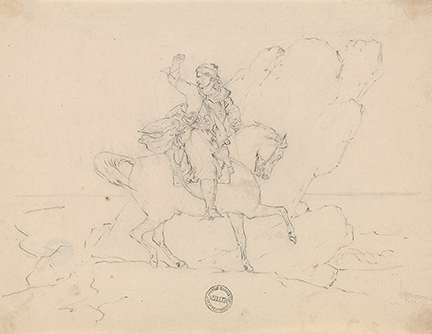
Lot 127: Théodore Géricault, “Le Giaour,” pen, ink & pencil, 1820. Property from the Eric Carlson Irrevocable Trust. Estimate $7,000 to $10,000.
A collection of 19th-century French works on paper from the estate of the esteemed New York art dealer Eric Carlson, who specialized in French academic and realist drawings, complements the offerings of earlier works. Highlights from the selection are Théodore Géricault’s preparatory drawing for the same-titled lithograph “La Giaour,” pen, ink, and pencil, 1820 ($7,000-10,000); “Notre Dame and the Île de la Cité, Paris,” watercolor, 1864, by Louis-Adolphe Hervier ($2,000-3,000); and an 1859 color pastel work “A Landscape at Dusk with Rolling Hills” by Joseph Alfred Bellet du Poisat ($1,000-1,500). Of particular note is an 1833 ink, wash, and pencil study by Eugène Delacroix ($3,000-5,000). The preparatory work was created for the allegorical decorations of the Salon du Roi in the Palais Bourbon in Paris—his first large-scale government commission.
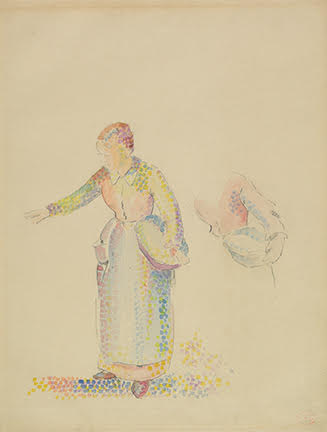
Lot 222: Henri-Edmond Cross, “The Sower,” watercolor and pencil, circa 1890. Estimate $15,000 to $20,000.
Additional French works include two circa-1820 pencil drawings by Delacroix, apparently loosely based on figures in Michelangelo’s Sistine Chapel frescoes, offered at $7,000 to $10,000. Laurent de la Hyre’s black chalk and pencil preparatory drawing “St. Peter Healing the Sick,” for his 1635 painting “May de Notre Dame,” is available at $15,000 to $20,000. Henri-Edmond Cross’s pointallist watercolor “The Sower,” circa 1890, is expected to bring $15,000 to $20,000. Dutch, Flemish, German, and English draftsmen round out the stellar offering.
Exhibition opening in New York City, October 25. The complete catalogue and bidding information is available at swanngalleries.com and on the Swann Galleries App.
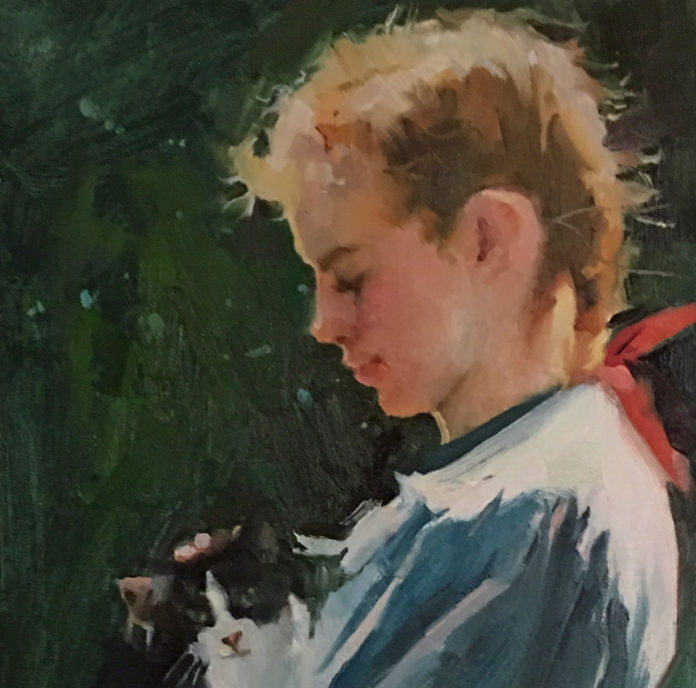
Detail of “Best Mouser in Six Counties” by Nancy Crookston, OPA Master Signature Member
Sorrel Sky Gallery is hosting the Oil Painters of America 2019 Western Regional Juried Exhibition of Traditional Oils. An exhibition and sale of works by both award winners and all other participants will continue through November 30, 2019.
To be shown in this year’s exhibit: “Best Mouser in Six Counties” (oil on linen on panel, 20 x 10 in.) by Nancy Crookston, OPA Master Signature Member
Oil Painters of America (OPA) was founded in 1991 and now boasts over 3,600 members from across North America. The 2019 Western Regional Exhibition of the OPA features artists from Alaska to Arizona, Saskatchewan to Hawaii, British Columbia to all of Mexico. The goal of the OPA is to assemble the finest display of representational oil paintings. The focus in the jurying process is to select paintings that show the highest quality in draftsmanship, color, and composition, emphasizing a diversity in representational style and subject matter.
Approximately 100 artists of 1,200 will be selected to be part of this exhibition. Total awards will be approximately $11,500 in cash and merchandise. Nationally recognized OPA artist Kathryn Stats will serve as the juror of awards. Kathryn’s own work reflects her desire to stay curious and explore new locations. “I try not to get too comfortable working in a particular size or subject matter because I feel that comfort leads to staleness. For this reason, I’m always looking for fresh territory.”
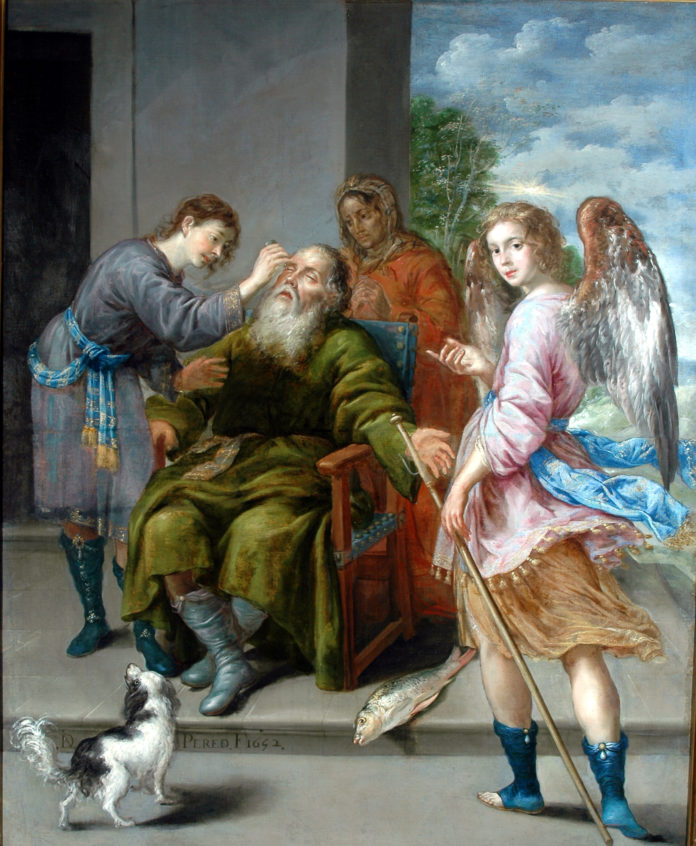
"Tobias Restoring His Father's Sight" ~ Pereda y Salgado
“El Greco, Goya, and a Taste for Spain: Highlights from the Bowes Museum” is on view at the Meadows Museum in Dallas, Texas, through January 12, 2020.
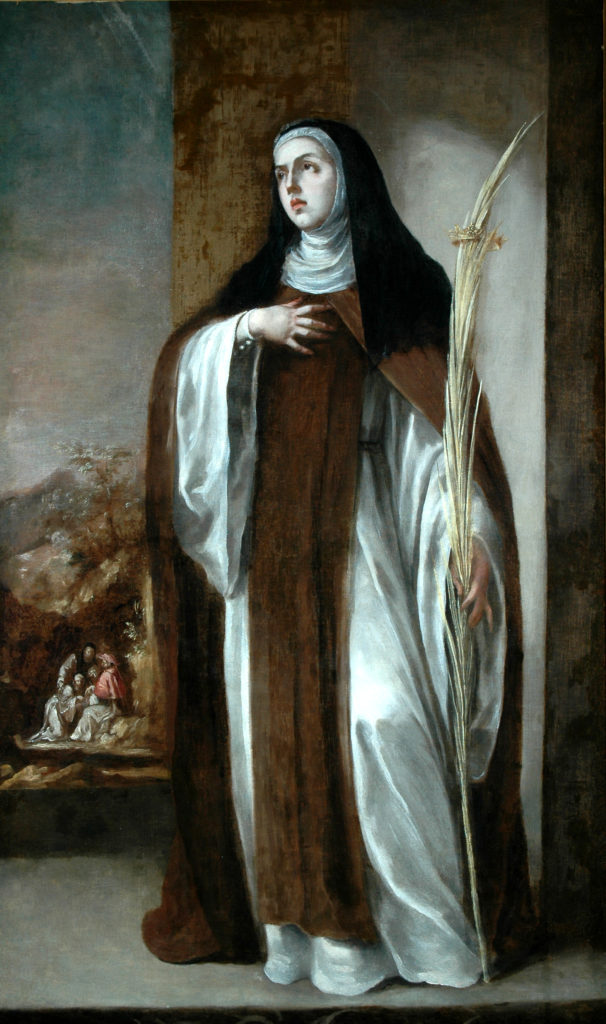
Juan deValdés Leal (Spanish, 1622–1690), “Saint Eustochium,” 1656–57. Oil on canvas. The Bowes Museum, Barnard Castle, County Durham, UK; B.M.10.
From the museum:
The Bowes Museum in County Durham, UK, is home to the largest collection of Spanish painting in the British Isles. The collection represents the life-work of John and Joséphine Bowes, who, through key connections with dealers in Paris, amassed a collection noted for its depth and breadth, quality and quantity during the second half of the 19th century. Their museum opened to the public in 1892, and continues to serve the people of northern England with an engaging series of exhibitions and public programs.
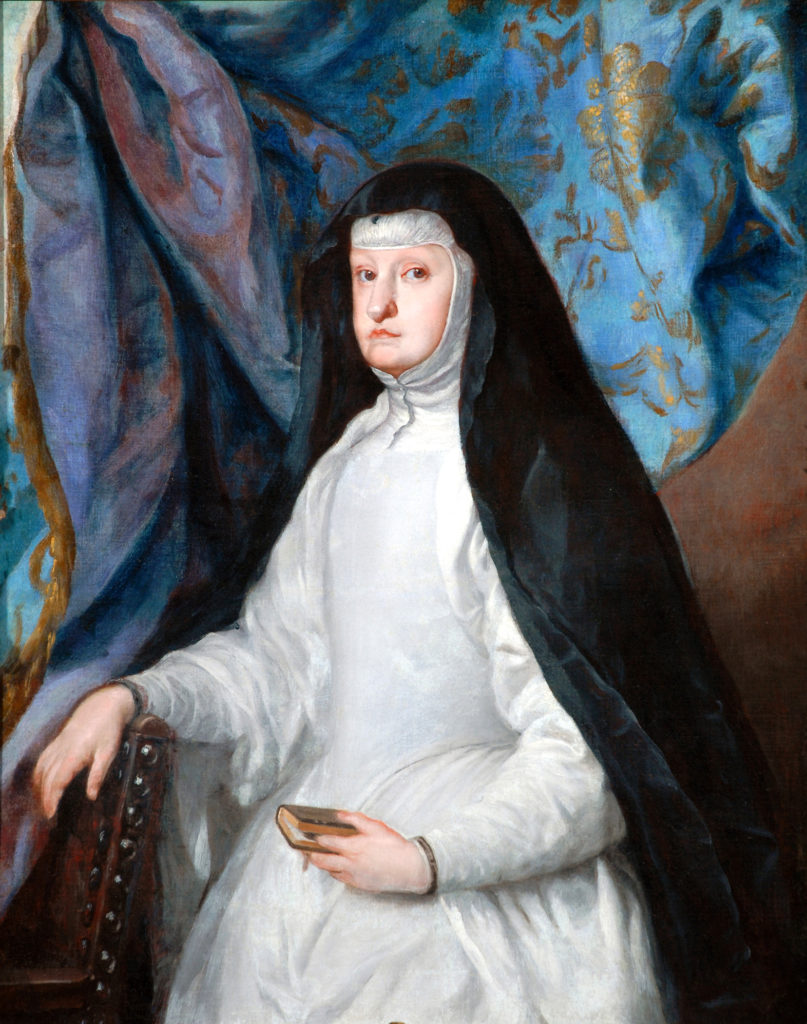
Claudio Coello (Spanish, 1642–1693), “Mariana of Austria, Queen of Spain,” 1677–80. Oil on canvas. The Bowes Museum, Barnard Castle, County
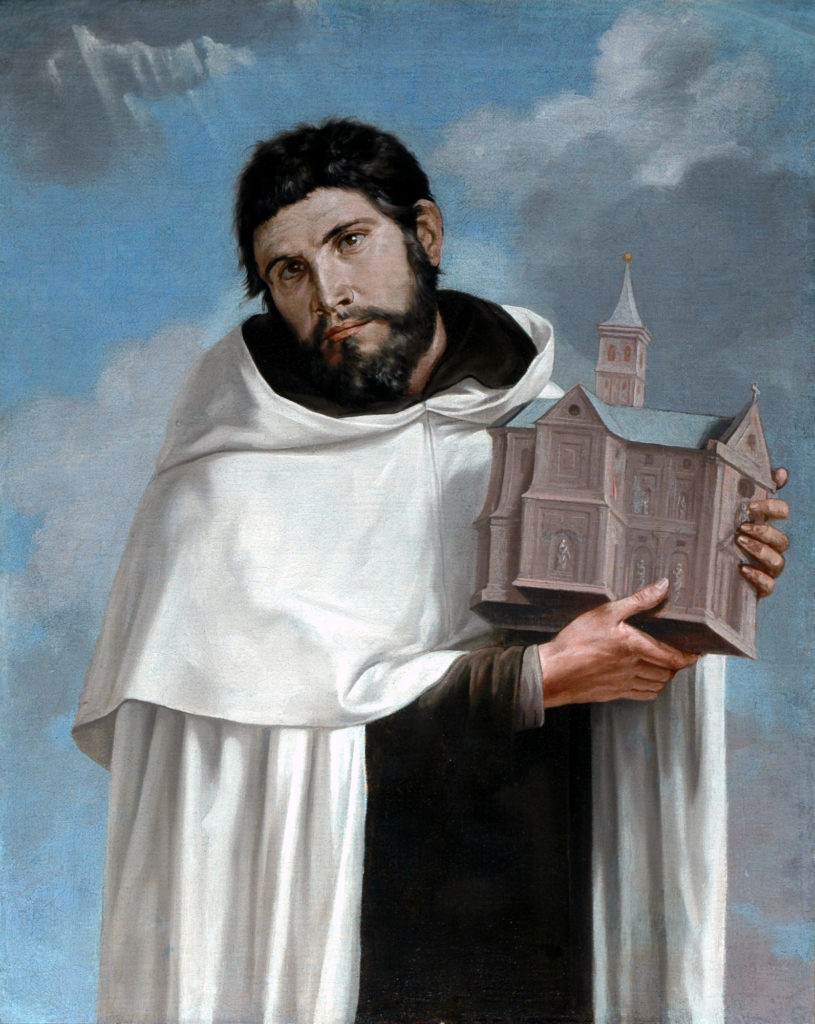
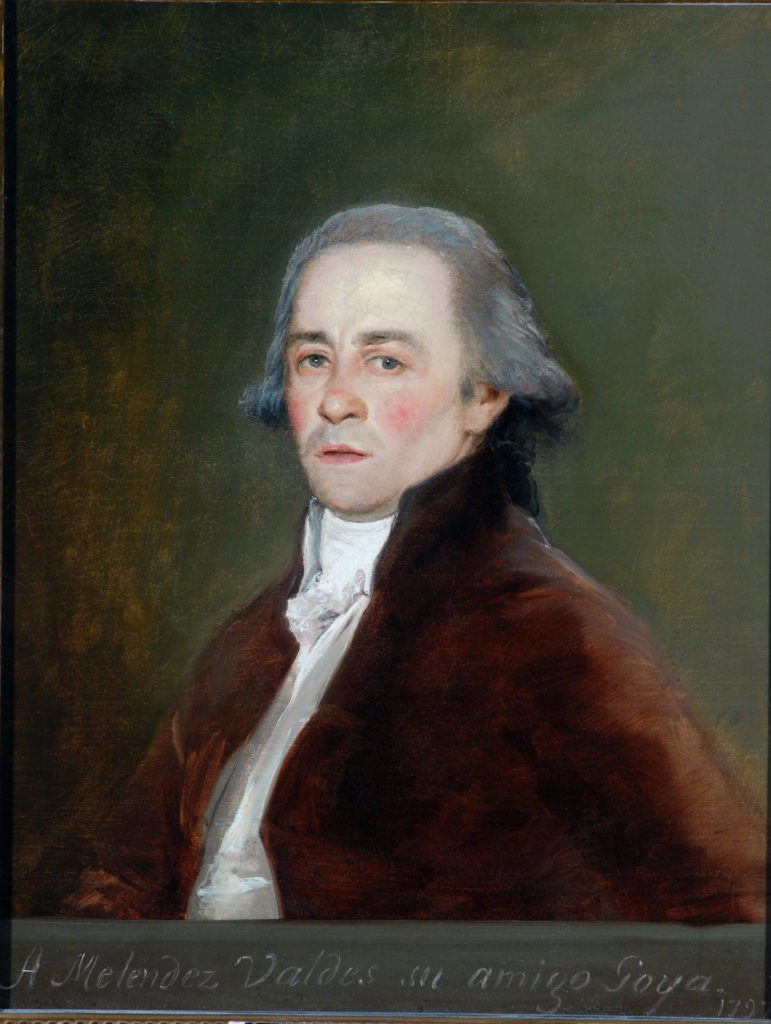
This focused exhibition—it consists of just under a dozen works—showcases the finest of the Bowes’s collection of Spanish painting. The exhibition will feature artists such as Juan de Borgoña (c. 1470–1536), El Greco (1541–1614), and Francisco de Goya (1746–1828), and paintings on panel and canvas ranging from the early 16th to late 18th centuries. This was a crucial period in the history and development of Spanish art as artists transitioned from producing large, gold-encrusted retable panels of saints to intimate portraits and scenes taken from life, as is the case with Goya’s harrowing “Interior of a Prison” (1793–94). It is an exhibition of three centuries of saints and sinners, secular and sacred likenesses meant to inspire devotion, admiration, and at times discomfort.
“Portrait of a Carmelite Monk” ~Maíno
“El Greco, Goya, and a Taste for Spain: Highlights from the Bowes Museum” will explore these and other issues within the context of the history of art while also taking a closer look at John and Joséphine Bowes’s role in the history of the collection and display of Spanish art outside of Spain.
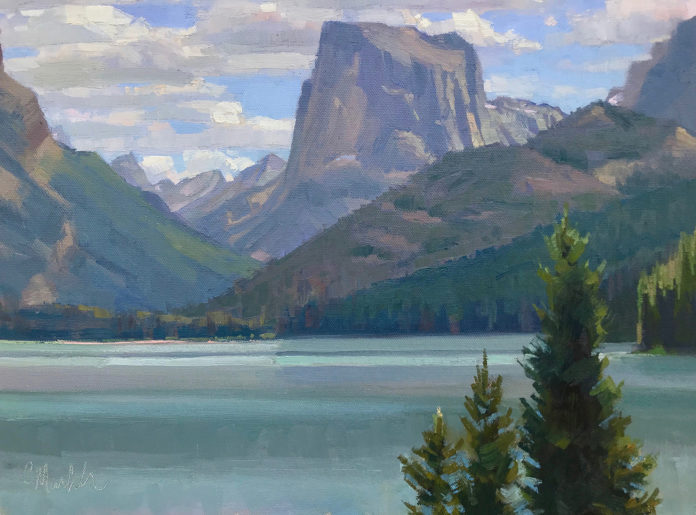
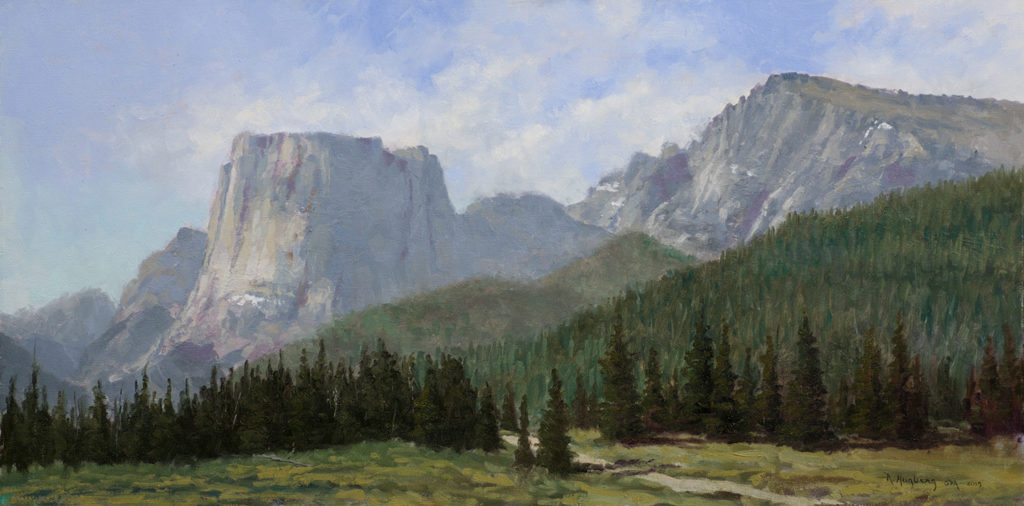
Chuck Marshall, “Square Top Mountain,” oil on canvas panel, 12 x 16 in. Plein Air
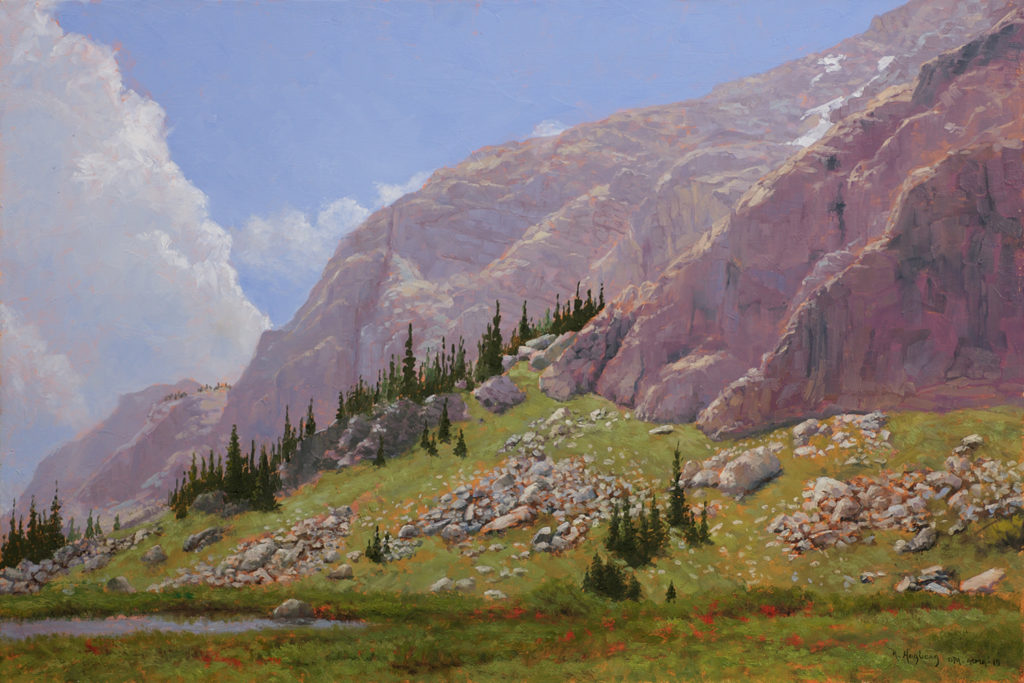
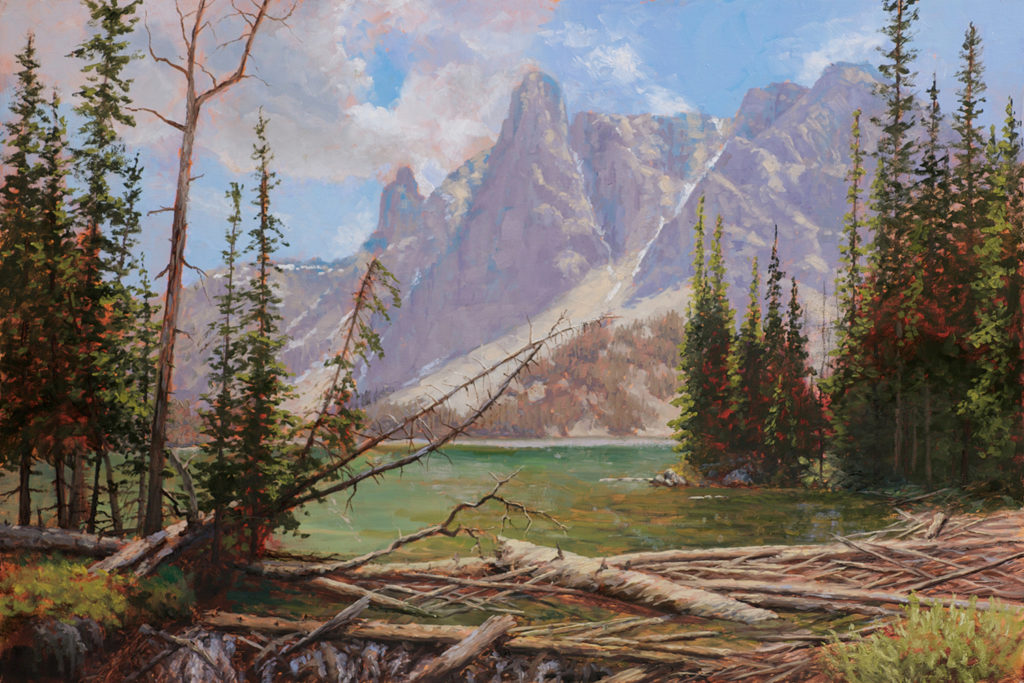
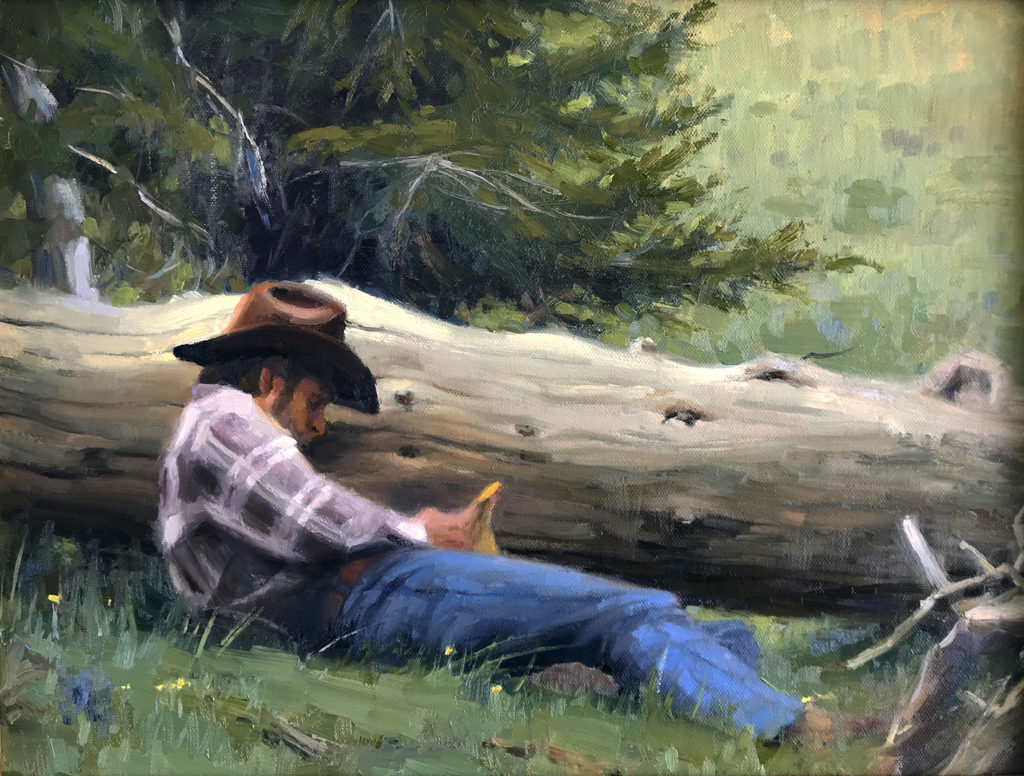
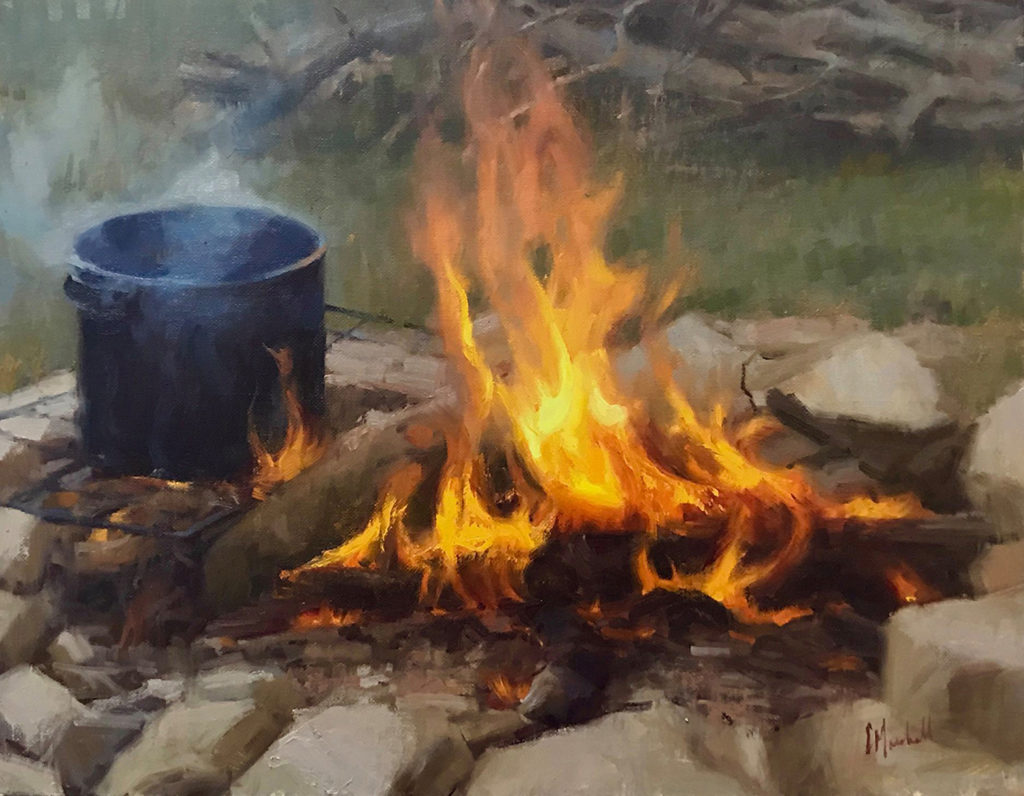
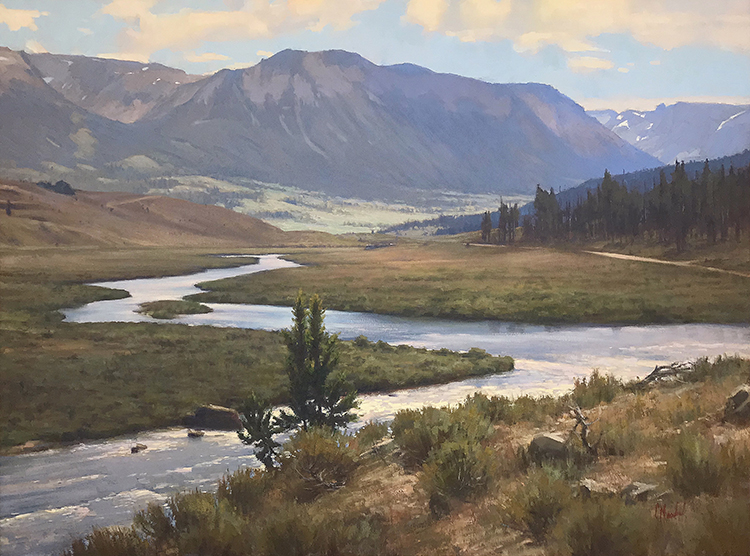
Eisele Gallery (Cincinnati, Ohio) is currently showing “Into the Wilderness: Wind River Range, Wyoming,” a two-person exhibition of landscape oil paintings by Robert Hagberg and Chuck Marshall. The exhibition will be on view until November 30, 2019.
Eisele Gallery will also have a selection of American 19th- and 20th-century paintings, including by Ohio-born artist Joseph Henry Sharp (1859–1953).
The origin of the “Trip into the Wilderness” that Robert and Chuck attended comes from the well-known artist Tucker Smith, from Pinedale, Wyoming. He created and organized an annual trip for himself and other artists to spend time in the Wind River Range in Wyoming for inspiration. At the age of 79, Tucker continues to organize and ride with invited artists into the Wind River Wilderness. Lanny Grant, one of Tucker’s invited artists, decided to expand on this tradition by inviting Robert and Chuck to go on a trip he organized.
Robert and Chuck met through the Rocky Mountain Plein Air Painters Association and have been great friends ever since. They have made the trip to Wyoming two years in a row now, also joined by artist Niles Nordquist. Robert describes this trip as “a real experience, unlike anything else.” Each artist is amazed by the beauty and contrast to their normal city life.
For the trip, the group hires an outfitter to bring the materials and food for the time they are there. Mules carry the supplies, and the artists ride on horseback to the camp, three to four hours away from civilization. The artists go out daily with their painting supplies and create plein air studies, weather permitting. Another reward and source of inspiration for this trip is that American wildlife artist Carl Rungius (1869–1959) also painted in this area. The artists value the experience of creating where he painted as well as finding works by Rungius that depict the Wind River Range, which is about 80 miles long.
All their paintings on view at Eisele Gallery will be works inspired by both trips to Wyoming, July 2018 and July 2019.
Robert Hagberg, “Shoulders of Giants,” oil on linen panel, 24 x 36 in.
Robert Hagberg was born in Minnesota and raised in Ohio. His father, an avid photographer, put a camera in his hands at an early age. However, Robert saw more than photos while looking through the lens, so he picked up a paintbrush. After a decade in the mental health profession, he moved to a career in film production as a cameraman and lighting director, which gave him the opportunity to use a television screen as a creative outlet. He continues painting regardless of his daily career. In 1992, Robert made the decision to pursue painting full time.
Robert Hagberg, “Northern Exposure of Square Top Mountain,” oil on linen panel, 15 x 30 in.
Starting in 1998, Robert took workshops and was influenced by artists Jim Wilcox, William Scott Jennings, Ray Roberts, and many more. His first experience in the Tetons confirmed his passion for painting outdoors. Robert has earned many awards and signature status in various associations.
Robert Hagberg, “Slide Lake,” oil on linen panel, 20 x 30 in.
Since 2004 he has been a member of and painted with Rocky Mountain Plein Air Painters. In 2013, he was honored by being selected to represent Acadia National Park in the multiple-award-winning publication Art of the National Parks, Historic Connections — Contemporary Interpretations.
Chuck Marshall, “Reading a Book Along the Trail,” oil on canvas panel, 12 x 16 in.
Chuck Marshall is a native Ohio artist who has earned national recognition. He developed an early love for the outdoors and artwork. His goal to be an artist started at a young age while sketching and roaming the countryside. After a short stint in the Navy, he studied one year at the Art Institute of Cincinnati before moving to and studying at the California Art Institute in Southern California.
Chuck Marshall, “Camp Fire,” oil on canvas panel, 14 x 18 in.
Marshall has studied with various artists, which he feels has helped him to develop his artistic style. His art career includes many years as an illustrator and graphic designer as well as his fine art. He is a member of the Rocky Mountain Plein Air Painters, Ohio Plein Air Society, American Impressionist Society, and Oil Painters of America. Chuck’s work has been published in International Artist magazine, American Artist magazine, and PleinAir magazine.
Chuck Marshall, “Into the Winds,” oil on canvas, 30 x 40 in.
Fallish Fantasy
30 x 24 in.
Oil on canvas
$2600
Available at Alta Vista Gallery, 2839 Broadstone Rd, Valle Crucis, NC, 828.963.5247
Monique expresses “My contemporary landscape paintings are a fusion of experience, experiment and emotion. Instead of painting what I see with my eyes, I want to depict my own interpretation of a scene with my soul. I want to capture the mystery and the beauty of nature. Simultaneously, I’m thinking about composition, harmony, colors, movement, and texture. Atmospheric effects are another wonderful way to create a sense of drama with calm and mystery, which appeals to me.”
After growing up in Montreal, Canada and spending 10 years in the Cayman Islands, Monique and her husband made East Tennessee home in 1999. Monique worked as a graphic artist for over 20 years prior to becoming a full-time fine artist. Ever evaluating and evolving her style, Monique has continued throughout her professional career to study under many well-known artists, including Guido Frick, Kim English, Peggy Root, Kathie Odom, Aimone Art School. The style that emerges in Monique’s work is out of the ordinary. It bursts with energy with its vibrant colors, constant movement and intriguing texture. She likes to experiment, try different mediums and substrates, and embraces the new discoveries. Also, you will find that each of her painting holds a small exclamation mark — it’s her trademark! The playfulness of finding this solitary mark invites audiences to slow down and re-enter that space as they have to find this well hidden exclamation mark (kind of finding Waldo!). Monique also teaches several workshops each year.
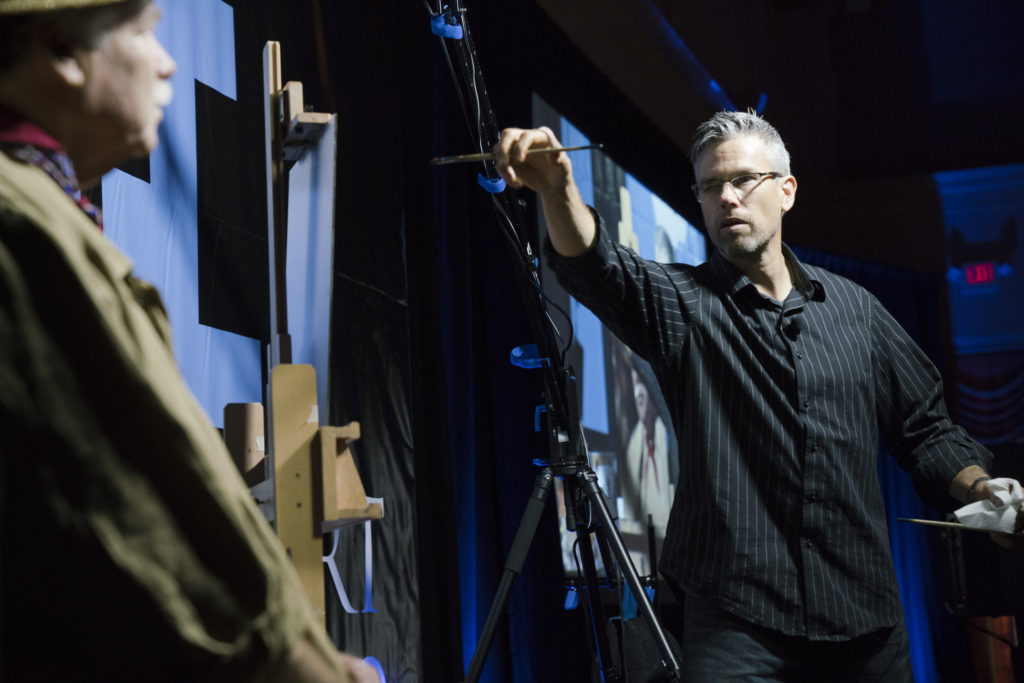
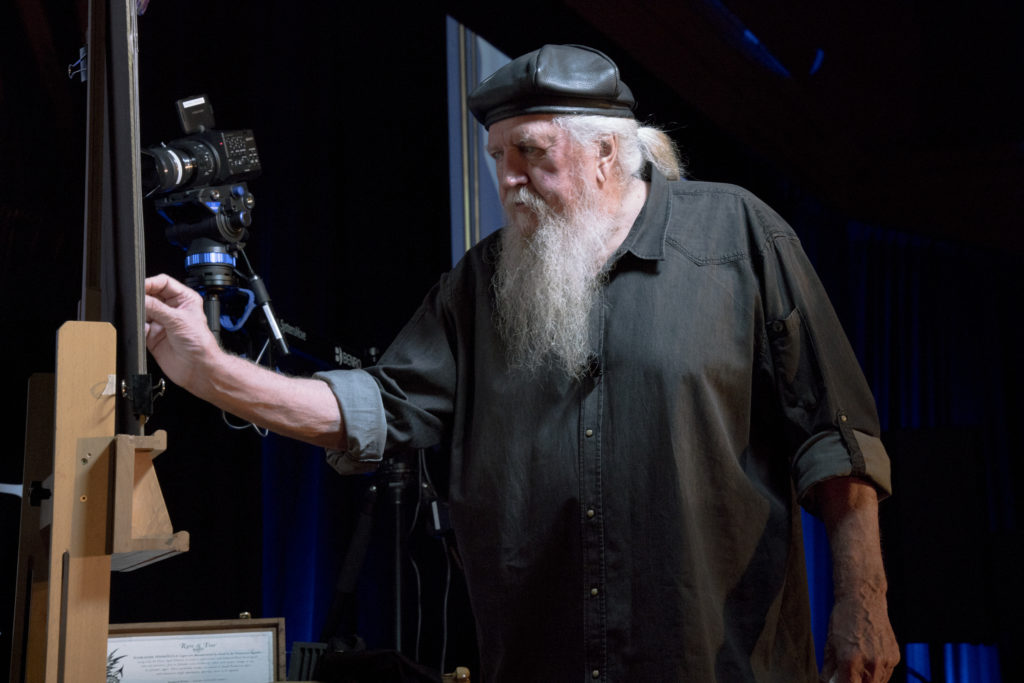
Nathaniel Skousen painting in the studio at a previous Figurative Art Convention & Expo
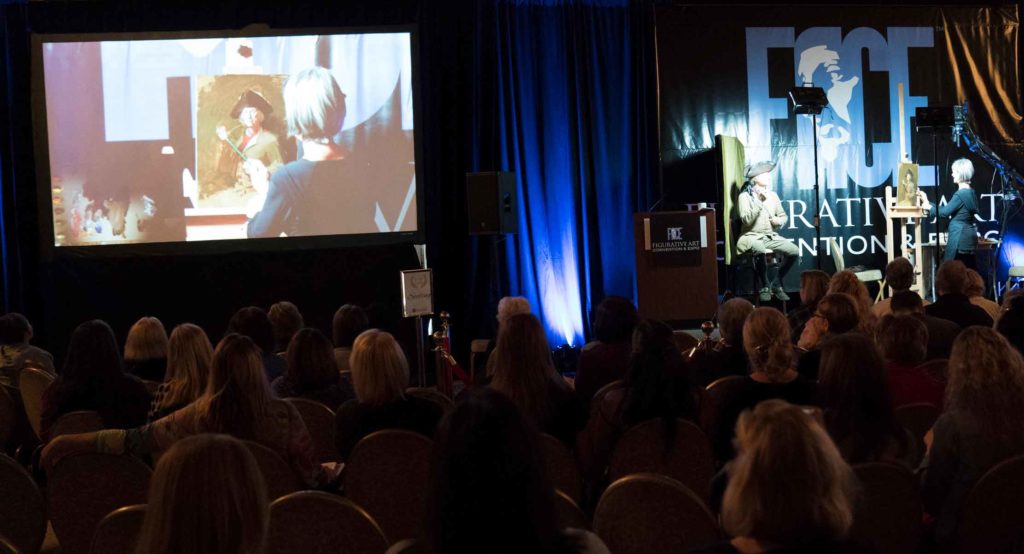
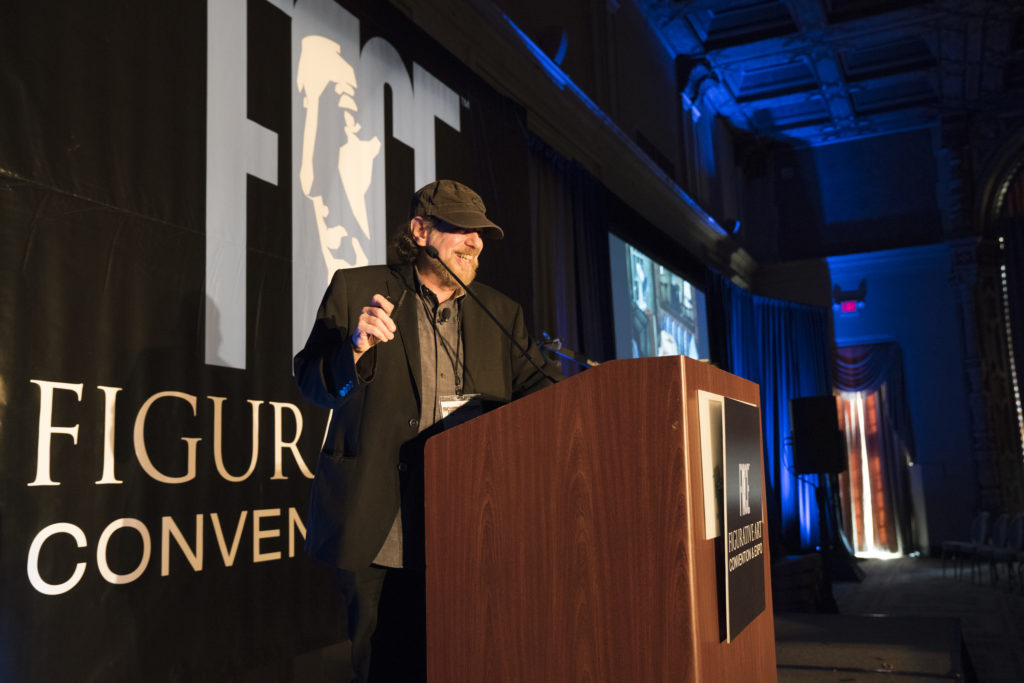
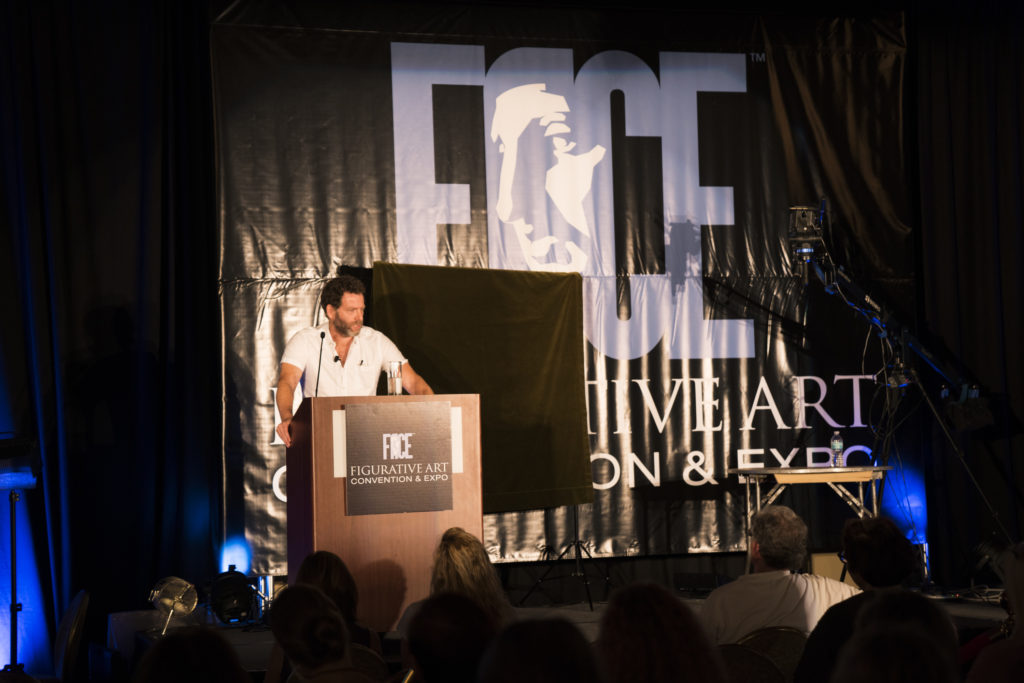
In November, the field of contemporary realism will take another big step forward when the Figurative Art Convention & Expo (FACE) draws people to Williamsburg, Virginia, for a lively celebration of art and ideas. Organized by Fine Art Connoisseur and hosted by publisher Eric Rhoads and myself, FACE offers a memorable combination of demonstrations by renowned masters, informal conversations among artists, and formal lectures by scholars.
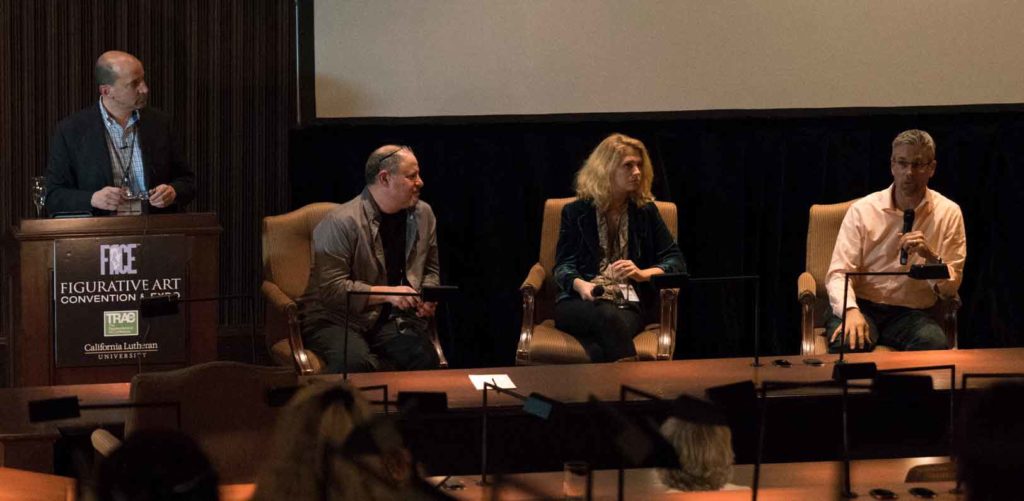
Peter Trippi (left) moderating a panel discussion featuring Garin Baker, Adrienne Stein, and Daniel Gerhartz
Participants gain technical skills and philosophical insights, all while getting to know each other personally in a friendly, un-stuffy atmosphere. Eric and I have long envisioned a forum like FACE: As we hoped, when like-minded people get together in person to share techniques and information, their sense of community and their passionate determination to excel grow exponentially. We all rely on social media and videoconferencing, but nothing can ever replace meeting face to face.
Following is a recap of the first Figurative Art Convention & Expo.
The event opened on November 7–8 with three pre-convention experiences: Jordan Sokol of the Florence Academy of Art (U.S.) taught a two-day course on the basics of drawing a live model; Daniel Gerhartz spent two days focused on painting a live model; and Graydon Parrish offered a one-day program introducing the Munsell color system.
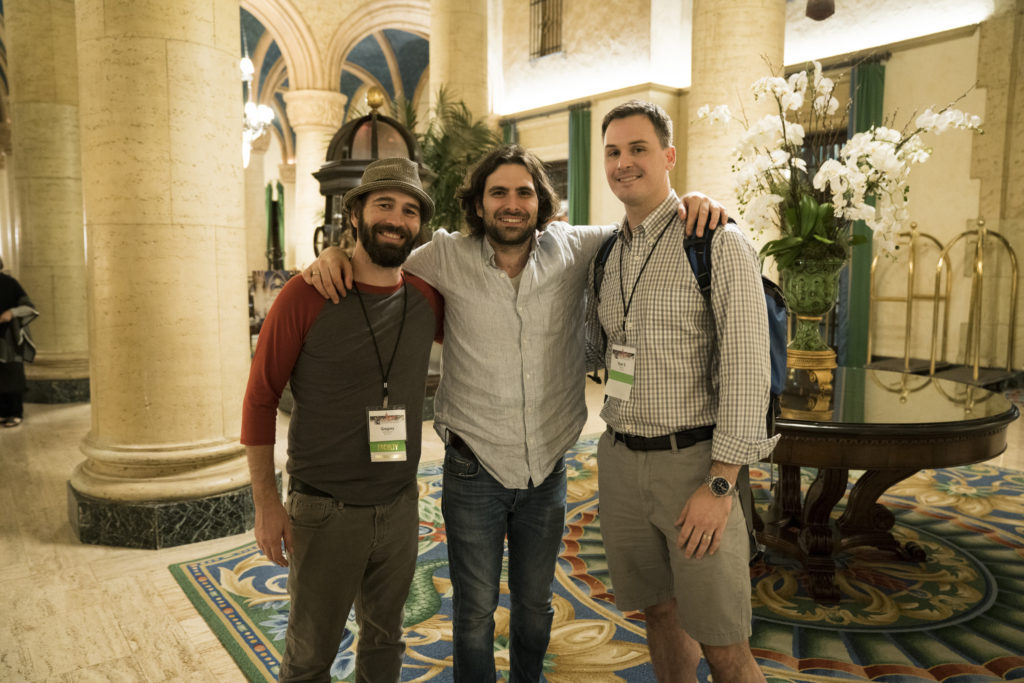
Gregory Mortenson, Jordan Sokol, Ryan S. BrownDaniel GerhartzGraydon Parrish, Michelle Jung, Eric Rhoads, John Coleman
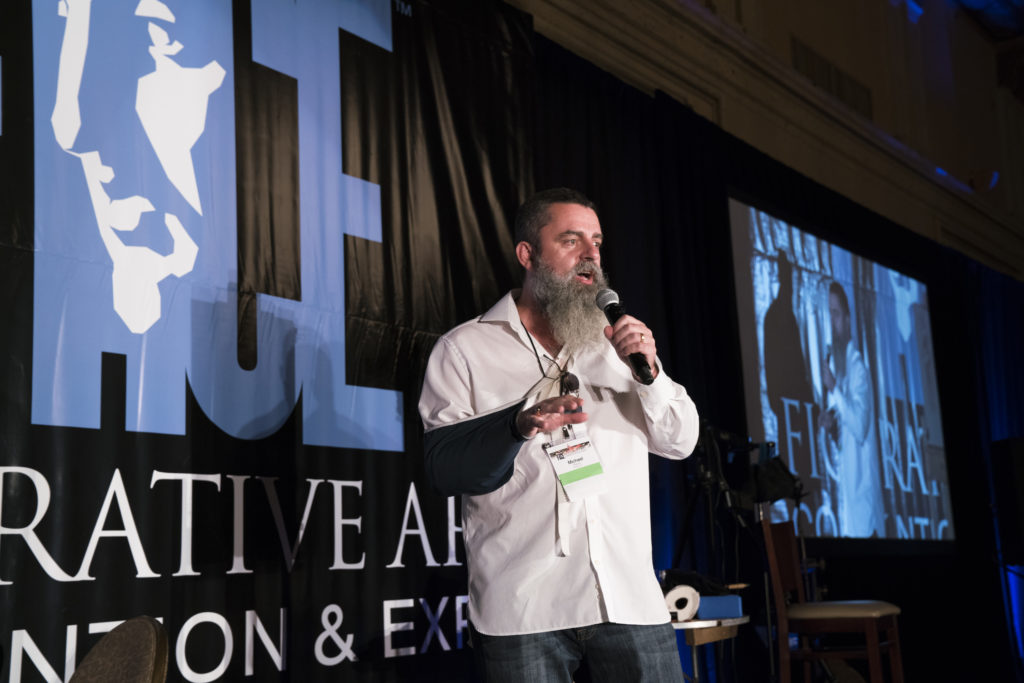
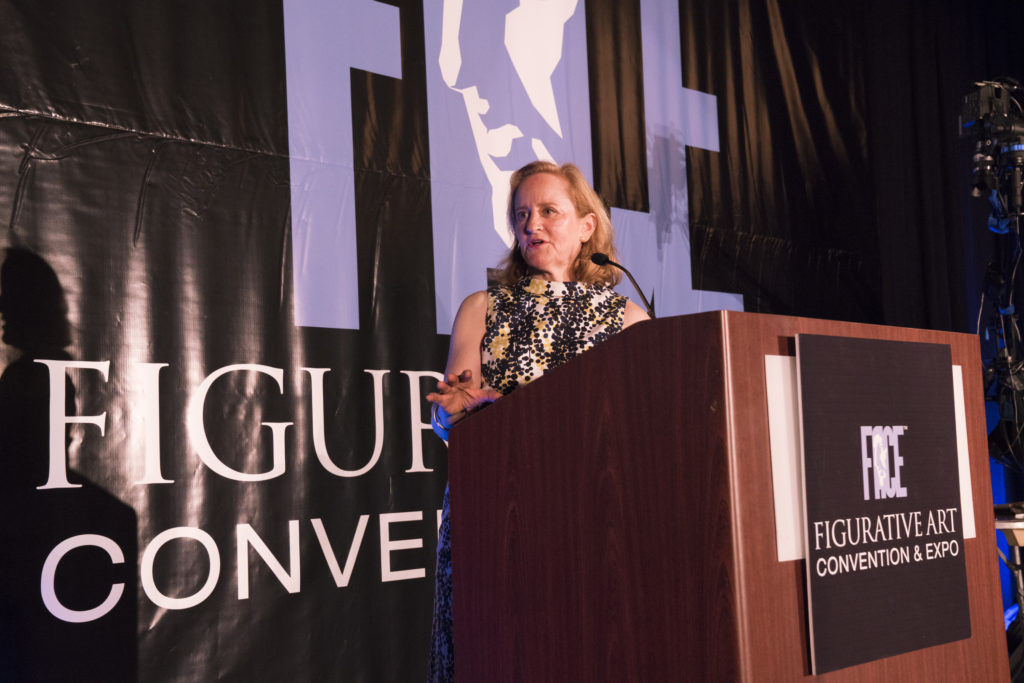
FACE kicked into high gear with an opening ceremony during which Eric extended a warm welcome to the registrants, who came from across the U.S., Canada, Mexico, Europe, and Australia. He was joined onstage by California Lutheran University (CLU) professor Michael J. Pearce, who officially launched the fourth edition of The Representational Art Conference (TRAC), which had occurred three times at CLU.
Michael J. Pearce
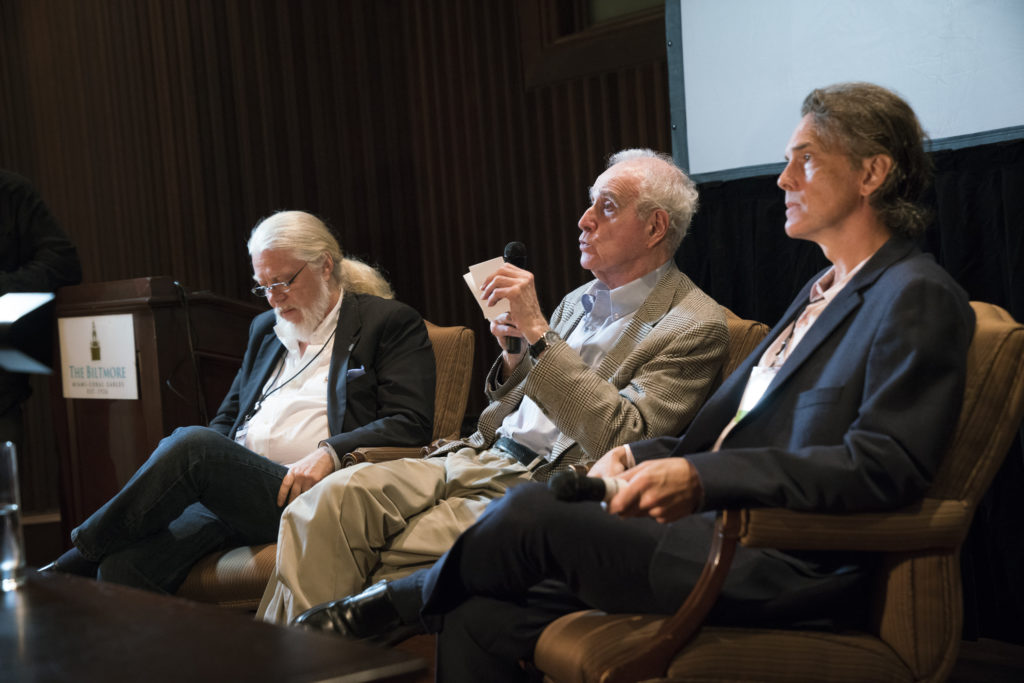
Following a talk by Prof. Donald Kuspit (Stony Brook University), the artists Daniel Graves, Graydon Parrish, and Patricia Watwood chatted about the future of contemporary figuration while I posed questions.
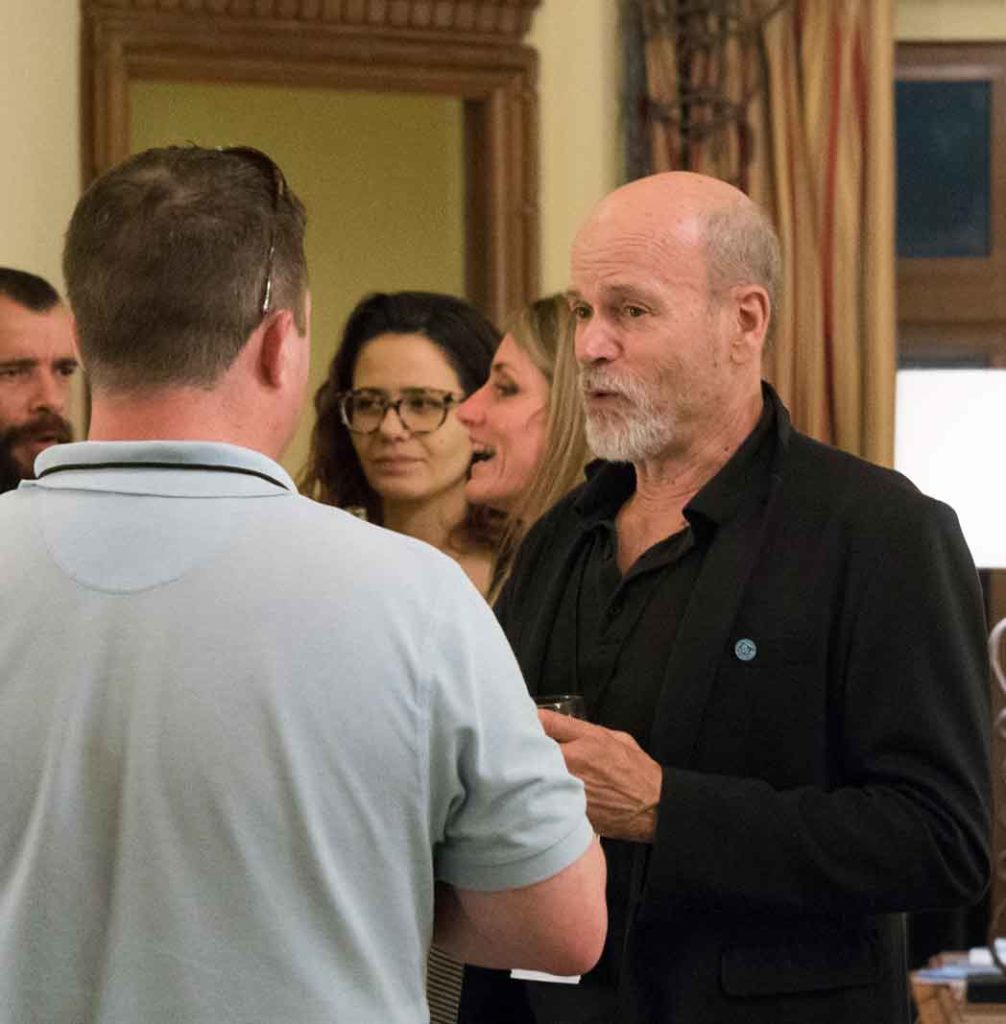
Joseph Bravo, Donald Kuspit, Stephen Hicks
Eric returned to the podium to announce that an anonymous donor had generously underwritten registration, travel, accommodation, and spending money for seven scholarship recipients, including one in his 60s: William Blake of Pennsylvania, Cynthia Celone of Connecticut, Cesare Giuffredi of Florida, Kai Lun Qu of Maryland, Robert Schefman of California, and Stephanie Paige Thomson of Indiana.
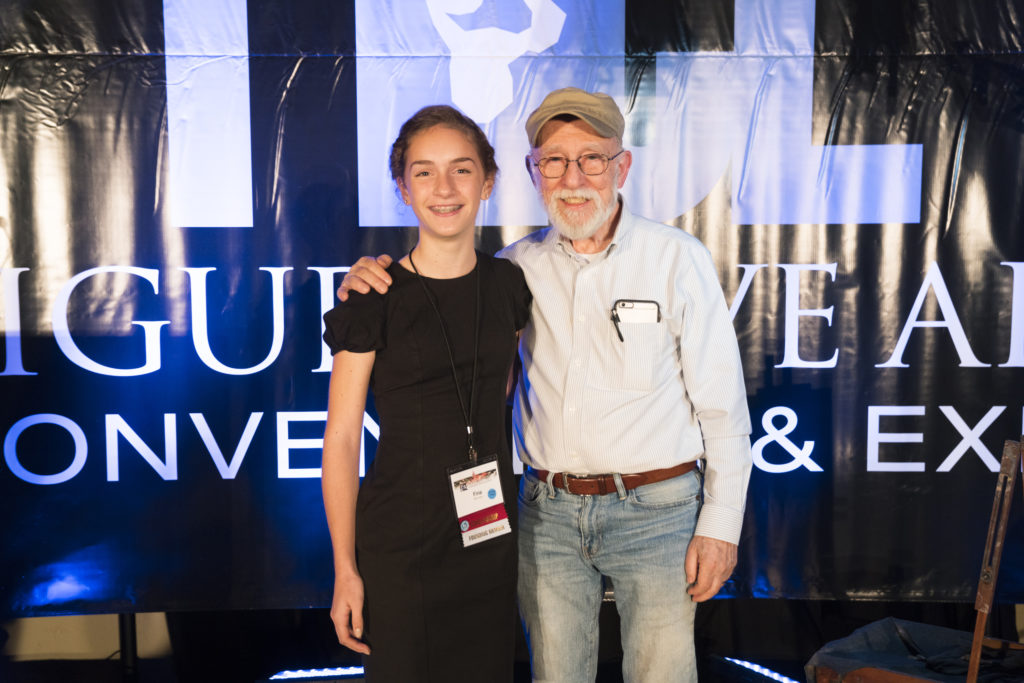
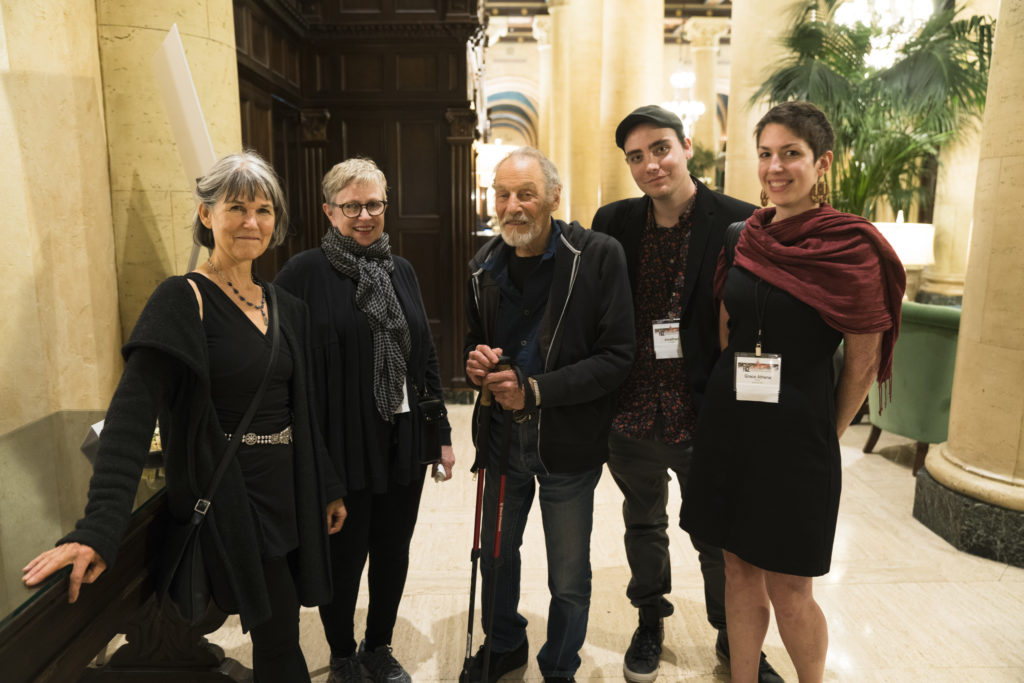
FACE’s youngest and oldest attendees in 2017: Fina Mooney and Max Ginsburg
Last but not least among them was FACE’s youngest attendee, Fina Mooney, a 13-year-old currently studying part-time at the Art Academy in Minneapolis. Fina gave an inspiring talk about why figurative art matters to young people like herself, bringing the entire audience to their feet. This led in perfectly to a full demo by our oldest attendee, the realist master Max Ginsburg (b. 1931).
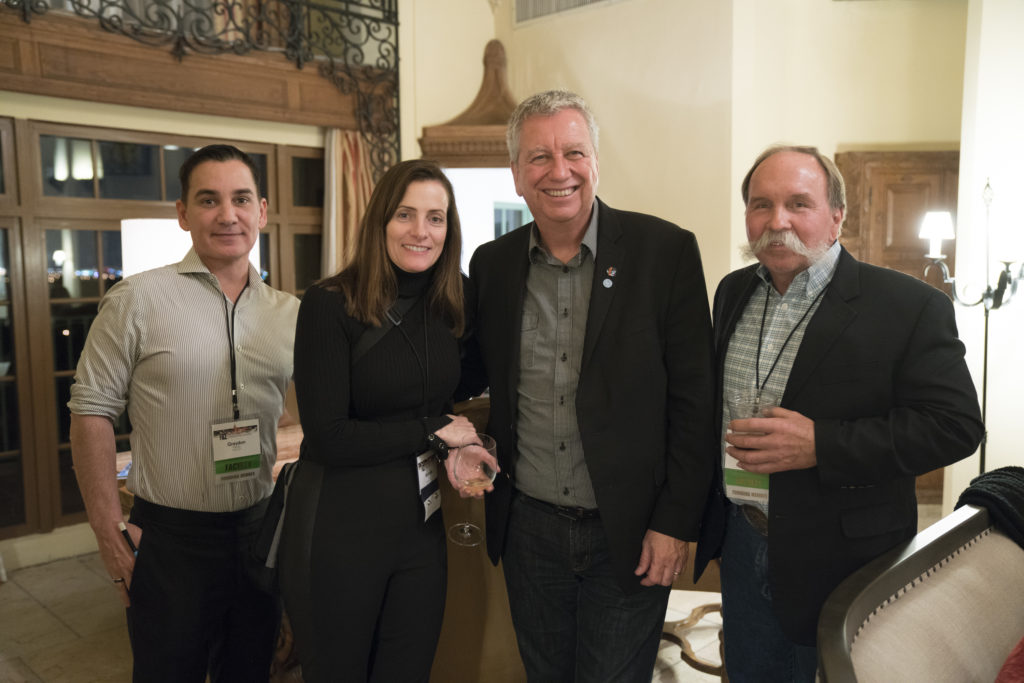
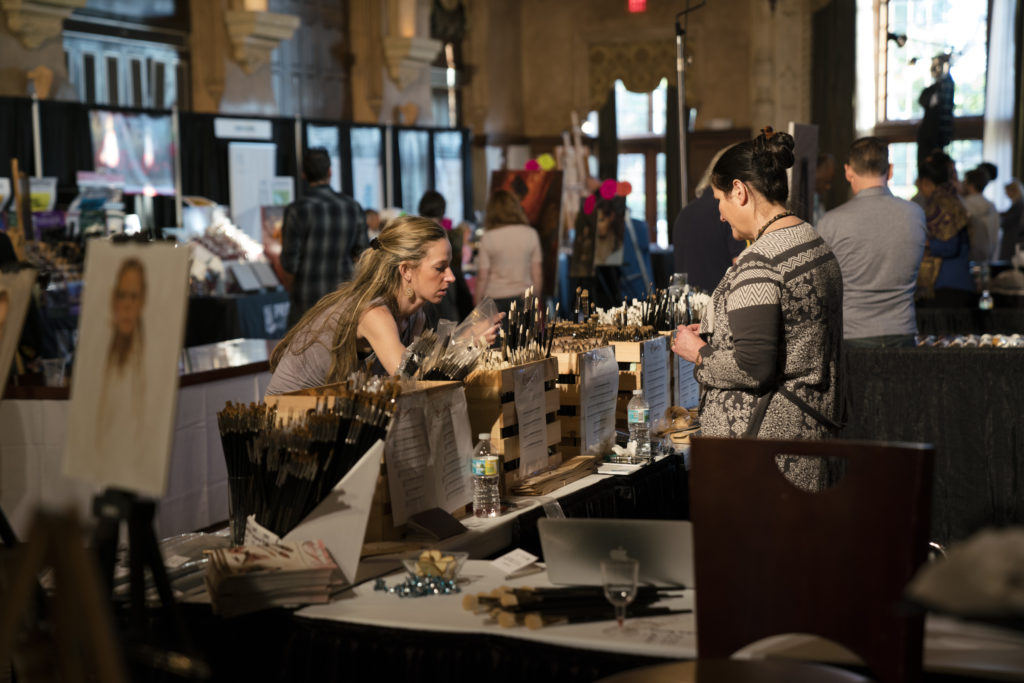
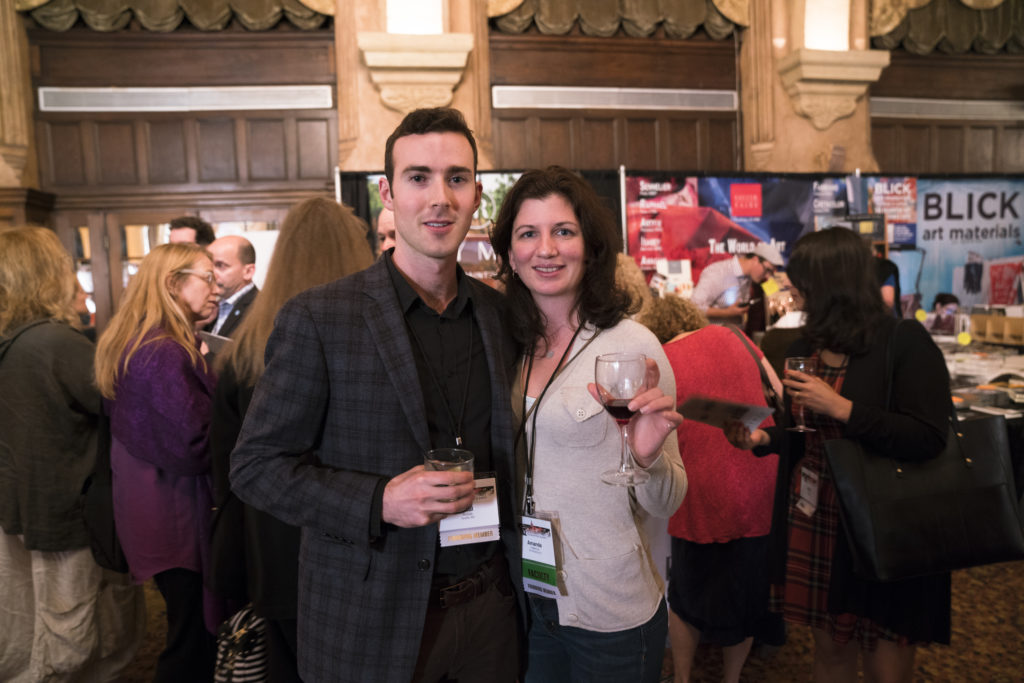
The day closed with a festive cocktail reception in the Expo Hall, which remained open throughout FACE. Coordinated by Richard Lindenberg, it featured 13 exhibitors who serve the figurative art community well: Rosemary & Co., Winsor & Newton, Princeton Artist Brush Co., Raymar, Blick/Utrecht, Savoir Faire, Michael Harding, Gamblin, Jack Richeson & Co., Natural Pigments, Allman Ricks, and Royal Talens. Also hosting stands there were the Florida art ateliers Chiaroscuro and Protégé.
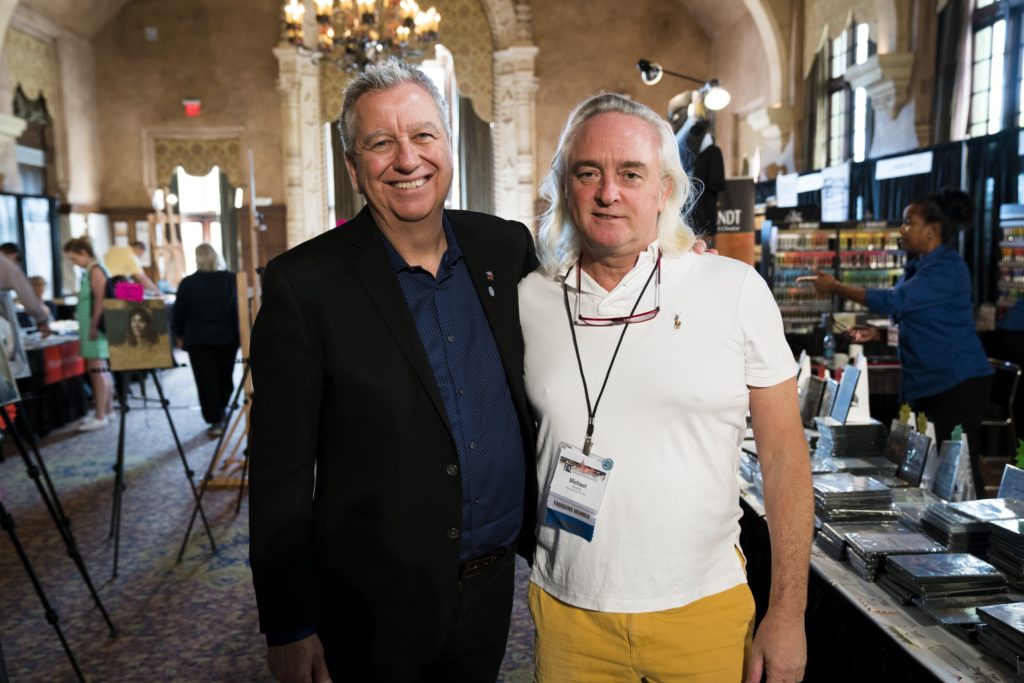
Rosemary Thompson (right) on the Expo stand of Rosemary & CoEric Rhoads with Expo Hall exhibitor Michael Harding (Michael Harding Handmade Artists Oil Colours)
Max Ginsburg offered the first of FACE’s seven demos by world-class artists. In the three days to come, Juliette Aristides, Daniel Gerhartz, John Coleman, Michael Mentler, David A. Leffel, and Sherrie McGraw inspired participants to paint, draw, and sculpt better, demonstrating distinctive approaches from which registrants could pick and choose.
Juliette AristidesMichael MentlerDavid A. Leffel, Jonathan Hodge, Grace Athena FlottSherrie McGraw’s demo
Complementing these practical experiences were eloquent one-hour talks delivered by three other masters: Steven Assael, Jacob Collins, and Daniel Graves. One highlight of FACE was the evening dedicated to David A. Leffel — on his 86th birthday, no less — a lively conversation about “what makes a painting a work of art,” featuring Leffel, Aristides, and Collins, followed by a screening of George Gallo’s magnificent documentary film, David A. Leffel: An American Master.
Steven AssaelJacob CollinsDaniel Graves
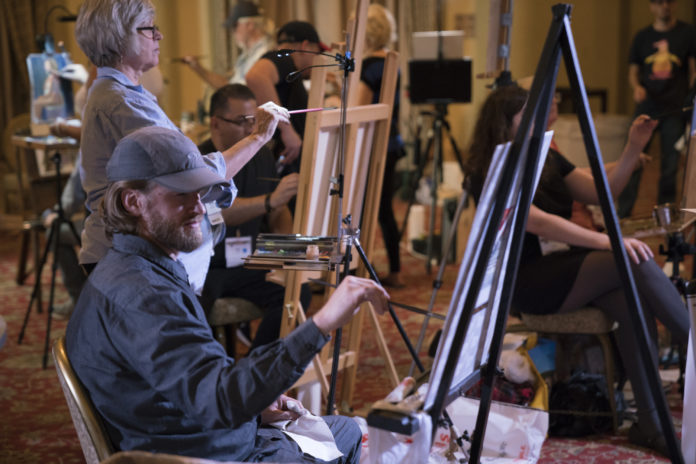
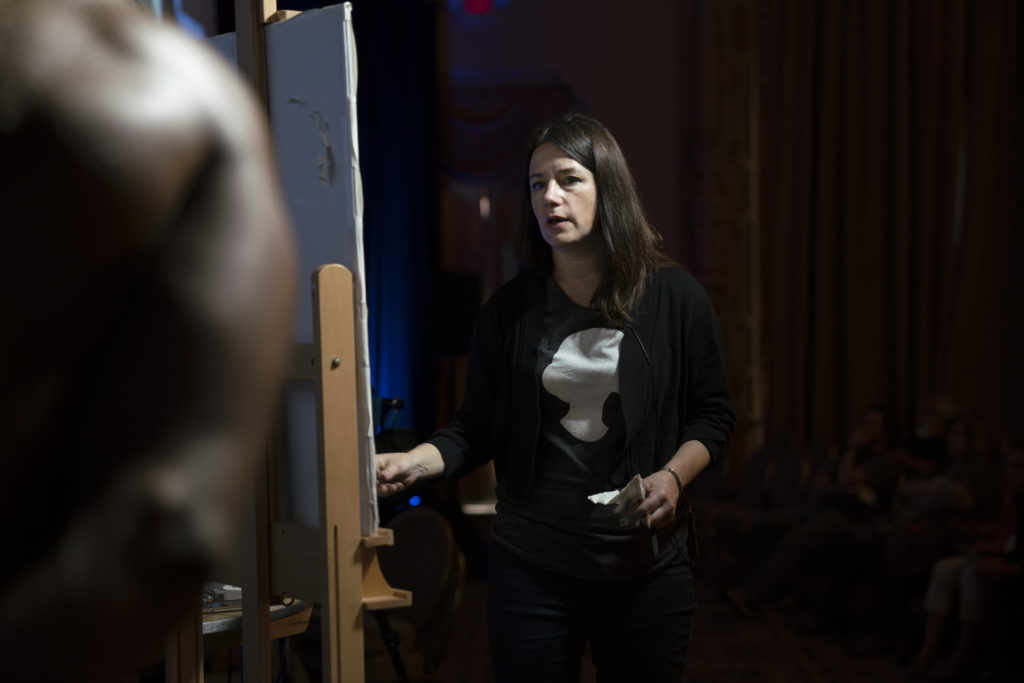
Watching demos often makes you want to try out what you’ve learned right away, so FACE offered an optional hands-on studio experience. For two nights in a row, 125 registrants filled a gigantic ballroom as they drew, painted, and sculpted from nine live models. On hand to provide them with tips and wisdom were mentors Ryan S. Brown, Michael Mentler, Gregory Mortenson, Graydon Parrish, and Patricia Watwood.
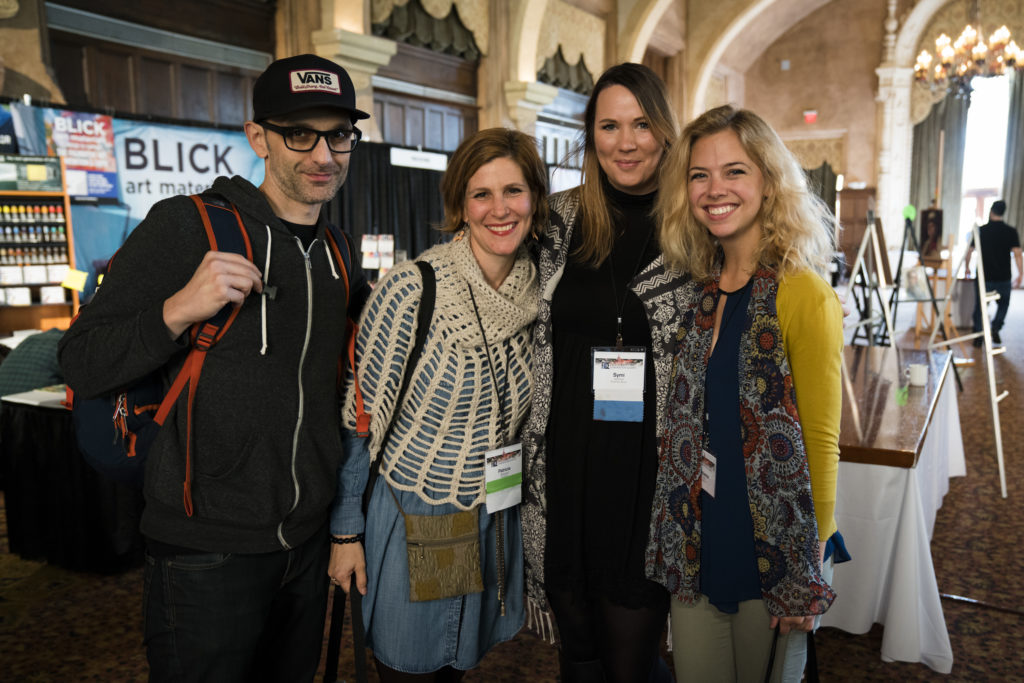
Tony Curanaj, Patricia Watwood, Symi Jackson, Adrienne Stein
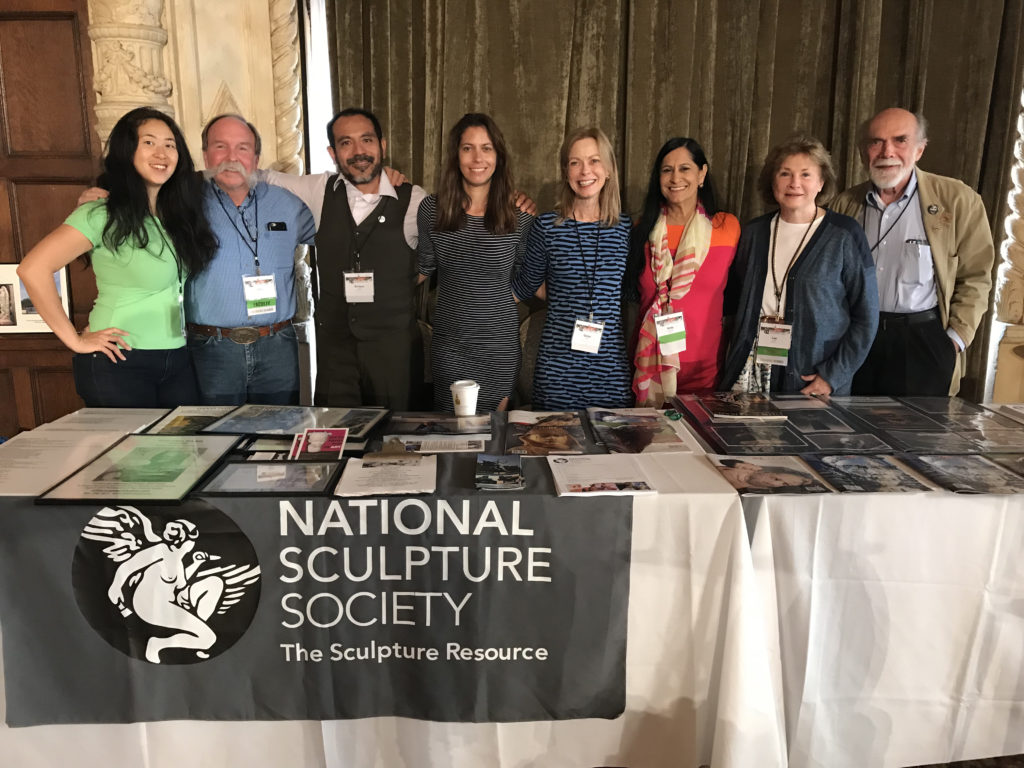
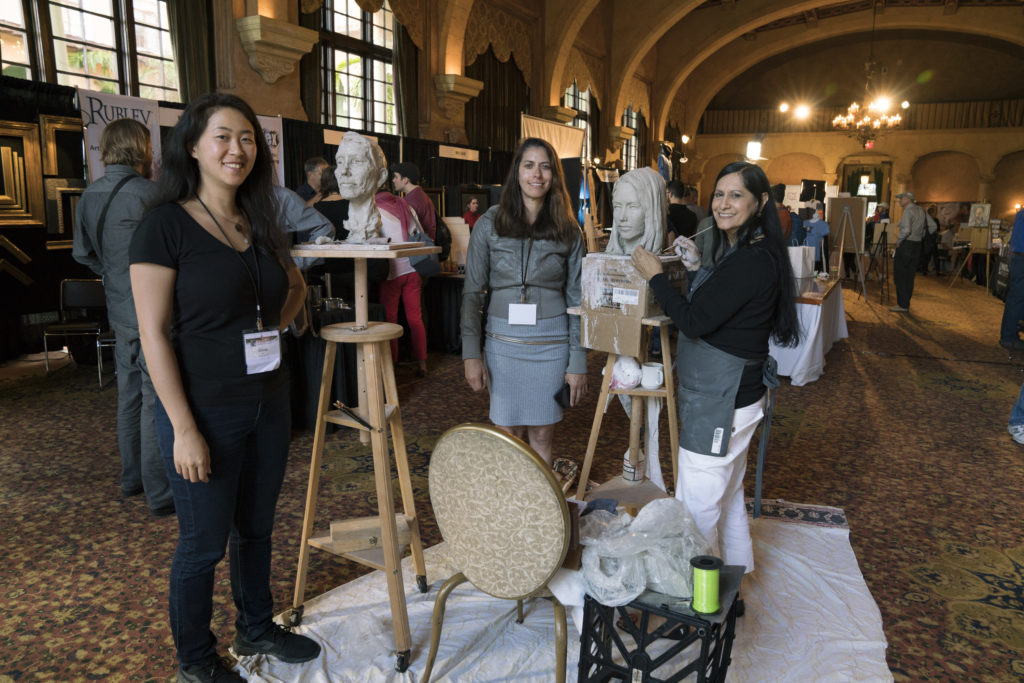
As suggested by John Coleman’s presence on the demo faculty, sculpture was not ignored at FACE. To make a good situation even better, National Sculpture Society executive director Gwen Pier coordinated a table and demo area in the Expo Hall: Registrants enjoyed watching and chatting with NSS fellows Nilda Comas and Lee Hutt as they worked on their projects there.
At the National Sculpture Society table in the Expo Hall: Olivia Kim, John Coleman, Enrique Avilez, Stephanie Sneed, Gwen Pier, Nilda Comas, Lee Hutt, Alfred HuttNilda Comas (right) demonstrated her sculpting techniques in the Expo Hall; with her here are Olivia Kim (left) and Stephanie Sneed
Chaired by Michael Pearce, TRAC 4 offered stimulating events that were presented on FACE’s main stage and also in TRAC’s own room. These included a lecture by curator Elliot Bostwick Davis about recent acquisitions of American figurative art at the Museum of Fine Arts, Boston, where she has worked since 2001; Prof. Stephen Hicks (Rockford University) on modern artists’ “flight from the figure” and their gradual return; and Joseph Bravo’s provocative talk about art institutions’ reluctance to embrace contemporary realism. The need for artists to understand commercial matters was not overlooked: Shannon Robinson (Collectors for Connoisseurship) spoke on the changing global art market, and Eric Rhoads answered questions about how to market one’s art more effectively.
Elliot Bostwick Davis
Pearce chaired the formal presenting of 20 different papers, delivered by a mix of artists, educators, scholars, and critics: Brian Curtis, Virgil Elliott, Saskia Eubanks, Drake Gómez, Suzy Hart, Justin Kunz, David Molesky, William Oberst, Amanda Theis, Randall Van Schepen, and Aihua Zhou. On Friday night, I moderated a conversation about where the field is going, featuring the artists Garin Baker, Daniel Gerhartz, and Adrienne Stein.
Paul Rosiak, Amanda Theis
Just over 20 attendees opted to register as VIPs, which allowed them to enjoy reserved seating, a private dinner with Eric Rhoads, myself, and various faculty members, and a cocktail reception in an enormous 14th-floor suite that gangster Al Capone used regularly.
FACE could not have been the success it was without the extraordinary dedication of the staff of Streamline Publishing, which produces Fine Art Connoisseur, including Ali Cruickshank, ably assisted by Christina Angelo, Tom Elmo, Nic Kuper, Jaime Osetek, Nia Raeford, Kari Stober, and Sarah Webb. Many of these professionals have been involved in running the annual Plein Air Convention & Expo launched by Streamline in 2012.
A post-event survey of FACE participants revealed that while most had initially been attracted by opportunities to meet and observe world-class artists, they especially relished getting to know other artists, thus anchoring themselves within a supportive community.
Join us at FACE 2020 — register by October 31 and save $500!
Fill your mind with useful art stories, the latest trends, upcoming art shows, top artists, and more. Subscribe to Fine Art Today, from the publishers of Fine Art Connoisseur magazine.