
Home Blog Page 329

Featured Artwork: Matthew Sudlow

0
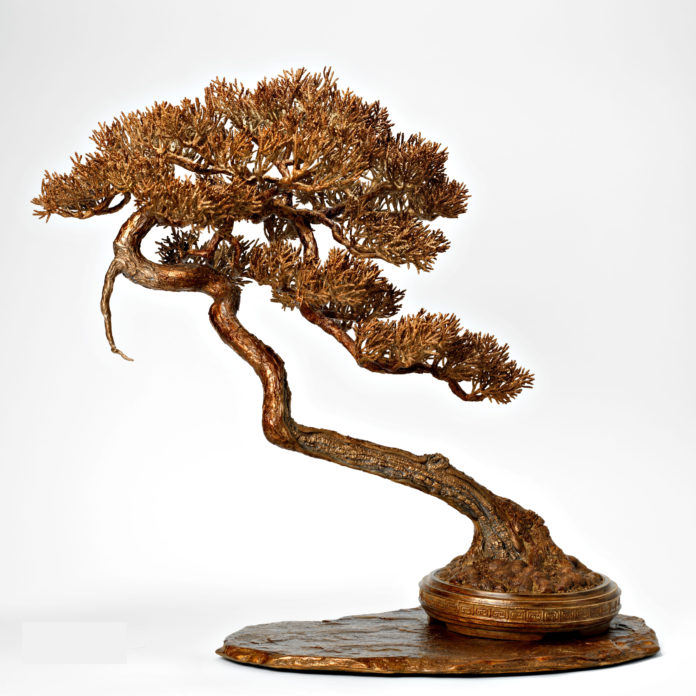
“Wish for More Wishes” by Matthew Sudlow

“Wish for More Wishes”

Contact Matthew Sudlow through www.matthewsudlow.com for more information.

My fascination with the art of bonsai began over thirty years ago. Developing the process to cast intricate bronze bonsai trees, required roughly ten years of practice.

My mother was an active gardener and helping her earned me the affectionate nickname “hole digger.” One dreary winter day, she surprised me with a trip to the Philadelphia flower show.

The event was packed and before I knew it, I was swept up by a river of visitors and set adrift into the “hall of the moon gates,” a bonsai exhibition. On either side of a hallway, various trees were displayed through large round portholes. When I peered through these “moon gates”, I was instantly transported into a fantastic bonsai universe.

I have always been fascinated by the magic of nature: dinosaurs, Blue whales, giant Sequoia Redwood trees, telescopes, microscopes, and even a few unhappy snapping turtles collected from the creek near my house. Yet, bonsai was something truly bewildering and more interesting than big or small, magnified or snappy. It was something which simply shouldn’t be! I was instantly hooked.

As an adult, I experimented with a collection of my own living bonsai trees and as my interests evolved, and I developed my own bronze process, I discovered lots of things that shouldn’t be. For instance, I shouldn’t be able to make a mold of an entire tree but I can. I shouldn’t be able to use fragile wax for my patterns but I do. Nor, should I be able to instantly cast an entire tree and nearly eliminate the need for fabrication, or effortlessly polish my bronze castings and finish the most delicate features of my sculptures with rich, transparent patina without using any chemicals.

One of the most interesting aspects of my work is the actual casting of the bronze. Tracy Witherow, of ART Research Enterprises, once said to me—“Matt, you should name every piece you do, Finger’s Crossed!” There’s a good reason for her comment.  I have to perfectly execute every single step, leading up to and including the actual casting, to avoid a total disaster on every tree.

Why adopt a casting process which essentially requires that I hit a hole-in-one on every step, every time? The answer is simple, it makes the accomplishment that much sweeter and that much more exhilarating. I get to transform a gale into a breeze and create a beautiful and timeless bonsai tree! I hope you enjoy!

-Matthew Sudlow

View more of Matthew’s work at MatthewSudlow.com
America: The Artists’ Colony

0
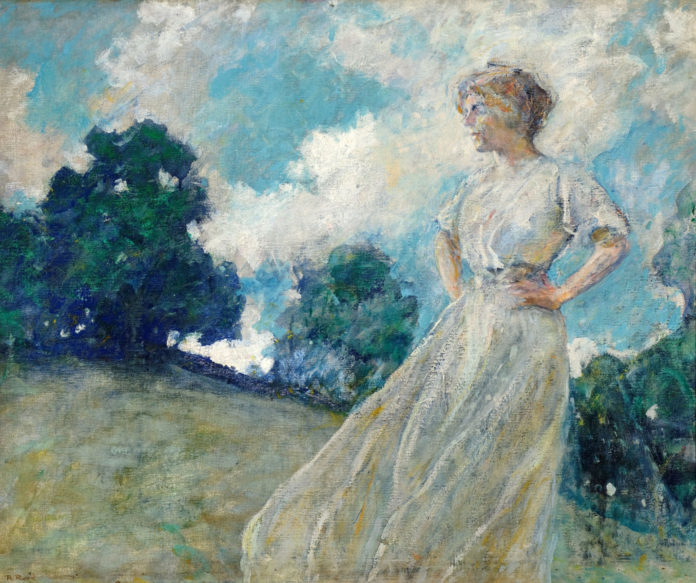
Robert Reid, “Summer Breezes,” circa 1910-20, oil on canvas, 33 3/4 x 39 inches, Reading Public Museum

From the 1880s through the 1940s, many artist colonies sprang up around the United States, aiding the rapid development and appreciation of American Impressionism. One East Coast museum is delving into this story through more than 50 remarkable paintings.

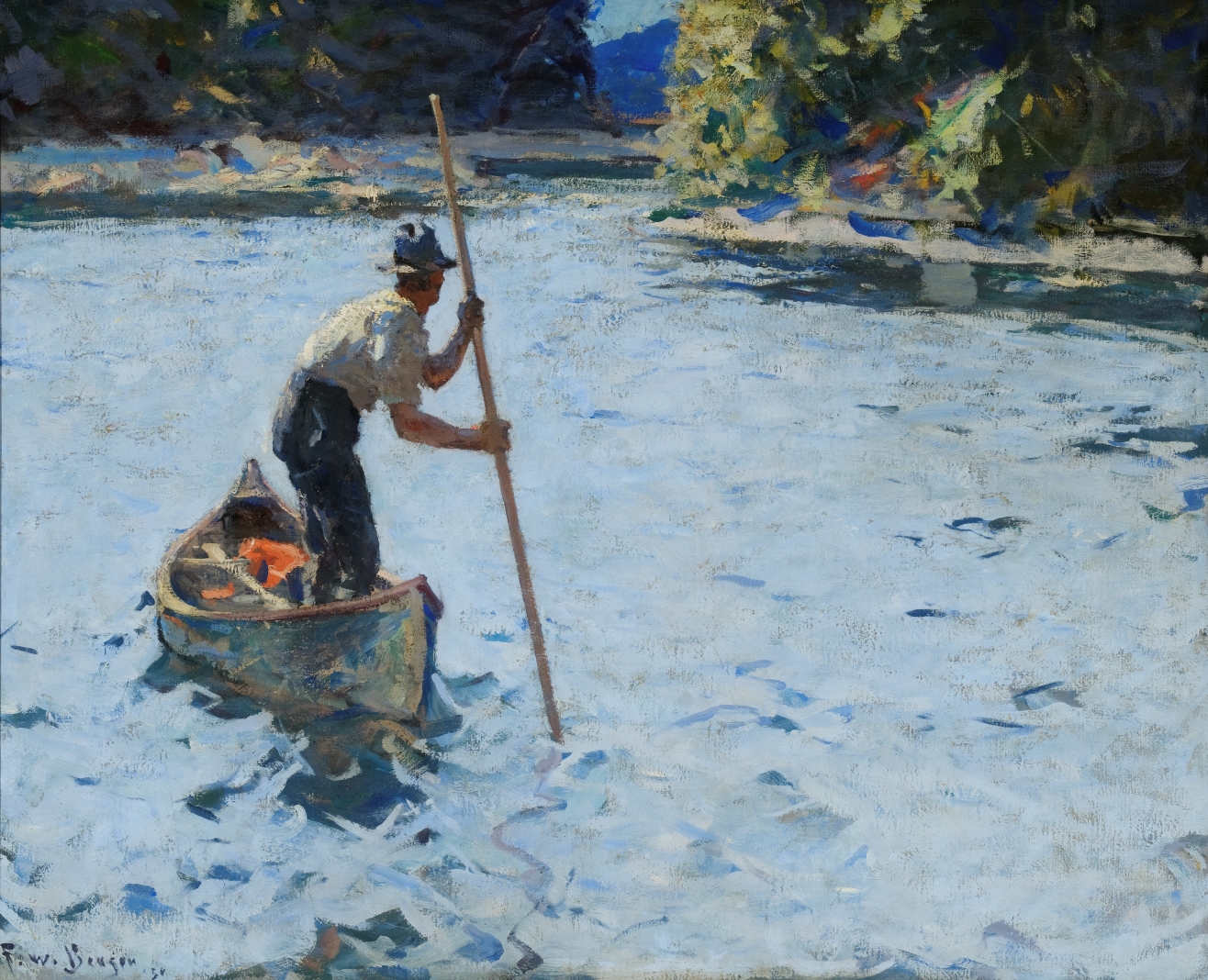
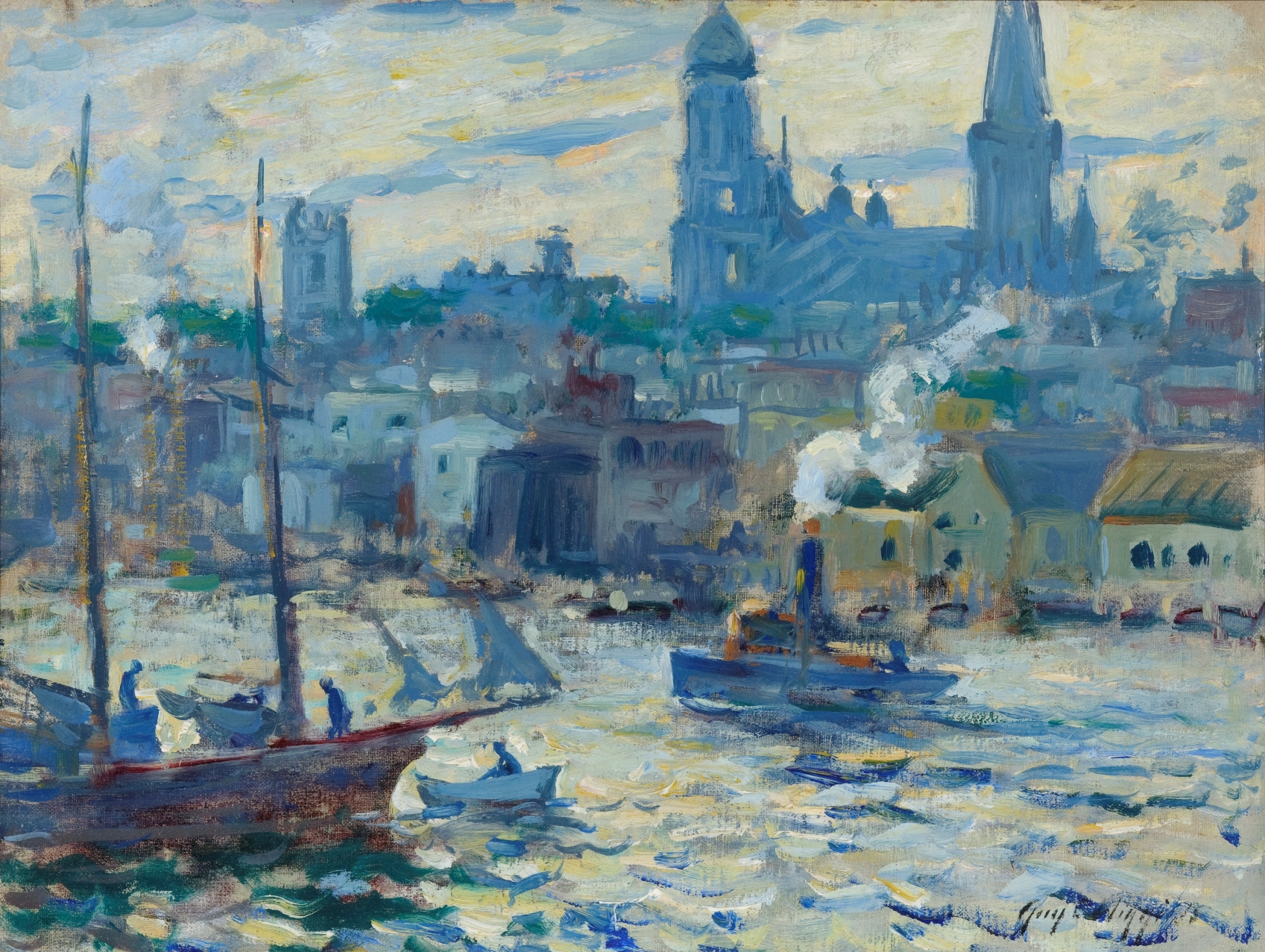
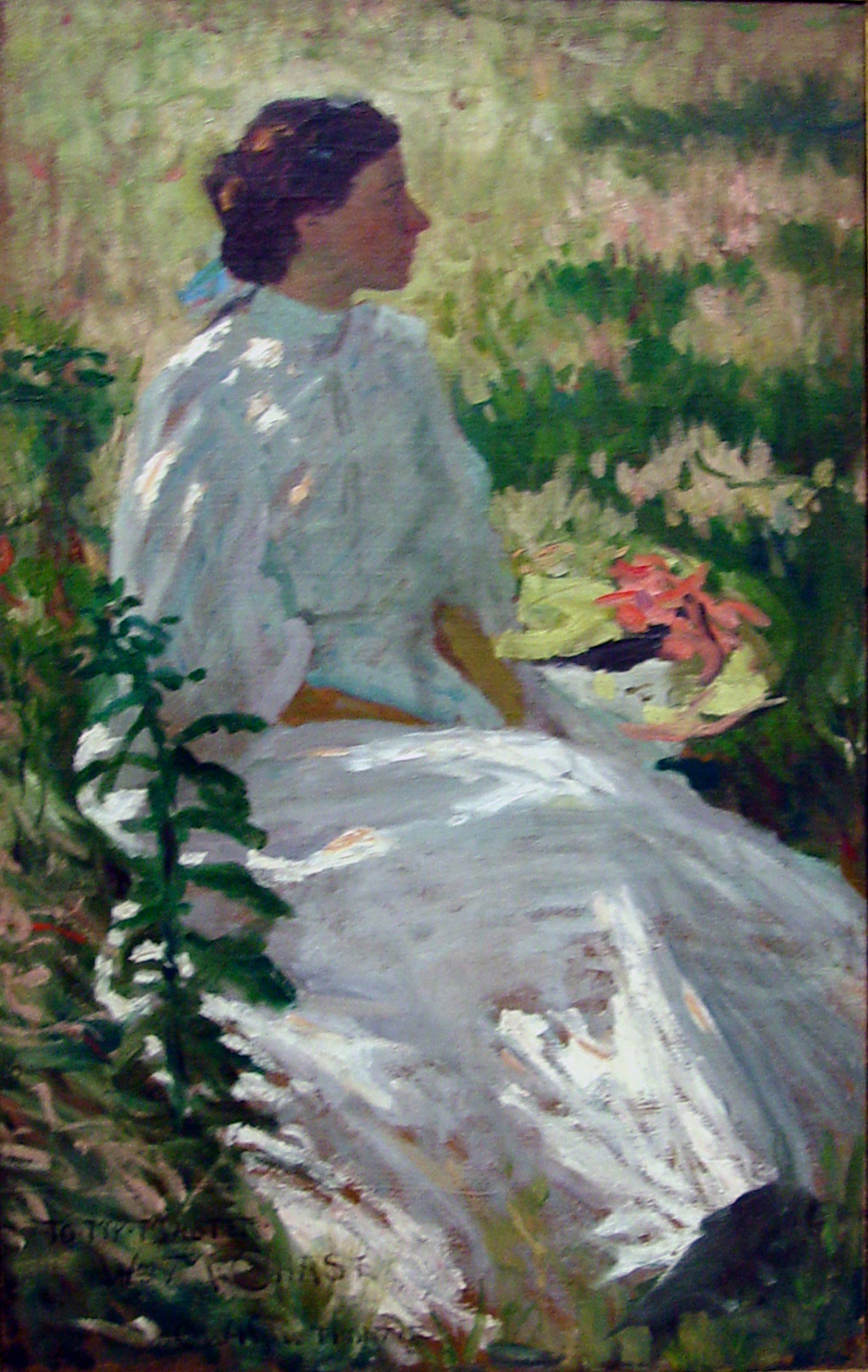
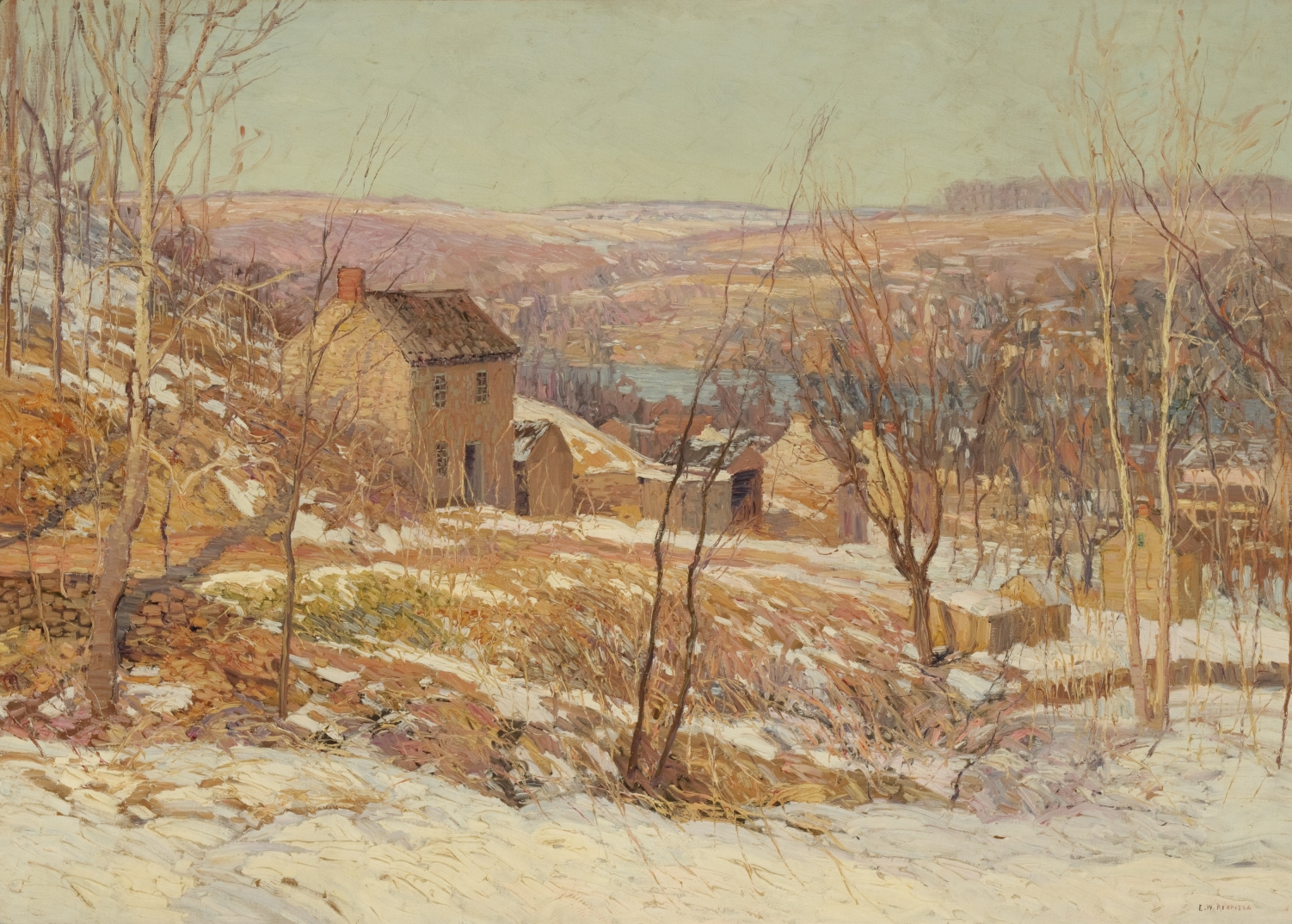
“American Impressionism: The Lure of the Artists’ Colony” is a fantastic exhibition of more than 50 paintings, on view through November 12 at the Knoxville Museum of Art (KMA) in Tennessee. Featuring works by monumental painters such as William Merritt Chase, Childe Hassam, Ernest Lawson, Julian Alden Weir, John Twachtman, Chauncey Ryder, Frank W. Benson, and William Paxton, the exhibition seeks to illuminate the story of how Impressionism made its way from Paris, France, across the Atlantic, and into the hearts and minds of American artists and collectors. In particular, the exhibition draws focus to the many artist colonies that sprang up across the United States and how these groups became sanctuaries for Impressionism’s development.

Frank W. Benson, “On Grand River,” circa 1930, oil on canvas, 36 x 44 inches, Reading Public Museum
Guy Carleton Wiggins, “Gloucester at Twilight,” 1916, oil on canvas, 12 x 16 inches, Reading Public Museum

The exhibition will also highlight the importance of Knoxville as an artist colony. Via the museum, “Many of the nationally prominent artists represented in this exhibition have ties to East Tennessee and the KMA’s ongoing display ‘Higher Ground: A Century of the Visual Arts in East Tennessee. More than a dozen participated in large art exhibitions held in conjunction with Knoxville’s 1910 and 1911 Appalachian Expositions, and the 1913 National Conservation Exposition. Their paintings appeared alongside those of several East Tennessee artists represented in ‘Higher Ground,’ such as Catherine Wiley, Lloyd Branson, Adelia Lutz, Charles Krutch, and Hugh Tyler, to name a few. These sprawling and ambitious exhibitions were designed with the goal of bringing the ‘best contemporary art in America’ to people of the region. The displays highlighted art currents of the day, and allowed East Tennessee artists to demonstrate their proficiency in a national context.

Charles Webster Hawthorne, “A Study in White,” circa 1900, oil on canvas, 36 x 22 inches, Reading Public Museum
Edward Willis Redfield, “Winter in the Valley,” circa 1920s, oil on canvas, 36 x 50 inches, Reading Public Museum

“Among other ties, John F. Carlson served as a juror for the 1913 Expo art exhibition along with Knoxville impressionist painter Catherine Wiley. Robert Reid was one of Wiley’s art instructors during her studies in New York, and Mary Cassatt’s intimate domestic scenes inspired Wiley’s career-long interest in depicting women and children. Because of these and other connections, this exhibition offers a broader national lens through which viewers can assess the work of Wiley, Branson, Lutz, Krutch, Tyler and other ‘Higher Ground’ artists who also experimented with Impressionism.”

To learn more, visit the Knoxville Museum of Art.

This article was featured in Fine Art Today, a weekly e-newsletter from Fine Art Connoisseur magazine. To start receiving Fine Art Today for free, click here.

A Marriage (Exhibition) Ends in One Week!

0
Jenny Wuerker, “Tisdale Divide,” 2017, oil on canvas, 44 x 96 inches

Don’t miss out on this fabulous husband-and-wife exhibition featuring breathtaking vistas and landscapes of Wyoming.

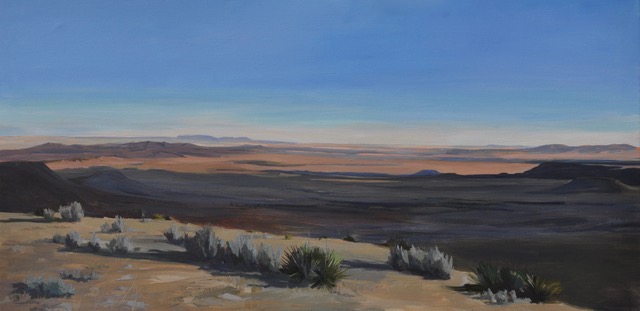
“Married to the Landscape” — a vibrant exhibition of landscapes by artist couple Aaron and Jenny Wuerker — is on view for one more week (through August 22) at Casper, Wyoming’s Nicolaysen Art Museum.

Aaron Wuerker, “Portal,” 2015, oil on canvas, 36 x 36 inches
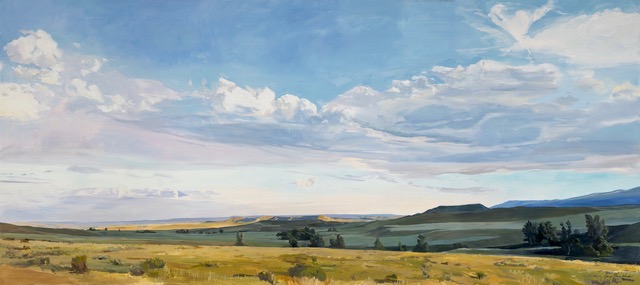
Jenny Wuerker, “Looking East toward Pumpkin Buttes,” 2017, oil on canvas, 24 x 48 inches
Aaron Wuerker, “Triangles,” 2017, oil on canvas, 12 x 36 inches
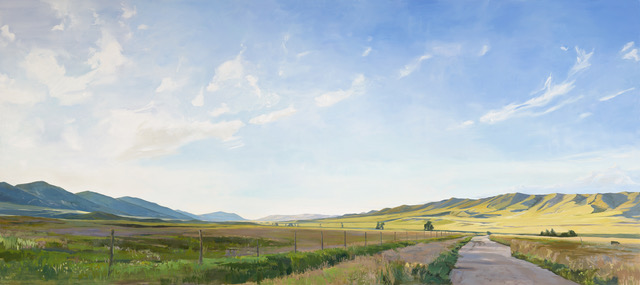
Jenny Wuerker, “Tisdale Divide,” 2017, oil on canvas, 44 x 96 inches
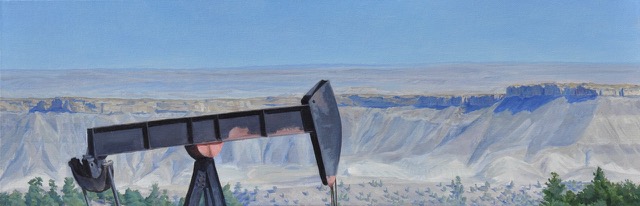
Aaron Wuerker, “Formation,” 2017, oil on canvas, 12 x 36 inches
Jenny Wuerker, “On a Wide Open Plain,” 2013, oil on canvas, 64 x 144 inches
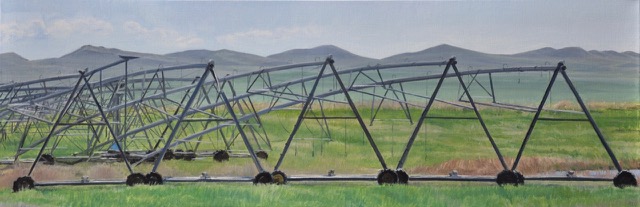
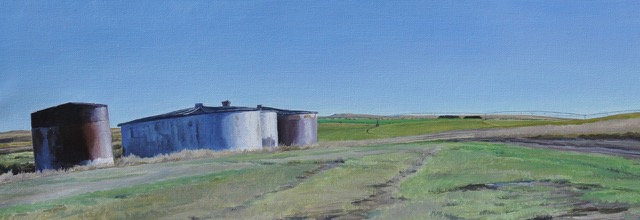
Aaron Wuerker, “Horizon with Silos,” 2017, oil on canvas, 12 x 36 inches
Jenny Wuerker, “Western Skies,” 2013, oil on canvas, 64 x 144 inches
Aaron Wuerker, “Horizontals,” 2016, oil on canvas, 24 x 48 inches

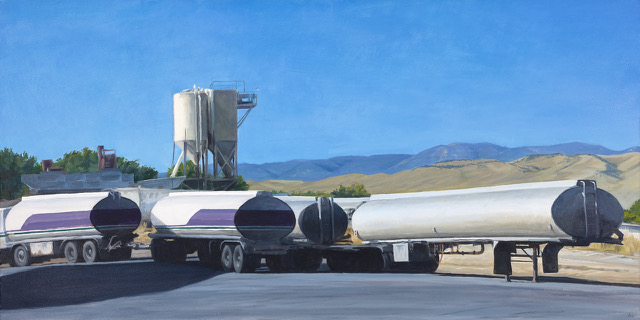
The Wuerkers have been painting the Wyoming landscape together for nearly 25 years and “for each of us” they say, “the need to define an iconic American landscape has repeatedly surfaced. For Jenny, that means capturing the feeling of stark expanse in large paintings with big skies racing back to meet distant ridges and light stretching to the horizon. In Aaron’s work, the shapes of industrial objects mimic natural formations in the landscape, creating silent interactions. Ultimately, a realist perspective serves to celebrate the beauty of common places. In this recent body of paintings, we hope to share a vision of the Western landscape that one might identify the next time they see a massive cloud formation or road signs lined up with the horizon.”

To learn more, visit the Nicolaysen Art Museum.

This article was featured in Fine Art Today, a weekly e-newsletter from Fine Art Connoisseur magazine. To start receiving Fine Art Today for free, click here.

Is This Collecting Opportunity Worth Your Attention?

0
Image courtesy James L. McElhinney

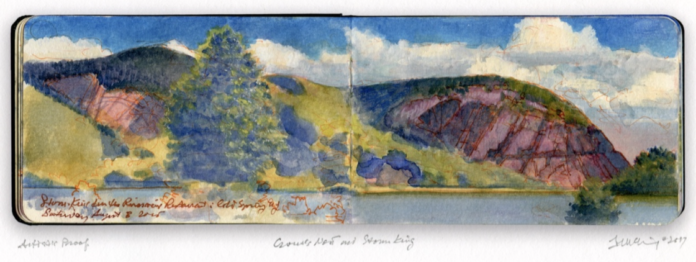
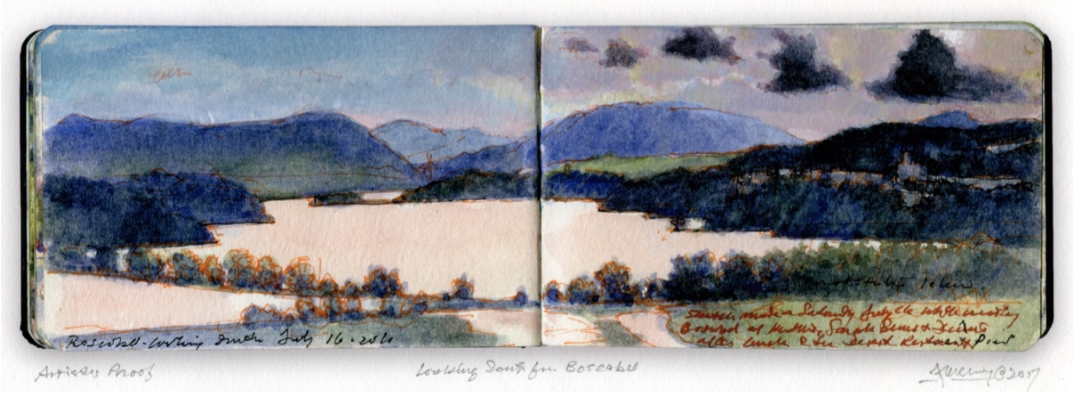
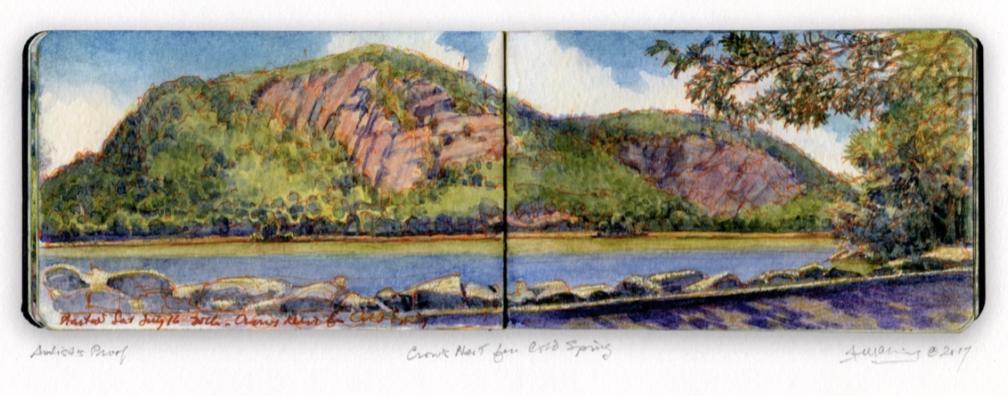
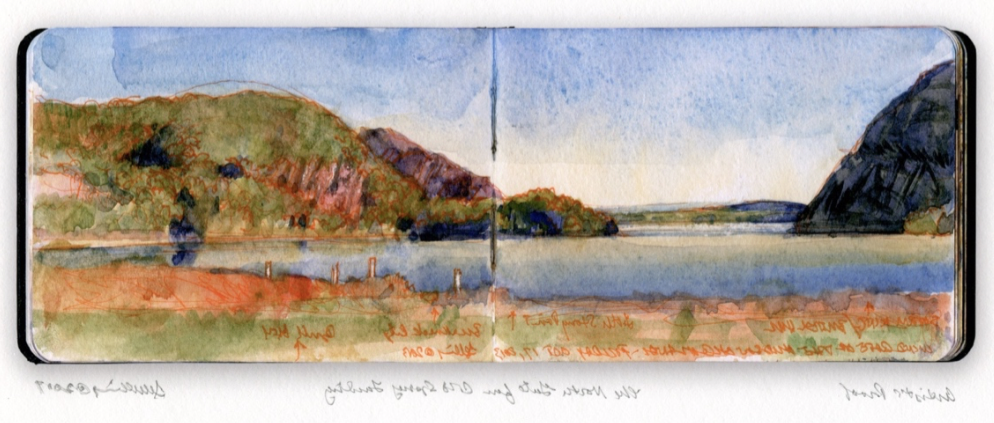
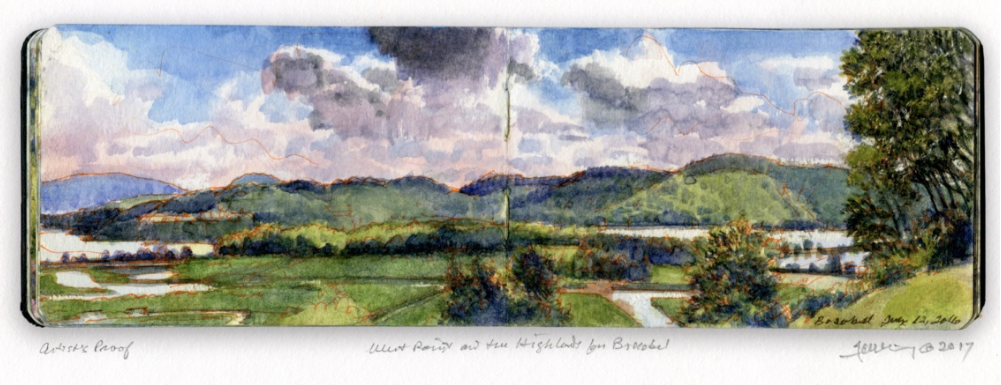
Only you can be the judge! What ever happened to the expeditionary practice of journal painting? Did it simply evolve into the massive plein air phenomenon we’re witnessing today? One artist is keeping it alive through this extraordinary opportunity.

Artist James Lancel McElhinney incorporates many elements into his work, including history, nature, and travel, exploring itineraries and narratives that have shaped the American landscape. Now, the artist’s admirers and art enthusiasts alike have a chance to own a publication of his journal paintings, which are outstanding artworks in and of themselves. The deluxe edition of Hudson Highland Suite will be a limited edition of 50 11 x 14-inch archival digital prints based on seven of McElhinney’s Hudson Valley journal-paintings. Loosely bound in a fine Solander box with an accompanying chapbook, the publication is slated for release on November 1, 2017 with a retail price of $1,400.

Image courtesy James L. McElhinney

About the artist: Delaware Valley native James Lancel McElhinney discovered his calling as a landscape artist while studying at the Skowhegan School of Painting and Sculpture. In 2001 he embarked on a 12-year painting project exploring the process of development, desecration, and preservation of 19th-century American battlefields. Since 2006 he has been working primarily in book form, reviving the genre of journal painting practiced by historic expeditionary artists.

Image courtesy James L. McElhinney

McElhinney’s work has been the subject of more than 40 solo exhibitions nationwide. He has taught at Pratt Institute, the Art Students League of New York, and other colleges and universities. He is the author of three books on drawing and painting, and has conducted nearly 100 oral history and podcast interviews for organizations such as the Smithsonian Archives of American Art, the Frick Center for the History of Collecting, Coleccion Patricia Phelps de Cisneros, the Center for Southern Jewish Culture, and others. McElhinney received a Visual Artist Fellowship from the National Endowment for the Arts, an MFA in painting from Yale, a BFA from the Tyler School of Art, and recently became an associate member of the Appraisers Association of America. He lives in Manhattan with his wife, the art-historian Dr. Katherine Manthorne. 

To learn more, contact [email protected].

This article was featured in Fine Art Today, a weekly e-newsletter from Fine Art Connoisseur magazine. To start receiving Fine Art Today for free, click here.

A Dream Come True!

0
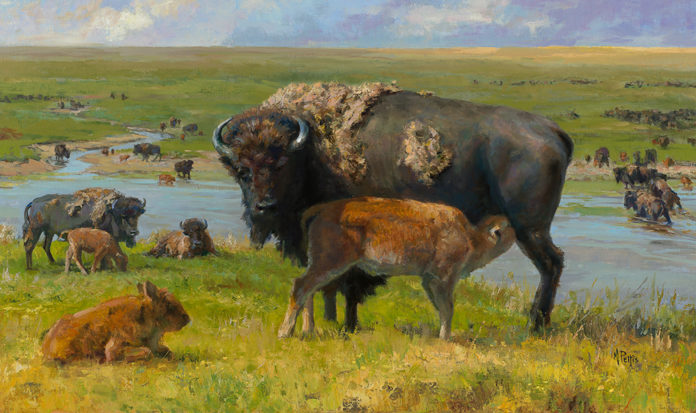
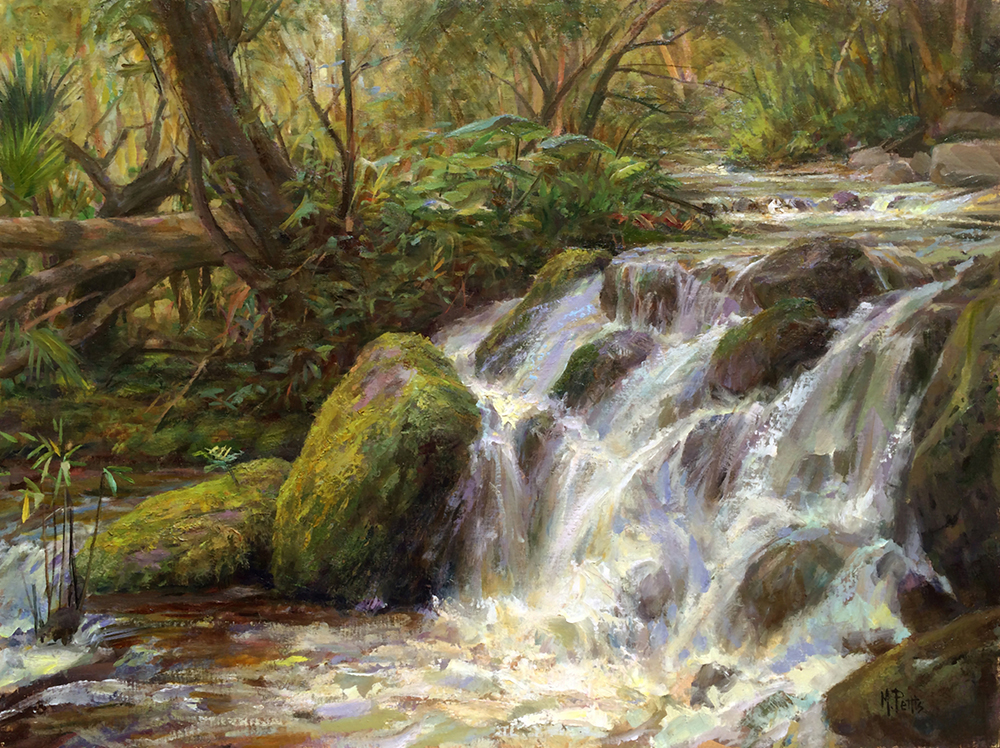
Mary Pettis, “Splendor in the Grass,” 2015, oil on linen, 21 1/2 x 36 inches

The Art Renewal Center (ARC) is one of the premier institutions in the world that seeks to promote and advance traditional, representational arts — meaning that earning its coveted distinctions is a dream turned into reality.

The Art Renewal Center (ARC) has several distinctions that any accomplished artist would want to hold. However, becoming an ARC Living Master™ is perhaps at the top of the list. To earn that honor, artists must have “dedicated themselves to becoming a realist artist with the wish to express our shared humanity through the visual arts,” ARC’s website says. “In addition, an ARC Living Master™ has mastered all the building blocks of great art as defined in the ARC Artist description, creating fully professional works of art, as well as some identifiable masterpieces. Beyond that, they have successfully created a body of work which demonstrates accomplished facility in their craft that compares to the maters of prior centuries. Their work demonstrates strong, reliable, poetic sensibilities which intertwine great universal subjects, powerful original compositions and mastery over all aspects of the craft, working seamlessly to enhance the chosen subject. They repeatedly are able to ‘suspend disbelief’ in the viewer eliciting empathy which is rooted in our shared humanity.”

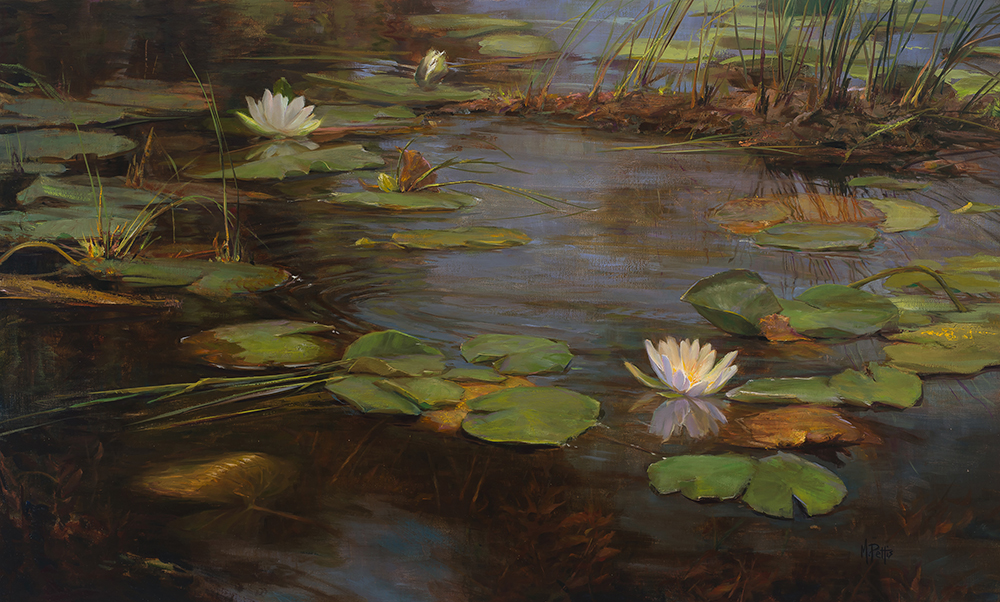
Mary Pettis, “The Cycle of Lilies,” 2017, oil on linen, 29 x 48 inches
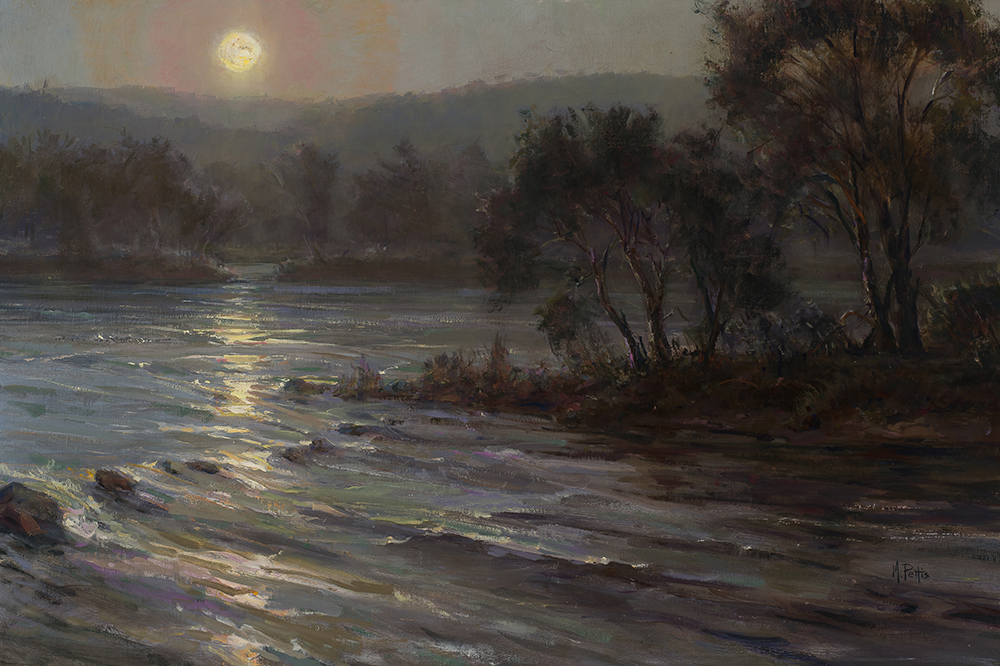
Mary Pettis, “St. Croix Nocturne,” 2017, oil on linen, 24 x 36 inches

Sounds tough, right? Indeed, earning the ARC Living Master™ badge can take artists a lifetime of work and achievement and many applications. Recently, the ARC announced the induction of their newest Living Master™, and we’d like to take a moment to congratulate Minnesota painter Mary Pettis. In her work, Pettis “draws heavily upon her classical training and Russian influence,” the ARC reports. “Early in her career, Mary studied with Hungarian painter Bela Petheo; Richard Lack, at Atelier Lack; and Daniel Graves, who later became the founder of the Florence Academy of Art. In the 1990s, Jim Wilcox introduced her to the ‘wet-in-wet’ plein air approach and she moved her studio outdoors. Over the years, she continued her studies with various teachers including Zhang Wen Xin, Kevin Macpherson, Jove Wang, and James Shoop.

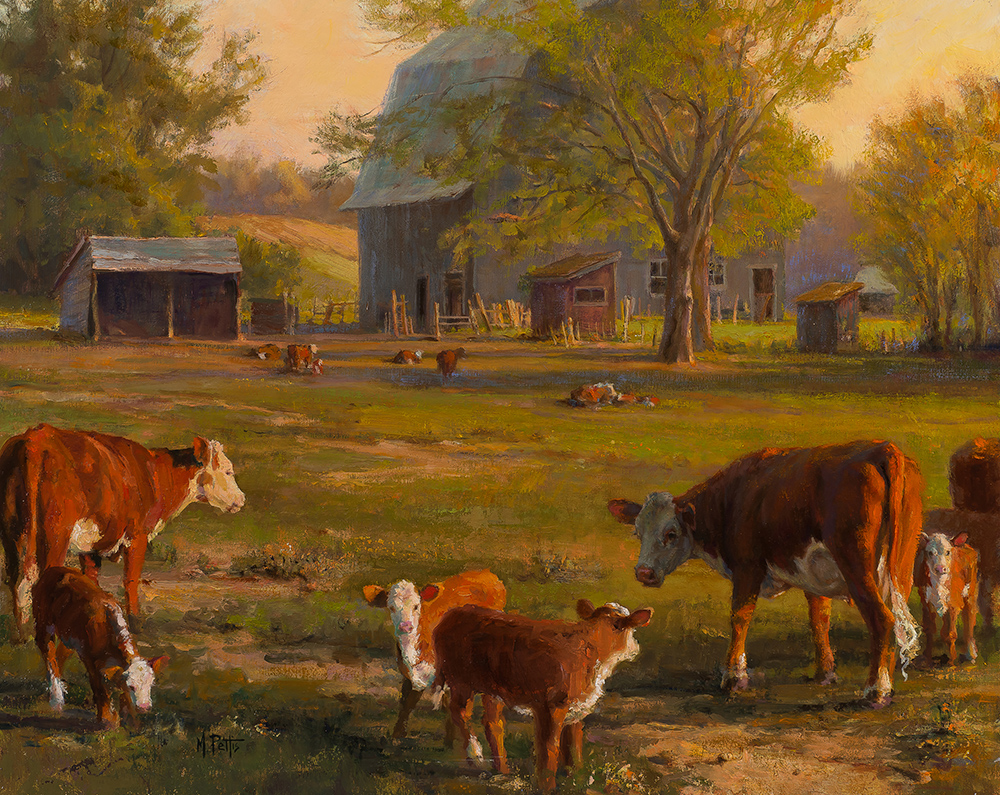
Mary Pettis, “Pastorale,” 2017, oil on linen, 16 x 20 inches
Mary Pettis, “Living Waters-Io Valley,” 2016, oil on linen, 16 x 20 inches

“Now she divides her time equally between the studio and outdoors. Her decades of training and the experiences from hundreds of plein air paintings are a catalyst for a symbolic visual language of expression that celebrates the beauty, dignity and worth of this world and its inhabitants.”

To learn more, visit the Art Renewal Center.

This article was featured in Fine Art Today, a weekly e-newsletter from Fine Art Connoisseur magazine. To start receiving Fine Art Today for free, click here.

Blending Abstraction and Realism

1
Lindsey Kustusch, “Daybreak,” oil

Over the past decade, this Bay Area artist has built a rather large national following for her captivating urban cityscapes and powerful portraits of crows, ravens, cats, and much more. Her latest works have travelled north for a can’t-miss one-woman show.

After her studies at the Academy of Art University in San Francisco, artist Lindsey Kustusch found herself needing to choose between a veterinary or fine art career. After working for some time in a nearby shelter, Kustusch discovered an artist who “broke all the rules of what I learned in school” she suggested, leading her to take the artistic plunge herself.

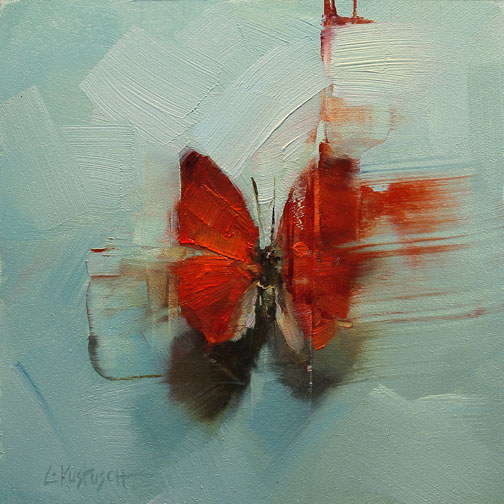
Lindsey Kustusch, “African Red Glider,” oil

Today, Kustusch has amassed a large national following for her amazing paintings that blend abstraction and photorealism. The resulting works are dynamic and visually engaging, and her subjects allow the artist to explore several themes that resonate with her.

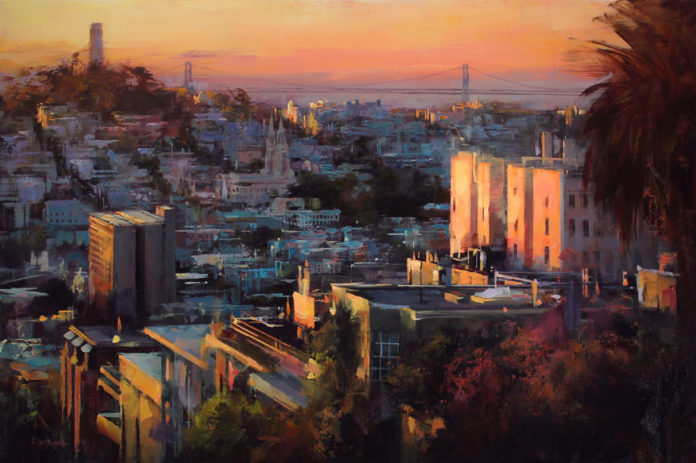
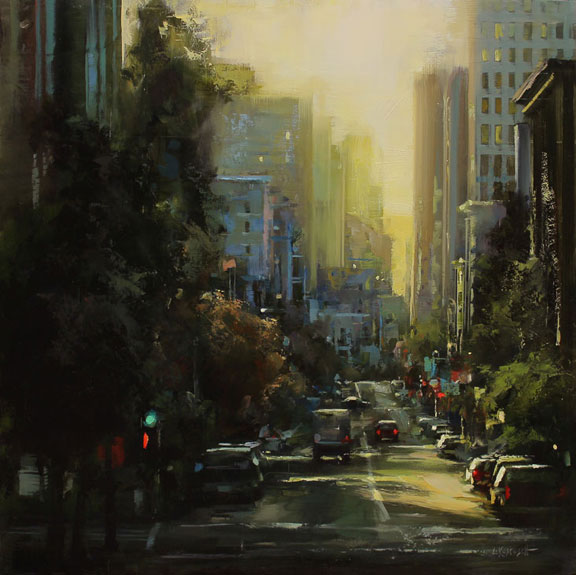
Lindsey Kustusch, “Sunrise Over the Presidio,” oil

Howard/Mandville Gallery in Kirkland, Washington, is pleased to be opening on August 19 a solo exhibition of Kustusch’s recent works. On view through September 19, the exhibition features several of the artist’s well-known raven and crow paintings. “They exude this sort of wild, ancient, prehistoric spirit with an intensity and sense of drama,” the artist said. “Aesthetically, they’re stunning animals, with their perfect balance of soft and hard edges, reptilian-like talons, and shades of velvet-black feathers.”

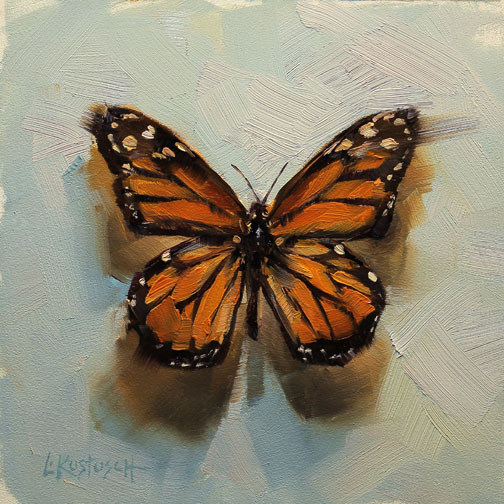
Lindsey Kustusch, “The Monarch,” oil
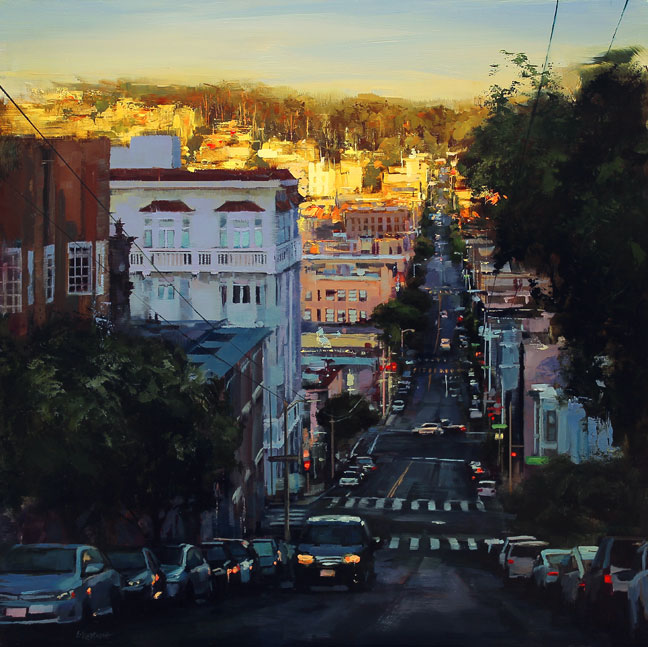
Lindsey Kustusch, “Before the Rush,” oil

Also on display are the artist’s incredible cityscapes — many of which are of locations in her home city of San Francisco that have struck a chord. “She uses abstracted, painterly effects to convey energy, personality, and soul,” the gallery adds. “Small doses of photorealism help viewers fill in the gaps.” The resulting works are convincing and have collectors following in flocks. The artist’s experimentation with abstraction and various kinds of mark-making create many layers that mimic atmospheres that viewers find enticing.

To learn more, visit Howard/Mandville Gallery.

This article was featured in Fine Art Today, a weekly e-newsletter from Fine Art Connoisseur magazine. To start receiving Fine Art Today for free, click here.

What Can a Gallery Do in 20 Years?

0
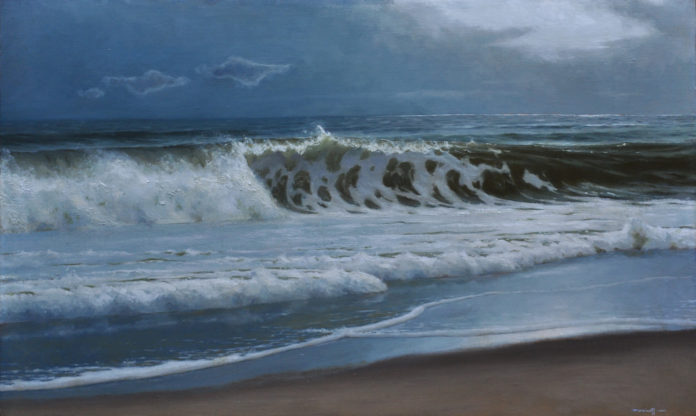
Edward Minoff, “Gale,” 2016, oil on linen, 16 x 26 inches

An acclaimed New York state gallery is celebrating its 20th anniversary in 2017 with a striking exhibition of works by the great artists that have helped propel it to success. We can’t wait to see what the next two decades look like either!

It’s been 20 years since Laura Grenning’s artistic destiny was set in motion through the friendship and guidance of Nelson H. White, who introduced her to art history, plein air painting, and the Florence Academy of Art in Italy. Since she left her career in the world of finance in Hong Kong and befriended White after a chance encounter, Grenning Gallery in Sag Harbor, New York, has grown into one of the preeminent exhibition spaces in the United States, representing many of the leading representational artists working today.

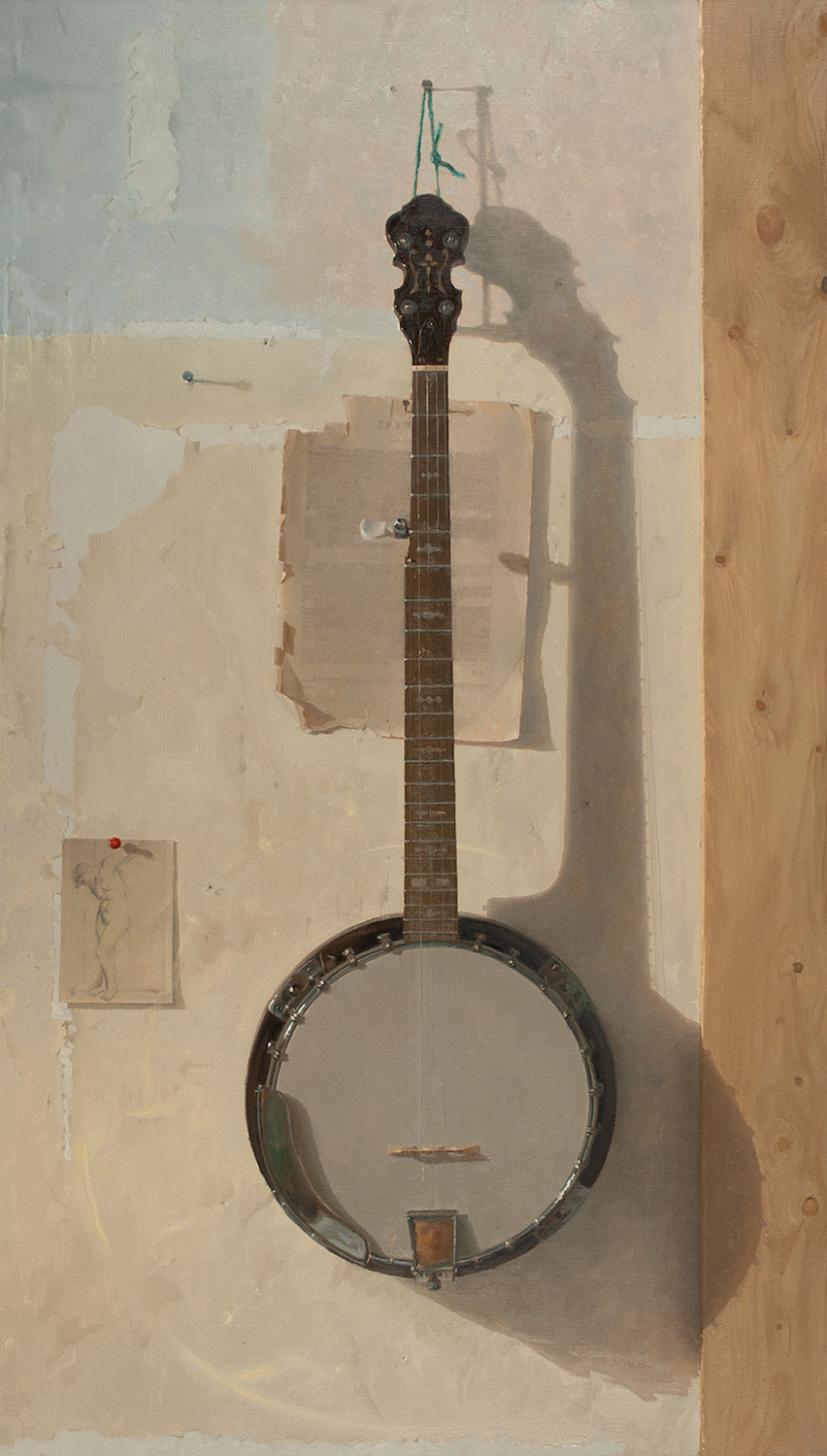
Jacob Collins, “Banjo with Drawings,” 2015, oil, 52 x 30 inches
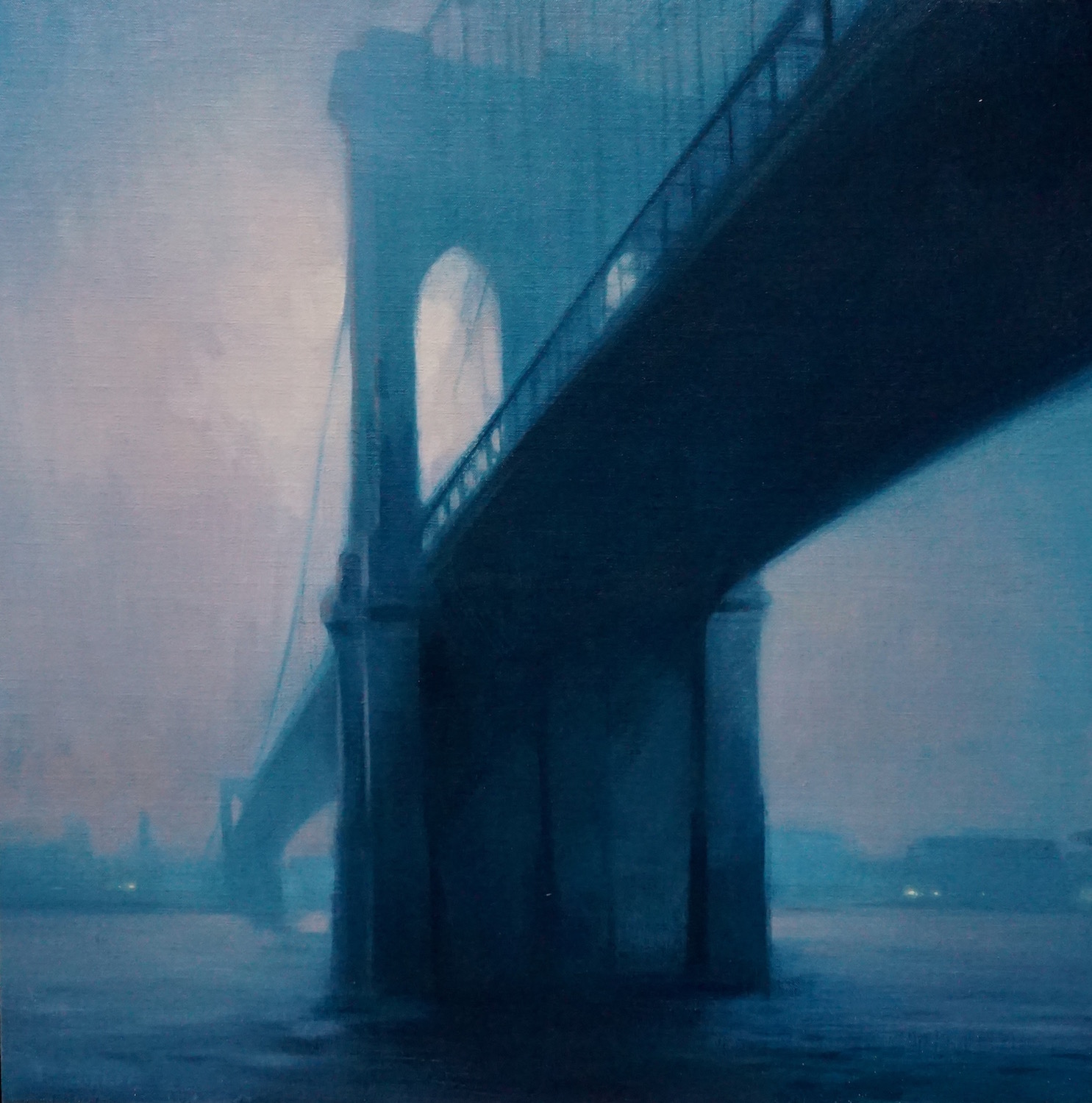
Stephen Bauman and Steven Forster, “Brooklyn Bridge,” 2017, oil on linen, 24 x 24 inches

To celebrate the gallery’s 20th anniversary in 2017, Grenning is mounting an attractive exhibition featuring many of its most cherished artists that have helped established its founder’s renowned reputation. Opening August 19 and on view through September 10, the show will feature works by — among others — Ramiro, Ben Fenske, Paul Rafferty, Beth Rundquist, Ted Minoff, Maryann Lucas, Edwina Lucas, Jacob Collins, Marc Dalessio, Sarah Lamb, Melissa Franklin Sanchez, John Morfis, Anthony Ackrill, Nelson H. White, George Morton, and Stephen Bauman.

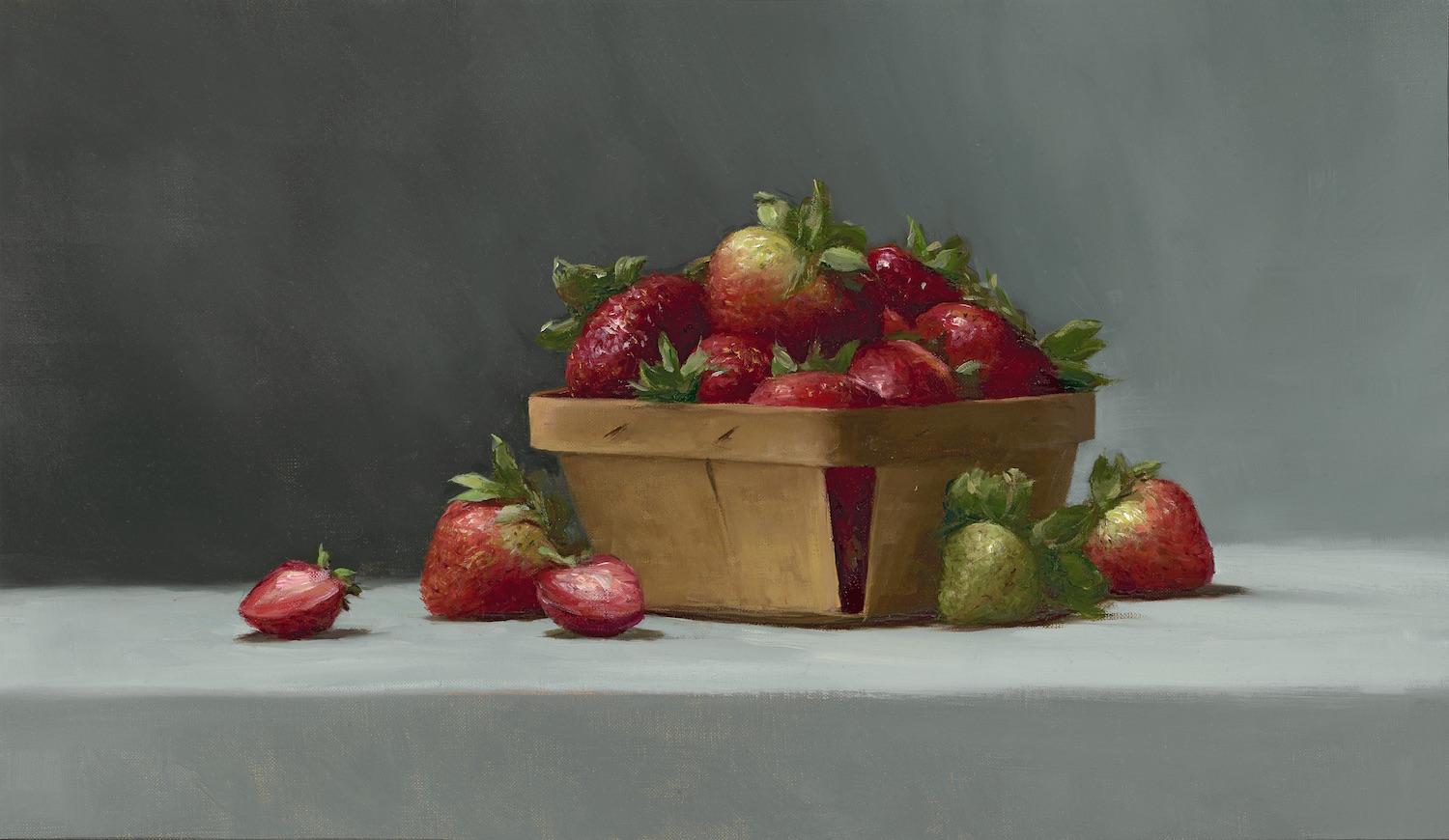
Sarah Lamb, “Strawberries,” 2017, oil

“In Florence, Grenning’s passion [for art] deepened,” says the gallery’s press release. “She took the view that the blossoming of atelier education in the US and abroad would represent this generation’s art movement, differing distinctly from the 20th century’s in philosophy and practice. These new artists heralded a return to discipline, to the canons of beauty and to the celebration of direct observation of nature. They adhere to the traditions and painterly standards found in all the great works from the Old Masters through the end of the 20th century.

Ramiro, “With My Eyes on Your Horizon,” 2017, oil, 57 x 33 1/2 inches

“Philosophically, these artists believe that the world is in harmony, and that the artist’s job is to focus on technical skill so that they may best represent the beauty and peace they see in nature. The purpose of this is to recreate, on canvas or in clay, their truth and to share this with the viewer. This is harmonious with the 21st century’s other cultural movements of environmentalism and holistic health. The individual sees himself or herself as a small part of a bigger whole, and believes it’s their job to get their egos out of the way so that we can tune into the entire picture. The nihilism of the 20th century doesn’t hold their attention.”

Amen.

To learn more, visit Grenning Gallery.

This article was featured in Fine Art Today, a weekly e-newsletter from Fine Art Connoisseur magazine. To start receiving Fine Art Today for free, click here.

Featured Artwork: Terry Cooke Hall

0
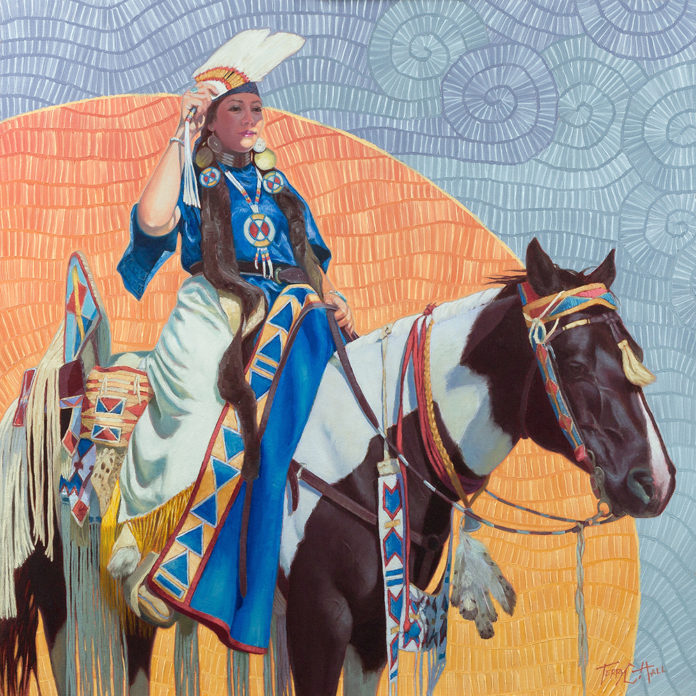
"Sun-Kissed" by Terry Cooke Hall

“Sun-Kissed”

26 x 26 in.

Oil on canvas

$4200.00 retail

Available through the 2017 Buffalo Bill Art Show & Sale Live Auction Event www.buffalobillartshow.net


Artwork Statement for “Sun Kissed”:

The sun gets hot in south-central Montana, and feathered fans are common in the regalia of the annual Crow Fair Parade. The tightly-woven feathers of this Crow woman’s fan provide shade for her eyes, but still allow the rays to kiss her cheek as the imaginary sun behind her warms up the swirling skies.

Oil painter Terry Cooke Hall is inspired by, and in awe of, the women she paints who are primarily those she photographs, and often meets, at an annual event in south-central Montana. These women carry on the centuries-old traditions of the Native Americans from the Plains and Northwestern U.S. tribes. Her depictions of the regalia worn by both the women and their horses are not historical, but are her own interpretations of the patterns and colors of the tribes. This is her way of honoring their traditions without copying their generational customs.

Her figures in realism are set in an imaginary world of colorful winds or swirling skies, often backlit by an abstraction of the sun or moon. Her approach blends color, patterns, and textural elements, providing a unique contemporary twist. Her “imaginative realism” style is a look at her West viewed through the lens of 30 years of work in design and illustration.

Terry’s influence comes from trips throughout Texas, New Mexico, Arizona, and California in the family station wagon, a big part of Terry’s childhood, forming strong memories of the Southwest in the 60s. During the mid-70s, Terry’s passion for art led her to numerous classes, workshops, and university extension courses in graphic design and illustration, including studies of the works of the Golden Age illustrators, a heavy influence on her current style. In 1978, she put her training into use by illustrating for land development firms in Southern California. After 15 years of the left-brain world of architects and engineers, Terry left her job and co-founded a commercial art business in San Diego County.

Since 2006, Terry has focused exclusively on developing a fine art career that has strong roots in California Impressionism. She has studied under nationally-known artists with an intense focus on foundational principles of fine art and impressionistic light and color.

Terry lives in Bozeman, Montana, and participates in several national shows annually, adding several awards through participation in those shows. Her current list of galleries include Tierney Fine Art, Bozeman MT; Mountain Trails Galleries, Jackson WY & Park City UT; Mountain Trails Gallery Sedona, Sedona AZ; Lovetts Gallery of Fine Art, Tulsa OK; & Dick Idol Signature Gallery, Whitefish MT.

View more of Terry’s work at terrycookehall.com
How One Artist Tells Stories Through Paint

2
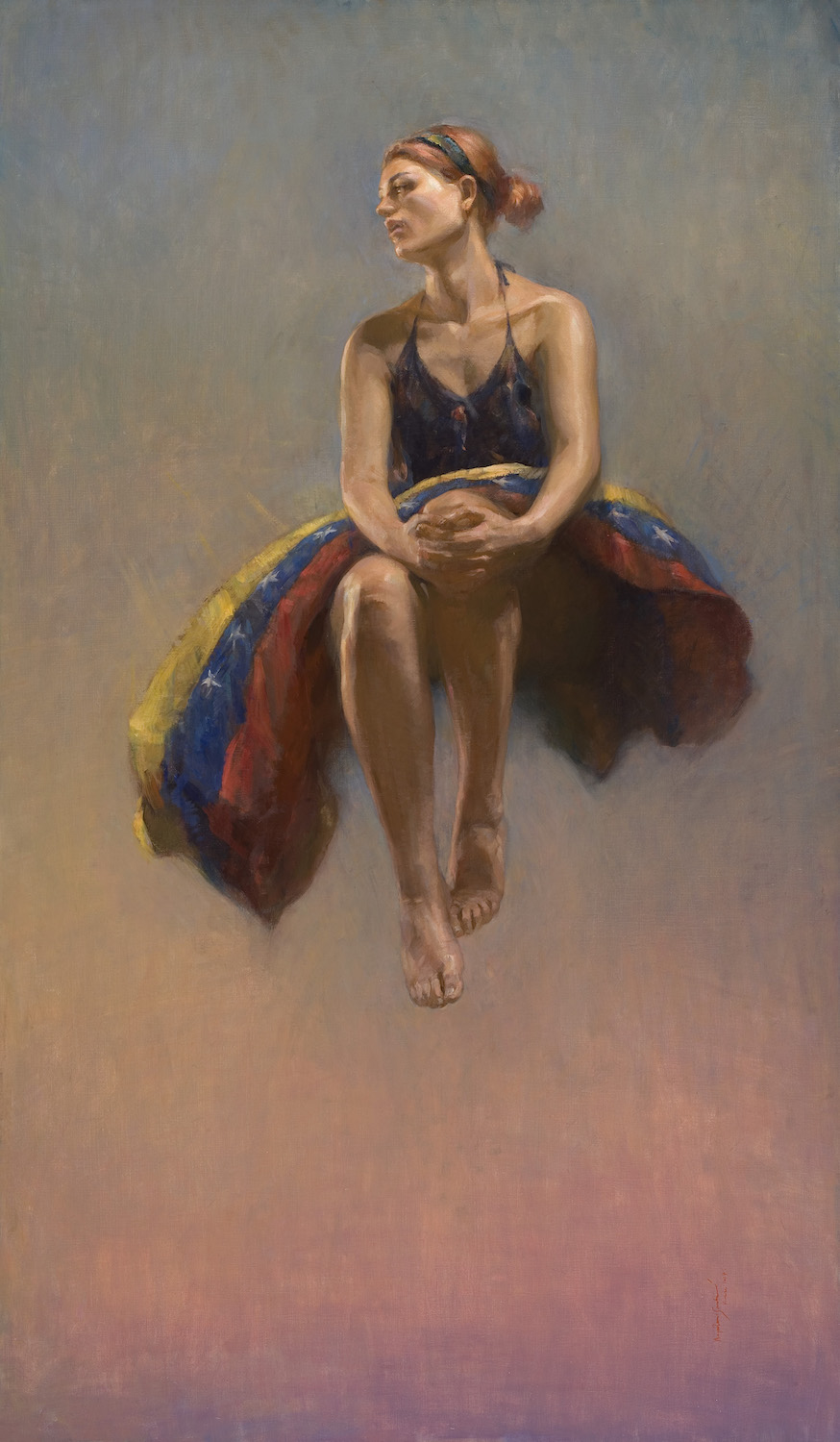
Francis Livingston, “Contemplation,” oil, 48 x 48 inches

Well-known painter Francis Livingston began his artistic journey as a storyteller, which has — for the past 25 years — evolved to encompass emotion, color, and pleasing aesthetics to drive his work without any ulterior motives or influence. Where and when can you view his newest oils?

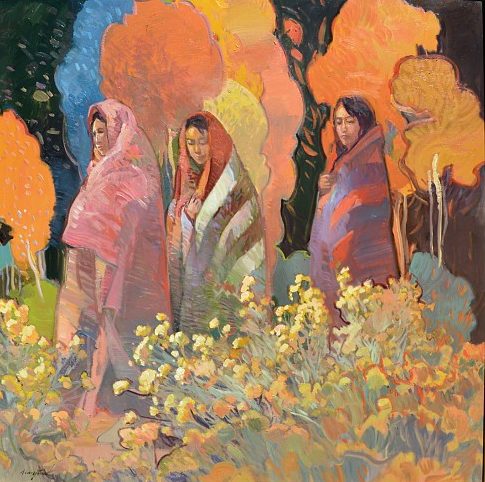
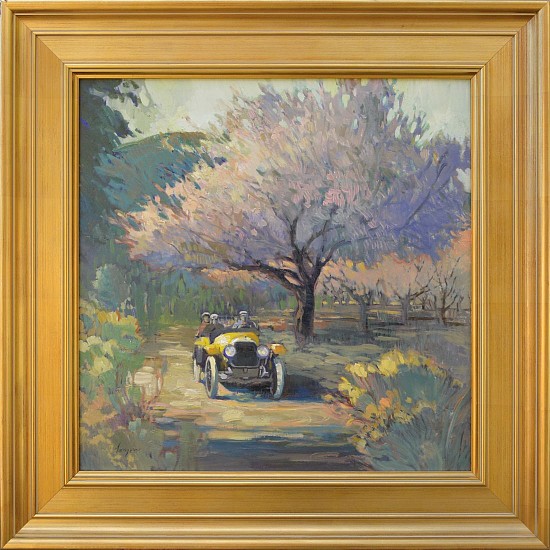
“My work is about mood and environment. But I infuse it with enough reality that people can relate to it in some way,” says prolific artist Francis Livingston, who will soon open a solo exhibition at Meyer Galleries in Santa Fe, New Mexico. Titled “Western Journeys” and opening on August 18, the forthcoming exhibition will present a number of Livingston’s latest Southwest landscapes and Native American portraits and will continue through August 24.

Francis Livingston, “Apricots,” oil, 24 x 24 inches
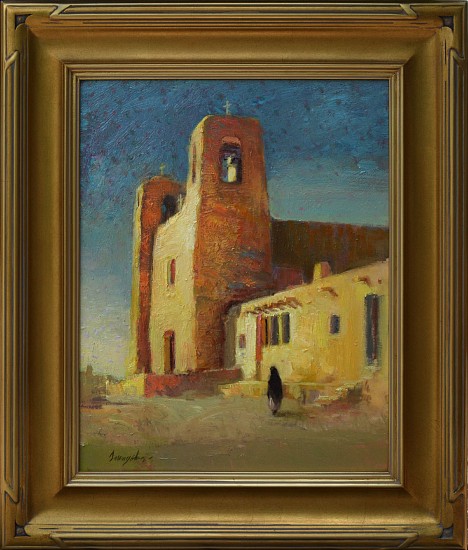
Francis Livingston, “Acoma,” oil, 20 x 16 inches
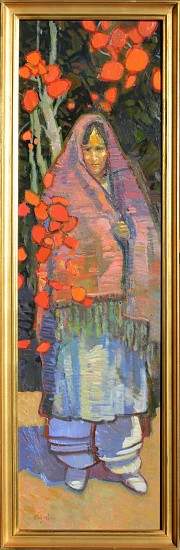
Francis Livingston, “Aspen Harmony,” oil, 48 x 14 inches
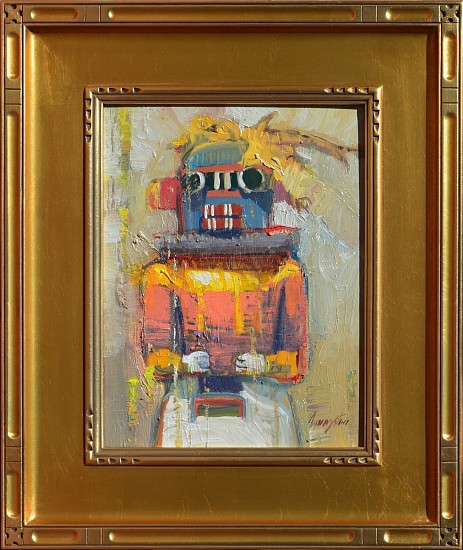
Francis Livingston, “Coral and Blue,” oil, 14 x 11 inches
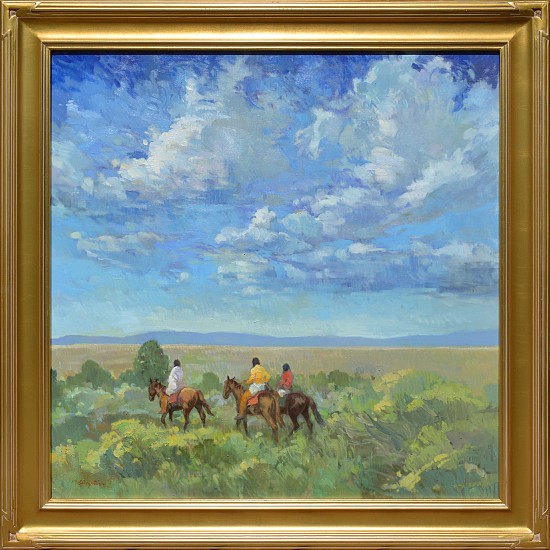
Francis Livingston, “Distant Plains,” oil, 36 x 36 inches

“Swirling brushstrokes shape Livingston’s landscapes with bold colors reminiscent of twentieth-century Fauves,” the gallery writes. “Contemplative subjects soften the compositions, as Native Americans draped in richly colored robes exist in reverence and harmony with their environment. Livingston juxtaposes organic shapes against painterly patterns with a loose hand and balanced vision, following the movement of the paint and drawing inspiration from Abstract Expressionists like Richard Diebenkorn and Franz Kline. Livingston carries this freedom of movement into his architectural subjects, often working from old photographs of adobe churches in order to capture the pueblo structure’s smooth edges and old world feel. Livingston’s southwest imagery pays homage to the Taos Society of Artists of the twentieth century, whose work he discovered as a kid at the National Cowboy Museum in Oklahoma. ‘I kept going back to those paintings,’ Livingston recalls of the Taos Founders, many of whom were also illustrators before becoming painters. ‘They were telling a story in one fashion or another with their paintings.’”
Learn more by visiting Meyer Galleries.

This article was featured in Fine Art Today, a weekly e-newsletter from Fine Art Connoisseur magazine. To start receiving Fine Art Today for free, click here.

On the Water

0
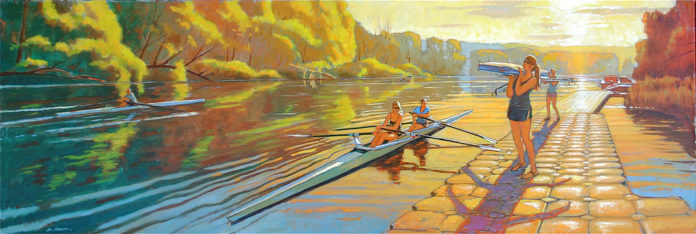
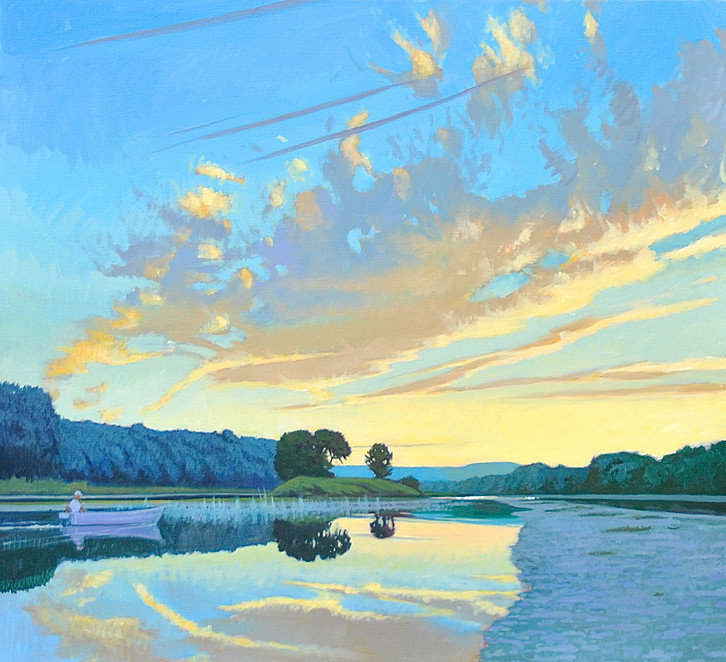
Brian Keeler, “Cayuga Scullers, July Evening,” oil on linen, 22 x 54 inches

Four dozen works by this accomplished colorist head to the walls of North Star Art Gallery through August 31. Featuring scenes in disparate locations from Ithaca, to Italy, to Pennsylvania and more, collectors don’t want to miss this artist’s impressive range.

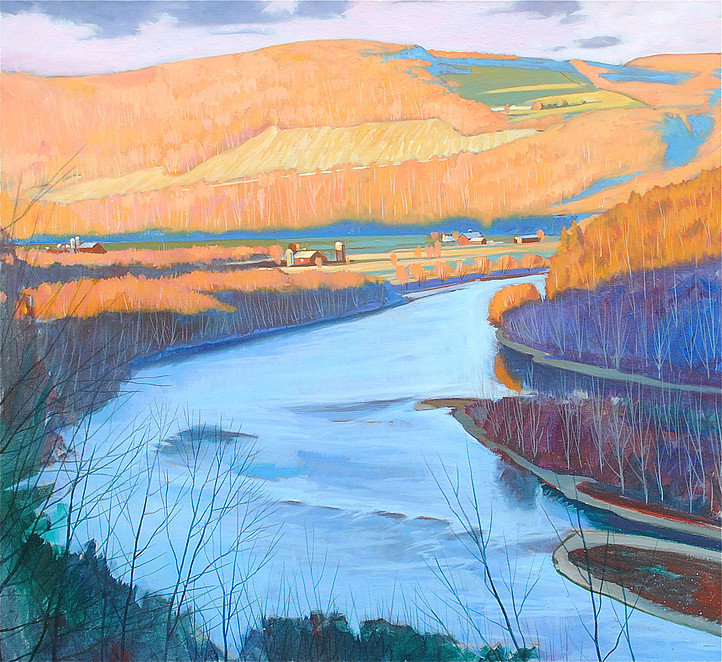
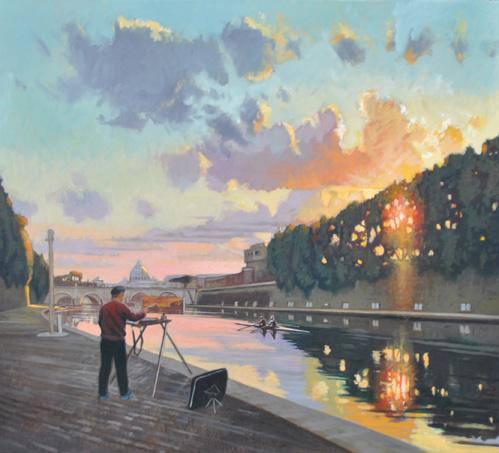
“On the Water” is a selling exhibition on view at North Star Gallery in Ithaca, New York, through August 31. Featuring the works of artist Brian Keeler, the exhibition is an impressive display of Keeler’s skill as both a colorist and composer of engaging scenes. The show presents some four dozen works that demonstrate Keeler’s powerful expression of the drama of water in landscape scenes. The works are of scenes in disparate locations from Ithaca, to Italy, to Pennsylvania and more. The works express a range of moods of sky, water, and hills.

Brian Keeler, “Susquehanna July River Mist,” oil on linen, 40 x 44 inches
Brian Keeler, “River Rhythms-French Azilum, PA,” oil on canvas, 44 x 48 inches
Brian Keeler, “River of the Poets, Tiber in Rome,” oil on linen, 36 x 40 inches

There is a soft long downshot on Seneca Lake at sunset … and some fabulous paintings of the Cascadilla Gorge here in Ithaca … light flaring, colors shimmering and dancing … somewhat more expressionistic works. Scullers ply the Cayuga Inlet on a July day under towering summer cumulus clouds, and there is an impressionist pastel evening on Wyalusing Creek in Pennsylvania as soft and mysterious as Debussy’s Prelude to the Afternoon of a Faun.

To learn more, visit North Star Gallery.

This article was featured in Fine Art Today, a weekly e-newsletter from Fine Art Connoisseur magazine. To start receiving Fine Art Today for free, click here.

WEEKLY NEWS FROM THE ART WORLD

Fill your mind with useful art stories, the latest trends, upcoming art shows, top artists, and more. Subscribe to Fine Art Today, from the publishers of Fine Art Connoisseur magazine.

  • This field is for validation purposes and should be left unchanged.