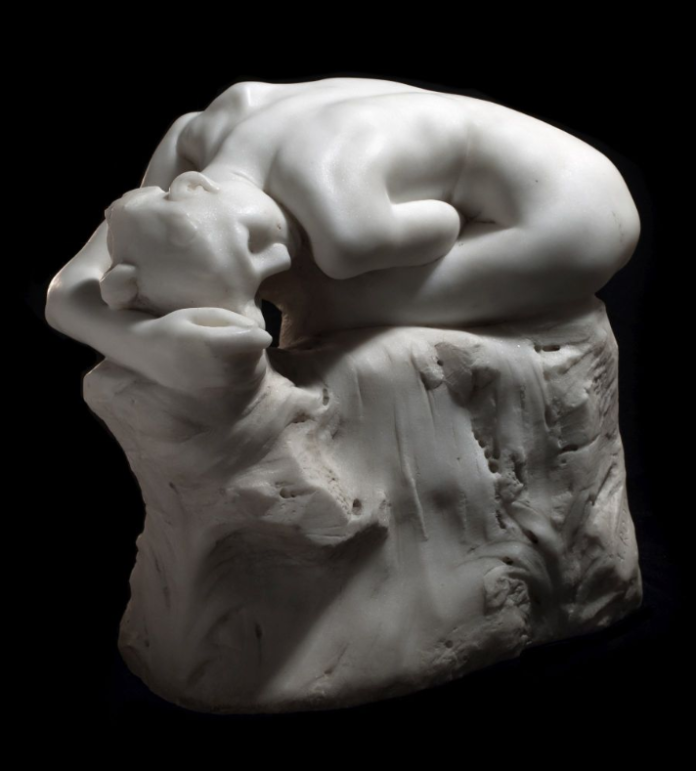
Auguste Rodin, “Andromède,” 1888, marble, 11 1/8 x 12 3/8 x 71/2 inches
An extraordinary marble sculpture by modernist icon Auguste Rodin with an equally intriguing history heads to the auction block in one week.
On May 30, Artcurial will make available a stunning marble sculpture by Auguste Rodin. Titled “Andromède,” the sculpture displays a nude young female, draped over a rock — arguably one of the most beautiful and sensual examples of its mythological subject. The sculpture has been with the same family since its production in 1888 — over 130 years.
Other examples of the striking sculpture exist today, housed in important Rodin collections all over the globe, including the Rodin Museum in Philadelphia, the Musée Rodin in Paris, and the Museo Nacional de Bellas Artes in Buenos Aires. Scholars suggest the original is the most accomplished in its naturalist transcription.
Auction estimates are between €800,000 and €1,200,000. To learn more, visit Artcurial.
This article was featured in Fine Art Today, a weekly e-newsletter from Fine Art Connoisseur magazine. To start receiving Fine Art Today for free, click here.
2017
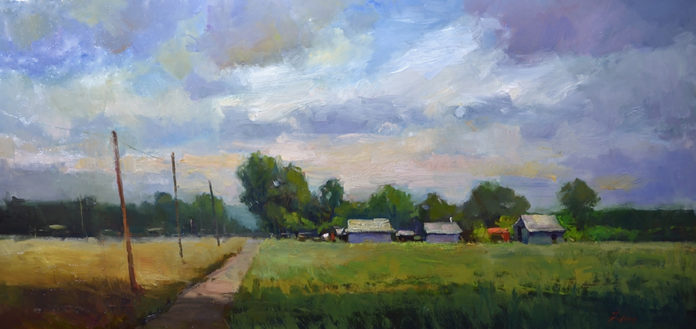
Being raised in the panhandle of Texas and southeastern Oklahoma, scenes like “The Road Home” appeal to artist Kelli Folsom. Imprinted on her visual memory are elements of each place that are familiar from big blue skies and vast flat plains, extreme winds, tornadoes and fast moving clouds, farm lands, cattle, barns and hay bales. Her memories of riding combine harvesters with her Father and adventuring off on her own at her Nannie and Papa’s farm are still alive in the plein air painting she does. Whether it’s still life, figures or landscape Kelli always paints from life and is filled with the wonderment of discovery. She feels there is no better way to get the lifelike quality of movement, light and atmosphere and the true identity of a place or thing into the painting.
Since graduating from art school with her B.F.A. from Lyme Academy College of Fine Arts in 2011 she has received numerous awards and scholarships for her work including, the National Cowboy & Western Heritage Museum’s Anna Lee Stacey scholarship, Southwest Art and American Art Collector Magazine’s Award of Excellence, and the Oil Painters of America Honorable Mention Award in figurative art. Her work has been exhibited in many museum shows, represented by several galleries and in numerous private collections across the country.
“I love the intimate connection that I get from painting any subject from nature. Trying to capture it as sincerely as I can with bravery and vitality is what I am after. To communicate what is important about a scene or thing that will stir an emotional response is what I am seeking, not just to copy reality.”
“Nature compels me to create. Trying to capture it as sincerely as I can with sincerity, bravery and vitality is what I am after. To communicate what is important about a scene or thing is what I am seeking, not to just copy reality. To create a visual arrangement that stirs emotion and deep response is my objective. Painting is like a mirror for me and the longer I paint the more I feel like I’m finding some truth.”
In this ongoing series for Fine Art Today, we take a longer look at the history and features of a soon-to-be-available artwork of note. This week we feature an exceptional pastel whose upcoming sale is generating quite the buzz.
In this ongoing series for Fine Art Today, we take a longer look at the history and features of a soon-to-be-available artwork of note. This week we feature an exceptional pastel whose upcoming sale is generating quite the buzz.
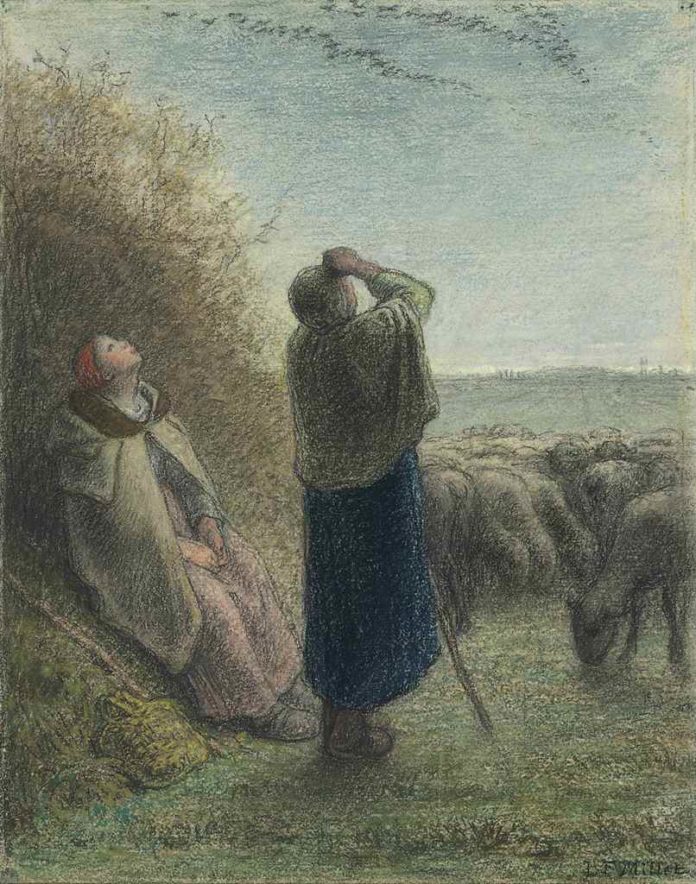
French artist and leader of the Barbizon School of painters Jean-François Millet (1814-1875) was one of the most influential painters of his time. With his art highly coveted and predominantly found in public collections, the upcoming sale of “Le Passage des oies sauvages” is certainly gaining a lot of attention.
Headlining Christie’s May 23 “19th Century European Art” sale in New York City, “Le Passage des oies sauvages” is arguably one of the artist’s most appealing and original compositions, according to the auction house. “Drawn in the early 1860s,” Christie’s writes, “the pastel offers an image that is essentially timeless, expressed with a color and touch that were particularly modern and very much Millet’s own.”
Masterfully captured using bold shapes and muted hues, two female figures gaze upward toward the sky. In this scene, the two are observing a distant flock of geese. Just beyond the main characters is a herd of sheep. Christie’s continues, “Many of Millet’s wide-ranging themes of life in the fields and forests have their roots in his own childhood, expressions of scenes glimpsed as a young boy growing up in a remote farming village at the edges of Normandy, celebrating tasks he understood deep in his own body from long hours working the land himself beside his father and brothers.”
Noteworthy for “Le Passage des oies sauvages” is the color. In fact, Millet’s inclusion of pastel and/or crayon colors in his drawings was relatively novel. According to Christie’s, during and after the mid-1850s, finished drawings became a central focus for Millet’s livelihood, which satisfied his growing numbers of small-scale private collectors. “Until about 1860, those drawings had been executed almost entirely in black crayon, perhaps highlighted with a bit of white,” Christie’s writes. “In response to his patrons’ demand, he had experimented with working small areas of very restrained pastel or crayon color into a woman’s skirt or a landscape element.”
Auction estimates are between $600,000 and $800,000. To learn more, visit Christie’s.
This article was featured in Fine Art Today, a weekly e-newsletter from Fine Art Connoisseur magazine. To start receiving Fine Art Today for free, click here.
Whether you believe technology is a blessing or a curse, there can be no doubt that it has greatly enhanced our ability to understand how artists worked, the materials they used, and perhaps mistakes they made. This exciting exhibition highlights a few cases in point.
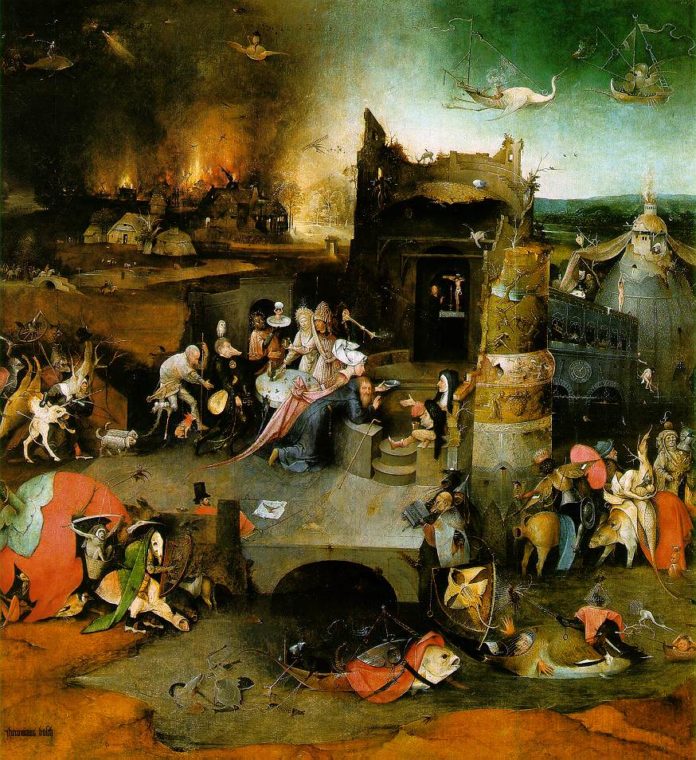
“What Lies Beneath” is a fascinating show at the Indianapolis Museum of Art (IMA) that investigates the stories that paintings have under the pigments we can see. On view through August 6, “What Lies Beneath” is, in fact, the second of a two-part exhibition series by the museum that focuses on the science behind conservation. “The exhibition illustrates how X-ray and infrared imaging technologies can reveal important clues hidden beneath the surface,” writes the museum, “clues that provide curators, conservators, and conservation scientists with critical information on the authenticity of the work and original intent of the artist.”
Three paintings were specially selected for the exhibition, considering the interesting facts they’ve recently revealed when examined using X-ray and infrared. Continuing, the museum said, “Through an interactive touch screen, guests can see the hidden objects and details that were discovered beneath layers of the paintings. When revealed, a new scene emerges.”
Senior conservation scientist at the IMA Greg Smith adds, “Many people think of the arts and the sciences as two opposing worldviews, but the Conservation Science Indianapolis series shows the rich interface between the two that has existed throughout history and continues to be relevant today. The art museum becomes a fantastic place to teach and learn about STEM (Science, Technology, Engineering, and Math) concepts.”
This article was featured in Fine Art Today, a weekly e-newsletter from Fine Art Connoisseur magazine. To start receiving Fine Art Today for free, click here.
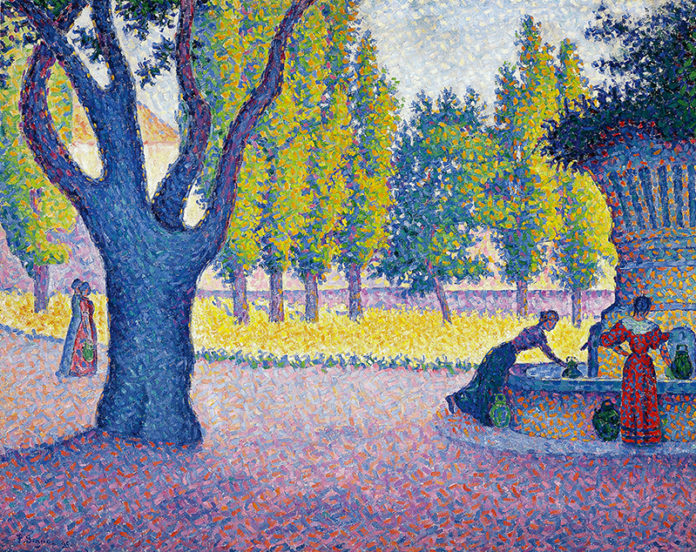
Paul Signac, “Saint-Tropez, Fontaine des Lices,” 1895, oil on canvas, 25 9/16 x 31 7/8 inches, Private collection
It was a time of political upheaval, cultural transformation, and a spectrum of artistic movements in Europe during the last half of the 19th century, especially in the art capital of the world: Paris. How artists reflected and captured this era was truly extraordinary.
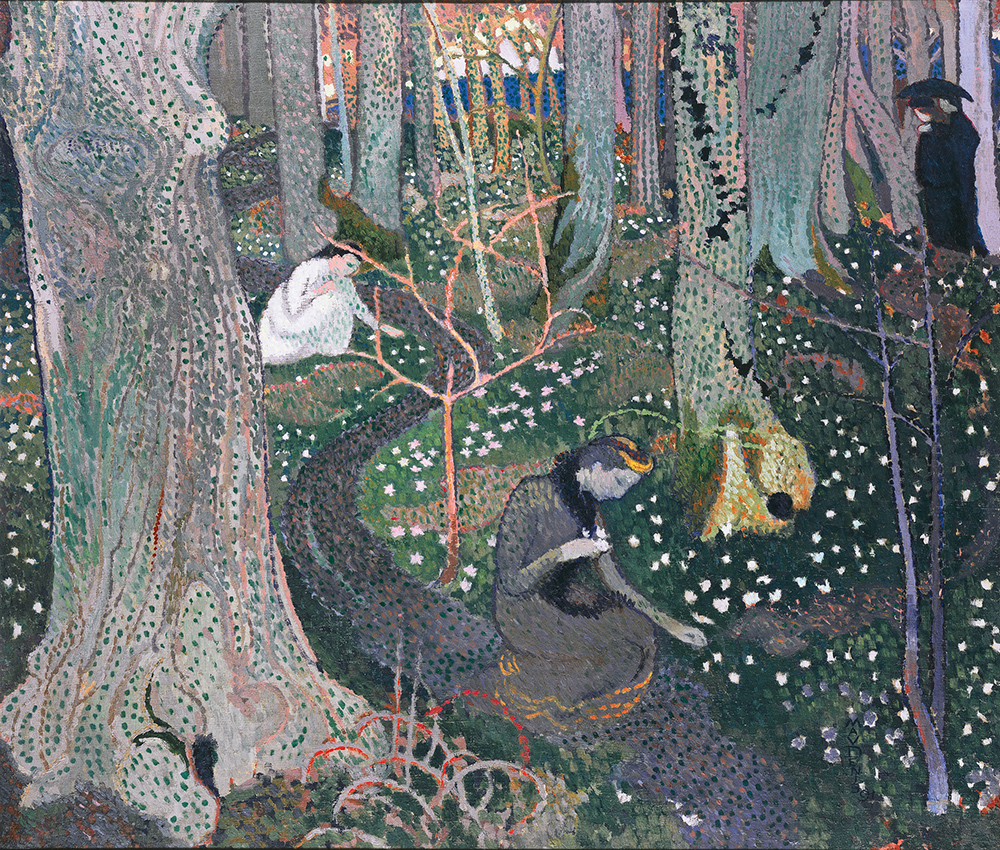
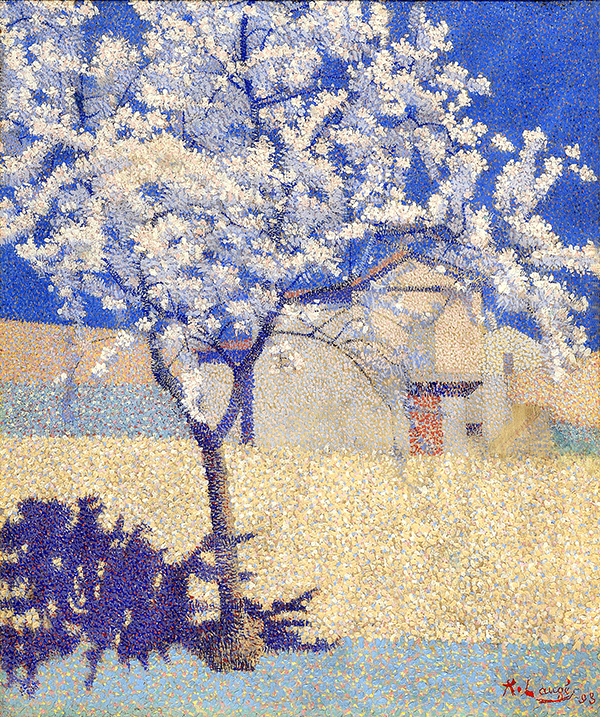
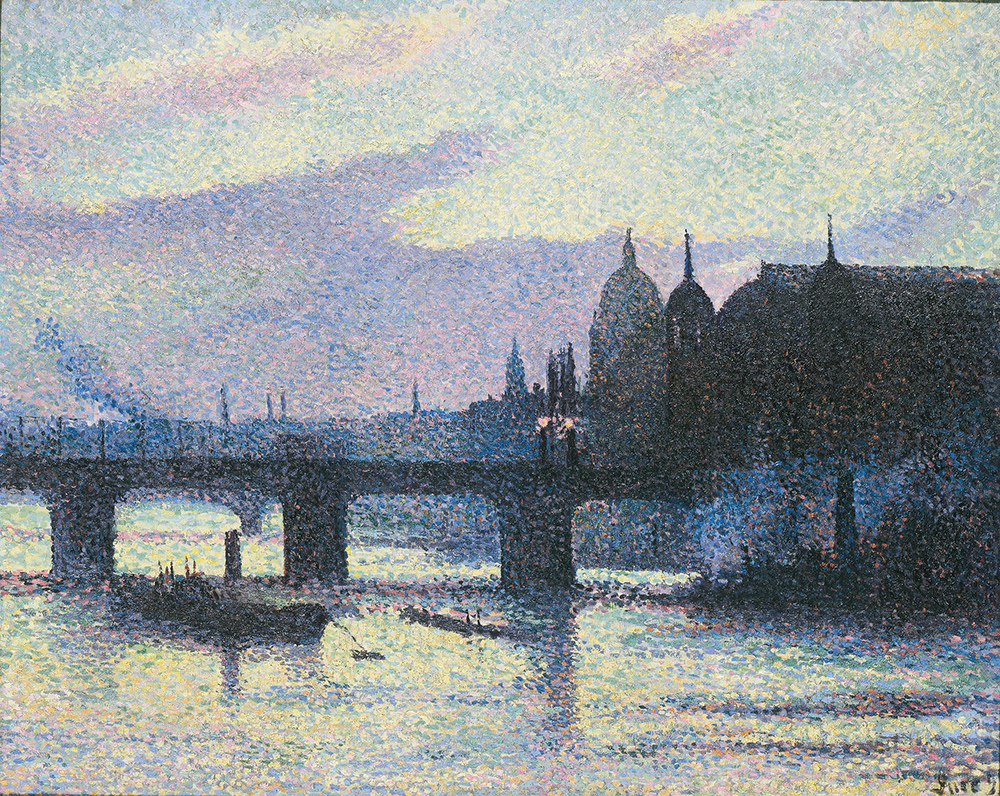
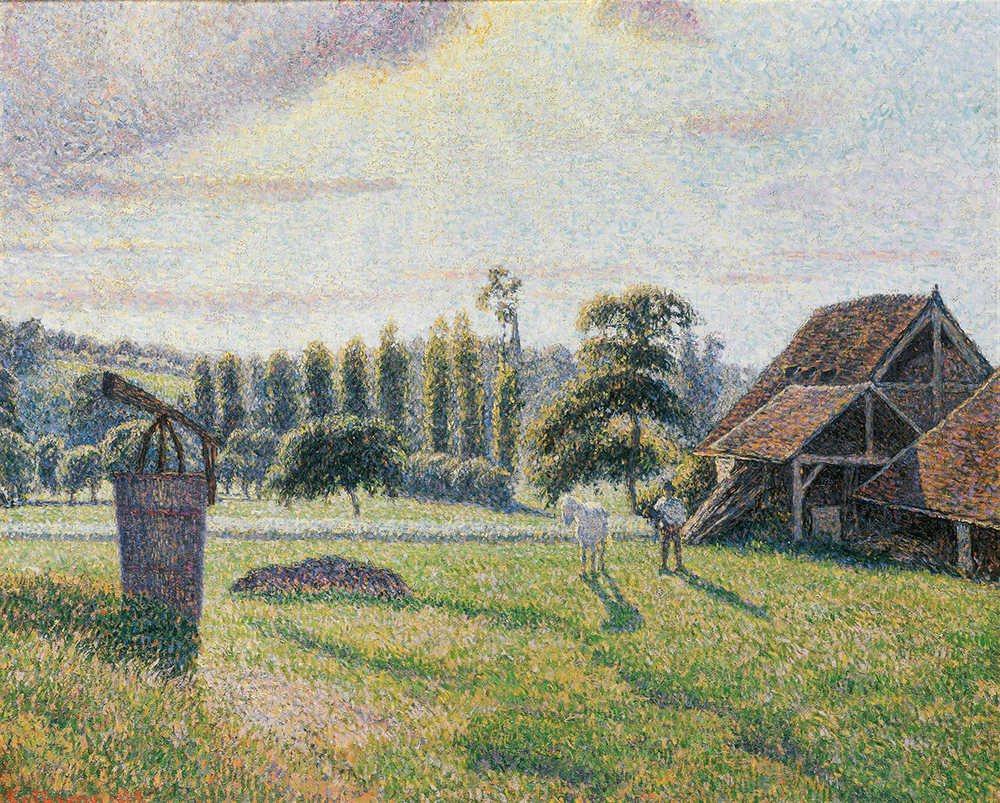
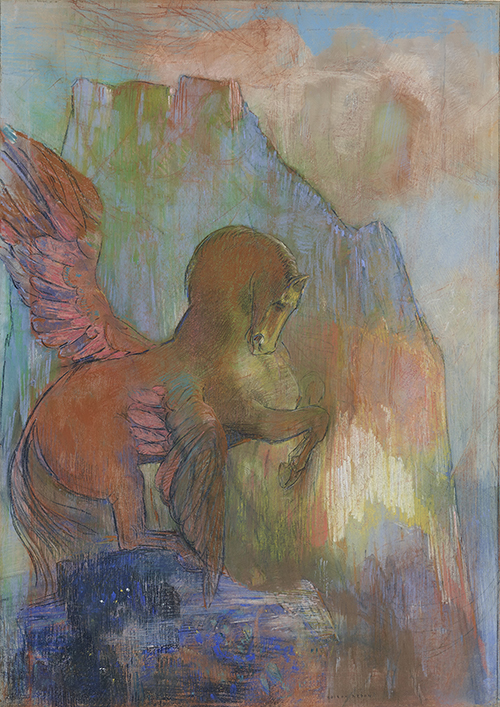
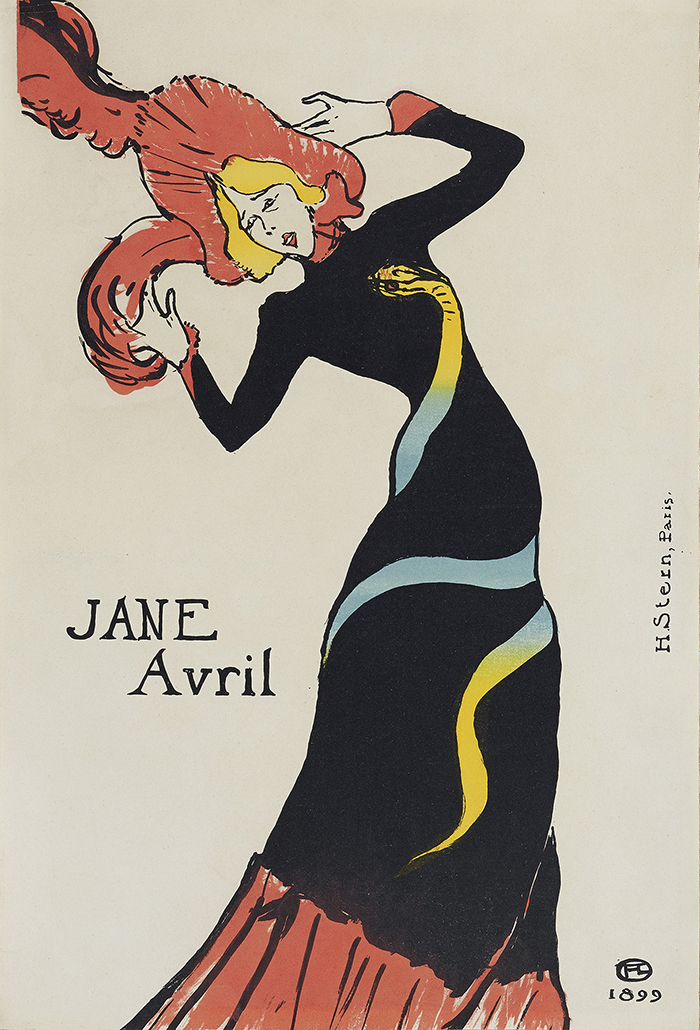
An incredible array of late-19th-century paintings are currently on view at the Guggenheim Museum in Bilbao, Spain. On view through September 17, “Paris, Fin De Siècle” centers on how a group of seminal artists and their contemporaries captured a period of vibrant — and sometimes chaotic — transformation.
Maurice Denis, “April (The Anemones),” 1891, oil on canvas, 25 9/16 x 30 11/16 inches, Private collectionAchille Laugé, “The Flowering Tree,” 1893, oil on canvas, 23 3/8 x 19 3/8 inches, Private collection
The exhibition revolves around three artists: Paul Signac, Odilon Redon, and Henri de Toulouse-Lautrec. “By the late 1880s, a generation of artists had emerged that included Neo-Impressionists, Symbolists, and Nabis,” the museum reports. “Their subject matter remained largely the same as that of their still-active Impressionist forebears: landscapes, the modern city, and leisure-time activities; however, these scenes were joined by introspective and fantastical visions, and the treatment of these familiar subjects shifted. The avant-garde ambition to spontaneously capture a fleeting moment of contemporary life ceded to the pursuit of carefully crafted works that were anti-naturalistic in form and execution, and which sought to elicit emotions, sensations, and psychic changes in the viewer.
Camille Pissarro, “The Delafolie Brickyard at Éragny,” circa 1886-88, oil on canvas, 22 13/16 x 28 3/8 inches, Private collectionOdilon Redon, “Pegasus,” circa 1895-1900, pastel on paper, 2 9/16 x 19 3/16 inches, Private collectionHenri de Toulouse-Lautrec, “Jane Avril,” 1899, color lithograph, 21 7/8 x 14 15/16 inches, Private collection
“Despite their sometimes contradictory stances, these artists shared the goal of creating art with a universal resonance, and there was even overlap among members of the groups. Surveyed together, the idioms of this tumultuous decade map a complex terrain of divergent and collective aesthetic and philosophical theories, while charting the destabilizing events on the cusp of two centuries.”
This article was featured in Fine Art Today, a weekly e-newsletter from Fine Art Connoisseur magazine. To start receiving Fine Art Today for free, click here.
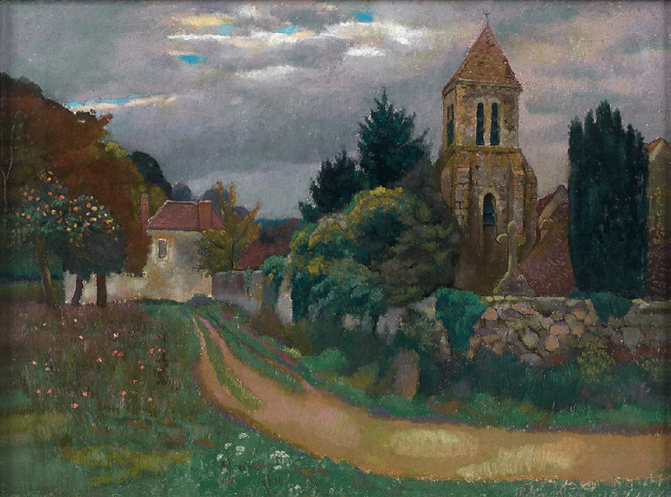
Philippe Smit, “The Church at Thoury-Ferrottes,” 1927, pastel, Private collection
Some say Dutch-born artist Philippe Smit might be the most accomplished unknown artist of the 20th century. Aren’t familiar with the name? That could drastically change in just a few weeks. Why?
Strongly influenced by Jean-François Millet, the French Barbizon School, and the mysticism of Vincent van Gogh, artist Philippe Smit would eventually pioneer a unique style in the 20th century called mystical symbolism. Although he is still relatively unknown in the pantheon of great 20th-century painters, a new exhibition and catalogue raisonné are aiming to change that narrative this spring.
On May 21, the Glencairn Museum in Bryn Athyn, Pennsylvania, will open a much-anticipated exhibition and catalogue-release surrounding the life and career of Smit. According to the museum, “Mysticism grew out of the enlightenment period and became prevalent among artists and philosophers of the late 19th and early 20th centuries. While Smit often painted with oils, he preferred pastels. Rich and intense color illustrates the expression of his works, which were inspired by the great French poets and musicians, and by the writings of 18th-century Swedish scientist and spiritual philosopher Emanuel Swedenborg.
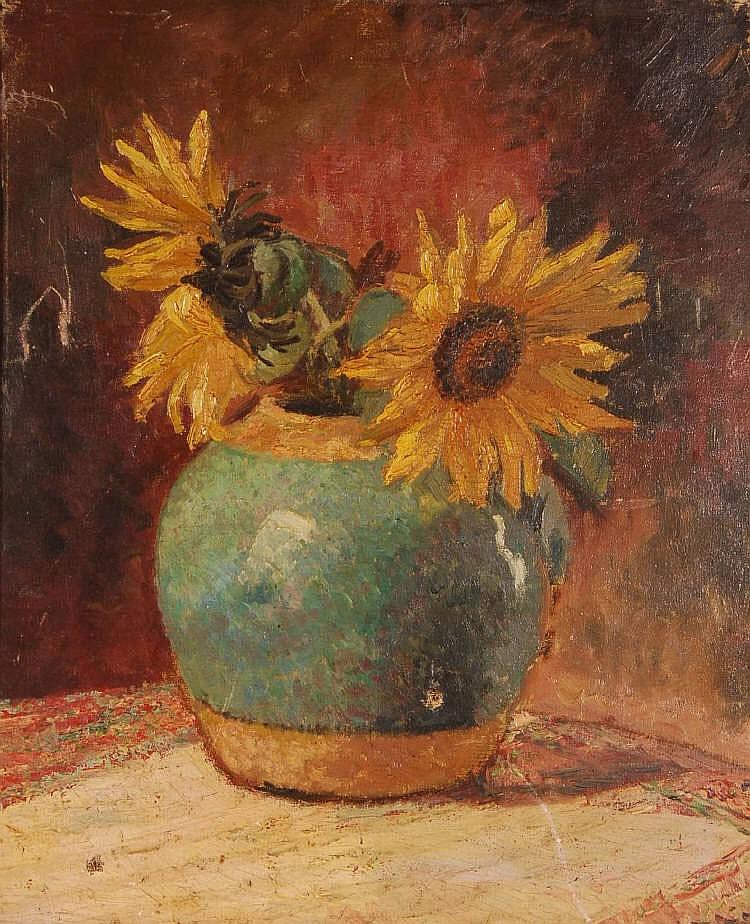
Philippe Smit, “Vase of Sunflowers,” 1914, oil on canvas, 22 x 18 inches
“The spiritual sentimentality and expression in his work is considered unique and distant from the contemporary aesthetic revolution of his time. A more intimate style can be observed in his portraits of family members and close friends and in his still lifes of flowers.”
Andreas Narzt, director and developer of the catalogue raisonné, suggests, “Smit, like many artists of his time, explored the transcendence and struggle between man and the divine. As he grew in his art, he sought a deeper connection to the divine and often explored the connection between man, nature, and God.”
To learn more, visit the Glencairn Museum. You can also learn more about Philippe Smit by visiting here.
This article was featured in Fine Art Today, a weekly e-newsletter from Fine Art Connoisseur magazine. To start receiving Fine Art Today for free, click here.
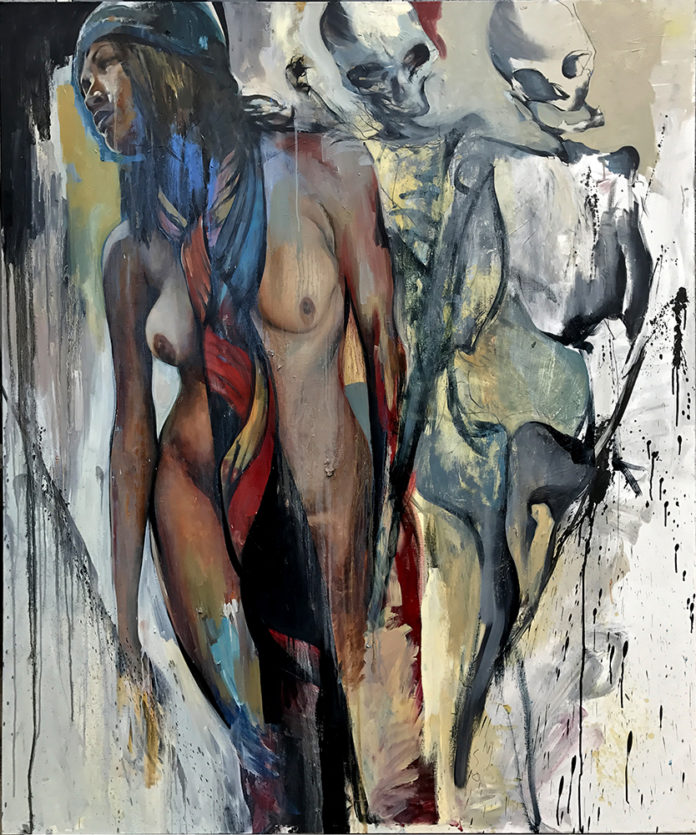
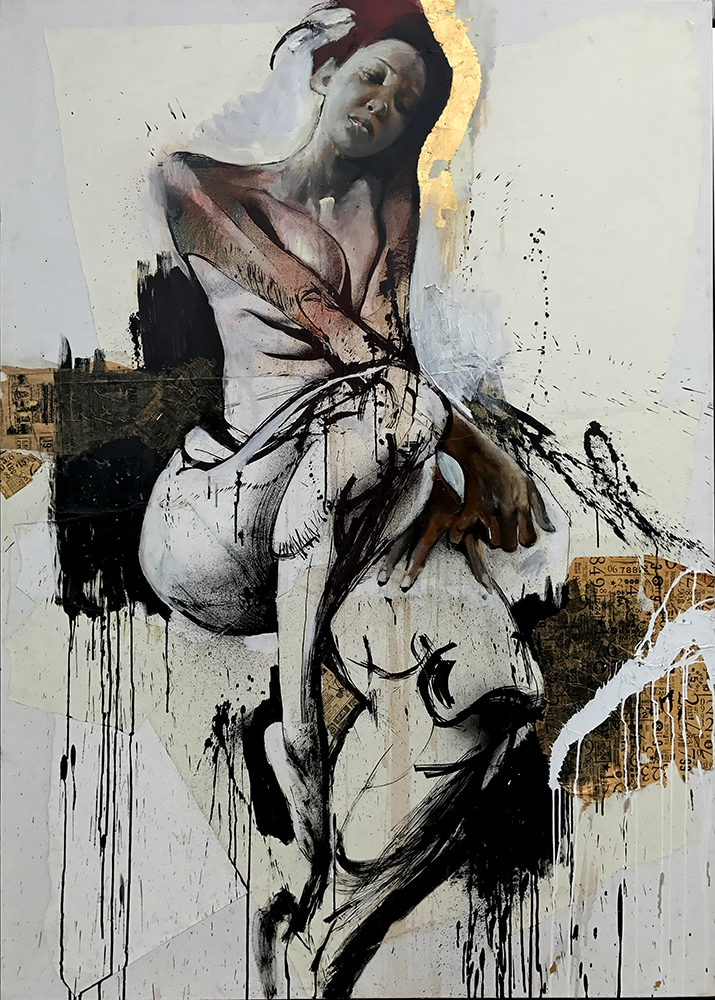
Jason Shawn Alexander, “Threesome,” mixed media on canvas, 72 x 60 inches
Two Los Angeles-based artists are currently presenting evocative new bodies of work that are full of emotion, subliminal communication, and so much more. Don’t miss it!
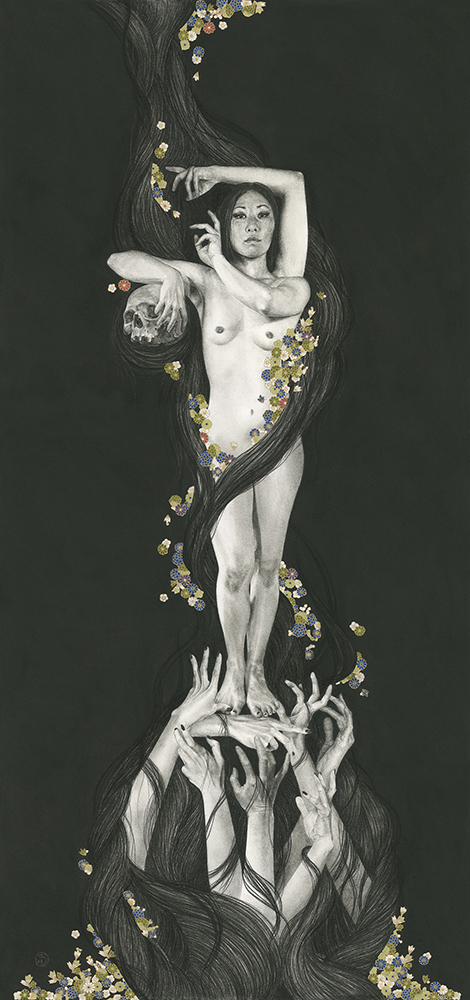
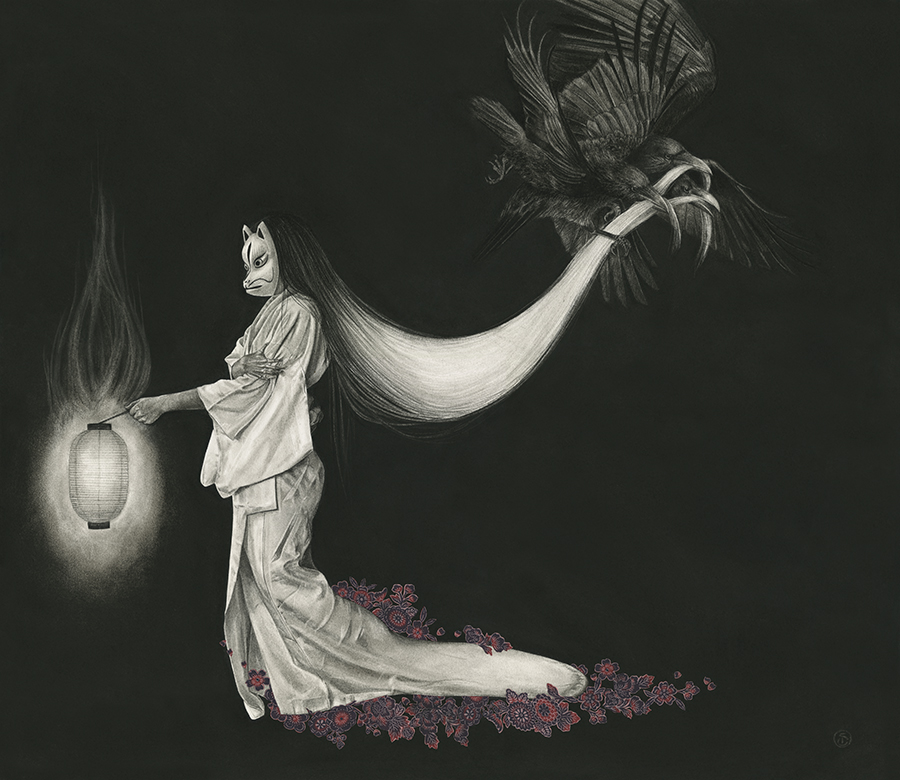
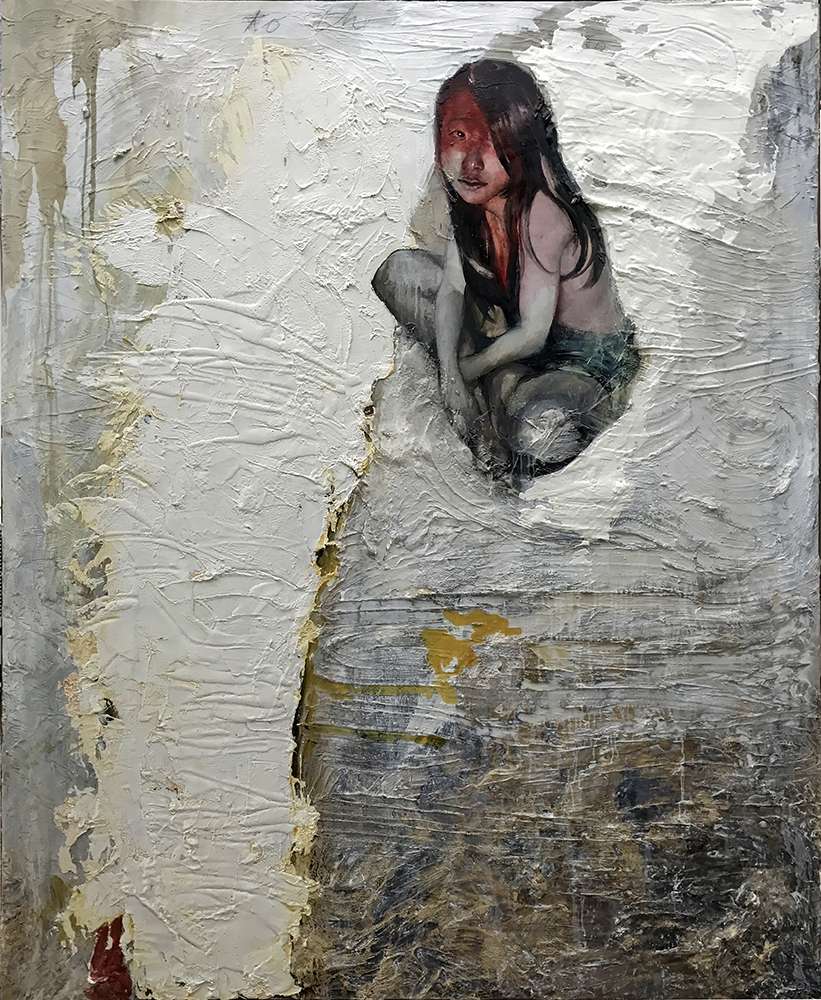
Their styles may be different, but the impact is the same. Opened on May 6 and on view through May 27 at Booth Gallery in New York City, “Subliminal” presents the recent works of Los Angeles-based painters Jason Shawn Alexander and Stephanie Inagaki.
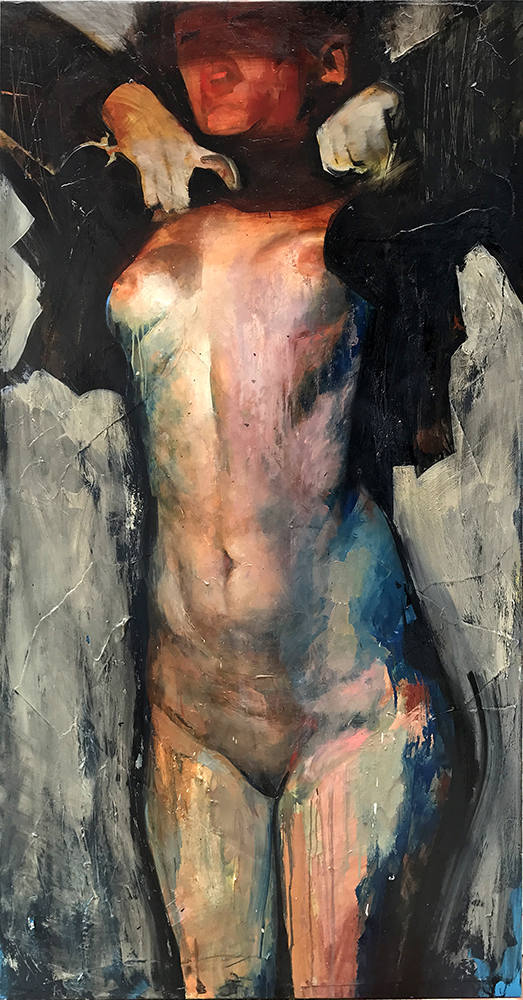
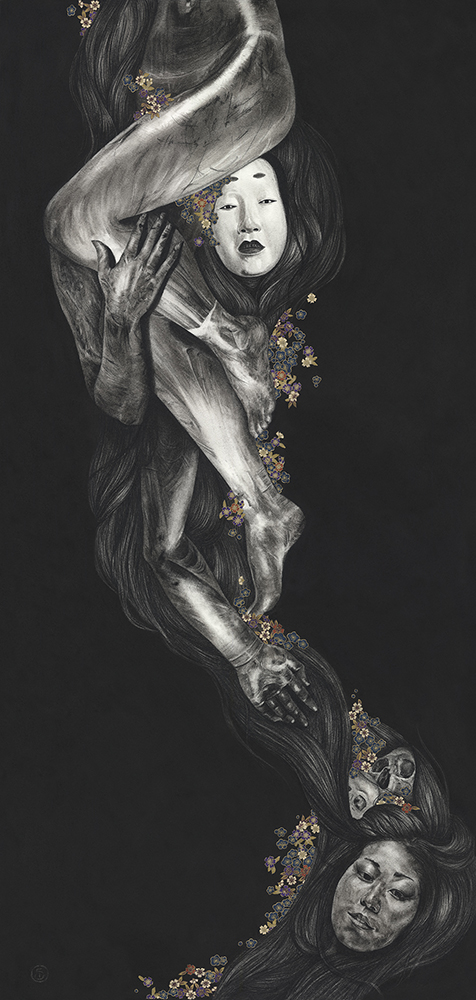
Jason Shawn Alexander, “Body,” mixed media on canvas, 54 x 29 inchesStephanie Inagaki, “(in)resolve,” charcoal and washi on paper, 24 x 46 1/2 inchesStephanie Inagaki, “(within) constraint,” charcoal and washi on paper, 24 x 46 1/2 inches
Both artists are self-described figurative painters, but that’s only where their works begin. Alexander creates life-sized to over-life-sized, towering pictures of exposed bodies. Through expressive body language and degrees of abstraction, Alexander’s paintings offer stories to their viewers. Speaking about his current work and Inagaki’s, Alexander suggests, “You cannot simply hang either of our works ‘safely’ on the wall. The work for this show is challenging, both in interpretation of the lives being portrayed, and directly due to the images ‘seeing’ the viewer or the imposing scale. These works have much more going on than simply figurative art. These are works that tell stories. Our stories, told through figurative work. Some of it is right there, splashed in front of you, but most of it is in the subtitles, almost subliminal.”
Jason Shawn Alexander, “Judith,” mixed media on canvas, 70 x 50 inchesStephanie Inagaki, “Equanimity,” charcoal and washi on paper, 23-1/2 x 45-1/2 inchesStephanie Inagaki, “The Reluctant Passing,” charcoal and washi on paper, 29 1/2 x 33 1/2 inchesJason Shawn Alexander, “The Great Egress,” mixed media on canvas, 72 x 60 inches
Inagaki works in mixed media to construct her figurative stories and “portray characters that hold direct eye contact with the viewer,” the gallery writes, “daring them to seek meaning within her mythological-based narratives. Both Inagaki’s and Alexander’s figures are vessels for stories, purposed to transfer emotion and human experience.”
This article was featured in Fine Art Today, a weekly e-newsletter from Fine Art Connoisseur magazine. To start receiving Fine Art Today for free, click here.
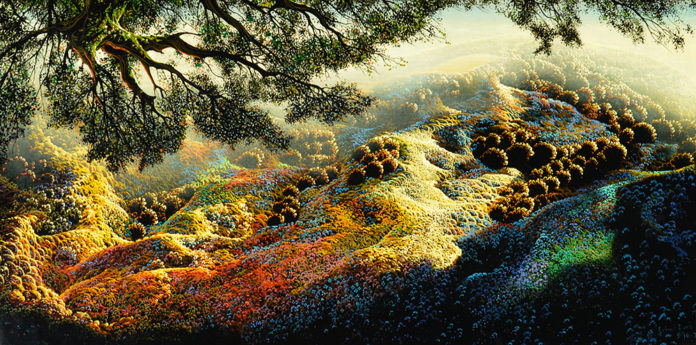
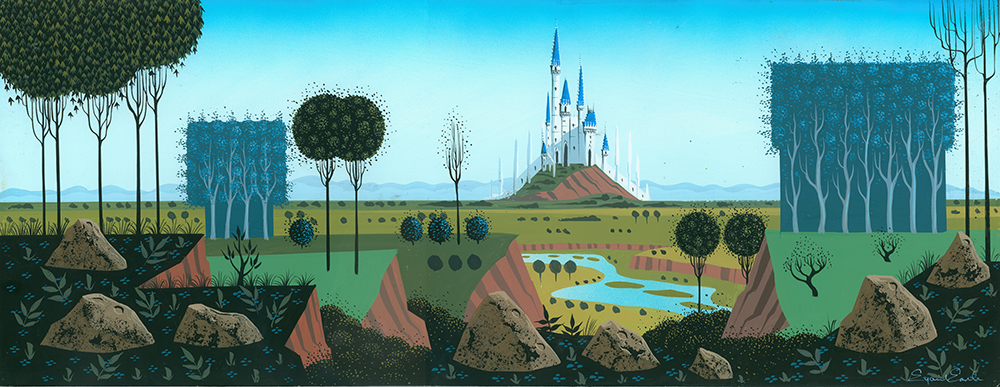
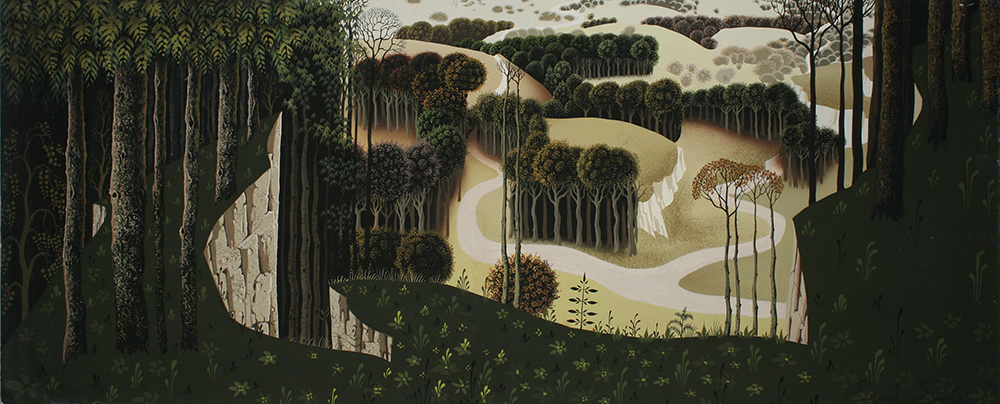
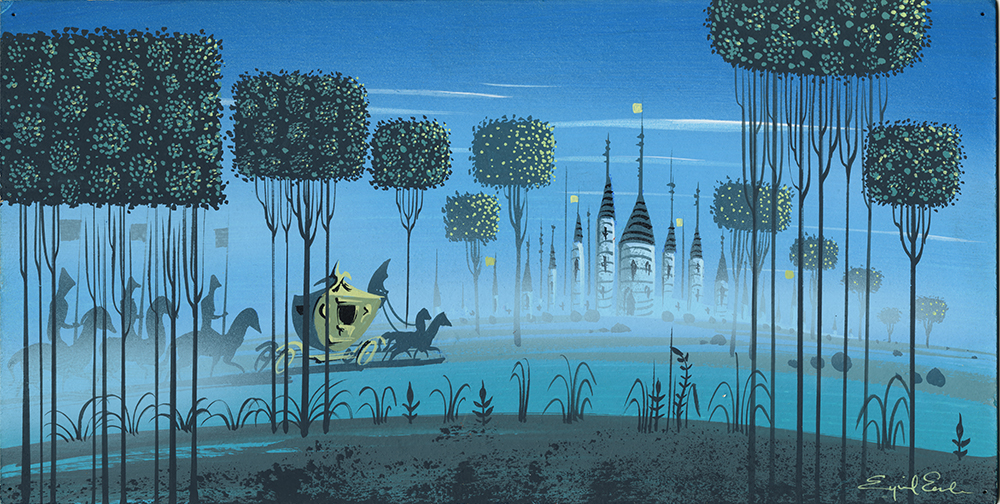
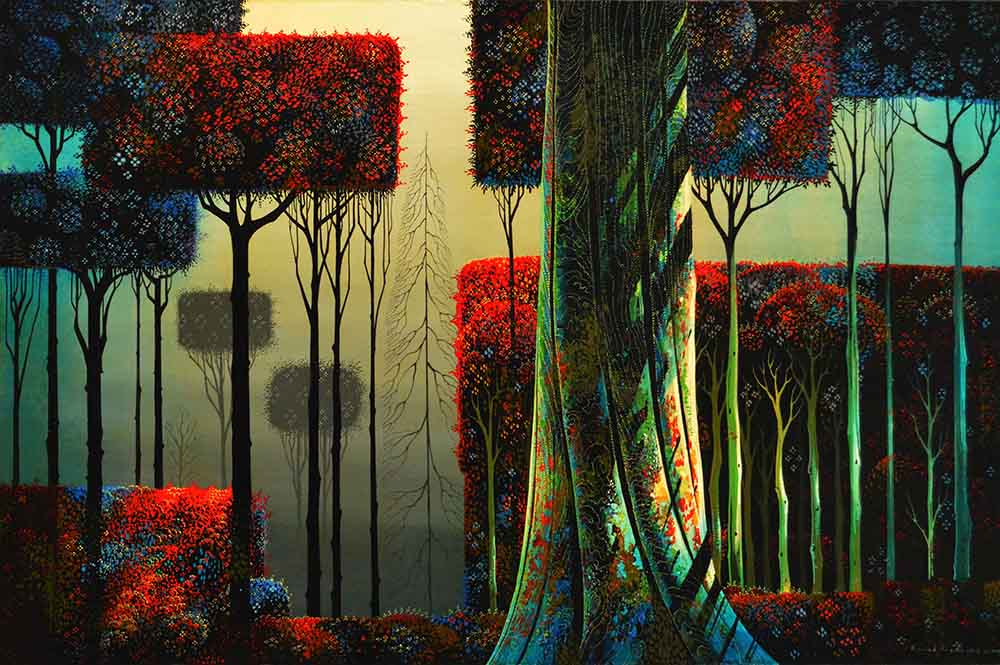
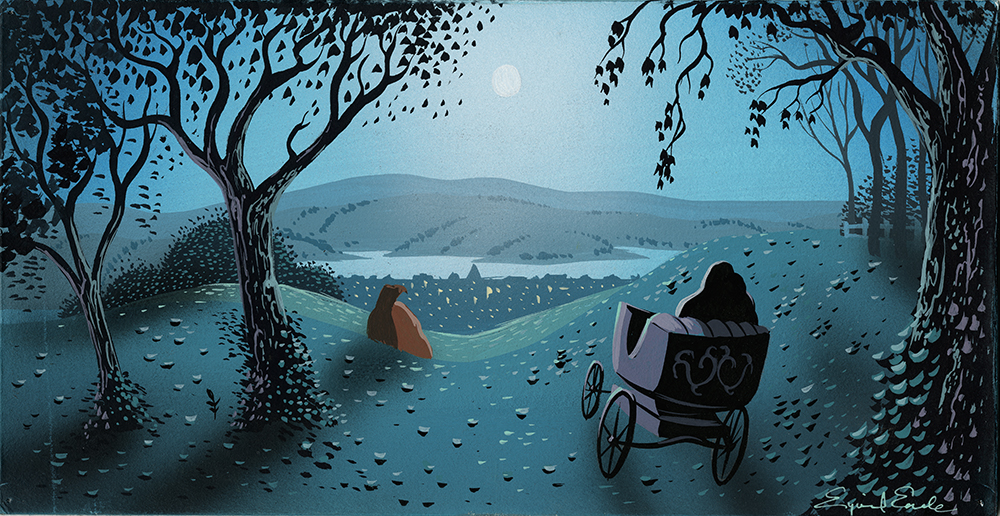
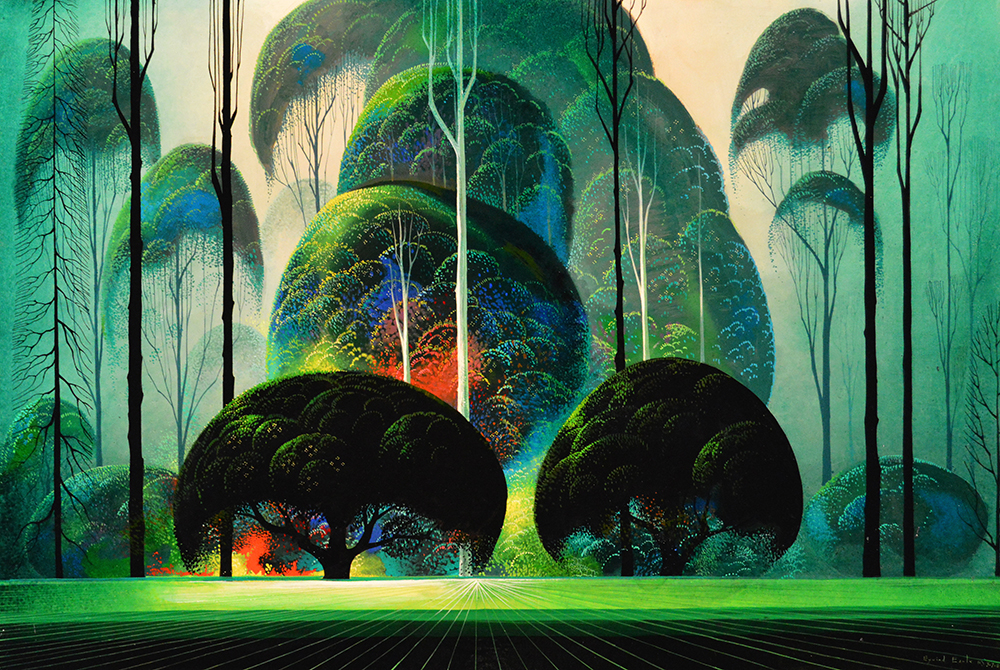
Twentieth-century artists who worked on classic Walt Disney feature animations rarely get the attention they deserve. One of them, who was the lead stylist for Sleeping Beauty (1959), is getting his time in the spotlight at this museum.
I’ve come across exhibitions like this before — whether in person or digitally — and they always make an impression, leading to the question: Why aren’t there more institutions celebrating these fantastic artworks? I’m talking about original artworks from the animation studios of our childhood, such as Walt Disney, Warner Brothers, MGM, and more.
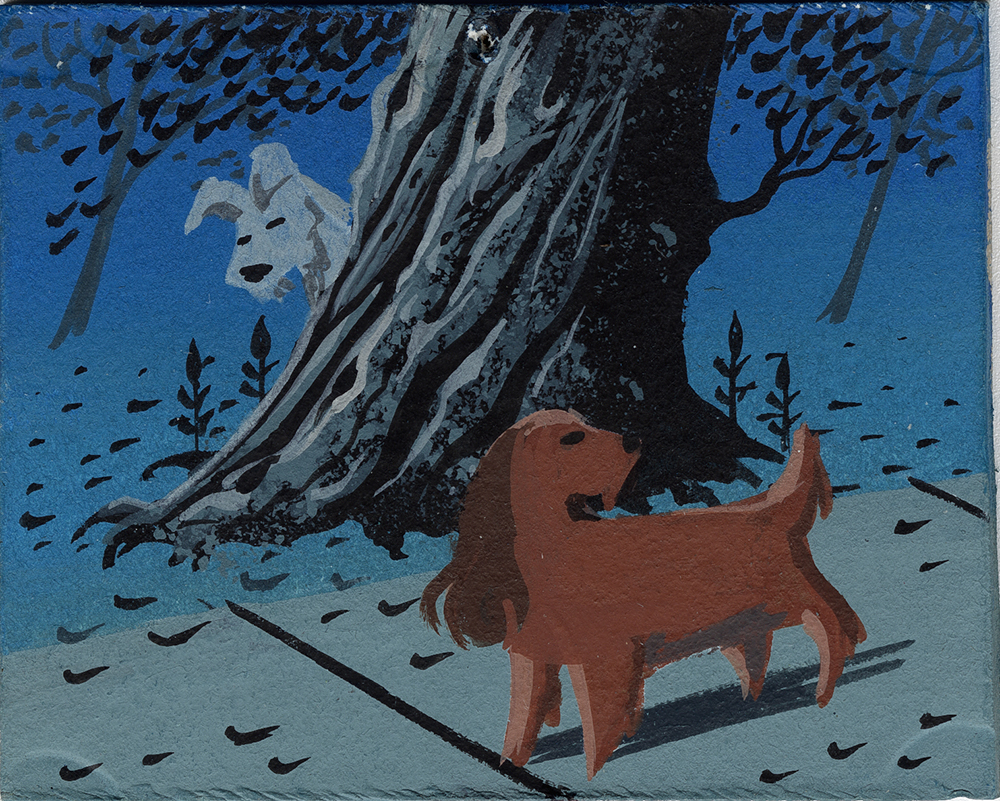
The Walt Disney Family Museum in San Francisco, California, is an institution made for these types of displays, and its current exhibition “Awaking Beauty: The Art of Eyvind Earle” surely deserves your attention. On view from May 18 through January 2018, “Awaking Beauty” is a gorgeous retrospective that showcases the life and work of Eyvind Earle (1916-2000), who is best known as the lead stylist for Sleeping Beauty (1959). Earle was also a lead stylist for concept art that intimately shaped such films as Lady and the Tramp (1955) and Peter Pan (1953).
Via the museum, “Co-curated by Ioan Szasz, CEO of Eyvind Earle Publishing, and Michael Labrie, Director of Collections and Exhibitions for the Walt Disney Family Foundation and The Walt Disney Family Museum, the artist’s first-ever comprehensive museum retrospective will feature more than 250 works, including intricate thumbnail concept paintings for Lady and the Tramp and evocative large-scale concept artworks for Sleeping Beauty. Alongside Earle’s work for The Walt Disney Studios is an extensive showcase of his fine art, including elaborate and lush landscapes, unique scratchboards, rare examples of sculpture, companion poetry, and commercial illustrations. In addition to signature landscapes and enchanting illustrations that are characteristic of Earle’s style, the exhibition will feature his limited-edition serigraphs and lesser-known pieces, including cartoon drawings from his time in the U.S. Navy and commercial advertisements for American brands.
“This retrospective offers unique insight into Earle’s colorful life story, his inspiration, and his creative approach to the art-making process. Combined, these elements fueled an extraordinarily diverse career across a spectrum of traditional fine art, commercial design, and filmmaking.”
This article was featured in Fine Art Today, a weekly e-newsletter from Fine Art Connoisseur magazine. To start receiving Fine Art Today for free, click here.
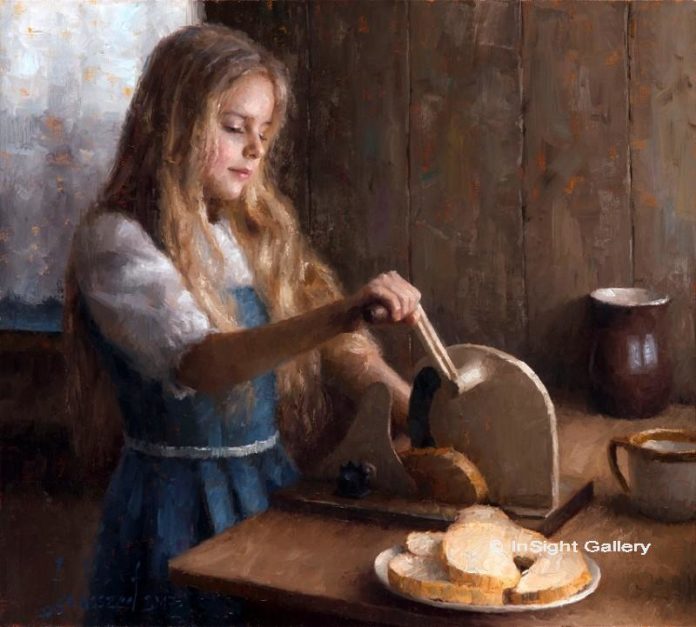
Damian Lechoszest, “Daily Bread,” oil, 18 x 20 inches
He’s exhibited in countries across Europe, including the Czech Republic, Germany, Russia, Great Britain, Ireland, France, and his native Poland, but never in the United States, until now.
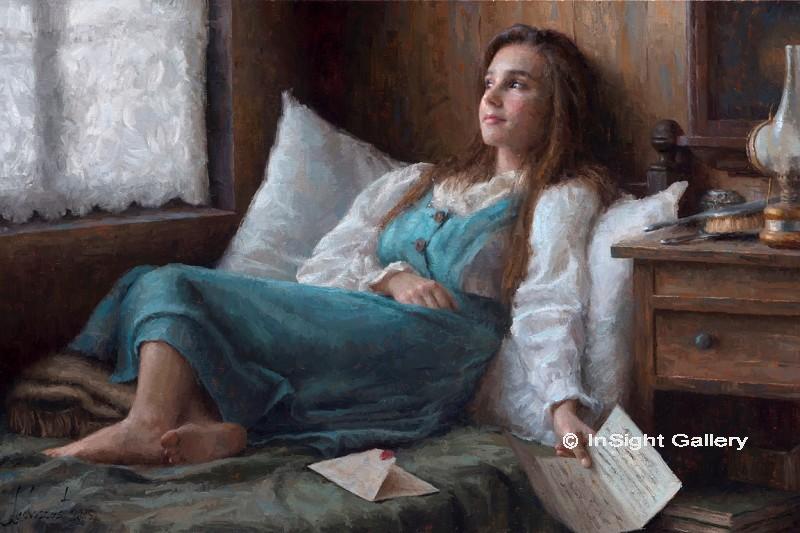
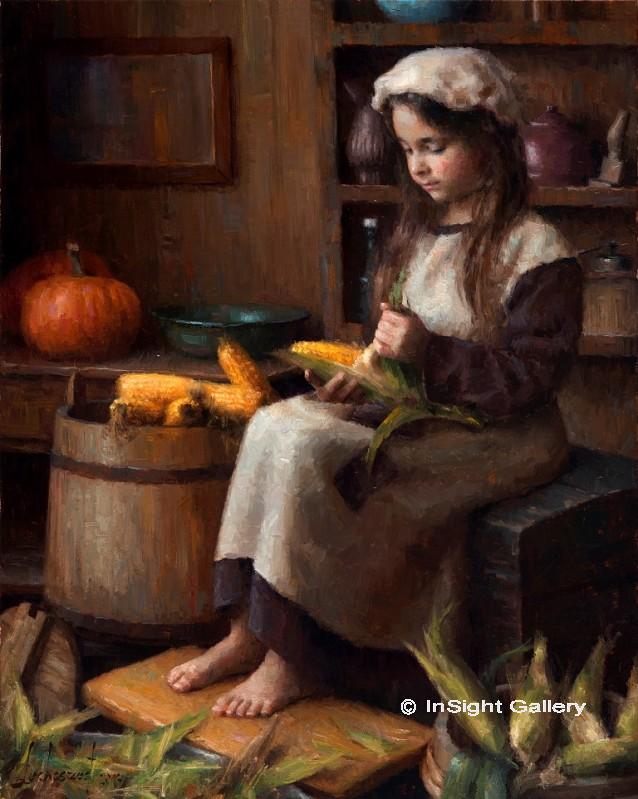
The first one-man show for Polish artist Damian Lechoszest in the United States has landed at a fitting venue: InSight Gallery in Fredericksburg, Texas, this spring. On view through May 5 through the end of the month, “Traditions” features a range of outstanding works by the artist that undoubtedly highlight his uncanny ability to harness subtle effects and phenomena of light.
Damian Lechoszest, “Love Letter,” oil, 24 x 36 inchesDamian Lechoszest, “Corn Shucking,” oil, 22 x 28 inches
Using feathery, expressive strokes of the brush, Lechoszest “portrays his subjects with unusual insight and analytical attitude,” the gallery writes. “He strives to record and immortalize the disappearing Polish folk traditions of his native land. An aspiring artist at a very early age, teachers and mentors from throughout his life have recognized a special quality in Lechoszest, with their tutelage and encouragement contributing to the artist’s passion for his profession. Lechoszest is the consummate student, devouring books about the human form and theoretical fundamentals of art then pouring what he has learned into his artwork. His brushwork is fitting and in perfect harmony with the old-world subjects and figurative works he so masterfully delivers.”
This article was featured in Fine Art Today, a weekly e-newsletter from Fine Art Connoisseur magazine. To start receiving Fine Art Today for free, click here.
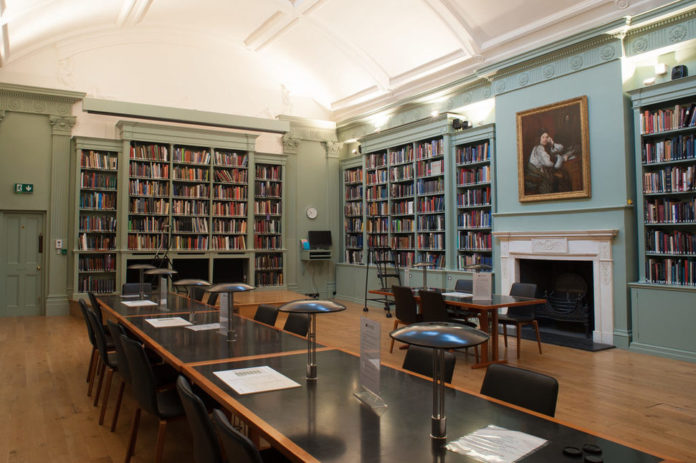
Public study room, Paul Mellon Centre for Studies in British Art, photo: Martine La Roche 2017
It was recently announced that the American Alliance of Museums has honored Yale University and another renowned institution with a prestigious award. What was it?
The Yale Center for British Art and the Paul Mellon Centre for Studies in British Art are among the best in the country, and they both possess a new award to demonstrates as much. The American Alliance of Museums recently announced that the two won a gold-level MUSE Award for their jointly published, open-access digital journal titled British Art Studies. “Part of the MUSE Open Culture category, the award recognizes British Art Studies for its high standards of excellence in the use of media and technology for Gallery, Library, Archive, and Museum (GLAM) programs,” Artfix Daily reports.
The two institutions were chosen among an international pool of more than 200 applications. This year’s entries included videos and films, interactive kiosks and installations, VR experiences, applications and APIs, digital communities, websites, audio tours, and more.
This article was featured in Fine Art Today, a weekly e-newsletter from Fine Art Connoisseur magazine. To start receiving Fine Art Today for free, click here.
Fill your mind with useful art stories, the latest trends, upcoming art shows, top artists, and more. Subscribe to Fine Art Today, from the publishers of Fine Art Connoisseur magazine.