
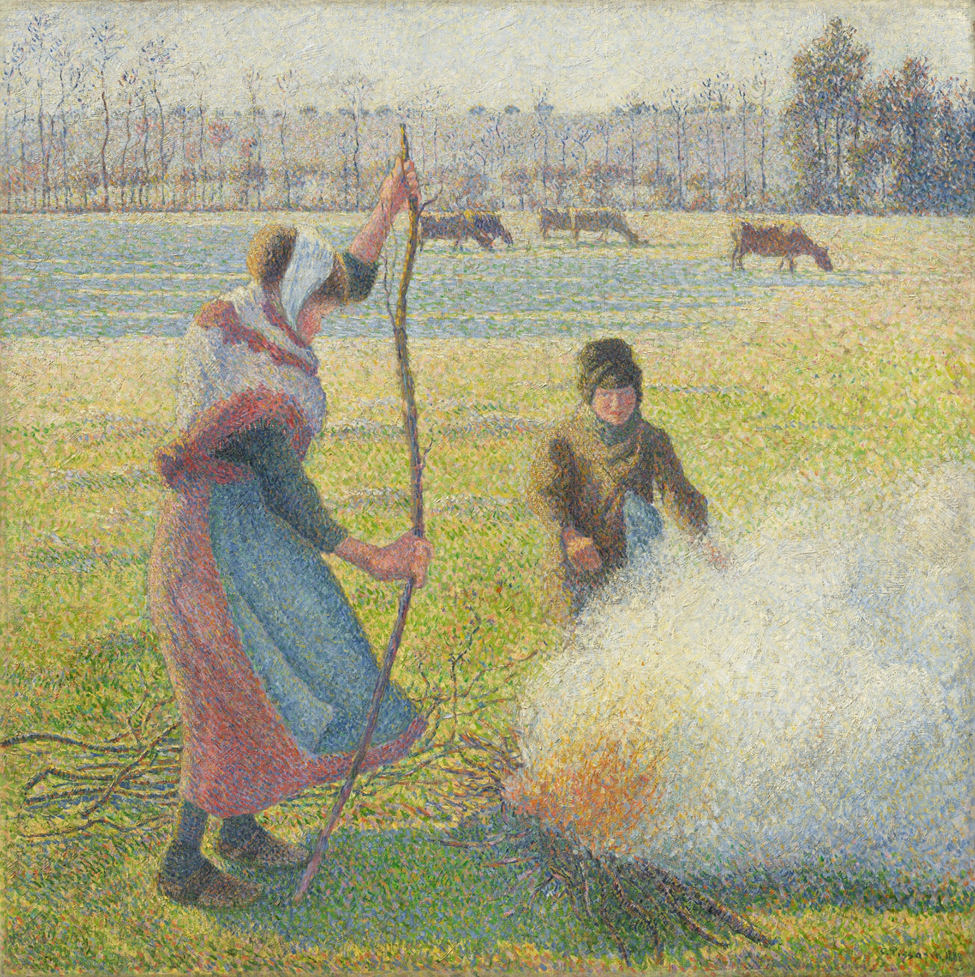
The Denver Art Museum is presenting a major exhibition of works by Camille Pissarro (1830–1903) that provides an overview of the artist’s illustrious career and examines his singular role within the Impressionist movement. “The Honest Eye: Camille Pissarro’s Impressionism” is the first major U.S. museum retrospective of the artist’s oeuvre in more than four decades.
Co-organized by the DAM and the Museum Barberini in Potsdam, Germany, the exhibition brings together more than 80 paintings from nearly 50 international museums and private collections, alongside six works from the DAM’s holdings. On view through February 8, 2026, The Honest Eye will feature landscapes, cityscapes, still lifes, and figure paintings, showcasing the breadth of Pissarro’s oeuvre and the various influences that shaped his practice as he responded to the social and political environment of the day.

“Through this exhibition, we hope visitors will explore Pissarro’s ability to capture everyday life in a way that elevates the mundane, while understanding the pivotal role he played in shaping the Impressionist movement,” said Christoph Heinrich, Frederick and Jan Mayer Director. “After our successful collaboration for ‘Claude Monet – The Truth of Nature’ in 2019, we’re thrilled to partner with the Museum Barberini again to bring important examples of Pissarro’s work to audiences in the U.S., including significant international loans, some of them have never been shown in this country before.”
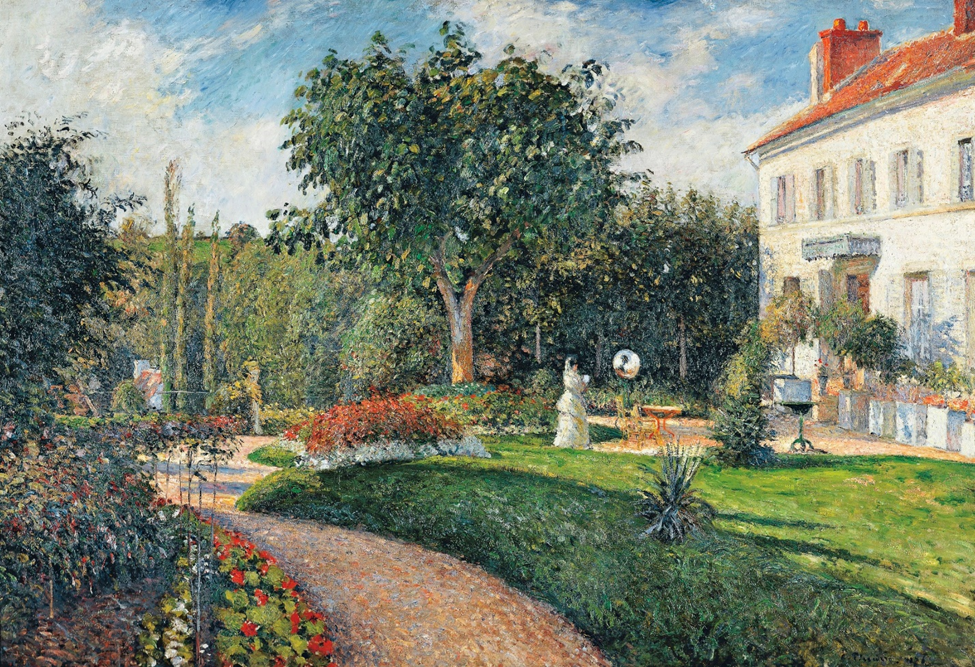
Born on the island of St. Thomas in what was then the Danish West Indies (now the U.S. Virgin Islands) to French Jewish parents, Pissarro spent time in Caracas and La Guaira, Venezuela, before settling in Paris in 1855. There, he became acquainted with a group of young artists who were challenging the traditional modes of painting and would eventually go on to birth the Impressionist movement. A versatile artist, Pissarro embodied the role of insider, contributing to the establishment of Impressionism as a coherent avant-garde phenomenon while maintaining his artistic independence as he eschewed his peers’ choice of upper-class subject matter to depict scenes of the mundane. The Honest Eye reflects this dichotomy, while selections from Pissarro’s letters provide insights into his artistic process and worldview more broadly.

“Pissarro was a true architect of the impressionist movement. His colleague and friend Cezanne called him ‘the first impressionist.’ The only artist to present work at all eight Impressionist exhibitions in Paris, Pissarro was a defining figure whose oeuvre captured a changing society in the throes of industrialization, straddling the rural and urban in his depictions of daily life,” said Clarisse Fava-Piz, Associate Curator of European and American Art before 1900.
The exhibition traces four decades of Pissarro’s career, illustrating the evolution of his practice from his early years in the Caribbean and South America, to his time in Paris at the dawn of the Impressionist movement, to his family life in Éragny, and his later years depicting the cities and harbors of northern France.
For more information, visit www.denverartmuseum.org.