
Home Blog Page 148

Collector Profile: Cris and Janae Baird

0
Art Collection - Figurative art mural painting
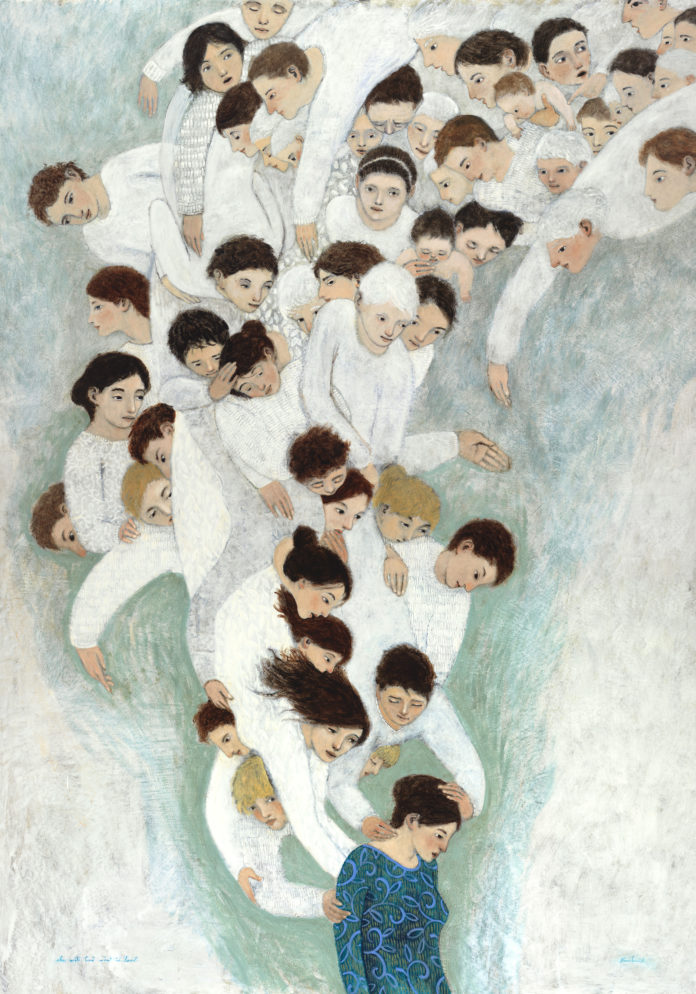
BRIAN T. KERSHISNIK (b. 1962), "She Will Find What Is Lost," 2012, oil on canvas, 11 x 8 feet, now owned by the Church History Museum, Salt Lake City © Brian T. Kershisnik, 2012

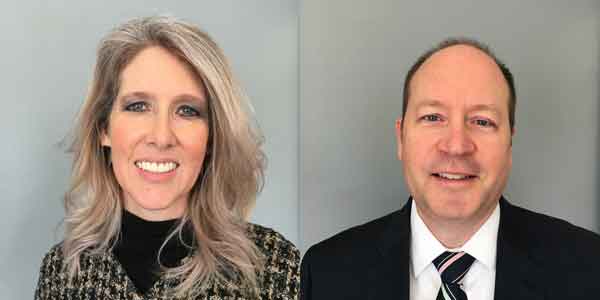
Featured Art Collection > Cris and Janae Baird of Arlington, Texas, have been interested in art all of their lives.
Art Collection - Janae and Cris Baird
Janae and Cris Baird

While growing up, Cris became aware that his great-uncle John Hafen (1856–1910) had been a prominent Utah artist. His grandparents owned two Hafen paintings that were ultimately donated to the Springville Museum of Art. When that occurred, Cris’s extended family held a drawing that would give the winners the right to buy prints after those paintings.

“Janae and I won, and although we were in college with young children, we found the money to buy a print, and we still cherish it today,” Cris explains. Janae’s aunt painted, her sister majored in art, and as a child she often sat before her family’s landscape prints and imagined being in the scenes herself. After studying oil painting as a teen, Janae took a 30-year break from pursuing art but has recently started sketching again.

The Bairds’ first purchase of original art occurred at a gallery in Fredericksburg, Texas, where they were charmed by three Betty Rhodes paintings depicting the scenic Hill Country nearby. In 2008 they moved to a larger home that needed some decorating, so promptly bought several works at Fort Worth’s Main Street Arts Festival.

It was in 2011 that the Bairds’ collector friend Glen Nelson asked them an important question: “What are you hoping to accomplish with your collection?” Cris marvels that “Glen realized, before we did, that our artistic sensibilities were haphazard and that we needed to be more thoughtful and deliberate — that the sum of our collection should be larger than the sum of its parts. That helped us step back and start pursuing a more careful approach.”

Since then, the Bairds have wanted “our collection to say something about both the reality of the human condition and the beauty and meaning represented in our faith.” They rightly observe that many historical artists were informed by religion, yet most artists today seem uncomfortable referencing their faith overtly.

This may owe partly to the fact that much — not all — contemporary religious art is illustrative or didactic. Whatever the reason, Cris observes, “The art market does not reward those willing to ‘go there,’ so this is a problem that must be addressed first by patrons like us. Without a robust market to support their careers, gifted artists will be forced to go in other directions.”

The Bairds, then, have gladly acquired works by such talents as Valerie Atkisson de Moura, Wulf Barsch, Daniel Bartholomew, Casey Childs, Kent Christensen, Caitlin Connolly, Rose Datoc Dall, Lisa DeLong, Cristall Harper, Brian Kershisnik, David Lindsay, Jason Metcalf, Annie Poon, Jeffery R. Pugh, Walter Rane, J. Kirk Richards, Colby Sanford, Jorge Cocco Santángelo, Casey Jex Smith, Justin Wheatley, and others.

Choosing their favorite works is impossible, but the Bairds mention several as noteworthy. Casey Childs’s portrait of Janae — an homage to John Singer Sargent’s elegant “Lady Agnew of Lochnaw” (1892) — captures her “at my best moment, with a truly timeless quality and an extraordinary attention to the textures of the dress and chair. It took me some time,” Janae continues, “to grow accustomed to a very large painting of myself, but now it’s like looking into my own eyes — a strange and moving experience.”

The Bairds have also enjoyed owning Brian Kershisnik’s “She Will Find What Is Lost” (shown at top), which is now owned by the Church History Museum in Salt Lake City after a partial gift and partial sale. While seriously ill several years ago, Janae stumbled upon this comforting image in a bookshop and was thrilled to learn that its huge original version (11 feet high) was still available.

She notes that her enjoyment of an artwork grows “the better I know the story behind it, or when it reminds me of something personal.” As examples she cites Cristall Harper’s vision of cherry blossoms, “Sonata,” for its evocation of childhood; Annie Poon’s “Art Thou as Job” for its message that suffering can be endured; and Caitlin Connolly’s “Girl Unraveled” because it signals that “my emotional messiness is what makes me unique.”
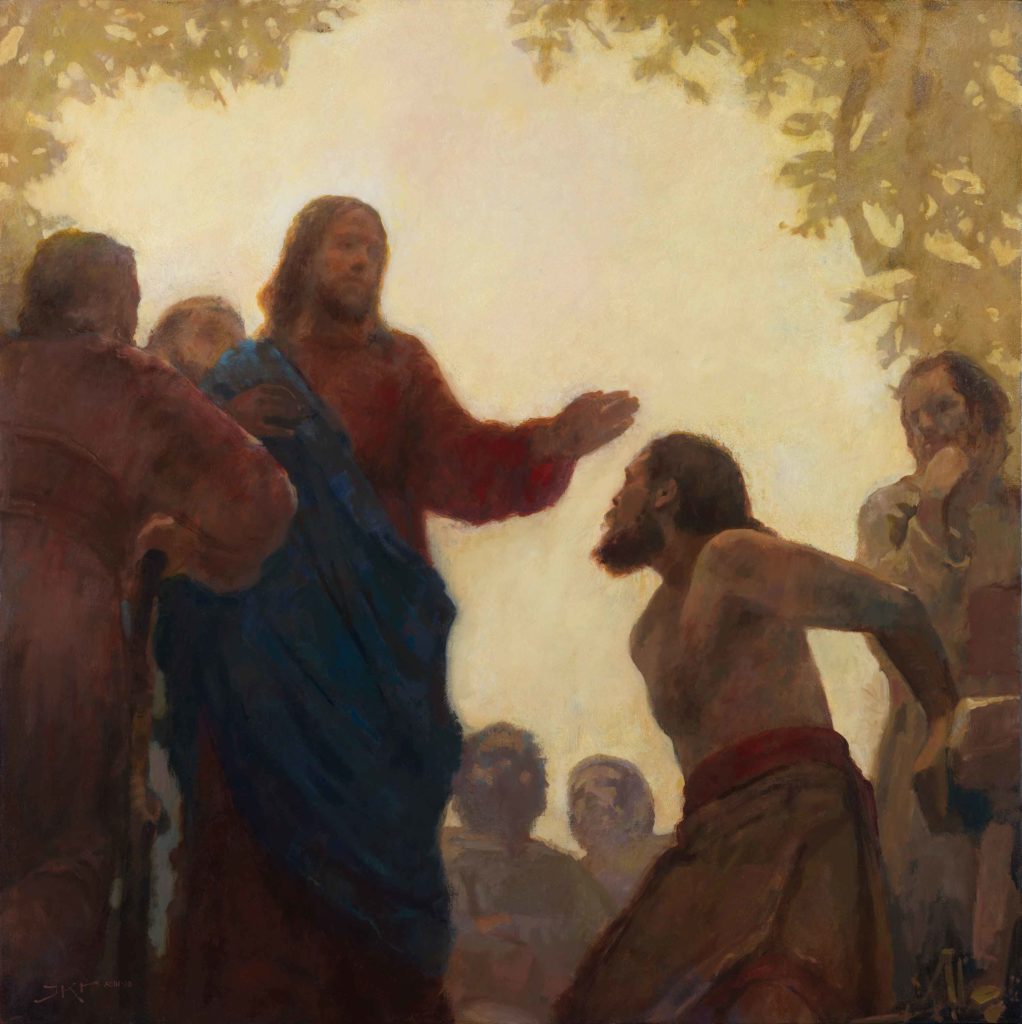
Painting of Jesus healing others
J. KIRK RICHARDS (b. 1976), “Sight Restored,” 2010, oil on panel, 36 x 36 in.

The Bairds own several works by deceased artists who also addressed matters of faith. These include the late James C. Christensen (1942–2017), especially his “Enoch Altarpiece,” and Joseph Paul Vorst (1897–1947), three of whose works the Bairds gladly loaned for his 2016 retrospective at the Church History Museum.

Most of these artworks have been acquired through galleries, though some smaller ones came directly from the artists, whom the Bairds eagerly follow on Instagram. (They add with a smile that “our pulses quicken when we learn that our favorite artists are clearing out their studios with sale pricing to make way for new work!”)

Collecting has allowed the Bairds to meet many artists, some of whom have become friends. For example, Cris and J. Kirk Richards established the Vision of the Arts Fund, now in its third year of raising and granting thousands of dollars to talented artists who address religious themes. Janae observes, “The more I get to know the artists as people, the more attached I become to their art,” adding that she is continually “amazed at how humble they are.”

As with so many collectors, the Bairds do not have enough wall space, which means they must rotate the collection every so often. They have also struggled to find storage space of sufficient quality, but were relieved recently to finish transferring their works on paper into archival-grade binders.

Anyone can enjoy an overview of their treasures by visiting “thebairdcollection” on Instagram; though incomplete, this constitutes, they say, the “beginning of a catalogue of our collection.”


> Visit EricRhoads.com to learn about more opportunities for artists and art collectors, including retreats, international art trips, art conventions, and more.

> Sign up to receive Fine Art Today, our free weekly e-newsletter

> Subscribe to Fine Art Connoisseur magazine, so you never miss an issue
Artist Spotlight: Heather Arenas

0
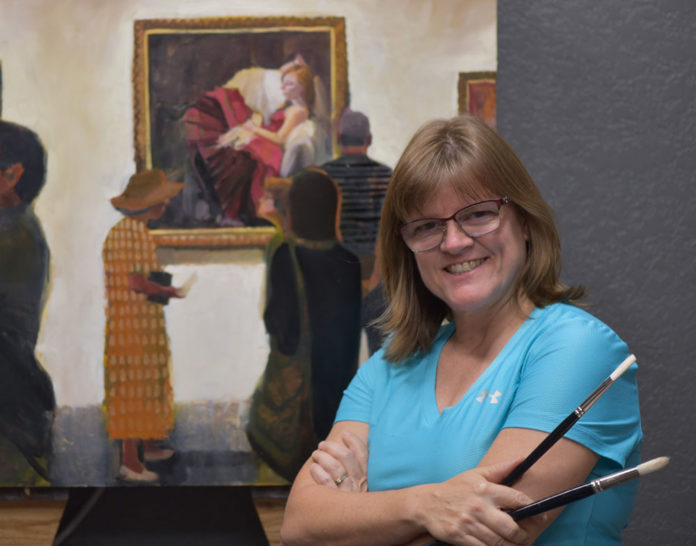
Female artist standing in front of her painting
Heather Arenas working on “Focus,” 30 x 36 in., oil on cradled wood
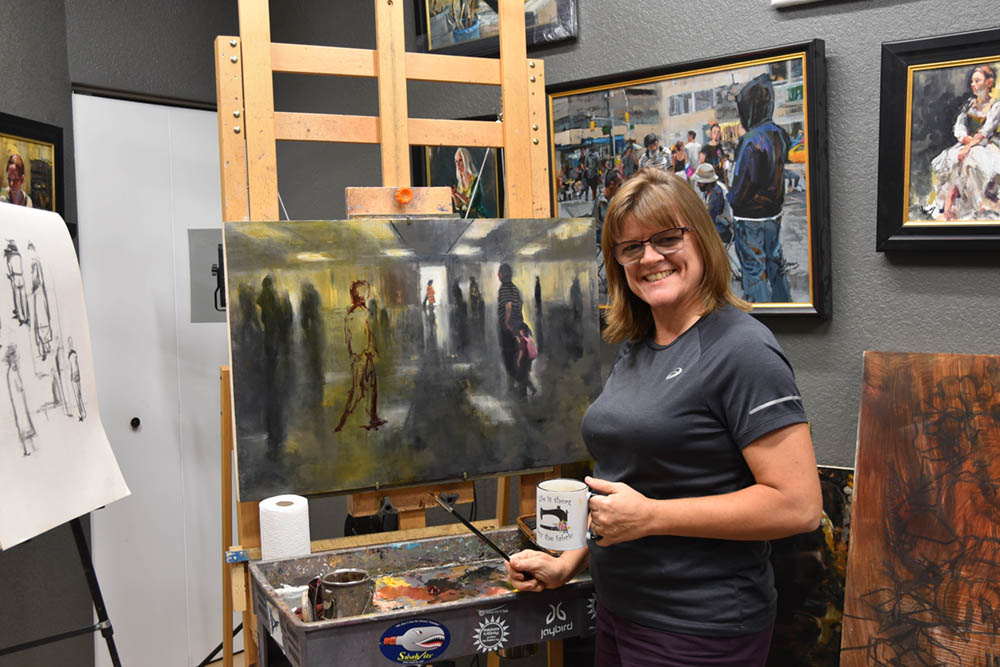
Female artist in her studio in front of a painting on an easel
Heather Arenas in her studio

How did you get started and then develop your career?

Heather Arenas: As many artists say, I’ve been painting and drawing since I could hold a pencil. However, having an interest and making a living are very different. I worked in several different fields to pay the bills for many years. When I was about to turn forty, I realized that my opportunity to be a professional artist was ticking away. Since I didn’t go to art school, I decided to study all that I could on my own and really learn to paint. My husband and I owned an IT company at that time and I started cutting back my hours gradually and replacing them with time painting.

I was painting from life 3 or 4 days a week either with a live model or plein air painting. I was very fortunate to live in the Denver area at the time where there were so many professional artists willing to get together for paint outs. I learned so much from some of the greats in this business just by painting side by side with them. I feel like I learned more that way than I ever could have in art school.

When I started to have success with sales and gallery representation, I was finally able to ‘ditch the day job’ and paint full time. I don’t plein air paint much anymore because I get more satisfaction out of developing concepts in my studio. I feel the paintings I’m doing now are much more difficult because I’m painting a story rather than just copying what I see. I’m happy when I’m finished, and I feel I’ve expressed my voice as an artist.

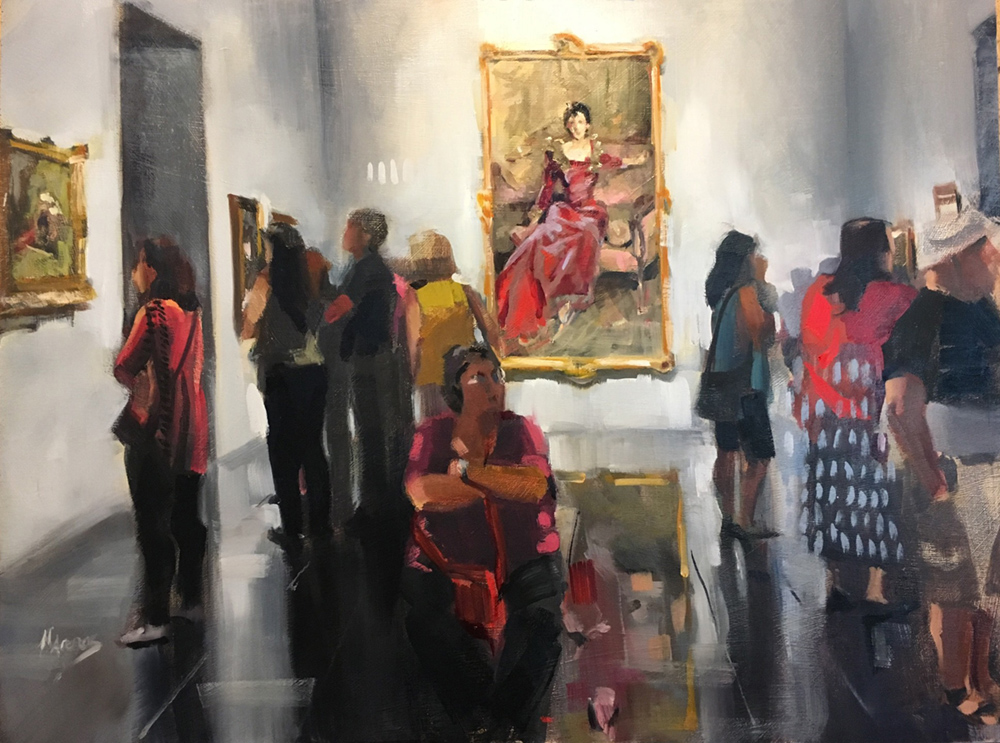
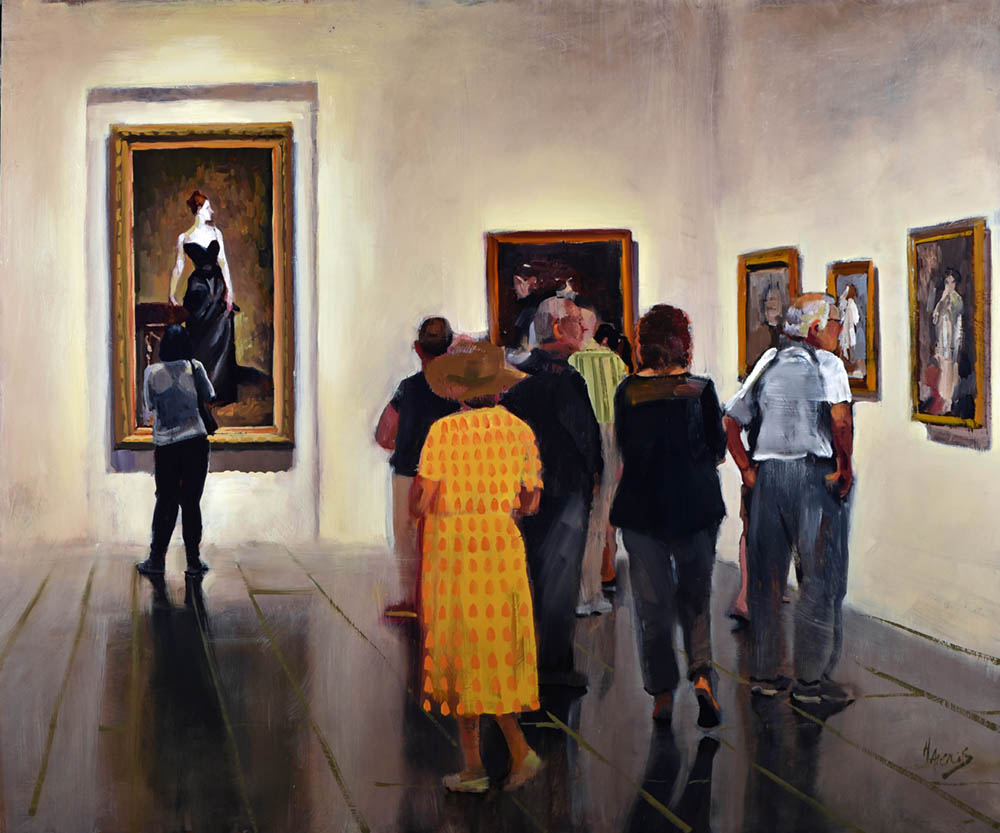
Oil painting of people in a museum viewing paintings
Heather Arenas, “Up Close and Personal,” 30 x 36 in., oil on cradled wood, 2021

How do you describe success?

Success to me boils down to whether I can get what’s in my brain onto the surface with paint. My experience has been, if I can do that successfully, collectors recognize it and buy the work.

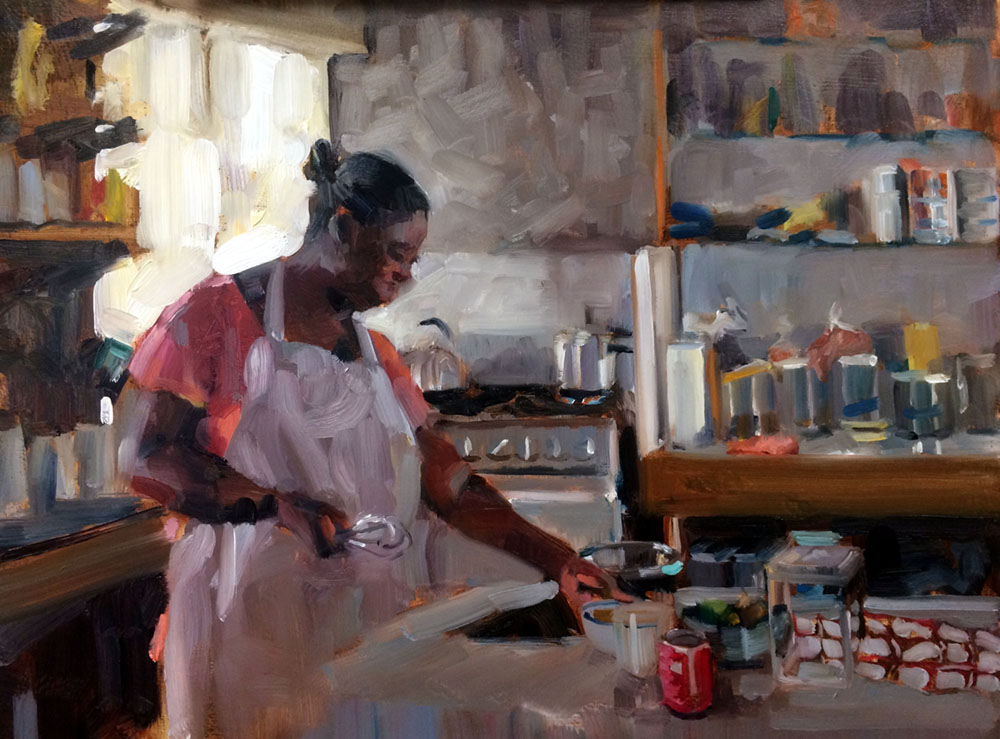
Oil painting of a female chef in a kitchen
Heather Arenas, “Belizean Chef,” 14 x 18 in., oil on birch, 2016

How do you find inspiration?

I love to travel and to people watch. I get excited by a simple gesture or interaction in a crowd. I’ve been on several trips where my sole intention was to get ‘painting fodder.’ Spain, Scotland, Belize, and Curacao were great sources for crowd scenes. The one trip that has had the most impact though was the trip to the Metropolitan Museum of Art in New York to see the John Singer Sargent exhibition several years ago. I took a leap with the photos from that trip to go in a more contemporary direction and it has been a game changer for my career. I have been following the series of interior paintings as far as they will take me. I don’t see an end yet though because gestures and expression with paint can tell so many different stories! I feel like these are my ‘Haystacks,’ and like Monet, I’ll use them to learn all that I can.

Oil painting of people in a museum viewing artwork
Heather Arenas, “The Mrs,” 18 x 21 in., oil on birch, 2017

What is the best thing about being an artist?

The best thing about being an artist is that no one can tell me if I’m doing it right or wrong. I am the only one that knows. I suppose this could also be the worst thing because I’m on my own to decide.

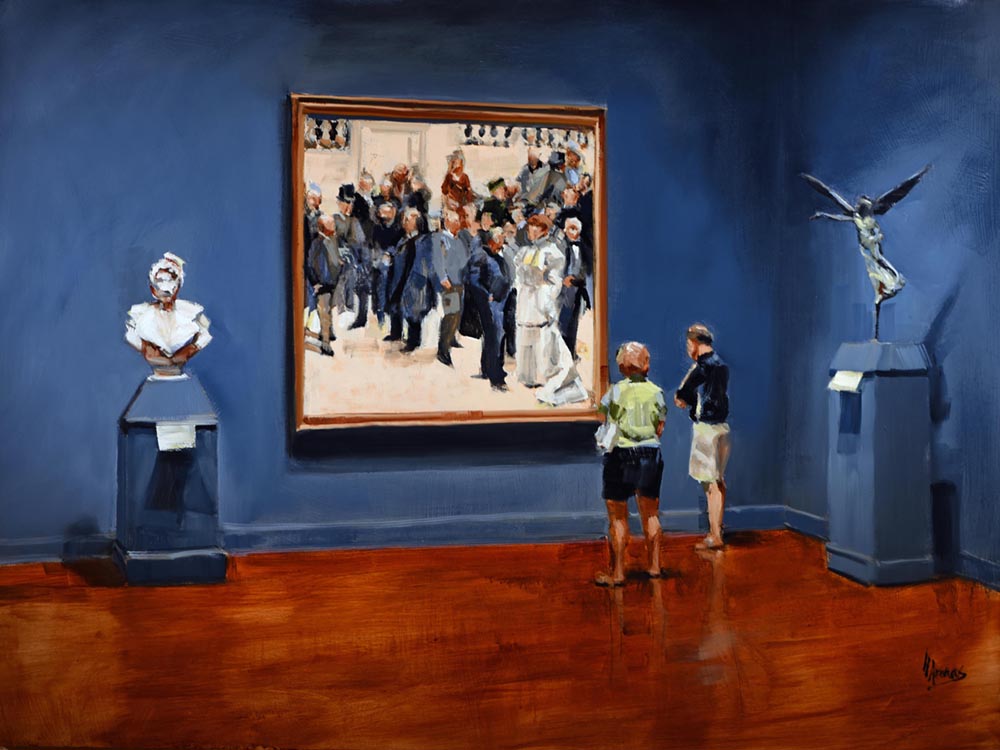
Oil painting of people in a museum viewing a large painting
Heather Arenas, “The Regulars,” 30 x 40 in., oil on cradled wood, 2020

Who do you collect?

I mostly collect work from people that I’ve painted with including Jody Rigsby, Kim English, Dan Beck, Mitch Caster, E. Melinda Morrison, Jessica Wicken, Jane Hunt, Diane Mannion, and Cliff Austin. There are plenty of others that I would like to own but each of these have a memory attached to a time when we really got to know each other. Looking at the paintings keeps them in my thoughts even though we are scattered all over the country now.

To see more of Heather’s work, visit: www.heatherarenas.com and www.instagram.com/heatherarenas

Friday Virtual Gallery Walk for July 16, 2021

0
Friday Virtual Gallery Walk

As part of our effort to continue to help artists and art galleries thrive, we’re proud to bring you this week’s “Virtual Gallery Walk.” Browse the artwork below and click the image itself to learn more about it, including how to contact the gallery.

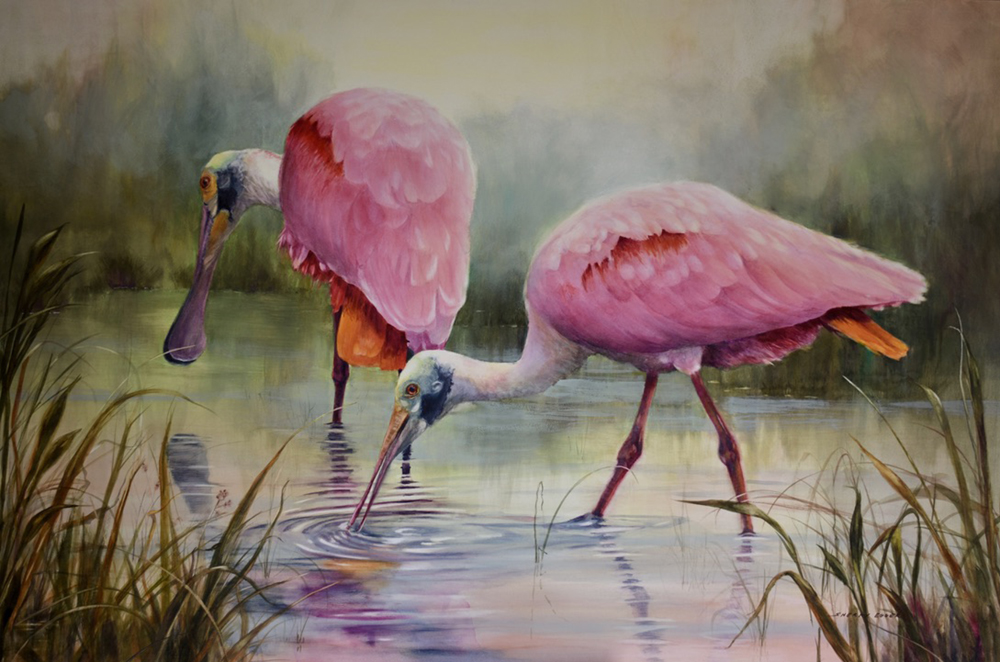
Oil painting of two spoonbills in shallow water
Two Spoonbills by Sherry Egger, Mixed medium, 24 x 36 in. (30 x 42 in. framed); Anderson Fine Art Gallery


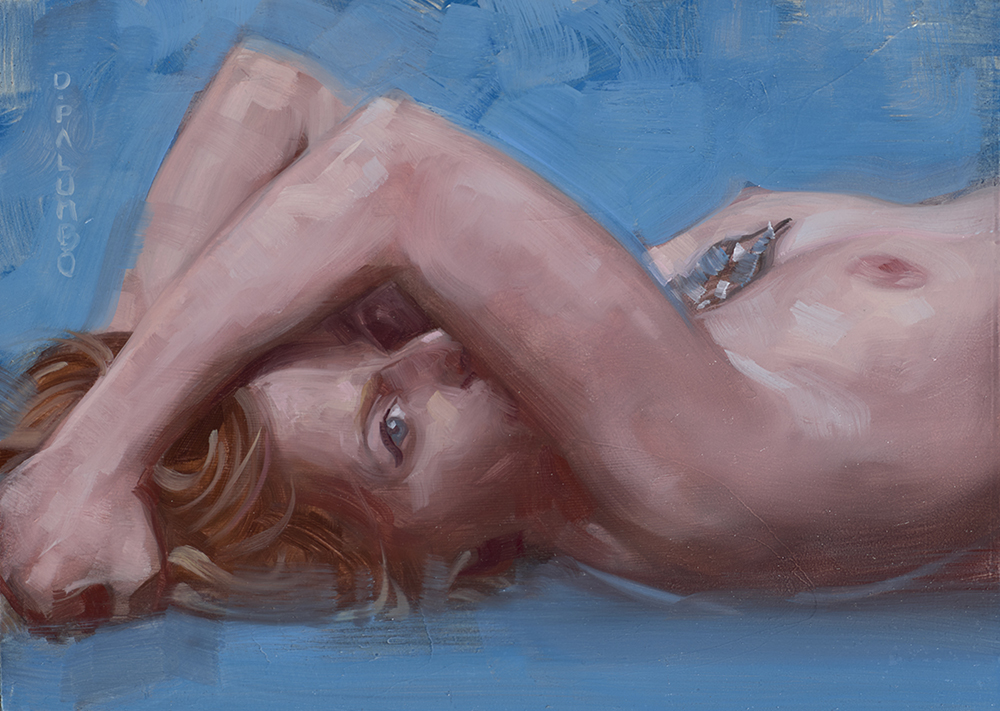
Oil painting of naked lady laying down with her arms over her head
Janette 47 by David Palumbo, Oil on panel, 5 x 7 in., Signed; Rehs Contemporary


Oil painting of ships with sails in rough seas
Rough Seas by Henry Scott, Oil on canvas, 40 x 50 in., Signed; Rehs Galleries, Inc.


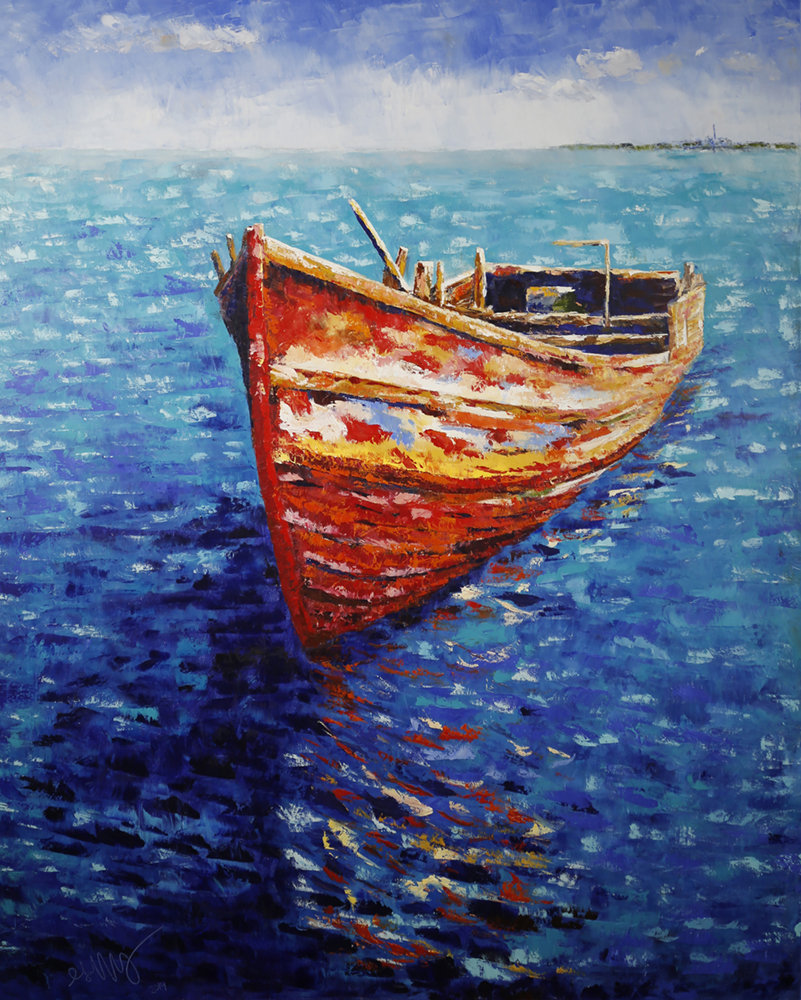
Oil painting of a small boat in the water
The Drifter, Red Boat by Geoffrey C. Smith, Oil on canvas, 48 x 60 in.; Geoffrey C. Smith Galleries


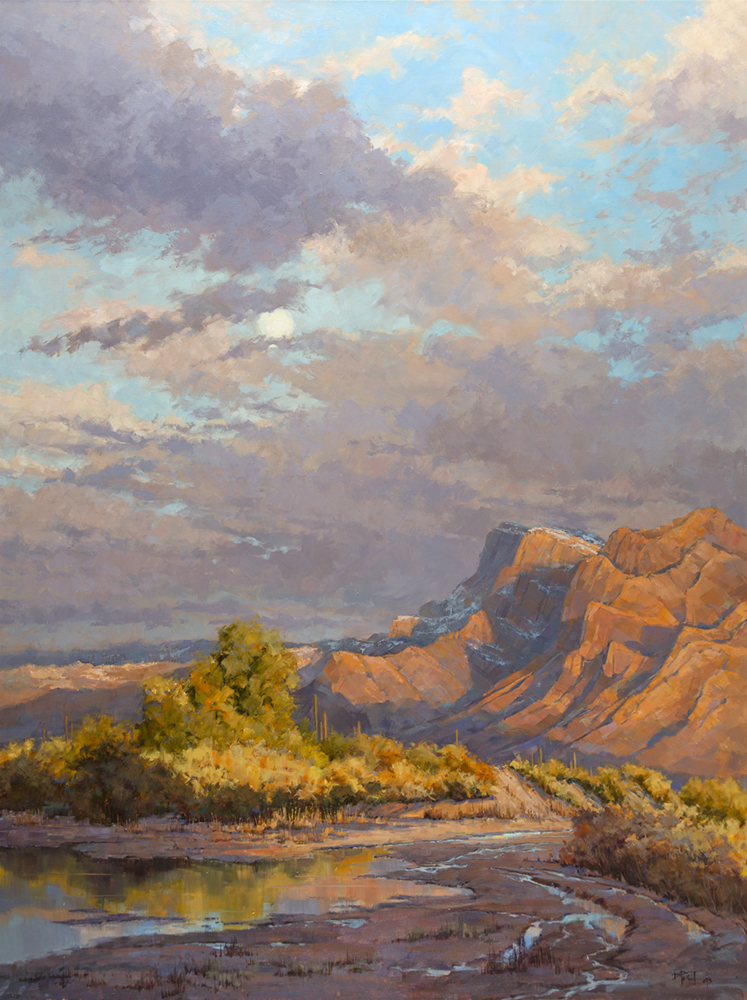
Oil painting of a desert after rain with the moon peeking through the clouds
Desert Rain – December Moon by Darcie Peet, Oil, 48 x 36 in., ArtzLine.com


Acrylic painting of abstract trees in the snow
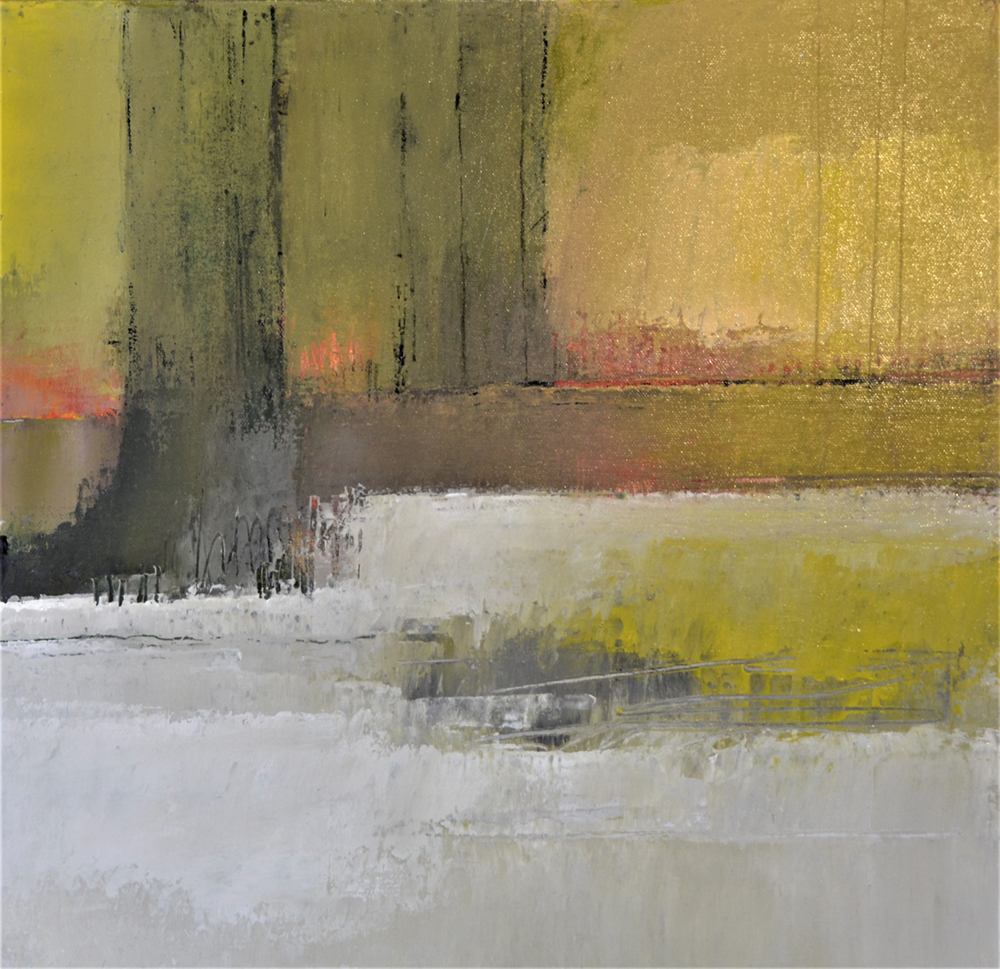
Savannah #4 by Irma Cerese, Acrylic on canvas, 18 x 18 in.; Vermont Artisan Designs

Want to see your gallery featured in an upcoming Virtual Gallery Walk? Contact us at [email protected] to advertise today. Don’t delay, as spaces are first come, first served, and availability is limited.

A Painter’s Analysis of an Orphaned Oil

0
Christopher W. Benson

When Christopher Benson discovered a possible George Bellows painting, he dove into the detective work, which he says was also “an excuse to talk about something I love.”

The following is an excerpt from his book, “Tracking Mr. Bellows: A Painter’s Analysis of an Orphaned Oil.”

This is a story about oil painting, and more specifically about my discovery of an unsigned, unattributed work which I think was made by George Wesley Bellows, a well-known American realist painter of the early 1900s. As I’ve been researching that picture, it’s also become the fulcrum for a wider examination of the artform, which I myself have been practicing now for most of my sixty years. If I think Bellows made this painting, it’s due to my long experience working with the same materials.

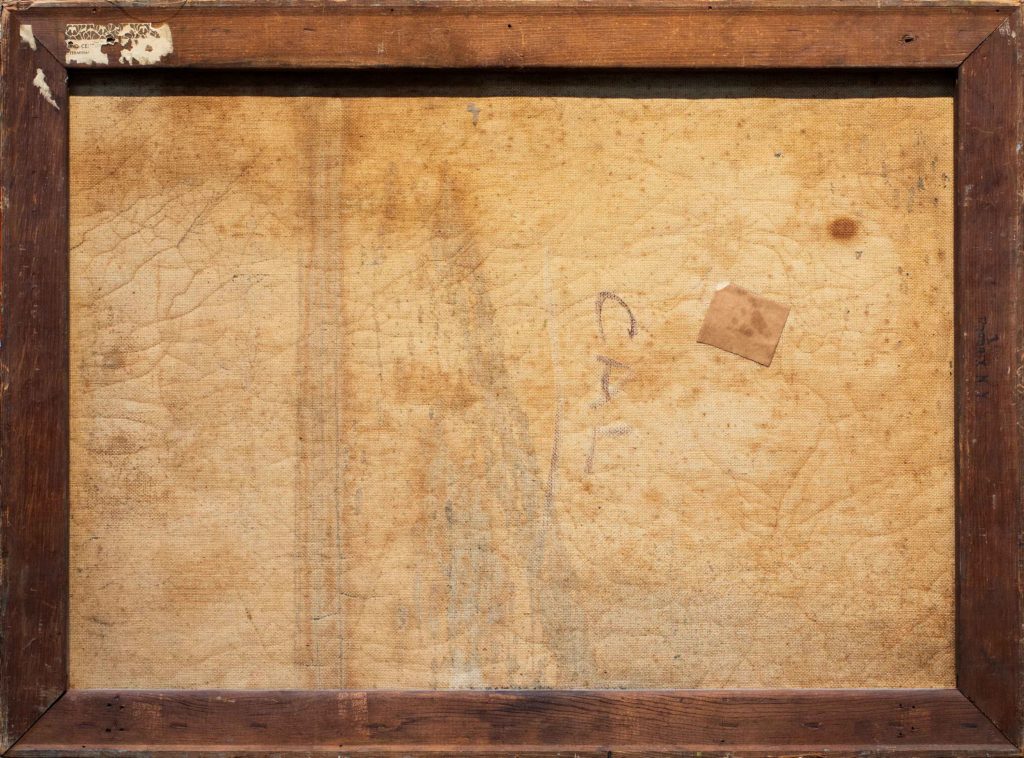
Back of the George Bellows canvas
The back of the painting

Virtually nothing is known about the painting in question, save whatever information it offers us in itself. It has no provenance beyond the mid-1980s, when it was bought in an antiques gallery in Pennsylvania. It hasn’t got any identifying information fixed to its back or bars, as old paintings often have — traces of their travels akin to the colorful labels pasted on luggage in the days of the great ocean liners, the transcontinental railways and early air travel.

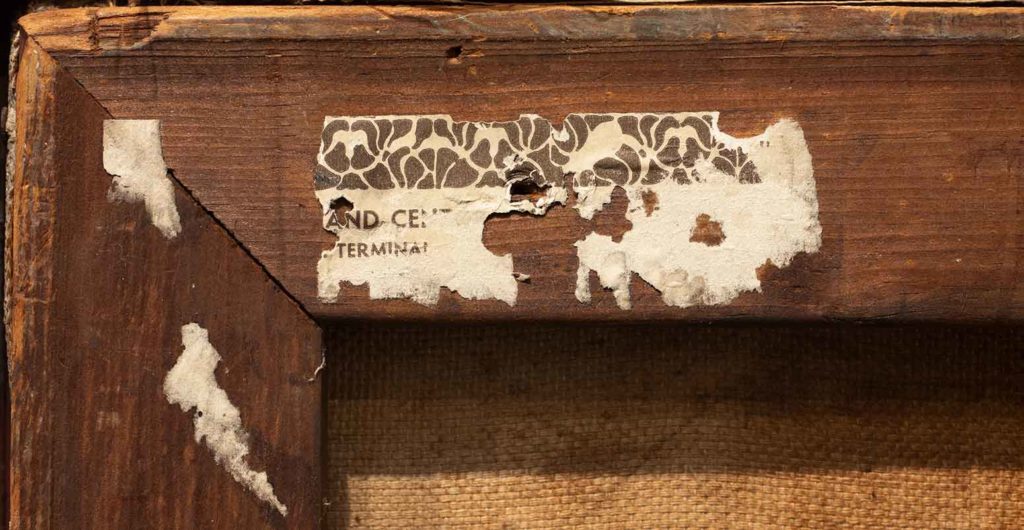
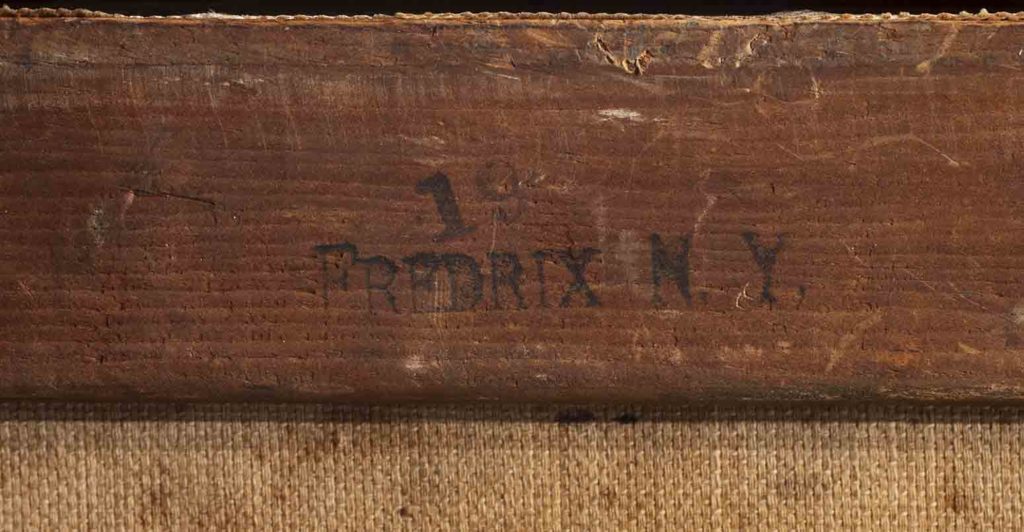
We have only a torn fragment of a paper label with a simple decorative border and the remnants of the legend “Grand Central Terminal” set in a san-serif type-face. The initials “CAL”, are scrawled vertically on the back of the canvas in grease pencil, but I can find no early 20th century American painter with those initials who worked in this style. There is also the commercial stamp of the stretcher manufacturer, Fredrix, one one side, along with the size of that bar, which is 19 inches.

Label on the back of painting
The label
George Bellows painting stamp
The stamp

These typographic traces — the label and the stamp — both match styles in circulation in the early 1900s.

From the label, we can conclude that at some point the painting either passed through Grand Central Station in New York, or else that it may have been exhibited in the Grand Central Art Galleries, an exhibition space for the Painters and Sculptors Gallery Association. This was a cooperative artist’s group that John Singer Sargent founded in 1922, along with some other artists whose names were once well-known, but most of whom have since receded from the public mind.

To continue reading, get your copy of “Tracking Mr. Bellows” at The Fisher Press.

Related Article > Art Versus Methodology: Christopher Benson shares an essay on danger of confusing the level of our craft with the quality of our art.


> Visit EricRhoads.com to learn about more opportunities for artists and art collectors, including retreats, international art trips, art conventions, and more.

> Sign up to receive Fine Art Today, our free weekly e-newsletter

> Subscribe to Fine Art Connoisseur magazine, so you never miss an issue
A Helpful Resource For Gaining Exposure

0
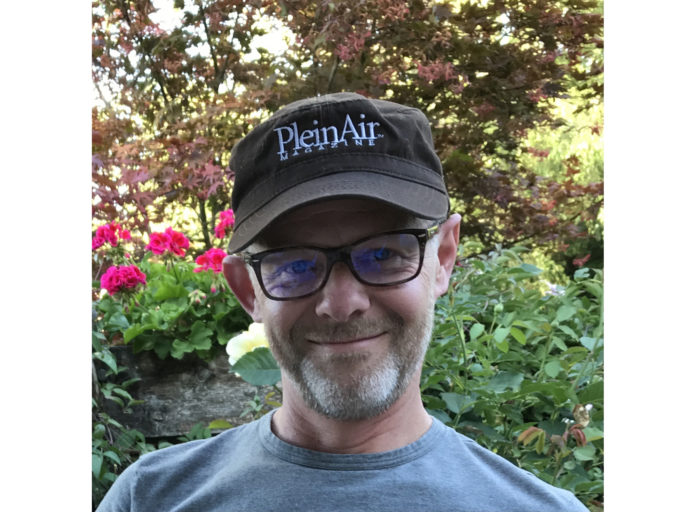
Dave Bernard, Senior Marketing Specialist for Streamline Publishing

You may not know that there’s a team of experts here at Streamline who are available to help you with your marketing strategy by reaching thousands of potential buyers and relevant audiences. In this new mini-series, you’ll get to know each of the specialists who are here to help you gain exposure to collectors, galleries, museums, and more.

Today’s spotlight is on Senior Marketing Specialist Dave Bernard, who has decades of experience in various aspects of the art industry.

Dave Bernard, Senior Marketing Specialist

I have called Portland, Oregon my home for the past forty years. By the time I graduated from Lewis & Clark College with a degree in Fine Art with a Business emphasis, I had fallen in love with both the Pacific Northwest and my wife of now 33 years.

I spent much of my working career in retail art supply management while my wife, an Elementary Special Education Teacher, and I raised two incredible kids. In 2013, I moved from retail management into a Product Specialist position with Gamblin Artists Colors, a manufacturer of professional oil colors and printmaking inks.

For the next six-plus years, I provided technical assistance to oil painters around the world. I also developed and managed a workshop support program for oil painters teaching out of their studios and at other venues throughout North America getting to meet and work with some of the very artists who are now my clients at Streamline Publishing. It is a small world.

After a pandemic job loss, I happily began my career with Streamline Publishing in July of 2020 and have spent the past year working full time out of a home office. I have thoroughly enjoyed learning in depth about Streamline Publishing’s product line and applying that knowledge to help my clients gain valuable exposure to collectors, galleries, and museums.

As a Senior Marketing Specialist I serve as an account rep for several hundred clients of PleinAir and Fine Art Connoisseur magazines. My primary focus is the Western half of the U.S. although there are certainly some geographical exceptions.

Decades of working in retail art materials serving the creative community has allowed me to interact with many, many professional artists. My technical support position at Gamblin provided even more insight into the challenges, expectations, and desires of working creatives.

While I have an extensive knowledge of the different materials painters and sculptors use every day, it’s years of communication – discussions and just plain listening – that has shaped my ability to help artists define their marketing goals and determine the best tools for increasing their exposure to collectors, galleries, and museums.

From a Marketing Specialist standpoint, I feel a little spoiled. Fine Art Connoisseur and PleinAir Magazine both provide the highest quality reading experience and exceptional advertising opportunities. In fact, our print magazines combined with their affiliated digital newsletters (Fine Art Today, Realism Today, Plein Air Today, and American Watercolor Weekly) and websites (FineArtConnoisseur.com, OutdoorPainter.com, RealismToday.com, and AmericanWatercolor.net) offer the advantages of both print and digital advertising in reaching important audiences – collectors and students alike. That’s a lot to work with.

I give all Streamline brands equal weight until my clients determine their primary business goal(s). For example, if their goal is to reach more potential workshop students, then we are more likely to look at PleinAir Magazine and other related digital advertising platforms.

If the client’s goal is to get in front of more collectors, then the Fine Art Connoisseur brand is more likely to be their best opportunity. That said, it’s important to look at all aspects of the artist/client’s own brand. Sometimes there are cross-over opportunities between Streamline brands that may benefit a client.

My top three pieces of advice when it comes to marketing for artists:

  1. Determine your top two business goals as an artist. Always ask if your marketing choices feed these goals. At least 75% of all your marketing plans should address your #1 business goal.
  2. Budget and repetition matter. Determine a monthly marketing budget for a 1-2 year period that works for you – and advertise as consistently as your budget will allow. Repetition increases exposure, exposure creates opportunities, opportunities fulfill goals.
  3. Use social media to support your marketing plan. Post on a regular schedule, once or twice a week ideally on the same day of the week. (Topics: new work, work in progress, sold artwork, acceptance into shows, awards, editorials, advertisements, workshops taught, workshops taken, art-related travel)

On a Personal Note

I have always resisted talking about “favorite” artists – suffice to say, it would be a long list, both contemporary and historic. I would rather share that I gravitate toward art that retains some evidence of the artist’s hand at work without trying to copy the subject in exactitude.

I most admire artwork that somehow captures or speaks to the essence of the subject – be that a person, figure, landscape, or object. Art that has a “less is more” descriptive power wins the day for me. (Ok, I also love children’s art – I have a couple of paintings my daughter did at a little easel on the back patio one summer when she was very young. Her choice of color and brushwork energy is amazing!)

Let Us Help You With Your Marketing Needs

To learn about how our marketing team can help you and your business, please see our Marketing Guide here, or contact us via [email protected].

Auction: Bid on Contemporary Realism in July

1
Contemporary realism figurative art
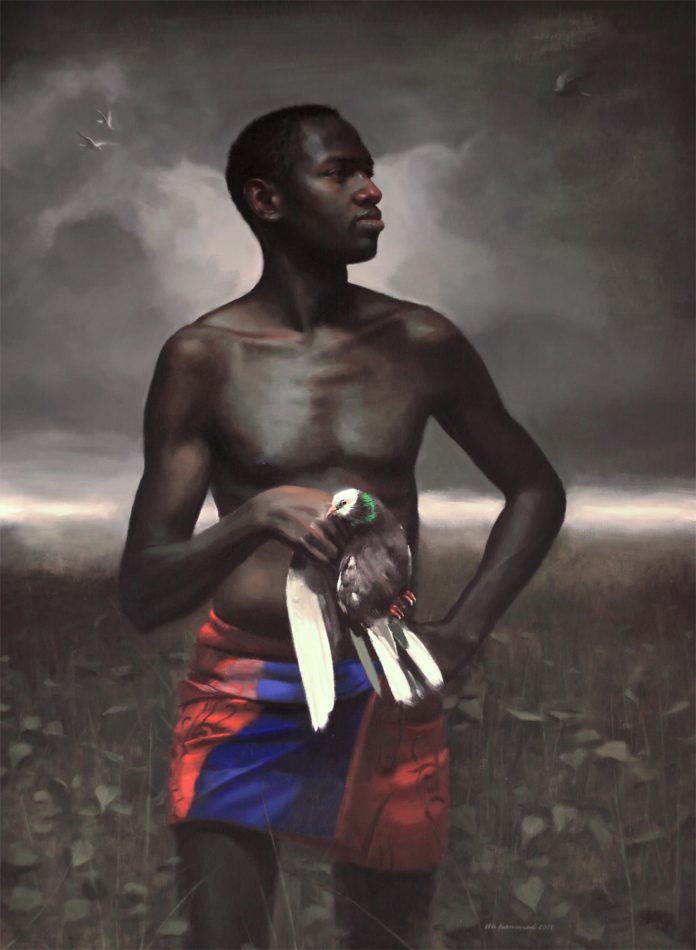
Ali Hammad, "The Bird Catcher," 2017, oil on linen

The Art Renewal Center (ARC) is holding an online auction hosted on Sothebys.com. Open for bidding online from July 16 – July 26, 2021, this sale is entitled “Contemporary Realism: Important 21st Century Works.” It consists of 28 lots featuring a carefully selected group of winners and high-ranking finalists from the largest competition in the world for representational art.

The ARC received 4,941 entries from 83 countries and spanning six continents to their 15th International ARC Salon Competition. In person viewing will be available at Sotheby’s NY during these same dates in conjunction with the 15th International ARC Salon Exhibition; a total of 91 contemporary representational works to be on view. The public opening will be held on July 17, from 11am to 3pm (please RSVP to attend this event).

The works represent a diverse grouping of artists of different ethnicities, genders and backgrounds from around the world. Starting as only a murmur in the 1980’s, the 21st Century Representational Art Movement has grown exponentially along with interest and demand. It is anticipated that this public sale for Important 21st Century Realism hosted by Sotheby’s will be the first of many.

contemporary realism paintings
Christopher Remmers, “Zain,” 2020, oil on Belgian linen, 84 x 80 in.
Contemporary realism narrative paintings
Sandra Kuck, “Yin and Yang,” 2020, oil on canvas, 24 x 36 in.
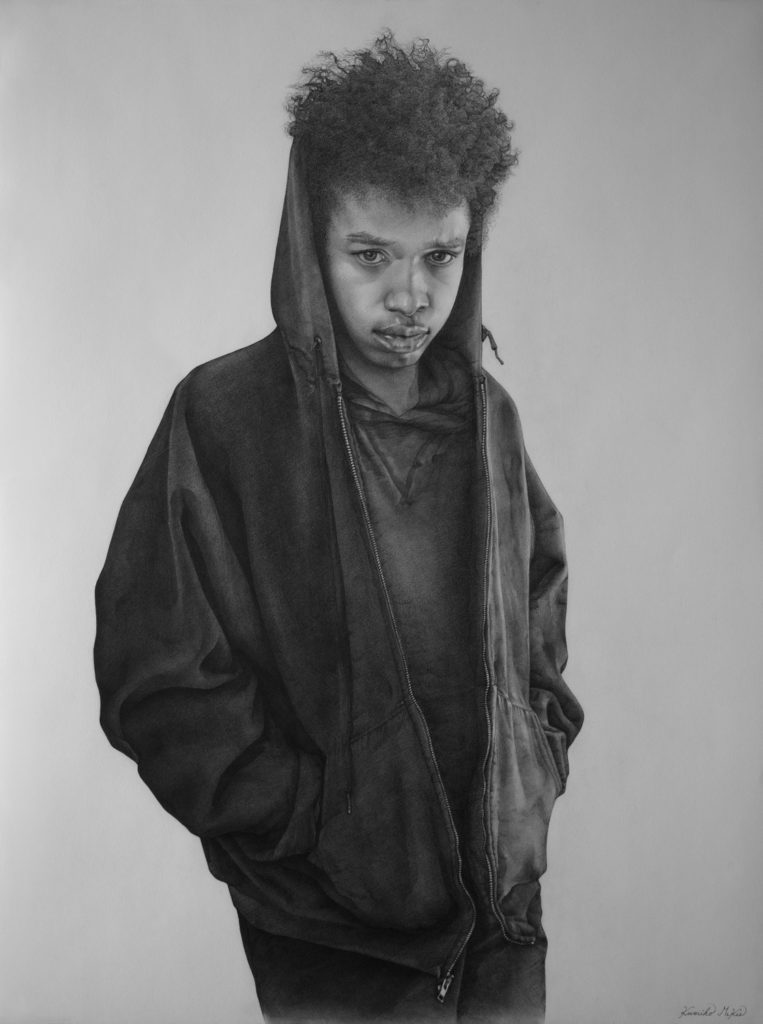
portrait drawing of a young man
Kumiko S. McKee, “Isaiah,” 2017, graphite on paper, 40 x 30 in.
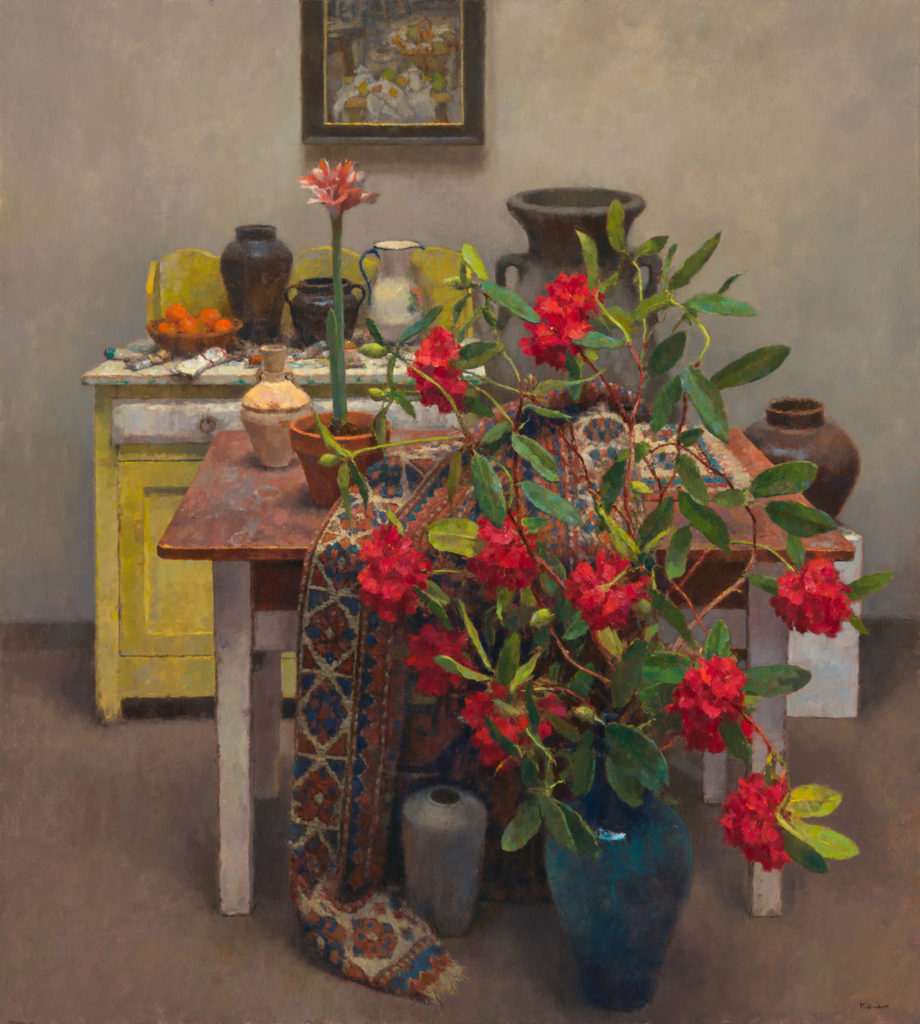
Still life painting of flowers
Jim McVicker, “Red Rhododendron,” 2020, oil on linen, 60 x 54 in.

The ARC has also partnered with Fashion Week San Diego® (FWSD), California’s largest traditional fashion week, to present “Art and Beauty Behind Fashion,” on July 24, where nine FWSD designers will debut their original couture outfits on live models, paired with and inspired by premier pieces from the 15th ARC Salon Competition. Tickets to “Art & Beauty Behind Fashion” will be an exclusive event requiring an RSVP to be made in advance at [email protected].

This Fall: Contemporary Realism on View in Barcelona

After the show at Sotheby’s NY, the majority of works in the exhibition will be traveling on to the Museum of European Modern Art, (MEAM), in Barcelona, (October 8 – December 12), joining additional works from the competition. Here it will hang alongside the MEAM’s representational painting and sculpture competition, Figurativas. This awe-inspiring event will showcase the true international nature and collaborative spirit of this new wave in Contemporary Art.

Kara Lysandra Ross, ARC Co-Chair and COO states, “21st Century Representational Art cannot possibly be mistaken for any other period in fine art, as it is inherently an expression of today’s society, communicating our shared humanity. For 100 years, artists have been deconstructing works of fine art, creating paintings that are visually flat, throwing paint, or even showing blank canvases. At the time this was new, exciting and shocking. Now, in the 21st century, thousands of artists and collectors alike want to start reconstructing and reclaiming our universal visual language, like great theater, suspending disbelief, and expressing it all with beauty, poetry and grace.”


> Visit EricRhoads.com to learn about more opportunities for artists and art collectors, including retreats, international art trips, art conventions, and more.

> Sign up to receive Fine Art Today, our free weekly e-newsletter

> Subscribe to Fine Art Connoisseur magazine, so you never miss an issue
Friday Virtual Gallery Walk for July 9, 2021

0
Friday Virtual Gallery Walk

As part of our effort to continue to help artists and art galleries thrive, we’re proud to bring you this week’s “Virtual Gallery Walk.” Browse the artwork below and click the image itself to learn more about it, including how to contact the gallery.
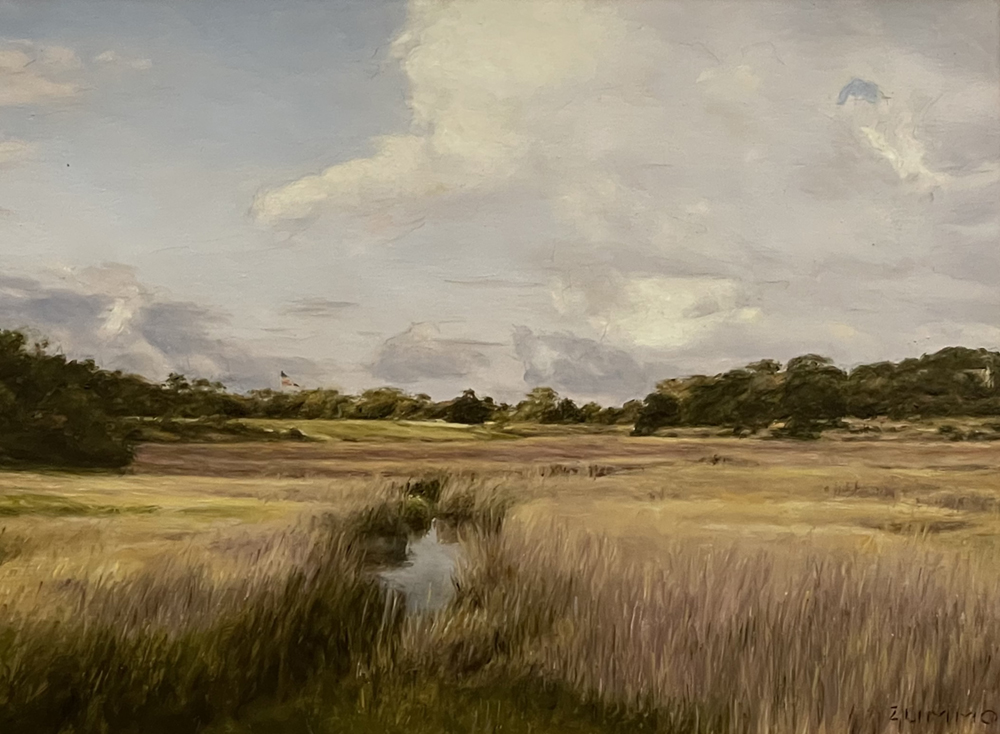
Oil painting of island with grasses and a stream
Sea Island, #18 by Lori Zummo, Oil. 9 x 12 in., (21 x 18 in. framed); Anderson Fine Art Gallery


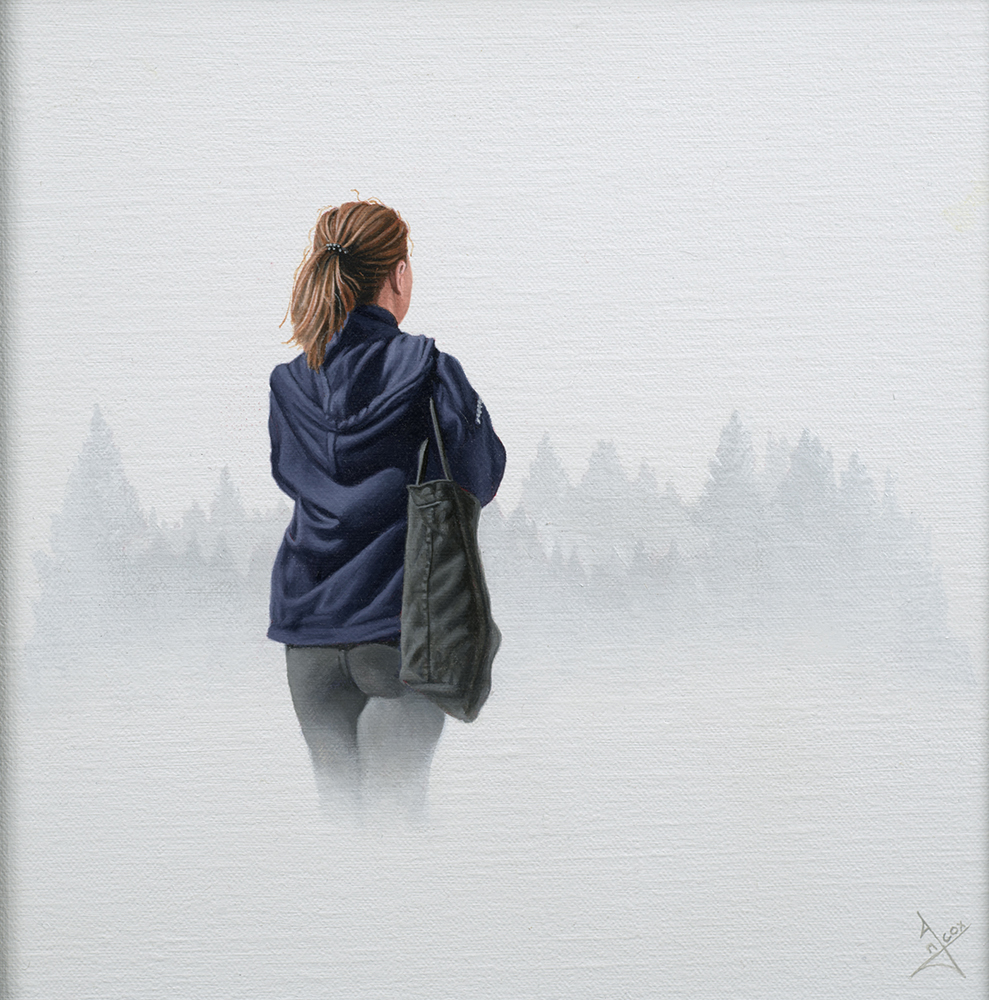
Oil painting of a girl with a ponytail in a jacket in the fog
A Forest II by Nigel Cox, Oil on canvas, 10 x 10 in., Signed; Rehs Contemporary


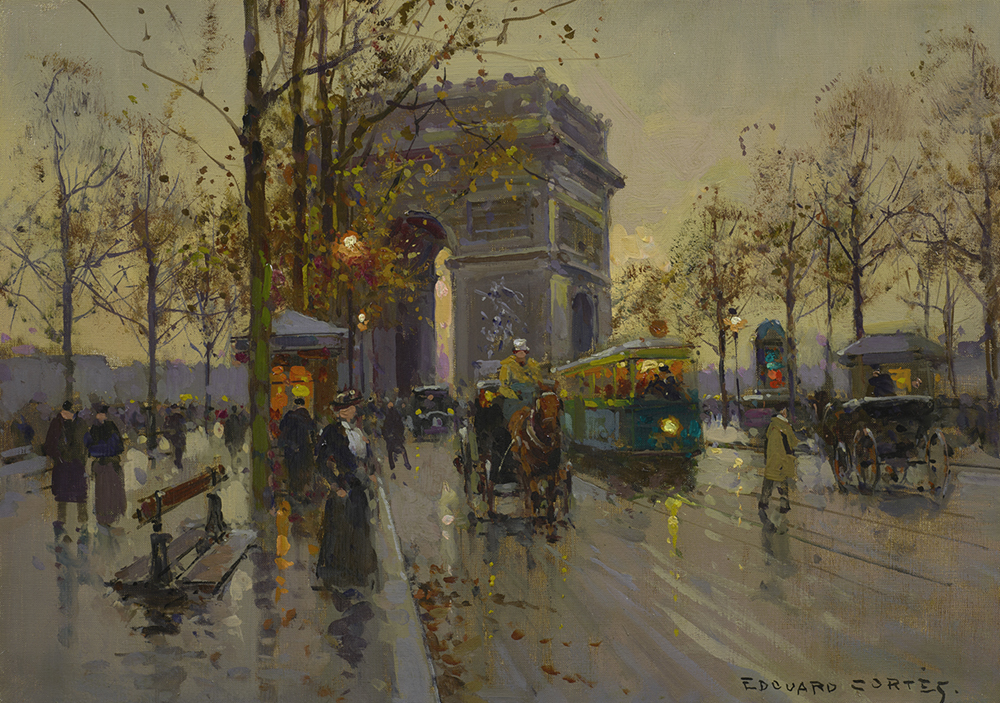
Oil painting of the Arc de Trimphe in France and a rainy city street
Arc de Triomphe by Edouard Leon Cortes (1882 – 1969), Oil on canvas, 13 x 18 in., Signed; Rehs Galleries, Inc.


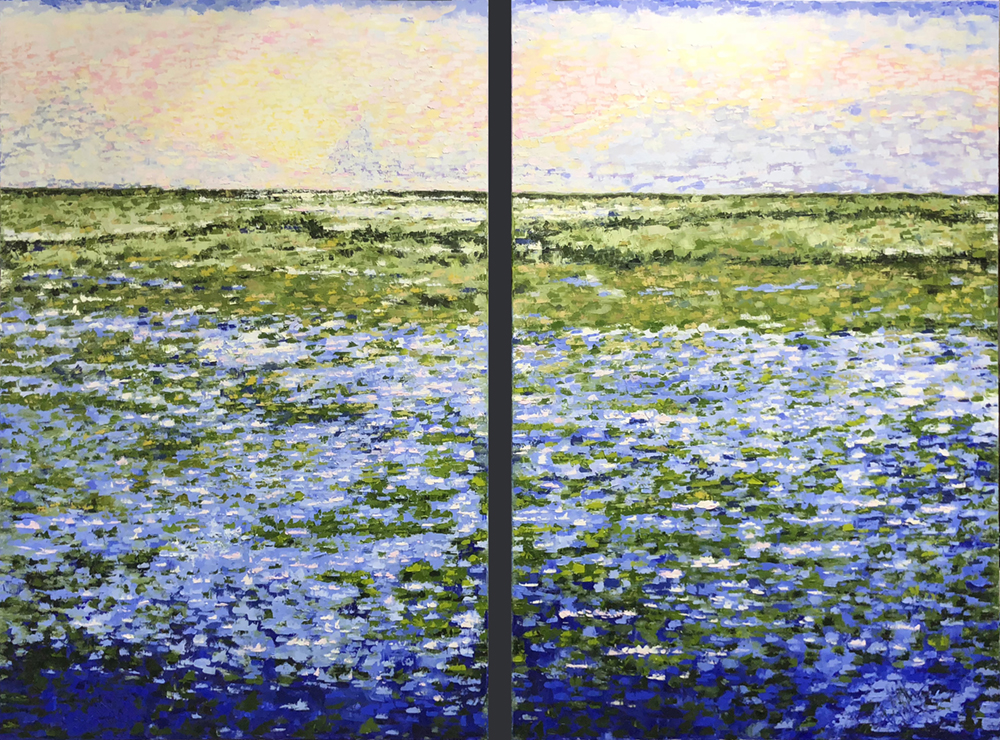
Oil painting of abstract wetlands
Wetlands Sunrise Diptych by Geoffrey C. Smith, Oil on canvas, 48 x 72 in.; Geoffrey C. Smith Galleries


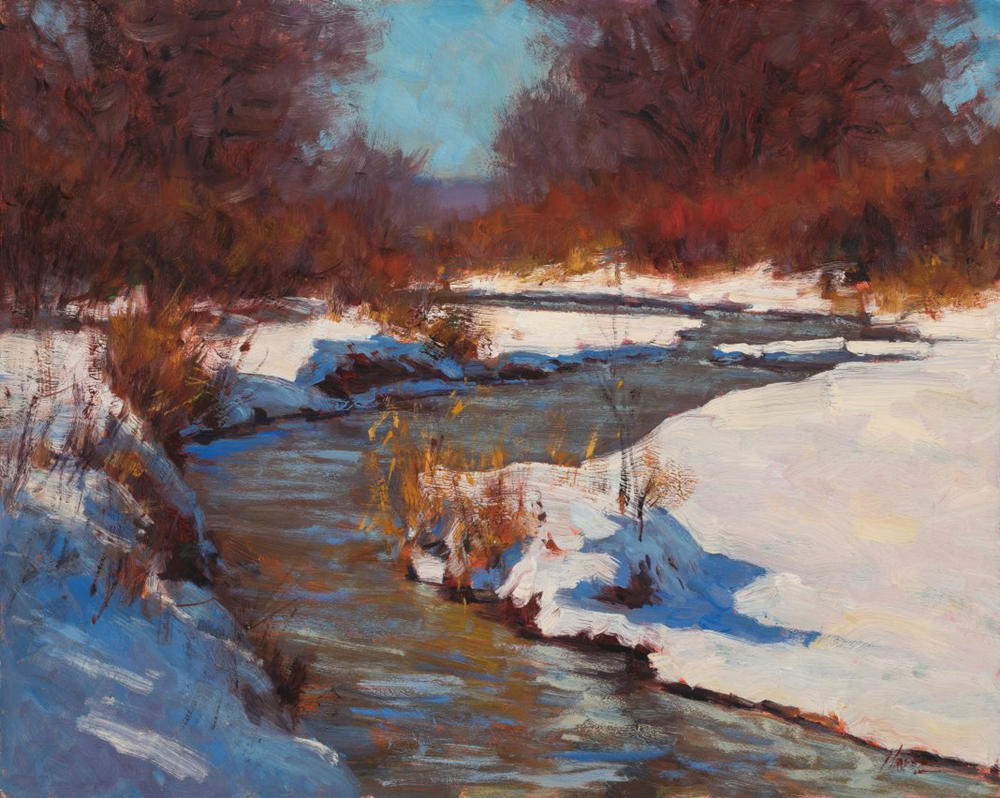
Oil painting of a creek with snow and trees
Spring Creek by Lorenzo Chavez, Oil, 12 x 16 in., ArtzLine.com


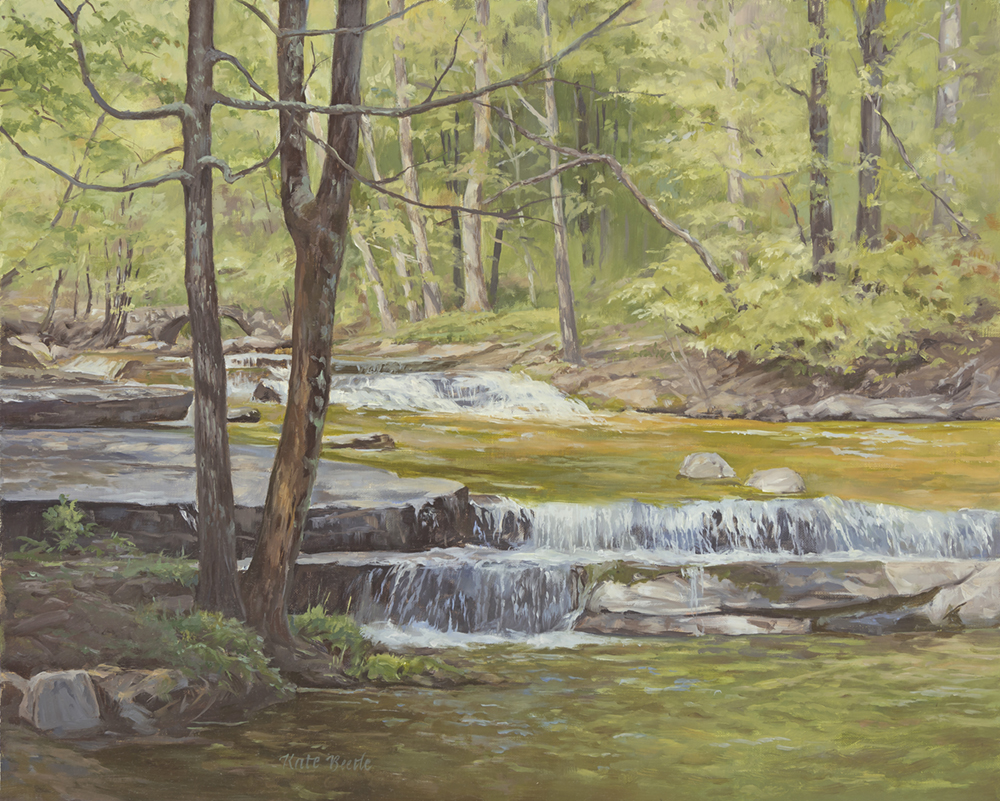
Oil painting of brook falls in dappled spring light
Stickney Brook Falls: Dappled Spring Light by Kate Beetle, Oil on linen panel, 16 x 20 in., 23 x 27 in. framed; Vermont Artisan Designs

Want to see your gallery featured in an upcoming Virtual Gallery Walk? Contact us at [email protected] to advertise today. Don’t delay, as spaces are first come, first served, and availability is limited.

Artist Spotlight: Nancy Tankersley

1
Female artist painting.
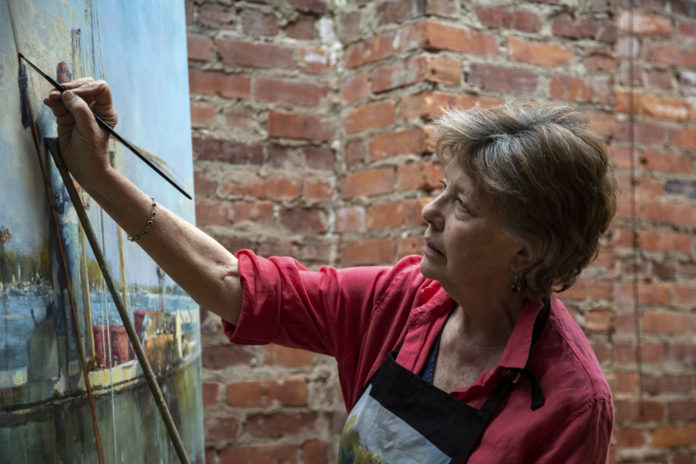
Nancy Tankersley working on her 2019 Waterfowl Festival featured painting “Podgin' for Oysters.”
Interior of an art studio with a small gallery
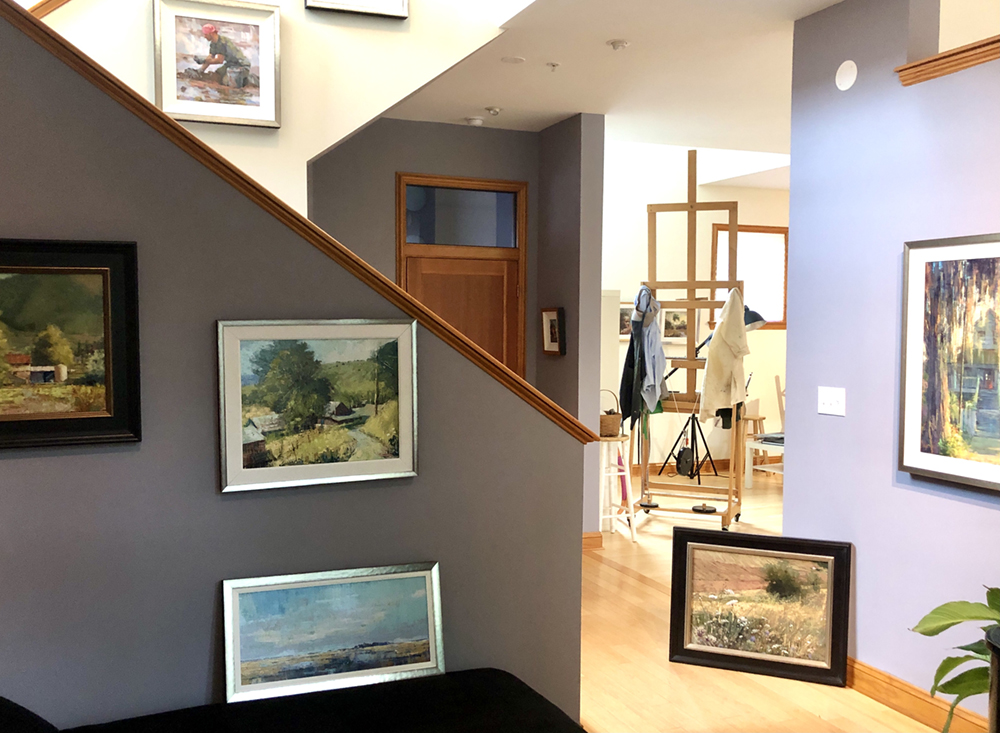
The artist’s new light-filled studio features a small gallery which may be visited by appointment.

 How did you get started and then develop your career?

Nancy Tankersley: My journey as an artist has been as a result of serendipity. I didn’t come from a family of artists and there was no original art on our walls. I credit my start to my older brother who had received a Jon Nagy Learn to Draw Kit but didn’t have much interest in it. I found it fascinating, especially how everything starts with basic shapes, and I began experimenting with sketches of relatives.

By the time I was ready to go to college I knew I wanted to be an artist, but to keep my options open, I enrolled in a big university. Having no idea of how to turn what I learned in my art classes into a career, I switched to sociology and after graduation worked a few years in that field. After I had my first child and I took a night course in portraiture, I started doing commissioned portraits and all thoughts of any other career disappeared! However, I’ve never been happy following a single path, so I continued to take painting courses and found as much satisfaction painting other subjects.

In 2004 I became heavily involved in the plein air movement, helping to found Plein Air Easton, and that opened many other pathways that have aided my career. I love teaching and have devoted much of the last 12 years of my career to sharing what I know. Winston Churchill’s small book, Painting as a Pastime, talks about the many benefits of learning to paint at any age.

How do you find inspiration?

I snap lots of photos randomly, many out of a moving car, boat or train, and sometimes years later will go back through them until an arrangement of shapes or interesting light effects catch my eye and I start to see a painting. My work is impressionistic and gestural but with a strong suggestion of the underlying foundation of what I am trying to interpret.

I paint outside mainly to familiarize myself with nature and improve my skills as a painter. Over the years, my paintings of people at work, in restaurants and at leisure have been a mainstay of my gallery work. Painting people at work seems to be my strongest theme, and the one that I return to over and over. Two years ago I was honored to be the featured artist at the 49th Waterfowl Festival in Easton, MD exhibiting my paintings of Chesapeake Bay watermen at work.

Currently I am developing a body of figurative landscape paintings focused on the agricultural life of the Eastern Shore. I love the landscape but especially when there is some evidence of the humans. It would be easy to make a political statement, but mostly I am an observer and leave it up to the viewer to interpret.

What is the best thing about being an artist?

I think we are the luckiest people in the world because we don’t have to retire, and we can always get better at what we do. Painting is mostly centered in the brain and the heart, so even though our physical strength, endurance and ability may decline, we still have our imaginations and our knowledge to help us to continue the creative journey. The wisdom that comes from age may even start to seep into our work, and that’s when some of our best work may be born. Monet’s gigantic water lily paintings, done when he was half blind with cataracts, are absolute proof!

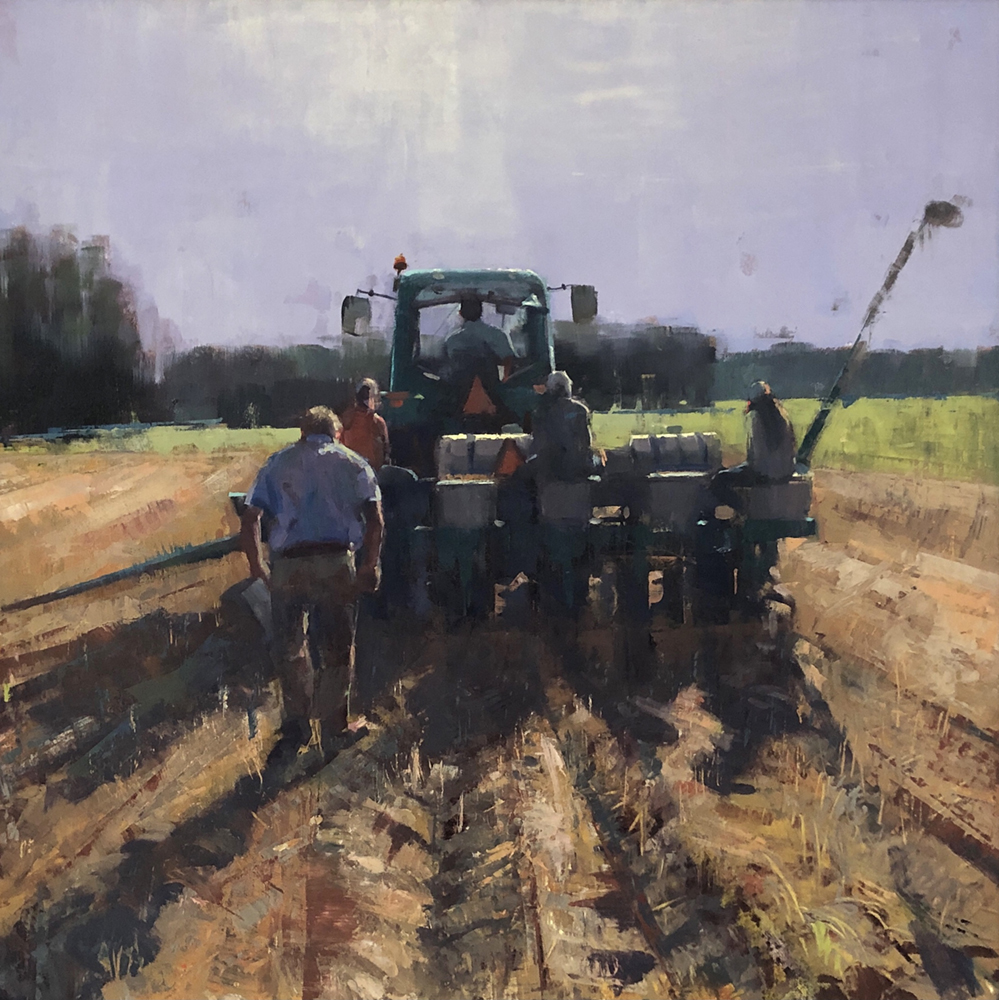
Oil painting of farmers behind a planter in a field
Nancy Tankersley, “Generations,” 24 x 24 in., oil on panel, 2021
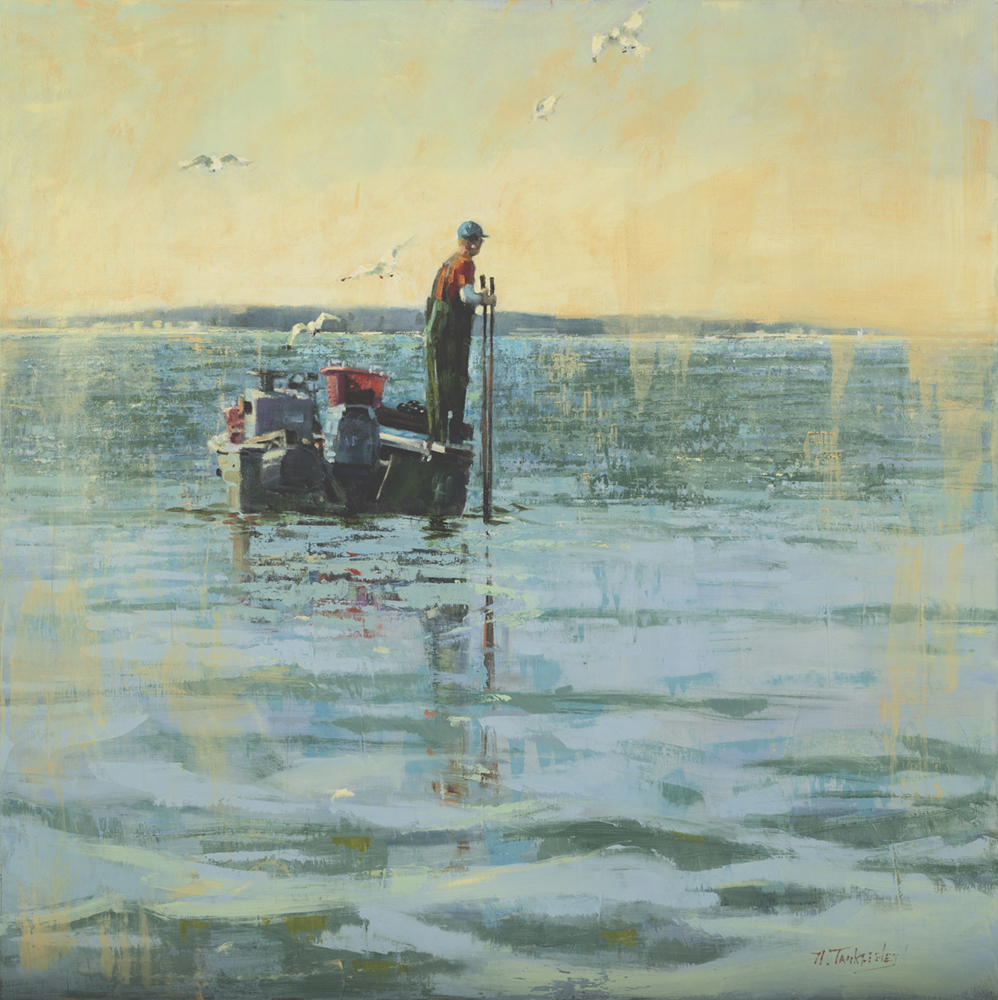
Oil painting of a fisherman in a boat on the water
Nancy Tankersley, “No Need for Company,” 36 x 36 in., oil on canvas, 2019
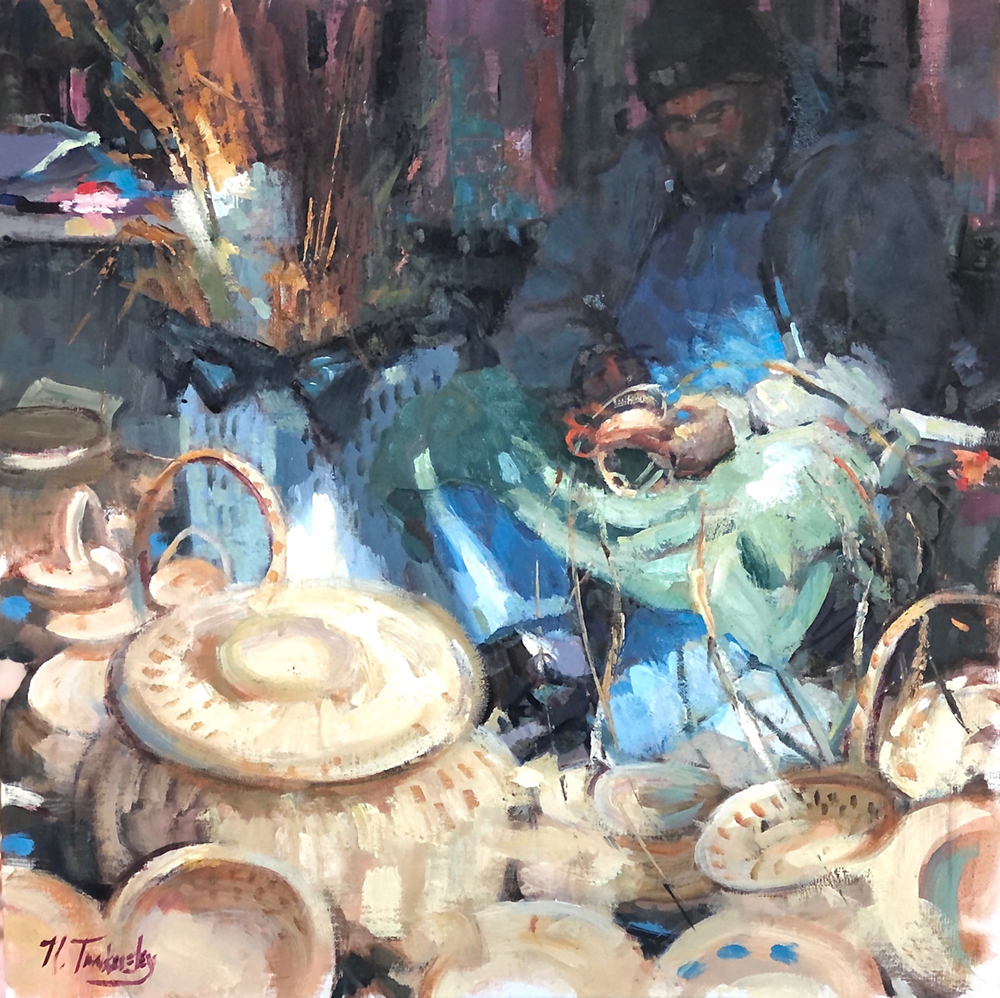
Oil painting of a man making sweetgrass baskets
Nancy Tankersley, “Sweetgrass Man,” 18 x 18 in., oil on canvas, 2021
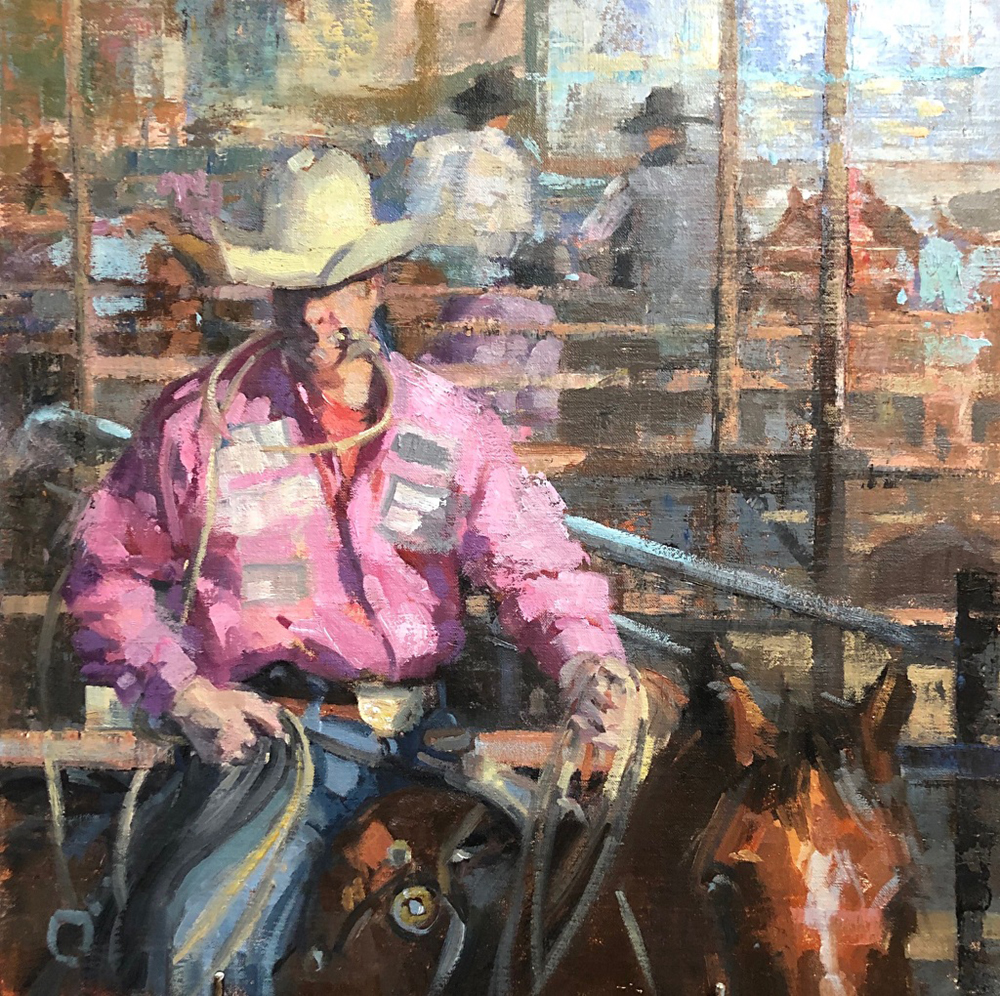
Oil painting of a cowboy on a horse
Nancy Tankersley, “Ready to Rip,” 20 x 20 in., oil on canvas, 2019

To see more of Nancy’s work, visit: www.nancytankersley.com

3 Quick Tips on Painting Feathers

7
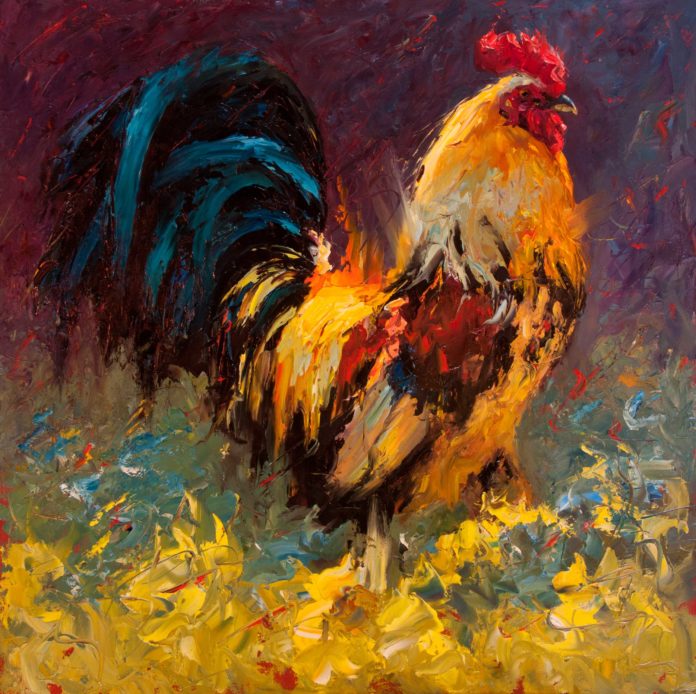
how to paint roosters
Cheri Christensen, “Color My World,” oil on board, 18 x 18 in.

On painting feathers: If your paintings of birds are too “tight,” consider these tips from Cheri Christensen on how to loosen up.

By Cheri Christensen

Wondering how to paint feathers? Feel your paintings are too tight? Want to loosen up?

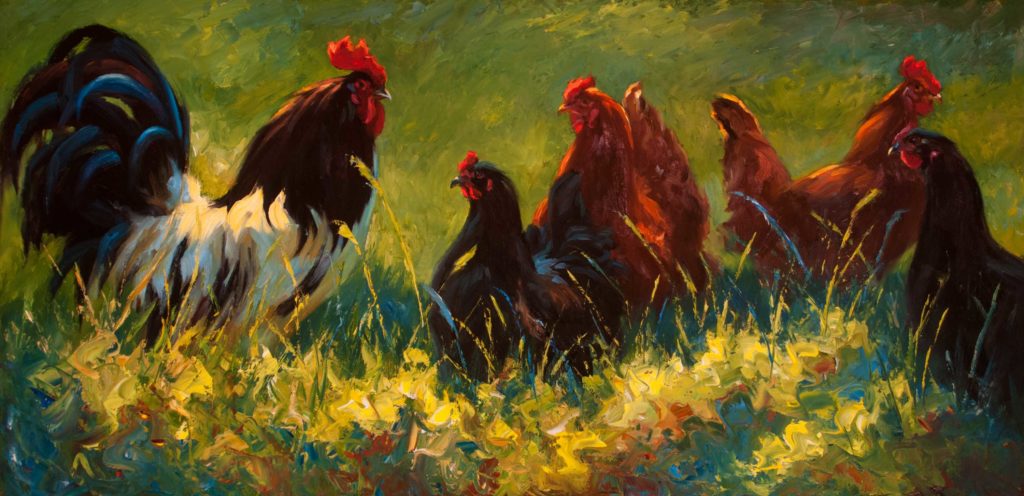
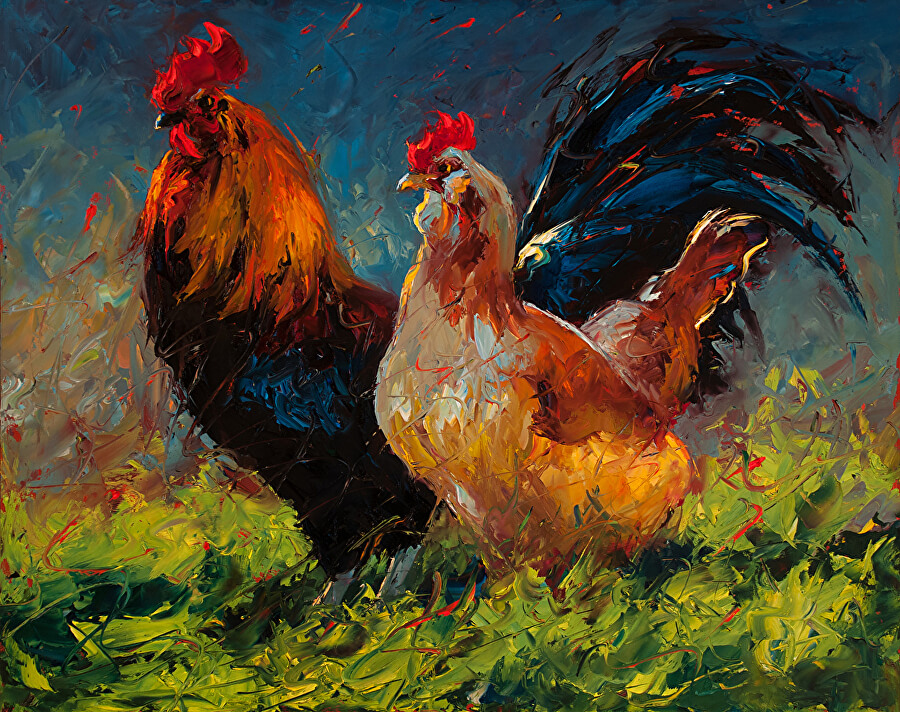
How to paint roosters - painting of chickens
Cheri Christensen, “Protecting the Flock,” oil on board, 18 x 36 in.

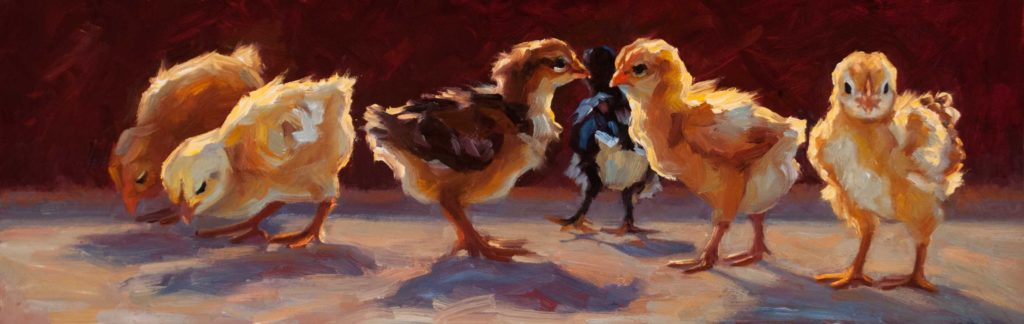
Then follow these quick tips for painting feathers for chickens and other birds:

  1. Consider the passages of light and shadow versus each individual feather. Think: Big Shapes! You must get the main structure down first. You’ve got to paint the bird before the feathers!
  2. To paint those big shapes, use big brushes and stand back from your painting while looking at your reference subject. Don’t get in too close to your artwork to paint details before the structure is complete.
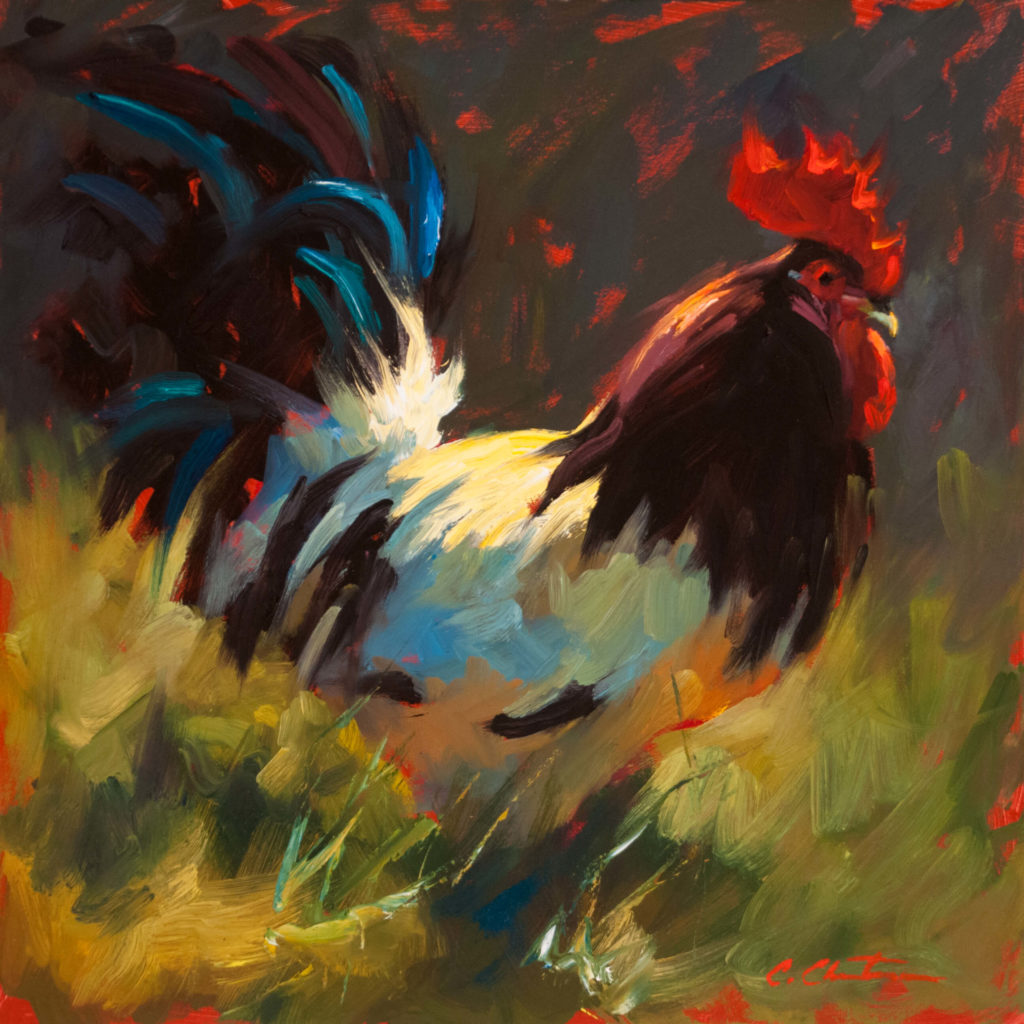
  3. Look for lost edges! Don’t make every edge sharp. Soften the edges where needed and lose them where you can. Less is more. It is the suggestion of feathers that makes the painting interesting — not each individual feather.

Follow these tips and you will be painting beautiful birds!

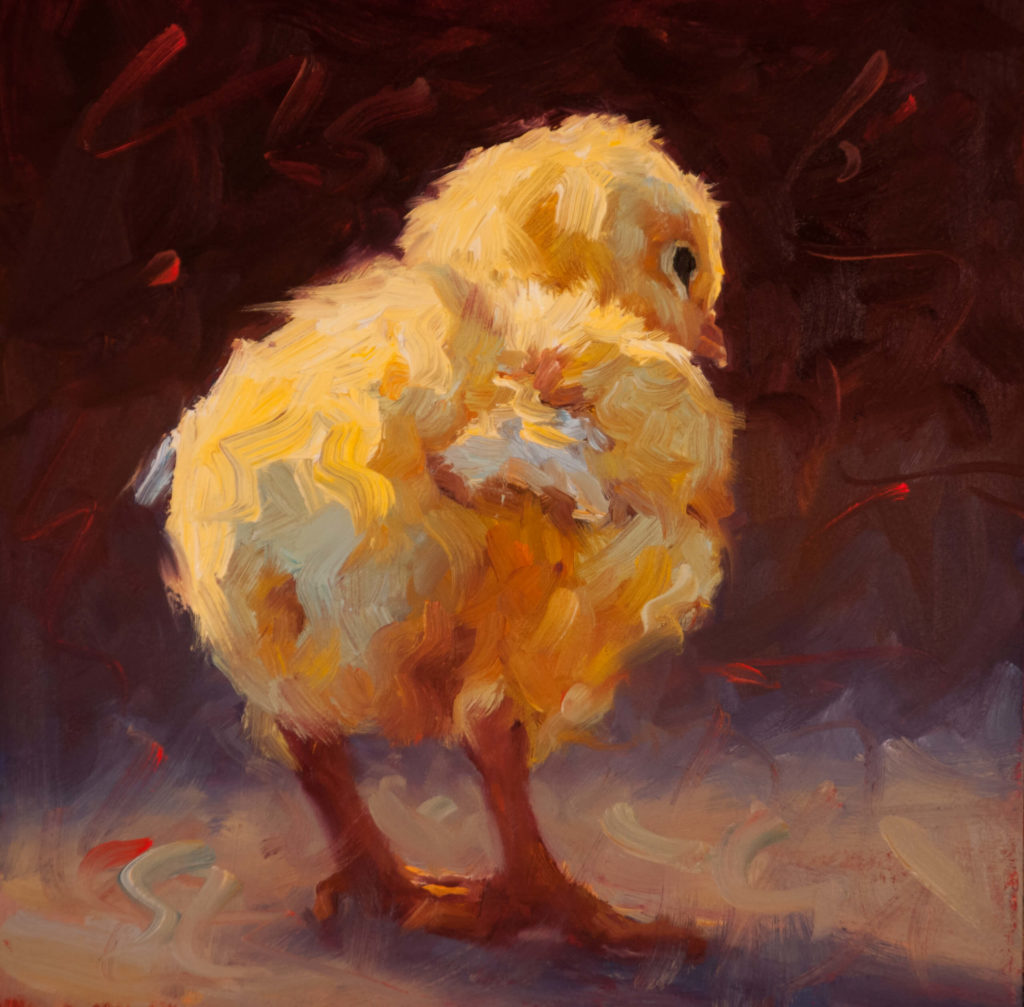
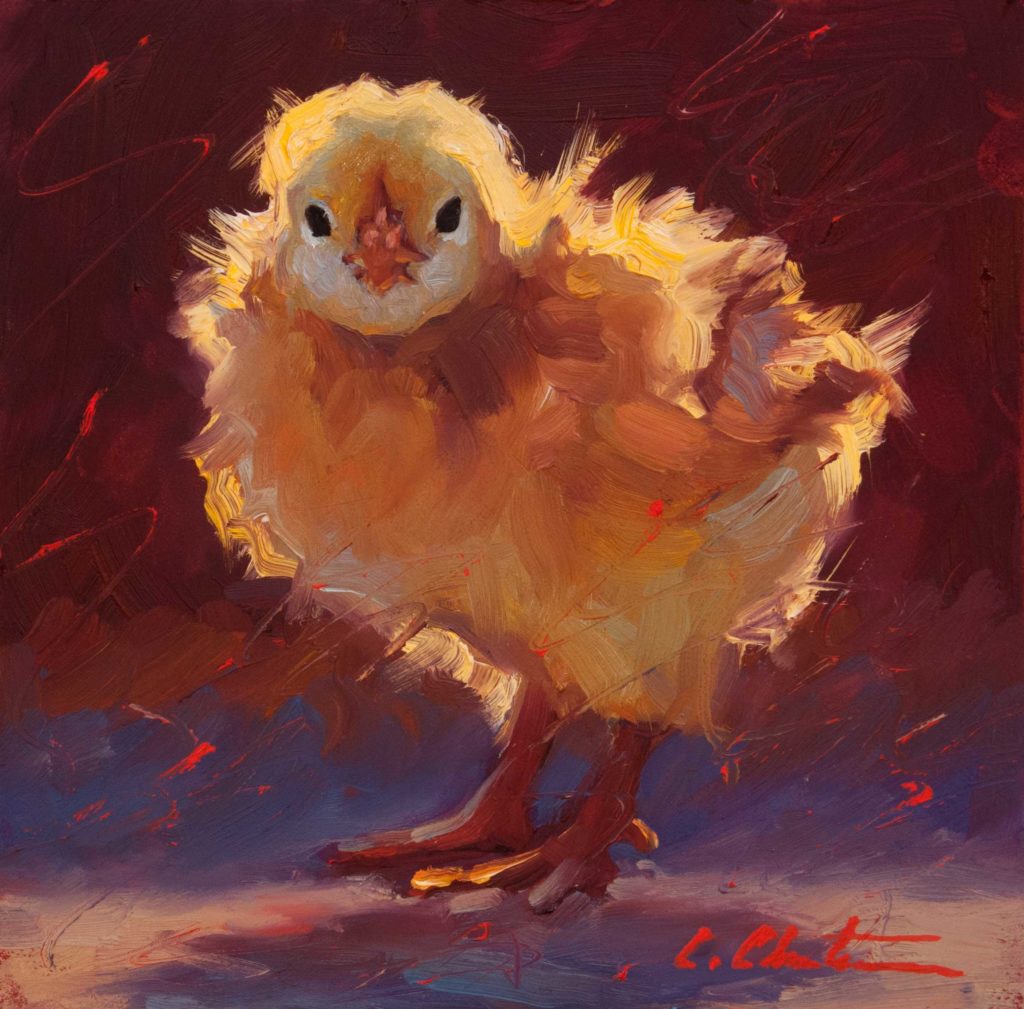
how to paint chickens - painting of a chick
Cheri Christensen, “Shy Chick,” oil on board, 6 x 6 in.
how to paint birds - portrait of a chick
Cheri Christensen, “Scruffy Chick,” oil on board, 6 x 6 in.
how to paint chickens
Cheri Christensen, “Scattered Chicks,” oil on board, 6 x 18 in.
how to paint feathers
Cheri Christensen, “Side by Side,” oil on board, 16 x 20 in.
how to paint feathers
Cheri Christensen, “Rooster at Grey Barn,” oil on board, 12 x 12 in.

Visit Cheri Christensen’s website at cherichristensen.com, and learn how to paint from this artist in the comfort of your own home with her PaintTube.tv art video workshop on color, light, and how to paint animals!

This article was originally published in 2018


Sign up to receive Fine Art Today, the free weekly e-newsletter from
Fine Art Connoisseur magazine.

Priorities: Her Home is in Her Art Studio

8
Home art studio
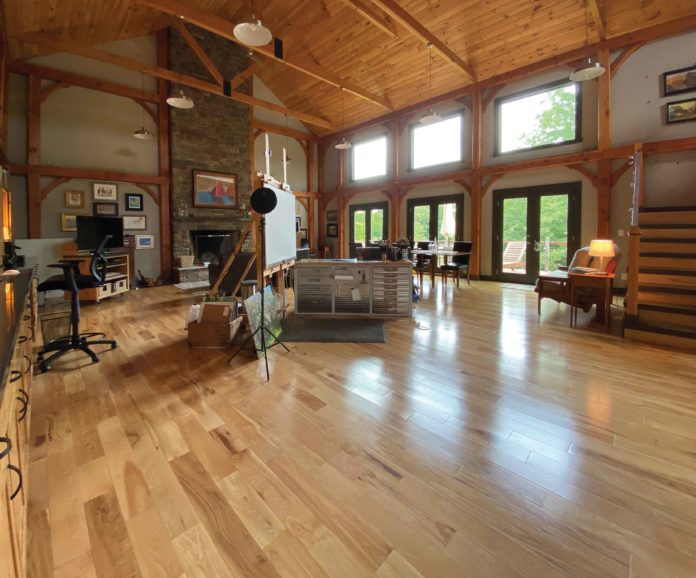
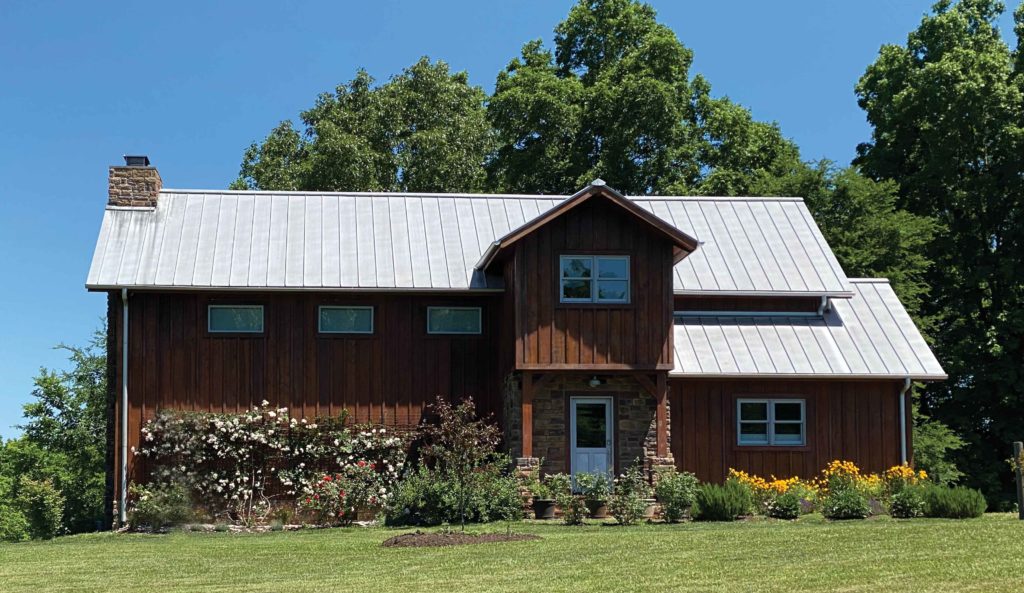
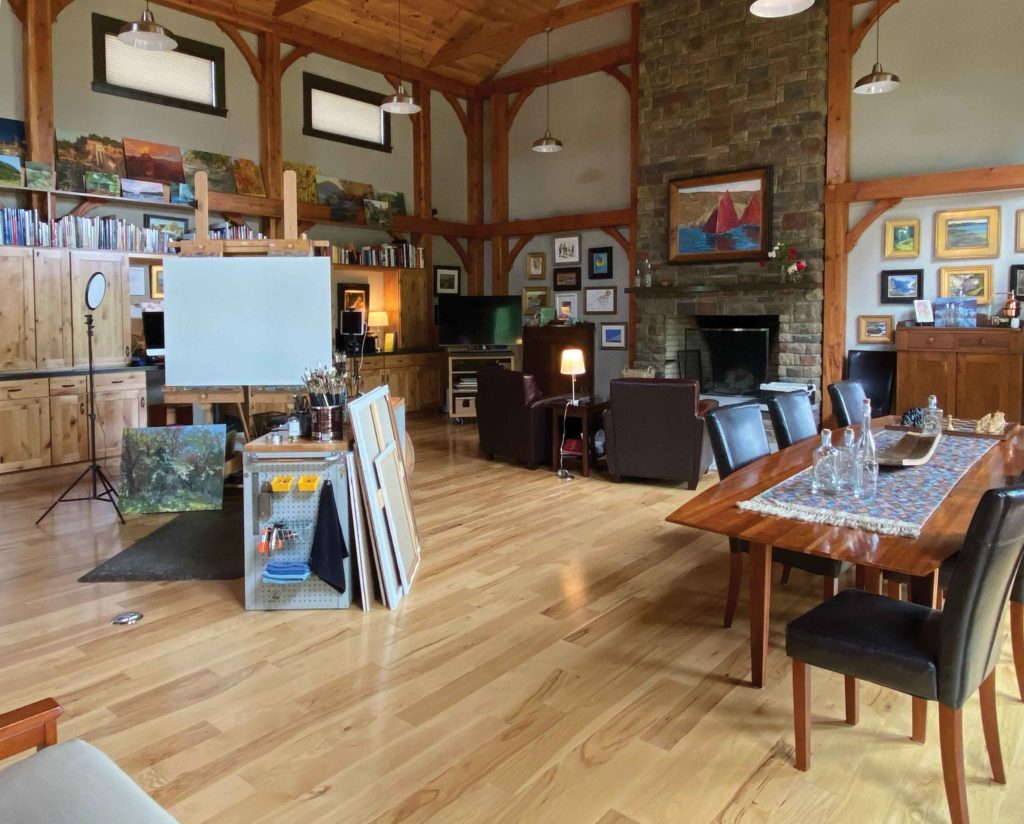
The home art studio of Lori Putnam (facing northwest)

It’s somewhat common to hear the phrase “I have a studio space in my house.” Many artists have a home art studio that is a converted bedroom, an unused dining area, a corner of the basement, or an otherwise empty attic. Having some type of dedicated space for one’s art is so important.

But when Lori Putnam told me that her house was in her studio, I had to find out more. She explained that she and her husband, Mark, didn’t originally intend to live in her art studio, although now it seems like a no-brainer. “It’s not for everyone, but it’s perfect for us,” she said.

Home art studio - Lori Putnam
The studio, and home, from the outside

The Perfect Art Studio

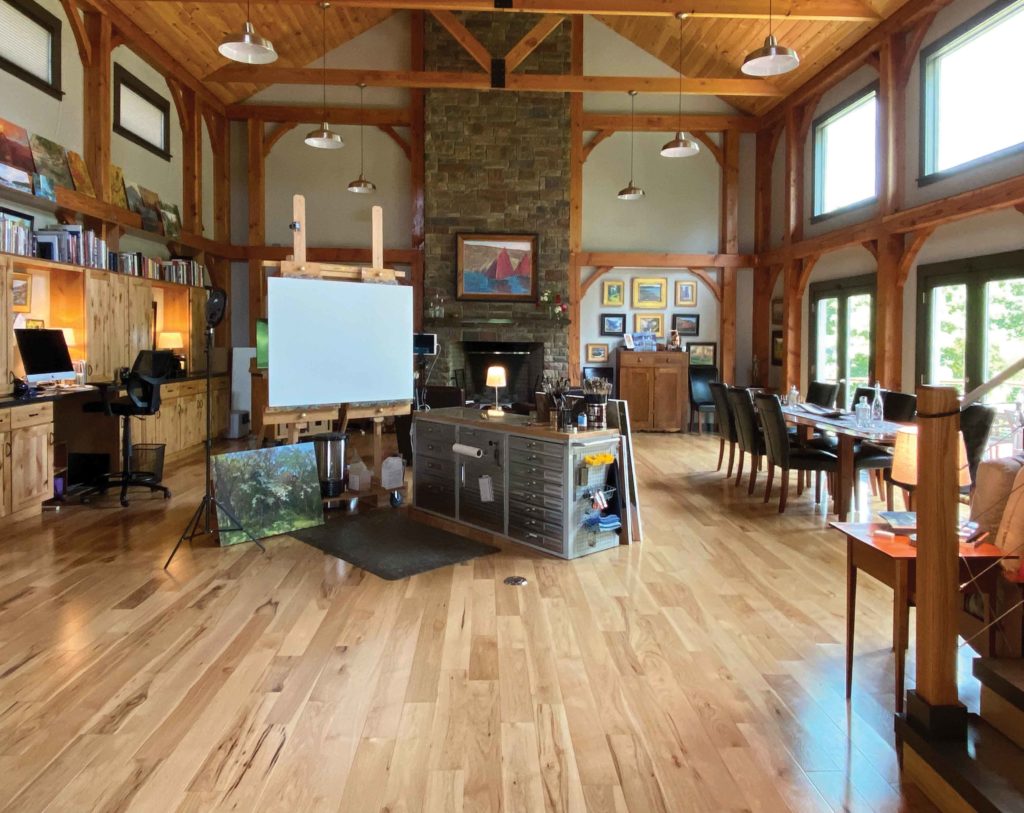
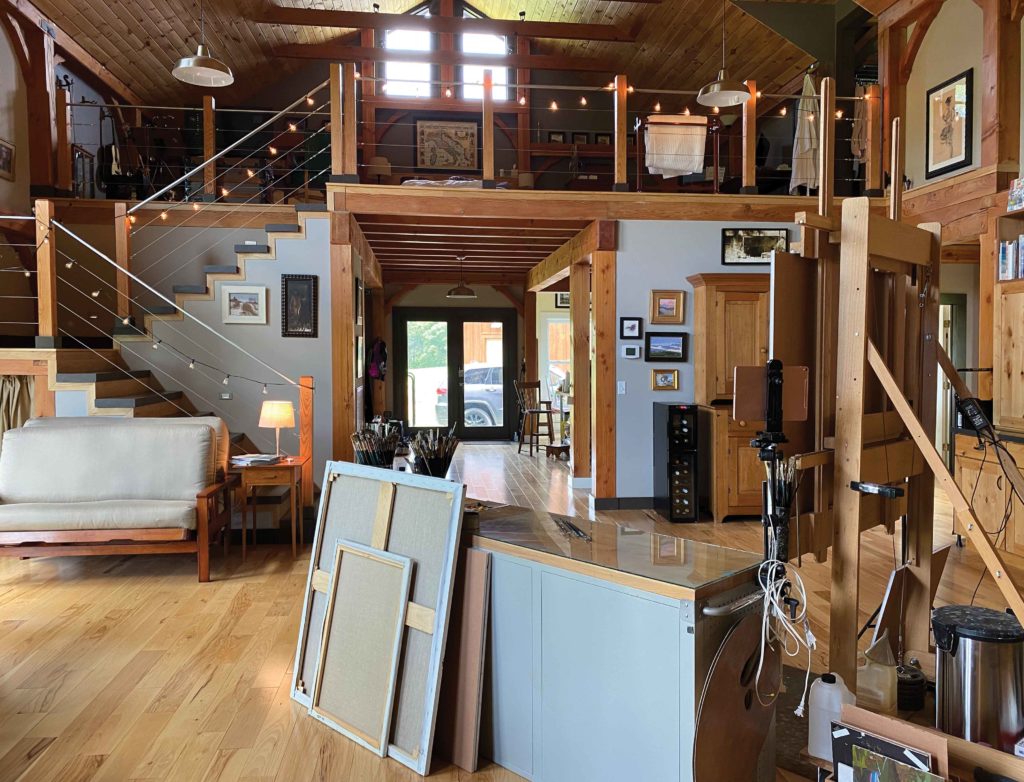
The original plan was to first build an art studio on their new property and temporarily live in the studio’s loft until their home was completed. The space, then, was designed only with art in mind: It’s a single, large room with high ceilings and north light with a small kitchen area and loft. The only door in the space, Lori says, is for the bathroom.

“People don’t even realize it’s our actual home at first,” Lori said. As they lived in the loft, they found that they didn’t need a separate house at all. “It feels like a studio and a home,” she said, “We’d still be over here if we had a house. Of course, it is a very large loft, so that may be part of it.”

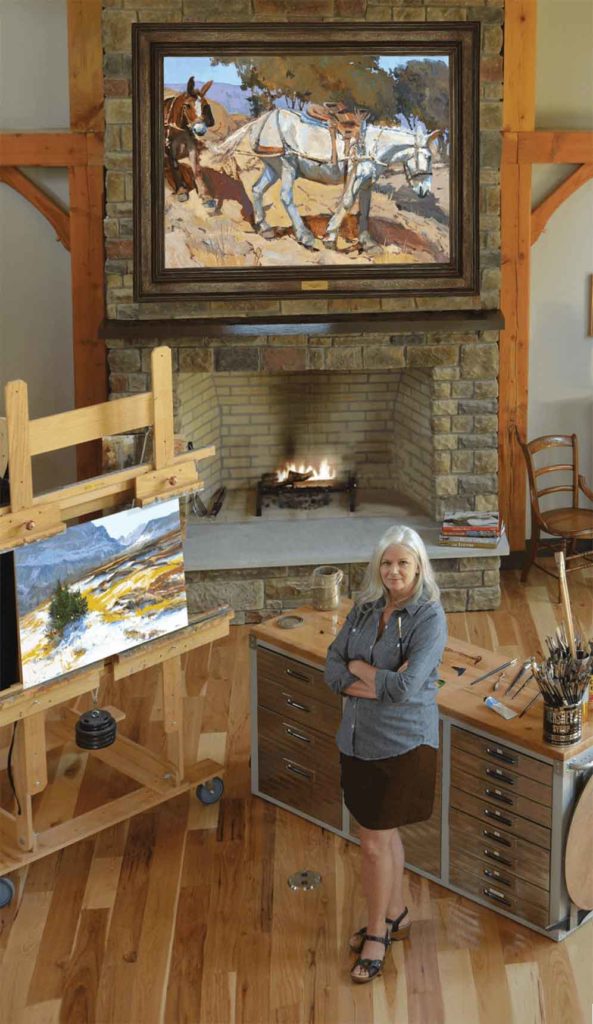
Lori Putnam in her Home art studio
Lori in her home art studio

Studio First

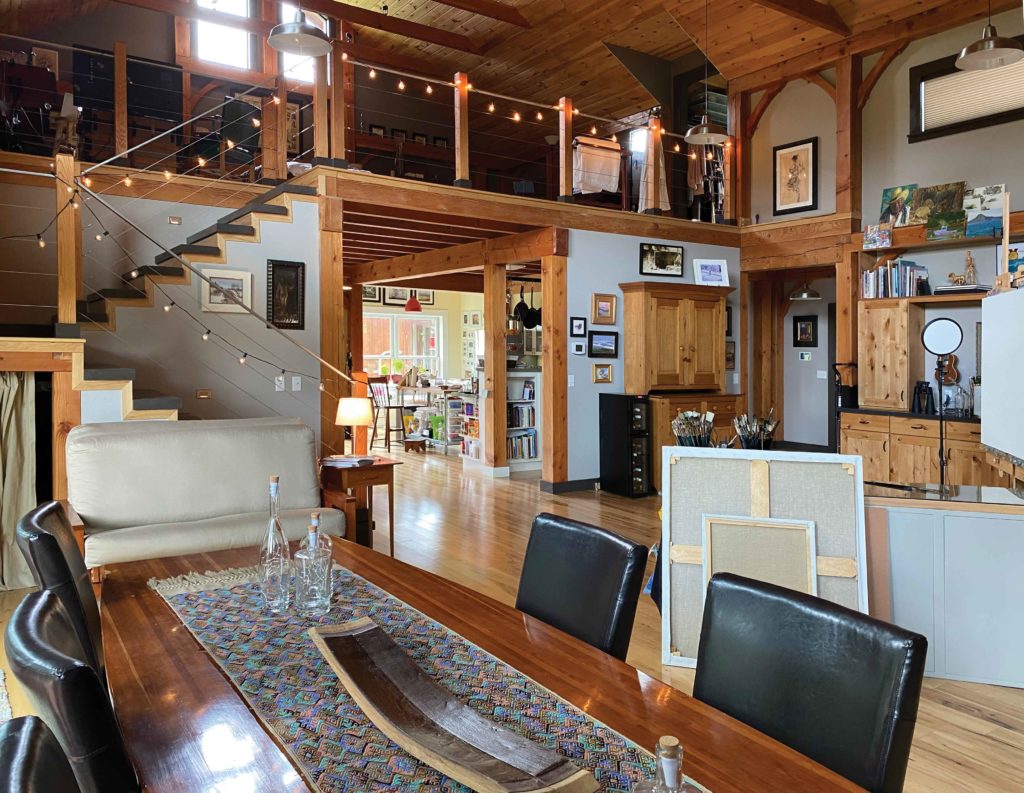
Because the space’s priority is art, it’s treated like a studio, complete with paint on the floor, and minimal, multi-functional furniture. “It had to be a studio first,” Lori said.

There are some comfortable chairs, a television that can also be used as a monitor for painting, and a long dining room table (one of the few things they kept when they sold their house prior to building the studio). The table itself has sentimental value, and so when Lori teaches workshops there, they move the table to the side of the room and cover it with plastic so that students can use it and also to protect it.

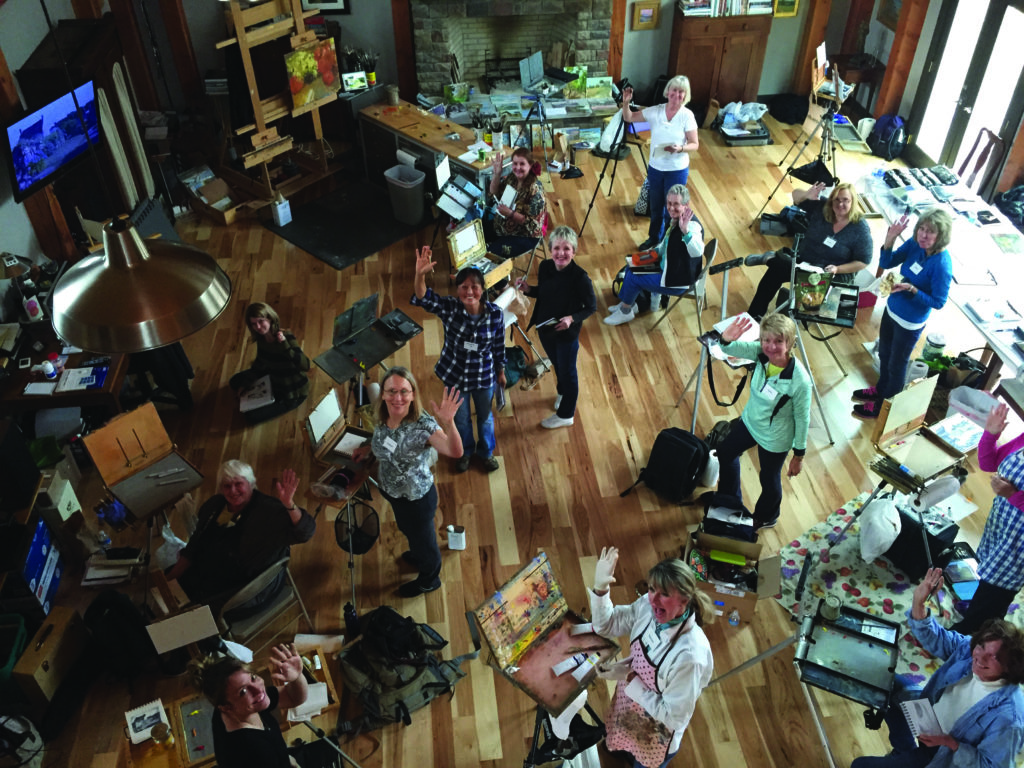
Speaking of her workshops, the space can hold up to 20 students with plenty of room to spread out. Lori simply moves her chairs upstairs to the loft, which is the only private area. It serves as the bedroom and contains their personal items, such as musical instruments and anything that doesn’t pertain to painting.

It might be a small space to contain both an art studio and a home, but Lori says that being organized helps. She has cabinets dedicated to her painting supplies, and admits that you might find a dish or two in them. Quoting what she told her husband, who does most of the cooking, “Mark, I’m going to give you three cabinets,” she laughed, adding that while she makes use of most of the space as an artist, she doesn’t paint in the kitchen.

Facing southeast

Art Studio Ideas

How does one create the perfect art studio? Lori shares some of the most important elements of her space:

  • Inspiration. “You hear that you should only have your own work in your studio,” Lori said, explaining that this way when potential buyers and collectors come in, they only see your work, but “I have it packed with paintings by my friends,” she says. “I feel like I have my friends there with me while I’m painting.”
  • A “taboret” that is actually a tool-chest set up in the middle of the studio. Lori says she’s in love with her toolbox: “It’s like it was made” for her art supplies.
  • Her Rosemary brush collection
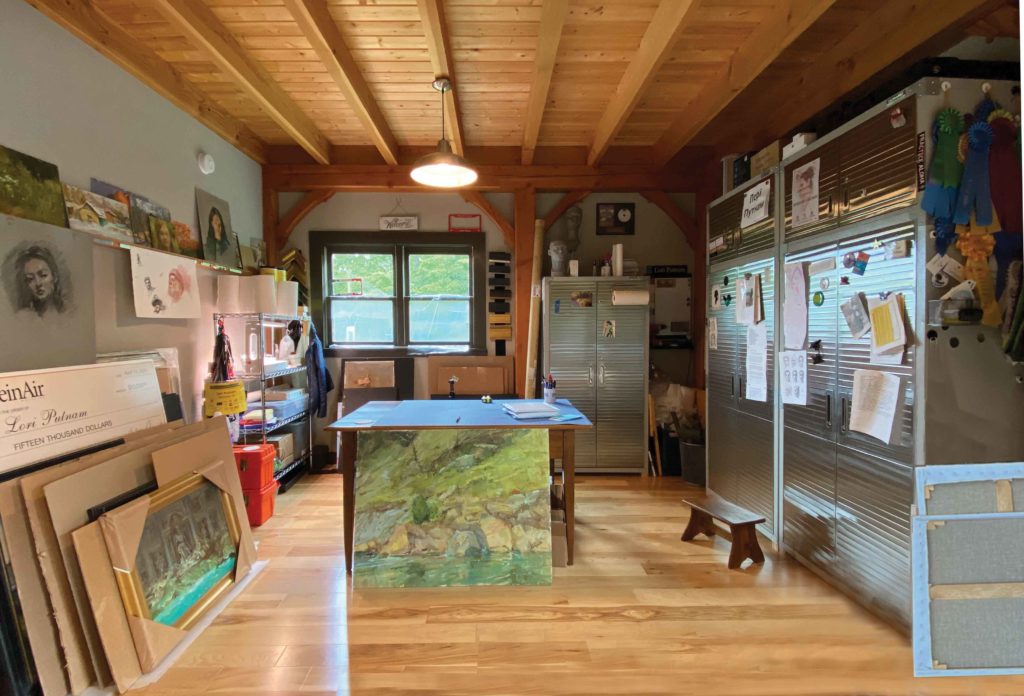
  • A separate workroom area that leads onto a loading dock. “This is where the framing and varnishing happens,” she said. This way, her studio isn’t “junked up.” The workroom has industrial cabinets to keep things organized and separate from “the more creative side of the space.” Lori adds that it’s nice to have the loading dock for handling big panels and art supplies in general.
  • And the most important thing in her studio? The easel that Mark made for her. “It’s a horse of a tool for me,” she said.
Home art studio
The studio workroom

If you’re in the process of creating an art studio space, Lori has advice to help guide you. It’s first worth noting that while you need privacy, she says, “sometimes there just isn’t a space. I would rather be outside and that be my studio, than someplace that’s really, really dark. If your only option is the closet in the basement, then make the world your studio because that’s so much better and the light is going to be perfect.”

Back to creating a home art studio: “I think one of the most important things about a space is that first it feels the right size to you,” Lori said. “Some people prefer to be in a little tighter space. Some people prefer to have tall ceilings because they have a little bit of claustrophobia.”

Lori humbly says, “I can’t put my ideas on somebody else, but I can say that, for me, what has worked is this wonderful north light. It’s soft; it’s so pleasing when you walk in this room, combined with the really tall – 26-foot – ceilings. To a lot of people that would just be wasted space, but that feeling of being able to really breathe and not be closed in is perfect for me. It also allows the loft upstairs to have taller than average ceilings as well as a really large window at the peak.

“Being able to keep things stored and handy is helpful. If you happen to paint both in the studio and in plein air, then have a spot that’s just for your plein air gear. That was a biggie for me – to have a place where I know when I’m getting ready to go out and paint, everything is right there and I don’t have to go around and start digging to find stuff here and there. I think that’s huge.”

Facing southwest
Home art studio
Facing west
Studio ideas for artists
Facing west, toward loading dock

On Flooring

“Personally, if you’re able to have some say-so in the building of your space, or the space that you decide to rent, it’s great to have floors that are not gonna be hard on your feet, not going to hurt your legs, but that can wipe up if you care too. For instance, a concrete floor is great, but a concrete floor that isn’t suspended in some way, or doesn’t have some sort of really hefty mat where you stand most of the time will cause your legs to really ache especially, if you’re painting seven or eight hours a day.

“Our floor is hickory and I do have a big mat right in front of my easel. The hickory has such a nice finish on it that about once or twice a year I get down on my hands and knees and spend an hour and kind of get up the worst of the paint, usually before an open house or something, but I don’t have to worry about it. There’s no carpet, it can be easily wiped.”

Art workshops - Lori Putnam
A full house during one of Lori’s art workshops
Art workshops - Lori Putnam
Outdoor seating for art workshops

Under the Influence

Aside from the nuts and bolts of creating the perfect art studio, Lori advises to consider other surroundings than can affect you, such as playing motivating music or having silence. These subtle factors could make or break your painting experience.

“I don’t let myself have a bad painting day,” Lori said. “I might have a bad painting hour, but I don’t have the luxury of having a whole bad day. I know that if I’m having a bad painting hour, and I just take a break and turn on a different kind of music, or maybe turn on music if I haven’t had it on at all, it can be enough to reset my brain. For me, that will turn the painting around.

She adds that knowing what it is that can make you feel successful in your space can have a great impact, even if it’s something as simple as your favorite cup of coffee. “You can take a break and go, ’Okay, this is not going well, I’m just gonna go here and visit my coffee.’

“Ninety-five percent of this is a mind game, and so identify and write down the things that – even if they seem random – make you feel good. Try to incorporate those into your studio. We have some string lights, and I love lights, I’m like a little kid. I call them my happy lights, and so sometimes I just turn on my happy lights, and it just makes me happy and then I can get back to painting.”

But Does It Feel Good?

When it comes to having the best home art studio for you, Lori tells us that, “Honestly, it’s that feeling you get when you walk into it. If you cannot imagine yourself standing there, then it’s not the right place. I don’t care how much somebody else thinks it is, you have to be able to imagine yourself standing there; think about what you’re going to feel like, once your easel’s in there, once it’s five years down the road, and you’re still on there. If it doesn’t feel right and, given that you have the option, then look for somewhere else.

“I have a really good friend who has the greatest studio, and it is really just like a boat garage at a marina, where people generally keep their tools for working on their boats and all that stuff. She loves the water, so this is an inspirational place for her. But she just opens that door and bright sunshine comes in, and she literally tacks her canvas onto boards on the wall, and she paints. It is so perfect for her. It’s really about how you feel and not what anybody else expects. You can get wrapped up in ’Oh, so and so says I have to have north light and I have to have this and I have to add that. In the end, it just needs to feel good to you.”

Related Article > “How to Create the Perfect Art Studio,” a spotlight on the studio of William Schneider (article by Cherie Dawn Haas)

WEEKLY NEWS FROM THE ART WORLD

Fill your mind with useful art stories, the latest trends, upcoming art shows, top artists, and more. Subscribe to Fine Art Today, from the publishers of Fine Art Connoisseur magazine.

  • This field is for validation purposes and should be left unchanged.