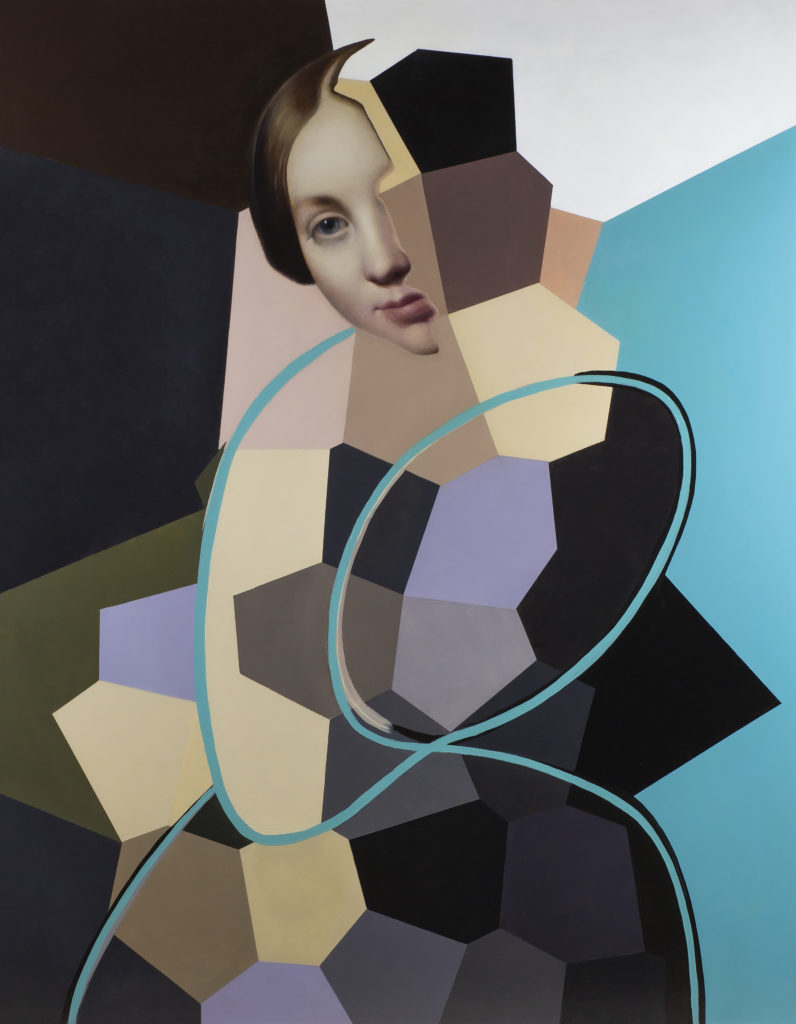
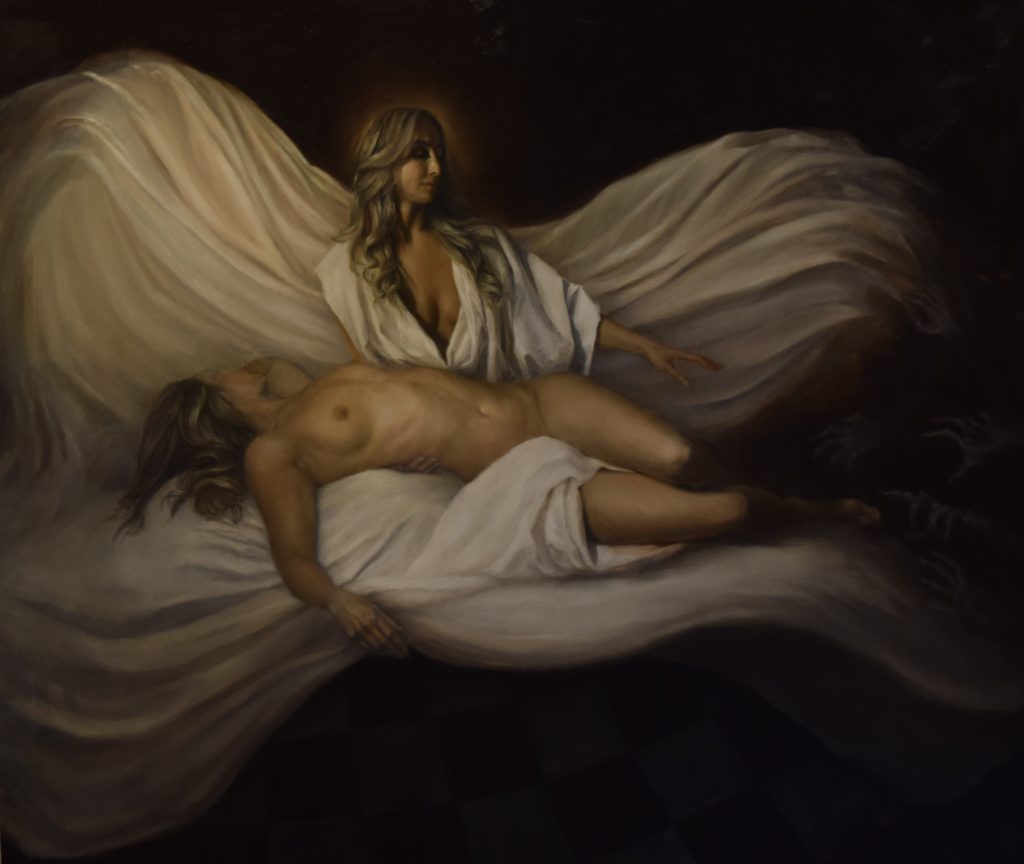
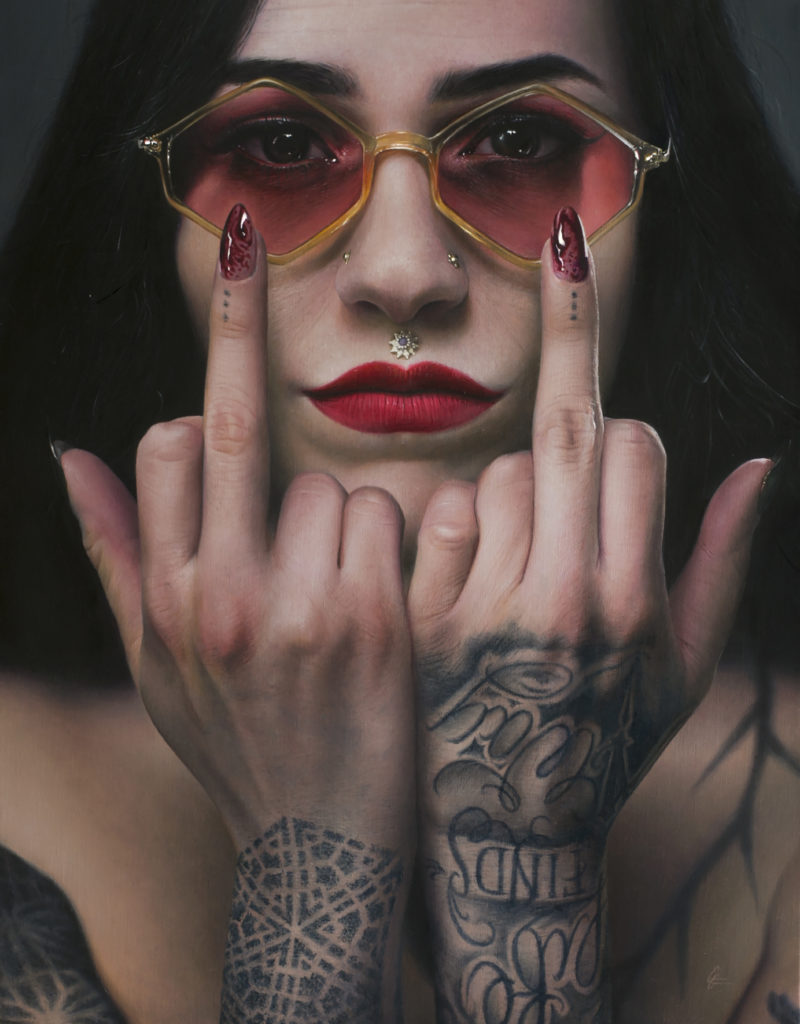
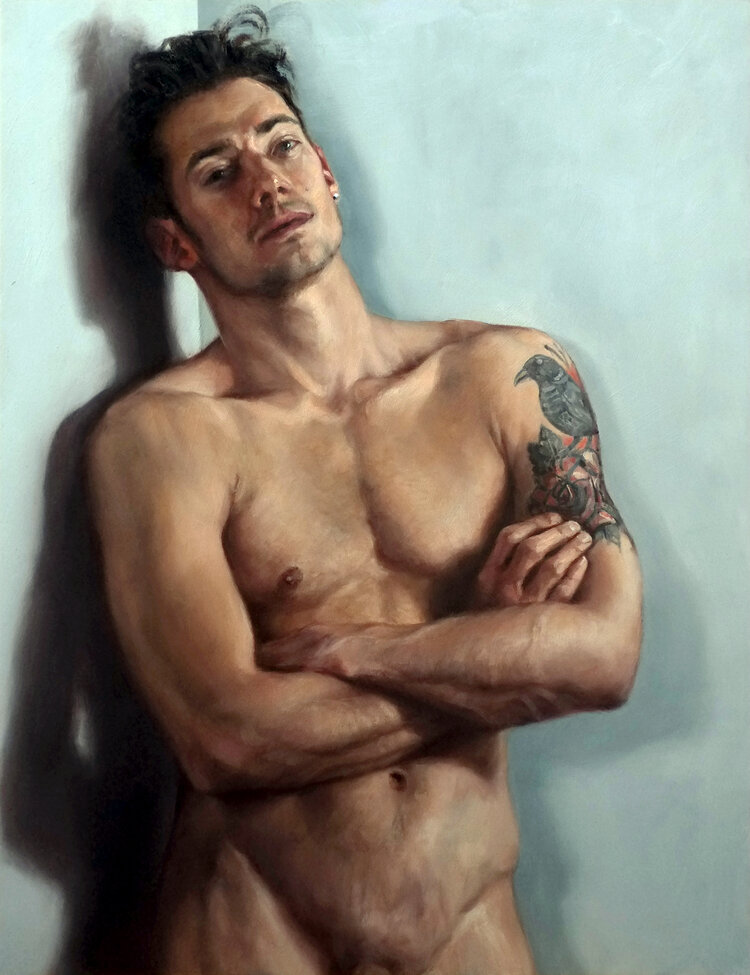
Oil Painters of America 2021 Salon Show Quinlan Visual Arts Center
Gainesville, Georgia
Through August 7, 2021
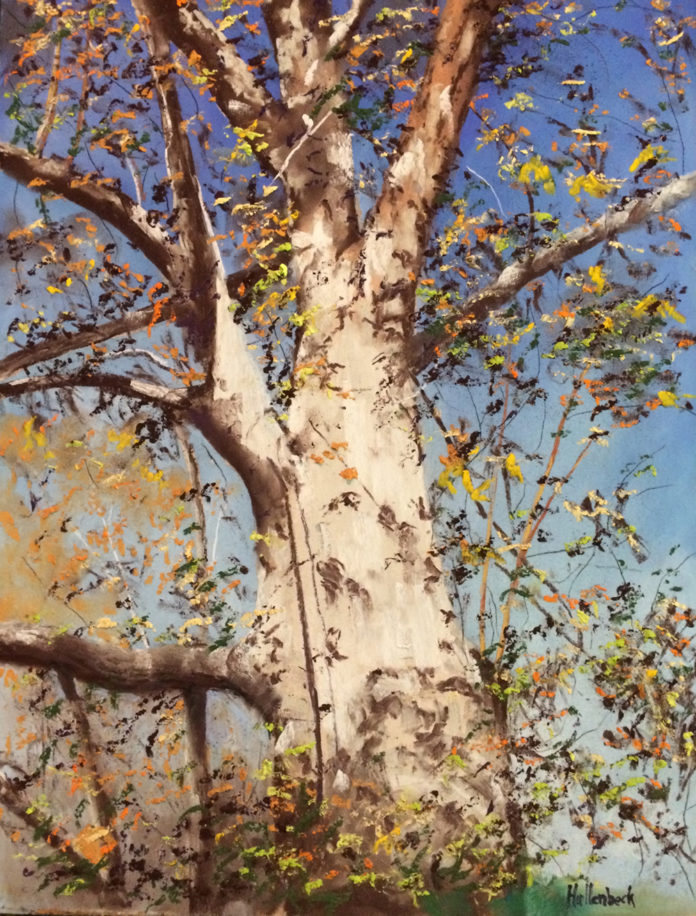
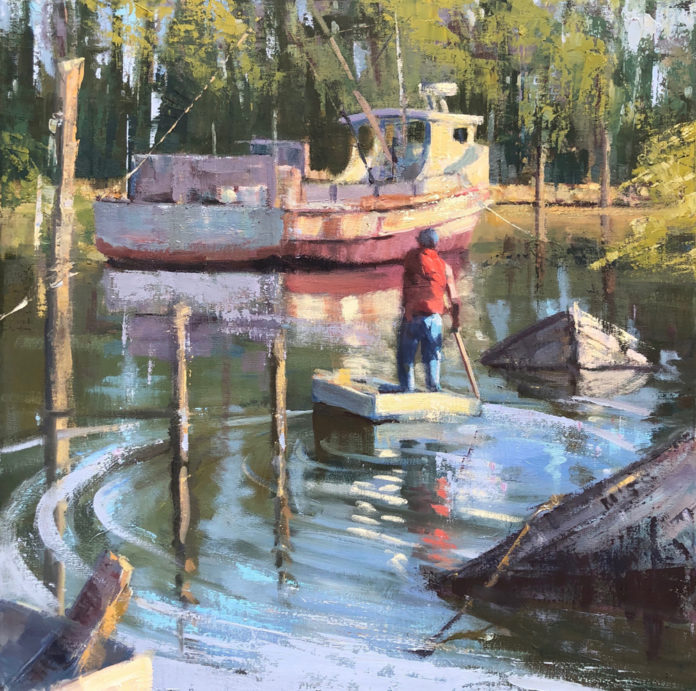
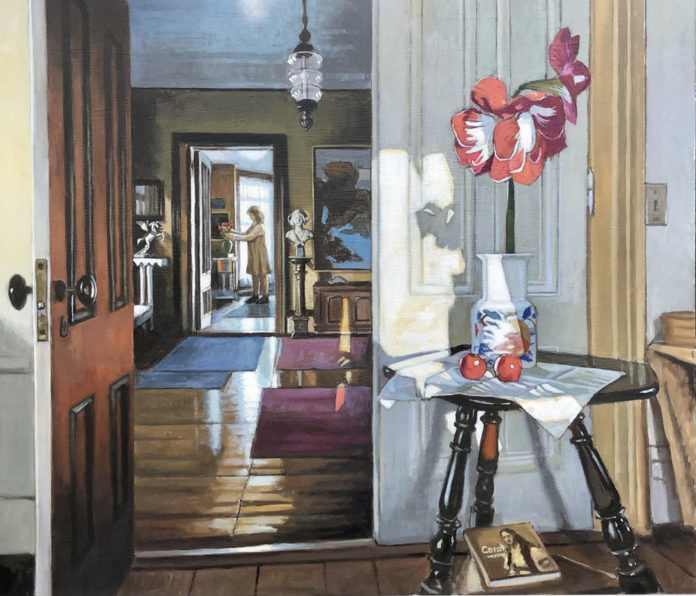
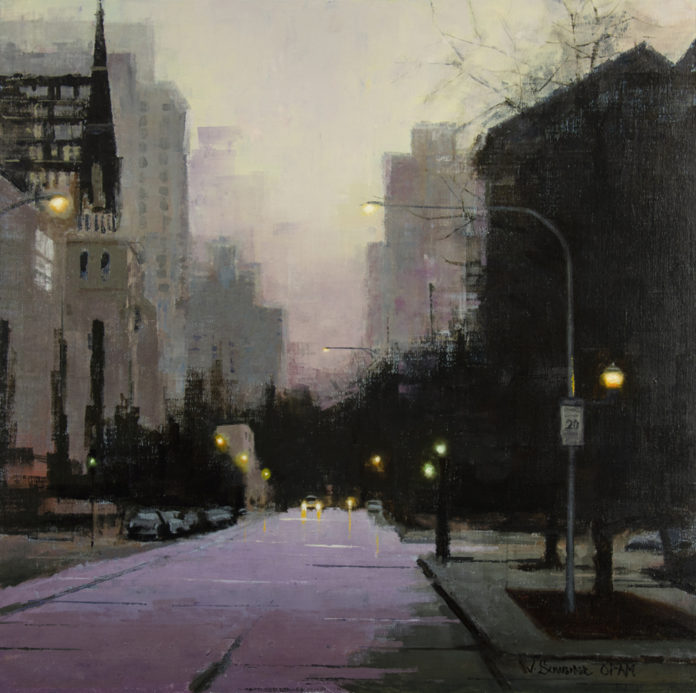
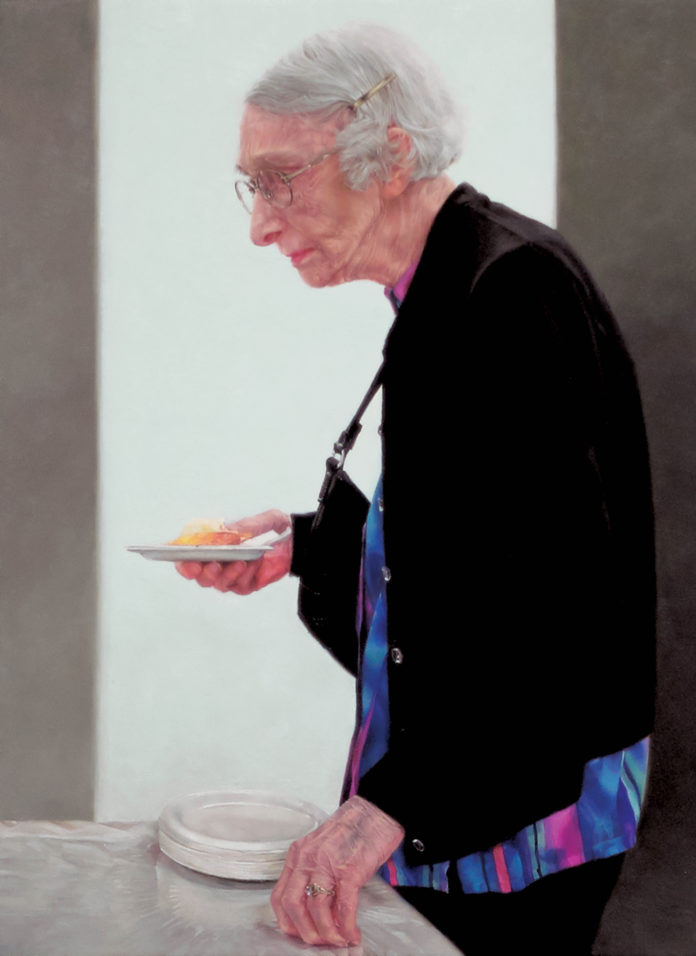
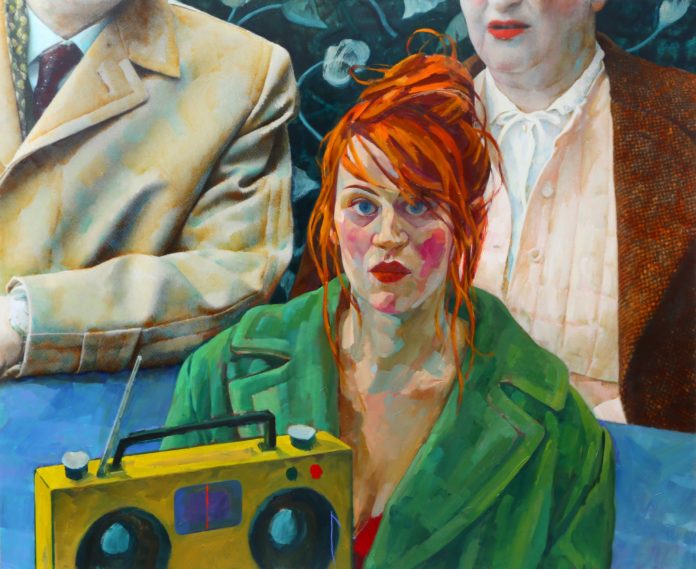
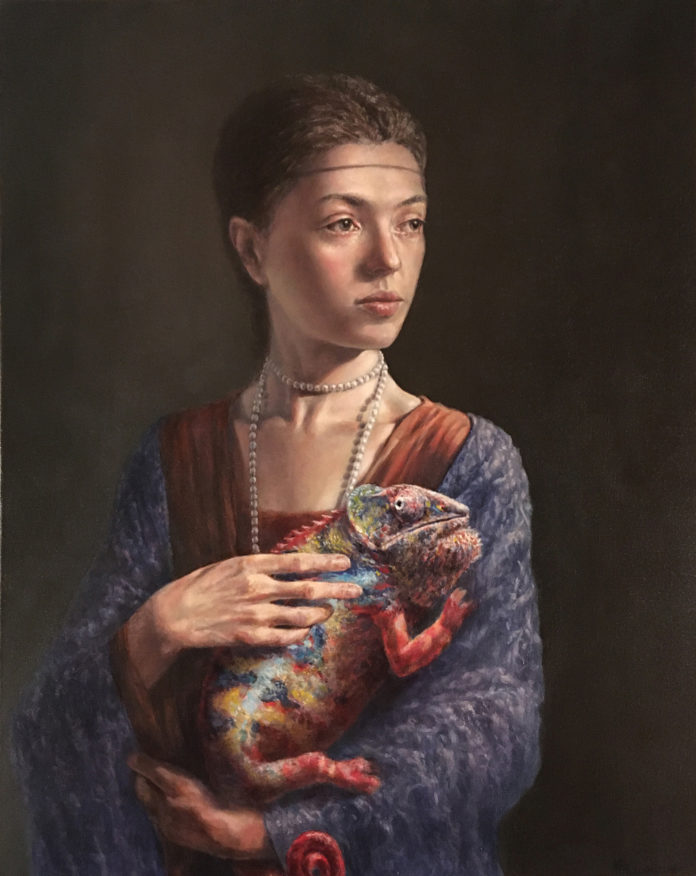
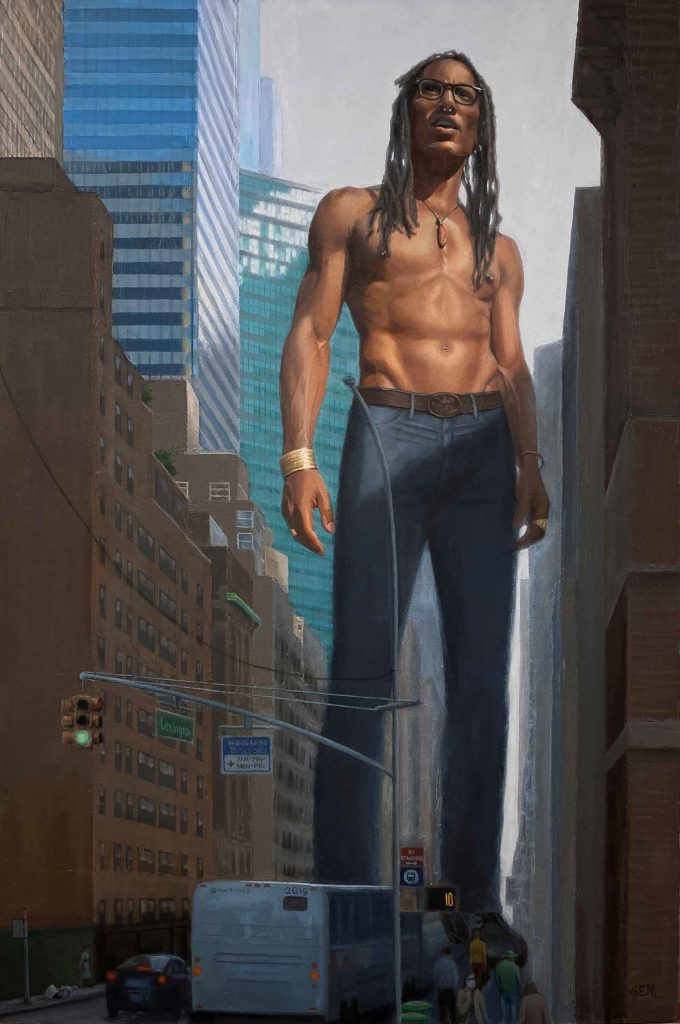
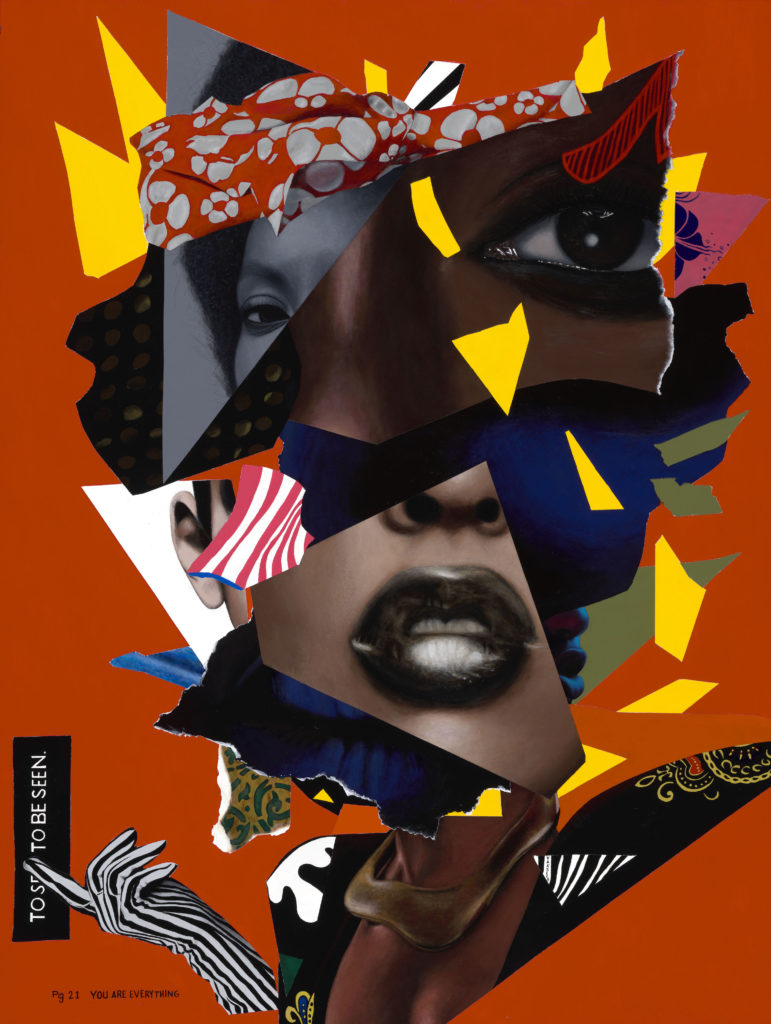
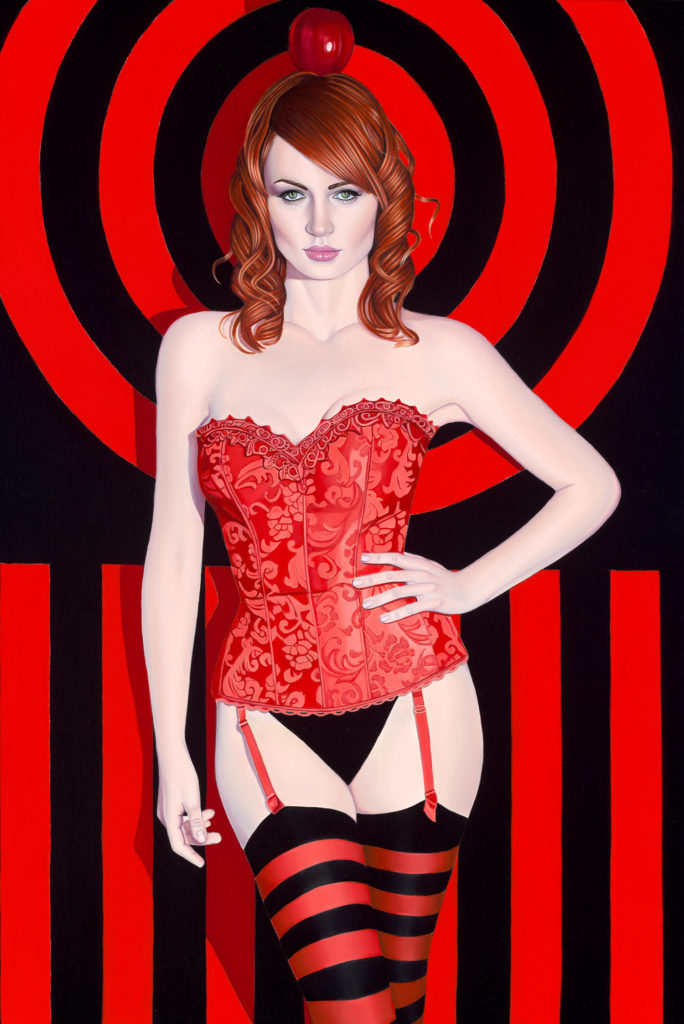
Shizhong Yan, OPAM, “Mountain Man,” 20 x 16 in., oil on canvas, 2020Albert Handell, OPAM, “Moving Along,” 18 x 24 in., oilChristopher Zhang (b. 1954), “Tibetan Girl,” 2019, oil on canvas, 16 x 12 in.Nancy Crookston, OPAM, “Charades,” 14 x 11 in., oil on linen panel, 2020
Oil Painters of America (OPA) is now presenting its 2021 Salon Show — more than 225 paintings in a range of styles and subjects, created by OPA members from across the U.S. and Canada.
All of this is occurring at the Quinlan in Gainesville, Georgia, a town of 40,000 residents in the foothills of the Blue Ridge Mountains. OPA is a nonprofit organization founded by the artist Shirl Smithson in 1991 and has more than 3,600 members.
> Visit EricRhoads.com to learn about more opportunities for artists and art collectors, including retreats, international art trips, art conventions, and more.
> Sign up to receive Fine Art Today, our free weekly e-newsletter
Late in 2019, my gallery notified me that my painting “Man With Violin” had been purchased. I followed up with a thank-you note introducing myself to the collector, and eventually began an email conversation. This was followed by phone calls, and then the first of many visits to my studio (masked, of course, as this was the beginning of Covid-19 restrictions).
As we became better acquainted, he began taking a more direct interest in my work, exploring my website and avidly reading my blogs on the process behind the paintings. This sparked a greater desire to collect, and so the journey began. As of May 2021, there are now 60 of my paintings in his collection.
I recently visited his beautiful home and photographed the paintings in situ. He’s graciously allowed me to share them with you, and his thoughts on collecting.
From the art collector:
“Loving painting as much as I did, I wanted to learn more about David and his artwork. His website is an education in itself. You get to see his progressions from the start, beginning with the sketches, to the finished product of many of his paintings. I found this fascinating and truly couldn’t get enough.”
“Why do I love David Tanner’s paintings? I love David’s artwork because he brings life to each of his paintings through his colors and the fine details in each piece he creates. He transforms his models into living, breathing individuals on canvas, whose music we can hear being played, whose pain we feel, whose baking we can’t wait to consume, whose wet shoes we can’t wait to remove after walking the streets of New York in a rainstorm. David’s artwork brings out emotions in me that I rarely allow to surface. I am so happy to have found this release as it makes me a more appreciative individual of everything around me.”
> Visit EricRhoads.com to learn about more opportunities for artists and art collectors, including retreats, international art trips, art conventions, and more.
> Sign up to receive Fine Art Today, our free weekly e-newsletter
Ayana Ross, "Girls in White Dresses," Oil on canvas, 2020, 48 x 36 inches, Courtesy of the Artist
Painter Ayana Ross, of McDonough, Georgia, has won the prestigious 2021 Bennett Prize. Ross’s work explores identity and cultural awareness in the everyday lives of African Americans in the American South.
Ayana Ross, McDonough, GA
Ross will be awarded $50,000, giving her the opportunity to create new work in the figurative realist style for a solo exhibition that ultimately will travel the country. The Bennett Prize is the largest prize offered solely to women figurative painters.
“Ross’ paintings create story fragments that invite viewers to insert themselves and see their own experiences in her work,” said Patrick Moore, one of four jurors and director of The Andy Warhol Museum in Pittsburgh. “She highlights racial disparities as well as inter-generational progress in Black lives.”
Ayana Ross, “SWBAT,” Oil on canvas, 2020, 60 x 48 inches, Courtesy of the ArtistAyana Ross, “My Turn,” Oil on canvas, 2020, 48 x 36 inches, Courtesy of the ArtistAyana Ross with her painting “SWBAT”Sophia-Yemisi Adeyemo-Ross, Providence, RI
Her win was announced at the opening reception for the “Rising Voices 2: The Bennett Prize” exhibition, which runs through September 5, 2021 at the Muskegon Museum of Art. The museum was chosen to host the exhibition because of its commitment to both women artists and realism.
The exhibition also features the work of the first Bennett Prize winner, Aneka Ingold, of Tampa, Florida, named in 2019. Ingold spent the last two years working on paintings that the exhibition guide describes as representing “a profoundly transformative time, of life upended and redefined, and a woman transfigured by her journey.”
Sophia-Yemisi Adeyemo-Ross, “An Arrow Dipped in Cactus Poison,” Acrylic and watercolor, 2020, 35 x 24 inches, Courtesy of the Artist
Also on display are paintings by the 10 women figurative realist painters named last fall as finalists for the second Bennett Prize, including Ross. The other nine finalists are:
“Beautiful, amusing, haunting, mystifying, celebratory and surprising, these artworks invite closer examination of the artists’ perspectives and offer the viewers an opportunity to evaluate their own lives, experiences, and perceptions of the work,” said Art Martin, director of collections and exhibitions at the Muskegon Museum of Art.
Steven Alan Bennett and Dr. Elaine Melotti Schmidt, of San Antonio, Texas, established The Bennett Prize in 2016, endowing a $3 million fund at The Pittsburgh Foundation to ensure that The Prize will be awarded every two years in perpetuity.
Schmidt and Bennett are among the country’s top collectors of figurative realist art. Their aim is to boost the careers of women figurative realist painters who have yet to reach full professional recognition and to bring figurative realist painting to a wider audience.
Response to the call for entries continues to grow, with 674 women artists submitting entries for the 2021 Bennett Prize, up from 647 two years ago.
“We continue to be gratified by the increasing reach of The Prize,” Bennett said. “We understand that we are exposing, and being exposed to, a new, deep and rich vein of talent that otherwise might not have come into view.”
This year’s four-member jury included prominent figurative painters Alyssa Monks and Katie O’Hagan, as well as Moore and Bennett. They selected the winner and the nine other finalists.
> Visit EricRhoads.com to learn about more opportunities for artists and art collectors, including retreats, international art trips, art conventions, and more.
> Sign up to receive Fine Art Today, our free weekly e-newsletter
As part of our effort to continue to help artists and art galleries thrive, we’re proud to bring you this week’s “Virtual Gallery Walk.” Browse the artwork below and click the image itself to learn more about it, including how to contact the gallery.
Dancing on the Green by Rani Garner, Oil, 24 x 36 in. (27 x 39 in. framed); Anderson Fine Art Gallery
Otterly Rosy by Lucia Heffernan (Born 1966), Oil on panel, 14 x 11 in., Signed; Rehs Contemporary
Marche aux fleurs, Madeleine by Constantin Kluge (1912 – 2003), Oil on canvas, 30 x 38 in., Signed; Rehs Galleries, Inc.
Soul Bridge by Scott J. Morgan, Oil on canvas, 60 x 48 in.; Vermont Artisan Designs
Full Bloom by Valerie Craig, Oil, 16 x 20 in. (Featured in Back to Nature – A Landscape Painter’s Invitational Exhibition); Wayne Art Center
Tonette’s Heirloom Bowl by David Riedel, Oil, 22 x 24 in.; ArtzLine.com
Want to see your gallery featured in an upcoming Virtual Gallery Walk? Contact us at [email protected] to advertise today. Don’t delay, as spaces are first come, first served, and availability is limited.
From competition to concepts of corporate success, this New York-based sculptor has created a series of thought-provoking outdoor installations. Where?
New York City’s Theatre District and Dag Hammarskjöld Plaza are home to five monumental new sculptures.
The installations, created by internationally acclaimed New York-based sculptor JimRennert, stand at over 12.5-feet tall and illustrate concepts of corporate success and the obstacles faced by the modern working man.
The outdoor installations will be on view through 2021 and 2022 in addition to smaller-scale editions that are featured in Cavalier Gallery LLC (3 West 57th Street).
Drawing on both his past professional experiences, and those of his contemporaries, Rennert composes thought-provoking works through simplified figures and forms.
“Walking the Tightrope,” which will be located at the entrance of 1700 Broadway, was created using athletic themes to express concepts we all deal with when making a living.
“WTF,” which will also be located at 1700 Broadway, was the third monumental work Rennert composed after “THINK BIG” – located at The Anthem (222 East 34th Street) – and “Perspective.”
The other three works, “Timing,” “Inner Dialogue,” and “Commute” will be located on Dag Hammarskjöld Plaza at East 47th Street and are inspired by Rennert’s past experiences in the competitive world of business.
Each title works together with the visual image to illustrate the experience, sometimes physical, sometimes psychological and showcase the thoughts and ideas we all deal with in our contemporary society.
> Visit EricRhoads.com to learn about more opportunities for artists and art collectors, including retreats, international art trips, art conventions, and more.
> Sign up to receive Fine Art Today, our free weekly e-newsletter
Matthew Bird painting “Once Upon a Time” in his studio.
How did you get started and then develop your career?
Matthew Bird: Like many after art school, I was “painting on the side” while working in another field to make money. In my case it was graphic design. At the time, I thought it was a blessing to have a creative outlet where I could make a living, even if it wasn’t what I really wanted to be doing.
I was also rather good at it and continued to get promoted up the ladder until I was working as an associate creative director, managing other people, and doing little of the actual creative work. The agency model seemed ironic to me, the better you are at something, the less you get to do it.
Eventually I was miserable and couldn’t keep going. I knew I had gifts and talents that I wasn’t using, and I needed a change. That was when I walked away to focus on painting.
It was also at that time that my wife and I started our family. Nothing has enriched my life like my wife and children, and in turn, my work has grown and now touches others. The painting that shifted my career was of my first daughter. It’s titled Lost In Thought because that is exactly how she was. It’s a sentimental picture, but she was not posing or trying to be angelic. That was just how she moved.
With that painting, I won my first award in an exhibition with the National Watercolor Society. It toured the country for a year, and then I was pleased to learn it was acquired into a private collection. The collector was a doctor of oncology. He displays art in and around his offices and where patients receive their chemotherapy treatments. For those battling cancer, it is a very difficult and emotional time, and he displays artwork to help bring joy and beauty through their trials.
My mom was battling breast cancer when I learned this, and I found it to be incredibly moving and could not be happier to have a painting help in that noble endeavor. What a testament to the power of art!
How do you find inspiration?
I believe beauty is everywhere, we’re just not always inclined to see it. The key is to keep working, even when you’re not “inspired.” I look the inherent beauty in something even if it isn’t exactly inspiring, and often find that I’m onto something. Although people may think that artists sit around waiting for inspiration to strike, that’s not usually the case for me. Chuck Close said it best, “Inspiration is for amateurs; the rest of us just show up and get to work.”
What is the best thing about being an artist?
I think the best thing is the continual pursuit of truth and beauty. The artist’s life is not an easy path, but there are great rewards, and I can’t imagine living any other life.
How do you describe success?
Success for me is being able to do what I love, in order to provide for those whom I love, and impacting the lives of people who love art.
Matthew Bird, “Ploughman’s Lunch,” 30 x 22 in., watercolor on paperMatthew Bird, “Still Life with Lemons and Silver,” 29 x 21 in., watercolor on paperMatthew Bird, “Preparation,” 29 x 29 in., varnished watercolor on paper, on Raymar ACM panelMatthew Bird, “Angel of Music,” 22 x 30 in., watercolor on paper
There are only a handful of names that come to mind when you think of great American artists…Andrew Wyeth, Grant Wood, Georgia O’Keefe, Edward Hopper… It is easier to look back and pick out the few greats, because art history has done the work for us. But even fewer names come to mind when thinking of the current landscape of the American art world. Sometimes it is hard to know exactly what is good and what is just a flash in the pan. Many are reliant on the galleries and museums to help guide this – and although there are many galleries that show art geared to tourists seeking to appease anyone and anything – there are some that are more strict with the art they show and take that responsibility seriously.
More from Maxwell Alexander Gallery:
Not all art is easy to understand and usually that is the best kind of art to collect. The type of artwork that makes you see something different everyday, the painting that changes as the light outside changes, or the painting that keeps you endlessly wondering. It is never the painting that looks like a photo. It is always the art you have to get up close to – then step back and wonder to yourself, “How did they do that?” It is always the painting that gives you the butterflies in your stomach, the painting that so accurately captures a feeling or memory.
T. Allen Lawson Landscapes Now Available
T. Allen Lawson‘s full resume is too long to list here, but some highlights include winning basically every award possible, from the top award, the “Prix de West Purchase Award,” to his artwork appearing on the White House Christmas card. Museum and public collections range from the Smithsonian Institute in Washington DC to the Yale University Art Gallery, from the Denver Art Museum to the George W. Bush Presidential Library. Lawson currently has a solo exhibition of his paintings hanging in The Brinton Museum in Big Horn, Wyoming, which will be on display through September 2021.
A Turning Point
“The more realistic I tried to paint, the more abstract it became.” Lawson had a turning point in his artwork when he began a paintings series of tree bark. He used palette knives, wire, lead pencil, steel wool, mason brushes, manipulating the paint and layering to engage the viewer more with different textures. This new technique would become what Lawson is most known for – unique layering and paint manipulation, capturing scenes of America so accurate – yet simultaneously so abstract.
“The struggle for me is that I’m more interested in painting how the subject has affected me in an emotional way [rather than paintings exactly what I see].” Lawson works to convey that feeling more so than the subject, and he is consistently successful at capturing it.
The longer you look at an object, the more abstract it becomes, and, ironically, the more real. – Lucian Freud
T. Allen Lawson, “Cloud Dance,” oil on panel, 30 x 27.5 in.; available through Maxwell Alexander Gallery
Lawson’s “Cloud Dance” was inspired by the muted colors of fall with large clouds coming over the rolling hills east of Sheridan, Wyoming. Lawson explains while he was on location studying the landscape these clouds were coming from the west, moving eastward with constant movement. He states that he wanted to portray that movement, using the blue sky at the top as a starting point to find a rhythm coming down toward the hills. He achieves this by applying multiple layers of paint, so many layers you might not even see them all in the final piece, “I will put something down, knowing I’m going to fully alter or cover 90% in the finished painting – knowing some of the texture will show through,” Lawson states.
The painting was a constant puzzle, working the ground back and forth, adding in tress or slight color where needed, but ultimately not competing with the sky. The painting is all about the luminosity of the sky.
In Lawson’s “Blue Sky,” he sought to portray the feeling of ranch life. The feeling that you’re never finished with chores, never ahead, at best you are lucky to keep your head above water. Lawson uses a unique technique in this painting, splitting the canvas in half (with the sky being about the same size as the bottom half of the painting).
This is something most will try to avoid, but Lawson wanted to use this to gain a tranquil feeling with the arrangement of the objects. He also splits the colors; the autumn sky is a vibrant cooler blue color, while the foreground is painted in a warmer tone. He uses lateral perspective, with the sun being off to the left hand side, you’ll see colors shift in the sky from a more grey to a more vibrant blue. In the foreground the left hand side is brighter and more brilliant because it is backlit, as you move to the right the color gets a little warmer and not as intense.
“The way I observe life, if I see all the little different stuff going on in a yard or a field or meadow…. That’s in the back of mind, I’m not trying to duplicate that, but if I can manipulate the paint and include all the color variation in the field, I am closer to reality than I am to it, rather than if I tried to paint it as realistic as possible.”
– T. Allen Lawson
> Visit EricRhoads.com to learn about more opportunities for artists and art collectors, including retreats, international art trips, art conventions, and more.
> Sign up to receive Fine Art Today, our free weekly e-newsletter
Luke Hillestad draws heavily upon some of history’s greatest painters to create figurative art that vibrates with life and gives voice to the primal beauty of humankind.
Figurative Art: Staying in Touch with Tradition
Often considered one of the most malevolent painters in history, Caravaggio (1571-1610) established a career on fashioning intensely dark and dramatic pictures with fresh compositions. His artistic ancestor, Titian (1485/90-1576), created ripples across post-Tridentine Europe with a precise but expressive brushstroke that animated the surfaces of his paintings. Minneapolis-born painter Luke Hillestad often wonders what could’ve been, had Caravaggio lived past the age of 40 and adopted Titian’s expressiveness. And that is one of many ideas Hillestad seeks to explore in his own oeuvre.
Luke Hillestad, “Grotto,” oil on canvas, 68 x 51 in. (c) Luke Hillestad 2016
During a period when abstraction is — and has been — in vogue, the classical Greco-Roman tradition of the Renaissance and Baroque prevails in Hillestad’s paintings. Under the tutelage of the renowned Odd Nerdrum, Hillestad has amassed an impressive body of work with an eclectic range of themes over his brief nine-year career. Undeniably born from the rhythmic surfaces of Titian and Rembrandt, and from Caravaggio’s penchant for the theatrical, works such as “Wishbone and Suicide Note” and “The Alchemist” have a timeless aura that could very well be mistaken for a 16th-century hand. “I am a kitsch painter,” Hillestad declares, an identification he embraces. In a recent interview with Nashville Arts Magazine, Hillestad suggested, “I am quite serious when I say that if my work is distinct from Nerdrum, Rembrandt, or Titian, it is accidental and likely for my lack of skill.”
Luke Hillestad, “The Alchemist,” oil on canvas, 42 x 42 in. (c) Luke Hillestad 2016
Hillestad employs the palette of renowned 4th-century BCE master Apelles of Kos — a popular practice throughout history. “Martyr’s Lover,” for example, displays a balance and cohesion of color that results from a foundation of red, yellow, white, and black.
Luke Hillestad, “Athena at Dusk,” oil on linen, 24 x 22 in.
Themes centering on kinship, ritual, and wilderness come to the fore in paintings such as “Grotto” and “Victor,” highlighting an original and tightly knit bond between animal and human. Works like these reveal Hillestad’s skilled use of chiaroscuro to construct mysterious settings for his narratives. What is more, his figures have vitality, as they breathe and lift from the picture plane — the result of Hillestad’s intense illumination with high contrasts. For Hillestad, unexpected experiences often lead to a painting’s inspiration, “when there is a combination of sensuality and drama that grips me.”
Luke Hillestad, “Victor,” oil on canvas, 54 x 48 in. (c) Luke Hillestad 2016
This article was written by Andrew Webster and featured in Fine Art Today, a weekly e-newsletter from Fine Art Connoisseur magazine. To start receiving Fine Art Today for free, click here.
Larry Hughes (b. 1953), "Kiva, Oak Tree House," 2017, watercolor on paper, 14 1/4 x 12 in.
“Larry Hughes: A Walk in the Parks”
Customs House Museum & Cultural Center Clarksville, Tennessee customshousemuseum.org
through July 18, 2021
The Customs House is highlighting the impressive watercolors, drawings, and oil paintings created by Memphis artist Larry Hughes during residencies at six National Parks and Monuments. He recalls his experiences there as “magical,” and that sensibility pervades these luminous visions of the desert’s pinkish tones, the green and gold grasses flanking riverbeds, and more.
Having spent much of his life in Arizona and California, Hughes has always gravitated toward the grandeur of Western wilderness, particularly the Grand Canyon, Sonoran Desert, Guadalupe Mountains of West Texas, and Northern New Mexico.
Thanks to his earlier career in exploration geophysics, he fully understands what he sees in nature — not only the appearance, but also its essence. After developing studies outdoors, he returns to the studio to make finished works. The Customs House exhibition will guide visitors through that entire process.
> Visit EricRhoads.com to learn about more opportunities for artists and art collectors, including retreats, international art trips, art conventions, and more.
> Sign up to receive Fine Art Today, our free weekly e-newsletter
The theme of this new show embraces reflection, translucency, luminosity, and our perceptual experience of nature’s patterns in motion. Subject range from vibrant, meditative Connecticut landscapes to oils exploring the abstract patterns, kinetic energy and motion of New York City.
When viewing his paintings, David elaborates, “I’m hopeful when people look at my work it gives them another way of experiencing nature, the sense of motion becomes as important as the atmosphere and luminosity.”
David Dunlop Summer Pond in Tall Grass Oil on aluminum, 48 x 48 inchesDavid Dunlop Hint of Spring Oil on aluminum, 24 x 24 inchesDavid Dunlop Expressionist Spring Oil on aluminum, 24 x 36 inchesDavid Dunlop Violet in Green Oil on aluminum, 24 x 24 inches
David achieves his luminous effects with the original technique of translucent glazes on brushed silver, gold and white laminated aluminum, allowing the light to pass through, which further amplifies the color and vividness of the painting.
> Visit EricRhoads.com to learn about more opportunities for artists and art collectors, including retreats, international art trips, art conventions, and more.
> Sign up to receive Fine Art Today, our free weekly e-newsletter
Fill your mind with useful art stories, the latest trends, upcoming art shows, top artists, and more. Subscribe to Fine Art Today, from the publishers of Fine Art Connoisseur magazine.