
Home Blog Page 231

By Heart: Lichtman, Pierce, Saniga

0
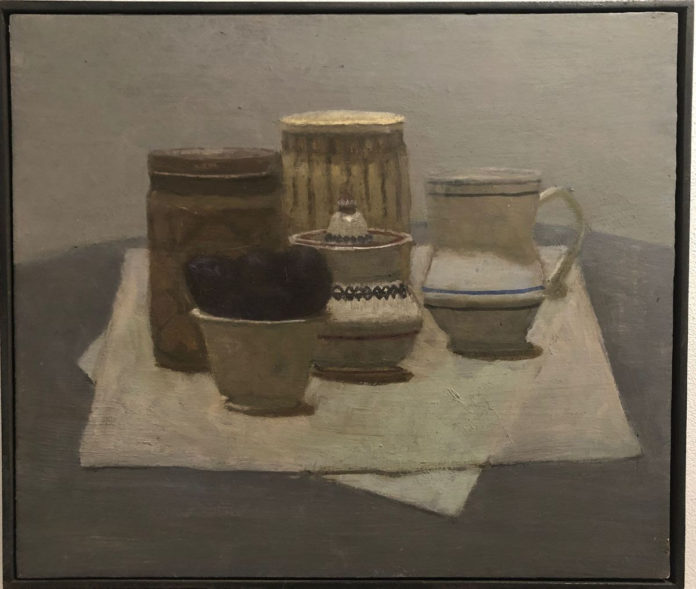
E. M. Saniga, “Plums, Pottery, and Canned Food (My Morandi),” 2016–2019, oil on panel, 13 x 15 in.

New York: Steven Harvey Fine Art Projects (SHFAP) presents “By Heart,” an exhibition of three representational painters, Susan Lichtman, Stephanie Pierce, and E. M. Saniga. Each of these painters reproduces the world around them with a highly distinct process and result.
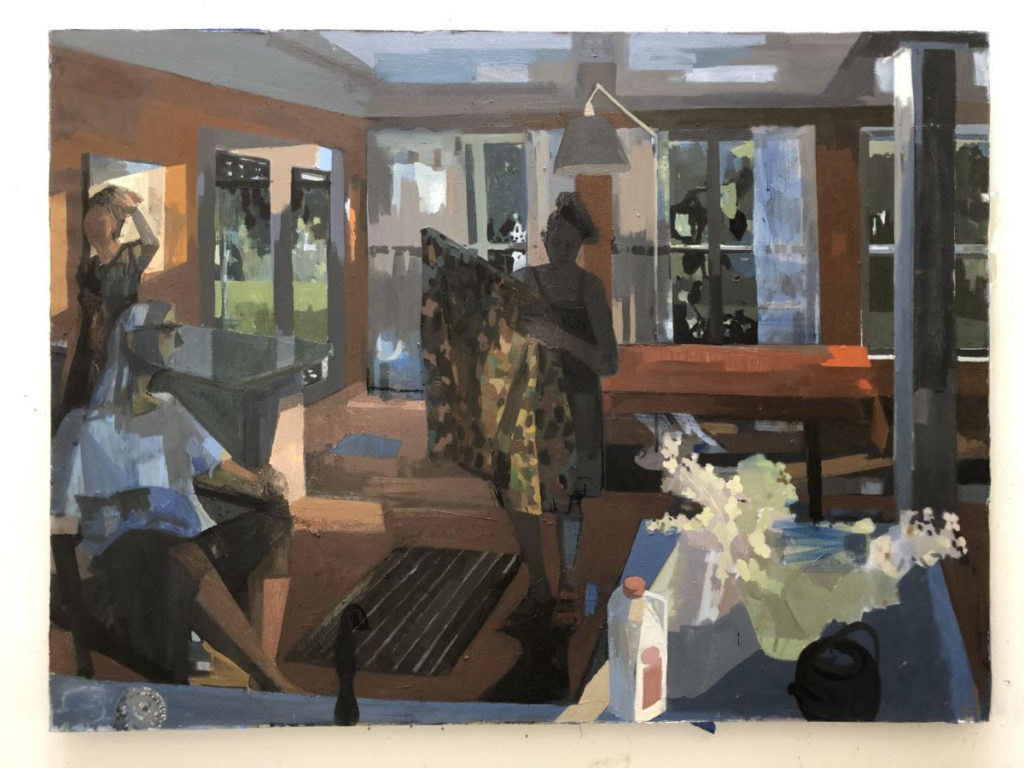
Susan Lichtman, “Camo Jacket,” 2019, oil on canvas, 14 x 20 in.

Susan Lichtman paints her immediate reality — her house, family, and environs. Her pictures possess a quality of being fictions linked to memory. Jennine Culligan, Director of the Eleanor D. Wilson Museum, wrote, “Since 1987, the first floor of her home, her large studio a few steps away, and the daily comings and goings of her family have been her main source for compositions based on observation and imagination.” In an interview with Larry Groff of Painting Perceptions, Lichtman states, “I’ve always painted interior spaces, and am . . . influenced by all the European and American painters of domestic interiors, from the De Hooch and Vermeer to Hopper and Porter.” Lichtman is a subtle colorist, creating complex harmonies on a large scale. She has said, “To me, close-valued color is magical. It’s a way for the paint to imply the fiction of light and air.” Despite the apparently autobiographical details of her paintings, Lichtman is engaged in constructing a purely fictive space. She remarks, “Painting needs to put forth an event, or an idea, that is purely visual.”

Lichtman is the Charles Bloom Professor of Fine Arts at Brandeis University. Her recent shows include List Gallery, Swarthmore College, Swarthmore, PA; Smith College, Northampton, MA; the Bannister Gallery at Rhode Island College; and the Lenore Gray Gallery, Providence, RI. Lichtman had a solo show spring 2017 at the Eleanor D. Wilson Museum at Hollins University. She had her first New York City one-person show of paintings, “My House,” at Steven Harvey Fine Art Projects in June 2017, and was part of the group show, “The Light of Interiors,” in July 2017.
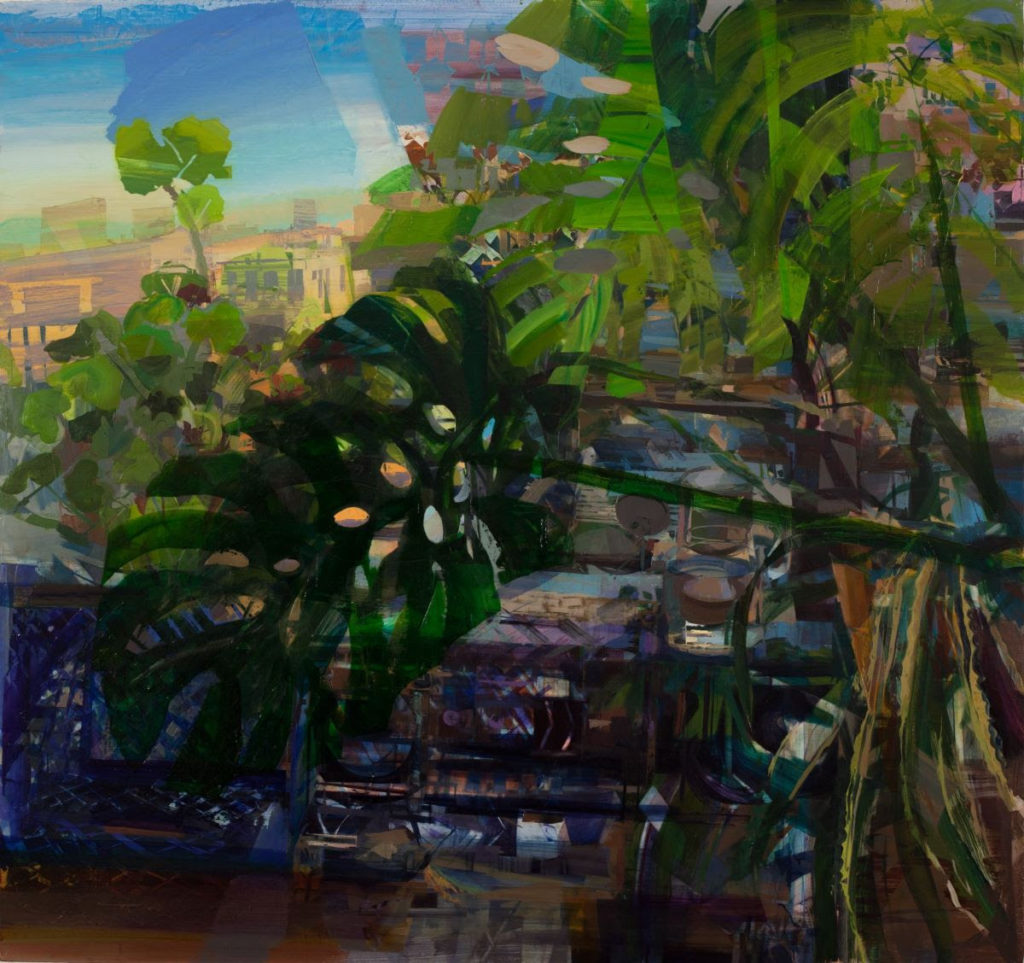
Stephanie Pierce, “Satellites,” 2019, oil on canvas, 30 x 32 in.

Stephanie Pierce exhibits two new paintings that depict the windows and plants in her loft. Her plants serve as a kind of filter between the artist and her environment. Pierce moved to New York City three years ago from Arkansas to take a teaching position at FIT. Since then, she has painted New York through her windows from Staten Island to Bushwick. Her work is about a kind of steady looking that requires taking extended periods of observation.

Pierce combines layers of transparent and opaque paint to produce a shimmering optical description of place. Her images seem to be in a state of flux, assembling and disintegrating before the viewer’s eyes. Working from prolonged observation, Pierce tracks the liminal passages of light. Traces accumulate and evolve into images that threaten to lapse into abstraction. Her working process follows a similar rhythm. She explains, “It’s a continual looking, responding, destroying, renewing.”

Brett Baker wrote about her exhibition at SHFAP in 2014, “She approaches the ‘impossible’ task of capturing nature with lucid patience — a consistent, unhurried focus. . . . In her paintings, thousands of highly varied marks rise into place, each notation of light rustling gently against the next.”

Pierce was born and raised in Memphis, Tennessee. She obtained her MFA at the University of Washington in Seattle. In 2007 she began teaching at the University of Arkansas. While she was there, she created a DIY space for art and music called Lalaland. Two years ago she took a position teaching painting in New York City at FIT. In 2014 she received the Joan Mitchell Foundation Painters and Sculptors’ Grant. Her work was included in “Disrupted Realism” at Stanek Gallery in Philadelphia in winter 2018. She had a solo show at Steven Harvey Fine Art Projects, Signal, in February 2018.

E. M. Saniga has a worldview that may seem anachronistic. His 18th-century Quaker residence, the dogs and other animals that surround him, and the still lifes of local vegetables look as if they could easily exist in a different time period. And yet, it is the peculiarities of Saniga’s carefully wrought scenes that stay with us — the echo of pose between a woman and her dog as she trains him to sit, the upended pattern in a triptych of pies above a Pontormo reproduction, a dark figure of a man posed against a brilliant yellow pair of moths, and the vivid, painterly meditations on places in Italy related Corot’s plein air Italian paintings. His compositions create a dream-like impression of languor tinged with a strange undercurrent.

Saniga is simultaneously a scientist (he recently retired as the Dana Johnson Professor of Information Technology at the University of Delaware) and an artist. He was guest of honor at the Jerusalem Studio School residency program in Civita, Italy, in 2012 and had a one-person show at Rothschild Fine Art in Tel Aviv in 2018.

Though he paints from life, Saniga says, “I use everything available in making paintings. I generally start at least parts of a painting from life and then I edit using memory, photographs, or whatever else seems to help.” He also states, “Representational painting is so old-fashioned anyway, but we still do it in spite of the resistance to it in today’s world of art.” Roberta Smith wrote in the New York Times that Saniga continues “to erase the line between progressive and traditional.”

Together these three artists make a marvelous case for the vitality of painted work from life. Sparkling, unknown, intimate, and exploratory, we become privy to their understanding of place, humanity, and picture making.

For more details, please visit http://shfap.com/.


Sign up to receive Fine Art Today, the free weekly e-newsletter from
Fine Art Connoisseur magazine.
Conceptualizing Light

0
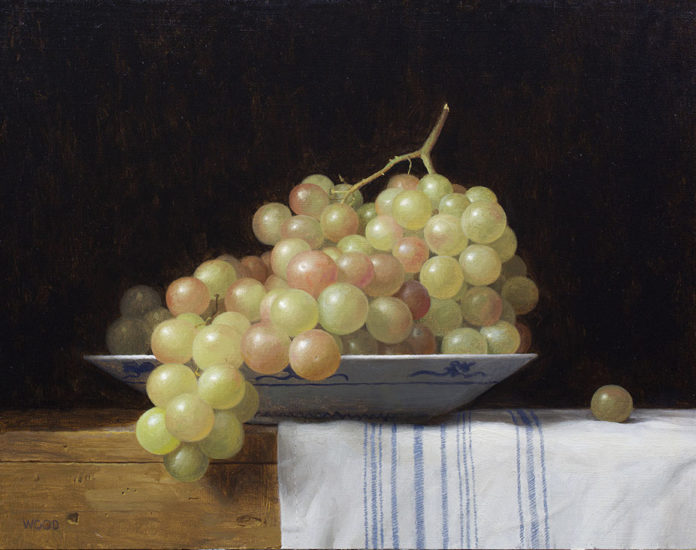
Justin Wood, “Bowl of Grapes,” oil on panel, 11 x 14 in.

Collins Galleries was established in 2011 with the intent to exhibit the work of accomplished representational artists who prefer to work directly from life.

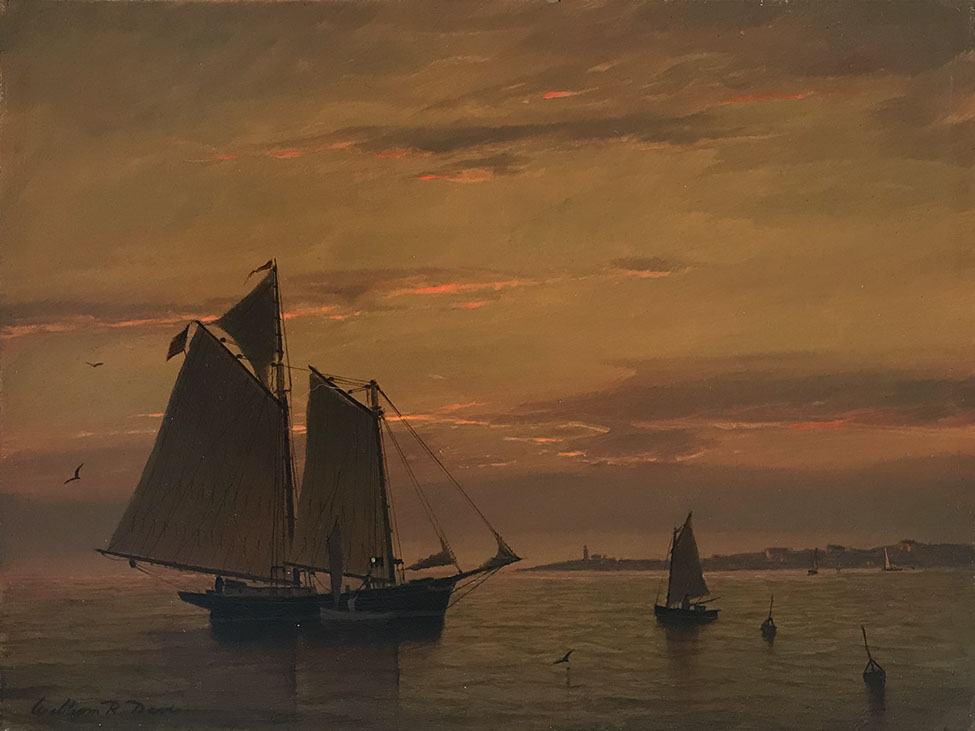
William R. Davis, “Soft Winter Glow,” oil on panel, 12 x 16 in.
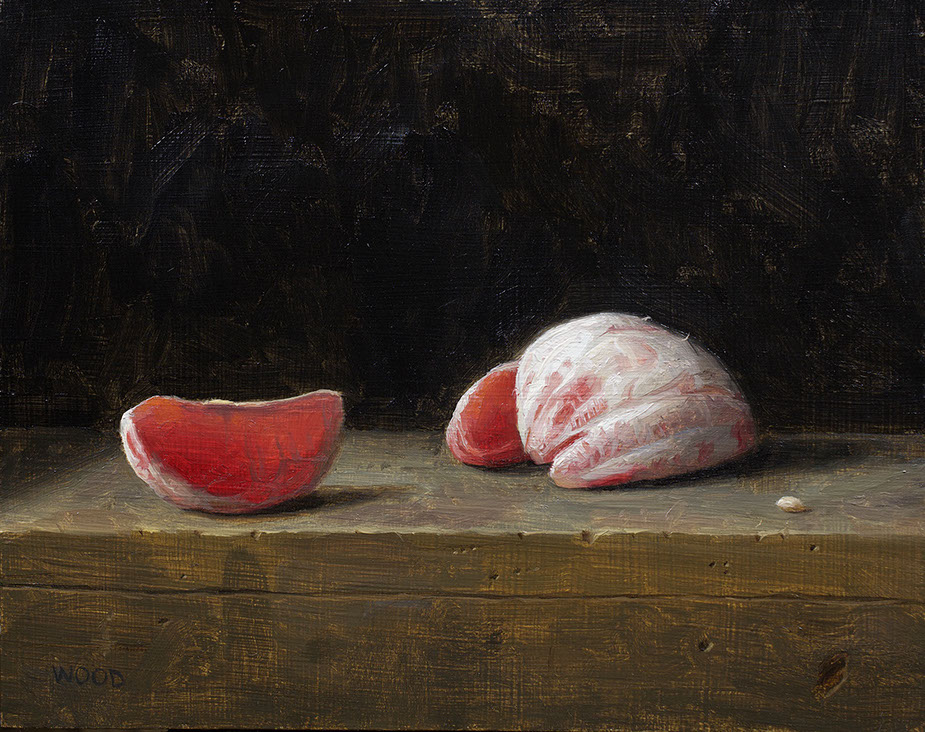
Justin Wood, “Grapefruit,” oil on panel, 8 x 10 in.
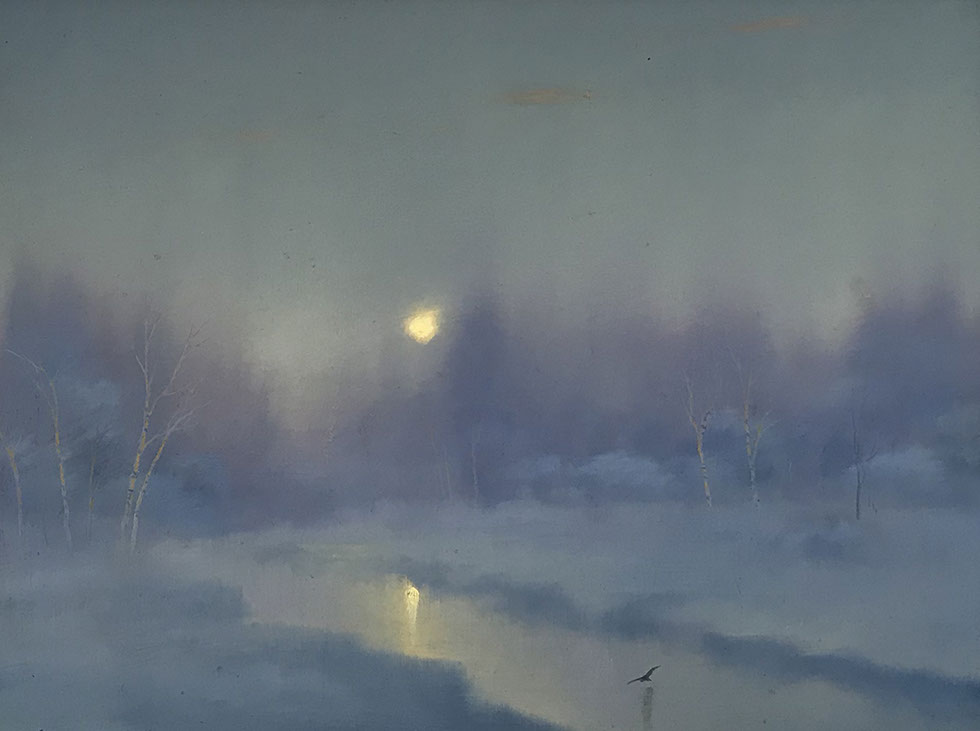
William R. Davis, “Lifting Fog,” oil on panel, 8 x 6 in.
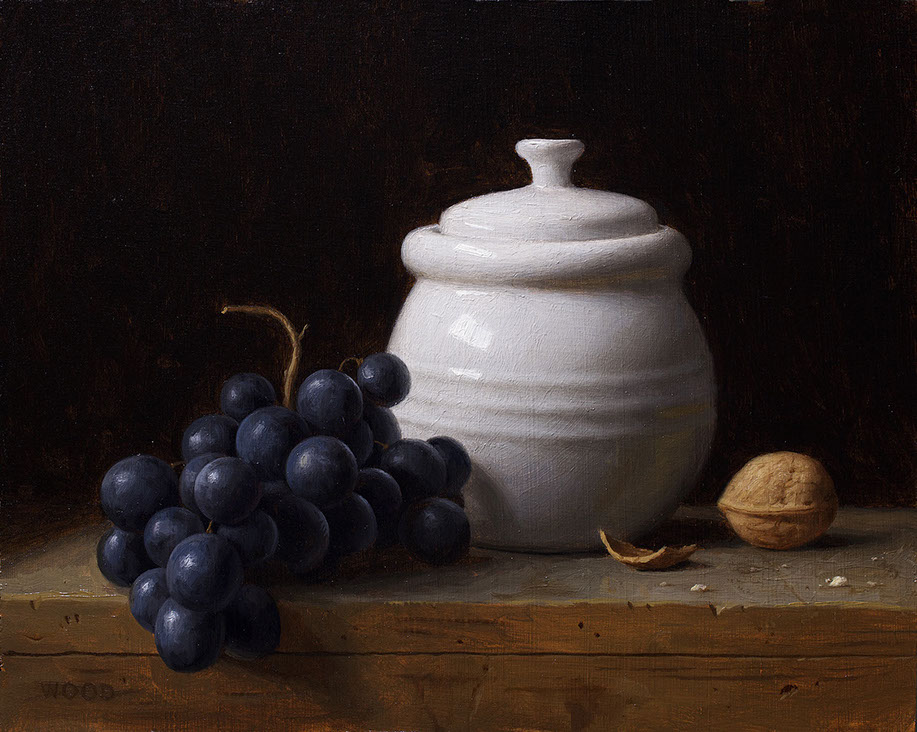
Justin Wood, “Jar and Grapes,” oil on panel, 8 x 10 in.
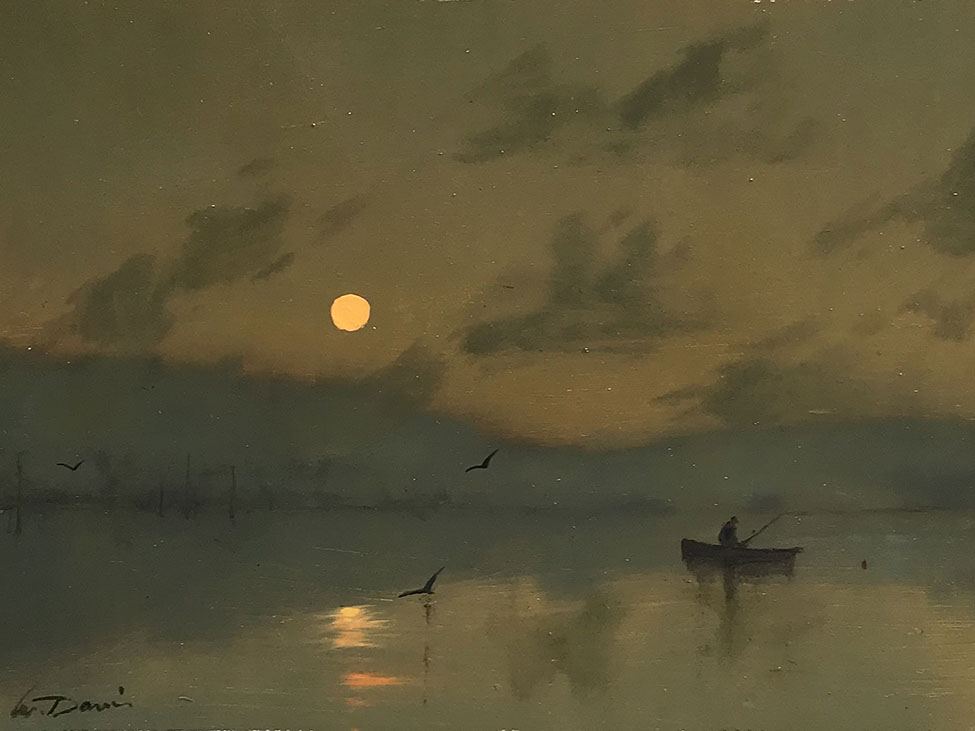
William R. Davis, “Fisherman at Dusk,” oil on panel, 12 x 16 in.

The gallery is located in Orleans, Massachusetts, a popular coastal destination on Cape Cod that attracts heavy tourism during the summer months.

“Conceptualizing Light: William R. Davis and Justin Wood” is on view on at Collins Galleries through August 23, 2019.


Sign up to receive Fine Art Today, the free weekly e-newsletter from
Fine Art Connoisseur magazine.
Our Planet: Exploring Our Changing Environment

0
Environmental Paintings - FineArtConnoisseur.com
‘Some Things Last Forever’ by Elizabeth Rouland, Oil, 30”x40”

Fort Collins, CO: The Museum of Art | Fort Collins is exhibiting “Our Planet: Exploring Our Changing Environment” as well as glacier drawings from Trine Bumiller and Colorado wildlife and landscape photography from Michael Madrid through September 29, 2019.

More from the museum:

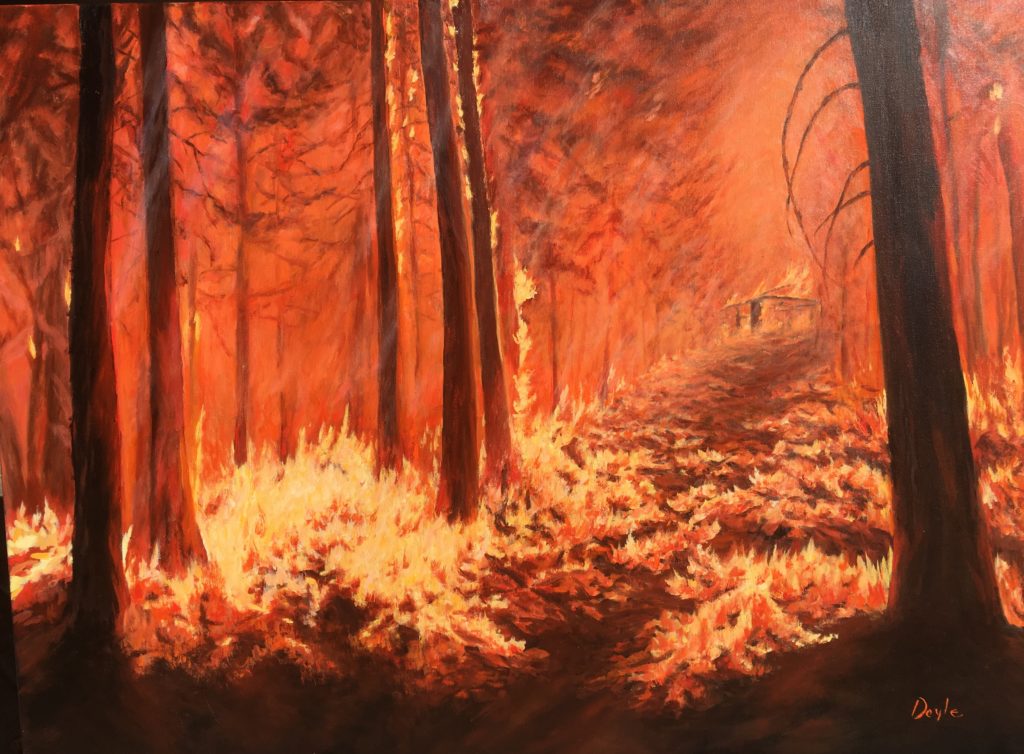
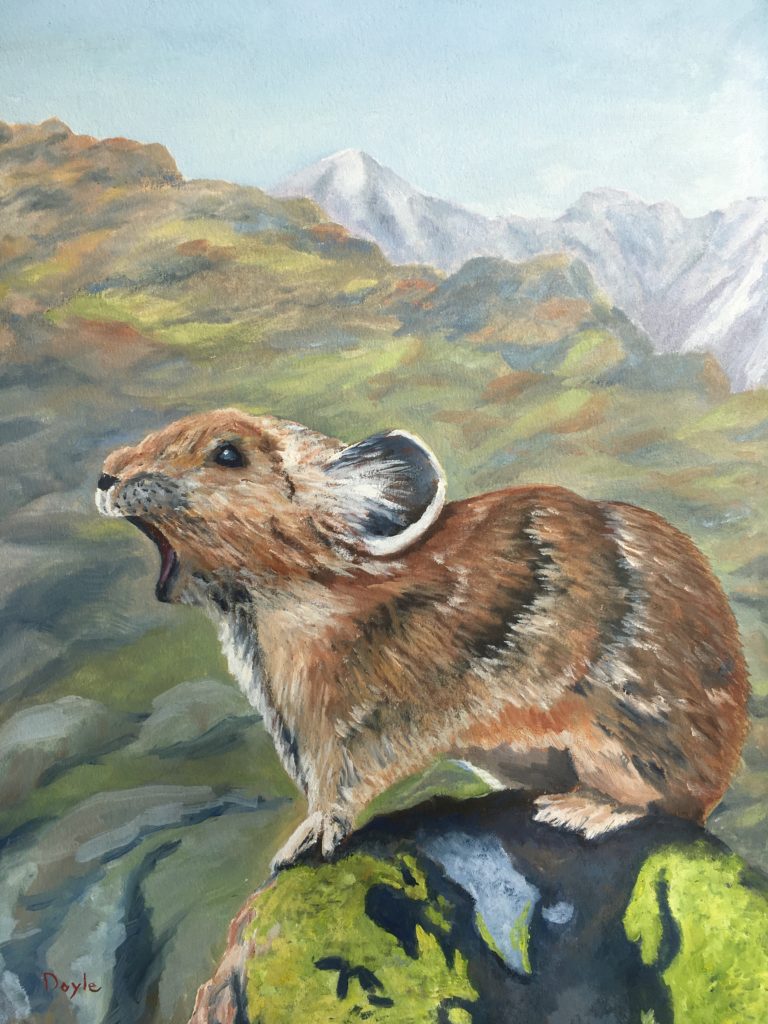
“Our Planet” is a unique art exhibition created by Colorado artist Bob Doyle. He gathered 16 accomplished Colorado artists to depict how climate change is affecting our lives and environment both locally and globally. The objective of this art exhibition is to engage people on the subject of climate change by creating art that draws them into the subject visually and emotionally; connecting them to real-life experiences and scientific understandings about what is going on today. This is not a typical art exhibition but an emotionally impactful experience and learning opportunity.

Bob Doyle, “Ablaze,” oil, 30 x 40 in.

The artists exhibiting paintings in the show are:

Cliff Austin
Sina March
Rick Brogan
Susan McKelvy
Carole Buschmann
Pushpa Sunder Mehta
Marcie Cohen
Carol Peterson
Bob Doyle
Jennifer Riefenberg
Susan Foster
Elizabeth Rouland
H. Cedar Keshet
Barbara Takamine
Sarah St George
Elizabeth Van Ingen

At the same time, in our Lynnette C. Jung-Springberg Gallery, MOA will present the work of acclaimed Denver artist Trine Bumiller with her sketchbook drawings of 14 glaciers remaining in Colorado. This body of work was created from on-site treks to all the glaciers to record, remember, and respect their role in our environment. Trine is a graduate of the Rhode Island School of Design and spent a year with RISD in Rome, Italy. After graduating, she lived in New York City, working for Betty Parsons and Jack Tilton Galleries and pursuing her own studio work. Since moving to Colorado, she has exhibited her work nationwide in galleries and museums.

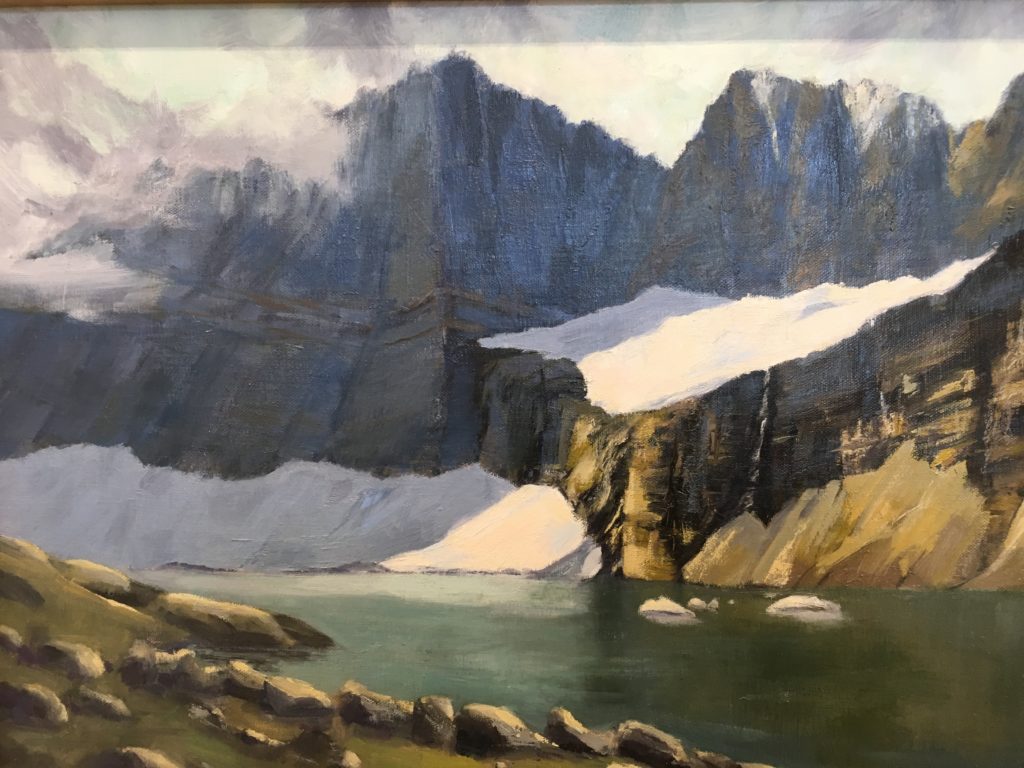
Marcie Cohen, “Glacier’s Grace,” oil, 12 x 16 in.

Also exhibiting in the Lynnette C. Jung-Springberg Gallery will be the animal and landscape photography of northern Colorado by acclaimed Fort Collins photographer Michael Madrid. Since 2015, Madrid has been the International Sports Director for USA TODAY Sports Images. Madrid holds degrees in photography and in journalism. His professional affiliations have included the White House News Photographers Association, the U.S. Senate Press Photographers Gallery, the National Association of Hispanic Journalists, and the National Press Photographers Association, where he is a former member of the board of directors.

Executive Director, Museum of Art | Fort Collins, Lisa Hatchadoorian states, “These three timely exhibitions show how 18 Colorado artists are grappling with the effects of a rapidly changing climate and environment on the Front Range and in our beloved national parks and wild spaces around the state.”

Bob Doyle, “Pica Scream,” oil, 16 x 12 in.

The exhibition is supported in part by Eye Center of Northern Colorado, City of Fort Collins Fort Fund, Jay’s, Fort Collins Magazine, DaVinci Signs, KUNC, KRFC, Loveland Reporter-Herald, Dr. Daniel Ostergren, audiologist, and Dr. Peter Springberg. Please go to moafc.org/events/ for more information and pricing on all events.


Sign up to receive Fine Art Today, the free weekly e-newsletter from
Fine Art Connoisseur magazine.
Grace Athena Flott: Still I Rise

0
Contemporary art - Grace Flott - FineArtConnoisseur.com
Grace Athena Flott, “Look at Me, Down Here,” 2018, oil on panel, 24 x 36 in.

Visual artist Grace Athena Flott hails from eastern Washington and has called Seattle home for the last ten years. Previously active in the Seattle labor movement and community organizing, Grace transitioned to art after she was severely injured in an apartment fire; the language of realist art became a way of storytelling, and the meditative process of painting was instrumental in her healing.

Cherie Dawn Haas: What was your transition like, as you recovered from the fire and began turning to art?
Grace Athena Flott: My transition to art was natural and necessary. Anyone who has faced death knows that words can only describe so much of an experience. During my recovery, I looked all over for other people with stories similar to mine, but I never found much that truly resonated. Images are like fragments of memory and imagination. As I was learning about post-traumatic stress and the reasons the brain holds onto certain memories and ideas, I began to release some of my memories on paper with oil pastels.

Before my atelier training, I was most familiar with pastels and worked in what I see now as a very expressive and abstract manner. I’ve been artistic since I was a kid, and it felt second nature to begin plumbing this well of memories, sketching sometimes late into the night. In doing so, I was beginning to understand something very fundamental about myself and what surviving a fire meant to me. I was integrating a visual experience that was horrific, but also feeling the satisfaction of making it into color and texture on paper.

Grace Athena Flott, “Waiting,” 2019, oil on panel, 26 x 32 in.

CDH: What initially led you to drawing and painting, and how has your relationship with art changed since the fire?
GAF: The biggest change is that I discovered the language of realism and its power to tell stories. I love that a viewer can look at a painting and immediately recognize what I’m showing them. As a contemporary realist I’m using the familiar symbols of everyday objects and people, but I can paint them in a way that makes the viewer slow down, take a look, and engage with them in a new way. I’m painting today’s world in an old language. For me, I love the meditative and challenging experience of painting from life and the opportunity it provides me to be present in the moment.

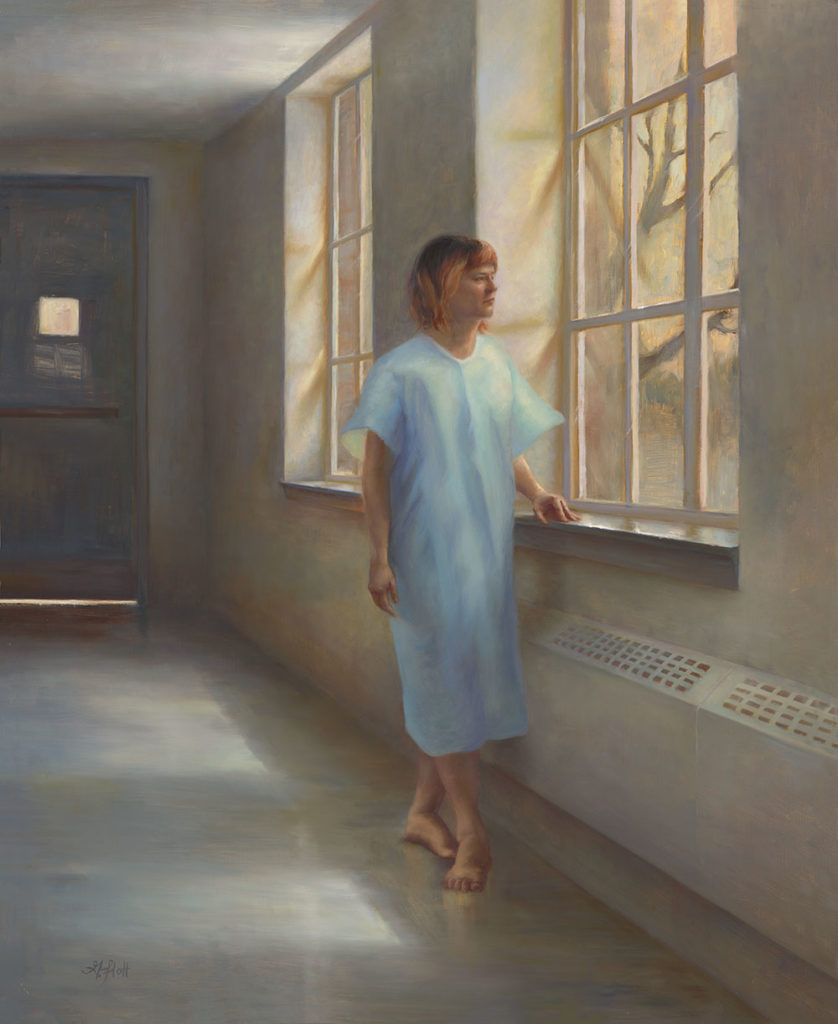
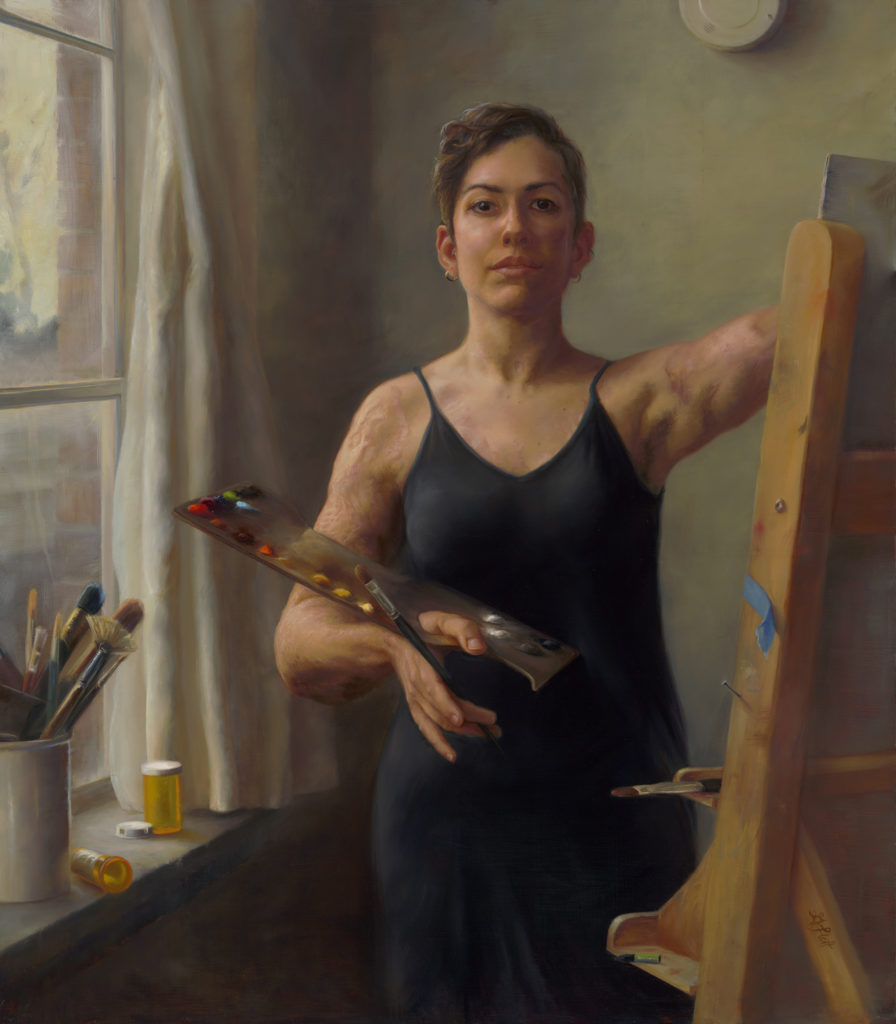
Grace Athena Flott, “Self-portrait at 28,” 2019, oil on panel, 32 x 28 in.

CDH: Please tell us about the work you’re most proud of, and what it means to you.
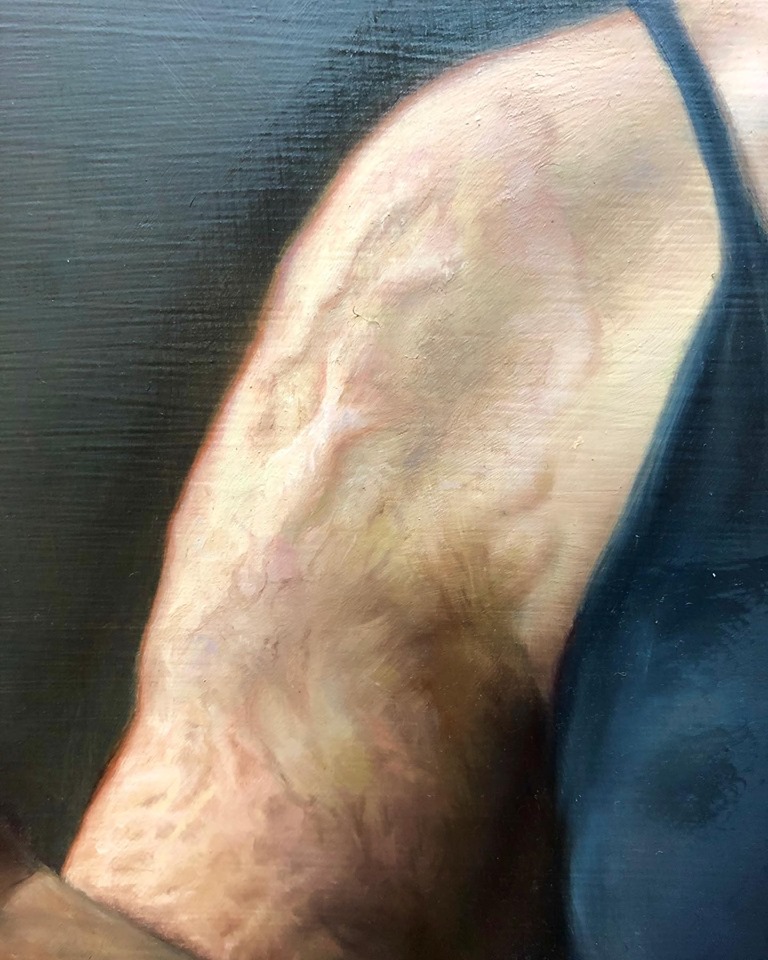
GAF: A particular section of my self-portrait painting (shown below) unlocked something deep within me. Because I work from life, I spent many long hours looking at myself in a mirror and trying to describe as truthfully as possible what I saw. I’ve had many years to make friends with this person in the mirror, but the process of painting my skin forced me to claim my body in a completely different way. People with burn scars often feel that we should hide ourselves for fear of unwanted attention or negative comments, and I’ve certainly experienced my share of weird looks and invasive questions about my skin. When this happens, it can create a lot of shame and anxiety around your body image. What this painting gave me was a renewed and profound sense of self-acceptance. In describing all the little shapes and colors of my skin, I made my burns come alive, and I realized how fascinating and unique my skin really is.

Detail of “Self-portrait at 28”

CDH: What were some of the challenges of painting images of skin that wasn’t what one normally sees in a figure painting?
GAF: The difficulty is two-fold: painting skin with so much detail takes a huge technical effort, and when it’s all done you’ve got a painting that automatically challenges our cultural standards of beauty. Most of my figure painting training was spent working with models who are generally young, of an athletic build, and without many diverse skin features. Perhaps a tattoo here or there. As a representational figure painter, my job is to have fluency painting all kinds of people and skin features like wrinkles, scars, cellulite, birthmarks, etc. It’s a thrilling challenge that forces me to decide what information is important and what is secondary. How can I describe all these small forms while retaining the integrity of the larger form? At the same time, there is an incentive to make paintings that show off the subject in their “best light.” Figure painting has a tradition of idealization and, although artists are not unbiased, I am aware that we all have a tendency to paint what we want to see rather than celebrate the truth of what is there. My hope is that this series will play a part in de-stigmatizing scars and open up a bigger conversation about body image, grief, and disability.

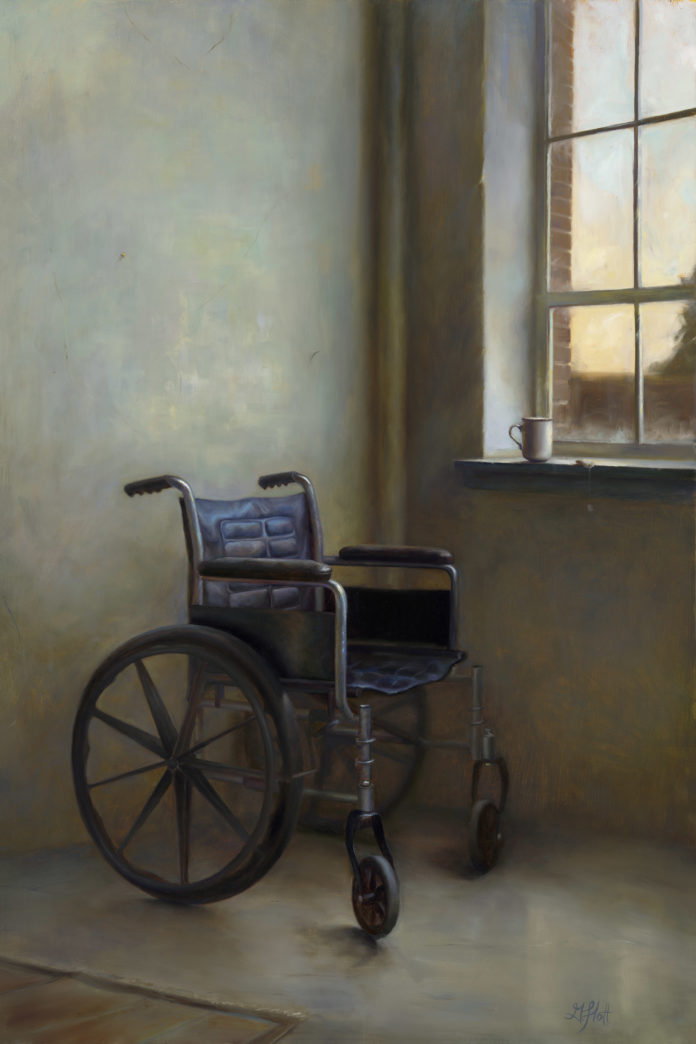
Grace Athena Flott, “Can I Get the Door for You?” 2018, oil on panel, 24 x 36 in.

On My “Still I Rise” Series by Grace Athena Flott

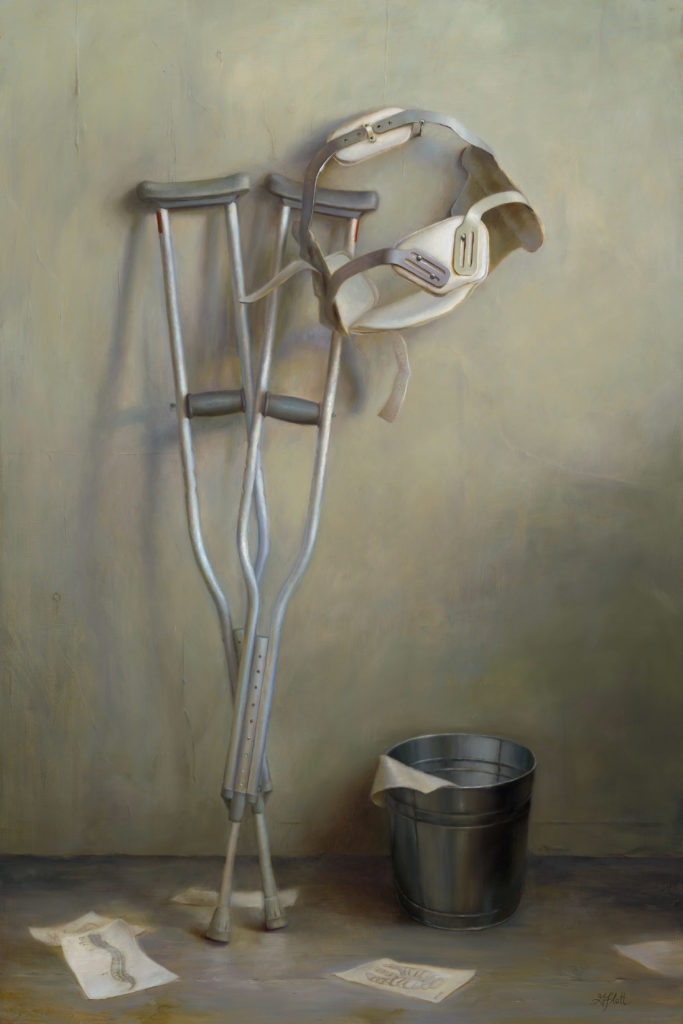
This series explores loss, memory, and disability. It is inspired by my experience as a burn survivor. At the age of twenty, I was trapped in an apartment fire and had to escape the flames by jumping four stories to the ground. My resultant injuries left me temporarily dependent on a number of medical devices including the ones depicted here: a wheelchair, back brace, and crutches. When I lost my mobility at a young age, I came face to face with a new physical reality as well as cultural stereotypes surrounding ability/disability.

These paintings are an echo of the pain and triumph of that experience. Empty rooms where the human presence is felt, not seen, open the door for a reflection on our assumptions about what it means to rely on this symbolic equipment. Although I associate my own dependence on these objects with grief and isolation, it is important that these paintings communicate a sense of hope and agency. The glittering light that illuminates each scene is my way of honoring what these objects make possible for the folks who need them. The lack of a visible human subject allows us to see them as both apart from, but also integral to the identity of the individual.

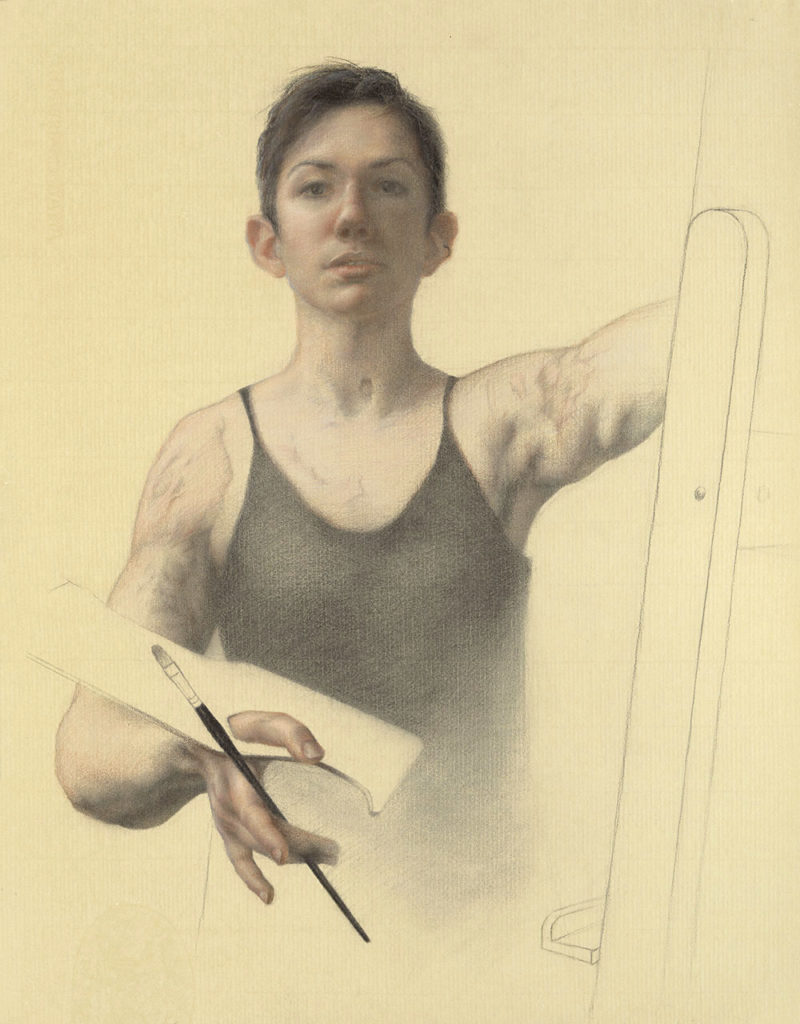
Grace Athena Flott, “Burned, Not Broken,” 2019, charcoal and pastel on toned paper, 19 x 24 in.

***

Grace Athena Flott lives and works in Seattle, where she is completing her studies with master contemporary painter Juliette Aristides at the Gage Academy of Art. Grace is currently taking commissions for portraits and still life paintings. She also offers private lessons for those who want to learn to make their own work of art. If you’d like to purchase or exhibit her paintings, please visit graceathenaflott.com; and follow her on Instagram: @graceathenaart.

Related article: Still I Rise: Artist Grace Athena Flott doesn’t hide her scars


Sign up to receive Fine Art Today, the free weekly e-newsletter from
Fine Art Connoisseur magazine.
11 Classical Landscapes in Oil

3
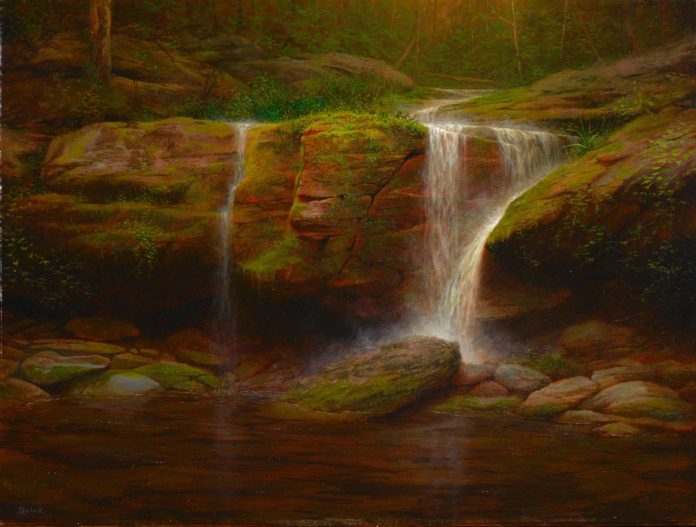
Ken Salaz, “Meditation Falls – Eros Flows Through My Veins Like a Wet Soul,” oil, 18 x 24 in.

“The pursuit of classical painting has been a passion all my life,” says landscape painter Ken Salaz. “It is a great challenge, a beautiful pursuit, and a rewarding gift to myself and those around me. No serious pursuit of the craft and artistry of painting can leave a person indifferent to the mysteries and wonderment of the world around us and within us.

“In an age where the ideas of having a noble pursuit are almost vanishing, I feel it is imperative to the world today and humanity that the creation of artwork that strives towards harmony, truth, and beauty be brought into existence without apology. To obtain this, I approach each canvas with the heart of a poet, the mind of a philosopher, the hands of a surgeon, and the vision of an eagle.

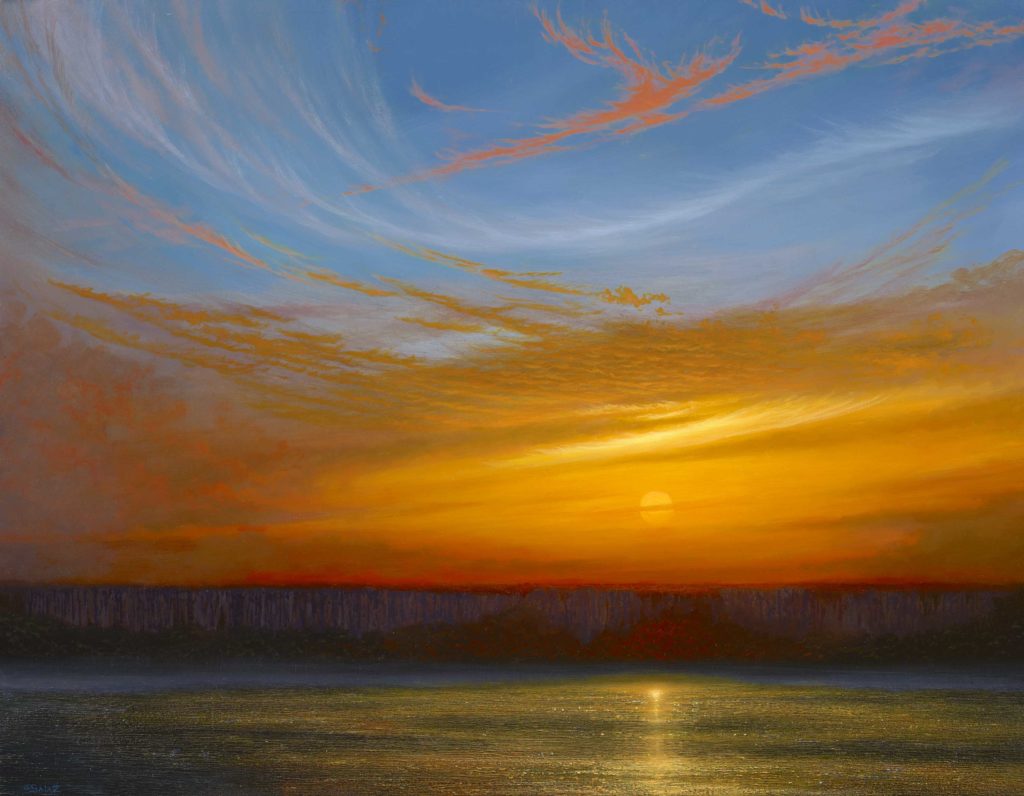
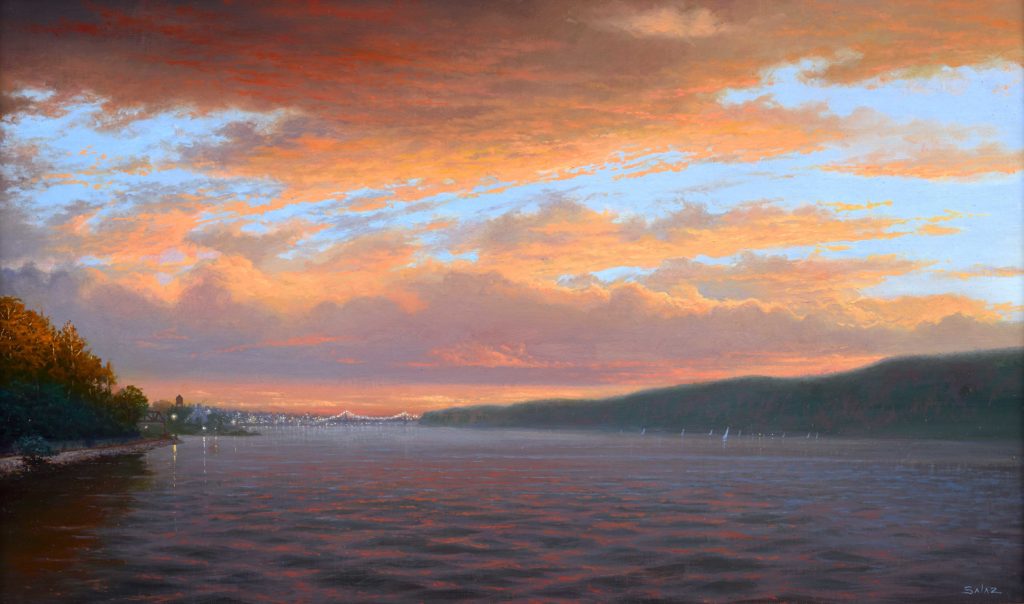
Ken Salaz, “Swansong Sunset Over Palisades,” oil, 22 x 28 in.

“The paintings are created to evoke in the viewer the questions of who we are, why we are here, and how we can live for the betterment of humanity.

“In order to create landscapes that aren’t simply copies of nature, but rather the poetic expressions of fleeting moments, I have delved deeply into the studies of philosophy, religion, optics, anatomy, color, and the great poets, such as Homer and Rumi. I deeply believe it is the function of masterful artwork to be a vehicle that elevates the viewer and all of humanity to a state of transcendent certainty that beauty is eternal and ever-present.

“These paintings are a mirror reflection of our joys, sorrows, and triumphs as human beings, and they strive to evoke the finest in the viewer. I hope these works are as feeding to your mind, heart and soul as they have been to mine during my participation in their creation. May they inspire you to seek your own noble pursuit.”

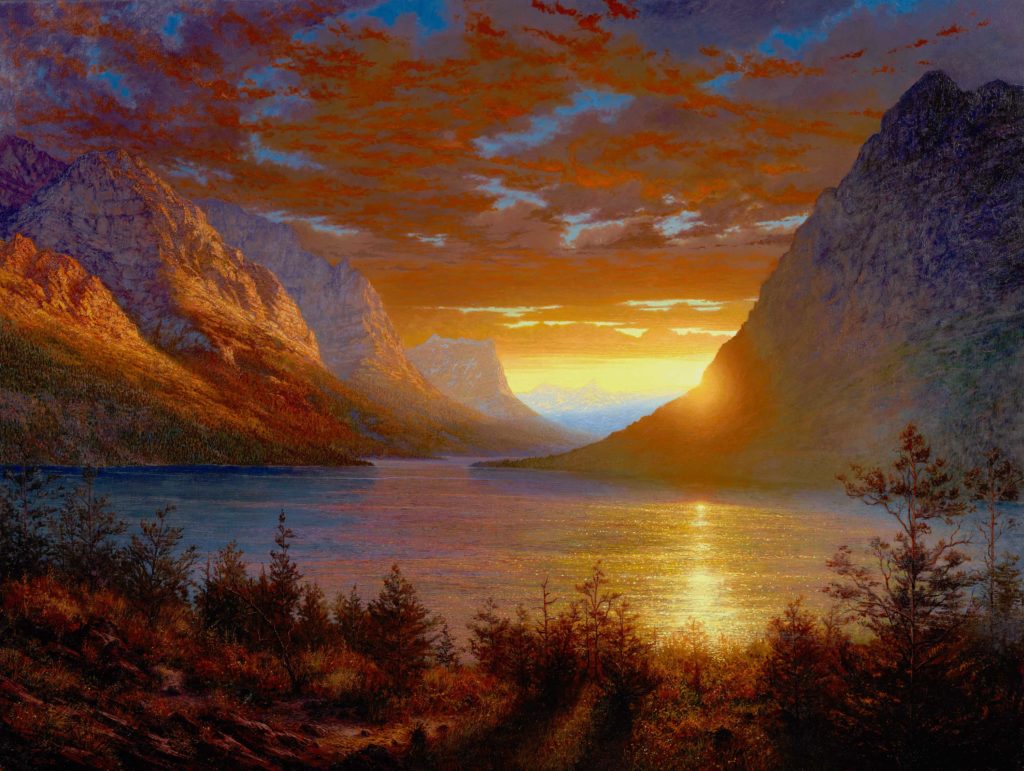
Ken Salaz, “The Eternal Now – St. Mary Lake,” oil, 30 x 40 in.The Eternal Now – St. Mary Lake

“This painting was done from exhaustive studies of St. Mary Lake in Montana near the Canadian border. The lake and surrounding landscape have a dramatic, theatrical feel to them. The location has a mixture of feeling like subtle poetry is eternally mixing emotionally with raw power. The moment captured in the painting is the last moment before the sun passes out of our vision. The burning power of the sun left a permanent impression on my eyes and it spoke of something deeper, more eternal. In some fashion this sunset is happening each evening at this location, yet it always seems to be happening at the present moment. It was my intent to paint a moment that reached beyond time. This sun was painted so it is eternally about to set, yet never does — always remains in view. It is occurring in the eternal now.”

Landscape oil Paintings - Ken Salaz - FineArtConnoisseur.com
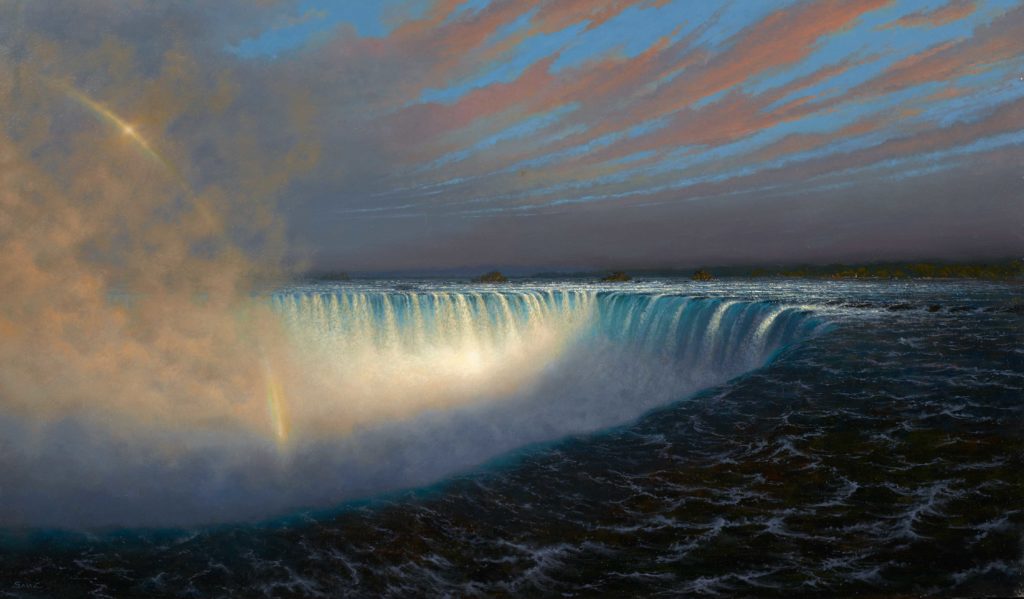
Ken Salaz, “Transcendence,” oil, 19 x 36 in.

Transcendence – Niagara Falls

“Niagara Falls is an iconic location in North America. The sweeping and somewhat violent power of the water rushing over the edge of the cliff is hypnotizing, enthralling, and beautiful. While doing my studies of this piece, I realized that the waterfall was always in the presence of a few other items that were equally amazing — the rising mist, the rainbow, and the light from the sun. I wanted to create a painting that brought all the “theatrical” elements of the falls into focus. I didn’t want the painting to be just about the water. While doing this, I realized the amazing connection between these elements. The heavy, forceful, dark water is pouring over the edge and is returning as a subtle mist, rising like puffs of angels’ breaths. The mist is further transformed by the light shining through it, causing the rainbow to appear. Somehow, this transformation of the elements from water to mist to rainbow was a reflection of the idea of transcendence in our own psychology — where something that was once heavy is changed to something light, and illuminated to show a new beauty.”

Additional Landscape Oil Paintings by Ken Salaz:

Ken Salaz, “Sunset – Dobbs Ferry Looking South to NYC,” oil, 12 x 20 in.
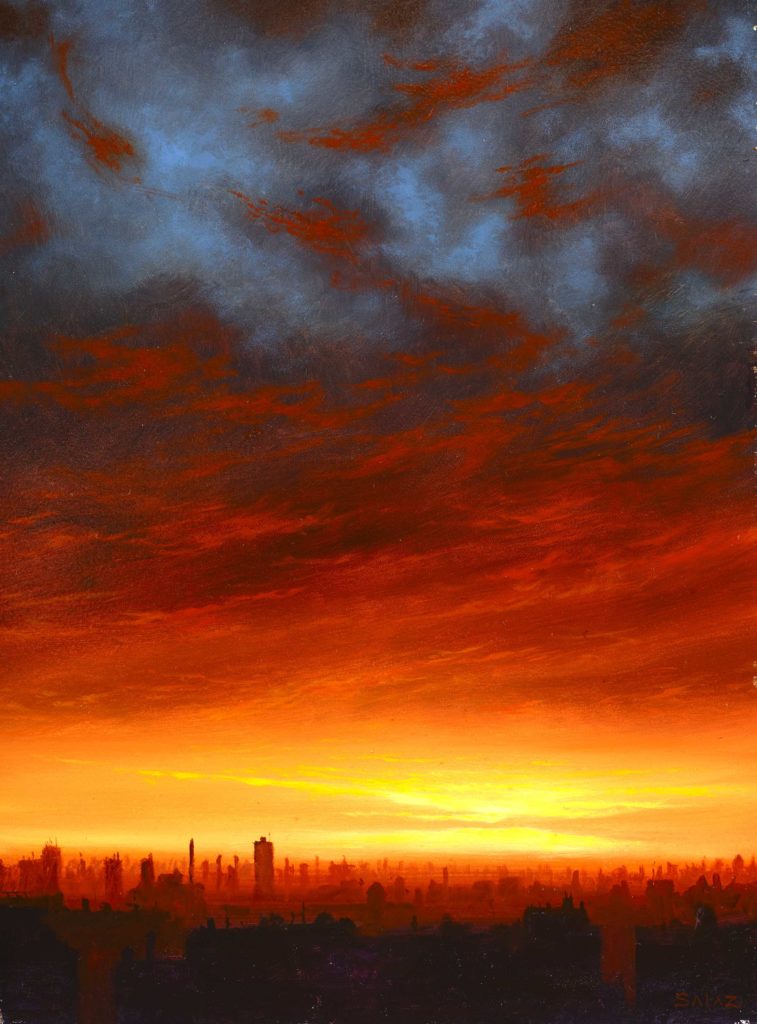
Ken Salaz, “Fire and Ice Sunset,” oil, 12 x 9 in.
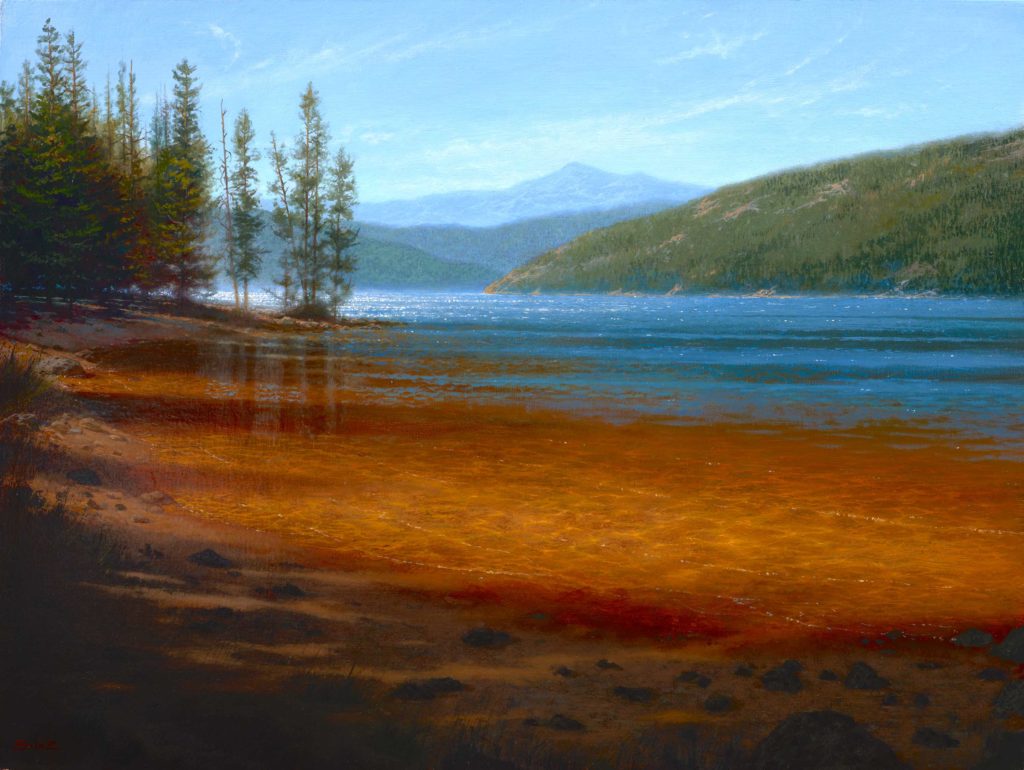
Ken Salaz, “Clearwater Sunrise,” oil, 18 x 24 in.
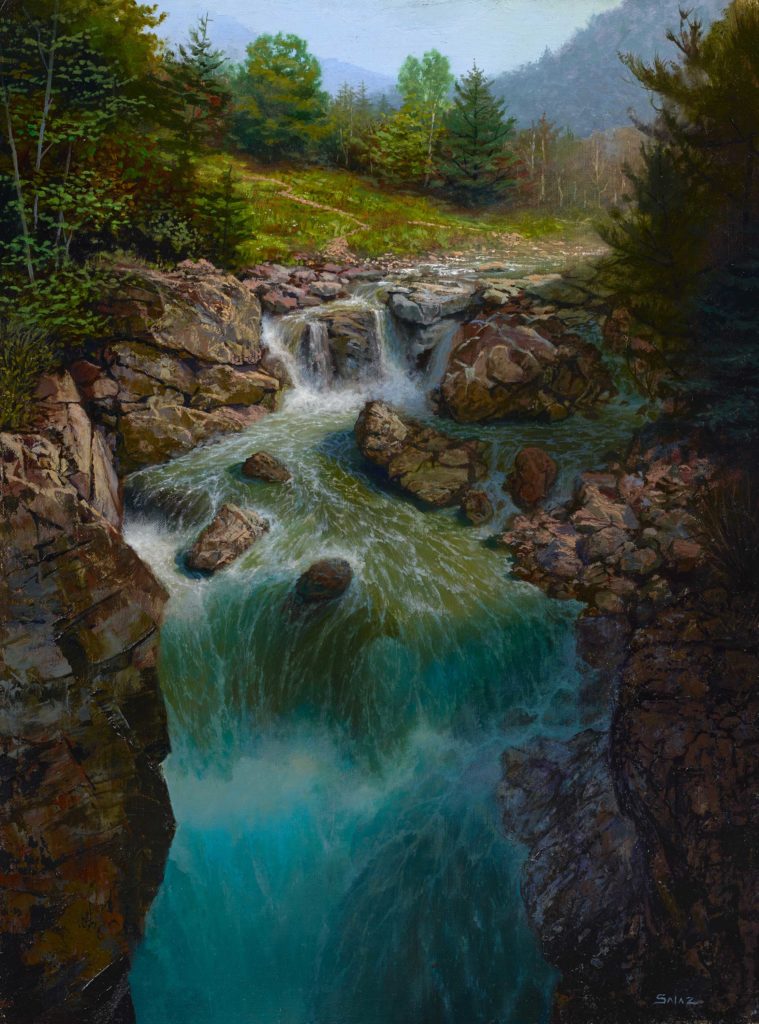
Ken Salaz, “Flume Falls,” oil, 16 x 12 in.
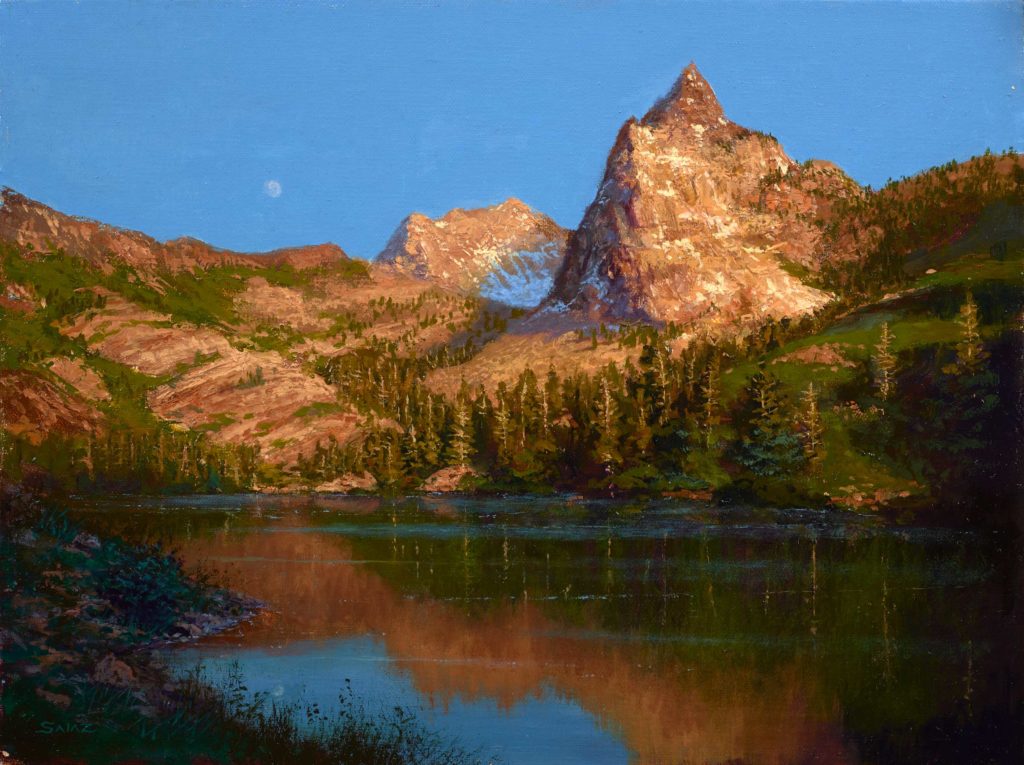
Ken Salaz, “Sundial Peak Evening,” oil, 9 x 12 in.
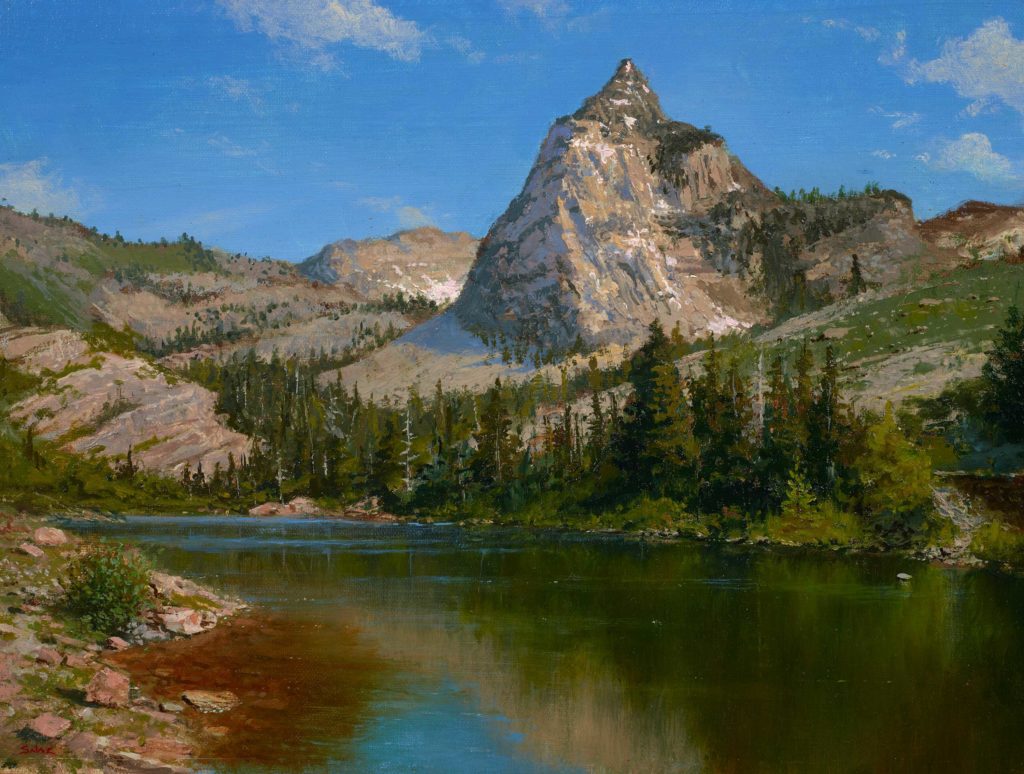
Ken Salaz, “Sundial Peak Daytime,” oil, 9 x 12 in.
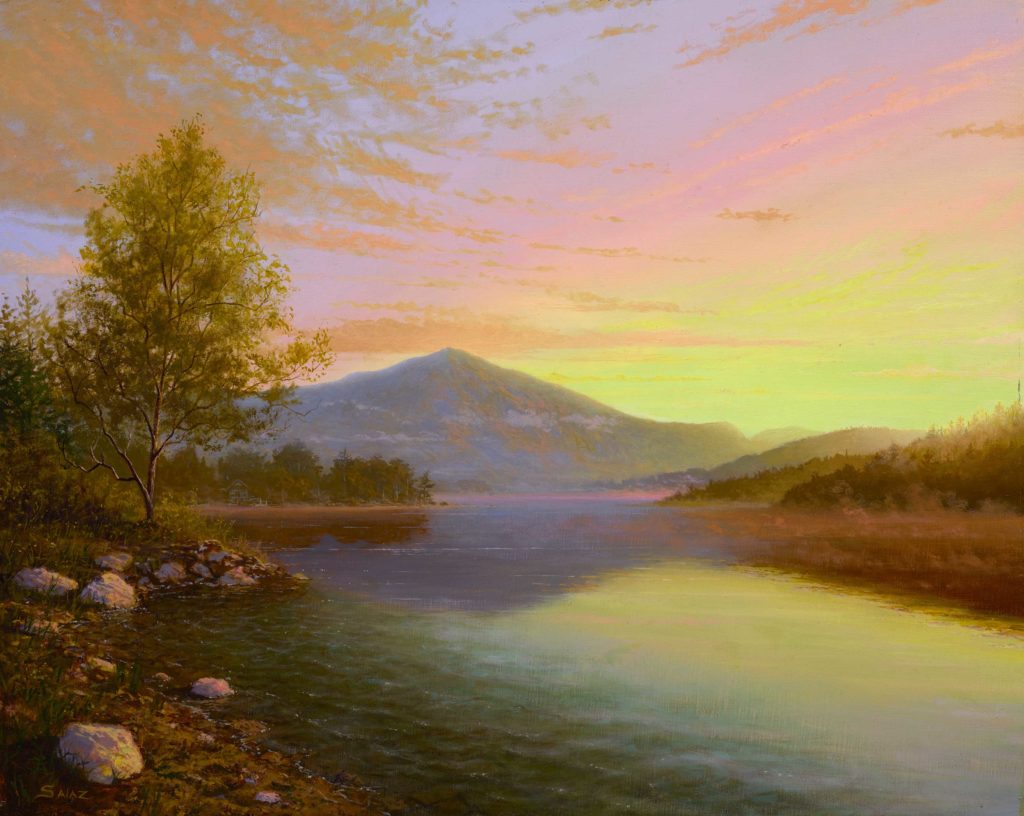
Ken Salaz, “Sunrise Over Lake Placid,” oil, 16 x 20 in.

Ken Salaz is also the author of “Landscapes in Oil: A Contemporary Guide to Realistic Painting in the Classical Tradition,” available on Amazon here:

Fine Art Today covers products we think you’ll love. Featured products are independently selected and link to for your convenience. If you buy something using a link on this page, Streamline Publishing may receive a small share of that sale.


Sign up to receive Fine Art Today, the free weekly e-newsletter from
Fine Art Connoisseur magazine.
Featured Artwork: Heather Arenas

0

Featured Artwork: Heather Arenas

Moth-Winged Thoughts Carry Me Away
20×24 in.
$2900
Finalist in June 2019 Gateway International Painting Competition
Available through the artist at www.heatherarenas.com.

When I was younger, 28 or so, a friend who was in her 40s told me that it took her until then to feel like she really fit in her own skin. At the time, I didn’t understand because I wasn’t there yet. What would it feel like to be utterly comfortable with your body, with your life choices, with your age and direction? Would there come a point when I didn’t worry? When thoughts of how I could have done something better wouldn’t constantly surround me when I gave them a moment to flutter in to the empty spaces?

Yes. Now I know.

Life Is a Highway: Art and American Car Culture

0
American art - FineArtConnoisseur.com
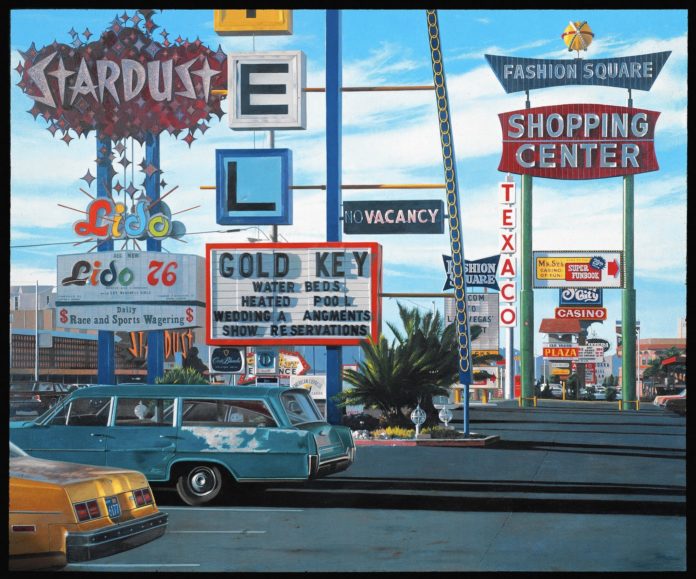
John Baeder (b. 1938), “Stardust Motel,” 1977, oil on canvas, 58 x 70 in., Yale University Art Gallery, 2008.19.762, © the artist and OK Harris Works of Art, New York

Toledo, Ohio
ToledoMuseum.org 
Through September 15, 2019

The rise of the automobile as a popular symbol of the U.S. is explored in the Toledo Museum of Art’s exhibition “Life Is a Highway: Art and American Car Culture.” It features approximately 125 works in a variety of media — including painting, sculpture, photography, film, prints, and drawings — drawn from the museum’s collection and other North American institutions.

To be presented only at Toledo — a major car manufacturing center — this is the first U.S. exhibition to offer an inclusive, historical overview of this theme with an emphasis on the Midwest.

Organizing curator Robin Reisenfeld notes that, as a key element of the postwar boom economy, the car quickly became a symbol of freedom, individualism, renewal, and middle-class prosperity. Her project examines its mythic status across social, aesthetic, environmental, and industrial dimensions with images that both celebrate and critique its legacy.


Sign up to receive Fine Art Today, the free weekly e-newsletter from
Fine Art Connoisseur magazine.
Featured Artwork: Cynthia Rosen

0

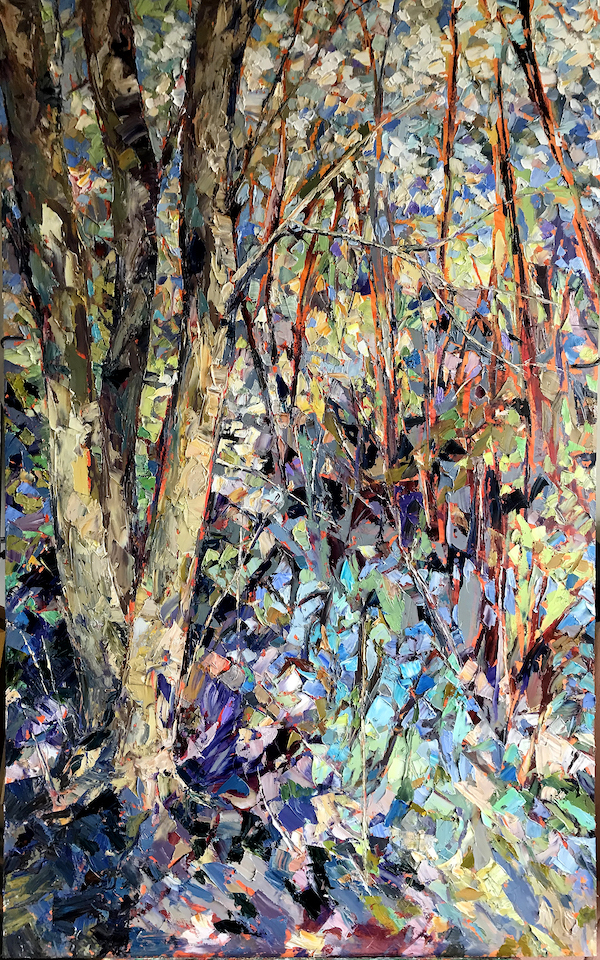
Blooms of Early Spring
48 x 30 in.
Available through Lake Placid Center for the Arts Knife to Canvas Show

This painting holds a special place in my heart. Painted after my first in-state winter through the colds of snow (for years, I wintered in Arizona) I began this painting plein air during what we refer to as ‘mud-season’ (the colors held true!). But an overnight in NYC brought a first glance of a blossoming tree announcing the advent of Spring and I brought that excitement back with me and painted. This painting is a marriage of my love of trees and the excitement of the imminent Spring that would soon fill my world. It is one of the featured paintings in a three-person show of large works, Knife to Canvas, opening at the Lake Placid Center for the Arts on August 1st.

Cynthia Rosen paints with a contemporary vision that bridges the representational world with the elements of art often associated with the Impressionists, Expressionists, Futurists and Color Field painters. Her work has been recognized for helping to broaden the Plein Air community as she 
melds her love of nature with painting images that stretch beyond the traditional, finding her unique visual voice with a palette knife.

Rosen states, “Our personal visual voices are our means of connecting and interpreting our ever-changing world. I pursue mine through improvisation while creating order. As soon as I embark on a path, I find new roadways opening up. While the size of my works vary, I have found my fascination with color and the movement a constant and in keeping with our fast moving world. The love of painting in the field to limitless color and ever changing light is engaging and challenges both perceptions and expression while the studio allows for even greater personal expression and exploration of scale.”

Streamline Art Video recently released her video Cynthia Rosen Expressive Landscape Painting – Palette Knife In Plein Air Painting. She was and is an invited instructor at the famed Plein Air Convention & Expo. She has been featured in PleinAir Magazine, Southwest Art Magazine, American Art Collector, Outdoor Painter, The Artist’s Road, with art featured in Fine Art Connoisseur. While she limits the number of events she attends she has been an invited artist to the prestigious Olmsted Invitational and Borrego Plein Air Invitational, receiving awards at both, and as of late participated in the selective Mountain Oyster Club Art Show as well as several other events, often garnering awards. Cynthia also gives several workshops each year.

Her present primary galleries are:
Gallery 46, Lake Placid, NY
Helmholz Fine Arts, Manchester, VT
Robert Paul Gallery, Stowe, VT

Featured Artwork: George Boorujy presented by the National Museum of Wildlife Art

0

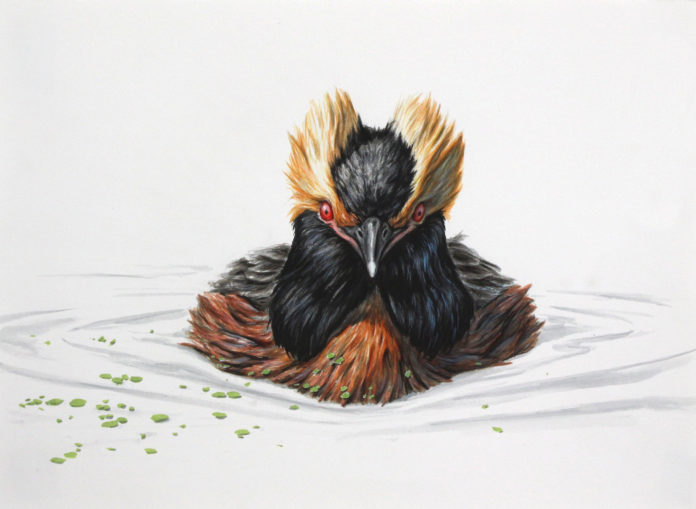
Horned Grebe Study by George Boorujy
Ink on paper
11 x 15 in
$3,000

Western Visions® is the National Museum of Wildlife Art’s largest and longest running fundraiser, with a variety of exciting events. The show features a wide selection of art for sale. Western Visions® painters and sculptors participate in the art portion of the show and sale and as many as 2,000 people attend the events.

George Boorujy is an artist exploring our relationship to the environment, especially our interaction with and perception of wildlife. He has exhibited widely nationally and internationally and is represented by P.P.O.W. gallery in New York. He has had solo shows at P.P.O.W. gallery, the Baker Museum in Naples, Florida, and the Newhouse Center for Contemporary Art. He is a member of the fine arts faculty at the School of Visual Arts. He has created work for the Wildlife Conservation Society, the New York Parks Department, the Audubon Mural Project, the Labrea Tar Pits, and for over a decade illustrated the Birdwatch column for the Guardian UK. A recipient of a NYFA grant in painting and a fellowship at the Smack Mellon residency, George Boorujy is a graduate of the University of Miami and the School of Visual Arts.

Another Milestone for Contemporary Realism

2
Realism Today

Announcing “Realism Today,” a new way to celebrate the art and artists of contemporary realism.

Thousands of American artists have been trained in traditional methods, and many are running their own ateliers, which now number well over a hundred nationally. Though most college art departments still teach “do what you feel,” the smarter deans realize that the ateliers can no longer be ignored and thus are creating tradition-minded courses in order to compete.

“A Lakeside Mile,” work in progress by Casey Baugh (on the faculty for the 3rd Annual Figurative Art Convention & Expo)

The launch of Realism Today is particularly significant because it offers yet another outlet of information and ideas for this booming field. I often wonder why so many (smart) art lovers have not yet seen the contemporary realism we celebrate. It’s possible they don’t know these realists exist, or maybe they can’t understand why an artist would not automatically do something “new.”

Everyone who reads this has a key role to play in sharing the excellence of contemporary realism with others, and so we invite you to not only enjoy the content we bring you by signing up for the Realism Today newsletter, but to also become an Ambassador so that we can continue to push this art movement forward. To do this, please forward this newsletter to a friend and invite them to subscribe and share our stories on social media and through email. We’ll even say thanks by giving you the opportunity to have your art featured when five of your friends subscribe to Realism Today.

We enthusiastically salute those who acquire outstanding contemporary realist artworks, and we extend our applause to the artists who created them and to the dealers who sold them.

Congratulations, thank you, and keep up the good work.
~ Eric Rhoads, Publisher

WEEKLY NEWS FROM THE ART WORLD

Fill your mind with useful art stories, the latest trends, upcoming art shows, top artists, and more. Subscribe to Fine Art Today, from the publishers of Fine Art Connoisseur magazine.
  • This field is for validation purposes and should be left unchanged.