
Home Blog Page 300

The Freedoms Tour

0
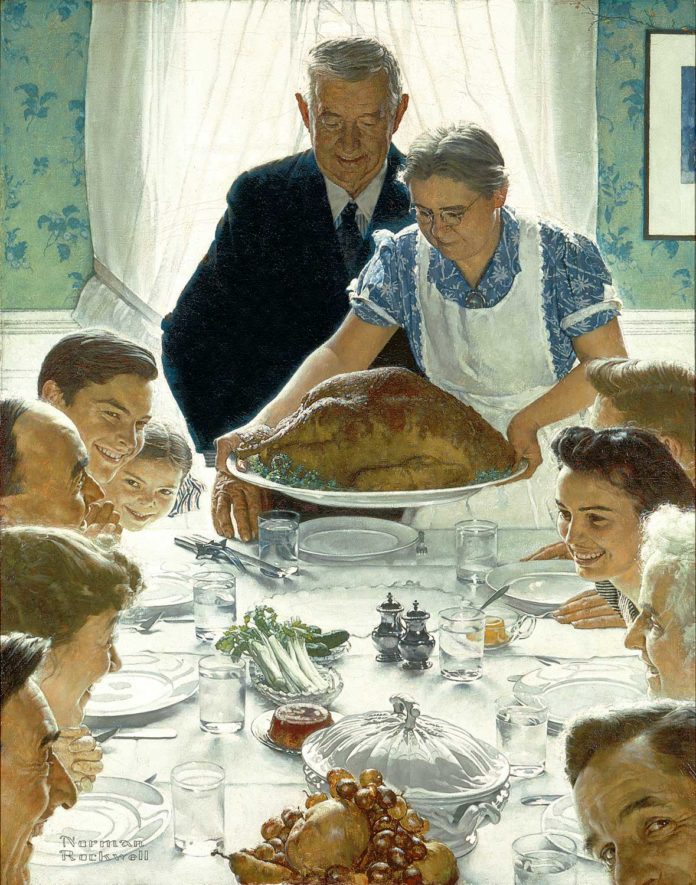
Norman Rockwell, “Freedom from Want,” circa 1943, oil on canvas, 45 3/4 x 35 1/2 inches, Norman Rockwell Museum

The first comprehensive traveling exhibition devoted to Norman Rockwell’s iconic depictions of Franklin Delano Roosevelt’s “Four Freedoms” — Freedom of Speech, Freedom of Worship, Freedom from Want, and Freedom from Fear — launches in 2018. When and where?

Over the next two years, several institutions will proudly host a touring exhibition of Norman Rockwell’s iconic “Four Freedoms.” According to the Rockwell Museum, “It illuminates both the historic context in which FDR articulated the Four Freedoms and the role of Rockwell’s paintings in bringing them to life for millions of people, rallying the public behind the war effort and changing the tenor of the times. In telling the story of how Rockwell’s works were transformed from a series of paintings into a national movement, the exhibition also demonstrates the power of illustration to communicate ideas and inspire change.
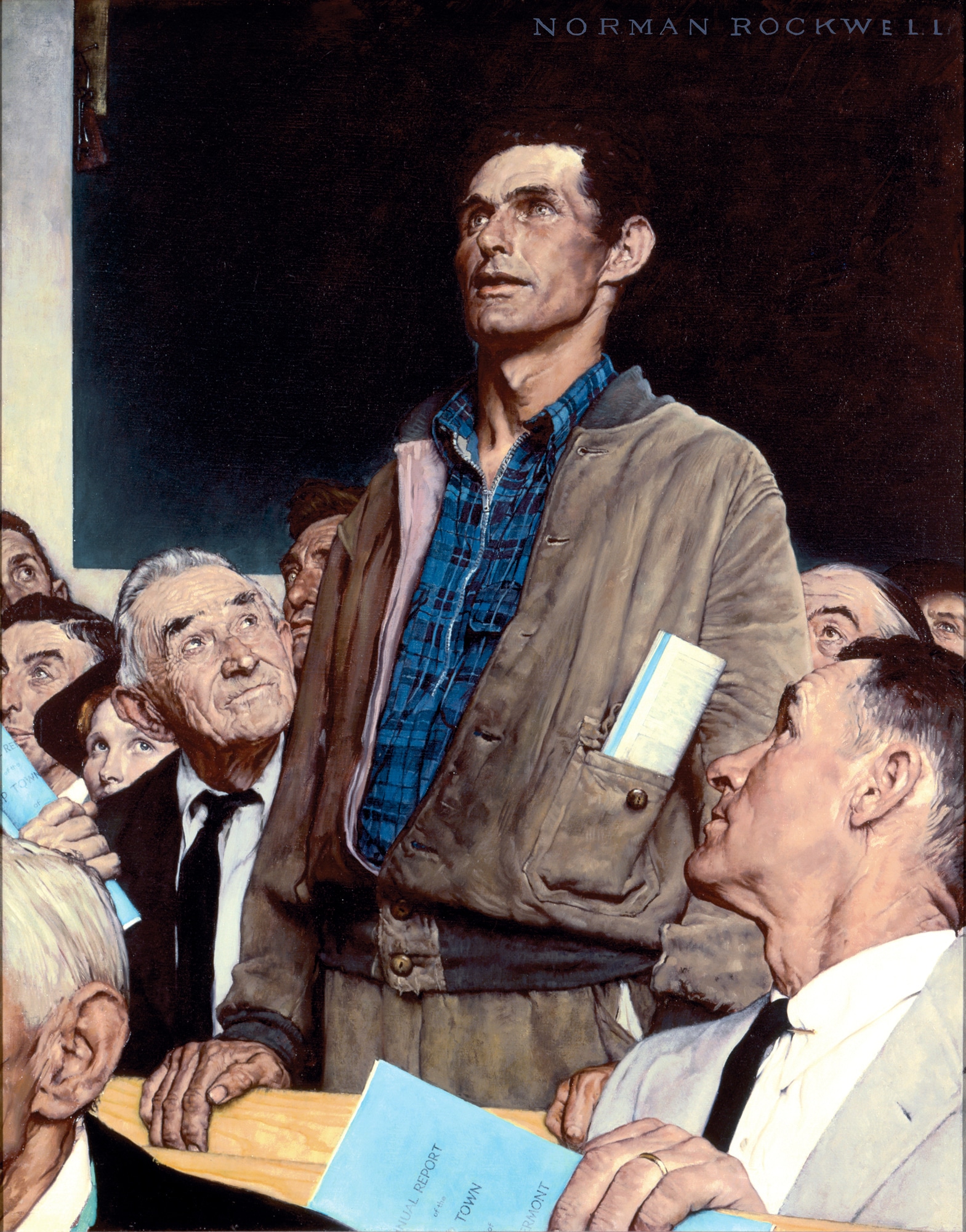
Norman Rockwell, “Freedom of Speech,” circa 1941-43, oil on canvas, 45 3/4 x 35 1/2 inches, Norman Rockwell Museum

“In addition to his celebrated paintings of the Four Freedoms, the exhibition brings together numerous other examples of painting, illustration, and more, by both Rockwell and a broad range of his contemporaries — from J.C. Leyendecker and Mead Schaeffer, to Ben Shahn, Dorothea Lange, and Gordon Parks, among others — as well as historical documents, photographs, videos, and artifacts; interactive digital displays; and immersive settings. While exploring the response of an earlier generation to the plea for defense of universal freedoms, the exhibition also resonates with our own time.”
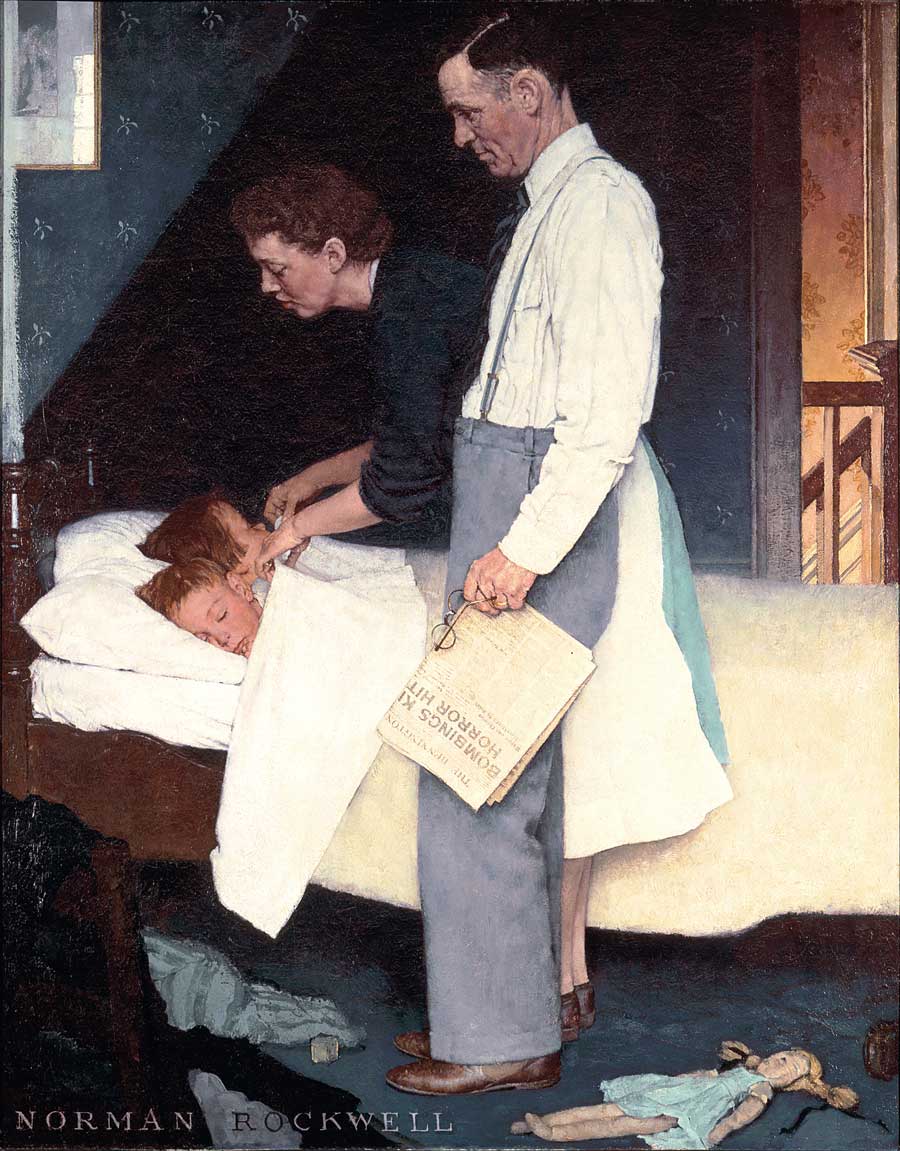
Norman Rockwell, “Freedom from Fear,” circa 1943, oil on canvas, 45 3/4 x 35 1/2 inches, Norman Rockwell Museum
Norman Rockwell, “Freedom of Worship,” circa 1943, oil on canvas, 45 3/4 x 35 1/2 inches, Norman Rockwell Museum

The exhibition begins this summer, in June 2018 at the New York Historical Society, where it will remain on view through August 2018. From there, the exhibition travels to the Henry Ford Museum in Dearborn, Michigan, from October through December 2018. Although a venue has not been chosen, the exhibition will then travel to Washington, D.C., where it will hang from February through April 2019. The Norman Rockwell Museum in Stockbridge, Massachusetts, will host the exhibition from June-August 2019 before travelling to the National Constitution Center in Philadelphia from October-December 2019. In 2020, the Museum of Fine Arts in Houston, Texas, will hang the show form February-April before wrapping up the tour at the Mémorial de Caen in Normandy, France, from June-October.

To learn more, visit the Norman Rockwell Museum.

This article was featured in Fine Art Today, a weekly e-newsletter from Fine Art Connoisseur magazine. To start receiving Fine Art Today for free, click here.
Are You Drawn to Klimt and Schiele?

0
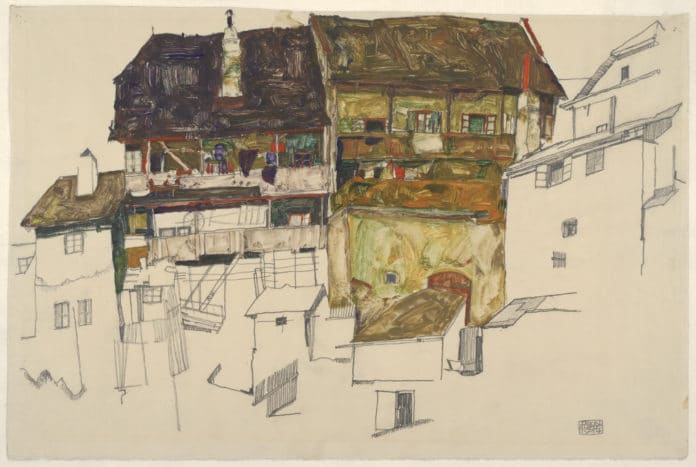
Old Houses in Český Krumlov by Egon Schiele (Austrian, 1890–1918), 1914, Pencil and gouache on Japan paper, Albertina, Vienna, Courtesy, Museum of Fine Arts, Boston

Nineteen-eighteen was a tough year for the Viennese Secession as both Egon Schiele and Gustav Klimt passed. To mark the centenary of their deaths, this renowned East Coast institution is mounting an important exhibition of the artists’ figurative works.

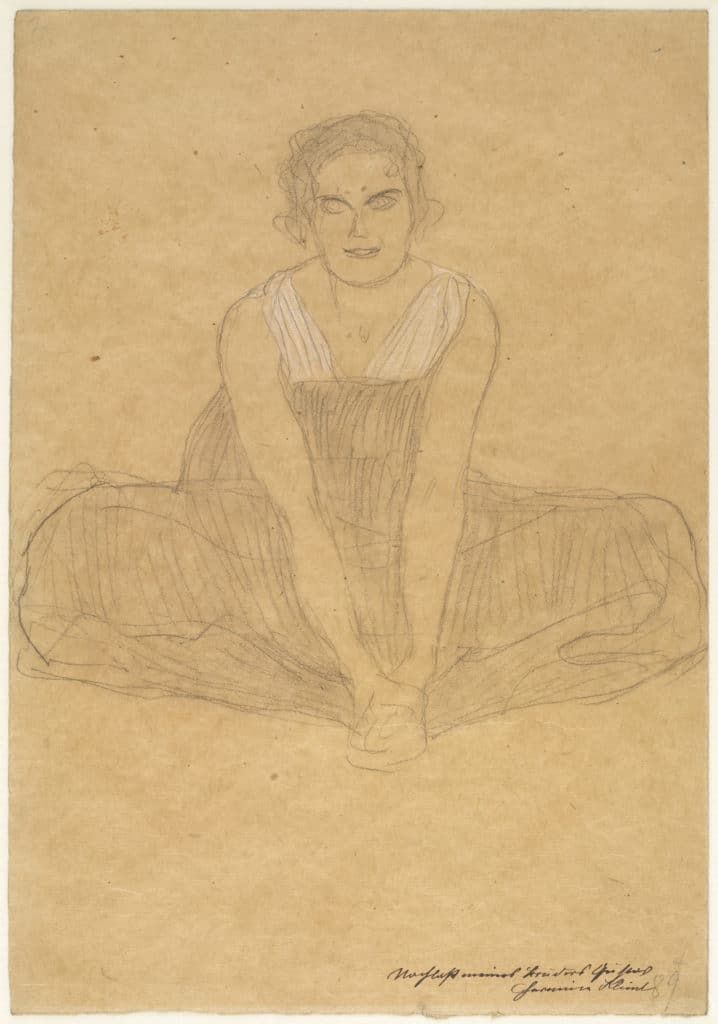
“Klimt and Schiele: Drawn” is a significant exhibition on view soon at the Museum of Fine Arts, Boston, that examines both the divergences and compelling parallels between Gustav Klimt (1862-1918) and Egon Schiele (1890-1918) — particularly in their provocative depictions of the human body. Opening on February 25, the exhibition will highlight how Klimt and Schiele shared a mutual respect and admiration for each other’s talent.

Seated Woman in a Pleated Dress
Gustav Klimt (Austrian, 1862–1918)
about 1903
Black and white chalks on wrapping paper
*Albertina, Vienna
*Courtesy, Museum of Fine Arts, Boston

“Yet,” as the MFA observes, “their work is decidedly different in appearance and effect: Klimt’s drawings are often delicate, while Schiele’s are frequently bold. Klimt often used these sheets as preparatory designs for paintings, while Schiele considered his drawings to be independent pictures and routinely sold them. Both deployed frank naturalism, unsettling emotional resonances, and disorienting omissions to challenge conventions and expectations in portraits, nudes, and allegories.

“Organized thematically, this selection of 60 drawings begins with the artists’ academic origins and then investigates how each shifted away from traditional training to more incisive and unconventional explorations of humanity.” The exhibition will continue through May 28. To learn more, visit the MFA, Boston.

This article was featured in Fine Art Today, a weekly e-newsletter from Fine Art Connoisseur magazine. To start receiving Fine Art Today for free, click here.
Crossing the Atlantic

0
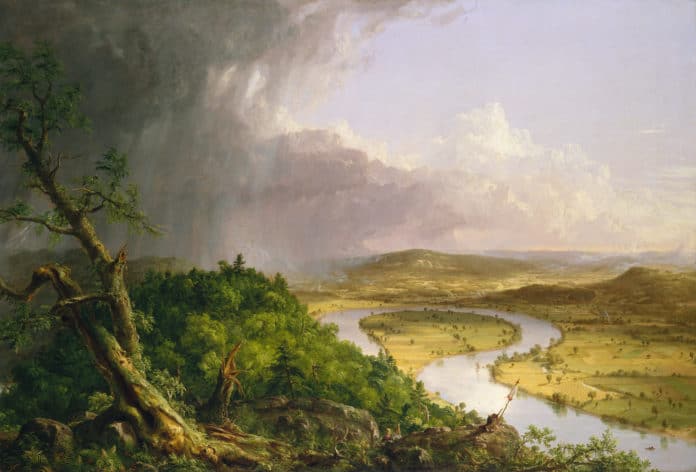
Thomas Cole, “View from Mount Holyoke, Northampton, Massachusetts, after a Thunderstorm — The Oxbow,” 1836, oil on canvas, 51 1/2 x 76 inches, Metropolitan, New York

The Metropolitan Museum in New York City is poised to open a significant exhibition surrounding the extensive travels of one of America’s preeminent landscape painters of the 19th century.

Although he was born in northern England at the start of the industrial revolution in 1801, Thomas Cole (1801-1848) eventually immigrated to the United States in his youth, becoming one of America’s most preeminent landscape painters. During his short life, the artist would travel extensively throughout England and Italy as a young artist, returning to American to create some of his most ambitious works and inspire a new generation of American painters.

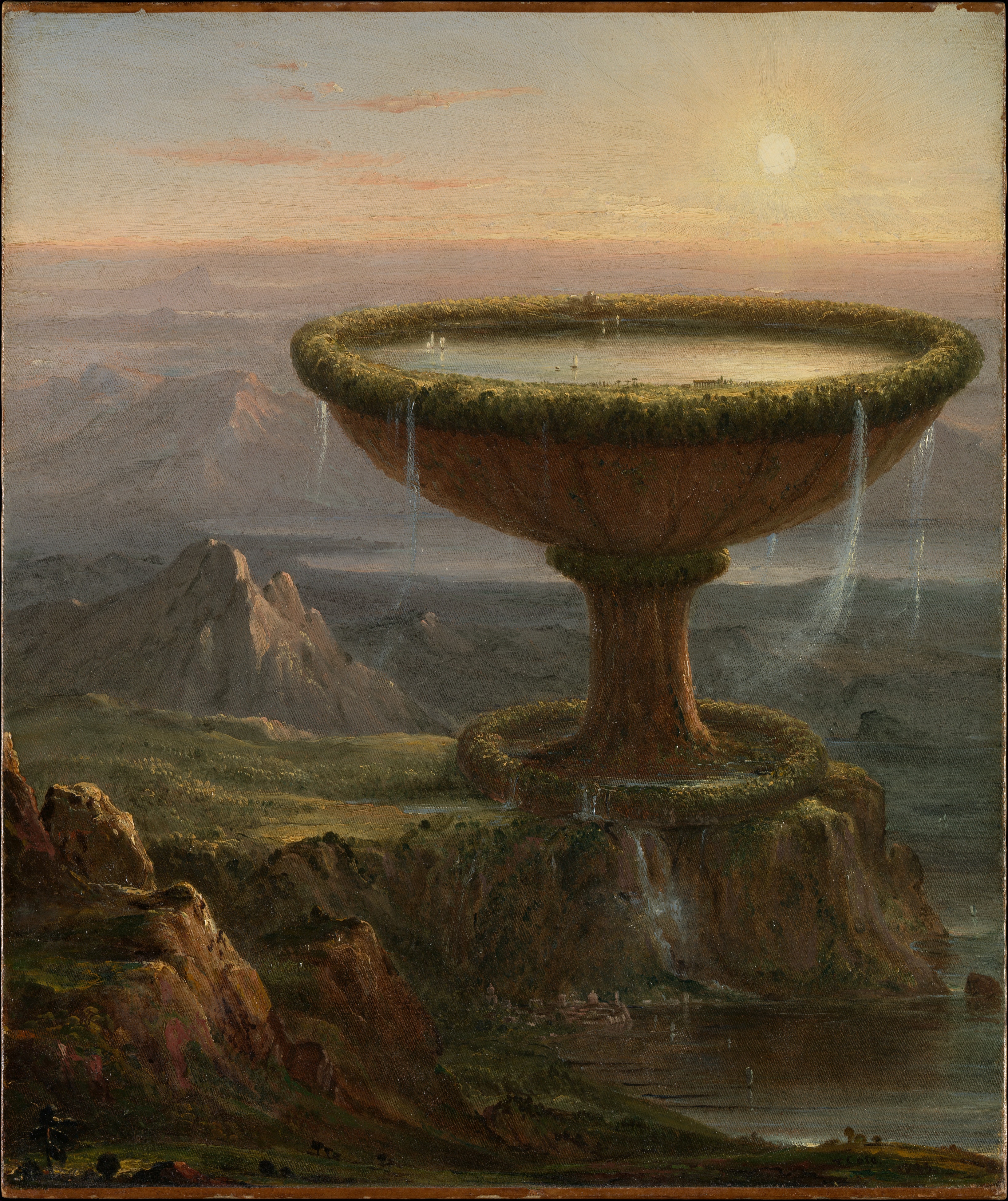
Thomas Cole, “The Titan’s Goblet,” 1833, oil on canvas, 19 3/8 x 16 1/8 inches, Metropolitan, New York

The Metropolitan Museum of Art in New York City will soon be showcasing an important selection of Cole’s masterpieces during “Atlantic Crossings,” which opens on January 30 and continues through May 13. The show has been mounted in recognition of the 200th anniversary of Cole’s first Atlantic crossing, when he emigrated from England to the United States in 1818, “and examines in-depth Cole’s return journey to England in 1829-31 and his travels in Italy in 1831-32, revealing the development of his artistic processes,” the museum writes. “Seminal works created by the artist in the years immediately after his return to New York, between 1832 and 1837 — notably ‘The Oxbow’ and ‘The Course of Empire’ — are presented as a culminating creative response to his complex experiences of British art and society and of Italian history and landscape. In addition, Cole’s abiding passion for the American wilderness resulted in his fervent visual warning in these paintings to his fellow American citizens of the harsh ecological cost of unchecked development of the land.”

“This exhibition brings to prominence the dialogue between American and European artists in the mid-19th century by hanging Cole’s work in direct juxtaposition with works he studied on his formative journey, including paintings by J. M. W. Turner and John Constable, among others. It concludes with an examination of Cole’s extraordinary legacy in the work of the next generation of American landscape painters whom he personally mentored, notably Asher B. Durand and Frederic E. Church.”

To learn more, visit the Met.

This article was featured in Fine Art Today, a weekly e-newsletter from Fine Art Connoisseur magazine. To start receiving Fine Art Today for free, click here.
A Model in Multiple Views

0
by Sam Thiewes

As a fine art connoisseur, it’s always fun juxtaposing artworks with the same subject. A comparison of the works can reveal so much about each artist’s distinctive handling of their mediums and unique interpretations of the whole experience. A case in point is on view here.

On view January 15 through February 16, the Mountain Artist Guild in Prescott, Arizona, will present “Different Viewpoints,” an exhibition of works by five prominent artists, each using the same models to showcase their distinct styles.

Featured in the show include works by Richard Johnston, Sam Thiewes, Eric Slayton, Dorothy Ray, and David Harlan, “five professional artists from the Prescott area who gather each week to discuss their trade and share ideas,” as the press release reads. “They’ve gone a step further this time, sharing photographs of about a dozen models to see how each would interpret essentially the same images. What began as a friendly challenge among contemporaries became a platform for each artist to express his or her unique approach to painting.”

“At its core, art is an interpretive process, and it’s fascinating to see, in very real terms, how the same images are viewed from a different lens,” said Thiewes. A reception for the show will be hosted at the guild on January 26. To learn more, visit the Mountain Artist Guild.

This article was featured in Fine Art Today, a weekly e-newsletter from Fine Art Connoisseur magazine. To start receiving Fine Art Today for free, click here.
Artistic Ingenuity or Dark Side Destruction?

0
Riccardo Mayr, “Escape from Gliese 832c,” after Guido Reni, 17th century, oil on canvas, 49 x 68 inches

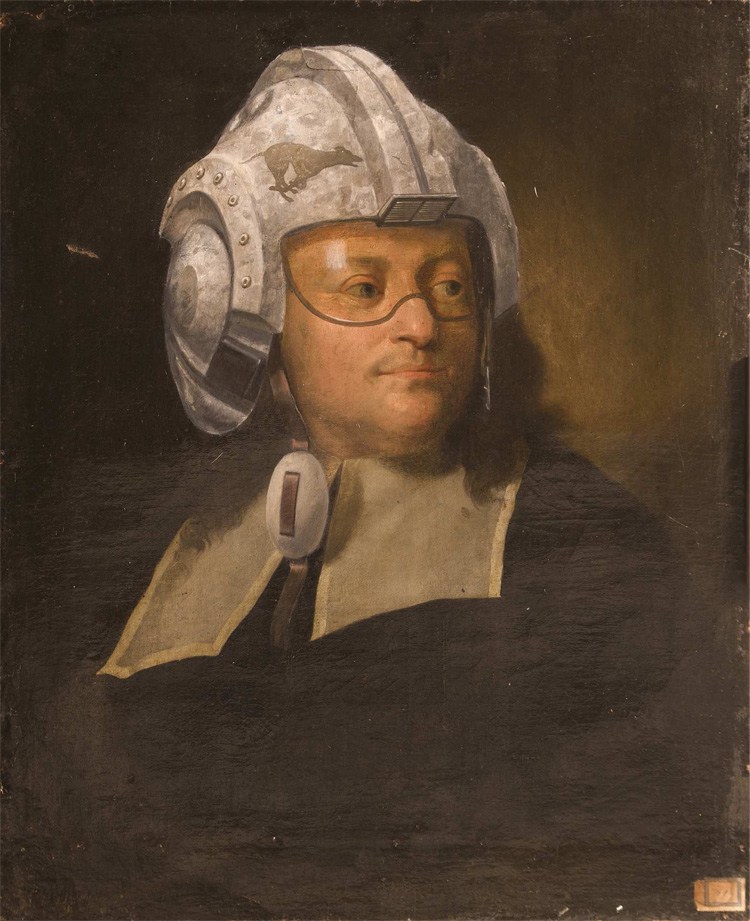
Gallery 30 South in Pasadena, California, is certainly caught up in the Star Wars phenomenon that has captivated millions for decades. This exhibition features a rare collection of 17th- and 18th-century paintings remixed by Italian artist Riccardo Mayr. We’ll let you be the judge…

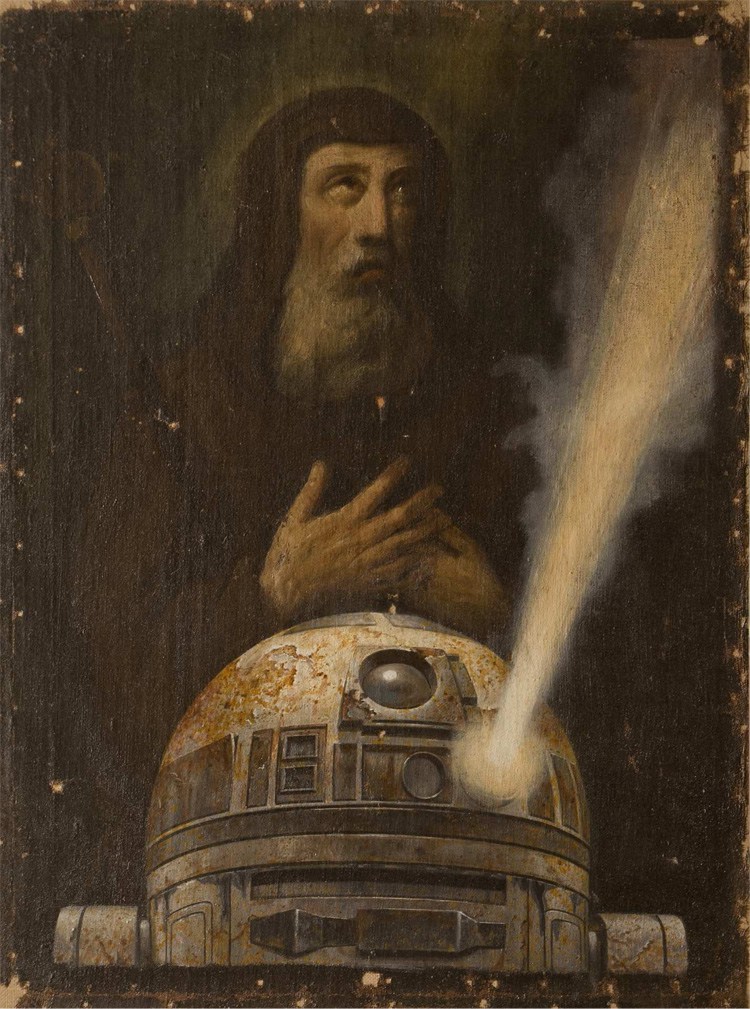
On view now through January 2018 at Gallery 30 South in Pasadena, California, “Religious Paintings of the Expanded Galaxy” is a fascinating exhibition of reimagined 17th- and 18th-century paintings by artist Riccardo Mayr. In each of the reproductions, Mayr has superimposed Star Wars characters or effects directly onto the canvas. “The Star Wars iconography added to the antique oil paintings are part of the exclusive exhibition and the only one of its kind scheduled to take place in the U.S.,” reads the gallery’s press release. “It is a look into a family’s incredible history and a new modern day pop culture phenomenon. Star Wars and fine art collectors around the globe will have the opportunity to experience that bigger-than-life presentation where all art pieces are for sale.

Riccardo Mayr, “Arc of Constantine and Star Destroyer,” after Franz Kaisermann, 1765-1833, etching with hand color, 11 3/4 x 16 5/8 inches

“One may have never known what existed within the vast collection of family art in Italy until the artist, Riccardo Mayr, inventoried that family collection upon the death of his mother. At that time, Riccardo came across a collection of some very damaged paintings in their ancestral villa in Ferrara, Italy. A conservator informed Mayr that the paintings were worth less than what it would cost to restore. Mayr then upcycled each painting, combining religious art of the past with pop culture mythology of today. The paintings which Mayr has used include works by Franz Kaisermann and painters in the School of Ferrara. Although his method stands to be controversial, the paintings were actually saved using his technique.

Riccardo Mayr, “Manchild,” Ferrarese School, 18th Century, oil on canvas, 27 x 23 inches

“Although widely controversial due to the nature of 17th- and 18th-century paintings being old and important, each painting has been given a new life and opportunity for collectors with the transformation featuring the Star Wars saga. The collection is a tribute to Star Wars and an exceptional opportunity for collectors to own rare and unique one-of-a-kind art pieces.

Riccardo Mayr, “The Long Lost Hologram Message,” Ferrarese School, 17th century, oil on canvas, 31 x 25 inches

“Examples of the collection include the painting titled ‘The Long Lost Hologram Message’ painted over a 17th century Ferrarese School painting titled ‘St. Francis of Paolo’ or ‘The Escape from Glies 832c,’ after Guido Reni painted on a 17th-century painting titled ‘The Escape to Egypt.’

“Much like the movie in the theaters, collectors are mesmerized by the paintings, which give new credibility to the value of collecting both art and movie memorabilia. It’s a new take or ‘mash up’ as some call it, of art breathing an unexpected life into a movie or theme.”

To learn more, visit Gallery 30 South.

This article was featured in Fine Art Today, a weekly e-newsletter from Fine Art Connoisseur magazine. To start receiving Fine Art Today for free, click here.
Finding Form

0
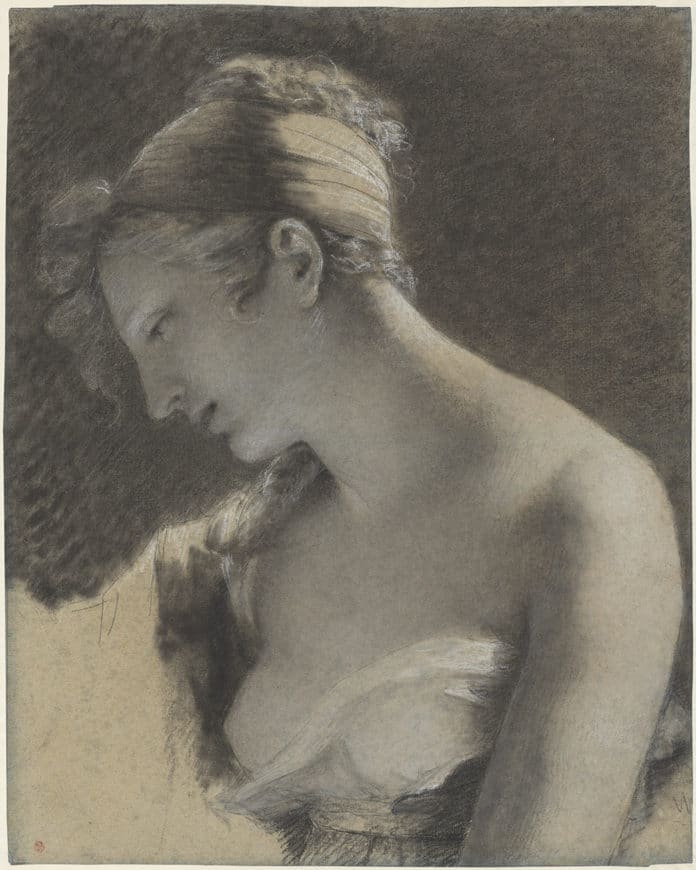
Pierre-Paul Prud’hon, “Head of a Woman: Study for The Happy Mother (L’Heureuse mère),” 1810, black and white chalk on blue paper

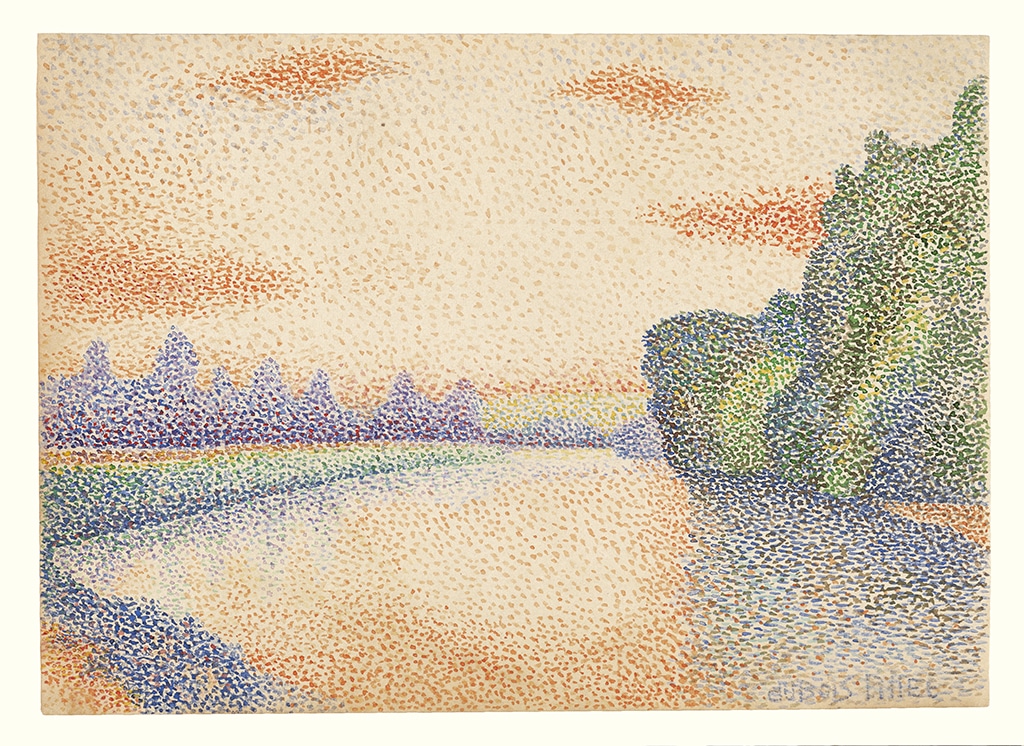
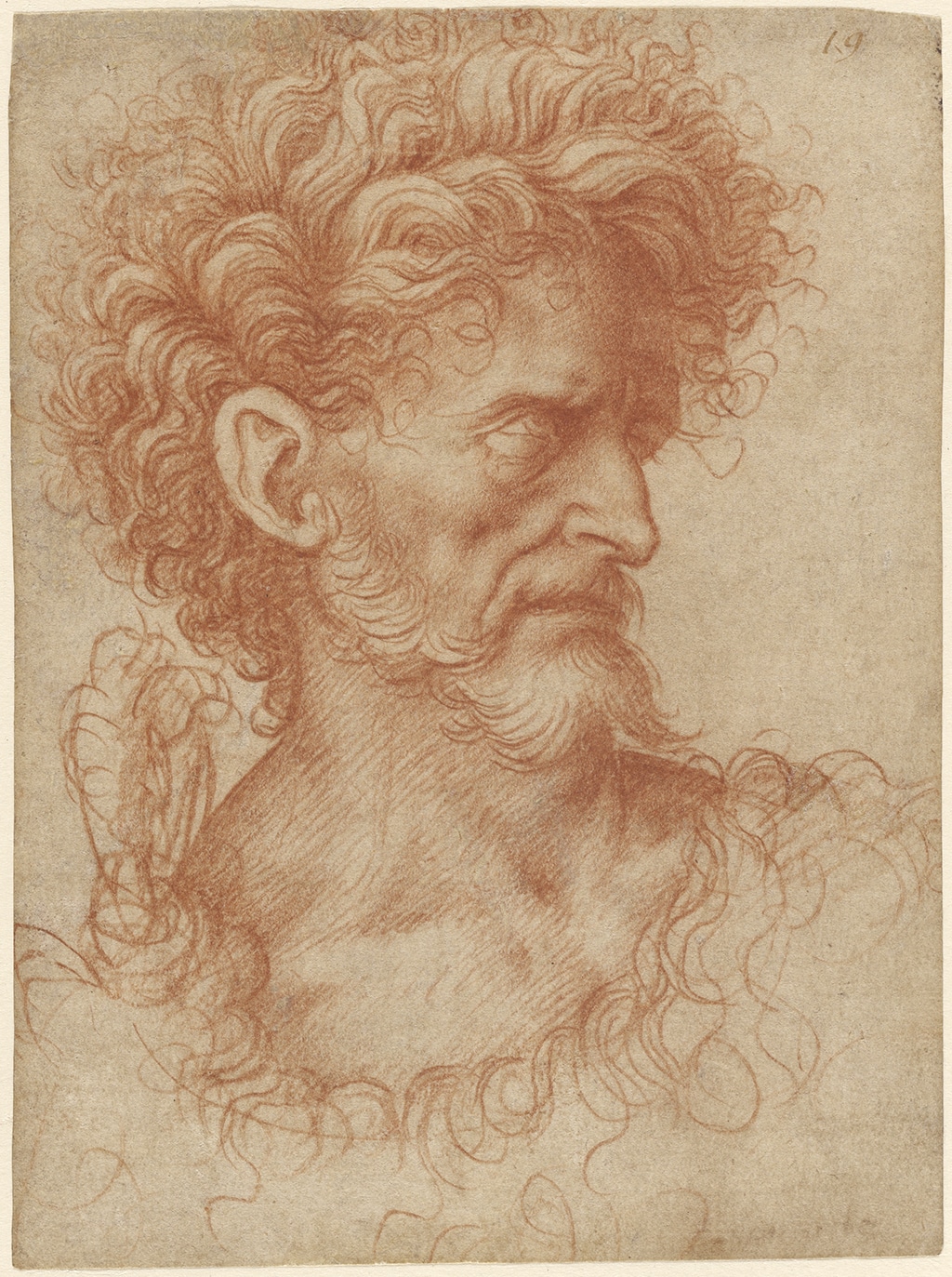
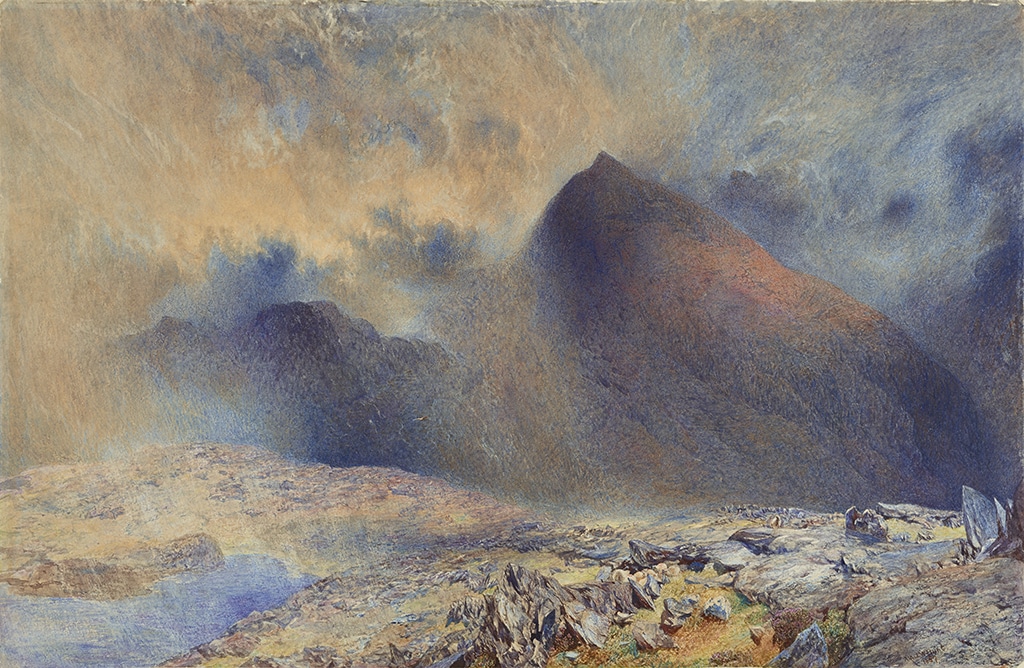
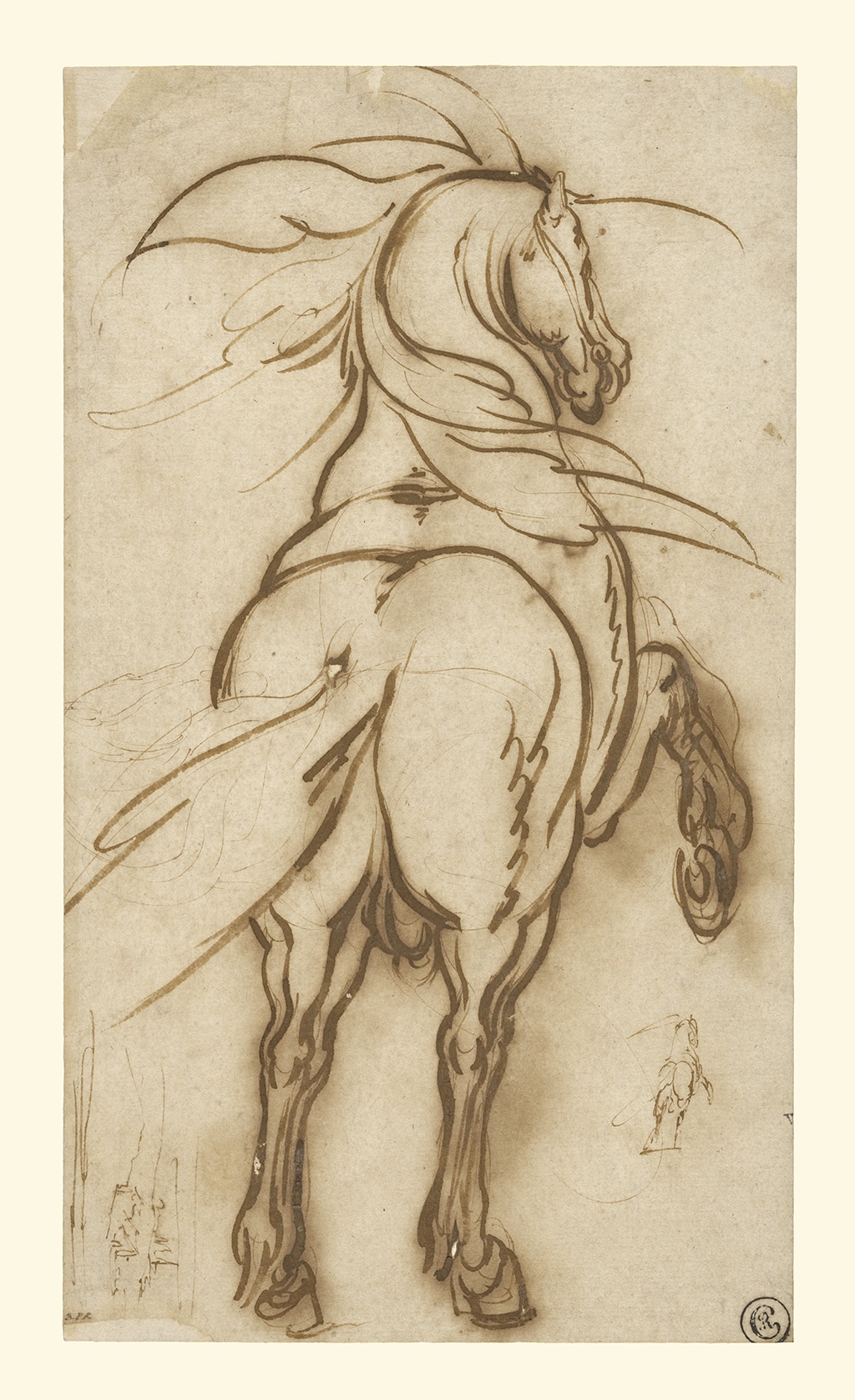
Featuring celebrated works from the 1500s to the 1800s, this must-see exhibition demonstrates how artists skillfully select from a vast array of media and techniques to best generate form, likeness, and depth in creating a drawing.

On view December 12 through February 11 at the Getty Museum, Los Angeles, “Finding Form” is a compelling look into the complex art of drawing. Drawn from the Getty museum’s own permanent holdings, “Finding Form” showcases a wide range of master drawings, circa 1500 to 1800, and focuses on the “seeming magic of creating an image of three-dimensional reality on a two-dimensional surface,” said Timothy Potts, director of the institution. Works in the exhibition reveal how artists used media such as chalk, ink, and different pens to yield form.

Albert Dubois-Pillet, “The Banks of the Marne at Dawn,” circa 1888, watercolor over traces of black chalk
Giovanni Agostino da Lodi, “Saint John the Baptist,” circa 1500, red chalk
Alfred William Hunt, “Mount Snowdon through Clearing Clouds,” 1857, watercolor on paper
Jacques Callot, “Study of a Rearing Horse,” circa 1616, quill and reed pens and brown ink
Unknown maker, “Mary Magdalene Transported by Four Angels,” circa 1485-90, pen and black ink with white opaque watercolor highlights

“I find it fascinating to see how — over the centuries — artists have used all the techniques at their disposal to create different realities on each sheet,” said Julian Brooks, senior curator of drawings. “We always provide magnifying glasses in our displays, and just by looking closely, anyone can gain entry into a rich variety of other worlds.”

To learn more, visit the Getty Museum.

This article was featured in Fine Art Today, a weekly e-newsletter from Fine Art Connoisseur magazine. To start receiving Fine Art Today for free, click here.

Decoding Reality

0
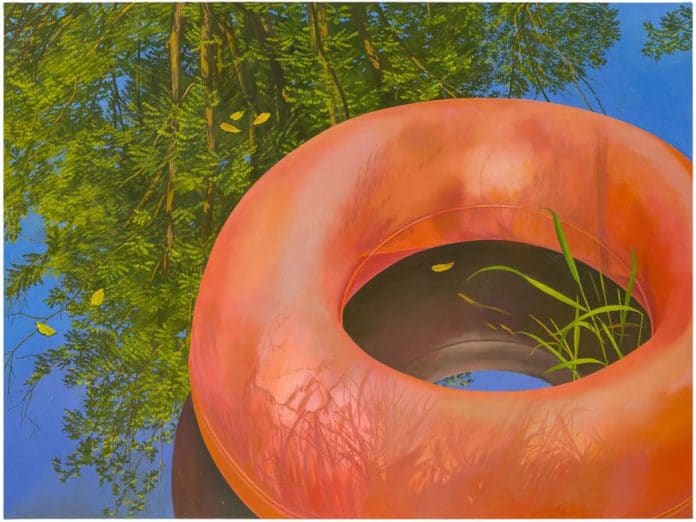
Catherine Murphy, “Becalmed,” 2017, oil on canvas, 54 x 72 inches

Peter Freeman, Inc. is pleased to present an exhibition of recent paintings and drawings by Catherine Murphy, in the artist’s first solo show since the release of a major new monograph on her work by John Yau. Details here!

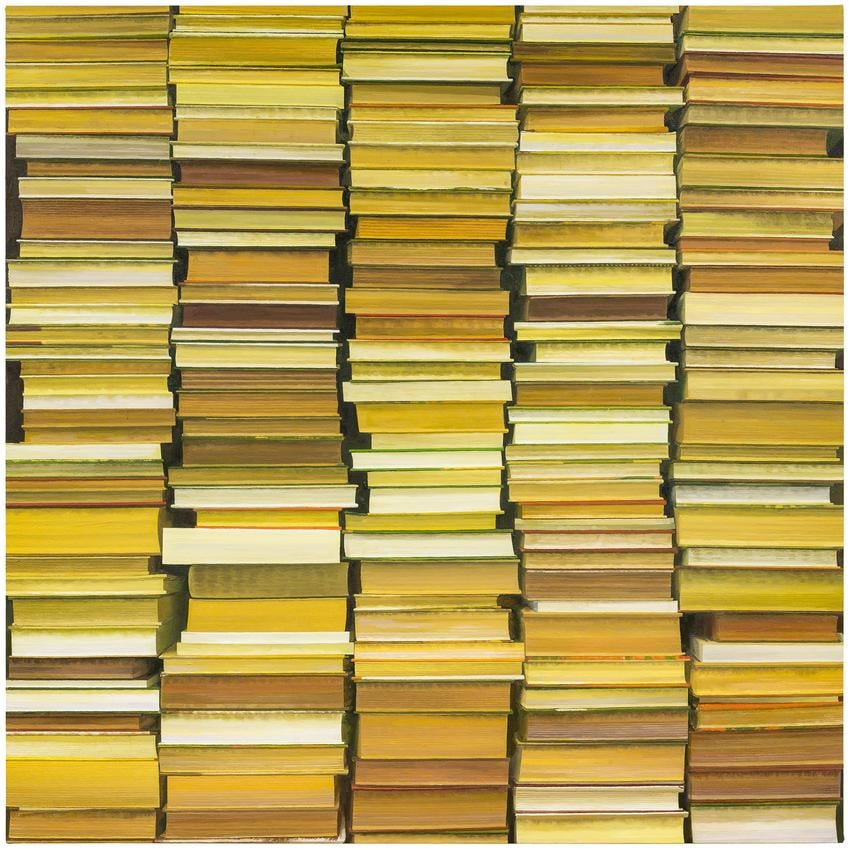
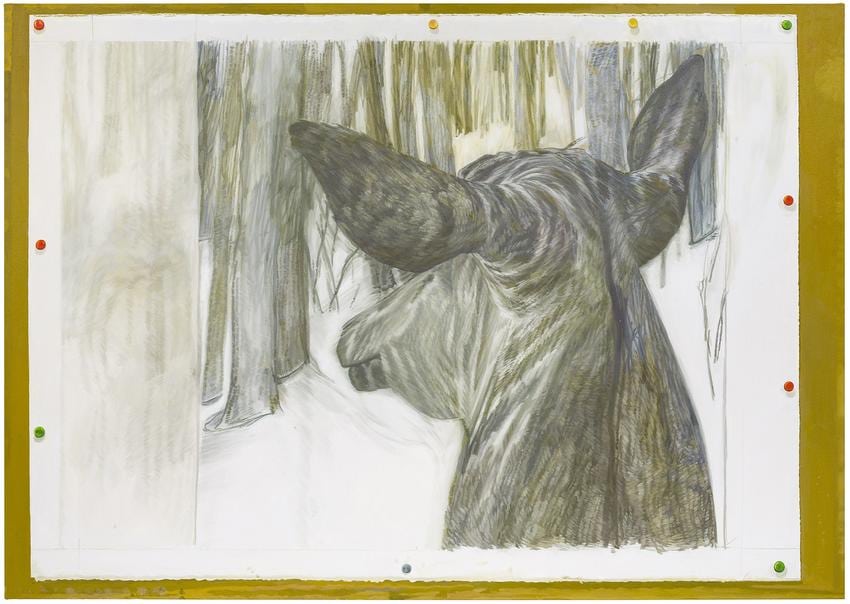
On view January 11 through February 24 at Peter Freeman, Inc. in New York City are new works by Catherine Murphy. “In her paintings and drawings, Murphy’s career-long interest has been in decoding reality as a place of constant and inevitable change,” the gallery writes, “realizing abstract ideas through the exploration of everyday objects and situations. She inverts the viewer’s expectations and blurs boundaries — between interior and exterior, flatness and depth, background and foreground — and in doing so, upsets assumptions about the places she represents and the people who live their lives in them. In the newest works, Murphy has looked to her immediate surroundings both within and outside of her own home, continuing — in a profoundly personal way — a keen interest in depicting the most common surroundings that usually escape our notice but nevertheless influence our perception.

Catherine Murphy, “Stacked,” 2017, oil on canvas, 60 x 60 inches
Catherine Murphy, “Painting Drawing Painting,” 2017, oil on canvas, 51 x 72 inches

“Instead of stable, conventional spaces, Murphy often sets up specifically-defined formal situations. With a Minimalist formal rigor, her starting point is scale and geometry: yet her colors, patterns, and textures all bear information and narrative potential. Her depiction of an immediate, often intimate moment, establishes an implied open-ended narrative.”

An opening reception will be held on January 11 from 6-8 p.m. To learn more, visit Peter Freeman, Inc.

This article was featured in Fine Art Today, a weekly e-newsletter from Fine Art Connoisseur magazine. To start receiving Fine Art Today for free, click here.

2018 Museum Restoration Grants Awarded

0
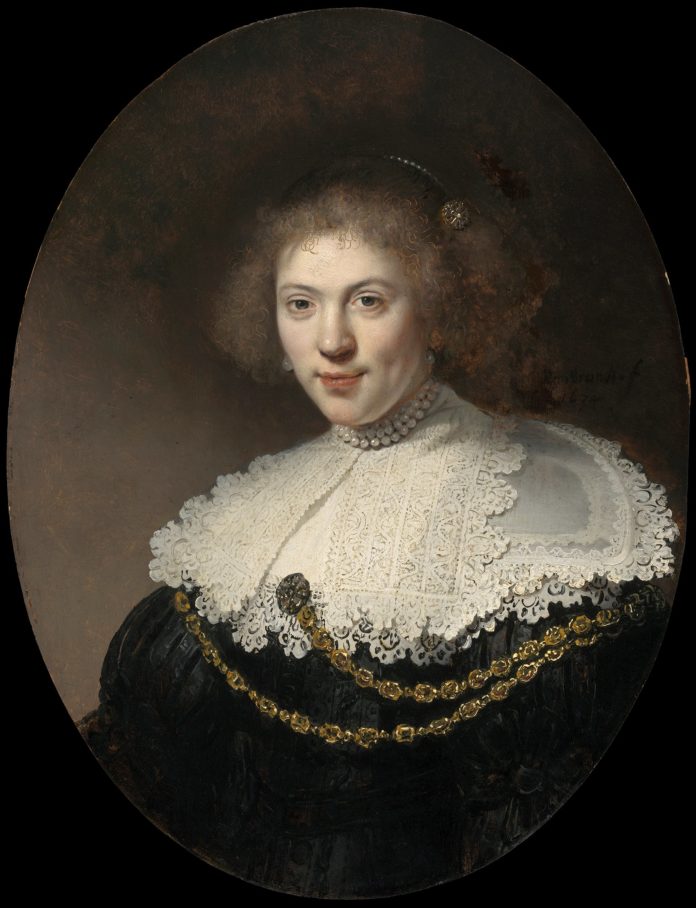
Rembrandt van Rijn, “Portrait of a Woman with a Gold Chain,” 1634, oil on panel, 27 3/8 x 20 7/8 inches, MFA, Boston

Recently, The European Fine Art Foundation (TEFAF) announced its 2018 Museum Restoration Fund grants. Which two institutions were recipients, and what are their plans for the funds? Find out here.

The Museum of Fine Arts, Boston, and the Museu Nacional de Arte Antiga in Portugal are the recipients of TEFAF’s 2018 Museum Restoration Fund grants. Established in 2012, the grant is one of a series of organization initiatives dedicated to supporting and protecting cultural heritage. Museums and institutions that have attended TEFAF Maastricht are eligible to apply for the grants, which are awarded by an independent panel of experts. Presentations about each project will be displayed at TEFAF Maastricht from March 10-18 at the MECC (Maastricht Exhibition and Congress Centre), Maastricht, The Netherlands.

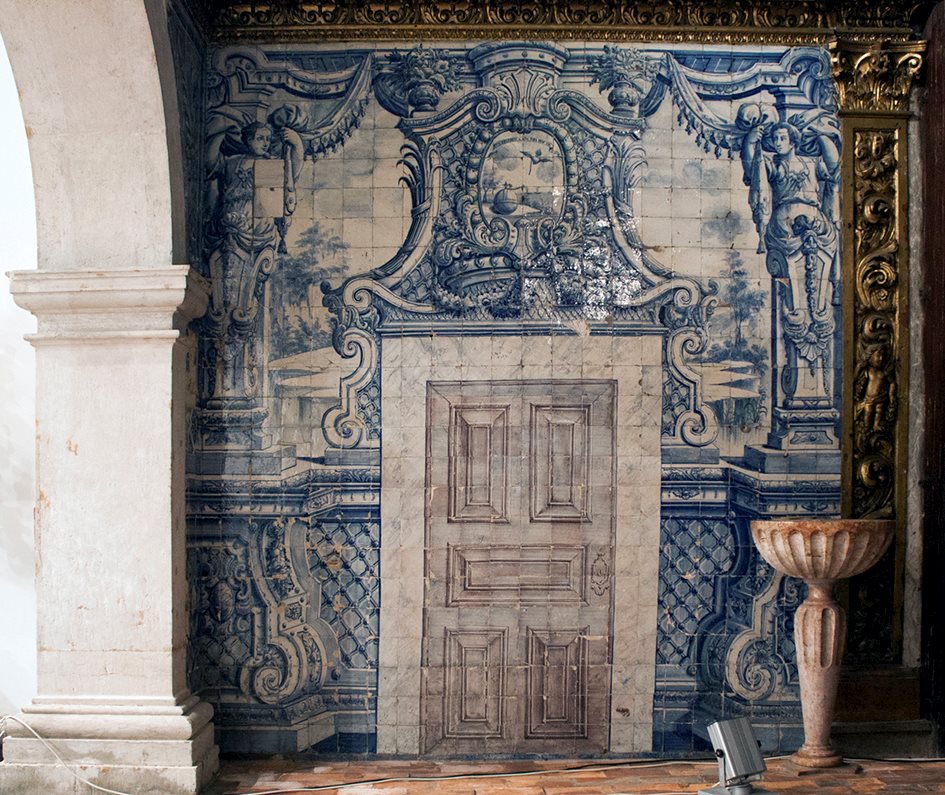
Tiles from the Capela das Albertas, image courtesy TEFAF

The funds, which total €50,000, will support the conservation of “Capela das Albertas,” an integral part of the Museu Nacional de Arte Antiga and a striking example of a Portuguese “gold church.” “The inside of the church combines gilt carvings and tiles in a strikingly harmonious whole that encompasses architecture, painting, sculpture, and other decorative arts,” TEFAF writes. “The chapel is decorated with tiles from different periods of production, progressing from 16th-century Spanish-made tiles to 17th- and 18th-century Portuguese ones. The sacristy is covered with single figure tiles presenting the highest quality from the last part of the 17th century. The aim of the project is to conserve and restore these tiles, enriching the offer to the public and enabling new readings of the museum displays.”

For the Museum of Fine Arts, Boston, the funds will be used to support the restoration of Rembrandt’s “Portrait of a Woman with a Gold Chain,” one half of a pair of oval paintings gifted to the museum in the late 19th century. “The portrait has been on near constant view and has not been treated for 50 years,” the press release reads. “There are now multiple uneven layers of varnish and passages of clumsy retouching which are obscuring the paint surface. In addition to being unevenly cleaned in the past, there is also a recently applied thick layer of a synthetic varnish that has become very gray and under-saturated over time, further obscuring the portrait.”

To learn more, visit TEFAF.

This article was featured in Fine Art Today, a weekly e-newsletter from Fine Art Connoisseur magazine. To start receiving Fine Art Today for free, click here.
From Missions to Murals

0
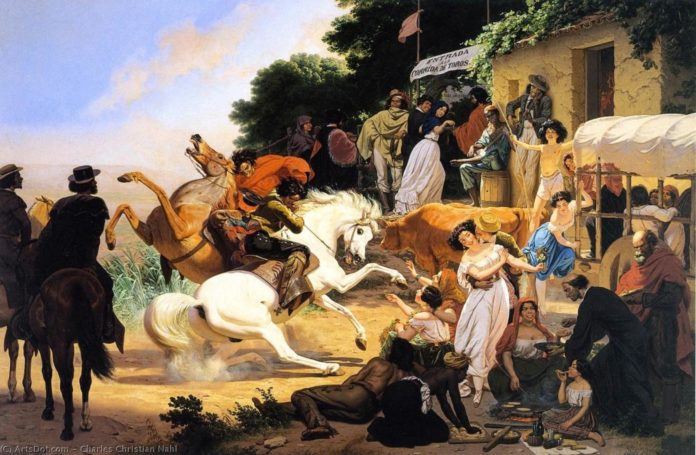
Charles Christian Nahl, “La Plaza de Toros: Sunday Morning in Monterey,” 1874, oil on canvas, 71 x 112 inches, Santa Barbara Museum of Art

How did Mexico become California? After the U.S.-Mexican War, lands that had belonged to New Spain — and later Mexico — were transformed into the 31st state, creating visual arts with distinct pictorial motifs, symbols, and identity.

The unique visual language that developed in California between 1820 and 1930 is a beautiful story currently being told at the Laguna Art Museum. On view now through January 14, “California Mexicana: Missions to Murals, 1820-1930” features paintings along with posters, books, photographs, and some of the earliest films made in Los Angeles, demonstrating how images of California spread worldwide.

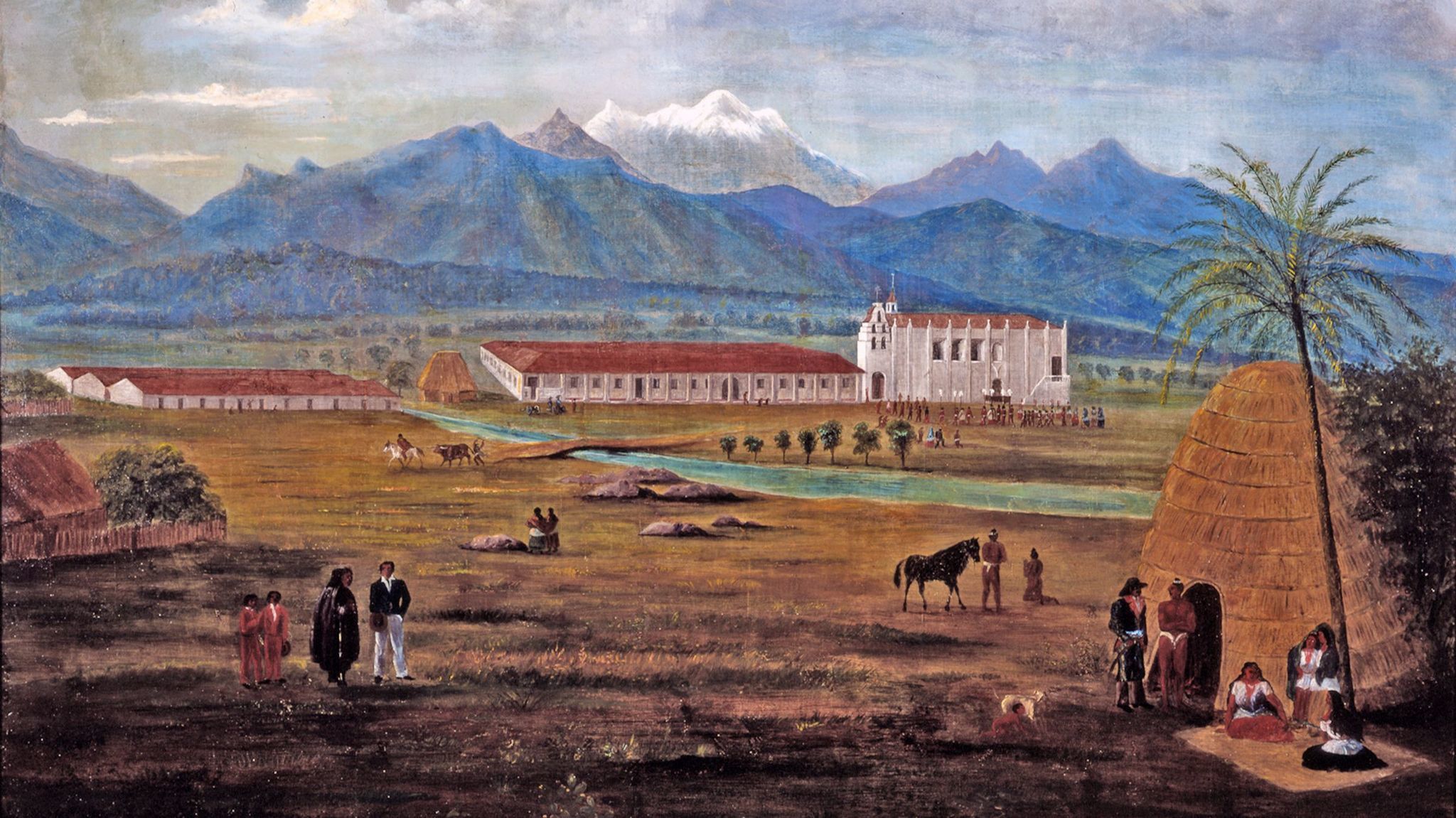
Ferdinand Deppe, “San Gabriel Mission,” circa 1832, oil on canvas, 27 x 37 inches, Laguna Art Museum

“The selection ranges from picturesque landscapes of Alta California and still life paintings of fruits and flowers that celebrated the state’s agricultural growth, to works by modernists such as Diego Rivera who were inspired by the art of ancient Mexico,” the museum suggests. “‘California Mexicana’ reveals how a unique combination of Mexican and Anglo visual traditions created a profile for California distinct from any other U.S. State.”

The show includes over 100 artworks on loan from museums across the United States and Mexico. To learn more, visit the Laguna Art Museum.

This article was featured in Fine Art Today, a weekly e-newsletter from Fine Art Connoisseur magazine. To start receiving Fine Art Today for free, click here.
Featured Artwork:  Radhika Srinivas

0
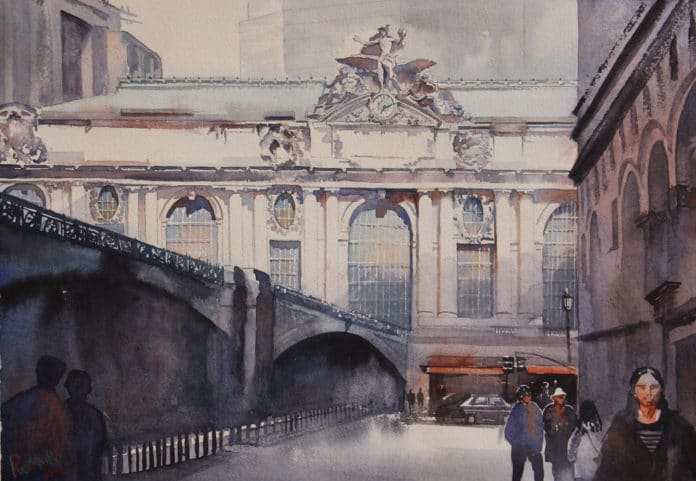
“Grand Central” by Radhika Srinivas

“Grand Central”

16 x 12 in

Watercolor on paper

Available from the artist

www.radhikasrinivas.com

Radhika Srinivas is an award-winning watercolor artist. Although she primarily paints in her home studio in Devon, PA, she enjoys sketching and painting outdoors and participates regularly in numerous juried shows both at the local and national level.

Her painting “Kuerner’s Tools” was the recent recipient of the Fine Art Connoisseur magazine ‘Best of Show’ award at the On Location Event organized by the Philadelphia Watercolor Society in conjunction with the Brandywine River Museum of Art. Her work is in many private collections across the United States and India.

Radhika’s various travels around the world are what inspire her art. Her paintings are meant to transport the viewers into the time and place depicted by the work to experience the feeling of being there. Urban landscapes are her specialty with emphasis on the architectural elements, as well as the suggestion of busy city life. Her very impressionistic and evocative style, with just enough suggestions and detail, weaves a story for the audience.

Watercolor is her primary medium of choice. She also experiments with charcoal paintings with striking accents in watercolor. Each painting begins with sketches, value and color studies from her own photographic references and memory.


Associations:

Philadelphia Watercolor Society, Signature Member & board member

The Pennsylvania Watercolor Society

American and The National Watercolor Society, Associate Member


Education:

Bachelor in Fine Arts from India

Diploma in textile designing from the Fashion Institute of Technology, NYC

Certificate in graphic design from The Parsons School of Design

In the near future, Radhika hopes to begin teaching.

Art is the one journey, which does not have a destination. It’s forever a joyous learning process.

www.radhikasrinivas.com

WEEKLY NEWS FROM THE ART WORLD

Fill your mind with useful art stories, the latest trends, upcoming art shows, top artists, and more. Subscribe to Fine Art Today, from the publishers of Fine Art Connoisseur magazine.

  • This field is for validation purposes and should be left unchanged.