Sometimes Native American art doesn’t quite get the attention it deserves, which is why our readers should take note of this blockbuster exhibition of sculptural works by this renowned artist. Who and where?
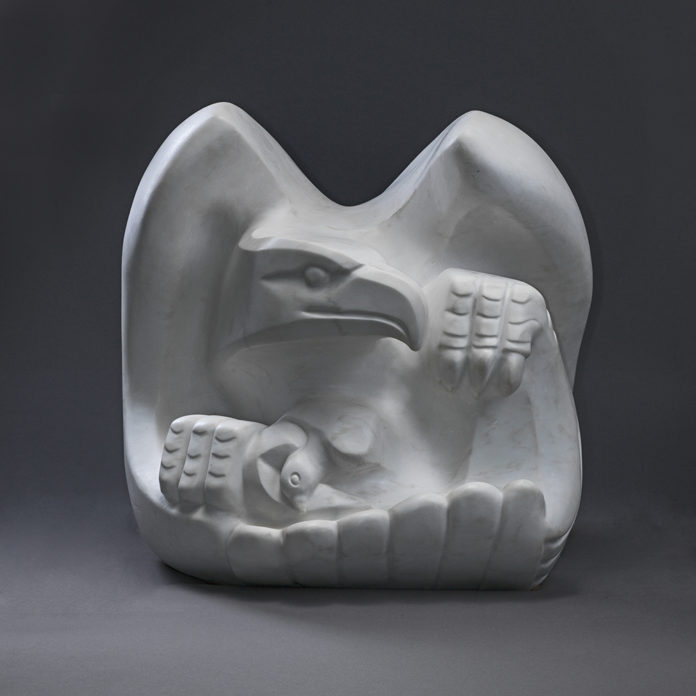
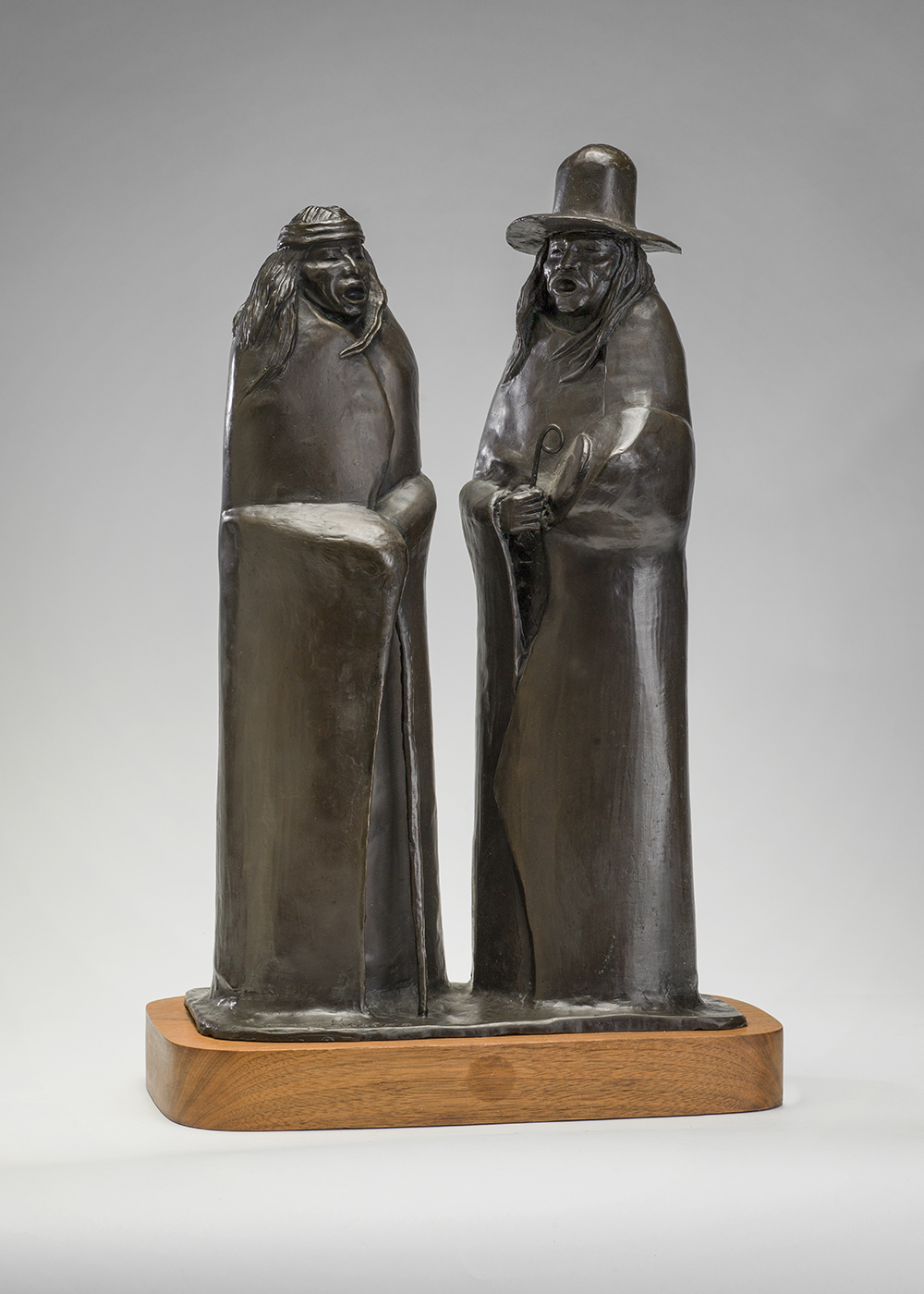
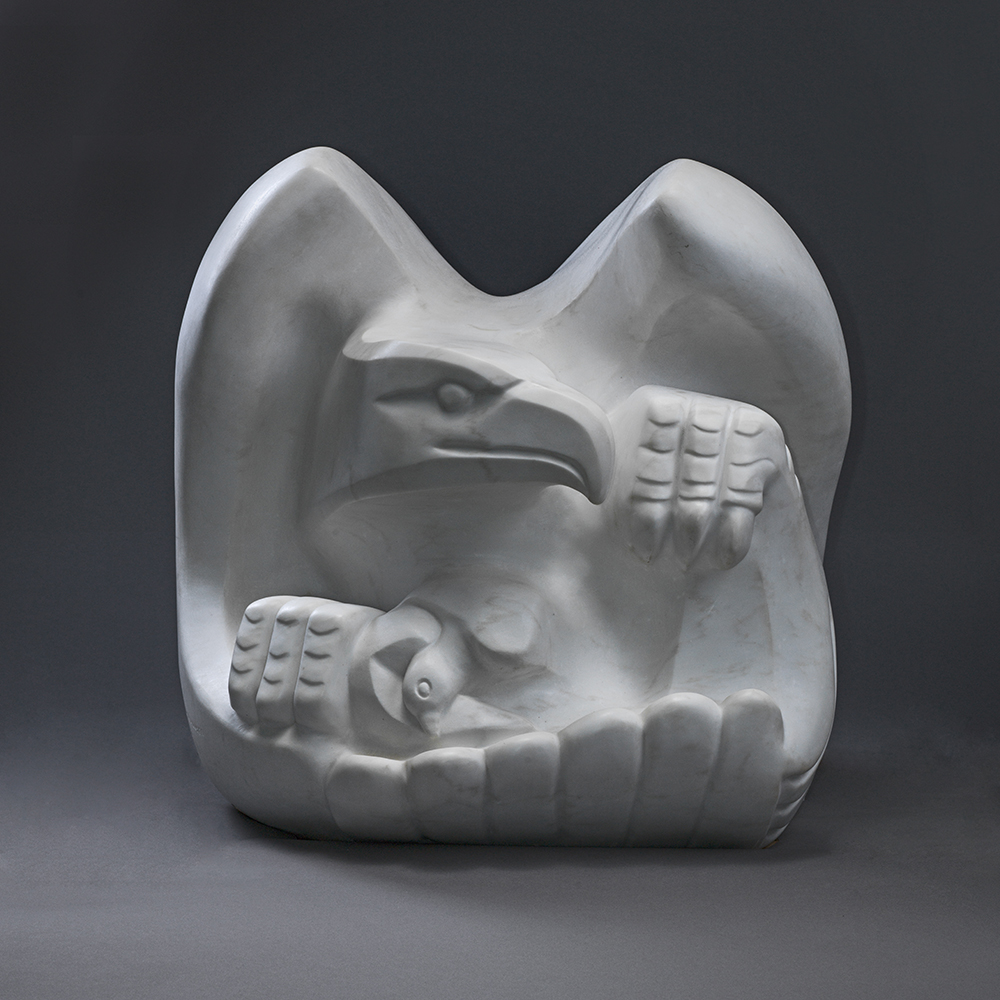
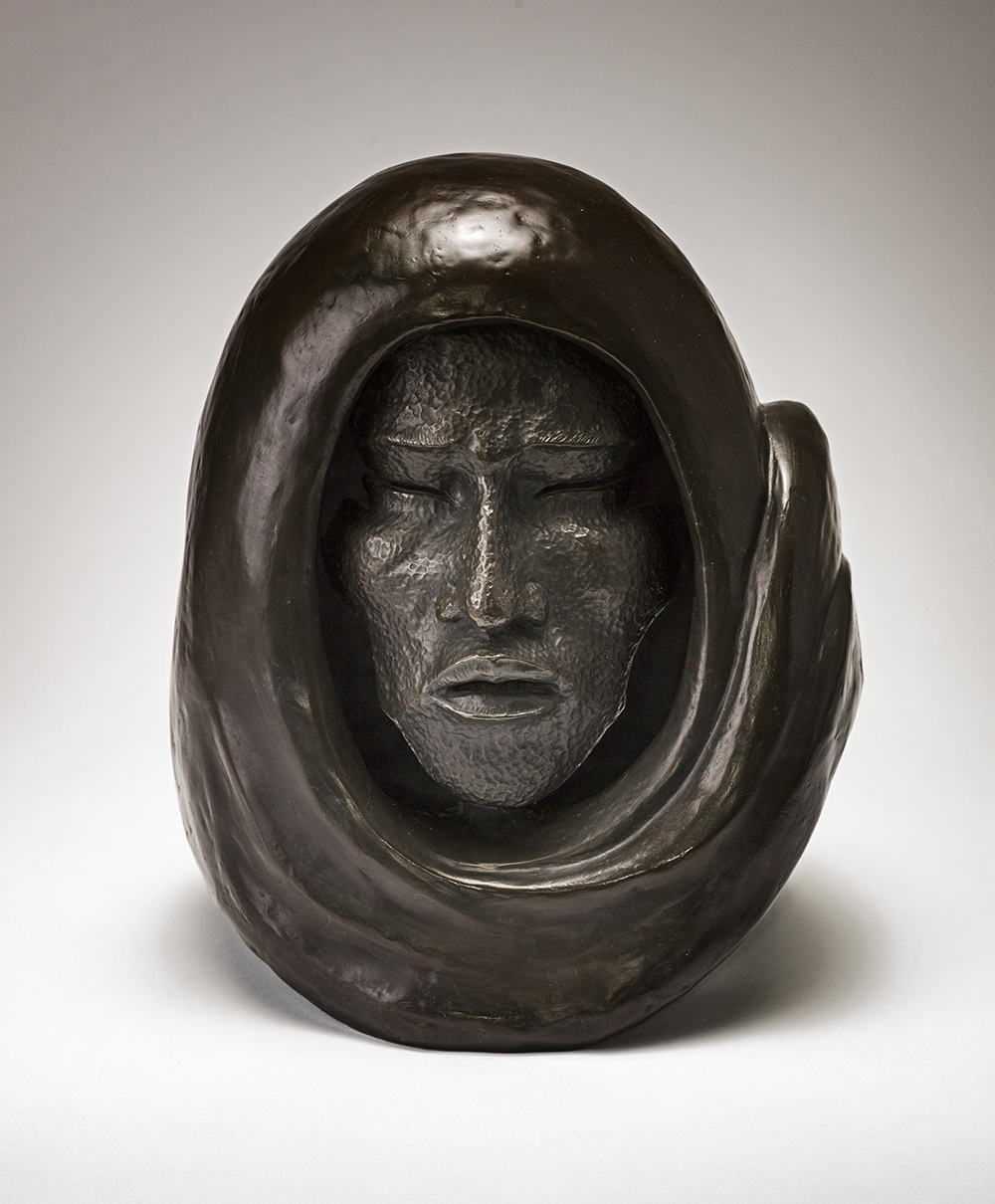
Although it opened in October 2016, there’s still time for you to view a magnificent display of figurative and modernist sculptures by renowned Native American artist Allan Houser (born Allan Capron Haozous, 1914-1994). “A Show of Force” runs through February 26 at the Crocker Art Museum in Sacramento, California, and features 15 works in bronze and stone, several of which were recent gifts to the Crocker from Loren G. Lipson.
According to Interim Associate Curator Kristina P. Gilmore, “Allan Houser is arguably the most influential Native American artist in modern art history. His three decades as an art teacher and the example he set through his work still inspire artists to express their own personal heritage and experience in innovative ways. I like to think of him as one of the founders of contemporary Native American art.”
This article was featured in Fine Art Today, a weekly e-newsletter from Fine Art Connoisseur magazine. To start receiving Fine Art Today for free, click here.
Nostalgia is one of the most powerful sources of inspiration for artists. A case in point is about to be highlighted during a compelling solo exhibition in New York that merits a look.
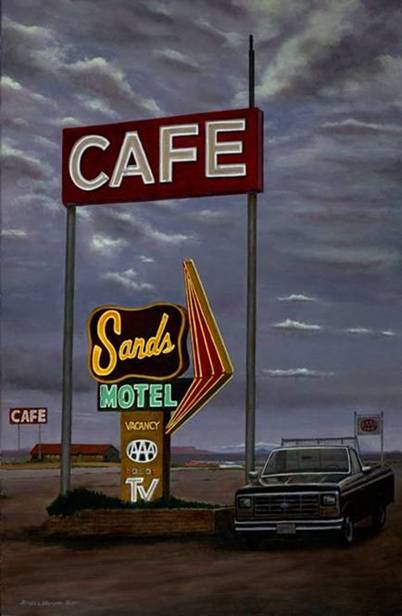
Opening February 17 at the Millbrook Public Library in New York is a tantalizing solo exhibition of paintings by artist Jeffrey L. Neumann. The works on view will largely explore the artist’s nostalgia for his childhood in the 200-mile expanse between Roswell and Albuquerque, New Mexico.
Discussing one work in particular — “Sands Motel” — Neumann says, “Vaughn, New Mexico, is halfway in the 200-mile expanse between Roswell and Albuquerque. When I was 10 and 11 we lived in Roswell. We would stop in Vaughn and have a bite to eat on family visits to my cousins in Albuquerque.
“I revisited Vaughn and shot the reference photos for this painting in 1991. The Sands Motel was defunct by that time. The neon was long gone and the sign was dark. I restored the neon in the painting. The sky is also more my invention than what was actually there.
“Like much of my work, this painting is steeped in memories of my childhood. My aim is to capture a feeling, to create a mood rather than replicating a scene precisely. Unlike most of my motel paintings, this one doesn’t have the actual motel as part of the subject. The signage, the broad landscape, and the sky were enough to tell the story. If you look closely you can see a ’62 Chevy in the middle distance and the Santa Fe Chief rolling across the plains. These are minor compositional elements, however they are important to the narrative of the piece.”
This article was featured in Fine Art Today, a weekly e-newsletter from Fine Art Connoisseur magazine. To start receiving Fine Art Today for free, click here.
A beautiful array of fresh landscape paintings by this female master are currently hanging through February 28 in an esteemed Southwest gallery. They are “instantly recognizable for their clarity and depth,” the gallery writes. Will you be a lucky viewer?
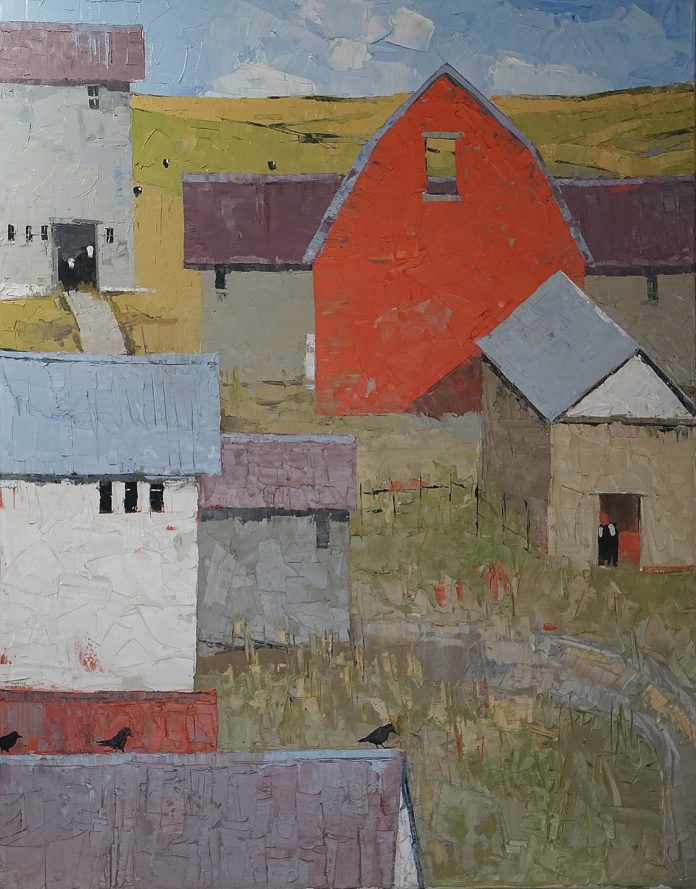
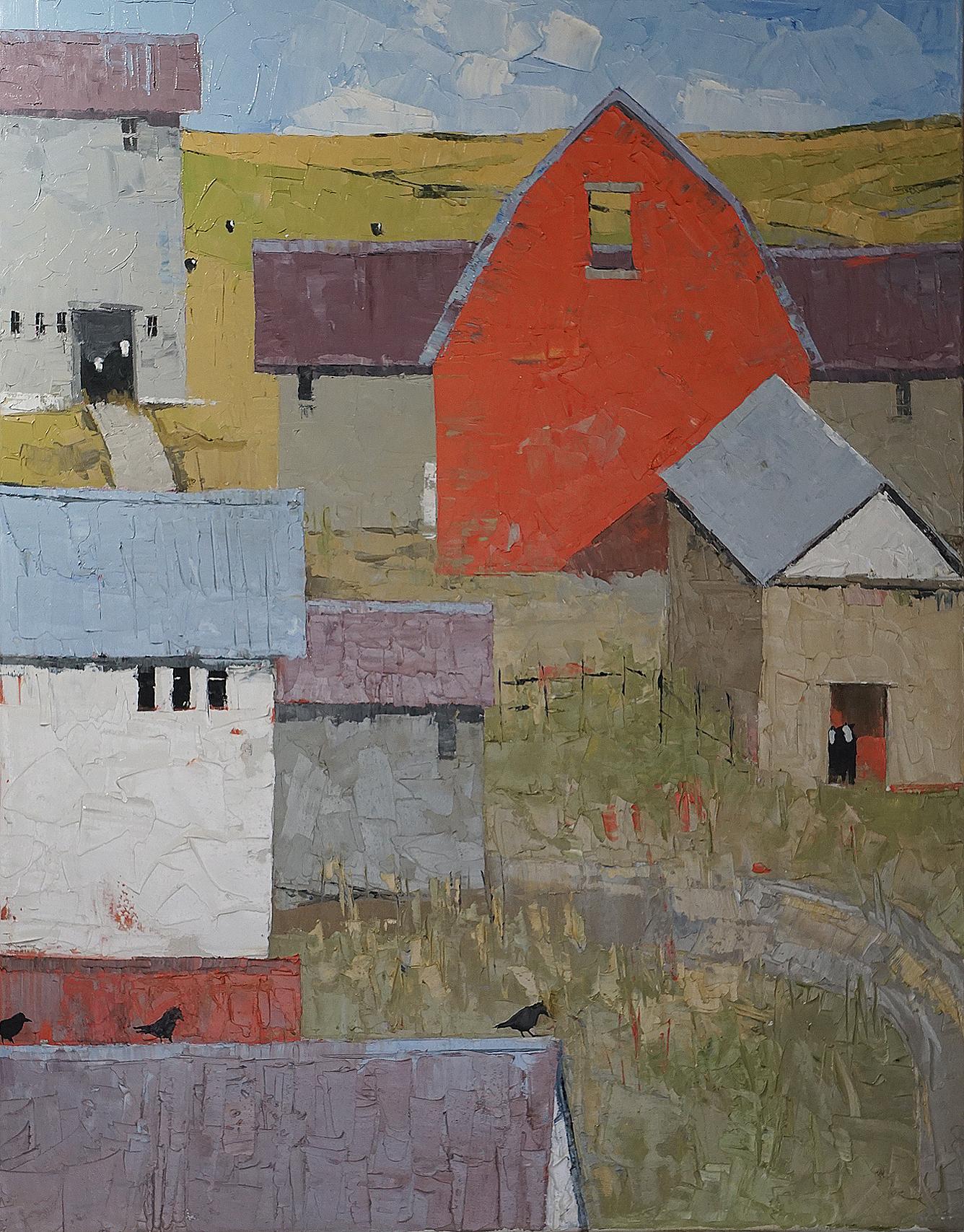
Trailside Galleries in Scottsdale, Arizona, is pleased to be currently showcasing a number of outstanding new landscapes by Dinah Worman. Titled “Perspectives,” the solo show is a continuation of Worman’s “exploration into stacked landscape compositions as well as works that give the viewer an up-close perspective of what lies within the landscape,” the gallery reports. “Light filters through the trees and streams and between the clouds. [Worman] is able to retain this vitality because she is continually renewing her vision.”
Discussing her work, Worman notes, “I work to press beyond method and into a flow of creative instinct; using pastel, oil, acrylic, or printmaking to express myself with unusual compositions and expanding vision.”
“Dinah Worman: Perspectives” opened on February 1 and will continue through February 28. To learn more, visit Trailside Galleries.
This article was featured in Fine Art Today, a weekly e-newsletter from Fine Art Connoisseur magazine. To start receiving Fine Art Today for free, click here.
The Nevada Museum of Art is currently hosting a rare exhibition of works by this major American Western artist — some of which have never been seen before. This is certainly a show with must-see status. You’ll surely know his name.
The Nevada Museum of Art in Reno recently opened a major exhibition featuring selections from the Paltenghi Collections. In particular, the show focuses on the iconic Western artist Maynard Dixon (1875-1946), who is surely one of the most coveted and revered American painters of Western landscape. In fact, retrospectives of this subject are increasingly rare, meaning lovers and collectors of Western art will want to catch a view.
Significantly, some of the works on view have never before been shown to the public, including a number of drawings with subjects ranging from mountain and desert landscapes to portraits and nude figure studies. Via the museum: “Drawn from the collections of Bruce C. Paltenghi and Dr. Richard Paltenghi, this exhibition features drawings and paintings by American artist Maynard Dixon. Inspired to begin collecting by their father, the Paltenghi brothers have amassed over sixty artworks that offer an intimate look at Dixon’s life in the American West.”
“Maynard Dixon: The Paltenghi Collections” opened on January 21 and will continue through July 16. To learn more, visit the Nevada Museum of Art.
This article was featured in Fine Art Today, a weekly e-newsletter from Fine Art Connoisseur magazine. To start receiving Fine Art Today for free, click here.
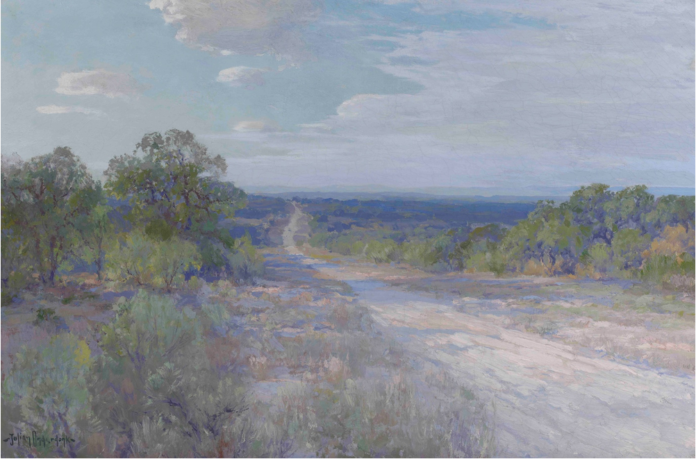
Well, through the creative vision of important painter Julian Onderdonk (1882-1922), the answer is an emphatic “Yes!” He was an American impressionist with supreme talent, and wonderful selections from Onderdonk’s oeuvre are currently on view here.
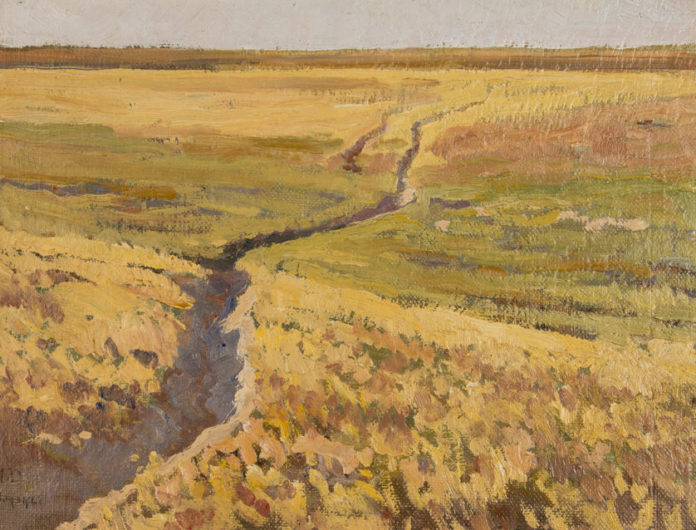
As the San Antonio Museum of Art correctly suggests, every Texan knows that there’s something special about Texas landscapes. This was certainly true for Texas native Julian Onderdonk, who made it his artistic mission to capture the Lone Star State’s majestic beauty over a brilliant but short career.
On view now through April 23, “Julian Onderdonk and the Texan Landscape” at the San Antonio Museum of Art features a carefully curated selection of more than 25 paintings spanning the artist’s entire career. William Rudolph, curator of American Art at the San Antonio Museum, said, “Julian Onderdonk’s work still influences the way visitors revere — and artists paint — the Texas landscape. It is exciting to share these works — many from private collections.”
Continuing, the museum reports, “The San Antonio native and American impressionist is best known for his signature bluebonnets and of the Texas countryside; however, he spent his formative years training in New York under American artist William Merritt Chase (a fine example of Chase’s work is represented in the Museum’s collection, Mrs. Chase and Child, circa 1889). It is only after returning to Texas in 1909, that Onderdonk portrayed the distinctive surroundings of his state at different times of day and became admired by collectors.”
This article was featured in Fine Art Today, a weekly e-newsletter from Fine Art Connoisseur magazine. To start receiving Fine Art Today for free, click here.
There’s still time to catch a viewing of this exhibition featuring a wonderful selection of historic masterpieces from the 16th through 19th centuries. Who and where?
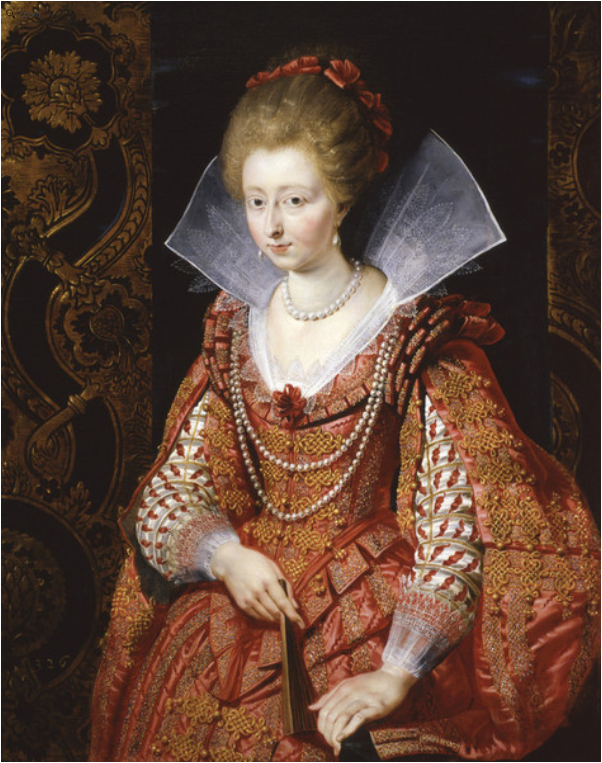
Pittsburgh, Pennsylvania, is a hotspot this spring for a tantalizing exhibition featuring works by some of the greatest artists in history. On view through May 14 at the Frick Pittsburgh, “The Frick Collects: From Rubens to Monet” brings together major acquisitions and gifts in the institution’s permanent collection. Together, the objects tell a fascinating story of the Frick’s evolution and establishment “from Henry Clay Frick’s early purchases, to his daughter Helen’s collecting interests, through to the acquisitions that have been made by the museum in recent years,” as the Frick writes.
As the exhibition’s title suggests, among the artworks on view are brilliant paintings by Peter Paul Rubens, Claude Monet, and Arthur Davis. To learn more, visit The Frick Pittsburgh.
This article was featured in Fine Art Today, a weekly e-newsletter from Fine Art Connoisseur magazine. To start receiving Fine Art Today for free, click here.
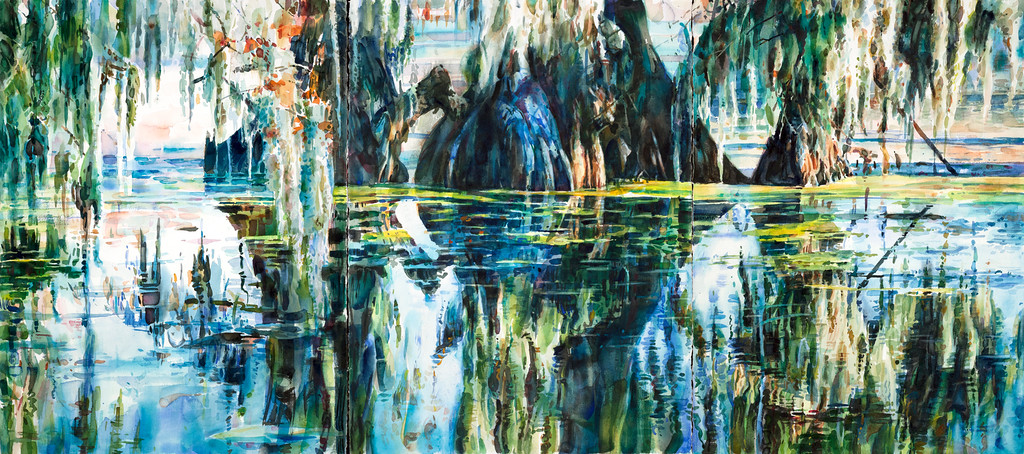
Artists Showplace in Dallas, Texas, is overjoyed to currently be hosting an exhibition of large-scale watercolor works by an accomplished Chinese master. You won’t believe how beautiful they are.
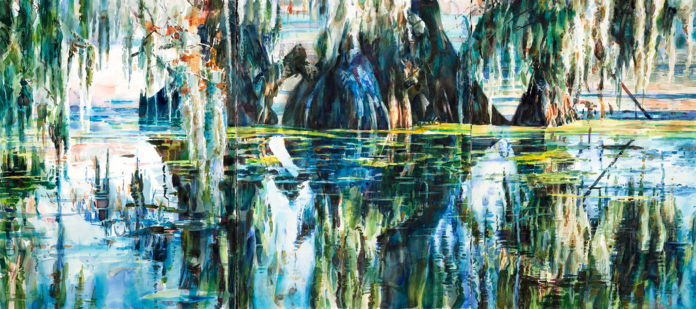
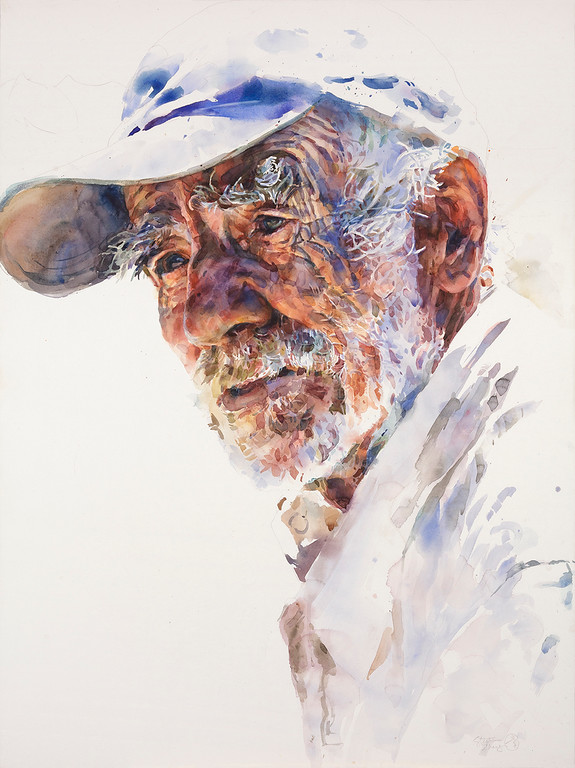
Watercolor is a painting medium that seems perfectly designed for capturing fleeting moments or impressions. Whether an old man caught in a moment or the drifting reflections of light on water, Chinese master Stephen Zhang seems to capture it all during his latest solo exhibition in Dallas this month.
On view now through March 4, “Flow” presents a number of Zhang’s large-scale watercolors with a diverse range of subjects. Zhang grew up in China, and his style and creative process are very much influenced by traditional Eastern watercolor. Even so, the artist’s works are also informed by contemporary arts. Via the gallery, “In his large-scale watercolors, artist and creative director Stephen Zhang freezes fleeting moments: an old man caught in the moment or intriguing light deep in the forest. On the subtle level, Zhang hints at the grave concern that the current state of nature may change permanently, and he builds the portraits with layers of stories and emotions.”
This article was featured in Fine Art Today, a weekly e-newsletter from Fine Art Connoisseur magazine. To start receiving Fine Art Today for free, click here.
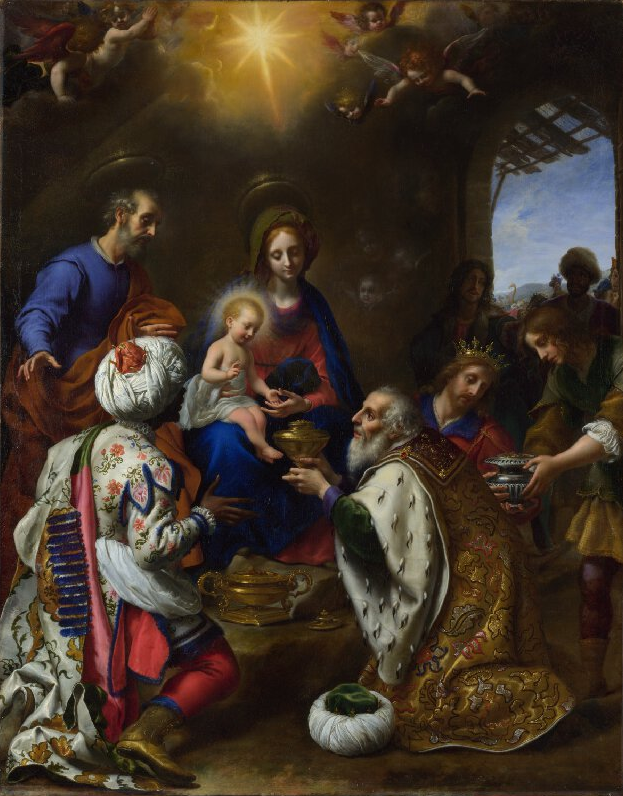
Carlo Dolci, “Adoration of the Kings,” circa 1649, oil on canvas, 117 x 92 cm. (c) National Gallery, London 2017
Florence is known as the Italian city that served as the center of the cultural rebirth called the Renaissance. However, even into the 17th century, the city continued to produce a number of important painters, one of whom is the subject of this exhibition. Who, when, and where?
You’d be hard-pressed to find someone — even among art historians — who’s heard the name Carlo Dolci (1616-1687). Perhaps this is because the times in which he worked, the mid-17th century, which was long after the period that had made Italy the center of the artistic world. Indeed, although Dolci was 17th-century Florence’s most important painter, it was the northern masters such as Vermeer, Rembrandt, Rubens, and others who had taken the reins as Europe’s preeminent painters.
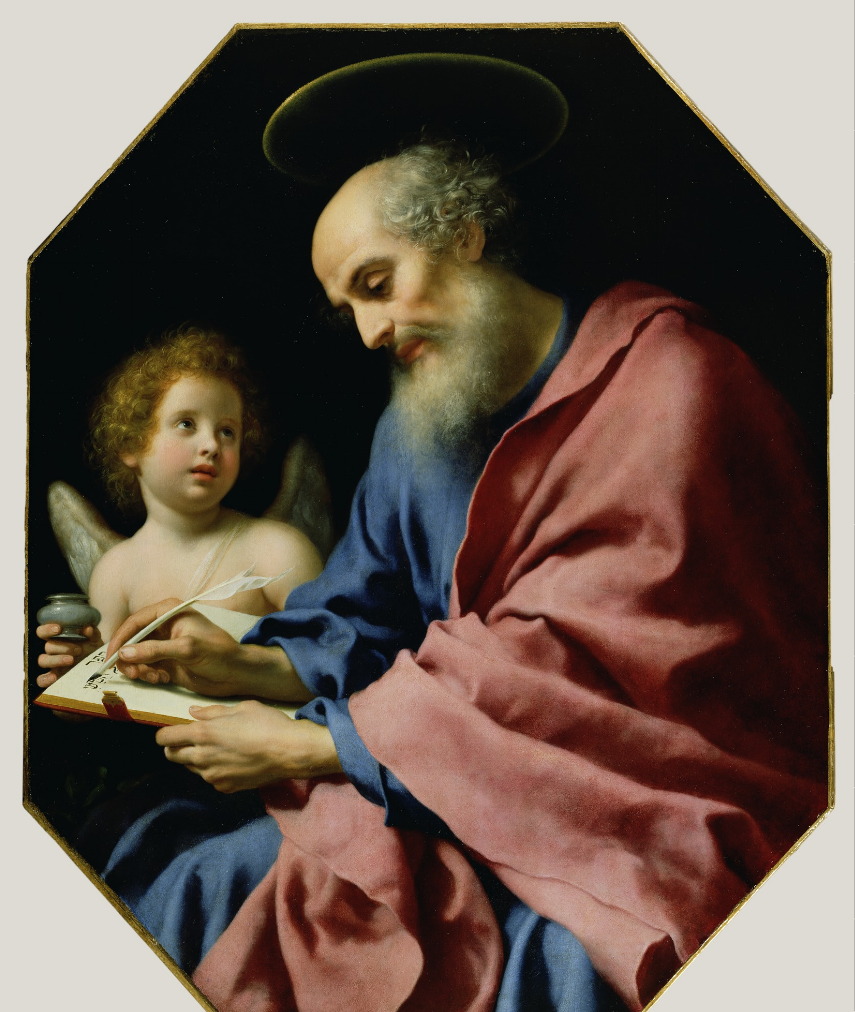
Carlo Dolci, “Saint Matthew Writing His Gospel,” circa 1670, oil on canvas, 52-5/8 x 44-3/4 in. (c) J. Paul Getty Museum 2017
Despite Dolci’s historical obscurity, the life and art of this painter deserve attention, which is what’s happening at the Davis Museum on the campus of Wellesley College in Massachusetts. Opening on February 10 and running through July 9, “The Medici’s Painter: Carlo Dolci and 17th-century Florence” is the first exhibition in America devoted to the painter, and includes over 50 autograph works on loans from several of the world’s major museums and private collections. The exhibition is curated by Eve Straussman-Pflanzer, head of the European art department at the Detroit Institute of Arts, who says, “The exhibition will consider Dolci’s art in depth as well as consider art as a critical diplomatic, political, and cultural tool from the early modern period to the present. It provides the first opportunity in the United States to study the life and oeuvre of the most important artist in 17th-century Florence.”
The museum adds, “Best known for his half-length and single-figure devotional pictures, Dolci was also a gifted painter of altarpieces and portraits as well as a highly accomplished draughtsman. He created his first works of art in the mid-1620s, after entering the studio of the Florentine painter Jacopo Vignali (1592–1664) in 1625. Among his first patrons were members of the Medici family and foreign nobility, who immediately recognized his reverence for detail, brilliant palette, and seemingly enameled surfaces.
Carlo Dolci, “Adoration of the Kings,” circa 1649, oil on canvas, 117 x 92 cm. (c) National Gallery, London 2017
“This exhibition moves beyond the notion of Dolci as a sentimental painter or an exclusively devotional one, and returns to an appreciation of the aesthetic merits, naturalistic underpinnings, and cultural context of the artist’s work. Exhibiting Dolci’s oeuvre chronologically with attention to autograph works by the artist, the exhibition will exceed longstanding prejudices by presenting the artist’s exquisite surfaces and breathtaking palette alongside preparatory drawings. Such juxtaposition will reveal the sheer technical virtuosity of the artist as well as the naturalistic vein that forms the foundation of his entire legacy.”
This article was featured in Fine Art Today, a weekly e-newsletter from Fine Art Connoisseur magazine. To start receiving Fine Art Today for free, click here.
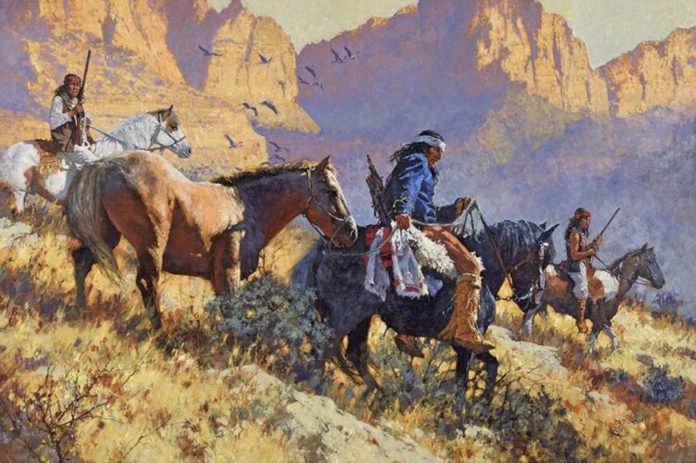
“In the last few years I have been painting a larger percentage of Native American works, and Apache Land is a recent example. It was created for a live auction in Great Falls, Montana, at the C. M. Russell Museum that takes place in mid-March.
I wanted to highlight a couple of things about the Apache way of life that had existed for centuries before it disappeared in the late 19th century. They had become a serious horse culture by this time, and they were the masters of the mountainous and rugged country of the southwest. The dramatic beauty of this incredible landscape frames in the painting, and I added a flock of sand cranes to give a further sense of space and action. As the central figure leads a horse through the brush on a rocky hillside, his US Cavalry jacket gives us a clue about the challenges Apaches faced in the rapidly changing 1800’s.
We see here a visual device that I never tire of using, that being a strong light source that creates cool shadows and warm golden highlights…I also have posed the horses and figures in a design that creates tension and a feeling of action as they move down the rocky slope. All of these elements come together that for me describe the character and the land of the Apache.”
Stephanie Revennaugh is an artist with a life-long passion for the horse. She expresses her creative drive and fascination with the animal by modeling the equine form in clay with her hands and simple tools. It is then transformed into bronze through the alchemy of casting and patina.
Originally from Ohio and raised in Costa Rica and Bolivia, Revennaugh’s artistic and equestrian pursuits have found her living in Kentucky, Colorado, Montana and France. Currently, she splits time between Montana and Arizona.
Revennaugh is the recipient of the 2017 National Sculpture Society’s Marilyn Newmarket Memorial Grant. Her work has been shown at numerous art and equine events including the National Sculpture Society Annual Exhibition, the Sporting Art Auction at Keeneland Racetrack and Longines Master Los Angeles. She won the Ex Arte Equinus VI Portfolio Award in March 2015, received Best New Artist award at DCW Museum’s Cowgirl Up!
Stephanie’s work can be seen at the Celebration of Fine Art in Scottsdale, AZ January 14 – March 26, 2017. The Celebration of Fine Art is a unique art experience which gives visitors the opportunity to watch 100 artists in their working studio under one roof. Open daily from 10 am – 6 pm. Visitors enjoy strolling through the 100 artist studios under the 40,000 square foot exhibit tent. Artists are on-site creating, allowing for the visitor to watch them at work, discover what inspires them and the techniques used to create the works of art. Come to Scottsdale to see more of Stephanie’s works in person and discover the stories behind each unique work of art.
Fill your mind with useful art stories, the latest trends, upcoming art shows, top artists, and more. Subscribe to Fine Art Today, from the publishers of Fine Art Connoisseur magazine.