
Home Blog Page 380

Illuminating Untold Stories

0
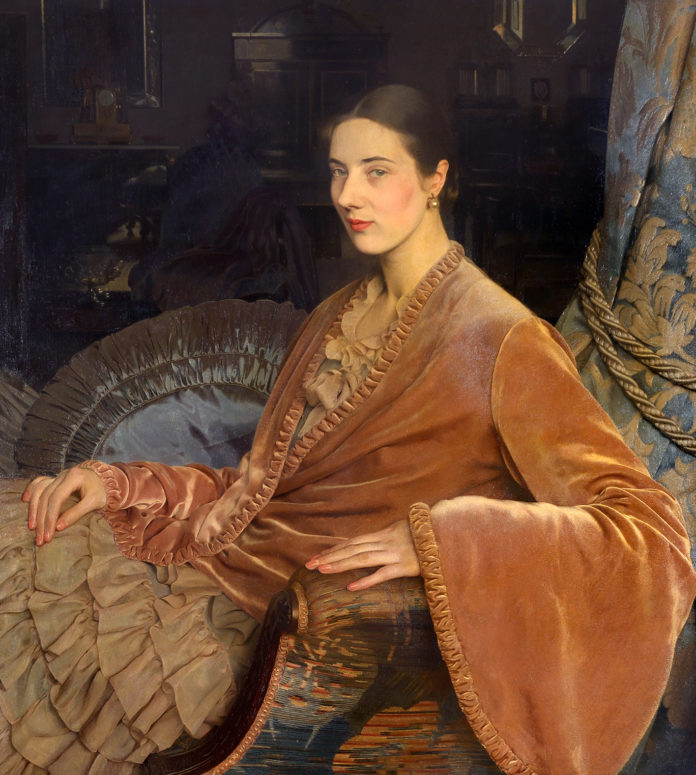
Alan Beeton (1880-1942), “Marguerite Kelsey,” c. 1936. Oil on canvas. Private collection.

Part of the allure of art museums and galleries is their mission to give the public access to cultural heritage and the beautiful creative products that come from bygone eras and individuals. However, there remains an entire world of private collecting, which – together – could easily rival any public institution. A unique opportunity to see works from the private collections of many distinguished figures is almost here. Where?

Paintings and watercolors from the private collections of many of the art world’s most distinguished individuals will soon grace the walls of Watts Gallery in Guildford, United Kingdom. However, the exhibition will bring particular focus to Victorian and early 20th century artworks which have rarely – if at all – be exhibited to the public.
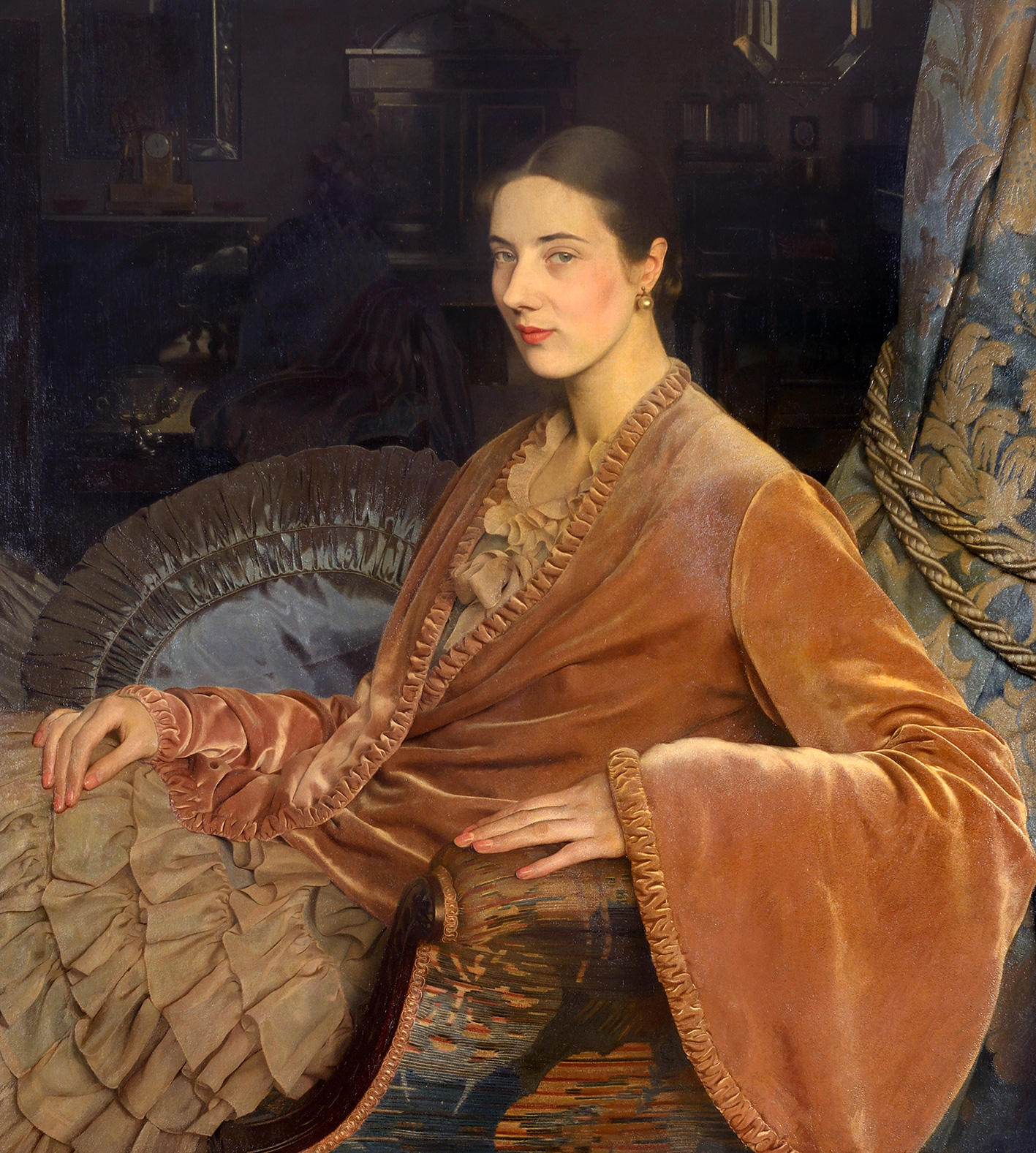
Alan Beeton (1880-1942), “Marguerite Kelsey,” c. 1936. Oil on canvas. Private collection.

“Untold Stories: British Art from Private Collections” opens on November 22 and includes a number of stunning works by greats such as Dante Gabriel Rossetti, John Singer Sargent, Edward Burne-Jones, J.W. Waterhouse, and William Holman Hunt. Among representations by these seminal figures are works by lesser-known artists among the public, including Frederic Sandys and Thomas Cooper Gotch.
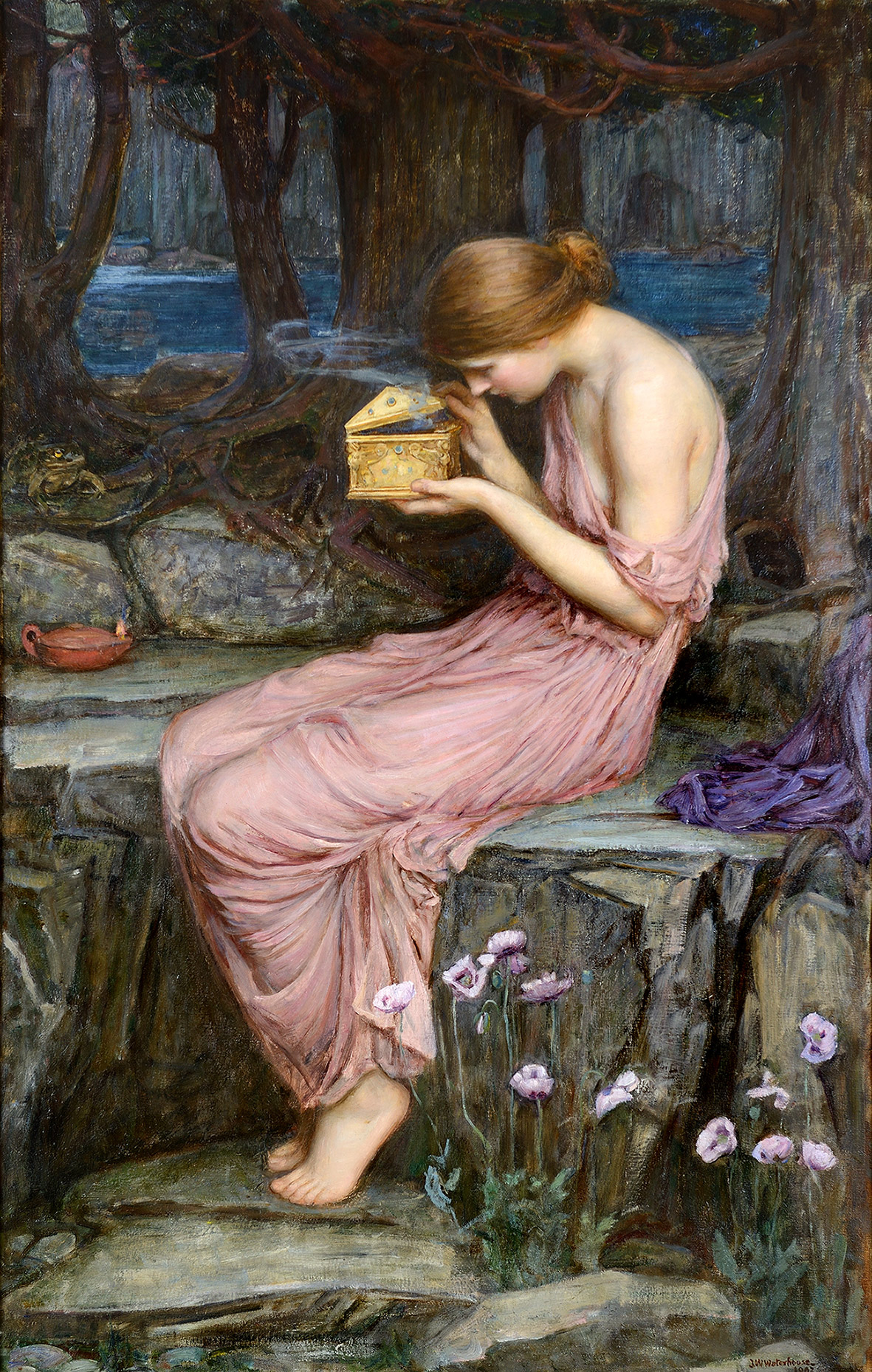
John William Waterhouse (1849-1917), “Psyche Opening the Golden Box,” 1903. Oil on canvas. Private collection.

Via the gallery, “The stories that connect the artworks to their owners will be told in the exhibition. The collectors explain what attracted them to the works, and how their understanding and appreciation of their pictures has grown as they have lived with them.
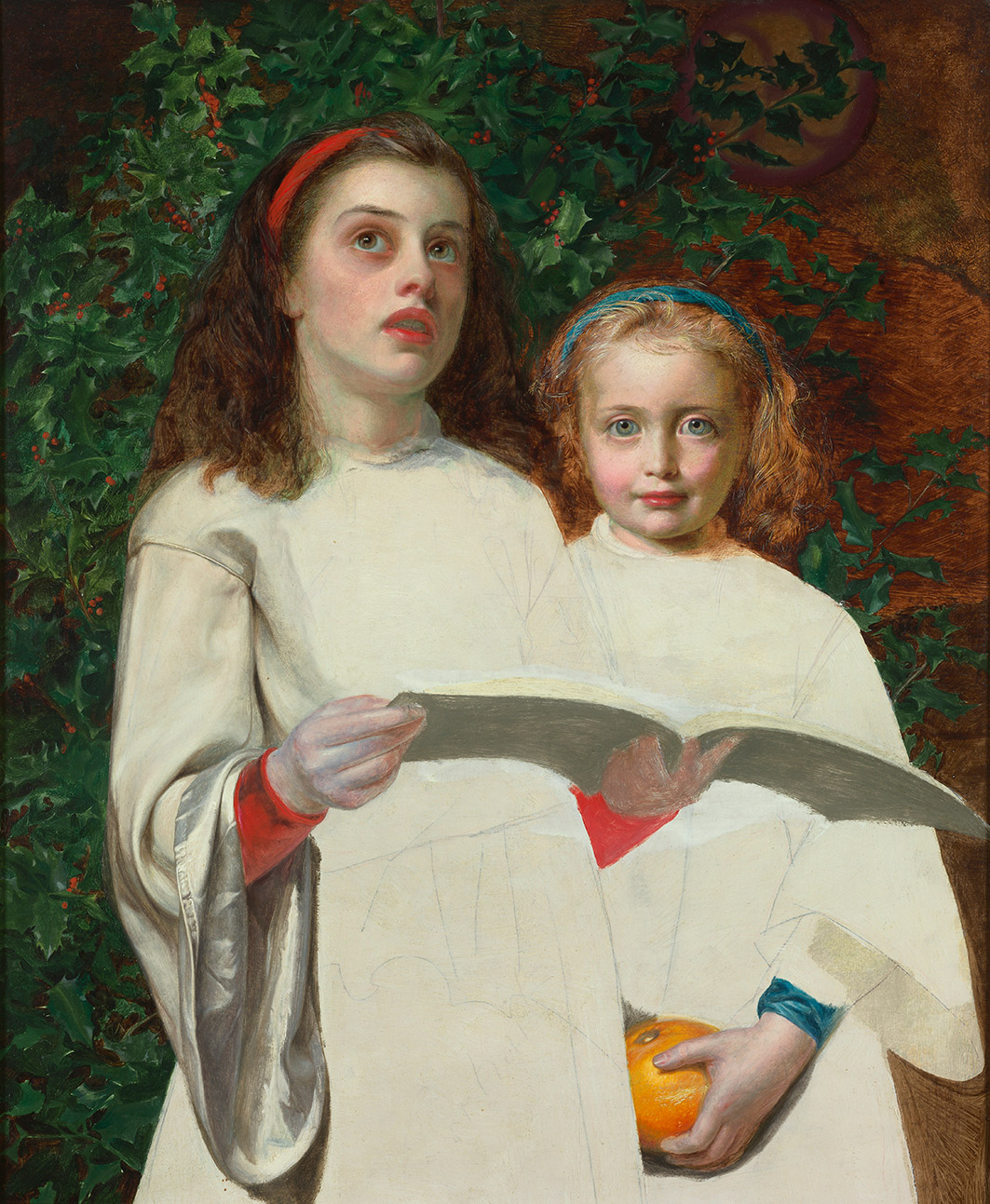
Frederick Sandys (1829-1904), “At Vespers,” c. 1861-2. Oil on panel. Private collection.

“A magnificent Art Deco portrait by Alan Beeton, for example, was ‘bought on a whim’ because its owner simply admired the beauty of the model. He subsequently discovered that the sitter was Marguerite Kelsey, a celebrated artists’ model of the 1920s and 30s, and soon afterwards an opportunity arose for the collector to meet the subject of his cherished painting. A firm friendship followed.

Alfred Edward Emslie (1848-1918), “Bending Sail After a Gale,” 1881. Oil on canvas. Private collection.

“The ability of artworks to connect people emerges as a central reason to collect. Walter Crane’s exquisite landscape with the huntress Diana is a beautiful artwork in its own right. But its owner cherishes it all the more because it previously belonged to three well-known collectors and dealers who pioneered the rediscovery of Victorian art during the 20th century.”

John Calcott Horsley (1817-1913), “Showing a Preference,” 1860. Oil on canvas. Private collection.

“Untold Stories: British Art from Private Collections” remains on view through February 19. To learn more, visit Watts Galley.

This article was featured in Fine Art Today, a weekly e-newsletter from Fine Art Connoisseur magazine. To start receiving Fine Art Today for free, click here.
Who Says Masterpieces Have to Be Large?

1
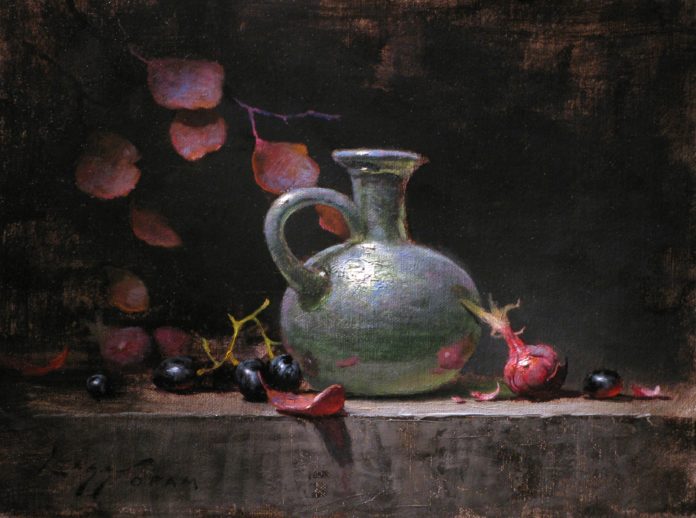
Jeff Legg, “Bottle with Onions and Grapes,” 2016, oil, 9 x 12 in. (c) Evergreen Fine Art 2016

It’s that time of year when some of the nation’s top galleries mount stunning exhibitions in which the skill is large but the format is small. Check out these miniature masterpieces from Evergreen Fine Art in Colorado.

A world of small beauties making big impacts will soon be on view at Evergreen Fine Art in Evergreen, Colorado. Opening on November 19 is the gallery’s annual Miniature Masterpieces show, which features many of the nation’s top painters and sculptors working today. As the gallery correctly suggested, “Miniature Masterpices offers a rare opportunity to marvel at the patience, concentration and immense skill needed to render a universe of beauty in less than 120 square inches.”

Stacey Peterson, “Winter Light,” 2016, oil, 8 x 10 in. (c) Evergreen Fine Art 2016
Karen Roehl, “Colorful Dreamer,” 2016, oil, 10 x 8 in. (c) Evergreen Fine Art 2016

Coming into it’s seventh showing, the exhibition is also a fantastic opportunity for beginning collectors. Gallery Director Doug Kacena agrees, saying “It’s perfect for entry-level collectors who are just beginning to build their collections, and it’s a good opportunity for more established collectors to fill in the gaps in their collections. There’ll be several pieces by each artist, and one of the fun things about the show is that the themes and subjects are all over the board.” Indeed, among the subjects explored are all traditional cogs, including portraiture, still life, wildlife, landscape, and narrative.

Pem Dunn, “Top of the World,” 2016, oil, 8 x 15 in. (c) Evergreen Fine Art 2016
Jeff Legg, “Bottle with Onions and Grapes,” 2016, oil, 9 x 12 in. (c) Evergreen Fine Art 2016

Among many other notable names, artists included in the show are Walt Gonske, Robert Spooner, Pem Dunn, Dave Santillanes, Susiehyer, Keith Bond, Kevin Weckbach, Mai Wyn Schantz, and Kelli Folson.

Miniature Masterpieces 2016 opens on November 19 and will run through December 7. To learn more, visit Evergreen Fine Art.

This article was featured in Fine Art Today, a weekly e-newsletter from Fine Art Connoisseur magazine. To start receiving Fine Art Today for free, click here.

It’s Not Caravaggio

0
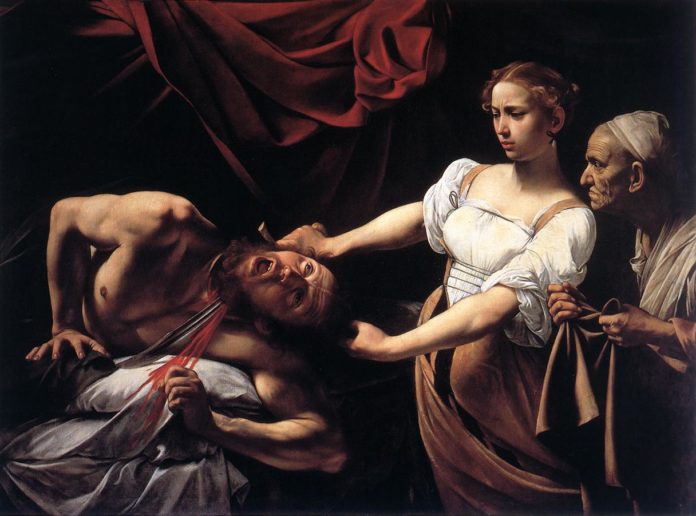
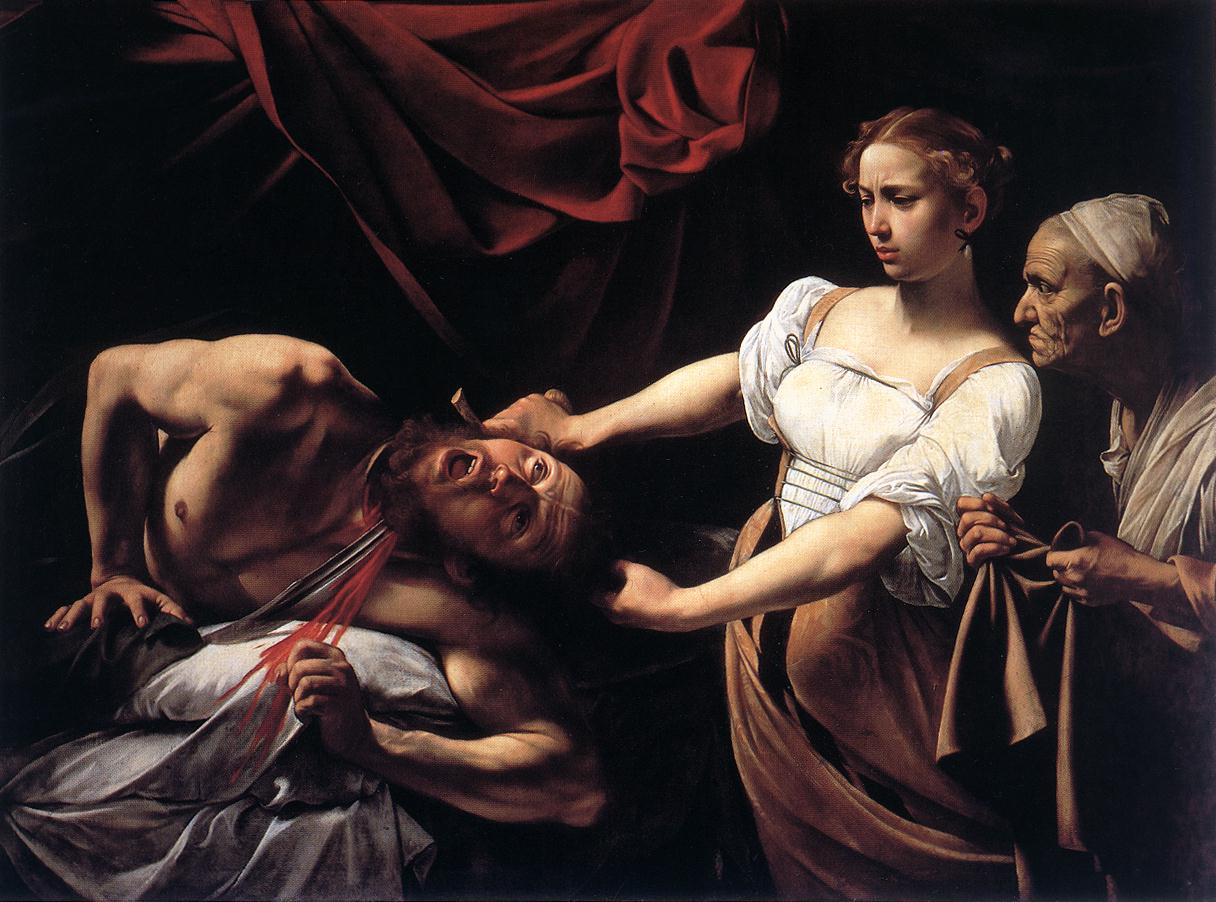
Michelangelo Merisi da Caravaggio, “Judith Beheading Holofernes,” circa 1599, oil on canvas, 57 x 77 in. (c) Galleria Nazionale d’Arte Antica, Rome 2016

Milan’s Brera Museum of Painting is currently at the center of a vexing debate surrounding the authenticity of a 400-year-old painting discovered in a French attic in 2014. Although the museum has stated it does not wish to take part in the debate, its display of the work might suggest otherwise.

As we — and countless scholars — have discussed, Michelangelo Merisi da Caravaggio (1571-1610) is perhaps one of the most contested, researched, and fascinating artists to have ever lived. Although most of his fame may be attributable to his unforgettable pictures, his controversial biography — one that surrounds his violent murder of a man and subsequent flight from Rome — deserves a healthy dose of credit as well.

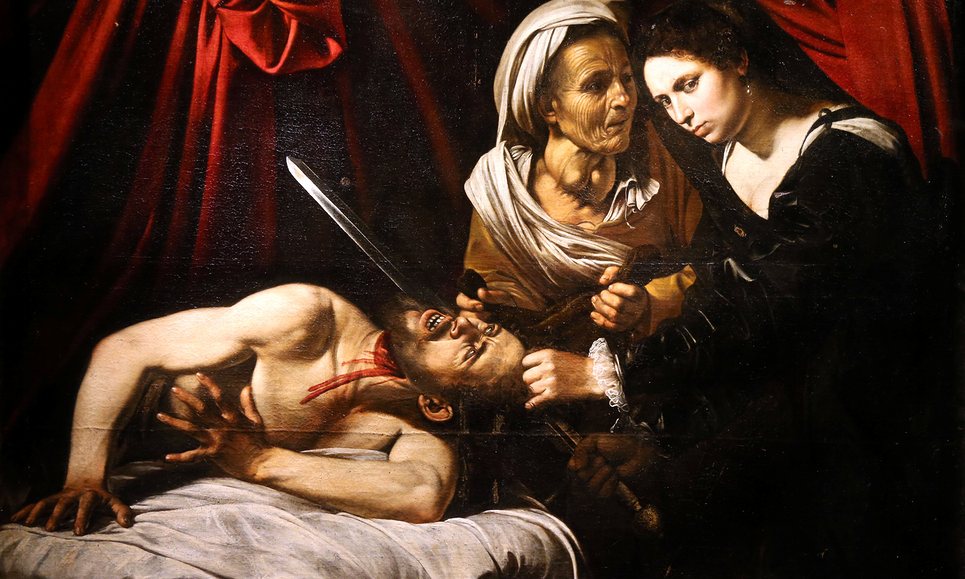
Louis Finson, “Judith Beheading Holofernes,” circa 1605-1610, oil on canvas
Louis Finson?, “Judith Beheading Holofernes,” circa 1605-1610, oil on canvas

The name Caravaggio is making waves across the art world this fall and forcing many of the artist’s most accomplished scholars to choose sides — par for the course. In 2014, a couple living in a home near the southwestern city of Toulouse, France, were investigating a leaky ceiling when they stumbled across a lovely 400-year-old tableau that some specialists argue is an authentic work by the Baroque master. If true, the value of the painting could easily exceed $200 million.

Michelangelo Merisi da Caravaggio, “Judith Beheading Holofernes,” circa 1599, oil on canvas, 57 x 77 in. (c) Galleria Nazionale d’Arte Antica, Rome 2016

The painting displays a familiar scene, namely because there survives an example of the same subject that has earned universal acceptance as an authentic Caravaggio, housed today in the Galleria Nazionale d’Arte Antica. The Biblical scene — which displays the dramatic moment when a Jewish girl, Judith, beheads the Assyrian general Holofernes — was popular among artists and patrons, and many examples survive.

A comparison of the canvas in question and the authenticated work by Caravaggio reveal striking similarities — they are nearly identical, in fact. Executed with strong tenebrist light, a black background, and blood-red sheets dramatically draped above, the piece is undeniably in the style of Caravaggio. Eric Turquin believes every element of the piece aligns with the Baroque master, including “the light, the energy typical of Caravaggio, without mistakes, done with a sure hand and a pictorial style that makes it authentic.”

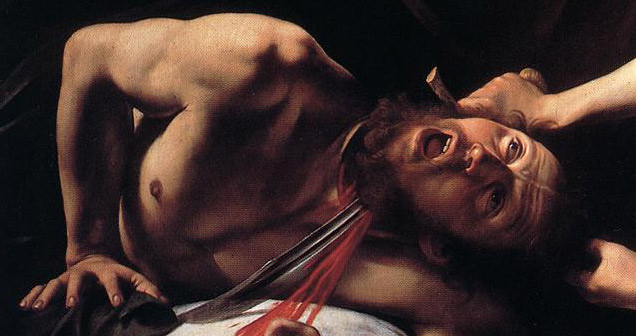
Michelangelo Merisi da Caravaggio, “Judith Beheading Holofernes (detail),” circa 1599, oil on canvas, 57 x 77 in. (c) Galleria Nazionale d’Arte Antica, Rome 2016
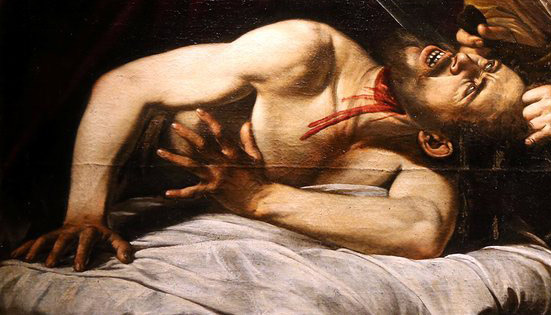
Louis Finson?, “Judith Beheading Holofernes (detail),” circa 1605-1610, oil on canvas

It is well-documented that after Caravaggio’s life and career, his revolutionary works inspired generations of followers who delighted in the opportunity to copy and learn from them. It is the opinion of this author that the recently discovered work does not appear to be executed with the same level of naturalism or skill. In particular, the contorted body of Holofernes is awkwardly placed in the composition and the lack of foreshortening in his right arm seems oddly erroneous. Further, the number of Caravaggio followers would allow the possibility for period copies to survive.

Some scholars agree, and the name of Flemish painter Louis Finson (1580-1617) has surfaced as a potential candidate. Finson was born in Bruges but spent most of his life and career in Provence. Enjoying much renown during his life, he’s credited with having become the first Flemish Caravaggisti — or follower of Caravaggio. In particular, the figure of Holofernes in the debated picture displays a few anatomical consistencies with Finson, including the rather pale tone of the skin and slightly elongated form. Further, the painting having been found in France might also add some degree of support, albeit more weakly.

The painting is currently being shown juxtaposed with authentic works by Caravaggio through February 5 at Milan’s Brera Museum of Painting. The display hedges on the identification of the picture, adding an asterisk and noting its attribution to Caravaggio. Whatever side of the fence you fall, we cannot forget the excitement and celebration of this discovery, irrespective of its creator. Even so, some in the art word who believe in the painting’s authenticity might be exhibiting some wishful thinking.

To learn more, visit the Brera Museum of Painting.

This article was featured in Fine Art Today, a weekly e-newsletter from Fine Art Connoisseur magazine. To start receiving Fine Art Today for free, click here.
A New Atelier

0
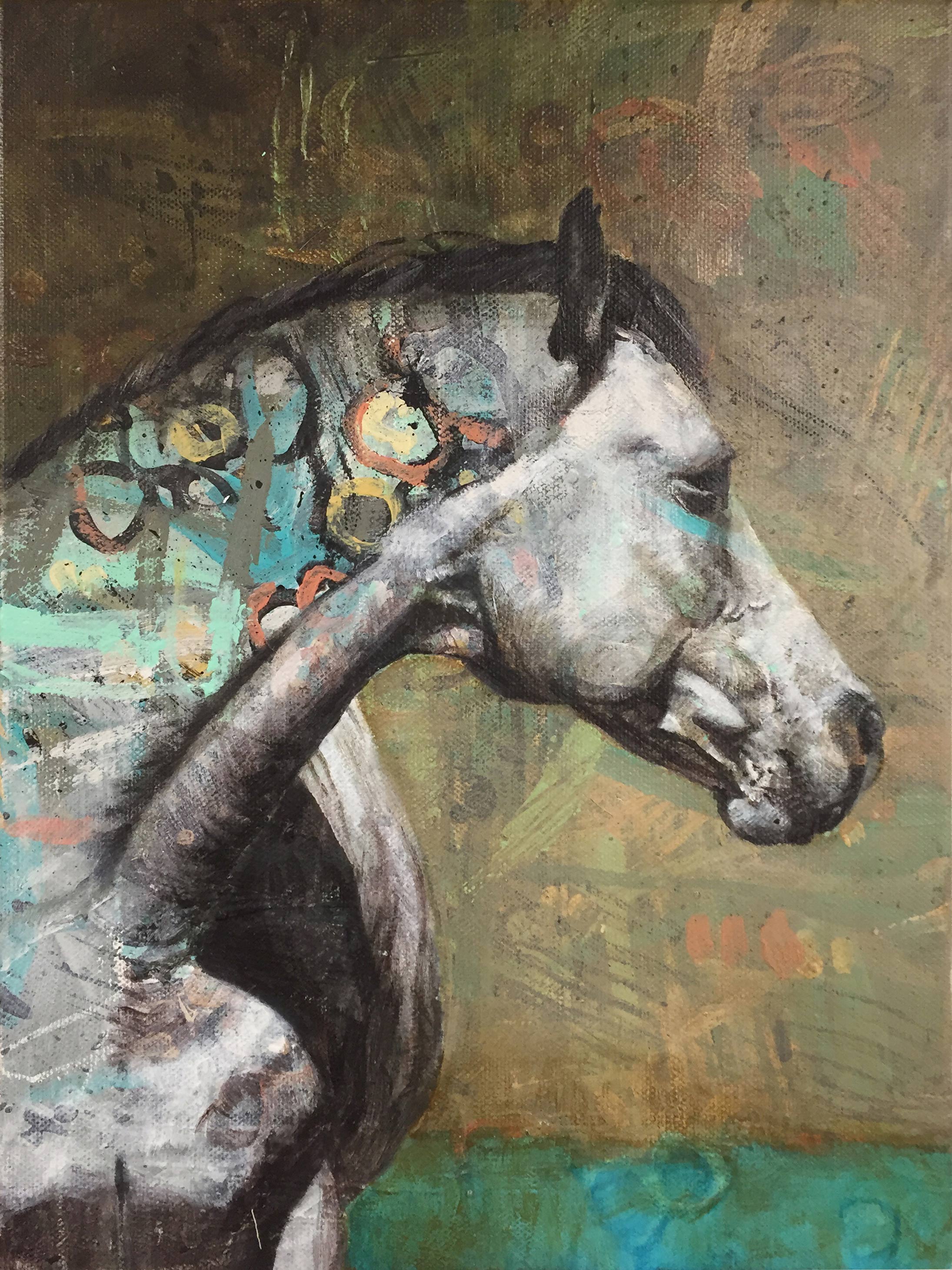
Image (c) Willow Avenue Atelier 2016

We here at Fine Art Connoisseur love seeing traditional ateliers achieve success and grow in popularity. Even better is the establishment of a new program, this time in the Bronx!

Willow Avenue in the Bronx, New York, will soon boast the latest traditional atelier program in the historic “Paper Clip” building. Located at 728 E 136th Street, the Willow Avenue Atelier will host an invite-only opening celebration on Thursday, December 8.

Stay tuned for more information!

This article was featured in Fine Art Today, a weekly e-newsletter from Fine Art Connoisseur magazine. To start receiving Fine Art Today for free, click here.

Remarkable Artist Earns Numerous Honors

0

Artist Jesse Lane of RJD Gallery has been adding a number of feathers to his cap during 2016. For collectors interested in a quickly ascending star in the art world, Lane is one surely to watch.

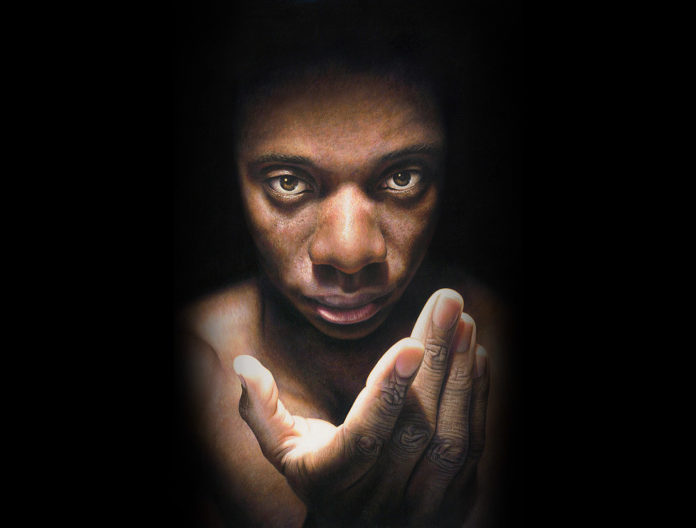
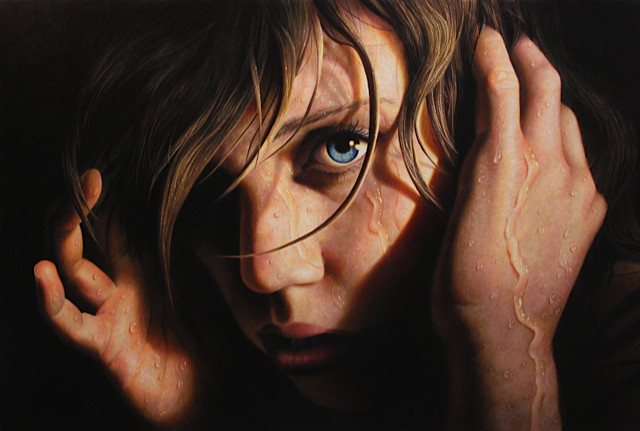
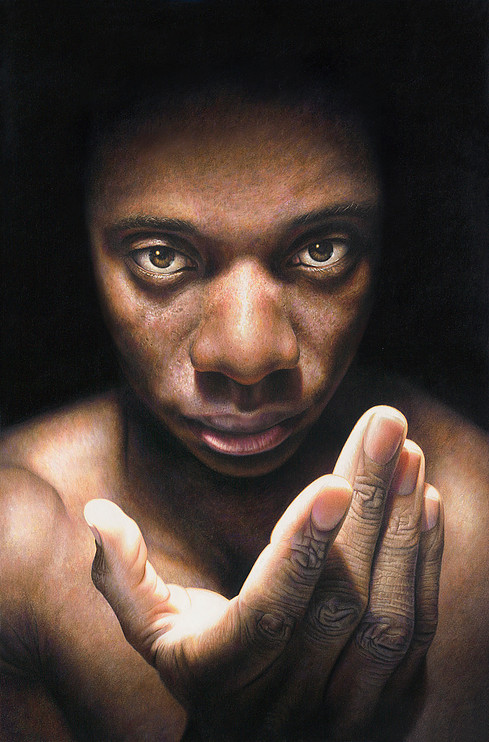
Although the pictures by ascending artist Jesse Lane make a striking impression upon viewers at first glance, this perception is only intensified when realizing their medium: colored pencil. Indeed, some of the best artworks leave viewers perplexed at how a human hand could create them, and the effect is similar with Lane’s work. Often set against black backgrounds with intense tenebrist light, Lane’s figurative subjects are tightly cropped, forced close to the picture frame, and display dramatic expressions.

Jesse Lane, “Echoes,” 2016, colored pencil on paper, 20 x 30 in. (c) Jesse Lane 2016
Jesse Lane, “Endure,” 2016, colored pencil on paper, 19 x 29 in. (c) Jesse Lane 2016
Jesse Lane, “Manifest,” 2016, colored pencil on paper, 30 x 20 in. (c) Jesse Lane 2016

Currently, Lane has his work on view at RJD Gallery in Sag Harbor, New York, through December 15, but his current solo show is just one exciting occurrence for the artist in 2016. Most recently, Lane was awarded the Grand Prize from International Artist Magazine, and he will be recognized with a four-page spread in American Art Collector Magazine. Further, Lane won first prize in the juried exhibition by the National Society of Artists. Finally, he earned Best of Show in the Salmagundi Club non-member competition and was published on the cover of Colored Pencil Magazine.

To learn more, visit RJD Gallery.

This article was featured in Fine Art Today, a weekly e-newsletter from Fine Art Connoisseur magazine. To start receiving Fine Art Today for free, click here.

New Beginnings with William Oberst

3
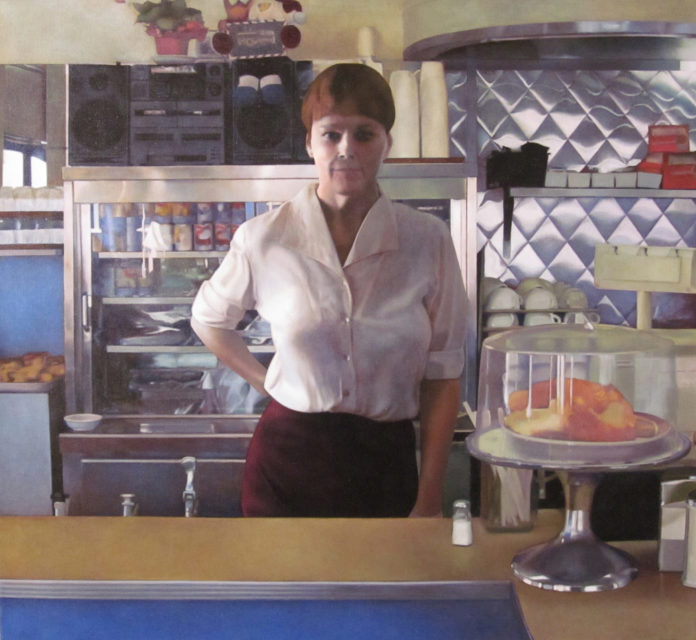
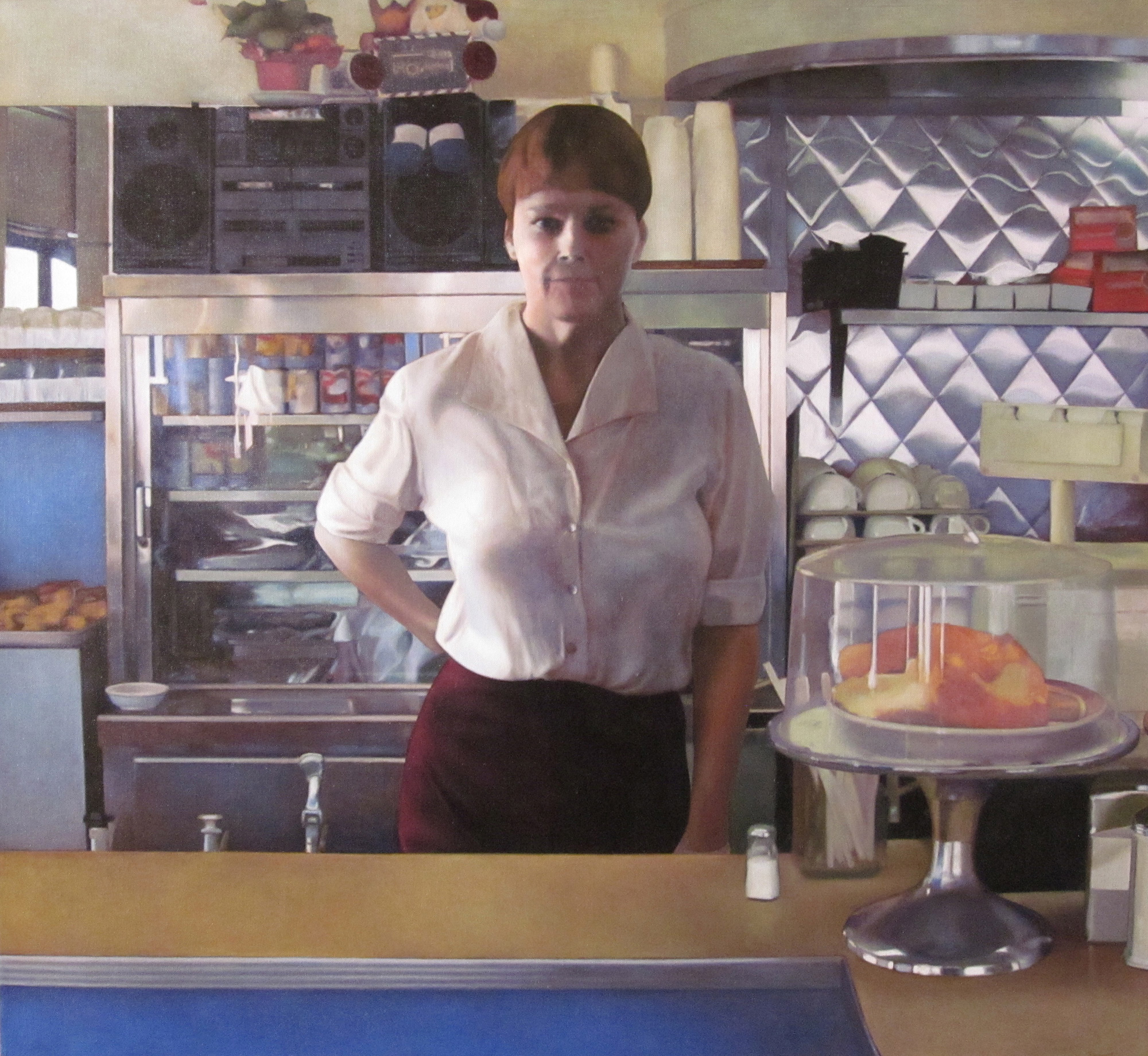
William Oberst, “Diner Waitress,” 2016, oil on linen, 48 x 50 in. (c) From Russia With Art Gallery 2016

Contemporary realist William Oberst will showcase several of his newest pictures this fall in Cambridge, Massachusetts. Take a glimpse of life and relationships through his unique artistic vision here.

Using soft contours and vivid color, and paying homage to art history are the works of William Oberst during his latest solo exhibition at From Russia With Art Gallery in Cambridge, Massachusetts. Presenting his subjects in everyday settings, Oberst plays will deep contemporary symbolism is works that are visually breathtaking. “My oil paintings are glimpses of life and relationships,” Oberst writes. “They entered my consciousness the way they entered yours — isolated moments resonating with a meaning that’s just out of reach. I regard them as images of the twenty-first century that will speak to future generations. I build the images from layers of translucent and excavated paint, a technique borrowed from the old masters. That’s very different from the immediacy of watercolors, where my subject is natural landscapes, something I find endlessly fascinating. Each medium has its place. Life is both enigmatic and beautiful.”

William Oberst, “Diner Waitress,” 2016, oil on linen, 48 x 50 in. (c) From Russia With Art Gallery 2016

A special event will also be hosted at the gallery on December 3. From 4:30 to 6 p.m., the gallery will present a provocative 20-minute film by Oberst titled “The Painter’s Vision.” Following the film, Oberst will lead a discussion with participants intended to explore the deep connection between how painters and audiences see art.

To learn more, visit From Russian With Art Gallery.

This article was featured in Fine Art Today, a weekly e-newsletter from Fine Art Connoisseur magazine. To start receiving Fine Art Today for free, click here.
This Spotlight Exhibition Coming Soon to Boston

0
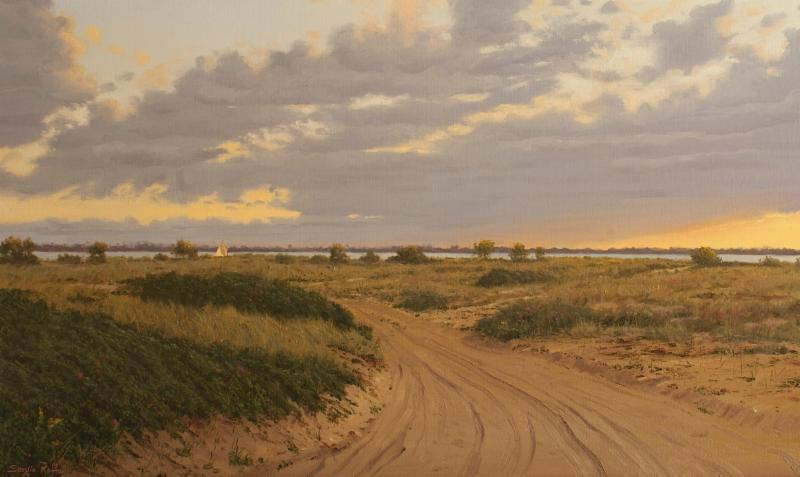
Sergio Roffo, “Sunset on the Moors,” 2016, oil on linen, 18 x 30 in. (c) The Guild of Boston Artists 2016

Inspired by the work of American traditional painters such as George Inness and Albert Bierstadt, Sergio Roffo is an accomplished painter internationally known for his stunning landscapes that evoke moods of calm and serenity.

The luminous works of renowned painter Sergio Roffo will soon grace the walls of the Guild of Boston Artists. In an exhibition opening December 5 and on view through December 24, Roffo will showcase a number of brilliant new pictures that collectors are sure to gobble up quickly. The artist is known for his stunning views of New England, and viewers will encounter more of the same beauty during this solo exhibition.

Sergio Roffo, “Sunset on the Moors,” 2016, oil on linen, 18 x 30 in. (c) The Guild of Boston Artists 2016

Speaking of his artistic goals, Roffo suggests, “My mission is trying to convey to the viewer the spirituality and sacredness of my work, indicating the harmony of nature through color and light. As artists, our creative goals will never be accomplished. We will always be students of nature, because nature does it so beautifully. We live each day passionately, others only dream of!”

For those who cannot make the exhibition opening, another tantalizing opportunity awaits. On December 17, the artist will be on hand at the gallery and will begin a demonstration at 2 p.m. To learn more, visit The Guild of Boston Artists.

This article was featured in Fine Art Today, a weekly e-newsletter from Fine Art Connoisseur magazine. To start receiving Fine Art Today for free, click here.
A Great Gesture from a Great Sculptor

0
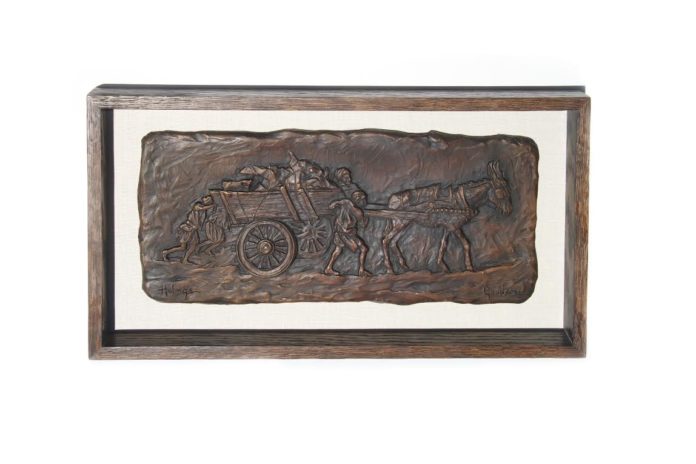
Glenna Goodacre, “Helping to Push,” 2016, bronze bas-relief, (c) The Clark Hulings Fund 2016

The Clark Hulings Fund for Visual Artists (CHF) recently announced a unique artistic and philanthropic collaboration with master sculptor Glenna Goodacre. Collectors and major donors should look at this opportunity. What is it? Find out here!

What a way to head into retirement. In collaboration with the Clark Hulings Fund for Visual Artists (CHF), master sculptor Glenna Goodacre — a longtime friend of the late Clark Hulings — will produce a series of bas-relief sculptures inspired by the iconic Hulings drawing “Helping to Push.” However, the story doesn’t stop here. The CHF will then produce a limited edition of 25 bronzes, and will gift them as a thank you to major donors to the fund.

According to the non-profit organization, Goodacre’s decision to re-interpret “Helping to Push” was no coincidence. They write, “When Elizabeth and Mary Hulings first founded CHF, this particular piece was the fund’s iconic image because its title and subject captured both the essence of the nonprofit organization — to help artists who are helping themselves — and its namesake’s view on life. ‘My father was always interested in images of people working together, and with their animals,’ said Elizabeth Hulings. ‘He had a great passion for collaborating with peers. He wasn’t a teacher, but he still wanted to help other artists — which is the reason we started CHF.’”

Continuing, the CHF says, “As the CEO of her own corporation, which she established in 1979, Goodacre understands firsthand how important it is for artists to have the knowledge and tools to run economically viable businesses. The internationally renowned sculptor has had a long and illustrious career, creating more than 600 works, of which her most famous are her Vietnam Women’s Memorial in Washington, DC, the massive Irish Memorial in Philadelphia, and the Sacagawea U.S. dollar coin.

“The bas-relief, which carries both artists’ signatures, offers a vibrant interpretation of Hulings’ drawing, capturing the original’s sense of movement. ‘It’s a phenomenal piece she’s created, with great textures and lines that are strongly reminiscent of the drawing, and of my father’s technique with pen and ink,’ said Elizabeth. ‘The quality is extraordinary, which would be surprising, except that it’s Glenna, and we all expect that level of work from her.’

“The framed piece will be offered as a thank you gift on a first-come, first-served basis to those who contribute $15,000 or more to CHF. Donations to the fund are tax deductible, excluding the amount of goods or services received, which in this case will be $5,000. The fund plans to offer only this one limited edition of the work.

“Goodacre’s corporation will be dissolved at the end of this year, and she is no longer creating new work. In advance of her retirement, she is destroying her molds for existing sculptures, and selling or donating tools and artwork from her private collection. One of her most recent gifts was a bronze entitled ‘CEO,’ her homage to female business leaders; the sculpture depicts a businesswoman on the move, and Goodacre’s daughter — Jill Goodacre Connick — served as the model for the piece.”

To learn more, visit The Clark Hulings Fund for Visual Artists.

This article was featured in Fine Art Today, a weekly e-newsletter from Fine Art Connoisseur magazine. To start receiving Fine Art Today for free, click here.
Bombay Sapphire Doles Out Awards

0
Resa Wohlrabe (winner, Austin region), “So You Call Yourself My Competition,” 2016, oil on canvas, (c) The Artisan Series 2016

Although Bombay Sapphire is a company known for producing high-quality gin, it also sponsors an “Artisan Series” in which awards are given to regional and online artists. Who are the recent winners?

A range of deserving artists recently earned honors via Bombay Sapphire’s annual “Artisan Series” — a national art competition in which artists submit work to be reviewed by a panel of judges. Two categories compose the competition, regional and online entries.

Resa Wohlrabe (winner, Austin region), “So You Call Yourself My Competition,” 2016, oil on canvas, (c) The Artisan Series 2016

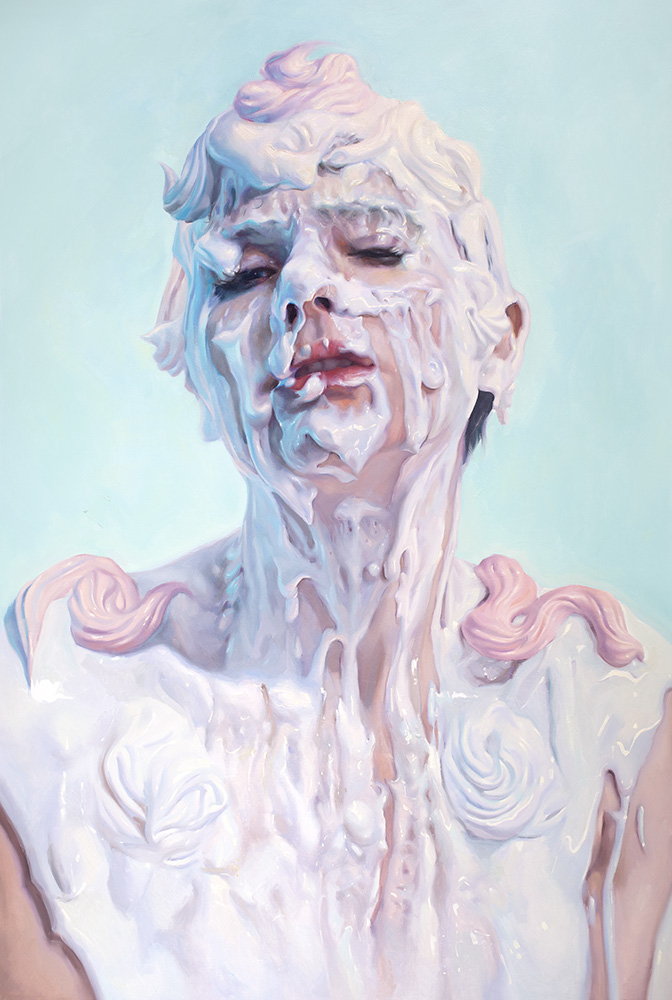
In the regional market competition, a panel of judges review all entries within a regional market territory; regions include, among others, Washington, D.C., Chicago, Vancouver, Santa Barbara, San Antonio, Seattle, Toronto, and New York. 2016 witnessed several talented winners in this section, including Darius Frank from the Philadelphia region, Resa Wohlrabe from the Austin region, and Ivan Alifan from the New York region.

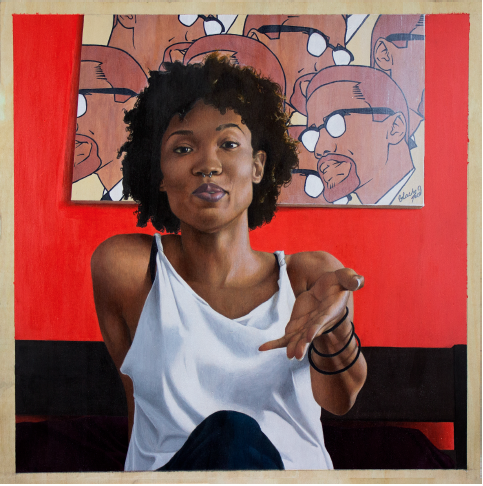
Darius Frank (winner, Philadelphia region), “The Question Asked,” 2016, acrylic on panel, (c) The Artisan Series 2016
Ivan Alifan (winner, New York region), “Cream,” 2016, oil on canvas, (c) The Artisan Series 2016

Artists living outside these large-city regions are entered into an online competition. On December 1, the Grand Prize Winner, First Place Prize Winner, and People’s Choice winner will be announced in Miami at the Artisan Series Finale. Winners of these awards receive a number of lucrative stipends for studio upgrades and solo exhibition endeavors.

To learn more, visit The Artisan Series.

This article was featured in Fine Art Today, a weekly e-newsletter from Fine Art Connoisseur magazine. To start receiving Fine Art Today for free, click here.
Featured Lot: Sir William Orpen, “Sergeant Murphy & Things”

0
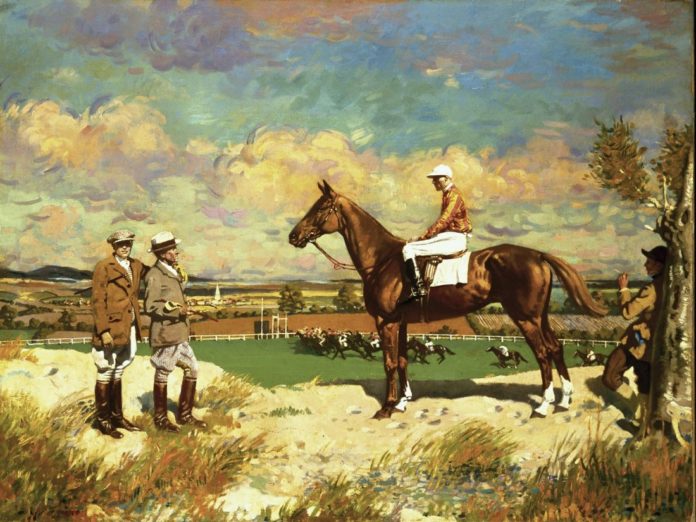
Sir William Orpen, “Sergeant Murphy & Things,” circa 1923, oil on canvas, 29 1/2 x 40 in. (c) The Sporting Art Auction 2016

In this ongoing series for Fine Art Today, we take a longer look at the history and features of a soon-to-be-available artwork of note. This week: Sir William Orpen, “Sergeant Murphy & Things.”

Healthy rivalries are always a good thing. Whether in sports, such as Duke and UNC basketball, or in art, rivalries motivate both parties to become better. As each reaches a new goal or renown, the other is often injected with energy, more ready than ever to top the success of their competitor.

Although Sir Alfred Munnings was widely considered the best sporting artist of the 20th century, right on his heels was his friend and competitor Sir William Orpen (1878-1931). The rivalry between the two artists began in the trenches of World War I, as both were stationed in France as war artists.

Sir William Orpen, “Sergeant Murphy & Things,” circa 1923, oil on canvas, 29 1/2 x 40 in. (c) The Sporting Art Auction 2016

Heading to auction via the Sporting Art Auction in Lexington, Kentucky, is a gorgeous original by Orpen titled “Sergeant Murphy & Things.” According to the auction, this work perhaps represents the conclusion of Orpen’s and Munnings’ rivalry — and “quite impressively Orpen’s first attempt at a horse portrait.” Gracefully perched atop a sandy hilltop are two men on foot and a rider on a horse. Set against clouds rendered in a rainbow spectrum, a fenced grassy field is seen in the background, with a polo round in progress.

Despite being the artist’s first attempt at a horse portrait, the magnificent animal is rendered with precision and an acute sense of texture. “It is often said that this work was an endeavor to prove that Orpen could paint a horse portrait that would rival those of Munnings,” the auction writes. “Orpen, after all, was one of the most fashionable portrait painters — a ‘prodigy from Dublin’ who had taken London society by storm.”

First exhibited in 1924 at the Royal Academy, “Sergeant Murphy & Things” was actually hung next to a Munnings during the show. Continuing, the auction reports, “Many elements within Orpen’s painting of Sergeant Murphy are, in fact, borrowed motifs from Munnings’ oeuvre. The oak tree is a notable example as several of Munnings’ patrons went so far as to request oak trees in their commissioned paintings. Chris Pearson, a scholar of Orpen, even suggests that the man leaning against the oak tree in ‘Sergeant Murphy & Things’ is Munnings himself — a tongue-in-cheek nod to Munnings’ reputation as the top horse painter of the day.”

“Sergeant Murphy & Things” is available via the Sporting Art Auction on November 21. Estimates are between $350,000 and $450,000. To learn more, visit Live Auctioneers.

This article was featured in Fine Art Today, a weekly e-newsletter from Fine Art Connoisseur magazine. To start receiving Fine Art Today for free, click here.
WEEKLY NEWS FROM THE ART WORLD

Fill your mind with useful art stories, the latest trends, upcoming art shows, top artists, and more. Subscribe to Fine Art Today, from the publishers of Fine Art Connoisseur magazine.

  • This field is for validation purposes and should be left unchanged.