
Home Blog Page 383

Opening a Salon

1
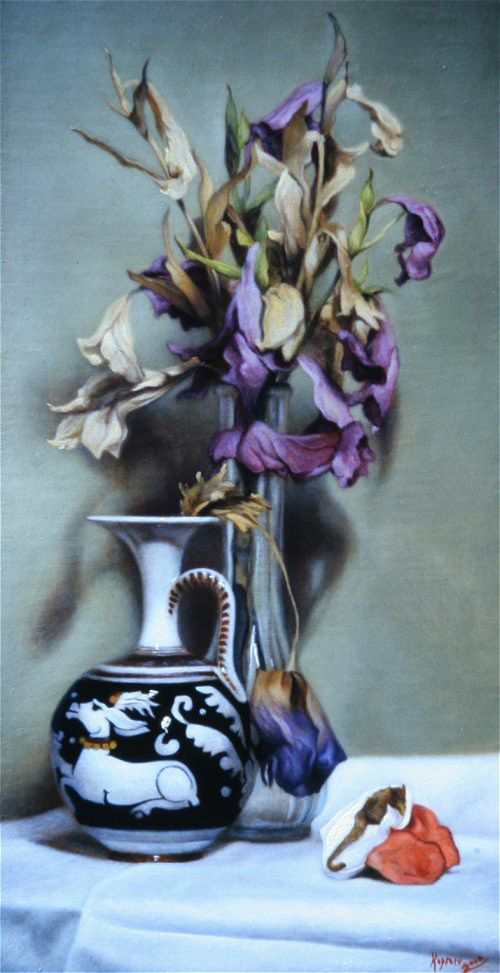
Charles Gilbert Kapsner, “Embodiment of Power,” oil, 8 x 16 in. (c) Charles Gilbert Kapsner 2016

In 2008, talented painter Charles Gilbert Kapsner decided to initiate his own salon, bringing celebrated artistic disciplines to central Minnesota. The latest edition of his salon is on view through November 26, featuring a range of beautiful images and more.

Opened on October 7 and on view through November 26, Charles Gilbert Kapsner’s Annual Salon is a fantastic cultural opportunity for residents of central Minnesota. It features fantastic works of art by several artists, and visitors will be treated to sculpture, printmaking, painting, and poetry.

The exhibition is at the Front Gallery in Little Falls, Minnesota, and included artists are Chris Welch, Laura Hansen, and Jill Moore. Via the artist’s webpage, “Bringing these various disciplines together is my way of making arts, and artists, accessible, and enriching the community. Diversity of experience opens the mind to a broader way of thinking. The Salon is designed with hopes that the audience explores other events, venues, and supports the arts across disciplines—whether it’s purchasing one-of-a-kind paintings, books, attending a concert or ballet, artists need patrons. A culture is measured by not only by the art produced, but how the public supports it. Thank you for supporting the talented artists, from all disciplines, who enrich our region.”

We couldn’t have said it better. To learn more, visit the Great River Arts Association.

This article was featured in Fine Art Today, a weekly e-newsletter from Fine Art Connoisseur magazine. To start receiving Fine Art Today for free, click here.

Honoring a Trailblazer

0
Ben Nighthorse Campbell receives the Trailblazer Award by Kevin Gover, director of the ATALM, and Walter Echo-Hawk, chairman of the ATALM (c) Cathy Short 2016

Given annually to honor those that who made consistent and noteworthy contributions to preserving indigenous cultural heritage, the Trailblazer award is a major lifetime achievement for its recipients. The award is presented by the Association of Tribal Archives, Libraries and Museums (ATALM), and the 2016 honoree is an unforgettable painter.

Sorrel Sky Gallery is one of the many top-tier galleries located in Santa Fe, New Mexico. Representing over 90 nationally known artists, the gallery features sculpture, jewelry, painting, and much more. As of October 2016, the gallery can now boast that it also represents the latest recipient of the ATALM’s “Trailblazer” award: Ben Nighthorse Campbell.

Via the gallery: “Campbell was nominated this year for his lifelong efforts to preserve and advance Native culture, as well as his current involvement with the National Museum of the American Indian and its program to establish a National Native American Veterans Memorial.”

This article was featured in Fine Art Today, a weekly e-newsletter from Fine Art Connoisseur magazine. To start receiving Fine Art Today for free, click here.
Interpretations at InSight

0
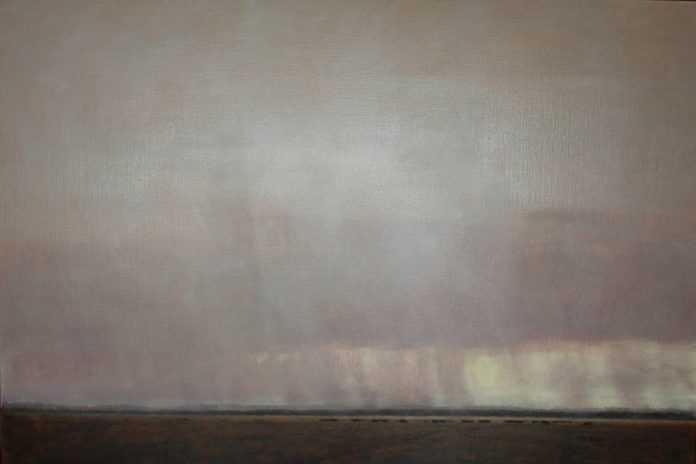
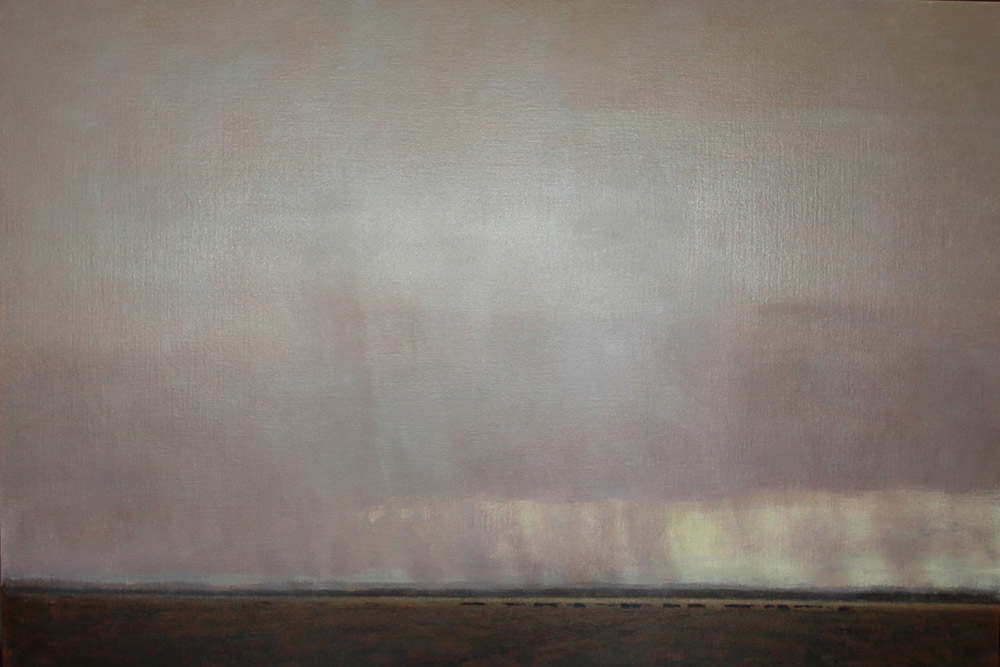
Nancy Bush, “Squall Line,” oil, 40 x 48 in. (c) Nancy Bush 2016

Perhaps they’re mysterious, perhaps they’re moody. They are, however, beautiful. How will you receive Nancy Bush’s “Interpretations” during this hypnotic solo exhibition in Texas?

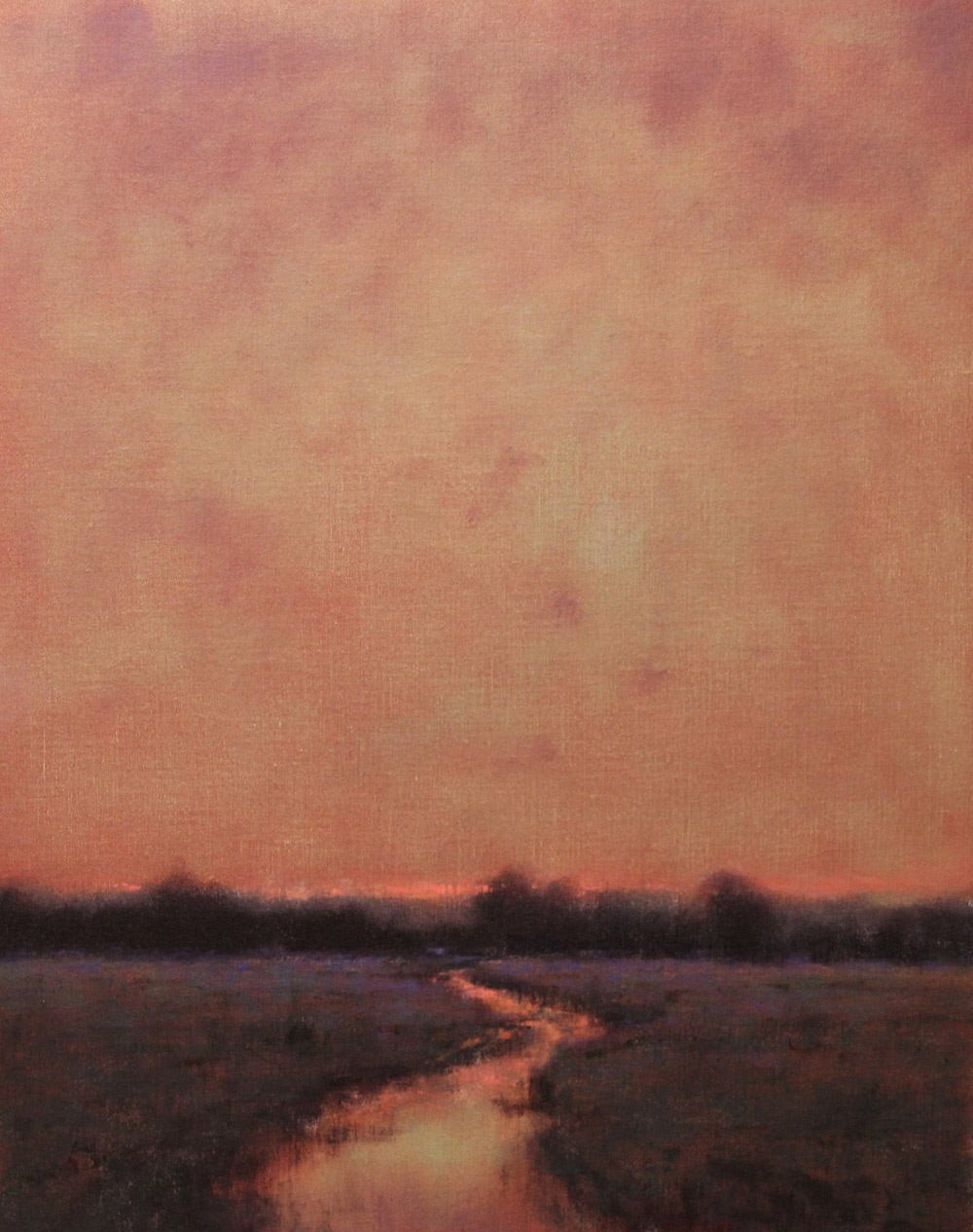
On view through November 8 at InSight Gallery, “Interpretations” is a wonderful display of 12 new works from adroit painter Nancy Bush. In paintings featuring stunning color arrangements in square formats, Bush displays her landscape prowess during the show.

Nancy Bush, “Squall Line,” oil, 40 x 48 in. (c) Nancy Bush 2016

Characteristic of Bush’s work, her pictures display a foggy, abstracted mood with softly defined edges and near-imperceptible forms. However, extended consideration reveals subtle details that delight the careful observer. Even Bush’s works that display little — if any — color showcase a depth of space and energy few artists are capable of capturing.

Nancy Bush, “Twilight,” oil, 30 x 24 in. (c) Nancy Bush 2016

To learn more, visit InSight Gallery.

This article was featured in Fine Art Today, a weekly e-newsletter from Fine Art Connoisseur magazine. To start receiving Fine Art Today for free, click here.
Fashionable Pastel Portraits

0
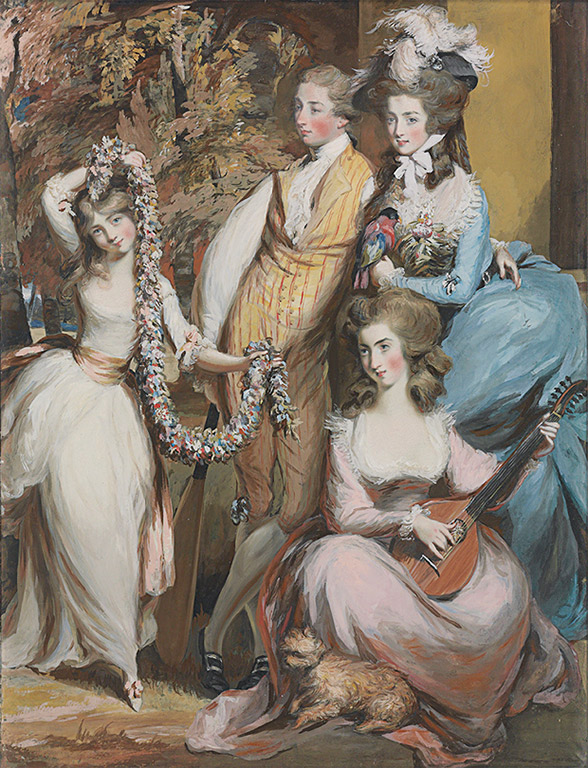
Daniel Gardner, “Portrait of Mary Sturt of Crichel and Her Three Eldest Children,” circa 1777, pencil, pastel, and watercolor (c) Christie’s Images Limited 2013

During the 18th century in Britain, portraiture became fashionable for a much wider audience while continuing to be a staple among the elite eager to showcase their status. Although it may seem surprising, pastel was a common medium, employed for its luminosity and unique texture.

Opened on November 1 and on view through May 7, “Fashionable Likeness” is an outstanding exhibition at the J. Paul Getty Museum in Los Angeles. Although one might expect to find oil paintings as the predominant medium, the museum instead has chosen to focus on the use of pastel in portraiture in Britain during the 18th century.

Showcasing a wide variety of pictures from the museum’s own permanent collection, “Fashionable Likeness” details not just the story of how portraiture was an important element in constructing a public identity, but how pastel was increasingly used as a more affordable alternative to oil paint. Being that the material was cheaper and took less time to dry, artists welcomed the opportunity to produce portraits at a faster rate, leading to more production and more income.

Further, as the museum details, pastel offered luminosity similar to oil paints and a unique texture that lent itself to the lavish textiles and fabrics used in clothing of the era.

To learn more, visit the J. Paul Getty Museum.

This article was featured in Fine Art Today, a weekly e-newsletter from Fine Art Connoisseur magazine. To start receiving Fine Art Today for free, click here.
A Master Draughtsman

0
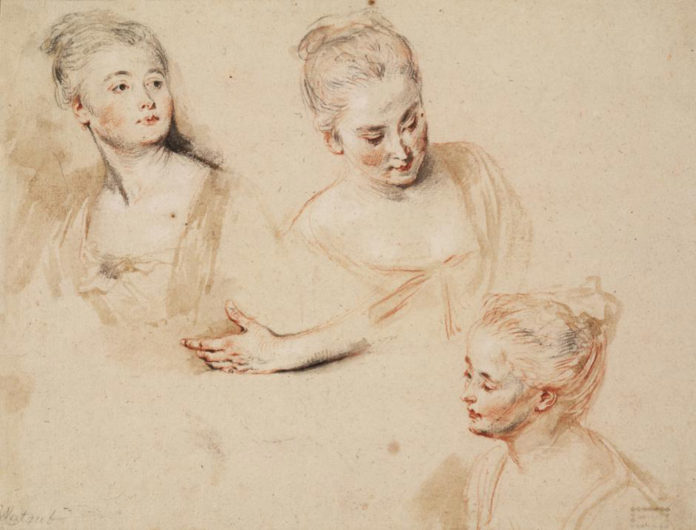
Antoine Watteau, “Three Studies of Women ‘en Buste’ and a hand,” circa 1718, red, black, and white chalk, 26 1/2 x 34 1/2 cm. (c) Teylers Museum, Haarlem 2016

There have been many artists throughout history who have mastered dry mediums on paper, among them Peter Paul Rubens, Rembrandt, Michelangelo, and Leonardo da Vinci. However, scholars often refer to this Rococo painter as a champion, and many of his most stunning examples are now on view here.

Perhaps known best for his pastoral and whimsical paintings of amorous couples in deeply romantic settings, Antoine Watteau (1684-1721) is also championed as one of the greatest draughtsman in art history. That reputation should impress the learned connoisseur, as many of the greatest artists in history have picked up the pencil or stick of chalk to study the unassuming peasant, or a classical sculpture. Indeed, drawings by Peter Paul Rubens, Degas, Rembrandt, Michelangelo, and Da Vinci survive in great numbers.

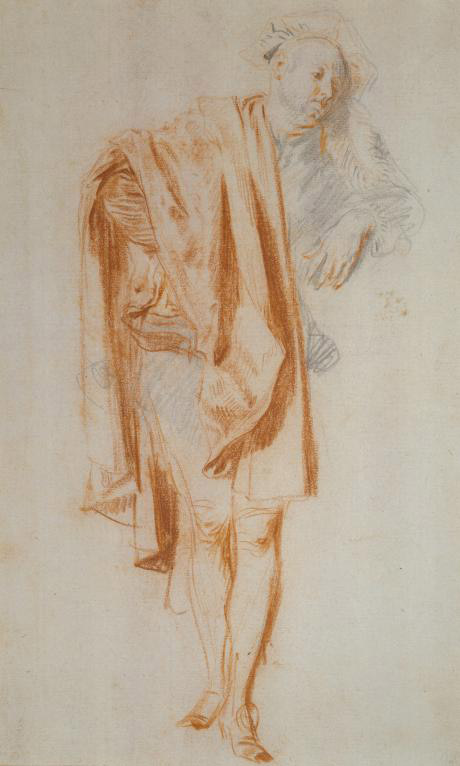
Antoine Watteau, “Standing Male Figure,” circa 1718, graphite and red chalk, 29 1/2 x 18 1/2 cm. (c) Städel Museum 2016

The Städel Museum in Frankfurt, Germany, recently unveiled an extraordinary exhibition focused exclusively on the drawings of Watteau, and it’s, well, drawing worldwide attention. Via the museum website: “The show in the Exhibition Gallery of the Department of Prints and Drawings will bring together fifty drawings by Watteau, enhanced by six of his paintings and a small selection of drawings by contemporaries and successors. Organized in cooperation with Teylers Museum in Haarlem, Holland, the exhibition ‘Watteau. The Draughtsman’ will be the first monographic presentation of the artist’s work in Germany for more than thirty years. It will moreover be the first in this country devoted specifically to the phenomenon of Watteau in all his many facets as a draughtsman.

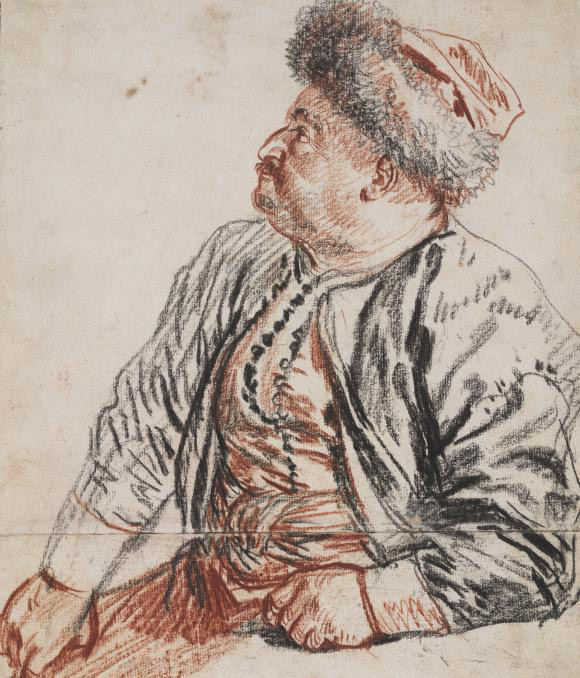
Antoine Watteau, “Sitting Persian,” 1715, red and black chalk, 25 x 21 cm. (c) Teylers Museum, Haarlem 2016

“Drawings served him as a basis for his painterly work. He drew continually and habitually, and in the most varied situations. The Städel has in its holdings altogether seven works from different phases of his career — and thus one of the most prominent Watteau collections in Germany. The precious sheets from the two institutions will form the exhibition’s core, and be supplemented by loans of high quality from collections in Germany, Holland, France and other European countries.”

To learn more, visit The Städel Museum.

This article was featured in Fine Art Today, a weekly e-newsletter from Fine Art Connoisseur magazine. To start receiving Fine Art Today for free, click here.
At Last, An Overdue Honor

0
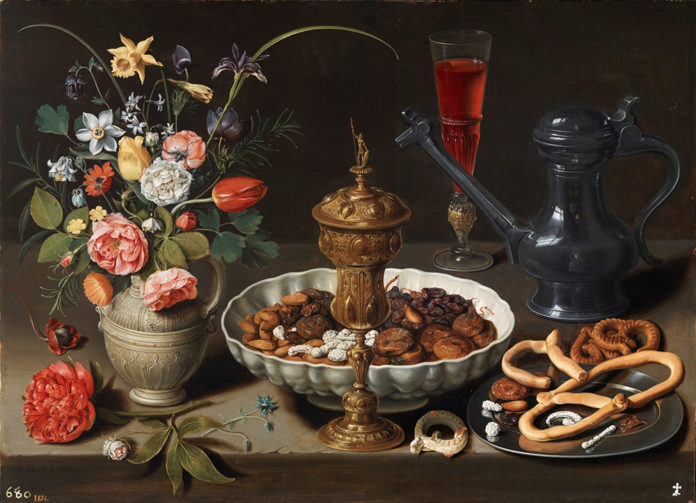
Clara Peeters, “Still Life with Flowers, Gilt Goblet, Dried Fruits, Sweets, Biscuits, Wine and a Pewter Flagon,” 1611, oil on panel, 52 x 73 cm. (c) Museo del Prado 2016

There have been few women artists throughout history, and even fewer who earned the respect of their male peers. Several hundred years after her death, the Museo del Prado is proud to celebrate the legacy of Clara Peeters during this historical exhibition.

She was a pioneer in the field of still life painting and one of the few women painters active in Early Modern Europe. Although it has taken centuries for her life and career to be fully appreciated, “The Art of Clara Peeters” — now on view at the Museo del Prado — is evidence of changing tides.

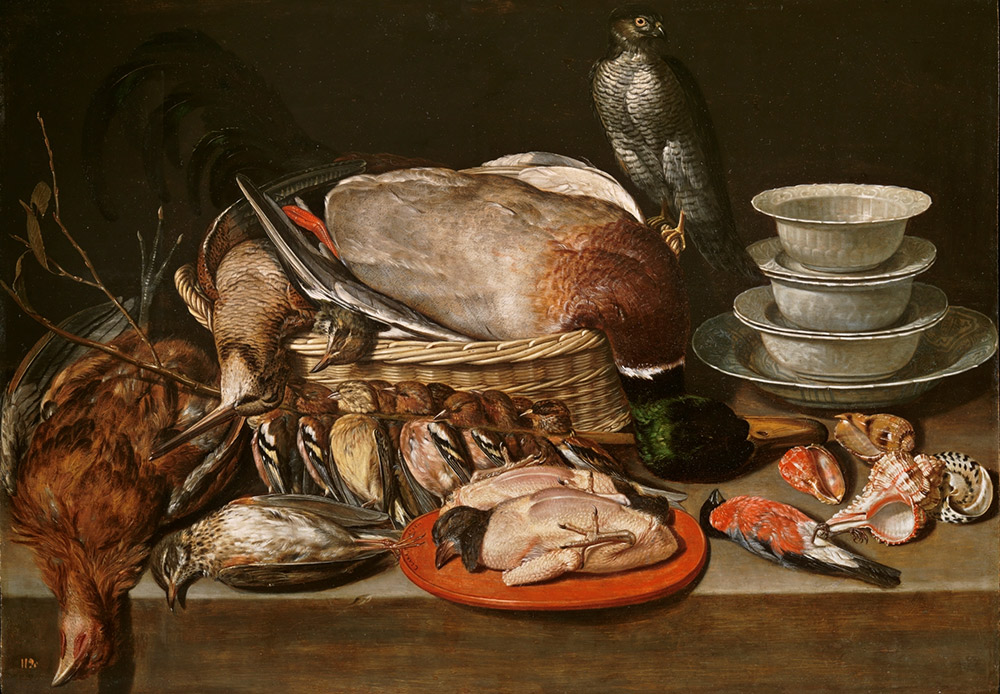
Clara Peeters, “Still Life with Sparrow, Hawk, Fowl, Porcelain and Shells” 1611, oil on panel, 52 x 71 cm. (c) Museo del Prado 2016

Only about 40 paintings by Peeters survive today, 14 of which are included in the major exhibition in Spain. In addition to her inarguable talent, Peeters was among the first painters in modern Europe to specialize in still life. Significantly, the Prado museum has taken the exhibition as an opportunity not only to showcase Peeters, but to also comment on and investigate the status and situation of female artists during this time. Via the Prado’s webpage, “The paintings of Clara Peeters are elegant and precise. They are also enigmatic. What did a porcelain vessel of the type that we see in these still lifes mean to someone around 1610? And an artichoke or a sea shell? The goal of this exhibition is to answer these questions, and to highlight the achievements of this little known but extraordinary artist.”

“The Art of Clara Peeters” will remain on view through February 19. To learn more, visit the Museo del Prado.

This article was featured in Fine Art Today, a weekly e-newsletter from Fine Art Connoisseur magazine. To start receiving Fine Art Today for free, click here.
A Sublime Idea of Beauty

0

Defined as “excellent, grand, beautiful, and worthy of great admiration,” sublime is the only appropriate word to describe a breathtaking exhibition at the Louvre in Paris. Who’s the extraordinary focus? Find out here.

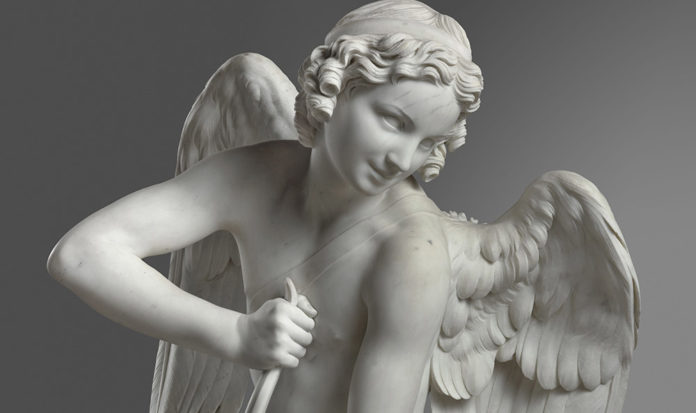
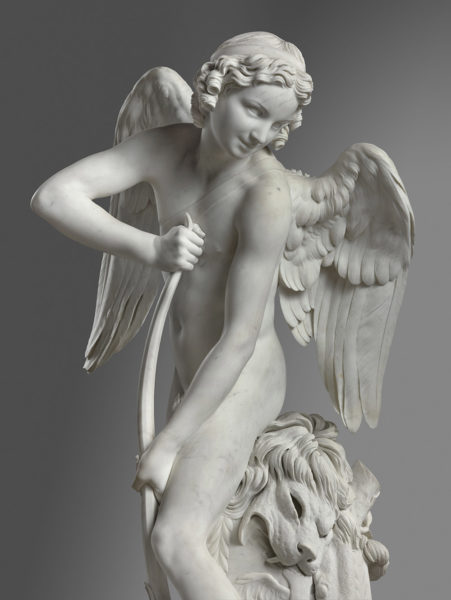
Adroit with the brush, pencil, and chisel, French artist Edmé Bouchardon (1698-1762) was considered by his contemporaries as one of the greatest of artists of his time. While his renown continues to this day, Bouchardon is also known as one of the first major proponents of Neoclassicism — an art movement aimed at returning to classical Greek and Renaissance standards of representation.

Edmé Bouchardon, “L’Amour se faisant un arc de la massur d’Hercule,” 1750, marble, (c) Museé Louvre, Paris 2016
Edmé Bouchardon, “L’Amour se faisant un arc de la massur d’Hercule (detail),” 1750, marble, (c) Museé Louvre, Paris 2016

The son of an architect and sculptor, Bouchardon was born into a creative family and — having clearly inherited some genetic talent — quickly found himself training at the Royal Academy of Painting and Sculpture in Paris as a young man. After his stint in Paris, Bouchardon travelled to Rome under the French Academy. As his reputation as a superior artistic talent rose, Bouchardon was eventually summoned back to France, at which time he was appointed Sculptor to the King.

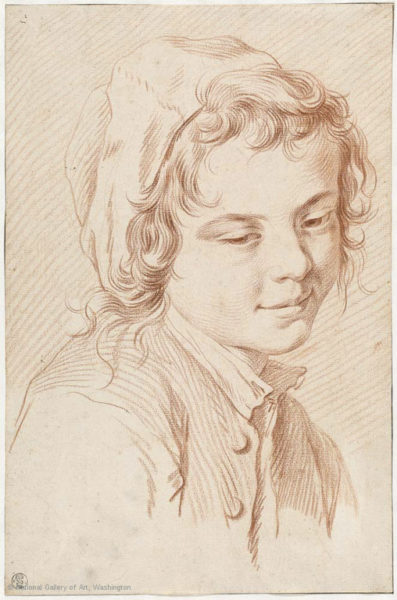
Edmé Bouchardon, “Tête de jeune garçon,” 1740, red chalk, 14 x 9 1/2 in. (c) National Gallery of Art, Washington 2016

The Louvre Museum — an institution that supported Bouchardon in his mature years — and the J. Paul Getty Museum in Los Angeles are currently paying tribute to Bouchardon during a stunning exhibition in Paris. Titled “The Sublime Idea of Beauty,” the exhibition features a variety of drawings and sculptures and is the first major monograph on Bouchardon’s oeuvre. Via the Louvre: “This exhibition will be an opportunity to comprehend the sculptor’s style, a perfect balance between classical influence and life-like rendering.”

The exhibition is currently on view through December 5. To learn more, visit the Louvre Museum.

This article was featured in Fine Art Today, a weekly e-newsletter from Fine Art Connoisseur magazine. To start receiving Fine Art Today for free, click here.
No Illusion Here

0

On November 16, Bonhams hosts a tantalizing sale of prints and multiples, including impressions from the greatest 20th-century illusionist, M.C. Escher.

Known for his imaginative tessellations of birds, frogs, and lizards, and his impossible never-ending staircases and waterfalls, Dutch artist M.C. Escher (1898-1972) created some of the most popular images in modern art. The fascinating worlds Escher created in his drawings, lithographs, and woodcuts have proven to be timeless, appearing on the covers of albums and on the walls of countless teenagers’ bedrooms and college dormitories.

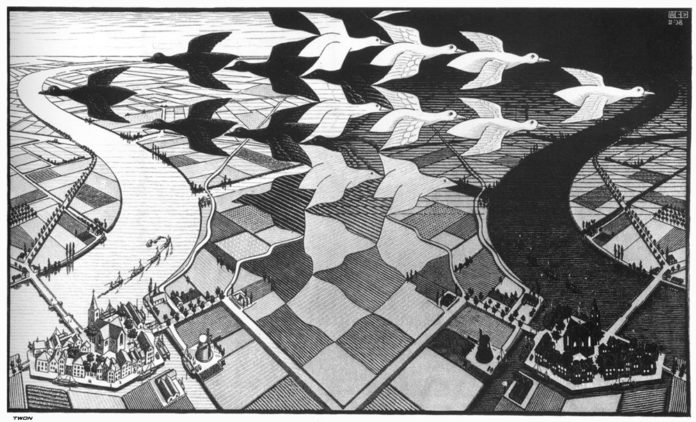
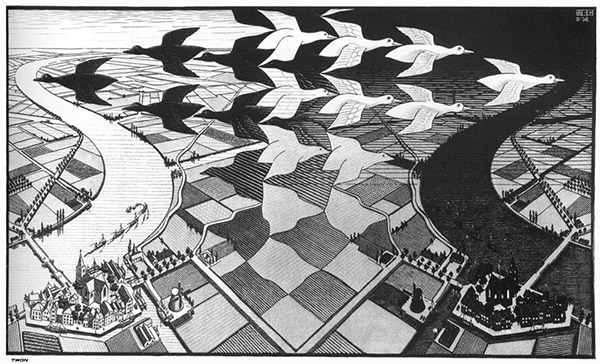
MC Escher, “Day and Night,” 1938, woodcut, 15 1/2 x 26 1/2 in. (c) Bonhams 2016

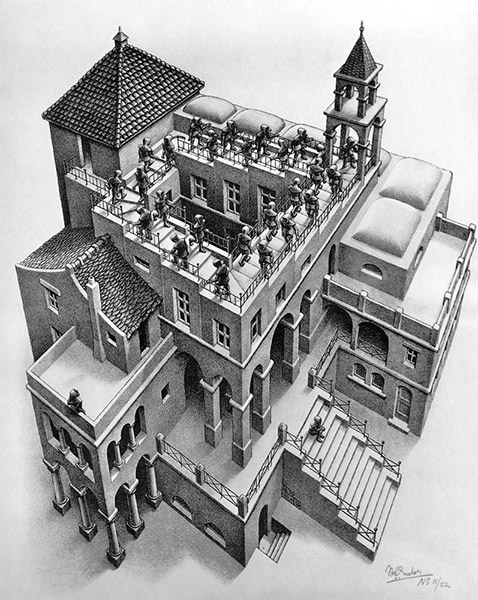
Bonhams is offering the chance to hang several of Escher’s originals in your home via its November 16 “Prints & Multiples” sale. Among the iconic images available are “Day and Night,” “Belvedere,” “Ascending and Descending,” and “Puddle.”

MC Escher, “Ascending and Descending,” 1960, lithograph, 14 x 11 1/4 in. (c) Bonhams 2016

To learn more, visit Bonhams.

This article was featured in Fine Art Today, a weekly e-newsletter from Fine Art Connoisseur magazine. To start receiving Fine Art Today for free, click here.
In Minneapolis, Reconsidering Martin Luther

0

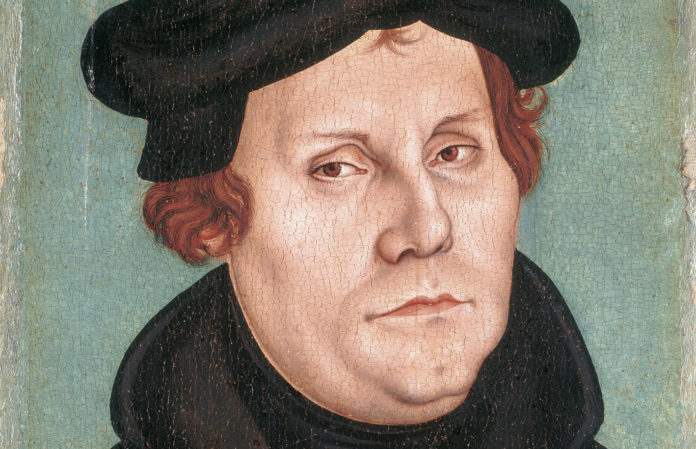
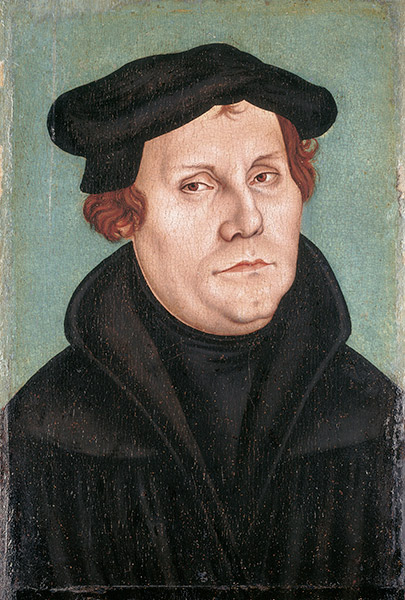
Although it wasn’t until 1517 that Martin Luther (1483-1546) became the face of the Protestant Reformation by posting his Ninety-Five Theses on the doors of the Castle Church in Wittenberg, Germany, the roots of dissatisfaction with the Roman Catholic Church were deep-seated by then.  Luther’s action, at first seemingly rather benign, was the decisive axe-blow to a tree already beginning to fall.  Essentially it completed the collapse of medieval society and launched the modern age: by translating the Bible into contemporary German vernacular and disseminating his teachings through the newly invented printing press, Luther not only eroded Catholic authority, but also epitomized how the right tools, and strategic use of technology, could quickly spur irreversible change.

Lucas Cranach the Elder (1472-1553), "Portrait of Martin Luther," 1528, oil on panel, 15 2/3 x 10 in., Luther Memorials Foundation of Saxony-Anhalt
Lucas Cranach the Elder (1472-1553), “Portrait of Martin Luther,” 1528, oil on panel, 15 2/3 x 10 in., Luther Memorials Foundation of Saxony-Anhalt

This is an excerpt from “In Minneapolis, Reconsidering Martin Luther”. Find the full article in the November / December 2016 Edition of Fine Art Connoisseur Magazine.

Read the Full Article Now

Issue: November – December 2016

1

WEEKLY NEWS FROM THE ART WORLD

Fill your mind with useful art stories, the latest trends, upcoming art shows, top artists, and more. Subscribe to Fine Art Today, from the publishers of Fine Art Connoisseur magazine.

  • This field is for validation purposes and should be left unchanged.