As part of our effort to continue to help artists and art galleries thrive, we’re proud to bring you this week’s “Virtual Gallery Walk.” Browse the artwork below and click the image itself to learn more about it, including how to contact the gallery.
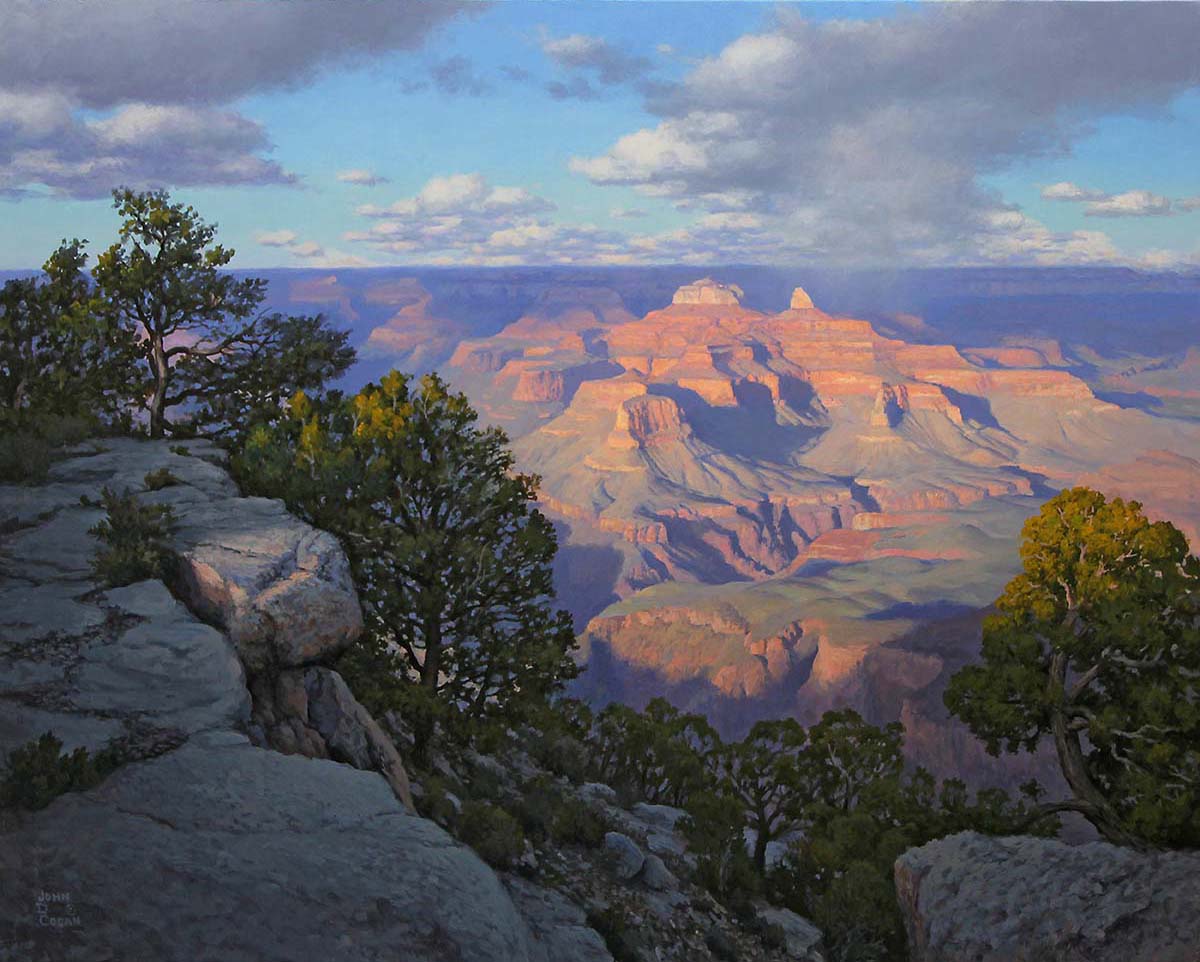
Time Warp, Wallowa Valley, Steven R. Hill, plein air pastel, 22 x 19 in; Windswept Studios
***
Beach Trail, San Clemente, acrylic on canvas, 48 x 48 in; Delanty Studio & Gallery, San Clemente, CA
***
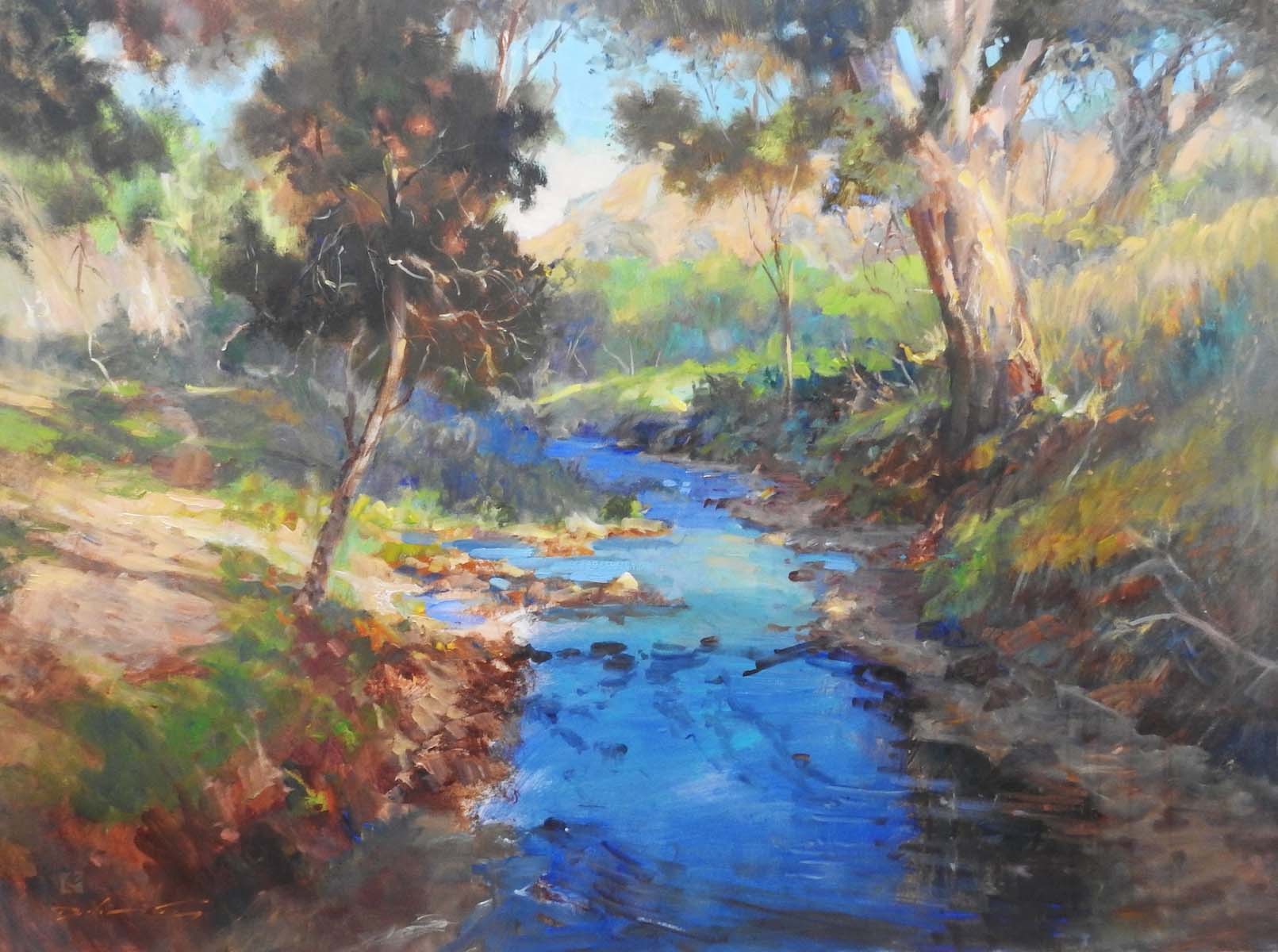
Blue Hillside Through Trees, Daniel Mundy, oil, 24 x 30 in; ArtzLine.com
***
Study Time, Ed Fraughton, bronze, 16 x 17x 13 in; Artzline.com
Want to see your gallery featured in an upcoming Virtual Gallery Walk? Contact us at [email protected] to advertise today. Don’t delay, as spaces are first come, first served, and availability is limited.
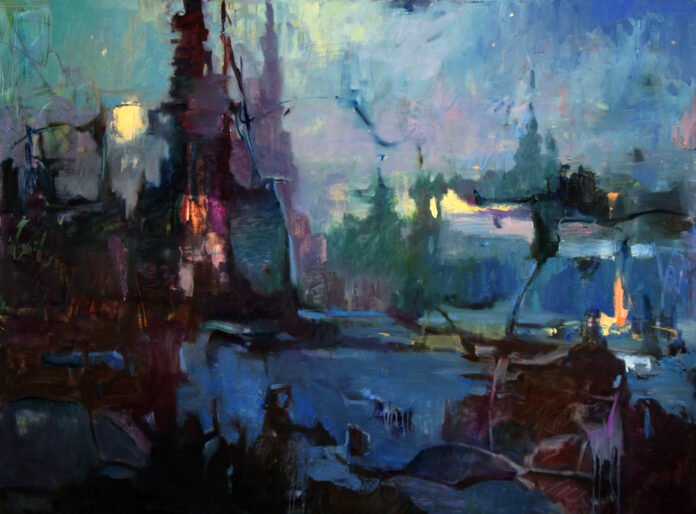
Susiehyer, "Twilight Mystery," oil on gallery wrap canvas, 48 x 36 in.
Susiehyer Studio and The Payne Gallery at Moravian University’s Church Street Campus will present a one-woman exhibition celebrating Susiehyer’s work. An alumnus of Moravian, Susie was honored to receive the prestigious Comenius Award for lifetime achievement from the University in 2022.
The show will feature a selection of large abstract paintings and smaller representational pieces inspired by the Western landscape. Curated by Rose Fredrick, it will run until December 15, 2024 at the Payne Gallery (Bethlehem, PA).
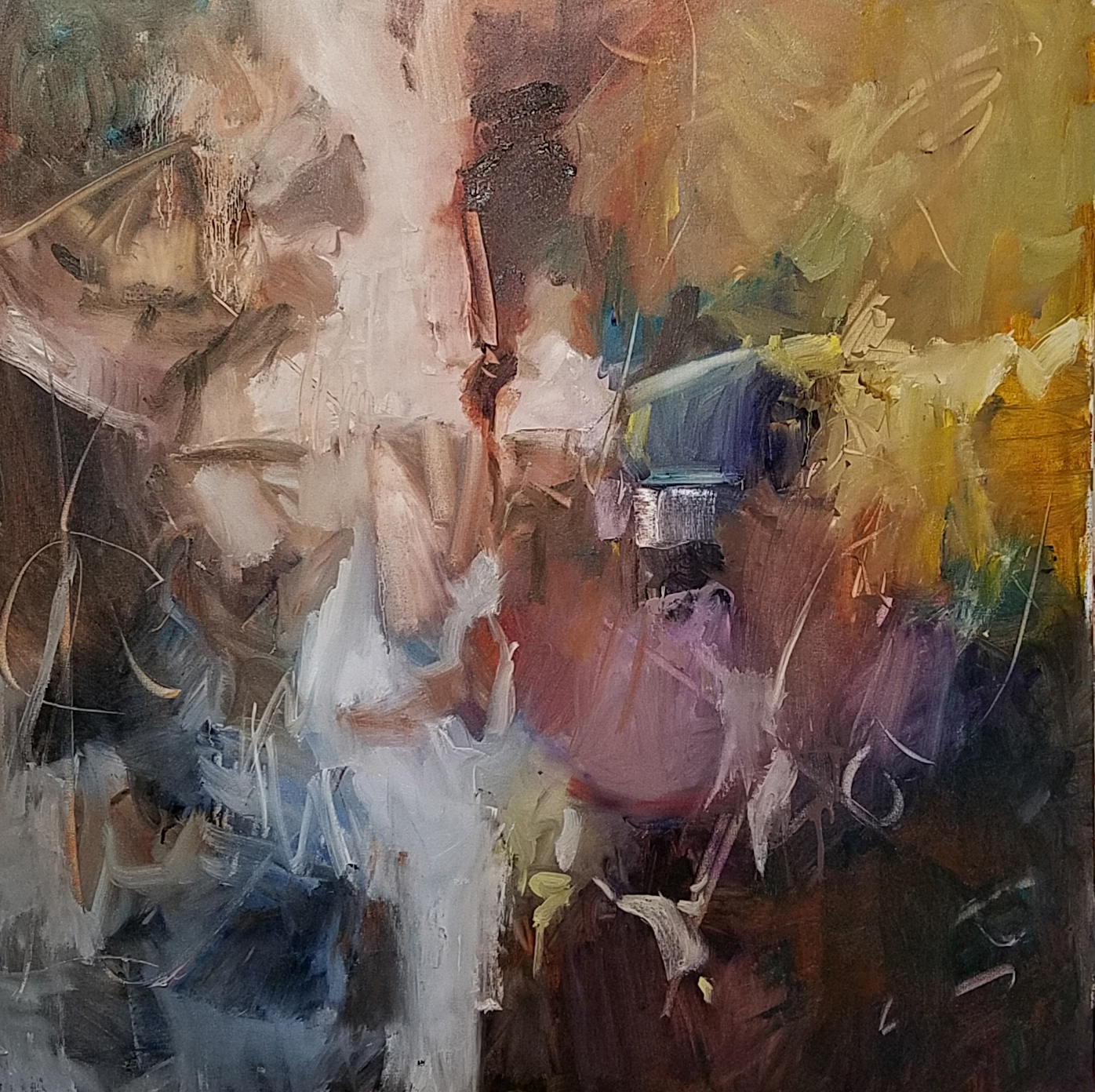
Susiehyer, “Shaman,” oil on stretched canvas, 36 x 36 in.
More from the organizers:
This award-winning artist, a full-time, professional oil painter who works both in the studio and “en plein air,” creates everything from quick field studies to large finished paintings. Known mostly for her Western landscape paintings, this Colorado artist’s work also includes the genres of still life, figure, interiors, and more. However, this exhibition will focus on large abstracts inspired by the western landscape and corresponding western landscape paintings to complement and demonstrate the evolution of the abstracts.
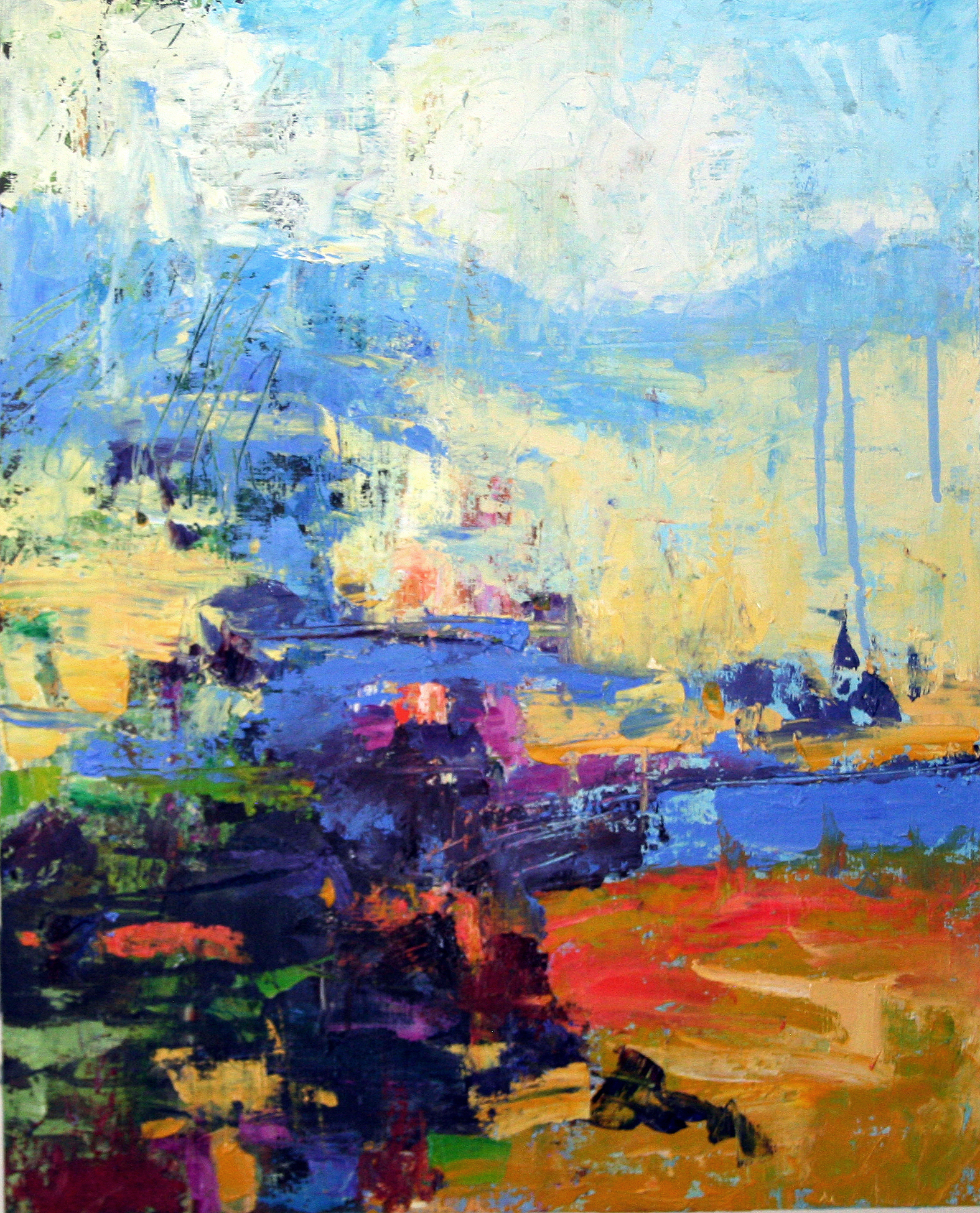
Painting by Susiehyer
Susiehyer is represented by Mountain Trails Gallery in Sedona, AZ, Legends of the West Fine Art in Santa Fe, the Broadmoor Galleries in Colorado Springs, CO, Mary Williams Fine Art in Boulder, CO, and Oh Be Joyful Gallery in Crested Butte, CO. She has been a featured artist in Western Art and Architecture, Southwest Art Magazine, Art of the West Magazine, Fine Art Connoisseur, Plein Air Magazine, Western Art Collector, Mountain Living, and others, and has been seen on the covers of Soundings, Mountain Country Life, and Evergreen Living Magazine.
First Place: Ann Moeller, "The Awakening Light," oil, 31 x 23 in.
The NOAPS* Best of America International Exhibition had a successful opening at the Beverly McNeil Gallery in Birmingham, Alabama, on October 10. The opening reception was preceded by a busy schedule of events, including a two-day plein air event, a portrait demonstration by NOAPS Master Artist Cheng Lian, a gallery walk-about, a tour of the Birmingham Museum of Art, a Meet & Greet Dinner, and the Awards Luncheon. It was truly an exciting and busy week!
*The National Oil & Acrylic Painters’ Society, which supports artists around the world in striving for artistic excellence by recognizing great art, enriching education, enhancing skills, challenging abilities and expanding marketing opportunities.
The winners of the 2024 NOAPS Best of America International Exhibition are:
First Place: Ann Moeller, “The Awakening Light,” oil, 31 x 23 in.Second Place: Bill Farnsworth, “Rooted,” oil, 18 x 24 in.Third Place: Sandra Kuck, “Repose,” oil, 27 x 30 in.President’s Award: Jason Bailey, “Charleston in Bloom,” oil, 16 x 20 in.Most Original Award: Evee Erb, “Autumn’s Passing,” oil, 16 x 12 in.Best Figure/Portrait: Jian Wu, “Glimpse of Days,” acrylic, 12 x 12 in.Best Landscape: Jerry Smith, “Sawmill Road,” oil, 20 x 24 in.Best Still Life: Jason Dowd, “The Geisha’s Tale,” oil, 18 x 14 in.
Michael Patterson, "Silver Light," 36 x 48 in., acrylic on canvas, 2024
Lily Pad Gallery West is honored to present a special exhibition of recent acrylic paintings by artist Michael Patterson. Born into a family of painters, Michael Patterson was born in Hudson, New York. Howard Ashman Patterson, his grandfather, was an established American painter whose work continually influences and inspires Michael.
Michael graduated from Suny Purchase with honors, studying printmaking, painting, and sculpture. He has been traveling and painting for over 35 years, finding inspiration wherever he goes. Having lived in France for several years, he has shown his work throughout Europe as well as the United States. Patterson draws inspiration from city streets, people at the beach, people playing music, and general human expression.
Michael Patterson, “Cubist Dream #4,” 30 x 40 in., acrylic on Canvas, 2024
“My work has focus on several objectives,” Michael says. “Light, reflected light and its color effects, as well as the positive and negative shapes of equal importance, creating the graphic energy of my compositions. This sets the rhythm for a piece and influences where the viewer’s eye travels and at what pace.
“I include curved lines with straight, organic shapes juxtaposed geometric shapes woven together, always conscious of the line created by any color masses converging. This line flows throughout, interrupted, yet continuous. Finally, the subject of my work most always includes the human figure wherever they may be – city streets, markets, the beach, alone or in groups. People are the most interesting part of creation.”
He continues to paint and create sculptures of carved stone and also welded metal. His residence and studio are located on a river in Connecticut, where he lives with his wife, Jessyka.
Additional Acrylic Paintings
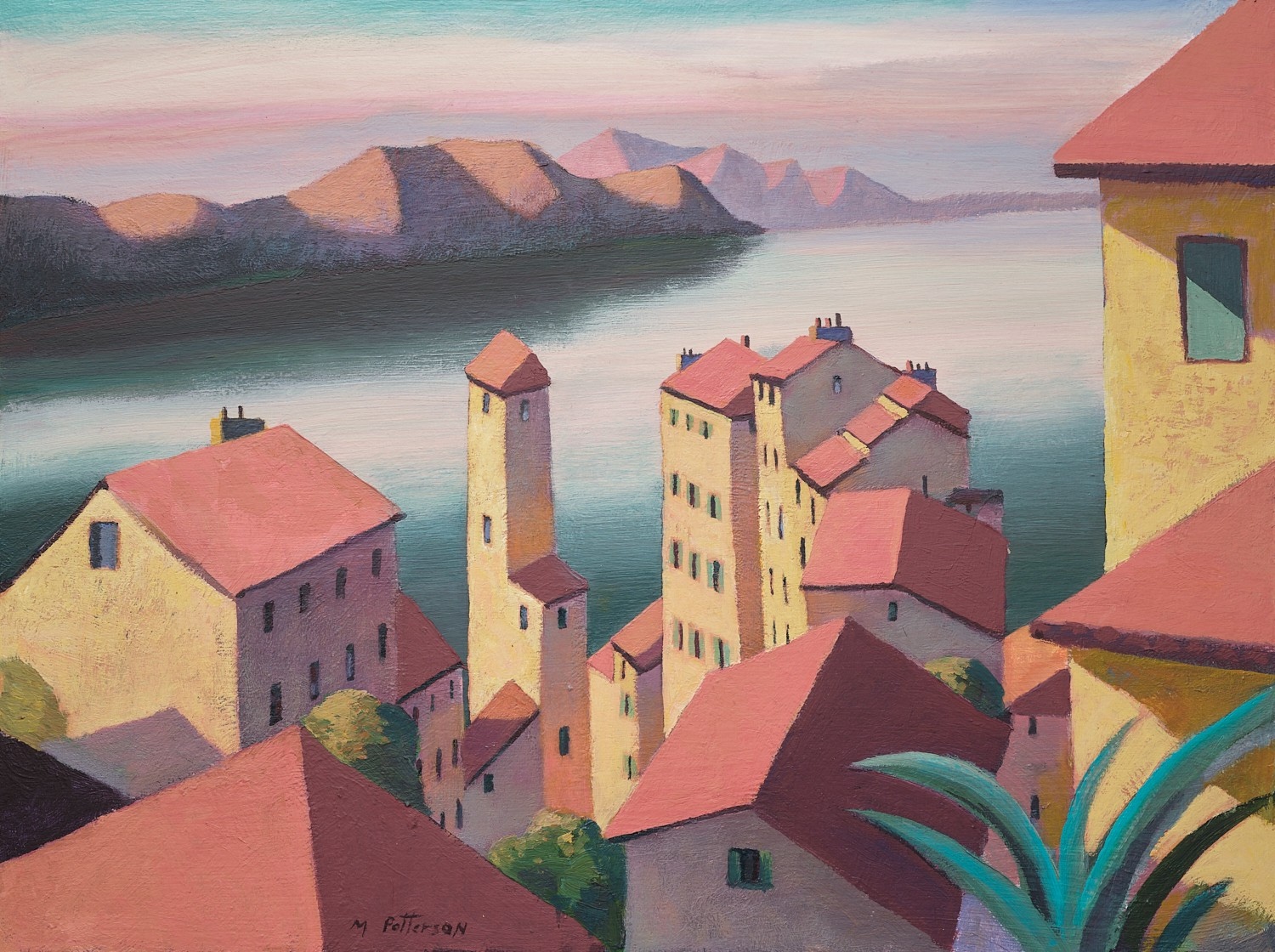
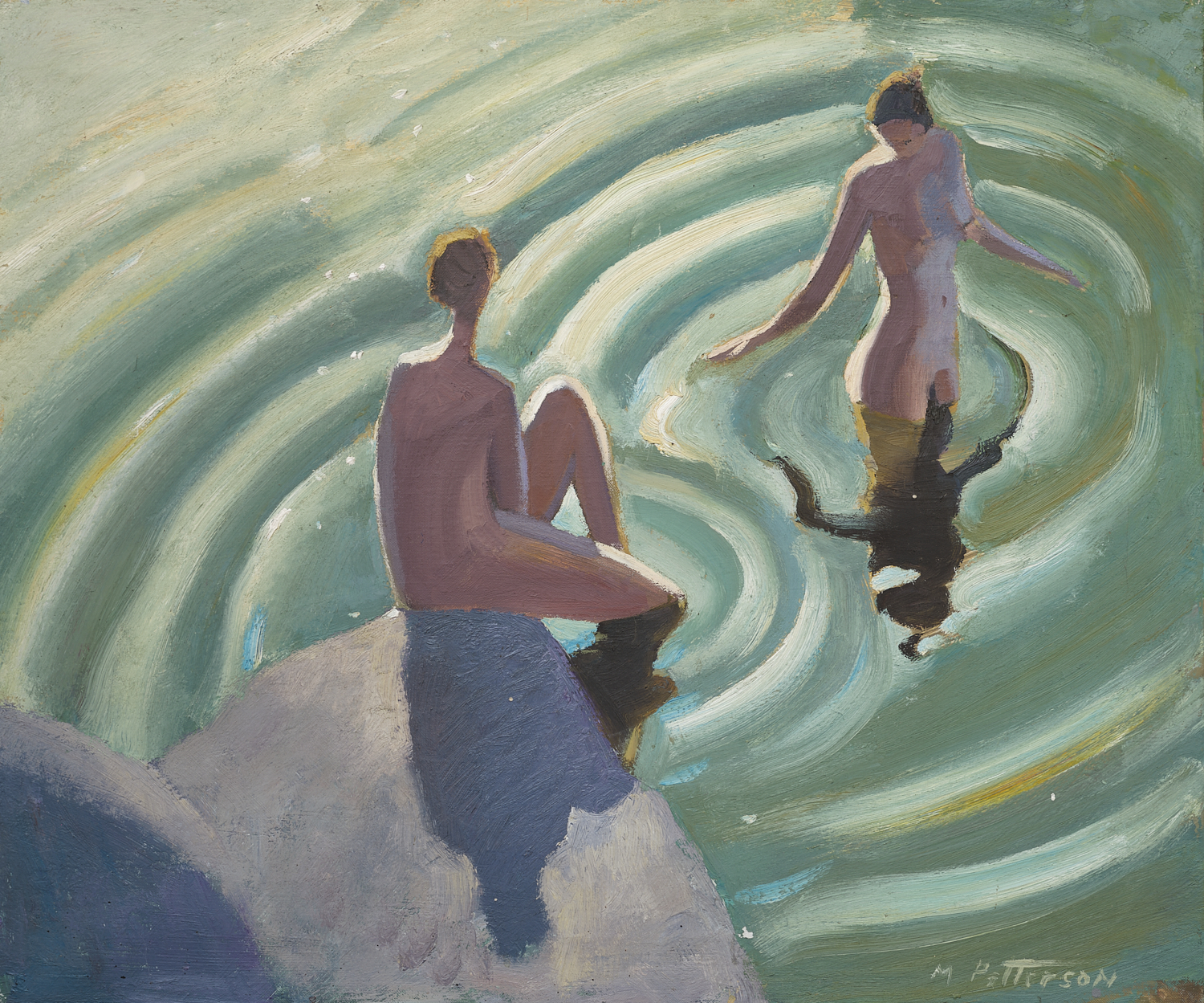
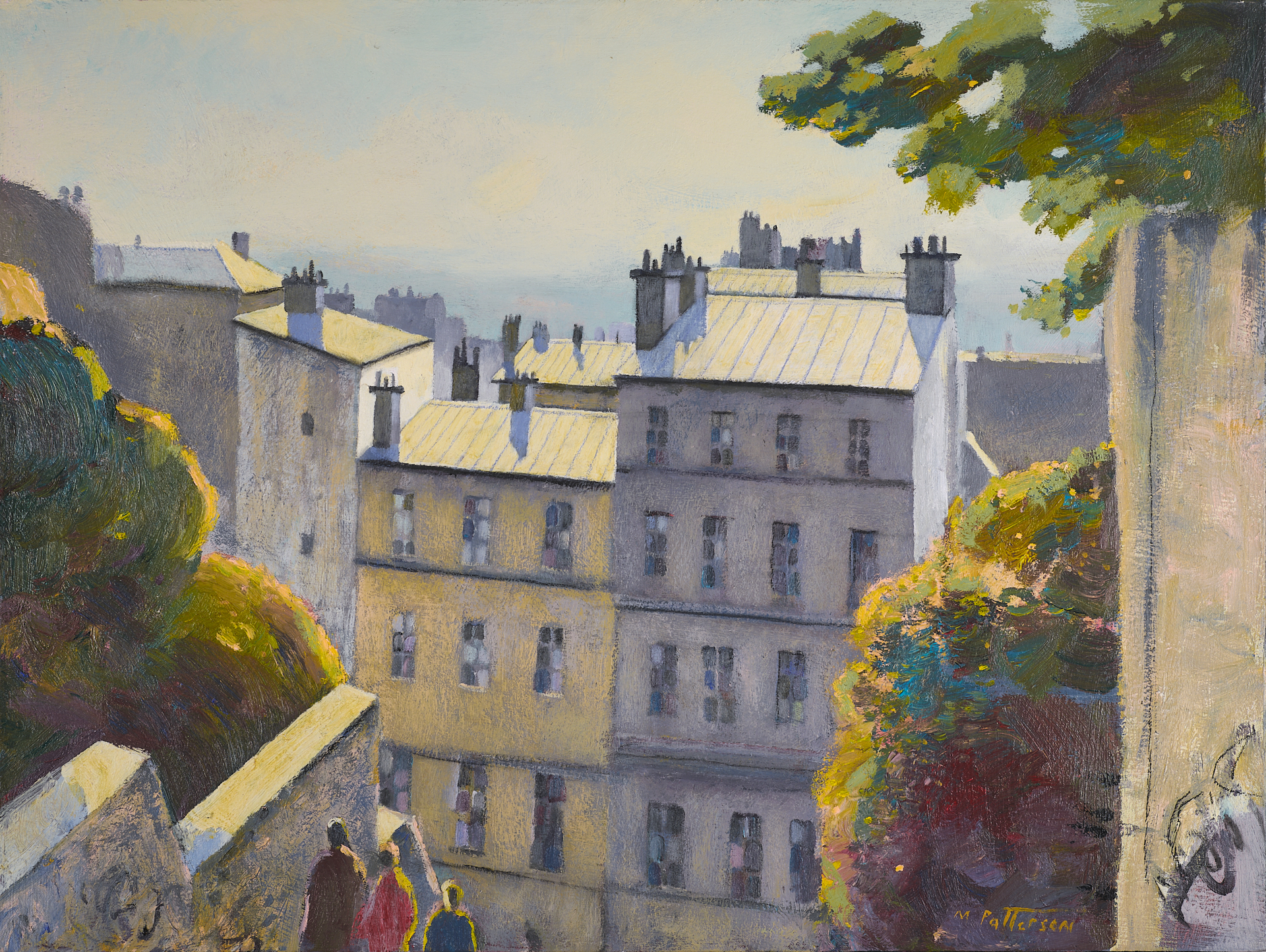
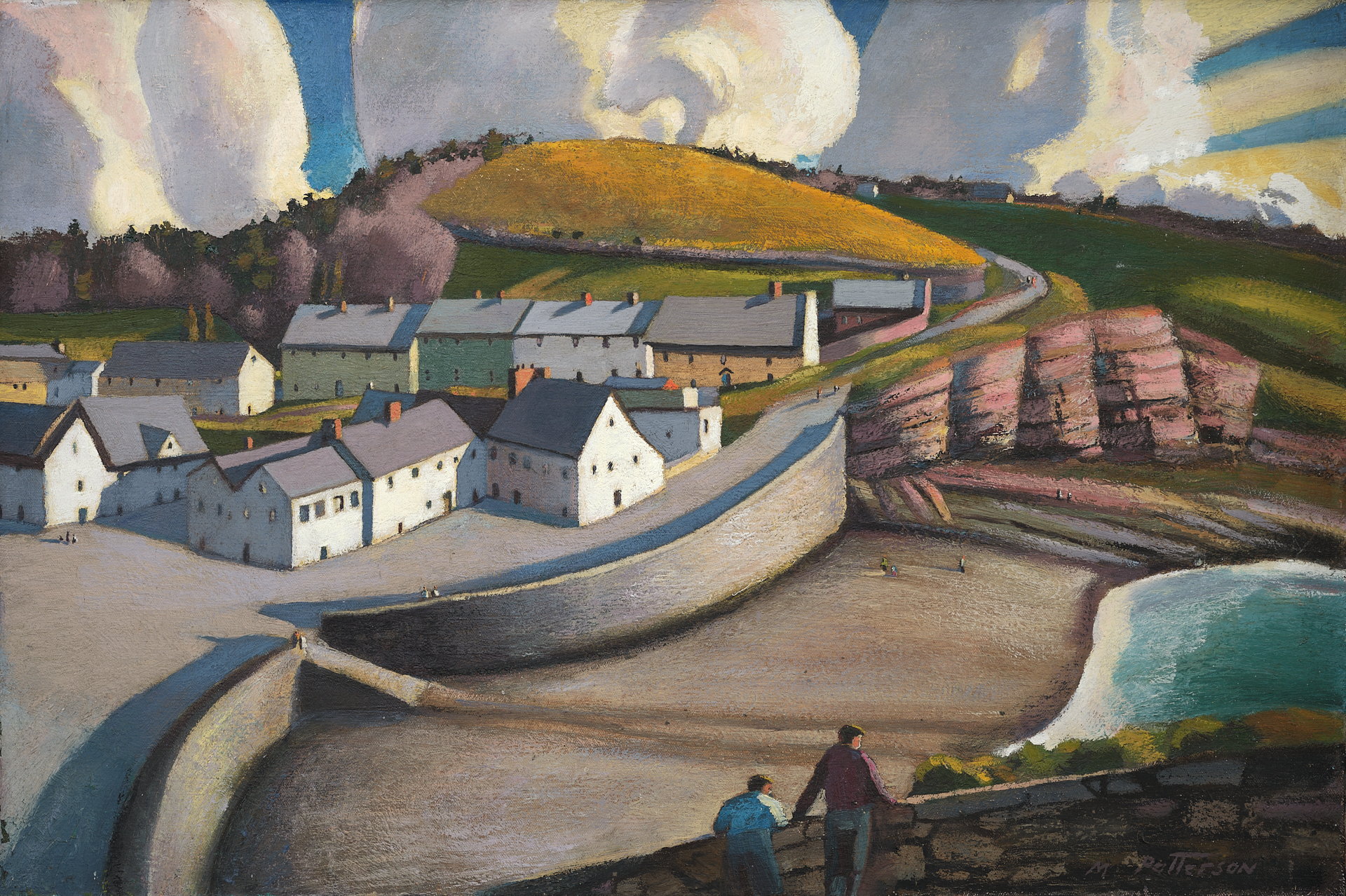
Michael Patterson, “Two Friends,” 20 x 24 in., acrylic on canvas, 2024Michael Patterson, “Paris Rooftops,” 30 x 40 in., acrylic on canvas, 2024Michael Patterson, “Tumbling Clouds over Fields of Heather,” 28 x 42 in., acrylic on canvas, 2023
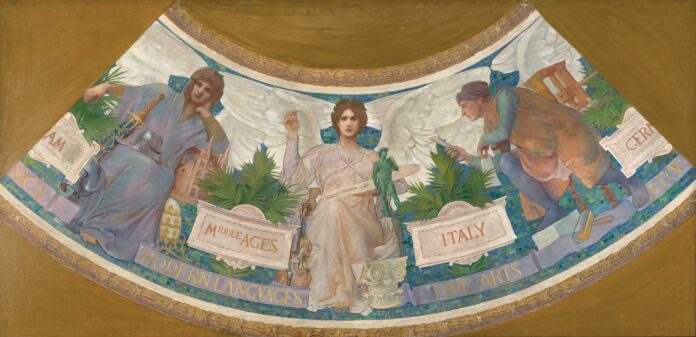
Edwin Howland Blashfield (1848–1936), "Study for The Progress of Civilization: Middle Ages, Italy, Germany at the Library of Congress," 1895, oil on canvas, 44 5/8 x 93 7/8 in., Williams College Museum of Art, gift of Grace Hall Blashfield; photo: Jim Gipe/Pivot Media and Stephen Petegorsky
After years of research and conservation, the Yale University Art Gallery is ready to present the innovative exhibition “The Dance of Life: Figure and Imagination in American Art, 1876–1917.”
This is the first major project to examine the vitality and expressivity of the human figure in working studies for public art made during what some scholars call “the American Renaissance,” and what most of us consider “the Gilded Age.”
At a Glance:
The Dance of Life: Figure and Imagination in American Art, 1876–1917
Yale University Art Gallery
New Haven, Connecticut artgallery.yale.edu
Through January 5, 2025
In their murals and sculptures, many artists focused on the human form, using it to project the age’s ideals: the power of democracy over autocracy, of innovation over stagnation, of a stable future over the stormy past epitomized by the just-ended Civil War.
On view are more than 100 artists’ studies created for large commissions at civic institutions nationwide, ranging from pencil drawings and pastels to bronzes and oil paintings. Among the talents highlighted are such famous names as Edwin Austin Abbey, Edwin Blashfield, Daniel Chester French, Violet Oakley, Augustus Saint-Gaudens, and John Singer Sargent, but also lesser known ones like Meta Warrick Fuller, Evelyn Longman, and Gari Melchers.
In their preparatory studies for commissions that would adorn hundreds of new public spaces — libraries, universities, courthouses, museums, state capitols, train stations, and parks — these artists used the figure to communicate with their audiences about community, memory, and identity. Organizing curator Mark D. Mitchell notes that these men and women “practiced in busy studios with models, apprentices, guests, and other artists coming and going. They lived in a sociable age, in which membership in organizations and clubs helped them gain commissions and provided venues to seek advice and ideas. They were in constant communication with one another, offering and receiving support for their work.”
Anchoring the exhibition are two celebrated landmarks — the Boston Public Library and the Pennsylvania State Capitol in Harrisburg. Each site encompasses commissions by multiple painters and sculptors, but both contain important mural programs by Abbey, whose estate of 3,000 artworks came to Yale in 1937 and has formed this project’s foundation. Other key sites examined include the Library of Congress in Washington, D.C., and Boston’s Trinity Church.
Accompanied by a 304-page catalogue published by Yale University Press, “The Dance of Life” features loans of rarely seen artworks from museums across the U.S. It closes with Abbey’s spectacular “The Hours,” a half-scale oil study for a monumental ceiling in the Pennsylvania State Capitol that has been painstakingly conserved and will be exhibited for the first time.
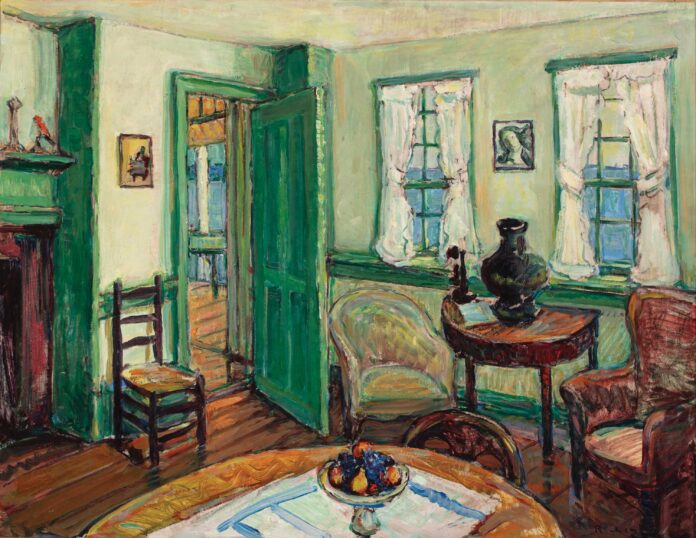
Russell Cheney (1881–1945), "Windows by the Sea," c. 1940s, oil on panel, 20 x 26 in., Ogunquit Museum of American Art, gift of Susan C. Hyde and Richard W. Hyde
The Ogunquit Museum of American Art is breaking new ground with its exhibition “Domestic Modernism: Russell Cheney and Mid-Century American Painting.” The project examines the artist Russell Cheney (1881–1945) and his relationship with his partner, the influential literary historian and critic F.O. Matthiessen (1902–1950).
At a Glance:
“Domestic Modernism: Russell Cheney and Mid-Century American Painting”
Ogunquit Museum of American Art
Ogunquit, Maine ogunquitmuseum.org
through November 17, 2024
Produced in collaboration with Vanderbilt University, it seeks to marshal the term “domestic” to reframe Cheney’s work within the arc of American modernism.
First, this word points to small-scale, figurative artworks that have generally been overlooked by scholars and collectors in favor of the larger, more gestural pronouncements of abstract expressionism.
Second, “domestic” denotes the importance of the specific setting for Cheney’s artistry, the house in Kittery Point, Maine, he shared with Matthiessen.
By placing Cheney in these contexts, the exhibition and its accompanying catalogue are helping to broaden our understanding of 20th-century art.
As part of our effort to continue to help artists and art galleries thrive, we’re proud to bring you this week’s “Virtual Gallery Walk.” Browse the artwork below and click the image itself to learn more about it, including how to contact the gallery.
Want to see your gallery featured in an upcoming Virtual Gallery Walk? Contact us at [email protected] to advertise today. Don’t delay, as spaces are first come, first served, and availability is limited.
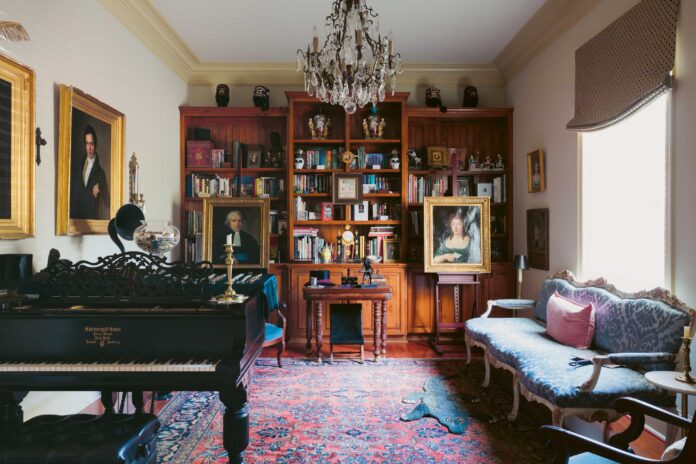
At the far end of his music room are two portraits Jeremy Simien found in France; dating to 1791–92, they depict his fellow Louisianans Mr. and Mrs. Charles Loubies.
A spotlight on “The New Antiquarians: At Home with Young Collectors” by Michael Diaz-Griffith
A Collector of Art Collectors
By David Masello
In speaking to Michael Diaz-Griffith, the young chronicler of his fellow young art collectors, he describes symptoms he and others experience while pursuing their mission to acquire fine things. He cites, for instance, a “vibrating in place” when standing in front of Sir John Soane’s Museum in London, among the world’s greatest repositories of a lifelong collecting pursuit — and also an institution for which the now-37-year-old Diaz-Griffith once served as executive director of its American foundation. While he lives in what he calls a “shabby Upper East Side brownstone right out of the movie Breakfast at Tiffany’s,” he continues to dream daily about dining and sleeping in Gothic Revival rooms like those of Soane. “But I am so catholic in my tastes,” he admits, “I could get excited about recreating almost any style or period.”
Jeremy Simien — one of more than 20 individuals Diaz-Griffith profiles in his revelatory book, The New Antiquarians: At Home with Young Collectors (2023, Monacelli) — admits to feeling “a bit embarrassed” as he continues adding to his collection of mostly 19th-century portraits of native Louisianans. When asked, for example, how many paintings he has acquired recently, he replies, sotto voce for fear his wife or others in his Baton Rouge home might overhear, “I may, I guess, have bought, I think, three or four more in the last month.”
And when the Brooklyn-based antiques dealer Collier Calandruccio describes the symptoms that overcome him when he finds a pristine Duncan Phyfe chair or yet another 17th-century Dutch portrait (particularly a tronie, a study of an anonymous person), he uses such phrases as “heart racing.” It makes sense, then, that he feels a “grieving” when he is compelled to sell an object he loves to someone else. “Becoming a dealer required that I make peace with feeling the need to hold things to myself,” Calandruccio notes. “But because I live with most of the pieces, I get to enjoy them before they’re sent on to their next home.”
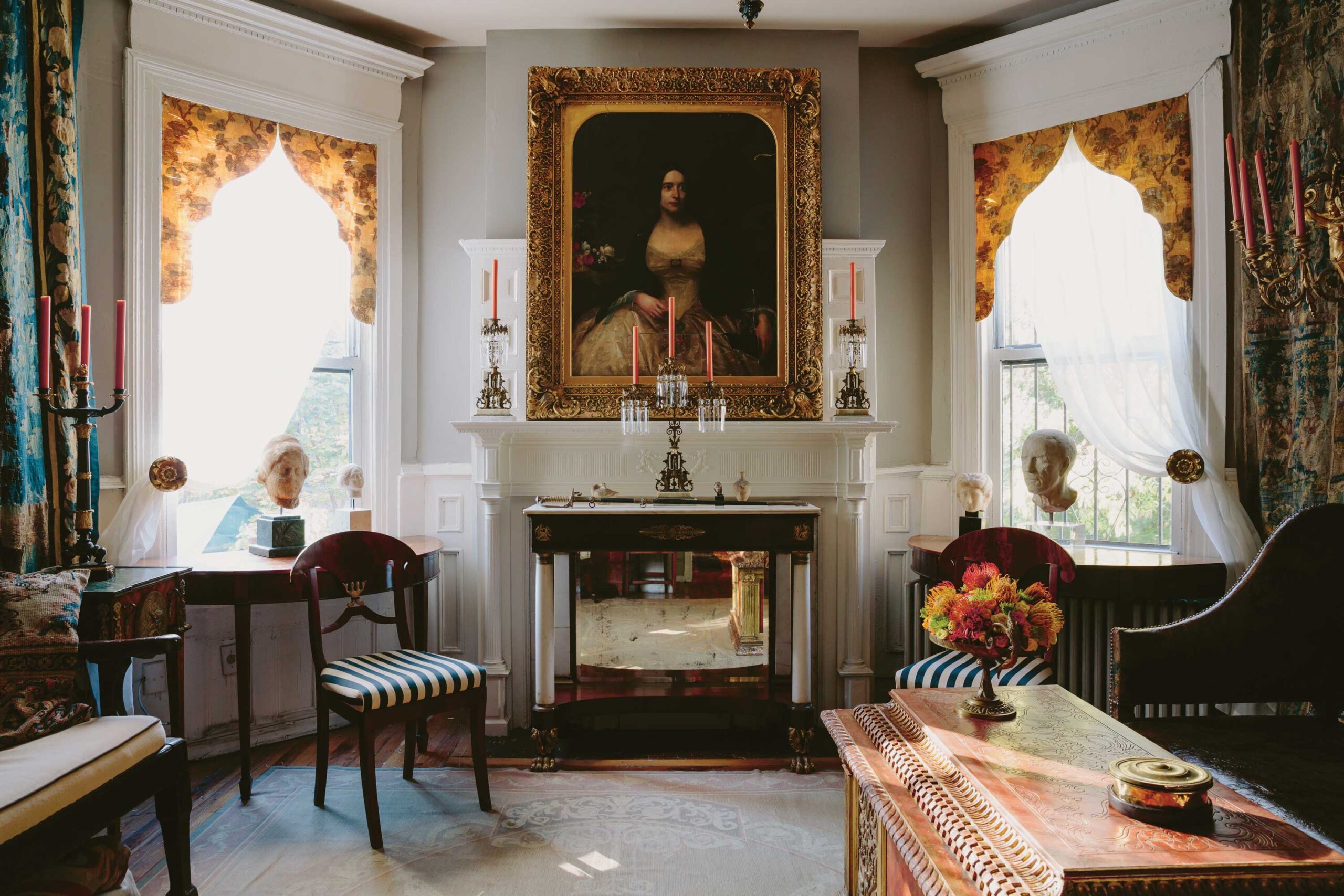
Although many interior designers favor mixing old and new elements, collector/connoisseur/dealer Collier Calandruccio favors just the former. In his Brooklyn townhouse, which doubles as a showroom of sorts, he gives pride of place to this circa-1850 portrait of a lady, attributed to a pupil of Thomas Lawrence. Ancient busts rest on the demilune tables to either side. Photo: Brian W. Ferry
In his book, Diaz-Griffith recognizes a new breed of art collectors, and in fact he himself collects fine objects, including 19th-century American painted furniture, portrait miniatures, reverse-painted glass portraits, and 19th-century watercolor portraits of interiors. In his ability to recognize that like-minded young people exist (most are also in their mid-30s), he is a kind of cultural anthropologist.
Michael Diaz-Griffith
The New Antiquarians not only uncovers select collectors (and characters) living in America and Britain who embrace the past, live amidst it, and promote it, but Diaz-Griffith also tells us why such youngish people exist and how they live with it. Ultimately he convinces readers why we should be glad to know them, regardless of our own age.
“There are a lot of us who want to look, to learn, and to begin acting on the collecting vibe within us,” the author says reassuringly. While he admits that “collecting has never been a young person’s game,” he also acknowledges that such a breed does exist and that their “tastes are much more in line with our grandparents’ than, say, our older siblings.’”
Realism Now | MEAM Show 2024
A Portrait of the Inner Life of the World
On view through May 30, 2025
Museu Europeu d’Art Modern https://www.meam.es/
From the organizers:
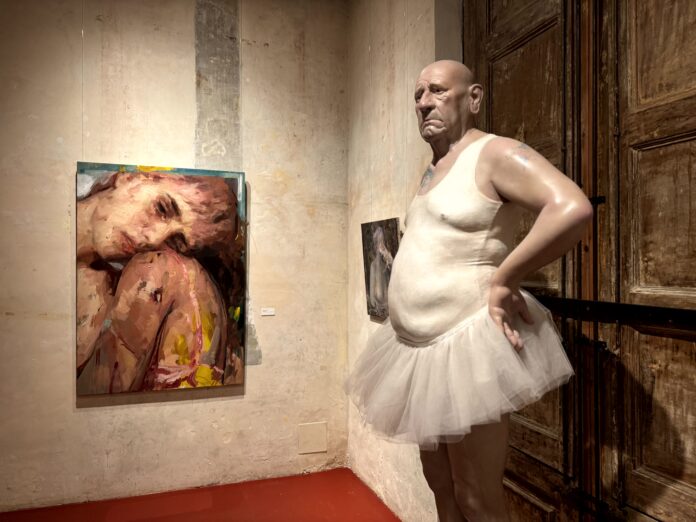
The MEAM wants to be a home for all those dreams and works of art that allow us to know a little more about who we are. The museum is proud to open the doors of REALISM NOW, an international exhibition that aims to take the pulse of contemporary figurative creation through an attentive selection of top-quality paintings, sculptures and drawings.
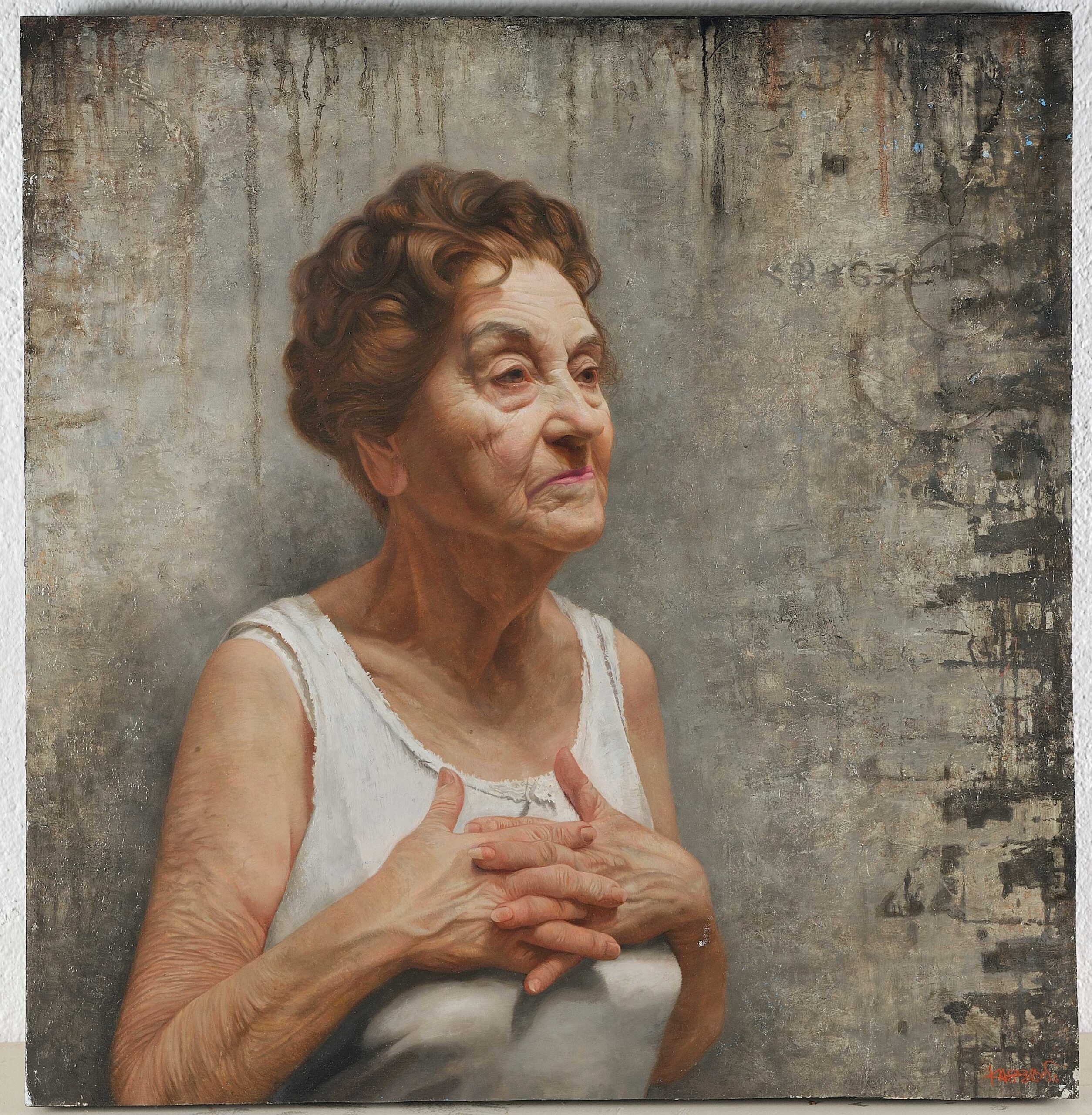
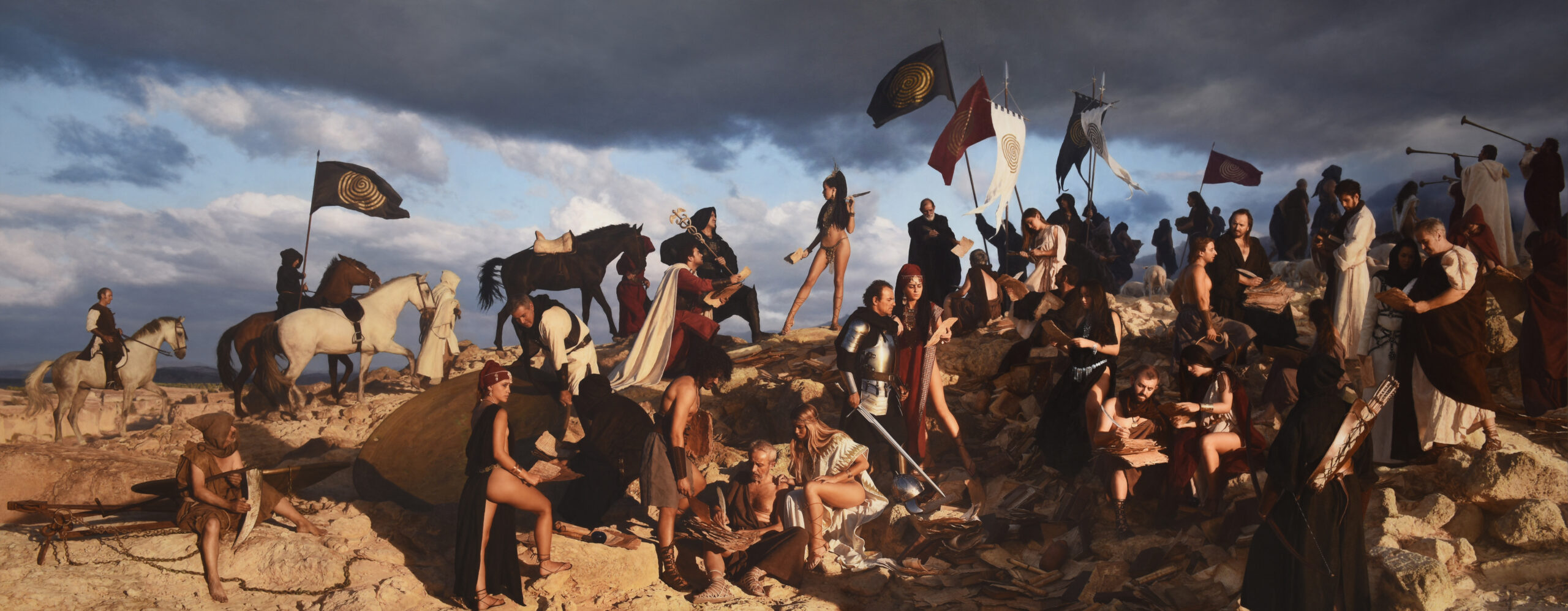
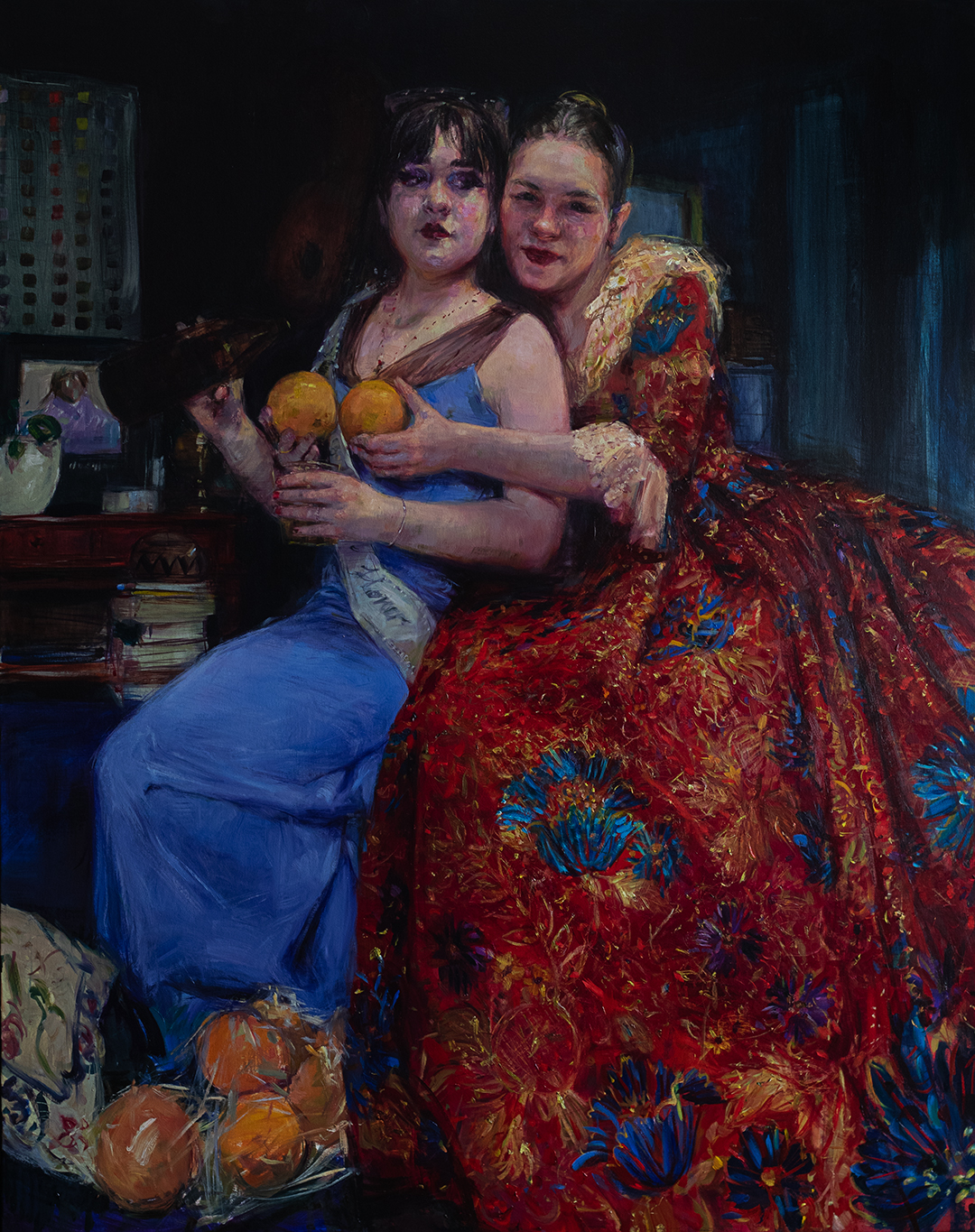
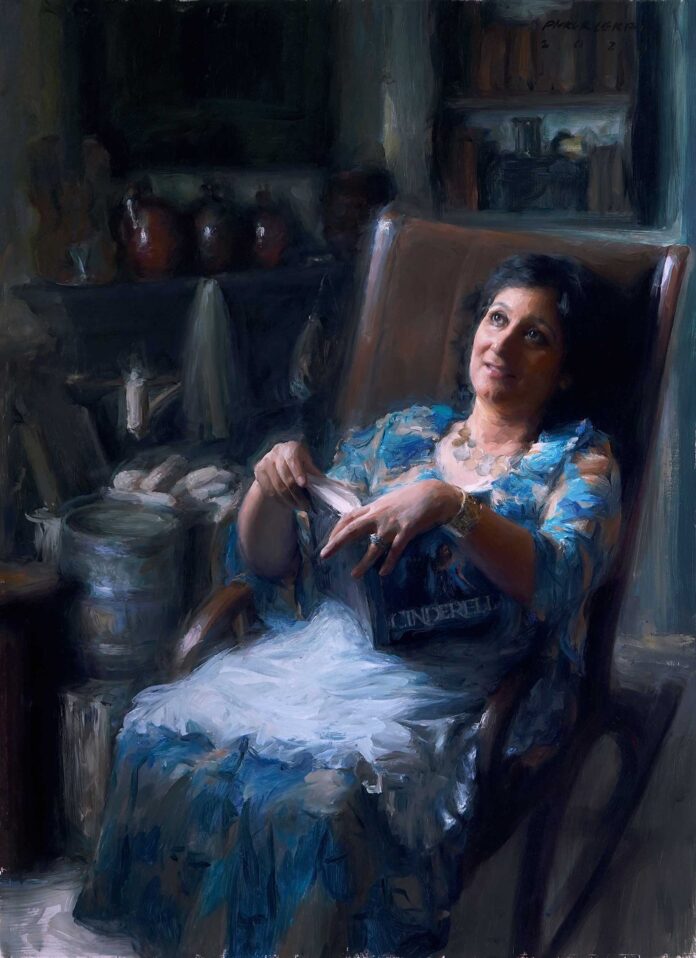
Artwork by David Kassan
It is an exhibition that shows the high level and good health of realism at a global level. As one of the centers for the diffusion of this creative vigor, the MEAM approaches with enthusiasm and pride the immediate future of figuration. This is the first exhibition of a new chapter of the museum, in which we will make an unconditional commitment to the quality and coherence of the exhibitions, and in which we will always put the artists at the center of the equation, turning our location in the center of Barcelona into the home of all figurative artists.
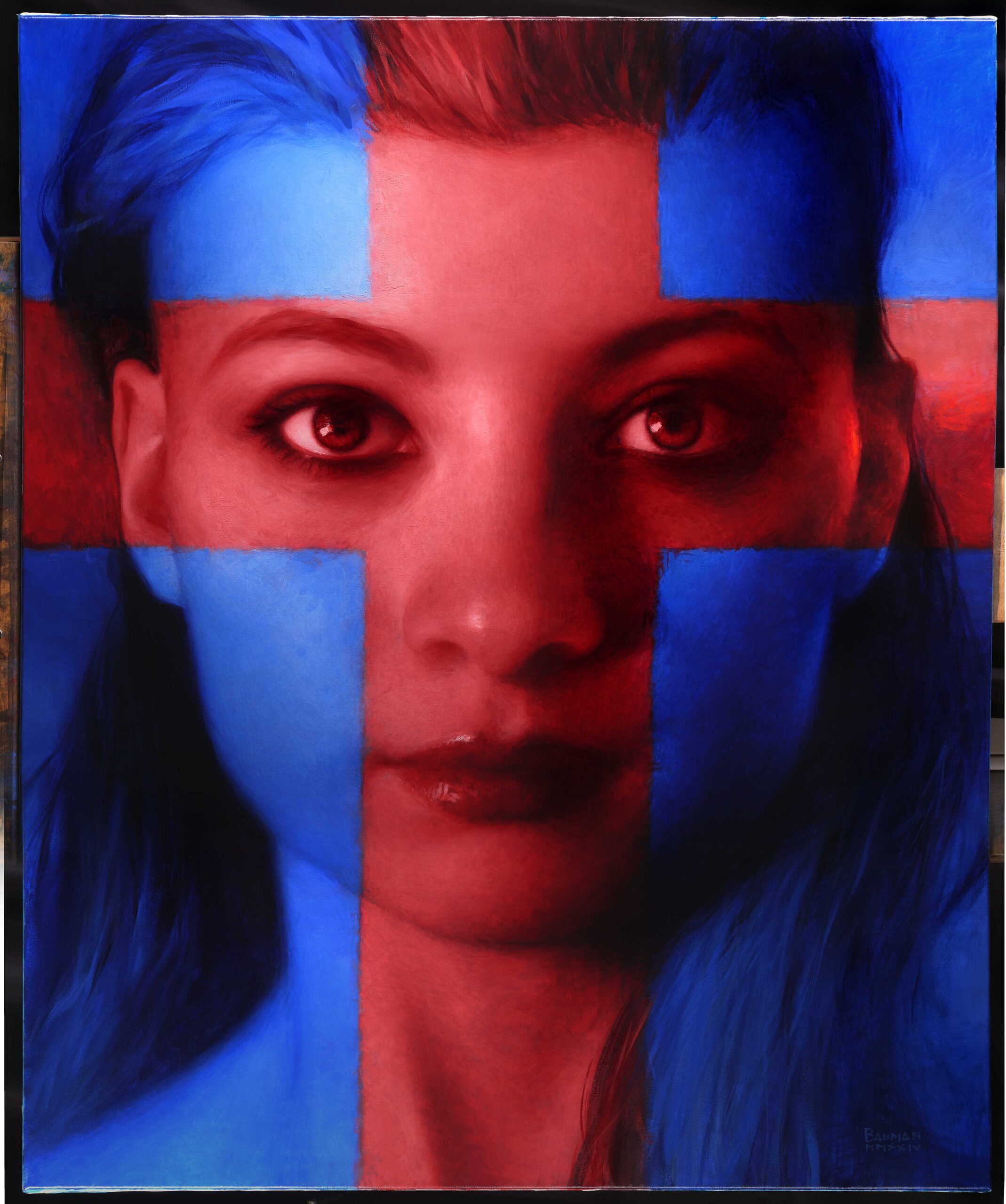
Artwork by Stephen Bauman
The MEAM is a living institution concerned with attending to all the voices of the figurative world and it will combine the richness of its great art collection with the reception of new works. The museum must always be attentive to the updating of the gaze, to the cultural thermometer, to ideosyncrasies of new order; phenomena that we can observe on canvas, paper and clay. In the same way, we will work to ensure that all branches of figuration, from hyper-realism to expressionism, from surrealism to pure fantasy, have a place on our walls and calendars.
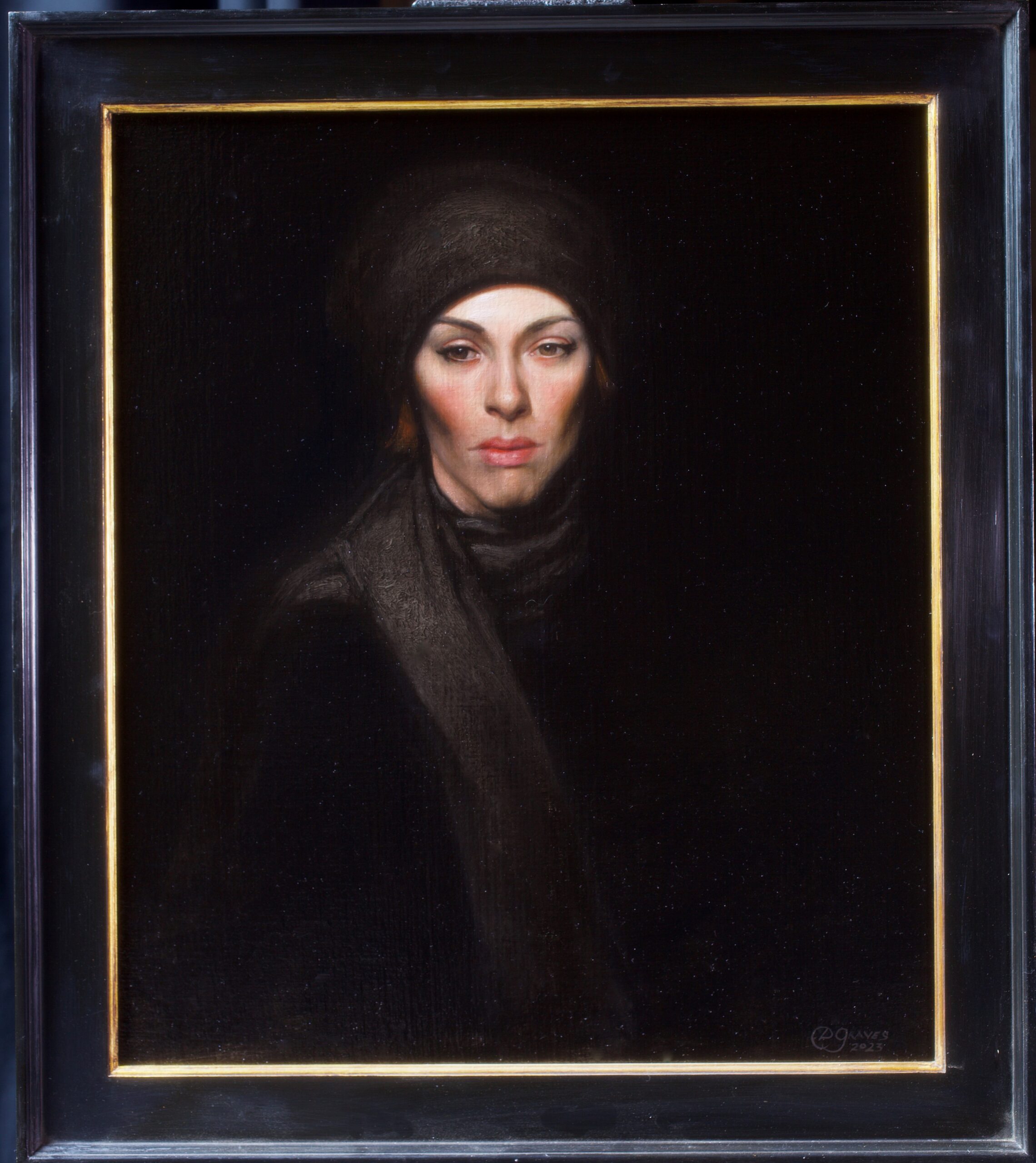
Artwork by Daniel Graves
REALISM NOW highlights that there are many angles from which to work the mimesis or artistic transcription of nature. Realism is a plural movement, a territory with as many paths as there are artists who traverse it. But all its expressions, all its aesthetic or conceptual variations refer to a single objective, which is to translate human experience in plastic terms. Tolstoy said that any man is capable of experiencing all human feelings, even if he is not able to express them. Thus, we understand that the mission of creators is to bring before the eyes of the whole world a representation of the experience of living and to translate the state of things by capturing the reality spiced by sensibility and character. That is, to transcribe for everyone the inner life of the world through form and color.
Artwork by Gennady Ulibin
REALISM NOW features very different works. We will see individual and collective portraits, interior and exterior spaces of different kinds, as well as animals and motifs with pronounced iconographies, pieces of furniture and suggestive textiles. However, as usual in figurative exhibitions, the great transversal protagonist of the exhibition is the human body, that infinite source of symbols and connotations. The gesture asks for a grammar that never ends up establishing itself in something fixed and immovable. The language of time and cultures is codified in our gazes and in the way we walk, dance and stand still. Even in those works in which the human figure is absent, through the codes of tradition, we can read details about absent protagonists, about hypothetical observers, about unique characters.
Artwork by Natalia Segovia
In the eye the truth is concentrated: Who can believe that such a small space contains the images of the whole universe? What language is capable of revealing such a marvel? (da Vinci).
In a world where art often appeals only to the eye, and not the emotions, artist Brittany Scott, a mother of six boys and the founder of the 501c3 non-profit Inspired Arts League, wants art to move people deeply. Her mission? Bring back emotion-based storytelling in art by debuting the work created by 13 artists at their Inaugural Art Exhibition at the NYC Salmagundi Club, October 14-25, 2024.
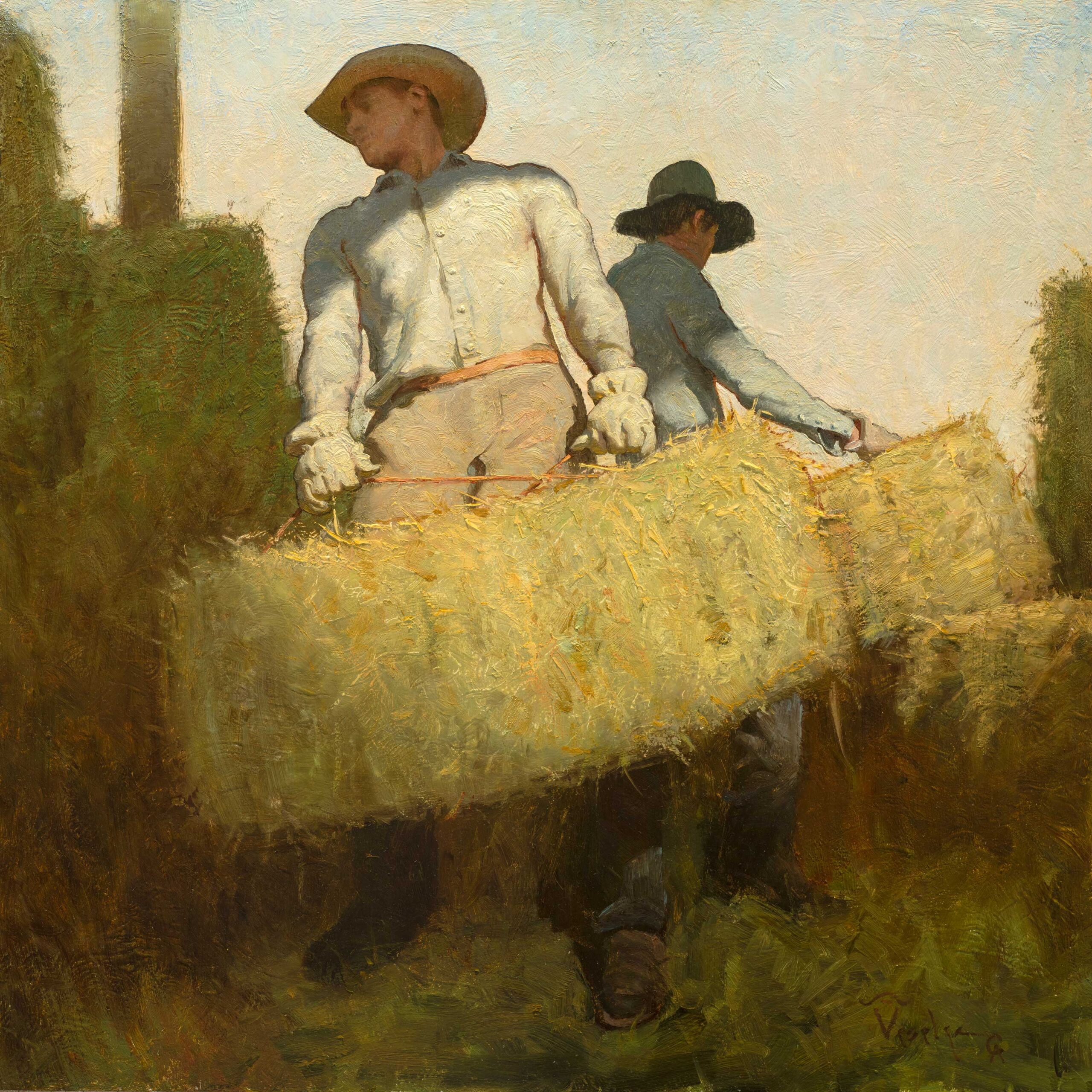
“To Provide” by Albin Veselka
Over the past three years, Brittany dedicated herself to this vision, bringing in top experts to guide 13 artists in mastering emotion-based storytelling. In the first year, narrative-based training expert, Sarah Lagrotteria taught artists how to reverse-engineer emotions, crafting works that evoke deep feelings by stretching the tension in their story. The following year, Bill Perkins, former Director of Visual Development at Marvel, shared his expertise on the power of visual storytelling, as seen in Disney’s The Little Mermaid.
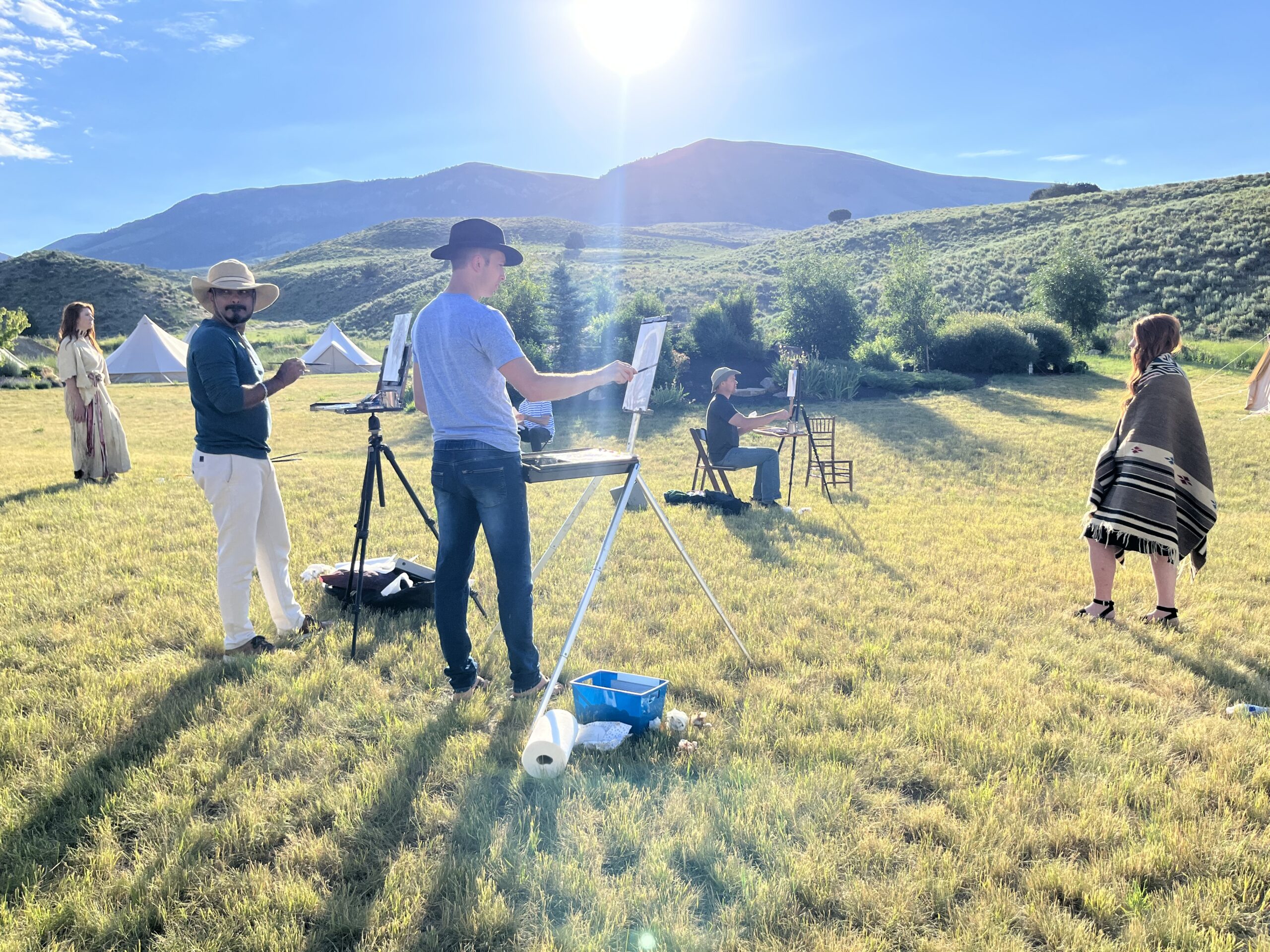
From one of the Inspired Arts League’s art workshops
Now, after years of learning and collaboration, these artists have come together to create their own seminal works of art to embody what they’ve been working to learn. These transcendent works will be revealed at the Historic Salmagundi Club.
“It has been astounding to me to see how collectors are responding to it, and how these paintings created with intention are impacting their viewers. We really are bringing hope to the world through art and I’m just so humbled and grateful I get to be a part of it and witness it all unfold firsthand.”
From one of the Inspired Arts League’s plein air painting workshops
Although the exhibition runs for two weeks, you can join the artists on October 16, 17 & 18, from 6-9 pm for three unprecedented artist receptions that are more than just an exhibit—they’re a journey into the future of representational fine art, where storytelling and emotion are at the core of every piece. Brittany’s vision is about reigniting the true purpose of art: to move, inspire, and transform the viewer.
Fill your mind with useful art stories, the latest trends, upcoming art shows, top artists, and more. Subscribe to Fine Art Today, from the publishers of Fine Art Connoisseur magazine.