Home Blog Page 471

Diving In

0

For those who love the figure and realism, look no further than KM Fine Arts, Chicago.
 
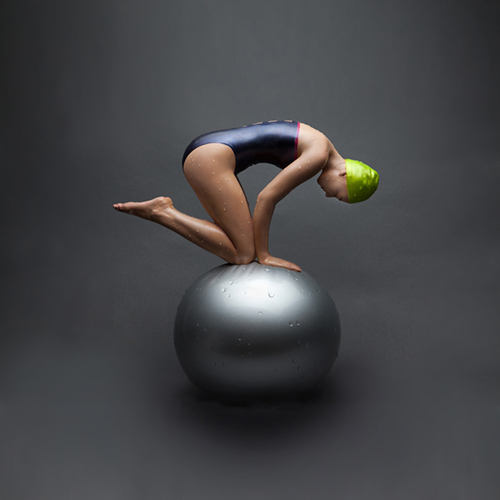
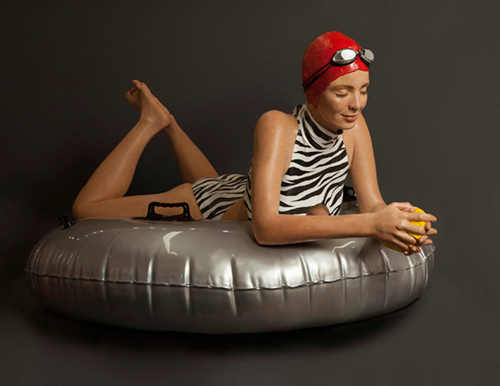
A new exhibition of internationally acclaimed sculptor Carole A. Feuerman’s latest work opened over the weekend at KM Fine Arts in Chicago, Illinois. For over 40 years, Feuerman has established a legendary career and received renown for her hyperrealist sculptures of female swimmers and bathers. Perfectionism, amazingly, does not quite capture the level of detail, time, patience, and skill required to fabricate one of these figures. As the gallery notes, “Genuine mink fur is used for the replication of eyelashes and hair, and the details of the tanned skin, fingernails, and bathing suit ripples are painstakingly painted on. These details combined with the perfectly formed water droplets made of clear resin create astonishingly life-like sculptures. A number of swimmers are even dressed with swim caps that are bejeweled with red and crystalline Swarovski Crystals.”


Carole A. Feuerman, “Miniature Quan (2nd),” 2013, oil on resin, 11 x 11 x 7 in. KM Fine Arts, Chicago

 
The exhibition will feature some of Feuerman’s most iconic sculptures, including “Balance,” “Serena,” and “Miniature Quan.” The captivating level of realism and detail extend to Feuerman’s miniature sculptures as well, serving as evidence that the sculptor possesses a high degree of dexterity along with her notable talent for anatomy.


Carole A. Feuerman, “Next Summer,” 2012, oil on resin, 39 x 54 x 50 in. KM Fine Arts, Chicago

 
“Carole A. Feuerman: New Works” opened on July 31 and will be on view through September 15.
 
To learn more, visit KM Fine Arts.
 
This article was featured in Fine Art Today, a weekly e-newsletter from Fine Art Connoisseur magazine. To start receiving Fine Art Today for free, click here.
 

Mad Through the Darkness

0

To commemorate the 100th anniversary of the Anzac landing at Gallipoli in 1915, a powerful exhibition explores how Australian artists responded to World War I, both during the conflict and in its aftermath.
 
Including names like Will Dyson, George W. Lambert, Arthur Streeton, Fred Leist, and Septimus Power, the Art Gallery of New South Wales in Sydney, Australia, is currently showing a captivating exhibition of World War I art. In addition, for the first time in nearly a century, the exhibition will have on view a selection of works by Evelyn Chapman, described as “the first female Australian artist to visit Europe’s First World War battlefields.” Chapman’s “Interior of a Ruined Church, France,” circa 1919, is a wonderful example of how an artistic eye can transform tragedy into beauty. Our view is from the interior of a cathedral that has witnessed most of its vaulting and walls destroyed by artillery. Even so, a calming sunlight from the left, out of view, bathes the interior with a golden hue. Grasses and even flowers have had their chance to conquer the interior, adding splashes of color to the otherwise gray stone interior of the church. There is a sense of rebirth and renewal in the painting that captures well the beginning of a long recovery in 1919.


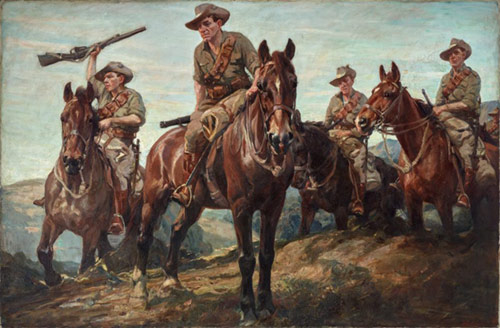
Septimus Power, “The Enemy in Sight,” 1916, oil on canvas, 148 x 224.5 cm. The Art Gallery of New South Wales.

 
Another noteworthy example from the exhibition is Septimus Power’s “The Enemy in Sight,” circa 1916. The painting displays four men on horseback, just as they have spotted their targets. The piece is one of three paintings Power exhibited at the Royal Academy in London in 1916. The museum reports, “painted before he was commissioned as an official war artist, it is an imaginative construction that owes as much to the heroic narratives of the popular press and the image of the bushman-soldier as it does to Power’s genuine affinity with horsemanship.”
 
“Mad through the Darkness: Australian Artists and the Great War” opened in April and will hang through October 11.
 
To learn more, visit the Art Gallery of New South Wales.
 
This article was featured in Fine Art Today, a weekly e-newsletter from Fine Art Connoisseur magazine. To start receiving Fine Art Today for free, click here.
 

Scenic Snapshot

0

Travel back to the 1915 World’s Fair in San Francisco through the eyes of an accomplished Bay Area photographer.
 
The Fine Arts Museums of San Francisco have just opened an exciting new exhibition featuring the photographs of Willard Worden (1868–1946). Worden, who took up photography during his active duty in the Spanish-American and Philippine-American Wars, achieved widespread recognition and was at the height of his career in 1915, when the World’s Fair was held in San Francisco.


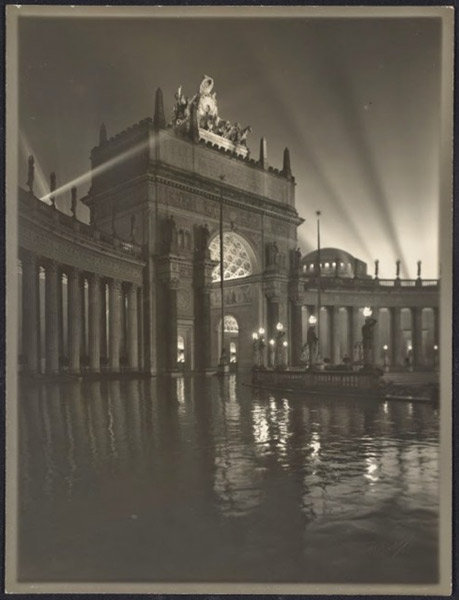
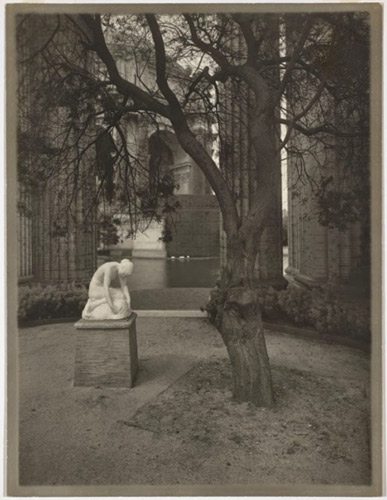
Willard E. Worden, “Colonnade of the Palace of Fine Arts with Edward Berge’s Muse Finding the Head of Orpheus,” ca. 1915, gelatin silver print, Jerry Bianchini Collection

 
As one of the exposition’s official photographers, Worden captured the beautiful architectural and sculptural achievements of the event in both day and nighttime scenes. Worden’s eye for composition and his mastery of the photographic medium are highlighted in prints such as “Colonnade of the Palace of Fine Arts with Edward Berge’s Muse Finding the Head of Orpheus” and “The Arch of the Rising Sun at Night.” Located at the de Jung, Worden’s photographs are juxtaposed with another exhibition that includes nearly 250 works by major American and European artists from the 1915 fair. Titled “Jewel City: Art from San Francisco’s Panama-Pacific International Exposition,” the paired exhibition will open October 17.


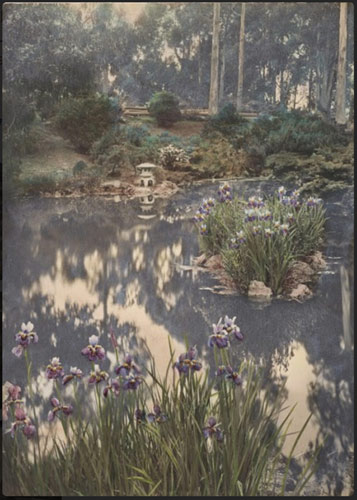
Willard E. Worden, “Japanese Tea Garden,” ca. 1915, gelatin silver print with applied color,
Jerry Bianchini Collection

 
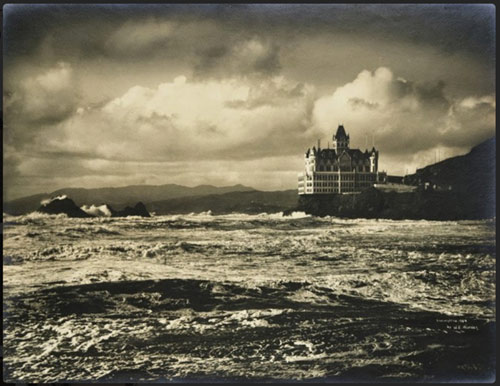
“Portals of the Past: The Photographs of Willard Worden” also features Worden’s photographs of San Francisco’s coastline, Golden Gate Park, and Chinatown, surveying the photographer’s work from the first two decades of the 20th century.


Willard E. Worden, “Storm on the Ocean Beach,” 1904, gelatin silver print, RD Moore Collection

 
“Portals of the Past: The Photographs of Willard Worden” opened on July 25 and will be on view through February 14.
 
To learn more, visit Fine Arts Museums of San Francisco.
 
This article was featured in Fine Art Today, a weekly e-newsletter from Fine Art Connoisseur magazine. To start receiving Fine Art Today for free, click here.
 

Remembering America’s Golden Age

0

The first major exhibition celebrating the art and legacy of one of America’s greatest illustrators is on view in South Dakota. Will it travel to your city next?
 
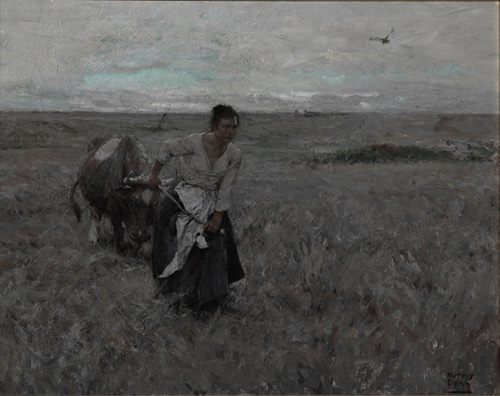
In connection with The Norman Rockwell Museum, the South Dakota Art Museum is thrilled to have available a comprehensive exhibition featuring the art of Harvey Dunn (1884–1954). Dunn, a protege of legendary artist Howard Pyle, is renowned for his illustrations depicting the great plains of America’s Midwest, and his works were regularly reproduced in such magazines as Collier’s Weekly, Harper’s Magazine, The Saturday Evening Post, and Scribner’s. The South Dakota Art Museum houses the most extensive collection of Dunn’s work, but has never organized such a thorough exhibition. Exceptional examples of Dunn’s most recognizable art for publication are featured in the exhibition, “which also highlights the artist’s powerful work for the American Expeditionary Forces, recording the unforgettable realities of combat.”


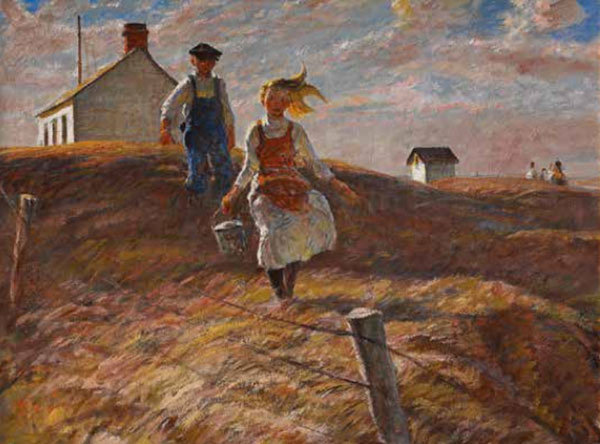
Harvey Dunn, “Homesteader’s Wife,” 1916, oil on canvas, (c) South Dakota Art Museum

 
In addition to being a prolific illustrator, Dunn was a visionary educator. With fellow artist Charles S. Chapman, Dunn founded the Leonia School of Illustration. Dunn would also go on to teach at the Grand Central School of Art, Pratt Institute, and the Art Students League, inspiring many of the 20th century’s most influential visual communicators. Indeed, Dunn once stated, “The most fruitful and worthwhile thing I have ever done has been to teach.”


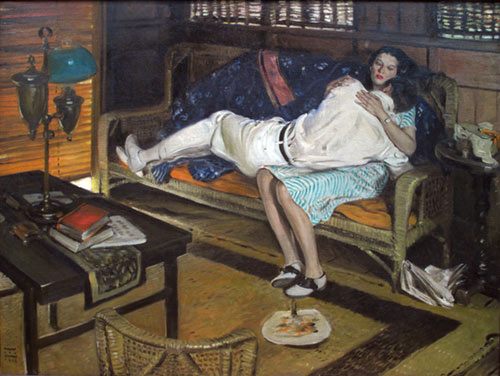
Harold Von Schmidt, “Forgiven,” 1926, oil on canvas, (c) Collection of The Illustrated Gallery

 
In addition to masterpieces by Dunn, the exhibition features the work of some of his greatest students, including A. Allen, Harry Beckhoff, Mac Conner, Mario Cooper, Walt S. Louderback, Arthur Sarnoff, Harold Von Schmidt, and Saul Tepper.


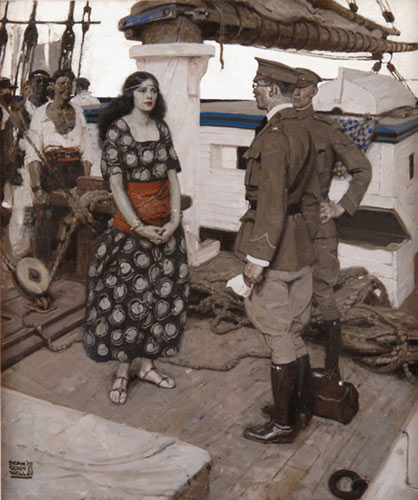
Dean Cornwell, “‘Ah!’ said Tamea, ‘You do not believe, then, that I am the Queen of Riva?’,” 1923, oil on canvas,
35 1/2 x 20 in. (c) Collection of The Illustrated Gallery

 
A beautiful example from the exhibition is Dunn’s “After School” of 1950. The painting, clearly rooted in the expressive and loose brushwork of the Impressionists, shows a boy in overalls and cap following a blond-haired girl as they depart a distant schoolhouse. The strong prairie winds from left to right have encouraged the two figures to tread diligently and carefully. So lovely is the fact that Dunn’s brushstrokes almost exclusively follow this left-to-right directionality, enhancing one’s perception and experience of the winds. A barbed-wire fence moves from the left edge to the foreground as well, giving one the sense of the larger space and landscape that lay beyond the picture’s borders. Dunn’s palette is equally stunning, with a wide arrangement of pastel blues, reds, yellows, pinks, whites, and oranges. The overall experience is delightful from either distance or up close.
 
Titled “Masters of the Golden Age: Harvey Dunn and His Students,” the exhibition will hang at the South Dakota Art Museum through September 11 before traveling to the Norman Rockwell Museum in November. The last stop will be next June at the Hunter Museum of American Art in Chattanooga, Tennessee.
 
To learn more, visit the South Dakota Art Museum or this catalogue.
 
This article was featured in Fine Art Today, a weekly e-newsletter from Fine Art Connoisseur magazine. To start receiving Fine Art Today for free, click here.
 

Edge of Realism

0

Showcasing 21 artists, an upcoming exhibition will feature work that operates at the edges of realistic depiction.
 
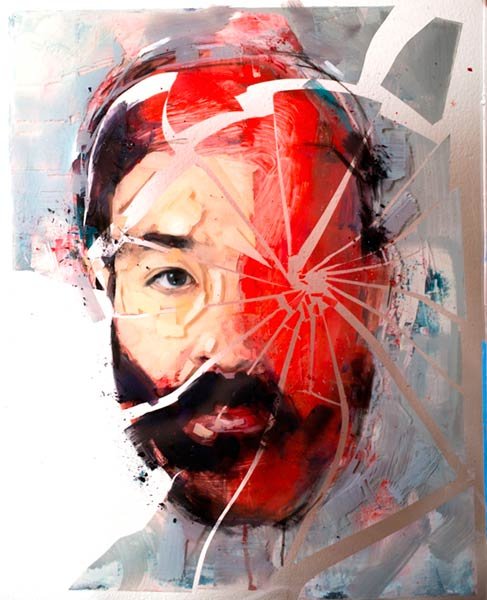
Abend Gallery in Denver, Colorado, will open its doors to the annual “Edge of Realism” exhibition on August 7. The exhibition, which features works by such artists as Jacob Dhein, Justin Hopkins, John Wentz, David Cheifetz, and Britt Snyder, will highlight new directions and perspectives in contemporary representational painting.


Britt Snyder, “Mittens,” oil, 28 x 27 1/2 in. Abend Gallery

 
The gallery suggests, “To be on the edge of something can suggest a multitude of things. Perhaps not quite reaching a goal or ideal or, inversely, on the brink of something new and groundbreaking. In terms of art, to be on the edge of realism suggests a position that lies somewhere in the grey area in between. In order for art to fall under this category as it is defined it has to show its subjects or subject matter with complete honesty, accuracy, and leave out any sense of the social constructs of aesthetics and beauty as we know them, which is in itself problematic. It is crucial to note the varying degree of impossibility of depicting something with complete realism and highlighting the fact that it is for this reason that art falls within that grey area. As humans we are imperfect, bound to be influenced by our surroundings and various personal backgrounds that shape the people we become. There will always be bias, a part of the self that gets projected onto those we come into contact with, and it is through recognizing these notions that art made within the realm of realism can be established. 


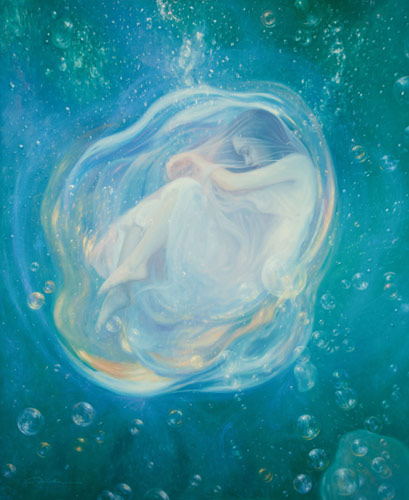
Dorian Vallejo, “Bubble,” oil, 51 x 42 in. Abend Gallery

 
“The 21 artists that comprise this exhibition have all created works that fall into the category of realism, however abstractly. Depicting their subjects in a variety of ways: shrouded in other imagery (Meghan Howland), distorting their faces or bodies (Wendelin Wohlgemuth), manipulating light (Britt Snyder), it goes on… What is important to note here are the distinct features in each piece that call the viewer’s attention. The complex nature of the works that make up this show toe the line between realism and something more, creating hybrids of the subjects and objects we are already familiarized with. 
 
“This exhibition presents a fresh take on already familiar subject matter, but with something more. Each piece emphasizes the individual artists, the qualities that make their perceptions unique and distinct from one another, and highlights the rationale of the curators putting together a show such as this. To be on “The Edge of Realism” suggests something beyond the realm of the ordinary and pushes for the bizarre, insightful, and extraordinary.”
 
Other artists featured in the exhibition include Jaclyn Alderete, Daliah Ammar, Erin Anderson, Jason Avery, Jennifer Balkan, Michael Dowling, Michael Gadlin + Ron Hicks, Benjamin Garcia, Kelly Houghton, Megan Jaster, Dougan Khim, Zin Lim, Matthew Paoletti, Jane Radstrom, Matthew Saba, Daniel Segrove, Dorian Vallejo, and Emilio Villalba.
 
“Edge of Realism” opens on August 7 and will be on view through August 28.
 
To learn more, visit Abend Gallery.
 
This article was featured in Fine Art Today, a weekly e-newsletter from Fine Art Connoisseur magazine. To start receiving Fine Art Today for free, click here.
 

Finding Ourselves

0

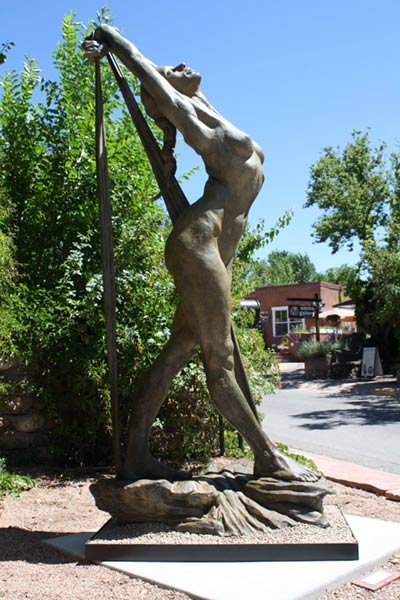
Internationally acclaimed sculptor Paige Bradley unveiled a life-sized bronze that encourages viewers to find a piece of themselves within it.
 
Expressiveness of touch and well-balanced figures characterize the magnetic sculptures of Paige Bradley. On July 24, Bradley exposed to the world via Greenberg Fine Art in Santa Fe, New Mexico, the first life-sized edition of the bronze “Release.” The sculpture displays a beautifully and accurately modeled nude female figure. The pose, which conveys freedom, fullness, and, indeed, release, is one anyone could identify. The legs, right placed in front of the left, are solid and strong, supporting the fully arched back and outstretched arms and hands of the figure. Her face is one of calm serenity, contentment, and satisfaction.


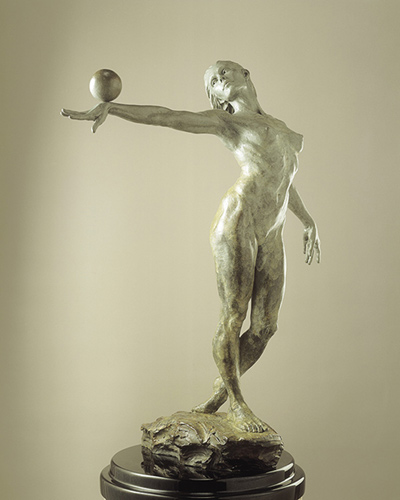
Paige Bradley, “Balance,” bronze, 32 x 24 x 16 in. Greenberg Fine Art
 

Greenberg Fine Art will feature “Release” along with many current works by Bradley from July 24 through August 7. Commenting on the exhibition, Bradley suggested, “I want people to feel that the work is beautiful, complex, and visionary, but what really excites me is when there is a profound understanding between the viewer and the art and they take the image home with them in their heart and in their mind.”
 
To learn more, visit Greenberg Fine Art.
 
This article was featured in Fine Art Today, a weekly e-newsletter from Fine Art Connoisseur magazine. To start receiving Fine Art Today for free, click here.
 

Southern Roots

0

Every location an artist chooses to paint has a unique voice and character. Artist John Cleaveland Jr. has nearly perfected the ability to transport his audiences into the deep American South in his paintings, revealing profound natural beauty and the ever-present effect of the human hand.
 
One would be hard-pressed to find anyone who does not feel an emotional, spiritual, or spatial connection to the place they live or grew up in. Whether the grassy plains of Missouri, the rocky coast of Northern California, or the mountain vistas of Colorado, many artists rely on this environmental link for artistic inspiration. Even so, capturing the personality and charm of a location requires acute attentiveness, familiarity, and both tangible and intangible skills. Lucky for us, John Cleaveland, Jr., possesses all of these and more, and his marked ability to tell the tale of rural Georgia has given audiences pictures with stunning clarity, asking us to stop our routines and appreciate the beauty that surrounds us.
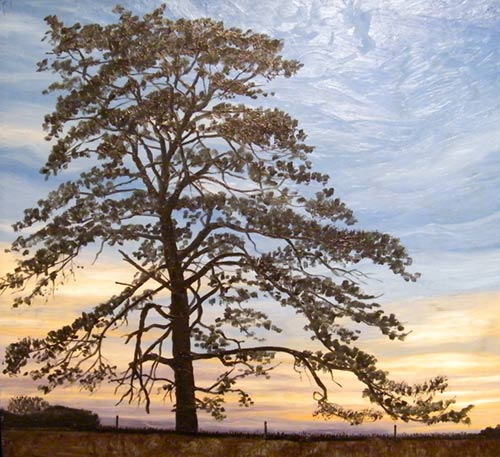


John L. Cleaveland, Jr., “Short Leaf Pine,” oil on panel, 11 x 12 in. (c) Blue Spiral 1
 

As he works on large wooden panels, Cleaveland’s creative process involves immersion into both his subject and the act of painting. This allows Cleaveland to focus on his connection to the landscape, how its appearance changes, and perhaps the historical significance of its location. At a distance, paintings such as “Fleeting Light” and “Short Leaf Pine” read like well-timed and composed photographs, but viewers often cultivate a connection beyond the surface through Cleaveland’s painterly touch and texture. In fact, closer inspection of the artist’s work reveals a degree of abstraction that encourages an emotional reaction to and absorption in the piece.
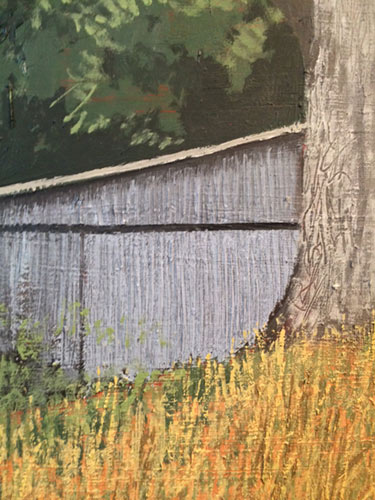


John L. Cleaveland, Jr., detail of surface, (c) John Cleaveland Jr. 2015

 
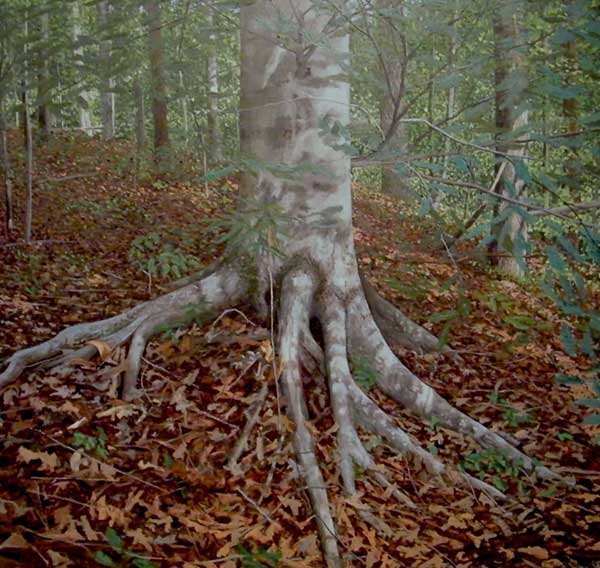
A longtime student of history, Cleaveland also paints places that have historical significance, mainly from America’s Revolutionary and Civil Wars. Acquiring this knowledge about the subject, whether through a discerning eye or the painting’s title, invites new meanings and interpretations. This also connects to a larger theme that surfaces within Cleaveland’s paintings: the presence of humans. His inclusion of abandoned homes, signs, and railroads is evidence of his desire to render what he sees, a duty to truthfulness, and the reality that wherever one goes, there is always evidence of human alteration or influence.
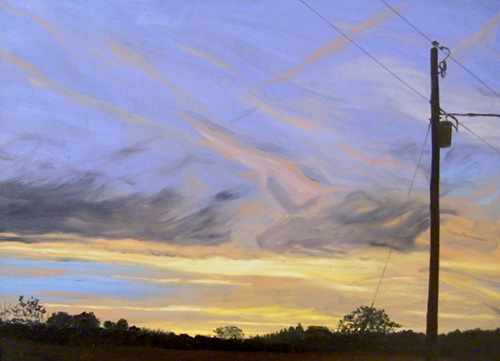


John L. Cleaveland, Jr., “Clouds and Trails, Freeman Creek Road,” oil on panel, 13 x 9 in. (c) Blue Spiral 1

 
“Clouds and Trails, Freeman Creek Road” and “Too Far to Walk — Pendleton, SC” are instructive examples. In “Clouds and Trails, Freeman Creek Road,” we are presented with a gorgeous sunset, complete with wisps of clouds, condensation trails, and a low horizon line. Standing firm, obvious, and tall along the right edge is a utility pole with transformer. However, the scene does not feel disturbed by its presence but, rather, made familiar. Compositionally, the power lines provide movement outside of the picture frame, encouraging the viewer to imagine the larger scene from which Cleaveland has chosen his subject. The strong horizontal lines of the railroad tracks, road, and hilltop function similarly in “Too Far to Walk — Pendleton, SC.”
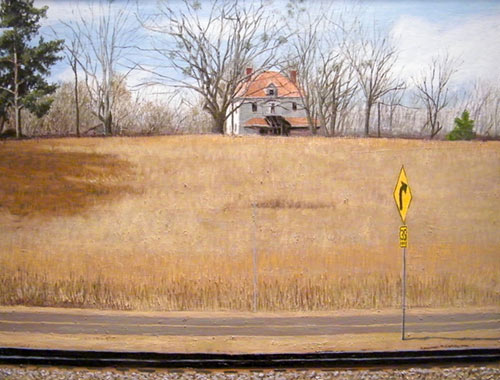


John L. Cleaveland, Jr., “Too Far to Walk — Pendleton, SC,” oil on panel, 16 x 21 in. (c) Blue Spiral 1

 
Cleaveland’s talent for conveying environmental character in paint has not gone unnoticed. Currently, the artist is working on a prairie series for the Missouri State Botanical Gardens in St. Louis, set to be on view in the fall of 2016. What is more, the artist will travel to France in October to begin a series of paintings following the paths of Americans during the First World War.
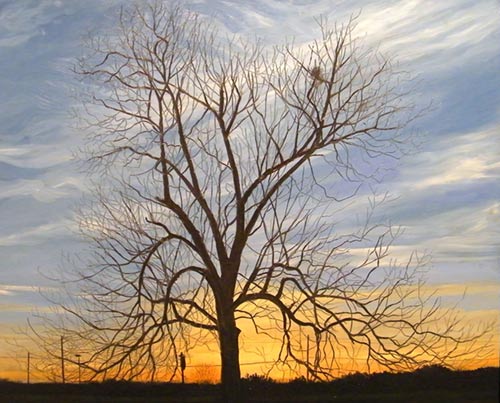


John L. Cleaveland Jr., “From the Siding,” oil on panel, 14 x 17 1/2 in. (c) Blue Spiral 1

 
Currently, John Cleaveland Jr. is exhibiting at Blue Spiral 1 in Asheville, North Carolina. His show there, “Southern Skies,” opened on July 2 and hangs through August 28.
 
To learn more, visit Blue Spiral 1, John Cleaveland, or contact [email protected]
 
This article was featured in Fine Art Today, a weekly e-newsletter from Fine Art Connoisseur magazine. To start receiving Fine Art Today for free, click here.

 

Seeking Your Help

0

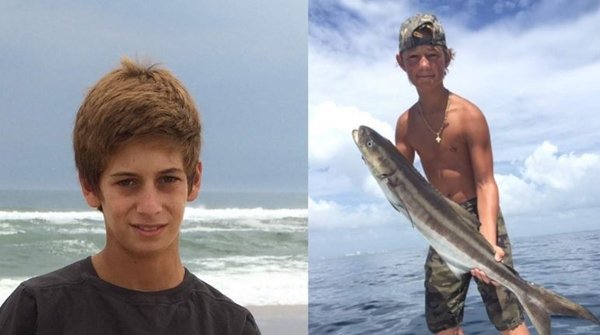
Fine Art Today asks for your help and prayers in locating two missing teenagers off the coast of Jupiter, Florida.
 
Perry Cohen, son of director Nick Korniloff – founder of Art Miami, Art Southampton, and several other fairs – has gone missing with his friend Austin Stephanos off the coast of Jupiter, Florida.  The experienced teenagers left on a fishing trip last Friday and haven’t been seen since.  US Coastguard discovered their capsized boat over the weekend. 
 
The family noted at press conferences and prayer vigils that the teens are experienced sailors and know the waters well.  Their families are offering a $100,000 reward for their rescue and are asking experienced boaters in the area to help in the search.
 
#findaustinandperry

To learn more, visit here.


Nostaglic New England

0

Storybook scenes of Maine’s beloved coast form the subjects of Kevin Beers’ paintings in a current exhibition.
 
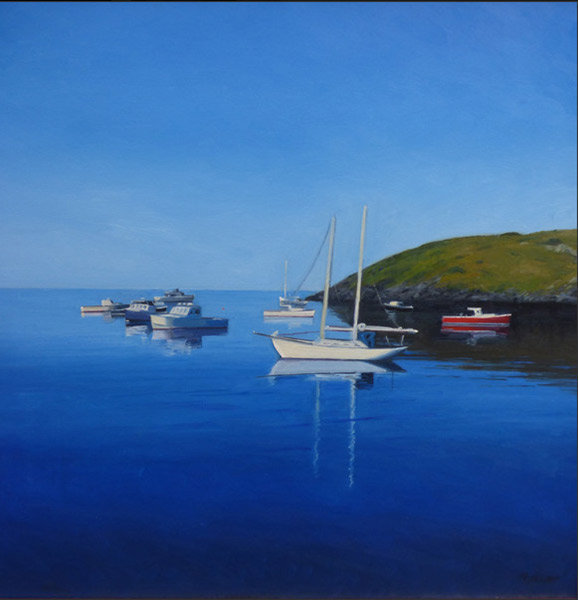
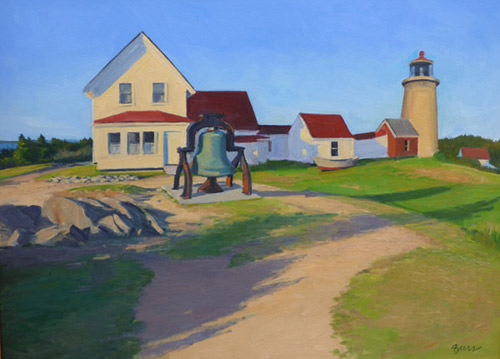
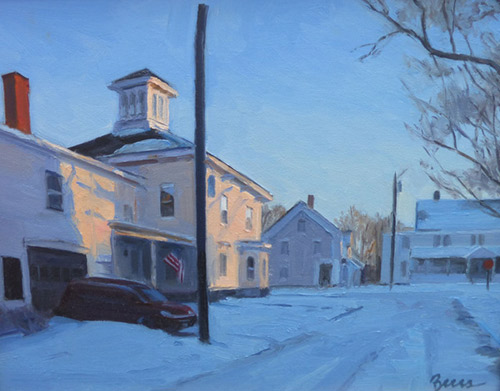
Bold, clean forms and powerful saturation of hue characterize well the beautiful landscapes of Kevin Beers at Gleason Fine Art in Boothbay Harbor, Maine.  Beers does an exceptional job at capturing the simplicity and slow pace of life along Maine’s coast in his pictures.  In addition to scenes such as “Red Lobster Boat” and “Lighthouse with Bell,” which could embellish any collector’s summer home, Beers has included a dazzling array of winter scenes, showing viewers Maine’s magnificence on both sides of the coin.  The bite of winter’s cold comes through vividly in “Afternoon Light,” but, as its title may imply, one finds warmth in the subtle orange that cascades over the side of a centrally located building.


Kevin Beers, “Lighthouse with Bell,” oil on canvas, 30 x 40 in. (c) Gleason Fine Art.


Kevin Beers, “Afternoon Light,” oil on canvas, 11 x 16 in. (c) Gleason Fine Art. 

 
Over 50 paintings feature in Beers’ show “Kevin Beers: A View from Here” at Gleason Fine Art.  Opening on June 18, the exhibition runs through July 28. 
 
To learn more, visit Gleason Fine Art.
 
This article was featured in Fine Art Today, a weekly e-newsletter from Fine Art Connoisseur magazine. To start receiving Fine Art Today for free, click here.

 

Habsburg Brilliance

0

Spectacular treasures from one of Europe’s longest-reigning dynasties are on view at the Museum of Fine Arts, Houston.
 
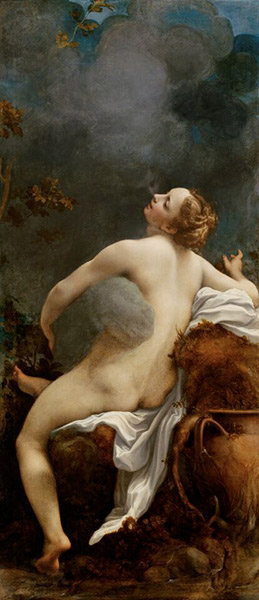
Over 90 works of art including arms and armor, sculpture, Greek and Roman antiquities, court costumes, and paintings by Michelangelo Caravaggio, Antonio da Correggio, Giorgione, Peter Paul Rubens, Titian, and Jacopo Tintoretto all feature in the major exhibition “Habsburg Splendor: Masterpieces from Vienna’s Imperial Collections.” The show explores the dramatic rise and fall of the Habsburg dynasty, who ascended to power in the late Middle Ages, reaching their apex during the 16th  and 17th centuries. Many of the works have never traveled outside Austria, and audiences are sure to be impressed by the variety and quality of art on view.


Titian and workshop, “Danaë,” 1564, oil on canvas, Kunsthistorisches Museum of Vienna, Austria.


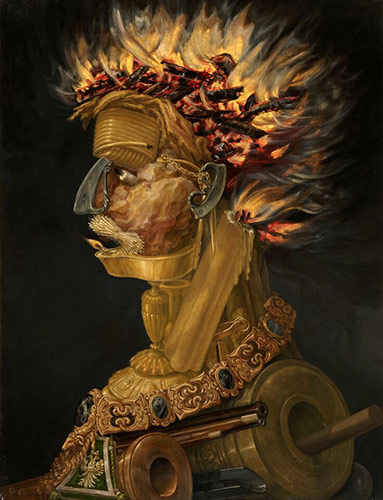
Giuseppe Arcimboldo, “The Fire,” 1566, oil on canvas, 20 x 26 in. Kunsthistorisches Museum of Vienna, Austria.
 

“We’re thrilled to be collaborating with our partner institutions in Minneapolis and Atlanta to bring to our audiences so many extraordinary masterpieces of European art,” said Gary Tinterow, director of the Museum of Fine Arts, Houston. “The selection of paintings — by Giorgione, Titian, Correggio, Arcimboldo, Rubens, and Velázquez, among others — is simply staggering. And I know our visitors will be captivated by the carriages, armor, liveried horses, and pomp of the court costumes.”


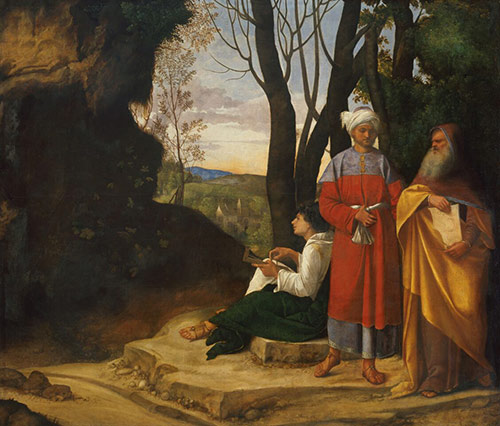
Giorgione, “The Three Philosophers,” ca. 1505-1509, oil on canvas, 48 x 57 in.
Kunsthistorisches Museum of Vienna, Austria.


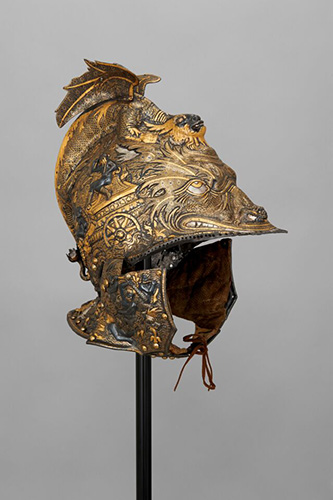
All’antica, Morion of Archduke Ferdinand II of Tyrol, Kunsthistorisches Museum of Vienna, Austria.
 

“We’re delighted to share our museum’s unique wonders with our American friends,” added Dr. Sabine Haag, general director of Kunsthistorisches Museum Wien. “The exhibition will show the extraordinarily wide range of the Habsburgs’ collections, including masterpieces of Roman antiquity, medieval armor, early modern painting, and craftwork, as well as gorgeous carriages and clothing. We hope this will inspire visitors to make the trip to Vienna to see the collection in person and to discover even more of our treasures.”

“Habsburg Splendor: Masterpieces from Vienna’s Imperial Collections” opened on June 14 and will be on view through September 13. The exhibition closes its U.S. tour at the High Museum of Art, Atlanta.

To learn more, visit Museum of Fine Arts, Houston.

This article was featured in Fine Art Today, a weekly e-newsletter from Fine Art Connoisseur magazine. To start receiving Fine Art Today for free, click here.
 

WEEKLY NEWS FROM THE ART WORLD

Fill your mind with useful art stories, the latest trends, upcoming art shows, top artists, and more. Subscribe to Fine Art Today, from the publishers of Fine Art Connoisseur magazine.

  • This field is for validation purposes and should be left unchanged.