

By David Masello
Sarah Bracey White recognizes the natural beauty of cotton fields while acknowledging the complicated history they represent. As a Black girl growing up in Sumter, South Carolina, during the latter years of Jim Crow, she was well aware of the cotton fields that spread beyond the town’s boundaries.
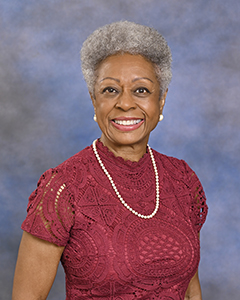
Her mother, who taught in segregated public schools, often needed extra money to raise her five children. “After school, my two older sisters would sometimes pick cotton to make money for my mother,” says White, a noted memoirist, arts consultant, and former librarian who now lives in New York’s Westchester County. “When I was old enough to do so, my mother said, ‘No, you’re not picking cotton.’ Because I’m familiar with cotton fields, the moment I saw this painting, I was struck.”
White and her husband were touring an exhibition of Winslow Homer’s works at the Metropolitan Museum of Art years ago when she came upon “The Cotton Pickers.”
“I told the tour guide that I would trade my husband for the picture,” she says with humor, and within earshot of her husband in their apartment on the Hudson River.
So determined was he to please White and find a reproduction of this painting that he headed immediately to the museum’s gift shop, but to no avail. “My husband is dogged, and, periodically, he would look to see if the work had entered the public domain. About two years ago, he exclaimed to me with great excitement, ‘I’m about to get you a copy of The Cotton Pickers.’” That framed work now hangs on a prominent wall in White’s home, where she sees it daily from her dining table.
While her version is smaller than the real one in the Los Angeles County Museum of Art, she says, “I feel an ongoing poignancy when I look at the scene. It’s my company. And so are the women in it.”
As she wrote in her memoir, Primary Lessons, White was determined to leave the South as fast, and as early, as she could. After attending college in Baltimore and eventually moving further into the Northeast, it wasn’t until about 20 years later that she returned to South Carolina. She recalls getting out of her car and walking into a cotton field to feel the blossoms.
Although Homer’s painting was completed in 1876, during Reconstruction, White emphasizes that Black people continued to pick cotton after the Civil War; they were no longer enslaved, yet the harshness of their labor remained unchanged. Homer was an especially sympathetic portrayer of Black Americans, during and after the war. White notes, “I’ve seen other paintings of cotton pickers by other painters, but those figures are always haggard and angry and old. This is the first time I saw a depiction with two young girls, who were not haggard but, rather, deep in thought.”
Over the years she has been living with the reproduction of Homer’s scene, White has continued to build a narrative about the two figures. “As a woman of color, I am particularly aware of their skin color, which is very realistic. These are not Black African girls — they have some white heritage, and Homer is faithful to that whole concept in how he paints their skin color.”
As she looks closer, White observes, “The woman on the right is staring off into the distance, not looking back, but looking ahead. She’s contemplating leaving the cotton fields.” White points to the sack this figure carries, akin to those slung over hobos’ shoulders, suggesting she will soon embark on a new, far freer life. “The other girl is looking down, and I sense that she might have a family and can’t leave. I was determined to leave the South, and while I still have a fondness for it, I’m glad I had the courage to leave. I felt the need to go. I see myself in the girl about to leave — her spirit is my spirit.”
View more artist and collector profiles here at FineArtConnoisseur.com.
Fine Art Today covers artists and products we think you’ll love. Linked products are independently selected and linked to for your convenience. If you buy something using a link on this page, Streamline Publishing may receive a small share of that sale.