
From Fine Art Connoisseur’s “Historic Masters” series
By Valerie Ann Leeds

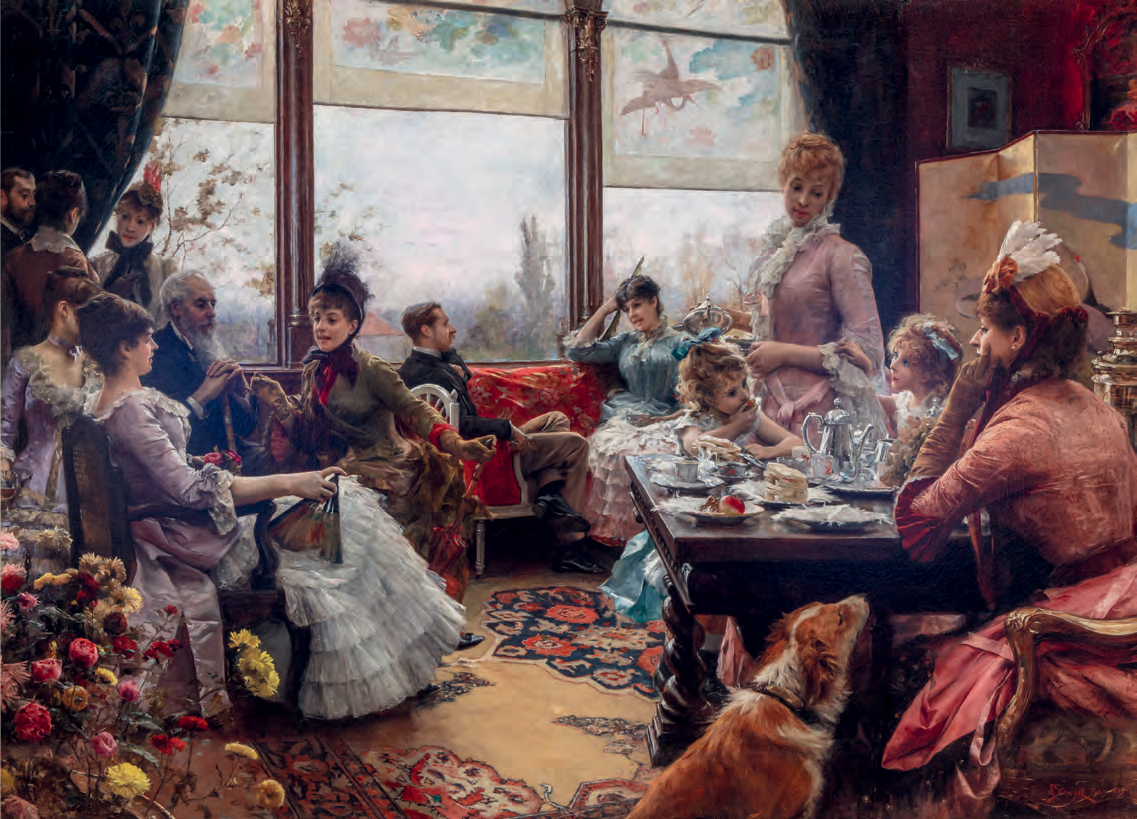
At first glance, the art and career of Julius LeBlanc Stewart (1855–1919) suggest the conventional trope of the privileged American-born artist living abroad, yet a closer look defies that stereotype in several respects.
From our contemporary vantage, Stewart was a product of his era and circumstance who epitomizes Belle Époque France — an American artist living in Paris within an intellectual elite and affluent social setting.
His life unfolded against the backdrop of major transformations in European society and industrialization that brought about both economic prosperity and an artistic golden age, in which Stewart actively participated.
The son of a sugar magnate who was an art collector, Stewart spent most of his life in France, having relocated there from Philadelphia with his family when he was 10 years old. Over the years, various commentators called him “Parisianized,” a “Parisian from Philadelphia,” and “the most purely Parisian of the American Painters.” He became a fixture in Paris’s expatriate society and was closely involved with its artist community. He may appear to have lived a decadent and indulged life, yet he remained dedicated to art, a fact confirmed by his prolific output and many submissions to exhibitions in Europe and the United States.
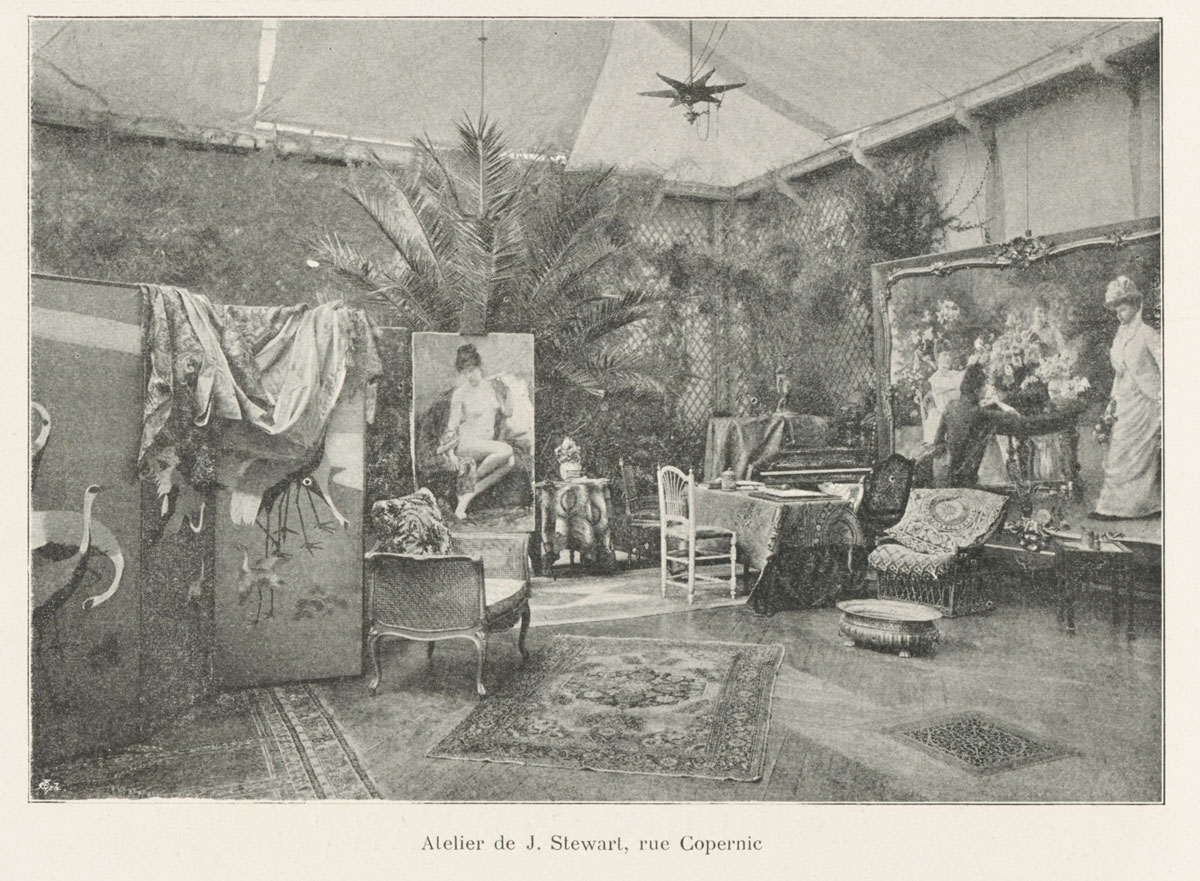
Notwithstanding his training and residence in France, and despite painting scenes that were typically French, Stewart was always considered an American; it does not appear that he or his family ever sought French citizenship. It would seem Stewart belonged to the circle of expatriate artists that architect Henry Bacon called the “Paris-bred young Americans.” As many as 6,000 Americans were said to be in the capital’s expatriate colony, which was described as “a little city within a big one.”
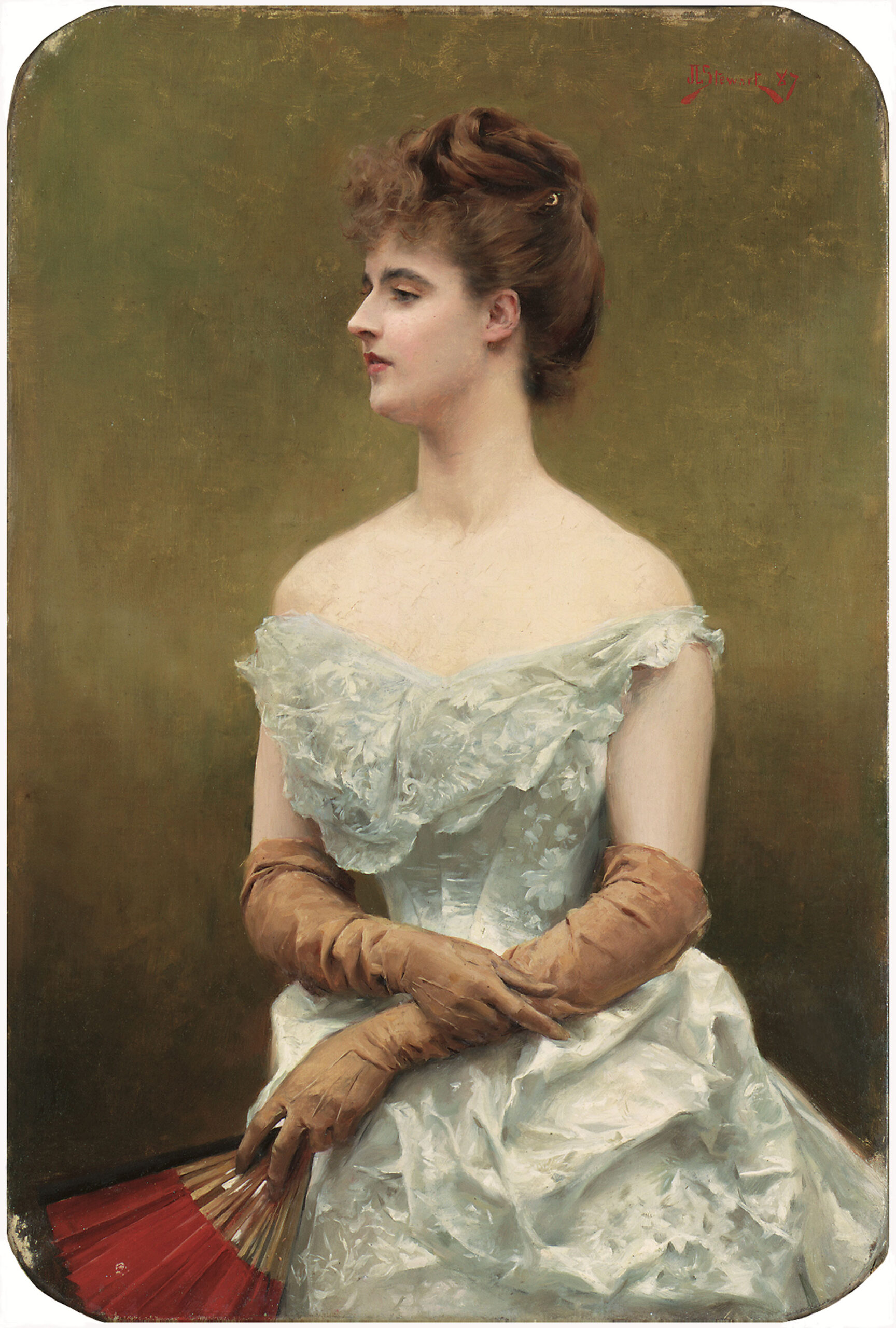
Of these artists, Samuel Isham observed: “Paris has been the art school of the world … A few have become Parisians, which is a very different thing from becoming French, but as a rule there has been surprisingly little assimilation.” Having lived in Paris far longer than most visiting American artists, Stewart assimilated more than most, yet his art displays a convergence of American and Continental threads.
Continue reading in the January/February 2025 issue of Fine Art Connoisseur …
Sign up here for the weekly Fine Art Today newsletter, which brings you high-level content while providing you with current and upcoming art exhibitions and events, late-breaking stories, and more from the art collecting world.
Story prepared for the web by Cherie Dawn Haas, Editor of Fine Art Today