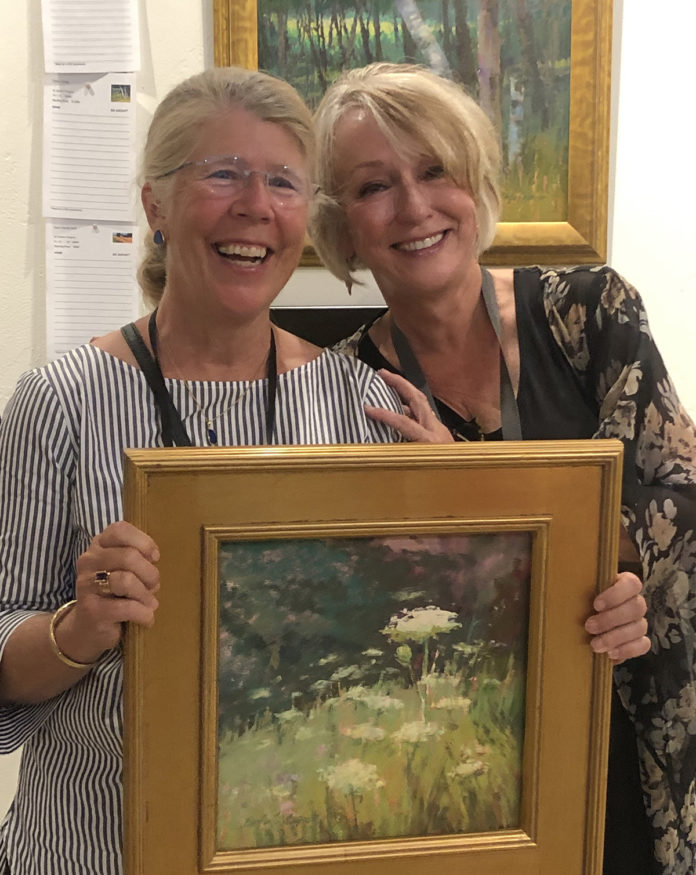
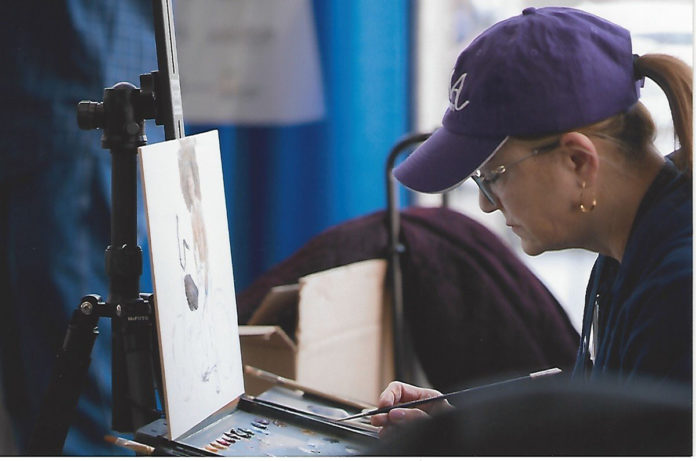
Artist Jill Stefani Wagner at Door County Plein Air Festival with fellow artist and friend.
How did you get started and then develop your career? Jill Stefani Wagner: Like many artists, I knew from a very young age that I HAD to create art. I attended the University of Michigan Art School and majored in painting and history of art. During my last semester I realized I’d need to make a living (horrors!) and switched to graphic design. That led to owning a mid-sized advertising agency in Ann Arbor for 25 years.
I sold that business 10 years ago and I’ve painted professionally ever since, in both pastel and oil. I attend museums and workshops and paint non-stop, knowing it’s the only way to improve my skills. I enter national exhibits to evaluate my work in relation to others. After discovering plein air painting, the way I create has improved exponentially. Over time I’ve added galleries to the mix, and teach workshops and at the Plein Air Convention.
My previous marketing experience taught me how to be “buttoned up” and always over-deliver. I’m willing to work at the (daunting but much-needed) social media aspects of my career. And I understand that although I’m an artist, I’m also a small business owner.
How do you describe success? Jill Stefani Wagner: I believe “success” is a moving target, no matter which career we choose. New opportunities create new goals, and though I don’t always succeed, I definitely learn from each one. Finishing a difficult artwork, creating a commissioned painting that makes my patron smile, having my work accepted into a national exhibit and accepting new gallery representation are all steps of the latter we artists climb.
And every minute of this new art life makes my heart sing. I wake up with glee, knowing I get to paint today! For me, THAT is the ultimate success!
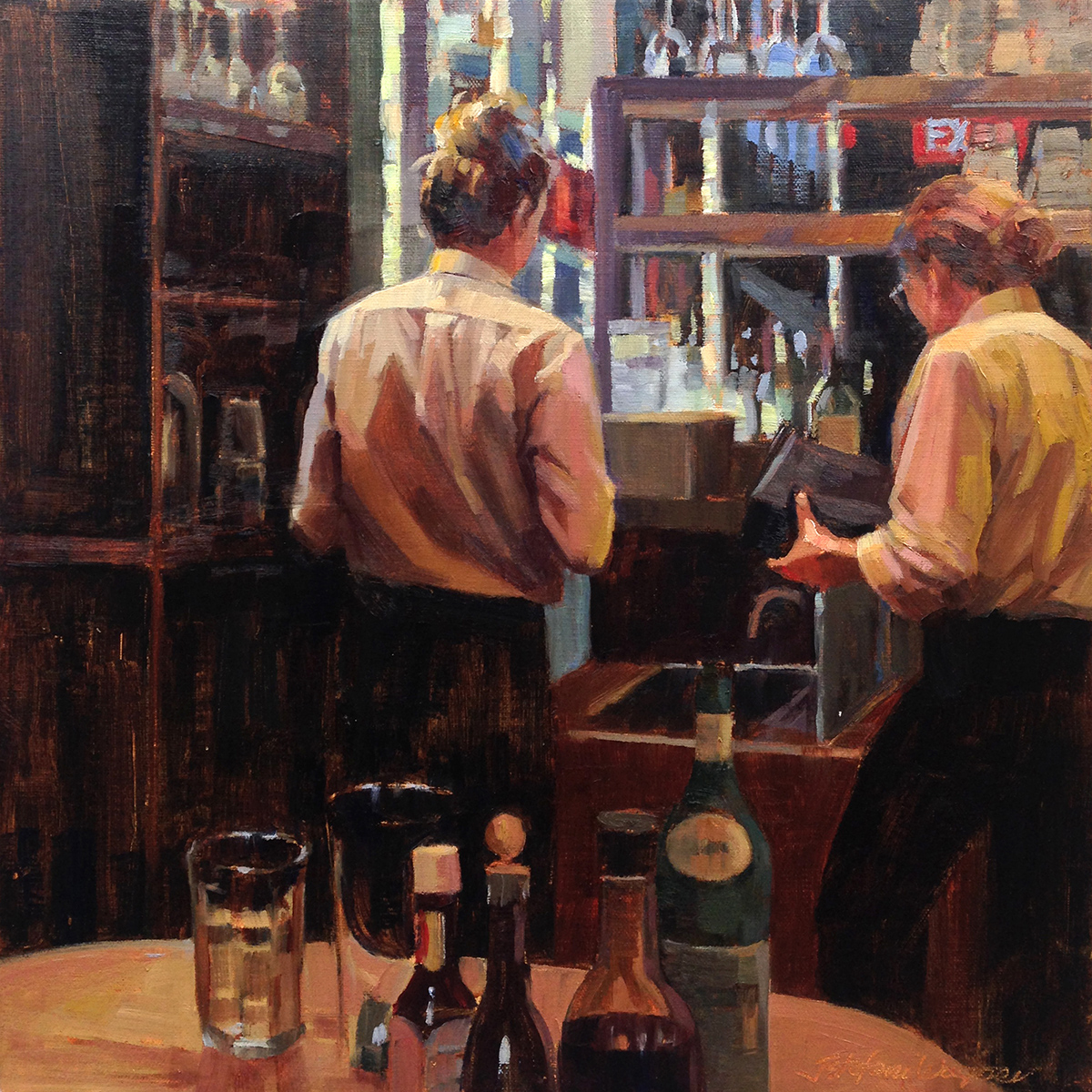
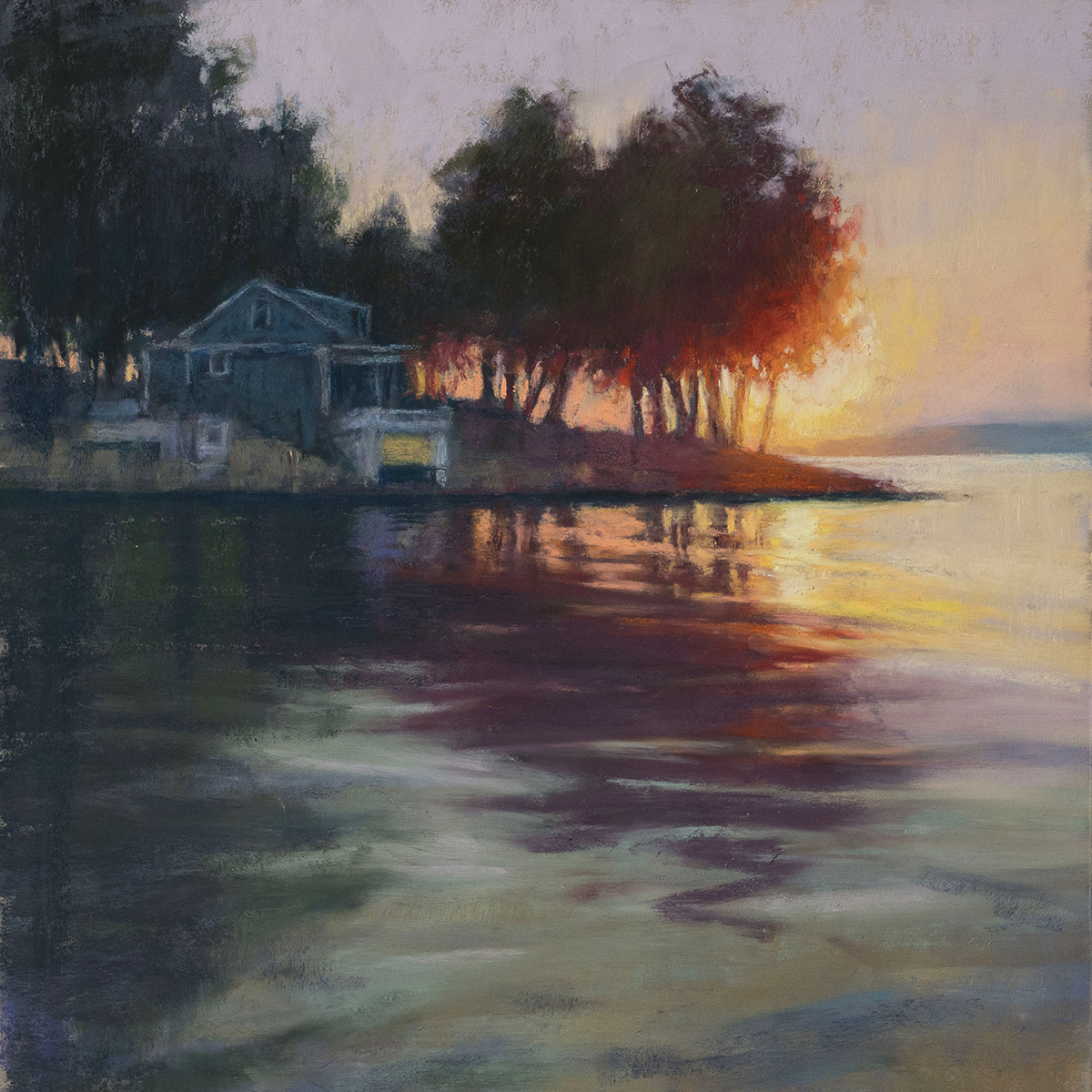
Jill Stefani Wagner, “One Up, Two on the Rocks,” oil ,12 x 12 in, 2017 During the cold winter months in Michigan, I spend time in my studio capturing “the light” in restaurant and bar scenes.Jill Stefani Wagner, “At the Point,” pastel, 12 x 12 in, 2022. The featured painting for my new video that will be available in late August: Jill Stefani Wagner: Pastel Painting from Photos: A 5 Step Process
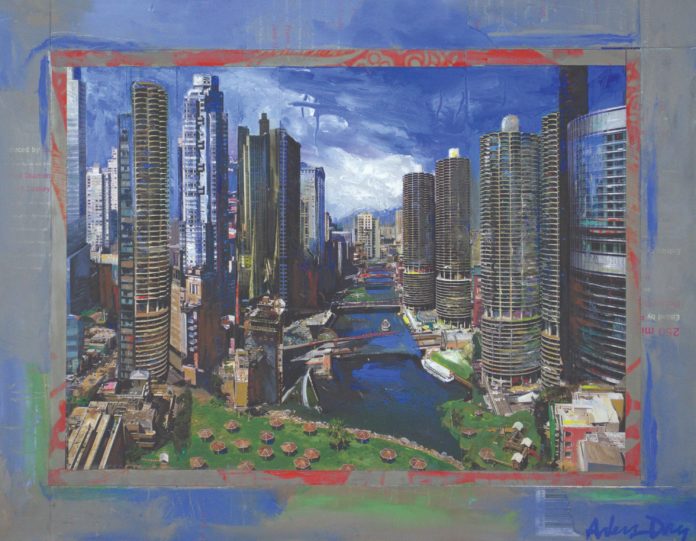
Arless Day (b. 1951), "Umbrellas in the City," 2014, gouache collage on board, 19 x 22 in., private collection
The Spirit of Collage Paintings: Works by Arless Day Morris Museum of Art
Augusta, Georgia themorris.org
Through November 6, 2022
The artist Arless Day (b. 1951) is set to present his second solo exhibition at Augusta’s Morris Museum of Art. This one will feature more than 30 collage paintings dating back to 2002 — a range of cityscapes, florals, and domestic interiors that Day has made by combining collage with gouache or acrylic.
The resulting works are boldly colored and painterly in effect, a unique blend of realism with the expressiveness that artists of our time have inevitably absorbed from modernism.
“The exuberant energy I had for art as a child is still within me,” Day declares. He grew up in Baton Rouge in an artistic family; his father was a woodcarver and his uncle was a teaching artist at various colleges and universities. The young man went on to graduate from the Ringling College of Art & Design in Sarasota, Florida, where he met his wife, Patsy Mauldin. Ultimately, the couple ran a successful illustration and design studio in Charlotte.
It was at that North Carolina city’s Mint Museum that Day became enthralled by a 1981 exhibition of flower and landscape paintings created by the great realist Joseph Raffael (b. 1933). That aha moment inspired Day to turn to art full-time, and seven years later he made his first collage painting. That has been his principal medium ever since, and this summer’s show underscores how highly suitable it is to his talent.
> Visit EricRhoads.com to learn about more opportunities for artists and art collectors, including retreats, international art trips, art conventions, and more.
> Sign up to receive Fine Art Today, our free weekly e-newsletter
Twenty stunning works of art by historic and contemporary local artists will be up for grabs during the Santa Paula Art Museum’s virtual 12th Annual Fine Art Auction Fundraiser.
Online bidding opens Saturday, August 13, 2022, and closes Saturday, August 27, at 4:00 p.m. PDT. The auction artworks can be previewed during a special, in-person preview reception at the Museum on August 13. Admission to the preview reception is free. Drinks and hors d’oeuvres will be served.
The Santa Paula Art Museum’s annual Fine Art Auction is the nonprofit’s biggest fundraiser each year. All proceeds raised during the event benefit the Museum and the thousands of children, families, and adults served by SPAM exhibitions and educational programs every year, including its free ArtSPARK school tour program, monthly Free Family Days, free Young Artist Program, and free Kids’ Art Fest. Individuals must preregister to bid online at www.bidsquare.com/auction-house/santa-paula-art-museum.
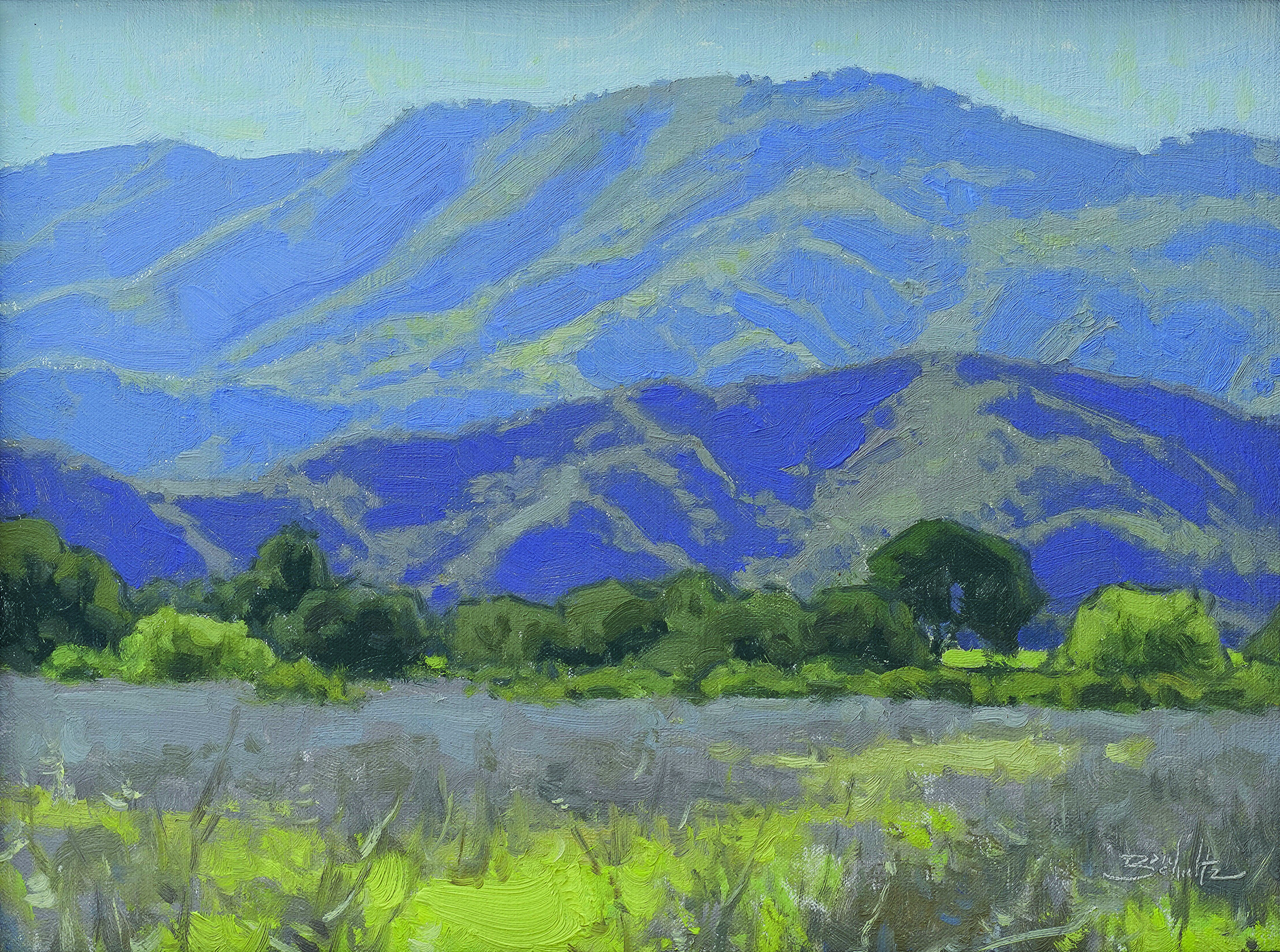
“Bright Springtime” by Dan Schultz
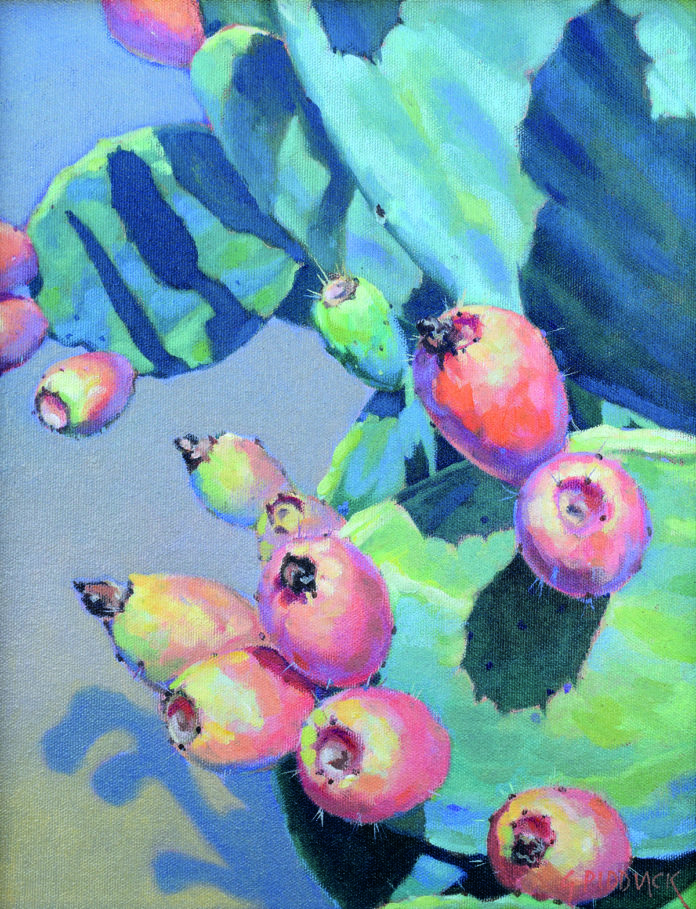
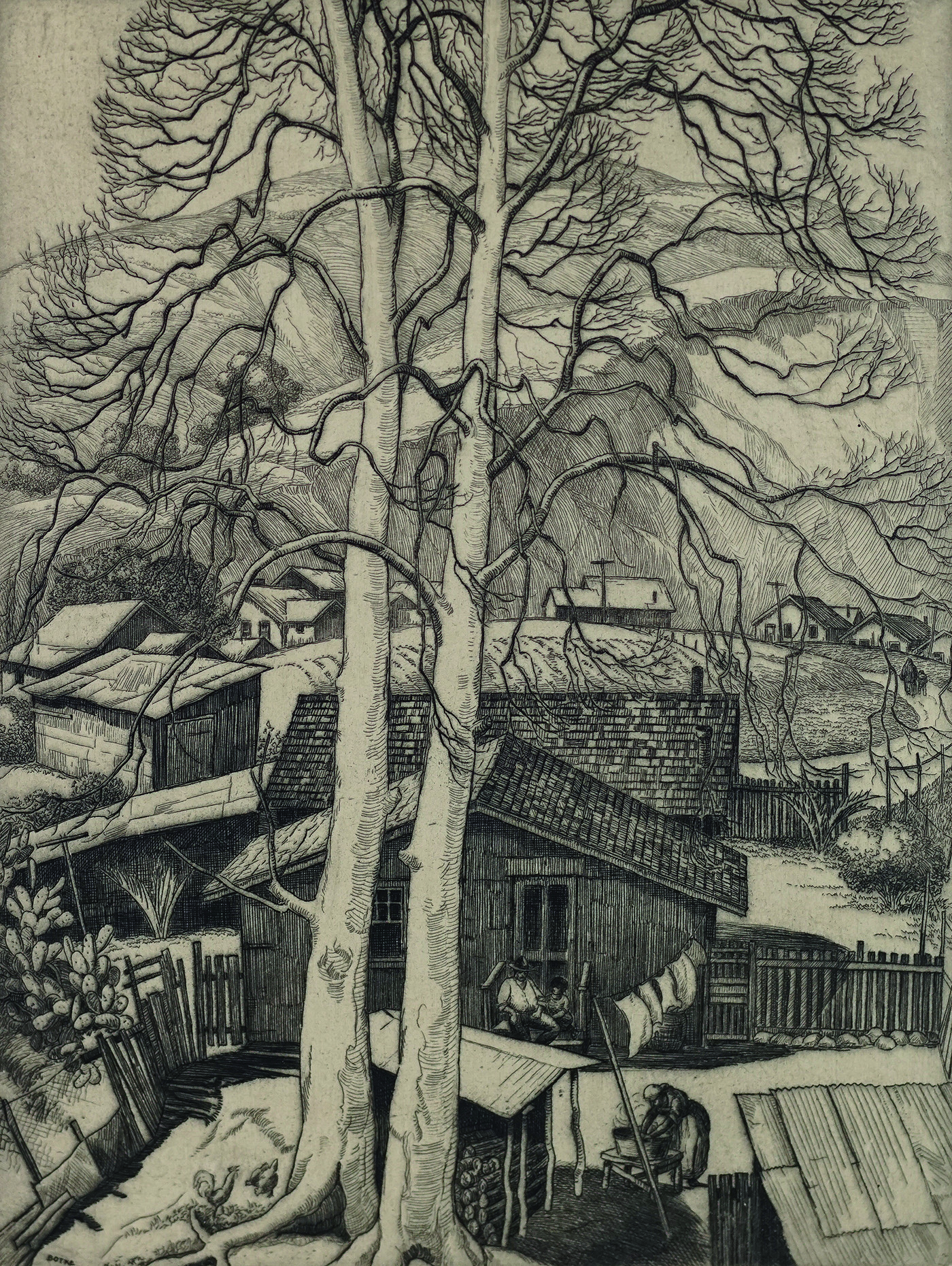
Bid online for your chance to take home artworks by historical Southern California artists like Jessie Arms Botke, Cornelis Botke, Douglas Shively, and Manuel Valencia, as well as contemporary pieces by Linda Brown, Lynn Hanson, Debra Holladay, Norman Kirk, George Lockwood, Lisa Skyheart Marshall, Gina Niebergall, Susan Petty, Gail Pidduck, Dan Schultz, Jules Smith, and Andrea Vargas.
“In Wheeler Canyon” by Cornelis Botke
Art lovers can also purchase raffle tickets for a chance to win one of two paintings by historic Santa Paula artists Jessie Arms Botke and Cornelis Botke. Raffle tickets start at $50.00. Raffle tickets can be purchased online at www.santapaulaartmuseum.org/raffle.
> Visit EricRhoads.com to learn about more opportunities for artists and art collectors, including retreats, international art trips, art conventions, and more.
> Sign up to receive Fine Art Today, our free weekly e-newsletter
In 1908, the same year that Gustav Klimt created “The Kiss,” eye tracking was born. Back then, the tool was cumbersome as hell—requiring enough invasive bells and whistles to make test subjects look like they were going deep-sea diving. Fortunately, the tool has gotten a lot easier to use since then. Plop a person down in a seat in front of an eye-tracking machine, and you can precisely capture—on a split-second basis—where exactly a person is looking. The set-up takes usually no more than half a minute. During the set-up calibration period, participants are asked to follow the bouncing red ball on screen so that the machine can quickly learn where precisely to find their eyes. Then the test can begin.
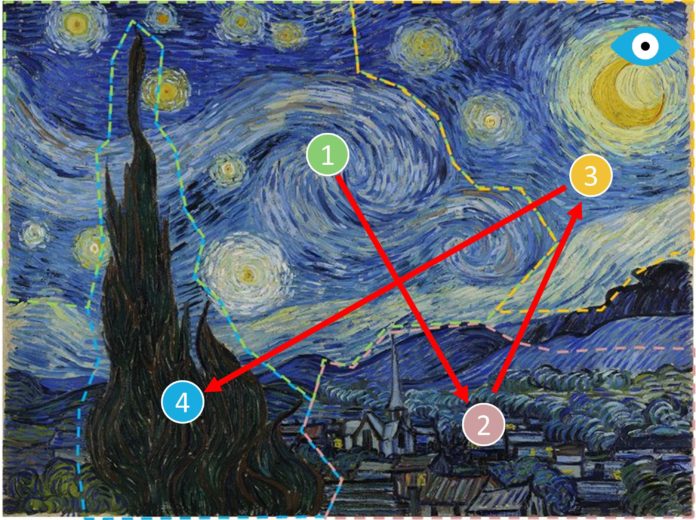
In van Gogh’s case, “The Starry Night” is more or less the view that the artist had from his asylum window in Saint-Rey-de-Provence after cutting off his ear. I say “more or less,” but it’s actually more. That’s because van Gogh added an idealized village.
Participants naturally took a variety of paths in looking this painting over. But on average, where did they tend to go with their eyes? First up was the biggest swirling vortex in the sky. Next up was the slumbering village. That stop along the gaze path was followed, in turn, by participants looking at the moon. Finally, they took in the large cypress tree in the foreground that parallels the church’s steeple.
Fine Art Today covers artists and products we think you’ll love. Linked products are independently selected and linked to for your convenience. If you buy something using a link on this page, Streamline Publishing may receive a small share of that sale.
> Sign up to receive Fine Art Today, our free weekly e-newsletter
As part of our effort to continue to help artists and art galleries thrive, we’re proud to bring you this week’s “Virtual Gallery Walk.” Browse the artwork below and click the image itself to learn more about it, including how to contact the gallery.
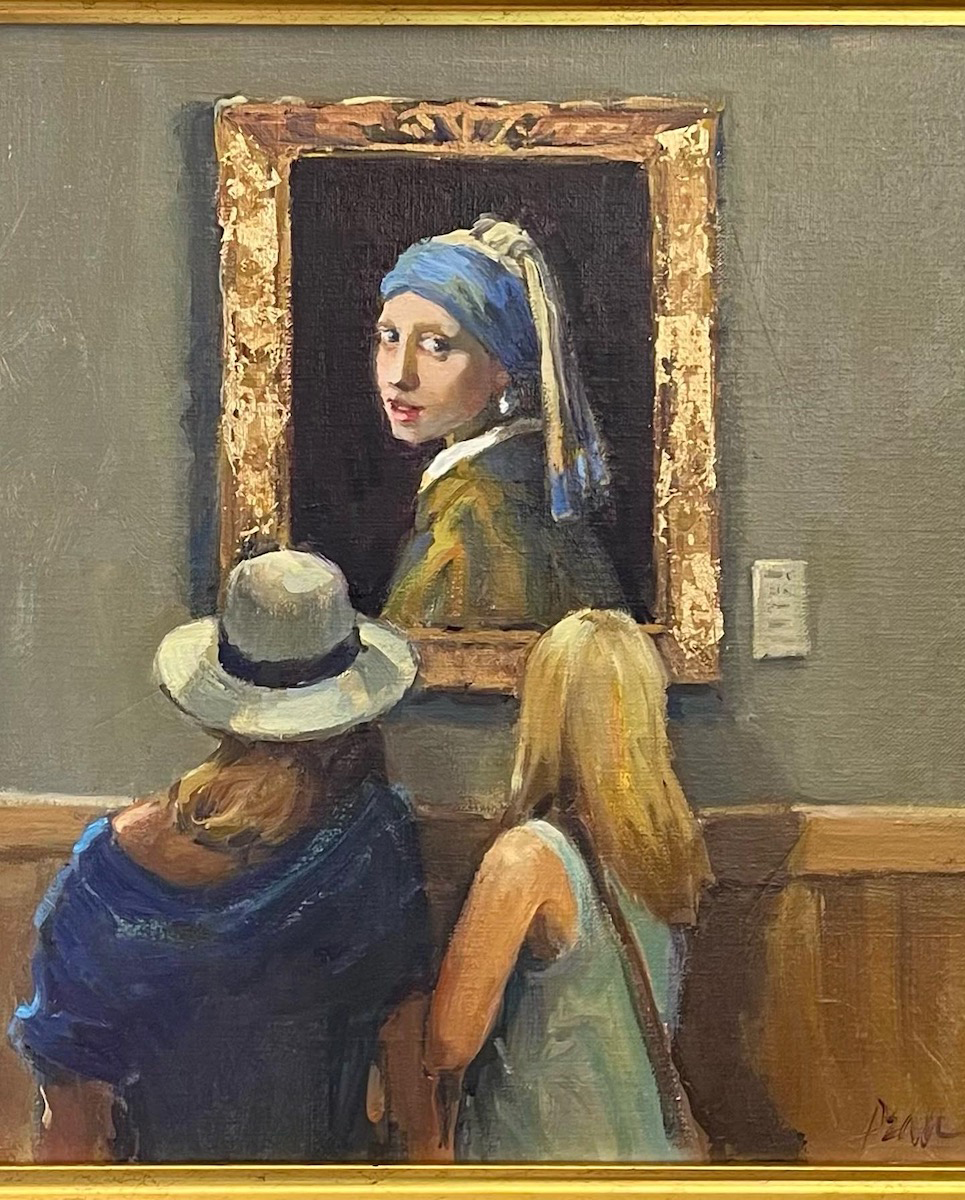
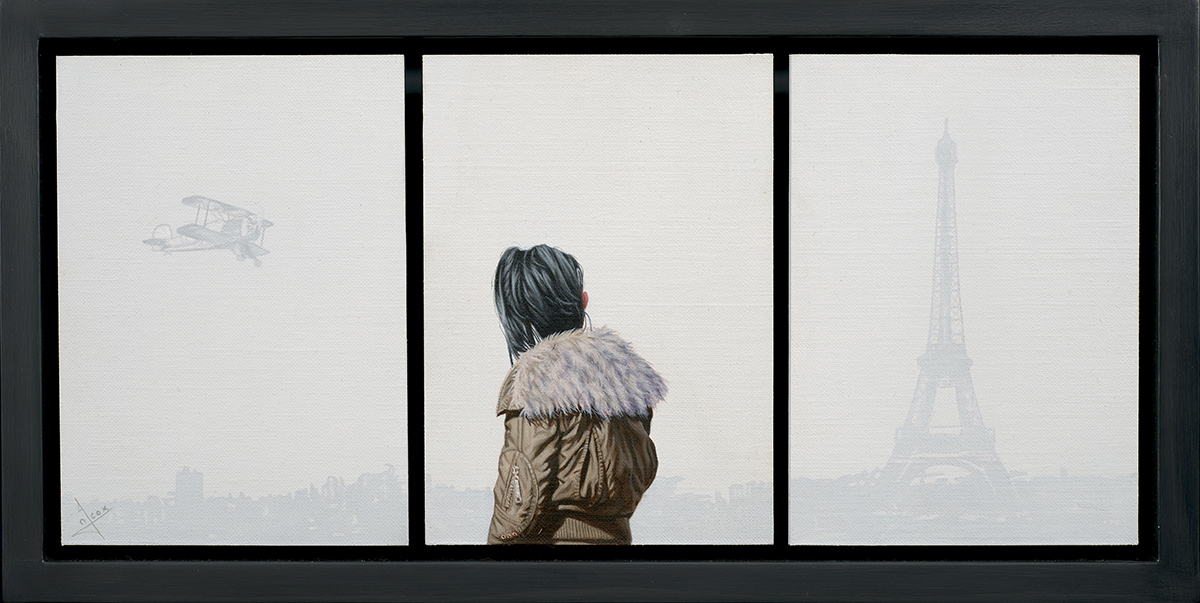
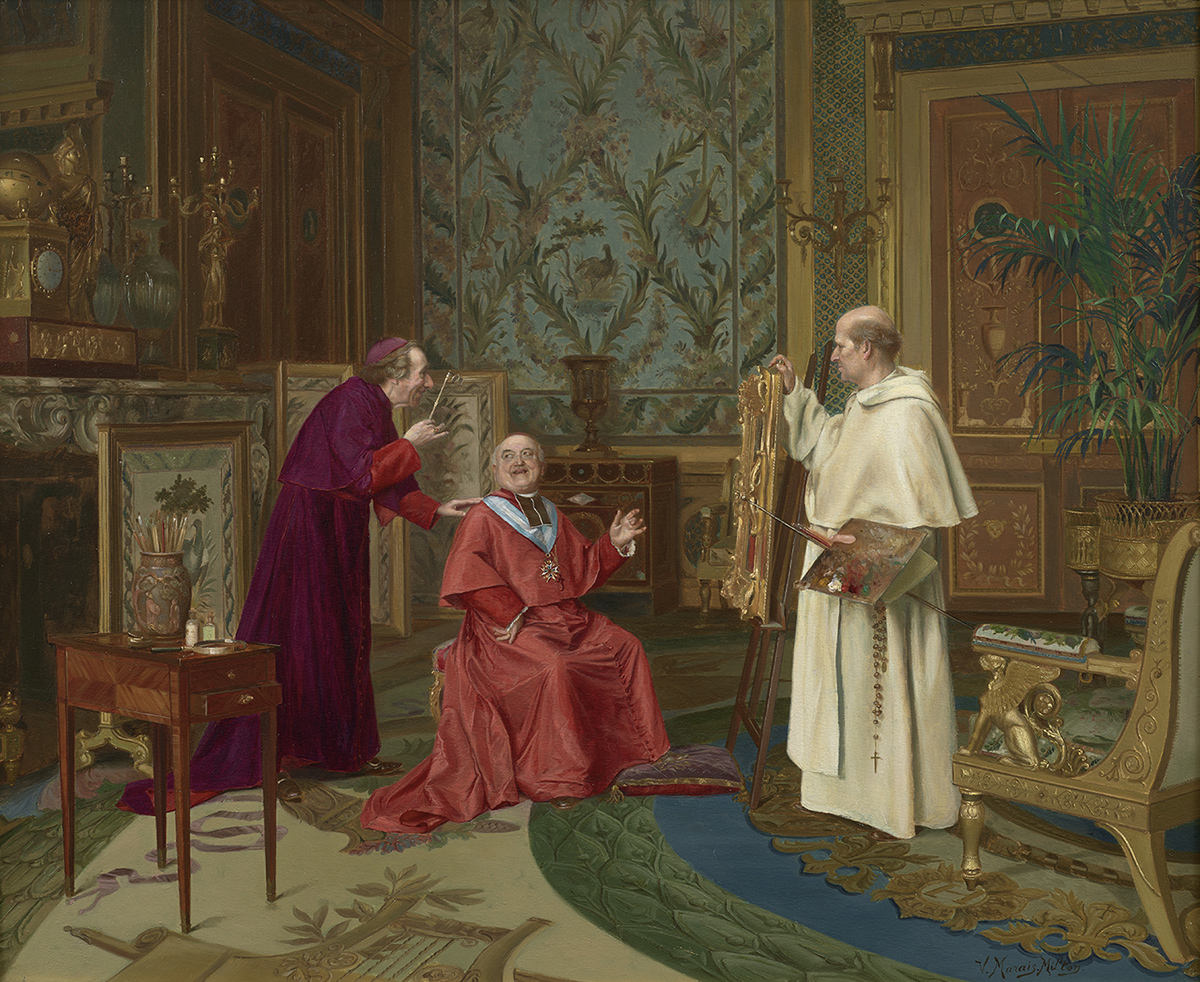
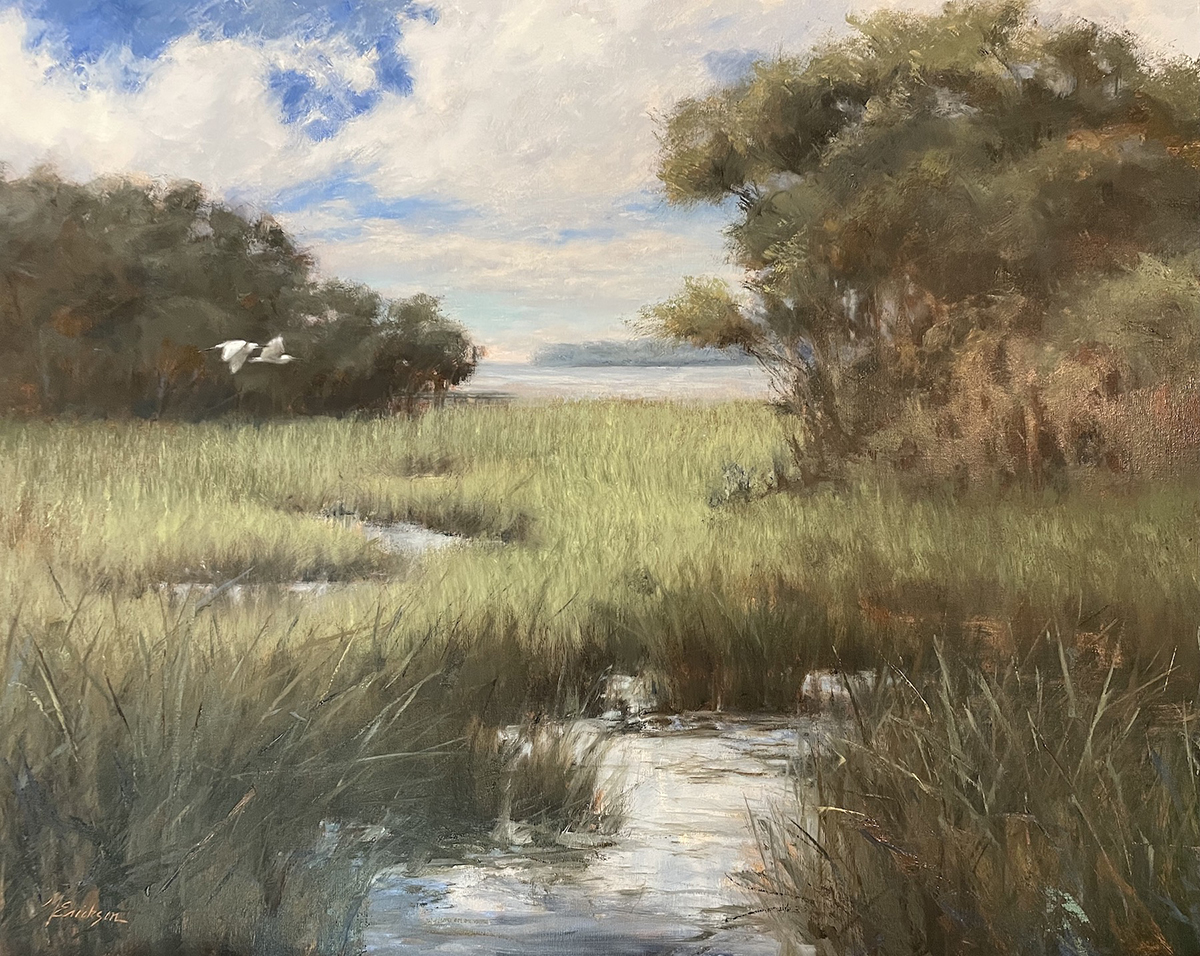
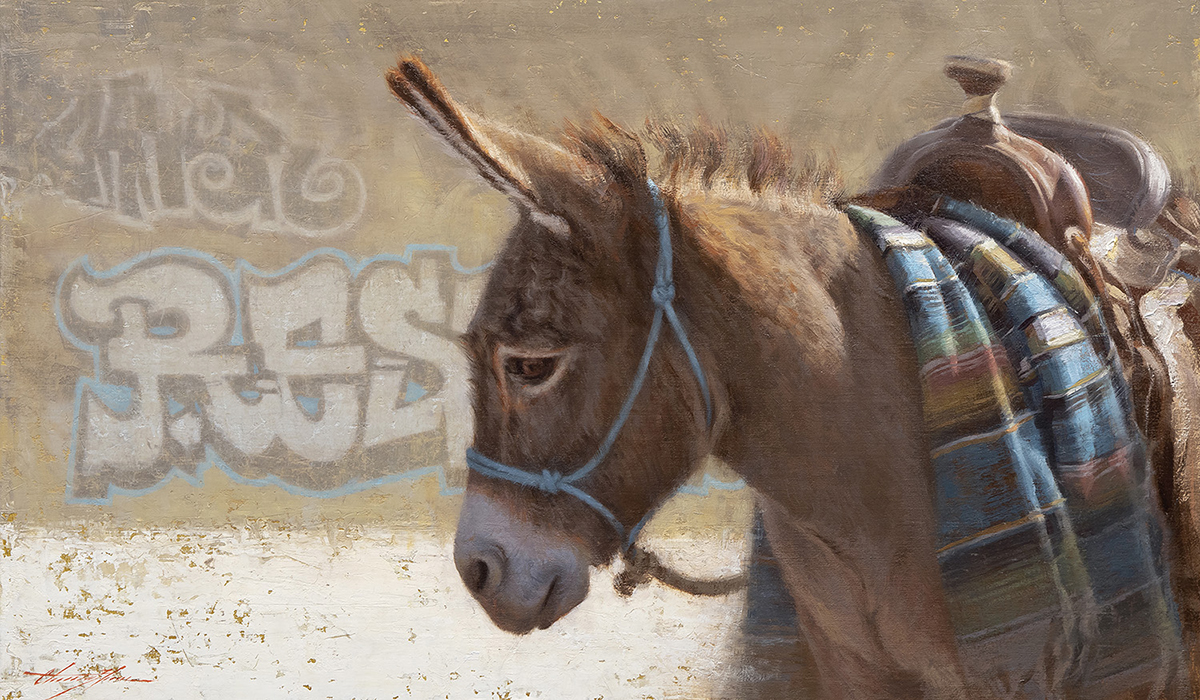
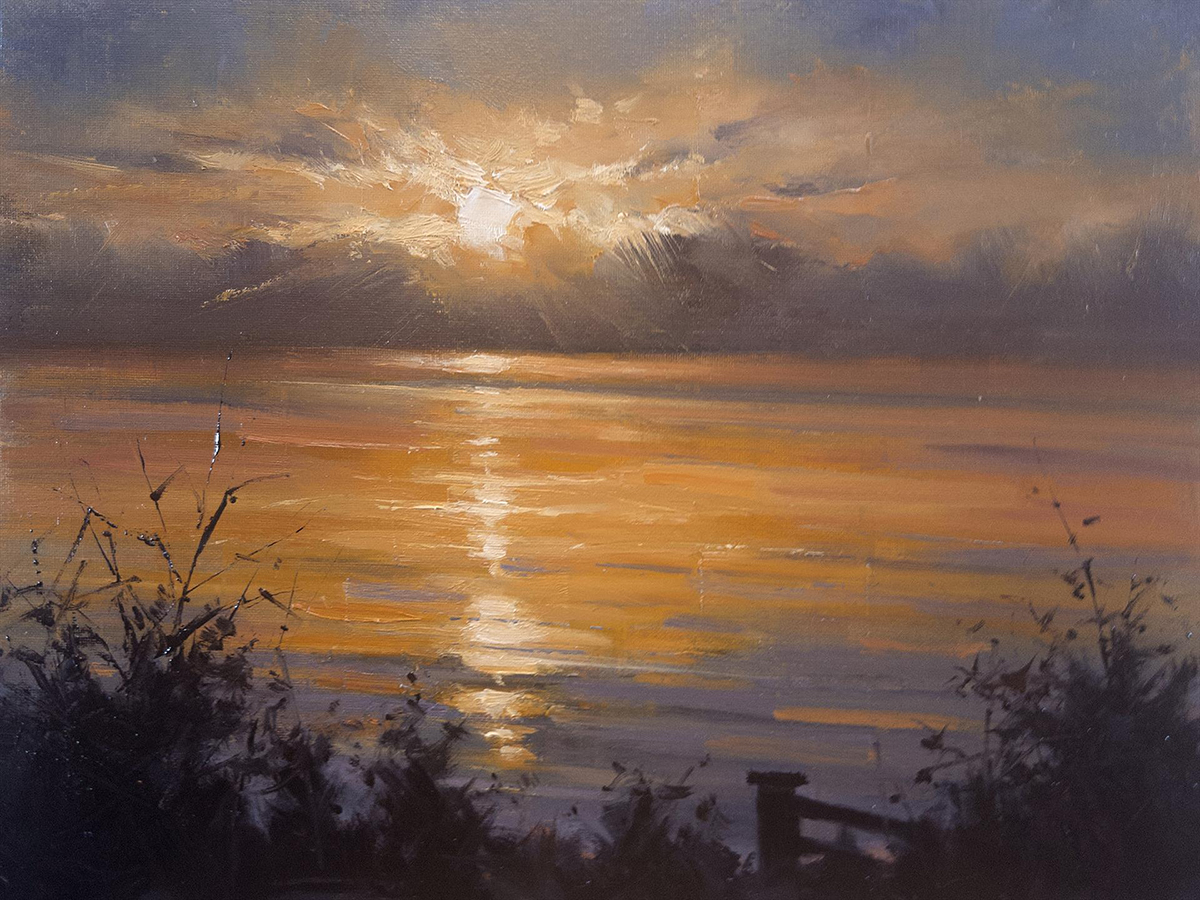
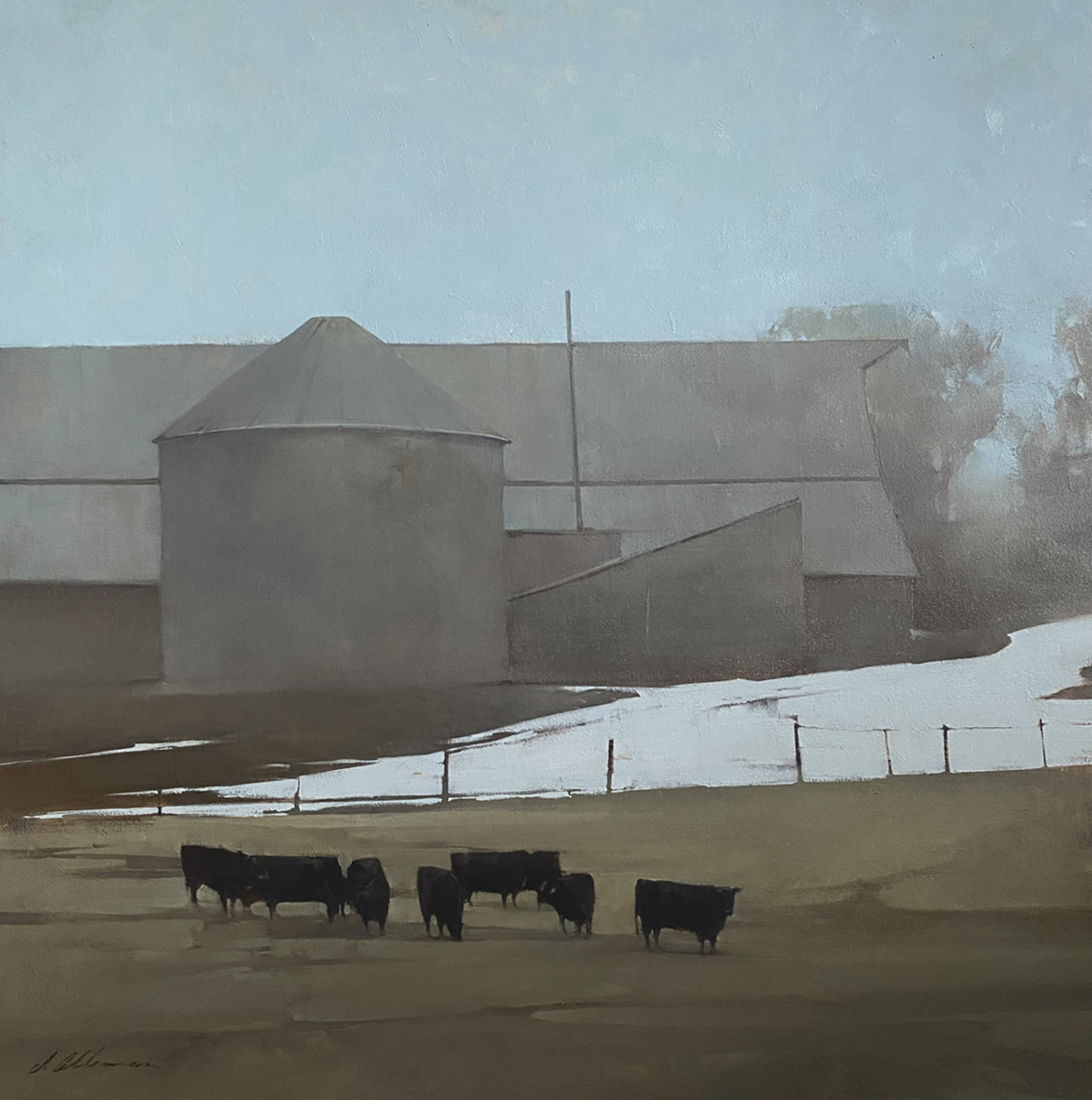
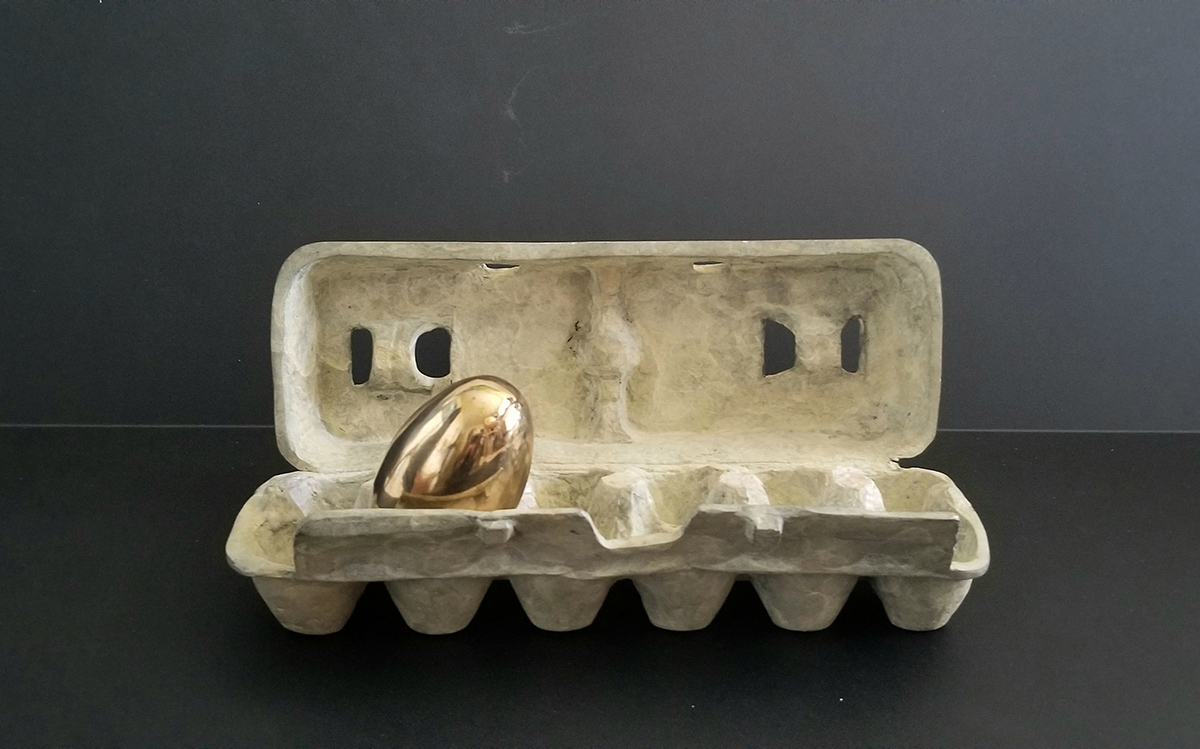
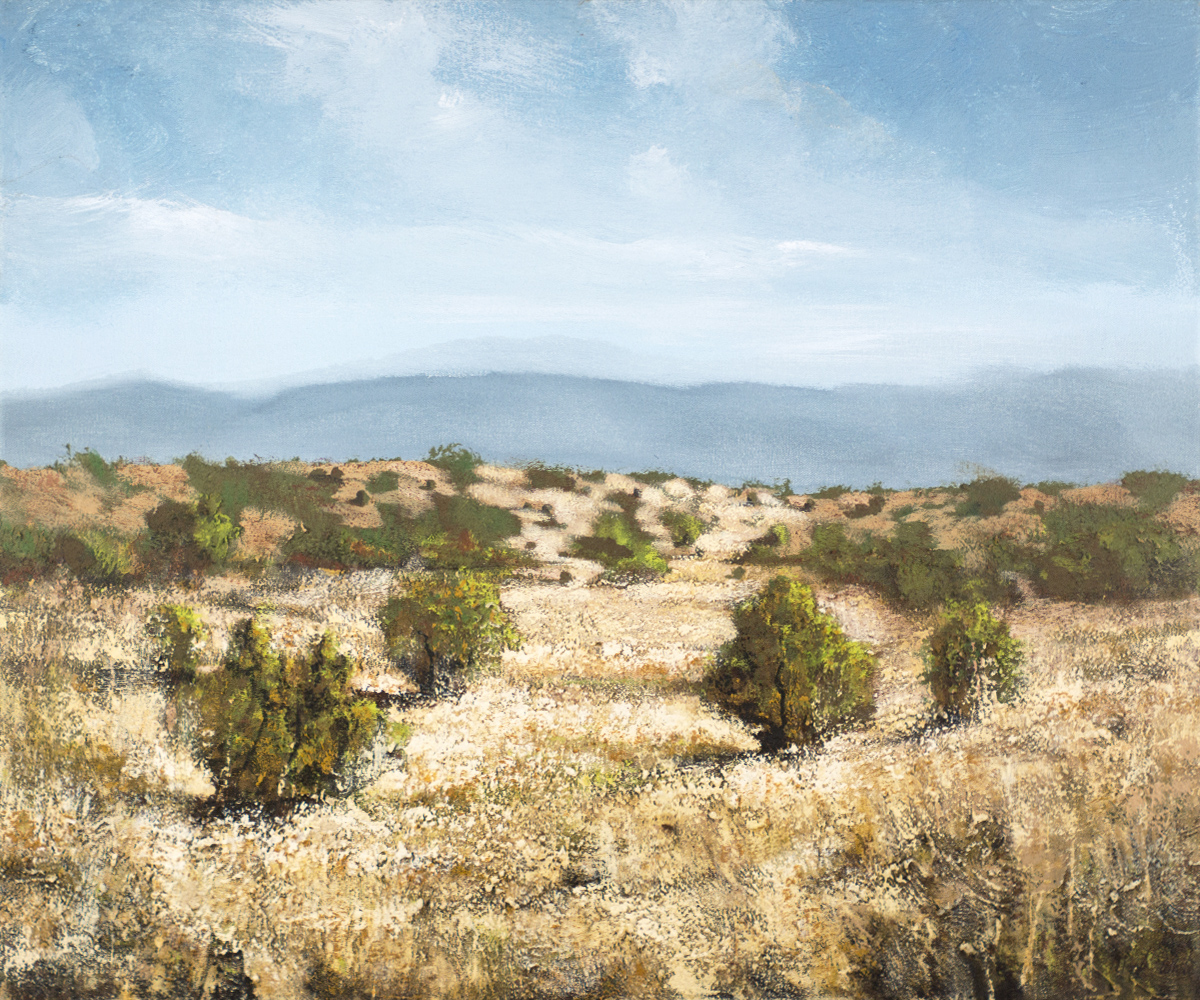
Girl with Pearl, Dee Beard Dean, oil, 16 x 16 in; Anderson Fine Art GalleryEiffel Tower (triptych), Nigel Cox, oil on panel, 8.75 x 17 in., Triptych: 7 x 5 in. each, Signed; Rehs ContemporaryLe connoisseur, Victor Marais-Milton (1872 – 1944), oil on panel, 17.75 x 22 in., Signed; Rehs Galleries, Inc.A Perfect Summer Day, Mary Erickson, oil on linen, 24 x 30 in; ATS Mary EricksonSouthside, Chauncey Homer, oil on linen, 14 x 24 in; Chauncey Homer Fine ArtGolden Twilight, David Marty, oil, 9 x 12 in, 2022; LPAPA Art Gallery 4th Annual “From Dusk to Dawn” Juried Art Show August 1- August 29, 2022Pale Blue Ranch, Joseph Alleman, oil, 30 x 30 in.; Mockingbird Gallery; Mockingbird Gallery’s exhibition “Vestiges”, show featuring Steven Lee Adams and Joseph AllemanDon’t kill the goose! Maidy Morhous, bronze, 12 x 7 x 5 in., 2016; Maidy MorhousNew Mexico Grasslands, Mark White, acrylic gesso on canvas, 20 x 24 in; Mark White Fine Art
Want to see your gallery featured in an upcoming Virtual Gallery Walk? Contact us at [email protected] to advertise today. Don’t delay, as spaces are first come, first served, and availability is limited.
How do you describe success? Aida Garrity: For me success has come in different ways. I feel that I have been successful on working hard to improve my art over the years. This has been validated by the acceptance of my art into national shows and by my collectors’ acquisition of my paintings for them to enjoy in their homes with family and friends. It gives me a great joy to see their faces of joy and admiration when they receive the paintings.
How do you find inspiration? Aida Garrity: I find my inspiration in the wonders of life and beauty, capturing individual personalities, moods and emotions. I like the challenge of crafting a composition that evokes emotion and transmits a story to the viewer. I also cultivate my creativity by painting plein air with friends in different areas of the country and by travelling internationally with different groups of artists. I am also experiencing the use of other media like gouache and watercolor which I mainly used in my studies due to their practicality when I am painting away from my studio.
The final lot has closed on Christie’s summer edit of Classic Week in London, bringing the combined total for the series of ten live and online art auction sales to $82,299,019. with highlights including:
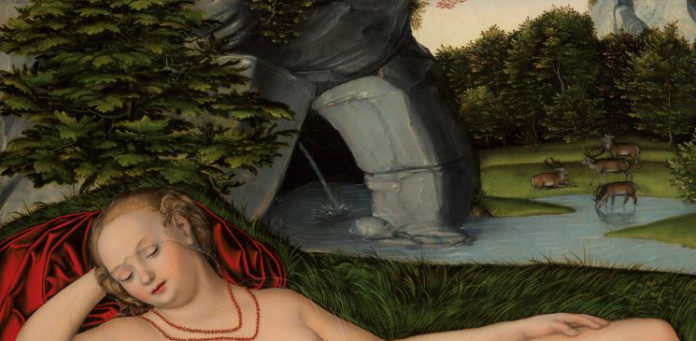
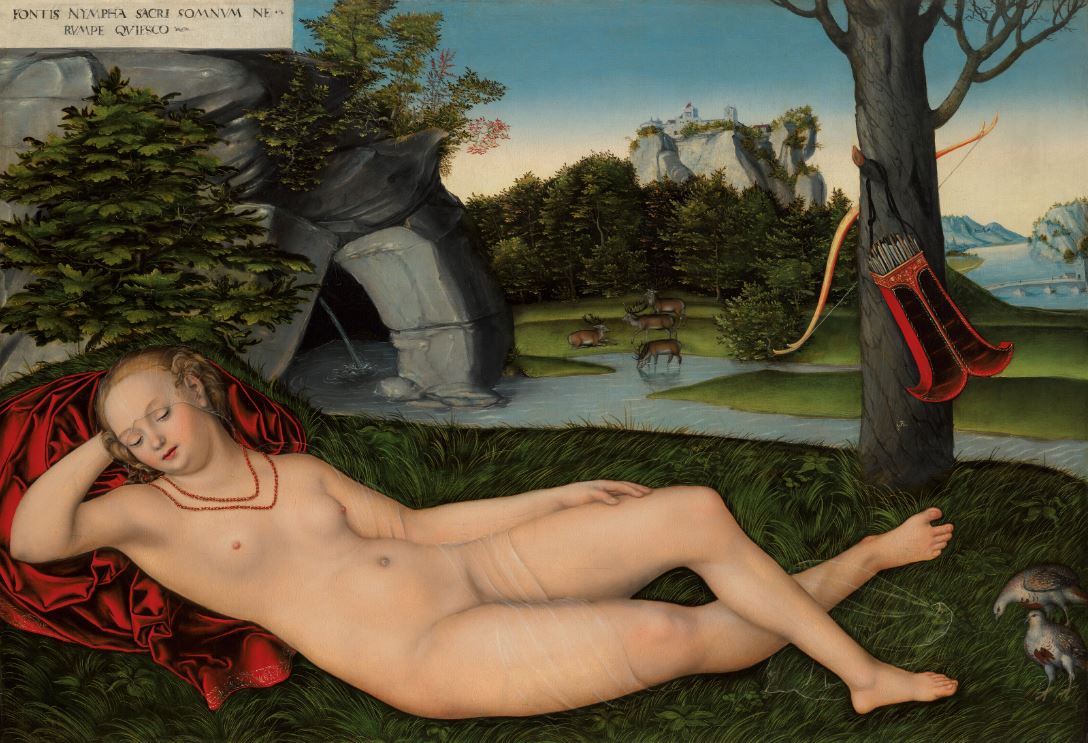
Lucas Cranach the Elder’s The Nymph of the Spring
The one-of-one ‘Ionic Original’ disc of Bob Dylan’s first new studio recording of “Blowin’ In The Wind” since 1962
An Egyptian limestone group statue for Mehernefer and his son
LUCAS CRANACH THE ELDER (KRONACH 1472-1553 WEIMAR) The Nymph of the Spring signed with the artist’s device of a serpent with wings folded (centre right, on the tree) oil on panel 32 1⁄4 x 47 3⁄8 in. (82.1 x 120.5 cm.) inscribed ‘FONTIS NYMPHA SACRI SOMNVM NE / RVMPE QVIESCO’ (upper left)
More from Christie’s:
This marquee sale series attracted bidders from 49 countries, with 67% of all buyers coming from EMEA; 24% of all new registrants were millennials. 13 new auction records were established (9 for the artist; 4 for the medium).
The top lots of the London sales series were Lucas Cranach the Elder’s The Nymph of the Spring, from the collection of Cecil & Hilda Lewis, which achieved a new record for the artist, selling for £9,449,500 / $11,282,703 / €11,055,915 in the Old Masters Evening Sale (estimate: £6,000,000-8,000,000) and an Egyptian Limestone Group Statue for Mehernefer and his Son, dated to the Old Kingdom, mid-late 5th Dynasty, circa 2400-2300 B.C which achieved £6,014,500 / $7,181,313 / €7,036,965 in The Exceptional Sale (estimate on request).
Further highlights included Bob Dylan’s first new studio recording of “Blowin’ in the Wind” since 1962, from a special session with multi-Grammy winning producer T Bone Burnett, on the recently announced groundbreaking ‘Ionic Original’ disc which sold for £1,482,000 / $1,769,508 / €1,733,940, resetting the value of music (estimate: £600,000-1,000,000).
These results build on the exceptional prices already achieved at Christie’s throughout 2022 to date across the equivalent sale categories, highlighted by the record price for the Michelangelo drawing in Paris, the Collection of Hubert de Givenchy, Le Grand Style: An apartment on the Quai d’Orsay designed by Alberto Pinto, among many others.
Art Auction Results – Records Set Include:
World Auction Record for the Artist, Old Masters Evening Sale, July 7
LUCAS CRANACH THE ELDER (KRONACH 1472-1553 WEIMAR)
The Nymph of the Spring
oil on panel
32 1⁄4 x 47 3⁄8 in. (82.1 x 120.5 cm.)
inscribed ‘FONTIS NYMPHA SACRI SOMNVM NE / RVMPE QVIESCO’ (upper left)
Estimate: £6,000,000 – 8,000,000
Sold for: £9,449,500
JACOB VAN RUISDAEL (HAARLEM 1628⁄1629-1682 AMSTERDAM)
A wooded landscape with a man and two dogs on a path, a cottage beyond
oil on panel
20 1⁄2 x 26 3⁄4 in. (52 x 67.8 cm.)
Estimate: £1,000,000 – 1,500,000
Price realised: £3,402,000
JAN JANSZ. DEN UYL I (KAMPEN 1595-1639 AMSTERDAM)
Pewter jug and silver tazza on a table
signed with the artist’s owl device (lower centre, on the table cloth) and dated ‘1633’ (centre left, on the jug)
oil on panel
35 5⁄8 × 28 1⁄4 in. (90.4 x 71.7 cm.)
Estimate: £2,500,000 – 3,500,000
Price realised: £3,162,000
PIETRO BELLOTTI (VENICE 1725-1804/1805 TOULOUSE?)
Venice with the Punta della Dogana, looking East towards the Doge’s Palace; and Venice with the Grand Canal, S. Geremia and the entrance to the Cannaregio
oil on canvas
27 1⁄2 x 35 1⁄4 in. (69.8 x 89.5 cm.)
(2)a pair
Estimate: £150,000 – 250,000
Price realised: £428,400
ANTON RAPHAEL MENGS (AUSSIG 1728-1779 ROME)
Portrait of Friedrich Christian, Prince of Saxony (1722-1763), three-quarter-length, in armour, with an ermine lined mantle and the sash and star of the Order of the White Eagle
oil on canvas, unlined
61 1⁄4 x 43 1⁄4 in. (155.7 x 110.8 cm.)
Estimate: £100,000 – 150,000
Price Realised: £478,800
The Isabel Goldsmith Collection: Selected Pre-Raphaelite and Symbolist Art, June 30 – July 14:
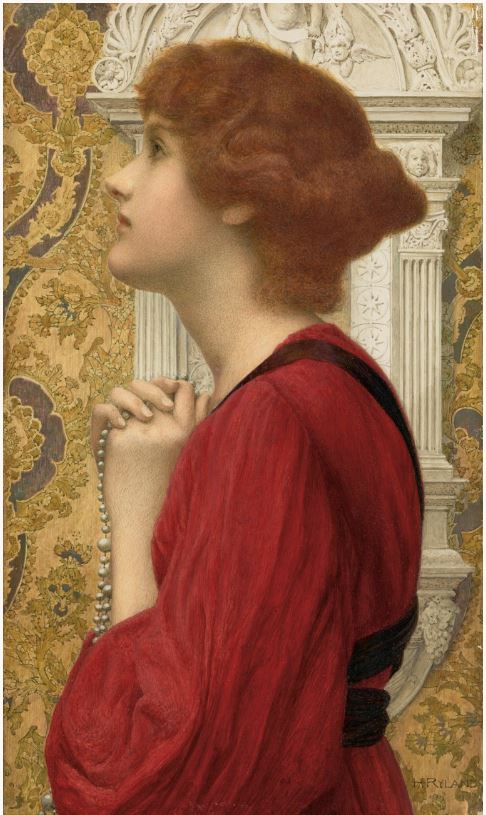
HENRY RYLAND (1856-1924)
The guarded flame
signed ‘H.RYLAND’ (lower right)
pencil, watercolour and bodycolour heightened with gum arabic on paper laid on panel 20 1⁄8 x 11 7⁄8 in. (51 x 30.2 cm.)
in a tabernacle frame
Estimate £20,000 – 30,000
Price Realised £63,000
“The Guarded Flame” by Henry Ryland (1856-1924)
MARTHA DARLEY MUTRIE (1824-1885)
Wild flowers at the corner of a cornfield
signed with initials ‘MDM’ (lower right)
oil on canvas
32 x 25 1⁄4 in. (81.5 x 64.1 cm.)
Estimate £30,000 – 50,000
Price Realised £50,400
British and European Art, June 30 – July 15:
ALBERT THOMAS JARVIS GILBERT (BRITISH, 1876-1927)
Reading in the Shade
signed ‘GILBERT’ (lower right)
oil on canvas
16 1⁄8 x 20 1⁄8 in. (41 x 51 cm.)
Estimate £5,000 – 8,000
Price Realised £18,900
GEORGE R. CHAPMAN (BRITISH, fl. 1863-1874)
The Golden Witch
signed with monogram and dated ‘1867’ (lower right), and further signed and inscribed ‘No. 2 “The Golden Witch”/for 88/ By Geo:R Chapman 50 Green Street/ Grosvenor Square. W.’ (on an artist’s label attached to the reverse)
oil on canvas
28 1⁄8 x 21 1⁄8 in. (72.4 x 53.7 cm.)
Estimate £15,000 – 25,000
Price Realised £30,240
World Auction Record for the Medium by the Artist:
Old Masters Evening Sale, July 7:
REMBRANDT HARMENSZ. VAN RIJN (LEIDEN 1606-1669 AMSTERDAM)
Christ crucified between two Thieves: ‘The Three Crosses’
drypoint, 1653, on laid paper, watermark Strasbourg Bend (Hinterding D.a.b.), a very fine impression of this highly important subject, the very rare third state (of five), printing with rich burr and a warm, selectively wiped plate-tone, with thread margins on all sides
Plate 386 x 450 mm.
Sheet 388 x 453 mm.
Estimate £800,000 – 1,200,000
Price Realized £1,482,000
Second-highest Price at Auction for a Print by the Artist
Second-highest Price for any Old Master Print Sold at Auction
The Isabel Goldsmith Collection: Selected Pre-Raphaelite and Symbolist Art, June 30 – July 14
JOHN BANTING (1902-1972)
Figure with Heart
signed with initials and dated ‘JB/1930’ (lower left)
oil on canvas
17 x 21 in. (43.2 x 53.3 cm.)
Painted in 1930
Estimate £8,000 – 12,000
Price Realised £27,720
World Auction Record for a Painting by the Artist
FERNAND KHNOPFF (BELGIAN, 1858-1921)
La Médusa endormie
Estimate £200,000 – 300,000
Price Realised £352,800
World Auction Record for a Work on Paper by the Artist
Valuable Books and Manuscripts, 13 July
CHARLES ROBERT DARWIN (1809-1882) AND ALFRED RUSSEL WALLACE (1823-1913)
‘On the Tendency of Species to form Varieties.’ In: Journal of the Proceedings of the Linnean Society, Vol. III, No. 9. London: 1858.
Estimate: £15,000 – 20,000
Price realised: £315,000
A World Auction Record for Darwin and Wallace’s ‘On the Tendency of Species to form Varieties’
> Visit EricRhoads.com to learn about more opportunities for artists and art collectors, including retreats, international art trips, art conventions, and more.
> Sign up to receive Fine Art Today, our free weekly e-newsletter with art auction results and announcements, art gallery shows, and more
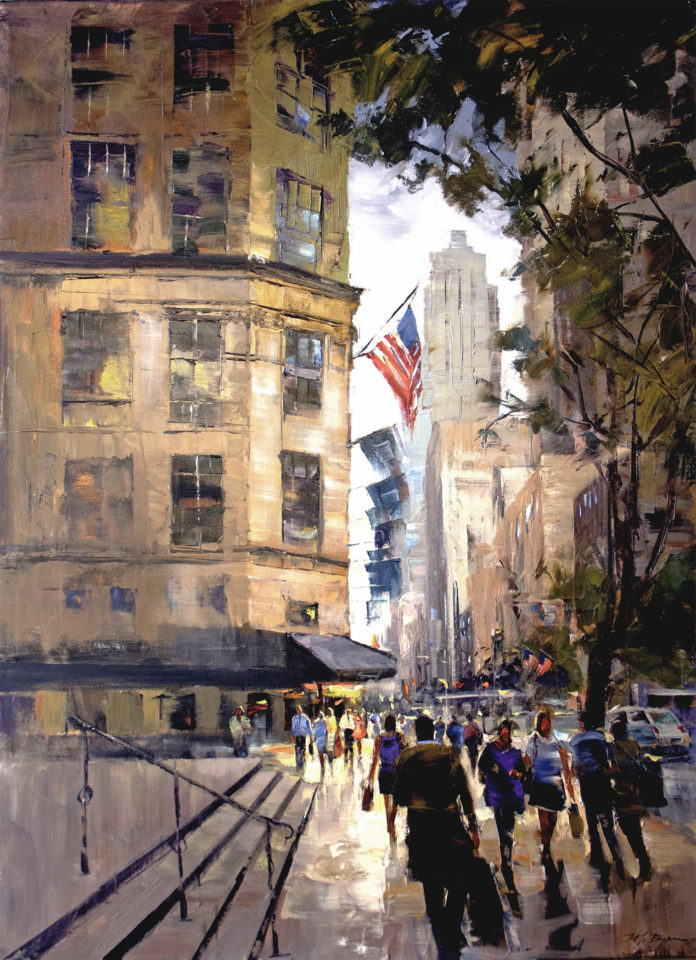
Michele Byrne, “Fifth Avenue Shopping”, oil, 48 x 36 in, 2022, Manhattan, available at Reinert Fine Art, Charleston, SC
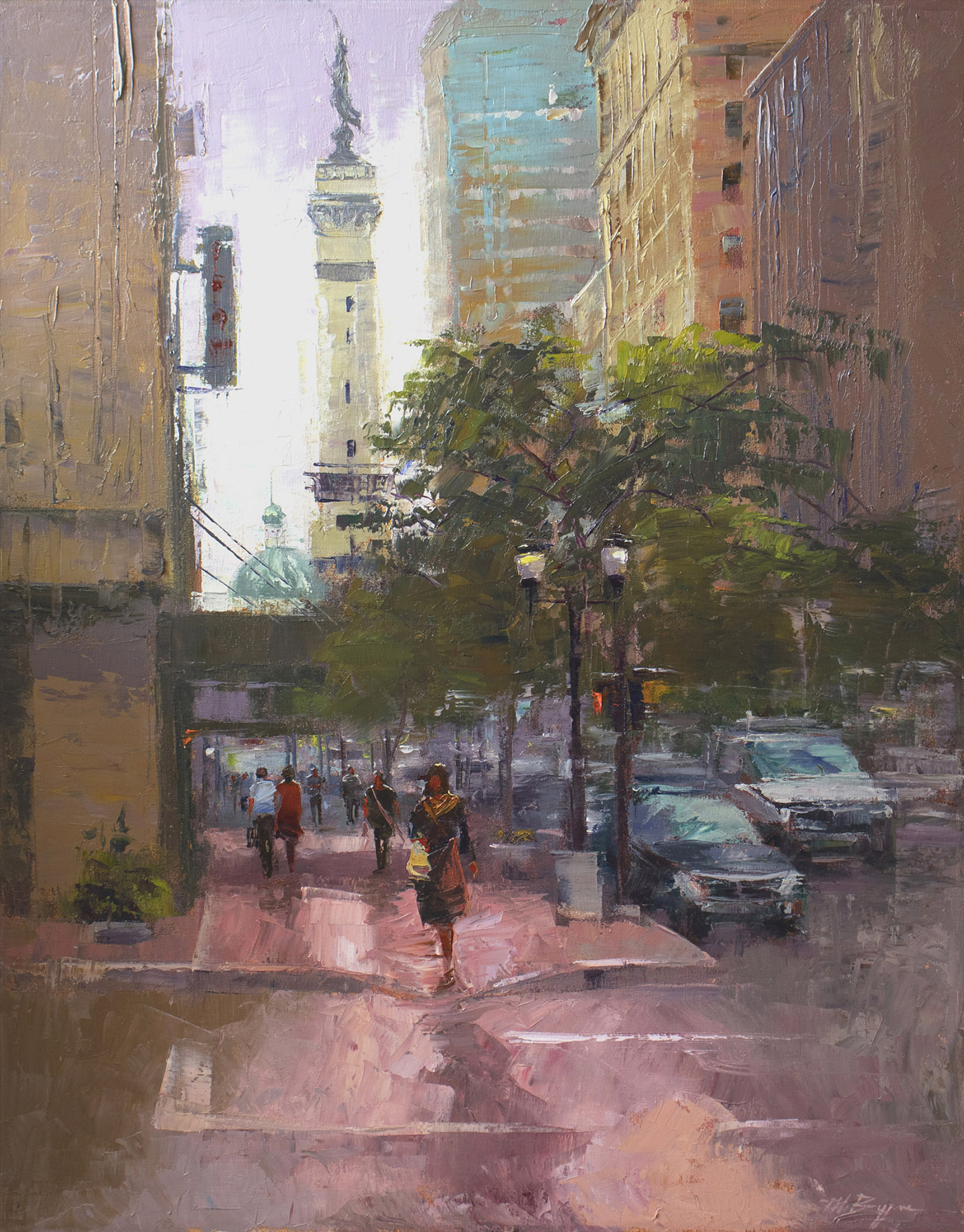
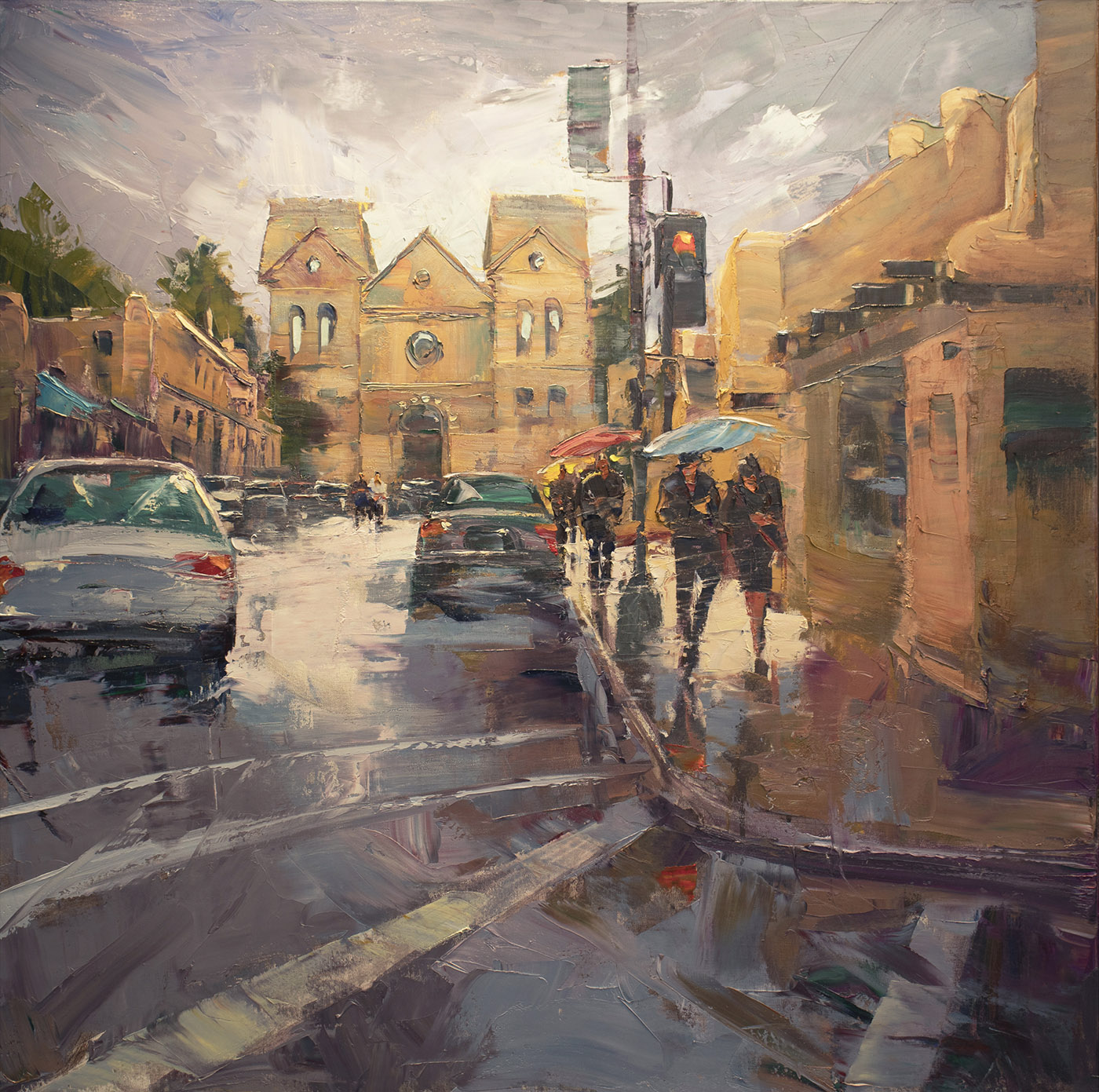
Michele Byrne: Michele Byrne captures the culture and energy of a city in her impressionistic paintings. Full of life, passion and movement, her figures tell a story. Whether Manhattan, Indianapolis, or most recently Santa Fe, where she now resides, you will find her out on the streets painting plein air. From these studies she returns back to her studio to create larger pieces.
In September she’ll be plein air painting in Paris & teaching in Tuscany.
Michele Byrne, “City Blues”, oil, 28 x 22 in, 2021, Indianapolis, available at James R. Ross Fine Art, Indianapolis, INMichele Byrne, “Monsoon Monday”, oil, 30 x 30 in, 2022, Santa Fe, NM, available at Acosta-Strong Fine Art, Santa Fe, NM
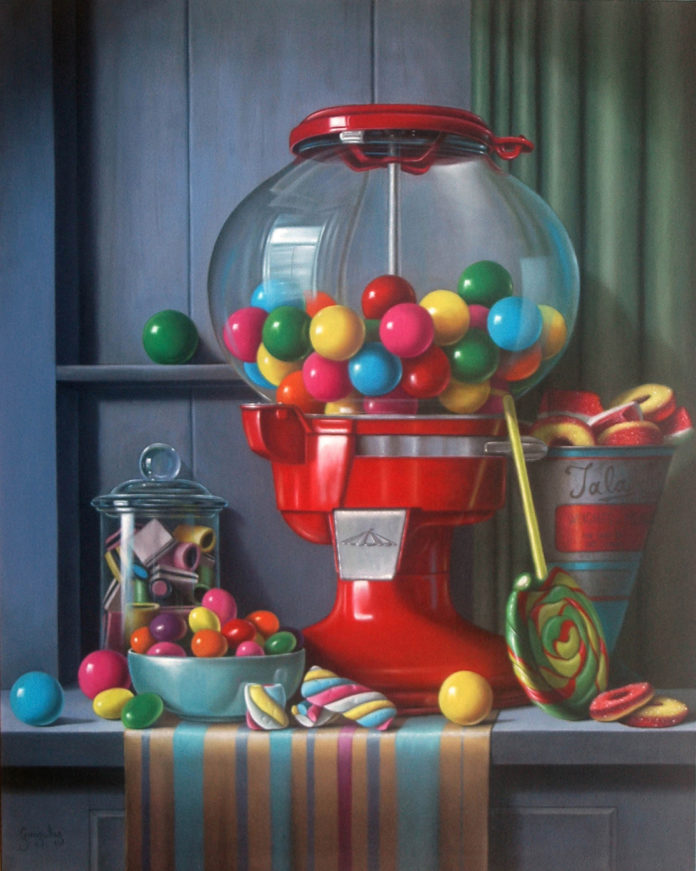
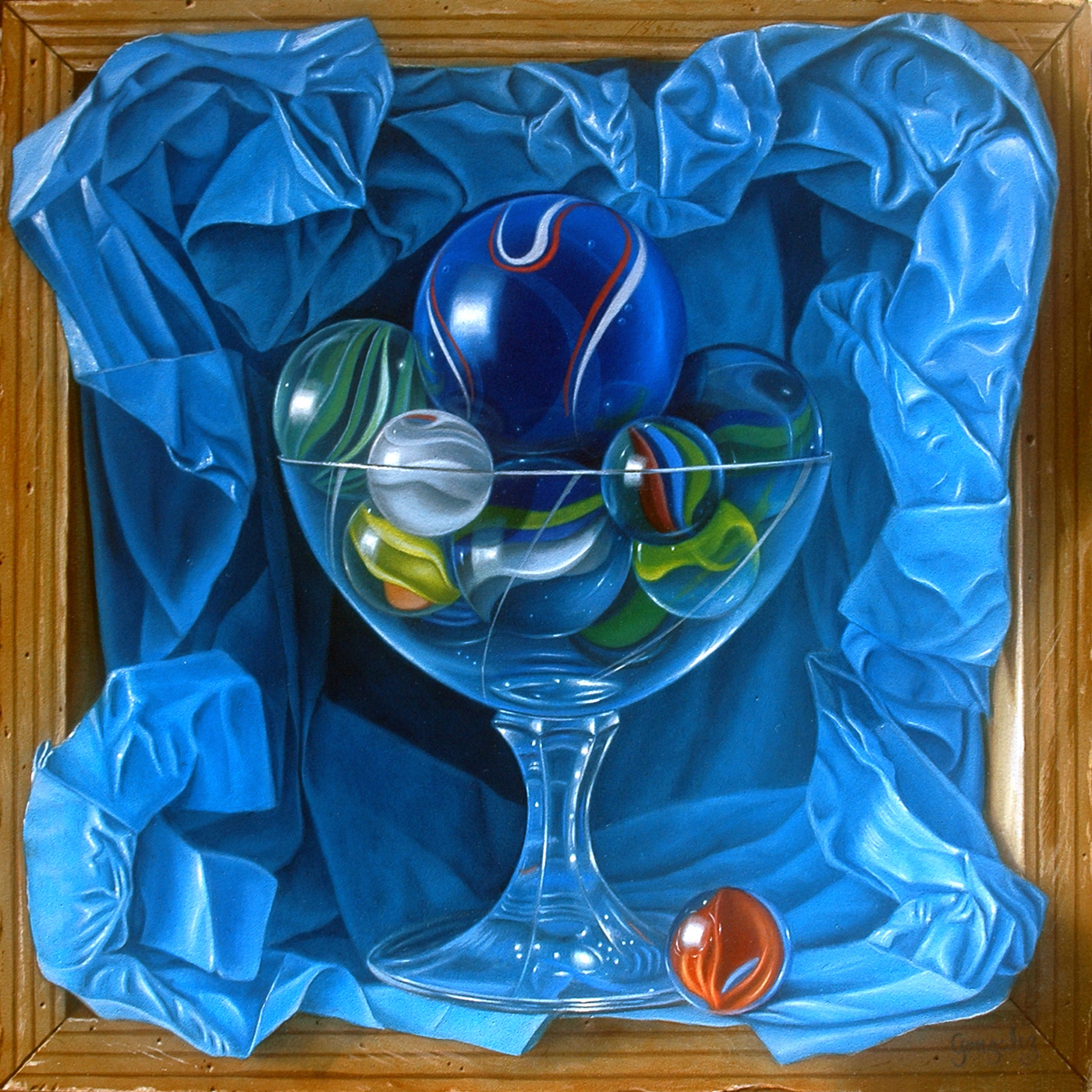
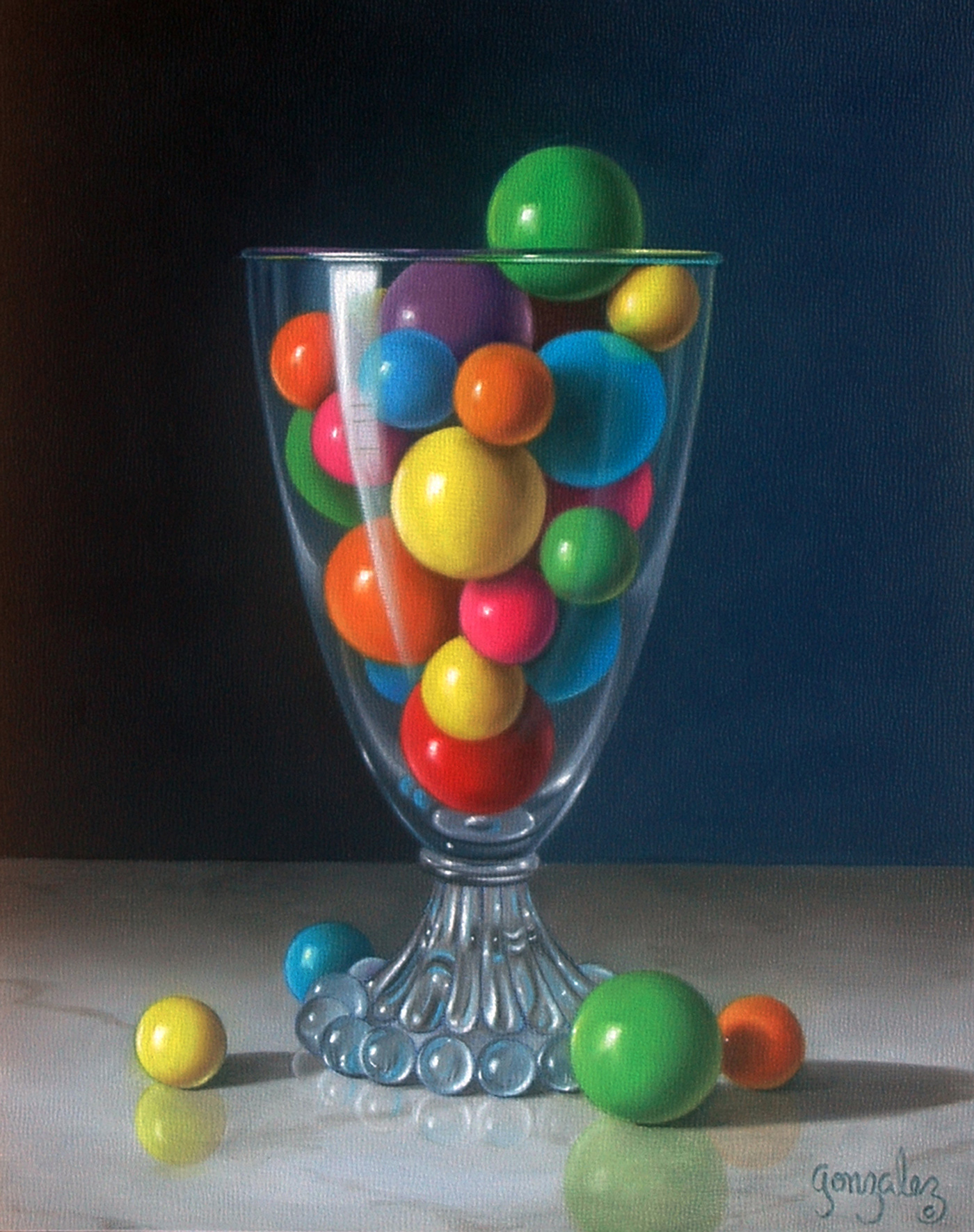
George A. Gonzalez, “Candy Cupboard,” oil/canvas, 30 x 24 in
George A. Gonzalez: This painting has been part of several shows including the upcoming show at Arcadia Contemporary, NY, NY, “Five And Under”, Aug. 11 through Sept 1, 2022. Candy pieces have become one of my favorite subjects to paint, along with paintings that include marbles. I love the different textures and colors within each candy or marble.
George A. Gonzalez, “Fragile! Glass,” oil/panel, 12” x 12 x .75 in, Available through the artistGeorge A. Gonzalez, “Gumballs In Glass”, oil/panel, 10 x 8 in, Available through The Sinclair Gallery https://www.thesinclairgallery.com/
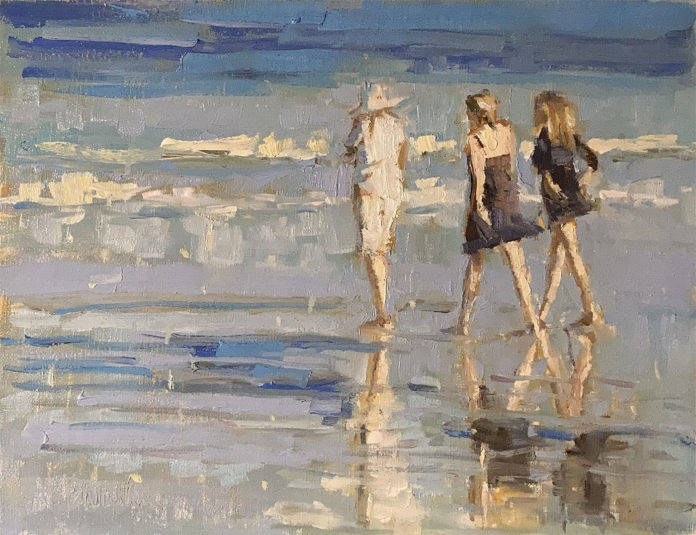
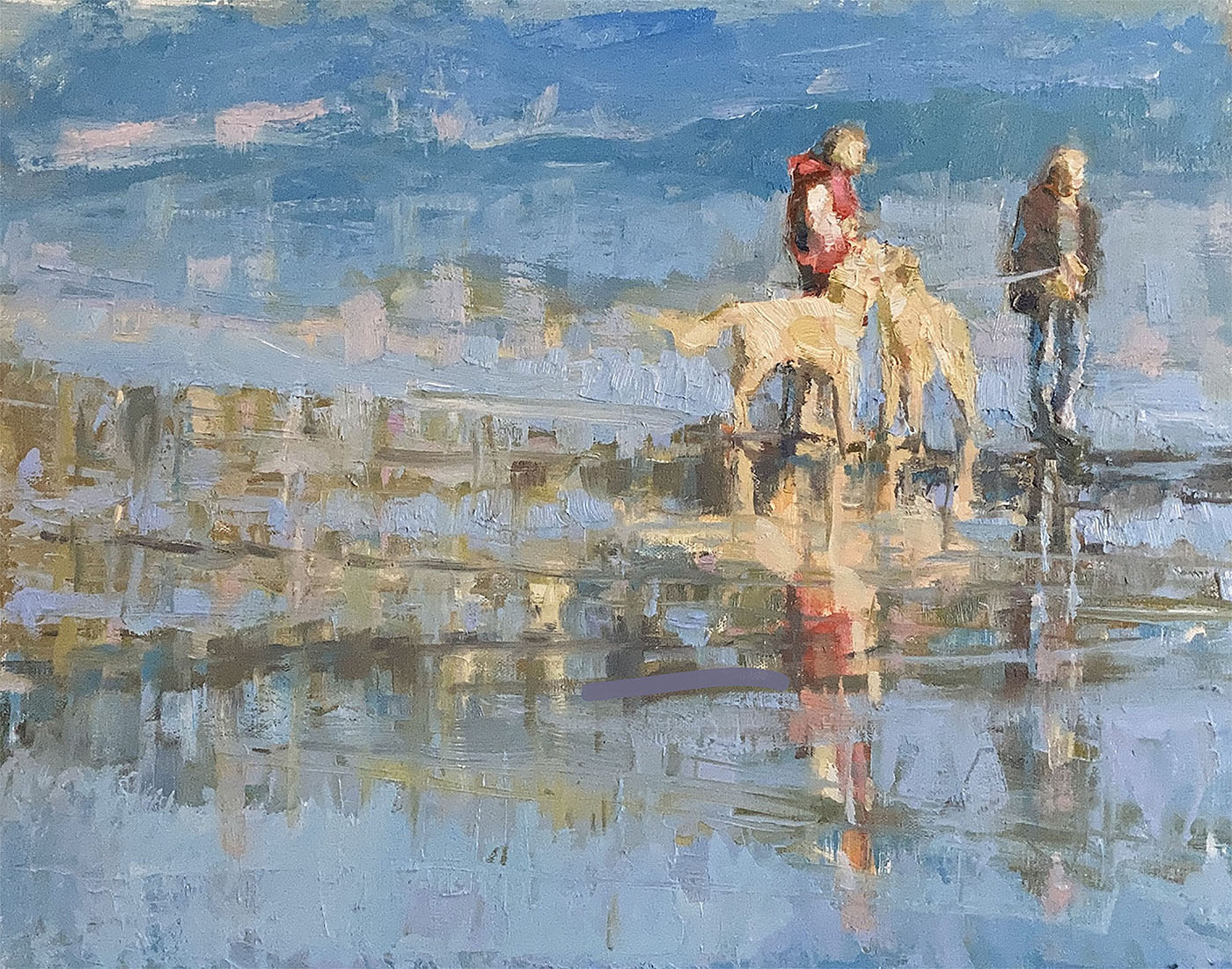
Barb Walker, “Catching Up”, oil on linen, 11 x 14 in, Accepted into the American Impressionist Society 2022 National Juried Exhibition at Mary Williams Fine Arts in Boulder, Colorado, September 15 – October 22, 2022 (303)-938-1588
Barb Walker: Catching Up was painted from an image I took while sitting on a beach in Maine in 2021, just as COVID restrictions had been lifted. I could only imagine all the catching up these gals had to do.
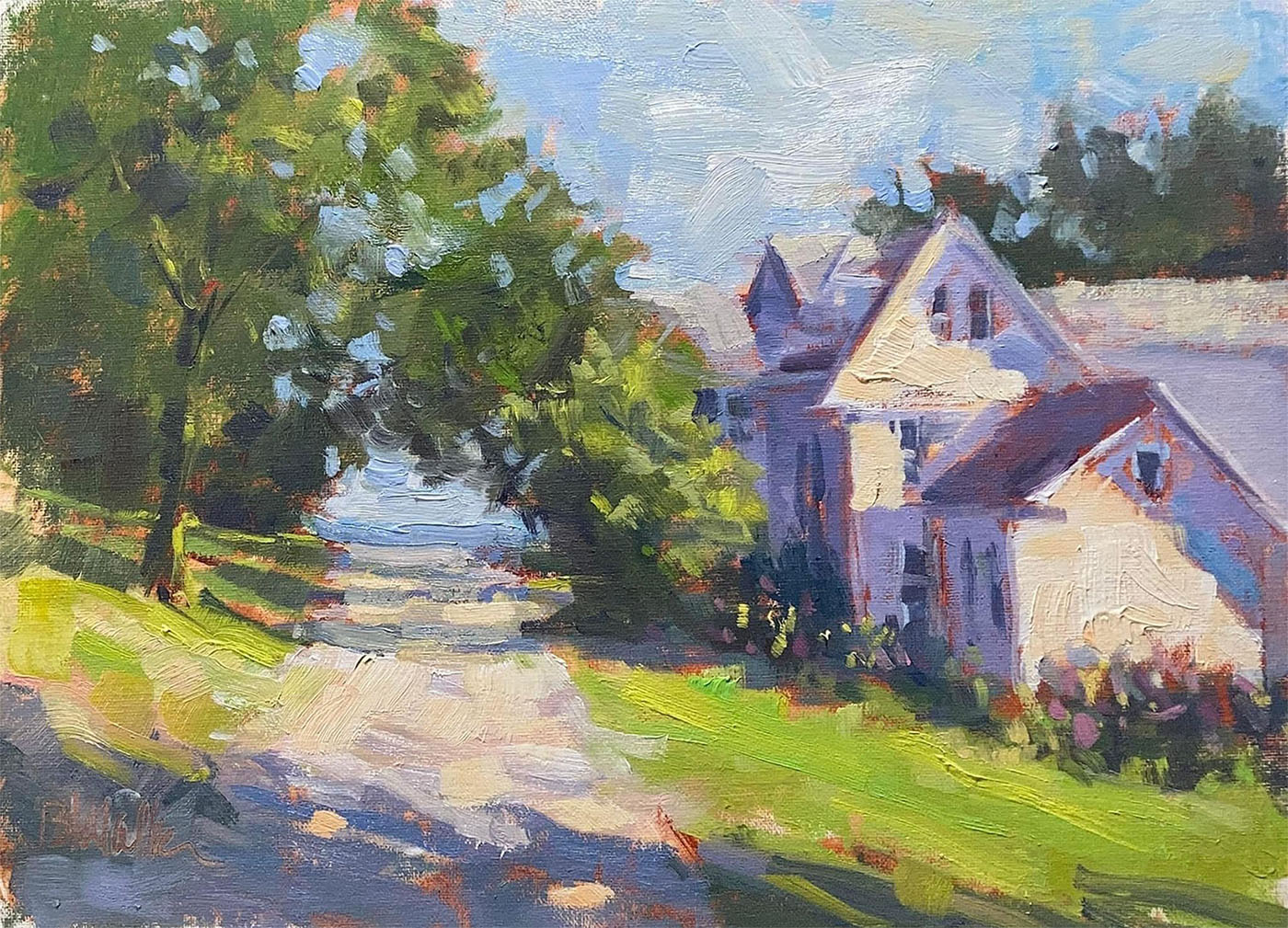
The coast of Maine has a deep hold on me. We try to get to Maine for a brief visit each year; taking lots of pictures, long walks, and sketches to bring back to the easel.
Barb Walker, “Walk to the Sea”, oil on linen, 9 x 12 in, Available at Northlight Gallery, Kennebunkport, Maine (207) 251-1889Barb Walker, “Golden Day”, oil on linen, 11 x 14 in, Available at Camden Falls Gallery, Camden, Maine (207) 470-7027
Fill your mind with useful art stories, the latest trends, upcoming art shows, top artists, and more. Subscribe to Fine Art Today, from the publishers of Fine Art Connoisseur magazine.