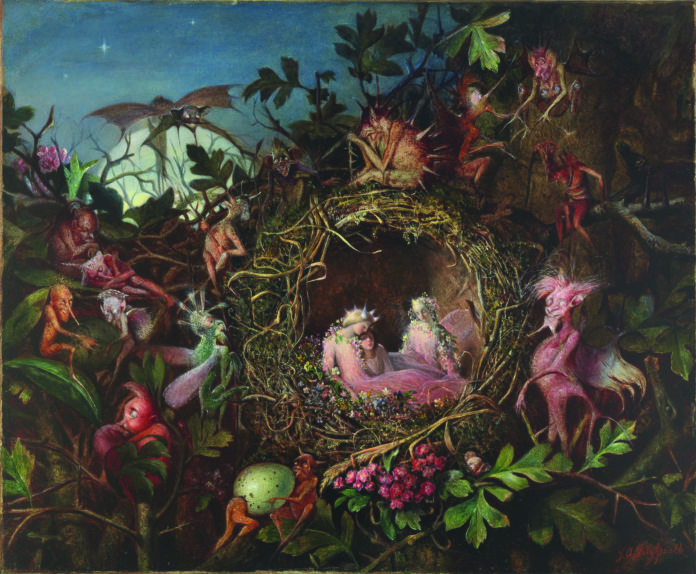
John Anster Fitzgerald (1823–1906), "Fairies in a Bird’s Nest," c. 1860, oil on canvas, 16 x 19 in., Fine Arts Museums of San Francisco, museum purchase, Grover A. Magnin Bequest Fund and Volunteer Council Art Acquisition Fund, 2012.1
MIDDLE AGES ART ON VIEW: “The Fantasy of the Middle Ages”
J. Paul Getty Museum
Los Angeles, California getty.edu
through September 11, 2022
The J. Paul Getty Museum has organized an intriguing exhibition titled “The Fantasy of the Middle Ages.” It explores the ways in which the medieval era has been mythologized, dramatized, and re-envisioned time and again.
For centuries, a moveable feast of castles, cathedrals, knights, damsels in distress, crusades, and plagues has consistently inspired the worlds of fine art, photography, film, literature, and gaming, even living history reenactments.
No other historical epoch has so captivated “modern” people as this one. Over time, an element of fantasy has inserted itself, conjuring legendary and magical elements — such as imaginary creatures and other beings — that have made a profound impact on popular culture.
The phrases “Middle Ages,” “Dark Ages,” and “medieval” often conjure images of darkness, ignorance, and conflict. But the exhibition’s curators — Larisa Grollemond of the Getty and Bryan C. Keene, who worked as a curator there before heading to Riverside City College nearby — reject this misconception. In fact, the period 500–1500 AD encompassed artistic and intellectual growth; in particular, scribes and artists produced the tens of thousands of illuminated manuscripts that have powerfully informed our vision of their era.
All of us have grown up familiar with the soaring castles of Sleeping Beauty, the bloody battles of Game of Thrones, the weirdness of Middle-Earth in The Lord of the Rings, and the mythic beasts in Dungeons & Dragons, not to mention the chain of creepy restaurants called Medieval Times. So what makes the Middle Ages so flexible — and applicable — to us, compared to, just for example, the High Renaissance?
Pursuing this important question, the exhibition reveals how the medieval world has served as an ideal launchpad for exploring contemporary concerns and anxieties.
Bottom line: how we imagine the Middle Ages says far more about our moment than it does about the actual period.
The exhibition is accompanied by a luminous 136-page catalogue that contains 142 color illustrations. Appropriately, its preface has been authored by the gifted costume designer for Game of Thrones, Michele Clapton.
> Visit EricRhoads.com to learn about more opportunities for artists and art collectors, including retreats, international art trips, art conventions, and more.
> Sign up to receive Fine Art Today, our free weekly e-newsletter
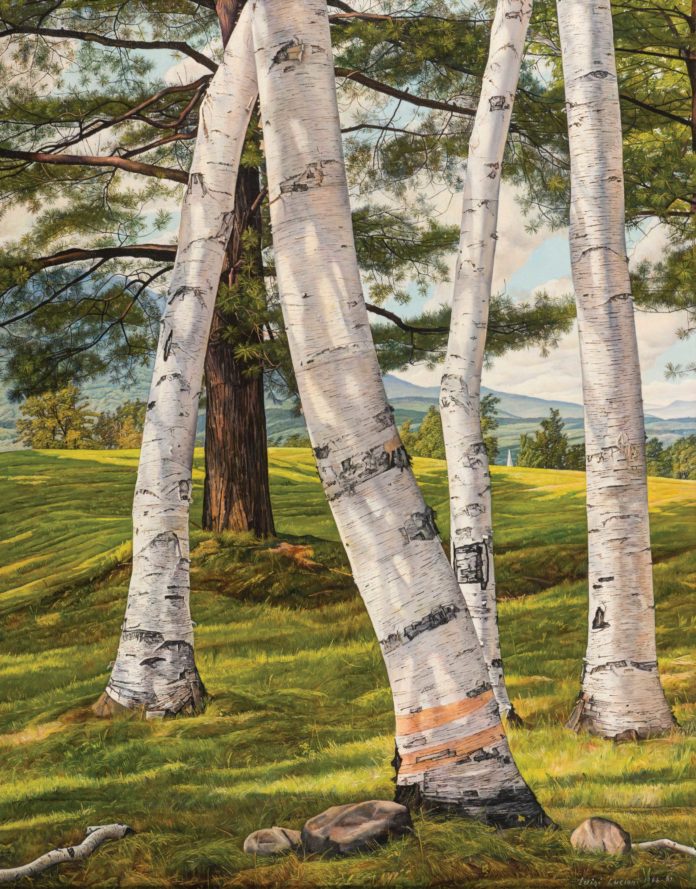
Luigi Lucioni (1900–1988), "Birches over Pine," 1966, oil on canvas, 23 x 18 in., private collection, photo: Andy Duback
ON VIEW > Luigi Lucioni: Modern Light
Shelburne Museum, Vermont shelburnemuseum.org
through October 16, 2022
The Shelburne Museum should be proud to have organized the first major exhibition devoted to a remarkable realist master, “Luigi Lucioni: Modern Light.”
It highlights this relatively overlooked American artist (1900–1988), born to a working-class family in northern Italy. When he was 10, they immigrated to New York City, and he proceeded to study fine art at Cooper Union and the National Academy of Design, even traveling back to Europe to sketch from Renaissance masterworks.
Lucioni presented his first solo exhibi-tion in 1927, and three years later he began visiting Shelburne, Vermont, where the millionaire collector of folk and fine art Electra Havemeyer Webb (1888–1960) became one of his key patrons. (She proceeded to establish the Shelburne Museum there in 1947.)
By 1937, Life magazine had hailed Lucioni as Vermont’s “Painter Laureate” by virtue of his many paintings of the Green Mountain State’s landscapes and towns. He generally spent his winters in Manhattan and summers teaching at the Southern Vermont Arts Center.
On view this season are more than 50 Lucioni works borrowed from collections nationwide, including Shelburne’s own extensive holdings. He made superb still lifes and portraits, but remains best known for paintings and etchings of Vermont landscapes, ranging from verdant valleys and stately trees to hardscrabble mining sites.
The exhibition will explore Lucioni’s unique role in the genre that art historian Bruce Robertson has called “Yankee Modernism.”
Alongside such colleagues as Paul Sample, Maxfield Parrish, Charles Sheeler, and Andrew Wyeth, Lucioni depicted a landscape and a people — orderly yet odd — who embodied an idealized set of “American” values in their era of social and political change.
Also under review are his materials and techniques, his relationship with the New York avant-garde, and his identity as both an immigrant and a gay man.
The accompanying catalogue, published by Rizzoli-Electa, is sure to be the definitive statement on Lucioni for years to come.
> Visit EricRhoads.com to learn about more opportunities for artists and art collectors, including retreats, international art trips, art conventions, and more.
> Sign up to receive Fine Art Today, our free weekly e-newsletter
As part of our effort to continue to help artists and art galleries thrive, we’re proud to bring you this week’s “Virtual Gallery Walk.” Browse the artwork below and click the image itself to learn more about it, including how to contact the gallery.
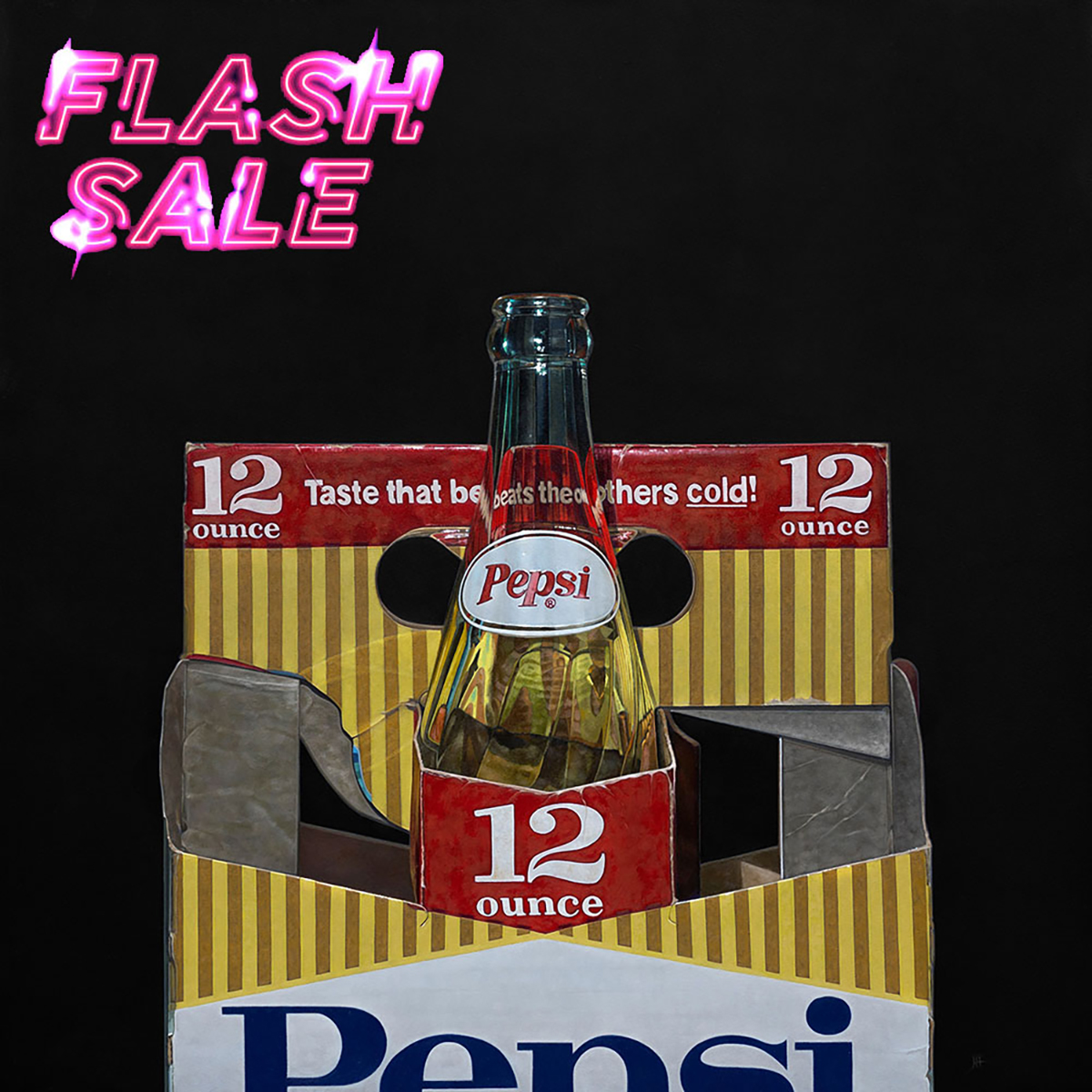
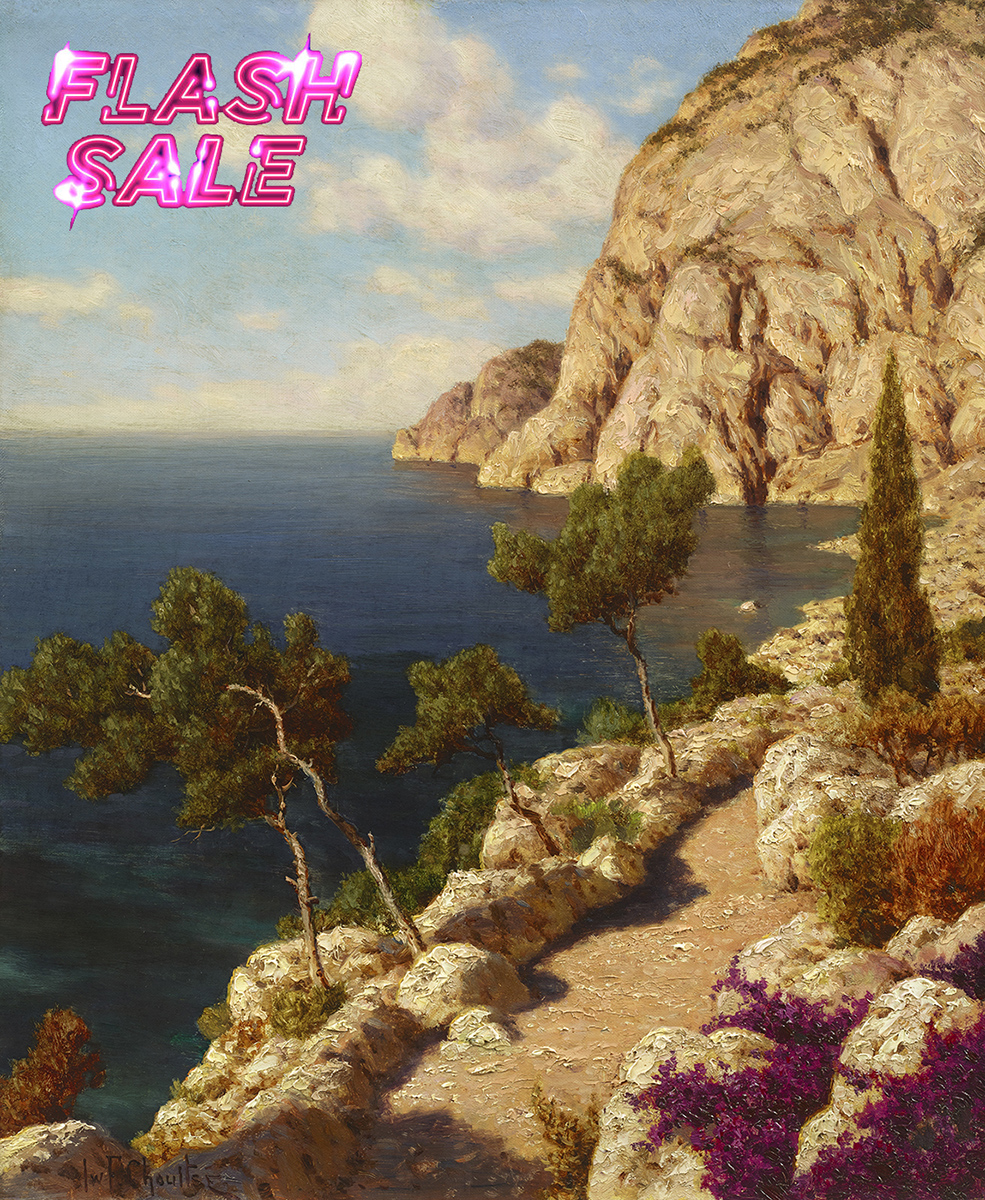
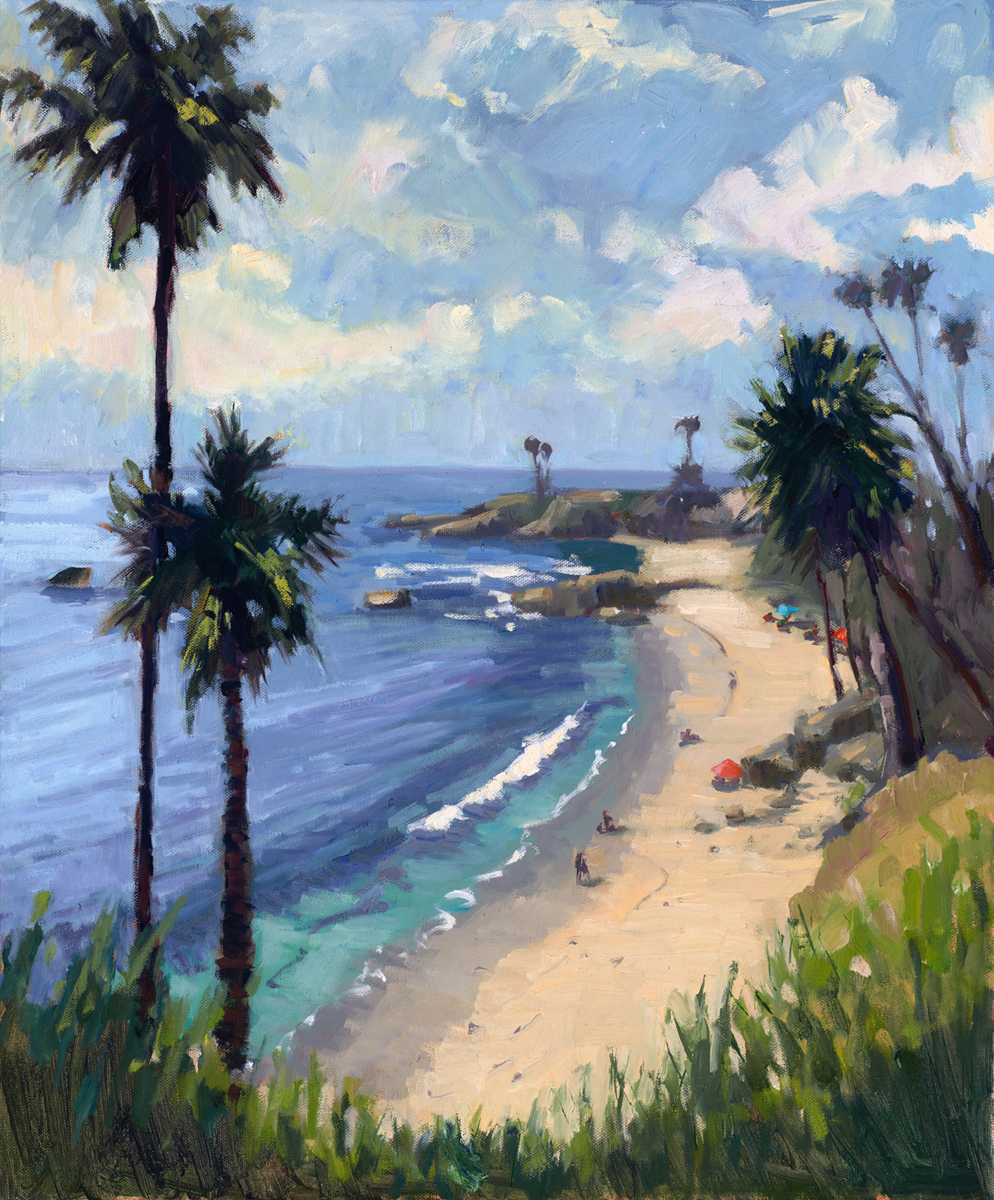
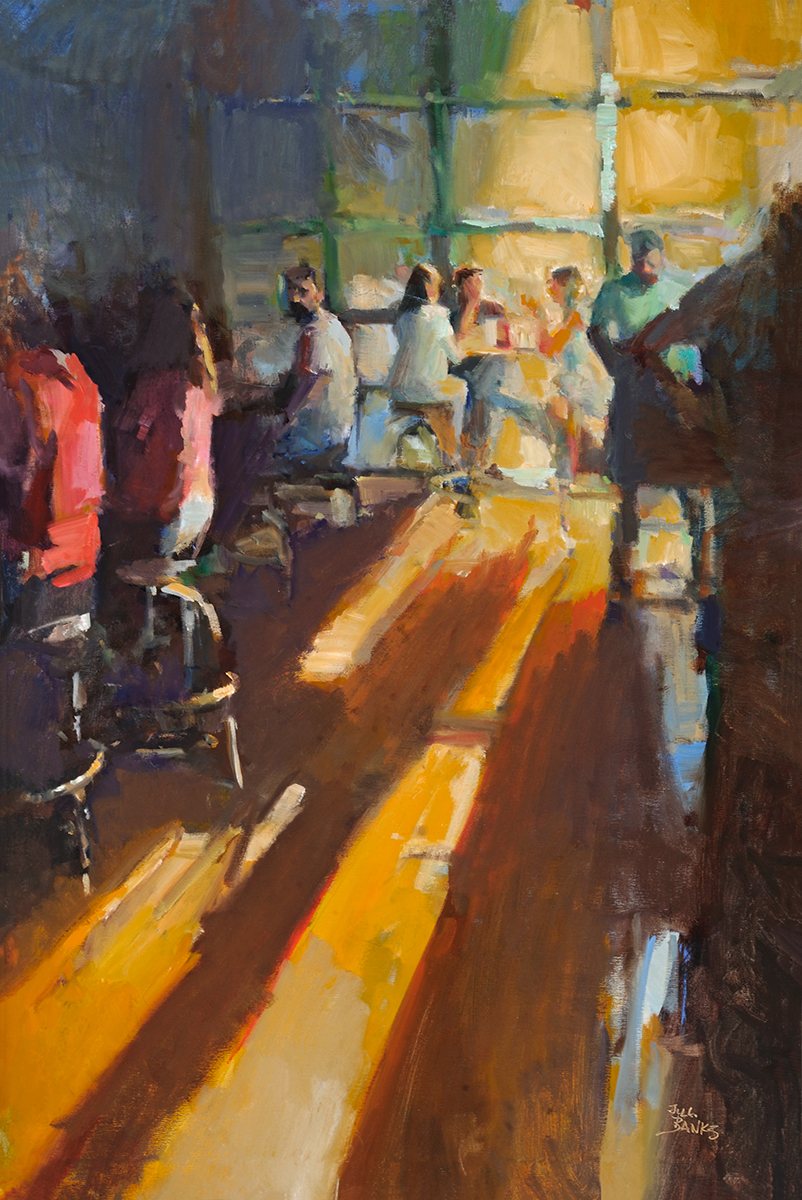
In the Moment, Paula Holtzclaw, oil, 30 x 40 in; Anderson Fine Art Gallery12 Ounces, James Neil Hollingsworth, oil on panel, 24 x 24 in. Signed; Rehs ContemporaryCapri, Ivan Fedorovich Choultse, oil on canvas, 18 x 15 in, Signed; Rehs Galleries, Inc.By the Laguna Shore, Laurie Hendricks, oil on canvas, 24 x 20 in; Laurie HendricksAfter Hours, Jill Banks, oil on linen, 36 x 24 in; Jill Banks
Want to see your gallery featured in an upcoming Virtual Gallery Walk? Contact us at [email protected] to advertise today. Don’t delay, as spaces are first come, first served, and availability is limited.
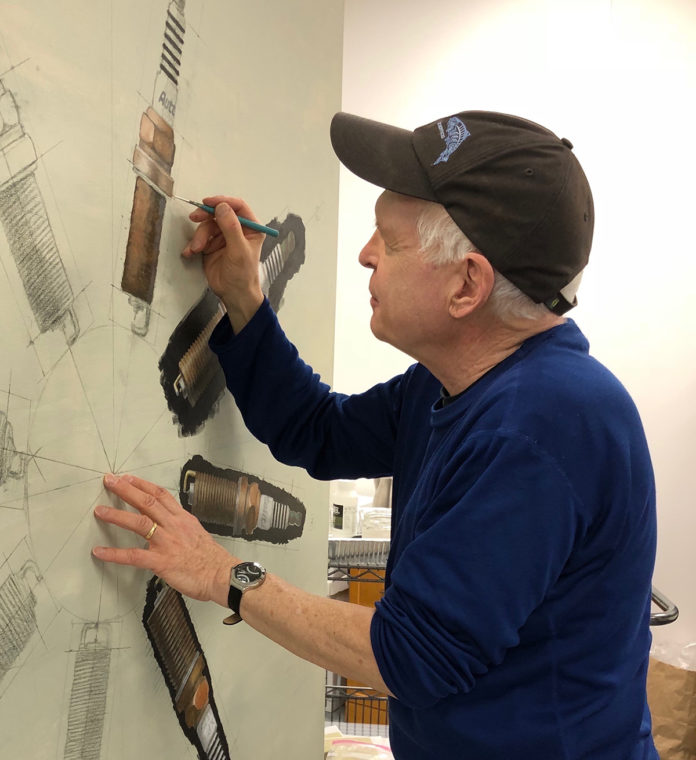
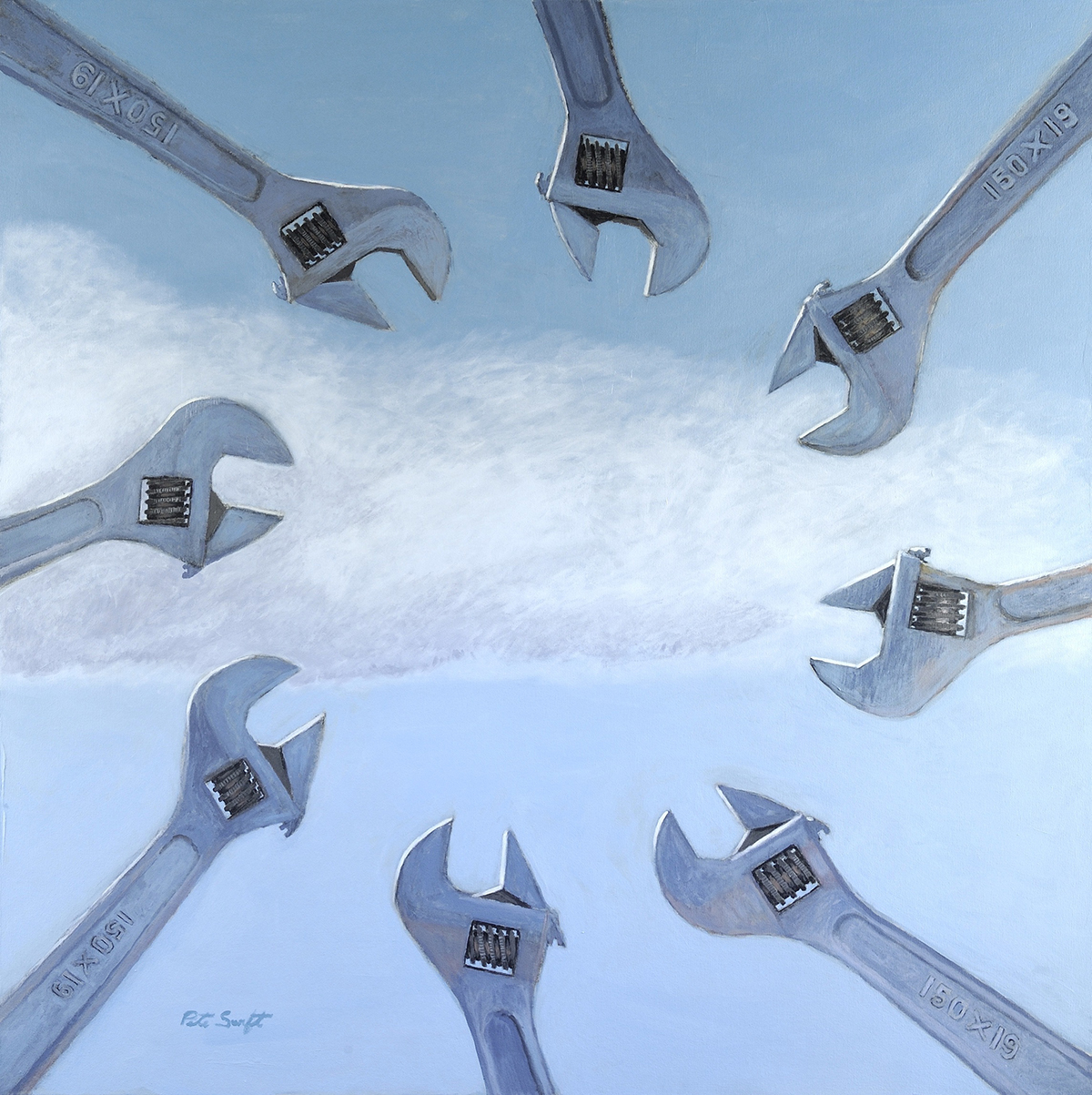
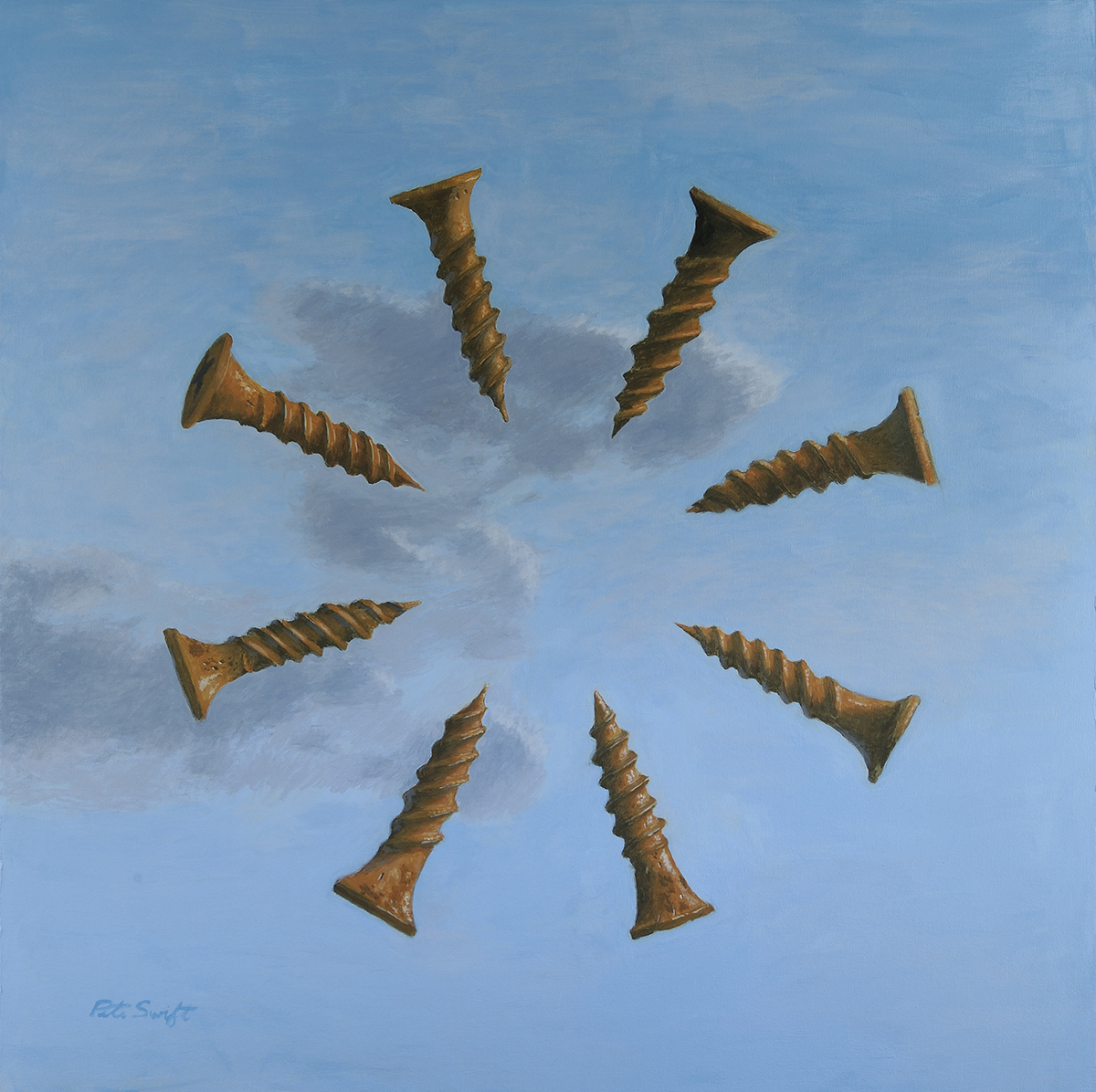
How did you develop your unique style? Peter Swift: My style is unique because it combines two distinct elements: classical realistic still-life painting and symmetrical design. I have coined the phrase “Symmetrical Realism” to describe my work.
Most of my work features circles, because I believe that the human brain has a deep psychological connection to circles. The circle is a fundamental symbol in many of the world’s religions because it represents harmony, unity, tranquility, completion and wholeness.
In my “Dignity of Work” series, I try to honor the men and women who have used their hands, their tools, their savvy, experience and hard work to build our homes, our schools, our roads, and in fact everything we see around us.
My biggest influences have been Louise Nevelson, Martin Puryear and Andy Goldsworthy. Following in the footsteps of these iconic artists, my goal is to use everyday objects to create laconic, resonant symmetries.
Symmetry is a fundamental underlying principle in art. However, over the past century, symmetry has been a factor for the most part only in abstract art, such as the work of Josef Albers and Frank Stella. My work combines both symmetry and realistic rendering, both imagination and meticulous craftsmanship.
Peter Swift, Dignity of Work – Eight Wrenches, acrylic on canvas, 48 x 48 in, 2022Peter Swift, Dignity of Work – Wood Screws, acrylic on canvas, 48 x 48 in, 2022
Finding Peace in Connecting to the Wild:
Tyrel Johnson Fine Art wildlife sculptures explore human-to-animal experience
by Amy Stark
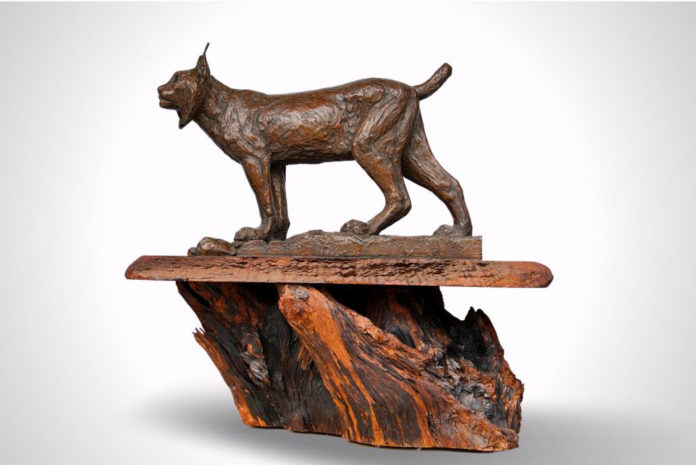
Whether wild lynx, bison, frog or fish, the bronze-and-wood wildlife sculptures of Montana artist Tyrel Johnson bring a sense of peace to their audience while offering a unique story of nature. As someone whose connection with animals goes back to childhood – as a defender even of insects – Johnson finds wild creatures a worthy subject for his artwork in part because they’re free of some of the preconceived ideas people have viewing a human form.
“I always wanted to create art that pulls the viewer in more deeply than just the aesthetic or subject,” he says. “We don’t tend to have deep-set bias or judgement toward animals outside of innate admiration.”
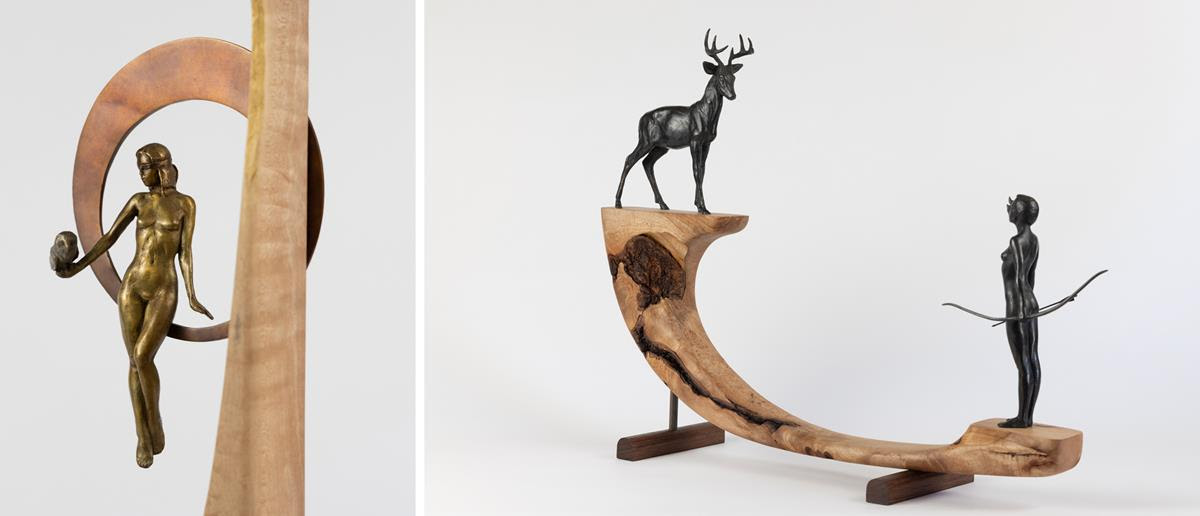
L to R: Johnson counts “A Bird in the Hand” as something of a self-portrait regarding early lessons about his art; his award-winning “The Huntress” was originally created on commission for a home.
Johnson has won praise and commissions for pieces that portray human interaction with animals as with “The Huntress,” depicting the respect between archer and stag, originally a commission for “a massive home.” He considers the sculpture “a great triumph. I thought, ‘how do I draw a guest all the way from one side of the great room to the other with a sculpture?’” he recalls. “The human experience is a unique adventure. When we see people, we categorize them immediately based on experience. The use of animals removes the bias in such a way that they can see themselves as the person in the settings that I sculpt,” allowing them to experience the emotion summoned by a piece in a way they couldn’t if the subjects were both people.
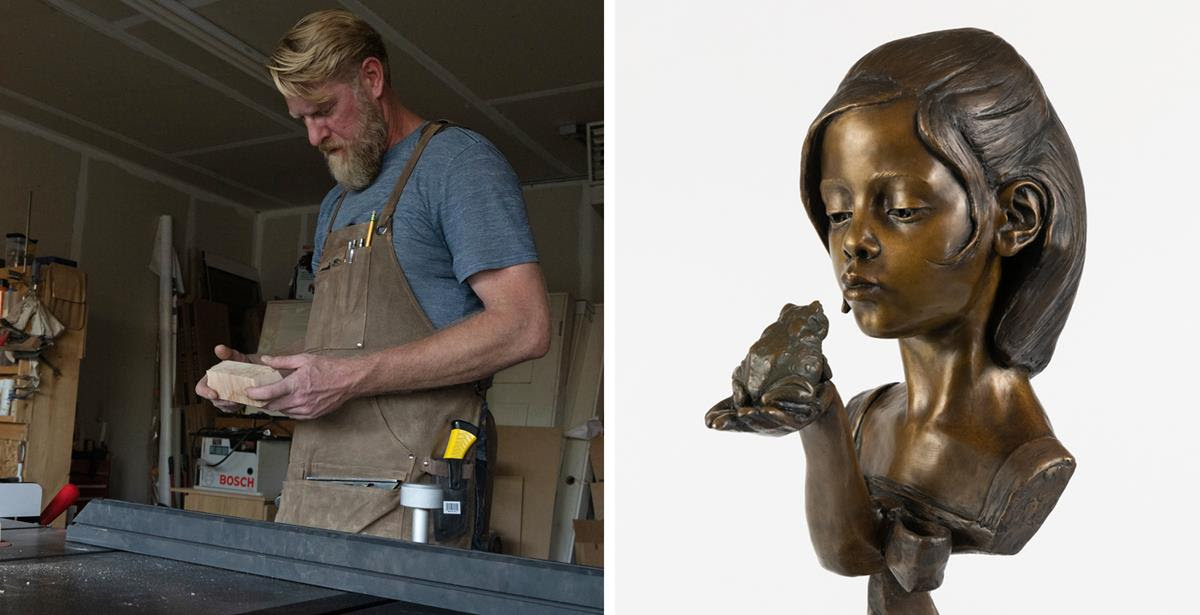
L to R: Johnson at work in his Billings, Montana, studio workshop; detail of “A Princess and Her Prince.”
Johnson’s first portrait, “A Princess and Her Prince,” is of his oldest daughter kissing a toad. At the time she was just five years old and anytime she ran past her father, he would call out her name and she would stop and pucker her lips before continuing. Capturing the sweet moment took a year of work, he says, though these days he can complete a portrait in a month.
Gaining that proficiency with anatomy was no small feat. For years he spent nights teaching himself through trial and error, studying skeletal and muscle structure with meticulous attention to accuracy after long days of carpentry work. He considers his early piece “A Bird in the Hand,” of a blindfolded woman holding an owl, a sort of self-portrait, born of the frustration of not being able to easily craft what he envisioned.
“I soon realized that the only way to elevate my artwork was to constantly create work regardless of whether I would cast the pieces or destroy them to start the next piece,” he says. “The blindfold represents my early ignorance of the solution lying quite literally in my hands. The owl represents the knowledge that I can create beauty and continuing to do so is both means and end.”
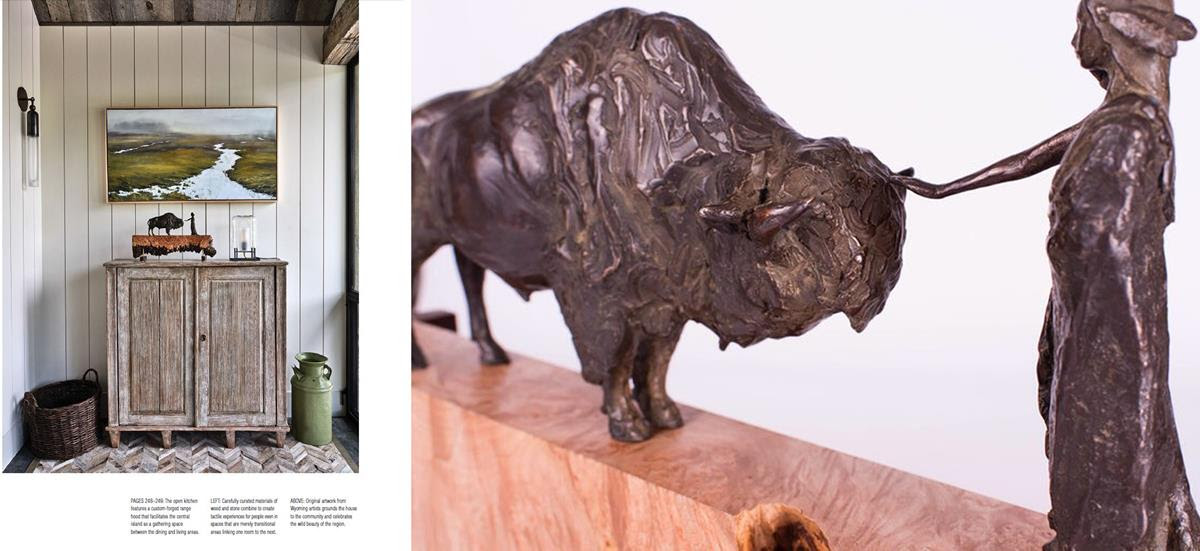
L to R: Johnson’s “Gratitude” in a Jackson Hole home from the new book “Foundations” (Rizzoli; PC: Audrey Hall); detail of the bronze and maple burl sculpture.
The quietly positive emotions evoked by Johnson’s work – expressing gratitude, respect, perseverance – have made him a favorite with interior designers, earning a place in two recent coffee table books, from Jackson Hole interior design firm WRJ Design and from JLF Architects of Bozeman, Montana.
In the just-published Foundations: Houses by JLF Architects from Rizzoli New York, Johnson’s “Gratitude,” a “wildly peaceful” sculpture of a bison bowing in acceptance of thanks from a Native American woman, crafted in bronze and maple burl, holds a place of honor in the entry to a Jackson Hole legacy home.
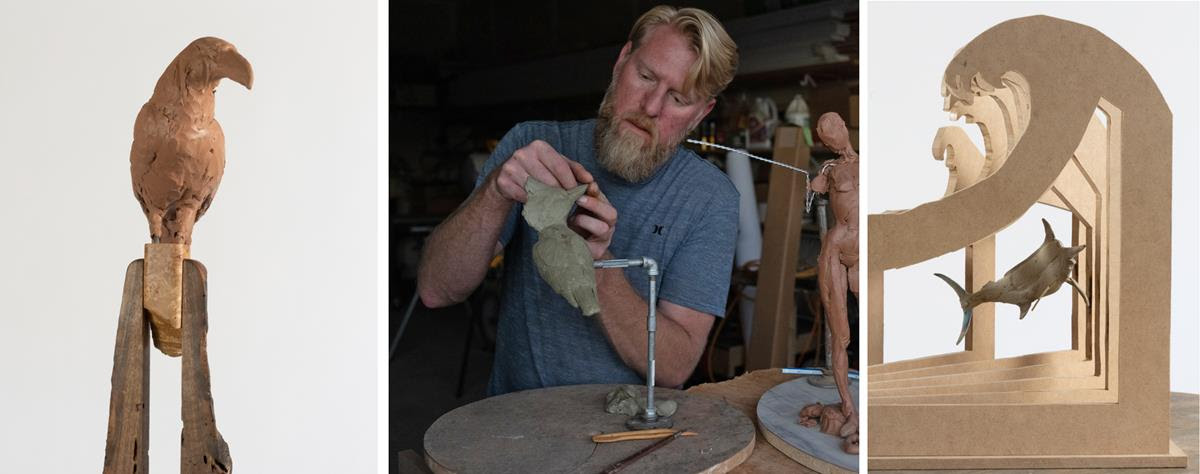
L to R: Wildlife works in progress from the Tyrel Johnson Fine Art studio include a raven, a kingfisher, and a marlin – the latter is from the “Old Man and the Sea” piece underway for the July Hemingway Conference.
Perseverance is a constant in Johnson’s life and work, as is a dedication to creating artwork of the finest quality. As he says of his style and process, “I do a great deal of math after a concept pops into my head. I often ask myself things like ‘how would a museum display this’ or ‘what makes this a Faberge-quality piece of craftsmanship?’ The triumph of doing art is simply within the act of not giving up. I will always push the limits of my skill. The ease with which I do a face now is the result of hundreds of attempts.”
His latest sculpture, inspired by Ernest Hemingway’s famed The Old Man and the Sea, has had Johnson himself in uncharted waters, working for the first time with glass and leather, both of which he is incorporating in a final work to be revealed this July at the 19th Biennial Hemingway Society Conference to be held in Sheridan, Wyoming.
While this project has proven a challenge worthy of the novella’s protagonist, Johnson perseveres with confidence, saying, “I will pull it off, but there will be plenty of failures and late nights in the coming weeks.”
About Tyrel Johnson Fine Art
The youngest of 16 children, who grew up watching his father and siblings sculpting and working on castings at his father’s foundry, Tyrel Johnson’s destiny as a maker now plays out in bronze, stone and wood from his studio in Billings, Montana, where his passion for woodworking and sculpting – along with meticulous attention to anatomical accuracy – inspires his creative expression. Whether he’s sculpting a life-size lynx or a miniscule kingfisher, a sense of story informs his precise and poetic designs. Johnson, whose work has won Best of Show at the 2022 OutWest Art Show & Sale and both Best of Show and People’s Choice awards at the 2021 Sculpture in the Hills, has been featured in media including Cowboys & Indians, Mountain Living, Big Sky Journal and the coffee table books Natural Elegance: Luxurious Mountain Living and Foundations: Houses by JLF Architects. For more information, visit tyreljohnsonfineart.com or follow @tyreljohnsonart on Instagram.
> Visit EricRhoads.com to learn about more opportunities for artists and art collectors, including retreats, international art trips, art conventions, and more.
> Sign up to receive Fine Art Today, our free weekly e-newsletter
National Gallery of Art
Washington, D.C. nga.gov
Through October 10, 2022
Many of James McNeill Whistler’s works feature the red-haired figure of Joanna Hiffernan (1839–1886). Her close professional and personal relationship with the artist lasted for two decades, yet little about her has been explored until now.
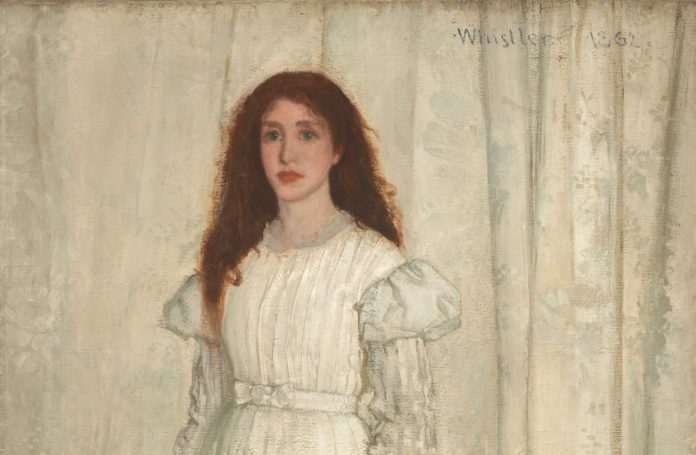
JAMES MCNEILL WHISTLER (1834–1903), “Symphony in White, No. 1: The White Girl,” 1861–63 and then 1872, oil on canvas, 83 7/8 x 42 1/2 in., National Gallery of Art, Washington, Harris Whittemore Collection
After a triumphant showing at London’s Royal Academy of Arts, an exhibition devoted to Whistler’s visions of Hiffernan is set to grace Washington’s National Gallery of Art. It gathers, from collections around the world, more than 60 paintings, drawings, and prints that constitute nearly every known depiction of Hiffernan, as well as relevant documents and letters.
Baptized in Limerick, Ireland, Hiffernan immigrated with her parents and siblings to London — where, as Irish Catholics, they experienced poverty and social prejudice. When they met in 1860, Hiffernan not only became Whistler’s primary model but also helped manage his studio and financial affairs. In 1866, he gave her power of attorney and made her the sole heir in his will.
In 1870, after Whistler fathered a child with Louisa Fanny Hanson, Hiffernan and her sister raised the boy. He became the primary connection between Hiffernan and Whistler through the 1870s and into the 1880s. In 1886, Hiffernan died of bronchitis after lifelong respiratory problems that may have been exacerbated by her exposure to toxic art materials while working in the studio.
Alas, Hiffernan’s personal correspondence is rare, and no photographs of her or works of art made by her have been found. Presenting what is known, the exhibition invites visitors to participate in recovering Hiffernan’s humanity. It also features a substantial number of works by other artists — such as Rossetti, Sargent, Degas, and Klimt — who were inspired by Whistler’s influential depictions of Hiffernan wearing white. (A key example is illustrated here.)
The project has been guest-curated by Margaret F. MacDonald (University of Glasgow) in collaboration with Ann Dumas (Royal Academy) and Charles Brock (National Gallery of Art). The project is accompanied by a 232-page catalogue published by Yale University Press.
> Visit EricRhoads.com to learn about more opportunities for artists and art collectors, including retreats, international art trips, art conventions, and more.
> Sign up to receive Fine Art Today, our free weekly e-newsletter
As part of our effort to continue to help artists and art galleries thrive, we’re proud to bring you this week’s “Virtual Gallery Walk.” Browse the artwork below and click the image itself to learn more about it, including how to contact the gallery.
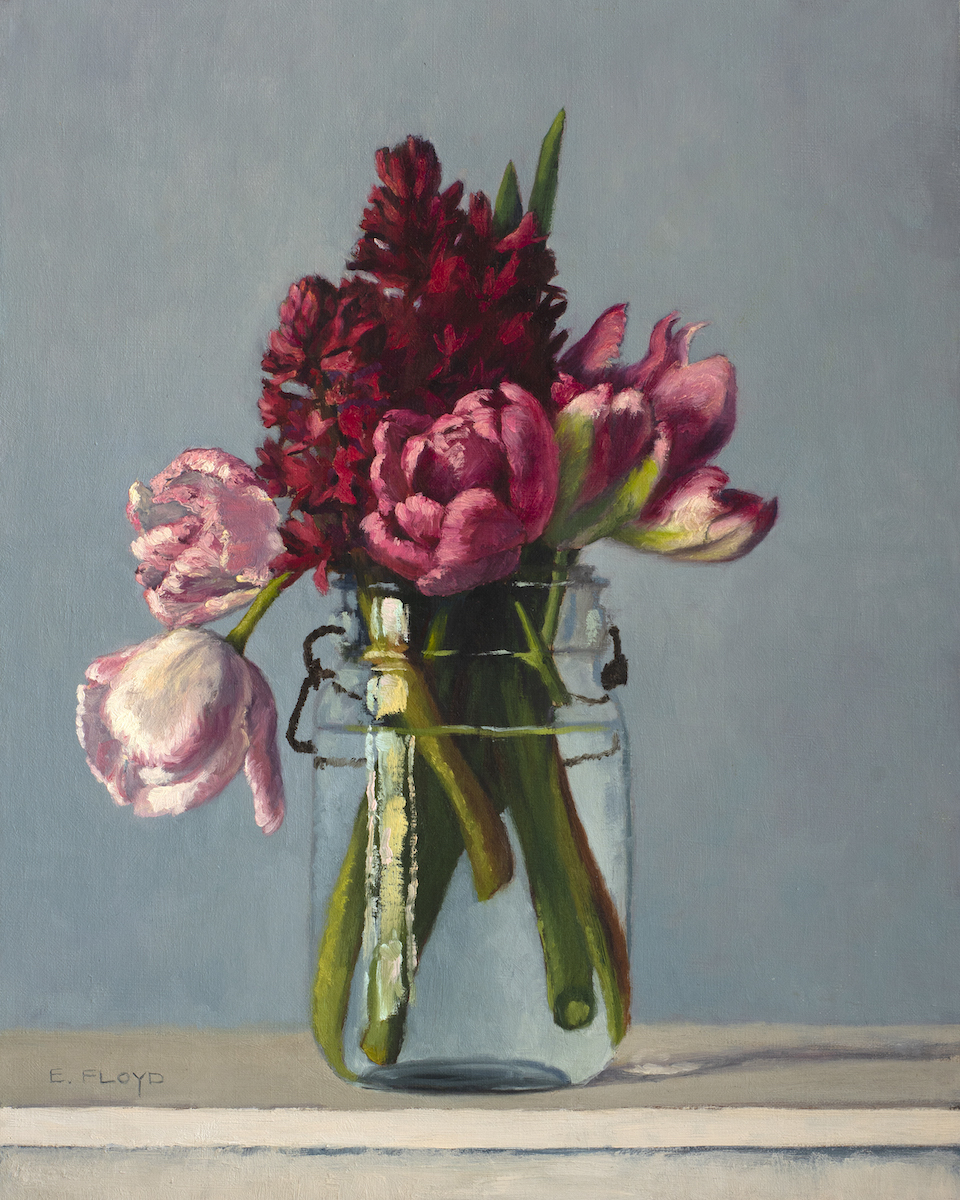
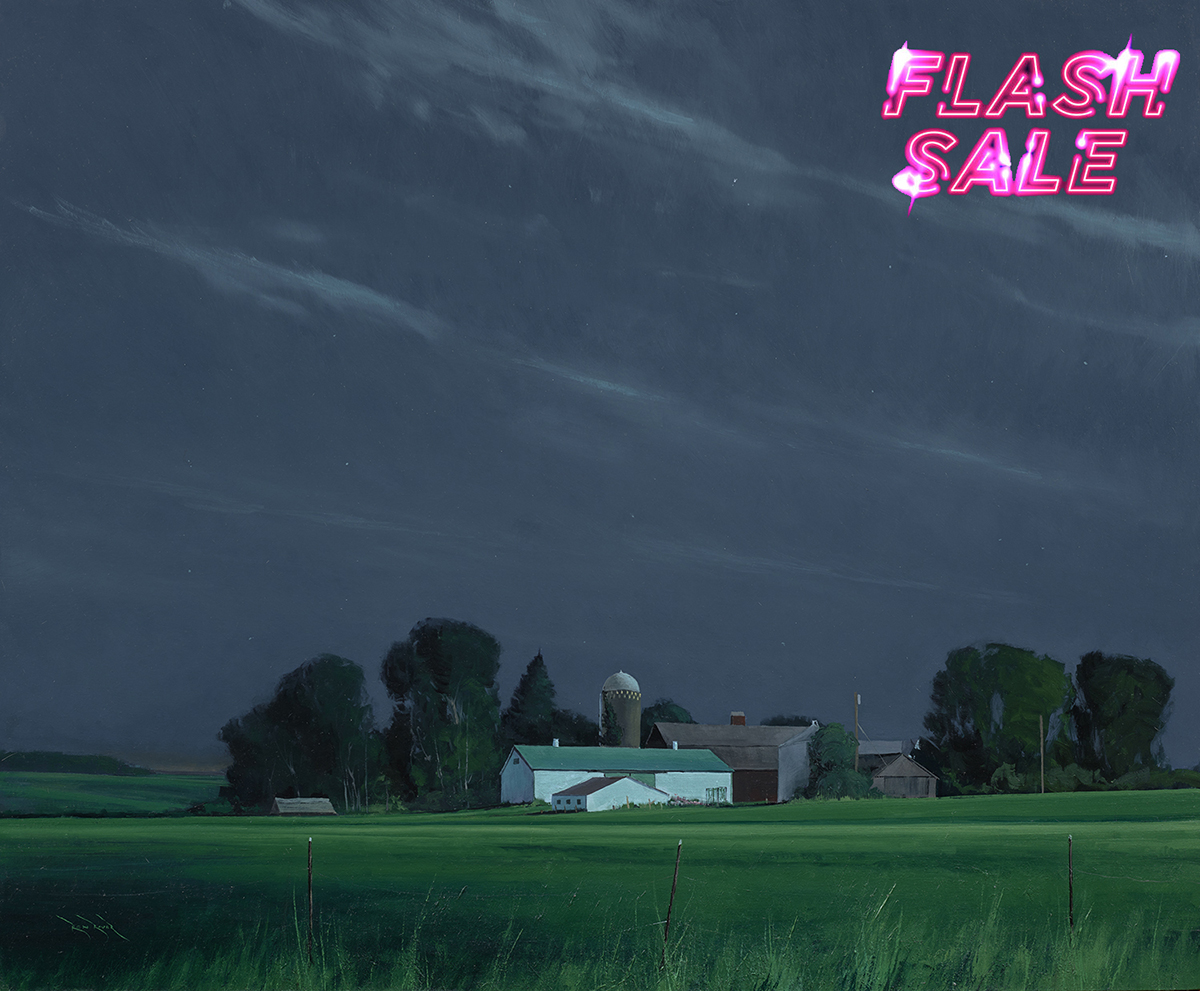
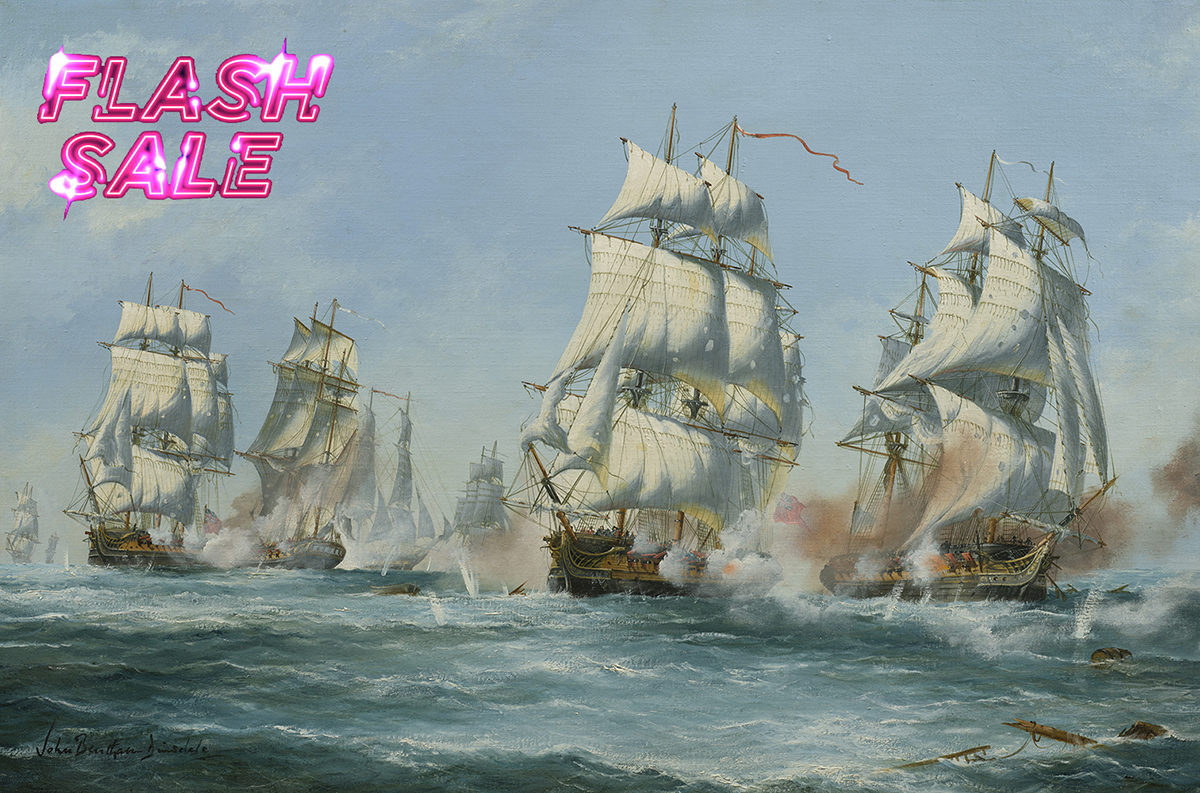
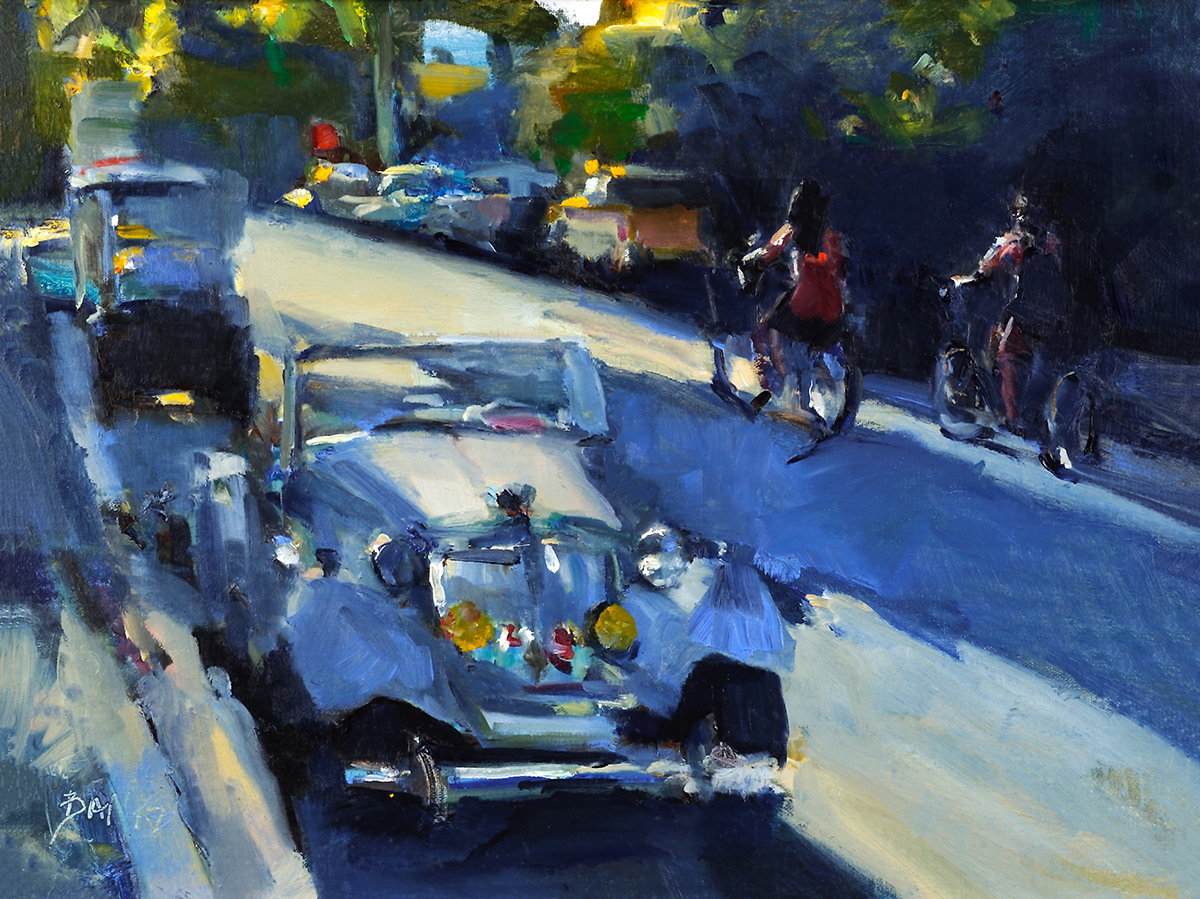
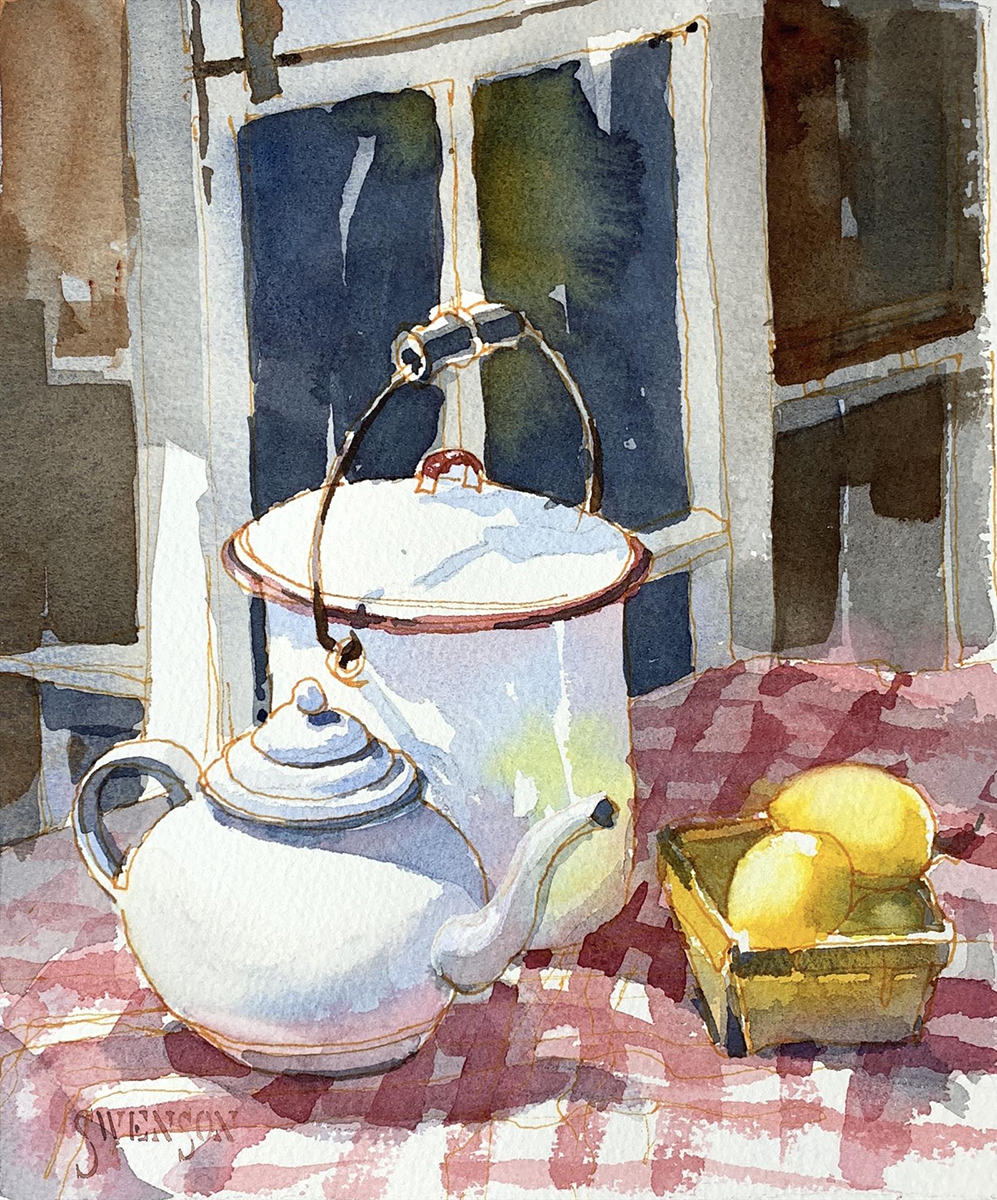
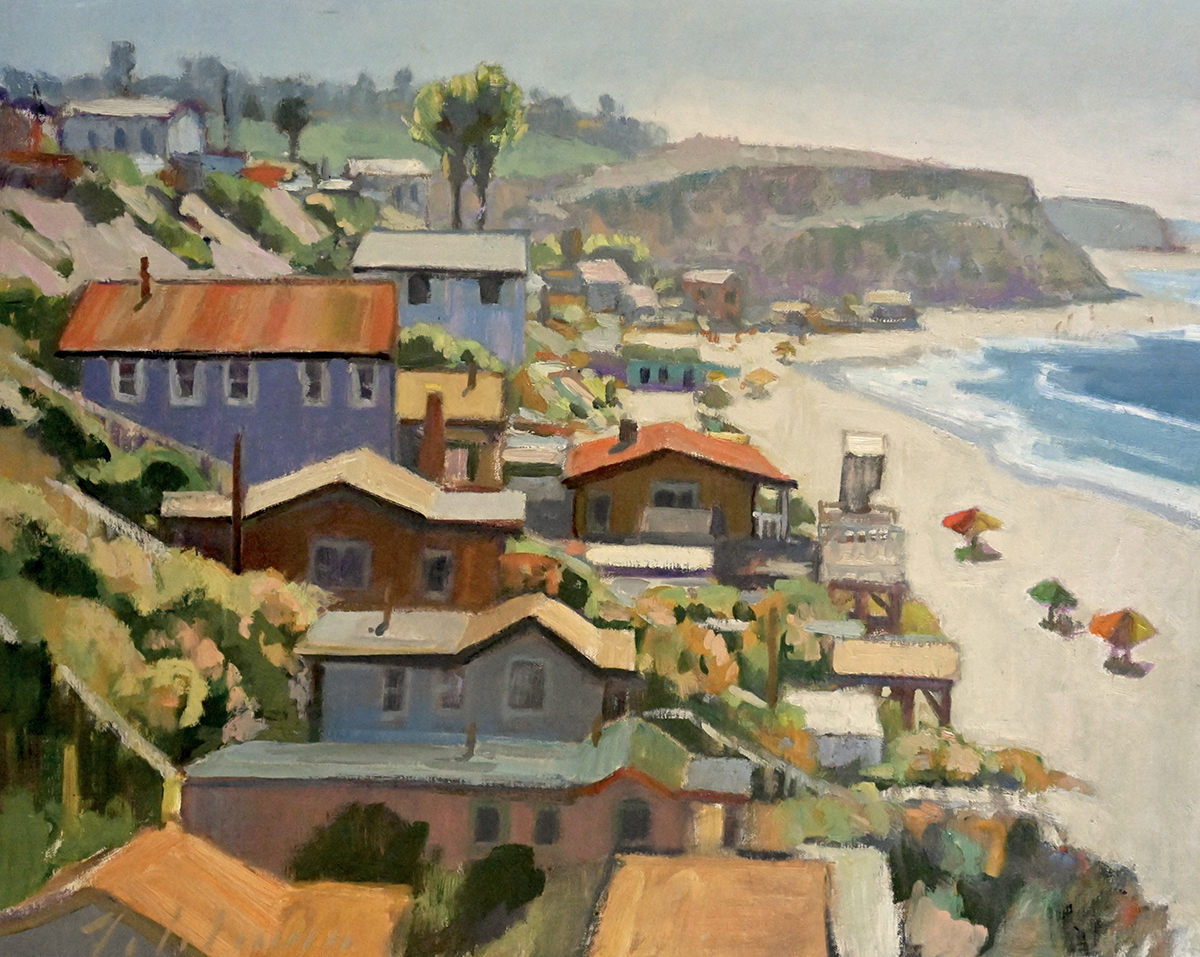
Hyacinths and Tulip, Elizabeth Floyd, oil, 20 x 16 in; Anderson Fine Art GallerySt. Croix County Farm by Moonlight, Ben Bauer, oil on panel, 28 x 34 in, Signed; Rehs ContemporaryAction off Belfast, John Bentham-Dinsdale (1927 – 2006), oil on canvas, 20 x 30 in, Signed and titled on the reverse; Rehs Galleries, Inc.Hot Wheels, Jill Banks, 12 x 16 in, oil on linen-lined panel; Jill BanksRed, White and Yellow, Brenda Swenson, watercolor, 10 x 8 in., 2022; LPAPA Art Gallery “16th Annual Less is More” Juried Exhibition, July 4 through August 1, 2022Crystal Cove in my Mind, Mark Fehlman, oil, 16 x 20 in; Mark Fehlman
Want to see your gallery featured in an upcoming Virtual Gallery Walk? Contact us at [email protected] to advertise today. Don’t delay, as spaces are first come, first served, and availability is limited.
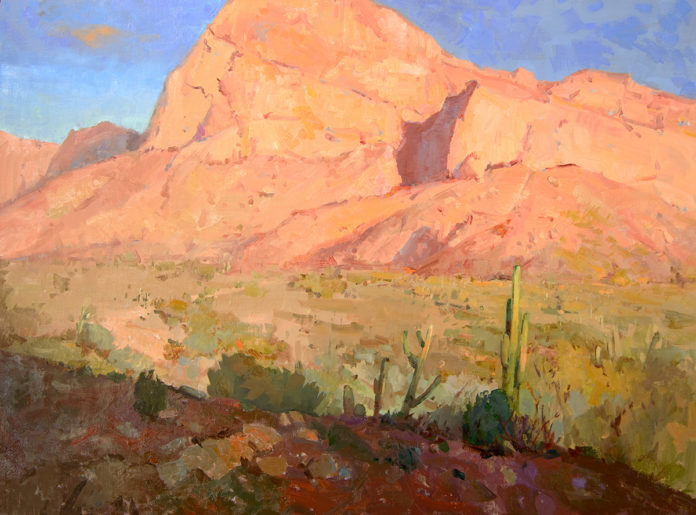
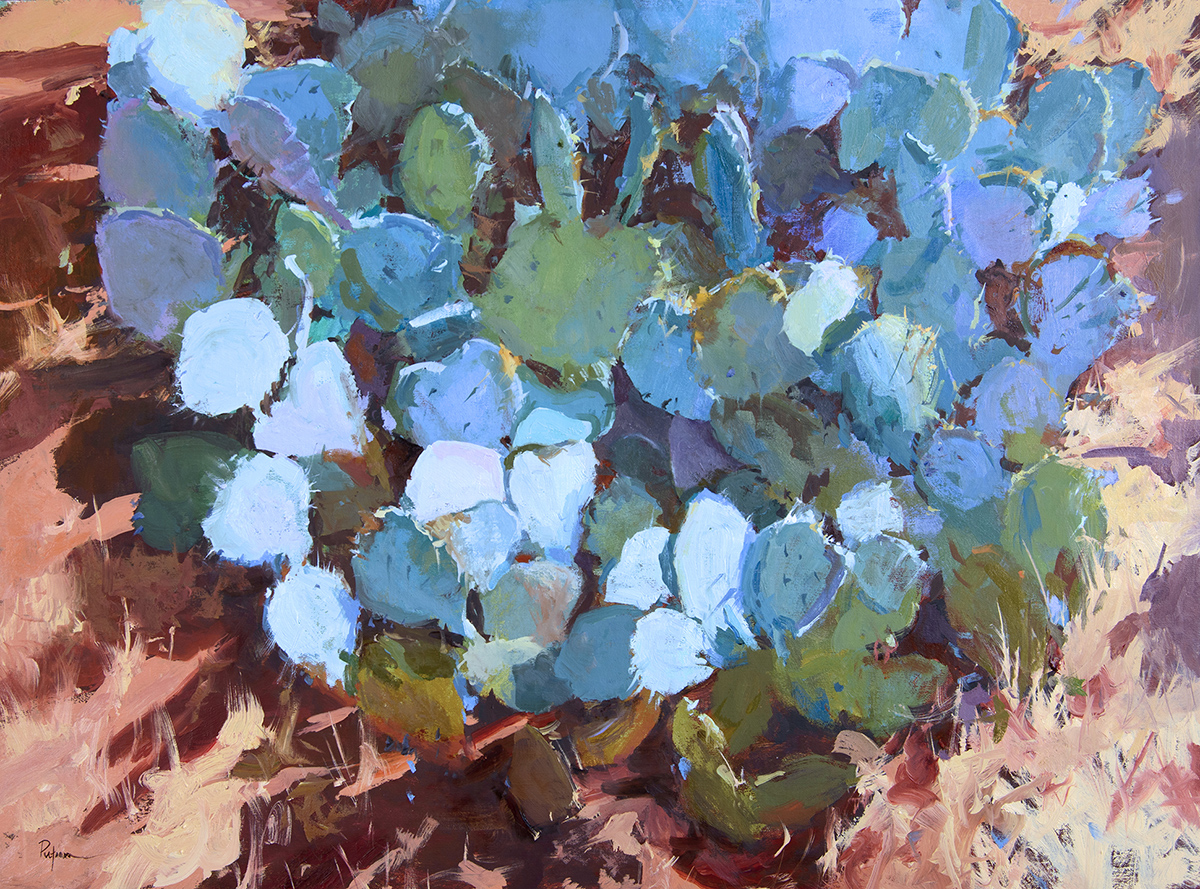
Lori Putnam, “Colors of the Southwest,” oil on linen, 36 x 48 in, 2022. “Far From Home: a solo exhibition,” Customs House Museum, Clarksville, November 2022. Available through LeQuire Gallery, Nashville, TN
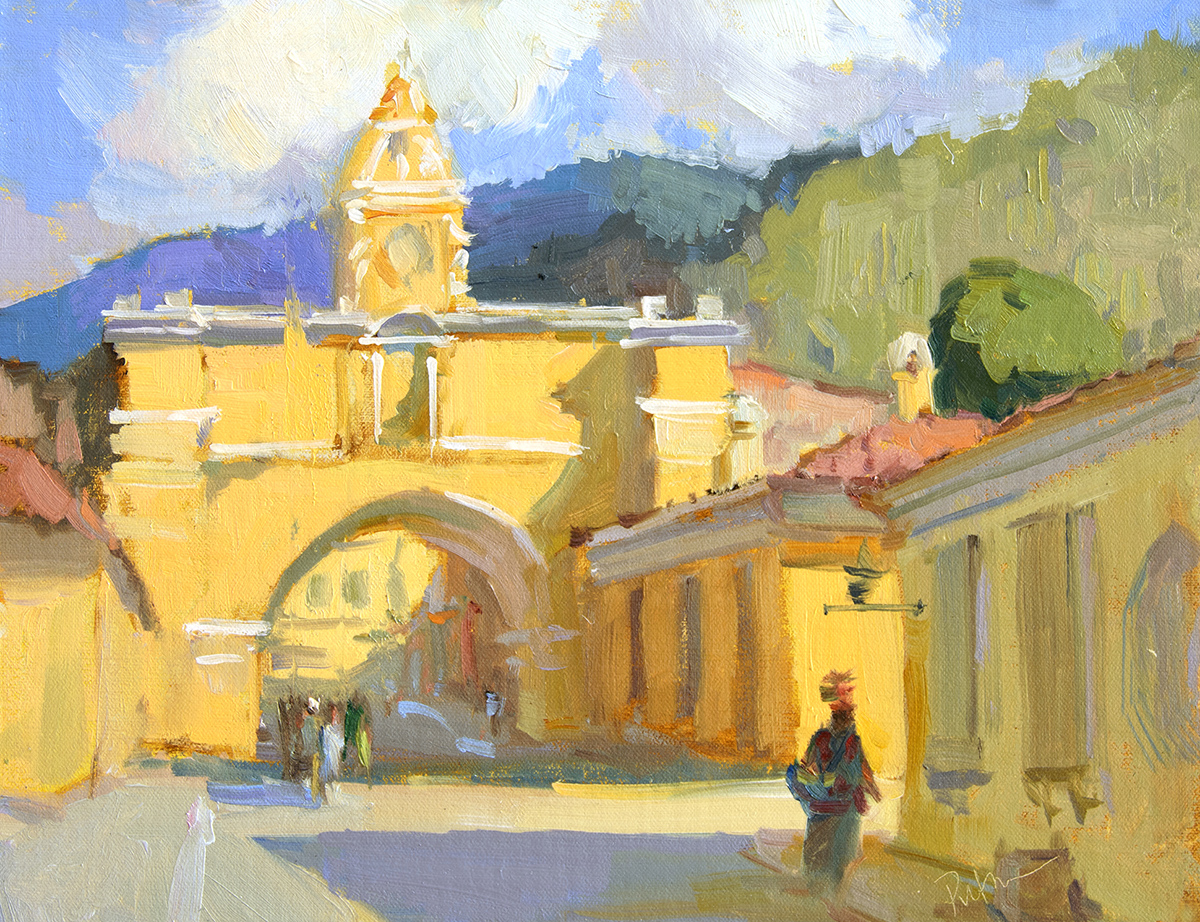
Lori Putnam: From the colors of the southwest to the coast of England, Lori Putnam’s work captures their uniquely different landscape, place, and time. Painting on location is an important part of Putnam’s work. Creating studies in more than two dozen different countries, and hundreds of locations throughout the United States, she understands the subtleties that characterize a location. Putnam paints smaller pieces in plein air and returns to her studio in Tennessee to create large works.
Lori Putnam, “Santa Catalina Arch,” on linen panel, 11 x 14 in., 2021, location study; Antigua, Guatemala, Available through 1225 GalleryLori Putnam, “Blue Paddle Cactus,” oil on linen, 30 x 40 in., 2022, available through FoR Fine Art, Tucson
A Conversation on Art Collecting > Plugged-In Collecting—Evenings with Hulings Virtual Salon
Featuring Jill DeTemple and Gordon O’Brien
Moderated by Fine Art Connoisseur Editor-in-Chief Peter Trippi
Thursday, July 14, 2022, 7.00 PM Eastern
From the organizers:
Join us in welcoming forward-thinking, business-savvy art collectors Gordon O’Brien and Jill DeTemple to the Salon! Their involvement in local organizations such as Plein Air Easton and national organizations including Oil Painters of America powers their ongoing relationships with artists and art-making. Their collection ranges from Mian Situ, C.M. Mundy, and Andrew Wyeth, to Tomutsu Takishima—to 19th Century artists such as Léon Augustin Lhermitte.
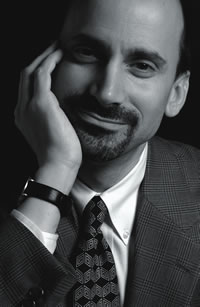
Peter Trippi
This conversation, facilitated by Fine Art Connoisseur editor-in-chief Peter Trippi, will explore the expertise collectors can share with one another; tips for buying art online and their thoughts on NFTs; art acquisition as an investment vs. passion; what Jill and Gordon have learned about displaying and storing art; and how artists get on their radar.
> Visit EricRhoads.com to learn about more opportunities for artists and art collectors, including retreats, international art trips, art conventions, and more.
> Sign up to receive Fine Art Today, our free weekly e-newsletter on art collecting, art gallery exhibitions, fine art museums, and more
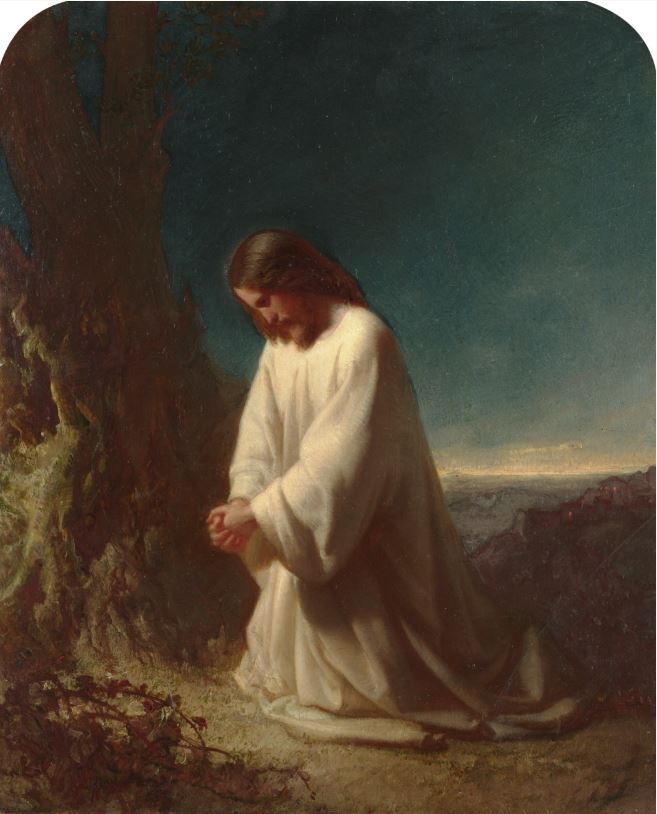
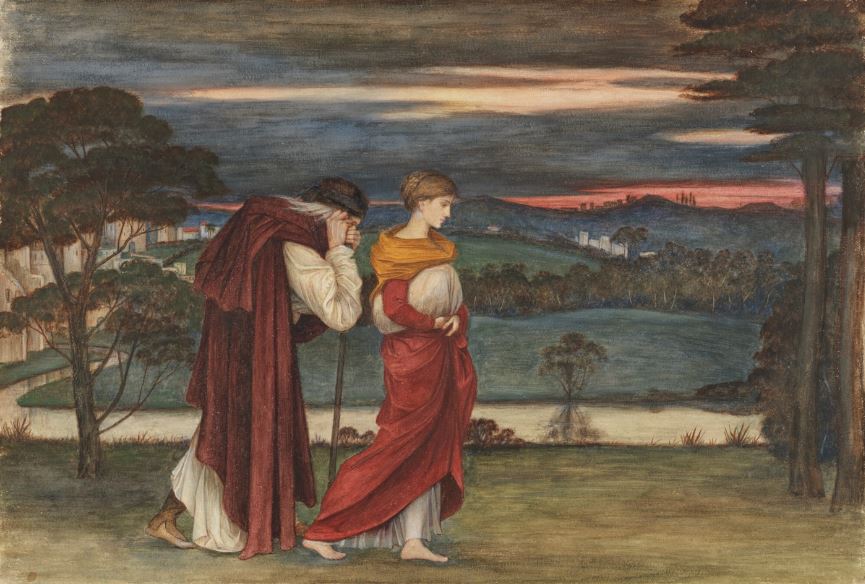
"Thy Will Be Done" by Henry Le Jeune, ARA (1819-1904), lot 11
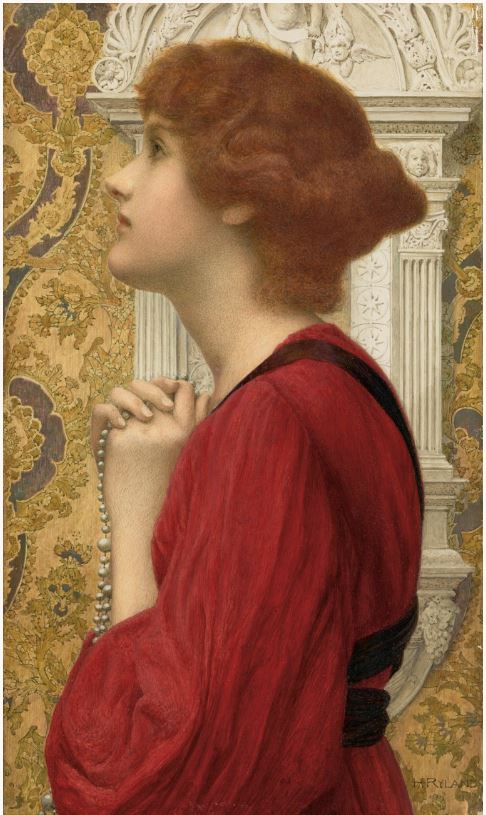
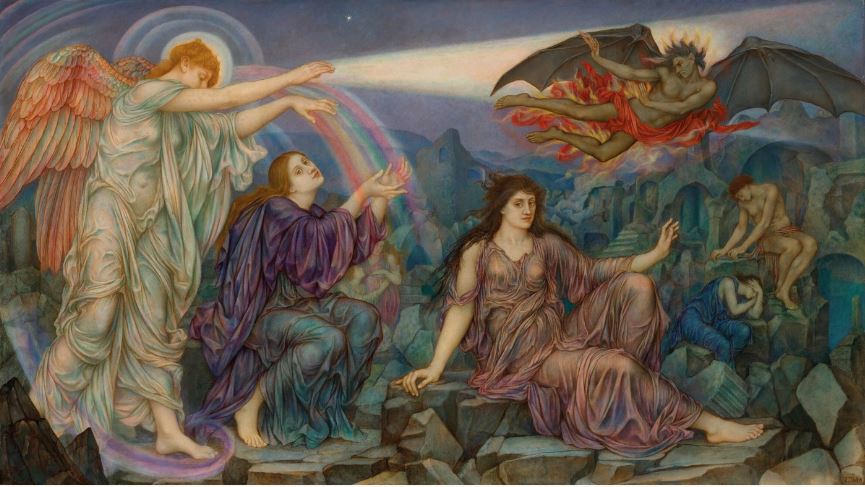
Upcoming Art Auction > This July, Christie’s British & European Art department presents “The Isabel Goldsmith Collection: Selected Pre-Raphaelite and Symbolist Art.”
From the organizers:
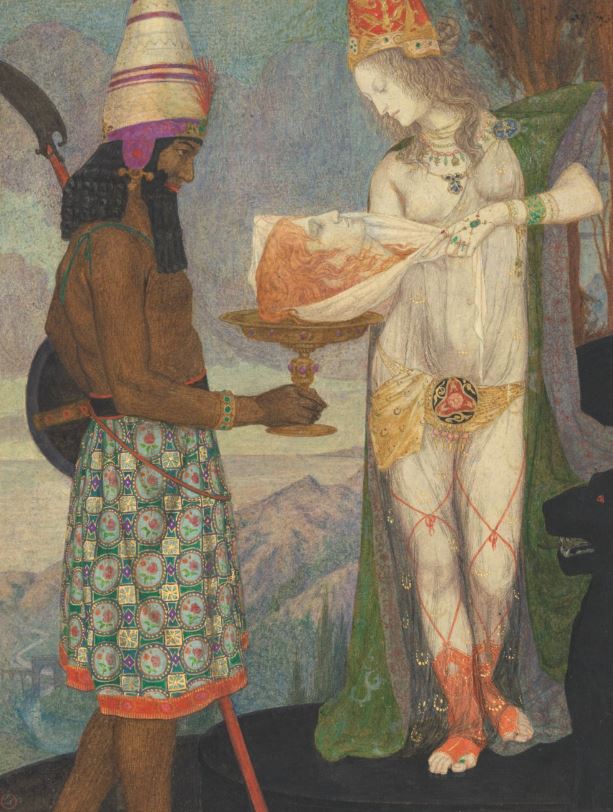
Spanning over 40 years of collecting the auction contains important examples of Pre-Raphaelite and Symbolist Art from both the British and European schools. Comprising 87 lots, the collection explores the themes of sleep, dreams, the soul and the afterlife, spiritualism, beauty, literary, and classical subjects.
“Salome with the Head of St. John the Baptist” by Maxwell Ashby Armfield, RWS (1881-1972), lot 5“Age and Beauty” by John Roddam Spencer Stanhope (1829-1908), lot 15
Highlights include paintings by Sidney Henry Meteyard, Evelyn De Morgan, George Frederic Watts and Alfred Stevens, alongside works on paper by Sir Edward Coley Burne-Jones, John Roddam Spencer-Stanhope, Henry Ryland, Simeon Solomon, Henry John Stock, Lucien Levy-Dhurmer and Fernand Khnopff.
“The Guarded Flame” by Henry Ryland (1856-1924); lot 4“The Search-Light” by Evelyn De Morgan (1855-1919), lot 24
Explore the auction in person at our King Street galleries from July 9-14, 2022. Works from the collection are available to view by appointment prior to this date. [More Information]
> Visit EricRhoads.com to learn about more opportunities for artists and art collectors, including retreats, international art trips, art conventions, and more.
> Sign up to receive Fine Art Today, our free weekly e-newsletter
Fill your mind with useful art stories, the latest trends, upcoming art shows, top artists, and more. Subscribe to Fine Art Today, from the publishers of Fine Art Connoisseur magazine.