
Home Blog Page 207

We Say Goodbye to Daniel E. Greene

20
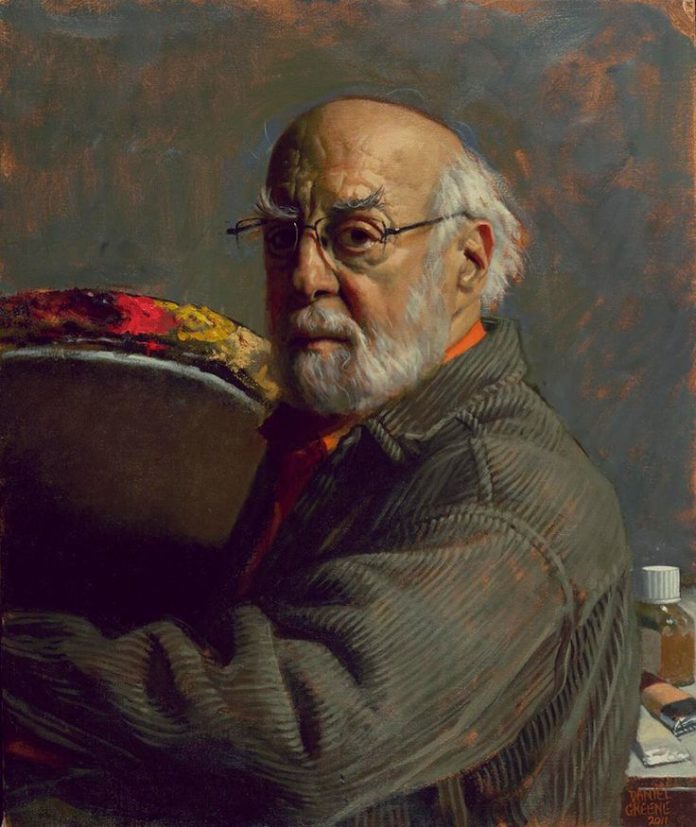
Daniel E. Greene, N.A., “Self-Portrait”

We are saddened to announce that Daniel E. Greene has passed away. It is no secret that he has inspired countless artists over the years.

“Daniel E. Greene was an enormous talent who inspired generations of admirers around the world,” says Peter Trippi, Editor-in-Chief of Fine Art Connoisseur magazine. “It is particularly meaningful to us at Fine Art Connoisseur that our brand-new issue (to reach newsstands and mailboxes on May 1) contains several memorable comments he generously offered for a large article about portraiture. Dan Greene remained lively and incisive until the end, and he will truly be missed by everyone who loves great painting.”

“Dan was an icon in the art world, but also a generous giving man, teaching thousands of students,” says Eric Rhoads, CEO of Streamline Publishing. “Thankfully we gave him our lifetime achievement award at the Figurative Art Convention & Expo (FACE) this past fall. He was a huge inspiration to the entire audience. He will be missed.”

From the studio of Daniel Greene:

With the recent passing of Daniel Greene on Sunday, April 5, 2020, many have inquired about how they can help; in lieu of flowers and in the event you would like to, a donation to the Artists’ Fellowship, Inc. in Daniel Greene’s name would be most appreciated. This is a non-profit organization that Daniel Greene and Wende Caporale-Greene have been closely connected with for many years (Daniel was honored in 1999, Wende is on the board and had served as president.) Right now, due to the Coronavirus, they have had an onslaught of applications for aid by artists who have suffered losses due to the virus. Normally, they help professional artists in emergency situations and the Coronavirus certainly qualifies. Sadly their endowment has been negatively impacted by the market drop which means they have less to give artists. Please check out their website: https://www.artistsfellowship.org.

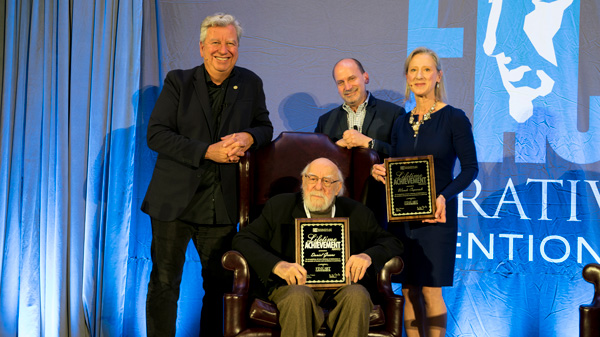
Daniel E. Greene and Wende Caporale during the Lifetime Achievement Award presentation at FACE

As stated, at the most recent Figurative Art Convention & Expo, we had the pleasure of honoring both Daniel and his wife, Wende Caporale, with a Lifetime Achievement Award (watch the mini-documentary below).
.
Daniel Greene artist Wende Caporale
Eric Rhoads (left), Daniel E. Greene (seated), Peter Trippi, and Wende Caporale at the Lifetime Achievement Award Ceremony held at FACE.

Daniel E. Greene was born in Cincinnati, Ohio in 1934 to Earl and Gertrude Greene, who had settled there after immigrating from Poland, Russia, and Eastern Europe at the turn of the century.

Daniel began showing his natural talent for art quite early in life, even though his school didn’t offer art classes until the fourth grade.

At 13, he attended the children’s classes at the Art Academy of Cincinnati, his first formal training.

By 1952, Daniel was a senior in high school. In his haste to study art, he decided to quit school and move to Miami Beach. There, he discovered portrait sketch artists catering to tourists. He joined the crowds watching the pastel artists, who were primarily Cuban.

When Daniel applied for a job sketching at one of the shops, called Wendkos & Serge, he was told there were no openings. He reapplied later and, this time, was told the bitter truth; that he just wasn’t good enough.

Hearing this drove the young artist to work harder. He bought Stella Mackie’s portrait book along with an assortment of hard pastels and voraciously practiced until he was ready to reapply. He succeeded, marking the beginning of his career as an artist.

Averaging seven portraits per day, he naturally gained skills at painting a variety of people from life. To be completely equipped, he knew he needed an intensive academic course. When he received a catalog from the Art Students’ League of New York, the work of Robert Brackman sealed the academic approach that Daniel desired.

Daniel headed to New York, got a job at an art materials store, and enrolled in Brackman’s evening class at ASL. In his first class, Brackman came in, spotted Daniel’s work, and remarked to the class, “we have a lot of talent this year.”

Drafted by the Army in 1957, Daniel served two years, was honorably discharged, and moved back to Greenwich Village.

He continued sketching portraits, networking, and participating in art shows, and was proposed for membership to the Salmagundi Club. After he became a member, Daniel was asked to teach, and did so at the National Academy of Design and at the Art Students League.

Later, in 1979 and 1980, Daniel taught summer-long classes in Gloucester, Massachusetts. Finding he enjoyed being away from New York City, he closed his 67th Street studio.

Unbeknownst to Daniel, a pastel artist named Wende Caporale had gone to ASL in search of his teaching after her own professors recommended that she study with Daniel.

Although she discovered Daniel had recently left New York, she saw one of his portraits and experienced a “life-changing, prophetic moment.”

Once discovering Daniel was now in North Salem, New York, Wende enrolled in his classes at what has become the well-known and loved Studio Hill Farm. At the time, neither Wende nor Daniel realized their lives would intertwine to become more than teacher and artist.

Spending many summers painting and working together, their personal relationship blossomed and they married in 1986.

Once Wende and Daniel were married, they continued their lives in the world of art and also raising their daughter, Avignon. Daniel painted commissioned portraits, did non-commissioned work for galleries, and taught workshops all over the US and at Studio Hill Farm.

Daniel’s work has garnered many awards of achievement, including 44 prizes and a place in the Hall of Fame from the Pastel Society of America; a Gold Medal from the Portrait Society of America; a Gold Medal as a Salmagundi Club Honoree; a place in the Hall of Fame for the Oil Painters of America, and many more.

His works are in over 700 public and private collections in the United States and abroad, including the Butler Institute of American Art, the Cincinnati Art Museum, the Pentagon and House of Representatives in Washington, D.C, the Smithsonian Institution, the Metropolitan Museum of Art, as well as many others.

Daniel has painted the portraits of First Lady Eleanor Roosevelt, Commander Astronaut Walter Shirra, Jr., Ayn Rand, Natalie Portman, Bob Schieffer, Bryant Gumbel, and numerous Congressmen, Governors, Judges, Educators, and Industrialists.

Daniel’s books and instructional videos have reached people worldwide and have been translated into multiple languages. He has taught over 10,000 students during his six decades of teaching and his influence continues.

Related Article > 66 Years: A Retrospective of Daniel E. Greene Paintings
Wonderful Watercolor

0
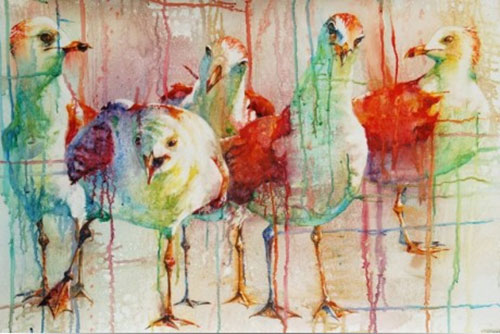
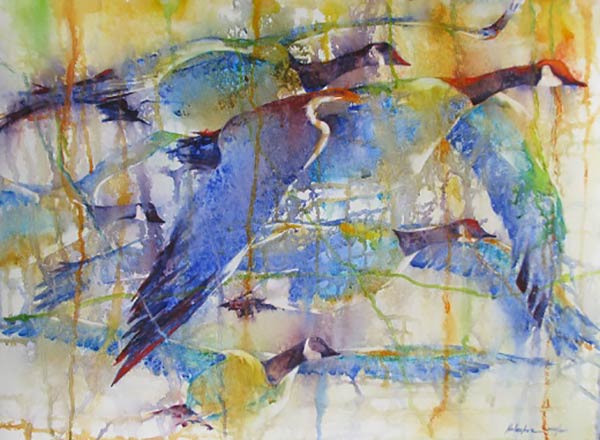
Pat Holscher, “Geese Headed South,” watercolor on gessoed paper, (c) Pat Holscher 2015

Fine Art Today traveled to rural eastern North Carolina for a chat with accomplished watercolorist Pat Holscher, whose pictures of seagulls, pelicans, and more feel right at home next to the Pamlico River.

The character and individuality of birds have fascinated and inspired some of history’s greatest minds. John James Audubon sought to meticulously categorize all the birds of America, while Leonardo da Vinci was nearly obsessed with how birds take flight. For artist Pat Holscher, the maritime birds native to eastern North Carolina have provided endless enjoyment and, more recently, artistic inspiration.

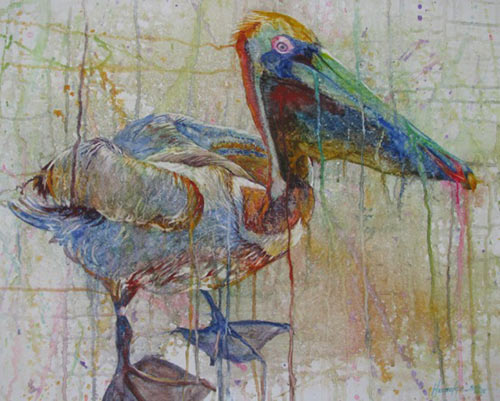
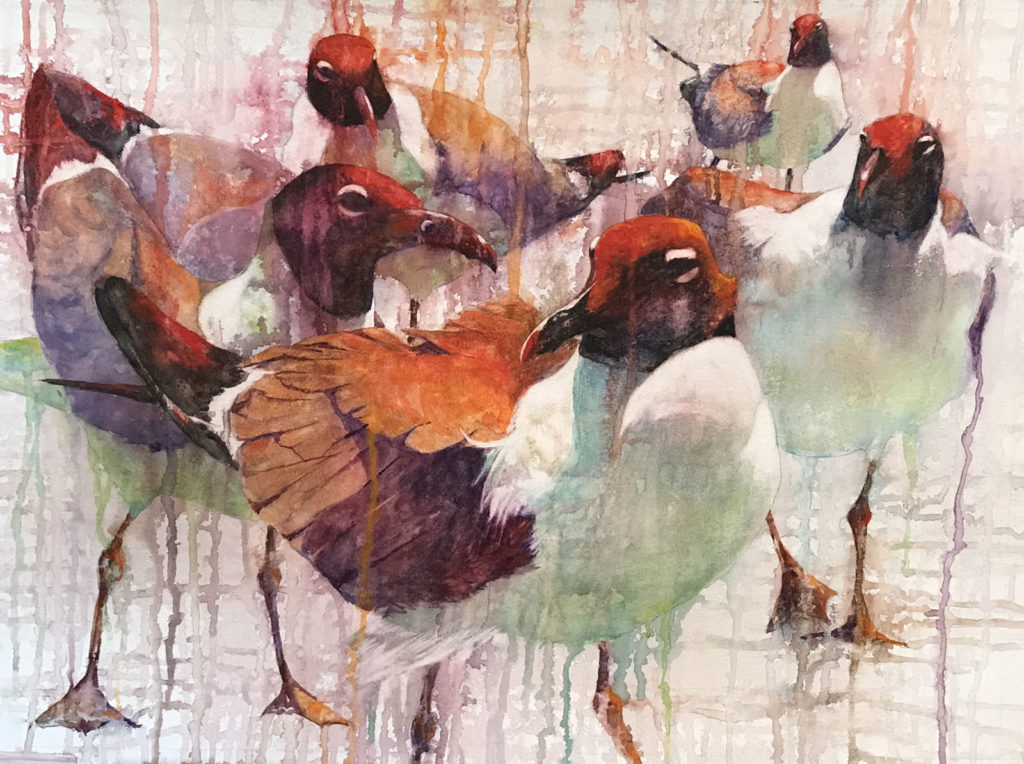
Pat Holscher, “Harvey,” watercolor on gessoed paper, (c) Pat Holscher 2015

Immediately noticeable in Holscher’s work is the fluidity of the watercolor’s application, which displays a vibrancy and vivid saturation of blended, runny color. Holscher prefers working on gessoed paper, which allows her to achieve this desired effect. The gesso, in addition to reducing the absorbency of the paper, allows the colors to sit on the surface, resulting in stronger hues. The gesso also leaves a textured finish on the paper, a feature Holscher loves to use to enhance her subjects’ naturalism.

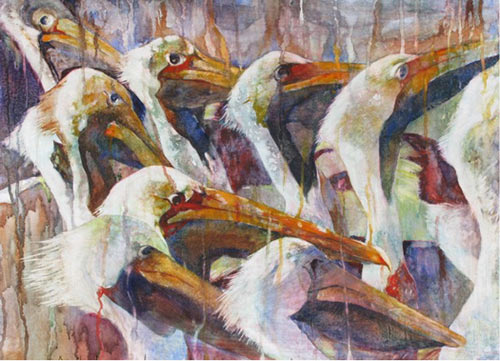
Pat Holscher, “Heads Up!,” watercolor on gessoed paper, 20 x 30 in. (c) Pat Holscher 2015
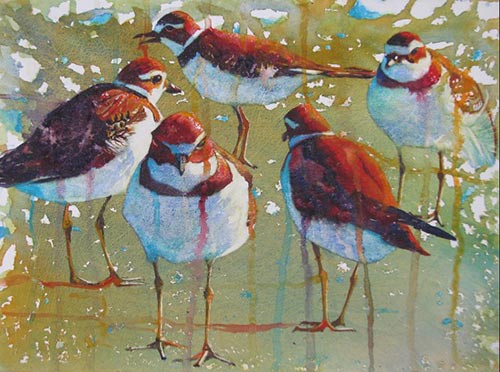
Pat Holscher, “Plover Playtime,” watercolor on gessoed paper, 11 x 15 in. (c) Pat Holscher 2015
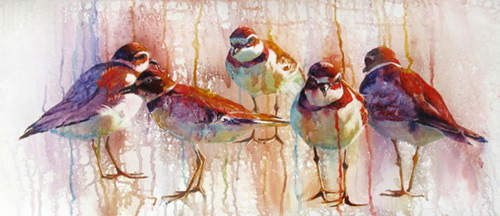
Pat Holscher, “Running in Circles,” watercolor on gessoed paper, 15 x 35 in. (c) Pat Holscher 2015

For Holscher, a watercolor begins with a connection. Using photography as a means to capture a bustling flock of birds, Holscher selects one bird that displays a certain individuality of character and pose, whom she calls “the show stopper.” This bird could be used a number of times in different pictures, but typically forms a vital part of the composition, inviting the viewer into the piece. Holscher also includes a number of other birds in her paintings, creating a rhythmic play and kinetic movement that adds vitality and visual interest. One truly gets a sense of the coordinated movements birds can make as they eagerly await the next fish or piece of bread to come their way.

Pat Holscher, “Family Dynamics,” watercolor on gessoed paper, 26 x 41 in. (c) Pat Holscher 2015

Although the birds within paintings such as “Geese Headed South” and “Heads Up” haven’t always been her subjects, they have gripped the regional market and earned Holscher national and international recognition. Works by Holscher can be found up and down the North Carolina Intracoastal Waterway; The Village Gallery, The Carterate Contemporary, and The Lemonade Gallery are only a few of the establishments that carry her work. In 2008, Holscher won first place in the Watercolor Society of North Carolina’s Annual Exhibition. The American Watercolor Society awarded its Gold Medal to Holscher’s “Family Dynamics” in 2009. Works by Holscher have also been juried into the Shenzhen Watercolor Biennial in China.

Watercolor paintings by Pat Holscher
“Beach Groupies” was chosen along with one other artist’s work to be included in the National Watercolor Society’s 50th Anniversary Exhibition in July 2019. “We were chosen by the North Carolina Watercolor Society to be the two artist representatives from our state,” Pat says. This show is composed of two artists from each state for the National Watercolor Society 50 Stars Exhibition 2020: Stars of the US Watercolor Societies.

To learn more, visit Pat Holscher.

This article was originally written by Andrew Webster and featured in Fine Art Today, a weekly e-newsletter from Fine Art Connoisseur magazine. To start receiving Fine Art Today for free, click here.

Featured Artwork: Nancy Tankersley

1

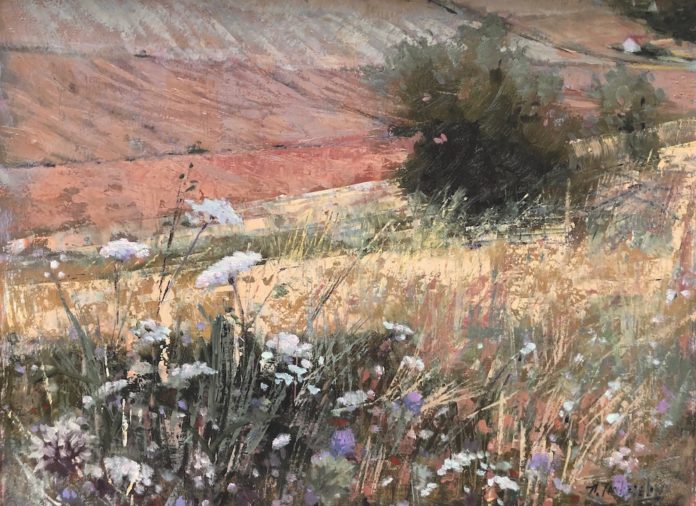
At the Edge of the Village
18 x 24 in.
Oil on canvas
$3200
Available for purchase through the artist

During her life as a painter, Nancy Tankersley has moved fluidly from portraiture to still life and figurative paintings and finally on to landscapes. “I think it is important for contemporary artists to capture the land and the people as they are today. I do not try to romanticize or invent my subjects, but I do try to show the beauty of the ordinary. People engaged in their occupations, enjoying their leisure time by eating, shopping or just strolling down a street, as well as abandoned and often overlooked landscapes … all of these are ordinary subjects, which can make extraordinary paintings. I try to paint from life as much as possible so that my work has the authenticity that comes from capturing a moment in time.”

The breadth of her themes has enabled her to draw what she has learned from each and apply that knowledge with conviction in one painting. In this recent painting, At the Edge of the Village, Tankersley draws upon her memory of time spent in a small French village where she taught for three summers. Aided by plein air sketches and photos from the same spot, Tankersley was able to combine different elements to come one up with this dynamic composition. Much of this painting was painted with palette knives and other tools in addition to traditional brushes.

Tankersley has recently published a book of her first figurative theme, figures on the beach, that contains 64 color images of paintings from the past 25 years.
 On the Beach is available through her website.

Her two instructional DVDs, Painting Figures from Photographs and Essential Painting Principles, are available here.

Mona Lisa and The Birth of Adam: The Power of Faces in Art

2
Mystery of Mona Lisa - FineArtConnoisseur.com

On the mystery of the Mona Lisa > An essay by Dr. Dan Hill, author of “First Blush: People’s Intuitive Reactions to Famous Art.”

BY DR. DAN HILL
Author of “First Blush: People’s Intuitive Reactions to Famous Art

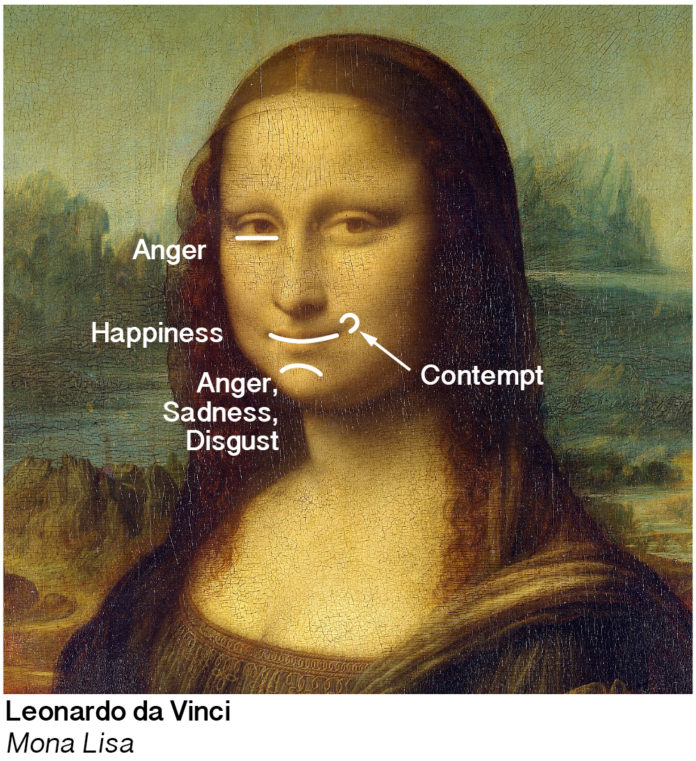
Acclaim for Leonardo da Vinci’s Mona Lisa qualifies as a good place to start in discussing why faces matter in art. That’s true not only because of da Vinci’s celebrated genius, but also because anyone who considers the portrait to be magical mostly because of Mona Lisa’s faint “smile” is missing the point. There are several different emotions evident on Mona Lisa’s face – with happiness being merely one of them.

Look closely and in viewing the painting you’ll see a smirk at play on the right side of the woman’s face. Why might Mona Lisa be showing a sign of contempt? Could it be that as the wife of a successful Florentine merchant, she’s betraying her sense of herself as superior to da Vinci (a painter of illegitimate birth)? Or in turn, what about the woman’s taut left, lower eyebrow – a sure sign of anger. Where does that feeling come from? And the same question pertains to the raised chin that signals a mixture of anger, disgust and sadness. What’s the possible story behind those emotions?

Could it be that Mona Lisa simply felt this way often, characteristically, and da Vinci picked up on that tendency? Or is it possible that Mona Lisa had grown weary (sadness) and annoyed (angry) and finally even put off (disgust) by da Vinci’s perfectionism? After all, even before the painter carried the painting on the back of a mule to Paris, where he kept refining it until his death, da Vinci had already put in four years of work on this portrait – as long as Michelangelo took to paint the entire ceiling that crowns the Sistine Chapel.

Surely, part of the popularity and downright fascination we have with Mona Lisa is the portrait’s emotional richness. To describe Mona Lisa as having a world-weary smile is merely an appetizer in what’s actually a five-course meal.

How did da Vinci achieve this feat? It wasn’t by chance. Like his fellow artist and near-contemporary, Michelangelo, da Vinci took advantage of dissection to learn how human anatomy works. While in Michelangelo’s case, his focus was more on the body and contributed to works like David, in da Vinci’s case his interest had as much to do with the face.

Look at da Vinci’s famous notebooks for confirmation. The guy was the world’s first facial coder – the first person (and artist) to study closely how the face’s muscles move and the emotions those movements convey. Not for another 200 years would anybody rival da Vinci’s ability to discern the signals the face reveals.

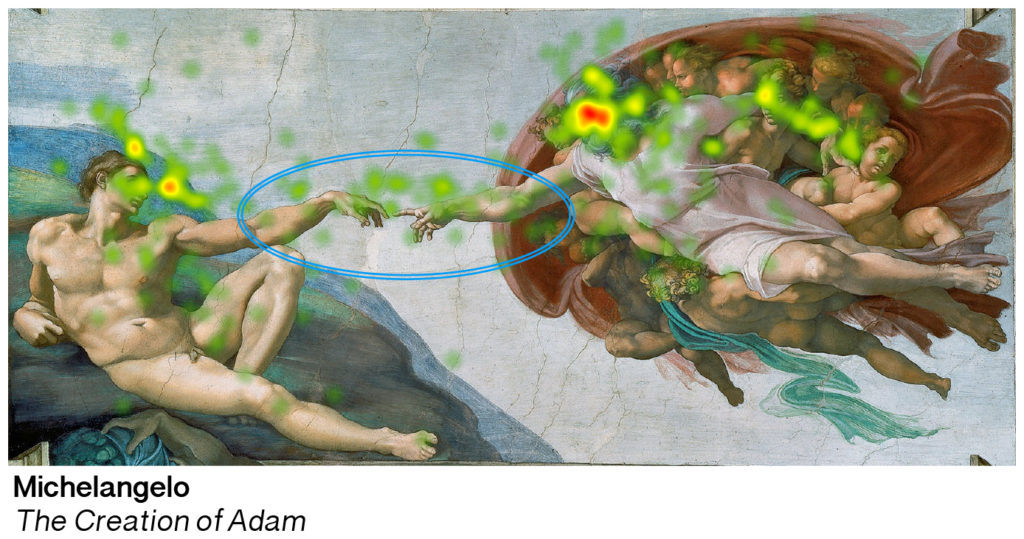
Birth of Adam - FineArtConnoisseur.com

Faces will never go away in art for the simple, basic reason that emotions will never go away, either. It’s been said that there are only two currencies in life – dollars and emotions – and portraiture retains its central place because we want to know how people look, and how they feel. Case in point: let’s return to Michelangelo, namely, these eye-tracking results for The Birth of Adam. Why, not even naked skin carries the day here in terms of seizing the bulk of the visual attention. Instead, it’s God’s face that commands more attention.

From my studies I’ve discovered that 70% of the visual attention and 70% of people’s emotional interest or engagement will involve people looking at the face or faces in a painting or photograph when people are present. So it’s a matter of the face, the face, the face. But this is not an ordinary person’s face here. This is God’s face, and as best I know daring to show God’s face is another sign of Michelangelo’s daring talent. Showing the Virgin Mary or Jesus is fairly common in art, after all. As to daring to depict God’s face, however: I can’t think of a single other instance of an artist ever having done so across the history of art!

ABOUT THE AUTHOR
Dan Hill, Ph.D., is the author of “First Blush: People’s Intuitive Reactions to Famous Art,” the largest study ever conducted involving eye tracking and facial coding to capture see/feel responses to art.

Fine Art Today covers artists and products we think you’ll love. Linked products are independently selected and linked to for your convenience. If you buy something using a link on this page, Streamline Publishing may receive a small share of that sale.


> Visit EricRhoads.com to learn about more opportunities for artists and art collectors, including retreats, international art trips, art conventions, and more.

> Sign up to receive Fine Art Today, our free weekly e-newsletter

> Subscribe to Fine Art Connoisseur magazine, so you never miss an issue

American Women Artists: 2020 Winners

0
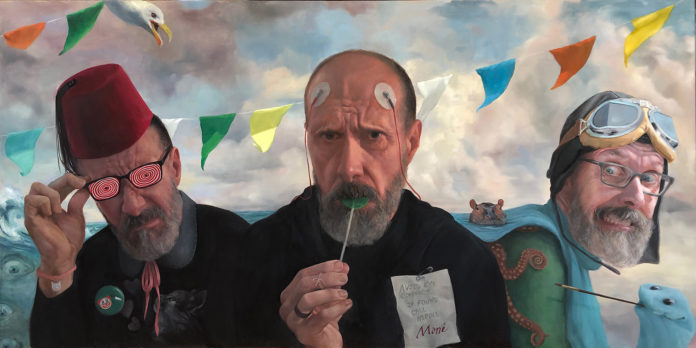
“Head Study of Matthew Innis” by Nicole Moné, Oil on panel, 18” x 36”

Congratulations to all the artists juried into the 2020 American Women Artists Spring Online Juried Show.

From the organizers:

More than 1,300 artworks were submitted, out of which 124 incredible pieces were chosen. Of those juried into the show, 15 were awarded prizes. The jurors were: Tonya Turner Carroll (NM), Ellen Woodbury (CO), and Nadine Robbins (NY).

New York artist, Nicole Moné is this year’s Grand Prize Winner.

“I’m overwhelmed, honored, and humbled to have won the Grand Prize,” wrote Nicole. “To have received this honor is all the more meaningful knowing the caliber of artists in AWA.”

Nicole’s painting, Head Study of Matthew Innis (above), is a portrait of the Editor-in-Chief of Underpaintings online magazine and one of her closest friends. They met in a painting class at School of Visual Arts in New York City. This painting is infused with random bits from 16 years of inside jokes–an homage to a friendship rooted in art and doused in twisted humor. “I’ve never laughed so much while working on a painting! I think Matthew agrees that I used tremendous restraint while depicting my perspective of his inner world. You can just take my word for that,” said Nicole.

“During this strange and uncertain time, to receive this recognition from an organization I so admire is a poignant reminder of how sweet life can be even as we press on through difficulty,” Nicole continued. “I’m honored to be a part of AWA. Thank you!”

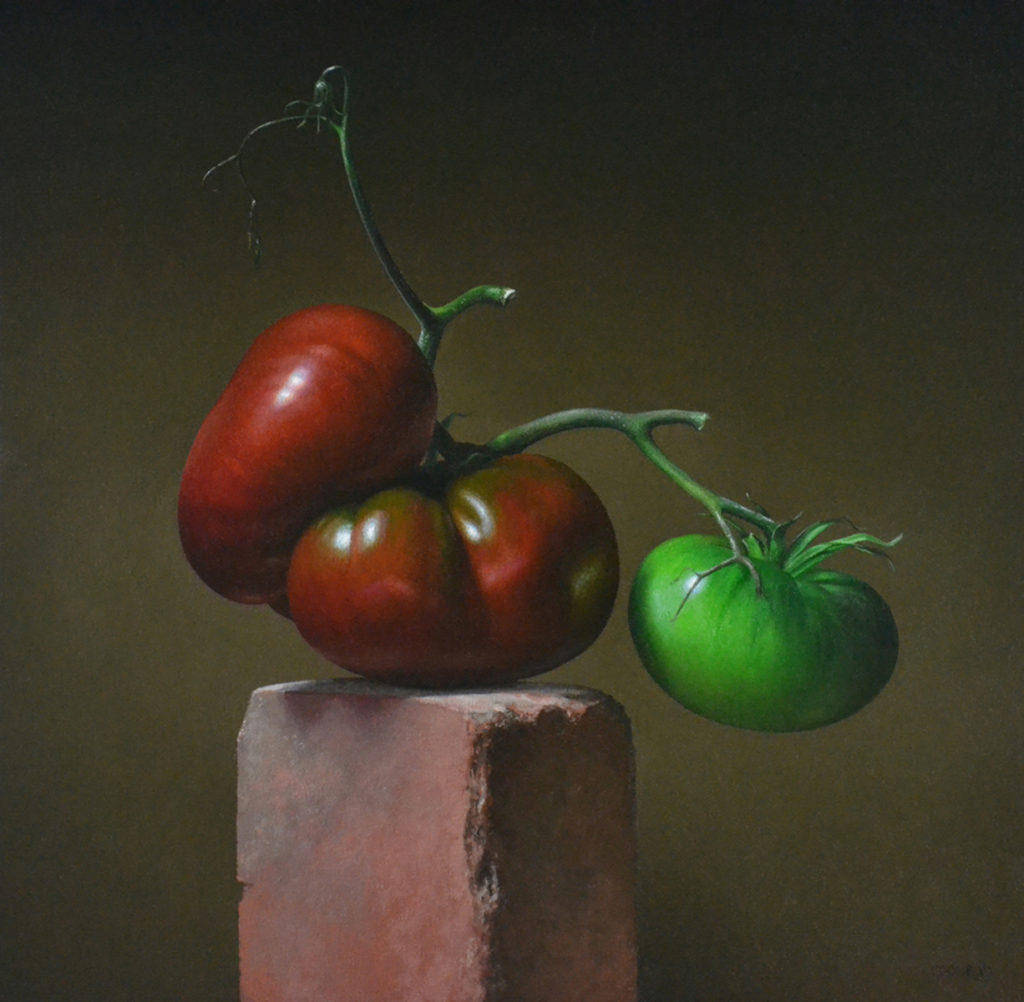
“Heirloom Tomatoes” by Patricia Coonrod, Oil on canvas, 20” x 20"
“Heirloom Tomatoes” by Patricia Coonrod, Oil on canvas, 20” x 20″
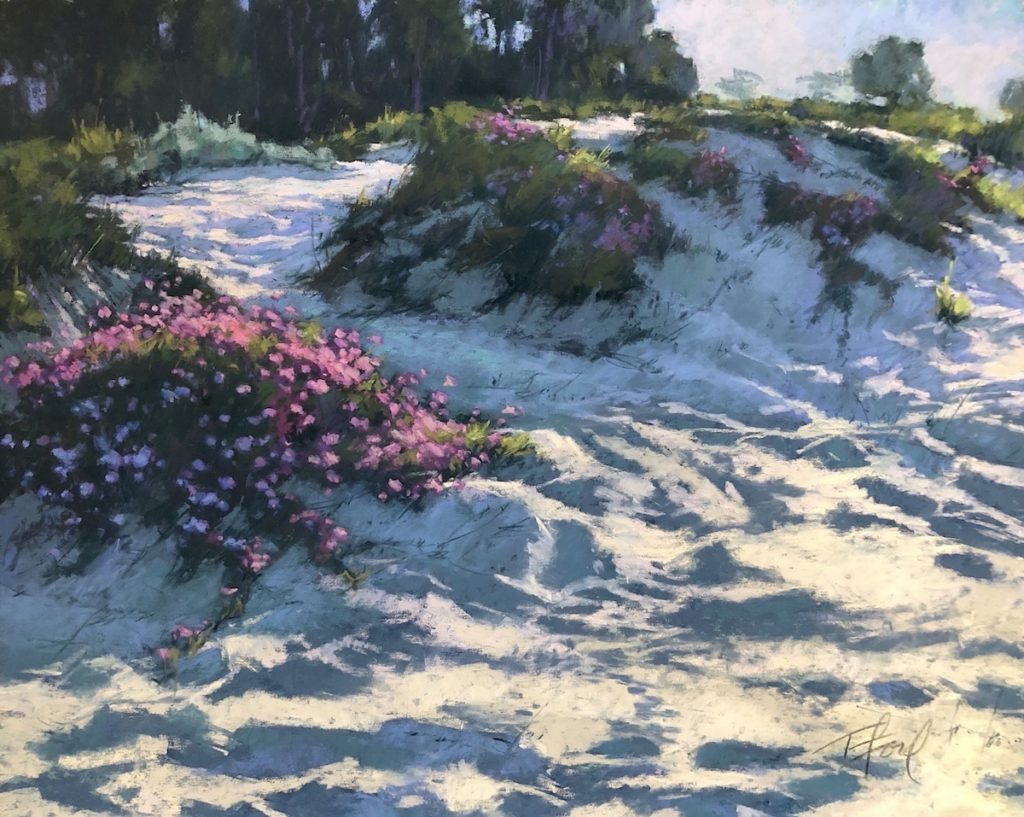
“Dune Blooms” by Terri Ford, Pastel, 16” x 20”

View the winning paintings here.

Facebook Live Series: Cesar Santos “Secrets of Figure Drawing” **FREE VIEWING**

0
Facebook Live Series: Cesar Santos “Secrets of Figure Drawing” **FREE VIEWING**

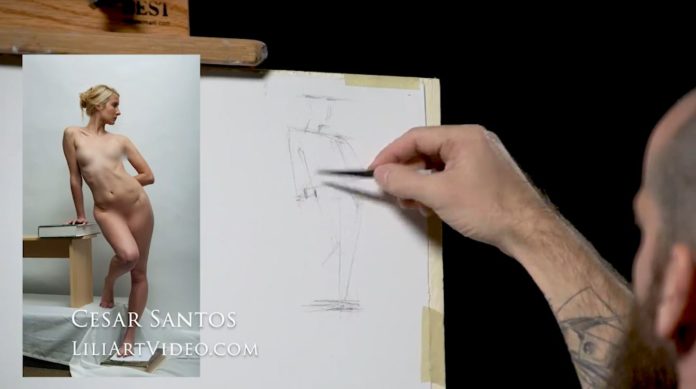
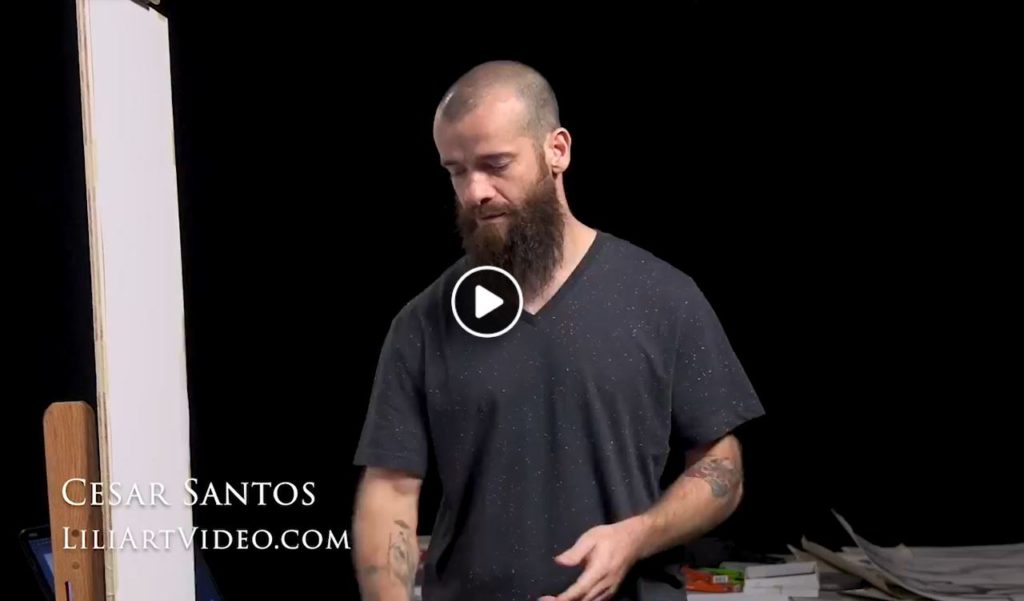
A word from one of our sponsors … Today, we’re traveling into the minds of great artists to discover how they rose to a level of unsurpassed mastery in “Secrets of Figure Drawing” with Cesar Santos.

(4/30/20 Update: The Facebook Live version of this has expired since this article was published. Please visit https://www.facebook.com/StreamlineArtVideo to view many more free lessons that are still available.)

Facebook Live Series: Cesar Santos “Secrets of Figure Drawing” **FREE VIEWING**

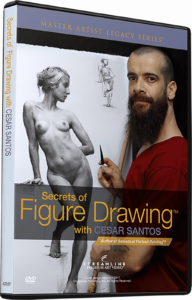
Secrets of Figure Drawing with Cesar SantosCesar’s drawings are considered to be some of the finest in the world. In fact, one of today’s top realism collectors purchased one of Cesar’s sketch pads, knowing it will become a national treasure. The entire video is a full course that gives you the depth of training you need to create masterful figure drawings. Here is what one customer had to say, “This is one of the best tutorials because [Cesar] shows everything from start to finish…”
See the full video at: https://lilipubsorders.com/products/cesar-santos-secrets-of-figure-drawing

Video Length: 17 Hours, 55 Minutes
Learn along with Cesar as he shows you:

  • The powerful system he’s developed to teach you to create amazing, transcendent drawings. You’ve probably never seen anything like this…
  • A unique step-by-step approach to creating beautiful figure and portrait drawings…
  • How to remove all the guesswork from the process so you know exactly what to do next…
  • How to help you find success with your art faster and more easily than you would believe… [Get your copy here]

> Sign up to receive Fine Art Today, our free weekly e-newsletter

> And click here to subscribe to Fine Art Connoisseur magazine, so you never miss an issue

6 Representational Paintings by Chula Beauregard

1
Representational art - Oil paintings by Chula Beauregard
Royal Spirit, 36"x36", oil and bronze on canvas $8700, available through the Broadmoor Galleries, Colorado Springs, CO

Representational Art > Painter and former Peace Corps volunteer Chula Beauregard shares six of her paintings and her inspiration for each.

Chula Beauregard is an award-winning artist, born and raised in the mountains of Colorado. She began painting in the cockpit of a small sailboat in the Bahamas in 5th grade. She enrolled in art every year since, until she graduated cum laude as a Studio Art major from Whitman College. Following college, she served for two years in Gabon, Central Africa as a Peace Corps volunteer. She has been painting in oils since 2006, pursuing her career as a professional artist in her hometown of Steamboat Springs, CO.

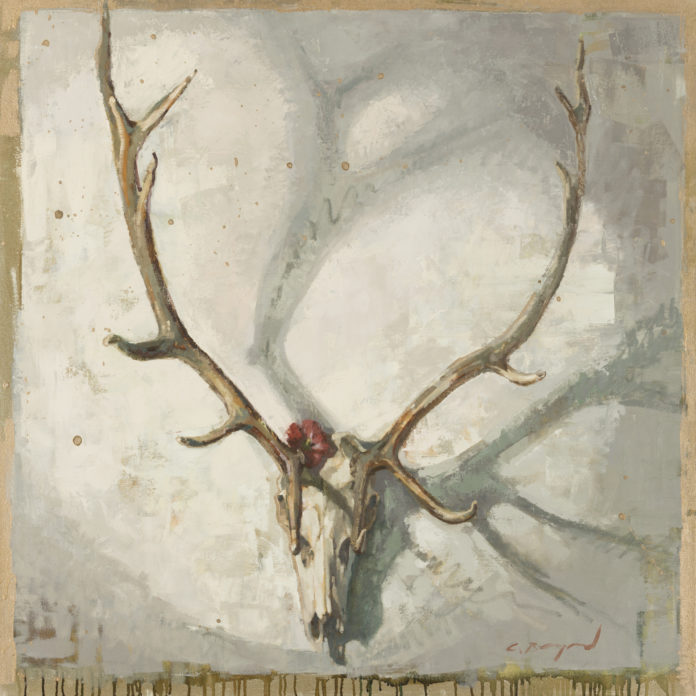
Royal Spirit (shown above)
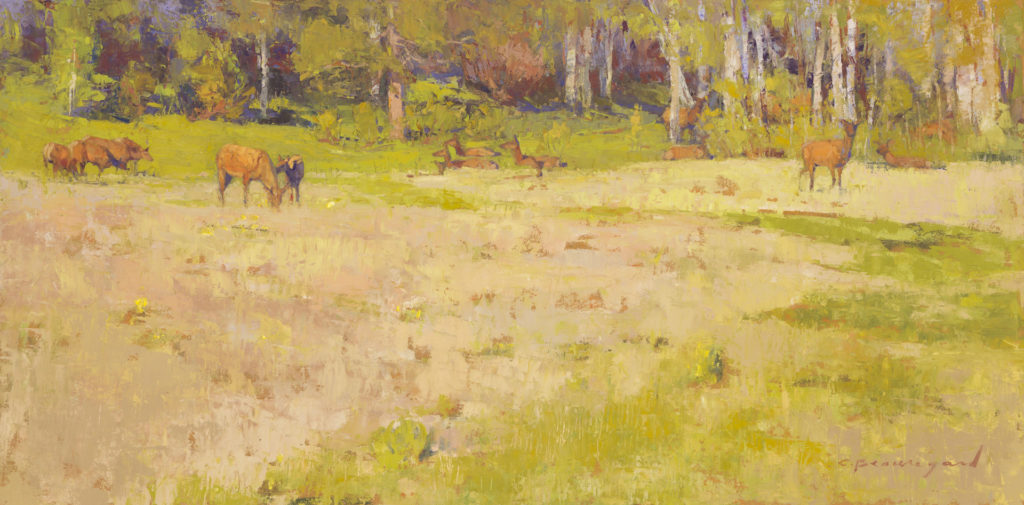
My husband is an archery hunter. He is not really a trophy hunter, but this large 6×7 point elk wandered into his sights. He had this European Mount in the house, and I have always admired the strength and grace. I actually completed two paintings simultaneously, exploring texture and graphic elements in both.

Spring Debut
In the spring, the elk who had been wintering in the trees, come down to enjoy the open fields and sprouting grass. After a long winter, we can see the promise of new life in each calf that has joined the herd.

Representational art - Oil paintings by Chula Beauregard
Spring Debut, 24″x48″, oil and gold gesso on canvas, $7700, available through the Jace Romick Gallery, Steamboat Springs, CO

Sandcastles
This commission was directly informed by the figurative work of Sorolla. A collector had a beautiful photograph of her grandson on the Carolina Beach. As soon as I saw it, I knew this was my chance to take a deep dive into Sorolla’s work, palette, and color theory. What a treat!

Representational art - Oil paintings by Chula Beauregard
Sandcastles, 8″x10″, oil on linen, sold

Ready to Ride
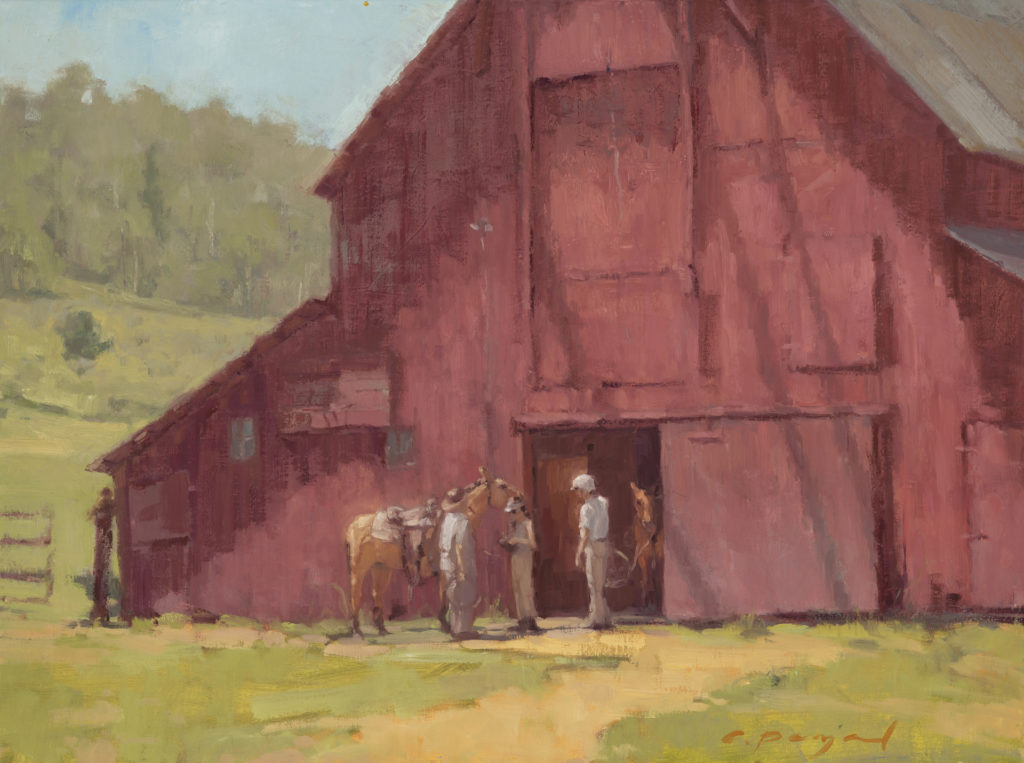
This big red barn was constructed by the 10th Mountain Division Veteran – turned cow rancher – turned ski area developer, John Fetcher. The 200+ acre ranch north of Steamboat Springs, CO is now run by my classmate and friend, Molly and her husband. This scene of the two of them suiting up for a ride exemplifies the new west. It is rich with heritage and family, yet ever moving into the present.

Representational art - Oil paintings by Chula Beauregard
Ready to Ride, 18″x24″, oil on linen, $3200, available through the Broadmoor Galleries

Late Winter Solace
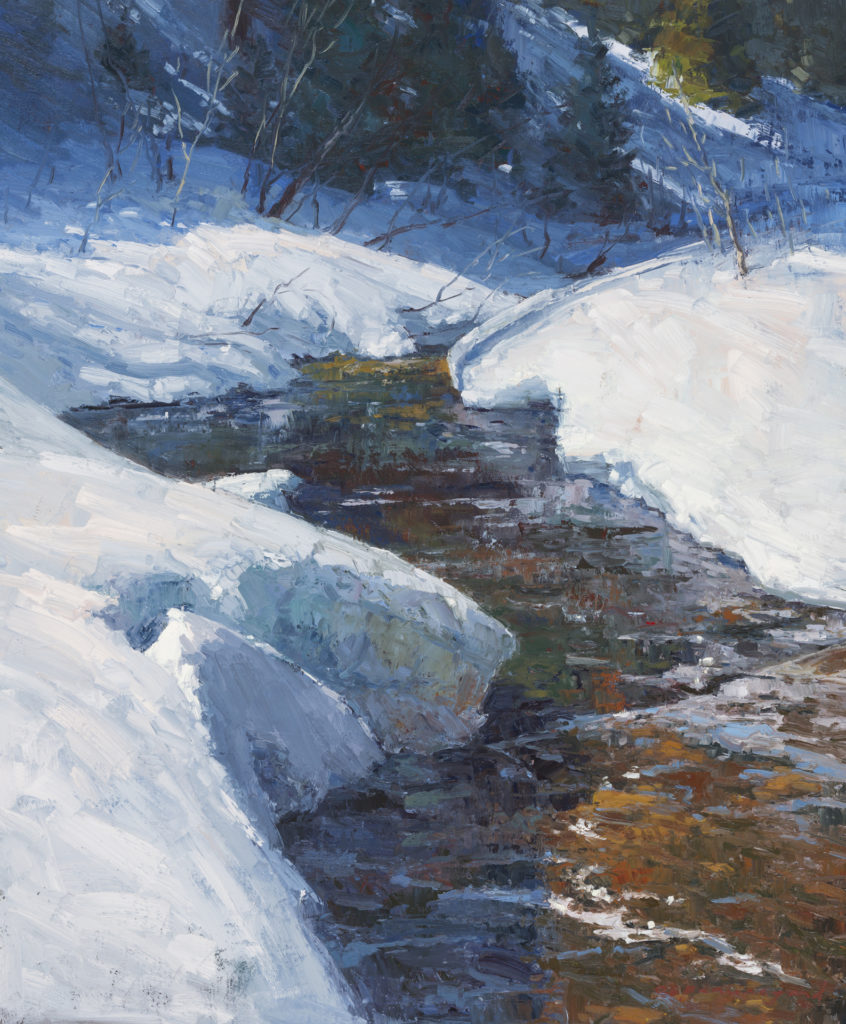
One of my favorite times of year to paint in Steamboat Springs is late March. The beautiful, deep snow is still blanketing the ground, yet the sun is warm and the water is starting to open up. What was once concealed comes into view.

Representational art - Oil paintings by Chula Beauregard
Late Winter Solace, 24″x20, oil on canvas, $3400, available through the Broadmoor Galleries

Into the Light
(written for the AWA catalog at the Booth Museum, now being held virtually):
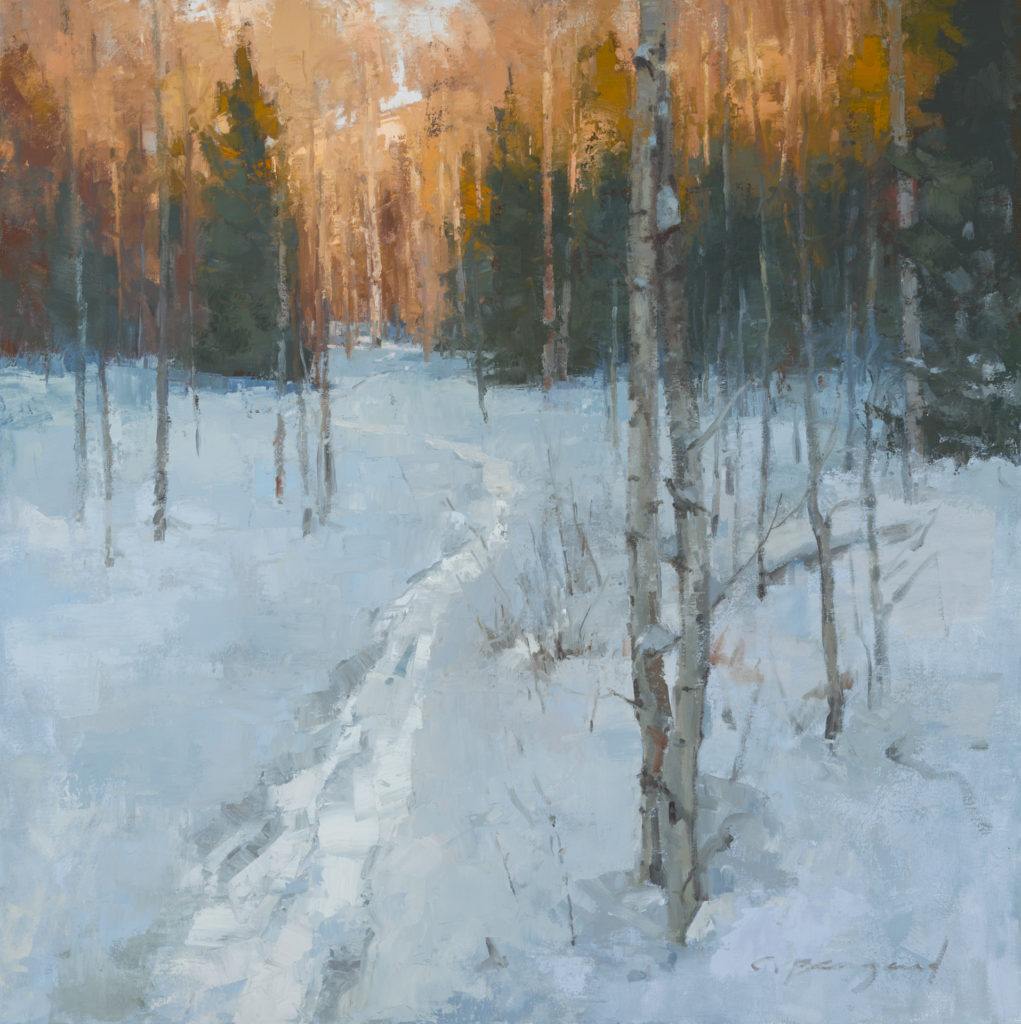
Have you ever been out walking in the snow? The winter sun, always low in the sky, glints across the tops of the trees as it dips behind the ridge. The ground hides the subnivean life below and reflects the last blue of the sky before dark.
In this peaceful moment, we feel the pull of hibernation. And yet, in the distance, the riotous, inviting warmth of sun on the white bodies of the aspen calls to us. Do we push through the deep snow in pursuit of the light? Or do we stay content in the stillness of this moment?
In my paintings, I use the tools of representational painting to convey the deeper experience of witnessing the beauty of nature.

Representational art - Oil paintings by Chula Beauregard
Into the Light, 36″x36″, oil on canvas, $8700, available through the American Women Artists

Connect with Chula Beauregard:
Website | Facebook | Instagram


> Sign up to receive Fine Art Today, our free weekly e-newsletter

> And click here to subscribe to Fine Art Connoisseur magazine, so you never miss an issue

Gallery Spotlight: The Red Piano Art Gallery

2
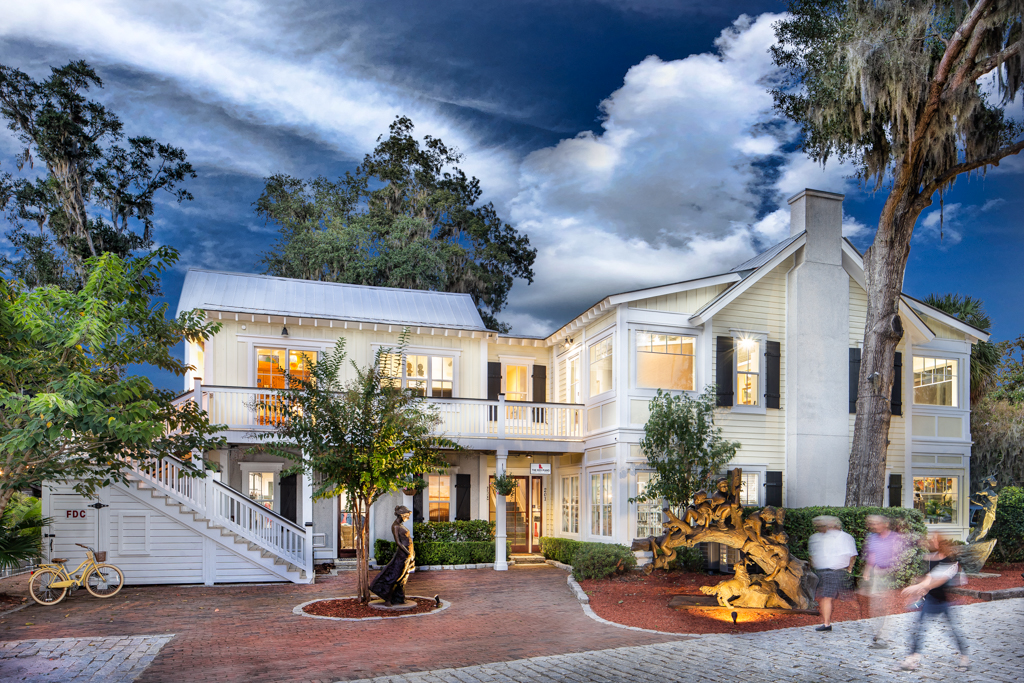
Fine art paintings - Red Piano Art Gallery
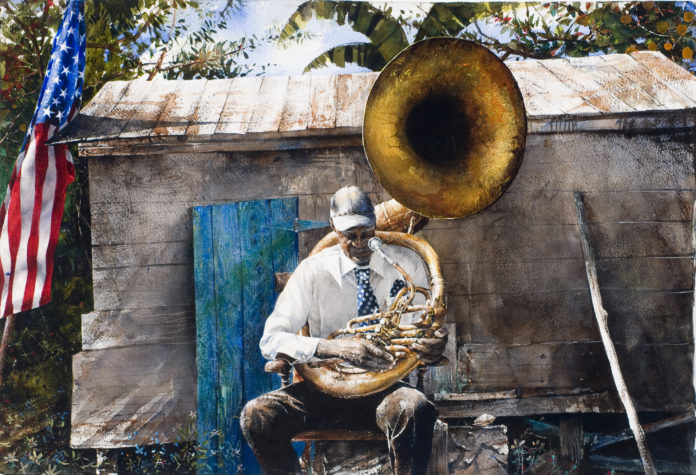
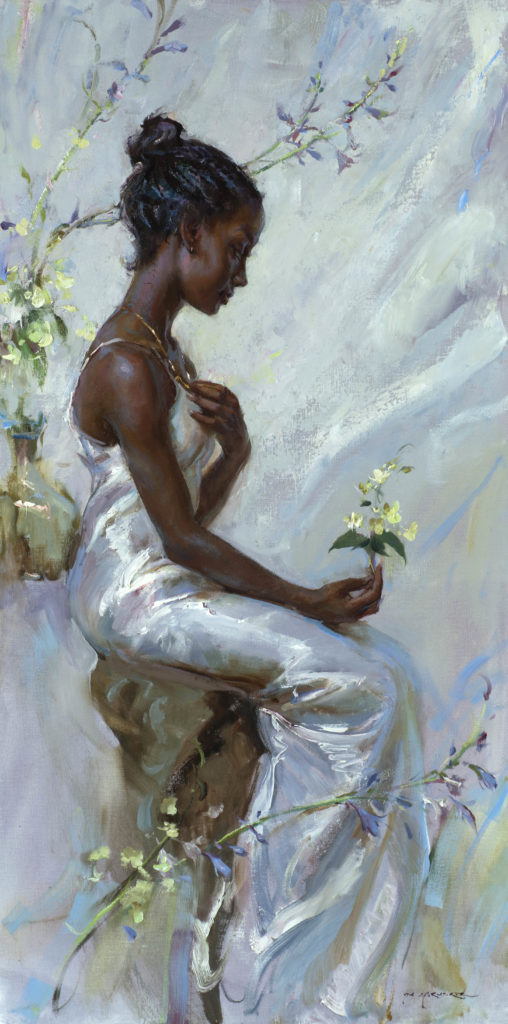
Stephen Scott Young, The Blues, Dry Brush, 12 3/4" X 18 3/4"

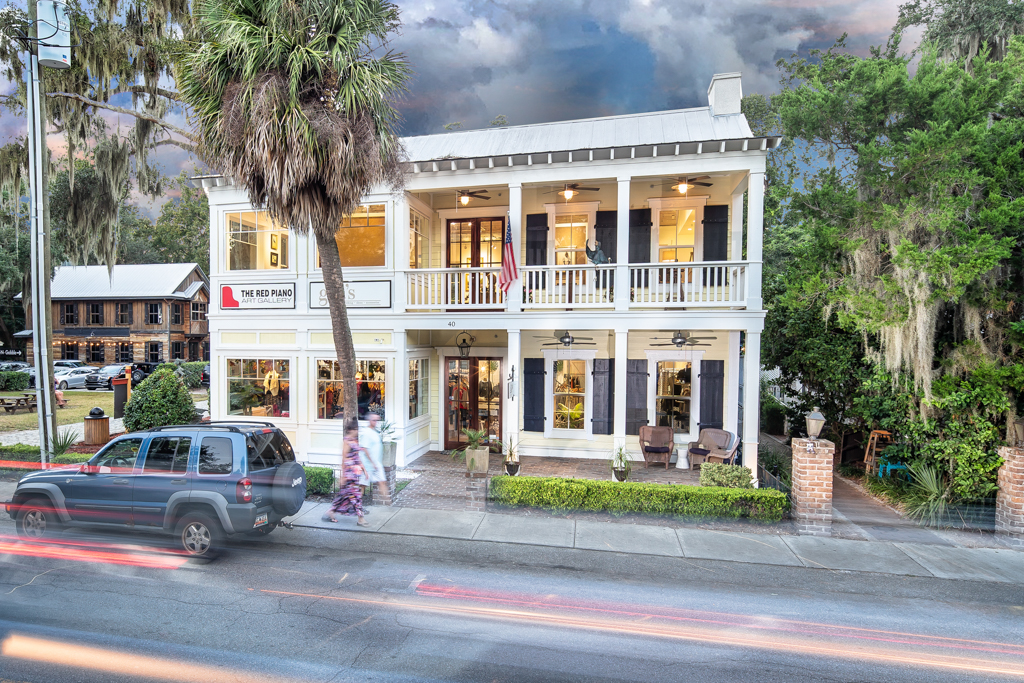
In this new “Gallery Spotlight” series, we’ll be featuring art galleries that are continuing to keep their doors open – in at least a virtual sense, that is. This week’s spotlight is on The Red Piano Art Gallery, South Carolina’s oldest professional gallery of fine art.

Fine art paintings - Red Piano Art GalleryCherie Dawn Haas: It’s no secret that things, due to the coronavirus, have changed dramatically within the past couple of weeks. What adjustments have you made as a gallery since the outbreak?
Ben Whiteside: One of the upsides to living in the very small town of Bluffton, South Carolina, is that self isolating is not hard to do. There aren’t that many people here to begin with, so we follow all of the guidelines and stay home. Our approach to continuing to work is to reach out to our existing collector base. The Red Piano was founded in 1969 so having five decades of collectors to call, email and, yes, even to write real letters, gives us a lot to do. Email and social media are our “go to” methods of collector outreach and communication.

Fine art paintings - Red Piano Art Gallery
Dan Gerhartz, Blossom, Oil, 48″ X 22″

What’s your biggest priority at this time? Over the next year?
Our main priority is to stay healthy and do what we have been asked to do by our local, state, and federal governments. With regard to our gallery, we strive to stay engaged with our artists and collectors. It would be an understatement to say that business has slowed. My expectation is that, once this virus has passed, business should come back with strong demand. Our intention, and what we are telling our artists, is to be ready when that demand comes back to the market.

Fine art paintings - Red Piano Art Gallery
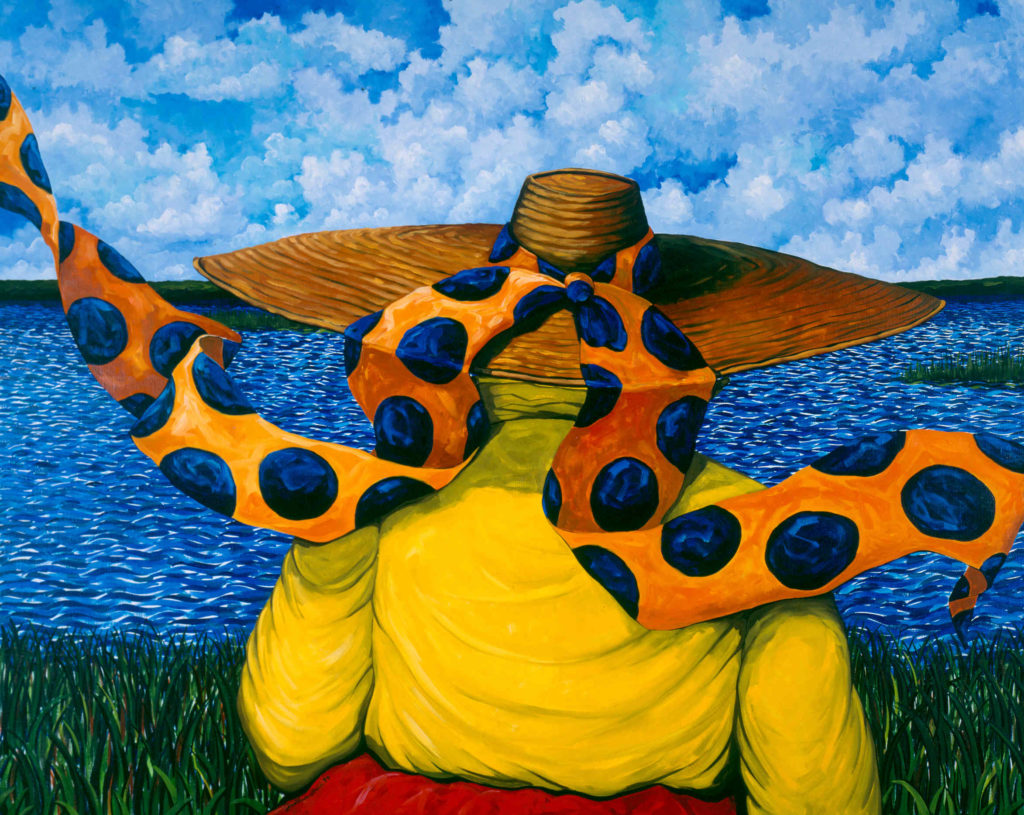
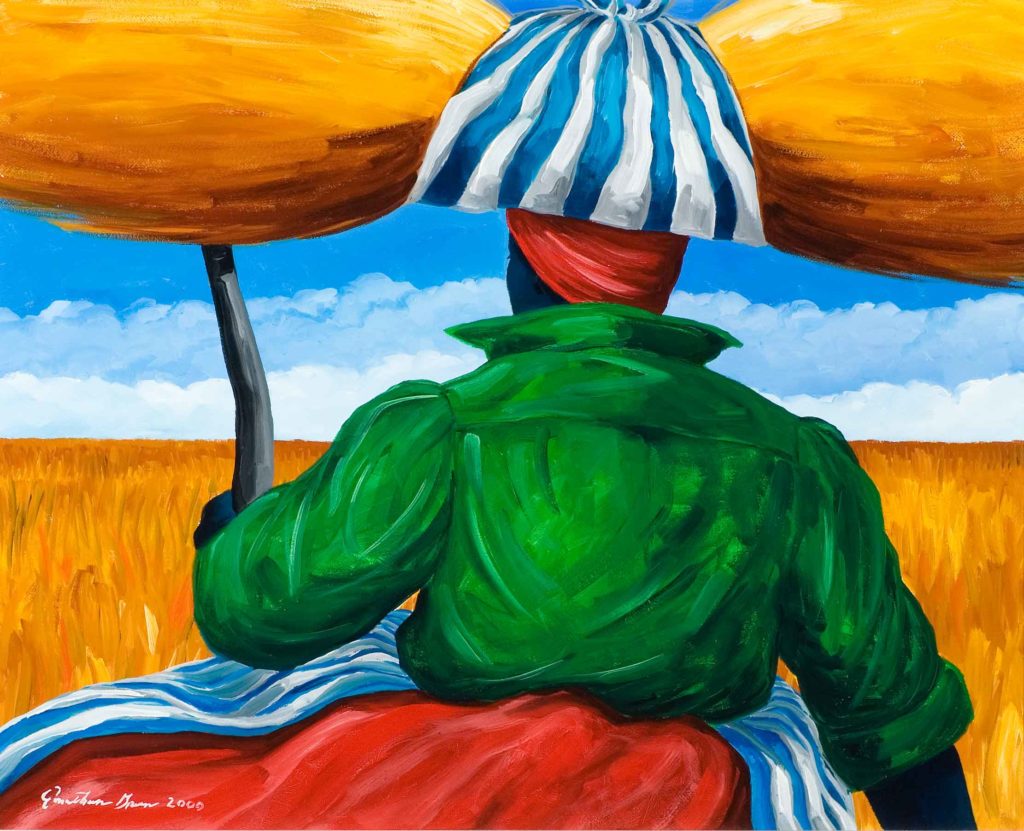
Jonathan Green, Last Harvest, Oil, 16″ X 20″
Fine art paintings - Red Piano Art Gallery
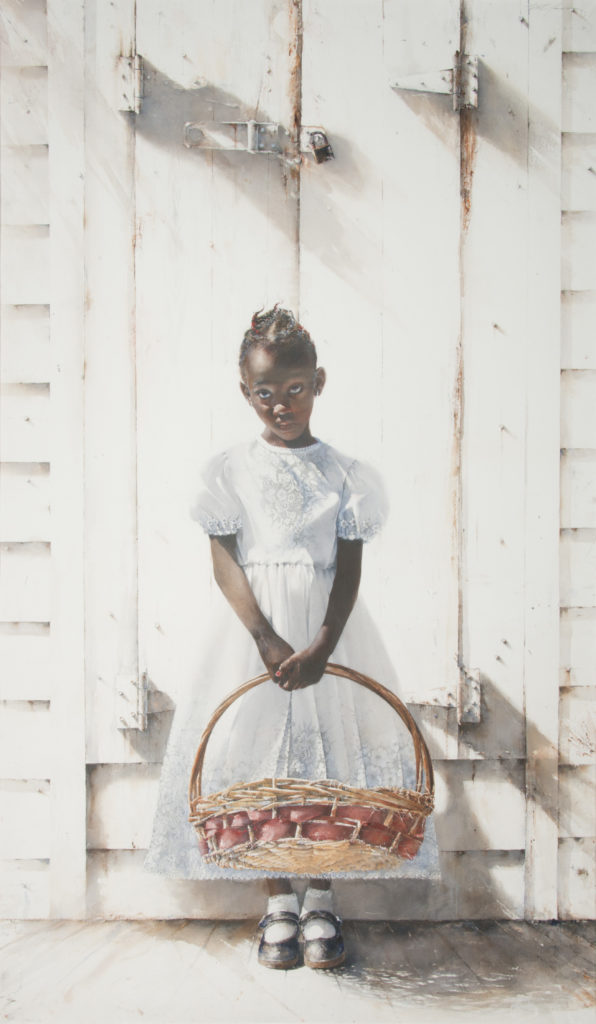
Jonathan Green, Marsh Woman, Oil, 48″ X 60″

What advice do you have for collectors as they navigate these times, and beyond?
Currently, given the anxiety, stress, and common distractions, it is difficult to get the attention of collectors. Top-shelf quality, however, will always find a market. So for the collector that has the interest and the means, now is a great opportunity to support the galleries and artists that they collect. This is true any time and especially in difficult times.

Fine art paintings - Red Piano Art Gallery
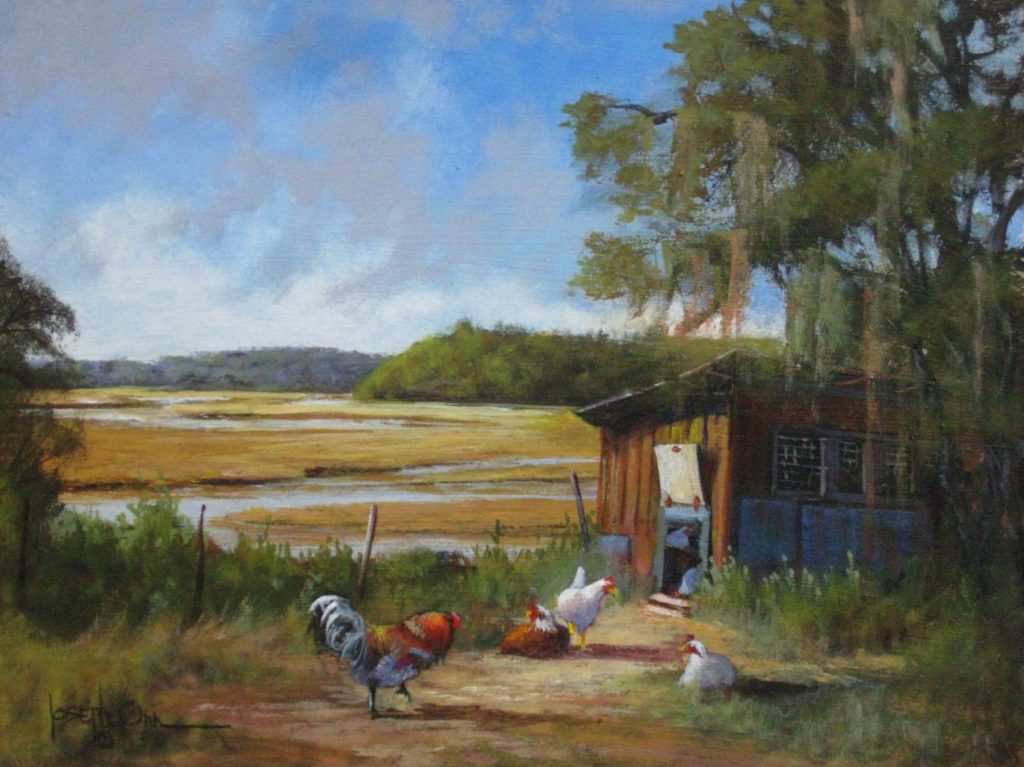
Joseph Orr, Dance Partners, Acrylic, 9 x 12

Anything else you’d like to add about the current issues galleries are navigating?
My hope for the art gallery business, as well as all business, is to be ready to come back. Small business is the backbone of American business. There is not an art gallery in this country that is not a small business. Reach out to your collector base through, email, and online social media. Use the phone and give them a call. The bottom line is to continue to work for the artists you represent.

Fine art paintings - Red Piano Art Gallery
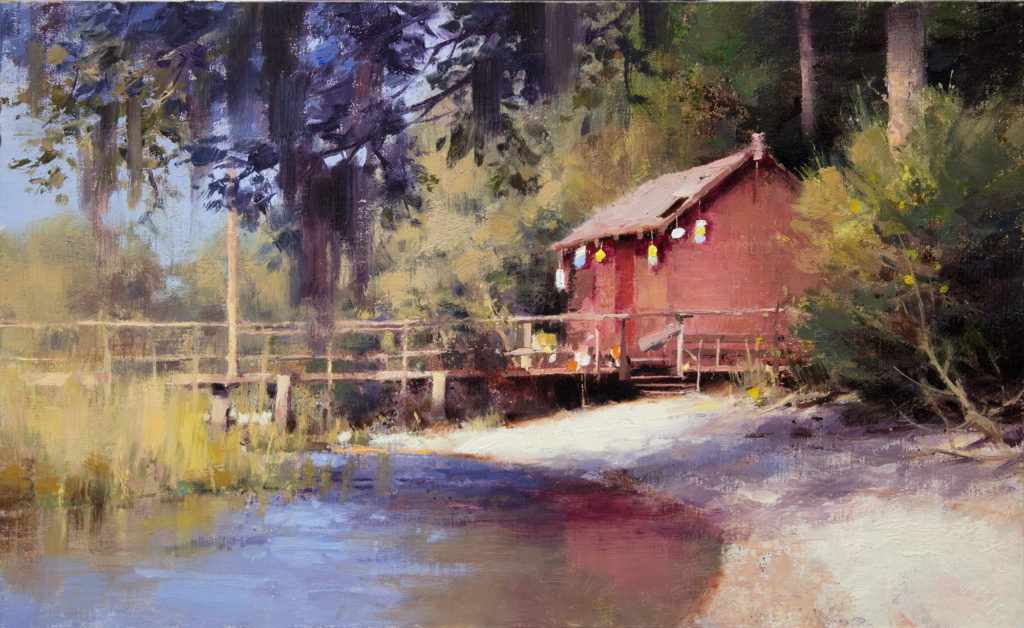
Mark Boedges, Low Country Dock, Oil, 10″ X 16″
Fine art paintings - Red Piano Art Gallery
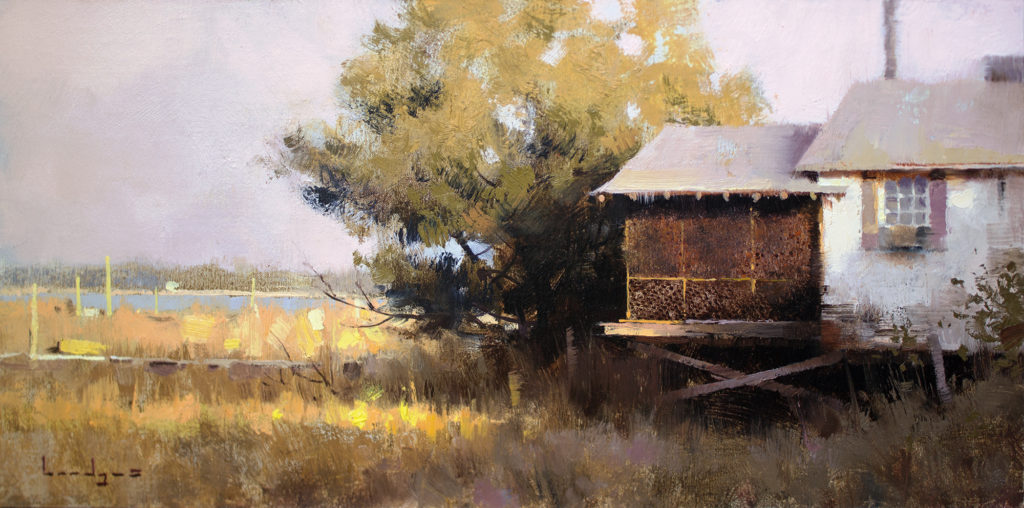
Mark Boedges, Screened In, Oil, 8″ X 16″

What are some of the ways you find artists to represent?
We are approached weekly by artists looking for professional representation. I’m constantly amazed at the number of talented artists in our country. Every town, state, and region has talented painters and sculptors. My business partner, Jack Morris, told me that when we started, back in the early nineties, that we would have the opportunity to represent whoever we wanted to. At that time, I thought Jack was nuts. The top living American artists of the day were very professionally represented, and had been for most of their careers. Jack could not have been more right!

Today, we represent who we consider to be those painters and sculptors. The key is that we have to believe in the work. If you don’t believe in it, you can’t sell it. If you do, then you would own it. The artists we are proud to represent are the artists we own in our own fine art collections. In addition, local, regional, and national juried art shows, national fine art publications, such as Fine Art Connoisseur, present many opportunities to find artists to represent.

Fine art paintings - Red Piano Art Gallery
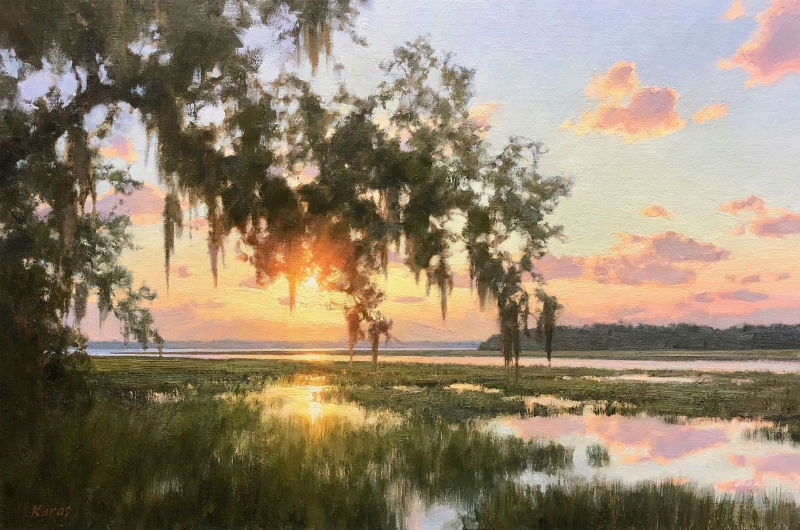
Michael Karas, Low Country Allure Oil 20″ X 30″
Fine art paintings - Red Piano Art Gallery
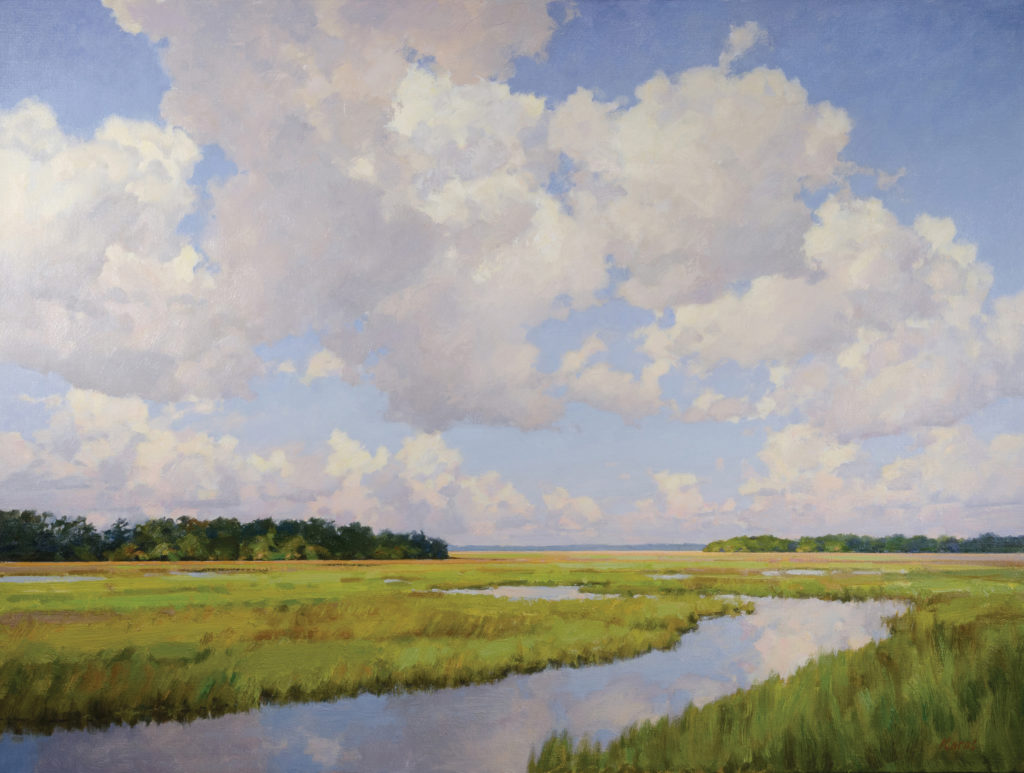
Michael Karas, Marsh Everlasting Oil 36″ X 48″

Regarding your fine art exhibitions, do you have a current online show?
Currently we are featuring Stephen Scott Young, Joseph Orr, and Peter Batchelder on our website home page, redpianoartgallery.com. Having the opportunity to represent Scott is simply an honor. In my opinion, he is the leading artist of my own generation, the sixty-somethings. Watching Scott work in his studio defines for me, what is a god-given talent. Being completely self taught and working incredibly hard over the past 40 years has brought Stephen Scott Young to the attention of museums and interested collectors, coast to coast as well as internationally.

Fine art paintings - Red Piano Art Gallery
Stephen Scott Young, Lace and Light, Dry Brush, 52″ X 30 1/2″
Fine art paintings - Red Piano Art Gallery
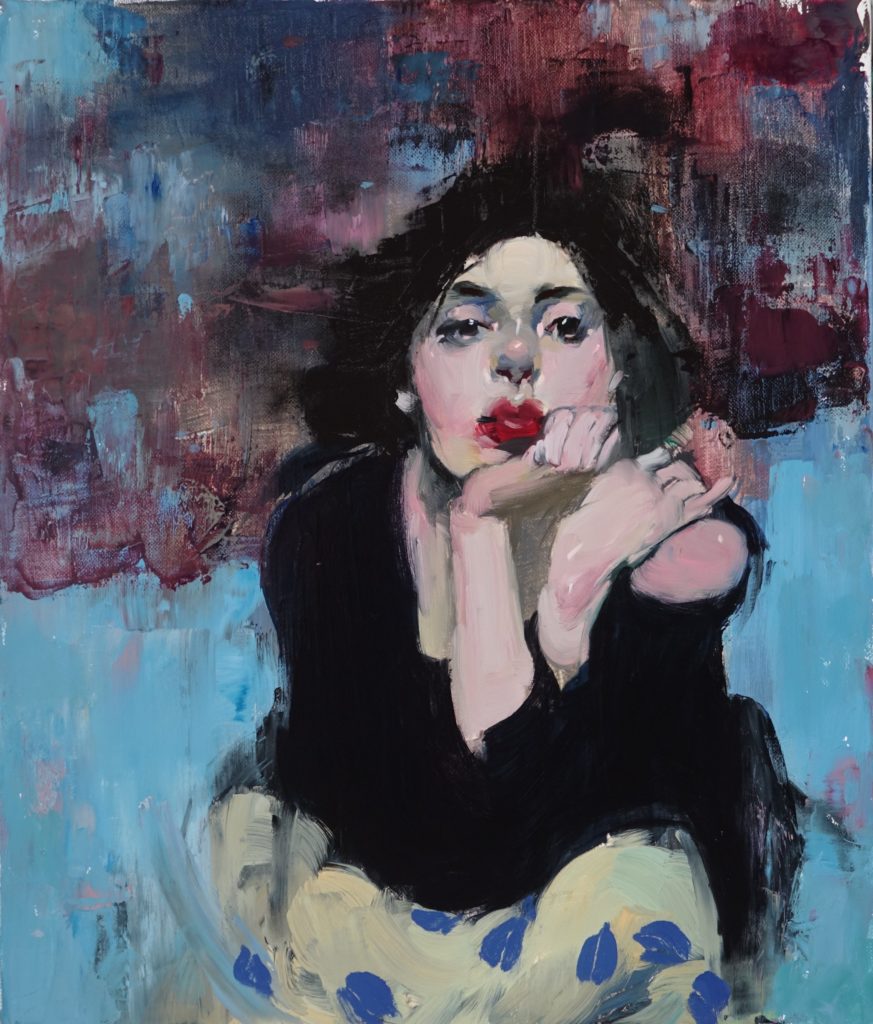
Milt Kobayashi, Shawna’s Glow Oil 12″ X 10″
Fine art paintings - Red Piano Art Gallery
Milt Kobayashi, Quiet Oil 12″ X 10″

More about The Red Piano Art Gallery: Gallery owners since 1994, J. Ben Whiteside and Lyn Whiteside acquired Morris & Whiteside Galleries in January 2015 and combined gallery operations under the Red Piano Art Gallery firm with which they have been associated since 2002.

To learn about the contemporary artworks available at The Red Piano art Gallery, visit redpianoartgallery.com (Instagram | Facebook).

Fine art paintings - Red Piano Art Gallery
Stay tuned as we continue to feature contemporary art galleries here.


> Sign up to receive Fine Art Today, our free weekly e-newsletter

> And click here to subscribe to Fine Art Connoisseur magazine, so you never miss an issue

Featured Artwork: Jean Schwartz

0

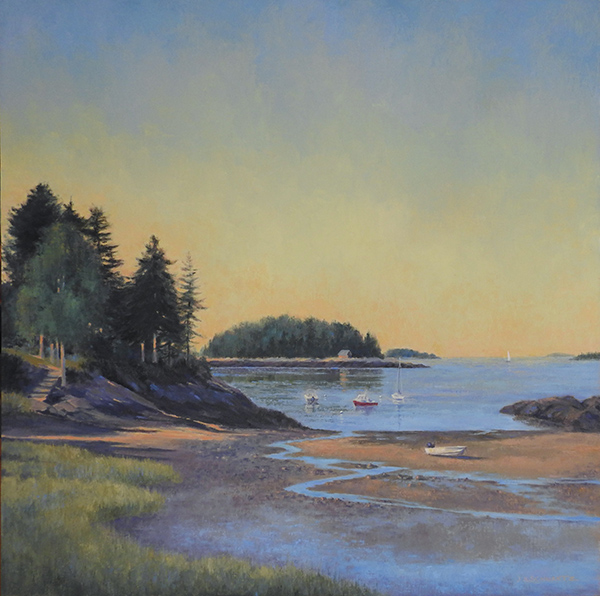
Ebb Tide
32 x 32 in.
oil on panel
$3800
Available through the artist

Bodies of water and broad, atmospheric skies saturated with color are hallmarks of many of Jean Schwartz’s paintings. Subjects are most often scenes of the Atlantic coast, the Potomac River near her home and cityscapes of Washington DC. Even when painting the city, the pavement is usually wet or the view is of the city from the river. “When deciding what to paint I need to feel an emotional pull. If I am not feeling it I doubt I would engage the viewer.”

Jean Schwartz’s Ebb Tide is one of a series of coastal paintings worked up from her plein air studies created during August painting trips to mid coast Maine. The location of this scene is Round Cove on Casco Bay and is found next to a private peninsula which houses a popular artist retreat.

“I went out just after sunrise to walk around the cove and pick a spot to paint later when the tide was in. I generally prefer to paint the reflections and movement in water, but at extreme low tide the landscape below was revealed, and it engaged me. Along with the composition the saturation and warmth of the early morning light was hard to resist!”

Jean’s paintings can be found in private and corporate collections both in the U.S. and Europe and some have been loaned to U.S. embassies through the State Department.

Jean is a juried artist member of: The Washington Society of Landscape Painters, OPA, The Salmagundi Club, and an elected fellow of The American Artists Professional League.

Upcoming Exhibit: Washington DC Places at American Painting Fine Art, Washington DC, June 6 to October 3, 2020.

To see more of Jean’s paintings, visit her website: www.jeanschwartzpaintings.com

Or follow her on Facebook and Instagram:
www.facebook.com/jeanschwartzstudio
www.facebook.com/public/jean-schwartz
www.instagram.com/jksland

Fine Art Today feature article: https://fineartconnoisseur.com/2019/05/featured-artwork-jean-schwartz

Featured Artwork: Jude Tolar

0

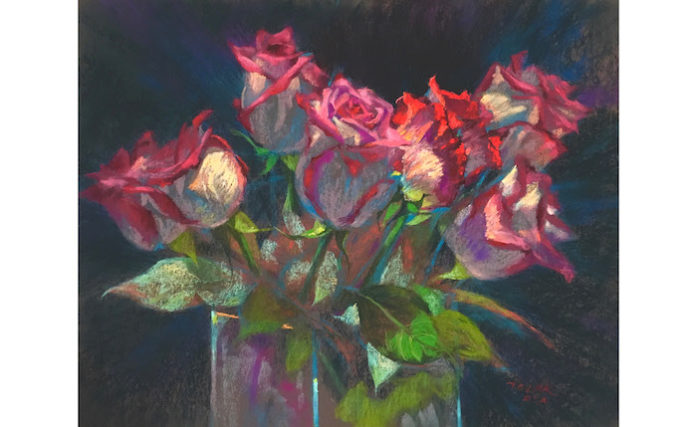
Sweet Summer Heat by Jude Tolar, PSA, IAPS/MC
Pastels on sanded paper
11 x 14 in.
$750
Available from the artist

Jude Tolar’s pastel paintings are lyrical views of the beauty and joy she sees in the world. She’s lead first to light, then design and color.

She works mainly from life, preferably en plein air, and is known for tree and floral portraits outdoors and glass still lifes indoors.

“My summer models are usually found and painted en plein air, in gardens or on travels. However, these beauties stole my heart in a florist kiosk, and I simply had to paint them (Sweet Summer Heat). I was intrigued by the interplay of red-hot edges on sweet, white roses.”

Jude spent her childhood in SE Kansas and NE Oklahoma exploring outdoors and drawing indoors. But she set aside drawings and doodling for a psychology degree from Oklahoma State University and two post-baccalaureate years of fine arts and illustration at University of Oklahoma.

She began painting with pastels after a long career in graphic design and illustration. She’s studied with master pastelists, most extensively with Clive Tyler.

“Soft pastels and sanded papers changed my art world. This forgiving medium lets me paint freely and in layers. I’m fearless with strong colors and values. This adds impact to the stories and portraits I paint.”

Jude’s pastel paintings have won two PleinAir Salon awards from PleinAir Magazine, three Pastel 100 awards from Pastel Journal magazine, and five Best of Shows. She’s juried in to numerous Pastel Society of America and International Association of Pastel Societies international juried shows, and other juried shows.

Two of her pastel paintings are in the current edition of The Encyclopedia of Pastel Techniques (2018) by Judy Martin.

Jude has written articles for Plein Air Today and Pastel Journal magazine, and shown in invitational gallery shows, solo and groups shows. She gives pastel demonstrations and teach pastel workshops in the US.

She is a Master Circle Pastelist with International Association of Pastel Societies; a Signature Member of Pastel Society of America, Oklahoma Art Guild and Arizona Pastel Artists Association; and a member of American Impressionist Society, Oklahoma Pastel Society, Pastel Society of New Mexico, and Stillwater (OK) Art Guild.

Find Jude’s work here:
-Women Artists of the West 50th Anniversary National Show, Settlers West
Galleries, Tucson, AZ, March 25-April 17, 2020
-Arizona Pastel Artists Association Open National Exhibition, Sedona Arts
Center, Sedona, AZ, March 31-April 14, 2020
-Guild Gallery, Stillwater, OK
Fine Art Connoisseur magazine (March/April 2020), “A Bouquet for Spring”
Pastel Journal magazine (April 2020), “Pastel 100”
And here:
www.judetolar.com
-Facebook: Jude Tolar Art
-Instagram: judetolar

WEEKLY NEWS FROM THE ART WORLD

Fill your mind with useful art stories, the latest trends, upcoming art shows, top artists, and more. Subscribe to Fine Art Today, from the publishers of Fine Art Connoisseur magazine.

  • This field is for validation purposes and should be left unchanged.