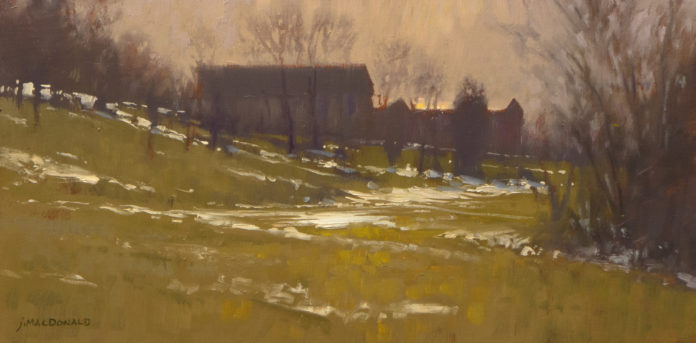
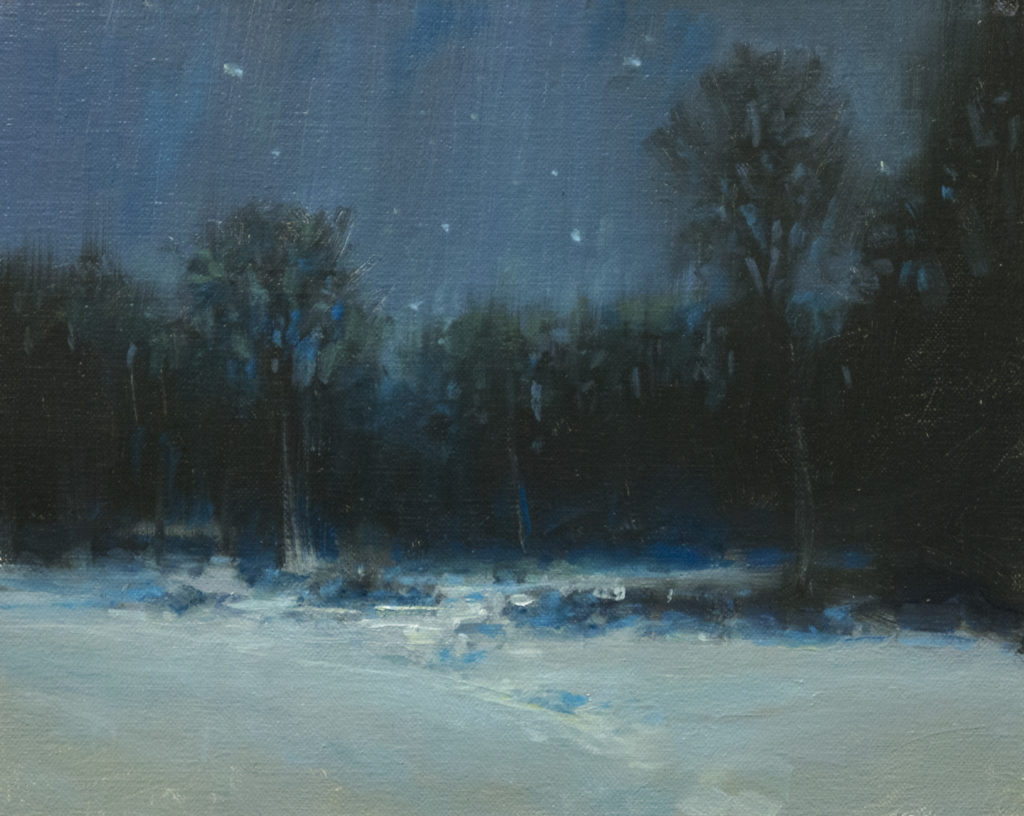
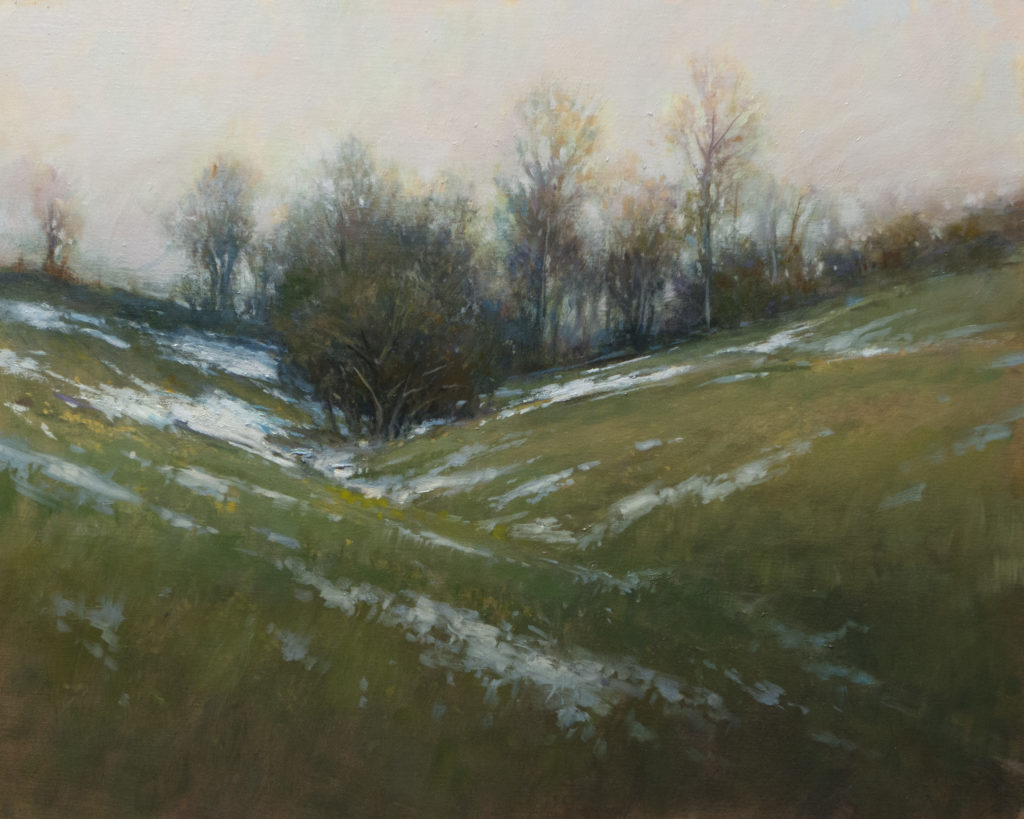
John MacDonald, “Winter's Retreat,” oil, 8 x 16 in.
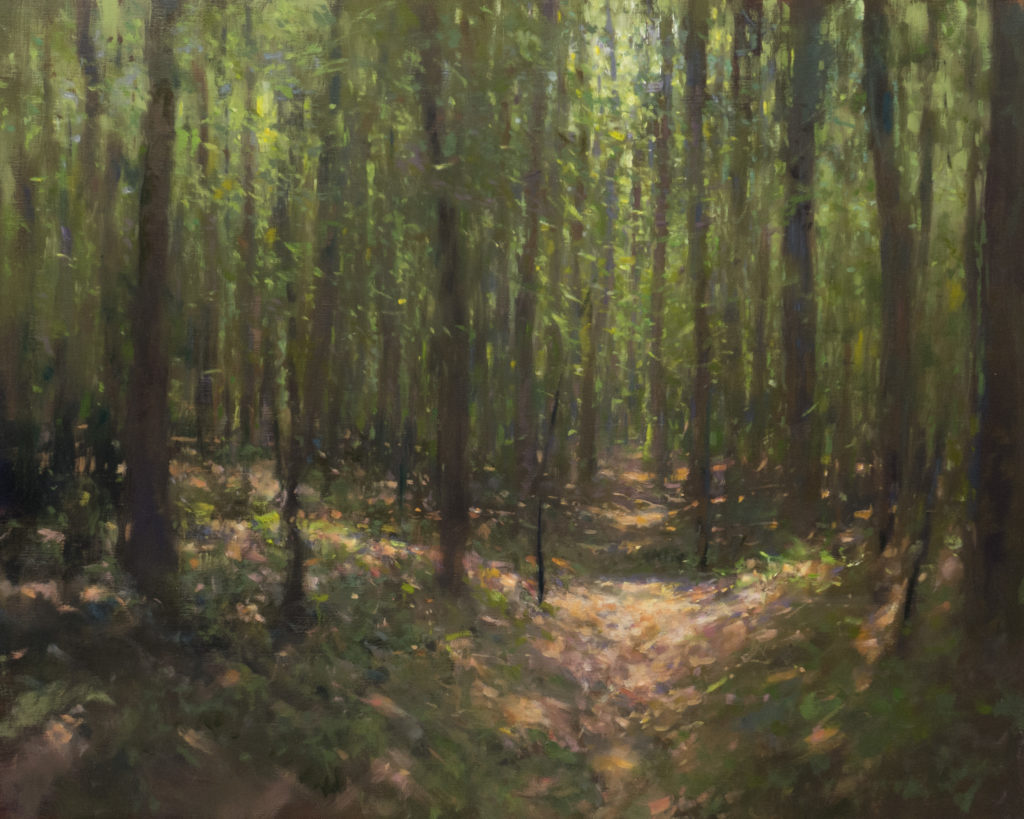
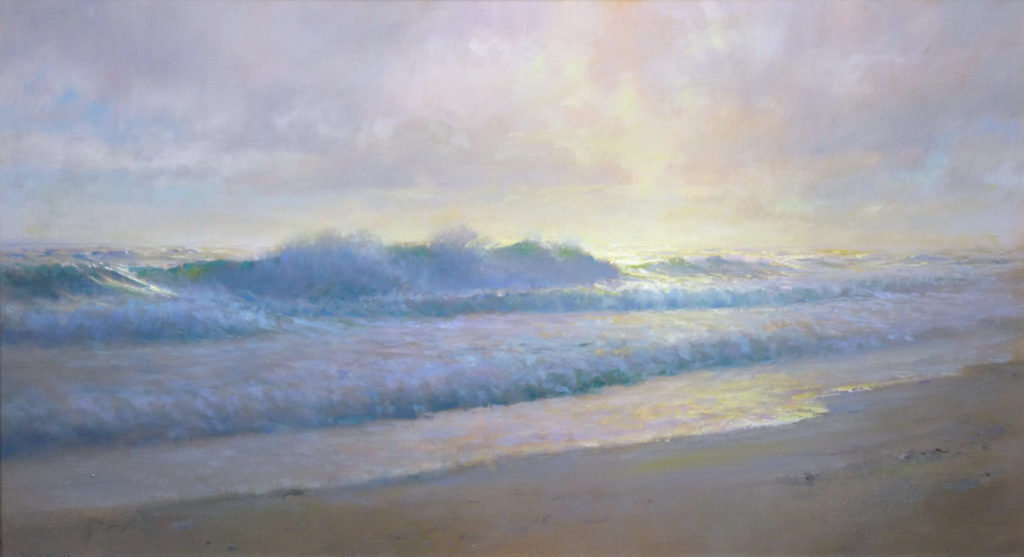
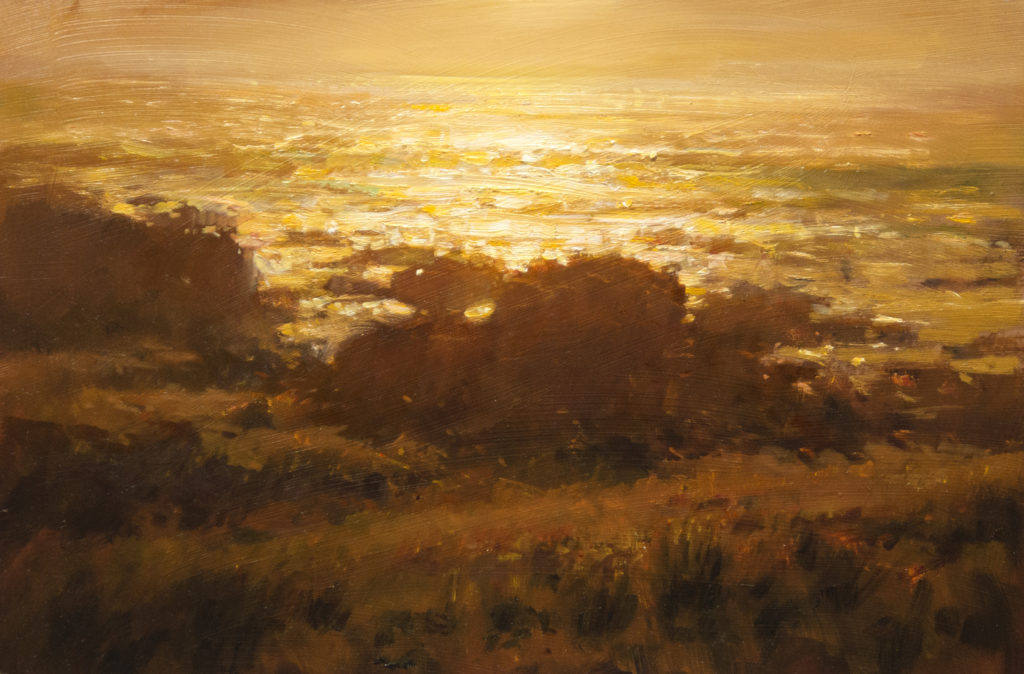
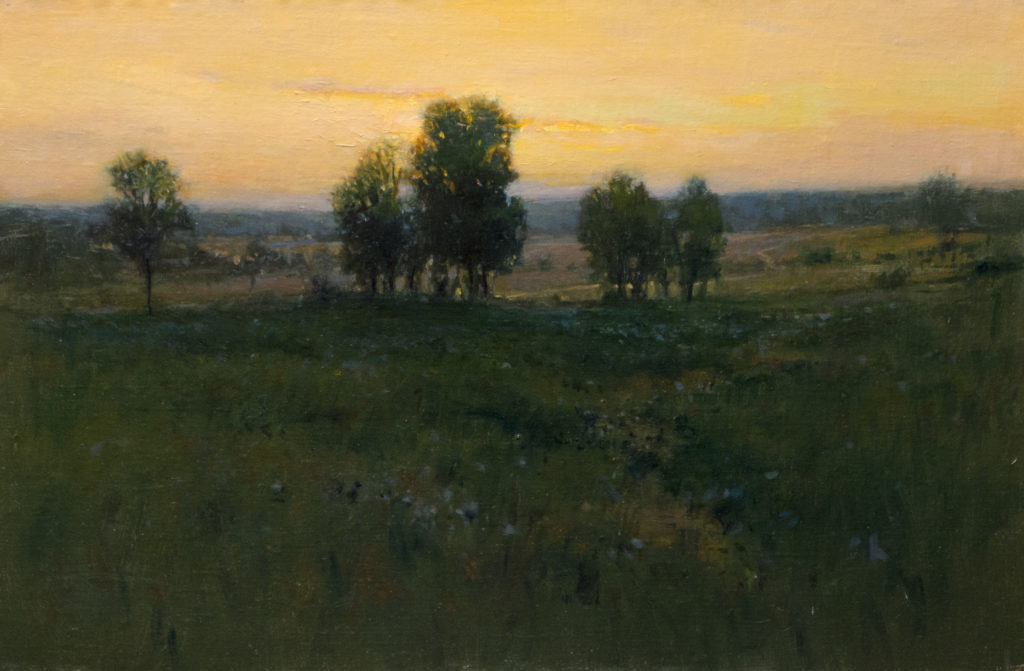
Experience the many moods and forms of the natural world, from the coldest winter nights to the first glimpses of spring, and through the height of summer as depicted by Williamstown-based artist John MacDonald. Featuring 11 atmospheric landscape scenes, this new solo exhibition invites viewers to enter the world of each painting and make their own discoveries within.
John MacDonald, “Woodland Refuge,” oil, 24 x 30 in.
MacDonald received a B.F.A. from Washington University in St. Louis and an M.A. in painting from Purdue University, and studied printmaking at the Institute for American Universities in Avignon, France. An accomplished artist, MacDonald describes himself as “a realist by inclination and training . . . most interested in the abstract qualities of painting and the wordless realm of feelings.”
John MacDonald, “The Wave,” oil, 20 x 36 in.
His work is strongly influenced by the American Tonalists and classic poets of ancient China. MacDonald’s painting “Long Winter Dusk” was voted the winner of the Community Choice Award by Berkshire Museum visitors during the summer 2018 juried exhibition, “Art of the Hills.” The artist’s portfolio of work can be viewed on his website at www.jmacdonald.com.
John MacDonald, “Evening Glare,” oil, 12 x 18 in.John MacDonald, “The Long Horizon,” oil, 12 x 18 in.John MacDonald, “The Hunger Moon,” oil, 8 x 10 in.John MacDonald, “Final Thaw – First Bloom,” oil, 16 x 20 in.
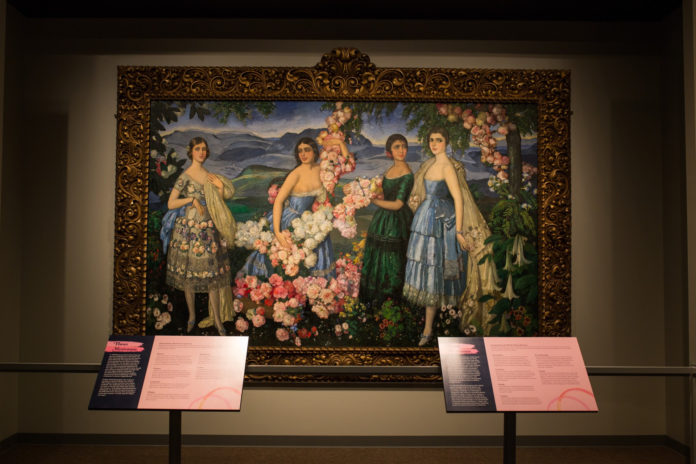
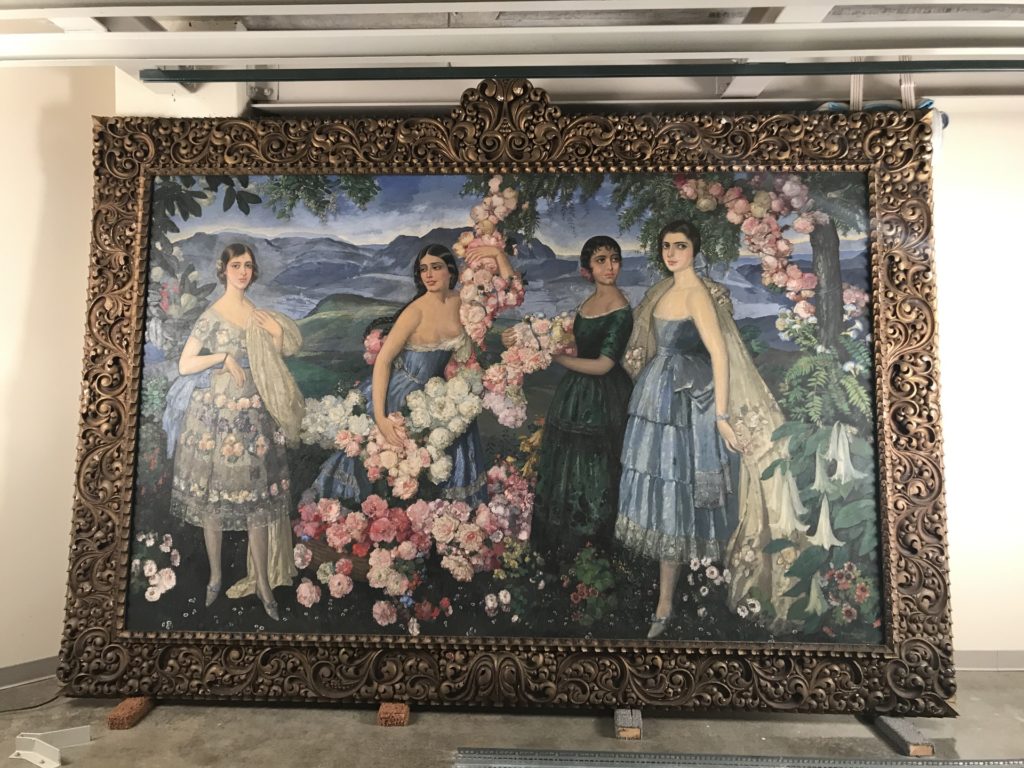
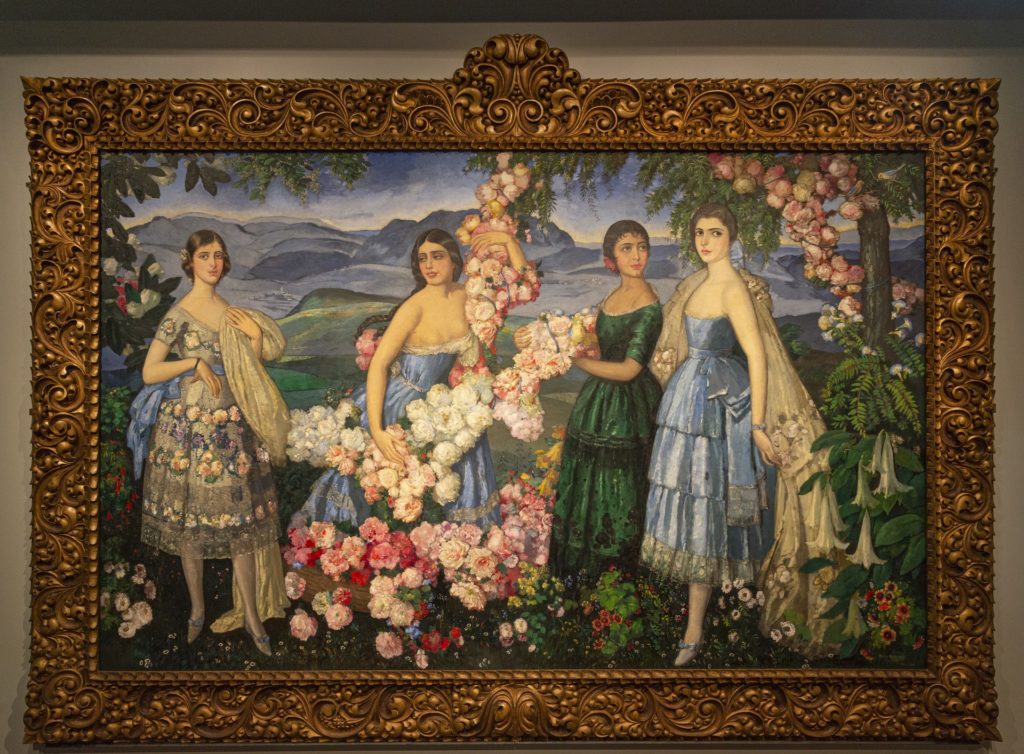
The whereabouts of one of the largest paintings by artist Alfredo Ramos Martinez has been widely unknown to art scholars for decades. Safely stored at the Missouri Historical Society’s Library and Research Center, the monumental 9-by-12-foot masterpiece is on display to the public for the first time in a half-century in a new exhibit.
The painting is the breathtaking focal point of “Flores Mexicanas: A Lindbergh Love Story,” a 2,000-square-foot special exhibit at the Missouri History Museum located in St. Louis’s Forest Park. Prior to filling its starring role in the exhibit, “Flores Mexicanas” was in need of conservation so that it could be displayed in its near original splendor and to ensure it could safely hang in the gallery.
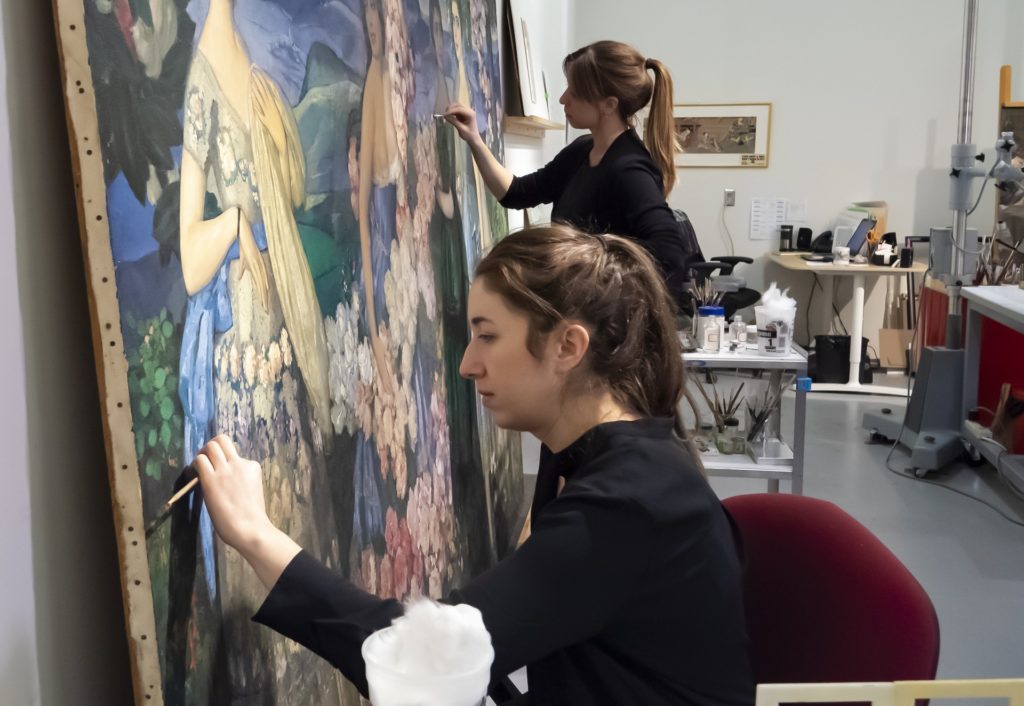
Associate paintings conservators Rita Berg and Alexa Beller work to clean “Flores Mexicanas” at the Midwest Art Conservation Center using an engineered aqueous solution applied with cotton swabs (April 2019). Photo courtesy of the Missouri Historical Society.
More from the museum:
It’s a name you know and a story you don’t. The Missouri Historical Society houses and cares for one of the largest collections of Charles Lindbergh artifacts in the world. Drawing from this collection, the Museum developed a new 2,000-square-foot special exhibit “Flores Mexicanas: A Lindbergh Love Story.”
In addition to “Flores Mexicanas,” hundreds of photographs, historic footage, and 20 other Lindbergh artifacts offer a fresh perspective to a familiar name.
“Flores Mexicanas: A Lindbergh Love Story” soars beyond the famed aviator’s historic flight and reveals the connection between a poet, a pilot, a president, and a painter that altered the course of aviation history and left a lasting legacy on U.S.–Mexico relations.
ABOUT FLORES MEXICANAS
In 1929 Mexican president Emilio Portes Gil gave the Lindberghs the Martinez masterpiece as a wedding gift. Mexico was significant to the Lindberghs as the place where their love story began. For the Mexican government, the gift was a chance to impress the daughter and son-in-law of the United States’ respected ambassador to Mexico, Dwight Morrow — Anne’s father.
Martinez started working on “Flores Mexicanas” long before anyone had heard of Charles or Anne Lindbergh. He spent about 15 years working on the piece before it was completed and purchased by President Emilio Portes Gil. “Flores Mexicanas” was Martinez’s last work completed in Mexico before he moved to Los Angeles in 1929 and one of his final paintings with strong European influence before he took up the modernist style for which he has become known and loved.
Charles Lindbergh later entrusted “Flores Mexicanas” and many of his other gifts and awards to the care of the Missouri Historical Society. Safely stored at the Missouri Historical Society’s Library and Research Center for decades, many art scholars were unaware of the location of “Flores Mexicanas.”
“Flores Mexicanas” before conservation care“Flores Mexicanas” after conservation care
Conserving the Painting
Prior to filling its starring role in “Flores Mexicanas: A Lindbergh Love Story” the painting and its ornate hand-carved wooden frame were in need of conservation so it could be displayed in its near original splendor and to ensure it could hang safely in the gallery. The Missouri Historical Society worked with specialists at the Midwest Art Conservation Center in Minneapolis on the conservation process, which was generously funded by the Bank of America Art Conservation Project and the Ed & H. Pillsbury Foundation.
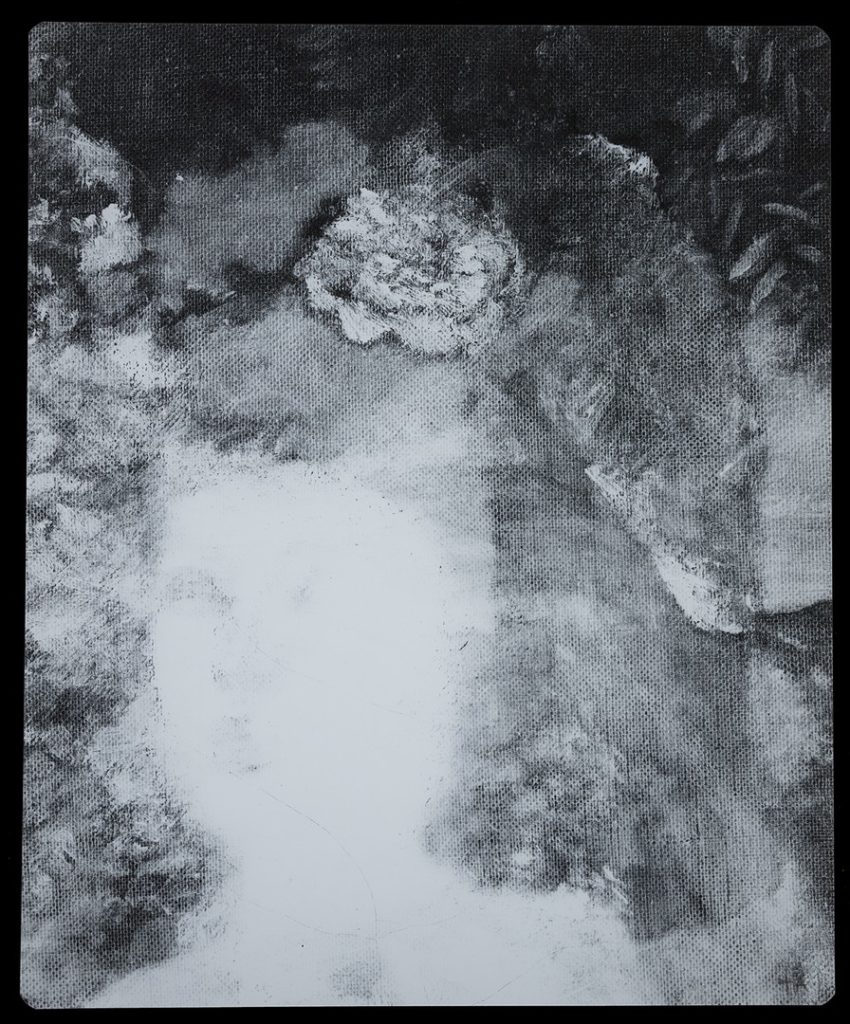
The “hidden woman” as revealed in areas x-rayed by radiographers from St. Louis Testing Laboratories. Image courtesy of the Missouri Historical Society.
The first step in the conservation process was to x-ray Martinez’s masterpiece at the Missouri Historical Society Library and Research Center. This normal step in the conservation process revealed a surprising discovery. As the equipment was being calibrated, an image was taken of the upper-right portion of the canvas, revealing a woman who had been painted over. This provides evidence that a compositional change had taken place. A search through the Missouri Historical Society’s Photographs and Prints Collection uncovered a picture taken of “Flores Mexicanas” in the mid-to-late 1930s. Comparing the painting to the old photograph confirmed that the woman had already been painted over by the time it came to the Missouri Historical Society (MHS). No one knows for sure if Ramos Martinez decided to paint over this figure or if he moved it to a different place on the canvas.
“Flores Mexicanas” is being cleaned with cotton swabs and a special cleaning solution to remove layers of discolored varnish and grime that has accumulated over the last 90 years. The painting will be fitted to a new stretcher that will provide better support to the canvas. A puncture in the lower right-hand corner is being mended. Any losses that have occurred over time in the gesso and paint layers have been filled and toned in to visually blend with the surrounding surfaces. Areas where the paint is flaking off the surface will be consolidated to prevent further losses.
The frame has also been carefully cleaned, first with a dry sponge, followed by a “wet” cleaning with a conservation-safe solution. Losses in the frame’s gesso and paint layers have been filled, smoothed, and shaped to match the original surface. Conservators then inpainted the fills so they matched the original color of the surface.
“I’m so very grateful to the Missouri History Museum for taking on this project, and for bringing forward this brief, bright period of my parents’ life together so that other people can understand it, and them, a little better. It means a great deal to me.” — Reeve Lindbergh
“Flores Mexicanas: A Lindbergh Love Story” is on view at the Missouri History Museum through September 2, 2019.
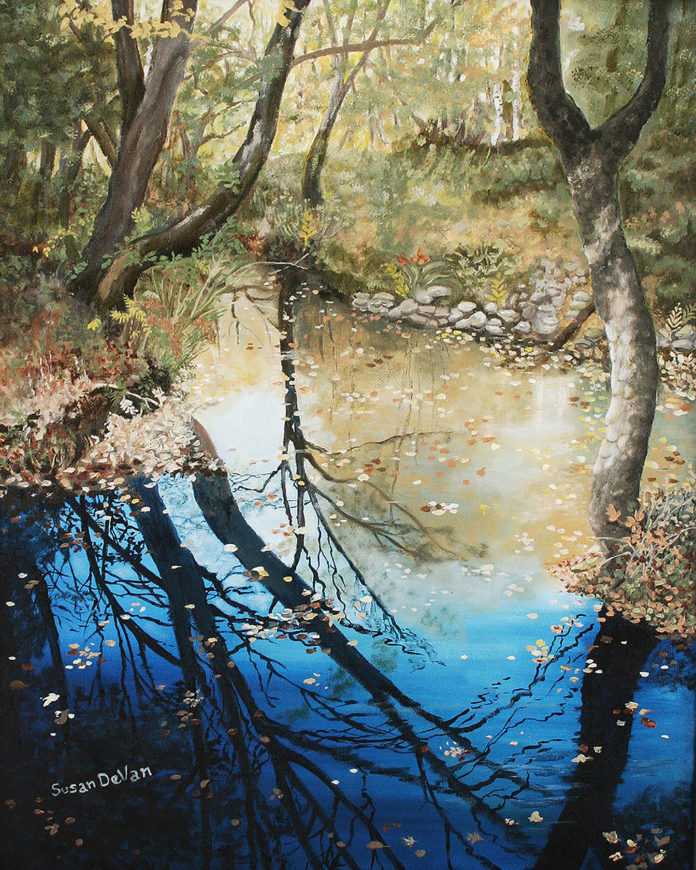
Autumn Creek
Oil on canvas
20 x 16 ins. Available from the artist
$3500
Artist Susan DeVan paints, not one type of subject, but an amazing variety of landscapes, still life, birds, animals, flowers, people and buildings. Each subject is portrayed in oils with a strong passion for sharing their beauty with others. Autumn Creek depicts a scene in a Fairfax County, Virginia, park near the house where the DeVans raised their children.
“Taking them for walks in the woods, an oasis of beauty in the midst of a bustling suburban neighborhood, taught the children to appreciate the importance of birds and animals, the serenity of nature’s hidden places, and the need to be quiet and alone occasionally – almost a spiritual adventure. I must have an emotional connection with whatever I put on a canvas, whether it is a lizard or a sunset, a majestic mountain or a butterfly,” says Susan. “No subject is too humble or grand.”
A native of Washington, DC, Susan graduated from Georgetown University’s School of Foreign Service. Throughout her career Susan always made time to paint before turning to it and writing full-time. From a home and property, in what she describes as “wild and wonderful West Virginia,” Susan finds endless inspiration in the landscape and wildlife surrounding her.
A “Fellow” Member of American Artists Professional League at the Salmagundi Club in NYC, Susan has had work exhibited in juried shows from Rhode Island to Maryland, from Pennsylvania to California, from Idaho to Arizona. She is also a juried member of Oil Painters of America and a member of many art associations and clubs. The John Collins Memorial Award for Oil Painting and Best Oil Painting is one of many accomplishments for Best in Show and Best Work on Canvas awards and honorable mentions. Susan is also delighted three of her grandchildren have displayed artistic talent and mentors each as they follow their own paths to excellence.
Susan’s writing provides a glimpse into her engaging, lively personality. The book, The Granny Chronicles, is a humorous account of a feisty woman who lives in Rock Bottom, the town with no place to go but up. Her adventures and shenanigans are recorded by friends and family members whose lives are forever altered by their association with Emma Frick. Susan suggests one curl up with a cup of yarbal tea and have some laughs with Granny and the denizens of Cornrow County. The book is available through Amazon and Kindle.
Susan is represented by Xanadu Gallery.
See more of her landscape, wild life and still life paintings on her website.
To learn of newer work and exhibits, sign up for Susan’s e-newsletter.
Sotheby’s is honored to announce “Treasures from Chatsworth” — a rare public exhibition in the United States of works from the fabled Devonshire Collection, held at historic Chatsworth House in the United Kingdom.
From Sotheby’s:
Chatsworth is home to the Duke and Duchess of Devonshire, and has been passed down through 16 generations of the Cavendish family. The house is renowned for the quality of its art, landscape, and hospitality, and has evolved through the centuries to reflect the tastes, passions, and interests of succeeding generations, standing today among the most important stately homes in the United Kingdom. Rich with thousands of objects, the Devonshire Collection represents a grand tradition of collecting by the Cavendish family spanning half a millennium, which ranks as one of the most significant collections of art and objects in Europe.
Coinciding with Sotheby’s 275th anniversary in 2019, as well as the opening of our expanded and reimagined New York galleries, the Treasures from Chatsworth exhibition was designed by the award-winning creative director and designer David Korins, whose work includes the set designs for the Broadway musical phenomena Hamilton and Dear Evan Hansen, as well as past Sotheby’s exhibitions. The extended exhibition will offer viewers an immersive experience, featuring extraordinary objects illustrative of the Devonshire Collection while simultaneously bringing to life the experience of Chatsworth House and its spectacular grounds.
Forty-five masterworks have been selected for the Treasures from Chatsworth exhibition to represent the remarkable breadth of the Devonshire Collection — fine art from Rembrandt van Rijn to Lucian Freud, furniture and decorative objects from the 16th century to 21st-century design, and exceptional jewels, costumes, and archive materials commemorating historic occasions will all be on view to the public. A selection of individual highlights is below, with additional works to be announced throughout the spring.
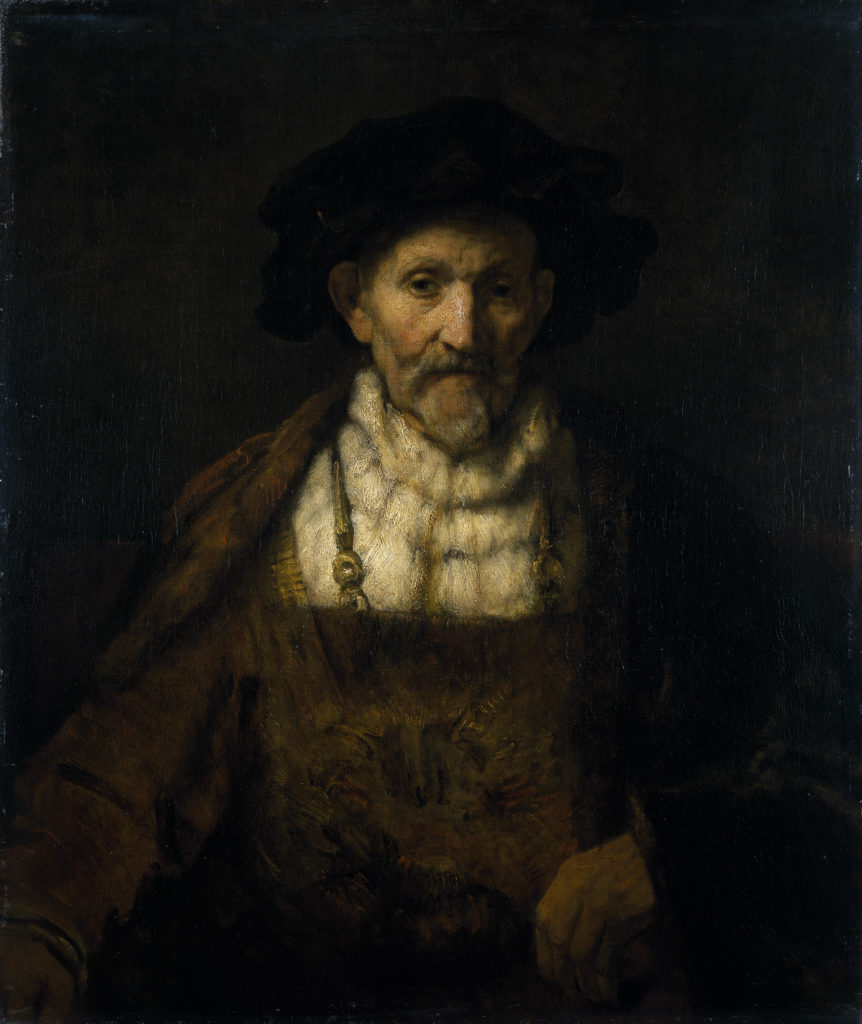
This masterly painting of an old man by Rembrandt van Rijn is signed and dated 1651 — a period during which the artist painted rarely and received few portrait commissions.
Formerly one of three Rembrandt paintings in the Devonshire Collection, the work was seen in the collection of Richard Boyle, 3rd Earl of Burlington, as early as 1728, marking it as one of the earliest Rembrandt paintings ever acquired by an English collector.
It is not certain whether this work is a commissioned portrait. Alternatively, it may show an old male model, dressed in a rich exotic costume, sitting for a “tronie” — a popular Dutch genre painting of the time. Such works gave artists the opportunity to show off their technique: here, with directional lighting, Rembrandt shows his mastery through lighting in depicting character and old age, with his broad brushstrokes bringing to life the texture and weight of the man’s rich costume.
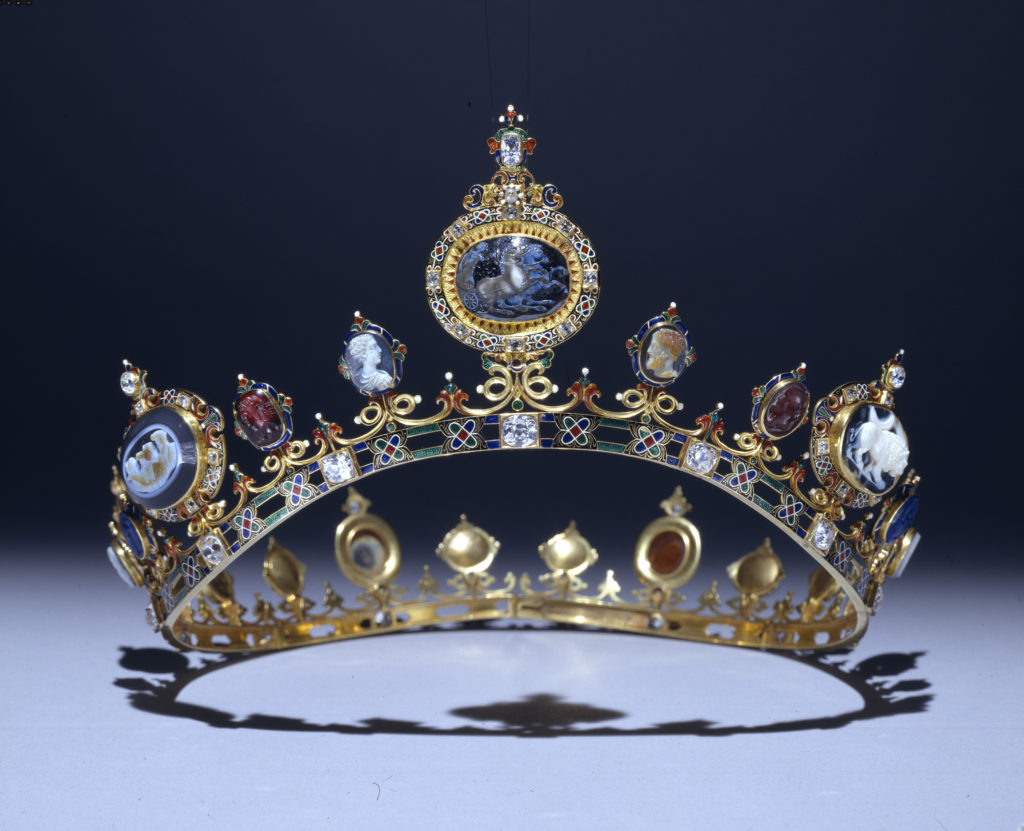
In 1856, William, 6th Duke of Devonshire, commissioned a seven-piece set of jewelry known as the Devonshire Parure, incorporating 88 carved gems from the large gem collection at Chatsworth that was assembled primarily by the 2nd and 4th Dukes of Devonshire.
The commission was a response to the Duke’s nephew’s attendance at the coronation of Tsar Alexander II of Russia, as a representative of Queen Victoria. Having previously attended the coronation of Tsar Nicholas I, the Duke could be certain that Maria, Countess Granville, would need a large and remarkable suite of jewels to furnish her wardrobe for the many functions she would attend and host.
Today the engraved gem collection at Chatsworth represents the largest such collection in private hands. While prominent collections such as those of Thomas Howard, Earl of Arundel (1586–1646), and George Spencer, Fourth Duke of Marlborough (1739–1817), are now in the British Museum or dispersed through other collections both public and private, the Devonshire gems remain in the family that collected them.
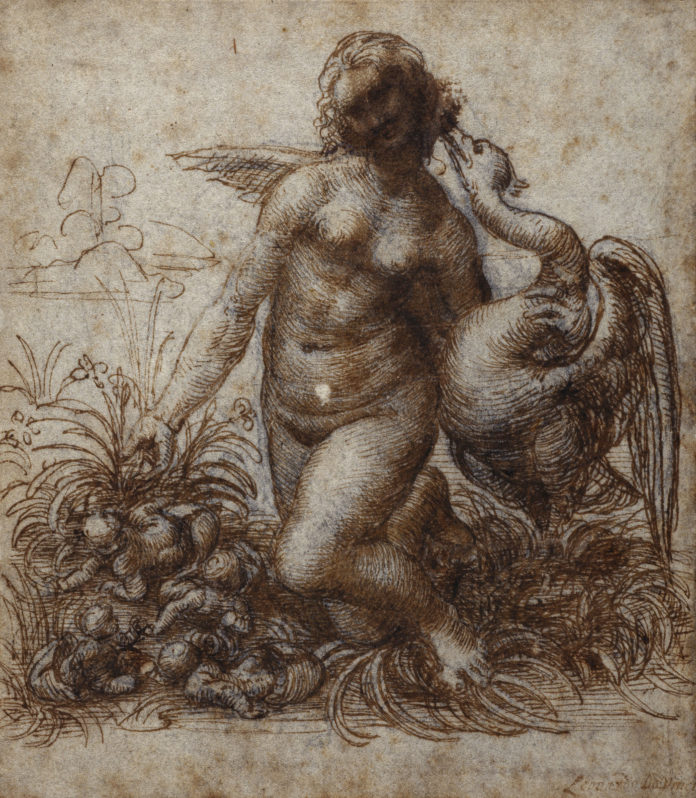
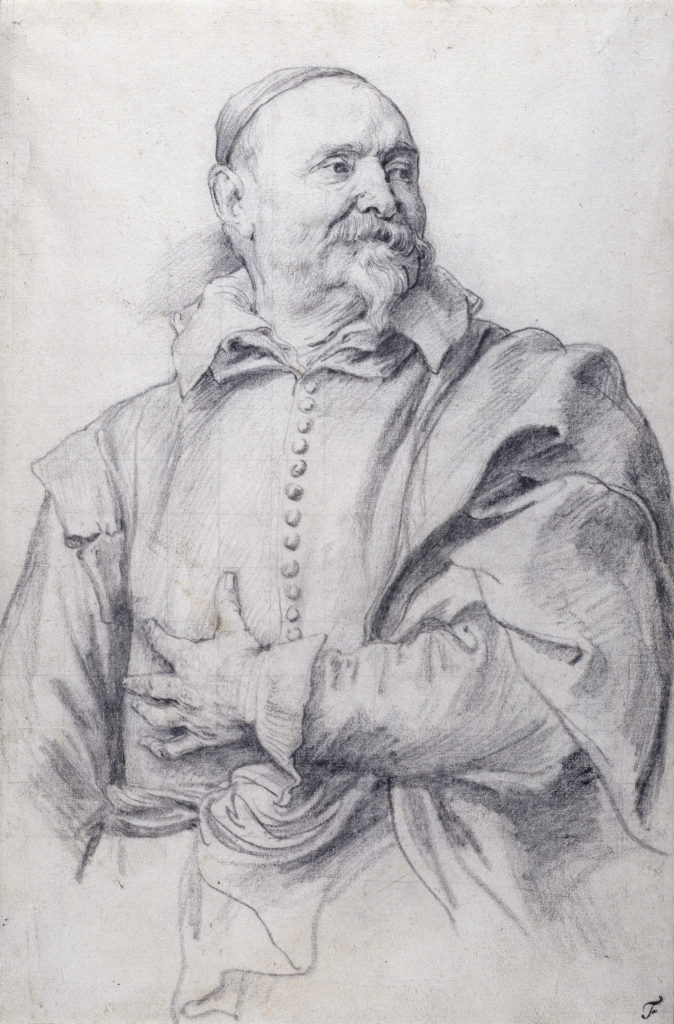
Anthony van Dyck’s striking drawing of the Flemish artist, draftsmen, and collector Jan Snelleck is part of a group of celebrated portraits by Van Dyck of notable people of his age. This work is from a large collection of Old Master drawings purchased via a private sale from Nicolas Anthonis Flinck in 1723/4 by the 2nd Duke of Devonshire.
Van Dyck, a leading pupil of Rubens, was particularly exceptional in the field of portraiture. As a portrait painter in England from 1632, he revolutionized the art of the portrait, influencing not only his contemporaries but also countless artists down the centuries.
Free of charge and open to the public, “Treasures from Chatsworth” will be on view from June 28 through September, 18, 2019, in Sotheby’s New York galleries, located at 1334 York Avenue.
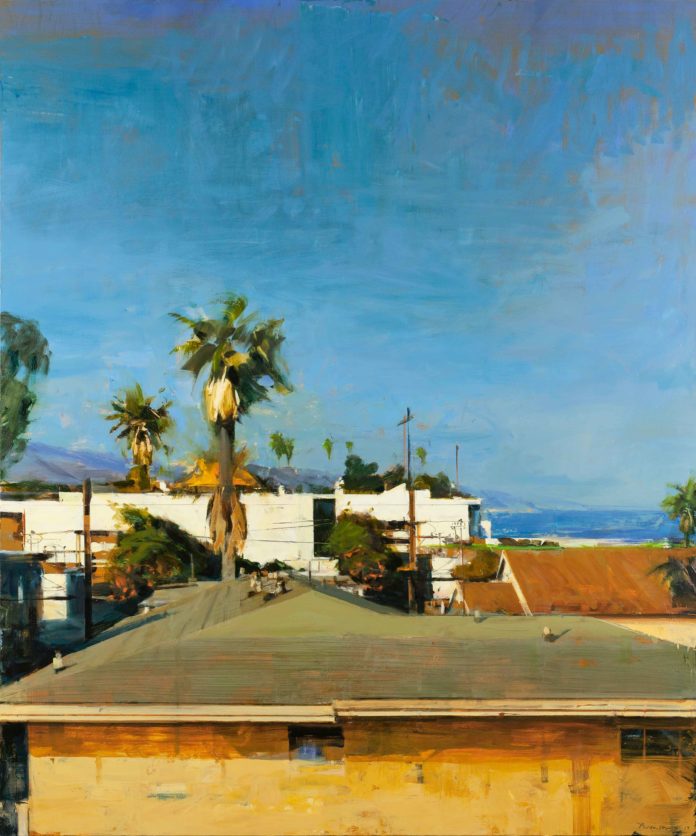
Ben Aronson, “Southern California Coast,” 2019, oil on panel, 72 x 60 in.
LewAllen Galleries’ second solo exhibition of Ben Aronson’s paintings includes cityscapes that demonstrate the artist’s remarkable capacity to convey — in masterful combinations of impressionistic atmosphere, color, and light — the sensory experience of a captured moment in the life of a city.
More from the gallery:
Aronson’s signature synthesis of realism and abstraction expressively translates the everyday reality of metropolitan forms and life — rooftops, skyscrapers, streets, stop signs, and sidewalks — into resplendent tableaux of urban geometry and motion, light, and shadow that uniquely compress the spirit of a place. In the group of paintings that comprises “Views from Above,” Aronson conveys his scenes from the rooftops, an aspect of the urban environment typically hidden from view. These works attest to Aronson’s resolute view that, even at its most quotidian, the city is “the wellspring of visual ideas … everything in the world is there, concentrated, and comes at you like a great rushing visual tsunami.”
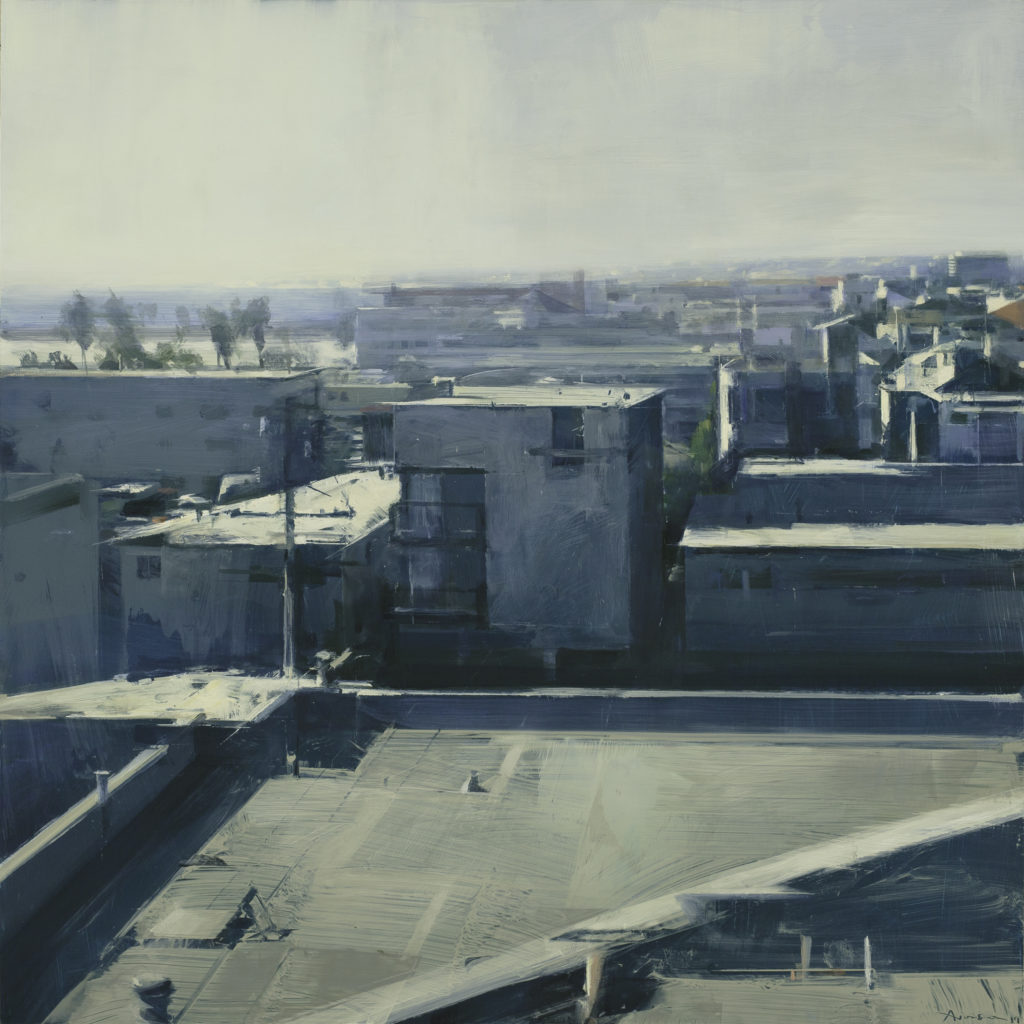
Ben Aronson, “Silver Light, Rooftops and Coast,” 2019, oil on panel, 24 x 24 in.
Indeed, the work included in this LewAllen exhibition reorients us to a higher, more omniscient vantage point, allowing us to experience a quieter, more meditative side of the urbanscape. In these paintings, set mainly in Southern California, the visceral tumult of city life recedes from view, its clamor reduced to a low, contemplative hum. In its place, Aronson’s attention turns to the sunlit rooftops and allows our eyes to stretch across the expanse of the city to glimpse what lies beyond — coasts, mountains, or even horizon lines made bare where the sky meets the earth. The result is imagery that conveys a far more reflective approach, built on carefully executed geometric rhythms of architectural shapes and rooftops, and with a heightened sense of atmosphere as the viewer moves further into the painting.
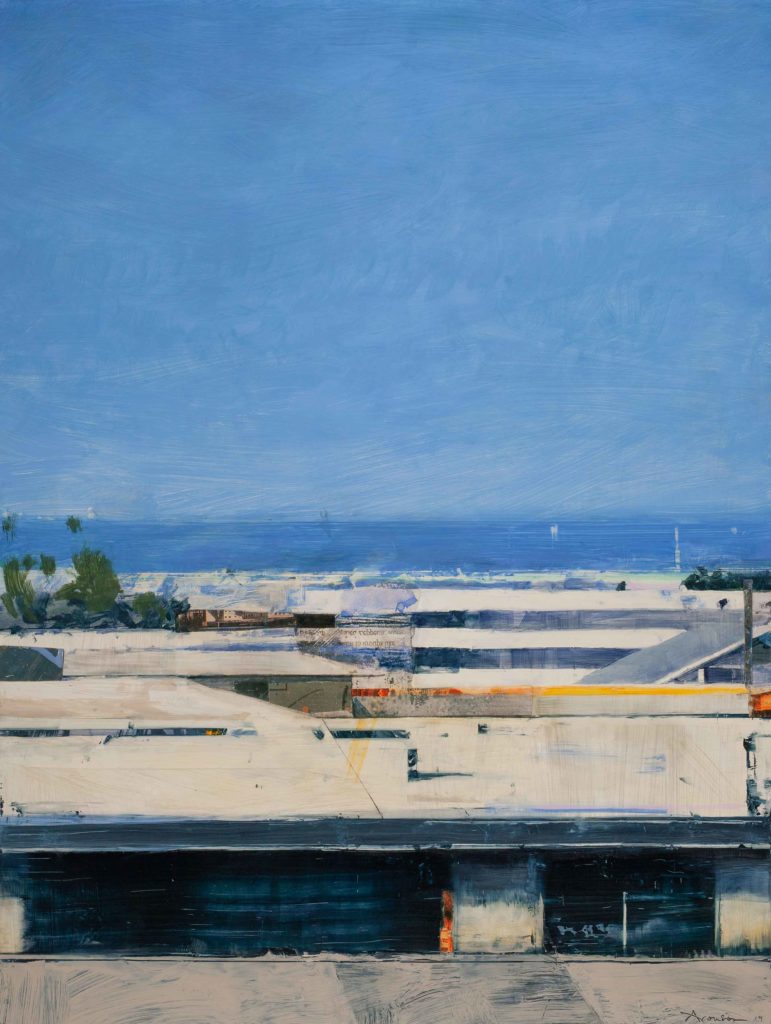
Ben Aronson, “Rooftops and Ocean,” 2019, oil and collage on panel, 48 x 36 in.
The artist’s expressive painterly style is characterized by fluid yet restrained brushwork. “The main objective is not merely to capture physical likeness,” Aronson says, “but rather to aim for the most concentrated form of a powerful visual experience.” This gestural application of paint — while underpinned by a precision indicative of a remarkable eye for realism — conveys his imagery through suggestions of implied movement and space. Aronson renders this sophisticated engagement with the urban world in fleeting glimpses of movement and evanescent light — the cosmopolitan grid alternately sharpened and blurred into streaking geometry and hard-edged shadow.
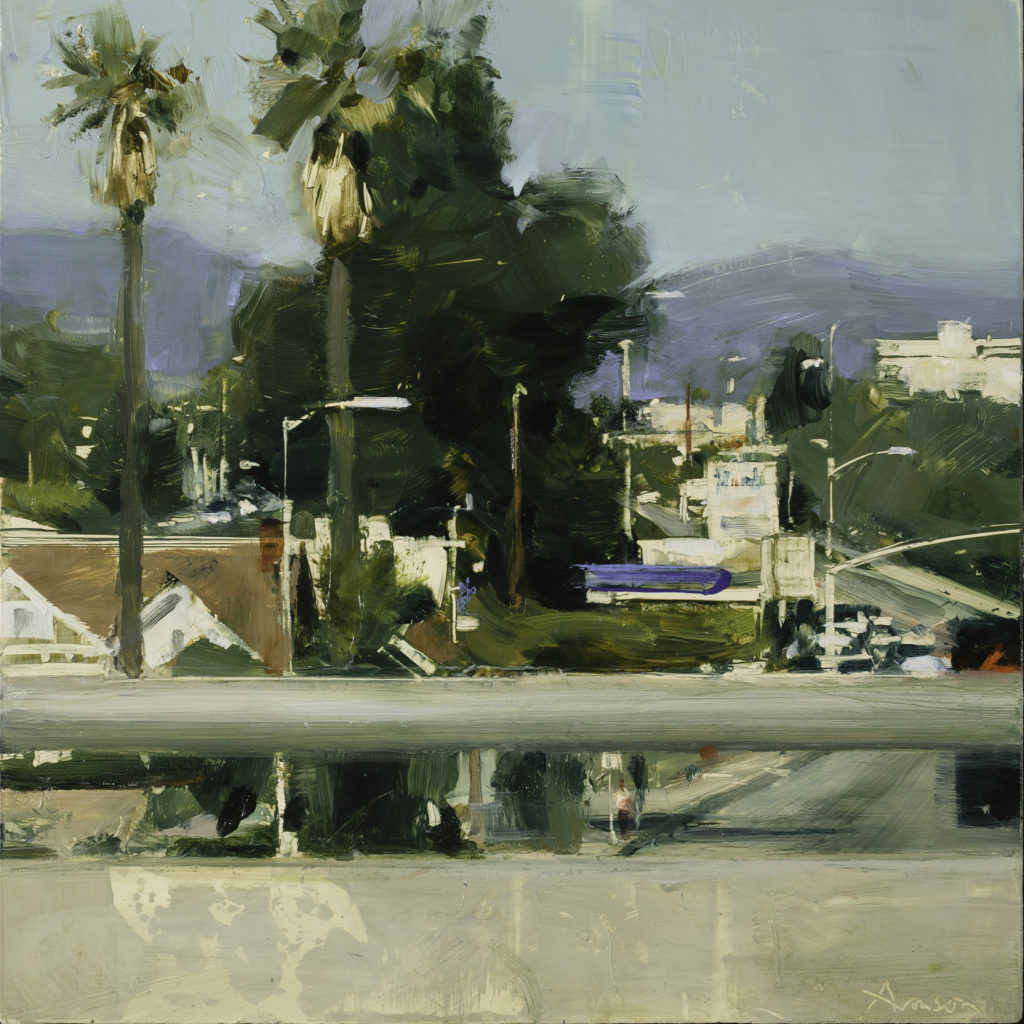
Ben Aronson, “Hollywood Hills,” 2018, oil on panel, 12 x 12 in.
Art critics have long been captivated by Aronson’s striking contribution to the tradition of American landscape painting. Art historian Joanna Fink, in 2006, wrote: “Aronson creates a continuum that begins at the turn of the 20th century and ends at the tip of his brush. But while he carries with him the accumulation of his study of the art of the past, it is ultimately Aronson’s own experience, his own hand which guides the brush.” In 2007, arts writer George Tysh noted Aronson’s firm place in art history, positioning him with Edward Hopper, Charles Sheeler, and Fairfield Porter: “[All four are] realists whose compositions express an acute awareness of underlying geometries and forms, and who never forgot about the paint in painting.”
Ben Aronson was born in Boston to two remarkable artists. His mother, Georgianna Nyman, was the highly respected portrait painter of the United States Supreme Court justices; his father, David Aronson, was a noted sculptor and a founding member of the legendary Boston Figurative Expressionist Movement of the 1940s and 1950s. Ben Aronson enrolled at the School of Fine Arts at Boston University and studied under Reed Kay, John Wilson, and James Weeks, who introduced Aronson to the Bay Area Figurative Movement. Aronson was also under the tutelage of Philip Guston and worked as his studio assistant.
Ben Aronson was the recipient of the 2006 Childe Hassam Purchase Prize from the American Academy of Arts and Letters. Aronson’s ability to capture what Childe called “humanity in motion” of the city, as well as the immediacy of its light and shadow, confers a kinship between Aronson’s work and that of the famous impressionist painter. Aronson’s paintings are included in the permanent collections of more than fifty museums, including the De Young Museum in San Francisco; the San Diego Museum of Art; the National Academy Museum, New York; the Boston Museum of Fine Arts; the Eli & Edythe Broad Museum, Michigan; the Houston Museum of Fine Arts; the Butler Institute of American Art, Ohio; the New Mexico Museum of Art; and the Orangerie in Gera, Germany.
Opening on Friday, June 28, with a reception for the artist from 5:00–7:00 p.m., “Views from Above” will be on view at LewAllen Galleries (Santa Fe, New Mexico) through Sunday, July 21.
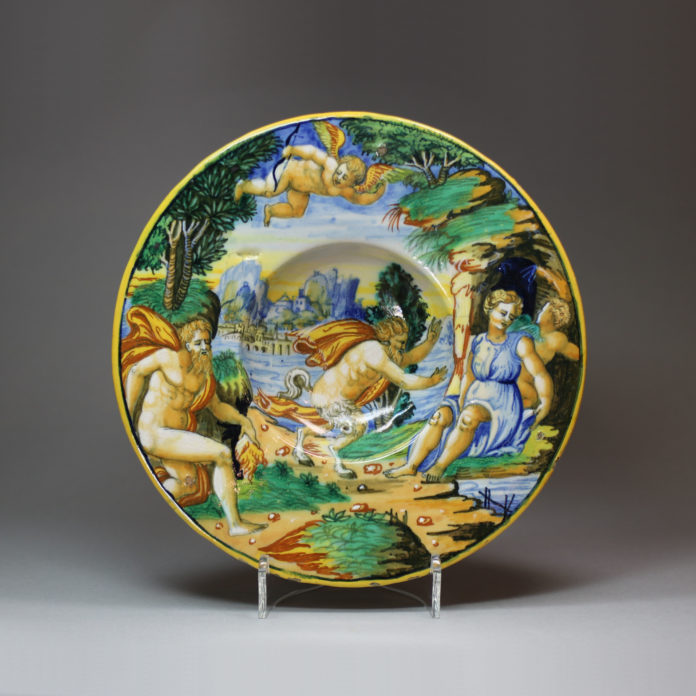
Workshop of Guido Durantino, dish with Jupiter surprising Antiope, ca. 1540 – 50. Maiolica, 7 1/8 inches (diameter). Georgia Museum of Art, University of Georgia; Museum purchase with funds provided by the Virginia Y. Trotter Decorative Arts Endowment. GMOA 2018.410.
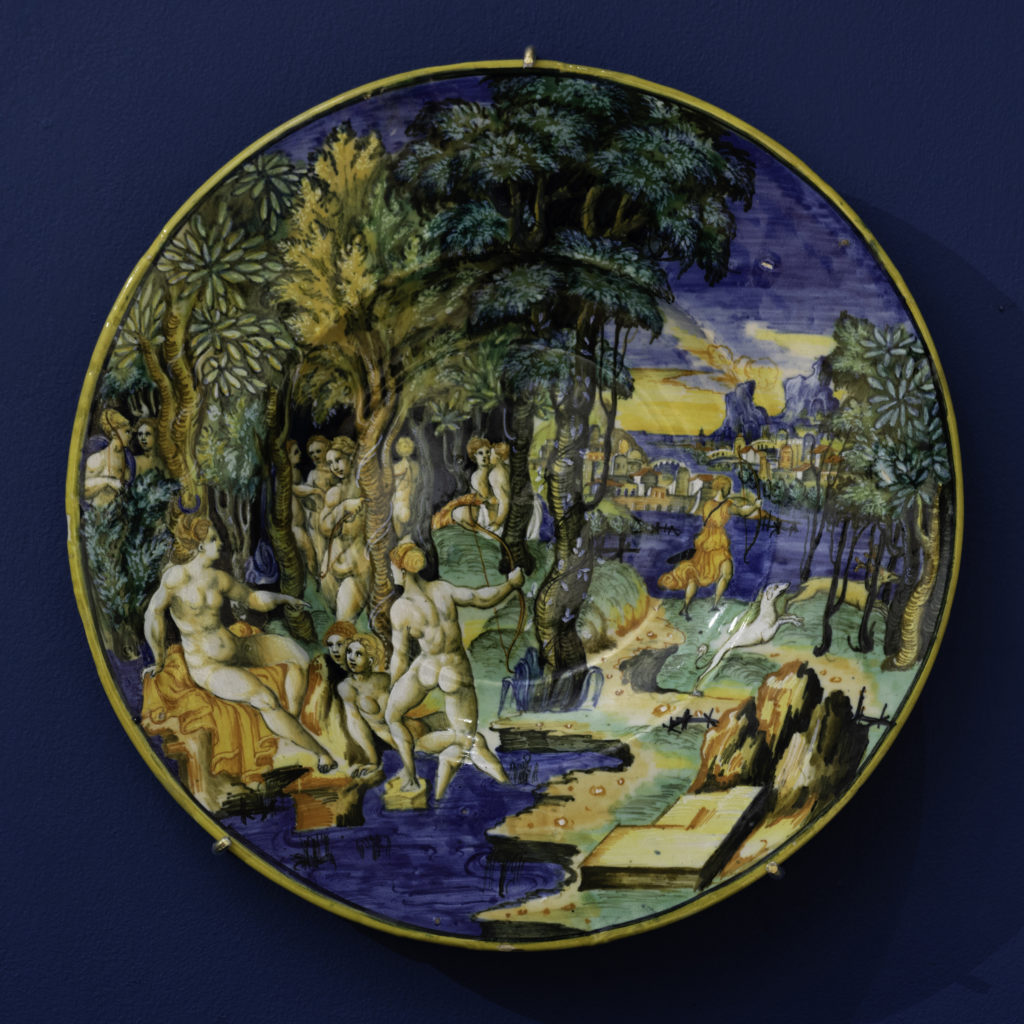
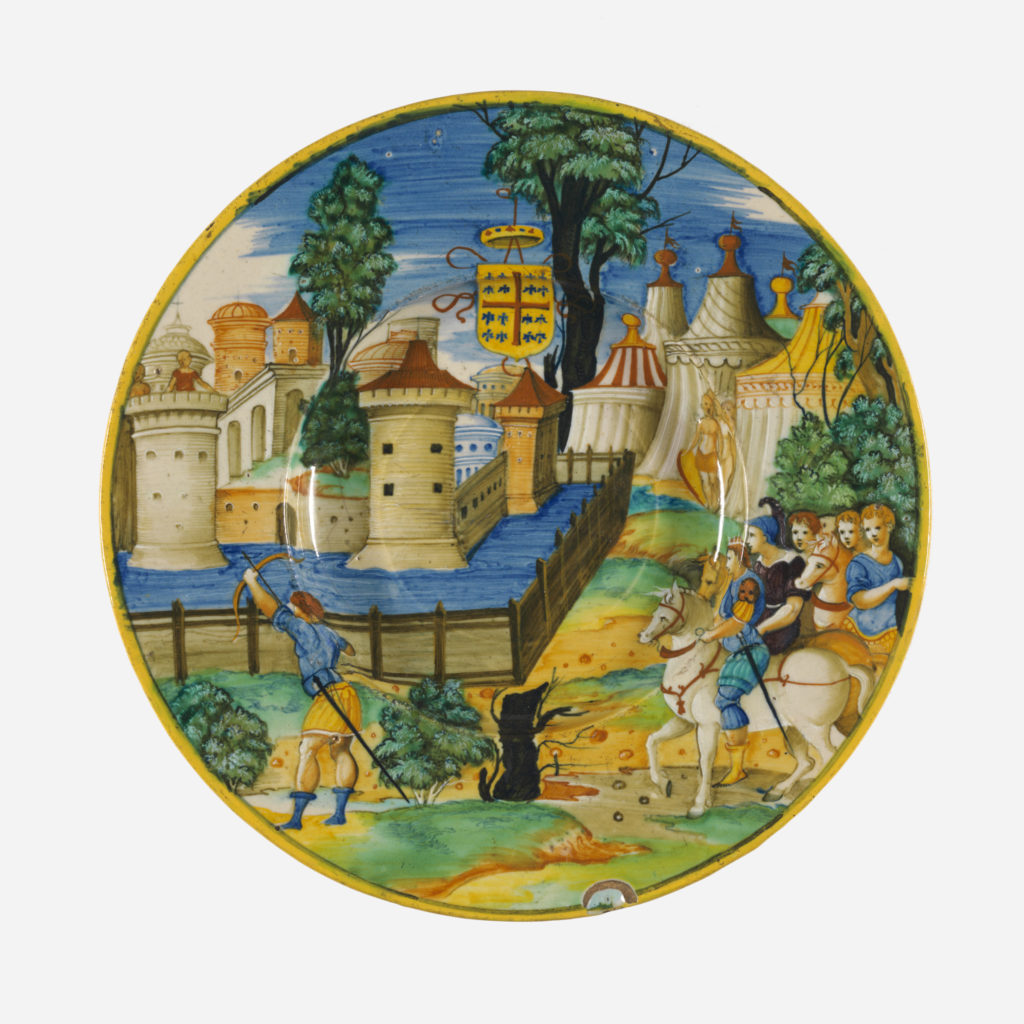
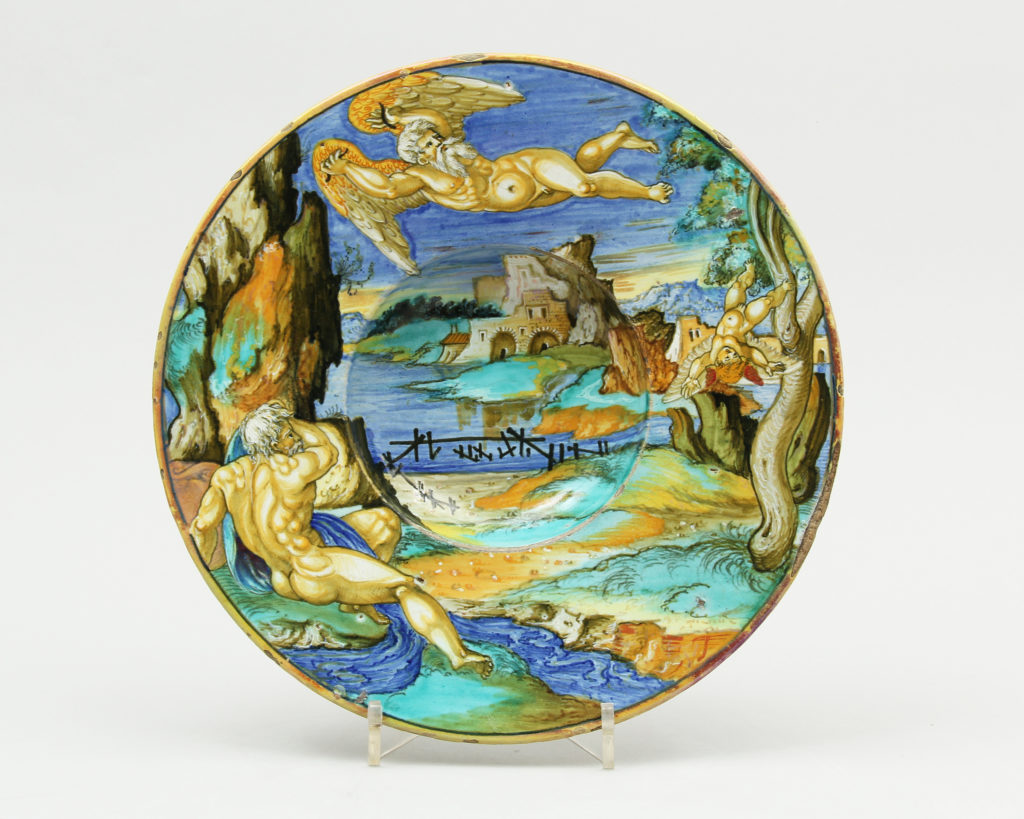
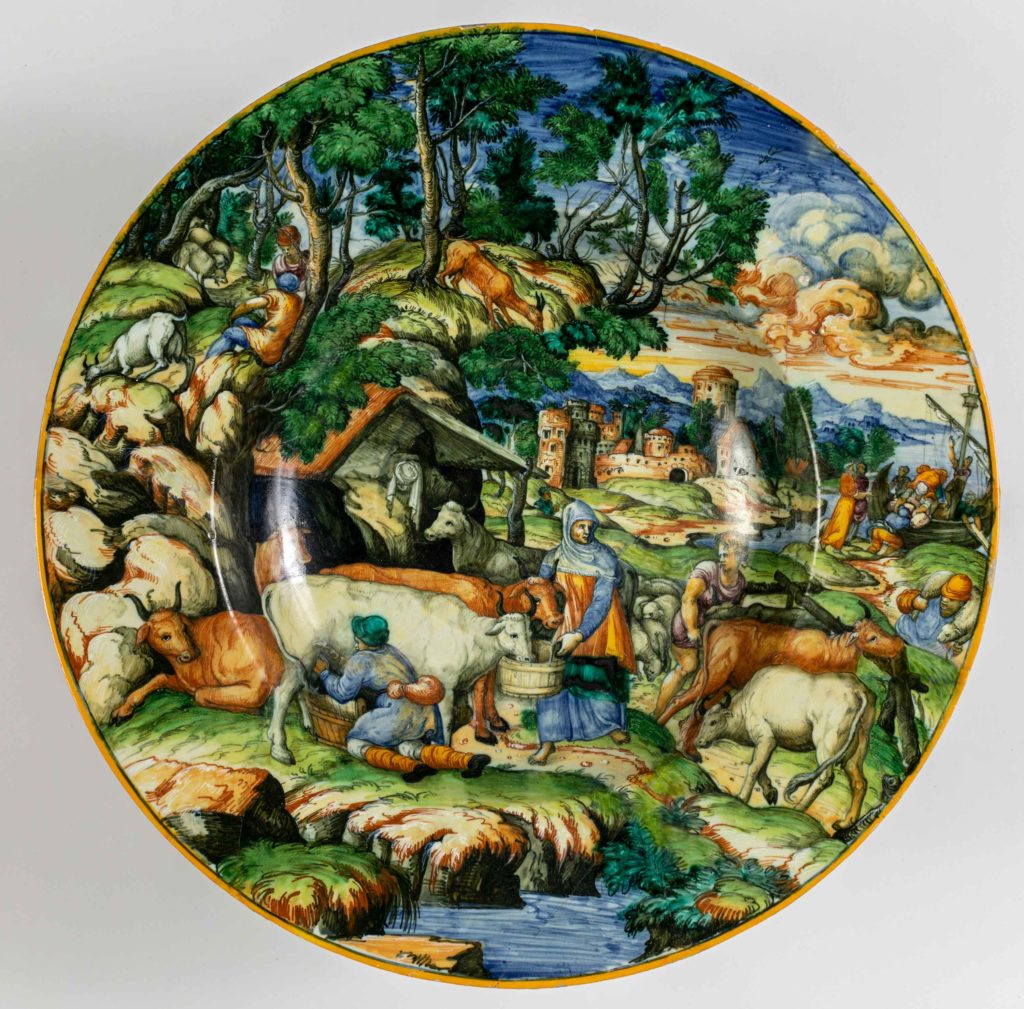
In celebration of the Georgia Museum of Art’s acquisition of two objects from this period, “Storytelling in Renaissance Maiolica” investigates the visual links between these objects and the art of classical antiquity along with a range of decorative motifs and subjects.
Workshop of Guido Durantino, dish with Diana and her nymphs at their bath, 1541. Maiolica, 11 inches (diameter). Georgia Museum of Art, University of Georgia; Museum purchase with funds provided by the Virginia Y. Trotter Decorative Arts Endowment, the William Underwood Eiland Endowment for Acquisitions made possible by M. Smith Griffith, the W. Newton Morris Charitable Foundation, and the Georgia Museum of Art Acquisitions Endowment. GMOA 2018.411.
This focused exhibition brings together a small selection of tin-glazed earthenware produced in the duchy of Urbino, Italy, in the 16th century.
Colorfully decorated with ornamental motifs and narrative scenes from the Bible, classical mythology, and ancient history, these ceramic vessels demonstrate the extension of the Renaissance revival of Greek and Roman antiquity into private and public life.
Franco Xanto Avelli and Maestro Giorgio Andreoli, dish with scene from the story of Icarus, ca. 1530. Maiolica, tin glaze, lead glaze, and thrown, 10 1/2 (diameter) x 1 7/8 inches. Gardiner Museum; Gift of George and Helen Gardiner, G83.1.362.Workshop of Guido Durantino (?), dish with pastoral scene, ca. 1540. Maiolica, 17 3/4 inches (diameter). Cummer Museum of Art & Gardens, 1968.1.1.
“Storytelling in Renaissance Maiolica” is on view at the Georgia Museum of Art through January 5, 2020.
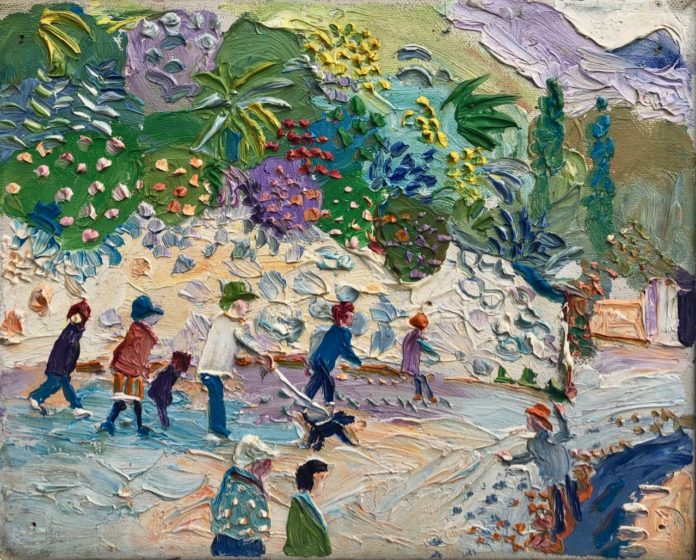
Fred Yates (1922–2008), “Walking the Dog, Eze sur Mer,” oil on canvas
“We’re thrilled to have Freya Mitton back with us this year at the Art & Antiques Fair,” say the organizers. “Established as an independent dealer in 2012, Freya specializes in 20th-century British Art.”
160 leading British and international art galleries and antique dealers are coming together for London’s longest-running art and antiques fair. For 2019 the Art & Antiques Fair Olympia has added extra days and now runs June 19–28, 2019. Known for its extraordinary variety of furniture, art, sculpture, and objects, along with jewelry, textiles, glass, and ceramics, the fair offers a piece for every room in the house.
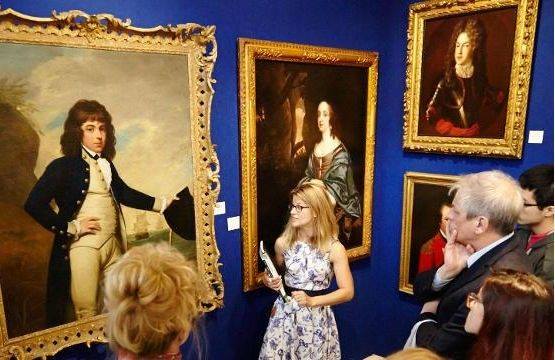
Join independent arts advisors, public exhibitions experts, and sisters Vanessa Curry and Caroline Storr on their tour of highlights of the fair. (Details here)
Based in the iconic West Kensington venue, the Olympia fair attracts savvy Londoners, collectors, and homeowners, from the UK and much further afield, looking for inspiration and exceptional works of art.
The Art & Antiques Fair Olympia takes place at the Olympia National, London, W14 8UX. For more information and to purchase tickets please visit www.olympia-art-antiques.com.
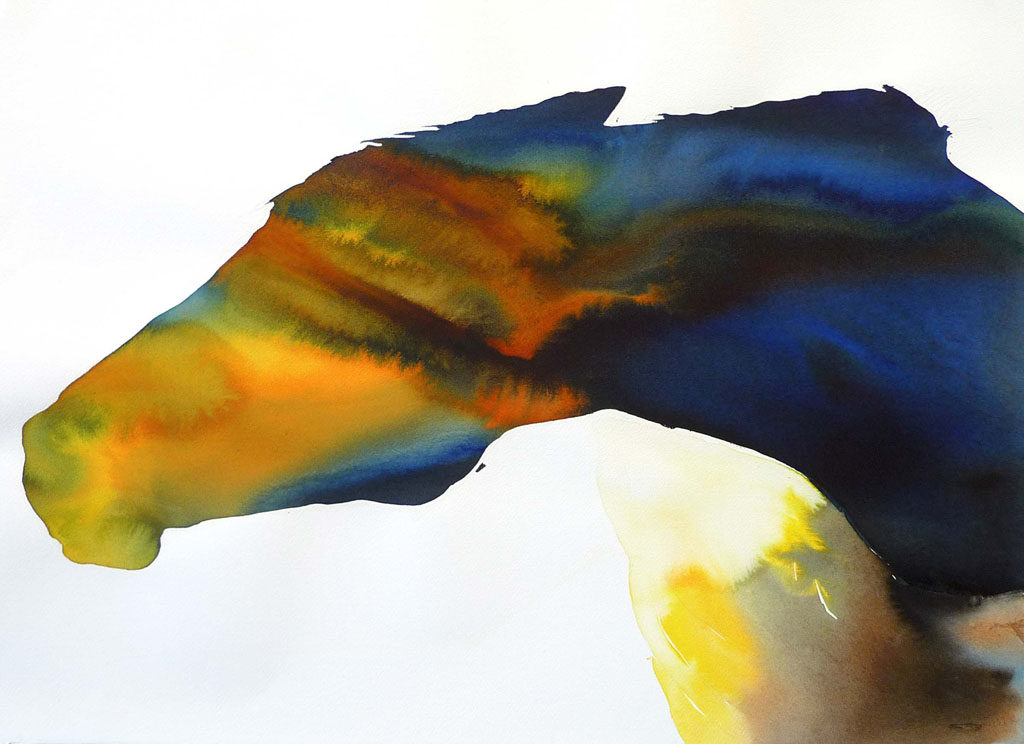
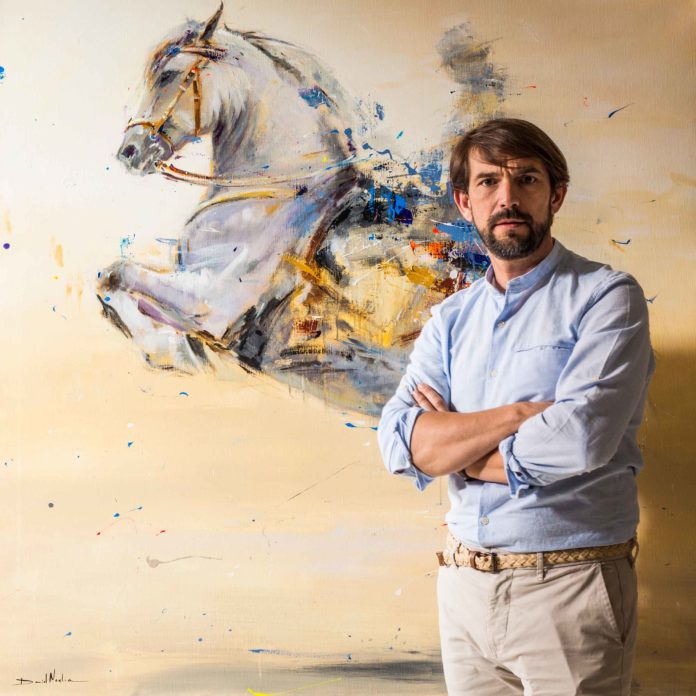
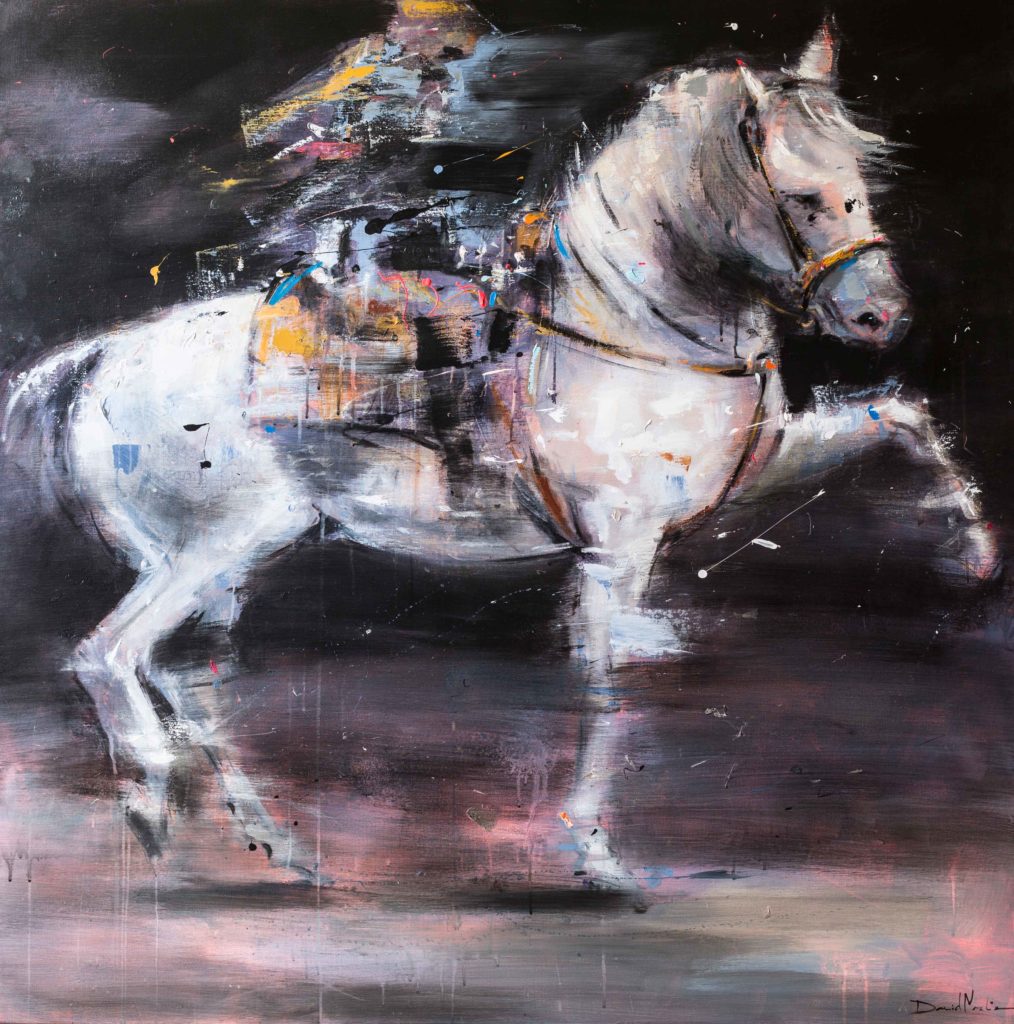
Osborne Studio Gallery (osg.uk.com) is hosting the first solo show in London focused on David Noalia, the gifted equestrian painter based in Seville, the capital of the Spanish province of Andalusia. The artist’s favorite subject is the Andalusian horse, which he cherishes for its extraordinary “movement, elegance, and power.” This show’s timing (June 17–July 4) is ideal, as it coincides with the highlight of the British racing season, Royal Ascot.
From the gallery:
Noalia is an artist of vision, style, and color, renowned for his signature abstract equestrian paintings and his explorative subjects of portraiture and nature. A recurring theme is the Andalusian horse, which captures the essence of Spain at its best — the passion, the color, and the drama. Noalia combines artistic inspiration with timeless beauty to create memorable canvases that have the power to mesmerize the viewer. Influenced by the palette and light of Sorolla, brushstrokes of Velazquez, and freshness of Gerard Richter, his paintings playfully reference the weighty history of painting in a contemporary and vivid light.
For his first ever British solo show, Noalia captures the vibrant festivals of Andalusia, the passion and masculinity of the bulls, together with the delicate romanticism and nobility of his equestrian subjects. We are honored to present the first British solo exhibition of this leading contemporary Spanish painter.
“I know how it starts, but I never know how it will end,” Noalia says. “That keeps me in a constant pulse with the painting, and in the moment that moves me. That tells me something; once it acquires its own character, it is finished. It’s not a matter of time, but sensation.”
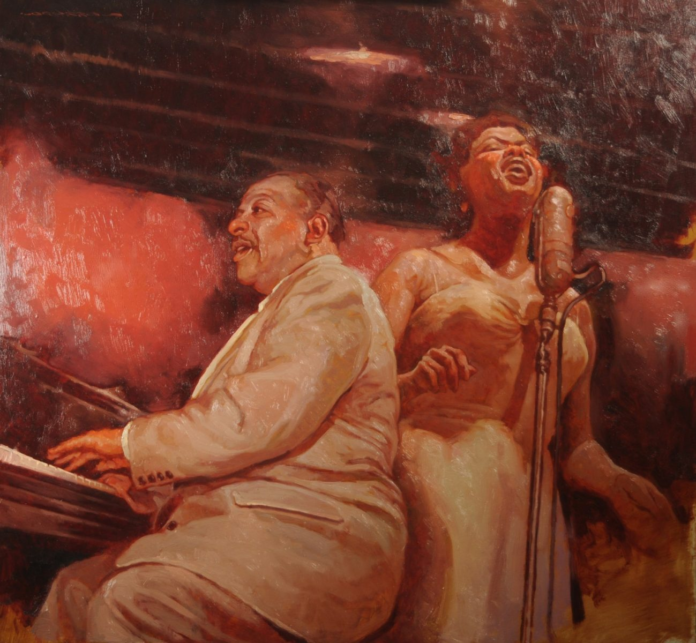
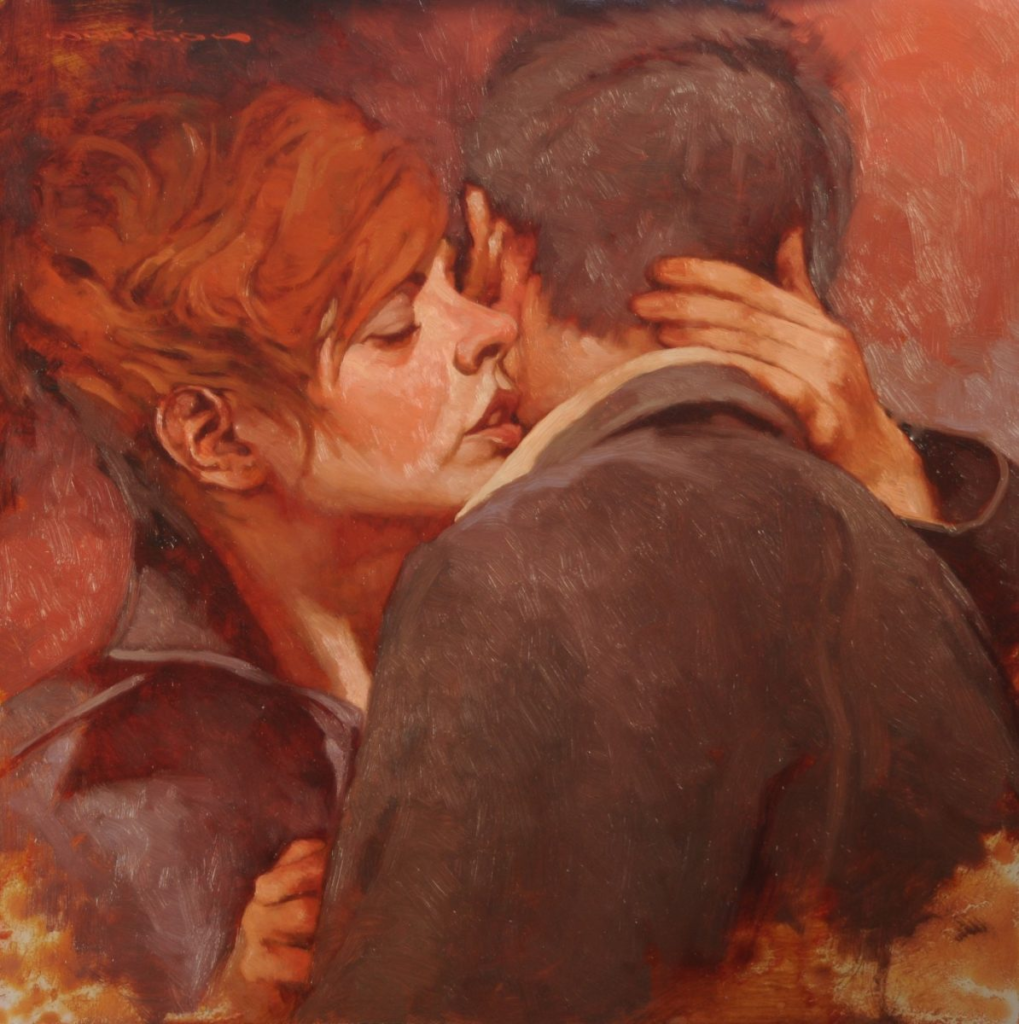
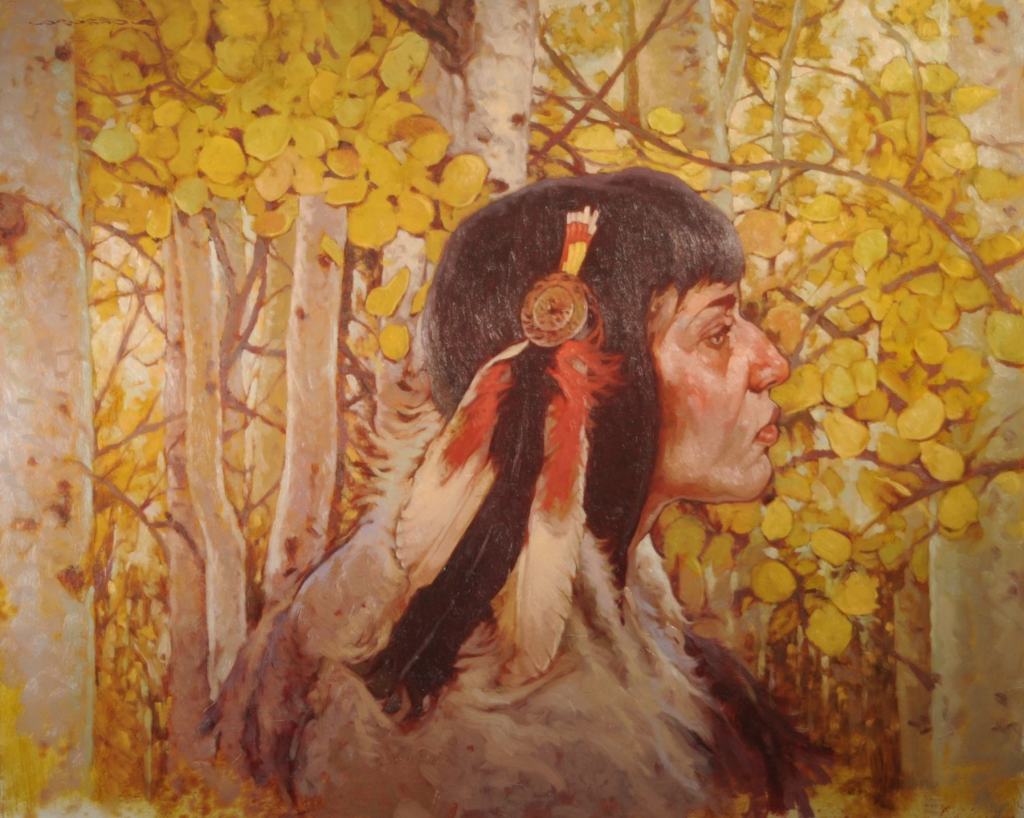
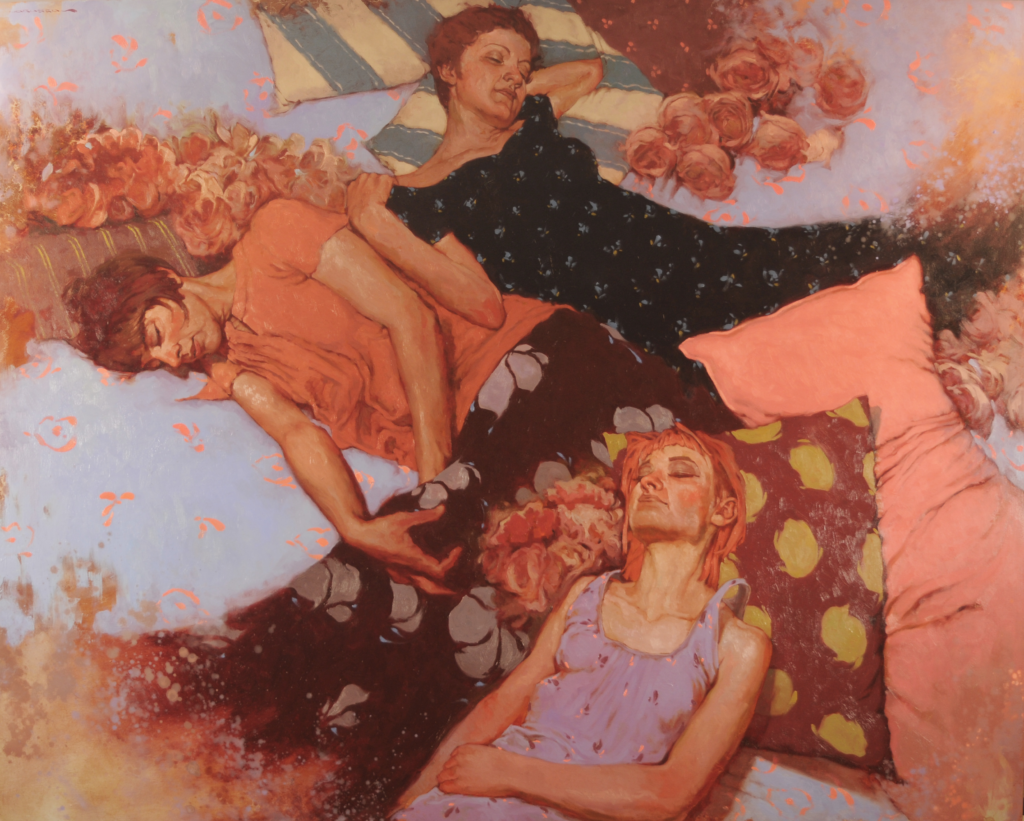
McLarry Fine Art (Santa Fe, New Mexico) is pleased to announce an exhibition for Kansas City artist Joseph Lorusso. This exhibit will feature scenes of subtle suggestion, inviting the viewer to complete the narrative.
Lorusso’s signature muted palette, and his ability to capture intimate observations compels the viewer to make an emotional connection with his richly atmospheric oil paintings. His paintings have been described as warm, dreamlike places of restful escape that share a timelessness of work from a bygone era. His subjects are mysterious, lonely, and romantic while evoking a personal and intimate story that the viewer is dared to imagine.
Joseph Lorusso, “Close to Me,” oil, 14 x 14 in.
Joseph Lorusso, “Spirits of the Forest,” oil, 24 x 30 in.Joseph Lorusso, “Three Graces,” oil, 48 x 60 in.
“Joseph Lorusso: Places of the Heart” is on view at McLarry Fine Art, June 21 through July 4, 2019.
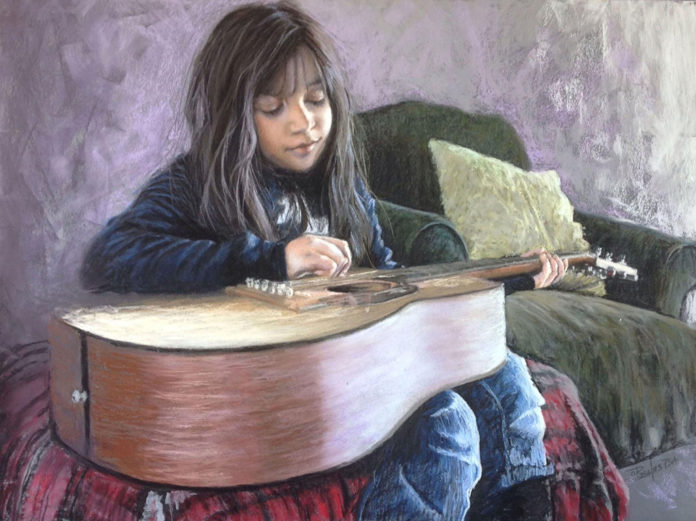
Sharon Pomales Tousey, “Little Girl with a Big Guitar,” pastel, 18 x 24 in.
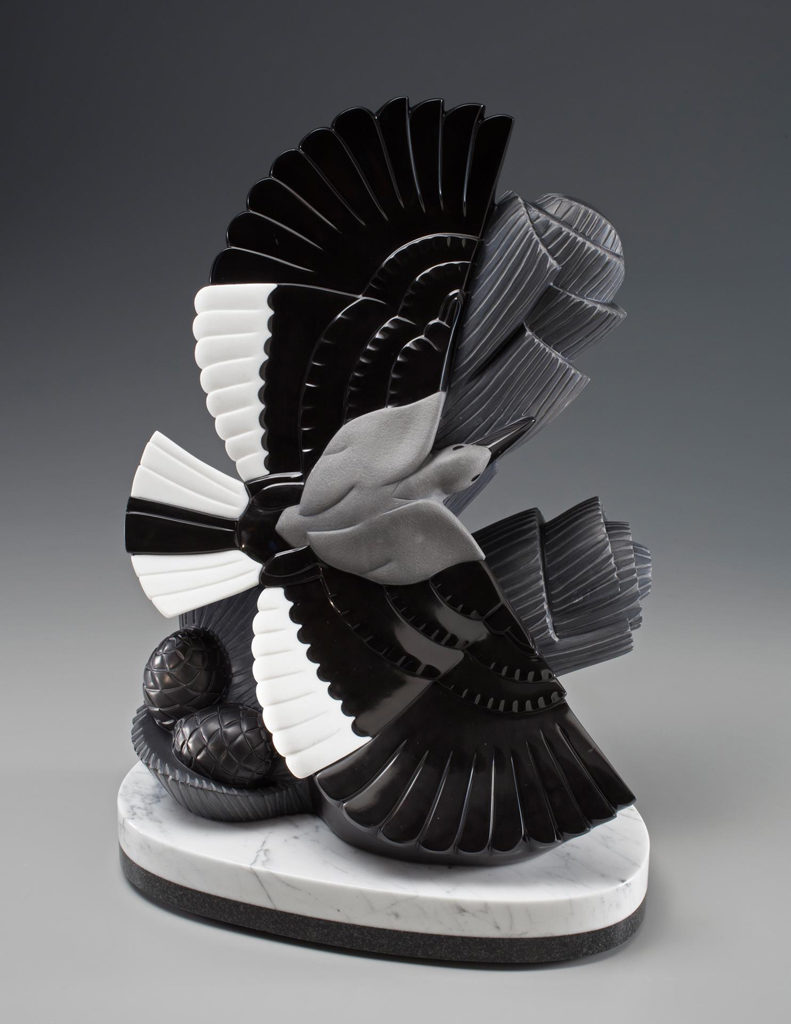
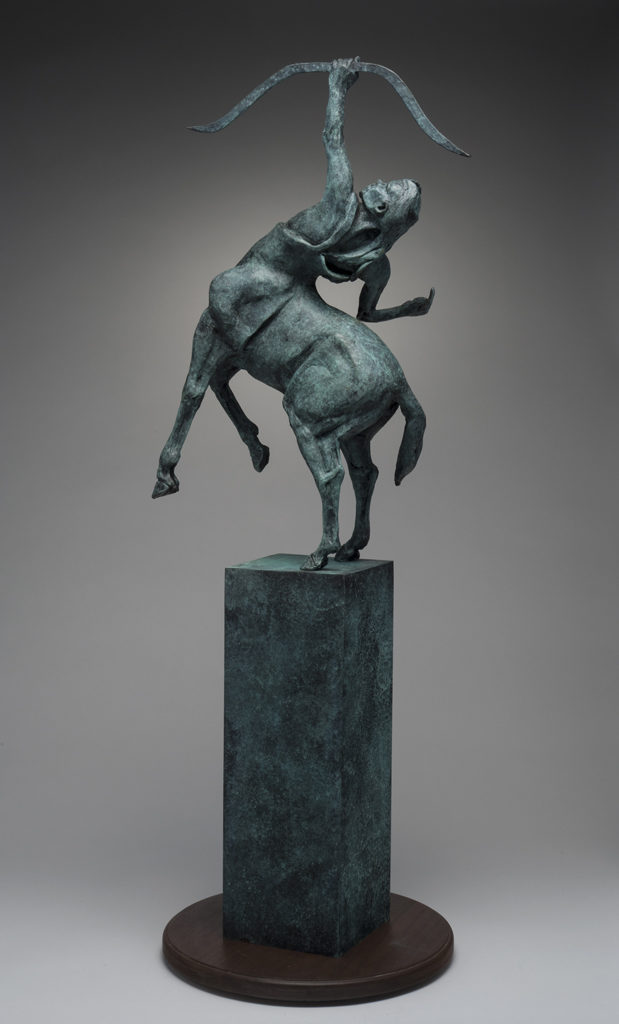
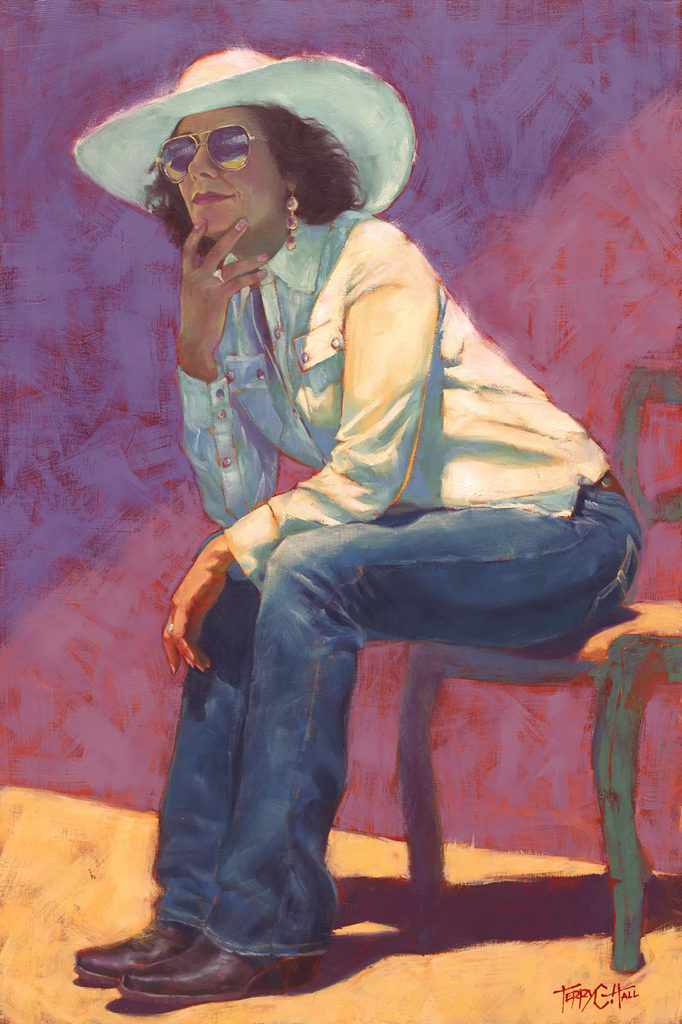
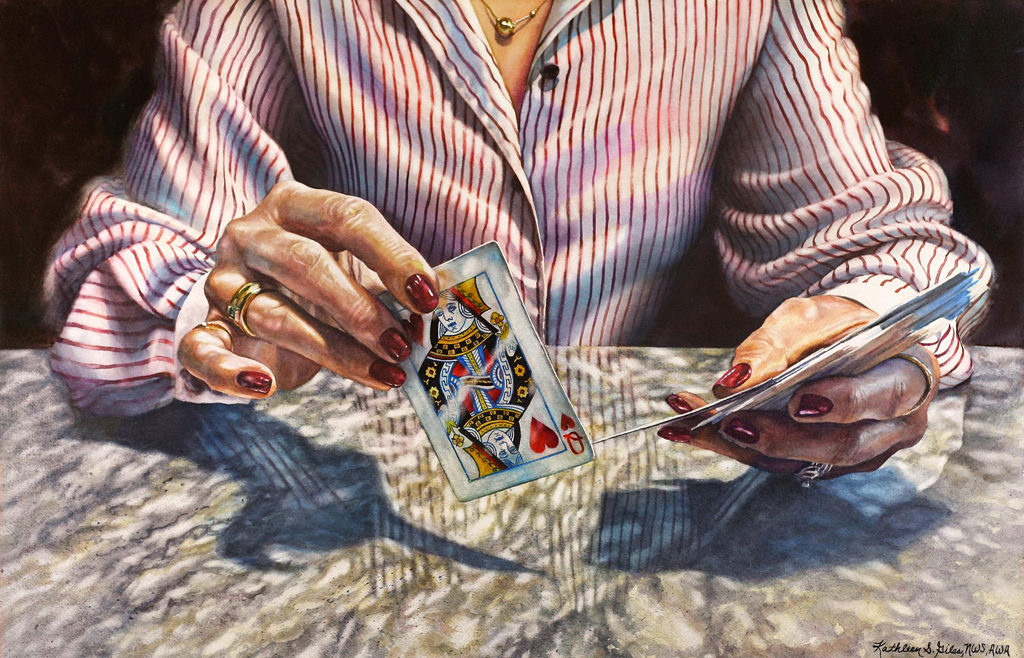
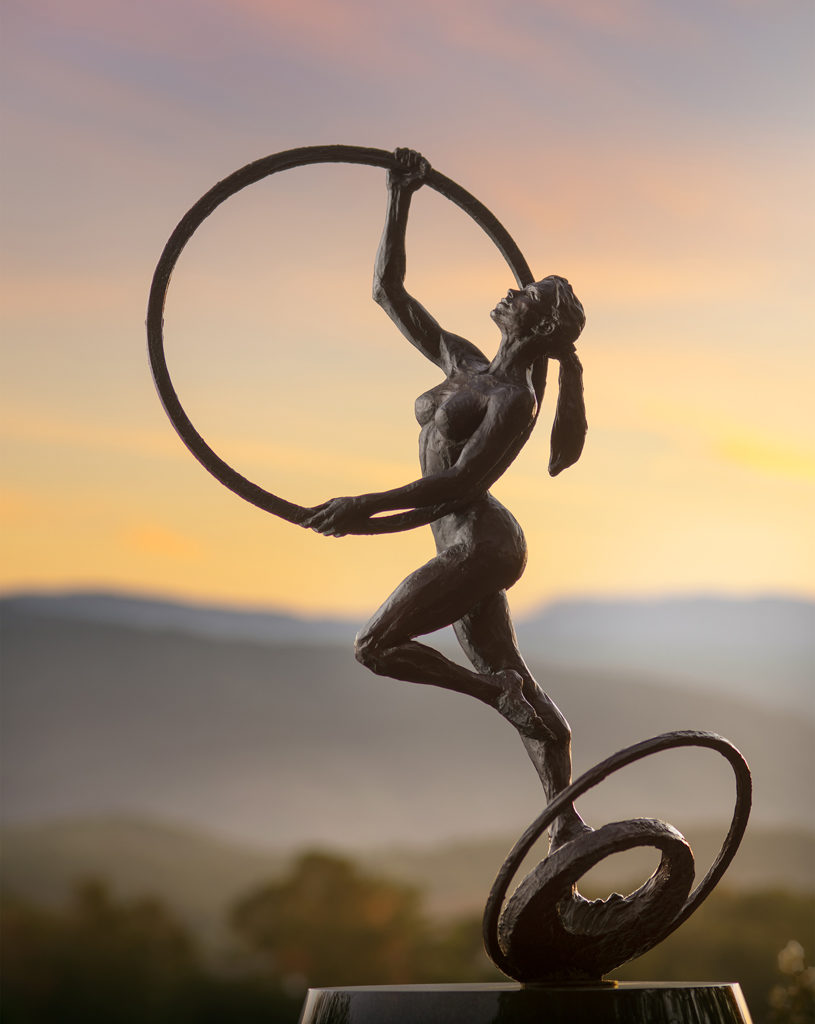
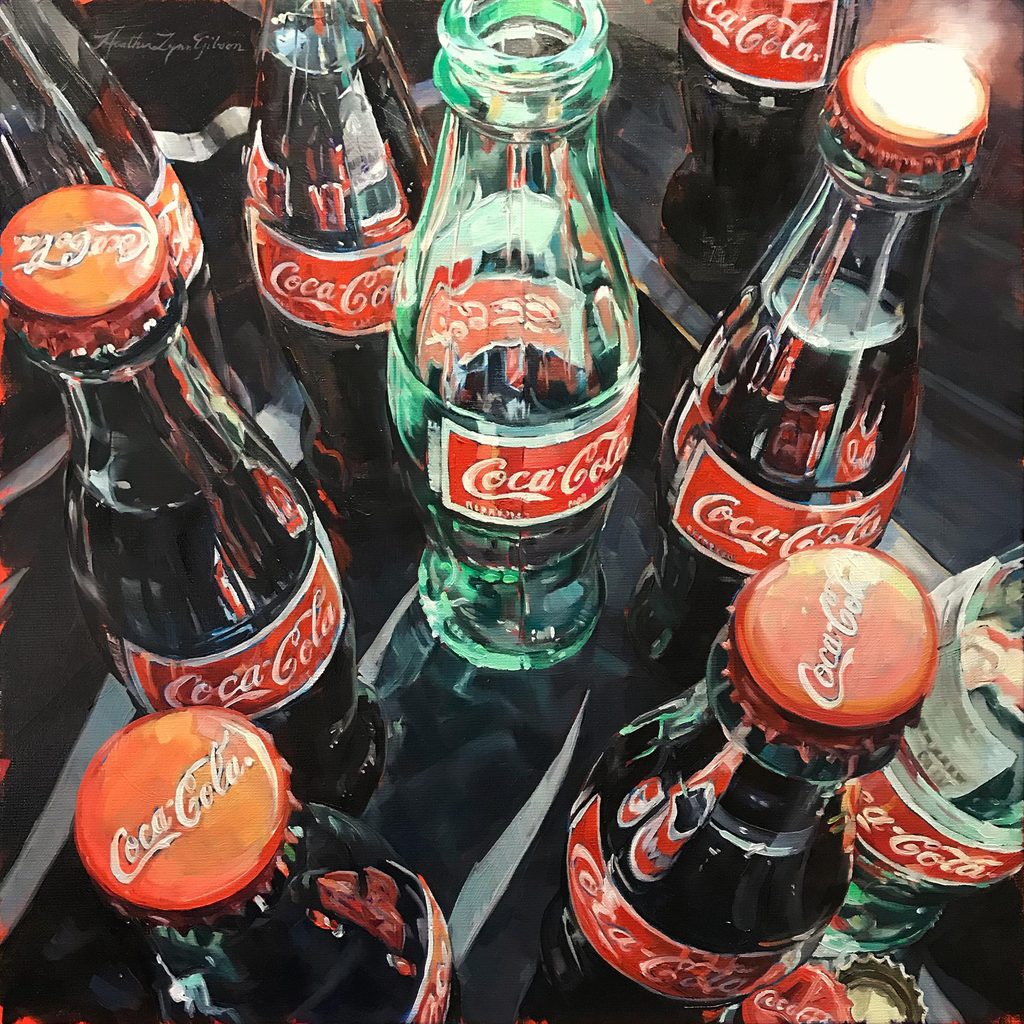
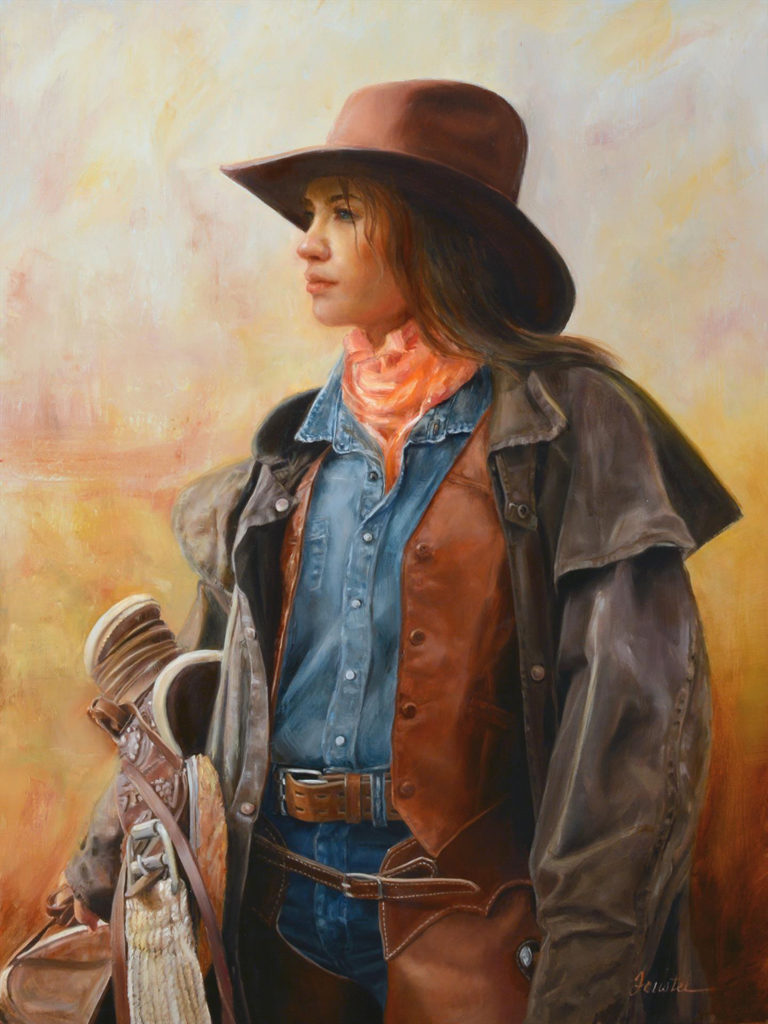
A new exhibition at the Steamboat Art Museum in Steamboat Springs, CO, titled “Looking West: An Exhibition Highlighting Works by American Women Artists” is currently open through September 2. This juried show features 146 paintings and sculptures by members of American Women Artists and is the fourth show in AWA’s 25 in 25 campaign to have 25 museum shows for its women artist members over the next 25 years.
Ellen Woodbury, “A Tree Needs a Bird,” marble, 22 x 17 x 11 in.Diana Reuter-Twining, “Goddess of the Wild,” bronze, 36 x 16 x 12 in.Terry Cooke Hall, “On the Edge of Her Seat,” oil, 36 x 24 in.Kathleen Giles, “Queen of Hearts,” watercolor, 19 x 29 in.
Works in the Steamboat Art Museum show will be for sale. Event details and images of all exhibited works will be posted on the AWA website: https://americanwomenartists.org/
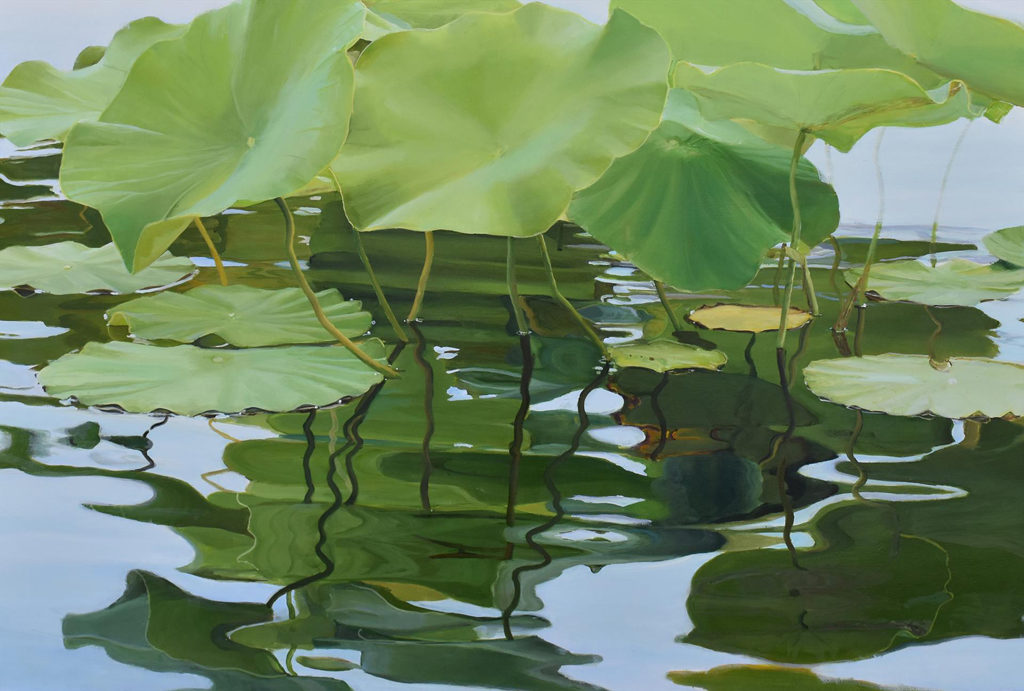
Paige Bradley, “Cycles,” bronze, 33 x 22 x 15 in.Heather Gibson, “2 Down, 7 To Go,” oil, 18 x 18 in.Cynthia Feustel, “Golden Hour,” oil, 24 x 18 in.Sheri Farabaugh, “Lotus Leaves and Lily Pads,” oil, 20 x 30 in.Carol Carter, “Dash,” watercolor, 28 x 36 in.
About American Women Artists – Since its inception, AWA has worked diligently to bring women artists to the attention of the art world through museum shows, juried competitions in leading galleries and museums around the country, symposiums, and workshops. Their goal is to increase the number of professional opportunities for women in the visual fine arts, leading to greater inclusion. The organization serves over 900 members throughout the United States along with a growing contingent of artists from Canada. AWA is tax-exempt nonprofit organization.
Fill your mind with useful art stories, the latest trends, upcoming art shows, top artists, and more. Subscribe to Fine Art Today, from the publishers of Fine Art Connoisseur magazine.


 From the gallery:
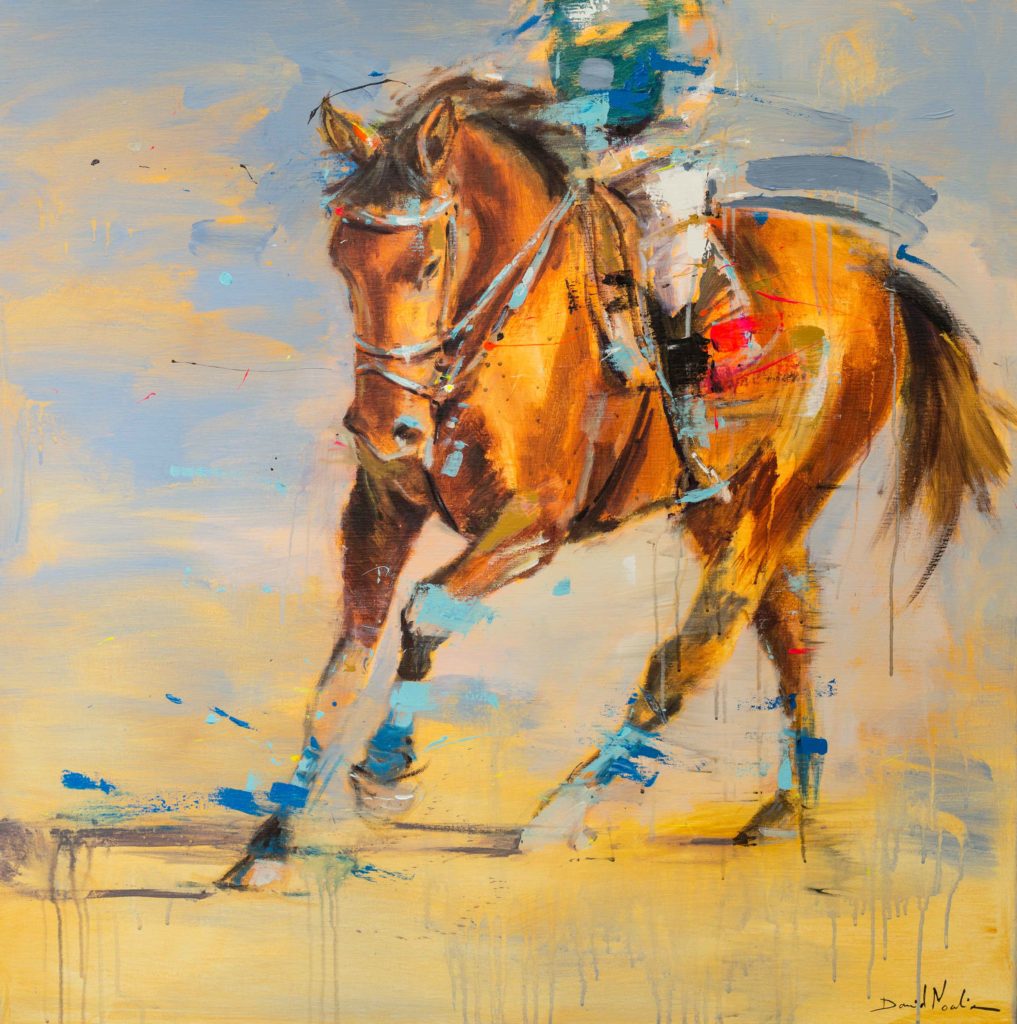 For his first ever British solo show, Noalia captures the vibrant festivals of Andalusia, the passion and masculinity of the bulls, together with the delicate romanticism and nobility of his equestrian subjects. We are honored to present the first British solo exhibition of this leading contemporary Spanish painter.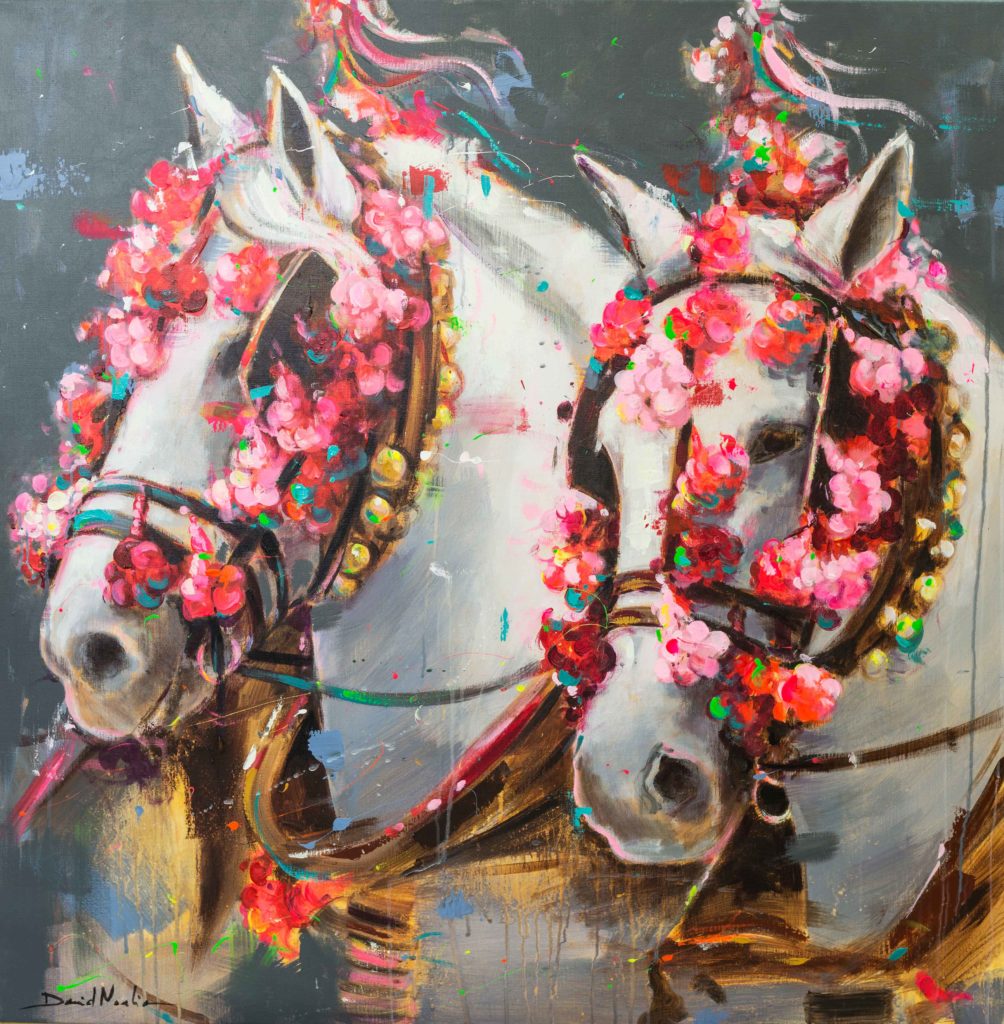
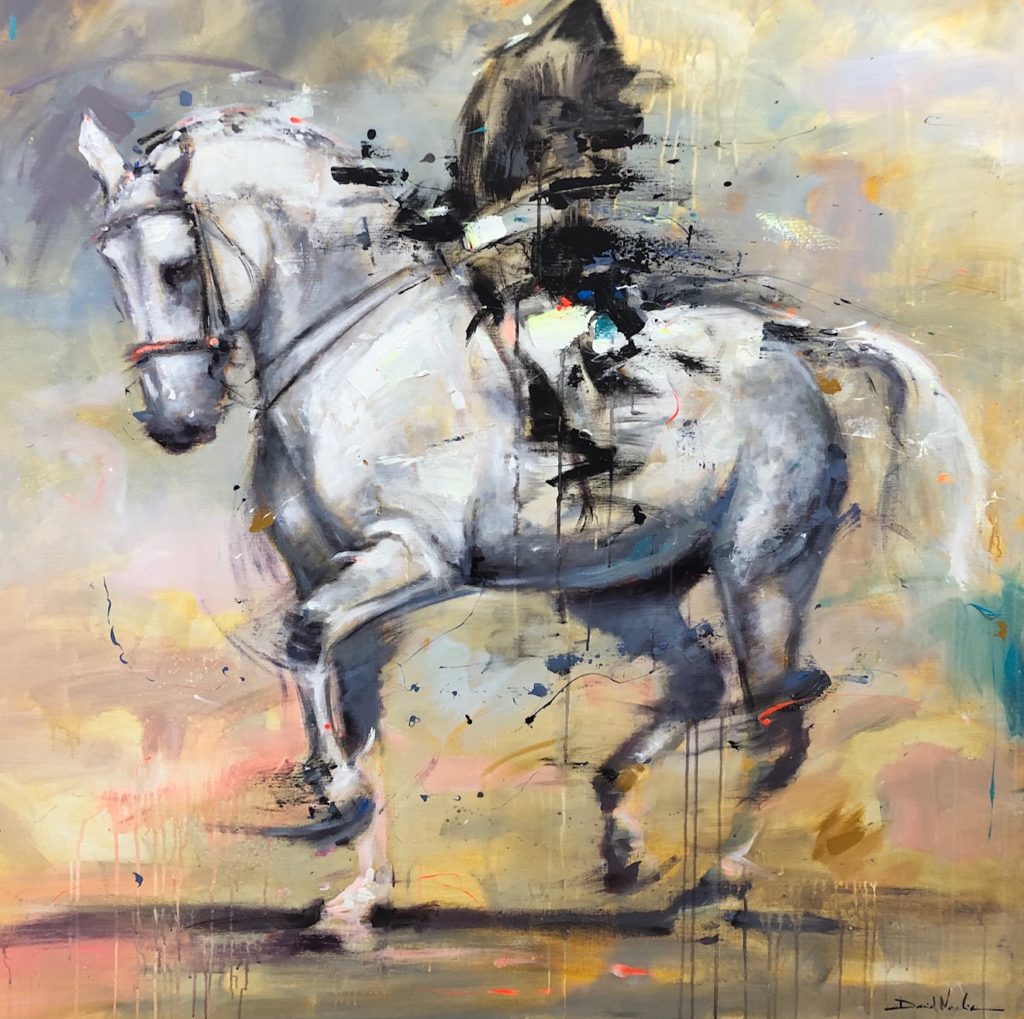
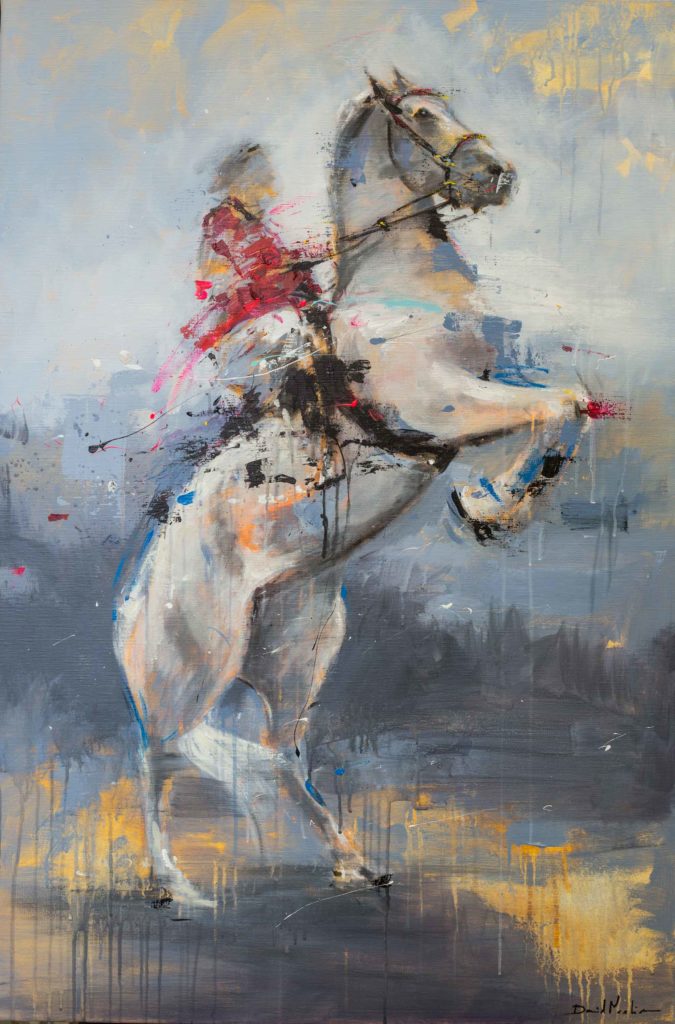 “I know how it starts, but I never know how it will end,” Noalia says. “That keeps me in a constant pulse with the painting, and in the moment that moves me. That tells me something; once it acquires its own character, it is finished. It’s not a matter of time, but sensation.”