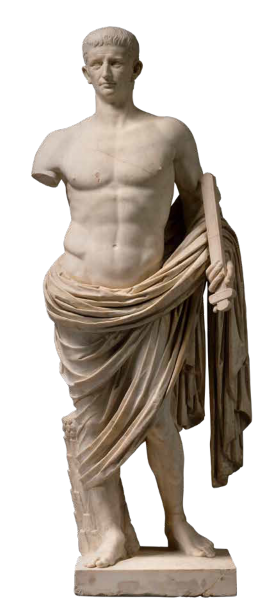
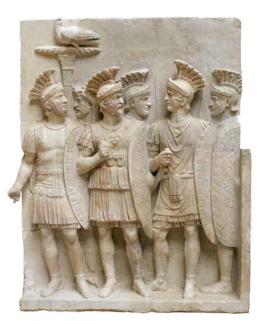
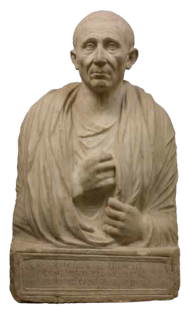
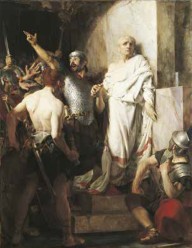
Tiberius Claudius Drusus was born in Lugdunum (Lyon). Fifty years later, against all expectations, he would be proclaimed emperor. The exhibition “Claude: An Imperial Destiny” highlights the life and the reign of Claudius through more than 150 works: statues, bas-reliefs, cameos and coins, objects of everyday life, history painting, etc.
Claudius lived in Lyon only a few months after his birth before going to Rome and came back only occasionally throughout his life. Yet his memory is still deeply linked to the city’s history, especially through an exceptional object, the Claudian Tablet, which is an inscription on bronze of a speech that the emperor gave to the Senate in AD 48 requesting that citizens of Gaul have access to high-level positions as Roman magistrates.
The exhibition traces Claudius’s life from his birth in Lyon on August 1, 10 BC until his death in Rome on October 13, AD 54. This tale is quite different from the dark and unflattering version presented by ancient authors that is still expressed in fiction and film today. This new narrative is based on recent work by historians and archaeologists who, in addition to studying new archaeological and epigraphical discoveries, cast a critical eye on the ancient sources, placing them into the political and social context of the early Empire.
The result is a revised image of an emperor who cared for his people, promoted useful reforms, and was a good manager, and to whom the Empire owes the foundation of an organization that reached its height a few decades later.
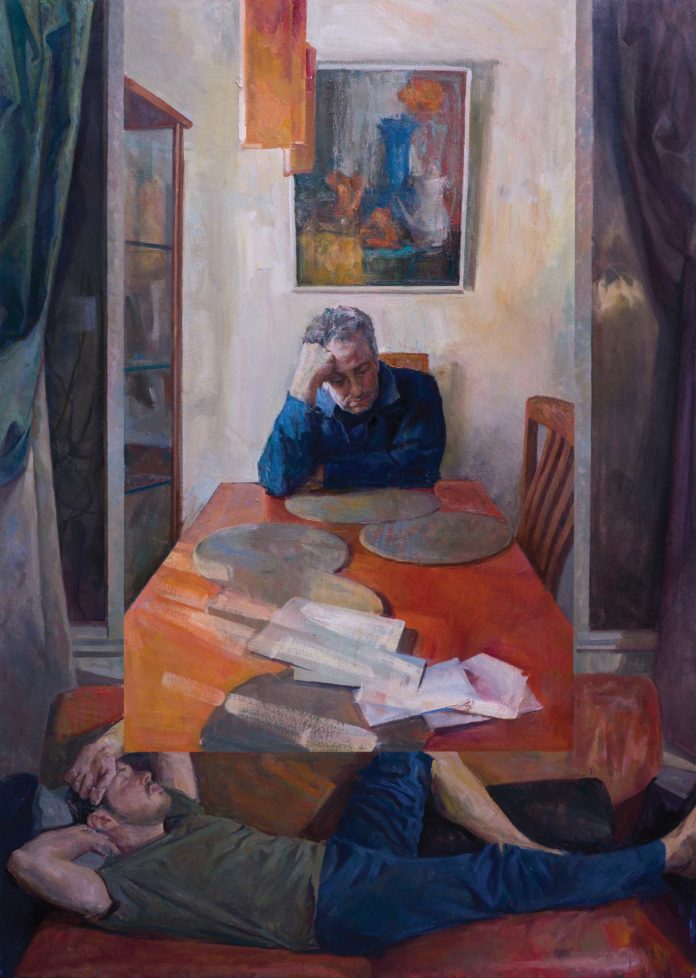
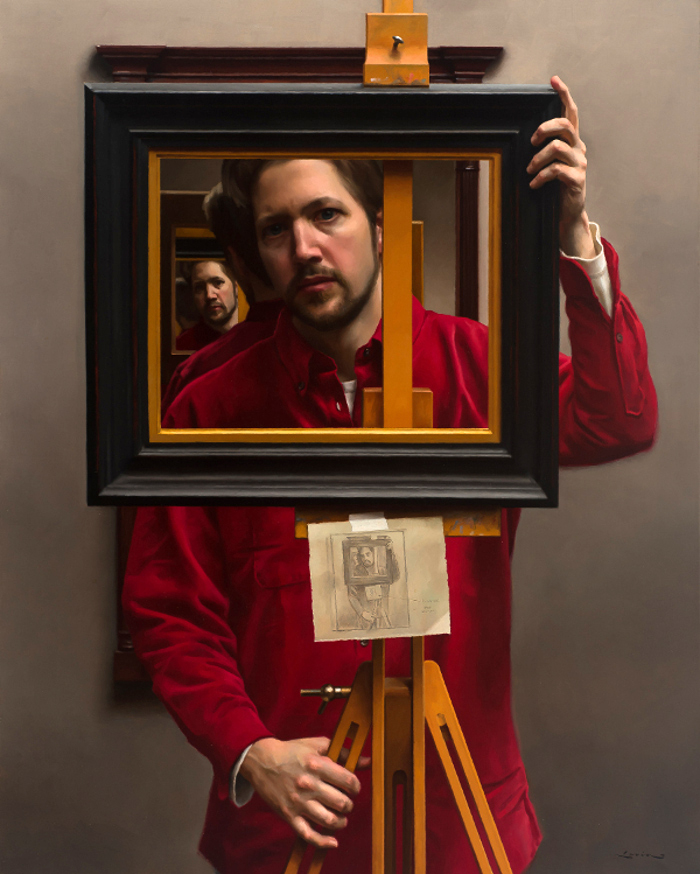
Iliya Mirochnik (b. 1988), “Fathers and Sons,” 2015, oil on canvas, 70 x 50 in., Dacia Gallery, New York City
Iliya Mirochnik paints landscapes and still lifes, but he is particularly noted for complex portraits of his friends and family members, painted in oils and often large in scale.
When he was two, Mirochnik emigrated with his family from the Ukrainian city of Odessa to Brooklyn, where he grew up. The boy started taking art classes at age 12 and then, having earned admission to New York City’s LaGuardia High School of Music & Art and Performing Arts, studied after school at the Art Students League of New York and at the Bridgeview School of Fine Arts, where several instructors had been trained in the former Soviet Union.
In 2006, Mirochnik enrolled in St. Petersburg’s prestigious Repin State Institute of Painting, Sculpture, and Architecture, where he spent seven years earning B.F.A. and M.F.A. degrees. There he mastered figure drawing, anatomy, and perspective, and he concedes that “it is precisely this training that allows me to diverge from it” today. Now, based in a Manhattan studio, Mirochnik aims “to connect the Russian aesthetic with American sensibilities,” and has focused this effort on figure paintings set in his home or studio. Not surprisingly, he admires the intimate domestic scenes of Pierre Bonnard (1867–1947), who also believed that the home can, in Mirochnik’s words, “speak to everyone.”
Even more than Bonnard, Mirochnik juxtaposes images — for example, a portrait within a portrait. This practice owes much to the visual culture of comic books and graphic novels in which he grew up, and to our contemporary Internet world of frames and pop-ups. This also references a historical tradition that belongs less to painting than to printmaking, in which drawn frames have played integral compositional roles. The resulting compositions evoke ambiguous narratives, some of which even Mirochnik does not fully grasp as he works: “there are times,” he admits, “when the image comes before understanding of the image.” By juxtaposing “a geographical and social solidity” (e.g., his family’s living room) “on a psychological instability, I enable the various strata of daily existence (financial, intellectual, personal, spiritual, etc.) to intersect and result in inner conflict,” Mirochnik explains.
A suitable example is illustrated here: “‘Fathers and Sons’ is essentially a portrait of my father, but the canvas also includes a self-portrait assuming a pose that is unnatural to me, but one in which my father often falls asleep. It’s a painting about connections I have, and it’s also about the relationship I have with my father, which has changed as I get older.” It’s pertinent that Mirochnik loves reading poetry, and that he says “there is something of the poetic that I am striving to achieve.” We don’t expect poems to tell immediately coherent stories, so perhaps it’s best to allow Mirochnik’s scenes, like poetry, to sink in over time.
Terry Strickland, “Fast Lane,” oil on canvas, 32 x 47 in.
March marks the annual exhibition time for the Customs House Museum’s celebration of Women’s History Month. Each year curator Terri Jordan creates an invitational show under a themed subject matter. For 2019, the theme is with the creators not the art.
“The idea came to me after having a conversation with some very accomplished female artists during a reception. The general consensus was that as we get older and have gone through the act of raising children and needing jobs with steady incomes, we have more time and experience to become comfortable in our artist skins. The worries and concerns of pleasing the audience fades and the talent strengthens. The roster of artists participating in this exhibition includes a diversity of styles and mediums from female artists across the country, all over the age of fifty,” Jordan says.
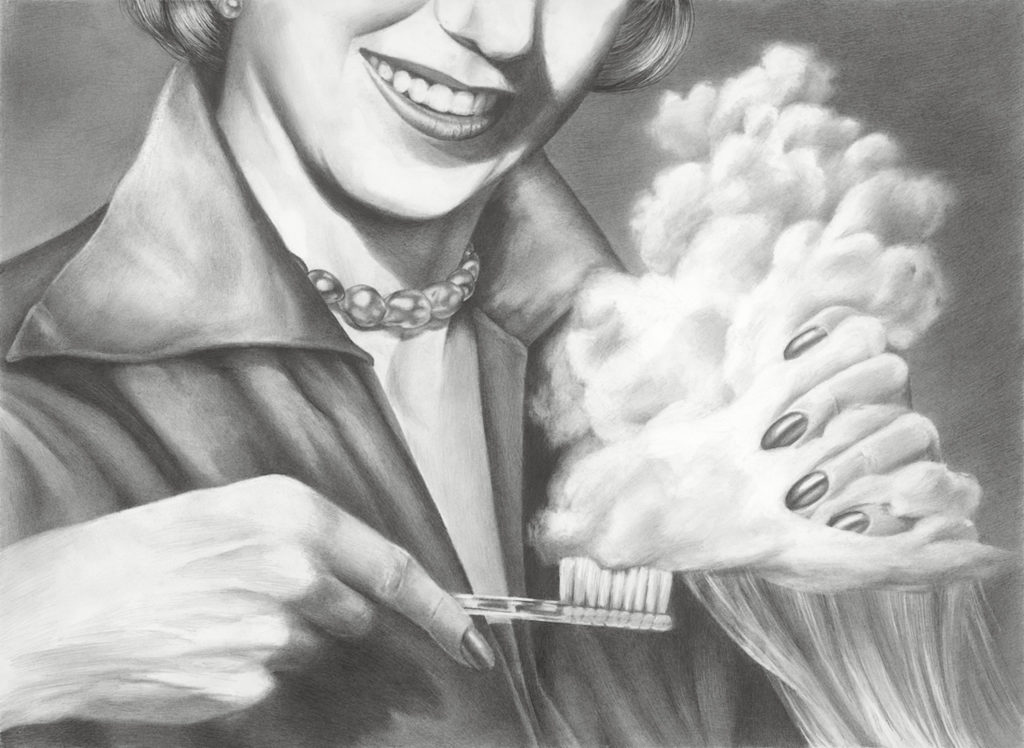
Marilyn Murphy, “Cleaning the Atmosphere,” graphite on paper, 22 x 30 in.
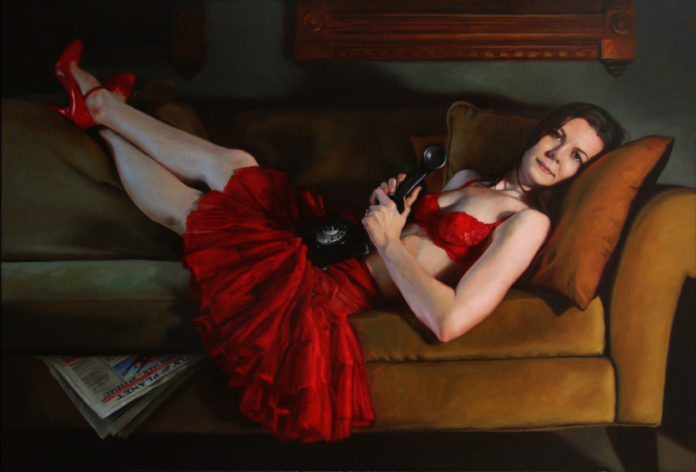
Included in the exhibition are Virginia Derryberry, Terry Moore Strickland, Brenda Pinnick, Edie Maney, Susan Bryant, Monique Carr, Robin Miller Bookout, Cheryl St. John, Lisa Jennings, Renee Lowry, Donna Rizzo, Brenda Stein, Johan Hagaman, Rose Ann Bernatovich, and Marilyn Murphy. Murphy is an artist whose drawings and oil paintings create curious situations implying a larger story that often explores dualities both formally and conceptually. Besides having been a professor of art at Vanderbilt University in Nashville, Tennessee, Marilyn’s work has been shown in more than 300 exhibitions nationally and abroad.
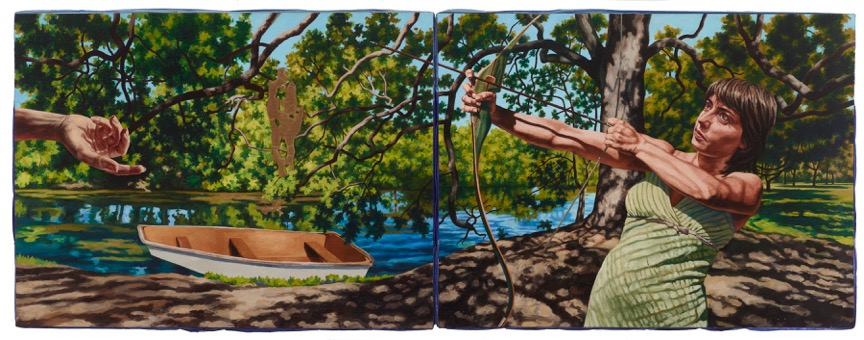
Virginia Derryberry, “Expect the Unexpected,” oil on canvas, 36 x 96 in.
Virginia Derryberry’s recent work includes large-scale oil on canvas figure paintings along with fabric/costume constructions that blend narrative elements from mythology and alchemy, the forerunner of modern science. Her piece “Expect the Unexpected” is a two-panel canvas, with attached fabric and found object, measuring 36 x 96 inches. As in most of Derryberry’s work, the figure seems to be attentive to someone we cannot see. The artist creates a sense of mystery within her canvases that keep the viewer in search of clues within the paint and mixed media to complete the story.
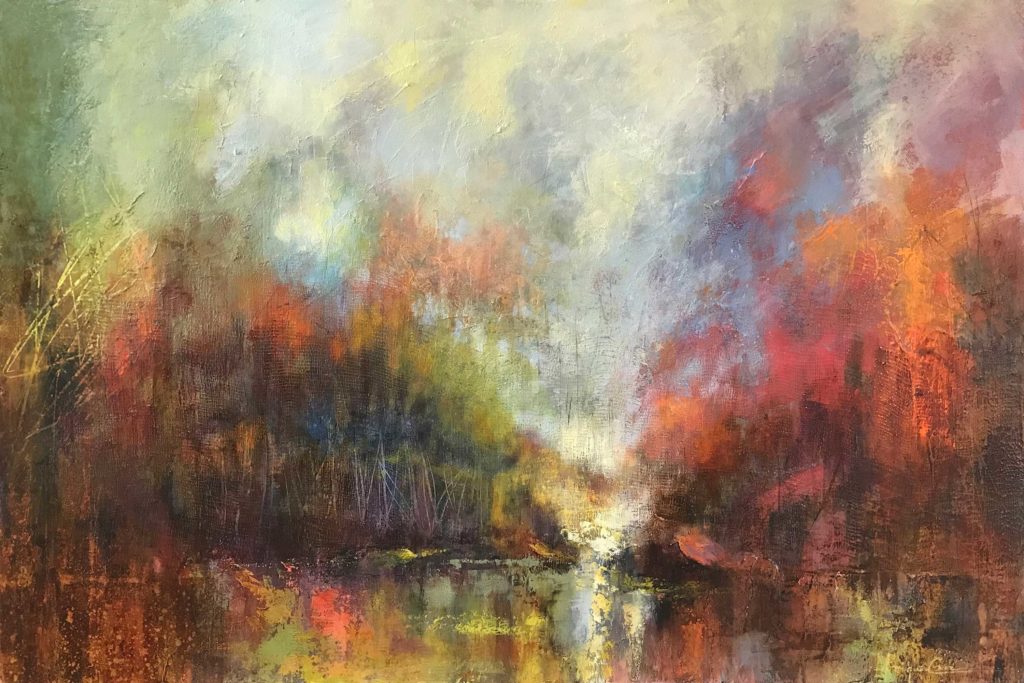
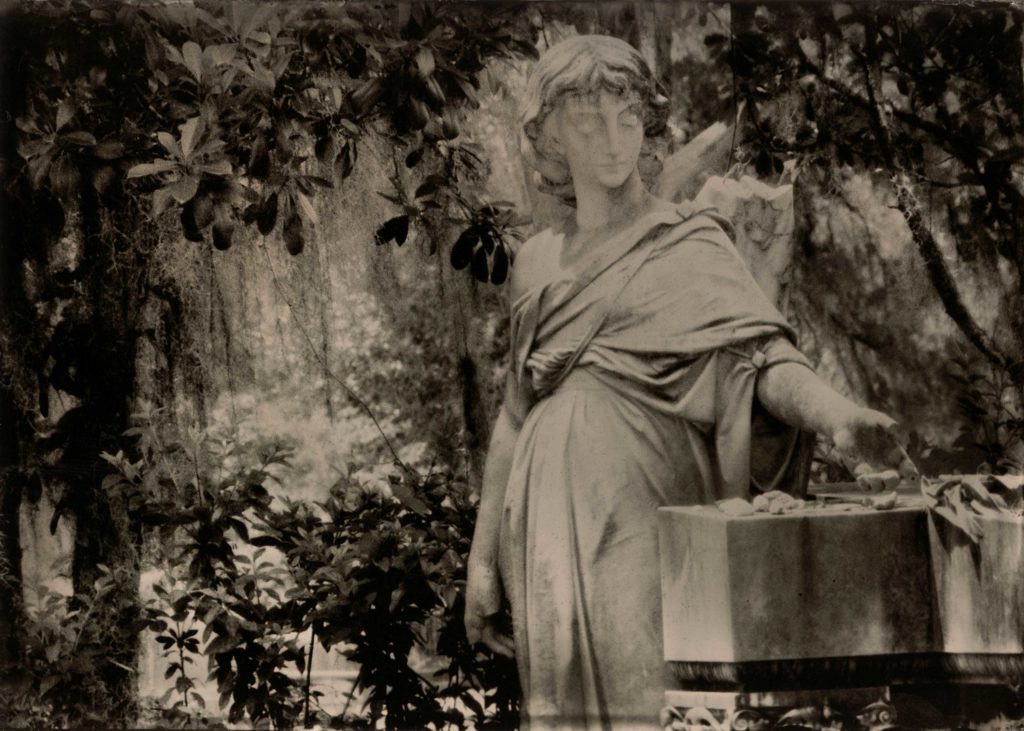
Monique Carr, “Mystic Dream,” oil on panel, 24 x 36 in.Susan Bryant, “Bonaventure Cemetery,” photograph, 20 x 24 in.
“15 Over 50” will be on view March 5 through June 9, 2019. Along with the exhibition, the Customs House will host programs in celebration of Women’s History Month, as well as exhibitions by Lynn Garwood, Sandy Spain, and Mike Andrews. Located at the corner of Second and Commerce Streets, the Customs House Museum is the second largest general museum in Tennessee. For more information visit customshousemuseum.org.
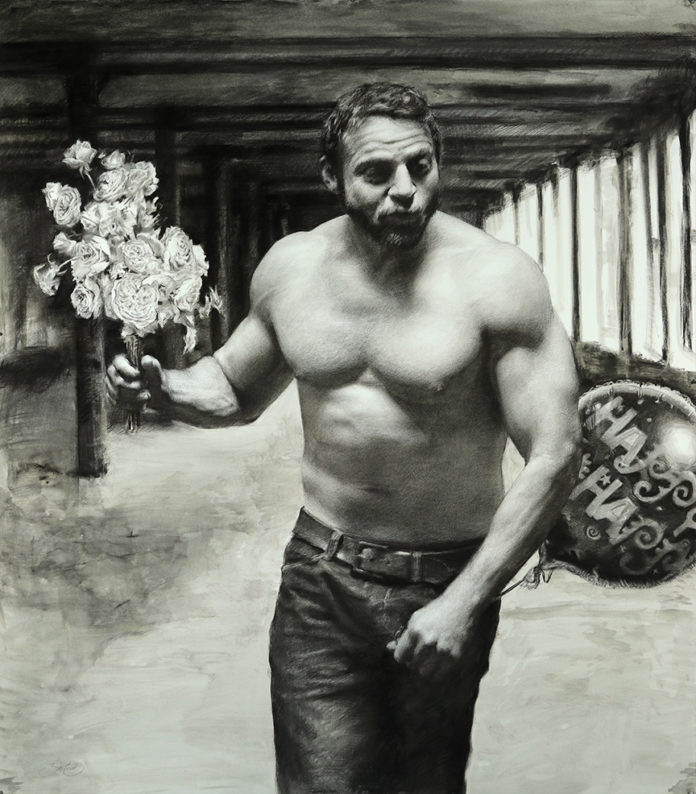
“Cupid,” charcoal on paper, 55 x 48 in.
Cupid, in classical mythology, is the god of desire, erotic love, attraction, and affection. In this drawing I played with a new take on “love” to provoke a reaction from the viewer, who wonders Where is this Cupid coming from and where he is going?
It’s no surprise that Cesar Santos continues to make waves with his figurative art. In addition to getting media coverage in multiple languages and entertaining a following of 227,000 Instagrammers, Santos shares his painting and drawing secrets through several top-selling art video workshops from Streamline Publishing.
Enjoy this preview of some of his latest works, and scroll down to preview his highly popular painting and drawing workshops:
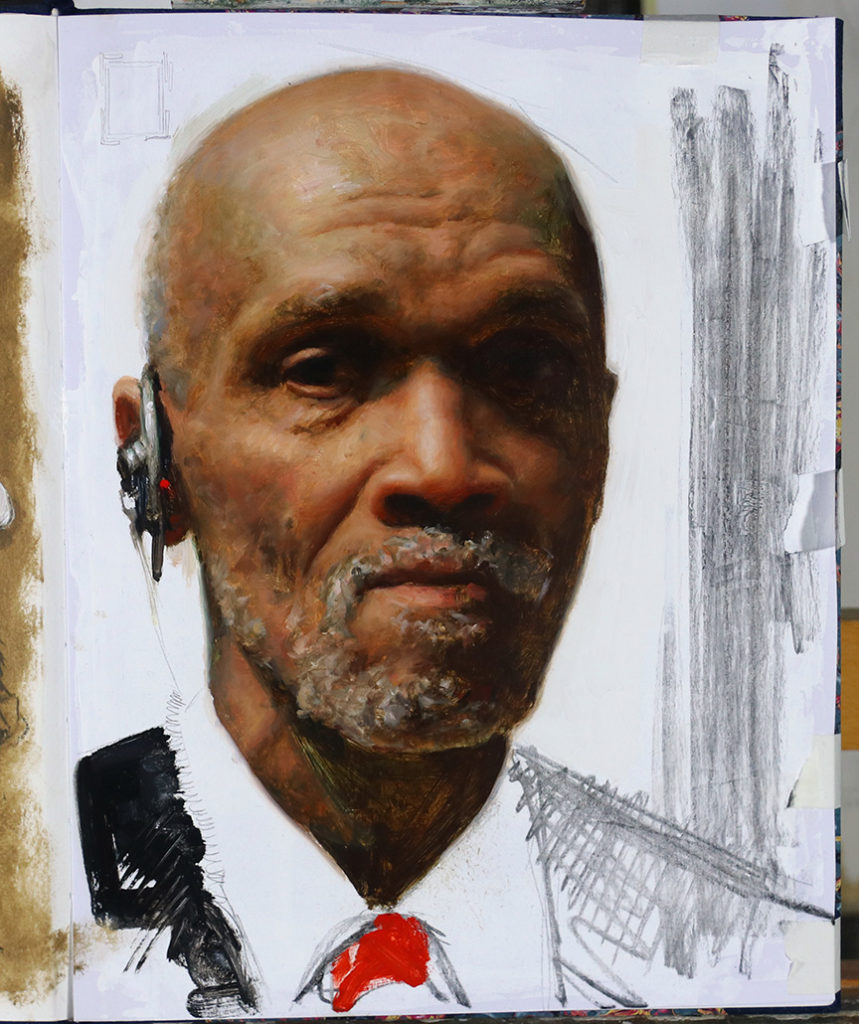
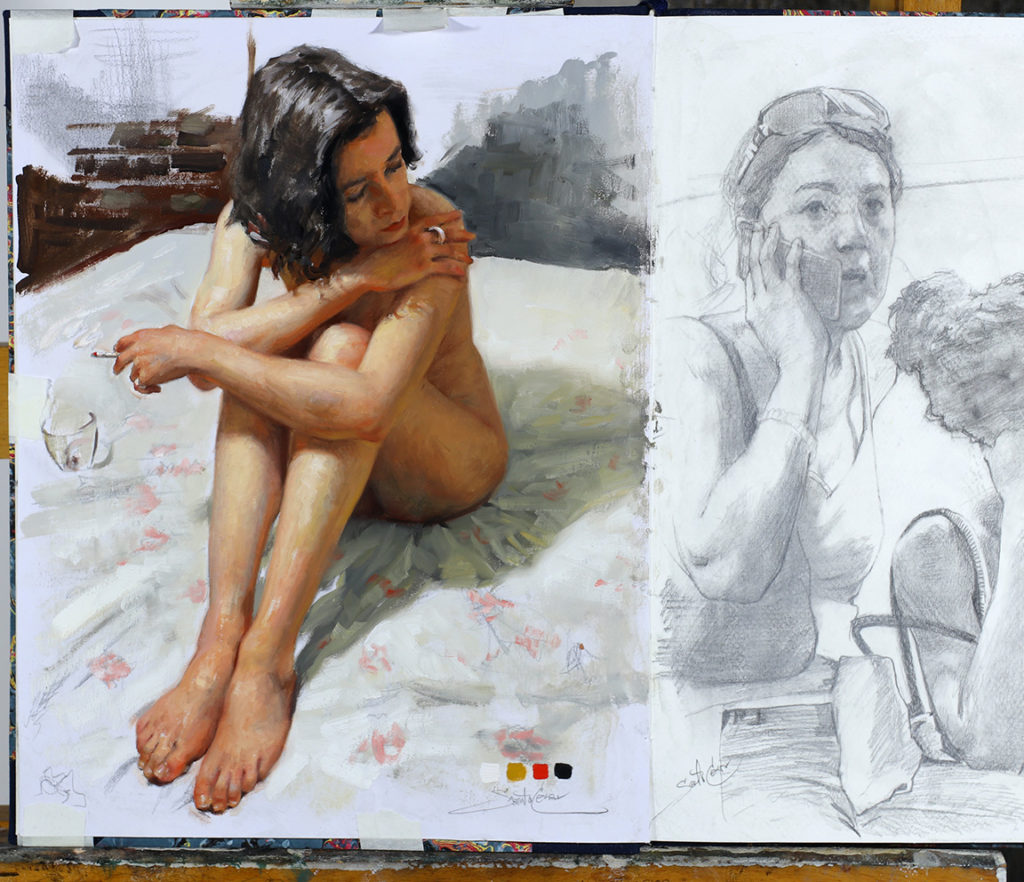
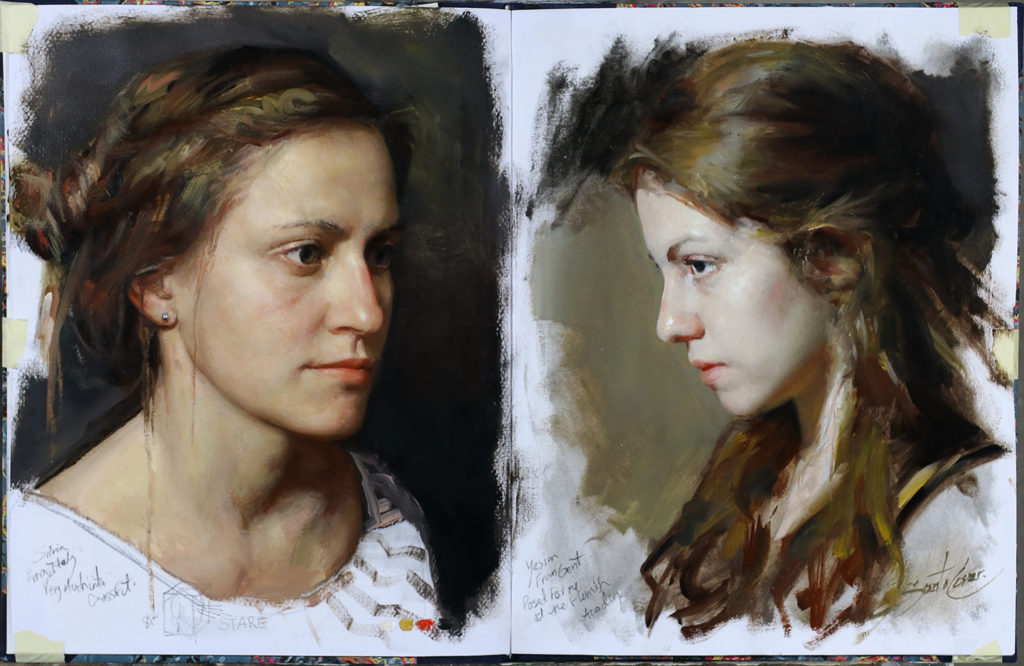
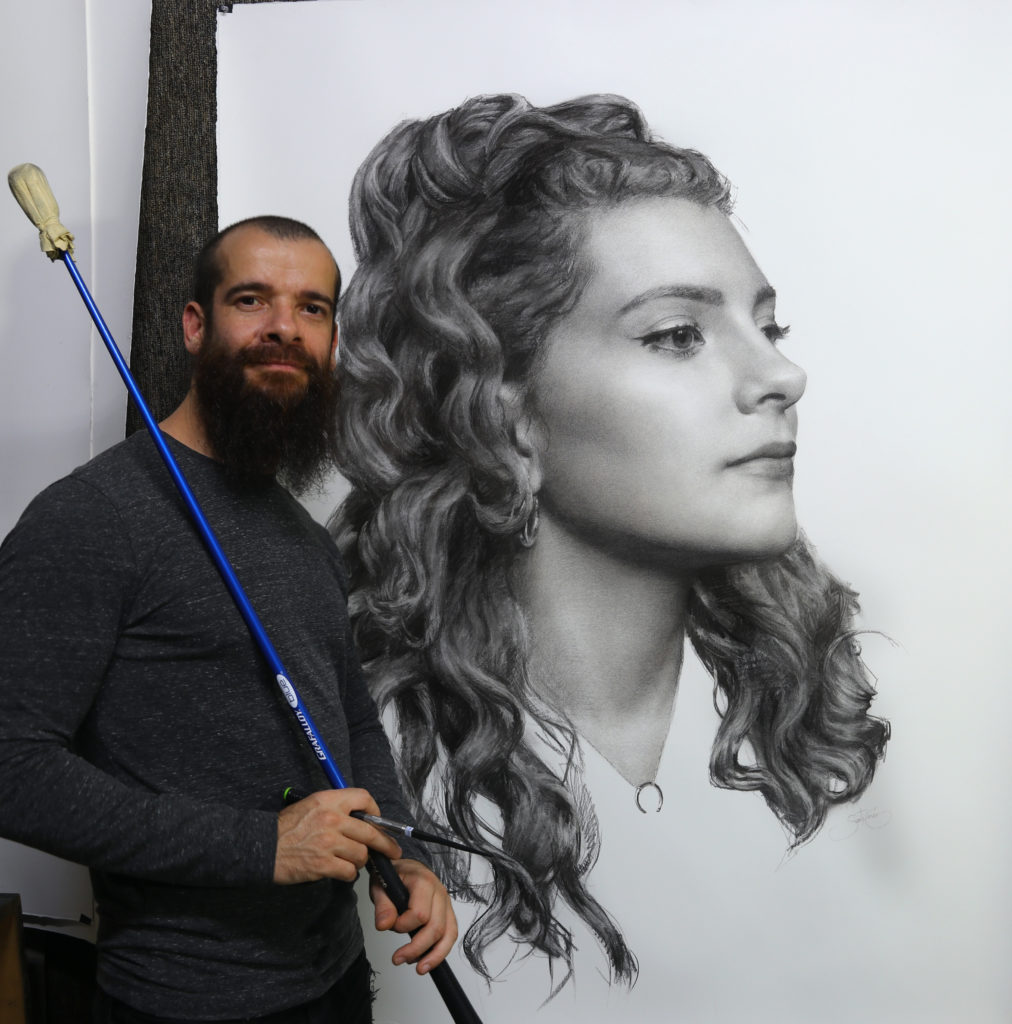
“Page20 Museum Guard,” oil and charcoal on gessoed paper, 12 x 9 in.“Page22 Chiara,” oil on gessoed paper, 12 x 9 in.“Pages25 and 26,” oil on gessoed paper, 12 x 9 in.Photo in the studio with “Faiirwave,” charcoal on paper, 55 x 42 in.
Just as You Imagined It Would Be
30 x 48 in.
Gouache and oil on canvas
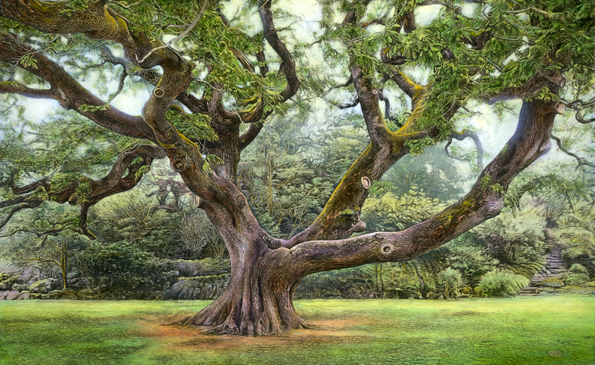
By working in meticulous hyper-realism, Thane Gorek is able to draw the viewer’s attention to often overlooked subjects, inviting them to see the objects anew. By enhancing the smallest details, the ordinary is transformed into the sublime. Gorek considers his process to be a meditative practice. He lives in Loveland, Colorado, with his wife and two children where he teaches classical drawing and painting at the Schissler Academy of Fine Arts. His work can be found in numerous private collections in the United States and abroad. You can find him and his work, along with 100 other artists, at the Celebration of Fine Art in Scottsdale, Arizona, January 12 – March 24, 2019. Contact 480.443.7695 or [email protected] for more information.
Sarah E. Lawrence, image courtesy of The New School
Max Hollein, Director of the Metropolitan Museum of Art, announced three senior staff appointments recently:
Sarah E. Lawrence as Iris and B. Gerald Cantor Curator in Charge, European Sculpture and Decorative Arts; Inka Drögemüller as Deputy Director for Digital, Education, Publications, Imaging, and Libraries; and Sean Hemingway as John A. and Carole O. Moran Curator in Charge, Greek and Roman Art.
“It is with great pleasure that I announce these appointments, each of which involved intensive searches,” said Mr. Hollein. “These accomplished individuals bring unique strengths and experience to their respective roles, while sharing in their commitment to the Museum’s mission. The Met’s greatest strength is its staff, and I look forward to working together in our collective effort to serve our audiences, care for the collection, produce innovative displays, programs, and publications, and advance the understanding and appreciation of art around the world.”
Sarah E. Lawrence will join as the Iris and B. Gerald Cantor Curator in Charge, European Sculpture and Decorative Arts, this April. Dr. Lawrence earned her Ph.D. in Art History from Columbia University, and she currently serves as Dean of Art and Design History and Theory, and Associate Professor of Design History, at Parsons School of Design in New York. In 2018, she received the Public Discovery Grant from the National Endowment for the Humanities for her work on “Toward a Complete History of Art,” with Dr. Laura Auricchio and Dr. Anne Luther. She was Director of the graduate program in the History of Decorative Arts and Design, a program offered jointly by Parsons and the Cooper Hewitt Museum, and Mellon Post-Doctoral Fellow of Judaica at the Jewish Museum. Among many other projects, Sarah co-curated the 2007–8 exhibition “Piranesi as Designer,” a collaboration between Cooper Hewitt and the Rijksmuseum.
Inka Drögemüller will start in the newly created role of Deputy Director for Digital, Education, Publications, Imaging, and Libraries in April. Inka joins The Met from the Städel Museum and Liebieghaus Sculptural Collection and Schirn Kunsthalle Frankfurt in Germany, where she has served as a leader in many capacities over the past 18 years. Most recently, Inka has been Managing Director and Chief Operating Officer of the Städel Museum and Liebieghaus Sculptural Collection and Deputy Director of Schirn Kunsthalle Frankfurt. Chief among her accomplishments are innovative digital and educational projects that have expanded institutions’ outreach, introducing diverse audiences to collections, programming, and more.
Sean Hemingway, image courtesy The Metropolitan Museum of Art
Sean Hemingway, now the John A. and Carole O. Moran Curator in Charge, Greek and Roman Art, has been at The Met since 1998, when he joined as an Assistant Curator in the Department of Greek and Roman Art. He was appointed Associate Curator in 2002, Curator in 2010, and then in 2017 was asked to serve as the John A. and Carole O. Moran Acting Curator in Charge. In leading the department, Dr. Hemingway has been overseeing its collection, staff, exhibitions, and many other activities with grace and expertise. He has contributed greatly to the study of Greek and Roman art, through archaeological fieldwork, publications (including the forthcoming symposium proceedings Art of the Hellenistic Kingdoms: From Pergamon to Rome), exhibitions, and more. Dr. Hemingway studied at the American School of Classical Studies in Athens as a Fulbright Scholar and has been the Metropolitan Museum of Art Visiting Curator at the American Academy in Rome. He received his Ph.D. in Classical Art and Archaeology from Bryn Mawr.
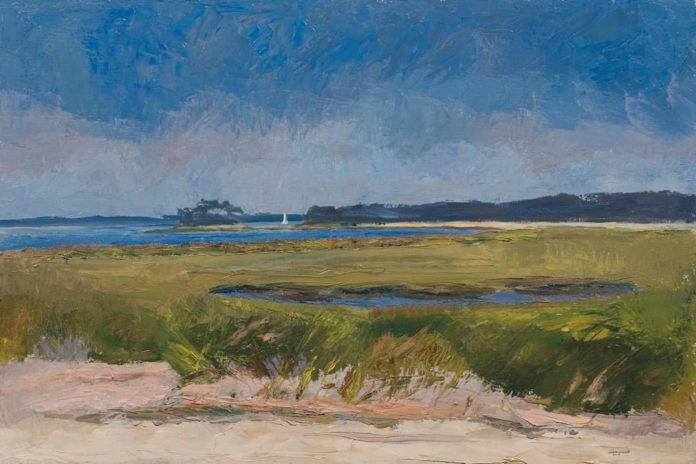
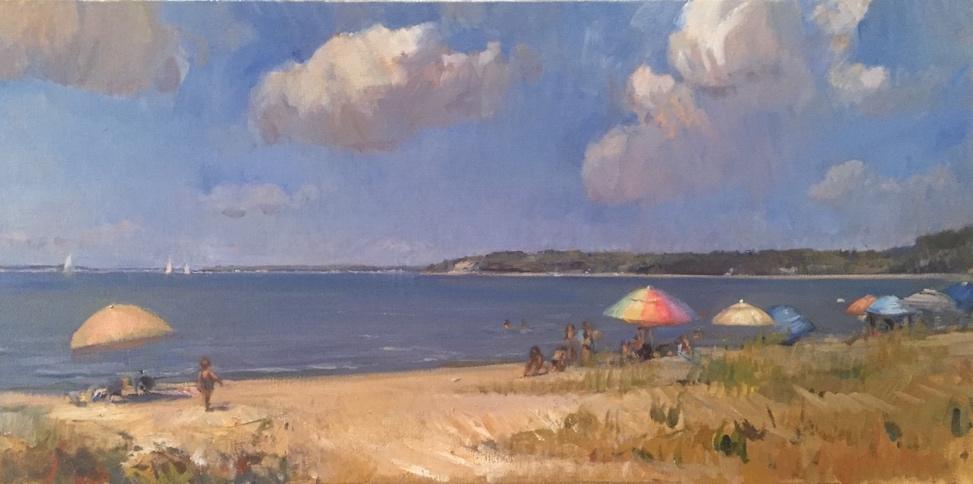
Nelson H. White, “Mashomack Point,” 2014, oil on canvas, 24 x 36 in.
An important subculture is still active today, and thriving, thanks to the community of artists and patrons connected to the Grenning Gallery, which is currently hosting the exhibition “Painting Locally.”
From the gallery:
There is something special about the way natural light shines on the East End of Long Island, and this has attracted artists and writers for hundreds of years. Vast, glistening bodies of water surround flat, pastoral lands, just 100 miles east from bustling New York City. Walt Whitman, William Merritt Chase, and Childe Hassam are just a few big names who’ve found inspiration on the “East End.” They each translated the natural landscape into their art through realism or impressionism.
In the late 19th and early 20th century, Childe Hassam and William Merritt Chase painted on the East End during the summers, with friends and students in tow, creating some of the most memorable American impressionist paintings in East Hampton and Southampton, respectively. On the North Fork, the Prellwitz studio was the center of the Peconic Art Colony. Notable American painters Irving Wiles and Henry C. White painted there and on Shelter Island during the early 20th century, and they passed the tradition on to Nelson C. White, and then to the youngest in their family line . . . our own Nelson H. White.
The latter N. H. White invited the world-famous portrait painter Pietro Annigoni to paint locally in the 1970s. An Italian realist, Annigoni was well known for his portrait of a young Queen Elizabeth in the 1950s and John F. Kennedy during the Cuban Missile Crisis. The point here is that the East End of Long Island has a long history of attracting some of the world’s finest painters — and the Grenning Gallery is doing its part to contribute to this tradition.
Nelson H. White (b. 1932) has been showing with the Grenning Gallery since its inception in 1997. As the grandson of Henry C. White, who bought 50 waterfront acres on Shelter Island in 1908, not a summer has passed without a fresh series of plein air paintings from White’s painting box. H. C. White was a prominent member of the Old Lyme Art Colony in Connecticut, painting alongside all of the now famous Connecticut impressionists. Mashomack Preserve, Dering Harbor, and Sunset Beach on Shelter Island are just a few subjects N. H. White paints every year.
Sag Harbor’s own Cappy Amundsen (1911–2001) painted his heart out, while fishing and sailing and living a familiar Sag Harbor life. Classically trained in NYC in the 1920s, Amundsen founded the Washington Square Outdoor Art Show with his friends Jackson Pollack and Willem De Kooning in 1932 in NYC. He gave up his idea of having a career in painting, and became a commercial fisherman sailing up and down the New England coast for decades, until he settled in Sag Harbor permanently in 1948. As a reluctant East End artist, selling paintings for money to live, Amundsen befriended some of the most interesting artists and writers of his time, and contributed to Sag Harbor’s community life. We have two fine examples of his work in this show.
In the spirit of classically trained mid-20th-century painters, we will also be showing two watercolors by John Whorf (1903–1959), who may have even known Cappy Amundsen, since they would have been travelling and painting the same subjects in the very same ports in New England. As one of the most respected watercolorists, and collected by John Singer Sargent, Whorf’s work is mesmerizing.
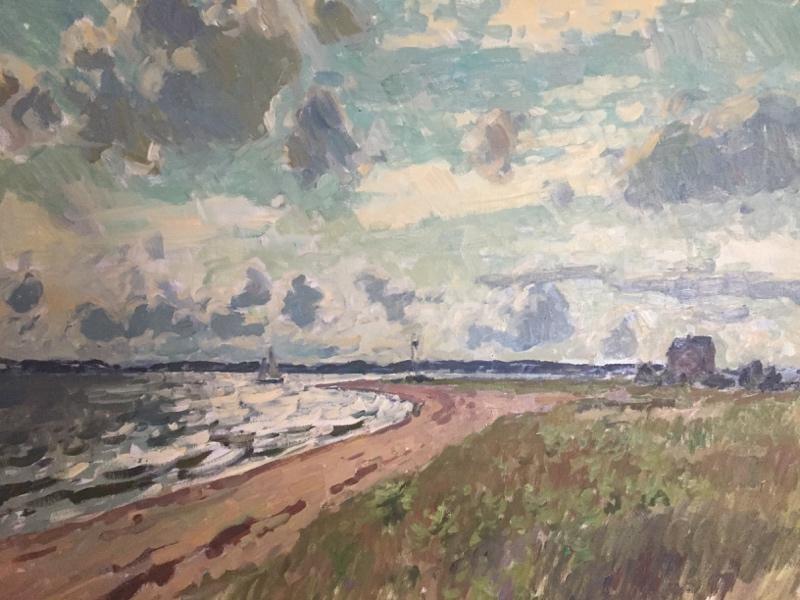
Ben Fenske, “Cedar Point,” 2018, oil on canvas, 31.5 x 43.25 in.
Ben Fenske (b. 1978) spends summers in Sag Harbor creating visionary works of art, not only lauded by clients but collected by many other living painters. Fenske is a painter’s painter because within each landscape or seascape we see his one major focus: Fenske’s fascination with natural light effects. In each painting, his brushwork chases the light as it changes with elements and bounces off and around his subjects. Fenske’s rigorous attention to his process results in vibrant paintings that exude spirit. Frequently, Fenske is drawn to secluded, undisturbed, peaceful beaches like Cedar Point, or his oft-painted “Secret Beach” on North Haven.
In 2016, Ben Fenske invited painters from Russia to paint the East End alongside himself and a few select American plein-air painters, forming the Russian American Painting Alliance. From this alliance, we acquired new artists: from Russia, Viktor Butko and Irina Rybakova, as well as Americans Kelly Carmody and Tim McGuire. We discovered that these artists, despite growing up in completely separate Cold War–era cultures, have almost the exact same painting ideology. Sharing a passion for painting, friendships formed, and two painters even fell in love. Soon after meeting, they became painting partners. Travelling together, and even painting the same locations, like these Cliffs of Montauk from 2017, their connection deepened. Viktor Butko married Kelly Carmody in 2018 after meeting on the first Russian American Painting Alliance trip.
Marc Dalessio, “Indian Wells,” 2018, oil on canvas, 35 x 42.75 in.
Marc Dalessio (b. 1972) is one of the most globally respected plein-air painters of our time. Having representation in reputable galleries internationally, and a formidable online following, Dalessio travels the world painting out of doors in country, city, and village settings. Not only do collectors seek out Dalessio’s familiar landscapes, but artists look to Dalessio for advice and tips with their own painting techniques, evidenced by his over 40,000 active followers on Instagram. Last summer, Dalessio spent time on the East End, painting Ditch Plains in Montauk, Indian Wells in Amagansett, as well as Main Street scenes in our idyllic village.
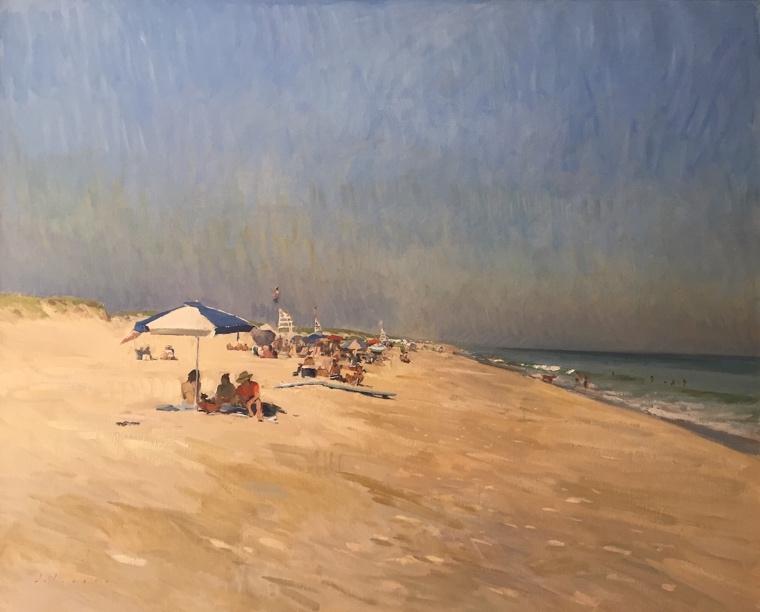
Angel Ramiro Sanchez, “Long Beach, Sag Harbor,” 2018
Venezuelan Angel Ramiro Sanchez (b. 1974) has been with the Grenning Gallery since its inception and was the first artist invited to summer on the East End in 1998. He was originally hired to paint Laura Grenning’s wedding portrait. Who knew that would lead to a whole culture of patrons housing Grenning Gallery artists?! He has a keen eye for catching the romantic atmosphere that all summertime visitors bathe in year after year. Last summer, in 2018, Ramiro created a picturesque and truthful depiction of one of Sag Harbor’s most popular family beaches, Long Beach.
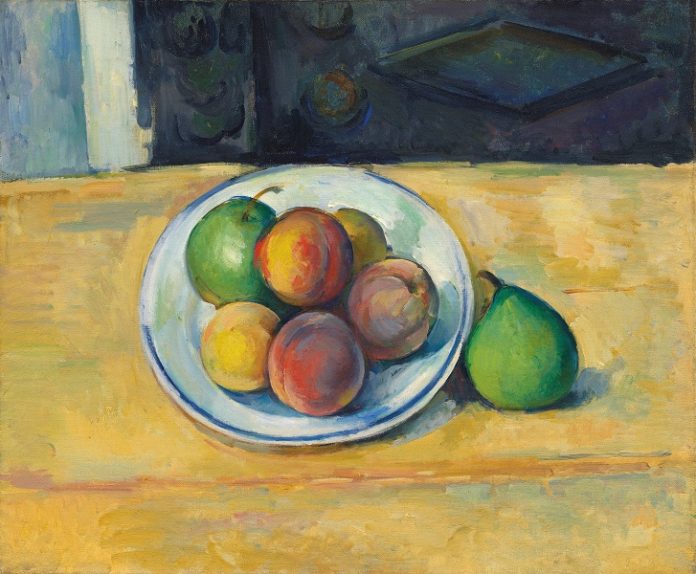
Paul Cézanne, “Nature morte de pêches et poires,” 1885–87, Estimate on Request, Hidden Treasures: Impressionist and Modern Masterpieces from an Important Private Collection. London, 27 February.
20th Century Week at Christie’s London brings together works by some of the biggest names in Impressionist, Modern, and Post-War and Contemporary Art, offered across nine auctions this February and March.
Impressionist and Modern Art highlights for the season include “Hidden Treasures” — the most important single-owner collection of Impressionist and Modern Art to be offered in London for a decade — with masterpieces by Cézanne, Matisse, Monet, Bonnard, and Renoir, whilst “The Art of the Surreal” sale features a rare, large, and iconic work by René Magritte, “Le lieu commun,” never before seen at auction.
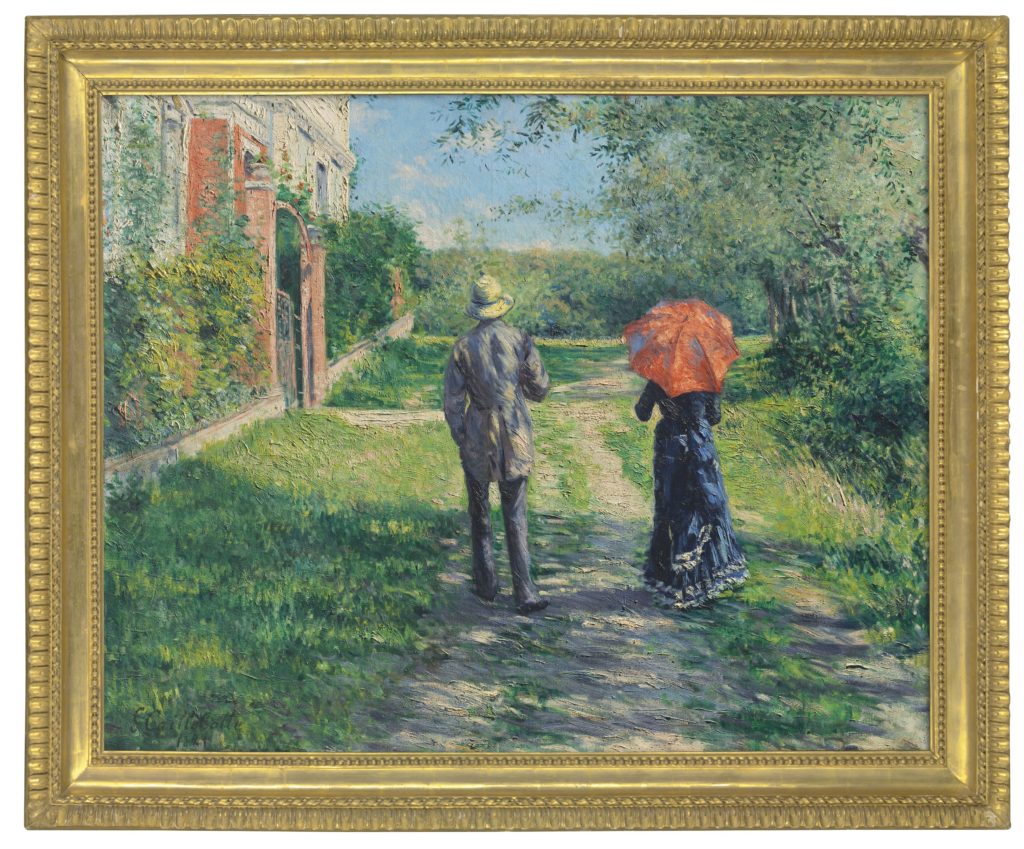
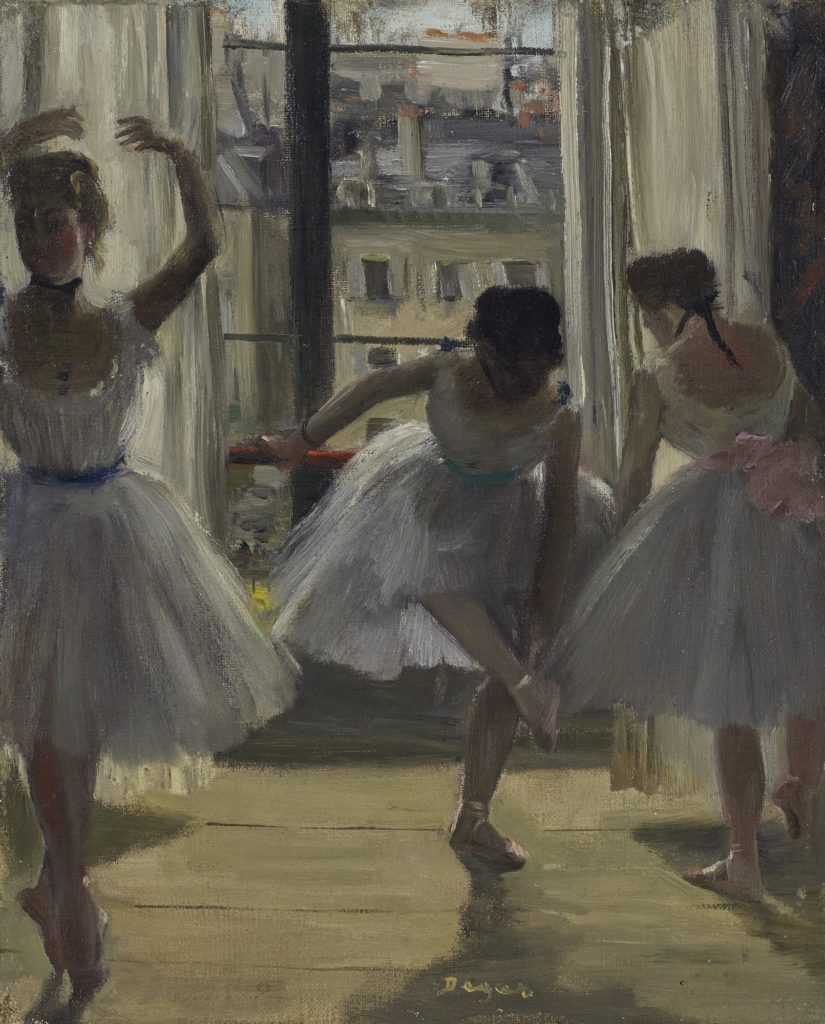
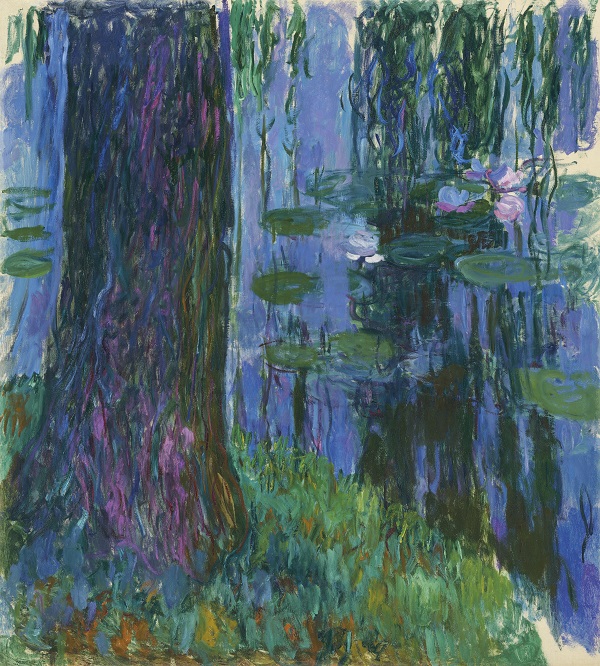
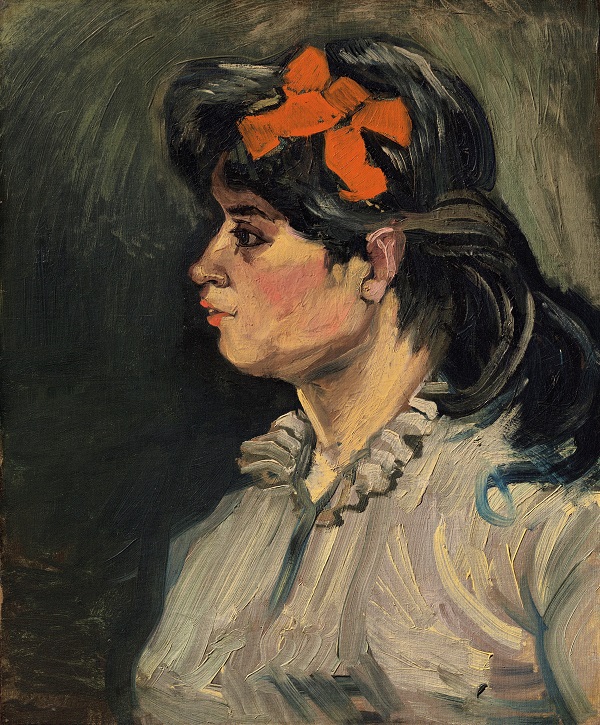
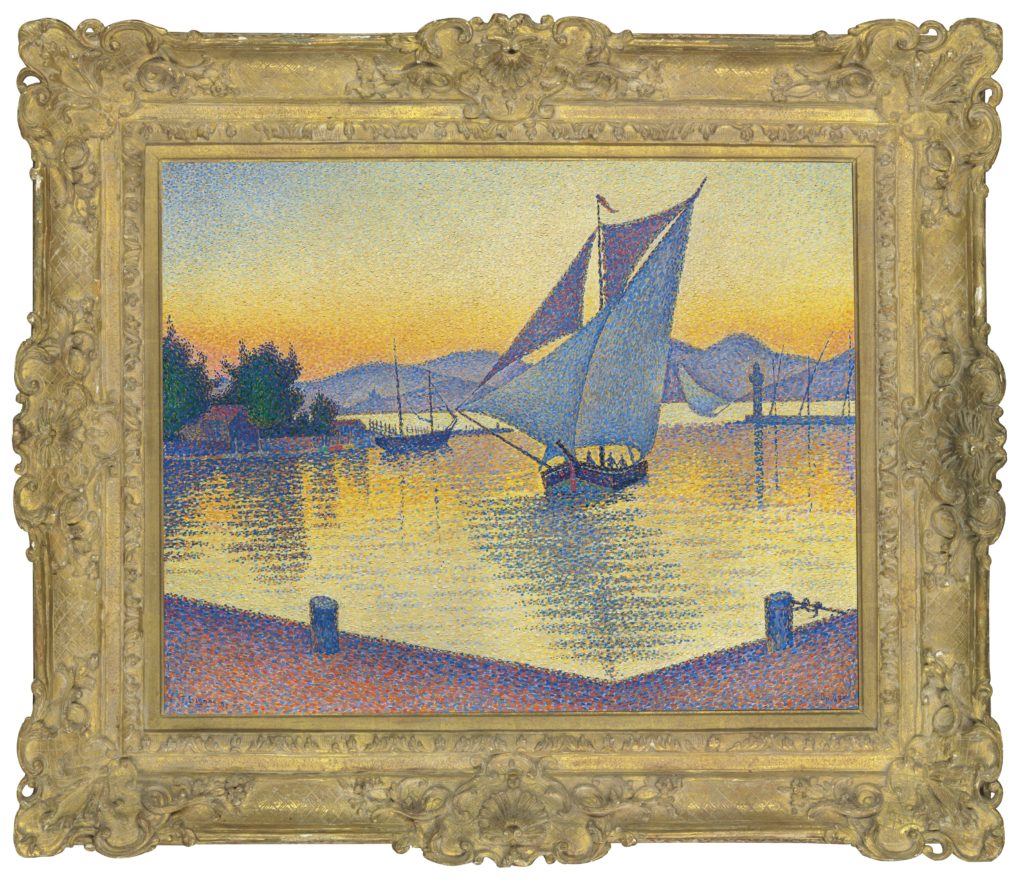
Gustave Caillebotte, “Chemin montant,” 1881, Estimate on Request, Impressionist and Modern Art Evening Sale, London, 27 February.Edgar Degas, “Danseuses dans une salle d’exercice (Trois Danseuses),” 1873, Estimate: £800,000 – £1,200,000) from Impressionist and Modern Art Evening Sale, London, 27 February.Claude Monet, “Saule pleureur et bassin aux nymphéas,” 1916–19, Estimate on Request, from Hidden Treasures: Impressionist and Modern Masterpieces from an Important Private Collection, London, 27 February.Vincent Van Gogh, “Portrait de femme: buste, profil gauche,” 1885, Estimate: £8,000,000 – £12,000,000), from Hidden Treasures: Impressionist and Modern Masterpieces from an Important Private Collection, London, 27 February.Paul Signac, “Le Port au soleil couchant, Opus 236 (Saint-Tropez),” 1892, Estimate on Request, from Impressionist and Modern Art Evening Sale, London, 27 February.
Upcoming Auctions
February 27:
Impressionist and Modern Art Evening Sale
The Art of the Surreal Evening Sale
Hidden Treasures: Impressionist Modern Masterpieces
February 28:
Impressionist and Modern Works on Paper
Impressionist and Modern Art Day Sale
February 22 – March 1 (online):
Picasso Ceramics
March 6:
Post-War and Contemporary Art Evening Auction
Masterpieces of Design and Photography
March 7:
Post-War and Contemporary Art Day Auction
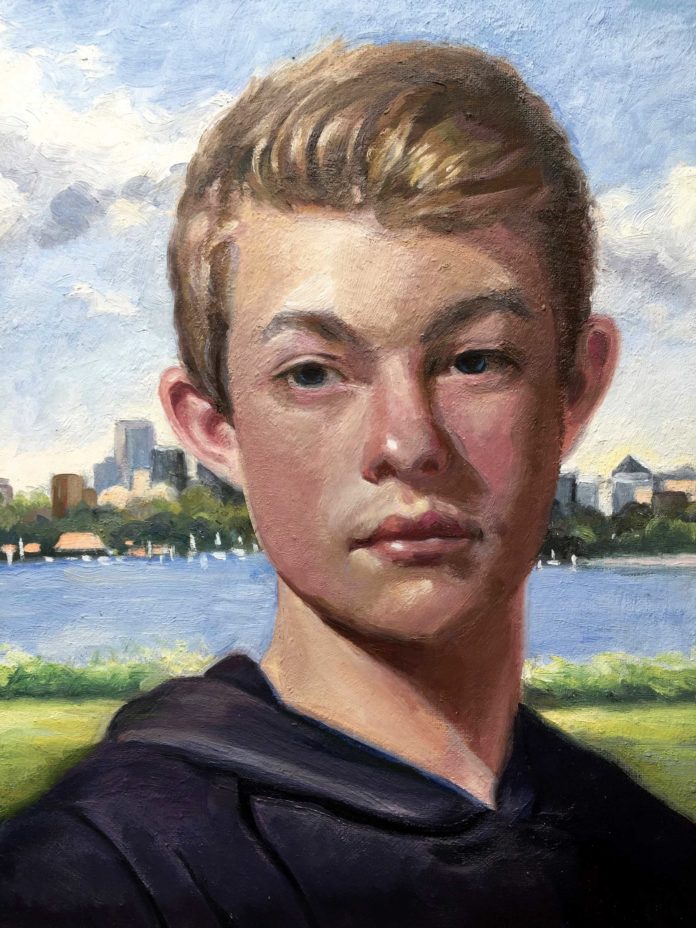
Louise Gillis, “Noah at Bde Maka Ska,” oil on canvas, 11 x 14 in.
Douglas Flanders & Associates presents a unique exhibition of portrait paintings by eight Twin Cities–based artists, each with an individually masterful approach.
From the organizers:
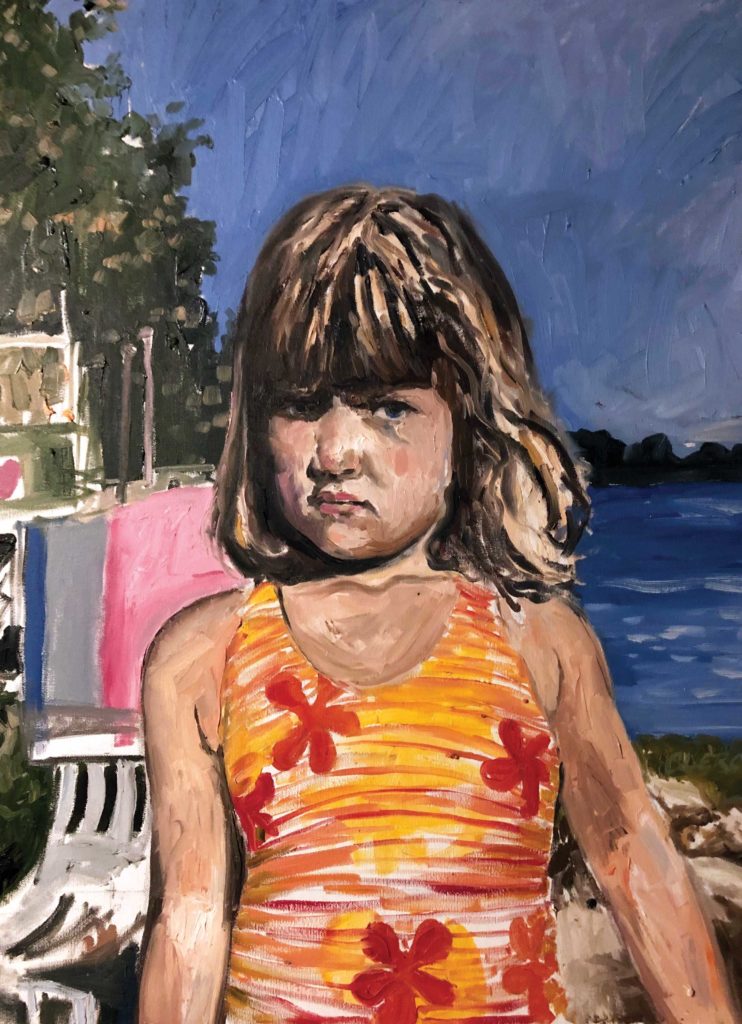
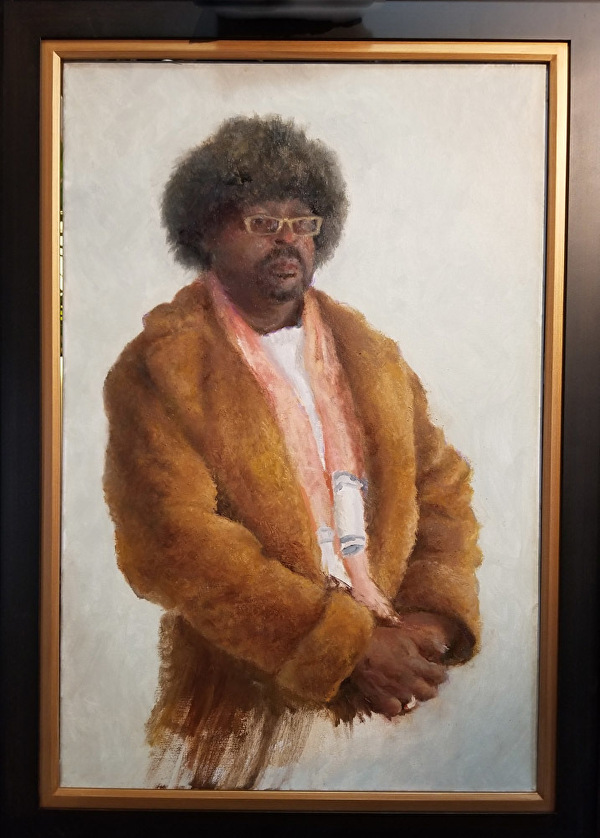
This exhibition features the original portrait painting styles of Kristie Bretzke,Todd Clercx, Louise Gillis, Luke Hillestad, Richard Kochenash, Jeffrey T. Larson, Steven J. Levin, and Lois Rhomberg. All are masters at capturing the essential character of their subjects in unique ways.
The tradition of portrait painting in the West dates back to ancient Greece and Rome. From early heroic and idealistic representations to later realistic depictions, portraiture was key to recording the human presence. Portrait painting style has continued to evolve through the centuries and still today offers more varied expressive opportunities than the flatness of photographs.
Kristie Bretzke, Coal Room Series, “Carl Bretzke,” 2018, oil on linen, 30 x 24 in.
Kristie Bretzke displays her expertise in using light to evoke emotion and mood in her portraits. Classical but contemporary and straightforward, her portraits engage the viewer on numerous levels by stirring up compassion for her subjects, revealing their strengths, and even suggesting individual worldviews through their eyes.
Todd Clercx, “Maya,” 2008, oil on canvas, 29.5 x 23.5 in.
Todd Clercx is a contemporary impressionist; he brings out the light emanating from the colors of everyday life. Each of his expressive portraits is as distinct as the individuals in them. Clercx captures the personality and life in his subjects, allowing us to feel we really know them.
Louise Gillis (work shown at top) is a classically trained painter who uses her knowledge of impressionistic color theory to create vibrancy and depth in her intimate portraits.
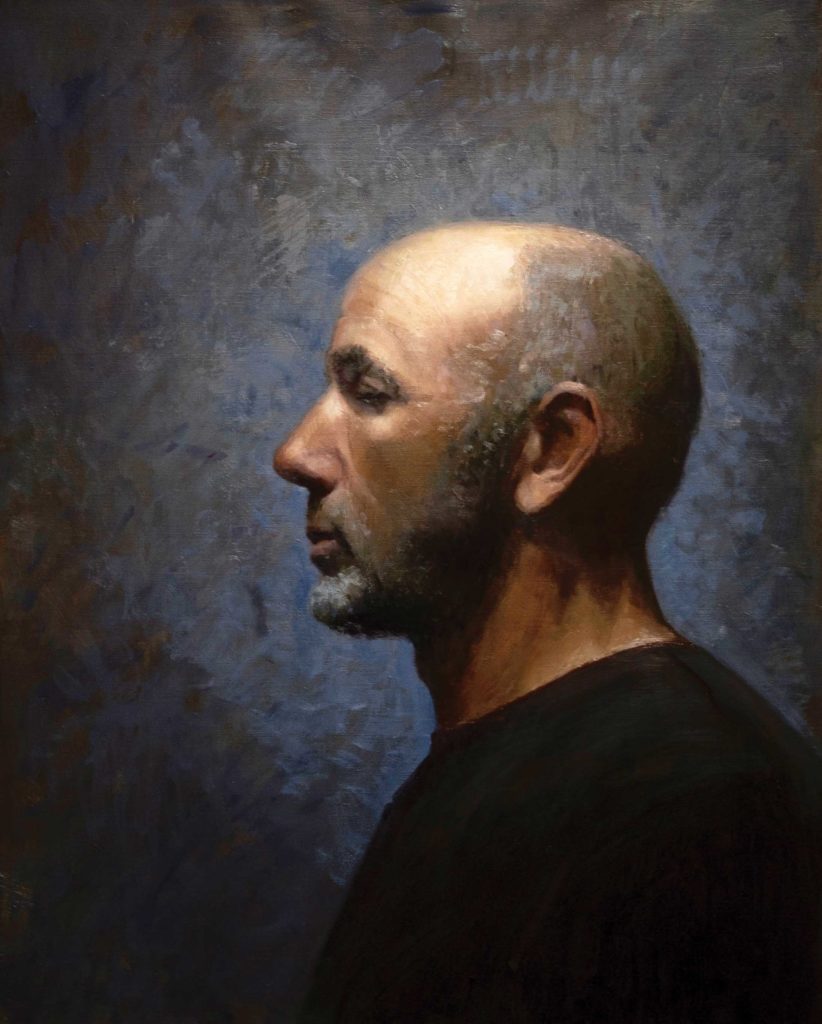
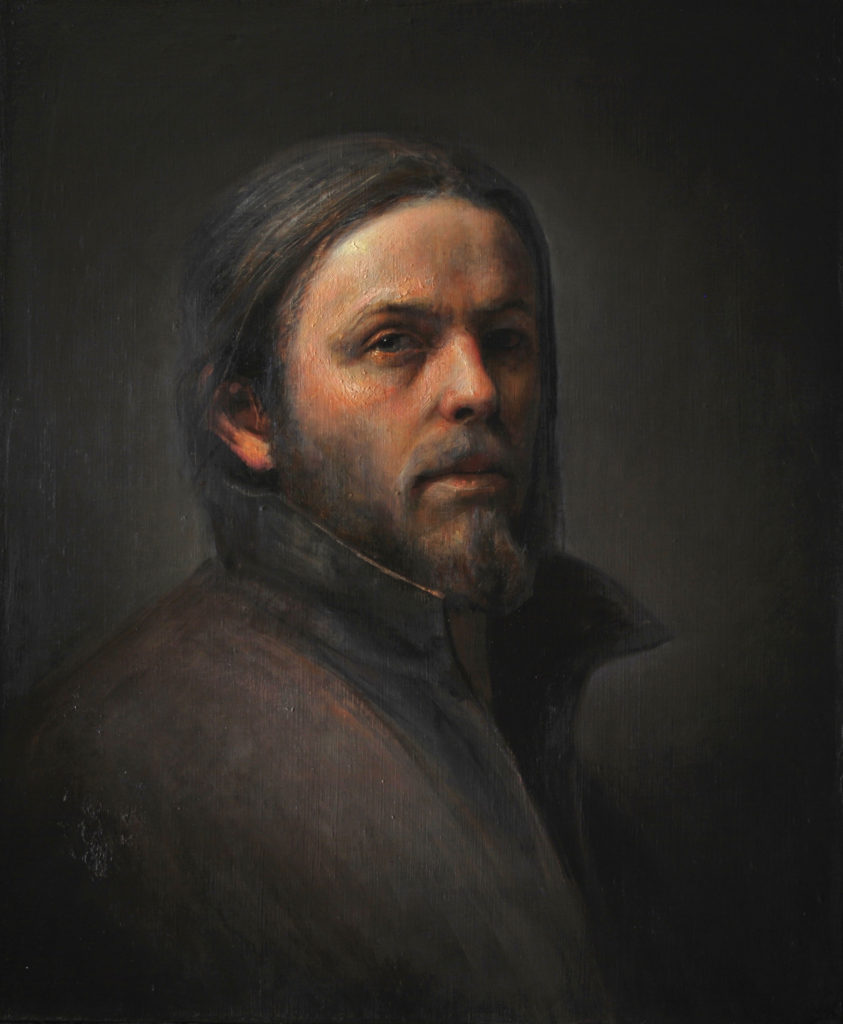
Luke Hillestad, “Self-Portrait at 34,” 2016, oil on linen, 24 x 20 in.
Luke Hillestad employs the limited palette of fourth-century master Apelles of Kos (earth-based white, yellow, red, and black) to paint portraits that seem to breathe with individual vitality. His skilled use of chiaroscuro offers potential for narrative and mystery.
Richard Kochenash, “Portrait of Charles,” oil on canvas, 36 x 24 in.
Richard Kochenash is a plein air artist whose oil paintings capture his surroundings with gestural impressionistic force. In his portrait paintings he complements his knowledge of his subjects with preliminary photographs to reveal a sense of time and expression in each individual.
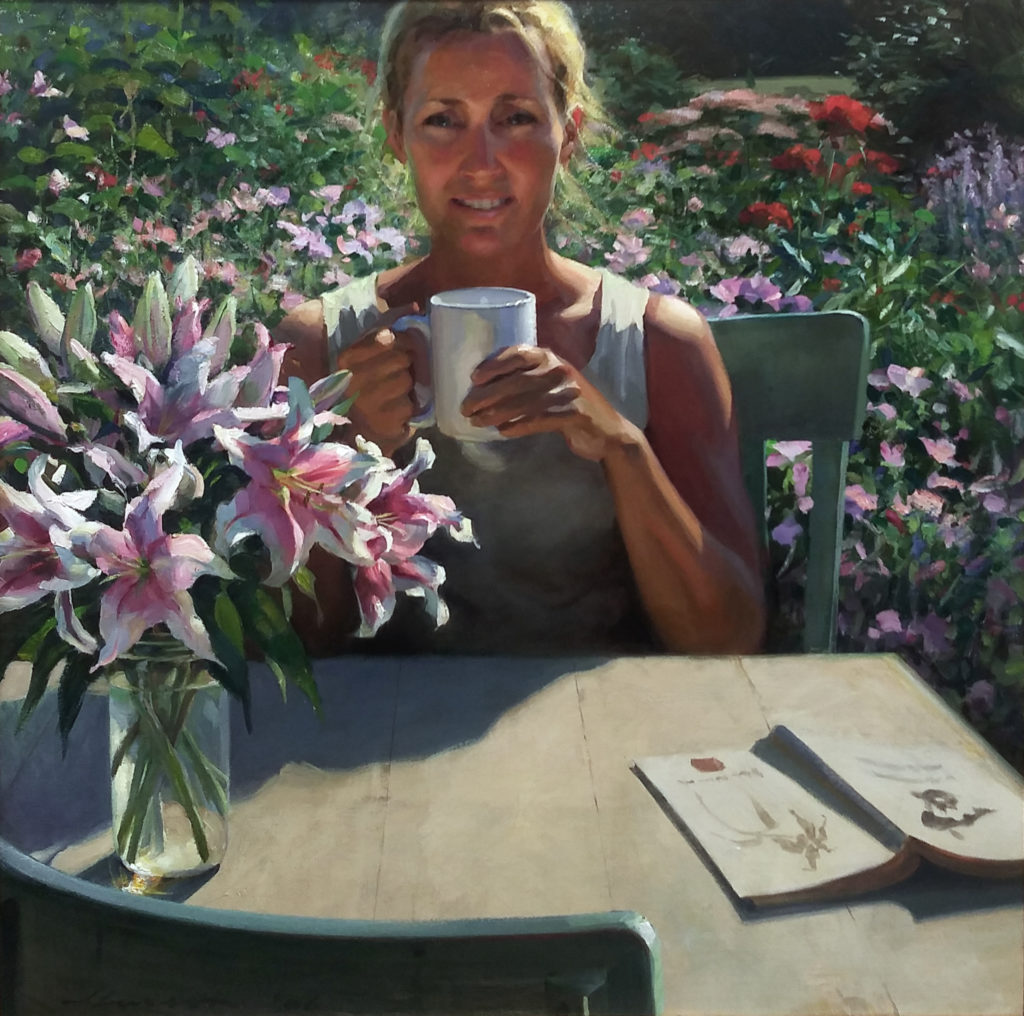
Jeffrey T. Larson, “Heidi, Tea Time,” 2006, oil on linen, 32 x 32 in.
Jeffrey T. Larson is a classically trained artist renowned for adeptly capturing in his paintings the simple and beautiful pleasures of contemporary life. His portraits are luminous, painterly, open, and fresh.
Steven J. Levin, “Self-Portrait,” 2005, oil on canvas, 40 x 32 in.
Steven J. Levin is a classical realist painter trained in traditional atelier techniques similar to those of 19th-century Paris. With a deep reverence for beauty and a thorough understanding of light and form, Levin’s paintings reveal his keen sense of space, dimension, and atmosphere.
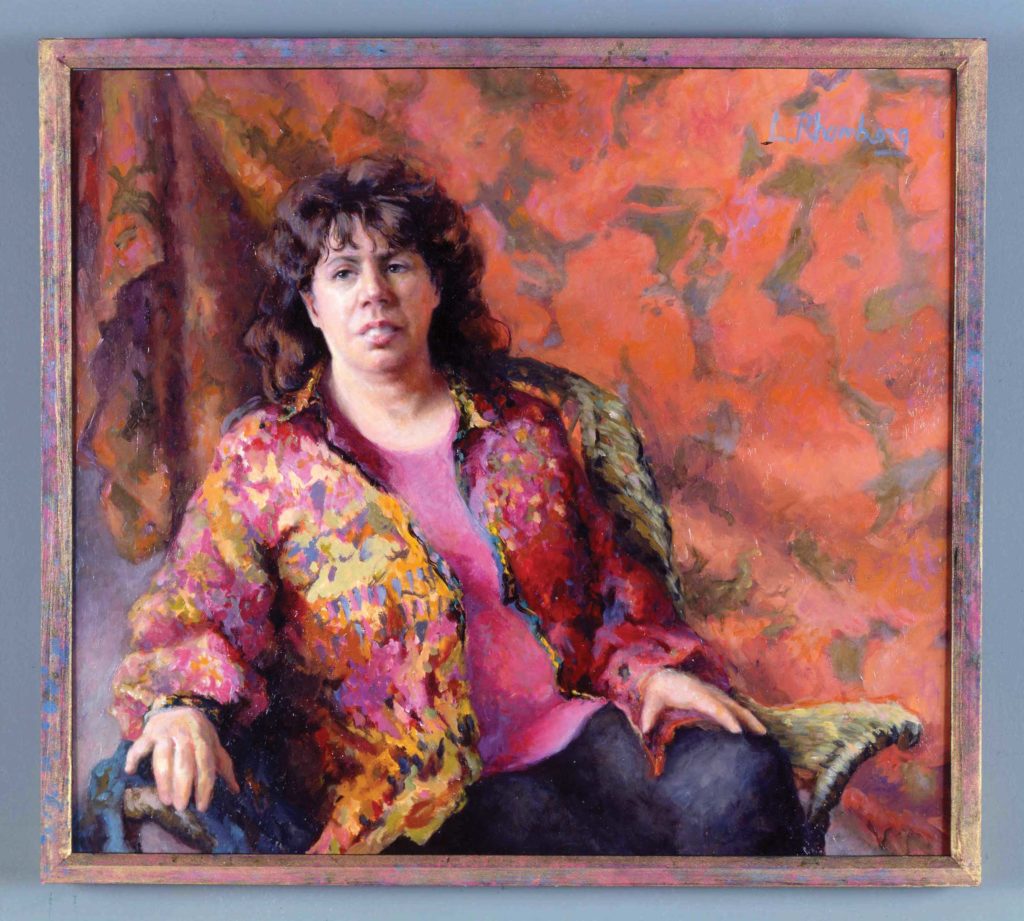
Lois Rhomberg, “Linda Brown,” 1995, oil on canvas, 21 x 23 in.
Lois Rhomberg paints people in large and small format, emphasizing their life spirit as well as their physical presence. Her portraits are known for their sensitive drawing, lively color, and emotional presence.
Numerous paintings by each artist are displayed in the exhibition, creating a veritable salon-style emporium of approaches to the portrait. Such a contemporary approach to presenting the time-honored tradition of portraiture is unique to the history of gallery exhibitions in the Twin Cities.
“Valuing Portraiture” is on view through March 2, 2019, at Douglas Flanders & Associates (Minneapolis, MN). Commissions are encouraged and can be arranged through Douglas Flanders & Associates.
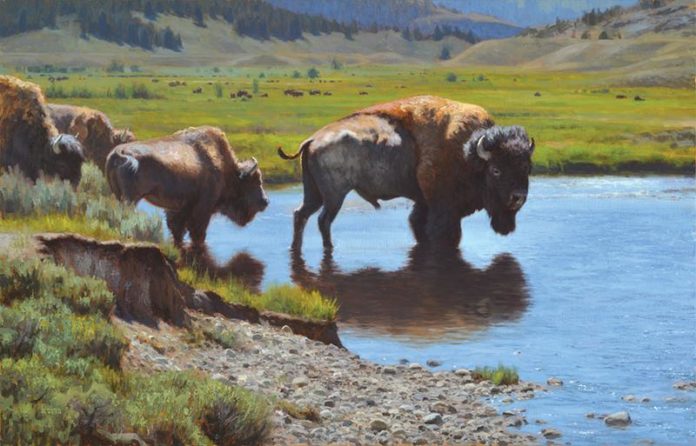
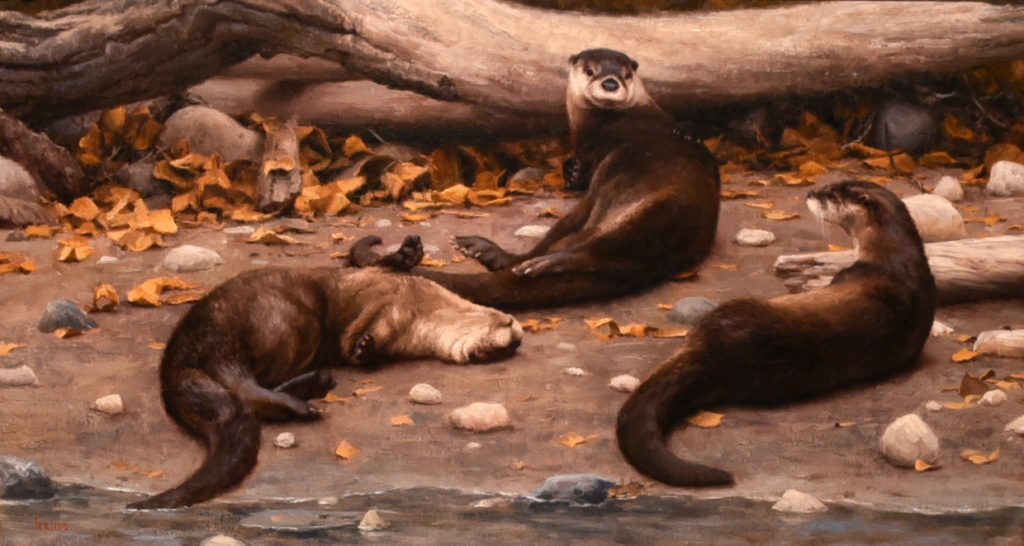
Kyle Sims (b. 1980), “A Day in the Slough,” 2015, oil on linen, 36 x 56 in., Trailside Galleries, Jackson Hole, Wyoming
Kyle Sims paints highly realistic scenes of North America’s wildlife, including bear, bighorn sheep, bison, deer, elk, moose, mountain goat, pronghorn, and river otter, as well as diverse members of the canine and feline families.
He was born and raised near Cheyenne, where his parents encouraged his artistic instincts early on. By 13, Sims began to focus on animal painting, inspired particularly by the widely published Belgian animalier Carl Brenders (b. 1937). Within three years, the boy started to attend workshops taught by talents like Paco Young, Terry Isaac, and Daniel Smith, who encouraged him to admire such historical forerunners as Wilhelm Kuhnert, Carl Rungius, Bob Kuhn, and Joaquín Sorolla, plus living role models like Richard Schmid and Clyde Aspevig. Because they dry quickly, Sims started out painting in acrylics, but now focuses on oils.
Sims went on to earn his Bachelor of Fine Arts degree at Rocky Mountain College in Billings, Montana, the location of which allowed him to explore the scenic Beartooth Mountains regularly. He has been observing nature firsthand ever since, examining its details up close and working outdoors in all kinds of weather. “Painting on location,” Sims explains, “trains you to see and interpret how life really looks to the eye, rather than to the camera. If I go outside and make a really fine field study, it’s so much more satisfying than anything else I could do. I love the sketchy spontaneity of painting in the field — and I’m out to capture that same look and feel in my studio work.”
Indeed, in addition to being impeccably accurate, Sims’s scenes possess a sense of atmosphere that transcends documentation, and he is particularly admired for his compositions, which often crop out portions of the animal’s form to bring us closer to the action.
Fill your mind with useful art stories, the latest trends, upcoming art shows, top artists, and more. Subscribe to Fine Art Today, from the publishers of Fine Art Connoisseur magazine.