
Home Blog Page 252

Into Purer Light: Imaginative Realism and Timeless Storytelling

1
Contemporary portrait paintings - FineArtConnoisseur.com
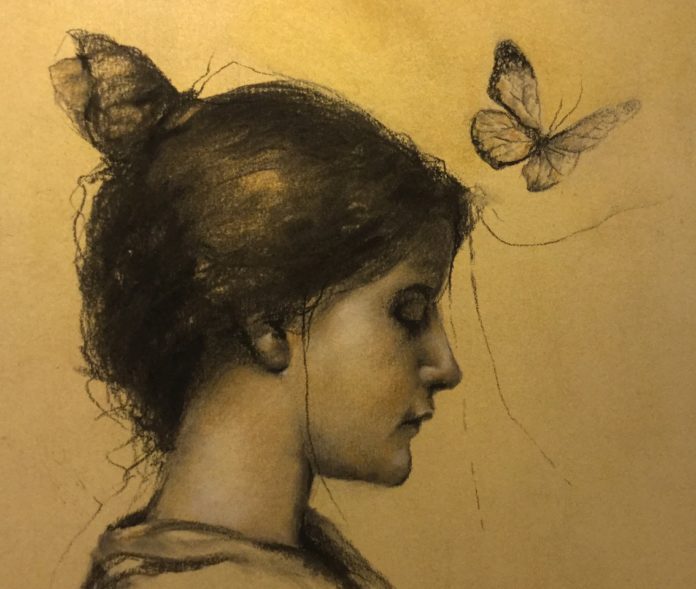
Jeremy Caniglia, “By the Roes, and by the Hinds of the Field" 9”x12” Chalk and Nitram Charcoal on Paper

The exhibition “Into Purer Light” at Creighton University presents Jeremy Caniglia’s figurative work and portraiture from the last two years. “Into Purer Light” is an explorative visual journey into Elysium, the ancient Greek conception of the afterlife.

The idea of Elysium as written about by Virgil and Homer gave entrance to the Elysian fields. Those who stood up for others and suffered in death were given a special place in the afterlife where they could find joy and bliss.
Contemporary portrait paintings - FineArtConnoisseur.com
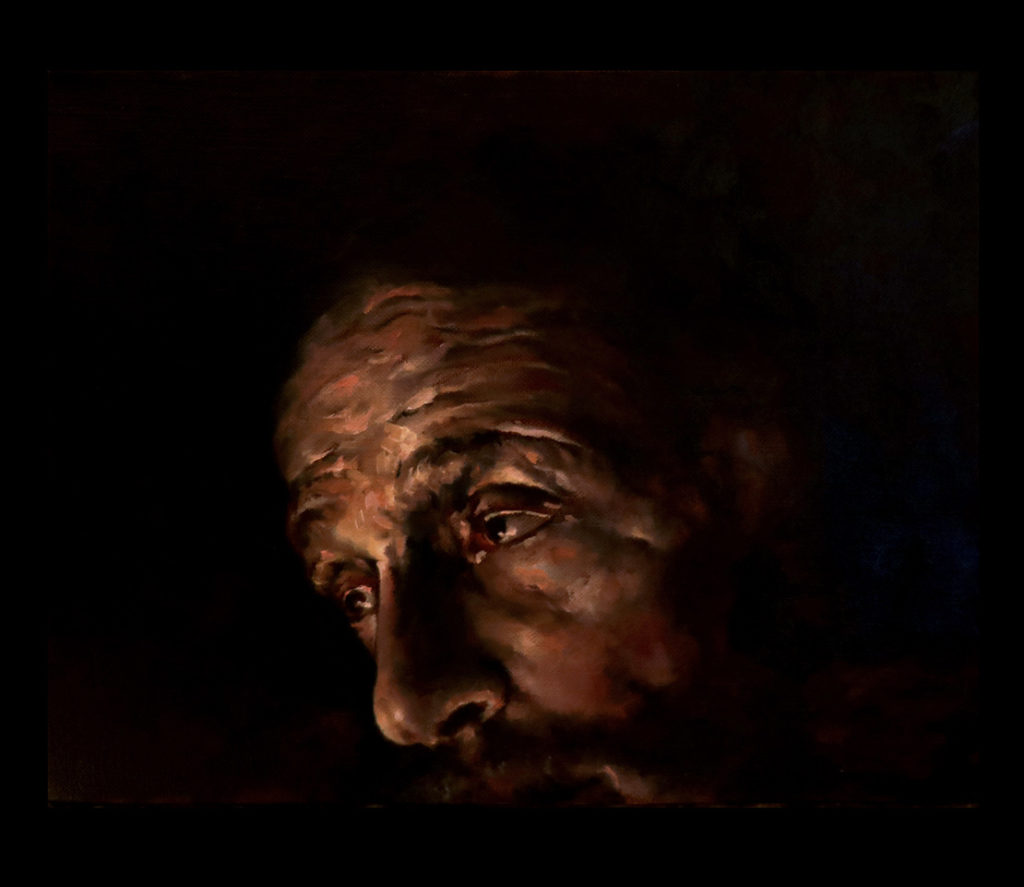
Jeremy Caniglia, “The Final Hour” 10”x14” Oil on Linen

From the organizers:

Caniglia’s work invites the viewer to travel down the desolate path of the human condition and experience grief, love, birth, and death through his symbolic narratives. His paintings and drawings give a first-hand glimpse behind the veil.

“My work is a new form of imaginative realism full of unflinching observations of life mixed into timeless storytelling,” Caniglia said. “My work invites the viewer to travel down the visual path that transcends the boundaries of classical figuration and experience love, birth, and death through symbolic narratives. The paintings and drawings in this exhibition give a first-hand glimpse behind the veil and into a world with purer light.”
Contemporary portrait paintings - FineArtConnoisseur.com
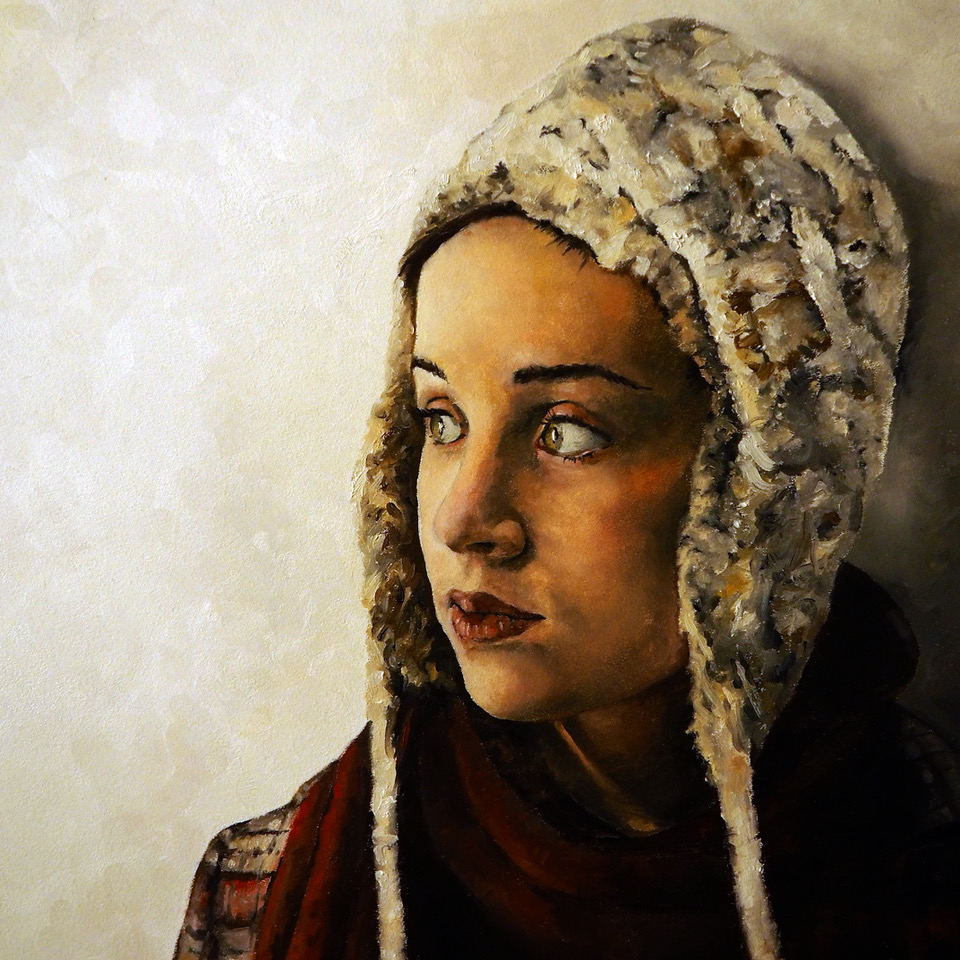
Jeremy Caniglia, “Is There A World Beyond Our Vision” 11”x14” Oil on Panel

Descended from both the Caniglia and Haller families, both of which have deep and long-running ties to Creighton, Jeremy Caniglia’s work has appeared both locally at the Joslyn Art Museum, and nationally, including at the Baltimore Museum of Art and the Salmagundi Gallery in New York City, and in private collections around the world.
Contemporary portrait paintings - FineArtConnoisseur.com
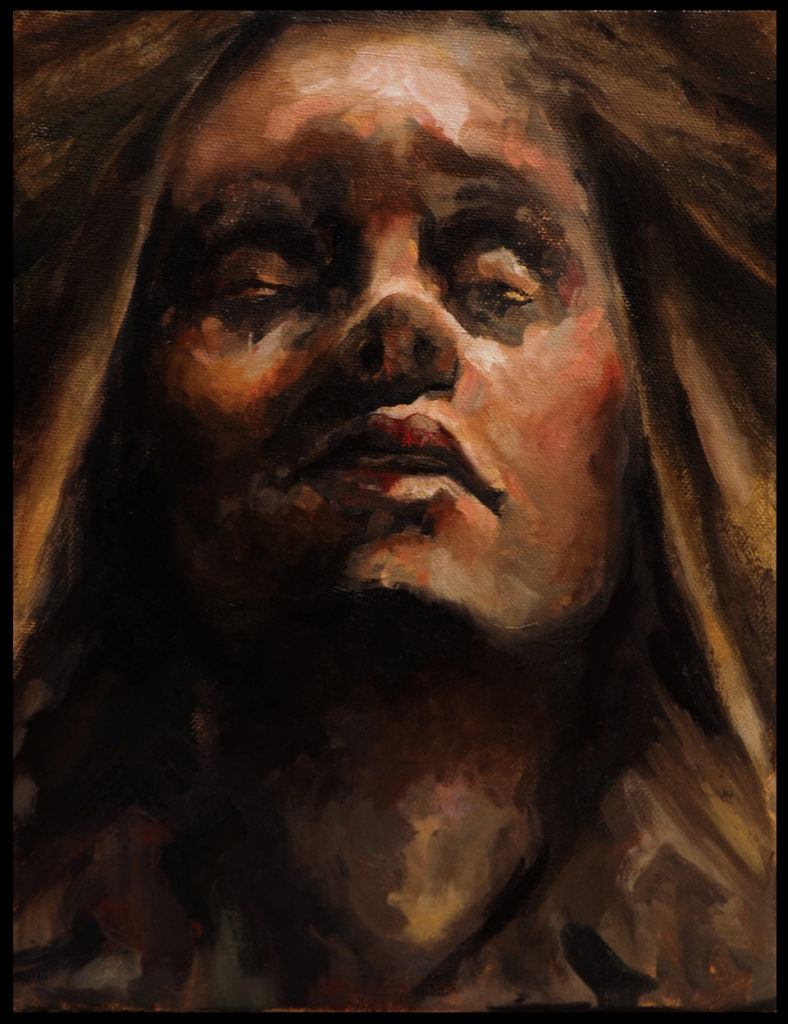
Jeremy Caniglia, “With a thousand doubts and fears…with a sorrow more than tears …some can see beyond the veil” 10”x14” Oil on Linen

Caniglia’s work as an illustrator has landed him more than 120 appearances in books and movies produced by Random House, the Folio Society, Anchor Bay Entertainment, and Warner Brothers, among many others. His illustrations have appeared in the works of Stephen King, Ray Bradbury, William Peter Blatty, and the band Blink-182. He is the recipient of the 2004 International Horror Guild Award for Best Artist in Dark Fantasy and the 2018 NC Wyeth Merit Award from the Salmagundi Gallery.
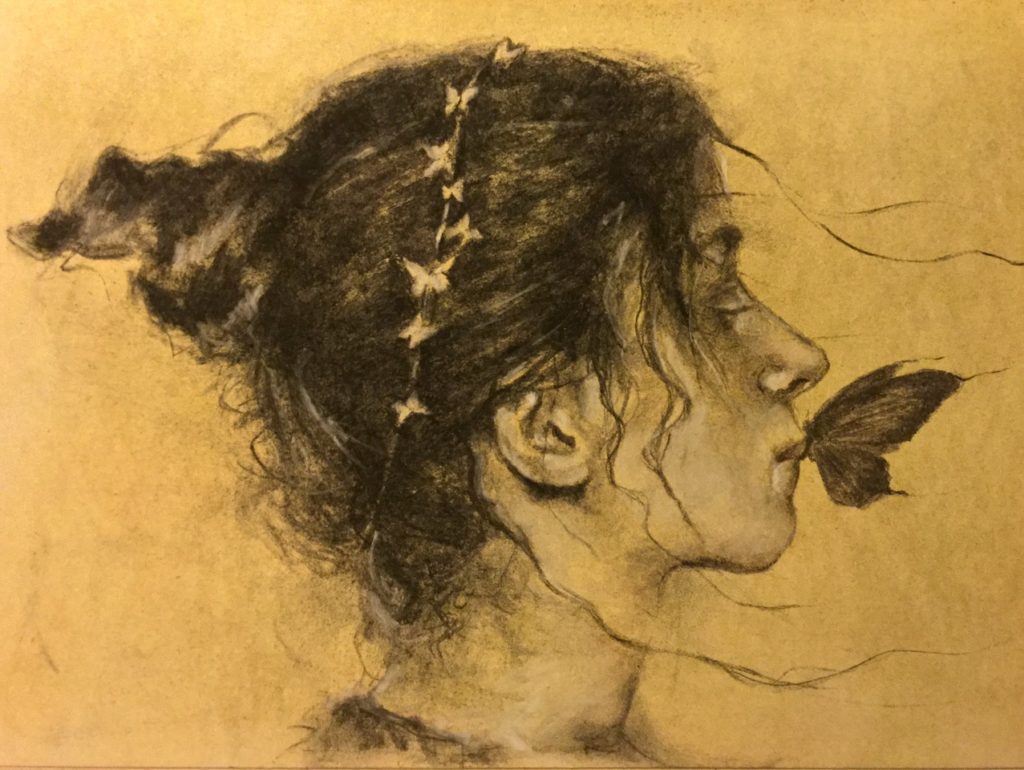
Contemporary portrait paintings - FineArtConnoisseur.com
Jeremy Caniglia, “Illuminating Dreams Whispered On Outstretched Wings” 9”x12” Chalk and Nitram Charcoal on Paper

Caniglia will discuss his latest figurative narrative paintings as well as his latest Caravaggio research that he did on his visit to Italy and Sicily. Caniglia will also have a portrait workshop at Creighton University on February 11 in the Creighton University Fine Arts Center.
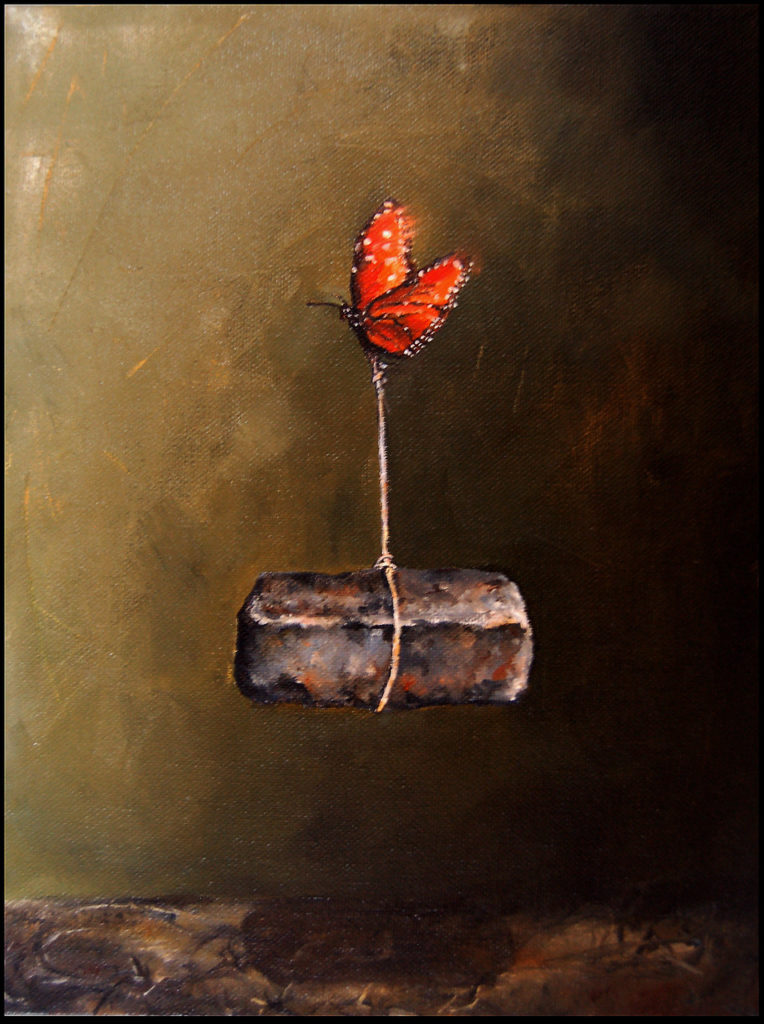
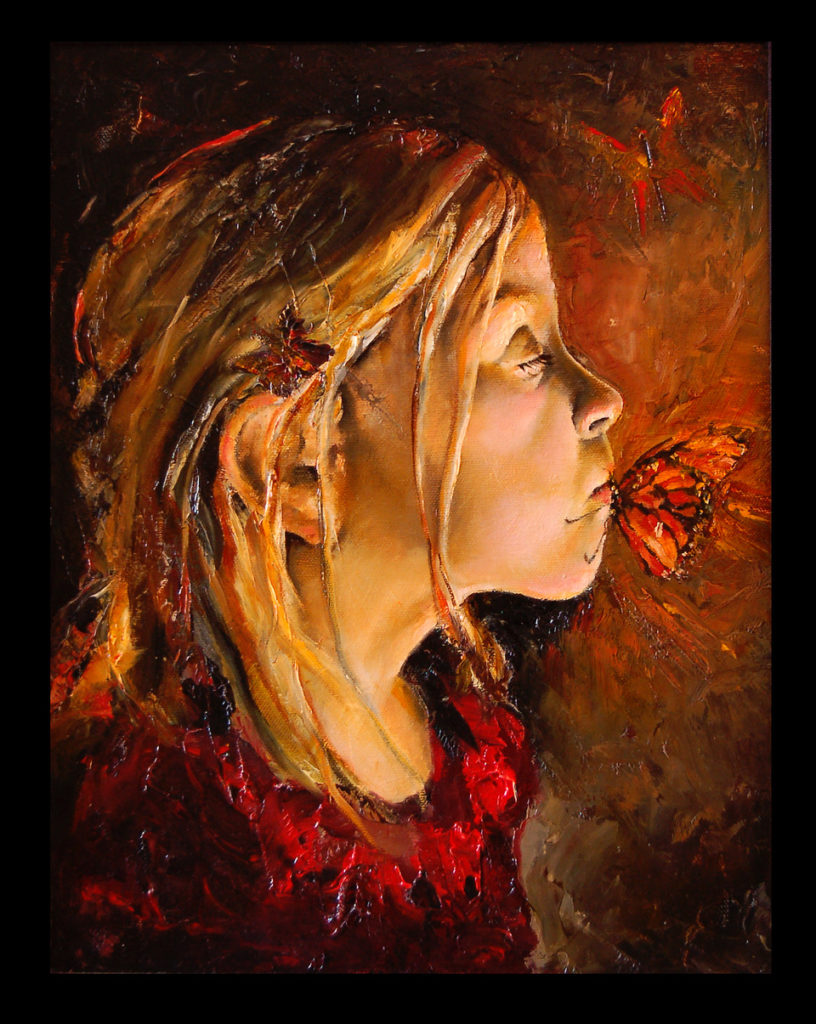
Contemporary paintings - FineArtConnoisseur.com
Jeremy Caniglia, “A luminous, fluttering melody tethered to a dystopian dream” 10”x14″ Oil on linen
Contemporary portrait paintings - FineArtConnoisseur.com
Jeremy Caniglia, “Birth of Spring” 10”x14” Oil on Linen

“Into Purer Light” is on view February 1 through March 8 at the Lied Art Gallery, Creighton University (Nebraska).


Sign up to receive Fine Art Today, the free weekly e-newsletter from
Fine Art Connoisseur magazine.
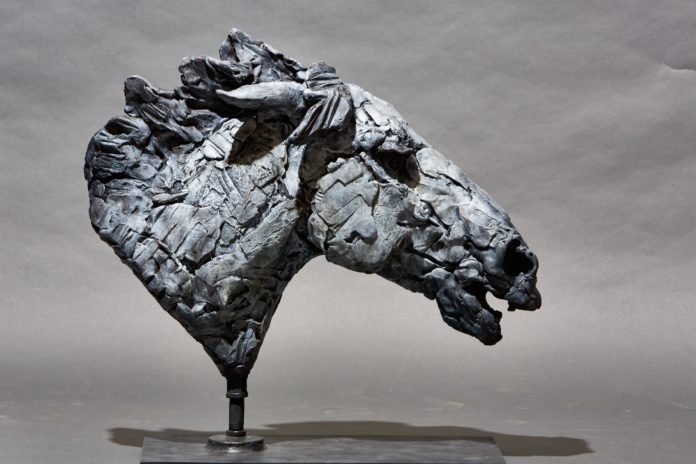
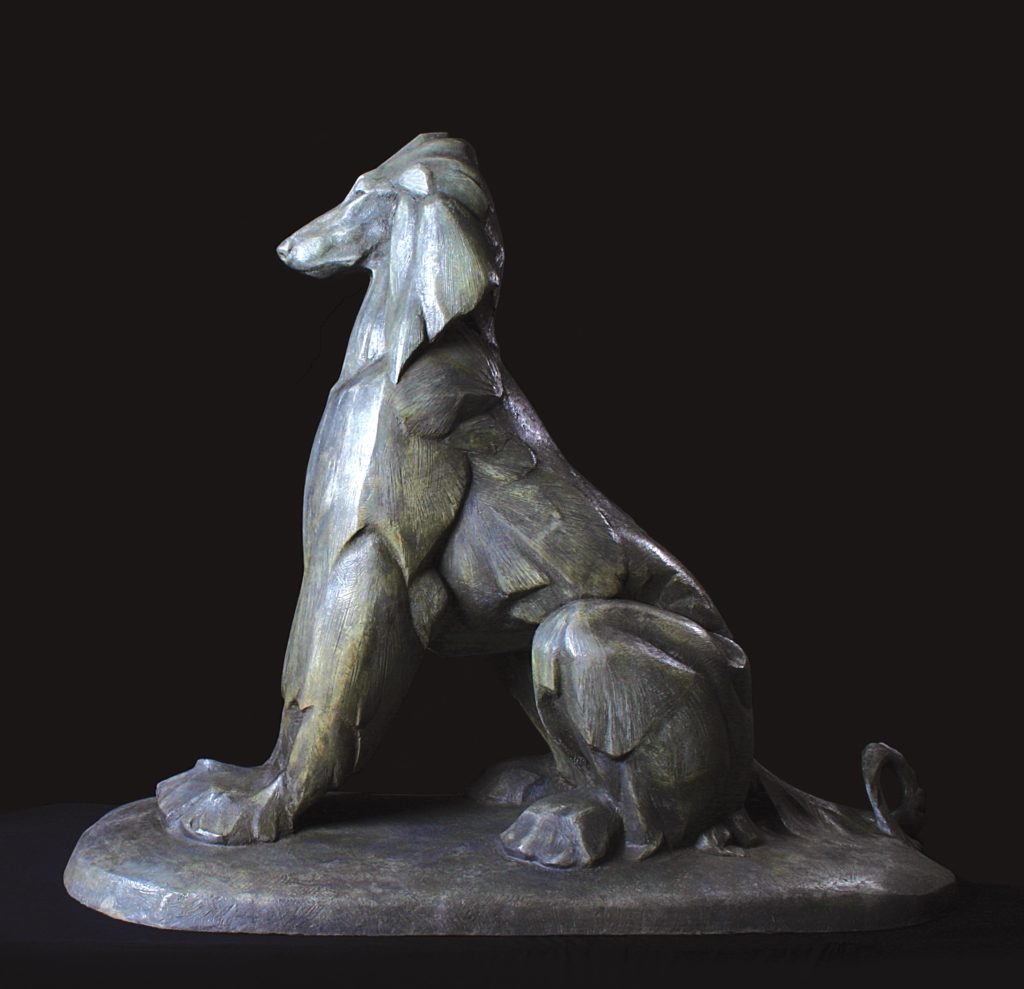
On View: The Art of Animal Sculpture

0
Contemporary animal sculptures
Mark Edward Adams, “Renegade”

The Bonita Museum and Cultural Center has recently opened its newest exhibition, “The Art of Animal Sculpture.”

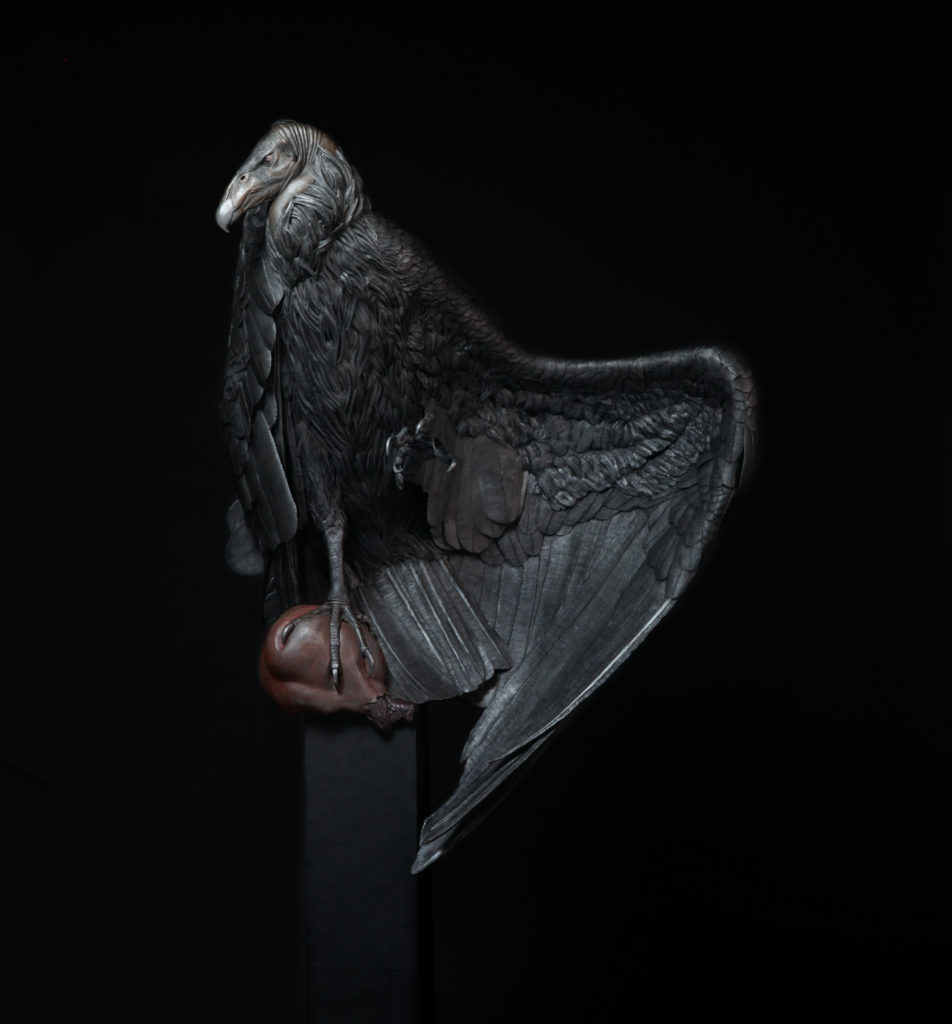
The exhibition features more than 40 sculptures that showcase animals as the artistic inspiration. The show will exhibit large and small scale works of sculptors Mark Edward Adams, D. L. Engle, Mehl Lawson, and Adam Matano.

These award-winning artists represent some of the top sculptors of animals in the country, and their sculpture has been exhibited in numerous museums and galleries across the country.

Mark Edward Adams views the animal as a metaphor for the human condition. His modern impressionistic style emphasizes emotions that range from extreme joy to heartache. Adams’s work has been exhibited at the Gilcrease Museum, the Booth Museum, Brookgreen Gardens, and the Buffalo Bill Center of the West. He has received major awards from the National Sculpture Society and the Buffalo Bill Center of the West.

Contemporary animal sculptures
D. L. Engle, “Aristocracy”

D. L. Engle sculpts animals with a reverence for the past. As she explains, “There is a quality that animals possess that has intrigued humans since our beginning. With reverence they were painted and carved on cave walls. Through all ages and cultures they have inhabited our dreams and mythologies. We see distilled in them all the powers and mysteries of Nature and so have longed for a closer understanding and kinship with that mystery.” Engle has exhibited her work at the LA Natural History Museum, the Wildling Museum and the Autry Museum. She was also the recipient of the Marilyn Newmark Memorial Grant from the National Sculpture Society.

Contemporary animal sculptures
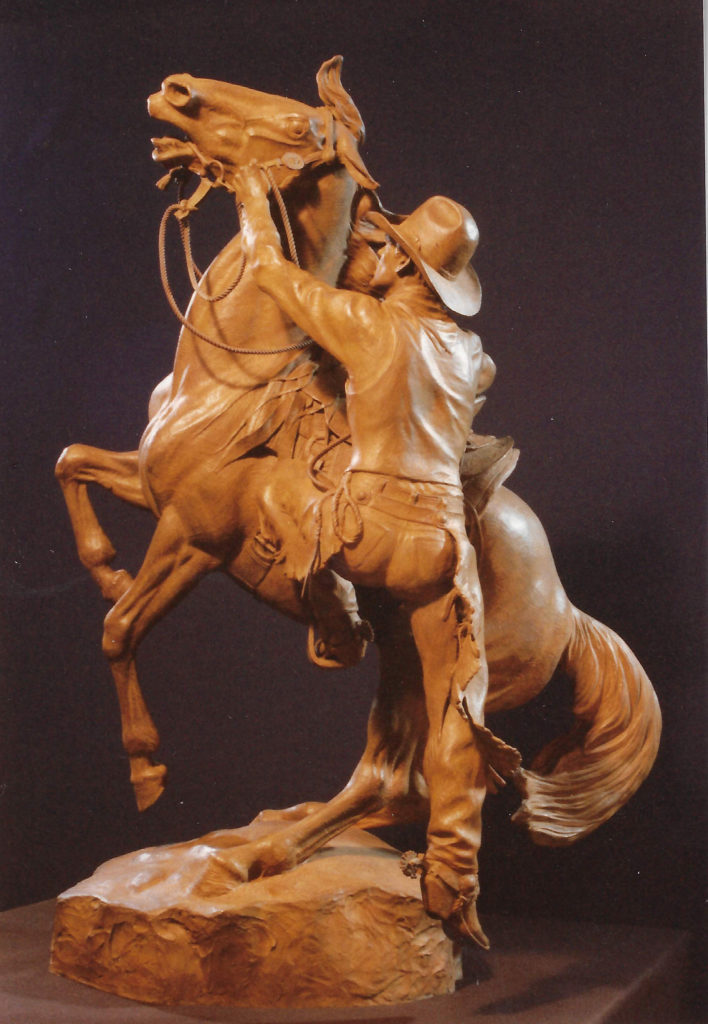
Mehl Lawson, “Early Morning Disagreement”

Mehl Lawson is known for his depiction of horses and the relationship between the horse and the riders. He takes inspiration from vaquero tradition of Old California and is regarded as one the top Western sculptors in the country. Among his numerous awards includes the Remington Award at the Prix de West Show at the National Cowboy Hall of Fame and the Thomas Moran Award at the Masters of the American West Show at the Autry Museum.

Contemporary animal sculptures
Adam Matano, “Rascal”

Adam Matano is an academically trained artist who specializes in animal sculpture. Matano has explained, “The design of the animal ambiguously demonstrates emotion through form and gesture, provoking an intriguing interaction between it and the viewer. My visual ideas start in the studio and are further explored with live animals, most recently from the zoo. I discover physical and psychological characteristics of the individual that speak to the initial ideas, whether they are actually inherent in the individual or my projection of who they are. They help to define my final works.” Matano has exhibited his work at the LA Natural History Museum and the Autry Museum.

“The Art of Animal Sculpture” is on view through March 16, 2019, at the Bonita Museum and Cultural Center, San Diego County (CA).


Sign up to receive Fine Art Today, the free weekly e-newsletter from
Fine Art Connoisseur magazine.
Wyeth, Bierstadt, O’Keeffe, Audubon, and More: American Art and Environment

1
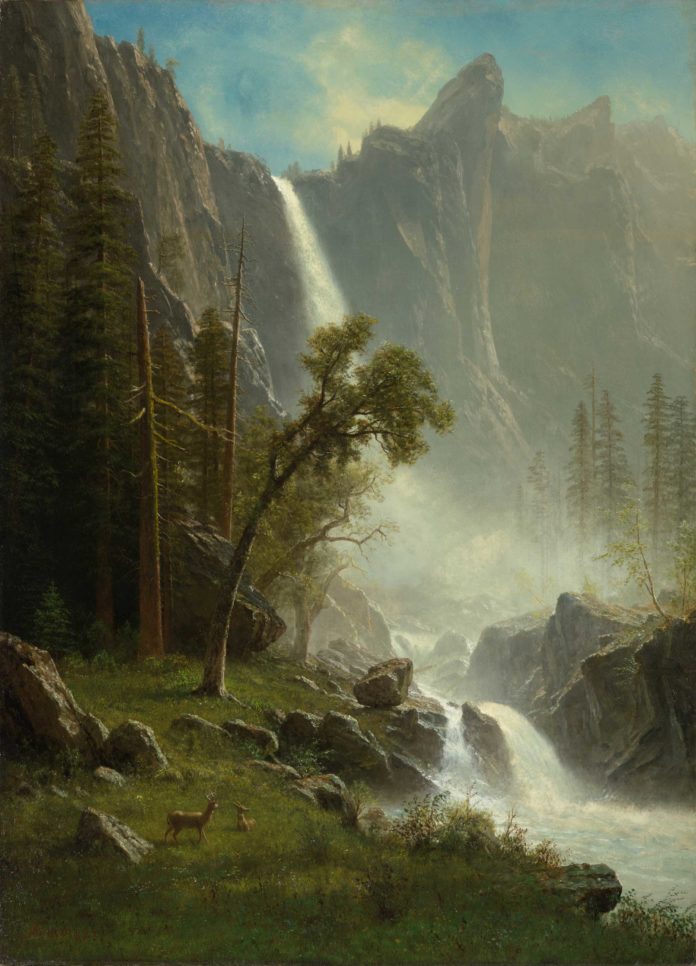
American artists Albert Bierstadt
Albert Bierstadt, American (1830–1902), “Bridal Veil Falls, Yosemite,” ca. 1871–73, oil on canvas. North Carolina Museum of Art, Raleigh, Purchased with funds from the North Carolina State Art Society (Robert F. Phifer Bequest) and various donors, by exchange.

Works by leading American artists reveal how human impact on the planet over the last three centuries compels us to reconsider the relationships between art, the environment, and ourselves.

From the organizers:
The Peabody Essex Museum (PEM) presents an exhibition of more than 100 works by American artists from the 18th century through the present day that explores evolving ideas about the environment and our place within it.

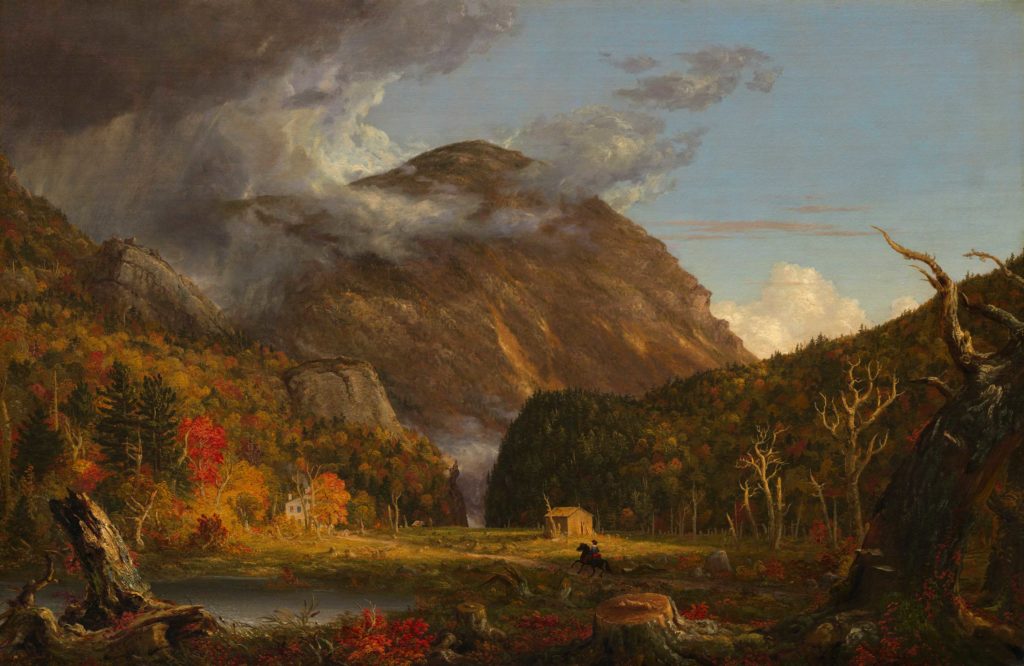
American artists Thomas Cole painting
Thomas Cole, American (1801–1848), “A View of the Mountain Pass Called the Notch of the White Mountains (Crawford Notch),” 1839, oil on canvas. National Gallery of Art, Washington, Andrew W. Mellon Fund.

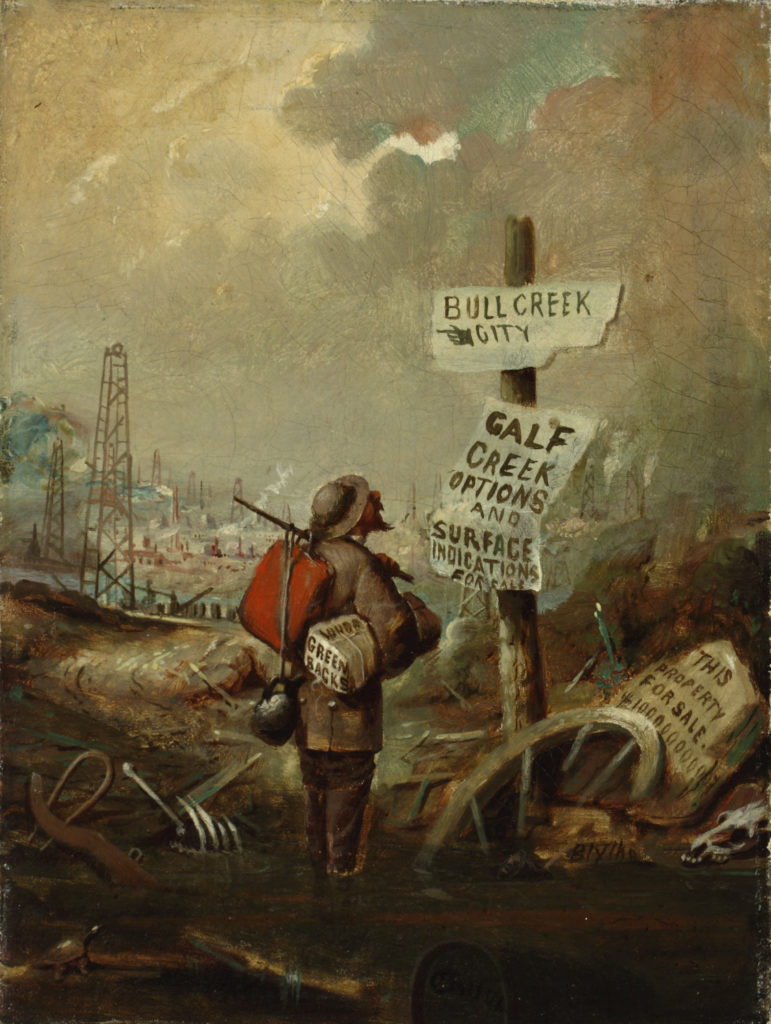
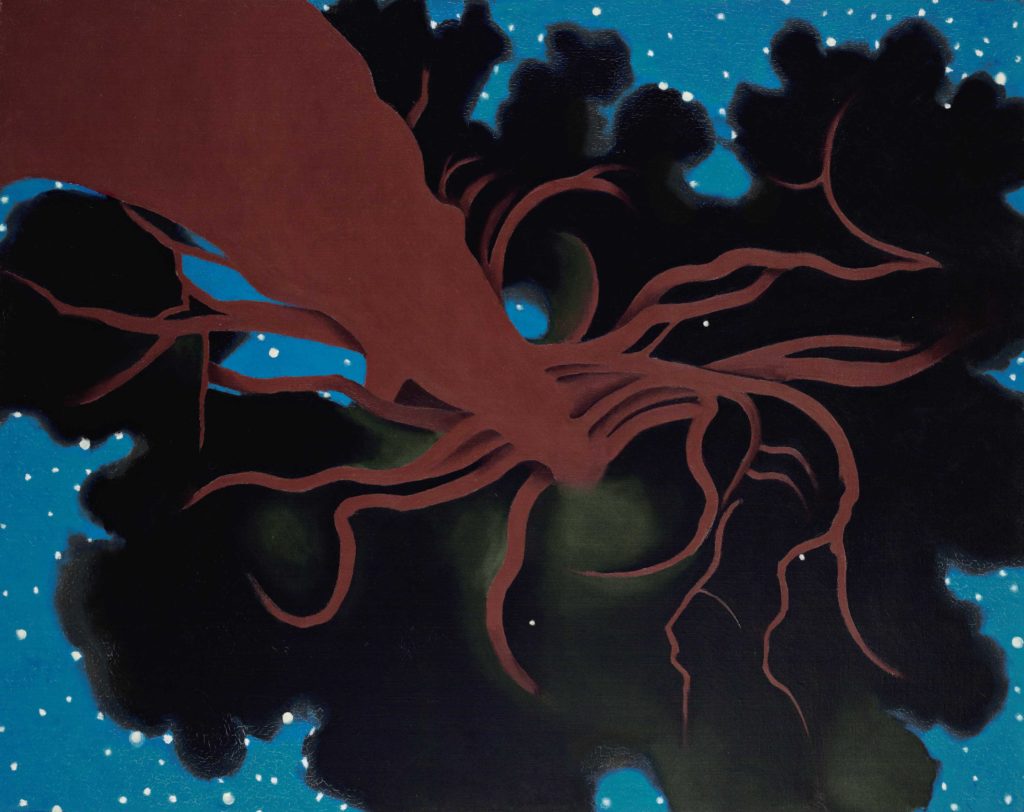
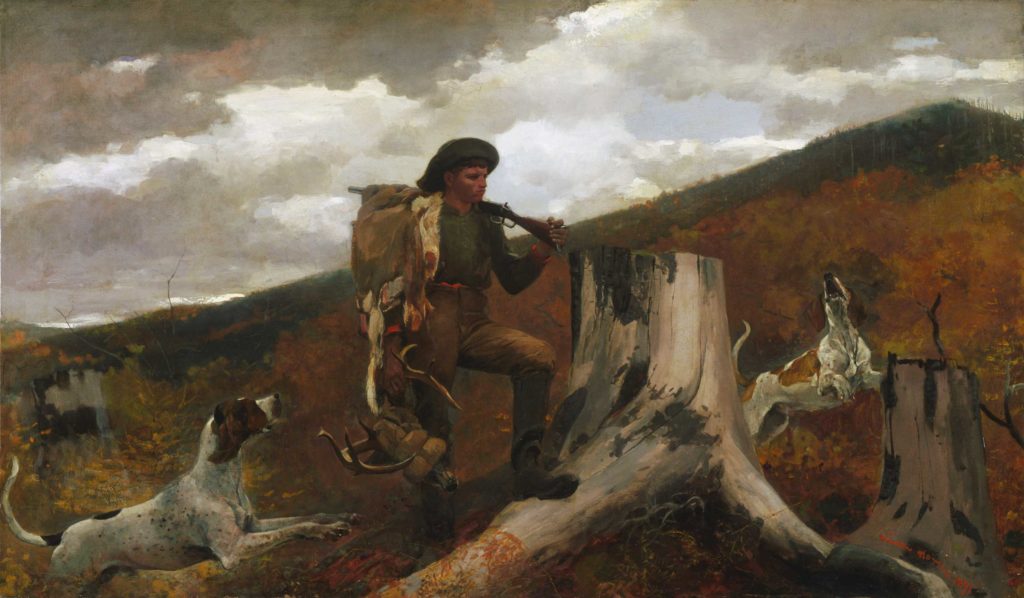
“Nature’s Nation: American Art and Environment” features major paintings, photographs, works on paper, and sculpture drawn from museum and private collections around the country by artists such as Ansel Adams, John James Audubon, Albert Bierstadt, Frederic Edwin Church, Thomas Cole, Winslow Homer, Dorothea Lange, Kent Monkman (Cree), Georgia O’Keeffe, Jacob August Riis, Jaune Quick-to-See Smith (Salish-Kootenai), and Andrew Wyeth.

American artists David Gilmour Blythe
David Gilmour Blythe, American (1815–1865), “Prospecting/Bullcreek City,” ca. 1861–63, oil on canvas. Westmoreland Museum of American Art, Bequest of Richard M. Scaife.

This is the first exhibition to examine how American and Native American artists have reflected and shaped our understanding of the environment over the last 300 years, from deeply held perspectives of interconnected ties to the universe to colonial beliefs that imagine nature as a hierarchy of species with men at the top, and also the modern emergence of ecological ethics.

American artists Georgia Okeeffe
Georgia O’Keeffe, American (1887–1986), “The Lawrence Tree,” 1929, oil on canvas. Wadsworth Atheneum Museum of Art, Hartford, CT. The Ella Gallup Sumner and Mary Catlin Sumner Collection Fund. © Georgia O’Keeffe Museum / Artists Rights Society (ARS), New York. Allen Phillips/Wadsworth Atheneum.

This timely exhibition opens on the heels of landmark reports from the United Nations and the White House that underscore the dire and impending consequences of climate change. Both conclude humans’ activities are having a dangerous impact on the environment and, as a result, there is an extreme risk of irreversibly affecting all human, built, and natural systems. It is critical to our time to acknowledge that humans, animals, water, land, and sky are all connected.

American artists Winslow Homer
Winslow Homer, American (1836–1910), “A Huntsman and Dogs,” 1891, oil on canvas. Philadelphia Museum of Art: The William L. Elkins Collection, 1924.

“Nature’s Nation” reconsiders American and Native American art within the context of environmental history and the study of living things’ relation to their surroundings. The exhibition highlights shifting visions and realities of nature as artists reflect and shape societal attitudes toward the natural world. As perspectives emerge, we are learning anew that the natural world is not a fixed concept but dynamic reality.

Organized by the Princeton University Art Museum, “Nature’s Nation: American Art and Environment” is on view at the Peabody Essex Museum (Salem, MA) from through May 5, 2019.


Sign up to receive Fine Art Today, the free weekly e-newsletter from
Fine Art Connoisseur magazine.
Incurably Atomic

0
Contemporary fine art paintings

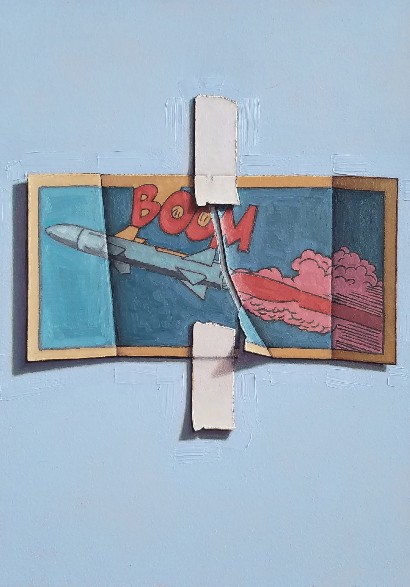
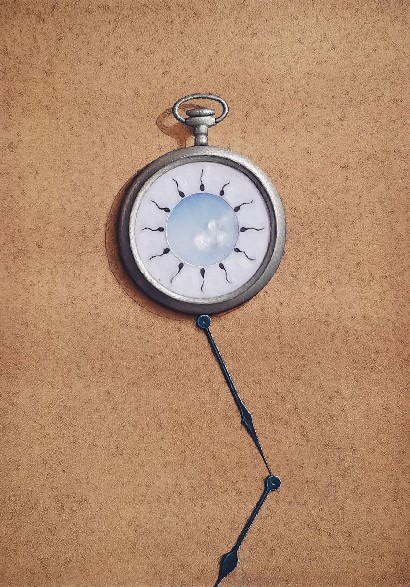
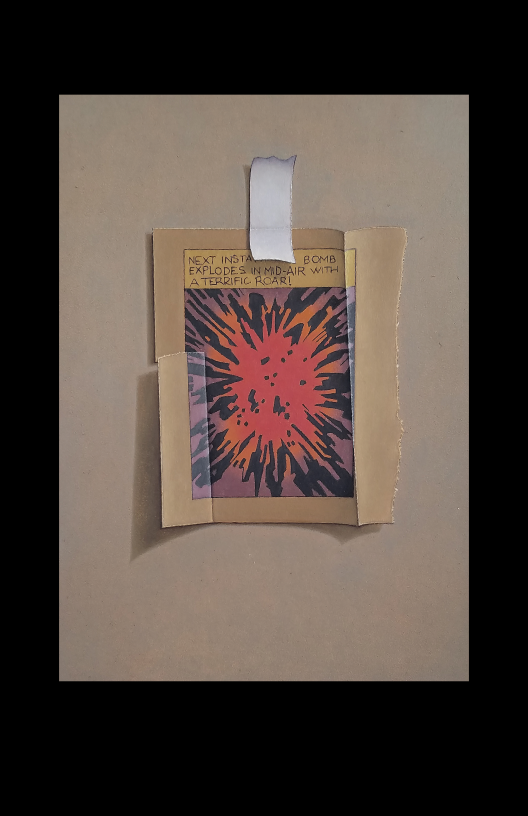
Anthony Mastromatteo: “Incurably Atomic”

From the artist:

My freshman year in college I enrolled in a class titled “Introduction to Modern Philosophy.” First on the syllabus: René Descartes’s “Meditations on First Philosophy.” My woefully immature mind succumbed easily to the procedural doubt embedded in the meditation.

Contemporary fine art paintingsI remember walking up to trees as I made my way across Princeton’s campus so as to be able to touch them. To test whether I could trust my eyes. To feel if the tree was a real existent Thing outside of me. The tree always pushed back against my touch. I felt the texture of its bark assert itself against my fingertips. The tree declared its concrete facticity in no uncertain terms.

“Are you real?”
Inside my head I spoke to the tree.
Much to my surprise,
The tree spoke back to me,
“I wondered the same thing about you.
Creature of my dreams,
Or living and true?”

Contemporary fine art paintingsAnd so, I became a realist painter. As much as I would express the infinity of myself, I am equally enthralled by the limit placed on the shape of that infinity by the existent Things I bump into wandering around in the field of that personal infinity. And so I have come to realize that in declaring myself I am forced to declare not-myself — the Things that push back against me . . . that demand recognition not in terms of my existence but in terms of theirs. And so my realism is a painting of myself, a painting of Things, and a painting of the field of relationships upon which these first two entities meet.

Contemporary fine art paintingsContemporary fine art paintings“Incurably Atomic” featuring the art of Anthony Mastromatteo is on view through February 23, 2019, at Cleveland State University / The Galleries at CSU (OH).


Sign up to receive Fine Art Today, the free weekly e-newsletter from
Fine Art Connoisseur magazine.
Two Artists Receive Master Signature Member Status

0
Cindy Baron landscape paintings
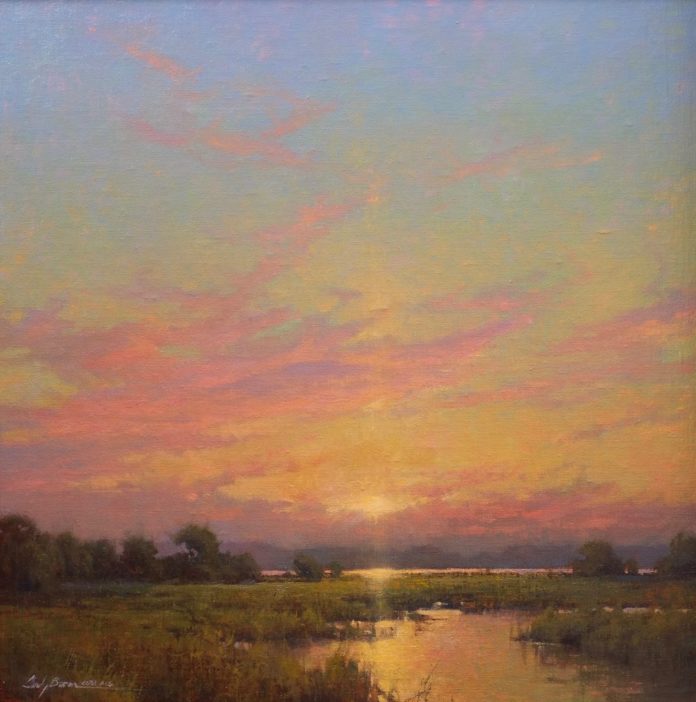
Landscape painting by Cindy Baron

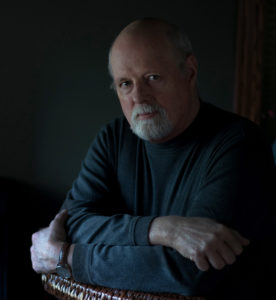
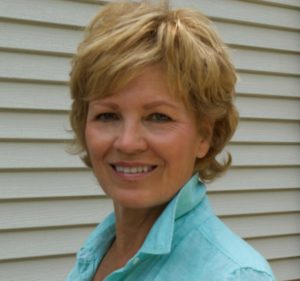
William A. Schneider and Cindy Baron have been elected Master Signature Members by Oil Painters of America. They join a select group of OPA Masters that includes Harley Brown, Daniel Gerhartz, Quang Ho, and Kevin Macpherson.

OPA Master William Schneider
OPA Master Cindy Baron

Cindy Baron (art featured at top) is nationally recognized in both watercolors and oils, painting the grand landscapes of the western mountains and coastal shorelines.

She was raised in South Bend, Indiana, and has had the experience of living all over the country. Her art career started early when her first grade teacher noticed her drawings, which led to weekends assisting teachers through high school at the art center in town. A full-time artist, Baron conducts workshops across the country and internationally, and she has taught at the Rhode Island School of Design in their Continuing Ed Department.

Her passion in the arts began with pastels, which then led to watercolors, and in 2000 she was awarded Signature status of the American Watercolor Society. In 2012, she became a Signature member of Oil Painters of America and is among a select group of artists, having received acknowledgment from her peers in both mediums. A plein-air painter enthusiast, her extensive travels have given Baron an abundance of information and knowledge, which she shares with her students. She has become a highly sought-after instructor, teaching her skills around the country and in continuing education classes to teachers. She has had the privilege of judging many award shows and has been featured in numerous publications.

Baron’s paintings reflect the beauty that is found in nature if you take the time to study the colors around you. She can capture beauty in a blustering storm or the tranquil air of everyday places. Her portraits relay a story of human life as though they were family or friend. The versatility of mediums and subjects keeps her energized, excited, and creative.

William Schneider oil paintings
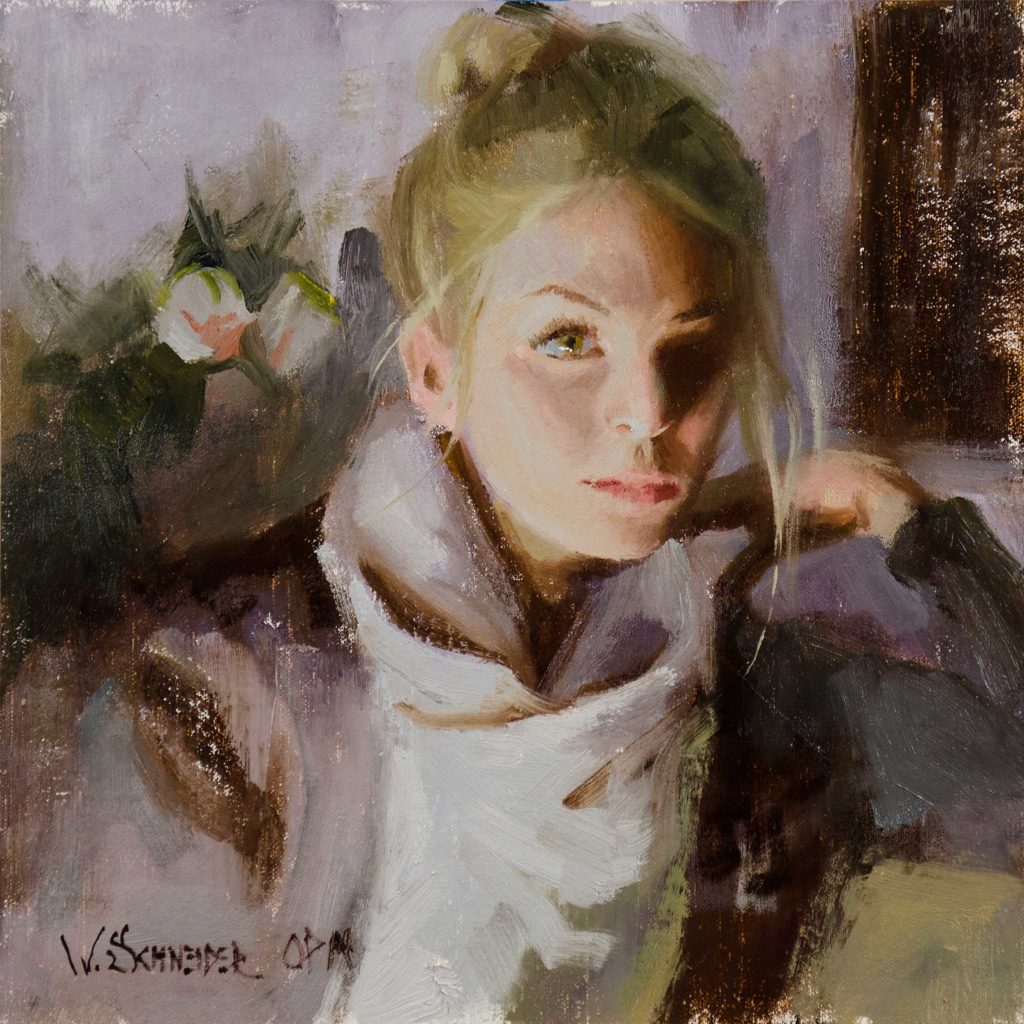
William Schneider, “The Long Goodbye,” 12 x 12 in.

William A. Schneider’s work has evolved since he finished his studies at the American Academy of Art. Workshops with Carolyn Anderson, Dan Gerhartz, Harley Brown, Scott Christensen, Huihan Liu, and Richard Schmid, among others, solidified his understanding of the basics. But he credits the many hours he spent studying and copying masterworks by Nicolai Fechin with loosening up his brushwork and approach to edges.

He also describes four days of intense study and analysis at an exhibit of the works of J. W. Waterhouse in Montreal as an “epiphany” in his understanding of composition. Schneider comments, “The wonderful thing about art is that you can always get better. I view myself as a perpetual student!”

Schneider has also been named Master Signature Member by the Pastel Society of America and the American Impressionist Society (AIS). He has been named to the Masters Circle by the International Association of Pastel Societies (IAPS).

“I am deeply honored, and consider OPA to be one of the premier organizations responsible for the current renaissance in representational art in America,” said Schneider.

The mission of OPA is to advance the cause of traditional, representational fine art by providing a forum in which artists can display their art in regional and national competitions. In addition, the organization is committed to providing educational opportunities to its members through its newsletter, critique program, scholarships, workshops, seminars, and demonstrations by today’s masters.


Sign up to receive Fine Art Today, the free weekly e-newsletter from
Fine Art Connoisseur magazine.
Empresses of China’s Forbidden City

0
“Empresses of China’s Forbidden City” Debuts at Peabody Essex Museum - FineArtConnoisseur.com
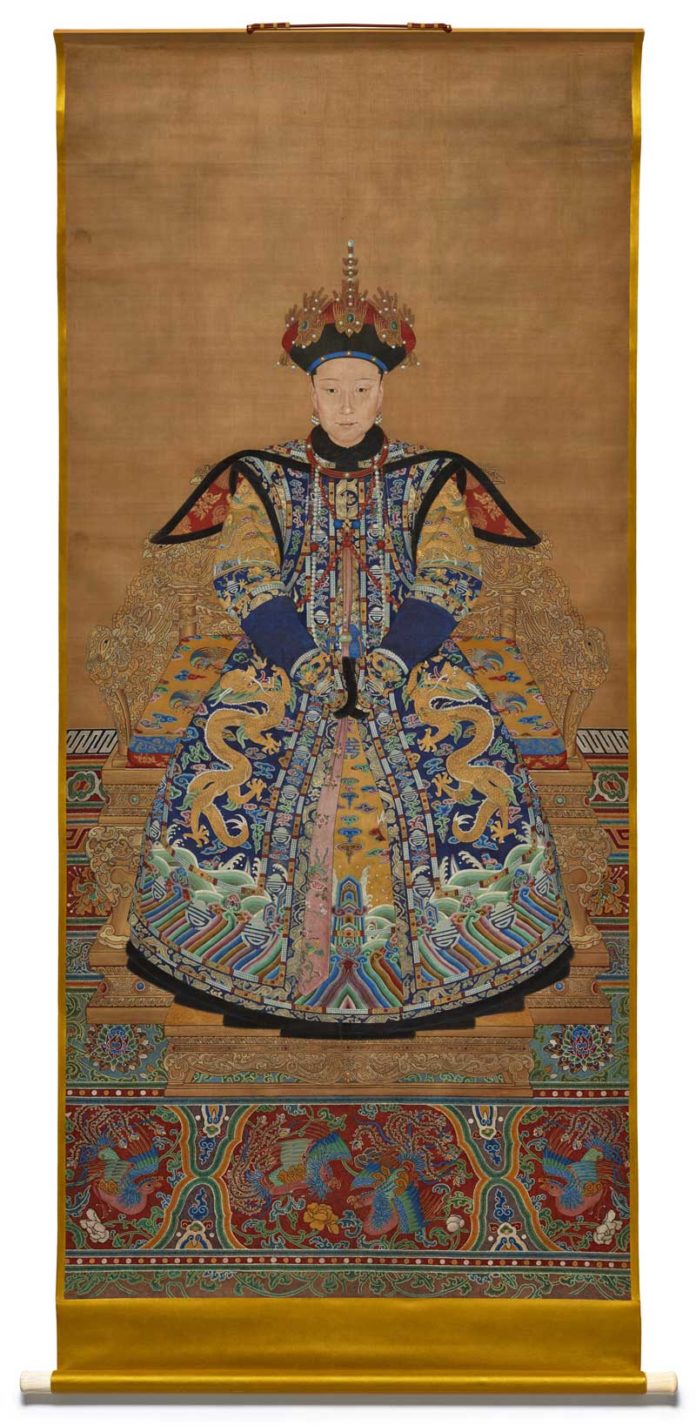
Empress Xiaoxian, Ignatius Sichelbarth (Ai Qimeng; 1708–1780,,born in Bohemia), Yi Lantai (active about 1748–1786), and possibly Wang Ruxue (active 18th century). Qianlong period (1736–1795), 1777 with repainting possibly in 19th century. Hanging scroll, ink and color on silk 99.125 x 45.375 in. (251.778 x 115.253 cm) Peabody Essex Museum, gift of Mrs. Elizabeth Sturgis Hinds. Photo by Walter Silver.

The Peabody Essex Museum debuts “Empresses of China’s Forbidden City,” the first international exhibition to explore the role of empresses in shaping China’s last dynasty––the Qing dynasty, from 1644 to 1912. Nearly 200 spectacular works of art from the Palace Museum, Beijing (known as the Forbidden City), tell the little-known stories of how imperial women lived and engaged with court politics, religion, and art. The exhibition is organized by the Peabody Essex Museum, Salem, Massachusetts; the Smithsonian’s Freer|Sackler gallery, Washington, D.C.; and the Palace Museum, Beijing.

“Empresses of China’s Forbidden City” Debuts at Peabody Essex Museum - FineArtConnoisseur.com
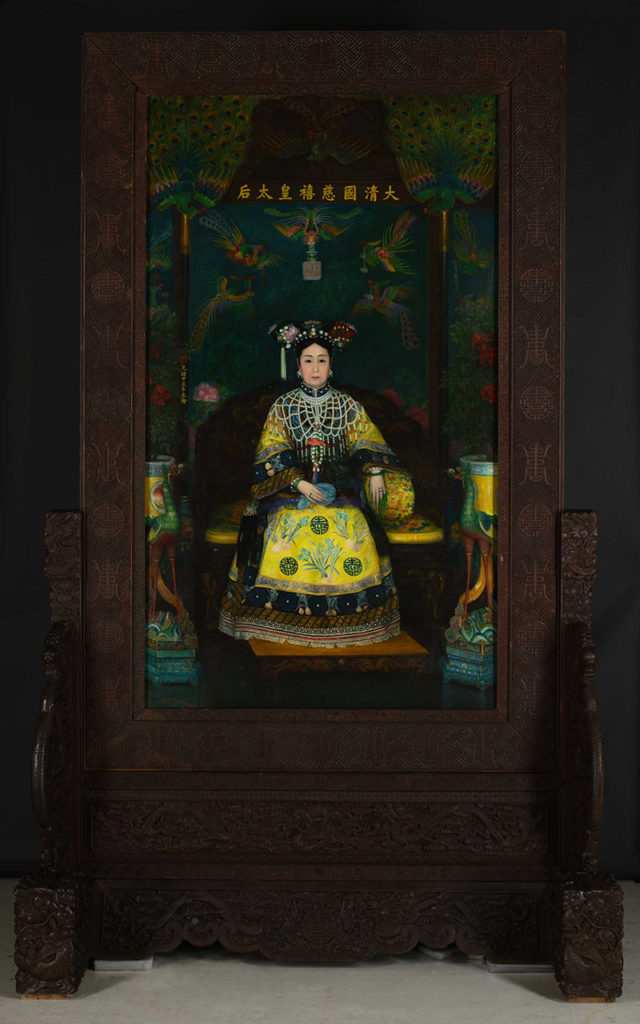
Empress Dowager Cixi, Katharine A. Carl (United States, 1865–1938), Guangxu period, 1903. Painting: oil on canvas; frame: camphor wood 117 × 68.25 in. (297.2 × 173.4 cm). Transfer from the Smithsonian American Art Museum, Arthur M. Sackler Gallery, S2011.16.1-2a-ap. After conservation record images of the “The Empress Dowager, Tze Hsi, of China” by K. A. Carl, 1904 in the collection of the Freer|Sackler Gallery, ACCESSION #: S2011.16, MCI# 6467

EXHIBITION HIGHLIGHTS
▶ The first major exhibition to examine the active and complex role of imperial women in court life from 1644 to 1912 in China.
▶ Fresh research reveals the stories of Qing dynasty imperial women’s influence in history, as well as spectacular art made for, by, and about these women.
▶ Once-in-a-lifetime opportunity to see rare treasures from the Forbidden City, including works that have never before been publicly displayed anywhere, and many of which have never been on view in the United States.
▶ Focuses on five core themes: imperial wedding, motherhood, lifestyle, religion, and political influence, featuring scenarios such as birthday celebrations, festivals, and the loss of a loved one, including a poem an emperor wrote for his deceased young wife.

“Empresses of China’s Forbidden City” Debuts at Peabody Essex Museum - FineArtConnoisseur.com
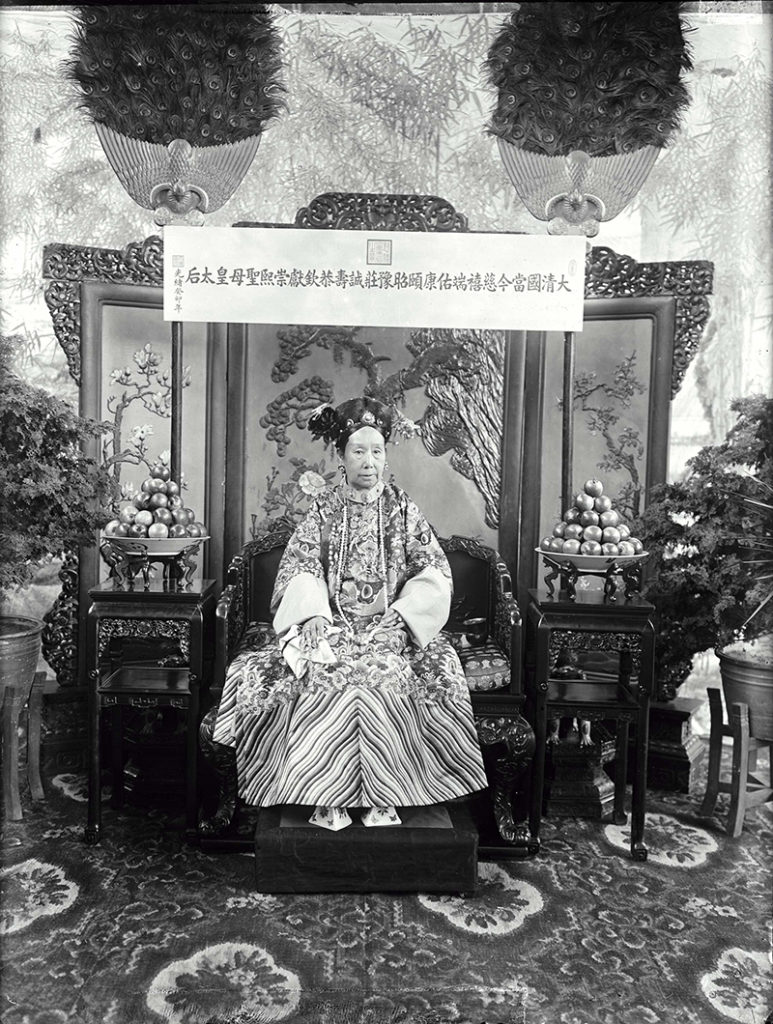
Empress Dowager Cixi. Photographed by Yu Xunling (1874–1943),Guangxu period, 1903–05, print from glass-plate negative, 9.5 × 7 in. (24.1 × 17.8 cm), Freer Gallery of Art and Arthur M. Sackler Gallery Archives, FSA A.13 SC-GR-262, Smithsonian Institution, Washington, DC, Purchase.

▶ A tale of opulence and influence, nearly 200 objects from the Palace Museum include paintings, decorative arts, costumes, jewelry, and Buddhist art.
▶ Stunning and sumptuous objects with stories include a nearly 40-pound gold seal, a 16-foot-tall portrait of an empress dowager given by her to President Theodore Roosevelt, and a 237-pound bejeweled gold shrine to hold the hair of a deceased empress dowager as an act of veneration.
▶ Qing empresses did not practice foot-binding, as illustrated by pairs of beautifully embroidered socks and boots. They traveled widely with emperors, and some rode horseback.
▶ Empresses are brought to life through dynamic design that evoke the women’s presence, and their spaces, inside the Forbidden City.
▶ Engaging in-gallery interactive experiences.
▶ Bilingual (Chinese and English) labels and other in-gallery text for visitors who read Chinese.

On view at the Peabody Essex Museum through February 2019. About 30 new objects will be rotated into the galleries in November 2018, halfway through the run of the exhibition, including magnificent paintings and robes.

Organized by the Peabody Essex Museum, the Smithsonian’s Freer|Sackler, Washington, D.C., and the Palace Museum, Beijing, this exhibition is a major international collaboration to celebrate the 40th anniversary of the establishment of U.S.-China diplomatic relations and the vibrant cultural exchanges between the two countries.

For more information, please visit www.pem.org.


Sign up to receive Fine Art Today, the free weekly e-newsletter from
Fine Art Connoisseur magazine.
Featured Artwork: Georganna Lenssen

0

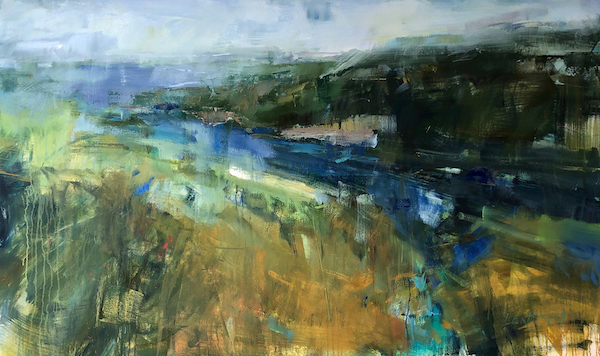
View from Ballanan
Oil on canvas
36 x 60 in.
$6000
Available through Cotuit Center for the Arts in Cape Cod, Massachusetts

View from Ballanan is based on my experience from a recent trip to Scotland,” says contemporary artist Georganna Lenssen. “I drew upon a series of plein air sketches and my memory to develop this piece which I think captures the colors and wild spirit of the location.”

Georganna’s work draws inspiration from nature, and then moves into a realm so unique and individual it cannot be bound by the representational. While continually referencing the natural world, she creates images which are ambiguous, sensual and evocative. “My work presents the culmination of response, absorption and interpretation of place or content,” says Georganna. “From exquisitely patterned African wild dogs, and densely sensual and frosted cakes to the evocative nature of aged and abandoned structures, a thread of commonality exists—the multi-faceted richness of imagery. Opacities, transparencies and translucencies offer an endless array of painterly suggestions. Instinct, memory and sensation merge for me, creating a visual language of mark making, color interaction and finally the landscape of the painted surface.

“My process is phenomenological—I follow my materials, intuition and the emerging imagery. It is an interactive process—a sort of dialogue between myself and the work. The abstract qualities of my paintings are always anchored by references to the representational, however if my subject becomes too articulated, I will deconstruct it and create chaos in order to reconstruct a different kind of organization. Scraping down entire paintings or working over previous pieces increases the depth and complexity of the image and its narrative.

“It is through paint that I process my world,” says Georganna. “Painting is my life and my passion.”

To see more of Georganna Lenssen’s work visit her website.
Follow Georganna Lenssen on Facebook and Instagram.

Georganna Lenssen will have her first solo exhibition in the New England area, displaying a major body of original works at the Cotuit Center for the Arts in Cape Cod, Massachusetts, March 2–April 22, 2019, with opening reception March 2, 5–8pm.

In addition, Georganna Lenssen is represented by South Street Art Gallery in Easton, Maryland, and has shown with leading contemporary art galleries including J. Cacciola/Gallery W in Bernardsville, New Jersey, and Stanek Gallery in Philadelphia, Pennsylvania, as well as at many galleries in the Mid-Atlantic region.

The 2019 Museum Guide

Art museums guide
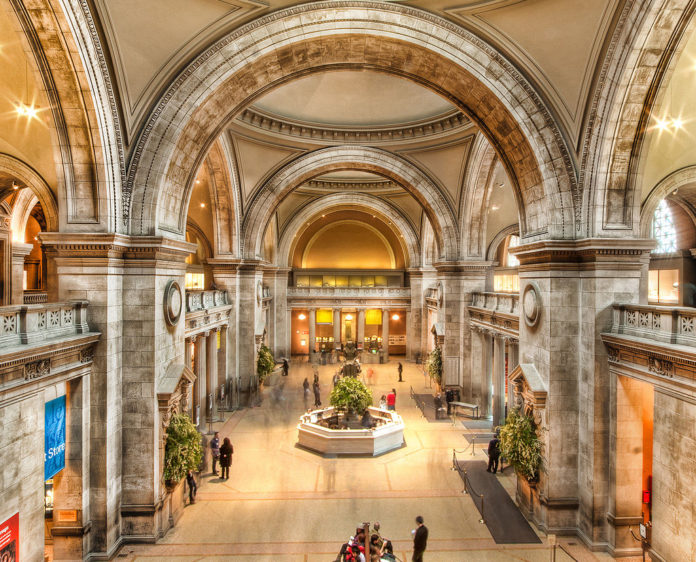
The Great Hall of the Metropolitan Museum of Art, New York City

Celebrating Our Museums

Strictly speaking, a museum is a place dedicated to the muses — the nine (female) divinities of the arts, history, science, and literature who were revered by the ancient Greeks. Though most of us don’t worship those goddesses anymore, the subjects they symbolized live on and are still brought to life daily in the vast array of museums found all over the world.

Like so many good things, museums emerged during the Italian Renaissance, specifically in 1471, when Pope Sixtus IV opened the Capitoline Museums in Rome to show off the ancient sculptures he owned. One of his successors, Julius II, launched what we know as the Vatican Museums in 1506, but it must be noted that only invited guests — usually of the higher and artistic classes — could enter such venues until the Enlightenment of the late 18th century. That’s when new institutions such as London’s British Museum (opened 1759), Florence’s Uffizi Gallery (1769), and Paris’s Louvre (1793) began permitting less privileged people to come have a look.

Chartered by the U.S. Congress in 1846, the Smithsonian Institution inherited that democratic notion thanks largely to its benefactor, James Smithson (1765–1829), a British scientist who never actually visited America. Having grown up in Washington, D.C., I was fortunate to visit the Smithsonian and the capital’s other great museums from a very young age. They have always felt like places to relax and learn in safe, comfortable settings; the exhibits are high in quality and there is no pressure to buy anything, except perhaps a snack or souvenir.

What no one could have predicted during my boyhood, however, was how popular museums would become; the American Alliance of Museums reports that 860 million visits now occur annually. That statistic is astonishing, yet it does not capture how central museums have become in our civic life; they are no longer just places to learn, but also places to gather, celebrate, mourn, and have fun.

That accessibility is key: the more often we bring our kids to museums to — say — attend a festival, the more likely they are to return as adults to enjoy the collections and exhibitions inside. And speaking of collections, museums deserve enormous credit for working hard to catalogue and post their collections online; they hold these treasures on behalf of the public, and now we have an ever-clearer idea of what they are.

This special resource from Fine Art Connoisseur — our third annual homage to museums — highlights the tremendous quality and public-spiritedness of art museums across North America.

Click here to view the 2019 Museum Guide.

We thank our museum colleagues for all they do on the public’s behalf, and we wish them much continued success. Finally, if you know of a museum that should be included in the future, please let us know. We are always grateful for your feedback.


Sign up to receive Fine Art Today, the free weekly e-newsletter from
Fine Art Connoisseur magazine.
NYC’s Longest-Running Art, Antiques, and Design Fair

0
The Winter Show, New York
Images courtesy The Winter Show

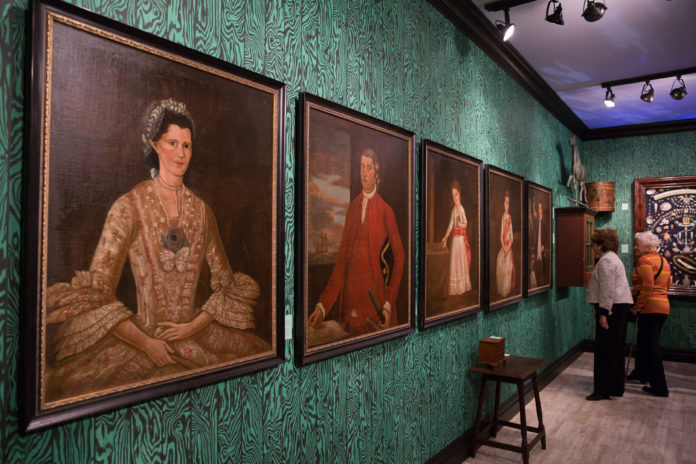
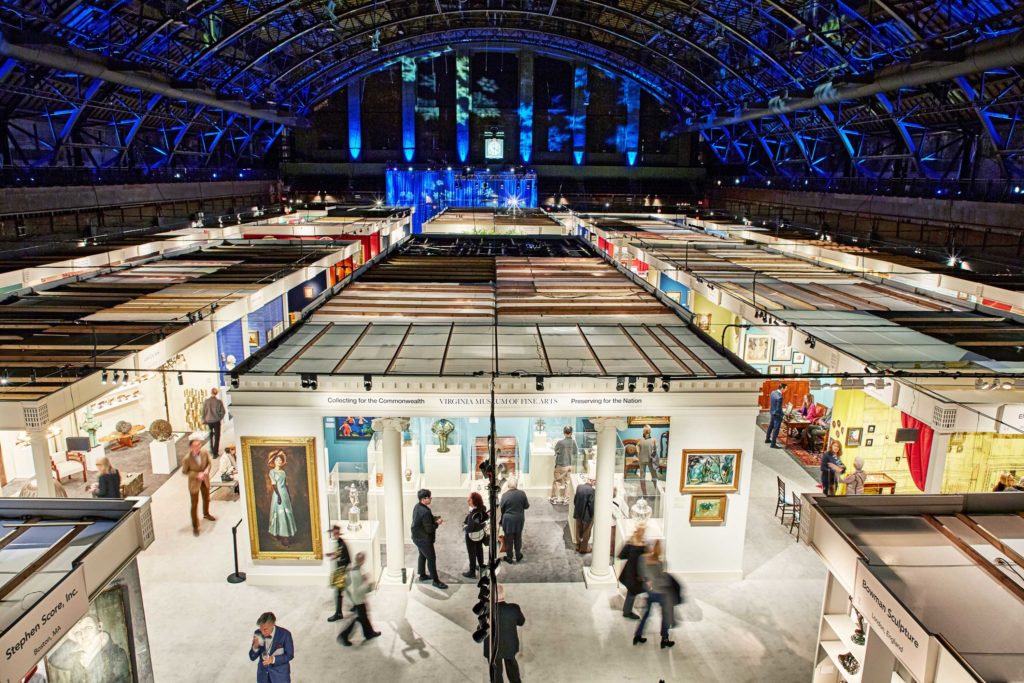
The Winter Show returns to the Park Avenue Armory (New York) from January 18 through January 27, 2019, for its 65th Anniversary Sapphire Jubilee. The longest-running art, antiques, and design fair in America, the Winter Show is an annual benefit for East Side House Settlement, a community-based organization serving the Bronx and northern Manhattan. The Show’s 2019 edition will feature 68 of the world’s leading experts in the fine and decorative arts, alongside a series of lectures and panel discussions and this year’s loan exhibition, “Collecting Nantucket, Connecting the World,” organized by the Nantucket Historical Association.

Led by Executive Director Helen Allen and Associate Executive Director Michael Diaz-Griffith, the Winter Show builds on its esteemed reputation, offering a dynamic display of fine and decorative arts from around the world. Spanning more than 5,000 years, from antiquities to contemporary photography and design, the fair continues to broaden its scope, introducing established and emerging exhibitors to new and expanding audiences.

The Winter Show is an annual benefit for East Side House Settlement, a community-based organization serving the Bronx and northern Manhattan. East Side House’s programs focus on education and technology as gateways out of poverty and as the keys to economic opportunity.

Spoilum (active c. 1785–1810), “Sampson Dyer,” 1802, oil on canvas, 23 x 18 in., Nantucket Historical Association

Exhibitor Highlights for the Winter Show

The 2019 edition welcomes new exhibitors, including Lowell Libson & Jonny Yarker Ltd. (London, UK), which presents a pair of the largest surviving sketches of Baroque ceilings made in Britain, reunited for the first time since 1961; Charles Ede (London, UK) showcases exceptional ancient objects from Egypt, Greece, and Rome dating as far back as 664 BC; and Erik Thomsen Gallery (New York, USA), a specialist in Japanese art, which brings finely detailed folding screens and traditional Japanese maki-e objects.

Contemporary highlights this year also range across materials and geography. Maison Gerard (New York, USA) returns to the 2019 show with a selection of Art Deco furniture, lighting, and art objects, including Ayala Serfaty’s distinctive sculptural light fixtures; Elle Shushan (Philadelphia, USA) presents Maxine Helfman’s photography series Forefathers, which chronicles the 18 slave-owning presidents of the United States; and Joan B Mirviss LTD (New York, USA), a leading gallery in Japanese contemporary clay art, presents the work of five major ceramic artists — Futamura Yoshimi, Kakurezaki Ryūichi, Kaneta Masanao, Kondō Takahiro, and Yoshikawa Masamichi — offering a rare look into the world of contemporary Japanese clay drawn from the aesthetics of ancient Asia.

The Winter Show, New YorkSpecially curated booths include H. Blairman & Sons Ltd. (London, UK), illuminating the English Arts and Crafts movement with works by Ernest Gimson, Peter Waals, Alfred Bucknell, and Eric Sharpe, many of which are appearing on the market for the first time; these include a rare roomful of 19 woven wool panels by William Morris in the Campion pattern, recently removed from the Scottish home where they were originally installed.

Returning exhibitor Les Enluminures (Chicago and New York, USA; Paris, France) brings medieval and Renaissance works including books of hours, sculpture, and jewelry and has published a new catalogue, Medieval Must-Haves: The Book of Hours, on the occasion of the Winter Show. Menconi + Schoelkopf (New York, USA) offers works by the seminal American Modernist painter John Marin. Jonathan Boos (New York, USA) and Hirschl & Adler Galleries (New York, USA) also showcase American painting from the 19th and 20th centuries.

The Winter Show takes place at the Park Avenue Armory (New York) January 18–27, 2019.


Sign up to receive Fine Art Today, the free weekly e-newsletter from
Fine Art Connoisseur magazine.
Frank Duveneck, Reinterpreted

0
Art Academy of Cincinnati
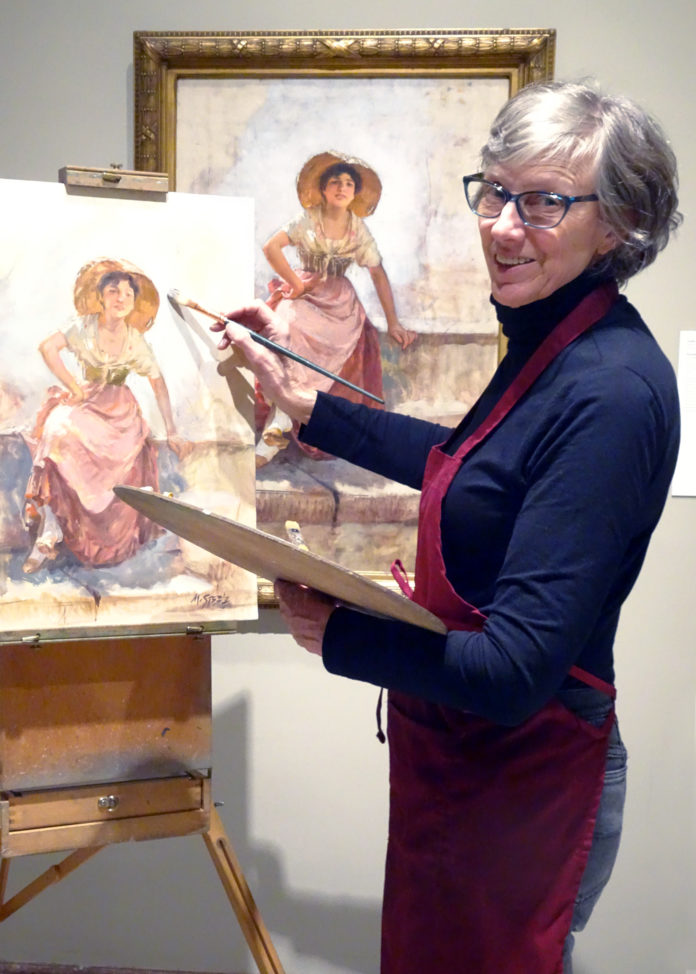
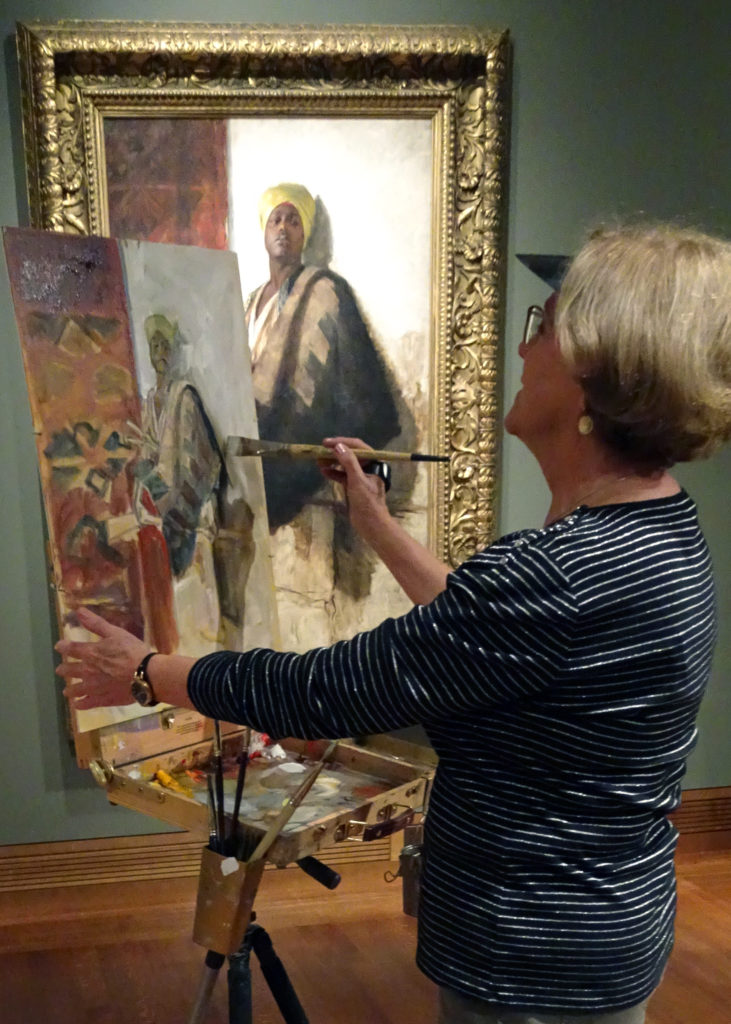
Marlene Steele at the Cincinnati Art Museum

Frank Duveneck was a nationally celebrated artist from the 1870s until his death on January 3, 1919. He was one of the first painters to make American art as coveted as that created in Europe. On his return from Europe in 1888 he settled in Covington, Kentucky, and began teaching at the Art Academy of Cincinnati. He was known for his demonstrations of his noted brush technique and his hands-on work in the studio classes.

Art Academy of Cincinnati
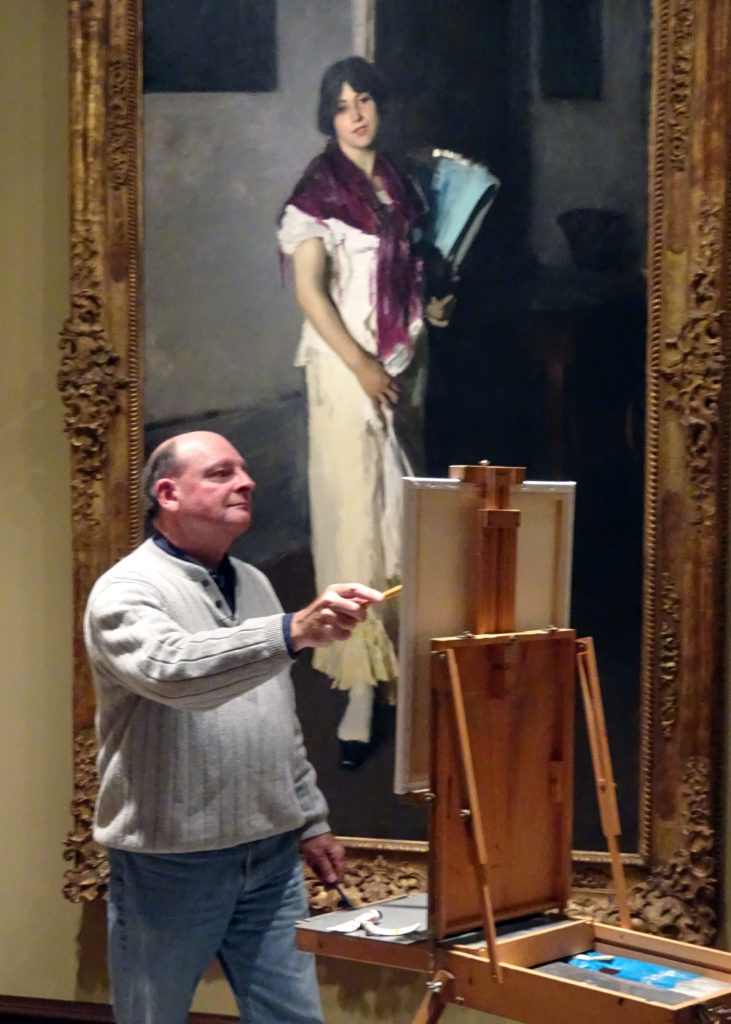
Don Schuster at the Cincinnati Art Museum

On January 3, 2019, about 20 of Cincinnati’s best-known artists painted their interpretations of the historic Frank Duveneck Collection in the Cincinnati Wing and other galleries at the Cincinnati Art Museum. The work of these artists is on view in the exhibition “Duveneck & Friends Reinterpreted,” starting January 18.

Art Academy of Cincinnati
Christine Kuhr at the Cincinnati Art Museum

Marlene Steele reminisces: “My teacher, Miss McCarthy, had a painting in her studio of a 3/4 length gentleman standing. In his class, Duveneck took the brush from her hand and made several strokes to strengthen and encourage her concept. She had said to me that she ‘never touched the painting again’ in order to preserve the surface.’”

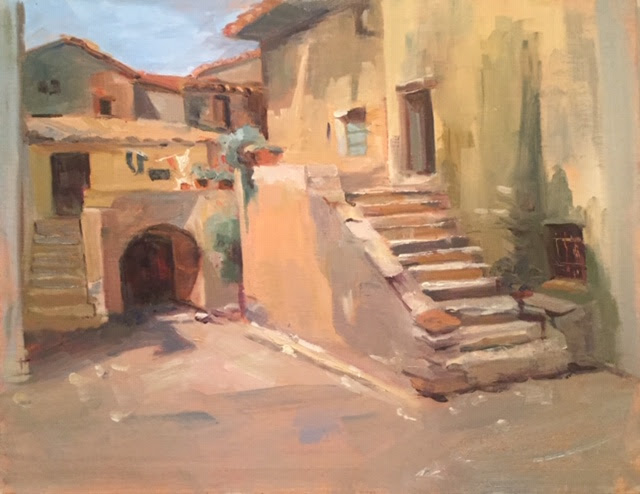
Kathleen Kilgallon, “Italian Courtyard,” After Duveneck, oil on canvas, 11 x 14 in.
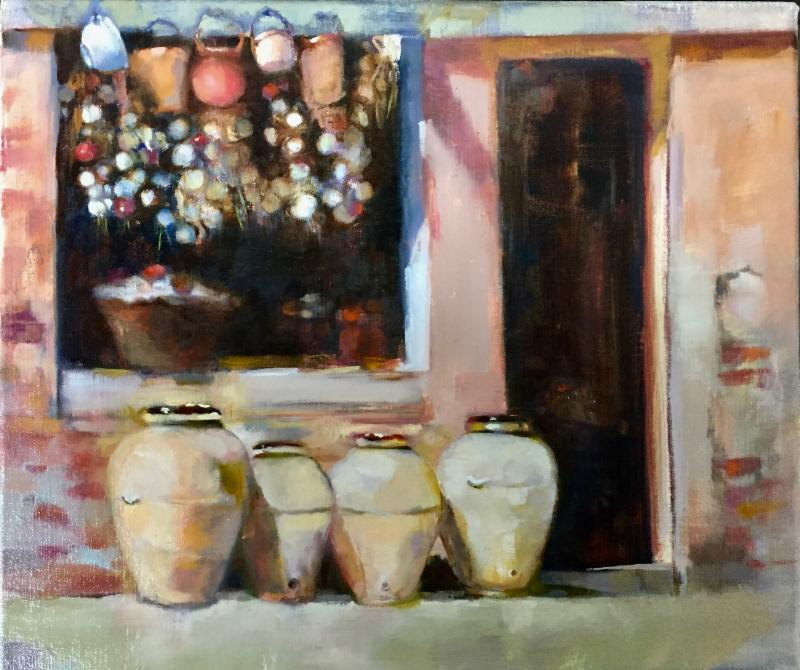
Gail Morrison, “Doorway with Garlic Braids,” After Duveneck, oil on linen, 10 x 13 in.

“Duveneck & Friends Reinterpreted” is on view at Wessel Gallery at the Cincinnati Art Club (Ohio).


Sign up to receive Fine Art Today, the free weekly e-newsletter from
Fine Art Connoisseur magazine.
WEEKLY NEWS FROM THE ART WORLD

Fill your mind with useful art stories, the latest trends, upcoming art shows, top artists, and more. Subscribe to Fine Art Today, from the publishers of Fine Art Connoisseur magazine.
  • This field is for validation purposes and should be left unchanged.