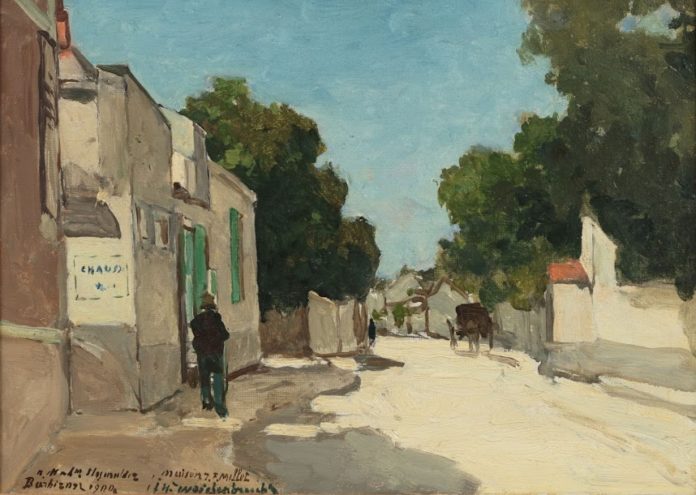
Jan Hendrik Weissenbruch, “The House of the Artist Millet,” 1900, oil on canvas, private collection
The Mesdag Collection in The Hague has recently hung a significant exhibition surrounding the special attraction the French village of Barbizon held for Dutch painters in the 19th century. Yes, please!
From October 27, 2017 through January 7, 2018, the Mesdag Collection in The Hague will present “The Dutch in Barbizon: Maris, Mauve, Weissenbruch,” an exhibition about 19th-century Dutch painters who were drawn to the French village of Barbizon and the nearby Forest of Fontainebleau. French artists went to that area — just a stone’s throw from Paris — to work in the open air, capturing their personal, often rough or sketchy impressions of the unspoiled nature around them.
This exhibition features Dutch painters who followed the example of their French peers, visiting the same spots in and around the Forest of Fontainebleau to depict magnificent trees, unusual rock formations, and village life. The artworks of these French and Dutch artists hang side by side in this exhibition, in the museum that holds one of the finest collections of Barbizon paintings outside France, once assembled by Hendrik Willem Mesdag himself.
“The Dutch in Barbizon” consists of 42 works, grouped into themes such as “Rocks” and “In the Village.” A number of remarkable loans will be on display, including two drawings by Martinus Kuytenbrouwer that for many years were in the possession of two Dutch monarchs: King William III and later Queen Juliana. The exhibition concludes with recent photographs, which show that Barbizon is still as magical as ever.
“The Dutch in Barbizon” complements “The Dutch in Paris, 1789-1914,” running concurrently in the Van Gogh Museum in Amsterdam. To learn more, visit here.
This article was featured in Fine Art Today, a weekly e-newsletter from Fine Art Connoisseur magazine. To start receiving Fine Art Today for free, click here.
Winners will be awarded more than $7,000 in prizes during the 41st International Watermedia Exhibition, juried by Iain Stewart. Want to throw your hat in the ring? The deadline is approaching.
The 41st Annual International Watermedia Exhibition will highlight the artistic excellence of its global participants in a gallery exhibition held in Houston’s popular Museum District. In March 2018, selected entries will receive maximum exposure in a juried, month-long exhibit and have an opportunity to win generous awards from sponsors.
This year, highly sought-after painter Iain Stewart is the honorary juror and instructor. Through strong marketing efforts, public relations, and advertising, the 2018 International Watermedia Exhibition is intended to help provide optimal exposure for outstanding international artists who excel in water media.
The deadline for entries is January 12, 2018, with the exhibition running from March 4 through April 5. Artworks must be original and in water-soluble media (at least 80 percent water media: watercolor, acrylic, gouache, egg tempera, casein, ink). No water-mixable oils are accepted.
This article was featured in Fine Art Today, a weekly e-newsletter from Fine Art Connoisseur magazine. To start receiving Fine Art Today for free, click here.
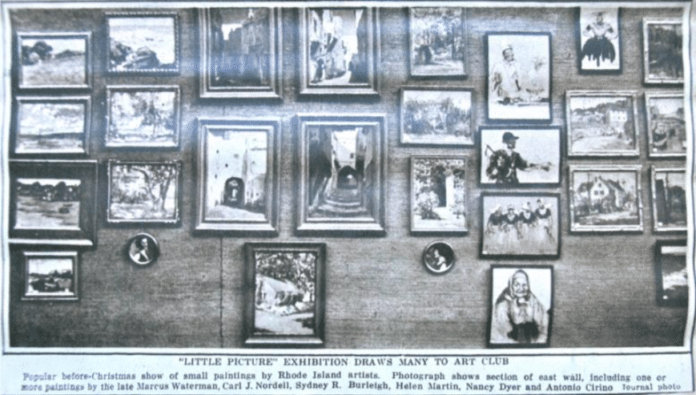
The “Little Pictures Show” in 1920, image courtesy Providence Art Club
The nation’s oldest “Little Pictures” show turns 113 in 2017, with a prolific display of over 600 artworks priced to sell. When and where?
The annual “Little Pictures Show” at the Providence Art Club in Rhode Island is the nation’s oldest, and on November 12, the 113th edition will go live to much anticipation. First held in 1904, the show features hundreds of artworks no larger than 16 x 16 inches and priced no higher than $300.
This year’s installment of “Little Pictures” will open on November 12 and continue through December 23. The Galleries of the Providence Art Club will be open seven days a week 12-5 p.m. during the exhibition.
The show will take place throughout the Art Club’s three historic gallery spaces located on Providence’s charming College Hill, steps from the First Baptist Church in America. Over 100 artists, all members of the Providence Art Club, will take part. Works on view will include paintings, drawings, photographs, collages, hand-pulled prints, and handmade artist books, along with sculpture, ceramics, glass, and jewelry. With such a breadth and diversity of styles and media present, there is truly something for everyone.
Each participating member of the Art Club may exhibit up to six original works at a time for exhibition in the “Little Pictures Show.” Sales are “cash and carry,” meaning purchased works may be taken home immediately. New works then replace works that have been sold. This results in a constantly changing exhibition of local, affordable artwork — perfect for gift-giving this holiday season!
This show is the perfect opportunity for art lovers to purchase works for their own collection, or find a unique gift for friends and loved ones. It is also a great way to explore the Providence Art Club and learn more about the artists who make up the membership of one of the oldest arts organizations in the nation.
This article was featured in Fine Art Today, a weekly e-newsletter from Fine Art Connoisseur magazine. To start receiving Fine Art Today for free, click here.
Big things come in small packages this month at the National Cowboy & Western Heritage Museum as the institution is poised to present an exciting opportunity for fine art lovers and collectors.
On November 10, the National Cowboy & Western Heritage Museum will host “Small Works, Great Wonders,” an exhibition and sale that features a fusion of traditional and contemporary paintings and sculptures at affordable prices for collectors. More than 100 of the nation’s finest artists, including many from the prestigious Prix de West, will be on hand and represented during the event.
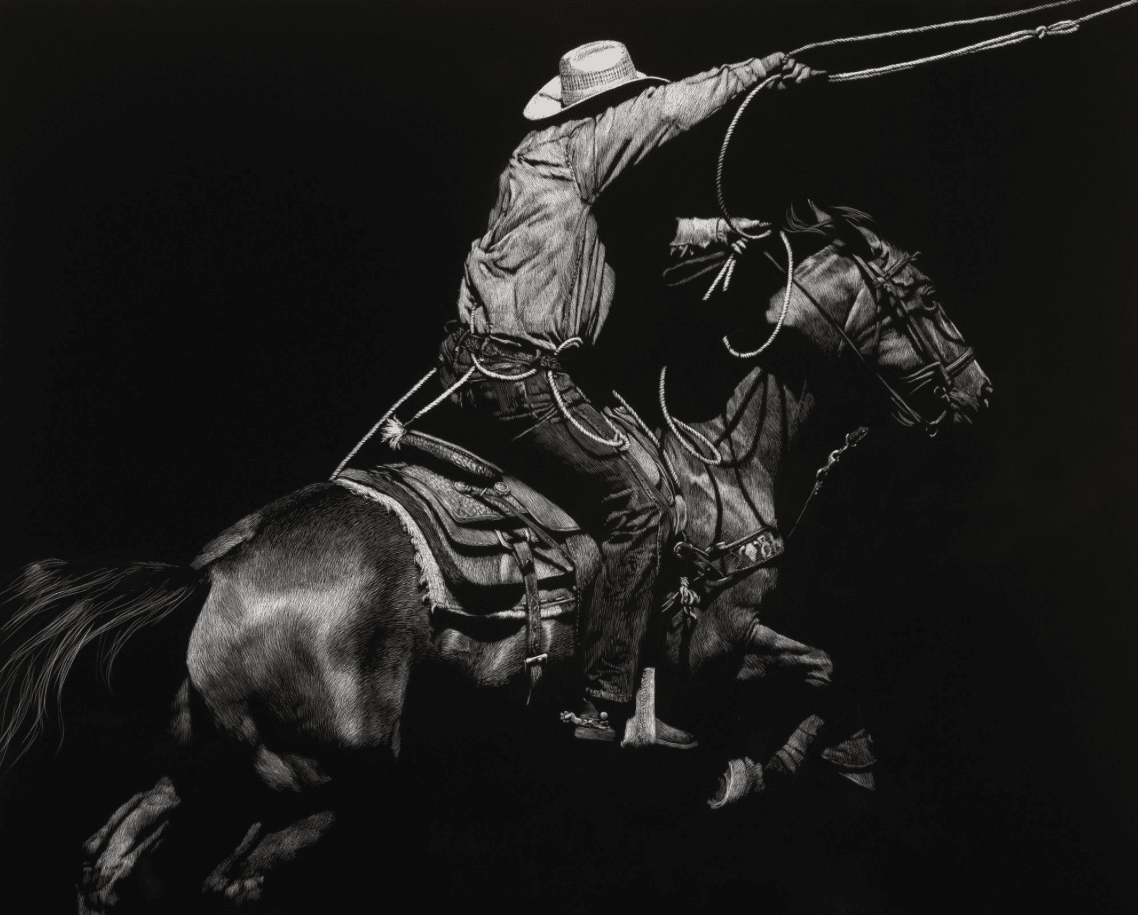
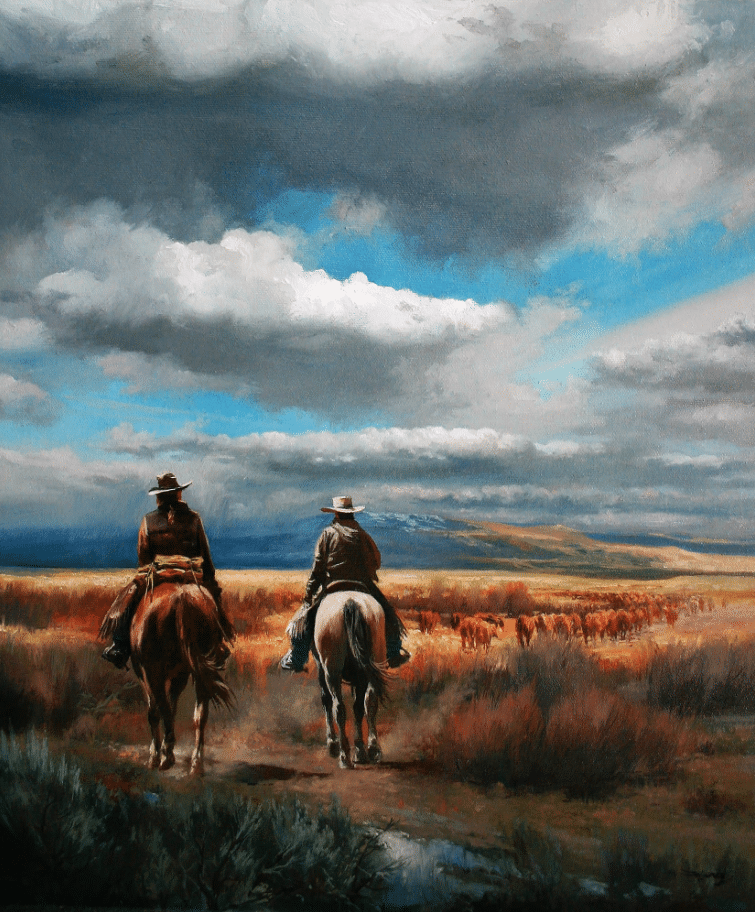
Julie T. Chapman, “Fast Break,” charcoal and graphiteValeriy Kagounkin, “Working Under an Idaho Sky,” oil
Attendees will enjoy not just the great artworks, but also door prizes, cocktails, hors d’oeuvres, and live music. During this unique sales exhibition, purchasers may leave with art in hand at the end of the night. Unsold art will remain on display and available for purchase through November 26.
This article was featured in Fine Art Today, a weekly e-newsletter from Fine Art Connoisseur magazine. To start receiving Fine Art Today for free, click here.
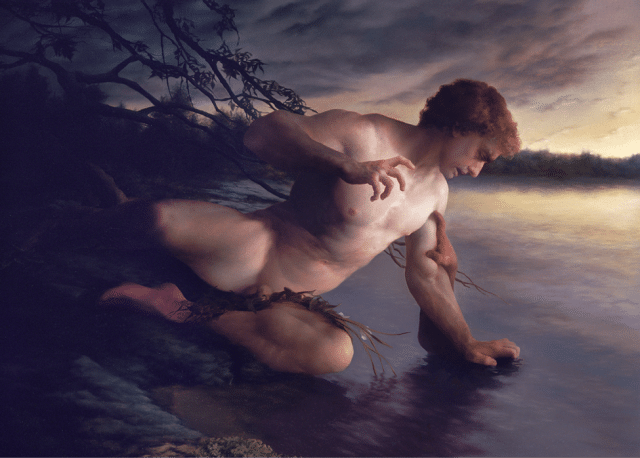
Camie Salaz, “Narcissus,” oil on linen, 30 x 40 inches
Inspired by Robert Zeller’s recent book titled The Figurative Artist’s Handbook, this New York gallery will host “The New Baroque,” an exhibition of outstanding figurative art curated by Zeller himself with Casey Gleghorn. Where?
On view from November 18 through January 13 at New York City’s Booth Gallery, “The New Baroque” is a fascinating figurative exhibition curated by Robert Zeller and Casey Gleghorn and inspired by Zeller’s recent publication The Figurative Artist’s Handbook. The exhibition includes many artists who are featured in the book, plus additional artists including both painters and sculptors.
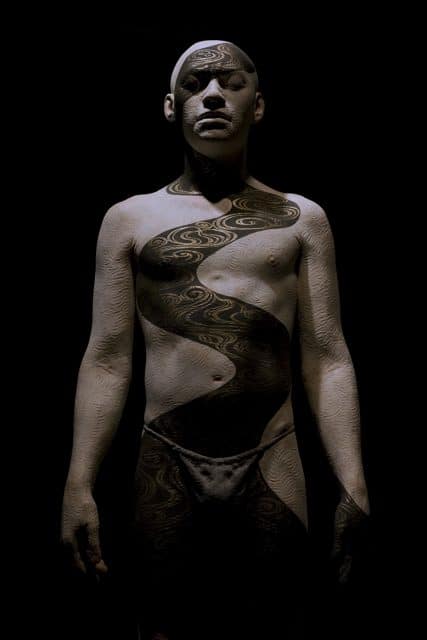
Chie Shimizu, “The Story of the River,” ultra-cal, plaster, and pigment, 37 inchesAlex Kanevsky, “The Most Sinister Model,” graphite on paper, 30 x 22 inchesChristian Johnson, “Untitled,” graphite and charcoal on paper, 4 x 5 feet
Among the artists represented are Steven Assael, Bo Bartlett, Aleah Chapin, Carl Dobsky, Randall Exon, Zoey Frank, Alex Kanevsky, David Kassan, Kurt Kauper, Evan Kitson, Maria Kreyn, Brad Kunkle, Christian Johnson, Adam Miller, Matthew Miller, Alyssa Monks, Odd Nerdrum, Ashley Oubre, Camie Salaz, Chie Shimizu, Nicola Verlato, and Rob Zeller. A reception will be hosted at the gallery on November 18 at 7 p.m.
This article was featured in Fine Art Today, a weekly e-newsletter from Fine Art Connoisseur magazine. To start receiving Fine Art Today for free, click here.
The Florence Academy of Art is inviting you to participate in its inaugural West Coast workshops. Don’t wait, however, because enrollment is capped at 10! Details here.
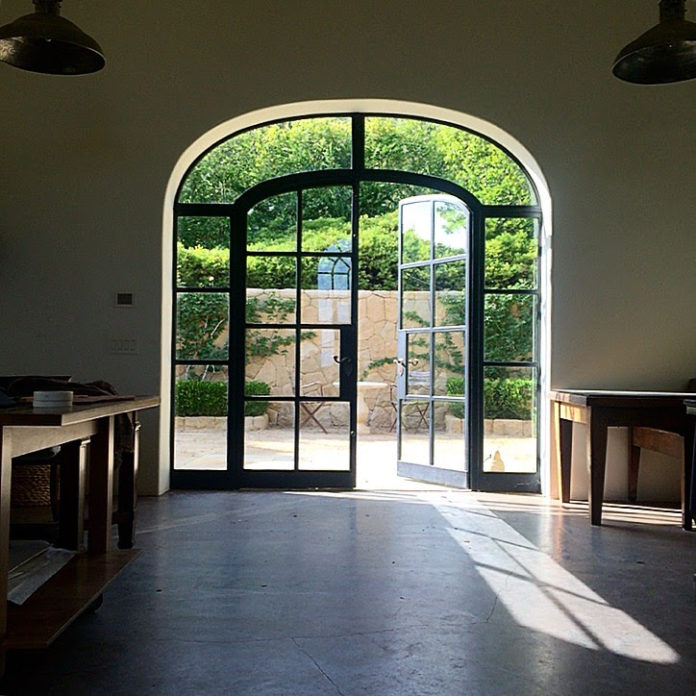
How does Santa Barbara, California, sound in January? Delightful. How about joining the Florence Academy for a week of workshop magic while there? That’s what the famous academy is currently offering, and enrollment is still open.
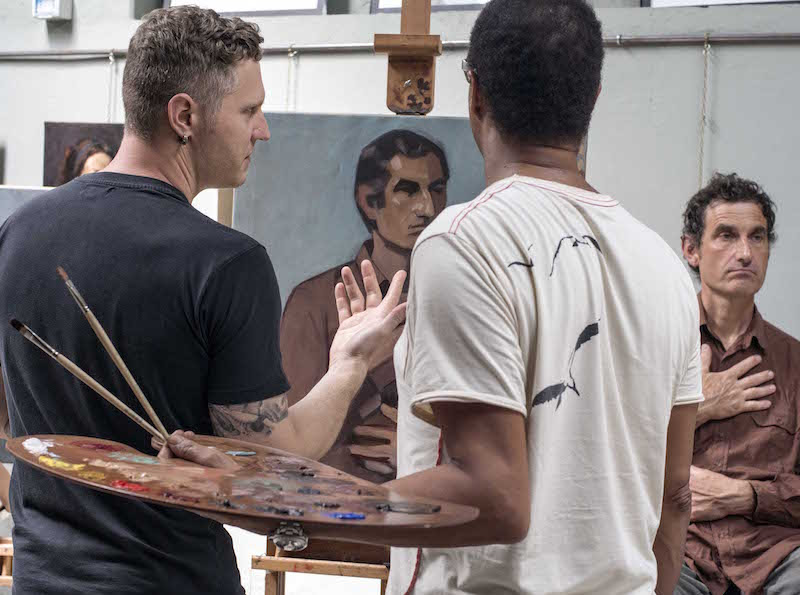
Image courtesy The Florence Academy of Art
Hosted in Santa Barbara between January 8-12 and January 15-19 will be the academy’s inaugural West Coast workshops, with several experienced instructors on hand to impart a substantial amount of information in a short period of time. “Instruction is by individual critique so you will be guided at your level of expertise,” they say.
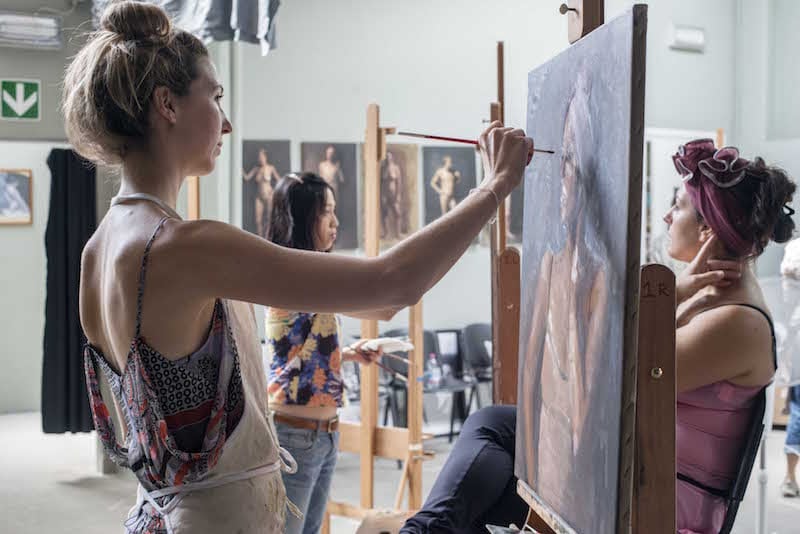
Image courtesy The Florence Academy of Art
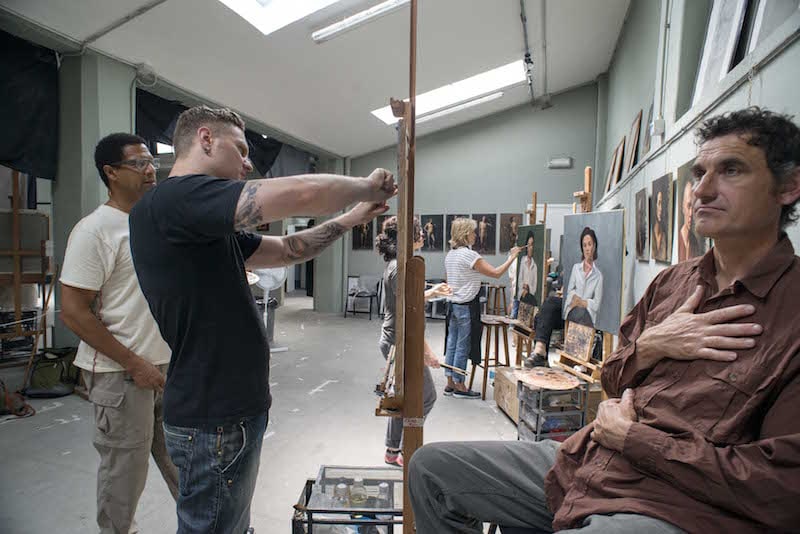
“At the Florence Academy of Art, painting directly from life is the culmination of various skills. In this course, students may select to attend the one-week or two-week session in Portrait, Still Life, and Landscape Painting conducted by Florence Academy faculty. Each weekly session begins with an in-depth explanation of the Florence Academy method, a technical demonstration on mixing colors, organizing the palette, and preparing mediums, and producing a painting from life. Students work 6 hours daily, painting the portrait in the morning and the still life or landscape in the afternoon. Students may attend one week or two weeks. 30 hours per week full instruction. Students work from the live model three hours per day.”
Image courtesy The Florence Academy of Art
Act quickly, however, because they’ve capped enrollment at 10 students per session. Tuition will be $1,375 per week. To learn more or register, contact Susan Tintori.
This article was featured in Fine Art Today, a weekly e-newsletter from Fine Art Connoisseur magazine. To start receiving Fine Art Today for free, click here.
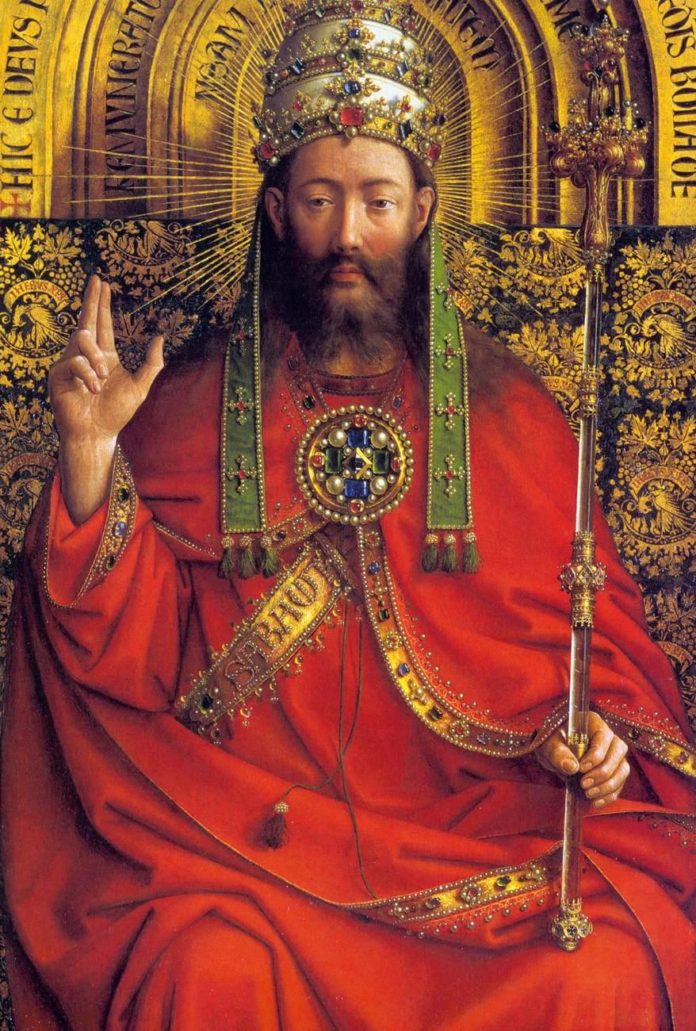
Hubert and Jan van Eyck, “The Ghent Altarpiece (detail of God the Father),” 1432, oil on panel, 11 feet, 6 inches x 15 feet, 1 inch, St. Bavo Cathedral, Ghent
The Getty Los Angeles is just full of great news this week! On top of the major Caravaggio exhibition slated for November 21, the institution also recently announced major enhancements to the website “Closer to Van Eyck.” What’s the story? You’ll want to see this.
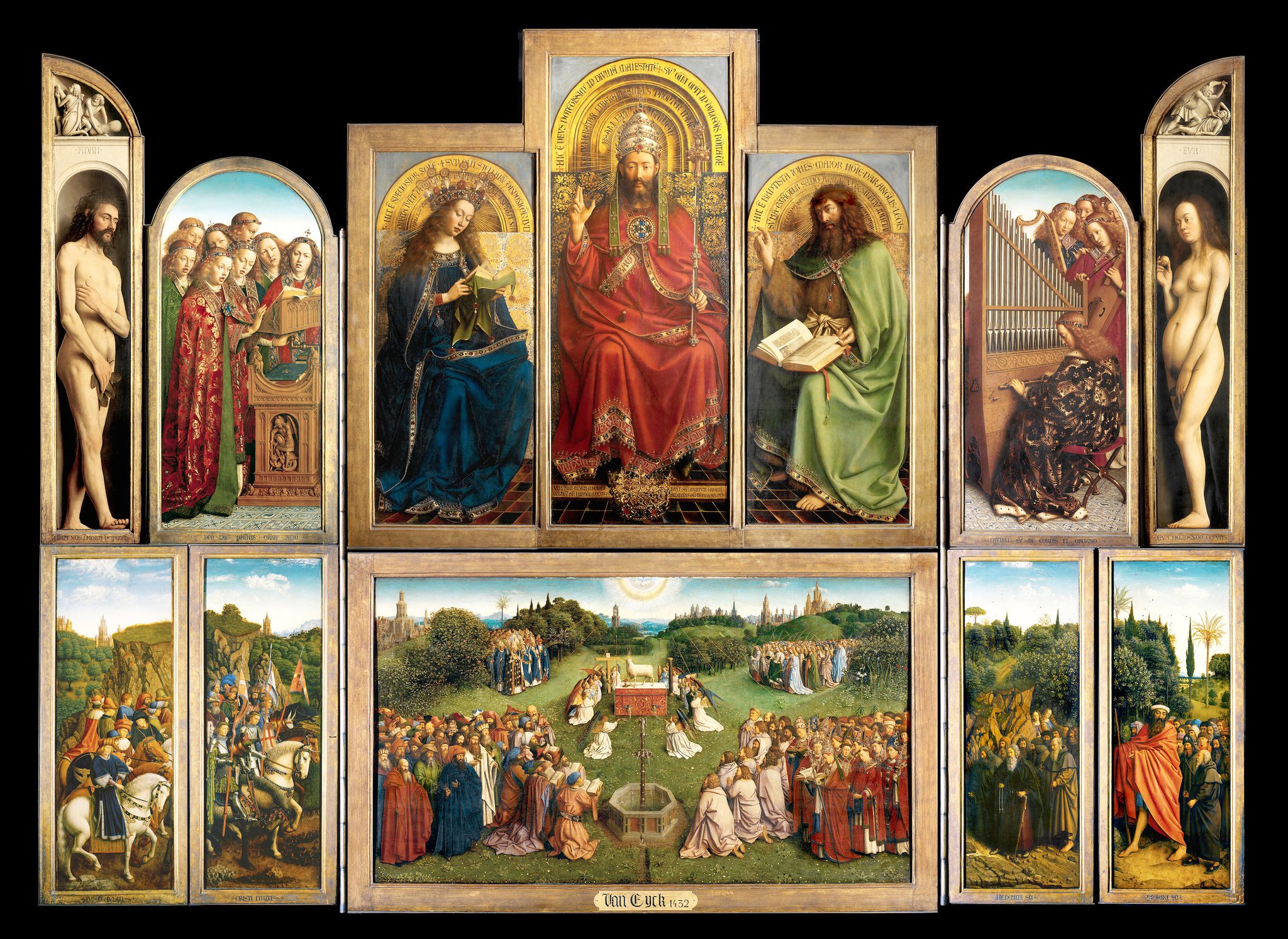
Launched in 2012, the Getty Foundation and the Royal Institute for Cultural Heritage (Brussels) website “Closer to Van Eyck” has provided breathtaking details of one of the most important works of art in the world: “The Ghent Altarpiece.” The two organizations recently announced major upgrades and enhancements to the platform, including new images of the work under various stages of conservation treatment, a larger range of technical images, and the ability to see and compare multiple views of the painting at the same time.
According to the press release, “Located at St. Bavo’s cathedral in Ghent, Belgium, ‘The Mystic Lamb of 1432’ by Hubert and Jan van Eyck, also known as the Ghent Altarpiece, is a stunning and highly complex painting composed of separate oak panels. Since 2010, several Getty Foundation grants have supported the conservation planning, examination, and training related to the altarpiece as part of its Panel Paintings Initiative. A collaboration among the Flemish government, the Royal Institute for Cultural Heritage, and their partners led to the first much-needed conservation treatment of the work in 2010. The panels and frames of the closed altarpiece were treated between 2012 and 2016 and the large-scale campaign now continues with the panels of the lower register of the open altarpiece. The ‘Closer to Van Eyck’ website launched in 2012, and had yet to receive major updates until now.
Hubert and Jan van Eyck, “The Ghent Altarpiece,” 1432, oil on panel, 11 feet, 6 inches x 15 feet, 1 inch, St. Bavo Cathedral, Ghent
‘“The Getty Foundation is pleased to have supported the research and study that has led to the restoration of the Ghent Altarpiece currently underway,’ said Deborah Marrow, director of the Getty Foundation. ‘The enhanced documentation now available through “Closer to Van Eyck” brings even greater access to the genius of the artists that will both delight viewers and inspire new scholarship.’”
Continuing, the Getty writes, “The altarpiece was painstakingly recorded at every step of the conservation process through state-of-the-art photographic and scientific documentation. Thanks to the Royal Institute for Cultural Heritage’s imaging team, digital processing and design led by Frederik Temmermans of Universum Digitalis and the Vrije Universiteit Brussels, and imec’s Department of Electronics and Informatics, the altarpiece can now be viewed online in visible light, infrared, infrared reflectograph, and X-radiograph, with sharper and higher resolution images than ever before. Visitors to the site can now also adjust a timeline to view key moments in the conservation process, and have access to simultaneous viewing of images before, during, and after conservation. Users can zoom in even closer on details of the painting, exploring microscopic views of the work in 100 billion pixels.”
This article was featured in Fine Art Today, a weekly e-newsletter from Fine Art Connoisseur magazine. To start receiving Fine Art Today for free, click here.
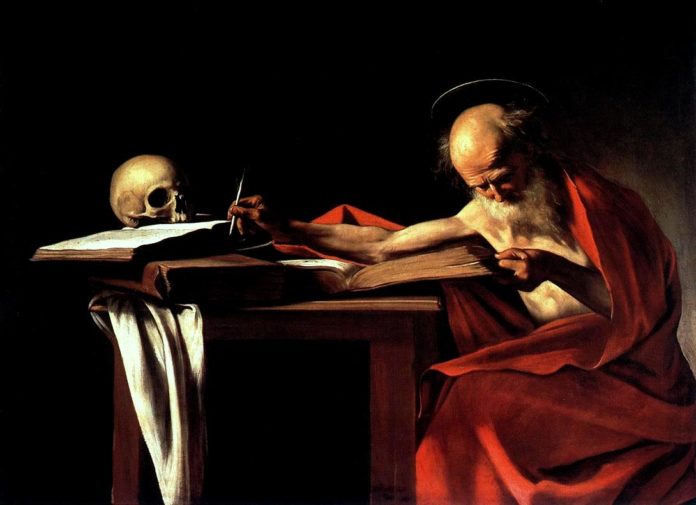
Michelangelo Caravaggio, “Saint Jerome,” circa 1605, oil on canvas, Galleria Borghese
Los Angeles gets a major artistic treat this winter as the Getty Museum recently announced that it will soon be opening a blockbuster exhibition featuring some of Michelangelo Caravaggio’s most iconic and celebrated masterpieces from Rome’s Galleria Borghese.
Three masterpieces by the celebrated Baroque painter Michelangelo Caravaggio (1571-1610) are on loan from Rome’s Galleria Borghese from November 21 through February 18 at the J. Paul Getty Museum. “Caravaggio: Masterpieces from the Galleria Borghese” is a remarkable opportunity for West Coast art lovers, as a limited number of paintings were created by the Italian. Caravaggio famously died at the age of 39 while a fugitive after having killed a man in May 1606.
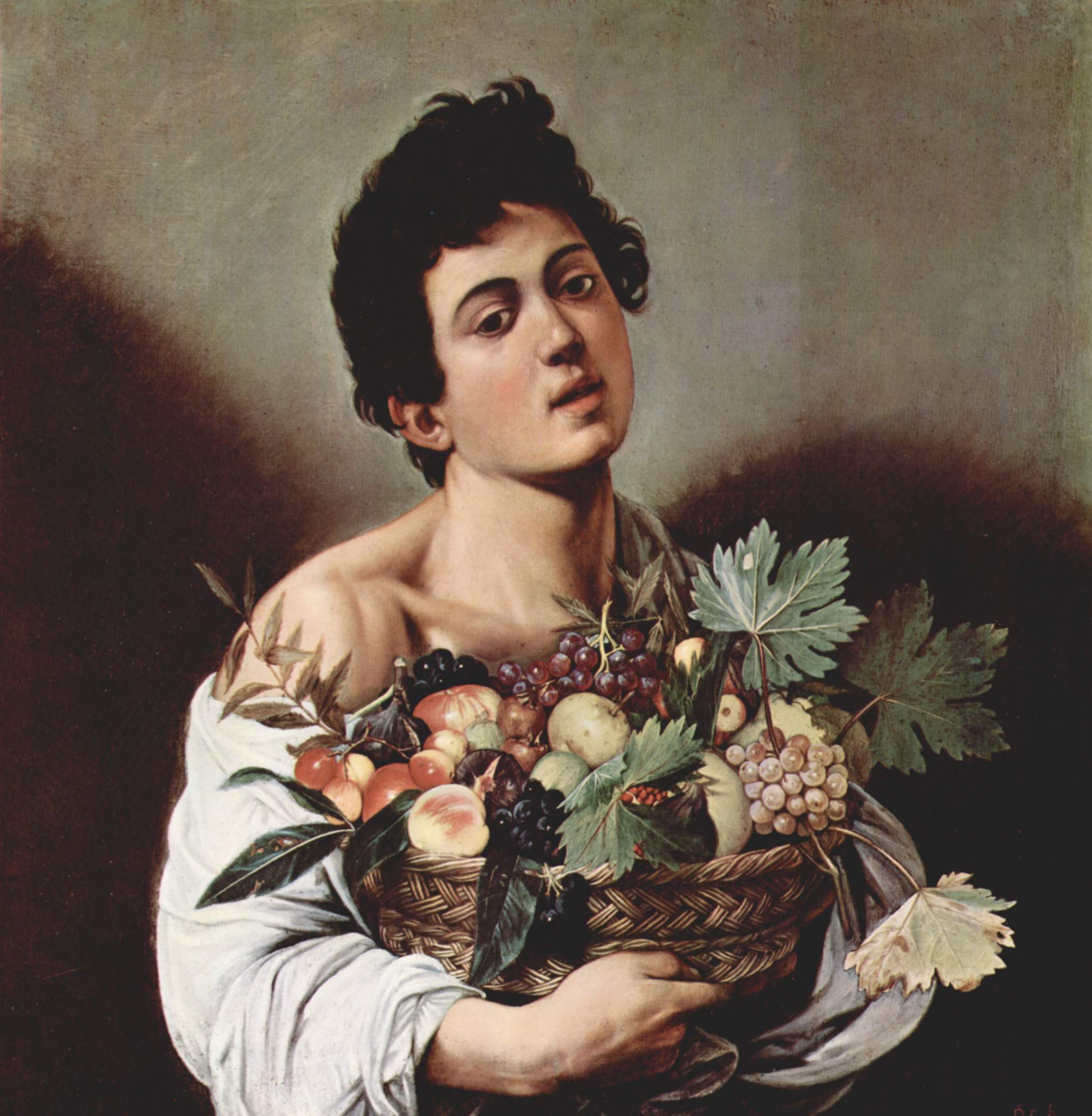
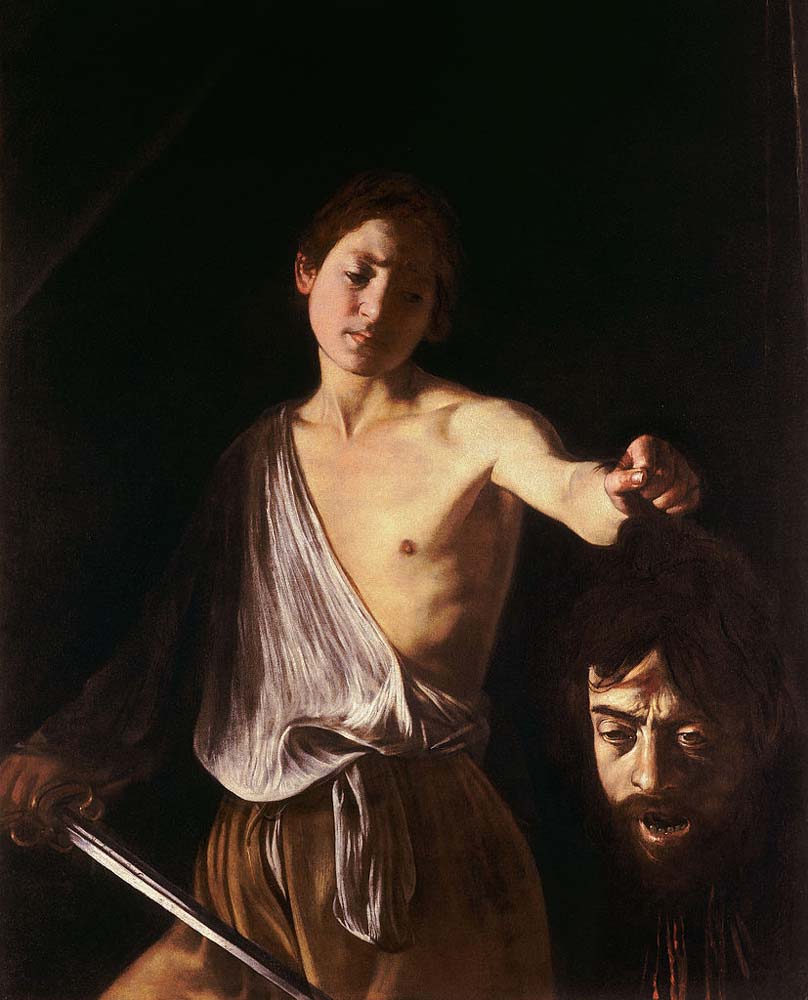
The Galleria Borghese has generously loaned three paintings: “Boy with a Basket of Fruit,” “Saint Jerome,” and the powerful “David with the Head of Goliath.” “These three masterpieces are among Caravaggio’s best-known paintings, and we are extremely grateful to the Galleria Borghese for sharing them with our public,” said Timothy Potts, director of the Getty. “Caravaggio’s revolutionary genius made him one of the most important and beloved figures in European art history. The opportunity to see three of his most renowned works alongside the exceptional 17th-century Italian masterpieces in our own collection is an event not to be missed.”
Continuing, the Getty’s press release reads: “One of the most admired painters in history, Caravaggio developed a boldly naturalistic style that employed striking theatrical compositions and emphasized the common humanity of his protagonists. His art was both widely celebrated and highly controversial among his contemporaries and remained influential for centuries afterward.
“The three paintings presented in the exhibition exemplify the crucial stages in Caravaggio’s short but intense career (he died at age 39).
Michelangelo Caravaggio, “Boy with a Basket of Fruit,” circa 1593, oil on canvas, Galleria Borghese
“‘Boy with a Basket of Fruit’ (ca. 1593-94) represents the beginning of the artist’s career when he moved from Lombardy to Rome and first attracted attention as a painter of realistic genre scenes and still lifes. ‘Saint Jerome’ (ca. 1605) portrays the saint as a scholar reading and annotating sacred passages in the dramatically spotlighted manner that Caravaggio made famous. In ‘David with the Head of Goliath’ (ca. 1610), painted at the end of the artist’s career in his more somber and expressive later style, Caravaggio included his own features in Goliath’s head, purportedly in penance for his having committed a murder in May 1606. All three paintings were acquired by Cardinal Scipione Borghese, a nephew of Pope Paul V, who knew Caravaggio personally and was one of his primary patrons.
Michelangelo Caravaggio, “David with the Head of Goliath,” 1610, oil on canvas, Galleria Borghese
‘“Caravaggio continues to exert tremendous influence on art today. His exceptional combination of truth to life and drama, and that famous chiaroscuro, gave birth not only to a new style of painting, but also inspired generations of painters with his psychological naturalism,’ said Davide Gasparotto, senior curator of paintings at the Getty Museum. ‘These rare loans are prime examples of Caravaggio’s exceptional talent and innovation.’
“The exhibition at the Getty Museum is the first part of an international exhibition program on Caravaggio aimed at promoting the Caravaggio Research Institute, an international research project on the artist, conceived by Anna Coliva, director of the Galleria Borghese, and supported by the Roman House FENDI through a three-year partnership with the Roman museum.
“The partnership between the Galleria Borghese and FENDI is part of a patronage begun by the luxury goods house in 2015, and is based on the company’s belief that beauty must be shared and spread, and that the incomparable richness of the Galleria Borghese, a reflection of the Eternal City, is a powerful, cosmopolitan pathway to promote a refined cultural sensitivity, both contemporary and universal, in the same way that FENDI pursues in its collections a true example of aesthetic research and the absolute sign of ‘Made in Italy.’
“‘The Caravaggio Research Institute is an international scientific project that seeks to reintroduce within museums the most advanced research to make them producers of culture and not mere producers of blockbuster exhibitions. The Galleria Borghese and FENDI are honored that the Caravaggio Research Institute will be presented to the public at the Getty, a leading actor in preserving, researching, promoting, and enhancing art and a leading authority in the realm of digital humanities,’ says Anna Coliva, director of the Galleria Borghese.
“‘We are proud to support the Galleria Borghese and the Caravaggio Research Institute through this unique exhibition opportunity at the Getty Museum. It is increasingly a fundamental value, as well as a moral one, for FENDI to enhance, support and export Italian art and beauty in the world, its excellence and its talents,’ states Pietro Beccari, Chairman and CEO of FENDI.”
This article was featured in Fine Art Today, a weekly e-newsletter from Fine Art Connoisseur magazine. To start receiving Fine Art Today for free, click here.
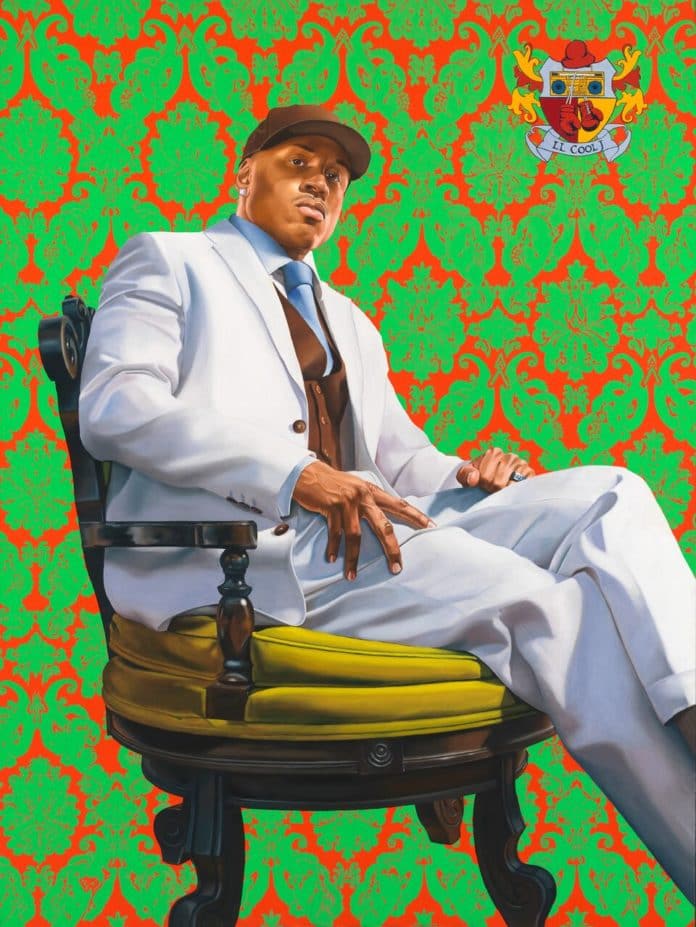
Kehinde Wiley, “LL Cool J,” 2005, oil on canvas, National Portrait Gallery
Just a week or two ago, the National Portrait Gallery (NPG) in Washington, D.C., announced the two artists slated to paint the official portraits of President Barack Obama and First Lady Michelle Obama. Who are they?
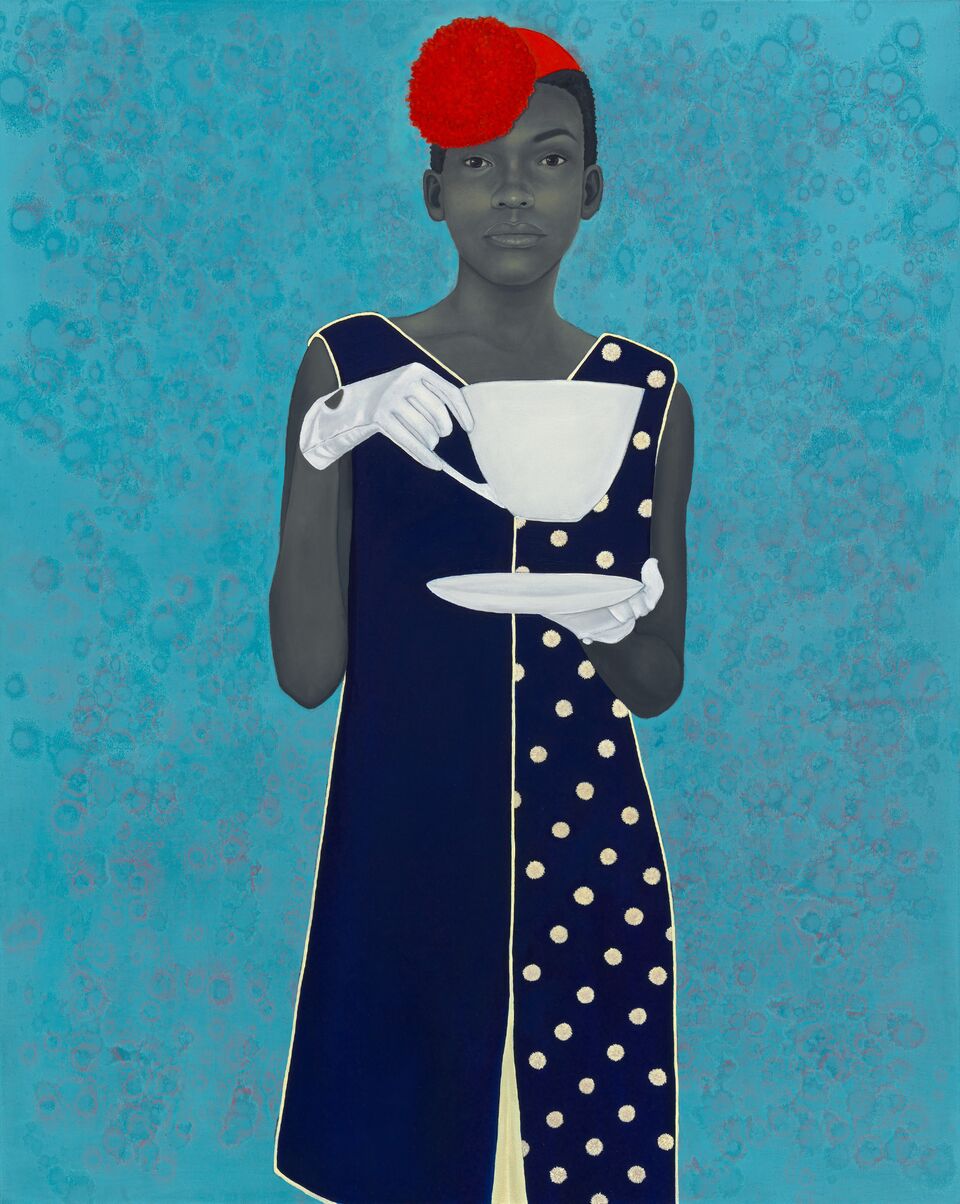
Internationally acclaimed painter Kehinde Wiley, best known for his vibrant, large-scale paintings of African Americans, and portrait master Amy Sherald, first-prize winner of the Portrait Gallery’s 2016 Outwin Boochever Portrait Competition, have been chosen to paint the NPG’s official portraits of President Barack Obama and First Lady Michelle Obama.
Amy Sherald, “Miss Everything (Unsuppressed Deliverance),” 2013, oil on canvas, Frances and Burton Reifler
The two portraits will be unveiled at the museum in early 2018 and will be added to the Portrait Gallery’s permanent collection. “The Portrait Gallery is absolutely delighted that Kehinde Wiley and Amy Sherald have agreed to create the official portraits of our former President and First Lady,” said Kim Sajet, director of the NPG. “Both have achieved enormous success as artists, but even more, they make art that reflects the power and potential of portraiture in the 21st century.”
According to the NPG, “At the end of each presidency, the museum partners with the White House to commission one official portrait of the President and one of his spouse. There are two sets of official portraits: one for the White House and one for the National Portrait Gallery. The museum began to commission Presidents’ portraits with George H.W. Bush.”
This article was featured in Fine Art Today, a weekly e-newsletter from Fine Art Connoisseur magazine. To start receiving Fine Art Today for free, click here.
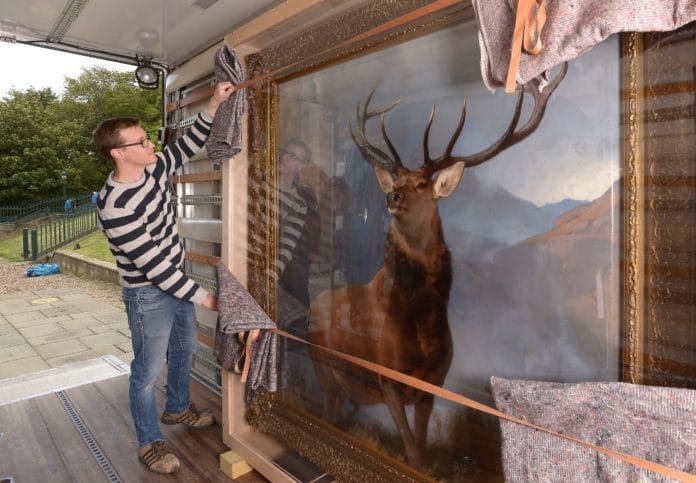
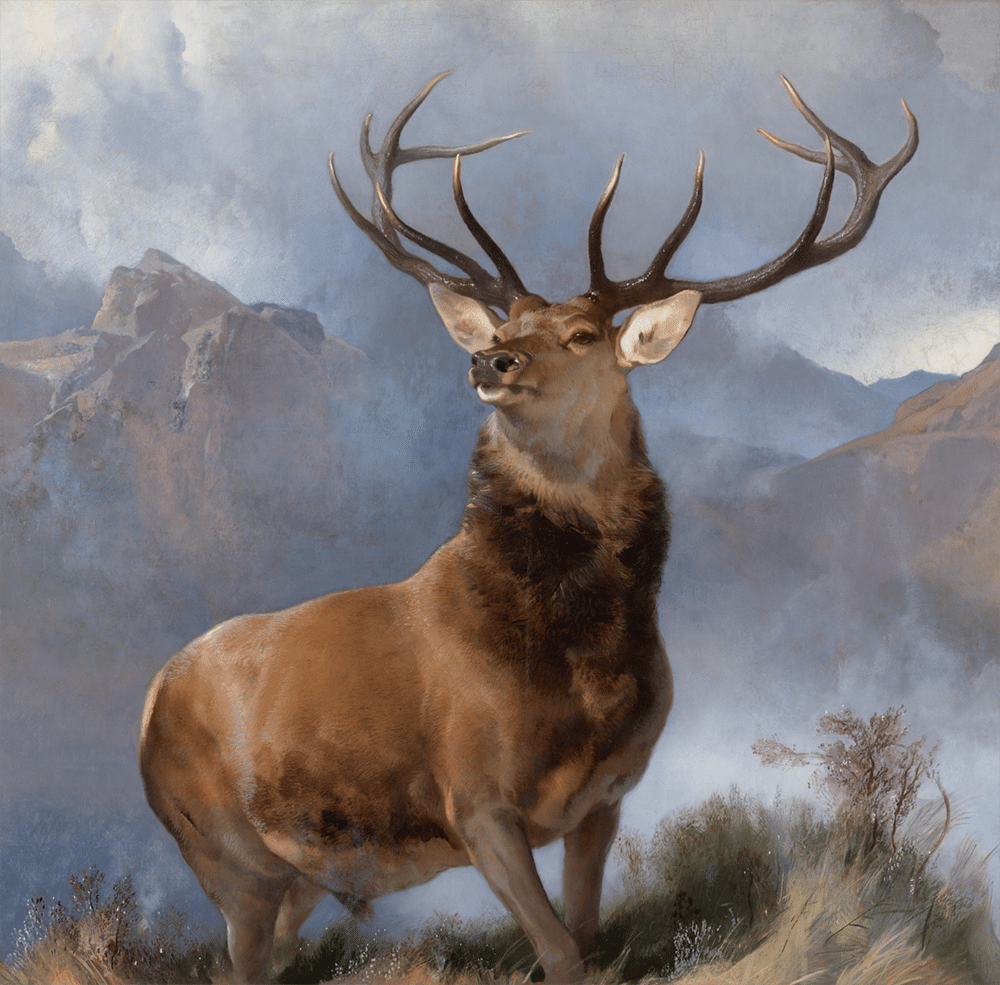
One of the most celebrated paintings in the world — the iconic “Monarch of the Glen” by Sir Edwin Landseer —embarked on a groundbreaking tour across Scotland last week following its acquisition for the nation earlier in 2017.
Painted in 1851, Sir Edwin Landseer’s “Monarch of the Glen” famously shows a confident and proud stag against a Highlands landscape. The painting is recognized all over the world as an image closely associated with Scotland. In March 2017, and after a four-month fundraising campaign, the painting made headlines once more when it was acquired by the National Galleries of Scotland (NGS).
“Monarch of the Glen” is again in the news this fall as the painting is now on tour across the nation, traveling to four major venues beginning with the Inverness Museum and Art Gallery, where it will be on display through November 18. Following its run at the Inverness, the painting moves to the Perth Museum and Art Gallery from November 25 through January 14, 2018; then to the Paisley Museum and Art Gallery from January 20 through March 11; and finally on to the Kirkcudbright Galleries March 25 through May 12.
“Thanks to the generosity of the National Lottery and the Scottish Government we are able to take this fantastic picture across the country to be enjoyed by as many people as possible,” remarked Sir John Leighton, director-general of the National Galleries of Scotland. “We want this tour of ‘The Monarch of the Glen’ to be seen as a huge thank you for the overwhelming support that we received during the fundraising campaign and as a celebration that this amazing work of art now belongs to all the people of Scotland. We hope that it will be admired and debated by audiences across the country.”
Sir Edwin Landseer, “The Monarch of the Glen,” circa 1851, oil on canvas, 163.8 x 168.9 cm. National Galleries of Scotland
According to the NGS, “Landseer (1802-73) was intoxicated by the Scottish Highlands. He first visited the country in 1824 and was overwhelmed and inspired by the experience of the landscape and its people; he returned annually in late summer and the autumn on sketching expeditions, developing a particular affinity with the novelist Sir Walter Scott and his work. The resulting paintings range from intimate and remarkably fresh landscape studies, painted on the spot, to his most famous large-scale picture, ‘The Monarch of the Glen.’ They played a key role in formulating the deeply attractive and romantic image of the Highlands, which still resonates today.
“‘The Monarch of the Glen’ was originally intended as part a series of three works to be displayed in the House of Lords, but the scheme was never realized and the painting was sold to a private collector soon after its completion. From the moment it was first exhibited in 1851 at the Royal Academy in London it proved immensely popular, and the admiration has continued right up to the present day. It was widely reproduced in the nineteenth century, especially through steel engravings, and in 1916 it was purchased by Sir Thomas Dewar. From that point it was regularly employed as a marketing image, first by Pears Soap and then by John Dewar & Sons Distillery and Glenfiddich. Subsequently it was also appropriated by Nestlé and Baxter’s Soup. Through its widespread use in commercial advertising and in popular culture, the picture has become instantly recognizable yet it remains an extremely powerful work of art and a rich source of debate about issues of history and identity.”
Fiona Hyslop, cabinet secretary for culture, tourism, and external affairs, added, “This tour is an exciting opportunity for people of all ages and backgrounds across Scotland to access and enjoy this iconic painting in their own communities. I am confident this will further inspire many to seek out new opportunities to engage in culture and the arts. I am pleased the Scottish Government was able to support both the acquisition of the painting and its tour with a total of £175,000 funding and I look forward to seeing the ‘Monarch of the Glen’ continue to attract visitors from far and wide in the years to come.”
This article was featured in Fine Art Today, a weekly e-newsletter from Fine Art Connoisseur magazine. To start receiving Fine Art Today for free, click here.
Fill your mind with useful art stories, the latest trends, upcoming art shows, top artists, and more. Subscribe to Fine Art Today, from the publishers of Fine Art Connoisseur magazine.