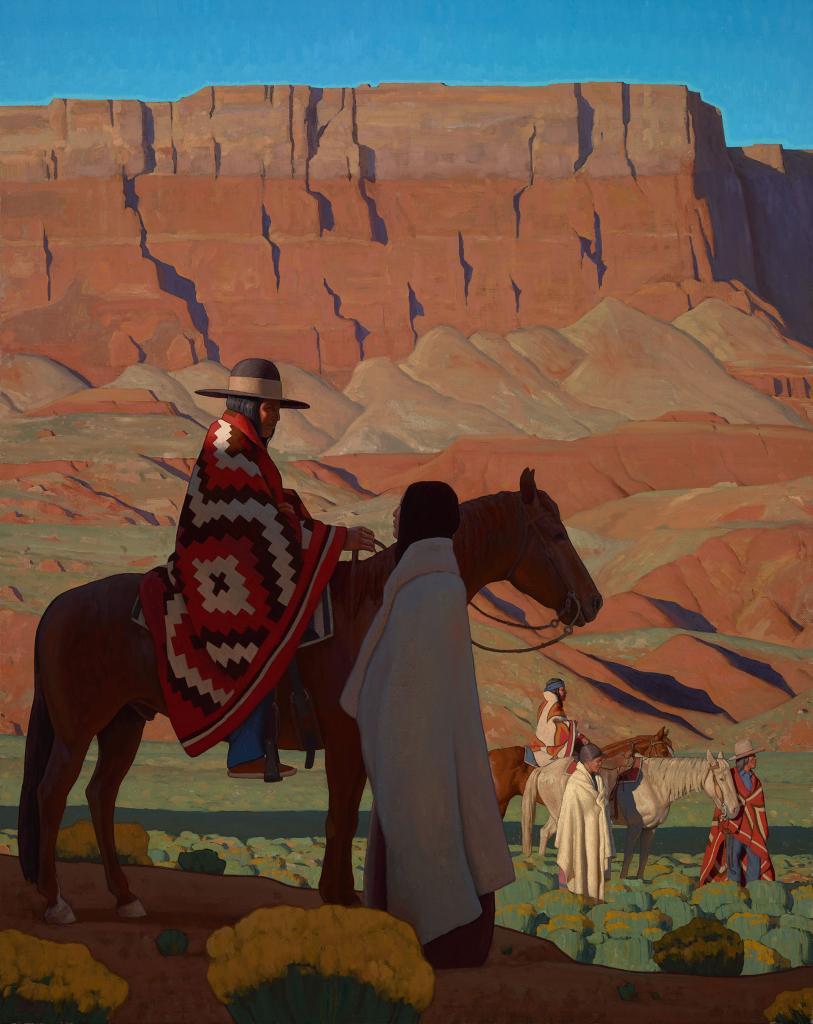
A staple among the top fine art collectors today, “Masters of the American West” is looking to blow audiences away once more in 2017. Was that goal met? You decide.
Arguably the country’s premier Western art exhibition and sale, Masters of the American West — hosted by the delightful Autry Museum of the American West in Los Angeles — is in its 20th year in 2017.
Seventy-six nationally and internationally recognized artists are included in this year’s showcase, which features a diverse range of styles and genres, including landscape, seascape, wildlife, historical, and much more. Among the masters represented in 2017 are George Carlson, Robert Griffing, Z.S. Liang, Bonnie Marris, Kyle Polzin, Thomas Quinn, Mian Situ, Tucker Smith, Curt Walters, and Morgan Weistling.
This article was featured in Fine Art Today, a weekly e-newsletter from Fine Art Connoisseur magazine. To start receiving Fine Art Today for free, click here.
Sometimes movement involves feelings rather than objects. Discover how one man has been using still life for nearly 60 years to inspire generations of accomplished creators.
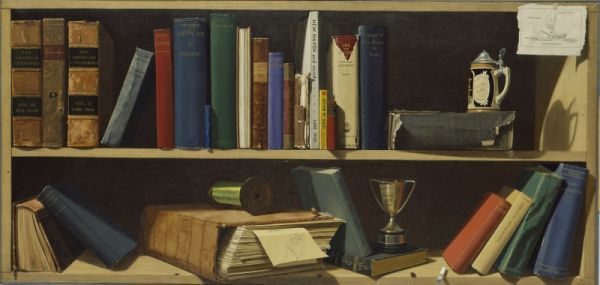
Opened February 16 and on view through April 30, “Ken Davies: Realism in the 20th Century” is an important exhibition that any fine art connoisseur needs to see. For more than 60 years, Ken Davies (b.1925) has been producing brilliant works that have earned him the designation of one of the preeminent still life painters alive today. As importantly, from Davies have come a number of accomplished students, including Joseph Reboli, Jo-Anne Scavetta, Daniel Patrick Buckley, Richard Newman, Dennis Coburn, and George (Gig) Thompson — all of whom have work in the show.
Among a number of remarkable still lifes are several of Davies’ landscape paintings as well. In addition to exploring the influential career of Davies, the exhibition is meant to delve into the master’s influence on Joseph Reboli (1945-2004). Reboli was a graduate of Paier School of Art in Hamden, Connecticut, during Davies’ tenure as dean. “Joe Reboli was one of the best students in the history of the Paier School,” Davies once said.
“Ken Davies: Realism in the 20th Century” is on view through April 30 at the Reboli Center in Stony Brook, New York. To learn more, visit the Reboli Center.
This article was featured in Fine Art Today, a weekly e-newsletter from Fine Art Connoisseur magazine. To start receiving Fine Art Today for free, click here.
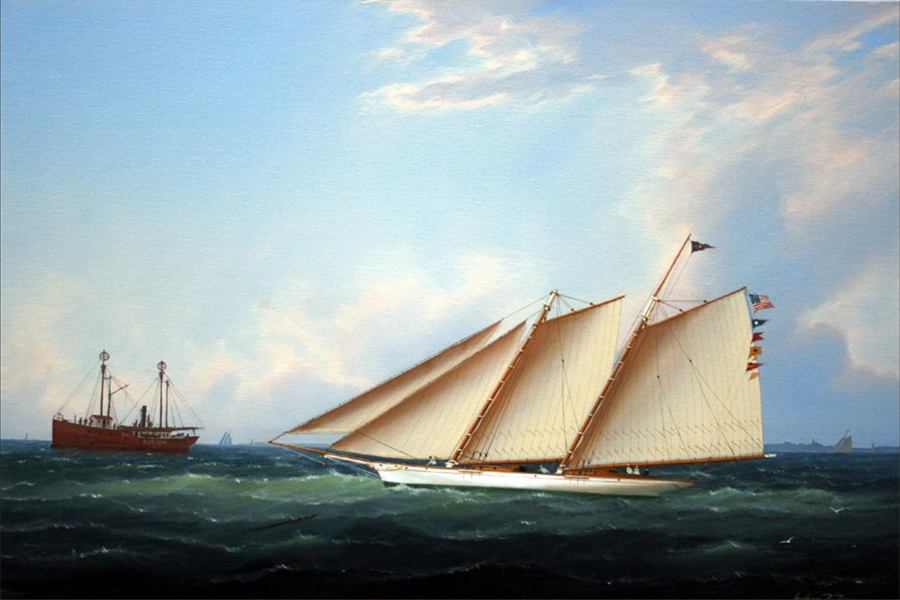
Opening this week is an important group exhibition featuring many of the world’s most accomplished marine painters. Get the list of participating artists and a preview here.
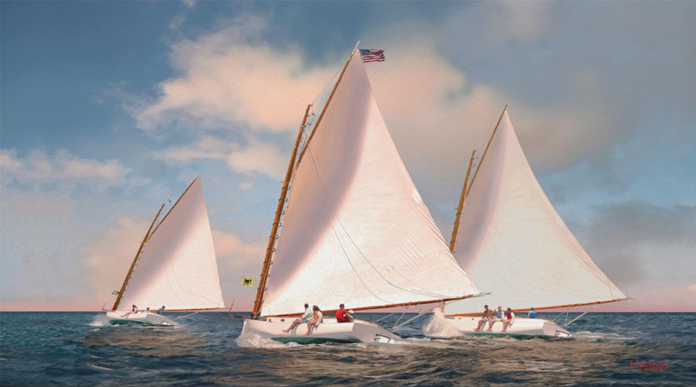
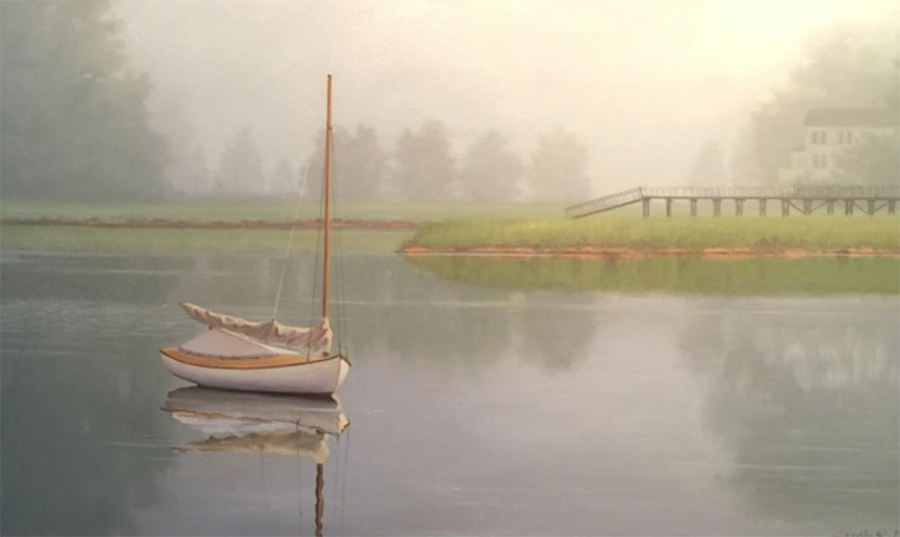
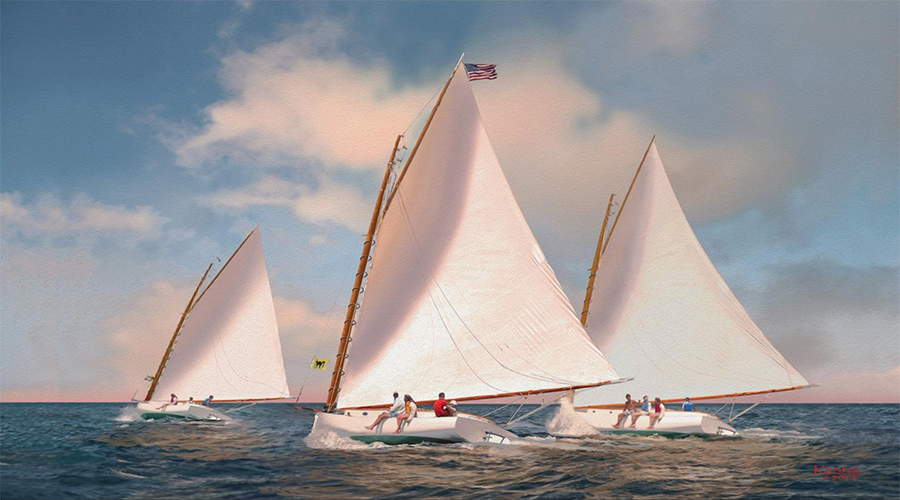
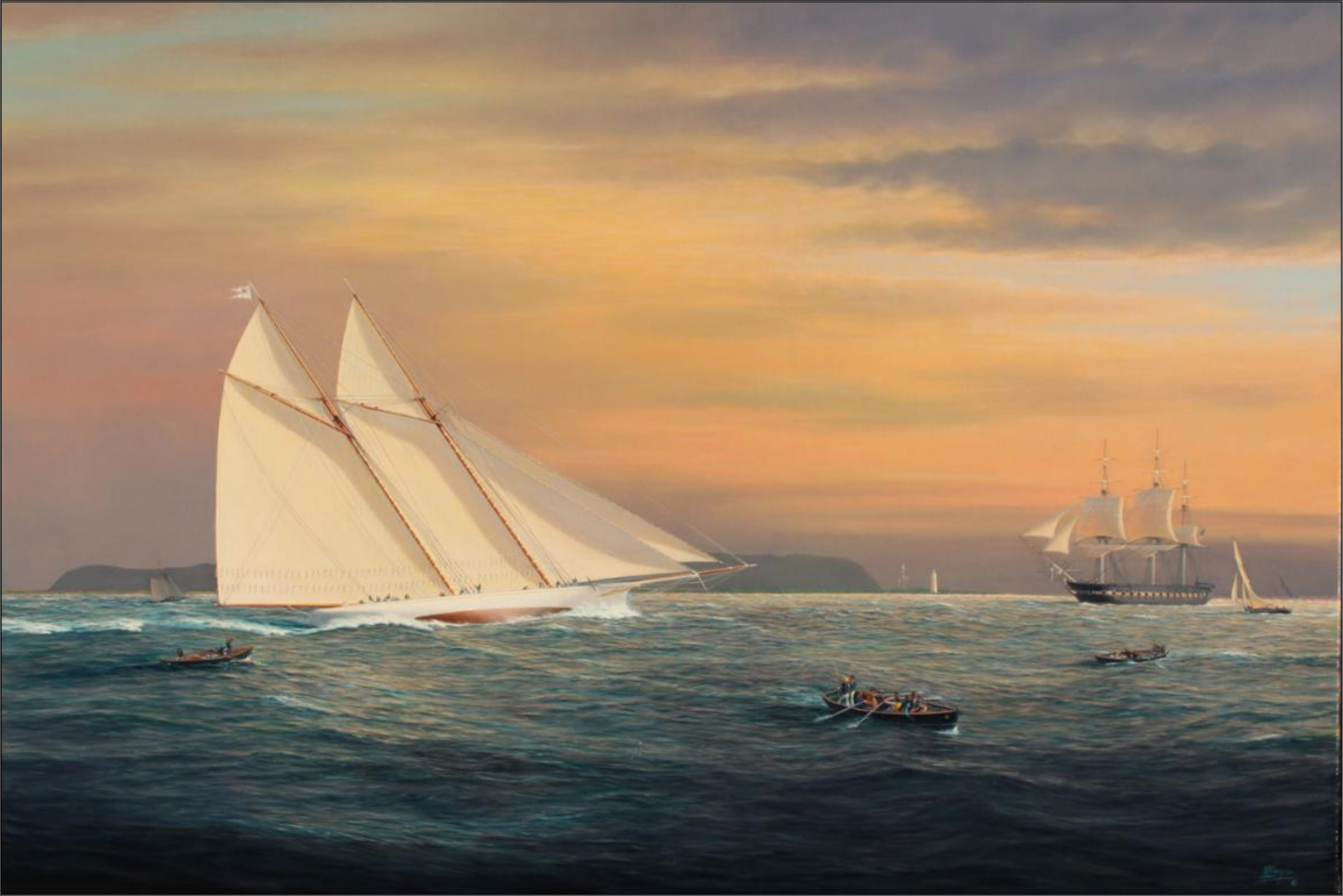
On view now through March 20 at Quidley & Company in Naples, Florida, is a fantastic group exhibition of “Marine Masters.” A popular subject among historical and contemporary artists, there seems no end to the sea’s majesty, serene beauty, and terrific chaos.
Among others, participating artists include Montague Dawson, John Stobart, Tim Thompson, Michael Keane, Shane Michael Couch, Terry Bailey, William Davis, and James Buttersworth.
This article was featured in Fine Art Today, a weekly e-newsletter from Fine Art Connoisseur magazine. To start receiving Fine Art Today for free, click here.
In this ongoing series for Fine Art Today, we take a longer look at the history and features of a soon-to-be-available artwork of note. This week’s painting is one of this artist’s greatest masterpieces ever to come to auction.
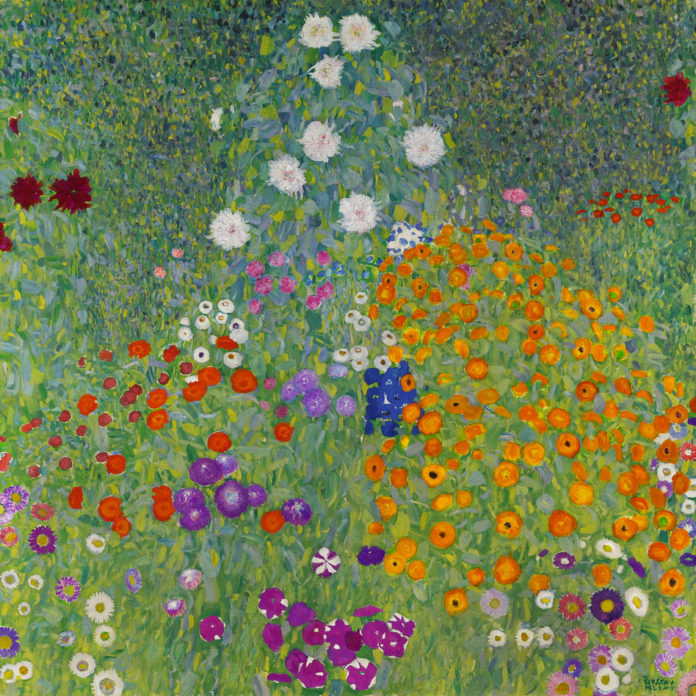
This week’s featured lot is perhaps one of the most anticipated in quite some time. Heading to auction on March 1 via Sotheby’s, London, is a masterpiece of Viennese fin-de-siècle art by the monumental Gustav Klimt (1862-1918). “This remarkable landscape is rooted in the natural world yet simultaneously reaches towards the symbolic, decorative avant-garde,” the auction house reports. “During the summer months, from 1900 onwards, Klimt traveled out of Vienna to Litzlberg on the Attersee with his friends and family to relax and paint. In the rustic garden of the Mayr-Hof Klimt found inspiration for ‘Bauerngarten,’ with its informal profusion of poppies, daisies, zinnia, and roses, and transformed it into a shimmering array of color.”
Produced during the “golden period” of Klimt’s career, “Bauerngarten” was immediately met with celebration and adoration. In fact, the painting is regarded as one of the artist’s finest landscapes. “Bauerngarten” headlines Sotheby’s March 1 “Impressionist & Modern Art Sale” in London; estimate is in excess of $45 million.
This article was featured in Fine Art Today, a weekly e-newsletter from Fine Art Connoisseur magazine. To start receiving Fine Art Today for free, click here.
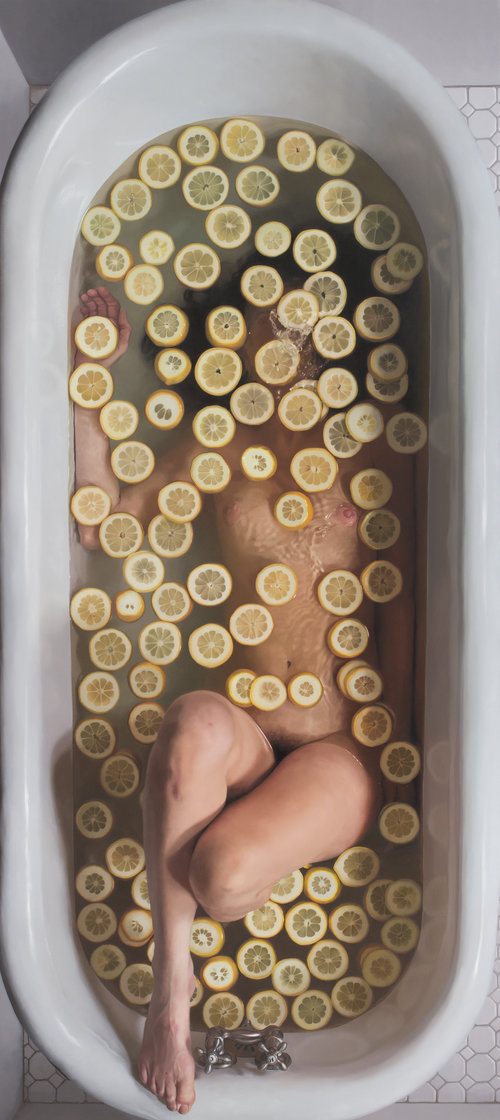
Lee Price, “Lemon Slices II,” 2012, oil on linen, 34 x 76 in. (c) Lee Price 2017
An incredible group of female representational painters has taken over Bernarducci Meisel Gallery in New York City — and it’s absolutely stunning. Who are they, and when do the doors open?
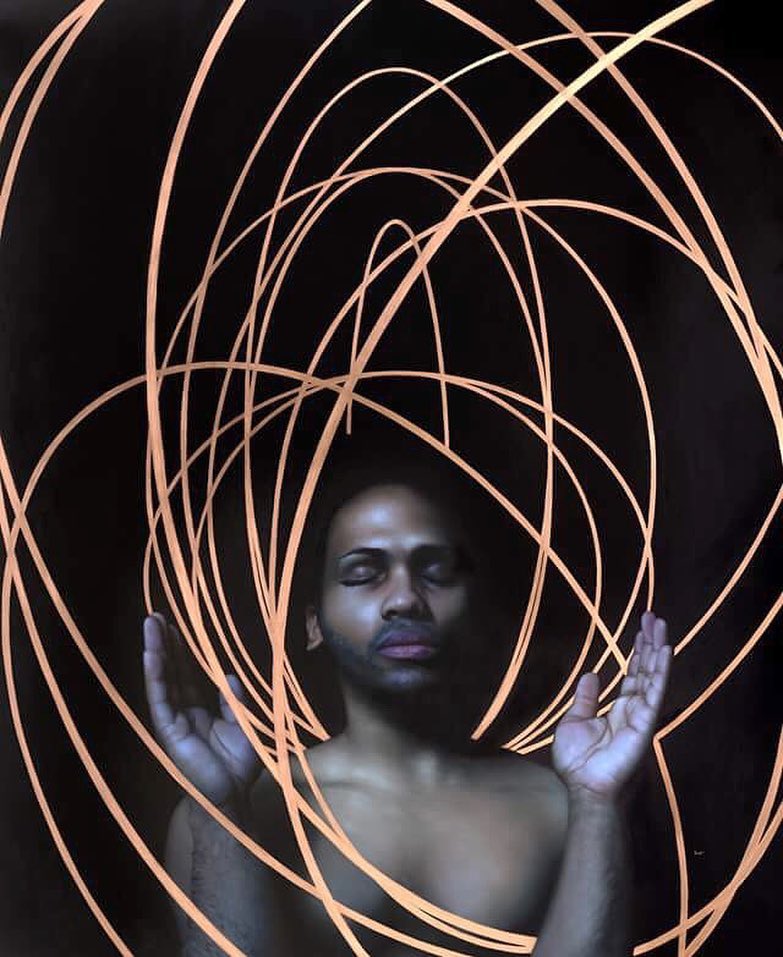
Opening January 12 at New York City’s Bernarducci Meisel Gallery, “Formation” is an amazing display of contemporary female artistic talent. Visitors to the gallery can expect to find a wide range of styles as well — from unique oil-on-copper figures by Erin Anderson (whose “Felix Looking Backward, Looking Forward” graced the cover of Fine Art Connoisseur’s November/December 2016 Issue) to the loose, painterly figures of Heidi Elbers.
“Formation” is presented in conjunction with a special issue of PoetsArtistsMagazine. It is curated by Didi Menendez, publisher of PoetsArtists, who says, “‘Formation’ will showcase a distinct selection of figure paintings, ranging from stirring portraits to thought-provoking life studies. There are no prescriptive formulas for what makes a figure painting successful — it is an elusive, intangible property that somehow the best artists know how to unite into a powerful expression that draws the viewer in.”
Erin Anderson, “Practice,” 2013, oil on copper, 36 x 30 in. (c) Erin Anderson 2017Heidi Elbers, “Raven Darlings,” 2016, oil on panel, 16 x 16 in. (c) Heidi Elbers 2017
In addition to the aforementioned, artists included in the group show are Erica Elan Ciganek, Michelle Doll, Shana Levenson, Sylvia Maier, Jenny Morgan, Sarah Muirhead, Omalix, Lee Price, Nadine Robbins, and Victoria Selbach. With a lineup with this, how can you possibly pass up any opportunity to catch a viewing?
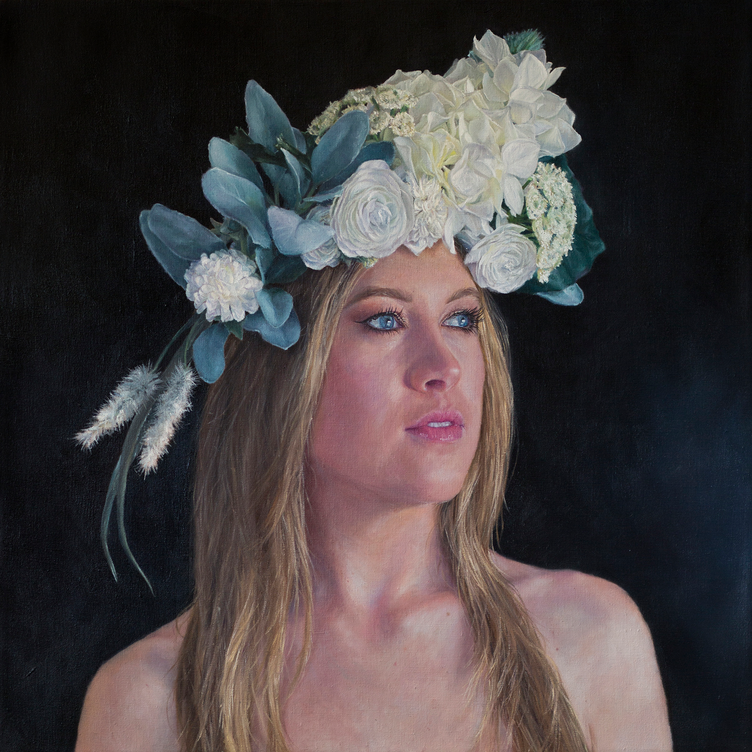
Omalix, “The Headdress,” oil on linen, 24 x 24 in. (c) Omalix 2017
Continuing, Menendez says, “These artists’ distinctive styles of capturing the human figure offer a wonderful anthology illustrating tangible and intangible aspects of life — some solemn, poignant, or introspective, others joyful, beguiling, or confrontational.”
This article was featured in Fine Art Today, a weekly e-newsletter from Fine Art Connoisseur magazine. To start receiving Fine Art Today for free, click here.
Olaf Schneider acquired a strong hands-on education in art while working full-time at age 21 with Canada’s leading outdoor advertising company and painting very large scale pictorials with some of the world’s seasoned fine artists. His art education has continued with independent and occasional formal studies in oil painting. The resulting works display his affinity for the classical tradition.
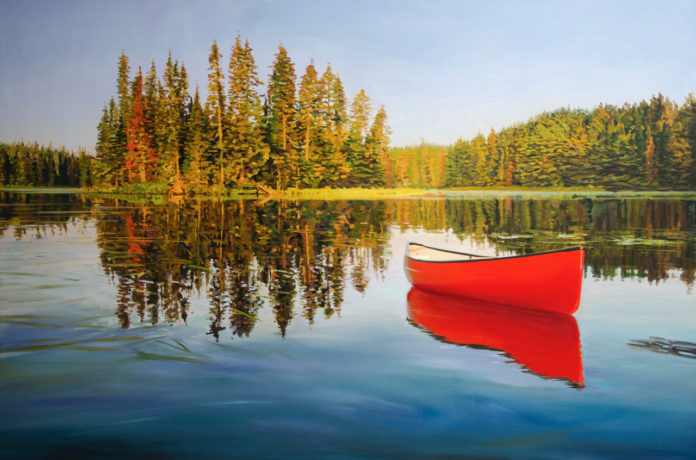
Olaf is a prolific Canadian painter inspired by the power and diversity of the northern landscape, and anything that needs a “second look”. An explorer by nature, the artist travels across North America and Europe, gaining inspiration and discovering new color combinations by painting on location. His large-scale canvases are necessarily created in the studio. For Olaf, each piece represents an intense exploration and refinement of his personal pictorial sensitivities, especially as they relate to beauty, form, light, and shade. Composition, color, and craftsmanship are all elements that become the building blocks of his work.
“Each dab I make is stimulated by the details that I observe. I hope to see what others miss and then make it compelling. I push and alter the colors to suit my ravenous needs and I love to improvise on the spot.”
Olaf has a passion for a variety of subjects. Through his art, he expresses his love for life and his affinity for vibrant color.
“I like to use expressive and thick impasto brushstrokes or soft blended strokes to render a sense of movement and texture giving the painting a life of its own. My interpretation of color also sets the dynamic mood. The tones often range from the darkest to the lightest in an effort to achieve maximum drama. This creative combination is spontaneous and intuitive.”
To keep his mind clear and focused he limits his exposure to all the media ‘noise’ we generally are pummeled with daily. He does not watch TV and restricts his time on the computer. He starts his day with God in prayer and meditation. Painting 6 to 10 hours a day is common practice. Equally important to Olaf is continued growth and learning.
“I want to always have an open mind so that new ideas may come in. In the mind of an expert, there are few possibilities, but in the mind of an amateur they become endless. This is a God-given gift and I value it greatly. If I am able to bring emotion, understanding, comfort, or joy into another person’s life then I am using it wisely in His glory.”
I’ve been creating art for as long as I can remember, and always knew that I was going to be an artist “when I grew up.” Raised in the rural landscape of Maryland, my aesthetic in art was honed from an early age. The natural world was inspiring to me, as were the stacks of book my mom would bring home from the library. I pored over the works of great American Illustrators: Norman Rockwell, NC Wyeth, and Howard Pyle.
I think this is where my interest in Narrative imagery started. As a figurative painter, I enjoy a hint of mystery or the thread of an untold story in my work. This is something that has stuck with me as I’ve developed as an artist.
I’m also a great admirer of 19th century academic painting. Artists like Bouguereau and Bouveret were able to express our shared humanity in incredibly poignant images. Whether it be complex and profound, or subtle and sentimental, I want to capture some of that in my work.
My medium of choice is transparent watercolor, which may be a little unusual for someone who has been so influenced by the great oil painters of the classical tradition. But I love the properties of watercolor and the way it captures light. Edgar Whitney said, “White paper showing through a transparent wash is the closest approximation to light in all the media, and light is the loveliest thing that exists.”
By Vanessa Rothe, West Coast Editor, Fine Art Connoisseur Magazine
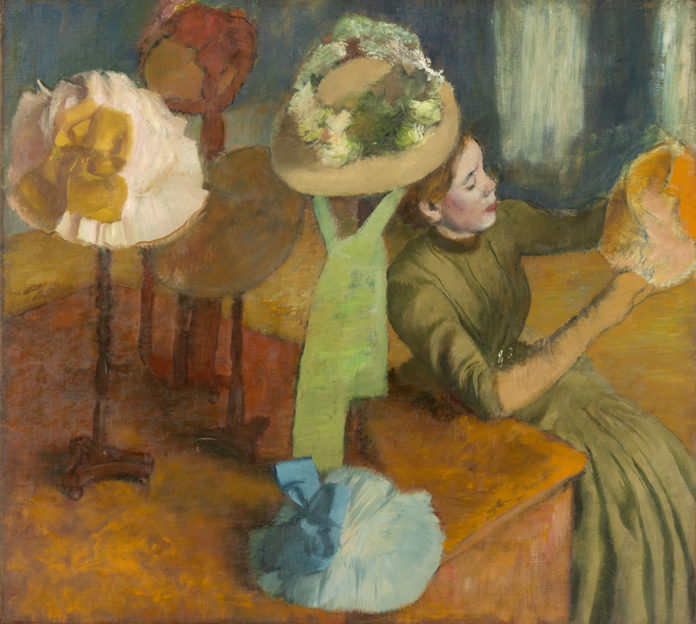
Paris in the late 1800s: new industry, haute cuisine, flaneurs, decadence, and the fashion center of the world. It was a time of change and of prosperity, where leisure time could be found, and where artisans making handmade crafts could flourish.
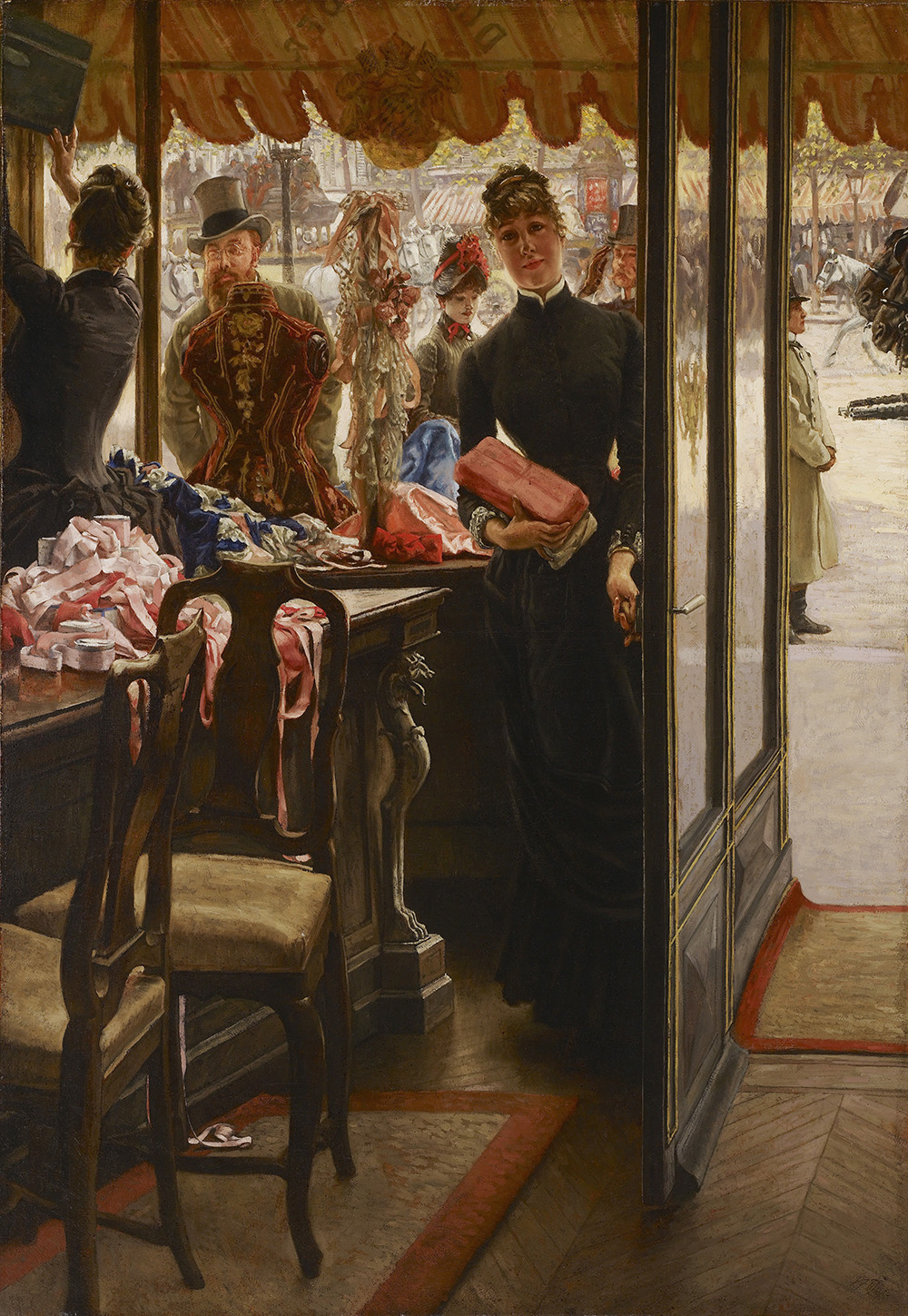
With fashion as a leading extravagance at the time, it’s natural that the millinery, or hat-making, trade became popular. Hats were a way to show your personality, your style, your class. With ribbons, haberdashery, plumes of ostrich feathers, and silk velvet, the patrons of the arts could not only have a work created just for them, but their investment in the arts would also help convey their character (and their pocketbook size) to the world. Hats were considered essential at the time, and therefore fashion and millinery trade became part of the visual culture of Paris.
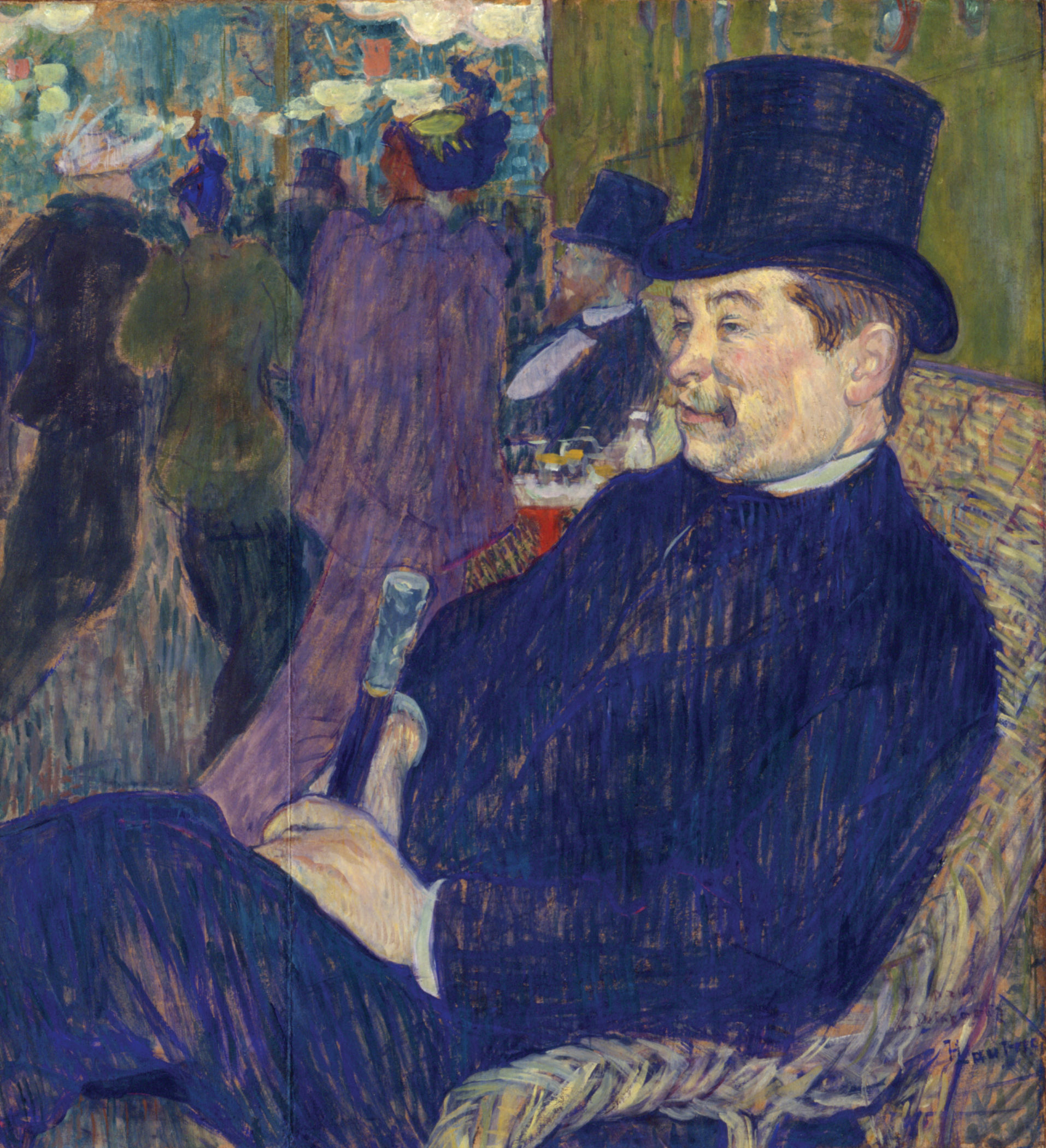
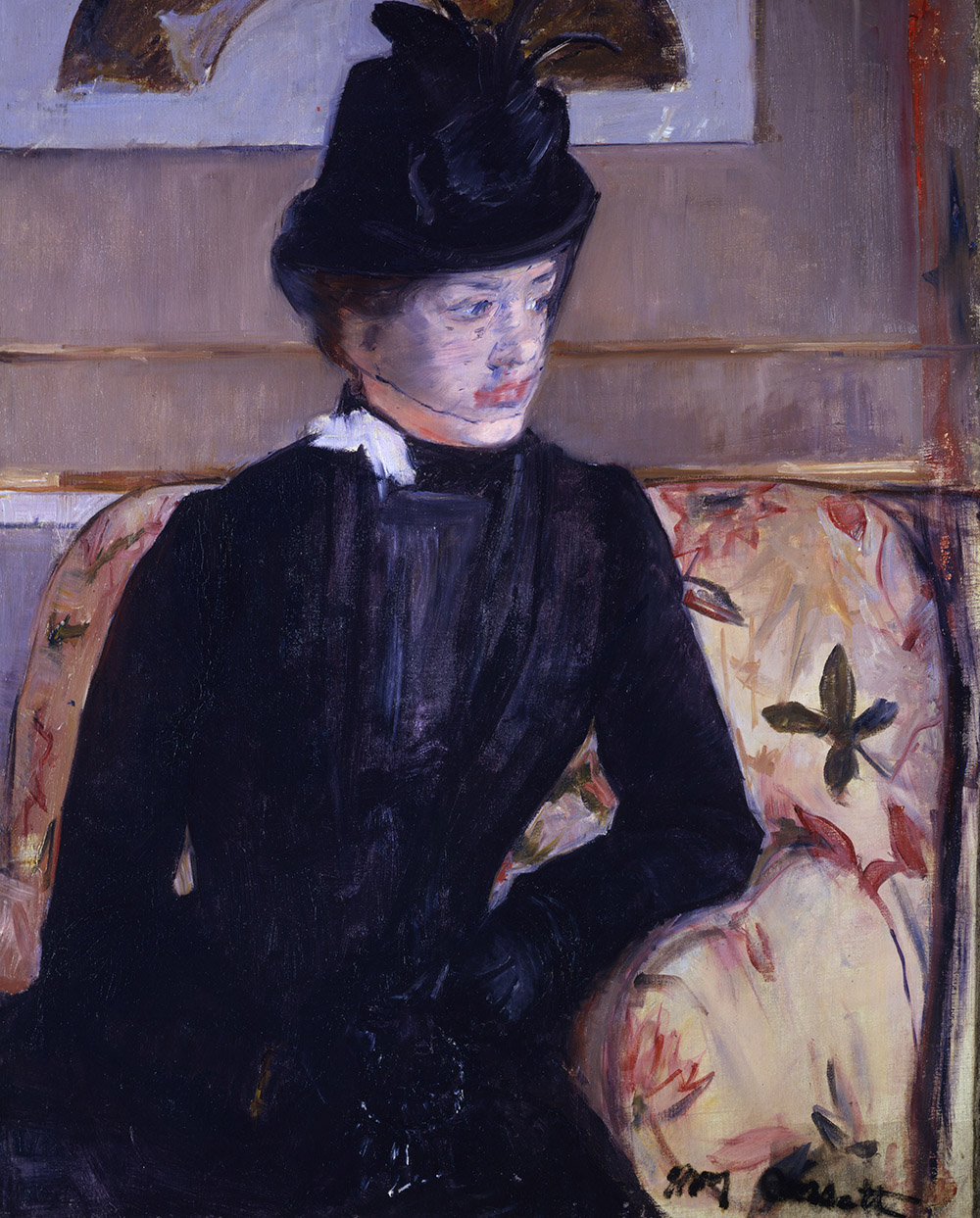
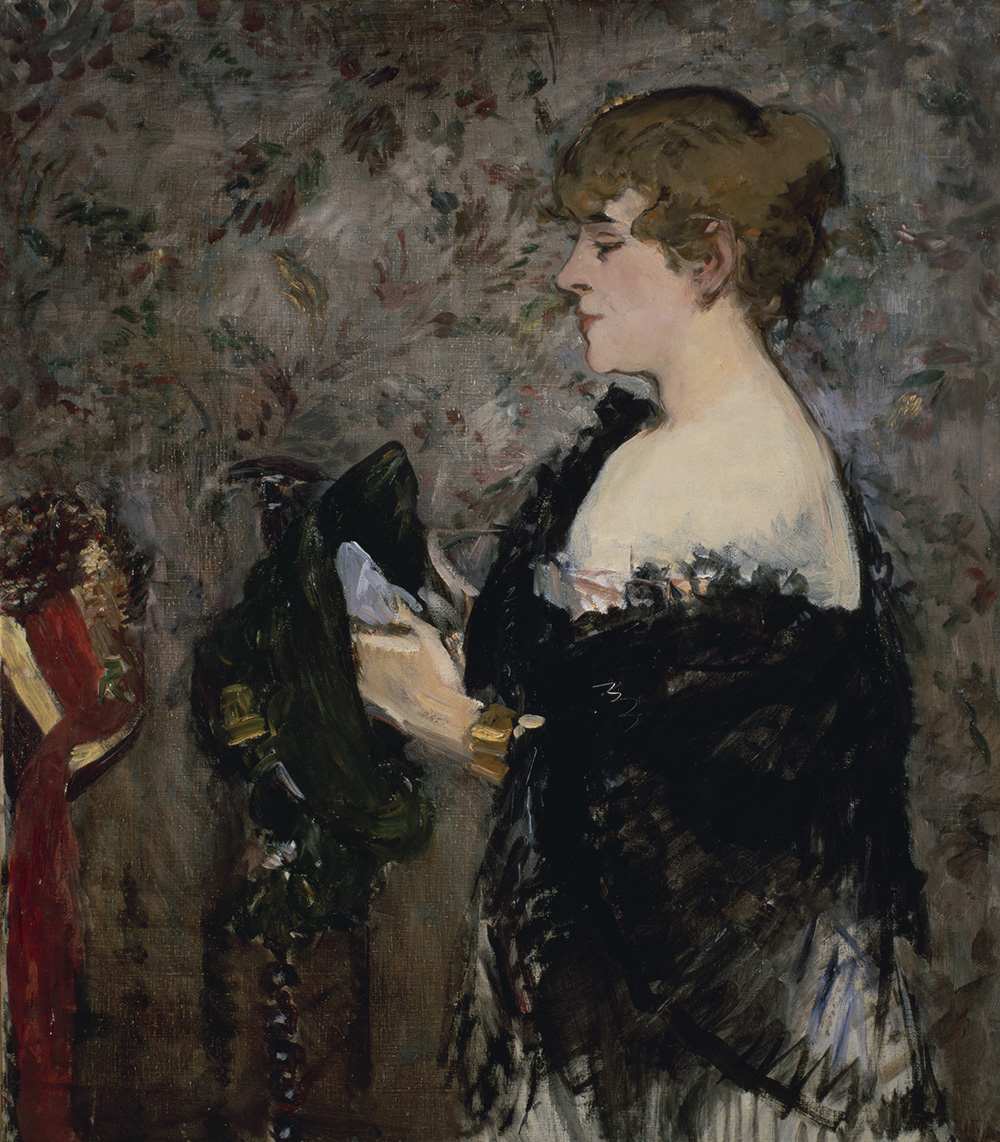
The Impressionists at the time were painting “La vie quotidienne,” or everyday life, and as the millinery trade was so prevalent at the time, it naturally became a subject of their paintings. Edgar Degas, Édouard Manet, Pierre-Auguste Renoir, Berthe Morisot, and Mary Cassatt all painted portraits of their clients — men, women and children — in their grand chapeaux. Degas was particularly fascinated with the subject and took it a step further, going into the shops to show us behind the scenes as the working class hat makers sewed and arranged displays of these fine art creations.
“Degas, Impressionism and the Paris Millinery Trade,” an exciting new exhibition that discusses this theme and the works of art created around it, opens February 12 at the Saint Louis Art Museum. Working together with the Fine Arts Museums of San Francisco and their curators, the collection pulls together fine works by assorted artists around this central theme. In addition to masterworks in oils and pastels by Degas, Rodin, Manet, Cassatt, Morisot, and Lautrec, among others, the exhibition sprinkles in assorted photographs, poster prints, and actual plumed French hats from the time of 1875-1914.
“This groundbreaking exhibition will provide a stunning experience for visitors while advancing the scholarship of a little known but important part of Degas’ legacy,” says Brent R. Benjamin, the Barbara B. Taylor director of the Saint Louis Art Museum. It will be the first exhibition to explore the height of the millinery trade in Paris from around 1874-1914, as seen through the eyes and in the work of the Impressionists.
A new book/catalogue, edited by Simon Kelly (curator of Modern and Contemporary Art at the Saint Louis Art Museum) and Esther Bell (curator in charge of European paintings at the Fine Arts Museums of San Francisco), is available to accompany the show. With a chronicle of Parisian milliners from Caroline Reboux to Coco Chanel, the book also links the worlds of literature, art, and fashion. Contributors to the exhibition and book include Susan Hiner, Françoise Tétart-Vittu, Melissa Buron, Laura Camerlengo, Kimberly Chrisman-Campbell, and Abigail Yoder.
The unique exhibition explores the significance of the paintings and drawings of these scenes and portrays the important role they played in everyday life, as well as celebrating the milliners of the time and their works of art. The exhibition runs from February 12 thru May 7, 2017 at the Saint Louis Art Museum; admission is free.
For more information, please visit www.slam.org or call 314.721.0072.
This article was featured in Fine Art Today, a weekly e-newsletter from Fine Art Connoisseur magazine. To start receiving Fine Art Today for free, click here.
In this ongoing series for Fine Art Today, we take a longer look at the history and features of a soon-to-be-available artwork of note. This week’s painting is attributed to an American icon, and if that’s accurate, is very underpriced. You decide.
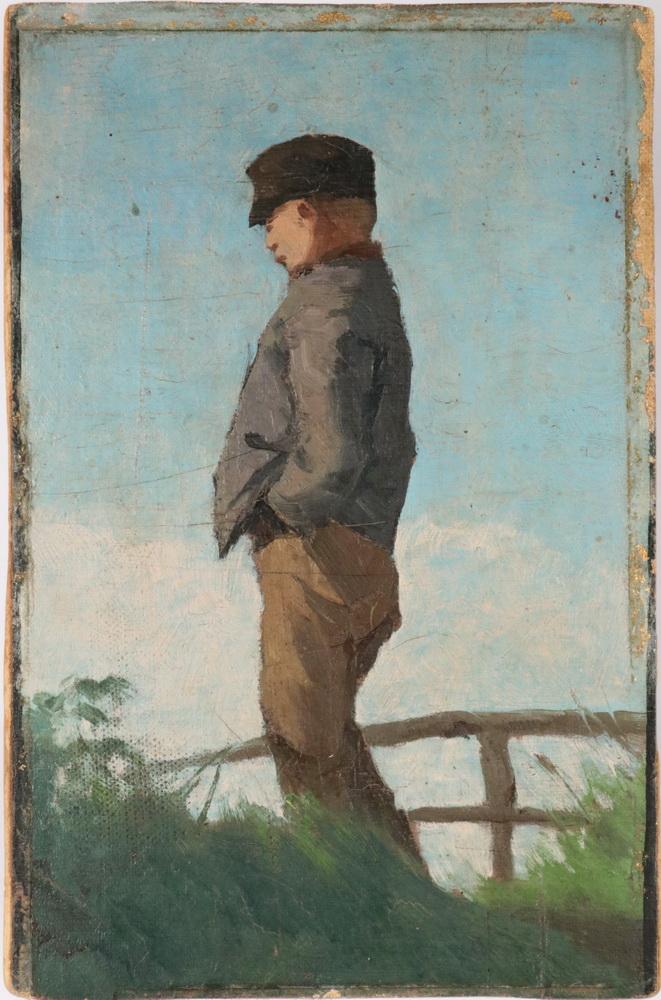
A loosely executed and small painting featured in Thomaston Place Galleries’ February 12 “Winter Sale” could be your steal of the year. Priced at $2,500, “The Country Boy” has been attributed to the great Winslow Homer (1836-1910). Homer is known particularly for his maritime paintings, but the canvas here displays a lone figure on a low horizon. Represented in profile, a young boy wears a hat, pants, and jacket, with his hands in his pockets. A wooden fence can be see behind him as foliage and grasses compose the foreground.
Few details are included in the painting, perhaps recalling Homer’s “blocky” or sharply outlined figures. Further support for the attribution comes from the painting’s verso, which includes an inscription on the original gold frame that reads “Presented by Homer to Joseph Daniels, also an artist and Historian of Oxford, Maine.”
This article was featured in Fine Art Today, a weekly e-newsletter from Fine Art Connoisseur magazine. To start receiving Fine Art Today for free, click here.
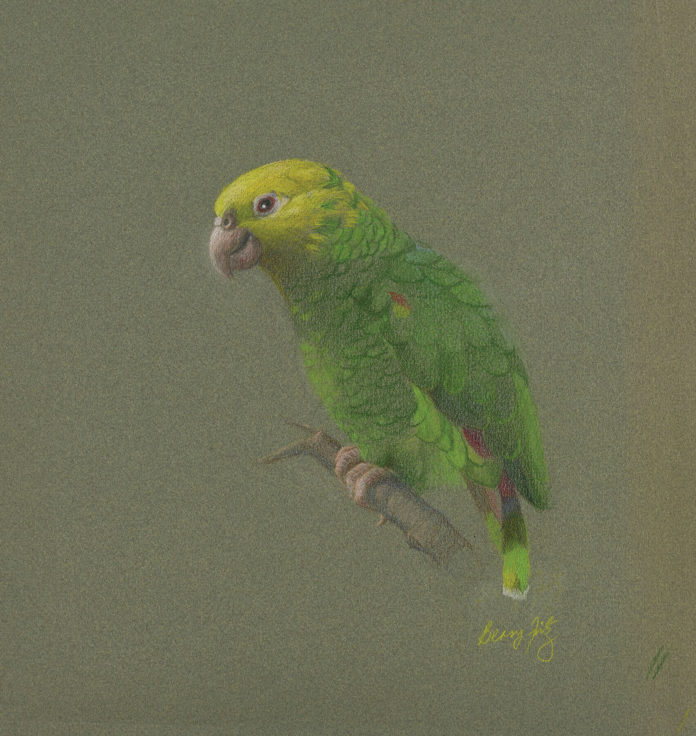
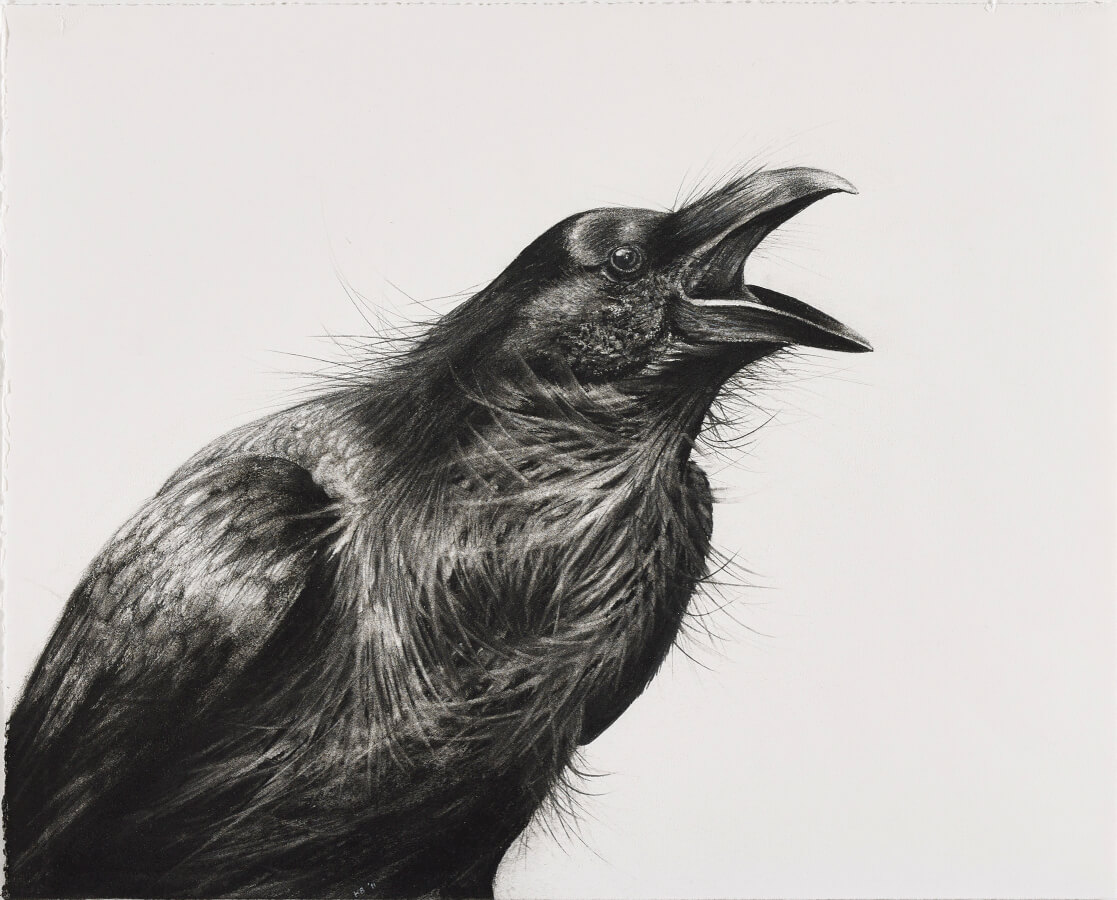
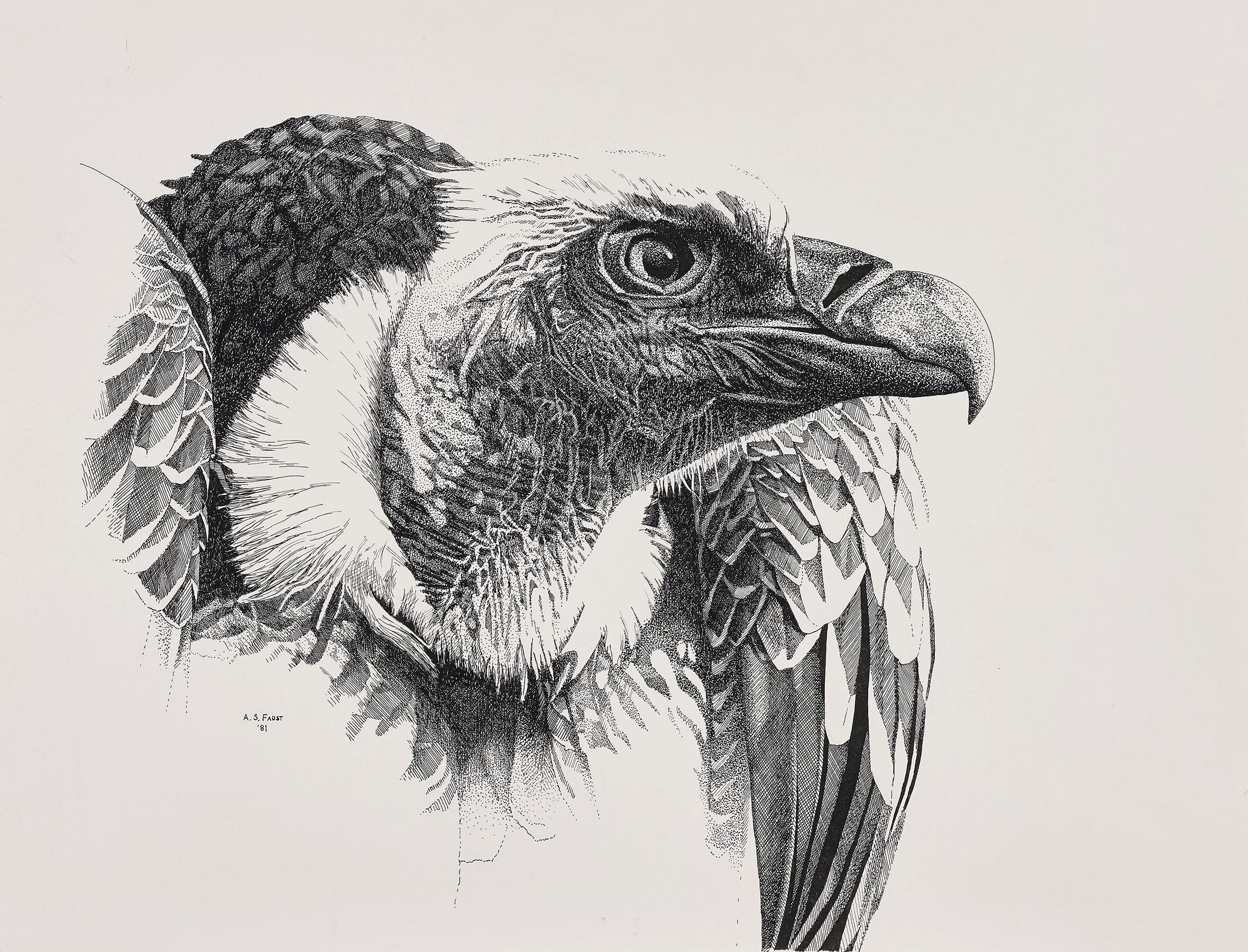
Only a few weeks remain for a lovely exhibition featuring a stunning selection of avian-themed drawings. From quick sketches to intricately detailed illustrations, there’s something for everyone here.
On view through February 19, “Making Marks” is a diverse showcase of more than 60 drawings and sketches of birds by contemporary masters from across the United States. It’s hosted by the Leigh Yawkey Woodson Art Museum in Wausau, Wisconsin, an institution that is no stranger to avian-themed art. Each year, the museum hosts its flagship “Birds in Art” exhibition, a nationally known and highly competitive competition aimed specifically at artistic interpretations of birds and related subjects. “Making Marks” is slightly different, however, highlighting artists’ varied approaches to drawing birds and the importance of field observation.
The museum writes, “While working styles vary, many artists resolve their compositions and other details before moving to their chosen final medium, whether for a painting or a sculpture. For most preliminary work, a pencil and paper are the likely tools of choice. Why? Pencil marks are forgiving; they can be erased easily, allowing an artist to change elements to achieve the most pleasing composition. Many artists believe drawing and sketching are essential for successfully completing finished works.”
This article was featured in Fine Art Today, a weekly e-newsletter from Fine Art Connoisseur magazine. To start receiving Fine Art Today for free, click here.
Fill your mind with useful art stories, the latest trends, upcoming art shows, top artists, and more. Subscribe to Fine Art Today, from the publishers of Fine Art Connoisseur magazine.