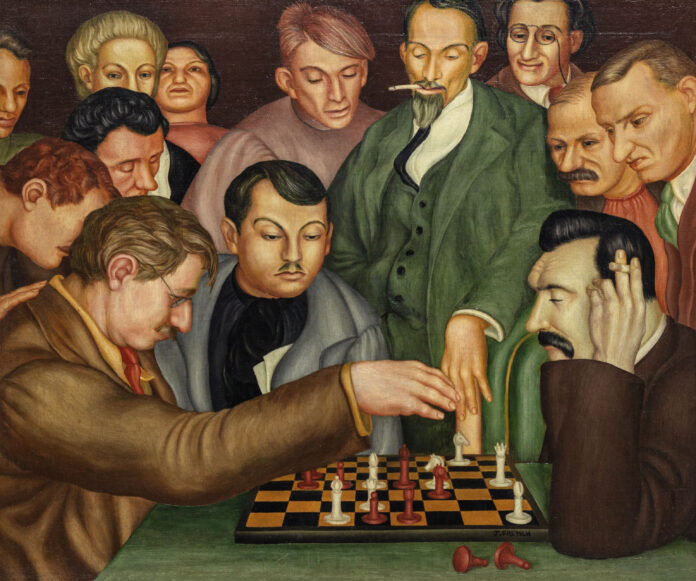
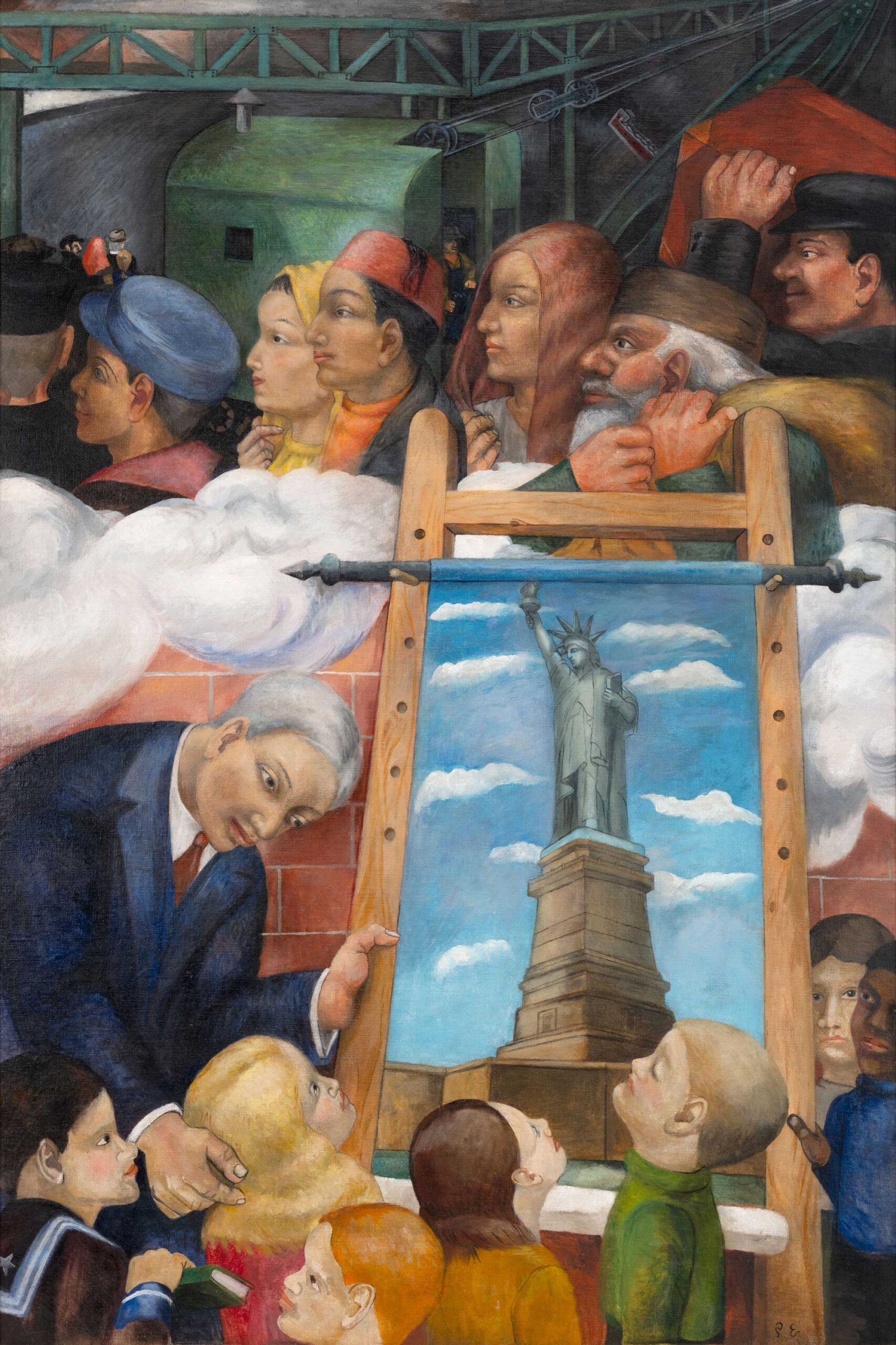
From January 17 – February 28, 2025 and accompanied by a fully illustrated scholarly catalogue, The Kennedy Marshall Art Collection will be on view at Schoelkopf Gallery in New York City.
From the gallery:
This exhibition features one of the most significant private collections of American regionalist and social realist art created between 1920 and 1970. The art collection belongs to acclaimed film producers Kathleen Kennedy and Frank Marshall, whose careers have defined modern cinema.
Spanning nearly 40 remarkable works—including paintings, sculptures, and works on paper—the exhibition highlights iconic pieces by artists such as Romare Bearden, Thomas Hart Benton, Jared French, Jacob Lawrence, Paul Sample, and Ben Shahn. Each work reflects figurative storytelling with a modern sensibility, embodying the cultural and social narratives that defined 20th-century America.
Kennedy and Marshall are celebrated as two of the most influential figures in entertainment, best known for founding Amblin Entertainment with Steven Spielberg and producing classics like E.T., Jurassic Park, and the Back to the Future trilogy. With numerous Academy Award nominations and wins, their impact extends far beyond film, exemplified in their thoughtful and genre-defining approach to art collecting.
Attention Art Collectors! May 20-22, 2025: Visit the Plein Air Convention & Expo’s robust pop-up art gallery at the Nugget Casino Resort in Reno, Nevada, where hundreds of artists, including our master faculty, will have studio and plein air works on display and ready to purchase. Register for the full event at PleinAirConvention.com now.
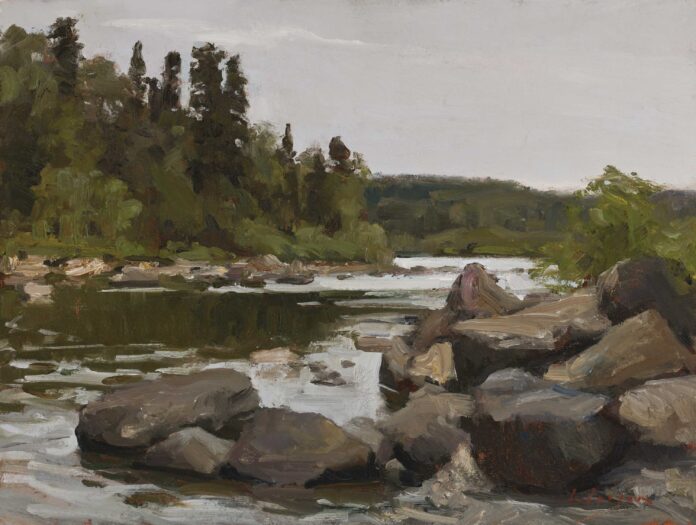
Brock Larson, "Pigeon River," 2022, oil on aluminum panel, 9 x 12 in., available through the artist
Allison Malafronte shines light on a gifted contemporary landscape painter in this “One to Watch” artist spotlight.
Born into a family of painters, Brock Larson (b. 1991) was already ahead of the game in his classical training by the time he decided on a career path. He began drawing at an early age under the guidance of both his father, Jeffrey T. Larson, and his grandfather Marvin Espe, then was introduced in high school to the lithographic plates of Charles Bargue, master copies, and cast drawings. With that traditional foundation under his belt, Larson moved to Minneapolis to pursue formal training at the Atelier Studio Program of Fine Arts, where he studied full-time for five years while also taking workshops.
Although his education involved a lot of figure study, ultimately Larson found his way to landscape painting, as he was already an avid outdoorsman who loved observing nature. Participating in plein air events around the country, he regularly wins major awards for paintings that simultaneously capture nature’s delicate nuances and sublime grandeur.
One of those works, Pigeon River, earned the grand prize at the 2022 edition of Minnesota’s Plein Air Grand Marais. “I spent some time at Pigeon River on the Canadian border and had to dodge some inclement weather to complete this piece,” Larson says. “I find the challenge of a muted scene exciting and rewarding when it’s executed well. The dulled colors in the landscape are much less obvious, so they must be reached for and searched out with deep intentionality.”
Some of the artist’s other favorite aspects of painting on location are the challenge of finding beauty and visual intrigue in seemingly mundane subjects; working on the same scene over several sessions to watch it evolve and become a composite of his various visual experiences; and capturing fleeting light, which requires extreme focus, speed, and quick decision-making. “I absolutely love the rawness and loose qualities that can emerge from a rapid and frantic painting session en plein air,” Larson says.
Although he spends most of his time painting outdoors, Larson regularly draws and paints portraits. In his hometown of Duluth, Minnesota, he teaches at the Great Lakes Academy of Fine Art, which he co-founded with his father. They spent two years researching and designing its curriculum before renovating a former Catholic church into an ideal setting for students. Today the school offers a full-time program, as well as workshops. Larson lives in Northern Wisconsin, near Lake Superior, with his wife and two young children.
Attention Art Collectors! May 20-22, 2025: Visit the Plein Air Convention & Expo’s robust pop-up art gallery at the Nugget Casino Resort in Reno, Nevada, where hundreds of artists, including our master faculty, will have studio and plein air works on display and ready to purchase. Register for the full event at PleinAirConvention.com now.
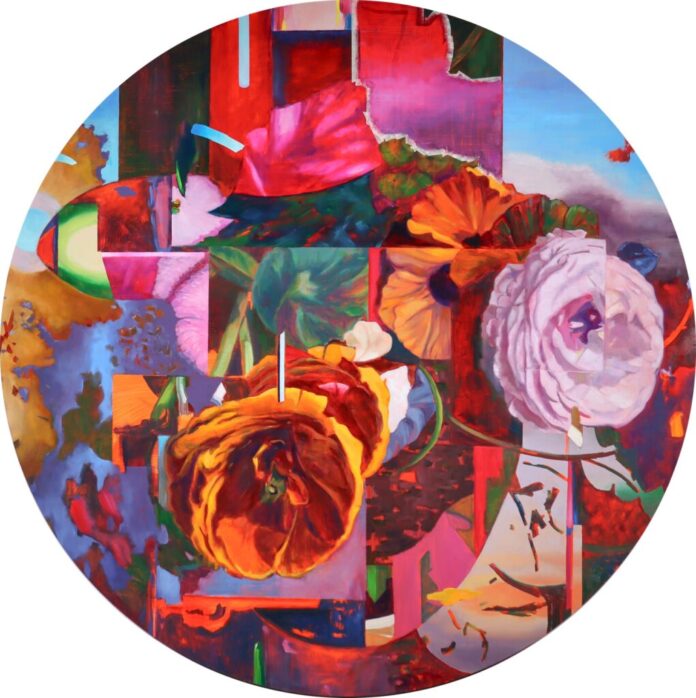
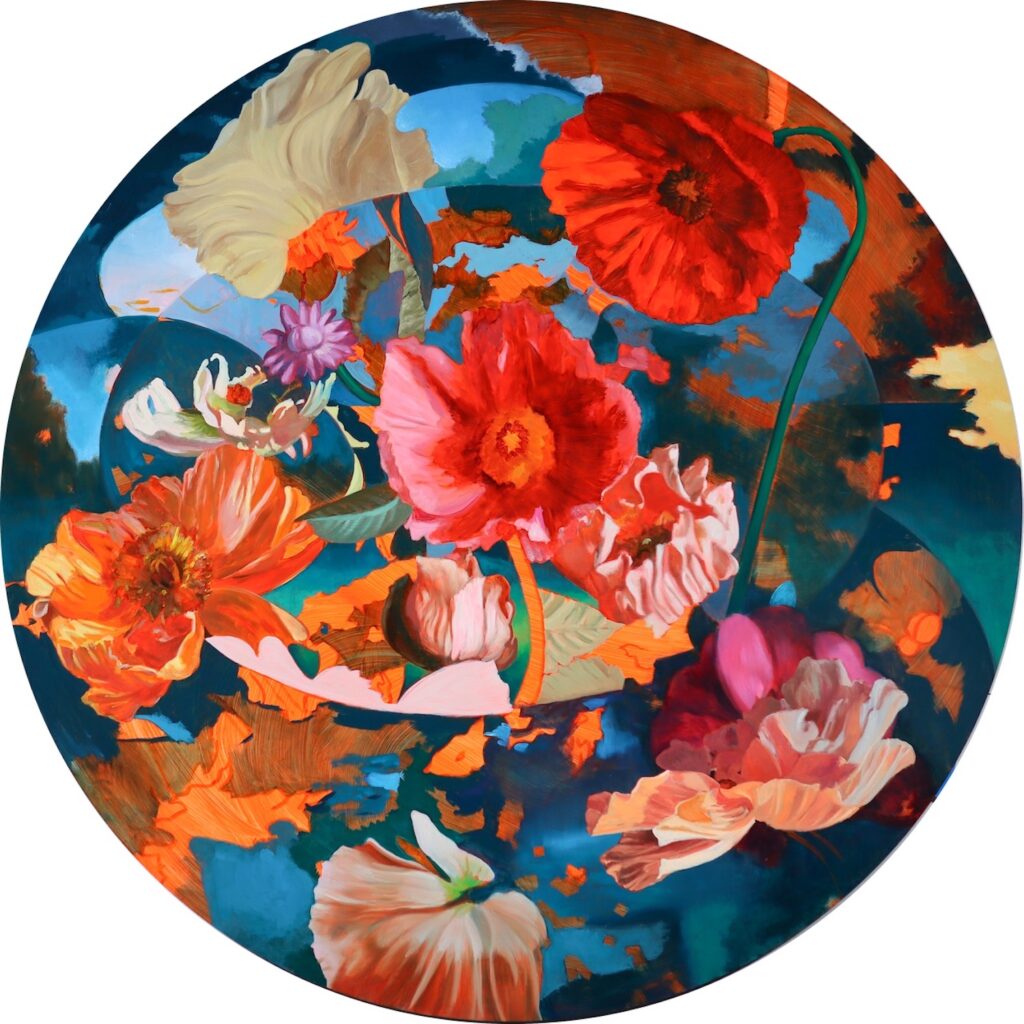
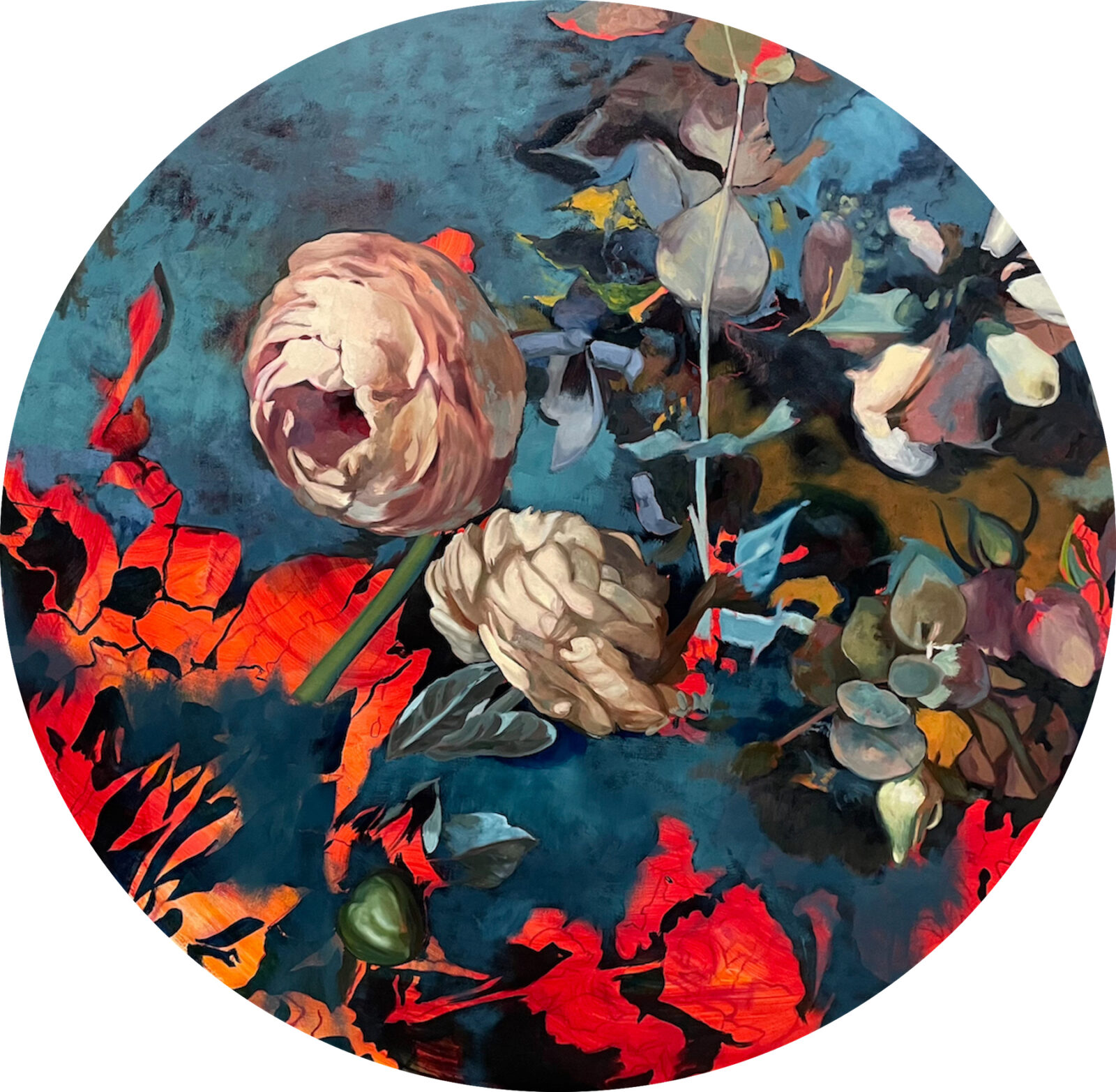
Lyman Allyn Art Museum has announced the opening of “Thuan Vu: Kintsugi in the New World,” an exhibition featuring a dynamic series of paintings from New Haven artist Thuan Vu. Drawn from both his Kintsugi flower series and The New World series, these paintings reflect the Japanese philosophy of placing value on that which has been broken and repaired, whether it be an object, community, or person. His paintings offer a revised sense of wholeness and beauty even in the face of fracture and confusion. This exhibition is on view January 18 through March 30, 2025.
As a Vietnamese refugee, Vu’s work is about finding a sense of wholeness and beauty in our divided selves, our fractured country, and our complicated world. “For the past 10 years, I’ve made a series of paintings called The New World, which abstractly reimagines the sensations felt by my parents when they fled Vietnam during the war and settled in America with seven of their eight children,” says Vu. “These completely imaginary landscapes tap into a refugee’s feelings of hope, joy, and confusion—but these feelings are universal. Framed by nature, the painting’s offer a space for the viewer’s mind to search, discover, and breathe in a space to call home.”
Vu’s most recent Kintsugi series utilizes the Japanese practice/philosophy of repairing broken pottery by rejoining the pieces together using gold. The newly repaired piece, proudly showing its golden scars, is seen as more beautiful for showing its history, resiliency, and its ability to be transformed from trauma. Using this mending philosophy, Vu reflects on wholeness as it relates to his identity and asks, “How do we find beauty and grace in times of fracture and disruption? Can the process of recovery, discovery, and growth—with its infinite complications—be seen as beautiful and valuable?”
“This exhibition offers a profound reflection on resilience and transformation,” said Museum Director Sam Quigley. “Vu invites us to consider the often-overlooked grace in our own fractures—be they physical, emotional, or psychological. In these striking paintings, the act of repair becomes a powerful metaphor for healing, identity, and belonging.”
“Kintsugi in the New World” represents a reflection on belonging in one’s skin and in the world. It is not only a celebration of beauty in imperfection, but a poignant meditation on the process of becoming whole, even amidst life’s most challenging disruptions.
“In my work, I use nature as both a mirror and window to communicate who I am, where I’ve come from, and how I experience our world,” Vu said. “The majesty and poetry of nature is a reflection of my emotional landscape while providing a canvas on which to dream and reflect.”
For more details, please visit the Lyman Allyn Art Museum online at lymanallyn.org.
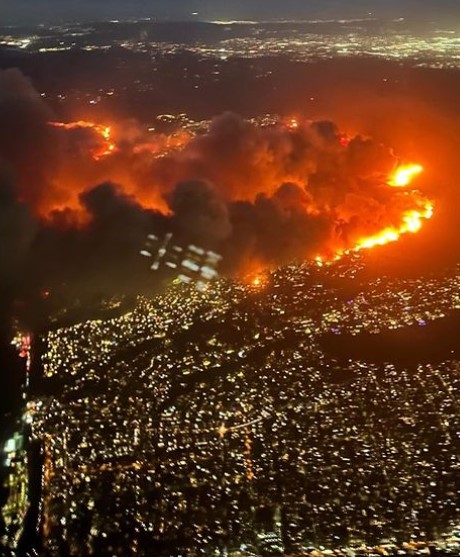
As of this writing, roughly 180,000 people are evacuating more than 45 square miles in the Los Angeles area, and our hearts are with them. If you have a way to show support of the families and businesses in need, please do so.
To help, donate to the Red Cross, or consider reaching out directly to individuals you know and can help on a personal level.
The L.A. fires, in addition to all the damage we know of so far, have resulted in hundreds of lost paintings at artist studios, collector homes, and likely art galleries. Our hope is that this message will serve as a reminder to insure your artwork or make plans to try to protect what you have, as well as encourage you to help if you can.
My dad trained us to understand that if you have to think under pressure and don’t already have a plan, things won’t go as well in the heat of an emergency, or even drama and emotion. But if you try to anticipate situations, perhaps you can recover, or reduce the negative impact.
For many of us who are not in the midst of tragedy, now is the time to take action to make sure you have the best possible plan in case something does happen.
Progressive Insurance says that “art and collectibles may not always be covered through your homeowners policy for their full value. Some insurers may have a sub-limit that applies in the event of a loss, which means your insurer will only cover certain items up to a specified amount. In order to insure art and collectibles for their full value, some insurers will allow you to add these items as a separate endorsement or ‘rider’ to your homeowners, renters, condo, or manufactured home policy. Your insurer may require you to provide a photo or detailed description of the item, and possibly an appraisal.”
Art Studio Considerations
If you had a five-minute notice, what would you grab? Look around and decide what’s absolutely irreplaceable, whether because it’s valuable or sentimental.
The first thing crossing my mind isn’t the stuff we can replace, it’s the stuff we can’t. Things with emotional meaning — in my case, an extensive art collection, a collection of portraits other artists have done of me, and piles of paintings that are my life’s work. What would I do if it was all lost?
I created a list of everything that had meaning, then prioritized that list, and handed out instructions. If there is a fire, if there is time, get these items out to safety first. If there is still more time, add these things that are on the list.
What do you need to do to prepare to leave on a moment’s notice?
What will you regret not having, or not having created a digital copy of?
Most important, of course, is your life and your family. Don’t go into a burning fire and risk your life to save an old photo. It’s not worth the risk. But having a plan in advance is a great idea.
“Art studios give artists the space they need to create as well as a way to store their completed works of art and sell art from the studio,” says the team at Art Insurance Now. “Due to the nature of the work in an art studio, art studio insurance is essential. Risk exposures such as natural disasters and unexpected events like fire, flood, earthquakes, and storms, can cause extreme damage to the building and contents.”
Art Insurance and Documentation
Contact your insurance agency and ask what you need for proper coverage. They may require specific documentation of your collection or your body of work.
My friends in the 2023 Malibu fire had five minutes’ notice. They lost everything. That’s the most likely scenario. In that case, you would at least want records and proof such as digital photos and things stored online or on a server off-site. I have most of my paintings and collection documented, but the list has not been updated in five years. I would at least want to be able to remember those things or have evidence for insurance. (Artwork Archive is a great resource for helping you keep track of your art inventory.)
In your art inventory, include high-resolution photos of all of your paintings and document the size along with any other details you have available.
What if your paintings are lost in a gallery fire?
When you agree to sell your paintings through a gallery, you should have a written agreement that includes things like liability issues and insurance. Keep a digital copy of this online in case it’s ever needed.
Your agreement should also include answers to the following questions:
Will your insurance cover the loss of your art if the gallery has a fire or theft, or is that the responsibility of the gallery?
Do you need an insurance rider on your work that is hanging in a gallery?
What if the art gallery is unable to pay you for the paintings they’ve sold?
One More Note
The horrors of wildfires and other natural disasters are beyond awful. Families need help, and if you have something extra, this is the time to step up and find a charity that will help.
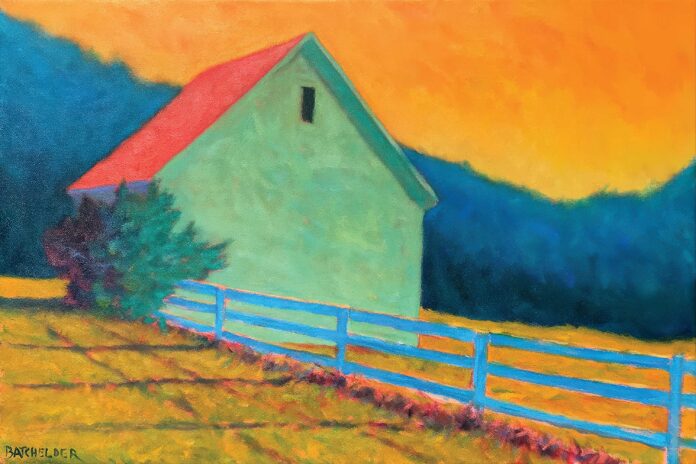
Peter Batchelder (b. 1960), "Paddock," 2020, oil on canvas, 20 x 30 in.
Landscape Paintings For Sale > Lily Pad Gallery West is presenting the exhibition “Fields of Vision: The Landscapes of Diane Washa and Peter Batchelder.” It highlights two distinct yet complementary approaches to landscape painting, generating an aesthetic conversation between representation and abstraction, between serenity and vibrancy.
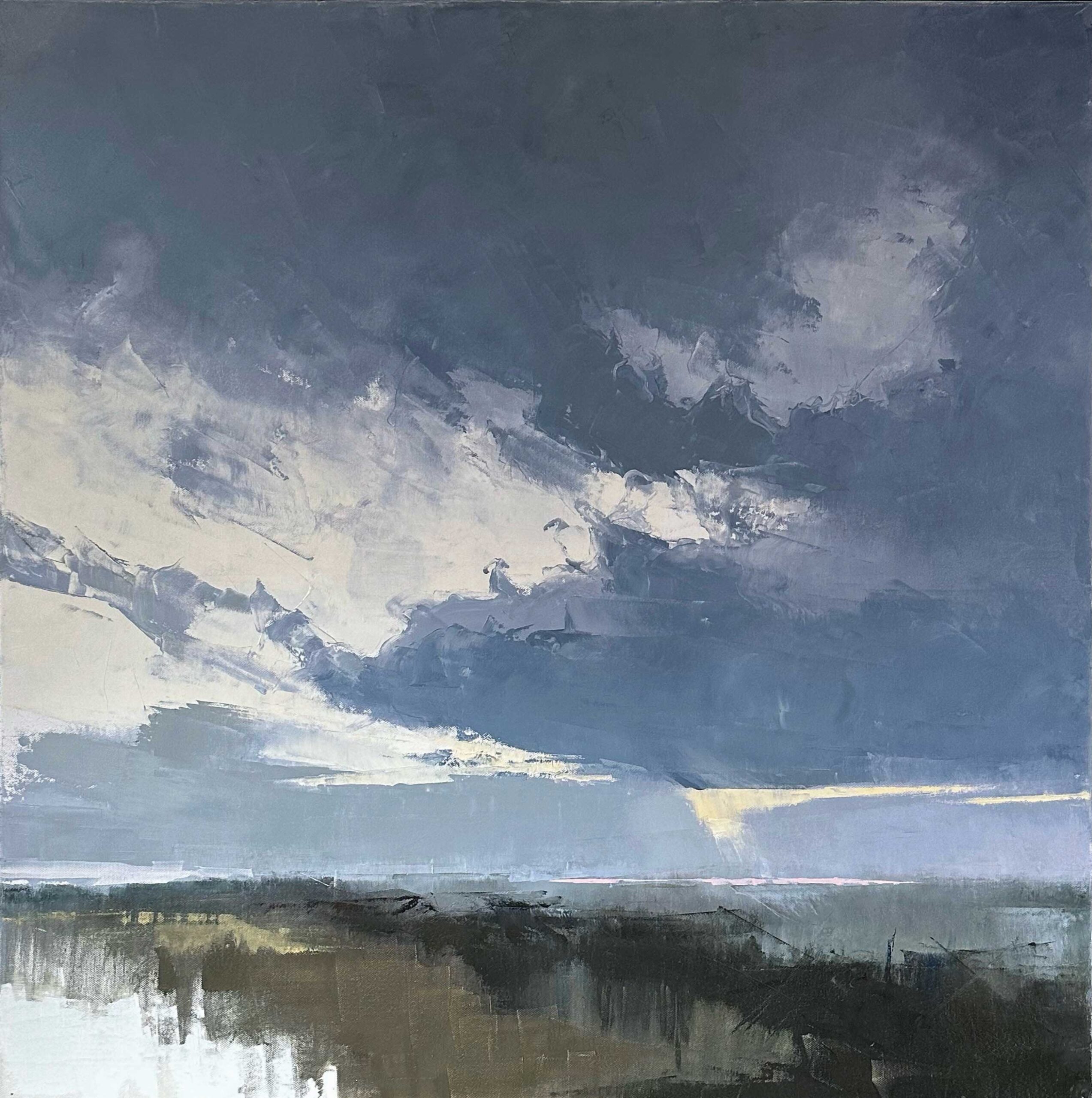
Having studied fine art at Wisconsin’s Milton College and then business administration at the University of Wisconsin — Whitewater, Diane Washa has become well known for her paintings’ prioritization of mood and atmosphere, both mysterious and familiar. Using a range of softer colors, her ethereal images float between reality and memory, often showing how elements of water, sky, and land can merge in harmony.
Diane Washa (b. 1953), “Beyond,” 2024, oil on canvas, 30 x 30 in.
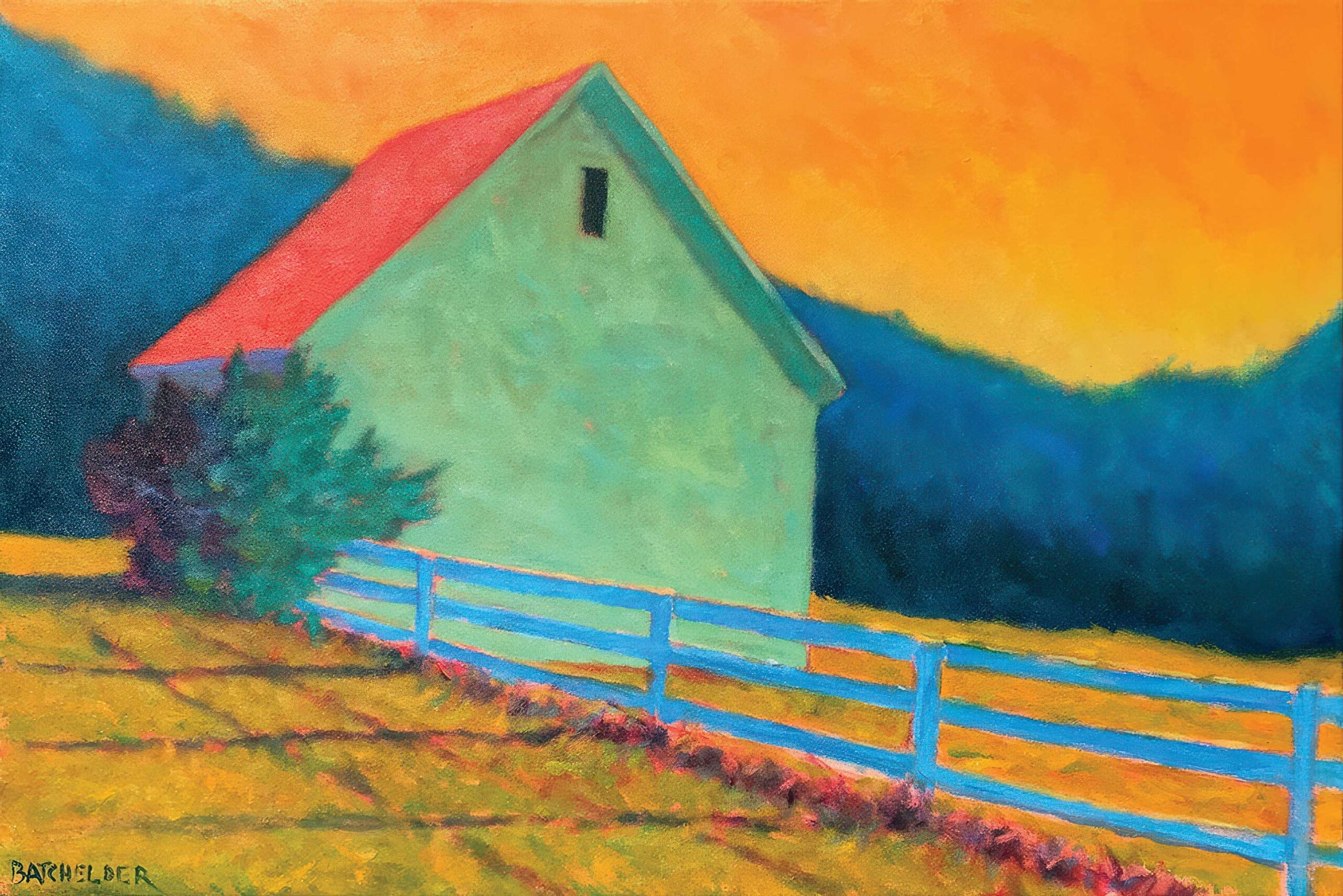
By contrast, Peter Batchelder creates boldly colored scenes of rural scenery and architecture that features strong lines and highly defined forms. A graduate of the University of Massachusetts — Amherst, he lives in rural New Hampshire and is fascinated by the geometric shapes of barns, farmhouses, and silos and how they interrelate with fields and other open spaces.
Peter Batchelder (b. 1960), “Paddock,” 2020, oil on canvas, 20 x 30 in.
Details At a Glance:
Lily Pad Gallery West
Milwaukee lilypadgallery.com
Through February 23, 2025
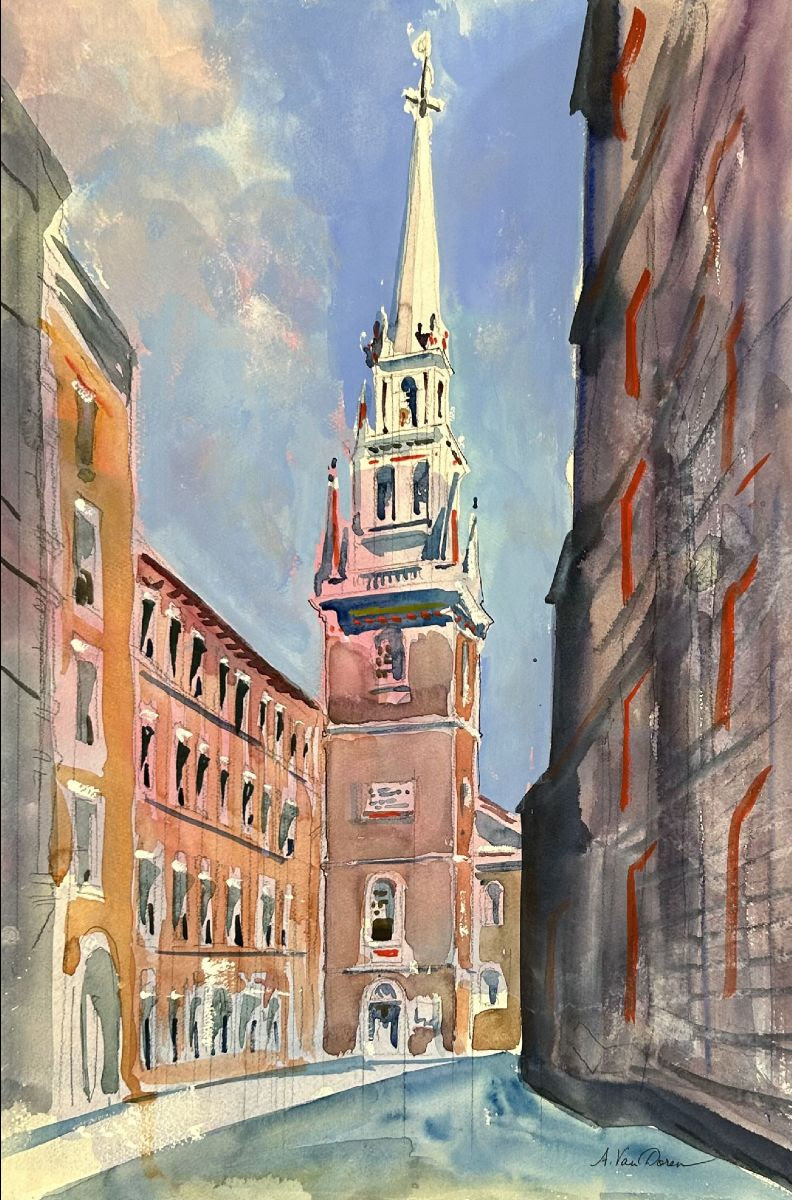
Adam Van Doren, "Old State House, Boston," 2024, Watercolor and gouache, 22 1/2 x 15 inches
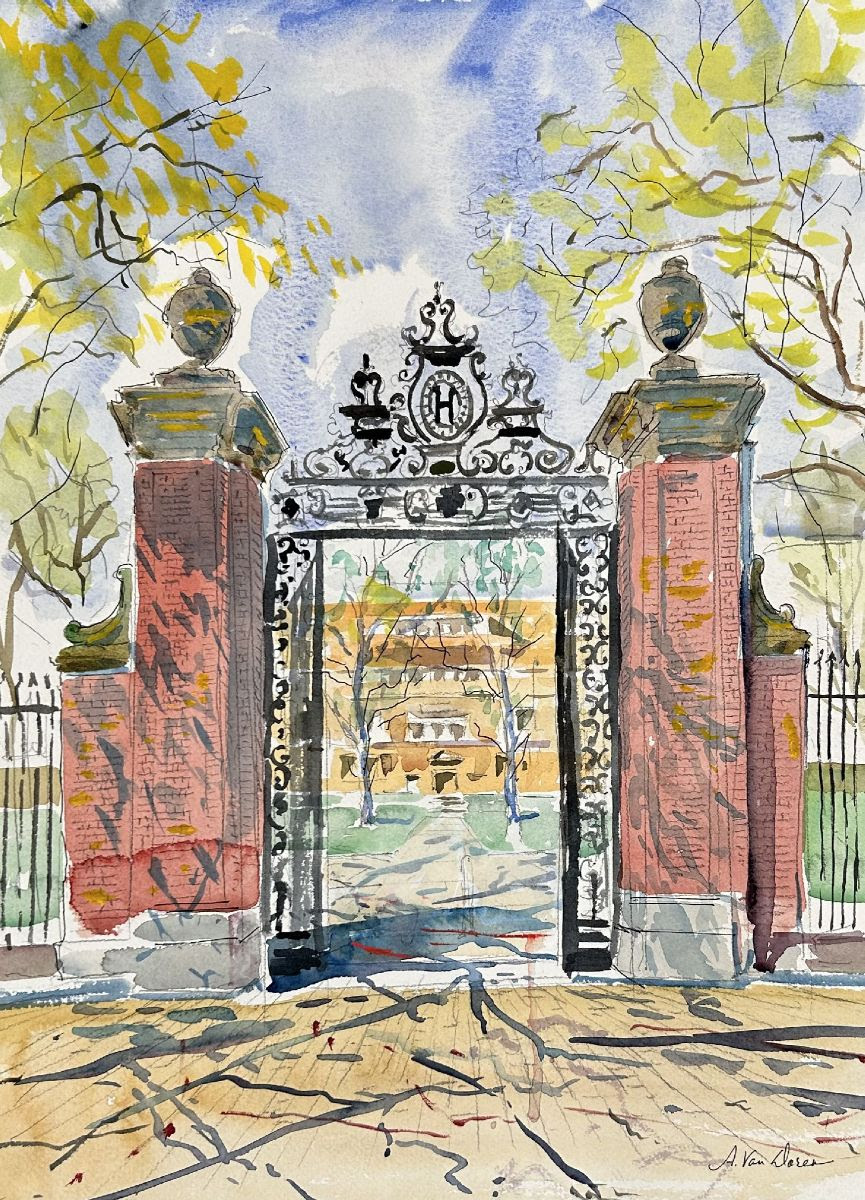
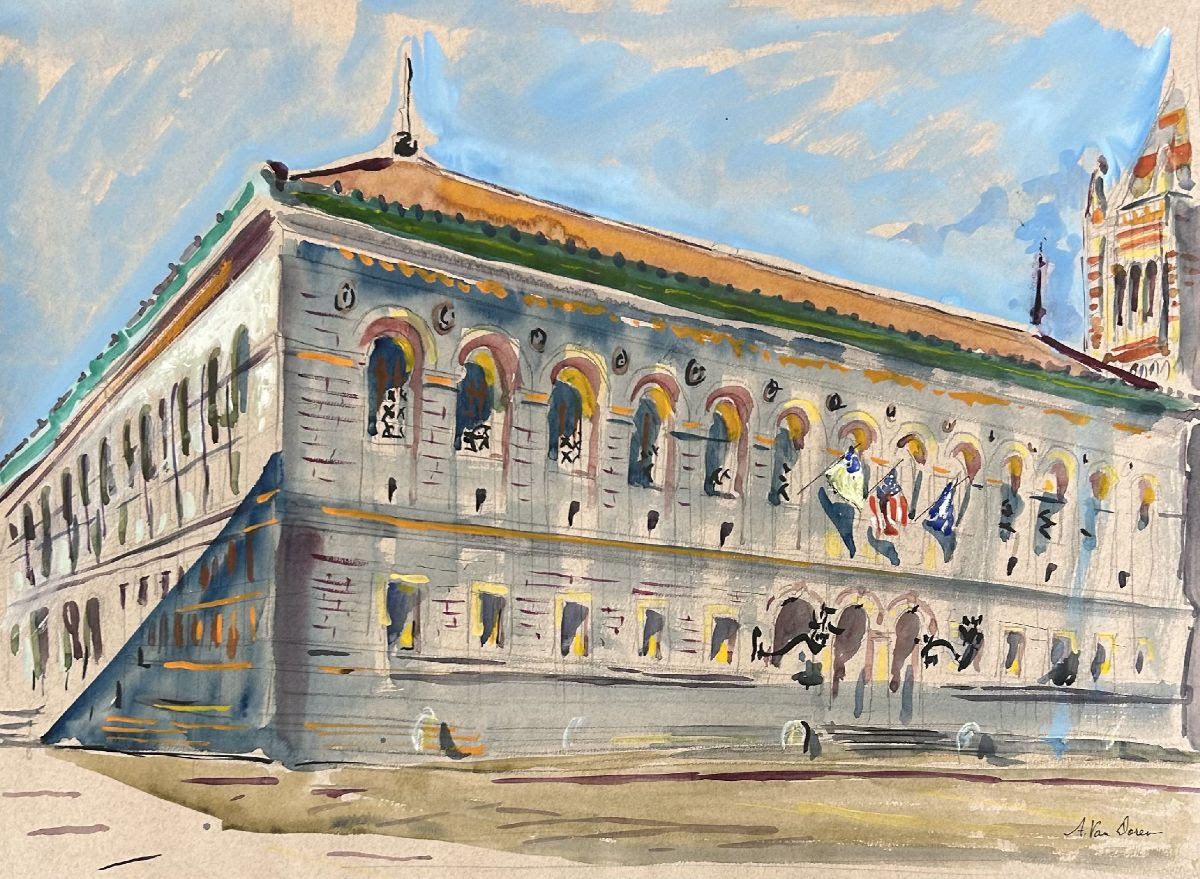
Childs Gallery is pleased to present “Bricks of Boston: Watercolors by Adam Van Doren.” The exhibition marks the artist and author’s fourth solo show with Childs, and the first dedicated solely to paintings of Boston, ‘The City on the Hill.’
Adam Van Doren, “Old North Church, Boston,” 2024, Watercolor and gouache, 22 1/2 x 15 inches
More from the art gallery:
Van Doren (American, b.1962) has traversed Boston and beyond capturing images of the area’s storied architecture: historic churches, government buildings, libraries, bridges, and more. A trained architect himself, Van Doren handles his subject matter with a master’s eye, but also that of an artist, sensitively capturing the spirit of some of Boston’s most hallowed grounds.
Adam Van Doren, “Harvard Gate,” 2024, Watercolor and gouache, 20 1/2 x 15 inches
Though based in New York, Van Doren travels frequently to paint – his finished works often serving as illustrations for books such as In the Founder’s Footsteps: Landmarks of the American Revolution, The House Tells the Story: Homes of the American Presidents, and The Stones of Yale. Always attuned towards eye catching architecture, Van Doren has this time turned his brush specifically to Boston.
The exhibition travels through the city and its surrounding areas – including images of Harvard University and Martha’s Vineyard – to capture the unique character of quintessential New England architecture. As one of the United States’ oldest cities, Boston’s architecture encompasses several different periods, styles, and movements; Van Doren deftly paints many superb examples of these with his trademark expressionist flourish.
Adam Van Doren, “Boston Public Library,” 2024, Watercolor and gouache, 18 1/2 x 24 1/2 inches
“Bricks of Boston: Watercolors by Adam Van Doren” is on view in the Childs upstairs gallery through February 9, 2025. For more details, please visit childsgallery.com.
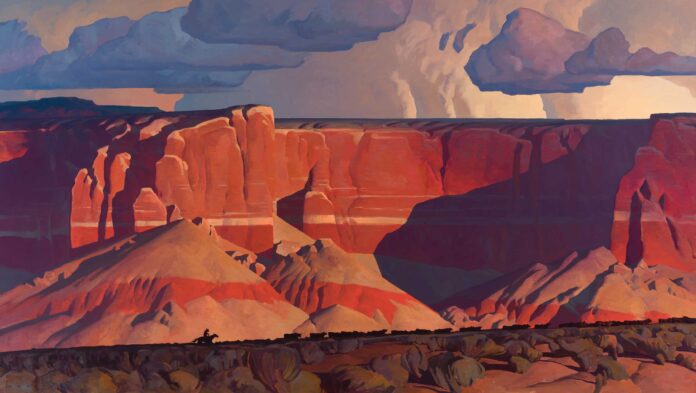
Brett Allen Johnson (b. 1984), "Trailing Shadows," 2022, oil on panel, 36 x 60 in.
A Western Art Collection Profile >
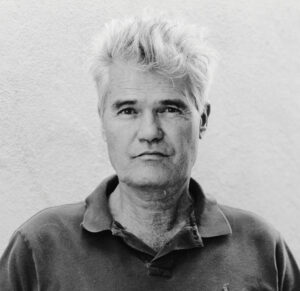
The artist Billy Schenck lives near Santa Fe with his wife (and business partner), Rebecca Carter, in a handsome adobe house built by the renowned landscape architect John Brinckerhoff Jackson (1909–1996) and then completely renovated by the couple. Here at the Double Standard Ranch they have created their own Shangri-La for making and displaying art, and also for playing the equestrian sport of ranch sorting, at which Billy excels.
Artist and collector Billy Schenck
Born in Ohio, Billy “began drawing before I can remember.” In 1965, during his freshman year at the Columbus College of Art & Design, he spent $125 (a substantial sum then) on a painting created by a sophomore friend named Peter Kambitsis. Soon he transferred to the Kansas City Art Institute and began collecting art by his peers there, too. Billy still owns all of those works, including six paintings by classmate Stanley Whitney that are the only figurative works Whitney made before famously turning to abstraction.
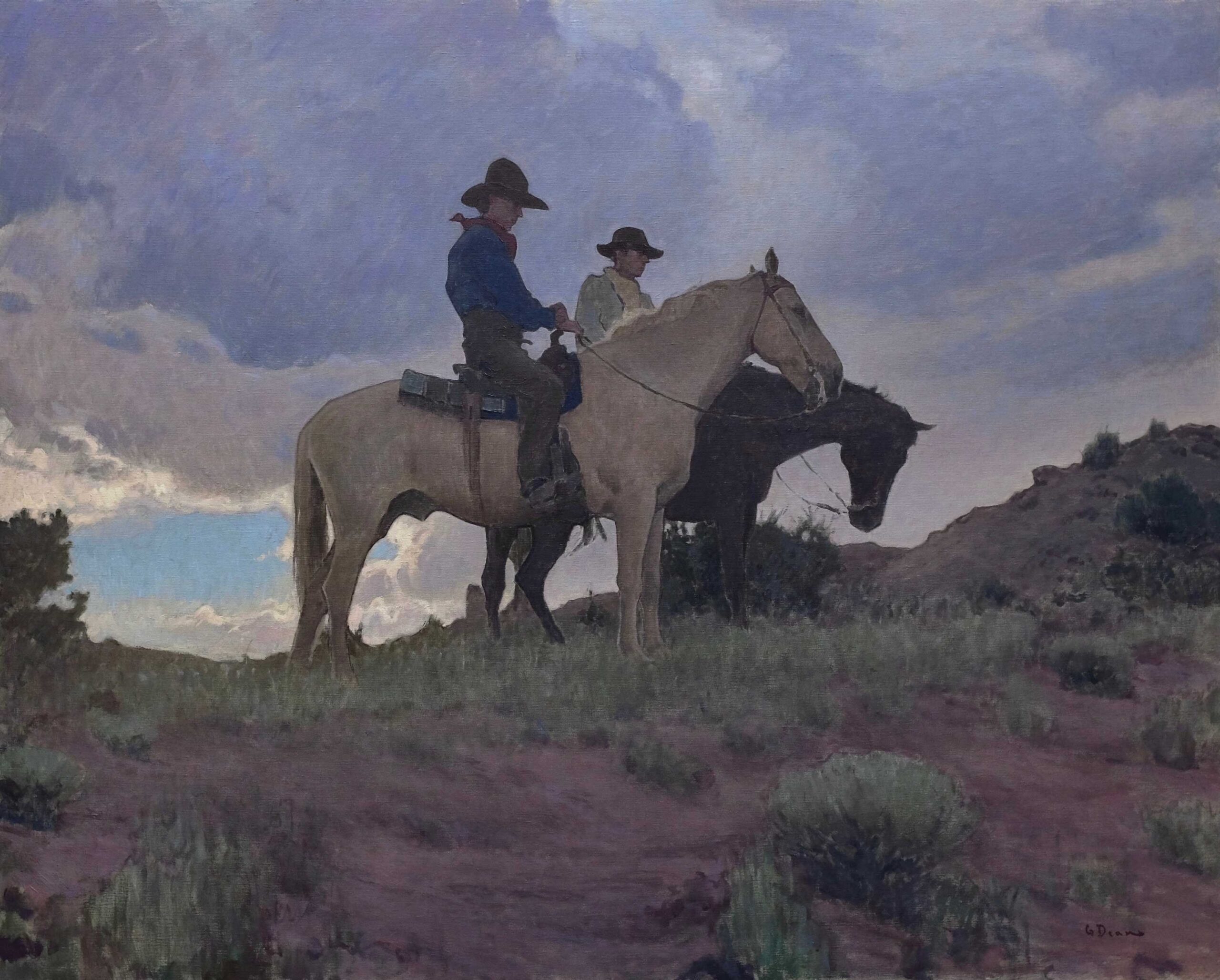
A key component of Billy and Rebecca’s collection is contemporary Western art. They follow only 20 or so artists, but in depth, much the same way that Dr. Albert C. Barnes did a century ago when he focused on such contemporaries as Renoir, Cezanne, and Matisse in order to create what became Philadelphia’s Barnes Foundation. The artists represented are James Butler, Russell Case, Kang Cho, Anne Coe, Frank Croft, Glenn Dean, Josh Elliott, John Fincher, Logan Hagege, Brett Allen Johnson, Jerry Jordan, T. Allen Lawson, Ed Mell, John Moyers, Erin O’Connor, Roseta Santiago, Tim Solliday, Tracy Stuckey, Kim Wiggins, Kathy Wipfler, and Dennis Ziemienski. (Robert Daughters is also here, though he passed away in 2013.)
Glenn Dean (b. 1976), “Silence and Reverie,” 2022, oil on linen, 48 x 60 in.
Billy notes that all of these artists are “technical virtuosos who tend to have an immediately recognizable signature style”; he and Rebecca plan to publish a book on this group, something they have already done for their stellar holding of historical Western art, which encompasses such stars as Maynard Dixon, J.H. Sharp, and Frank Tenney Johnson. When it was exhibited at what is now the New Mexico Museum of Art, that trove drew record-breaking crowds and is still the only private collection presented at the museum since it was founded in 1915. (The show went on to visit six other venues nationwide.)
Also in the collection are key examples of handcrafted ranch furniture made by Thomas Molesworth between 1932 and 1950; this was his best period, after he had studied under Frank Lloyd Wright and brought his Arts & Crafts techniques to Cody, Wyoming. In addition, the Schencks are admired for their prehistoric Southwest ceramics.
Billy says the contemporary Western art has been purchased in a variety of settings — from the West’s many exhibition-sales benefiting museums, from galleries and auctions, and from other collectors and artists. He explains, “I know the living artists we collect because I have exhibited alongside all of them. People always assume that because I’m an artist, we acquire just by trading with other artists. But that is not true. We are extremely specific about the pieces we want, and those we get are usually exceptional and would never be available through a trade. We buy from the dealers and galleries that represent our colleagues and from the museum shows where their work is available.”
Some artists can be disorganized, but not Billy. Every artwork — regardless of value or rarity — is fully documented, including provenance, condition, the price paid, and the current market value. Billy and Rebecca keep this data digitally and also printed out in binders, and they have built a 1,000-square-foot climate-controlled storage unit that houses approximately 350 paintings, drawings, prints, and photographs.
In their home and office, nothing gets direct sunlight, and most photographs are kept in flatbed drawers to protect them from light and heat. Not surprisingly, the collection also includes the only complete set of Billy’s own serigraphs, lithographs, and etchings, along with color trial proofs and the original drawings used to cut the silkscreens. The serigraph collection has been exhibited at five museums and can be requested for loan in the future.
When asked about treasures that got away, Billy laughs and recalls: “There are a number of cases where I missed a painting and got it only after it went through two or three more sets of hands. One of them took 17 years before I acquired it. For the prehistoric Southwest ceramics, my all-time record was waiting 46 years to get one piece. In many cases, I did not have the financial wherewithal to acquire them right away. Moreover, I outlived all of the owners and bought the pieces from their estate sales. There are several instances where I had owned pieces and sold them in moments of financial weakness, then was able to buy them back as long as 40 years later.” He concludes, “Obviously the key is patience and living long enough.”
Billy is too modest to note one other key asset: his superb eye that discerns which artwork to pursue. Without that, patience and longevity will get a collector only so far.
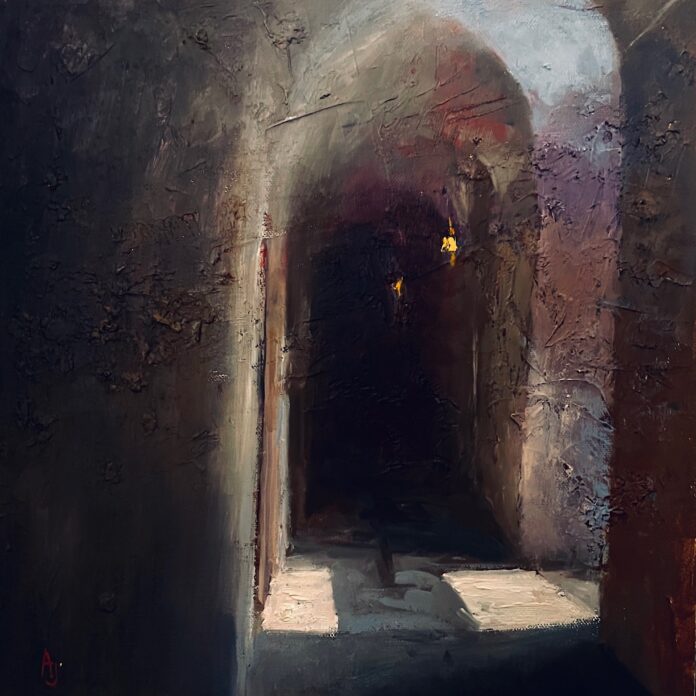
Andrew Judd (Canada), “The Passage,” Oil, 12x12 in.
Please help us congratulate Andrew Judd for winning Overall First Place in the November 2024 PleinAir Salon, judged by artist Dean Mitchell.
“Art has been my lifelong passion since I first discovered it in high school,” Andrew says. “I pursued this passion by majoring in Illustration at The Ontario College of Art. After graduation, I spent five years working in a commercial studio as an illustrator before transitioning to freelance work.
“However, over time, my heart became increasingly drawn towards painting, and I decided to focus on it full time. My wife and I had a wonderful opportunity to live in Vienna, Austria, for several years. During this time, I spent many days painting in the city’s beautiful cafes. Being in Europe was a transformative experience for me as an artist, leaving a profound and indelible mark on my painting style.”
About the PleinAir Salon:
In the spirit of the French Salon created by the Academie des Beaux-Arts in Paris, this annual online art competition, with 11 monthly cycles, leading to the annual Salon Grand Prize winners, is designed to stimulate artistic growth through competition. The PleinAir® Salon rewards artists with $50,000 in cash prizes and exposure of their work, with the winning painting featured on the cover of PleinAir® Magazine.
Winners in each monthly competition may receive recognition and exposure through PleinAir Magazine’s print magazine, e-newsletters, websites, and social media. Winners of each competition will also be entered into the annual competition. The Annual Awards will be presented live at the next Plein Air Convention & Expo.
The next round of the PleinAir Salon has begun so hurry, as this competition ends on the last day of the month. Enter your best art in the PleinAir Salon here.
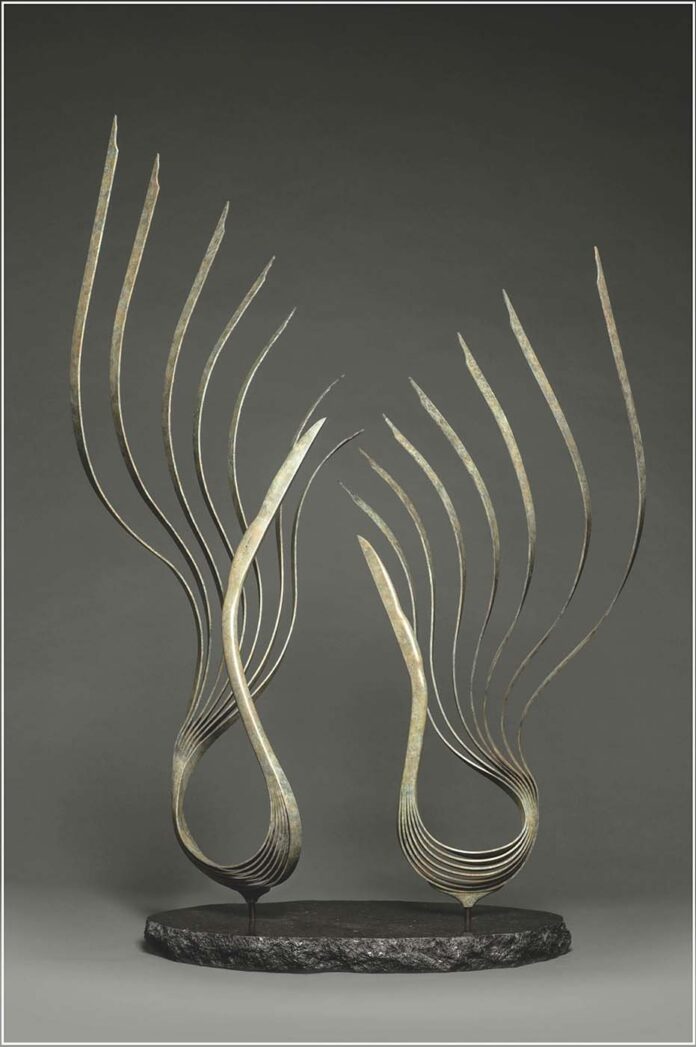
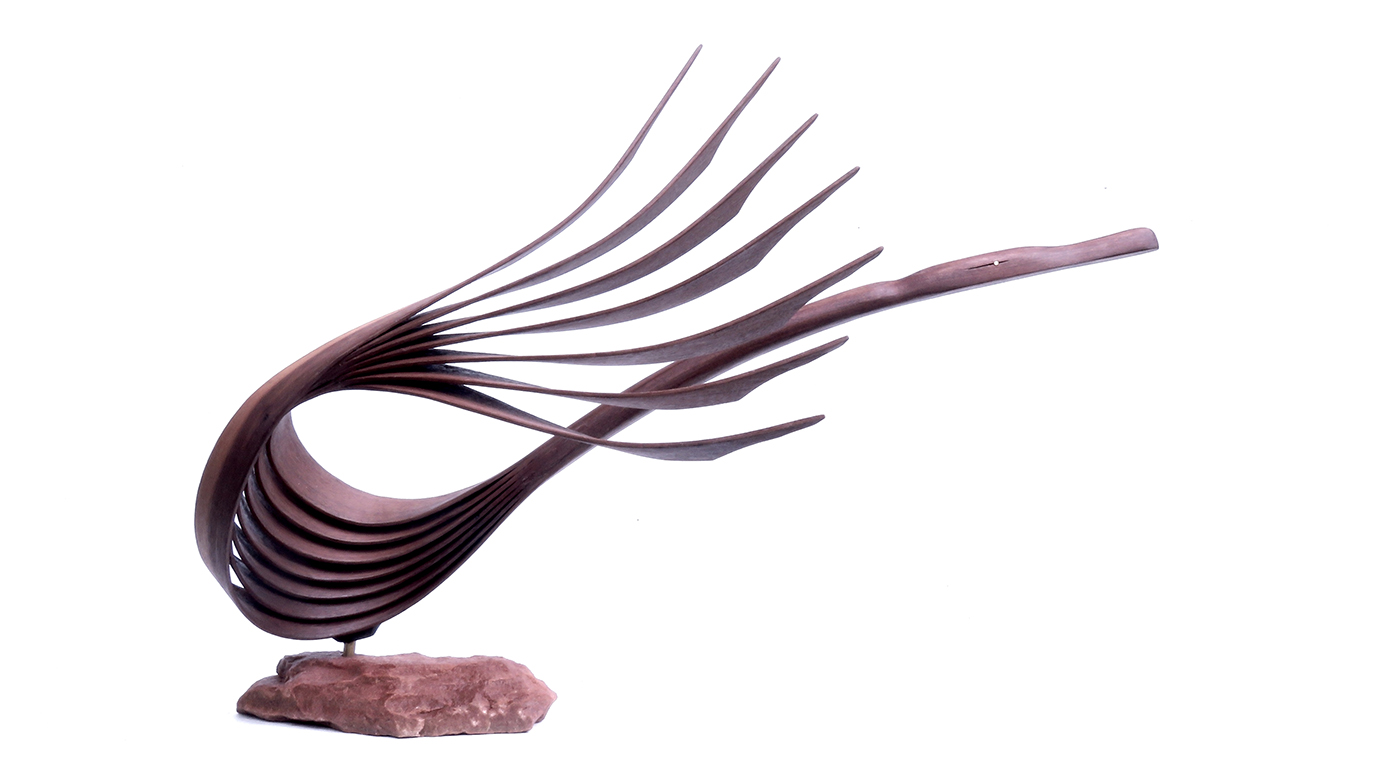
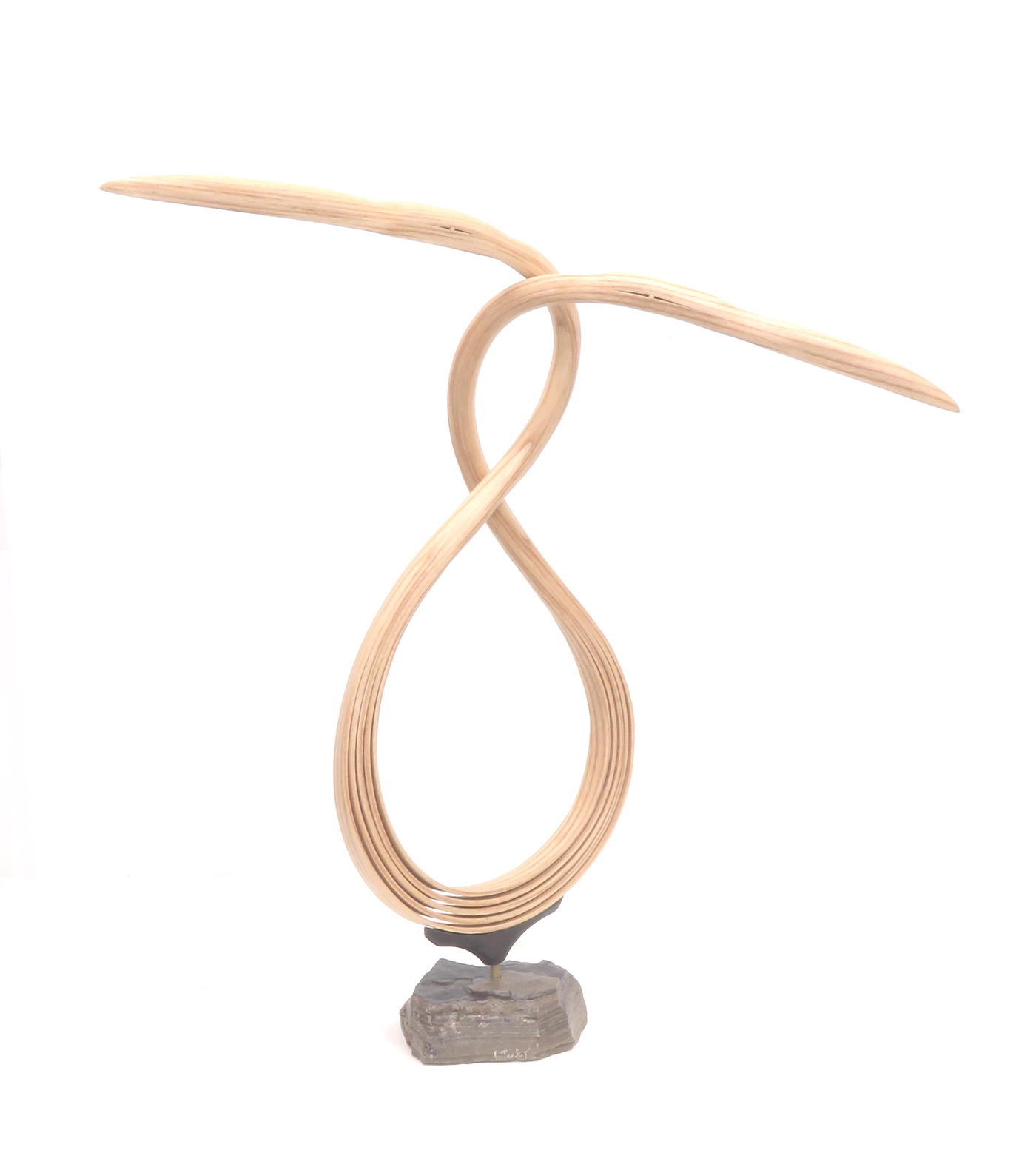
Eric Tardif: Eric Tardif was born in northern Quebec, in the French-speaking part of Canada. He studied applied ecology before turning to sculpture. It was during his sculpture courses that he came up with the idea of linking the dimensions of movement and space in the single material of wood.
His wood sculptures capture the elegant and graceful movements of birds through abstract expressions, but unlike most abstract art, Tardif’s designs draw from a
lifetime of close observation.
As part of our effort to continue to help artists and art galleries thrive, we’re proud to bring you this week’s “Virtual Gallery Walk.” Browse the artwork below and click the image itself to learn more about it, including how to contact the gallery.
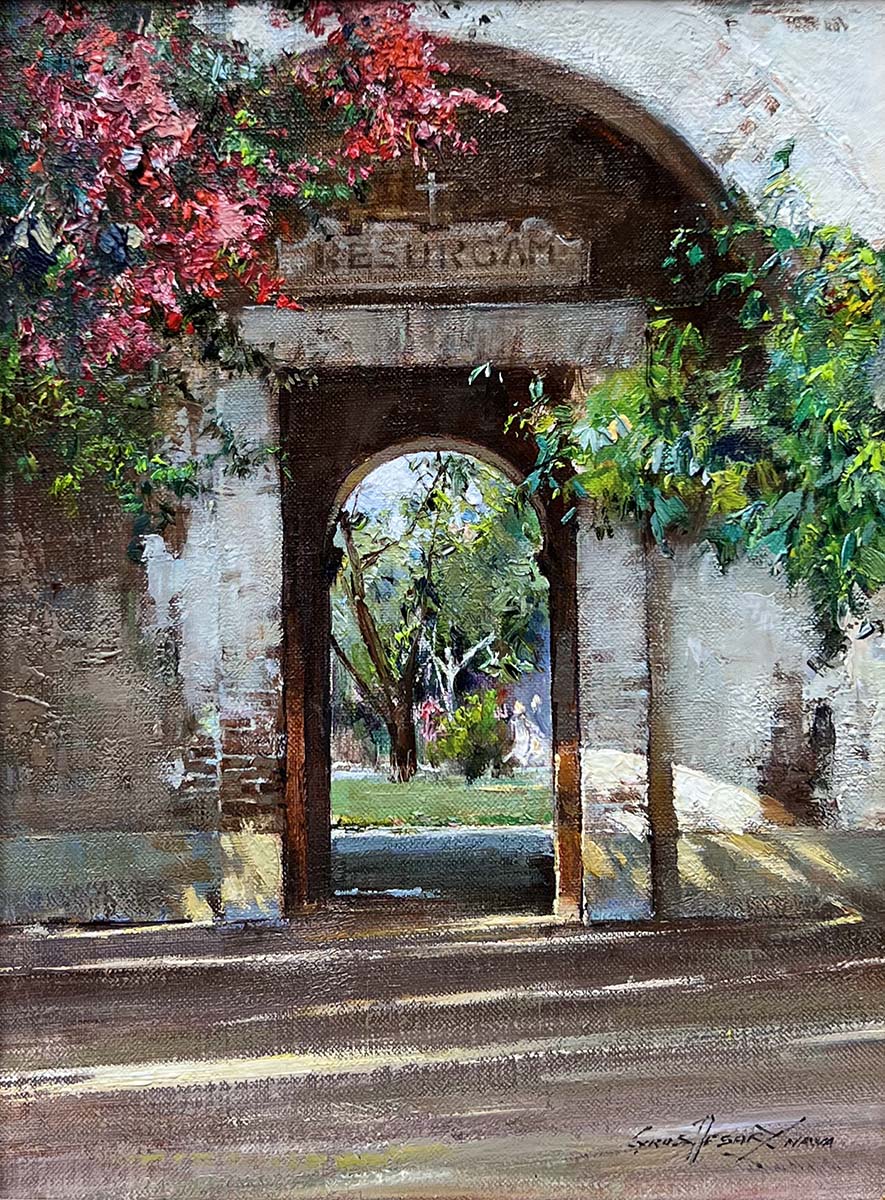
Shrine Hallway, Cyrus Afsary, oil, 12 x 9 in; ArtzLine
Passing Fancy, Rogue Simpson, oil, 6.5 x 9.5 in; Artzline
***
Her Water Garden, Kathleen Kalinowski, oil on linen, 24 x 30 in; Kalinowski Fine Art
***
Peaceful Flow, Albert Handell, oil, 30 x 36 in; Albert Handell
Want to see your gallery featured in an upcoming Virtual Gallery Walk? Contact us at [email protected] to advertise today. Don’t delay, as spaces are first come, first served, and availability is limited.
Fill your mind with useful art stories, the latest trends, upcoming art shows, top artists, and more. Subscribe to Fine Art Today, from the publishers of Fine Art Connoisseur magazine.