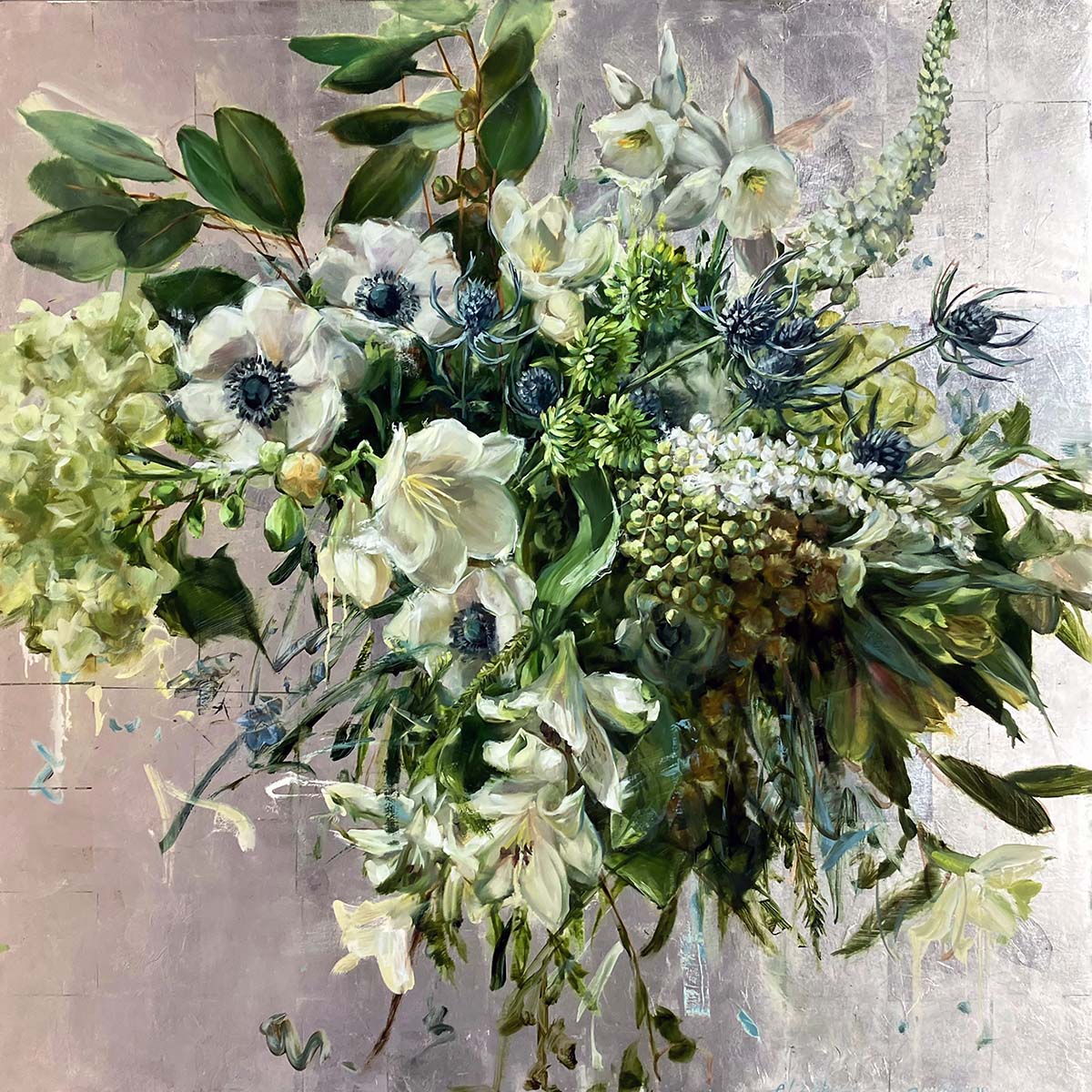
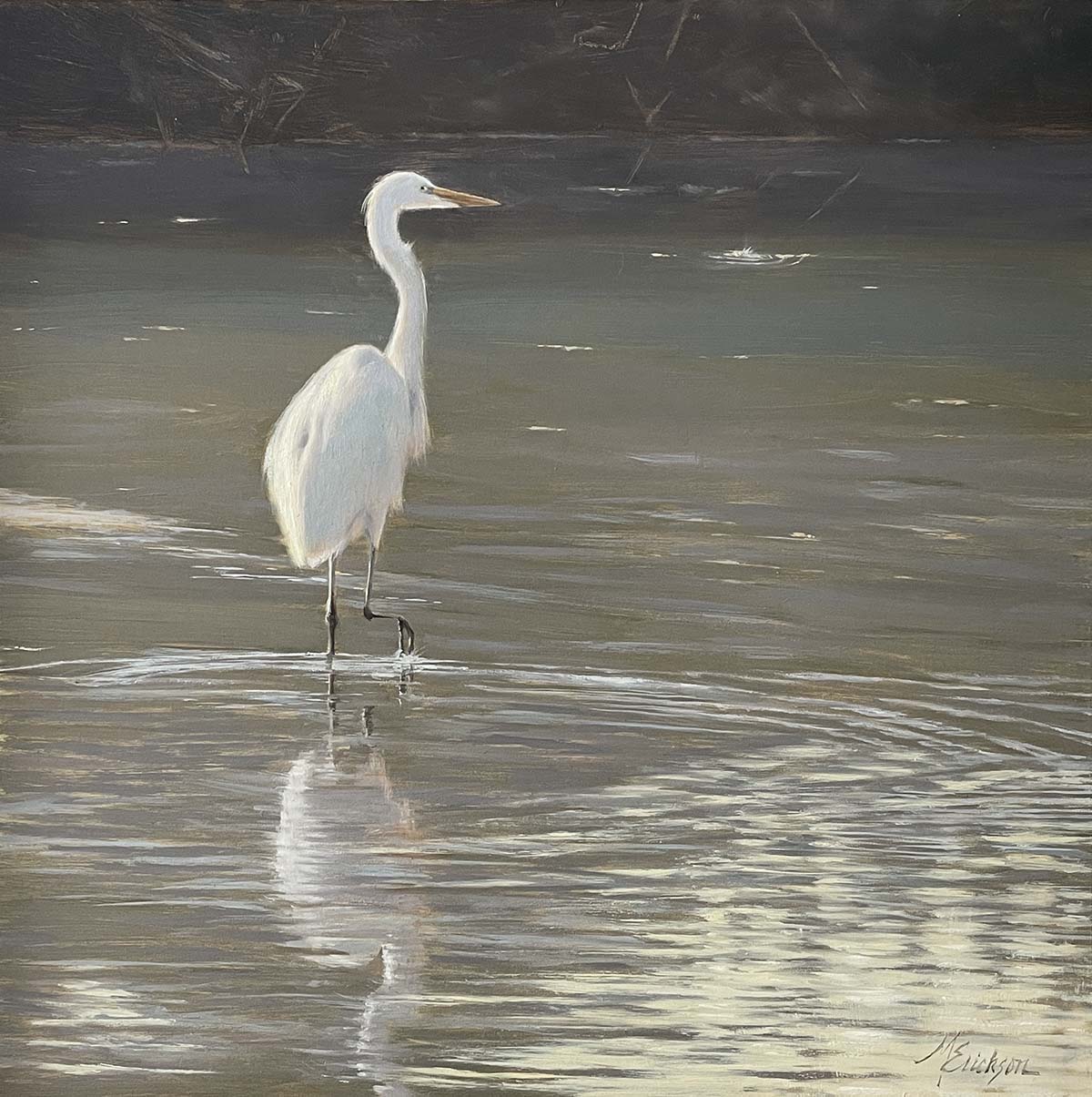
As part of our effort to continue to help artists and art galleries thrive, we’re proud to bring you this week’s “Virtual Gallery Walk.” Browse the artwork below and click the image itself to learn more about it, including how to contact the gallery.
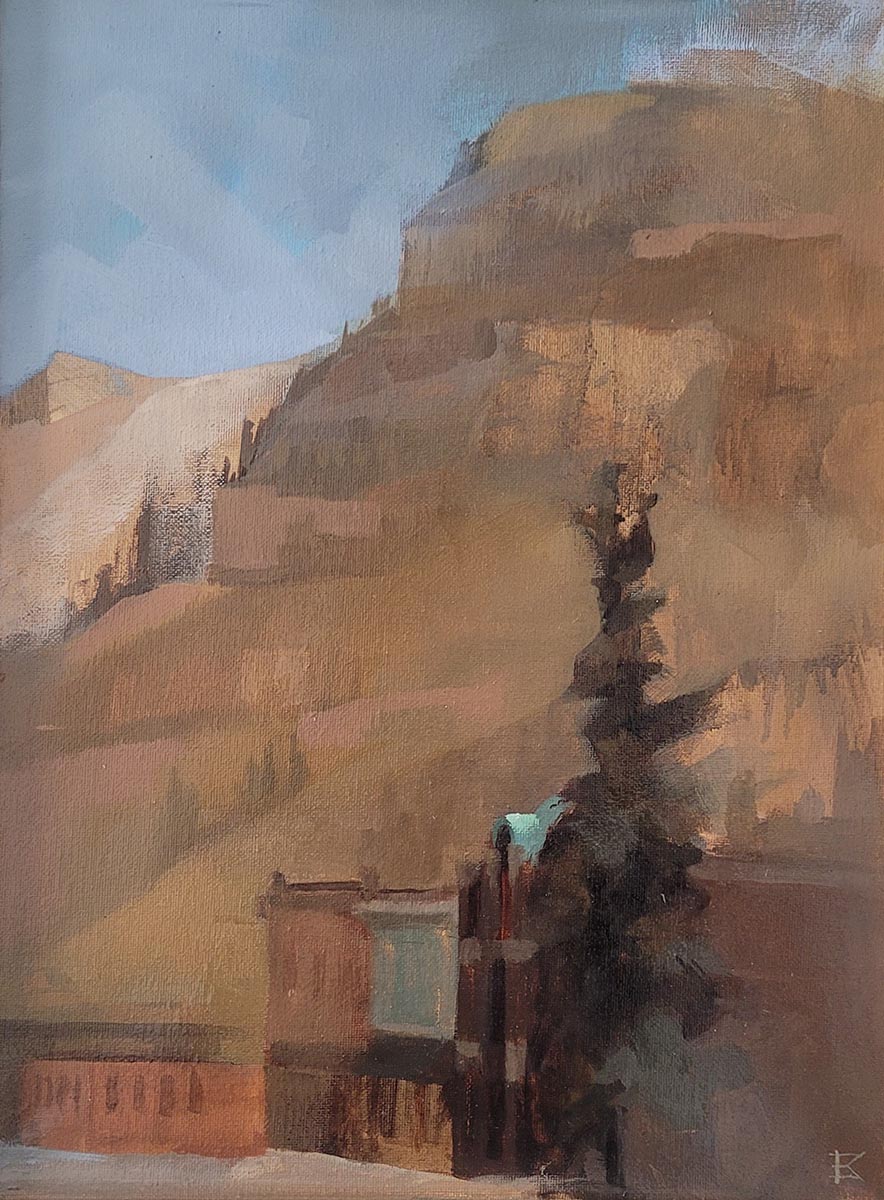
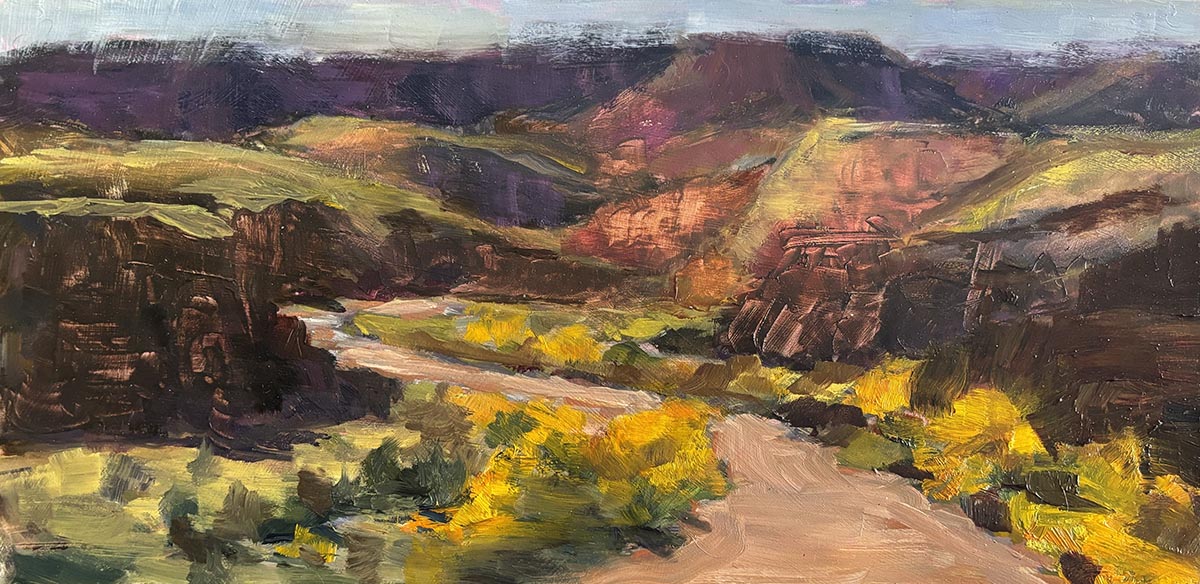
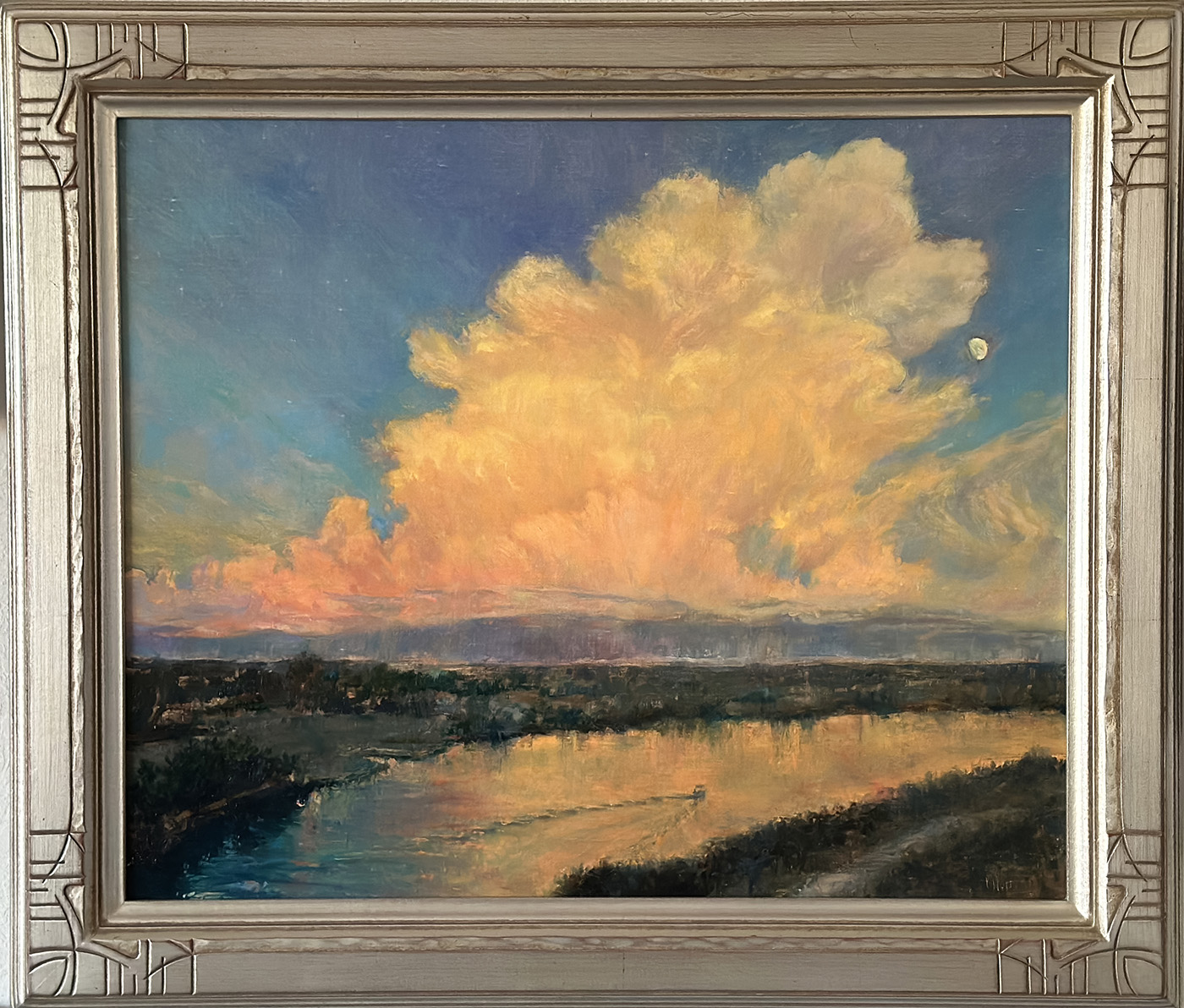
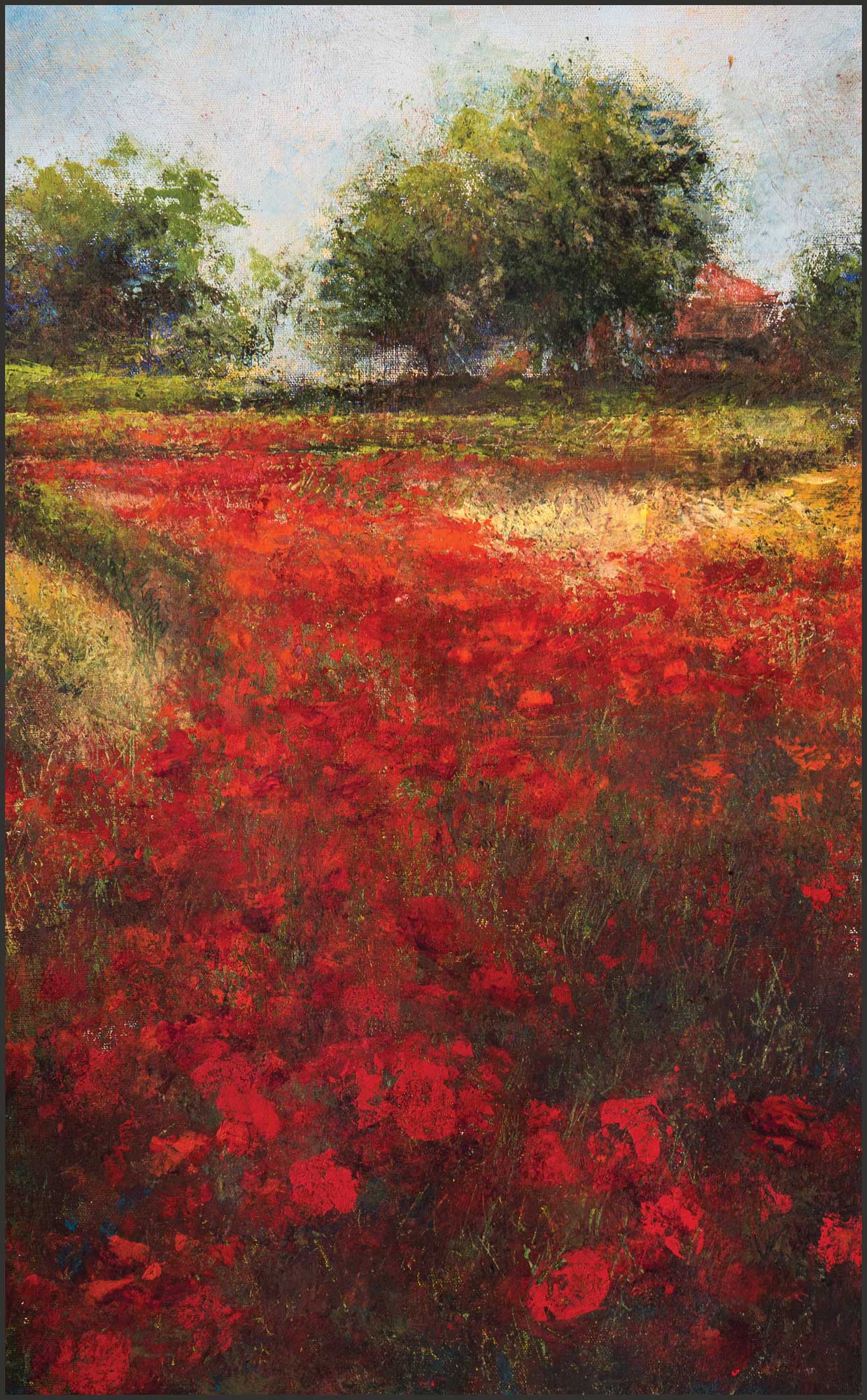
View of Ouray, CO, 2022, Emma Kalff,, oil on panel, 16 x 20 x 0.20 in; Abend Gallery
Want to see your gallery featured in an upcoming Virtual Gallery Walk? Contact us at [email protected] to advertise today. Don’t delay, as spaces are first come, first served, and availability is limited.
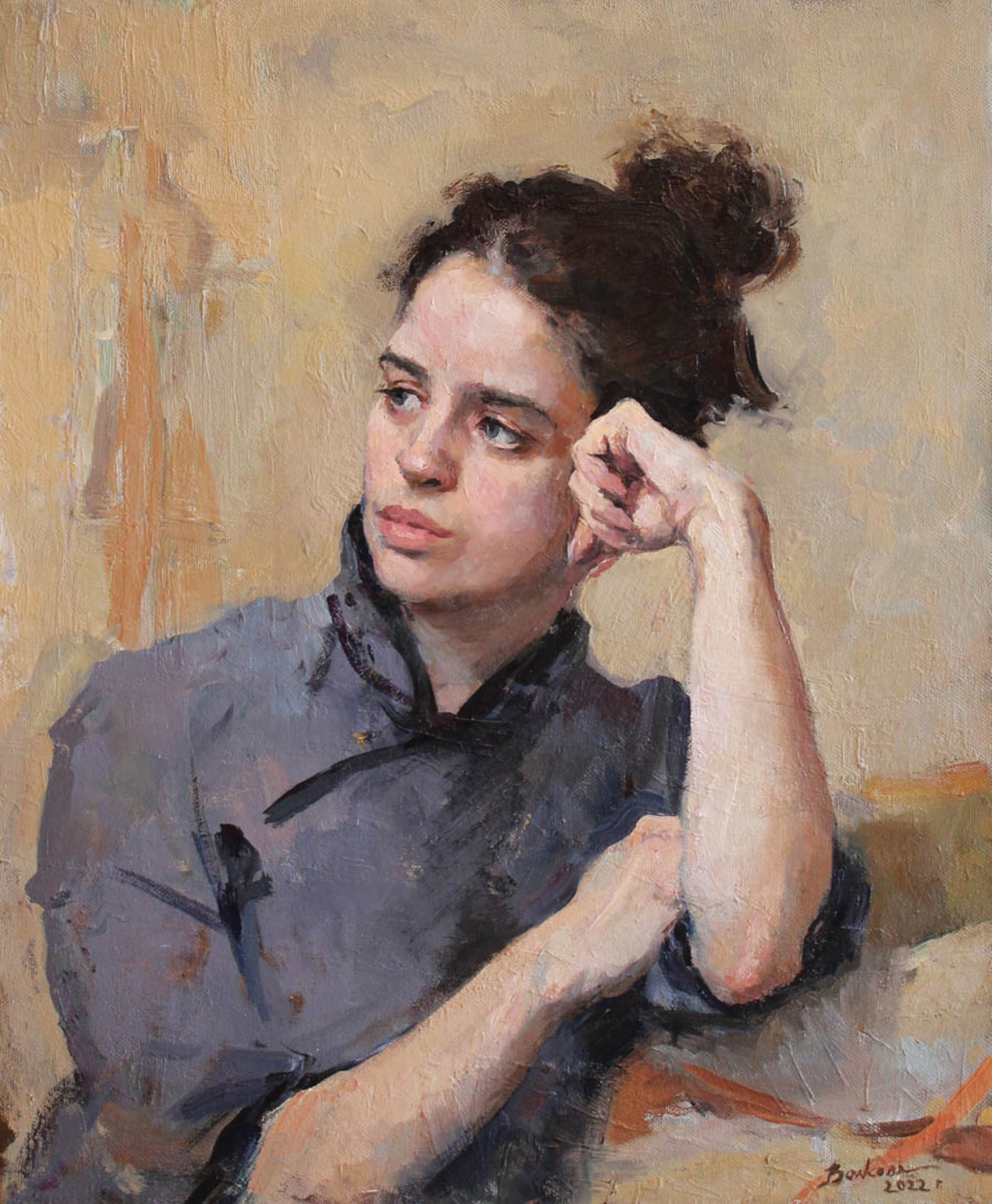
Olga Volkova (b. 1994), “Portrait of Anna, 2022, oil on canvas, 23 1/2 x 19 1/2 in., Collection Tom Vining, featured in Fine Art Connoisseur (March/April 2024)
From the Fine Art Connoisseur March/April 2024 Editor’s Note:
My favorite issue of the year is the one that highlights real-world collectors of contemporary realist art. This is that issue, and we hope you will enjoy “meeting” the individuals and couples who have so generously opened their doors. These folks now join 92 others we have profiled since 2015, and we are honored and grateful to welcome them to this community.
Why do we do this? First, people need role models, in any walk of life. We play tennis better after watching Naomi Osaka, and we cook more effectively after Bobby Flay demonstrates the recipe. It’s harder with art collecting because there is no single way to do it, and unfortunately the best-known collectors are financiers and movie stars paying millions at auction for a Hirst or a Koons. Good for them, but that’s collecting warehoused-investment-assets with your ears, not art-to-live-with with your eyes. I’m far more intrigued by celebrities who collect items of comparatively low value: just for example, Tom Hanks buys antique typewriters, Angelina Jolie goes for medieval and Renaissance knives, and Claudia Schiffer seeks out mounted beetles, butterflies, and spiders.
Great, but this is a fine art magazine, and besides, buying anything when you’re a hundred-millionaire is not particularly difficult. The real trick is to buy wonderful “unbranded” art on a regular budget, away from the limelight and the art advisers who think about this stuff all day. The folks highlighted in this issue buy art with their eyes and hearts, living with and enjoying it, sometimes enhancing their lives further by getting to know the artists who made it.
The hardest step in this issue’s preparation is asking the collectors to choose just two artworks to illustrate in their profiles. That’s like choosing among your kids, but the collectors do it bravely, and they understand why we ask them to. It’s simple: we can dedicate only two pages to each collector, and if we were to fill them with seven or eight “favorite” images, there wouldn’t be room for the words. Besides, each artwork would look more like a postage stamp than a painting. And so we go smaller (in number) and bigger (in photo size), reminding everyone that these two images don’t represent the whole collection, only evoke it.
Our work on the collector profiles never stops, so it’s already time for us to plan next year’s edition. There are great collections — many still being formed — in every region of this country, and no one person could possibly know all of them. Though our research is well under way and we already have some terrific names in sight, I hereby invite you to send me suggestions or nominations for other collectors. Our criteria are simple: they must be U.S. residents (still living) who have collected, or are continuing to collect, superb contemporary realist art created any time after 1980.
Ideas are welcome from everyone: the collectors themselves, their friends, families, dealers, advisers, curators, etc. Please just send me an e-mail ([email protected]) and I will move it forward. Rest assured that our team is discreet; all communications with colleagues will be virtual, and we will not turn up unannounced at their homes to take photos! The individuals selected will have an opportunity to fact-check everything, and in fact they themselves will provide the photos to be illustrated. That said, it’s our editorial team’s decision who goes in and who doesn’t.
Thank you as always for your incoming suggestions, and please enjoy learning about this year’s fascinating collectors.
Published six times per year, Fine Art Connoisseur is now a widely consulted platform for the world’s most knowledgeable experts, who write articles that inform readers and give them the tools necessary to make better purchasing decisions.
ON THE COVER
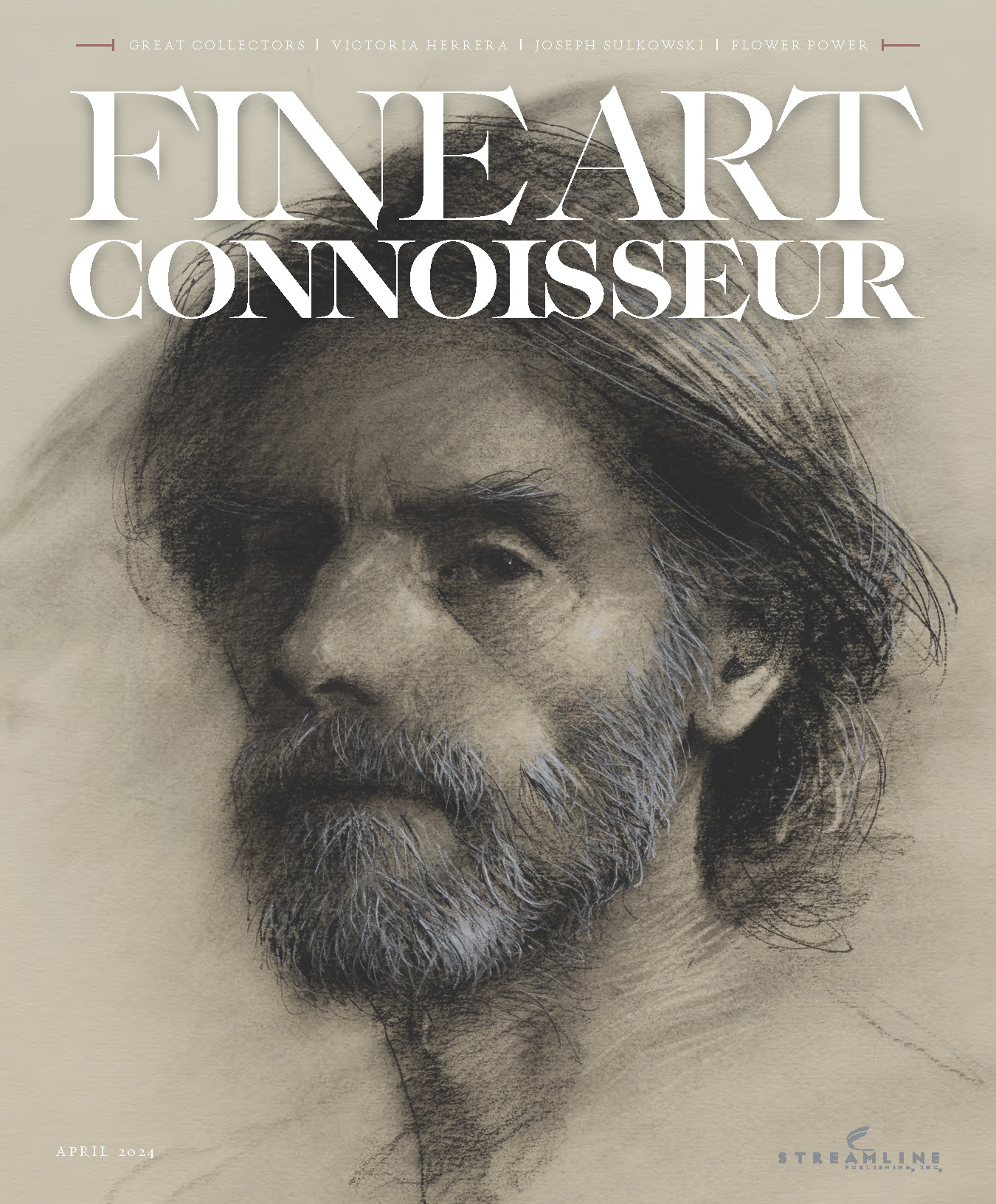
Daniel Sprick (b. 1953), “Self-Portrait, Study for the Prophet Daniel, Writing on the Wall” (detail), 2019, charcoal on toned paper and white chalk, 16 x 12 in. (overall), private collection, photo: Wes Magyar
COLUMNS
Frontispiece: Aubrey Beardsley
Publisher’s Letter: Rethinking Why & What We Collect
Artists Making Their Mark: Five to Watch
Brandon Rosas highlights the talents of Michael Guinane, Christopher Holt, Janie Kinnane, Patrick Okrasinski, and Susan Wakeen
Daniel Sprick’s Fleeting Presence
By Rose Fredrick
Joseph Sulkowski’s Magnum Opus
By David Masello
Victoria Herrera Brings Portraits to Life
By Milène J. Fernández
Honoring Maritime History in Art
By Leslie Gilbert Elman
Blooms for Us All
By Matthias Anderson
The Gravity of Play: Simon Dinnerstein’s Voyage
By Michael J. Pearce
No More Excuses
By Daniel Grant
Pre-Raphaelites: A Modern Renaissance
By Peter Trippi
Celebrating America’s Great Collectors The flourishing of contemporary realism becomes even clearer as we highlight outstanding collectors living throughout the country.
Great Art Nationwide
We survey 6 top-notch projects occurring this season.
Art History: A Poem by Gregg Kreutz
Springing Into Art
There are at least 7 great reasons to celebrate the American West this season.
Fine Art Connoisseur‘s jargon-free text and large color illustrations are attracting an ever-growing readership passionate about high-quality artworks and the fascinating stories around them. It serves art collectors and enthusiasts with innovative articles about representational paintings, sculptures, drawings, and prints — both historical and contemporary, American and European. Fine Art Connoisseur covers the museums, galleries, fairs, auction houses, and private collections where great art is found.
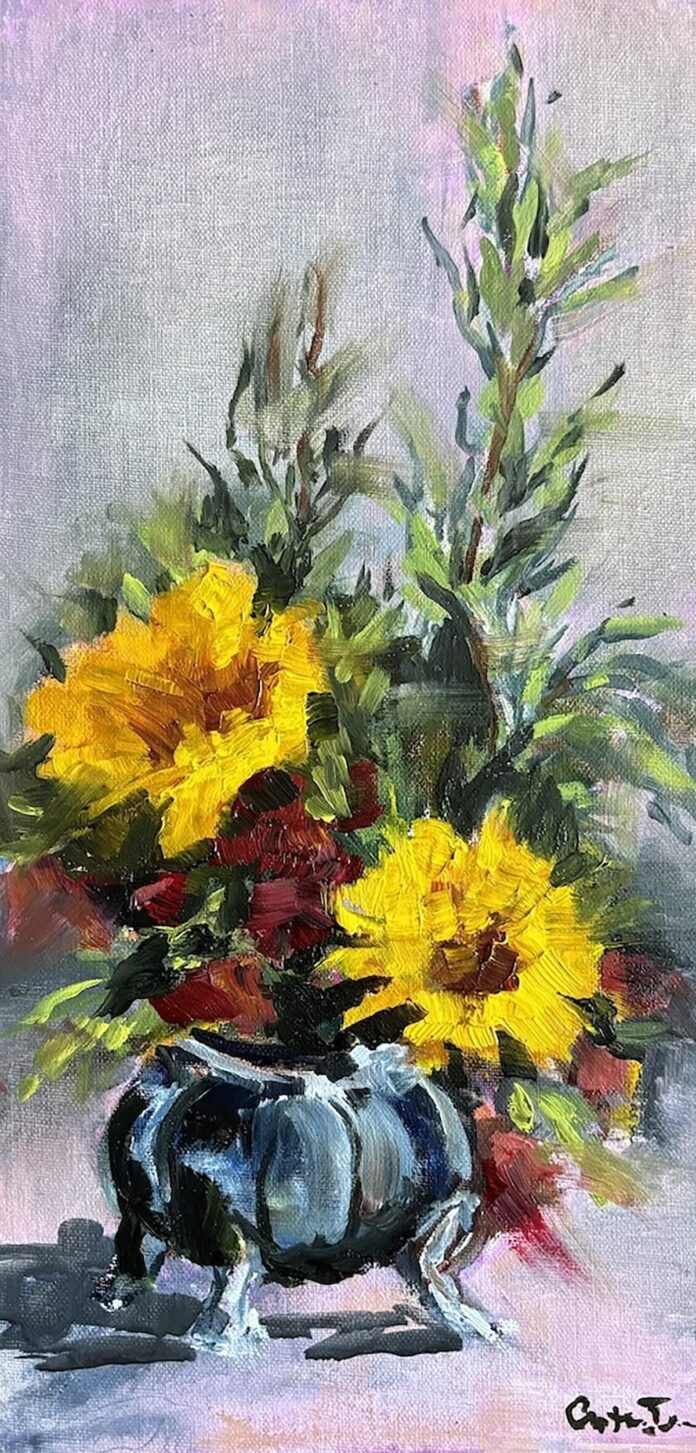
“Standing Tall,” Cynthia Inson, oil on panel, 12 x 6 x 1/8 in
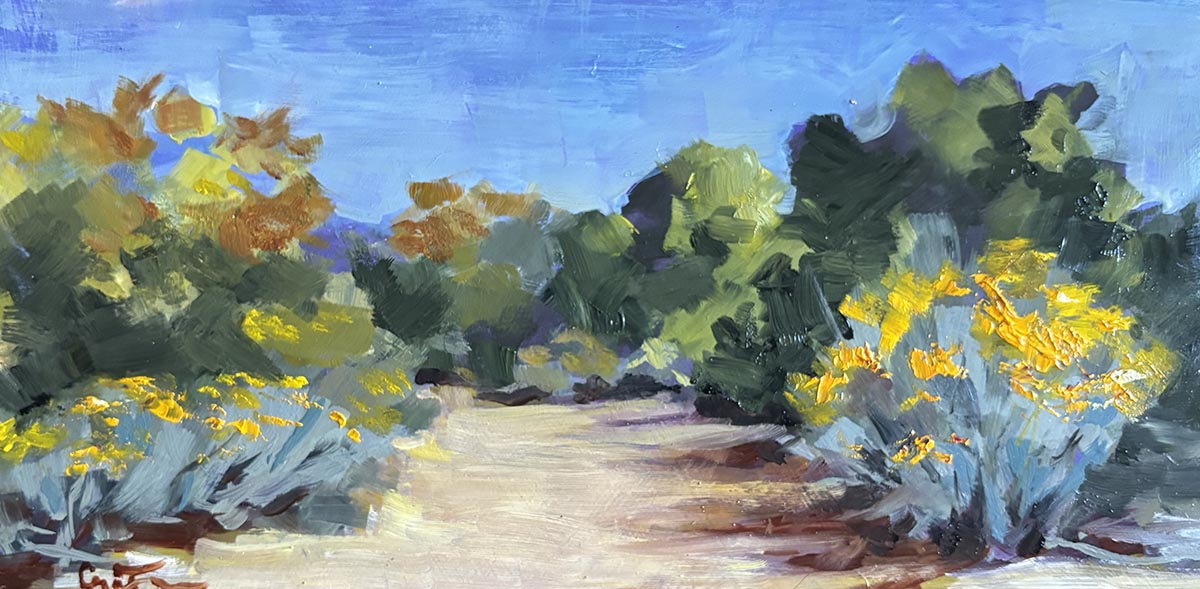
Cynthia Inson: It’s the mental “stretching” that I enjoy so much in creating my paintings. I have a background and degrees in both Art History as well as Studio Arts and that always informs my art. But much more than that is the search, the journey, the analysis, of creating art, that truly “runs” my engine. Most of the works I do are either landscapes completed en plein air or still lives painted from life.
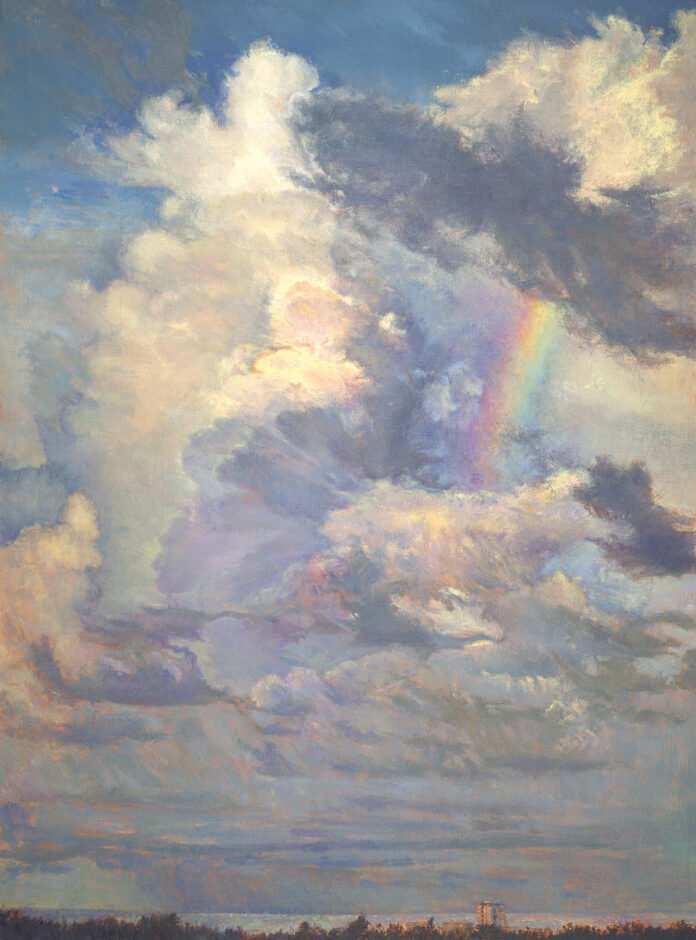
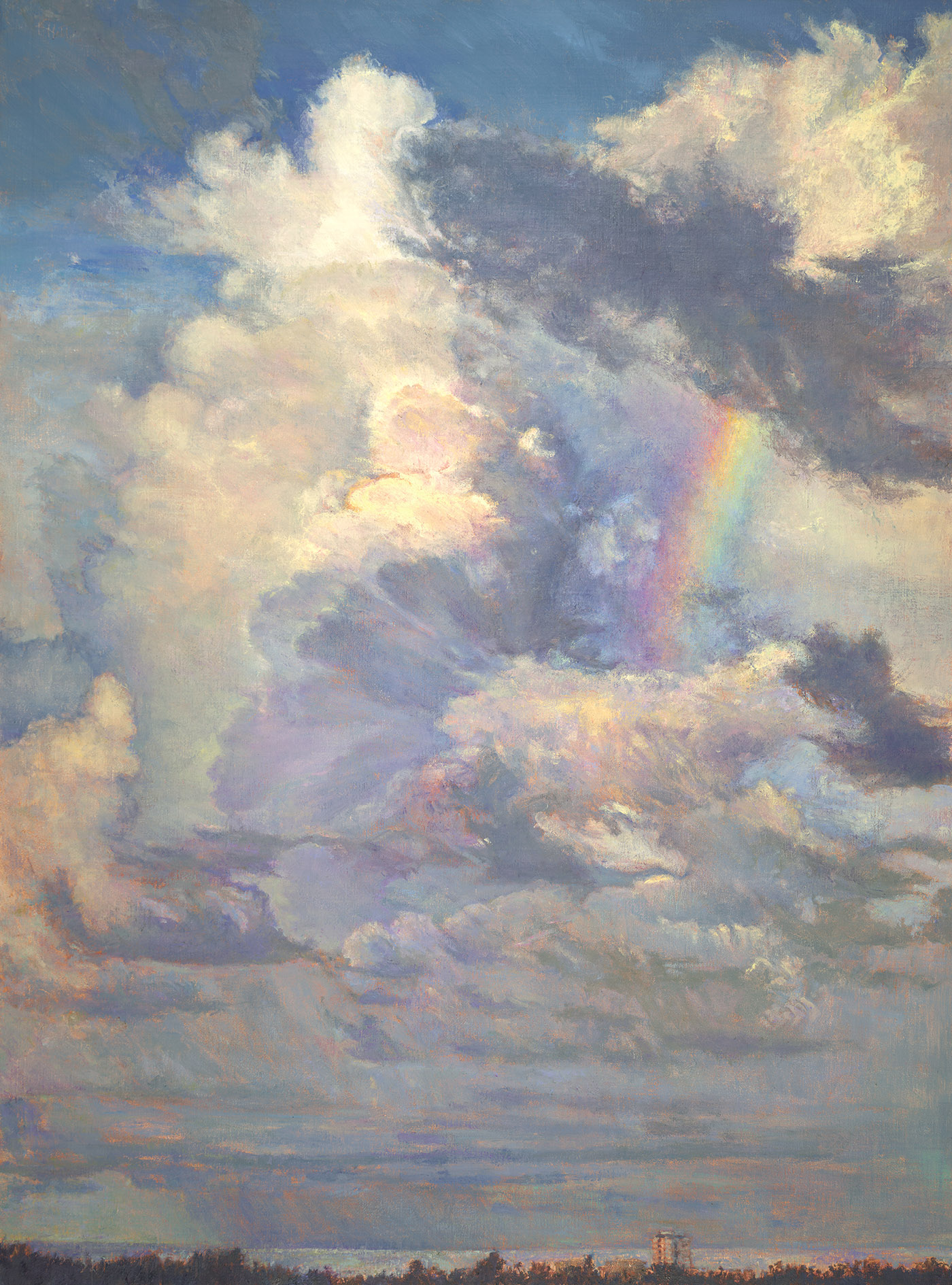
Morning’s Song “Promise”, Karen Ann Hitt, 47 x 37 in., framed, oil on linen, available through artist
Karen Ann Hitt: Morning’s Song “Promise” A beloved quote:”The true work of art is but a shadow of the divine perfection”—Michelangelo. So chased that shadow and literal vapor and sought to reflect the scale of the scene. Rainbow’s symbolize promise, “Whenever the rainbow appears in the clouds, I will see it and remember the everlasting covenant between God and all living creatures of every kind on the earth.” — Genesis 9:16 May we each be a rainbow to someone’s cloud.
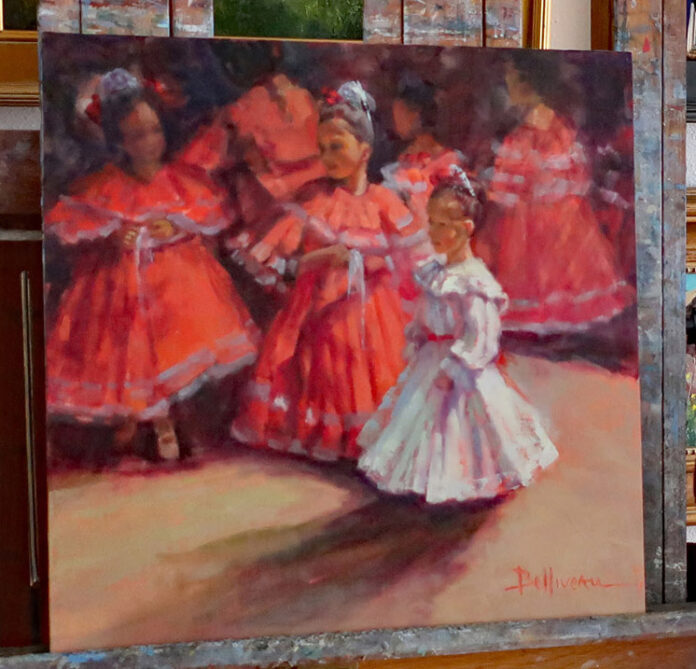
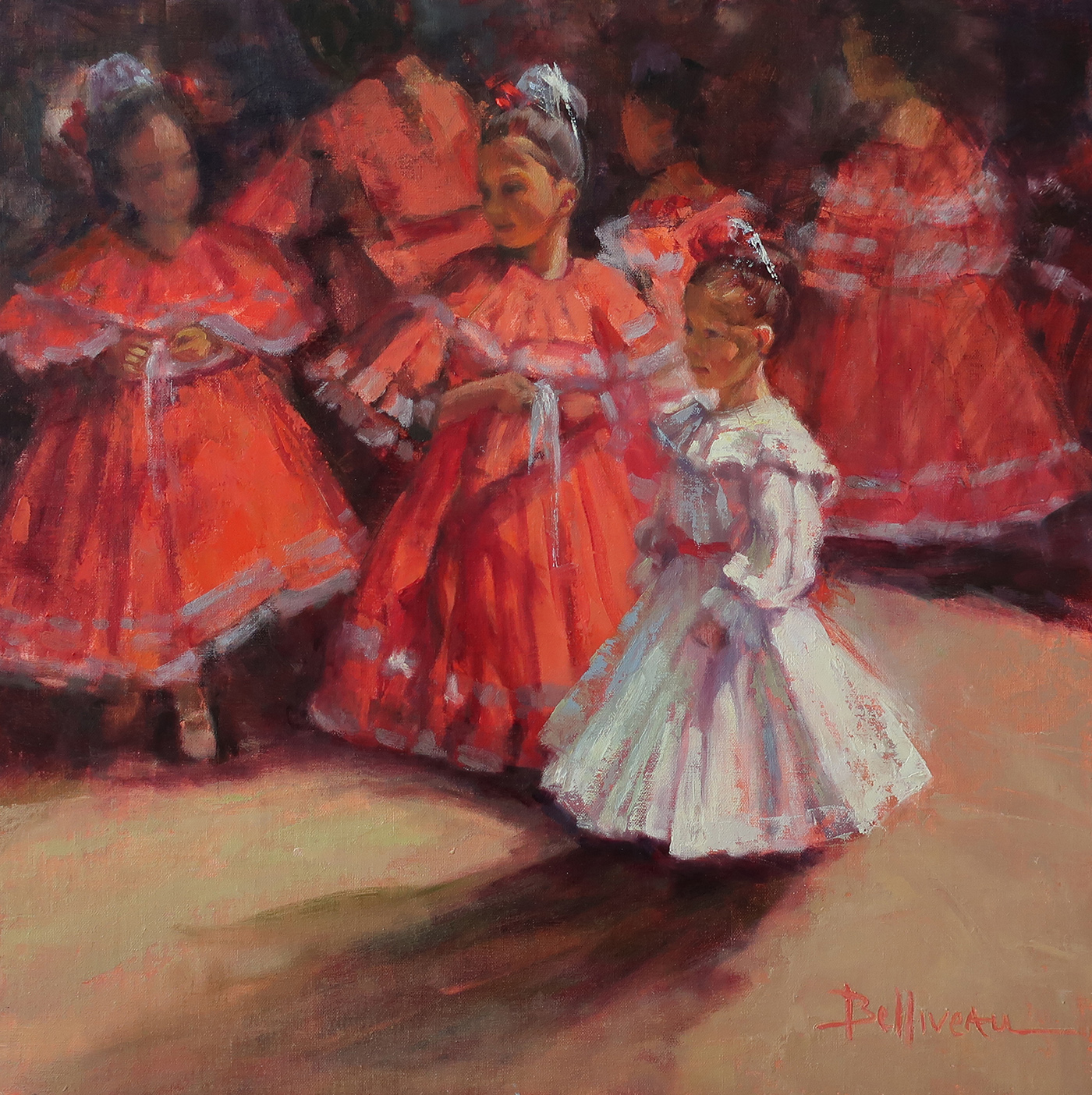
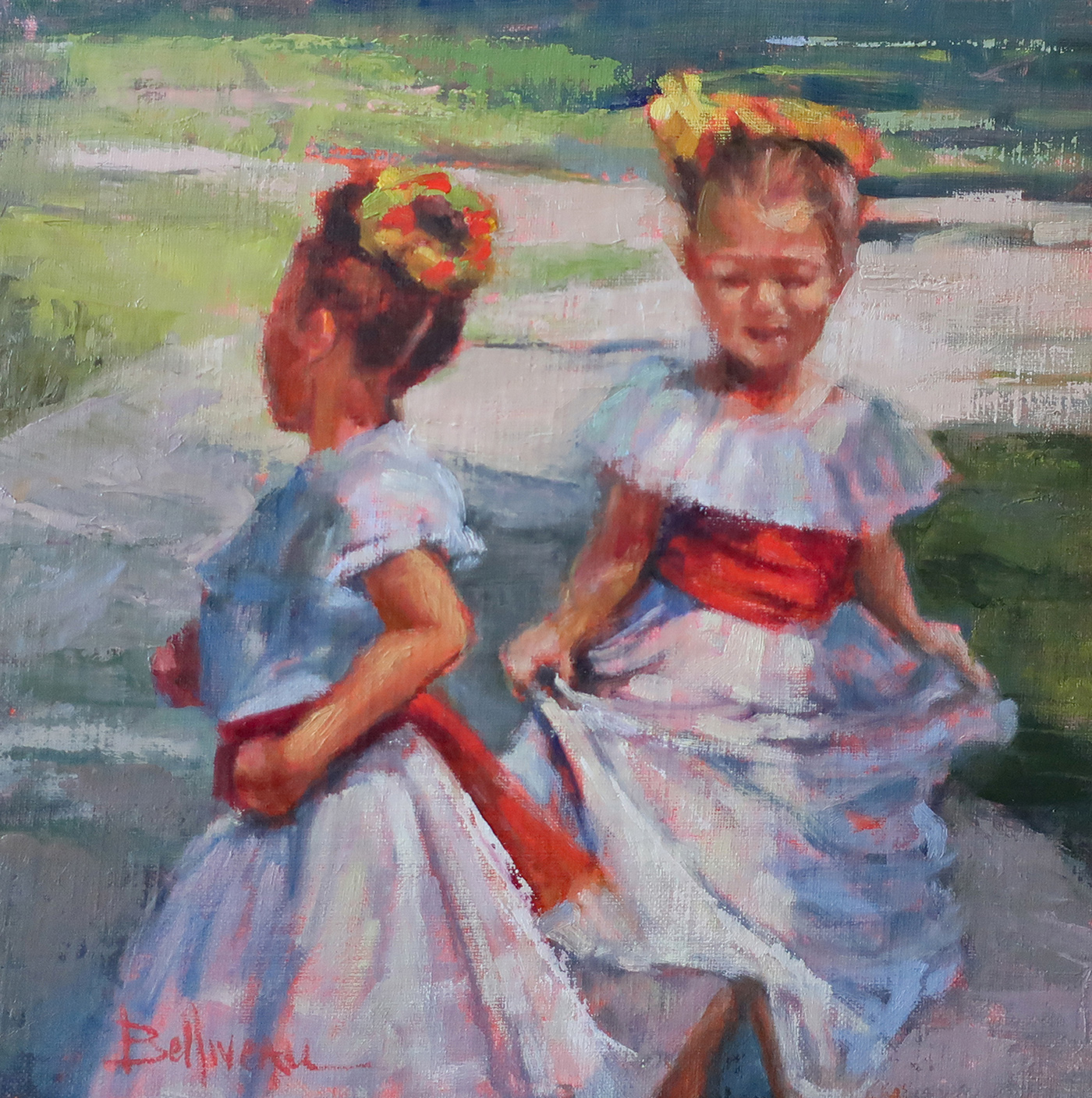
Painting of "The Youngest Dancer" on easel in Carole's studio
Carole Belliveau: When I visited Santa Fe New Mexico in 2017, the first stop was to the iconic Plaza where I found the annual Fiesta in full swing. The Plaza was crowded with Mariachi Musicians, picnickers on the grass and dancers lining up at the stage to perform. I was entranced by the excited little girls in their Mexican costumes. This new collection Ballet Folklorico celebrates the traditions and community spirit of New Mexico, a spirit that convinced me to move here.
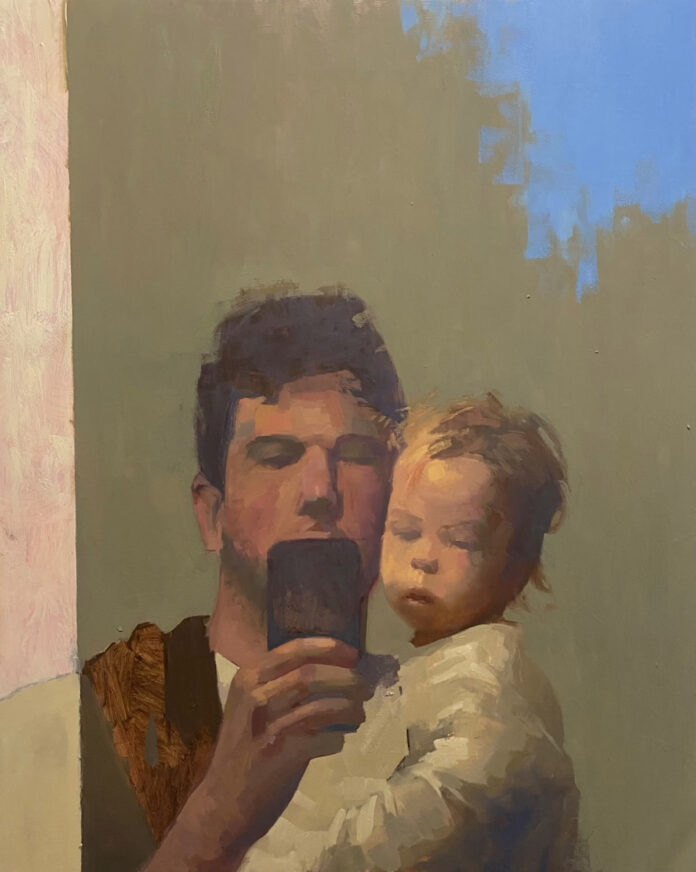
“Grace and I, Reflecting,” Riley Doyle, oil on panel, 20 x16 in., available through the artist
Riley Doyle: Has turned to painting quieter moments as a new father. Grace and I, Reflecting, is a selfie of a tired and happy dad and son duo, pausing after dinner to gaze past the dining room window’s reflection toward the waning light of the evening. The painting recently returned home after being included in the American Impressionist National Juried Exhibition at Somerville Manning Gallery in Greenville DE.
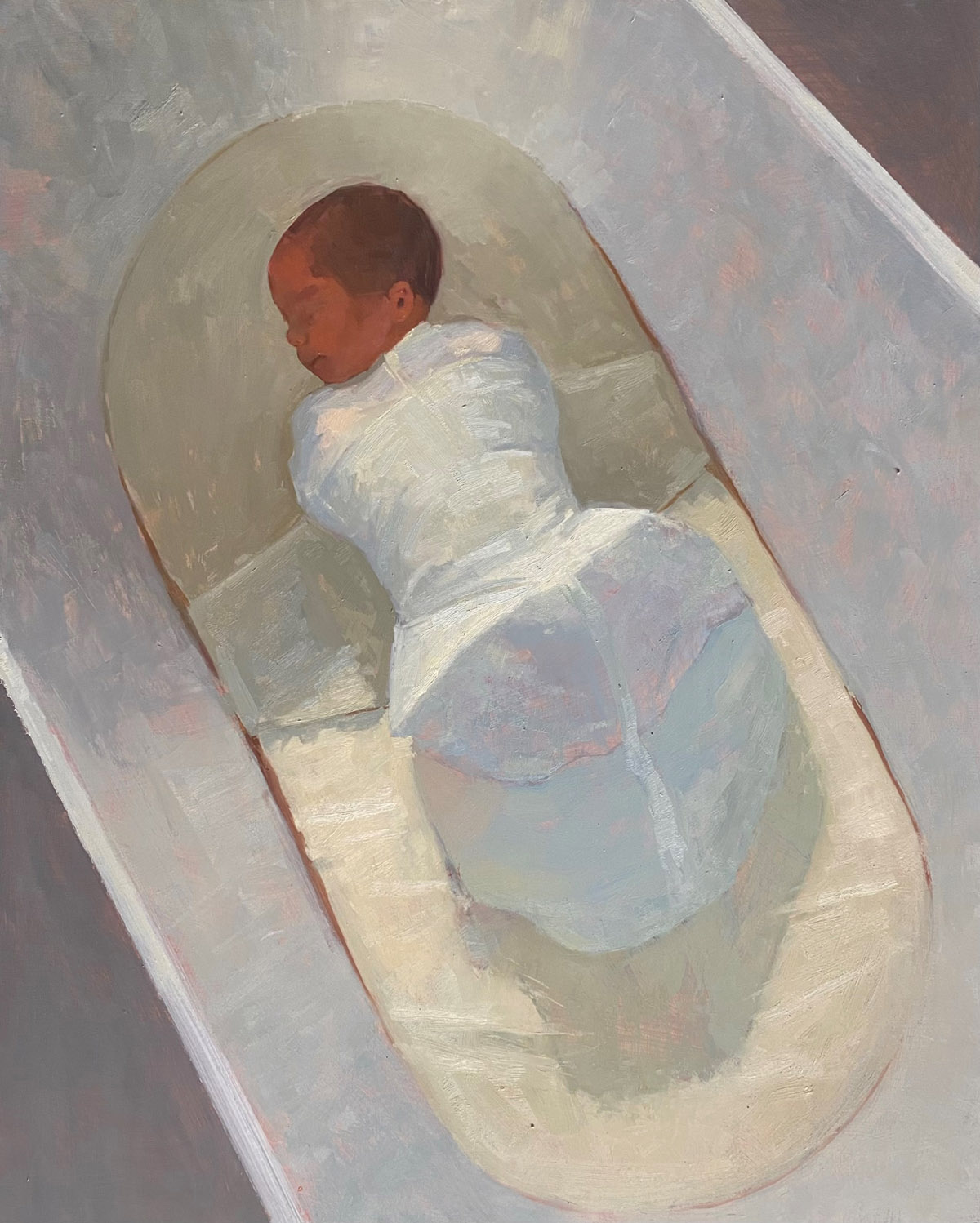
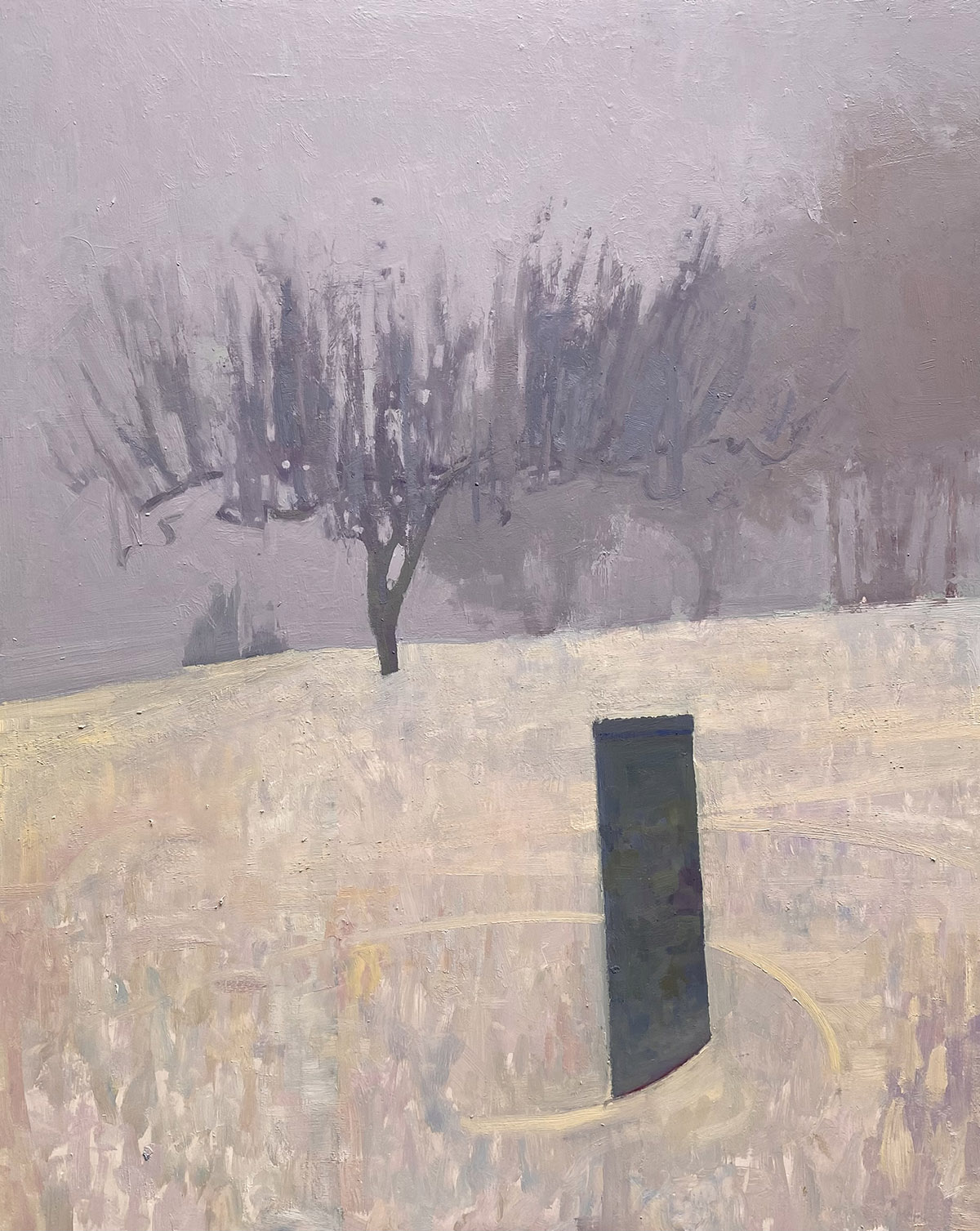
“Sleeping son,” Riley Doyle, oil on panel, 20 x 16 in., available through the artist“Cold Snap,” Riley Doyle, oil on panel, 20 x 16 in; currently offered exclusively to patrons on Riley Doyle’s Patreon
Gallery One and Gallery 111 in Minneapolis are presenting artist JuliAnne Jonker’s latest solo exhibition, “Passages.”
JuliAnne Jonker (b. 1957), “Tuscan Reverie,” 2019, oil on birch panel, 24 x 12 in.
JuliAnne says these paintings “encompass a range of styles, from abstract to semi-abstract and realist, all centered on nature. I currently work with encaustic wax, cold wax, and oils, creating textured and sculptural pieces. Layer by layer, I build and excavate, using various tools to add depth and history.”
“I have been creating art since I was a young child,” she says on her website. “Growing up in a family surrounded by professional musicians and creatives, my natural artistic abilities were always encouraged and nurtured. Inspired by the Old Masters, I was classically trained in oil painting at the Minnesota River School of Fine Art from 1998-2005. There is evidence of the Atelier training in my style, yet I try to include a contemporary energy in my work to keep it current. My passion lies in the figure and portrait with texture, landscape, and rich color as complementary elements.”
“Passages” is on view through May 4, 2024. Learn more at juliannejonker.com.
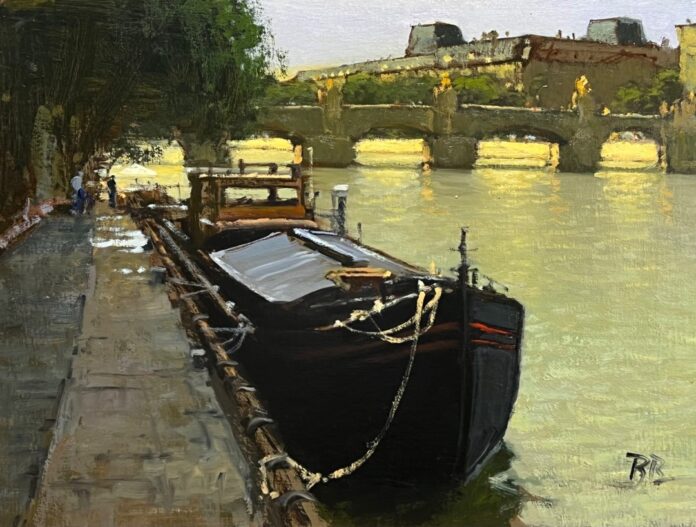
Brian Blood (Pebble Beach, CA), “Parallel Parking in Paris,” Oil, 12x16 in.
We’d like to congratulate Brian Blood for winning Overall First Place in the January 2024 PleinAir Salon, judged by Lisa Skelly, plein air artist and owner of Huse Skelly Gallery.
“This painting feels like it belongs alongside the French Impressionist paintings at the Musee d’Orsay,” Skelly said. “Brian has expertly composed this scene like one of Vivaldi’s masterpieces.
“The exciting play of light behind this historic bridge guides us through the arches and playfully envelopes the long boat that is waiting to take us on a cruise down the Seine River. We can escape into Brian’s painting because he has expertly orchestrated a masterpiece with wonderful light throughout the scene. I wish this one was in my own collection.”
Primarily a plein air painter, Brian Blood creates hundreds of studies directly from nature, observing the ever-changing light of day. He then takes his studies and supporting reference photos back to his Pebble Beach studio to paint. He uses these studies as the basis for his larger-scale works. In 2017 Blood and his wife, artist Laurie Kersey, opened a Fine Art Gallery and Studio located at the Barnyard Shopping Village in Carmel, CA, allowing art lovers and collectors to interact and view the most current artworks the couple have created.
About the PleinAir Salon:
In the spirit of the French Salon created by the Academie des Beaux-Arts in Paris, this annual online art competition, with 11 monthly cycles, leading to the annual Salon Grand Prize winners, is designed to stimulate artistic growth through competition. The competition rewards artists with $50,000 in cash prizes and exposure of their work, with the winning painting featured on the cover of PleinAir® Magazine.
Winners in each monthly competition may receive recognition and exposure through PleinAir Magazine’s print magazine, e-newsletters, websites, and social media. Winners of each competition will also be entered into the annual competition. The Annual Awards will be presented live at the next Plein Air Convention & Expo.
The next round of the PleinAir Salon has begun so hurry, as this competition ends on the last day of the month. Enter your best art in the PleinAir Salon here.
.
PleinAir® Magazine is a registered trademark of Streamline Publishing, Inc.
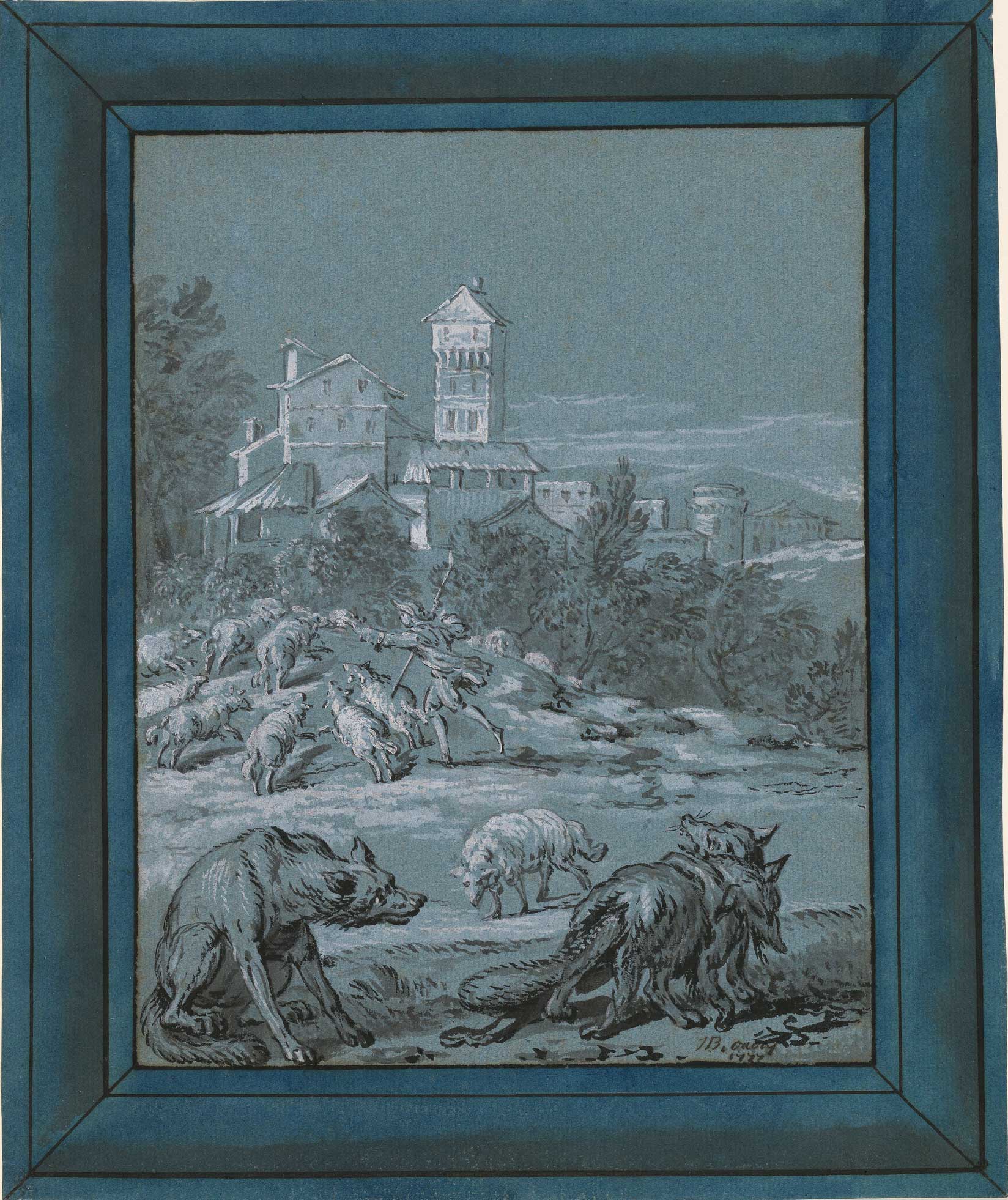
The Wolf and the Fox; Jean-Baptiste Oudry (French, 1686 - 1755); 1733; Brush and black ink and brush and gray wash, heightened with white gouache,, on blue paper; 31.1 × 26 cm (12 1/4 × 10 1/4 in.); 2002.52.2; No Copyright - United States (https://rightsstatements.org/vocab/NoC-US/1.0/)
Jean-Baptiste Oudry (1686–1755), “The Wolf and the Fox,” 1733, black ink and gray wash heightened with white opaque watercolor on blue paper; frame design: black ink, gray wash, and blue watercolor, 12 1/4 x 10 1/4 in., J. Paul Getty Museum, 2002.52.2
Carefully crafted from blue rags formed into sheets, blue paper possesses distinctive aesthetic qualities that have long fascinated European artists, from its earliest use in Renaissance Italy to Enlightenment France and beyond. As a middle tone, this support enables artists to model forms in light and dark, and is ideal for working in colored chalks.
Thanks to recent technical examinations of its own drawings, the J. Paul Getty Museum has mounted “Drawing on Blue,” an exhibition offering fresh insights into the physical properties of blue paper and its unique contribution to artistic practice from the 15th through 18th centuries.
At a Glance:
“Drawing on Blue”
Getty Center, Los Angeles getty.edu
through April 28, 2024
Edited by curator Edina Adam and conservator Michelle Sullivan, the accompanying 160-page publication builds upon their study of drawings not only at the Getty, but also in major collections across Europe and North America. The exhibition’s visitors and the catalogue’s readers are learning about blue paper’s process of manufacture, as well as the global commercial, cultural, and political forces that enabled its dispersion.
Fill your mind with useful art stories, the latest trends, upcoming art shows, top artists, and more. Subscribe to Fine Art Today, from the publishers of Fine Art Connoisseur magazine.