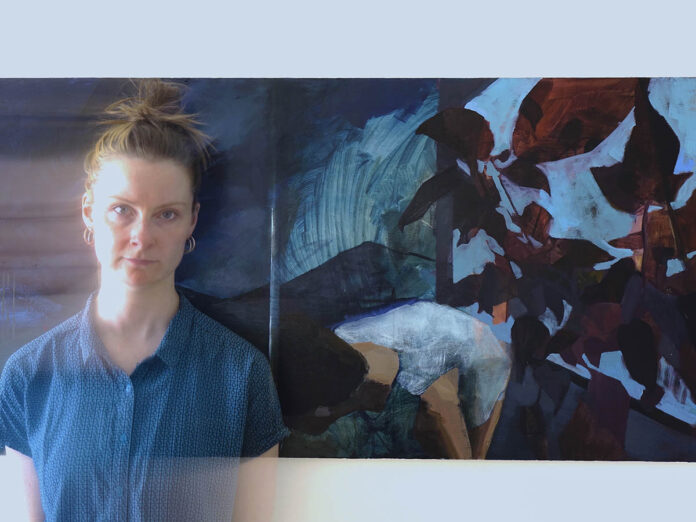
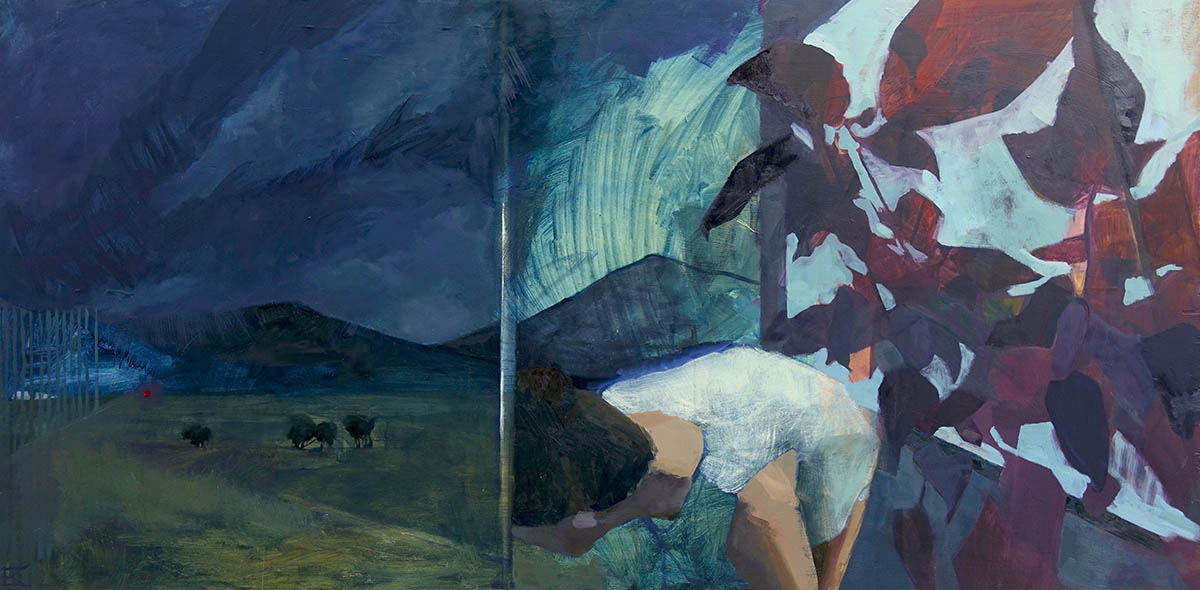
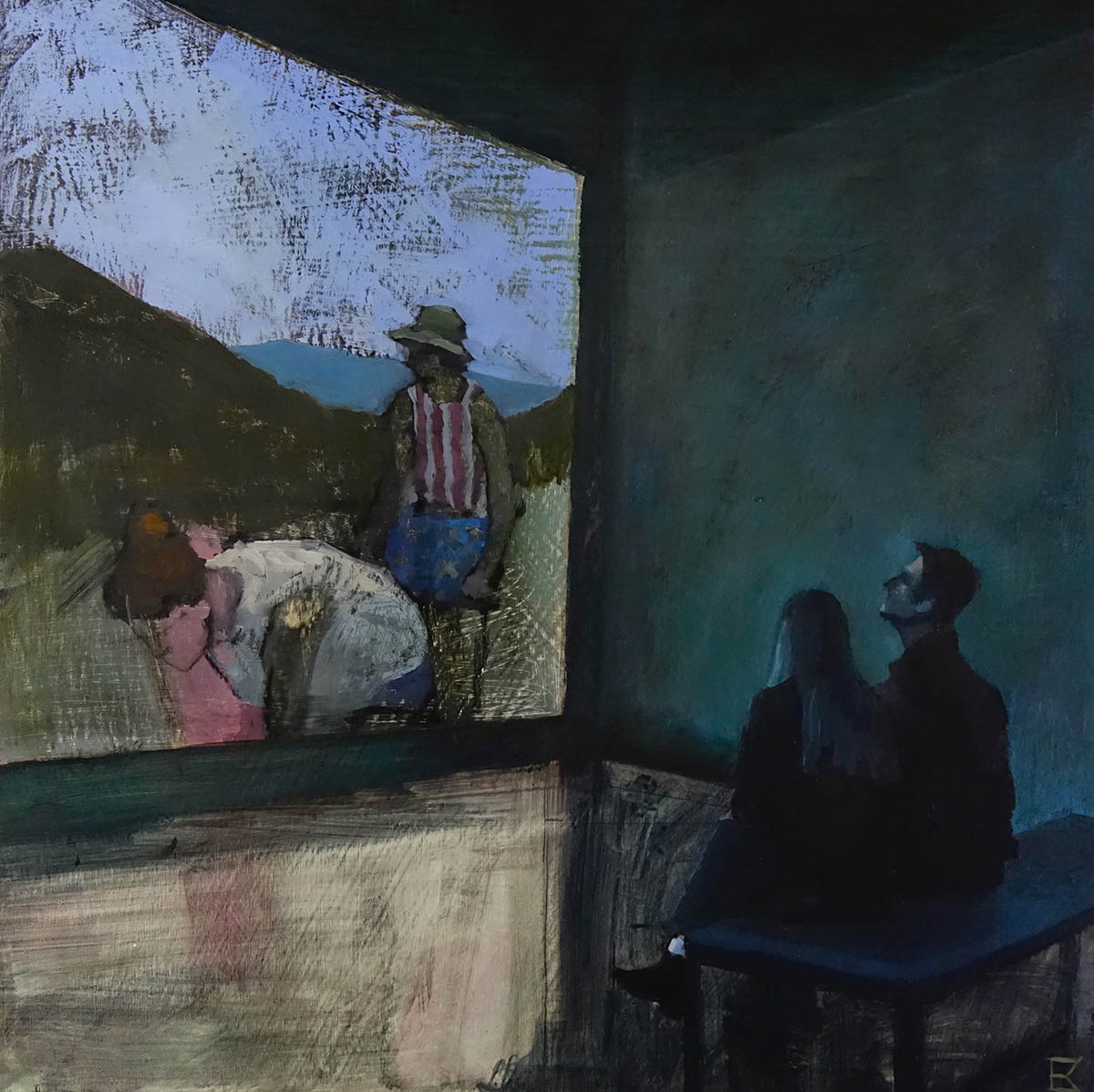
Emma Kalff in her studio after completing “Some Superstitions”
How do you find inspiration? Emma Kalff: I am always finding subject matter in everyday situations – two friends having a smoke or an animated conversation, folks playing games at the bar, someone taking a lonely walk at midnight. I feel there is so much poetry in the everyday. The entire human drama unfolds in everyone’s little kitchen at sundown.
What is the best thing about being an artist? Emma Kalff: The best (and the worst) part of being an artist is being alone with your dreams all day long. You have to continually pull them out of your head and onto the canvas, which takes a surprising amount of physical labor. In this way you are always suspended between reality and the dream, coming and going between realms to deliver your message. One finds oneself in a very exciting position here!
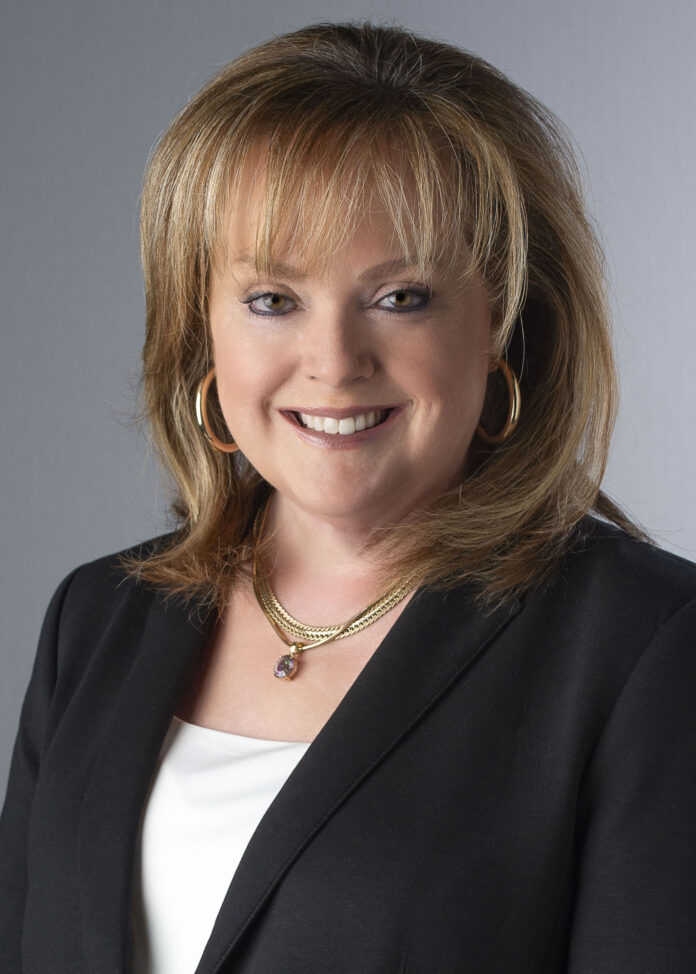
Liz Jackson, President and CEO of the Briscoe Western Art Museum (July 1, 2023)
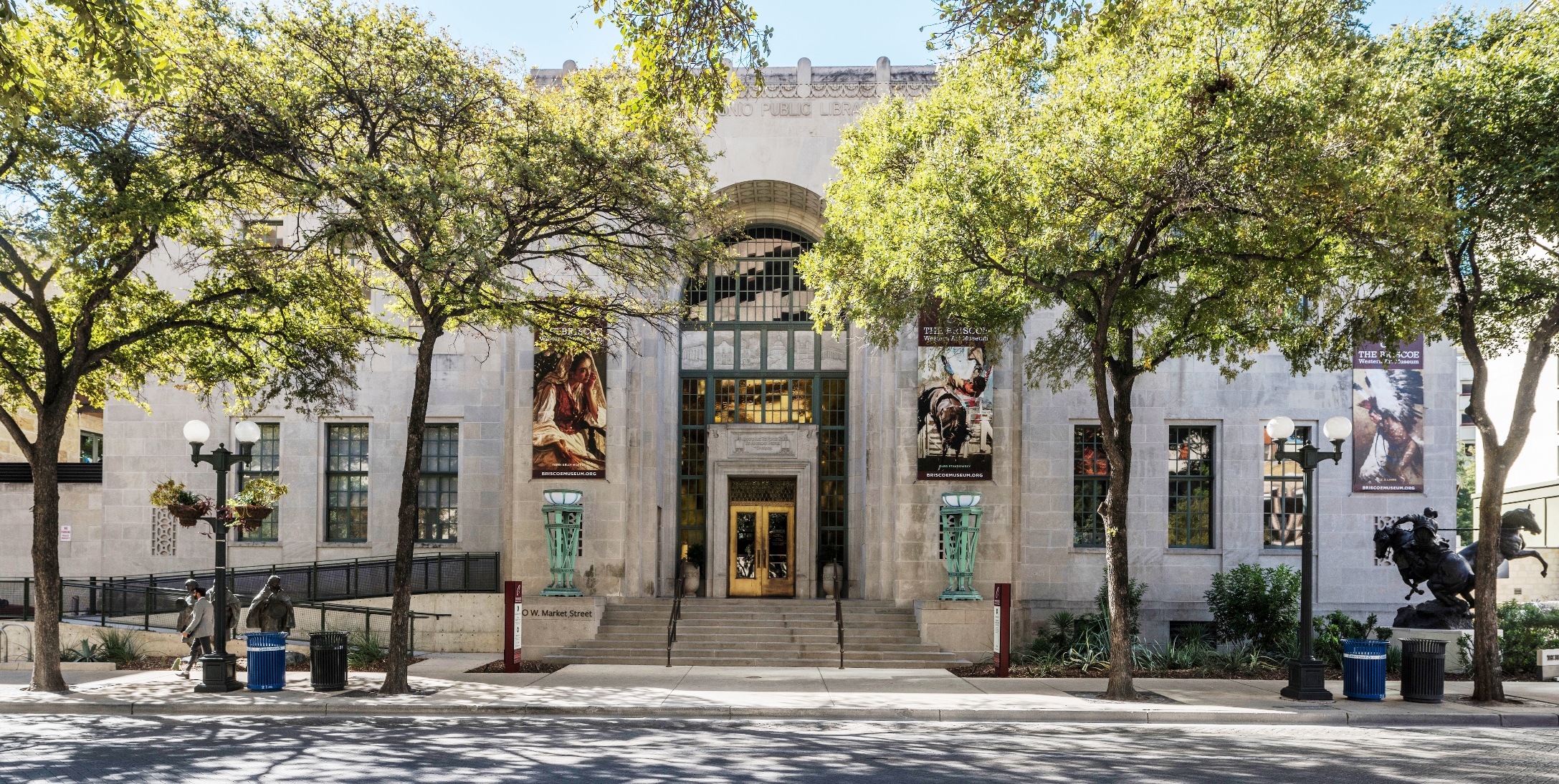
South Texas’ home of Western art and heritage, the Briscoe Western Art Museum, has announced the promotion of Liz Jackson to serve as the museum’s President and CEO as of July 1.
From the museum:
A native Texan with more than 25 years of museum and nonprofit experience, Jackson currently serves as the Briscoe’s Vice President and was selected for the position in a unanimous vote by the museum’s board of directors. She succeeds current Briscoe President and CEO Michael Duchemin, Ph.D., who will continue to advise the museum as an independent consultant.
Duchemin and Jackson both joined the Briscoe in 2017, bringing experience, leadership, and stability to the young museum. “When we recruited Michael and Liz as our leadership team, we knew they were the right people to steward the Briscoe’s growth as a thriving institution known not just in Texas, but nationally. We are grateful to have had such strong leadership at the helm,” said John T. Montford, Chair of the Briscoe’s Board of Directors. “Michael’s experience and acumen have been instrumental to our continued development. We are eager to build on that strong momentum as we celebrate our 10th anniversary later this year. Liz’s record of success and her contributions at the Briscoe prove that the museum is in great hands.”
Night of Artists, the museum’s signature fundraiser and exhibition, has benefitted from both Duchemin’s and Jackson’s leadership, growing to become one of the nation’s highest-grossing Western art exhibitions and sales and attracting audiences and media worldwide. Duchemin and Jackson also helped the museum navigate the Coronavirus pandemic and the forced shutdowns. While the museum closed to the public for six weeks, it was the first museum in San Antonio – and one of the first museums in Texas – to reopen. As the Briscoe marks its 10th anniversary later this year, Jackson is leading the museum’s strategic planning process, with the goal of further enhancing and growing the museum, as well as its collection, programming, and exhibitions.
Jackson specializes in nonprofit development through contributed and earned income. In her role as Vice President, Jackson explicitly oversees the museum’s growth and development, retail and visitor services, marketing, and the venue rental of the museum. She has grown the overall earned and contributing revenue more than 220%, creating and implementing the Annual Dolph & Janey Briscoe Legacy Luncheon to honor the philanthropic spirit of the museum’s namesakes. Jackson also reimagined the museum’s general brand, an award-winning update that has helped establish the public’s perception of the museum. The Briscoe has received numerous marketing and design awards from the Public Relations Society of America, the American Marketing Association, and the Texas Association of Museums, a gold standard for design in the museum industry.
A Dallas native, Jackson attended the University of Texas in Austin and Sul Ross State University and holds a BA in Communications and a Master of Public Administration. She began her career in San Antonio before moving to Alpine, Texas, where she became the Executive Director of the Museum of the Big Bend on the campus of Sul Ross State University. In 2015, she became Director of Advancement for the university. Jackson returned to San Antonio in 2017 to join the Briscoe as the museum’s Vice President.
The Briscoe Western Art Museum | Photograph by Mark Hiebert, Hiebert Photography
Duchemin is leaving the museum poised for growth and continued success. Previously holding executive positions at the C. M. Russell Museum in Great Falls, Montana, at the Autry Museum of the American West and the Chinese American Museum at El Pueblo de Los Angeles, Duchemin’s experience has served the Briscoe well. His almost 40 years of experience as an executive director, chief curator, exhibition and program developer, historian, and author helped Duchemin strengthen each department within the museum.
During his tenure, Duchemin implemented a temporary changing exhibition schedule that brought national exhibitions to South Texas, launching the museum’s first-ever summer exhibition within his first three months. His skill and knowledge brought the exhibitions Andy Warhol: Cowboys and Indians | Billy Schenck: Myth of the West, and Still in the Saddle: A New History of the Hollywood Western, to life. In conjunction with the highly popular Warhol/Schenck exhibition, the Briscoe produced its first publication, “Western Pop: Andy Warhol & Billy Schenck,” and initiated its traveling exhibition program. Duchemin also conceptualized, created, organized, and launched The Sons of Charlie Russell: Cowboy Artists of America exhibition.
Under Duchemin’s leadership, the museum has also procured numerous museum art acquisitions and has successfully converted multiple loans to permanent gifts, growing the museum’s permanent collection and elevating the museum’s overall profile.
As part of our effort to continue to help artists and art galleries thrive, we’re proud to bring you this week’s “Virtual Gallery Walk.” Browse the artwork below and click the image itself to learn more about it, including how to contact the gallery.
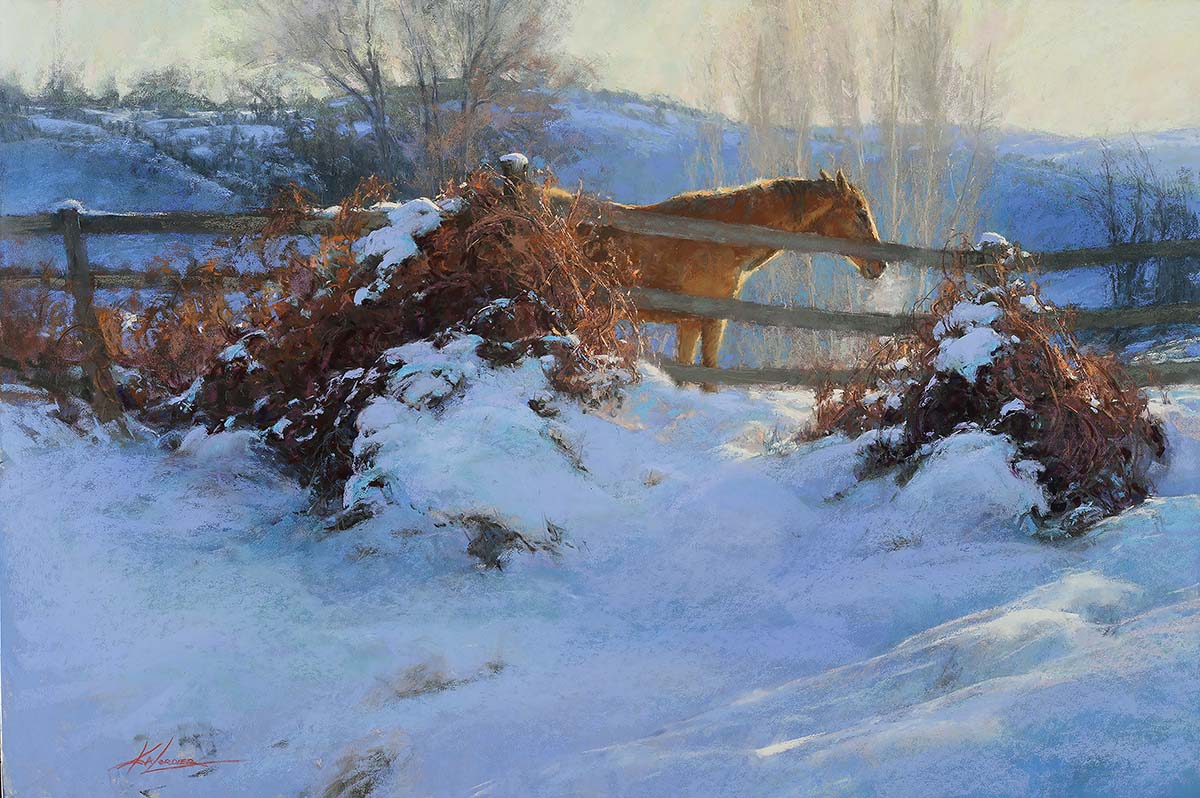
Baby It’s Cold, Kim Lordier, Pastel on Archival Board, 24 x 36 in; Kim Lordier
***
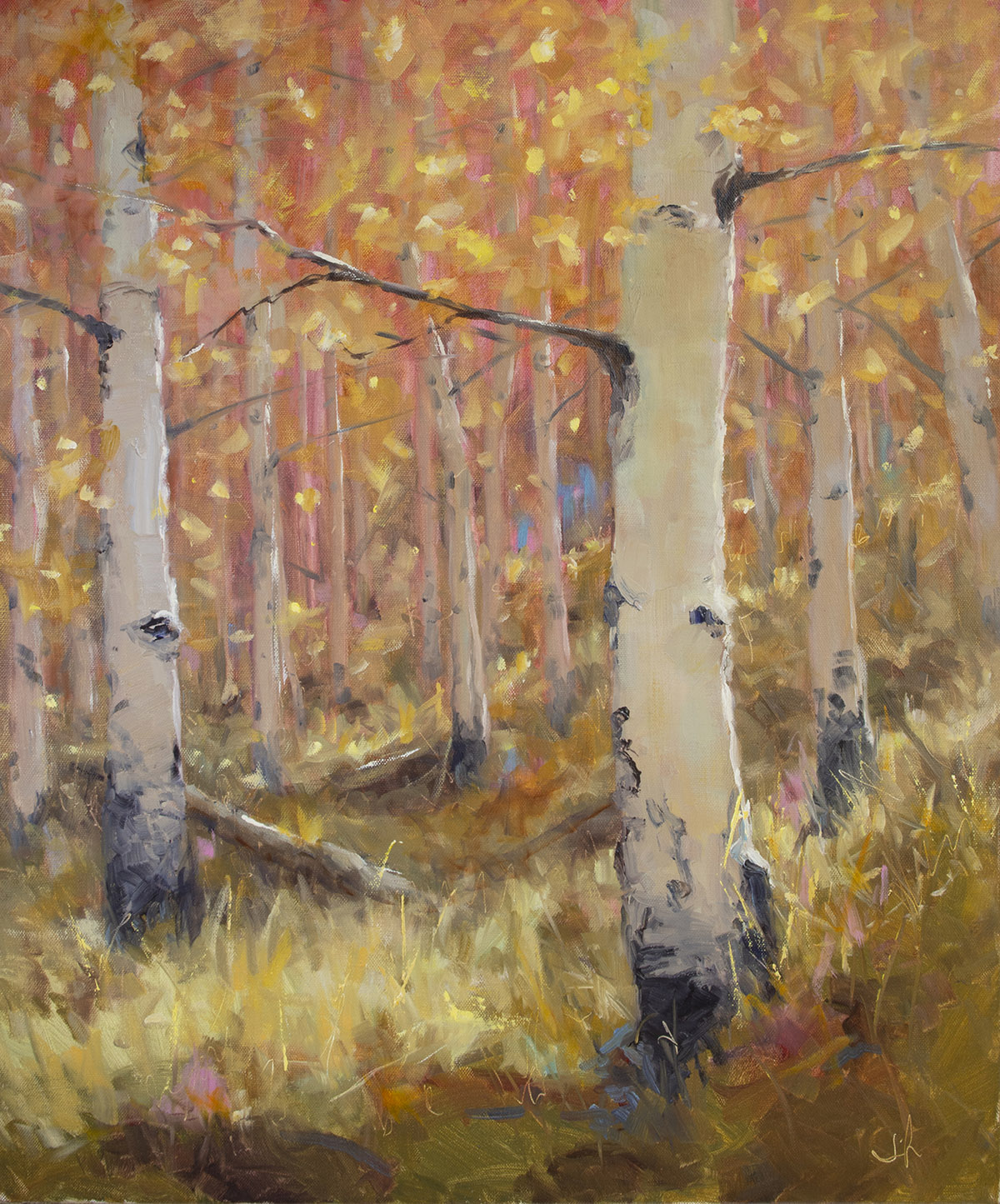
Fall Complements, Jacob Aguiar, pastel on archival paper, 12×10 in; Jacob Aguiar
***Want to see your gallery featured in an upcoming Virtual Gallery Walk? Contact us at [email protected] to advertise today. Don’t delay, as spaces are first come, first served, and availability is limited.
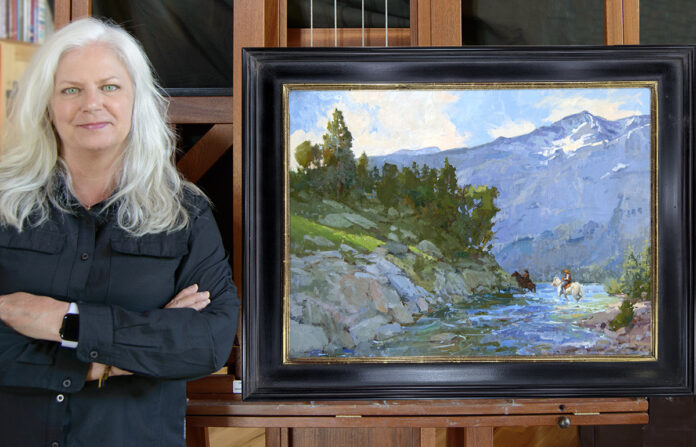
Riding the Rockies, 30x36, oil on linen, 2023. OPA Master Exhibition, Illume Gallery West
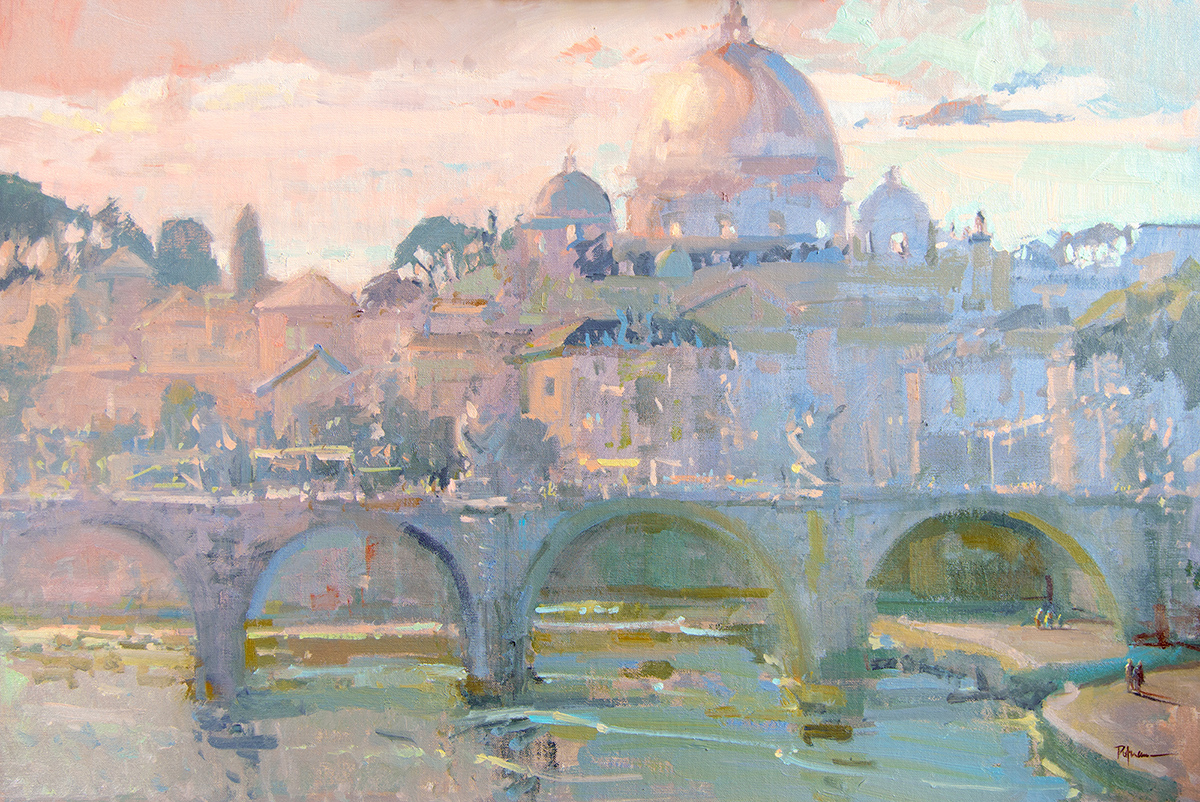
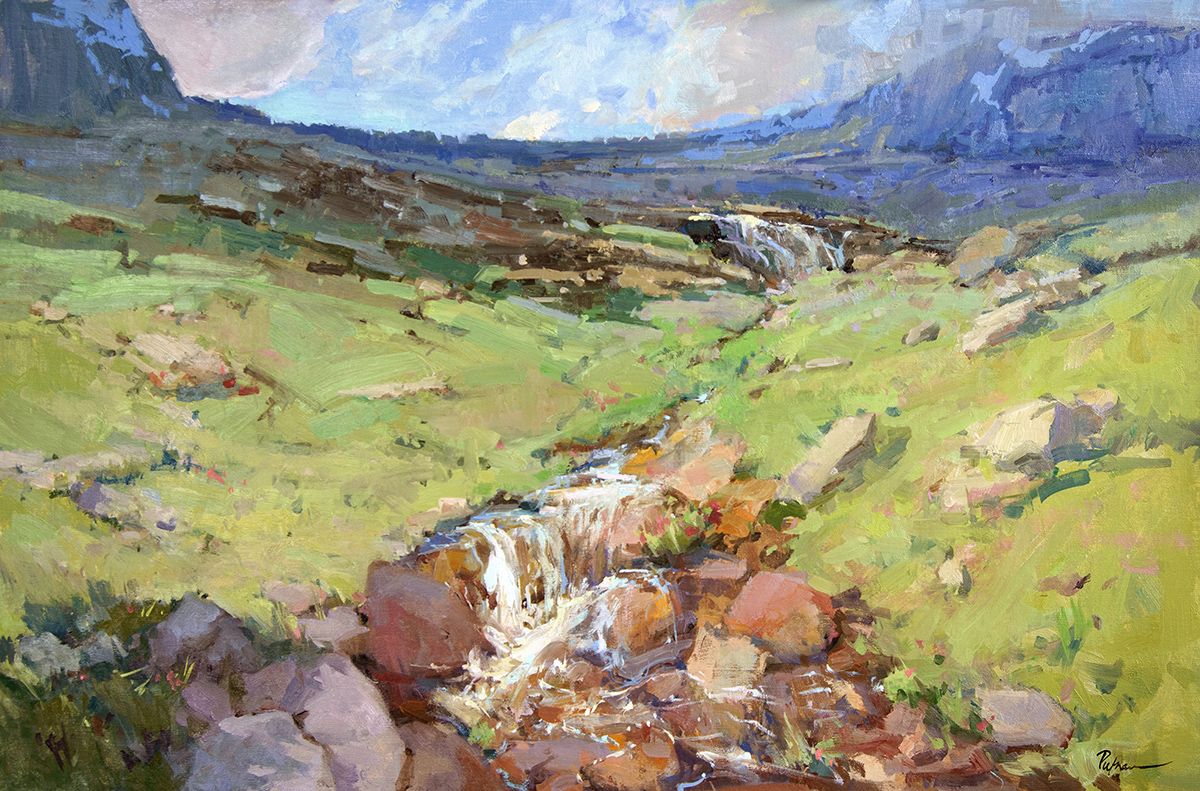
How did you develop your unique style? Lori Putnam: If you keep painting, your style develops by itself, partly through experiences and influences, but mostly because of your inner character. For instance, when I first learned to paint, I worked in a realistic and tonal style. As time passed, my personality and soul began to take the reins. I advise my students to be true to themselves and to let their styles develop naturally. In fact, mine is still fine-tuning itself. It is just that now it is by tiny increments rather than such huge steps. I have a lot of ideas yet to explore. We will see where they take me.
What is the best thing about being an artist? Lori Putnam: It is difficult to pin down one best thing. So many obvious things immediately come to mind. The simplest is just the sheer feeling of paint pulling off of a brush. But if I have to pick one thing, it may be the relationships I have made. Painting is a solitary act. However, my friendships and connections with people all over the world truly astound me. It is a blessing I would never have received if not for art.
Lori Putnam, “Morning Along the Tiber,” oil on linen, 20 x 30 in., 2023. AIS National Exhibition, Somerville Manning GalleryLori Putnam, “Spring Thaw,” oil on linen, 24 x 36 in., 2023. The Almenara Art Prize, Córdoba, Spain
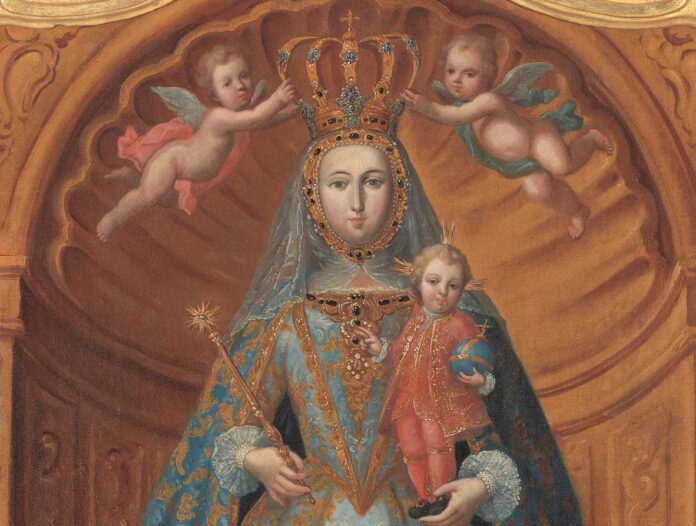
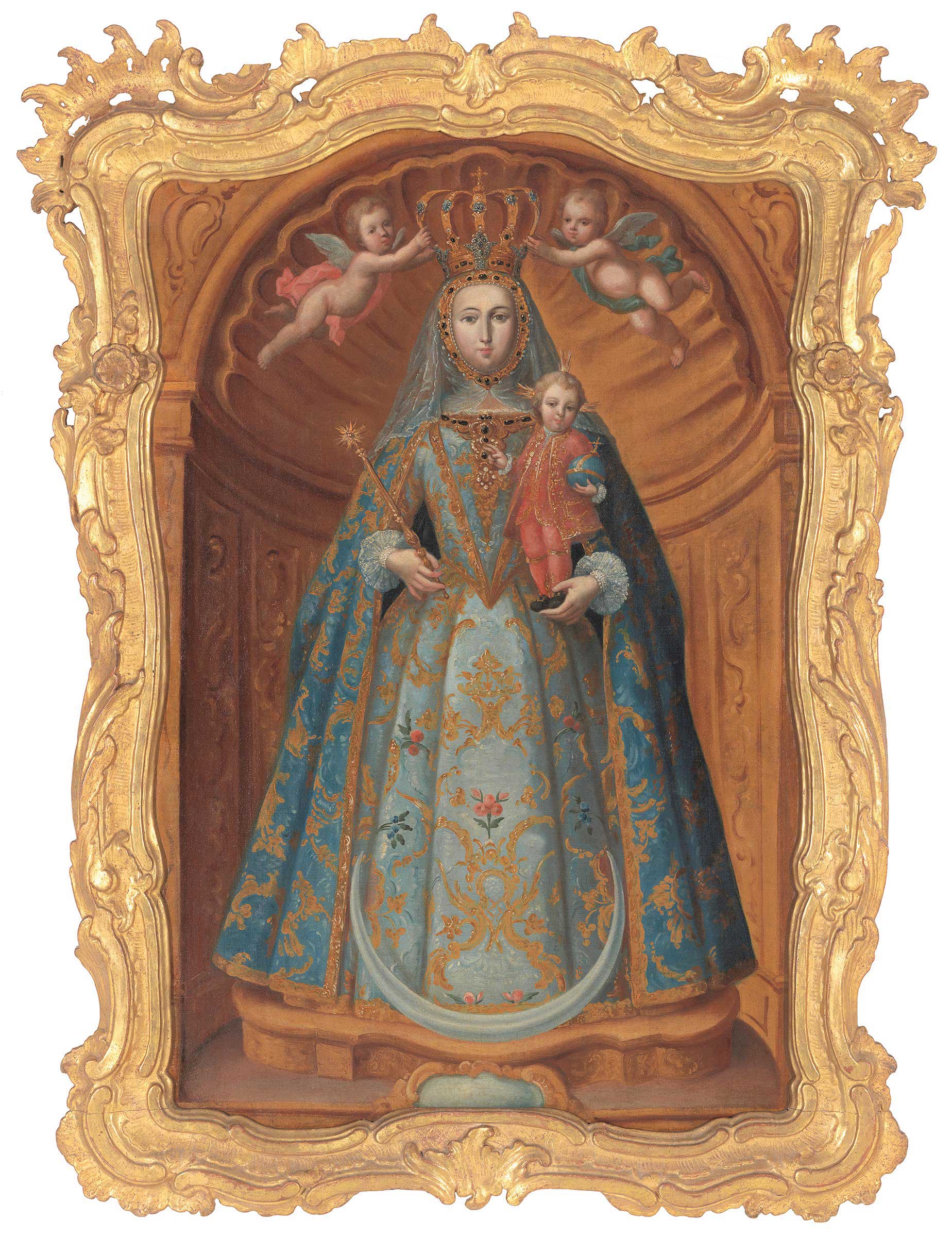
Juan Pedro López (1724–1787), “Our Lady of Guidance,” c. 1765–70, oil on canvas, 41 5/16 x 26 1/2 in., Carl & Marilynn Thoma Collection, TL42430.25, photo: Jamie Stukenberg
Harvard Art Museums has organized the exhibition “From the Andes to the Caribbean: American Art from the Spanish Empire.”
It comprises Spanish colonial paintings of religious and secular subjects from present-day Bolivia, Cuba, Ecuador, Peru, Puerto Rico, and Venezuela, together with works on paper and design objects made with Cuban and Honduran mahogany, Mexican cochineal, and Peruvian silver.
All have been drawn from the Carl & Marilynn Thoma Foundation and from Harvard University’s own holdings.
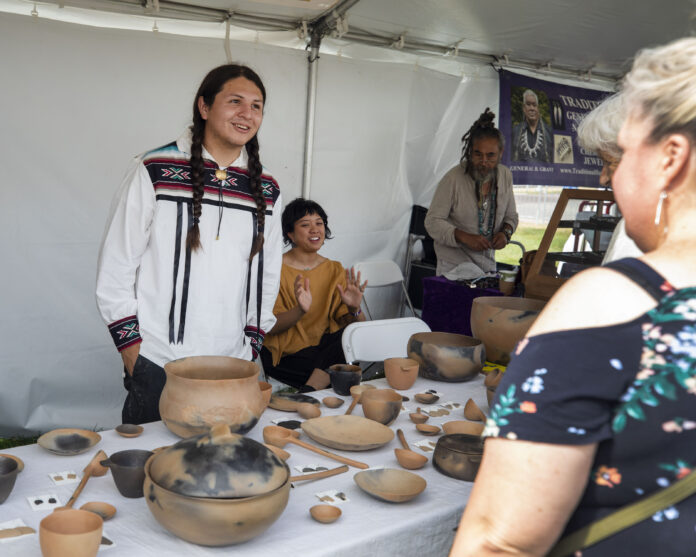
Artist Brandon Adriano Ortiz (Taos Pueblo) discussed his pottery with a market-goer at last year’s Eiteljorg Museum Indian Market and Festival in downtown Indianapolis.
The Eiteljorg Indian Market, a celebration of Native cultures, features more than 120 Native artists, plus music, dance and food, June 24-25, 2023.
Approximately 120 Native artists from across the United States and Canada will be at the Eiteljorg Museum to show and sell their jewelry, pottery, paintings, beadwork, weavings, carvings and more. Visitors can enjoy onstage cultural performances such as music, storytelling and dance.
At Indian Market and Festival, seasoned collectors and general market-goers alike appreciate the personal interactions with artists and learning about their artwork, process and cultures. The event forges relationships between artists and their collectors, builds support for and interest in Native art generally, and is a family-friendly cultural experience for those eager to learn more about Native peoples.
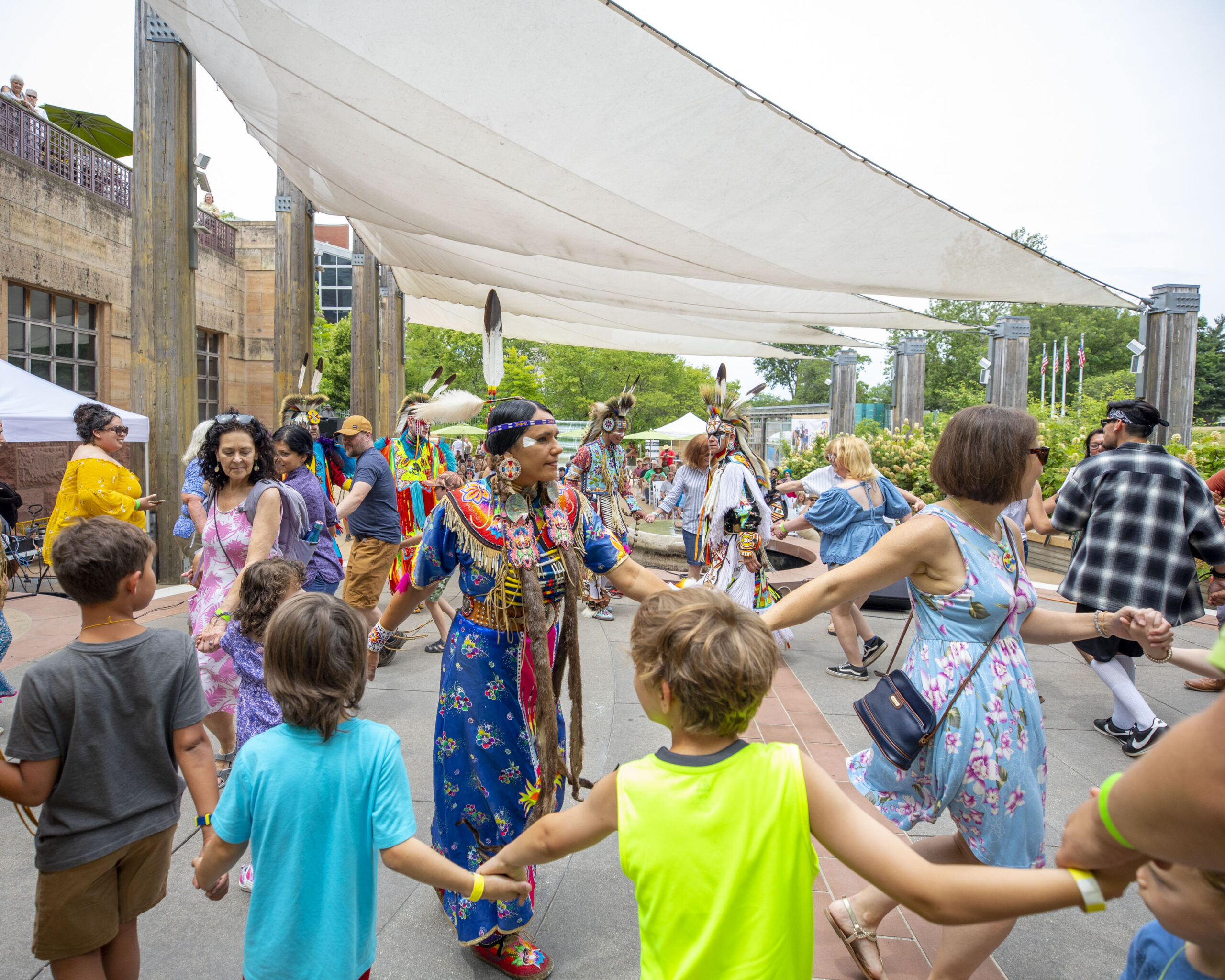
On June 24 and 25, 2023, several performers are scheduled to give music and dance performances under The Sails at the Eiteljorg Indian Market and Festival. In 2022, one of last year’s performers, the Woodland Sky Native American Dance company, got the audience involved in a dance.
“Since its inception in 1993, the annual Eiteljorg Museum Indian Market and Festival has grown in stature to become one of the top Native American art markets in the country, as well as a must-do event on the downtown Indianapolis summer calendar. Artists, performers and thousands of market-goers and art buyers have come together at the Eiteljorg to celebrate Native arts and cultures,” said Alisa Nordholt-Dean, vice president for public programs and Beeler family director of education at the Eiteljorg.
To show and sell art at Indian Market and Festival, artists must be enrolled members of a federally or state-recognized tribe. Many of the participating artists also enter their artwork for judging as part of the weekend’s juried art competition, which includes awards and cash prizes across various categories. Artists’ booths will be inside the museum and outdoors on the Eiteljorg grounds.
Market-goers also can experience the completely reimagined Native American Galleries featuring the exhibition Expressions of Life: Native Art in North America, which opened in June 2022. The new galleries showcase Native art in a multi-sensory space creating a contextual experience – organized around the themes of relation, continuation, and innovation – that demonstrates a continuum of Native art told through the voices of Native peoples.
Eager art buyers who want to get an early start on shopping can register for the Market Morning Breakfast taking place at 8 a.m. Saturday, June 24, at the museum; it includes early access to the artists’ booths, and a breakfast catered by Kahn’s Catering. For reservations ($50 for members, $60 for non-members), contact Jennifer Hiatt at [email protected] or 317.275.1360.
There will be a variety of delicious food truck options at Indian Market and Festival, including fry bread. Visitors of all ages will enjoy a wide range of cultural performances, including music, dance, and storytelling, as well as family art-making activities. Performers are scheduled on the Indian Market outdoor stage under The Sails both days, June 24-25, and are included with admission.
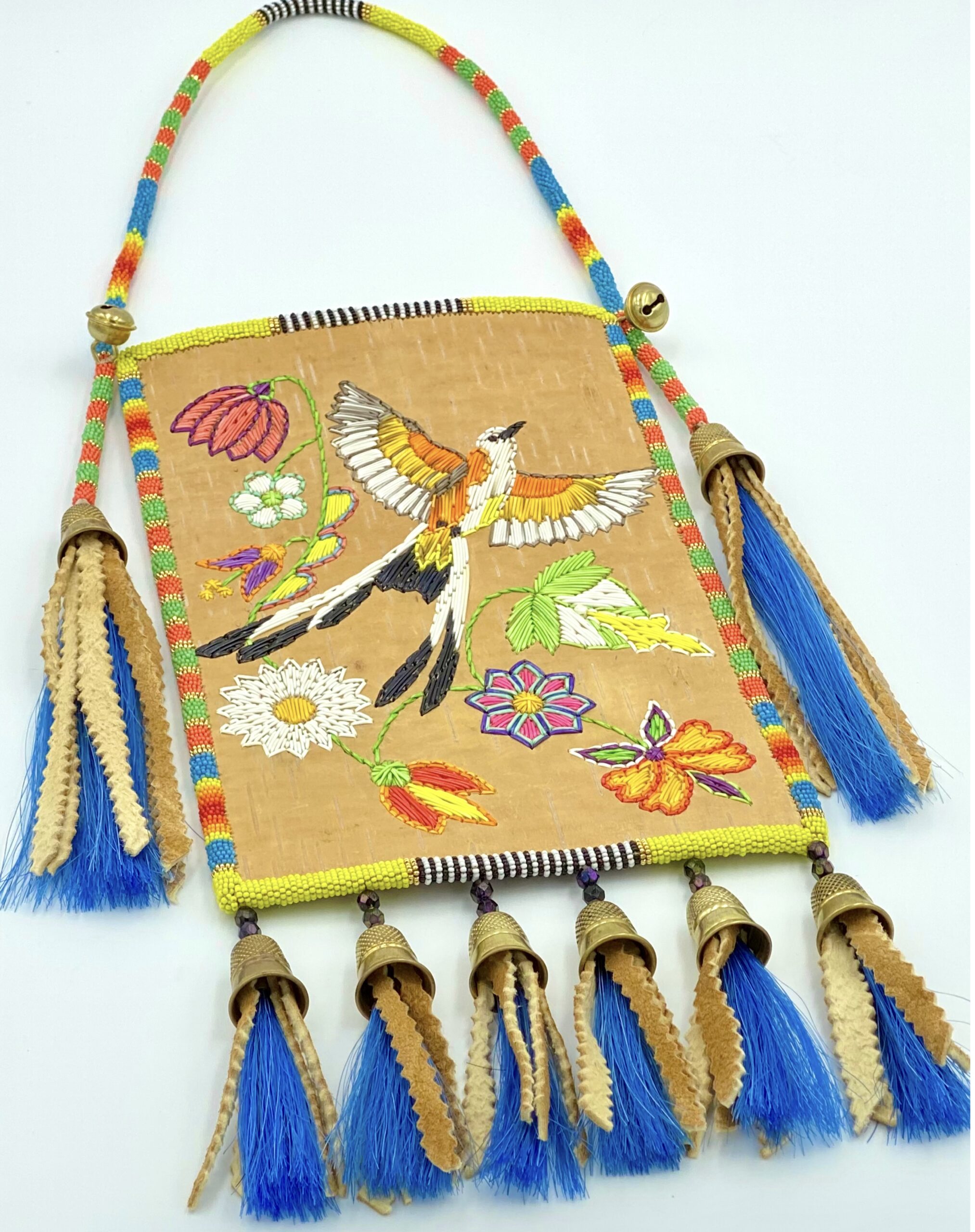
The signature image for the 31st annual Indian Market and Festival depicts a quillwork and beadwork bag, created by artist Monica Jo Raphael (Anishinaabe / Sičáŋğu Lakota), titled Nuh-Mah-Nuh Daawina Akiin (Homelands of the Comanche People). The image will appear on commemorative Indian Market and Festival T-shirts that will be available through the Eiteljorg Museum Store.
This year also will be the final Indian Market and Festival in which Eiteljorg President and CEO John Vanausdall will preside at the market’s arts awards presentation. Vanausdall is retiring June 30 after nearly 27 years leading the museum.
As part of our effort to continue to help artists and art galleries thrive, we’re proud to bring you this week’s “Virtual Gallery Walk.” Browse the artwork below and click the image itself to learn more about it, including how to contact the gallery.
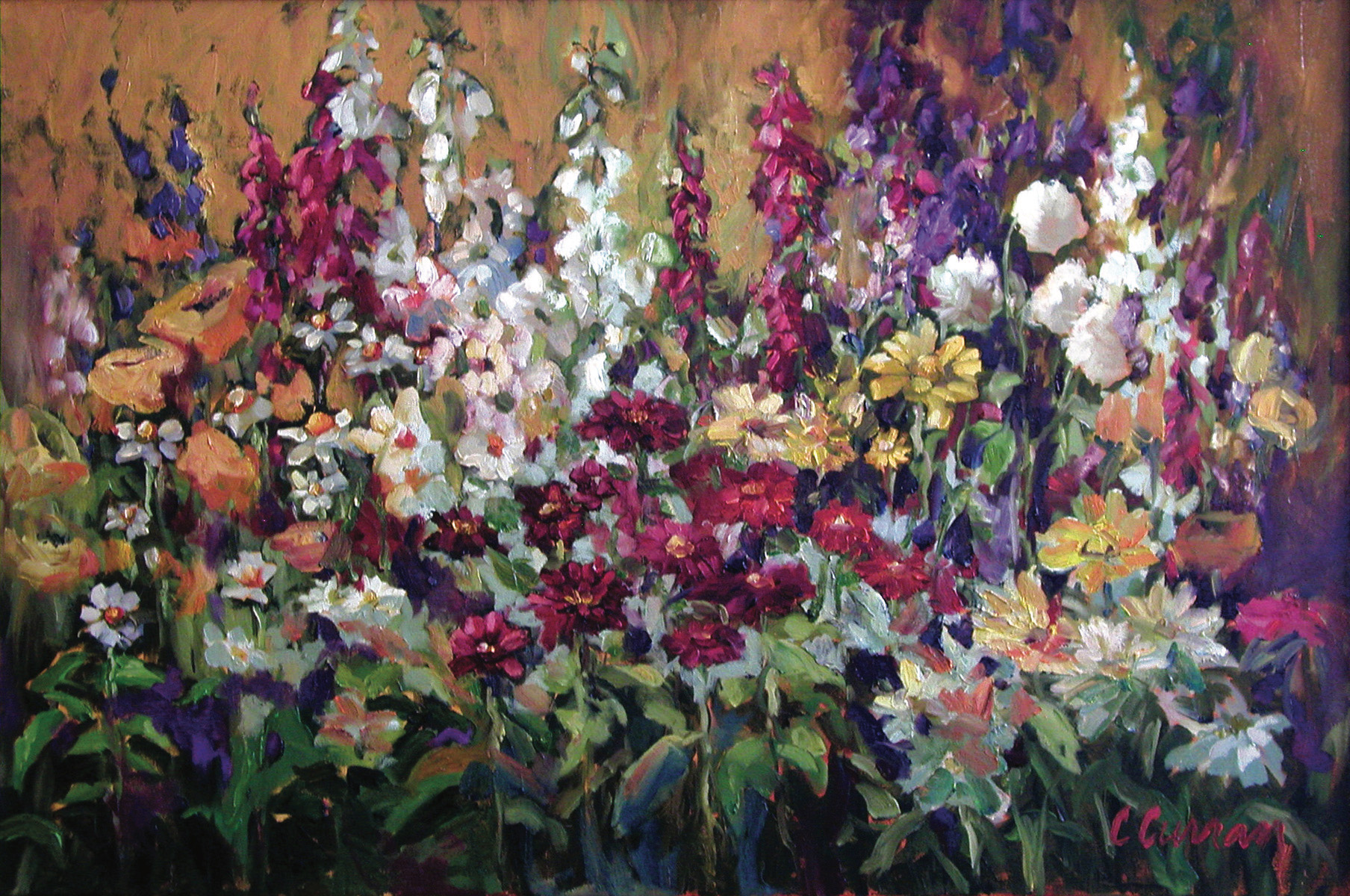
Your Wish, Carrie Curran, 24 x 36 in., oil on canvas; Carrie Curran Art
***Want to see your gallery featured in an upcoming Virtual Gallery Walk? Contact us at [email protected] to advertise today. Don’t delay, as spaces are first come, first served, and availability is limited.
How did you get started and then develop your career? Jennifer Riefenberg: Like most artists I started by having a strong desire and love for drawing and creating though I took a different path to earn a living until I could pursue my painting more fully, which is what I have done for the last 17 or so years.
What is the most interesting thing you have painted/sculpted and why? Jennifer Riefenberg: The most interesting thing that I have painted is not easy to answer as each time I paint I am exploring and painting what inspires me — sometimes it is rather odd (a dead weed) and sometimes interesting in that it is a real challenge. I think like most serious artists, our personal style(s) emerge from our practice and efforts to paint what inspires US! I am not a copyist and, while this can be valuable to improve on technical skills, copying other artists does not leave any room for your own unique voice.
Jennifer Riefenberg, “Power of Gray,” 12 x 16 in., oil. Available through artist, award winner at Western Regional OPA show 2021Jennifer Riefenberg, “Autumn Harmony,” 24 x 30 in., oil. Available through Mary Williams Fine Arts, Boulder, CO www.marywilliamsfinearts.com
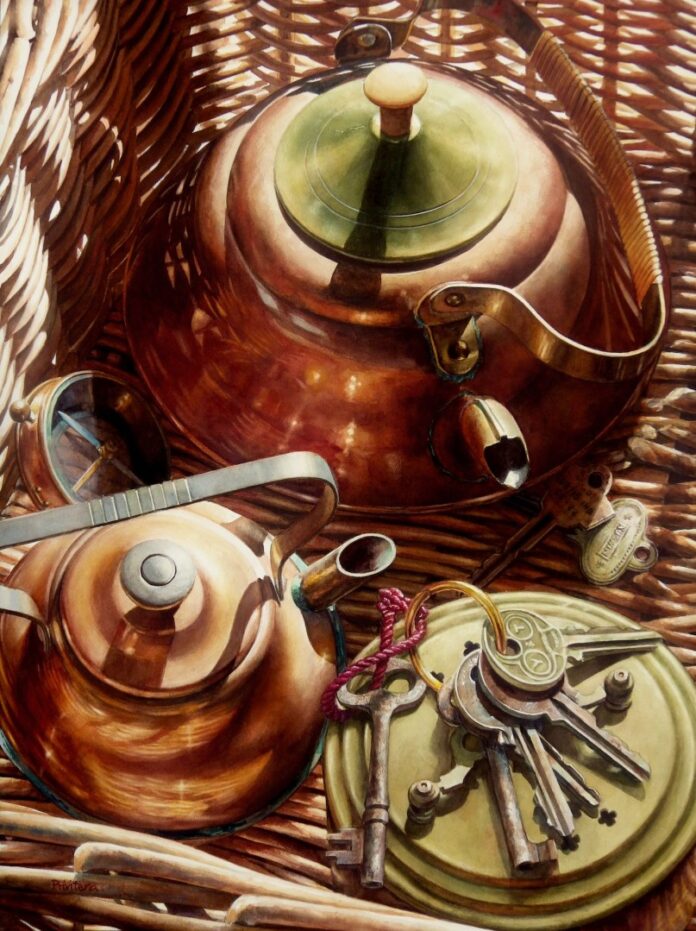
Lana Privitera, “Looking for a Way Out,” watercolor, 29 x 21 in.
We’d like to congratulate Lana Privitera for winning Overall First Place in the April 2023 PleinAir Salon, judged by Catherine Saks of Saks Gallery.
Originally from Spain, Lana Privitera (lanaprivitera.com) graduated in 1983 from the Fine Arts School of Zaragoza, where she majored in Fashion Design and Art History. After working in Advertising for a few years, she moved to the USA in the early 1990s.
Privitera returned to painting and art competitions full-time in 2014, specializing in creating very detailed still lifes in watercolor.
In a short time, Privitera’s paintings have gathered a long list of awards in watercolor competitions both nationally and internationally. In recent years, her watercolors have also participated in Exhibits and Invitationals in Dubai, Greece, Spain, Uruguay, Bolivia, Bulgaria, Canada, Italy, Holland, and Russia. Her work has also been featured in diverse art publications – both in the USA and abroad.
She is a Signature Member of the prestigious American Watercolor Society (AWS), the National Watercolor Society (NWS), the North East Watercolor Society (NEWS), the Watercolor Honor Society (WHS), and the Philadelphia Watercolor Society (PWCS), among others.
Preview more of the April 2023 PleinAir Salon winners at our sister site, OutdoorPainter.com.
About the PleinAir Salon:
In the spirit of the French Salon created by the Academie des Beaux-Arts in Paris, this annual online art competition, with 11 monthly cycles, leading to the annual Salon Grand Prize winners, is designed to stimulate artistic growth through competition. The competition rewards artists with $50,000 in cash prizes and exposure of their work, with the winning painting featured on the cover of PleinAir™ Magazine.
Winners in each monthly competition may receive recognition and exposure through PleinAir Magazine’s print magazine, e-newsletters, websites, and social media. Winners of each competition will also be entered into the annual competition. The Annual Awards will be presented live at the next Plein Air Convention & Expo.
The next round of the PleinAir Salon has begun so hurry, as this competition ends on the last day of the month. Enter your best art in the PleinAir Salon here.
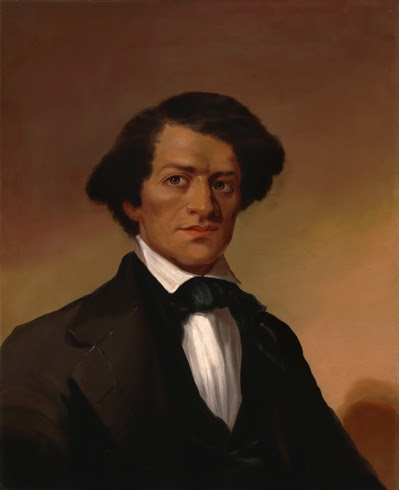
Credit: "Frederick Douglass" by an unidentified artist. Oil on canvas, c. 1845. National
Portrait Gallery, Smithsonian Institution.
The National Portrait Gallery Presents “One Life: Frederick Douglass”
On view through April 21, 2024
“One Life: Frederick Douglass” is an exhibition exploring the life and legacy of one of the 19th century’s most influential writers, speakers, and intellectuals. Douglass was a radical activist who devoted his life to abolitionism and rights for all. This exhibition shows the intimate relationship between art and protest through prints, photographs, and ephemera.
The exhibition is guest curated by John Stauffer, the Sumner R. and Marshall S. Kates Professor of English and African and African American Studies at Harvard University, and consulting curator Ann Shumard, the National Portrait Gallery’s senior curator of photographs. To mark the beginning of the Juneteenth holiday weekend, the exhibition opens June 16.
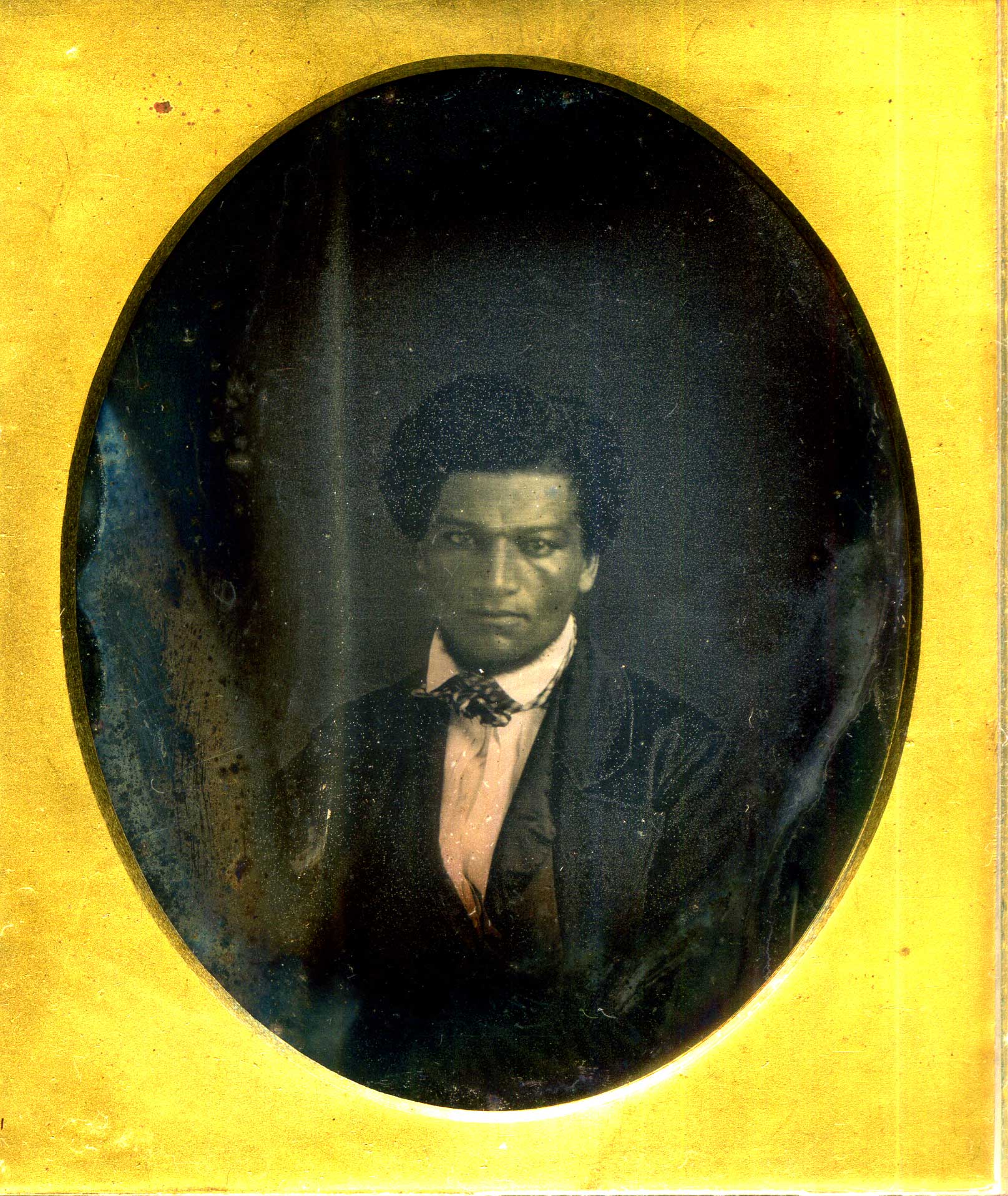
Frederick Douglass; Artist: Unidentified Artist, Sixth-plate daguerreotype, c. 1841, Collection of Greg French
“Frederick Douglass was the preeminent African American voice of the 19th century and among the nation’s greatest orators, writers, and picture-makers,” Stauffer said. “Born into slavery, he became a leading abolitionist, civil rights activist, and the most photographed American of the 19th-century, a public face of the nation. This comprehensive exhibition includes objects from all phases of his life as a way to highlight the power of his remarkable impact. It explores his friendship with President Abraham Lincoln, for example, as well as his enduring influence on artists and activists in the 20th and 21st centuries.”
Douglass was born on the Eastern shore of Maryland in 1818. Having escaped slavery in 1838, he traveled to New York, where he married Anna Murray. After the couple moved to Massachusetts, he began attending abolitionist meetings. Douglass went on to publish three autobiographies and a novella, deliver thousands of speeches and edit the longest continually running Black newspaper of the 19th century, The North Star (later Frederick Douglass’ Paper and Douglass’ Monthly). As a political insider and policy influencer during the Civil War, he befriended and advised President Abraham Lincoln. Douglass changed traditional rules of representation by explaining how “true art” could be an engine of social change.
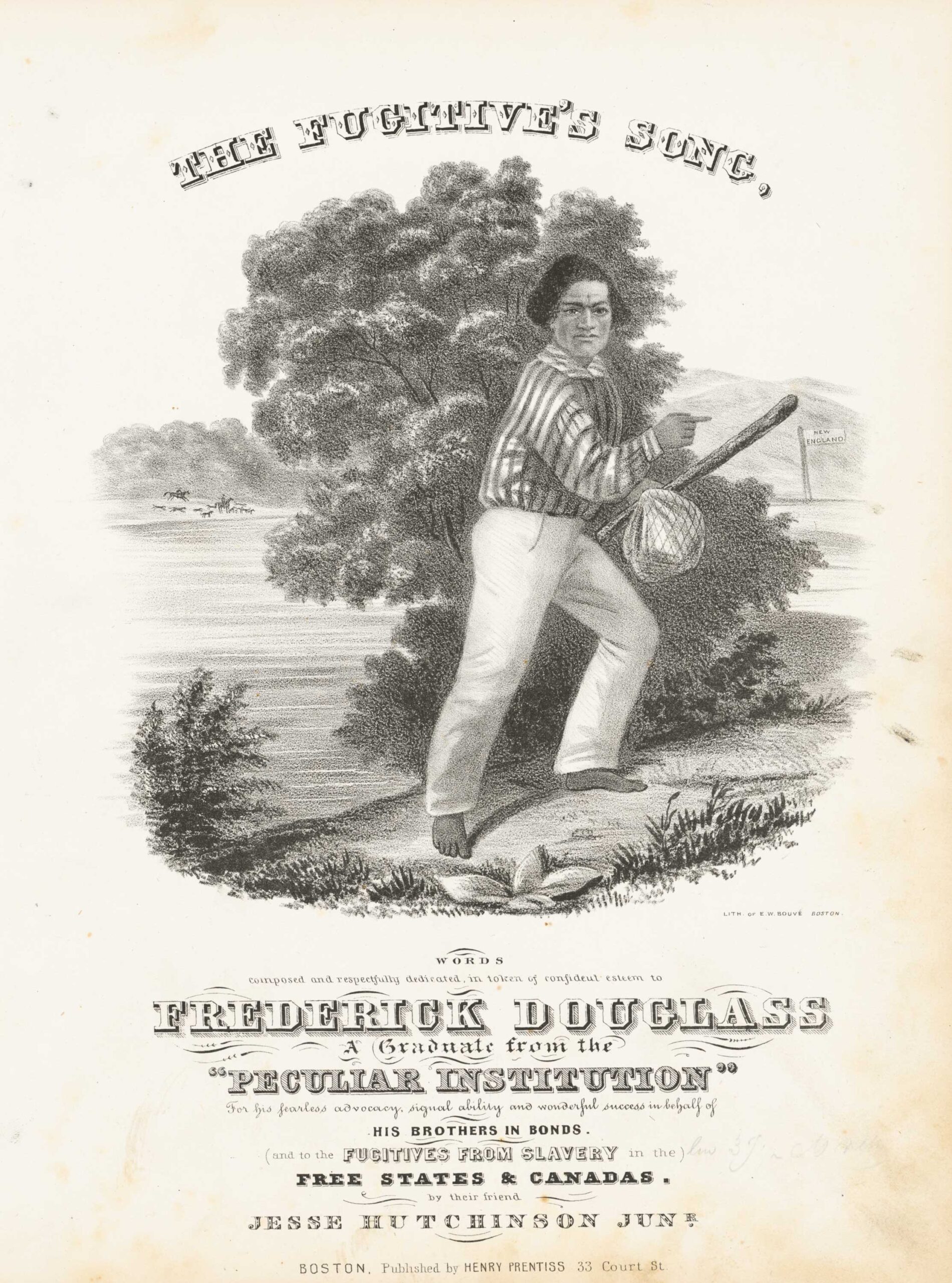
Frederick Douglass; Artist: E. W. Bouvé Lithography Co., Lithograph on paper, 1845, National Portrait Gallery, Smithsonian Institution
The exhibition showcases over 35 objects, including the ledger documenting Douglass’ birth in February 1818; a pamphlet of his “What to the Slave Is the Fourth of July?” oration; two of his three autobiographies—My Bondage and My Freedom and Narrative of the Life of Frederick Douglass, an American Slave, Written by Himself; a letter from Douglass to Lincoln; portraits of activists in Douglass’ circle, such as Harriet Tubman and Sojourner Truth; portraits by the prominent Black photographers Augustus Washington and Cornelius Marion Battey; and portraits of the Black leaders Ida B. Wells-Barnett, Booker T. Washington, W.E.B. Du Bois and Langston Hughes, all of whom carried on his legacy.
For more details, connect with the museum at npg.si.edu.
Fill your mind with useful art stories, the latest trends, upcoming art shows, top artists, and more. Subscribe to Fine Art Today, from the publishers of Fine Art Connoisseur magazine.