
By Daniel Grant
Contemporary artworks can be confusing or aggravating, but at least we know who made them. Today’s artists put their names on every work, document it with photographs, and create archives to make it easier for future scholars to research them. Before the mid-19th century, however, most artworks were not signed or even titled, leaving future collectors, curators, historians, dealers, and auctioneers asking urgent questions about authenticity and provenance. Their ongoing research adds to our shared knowledge, and thus to the financial value, of these unsigned, undated artworks.
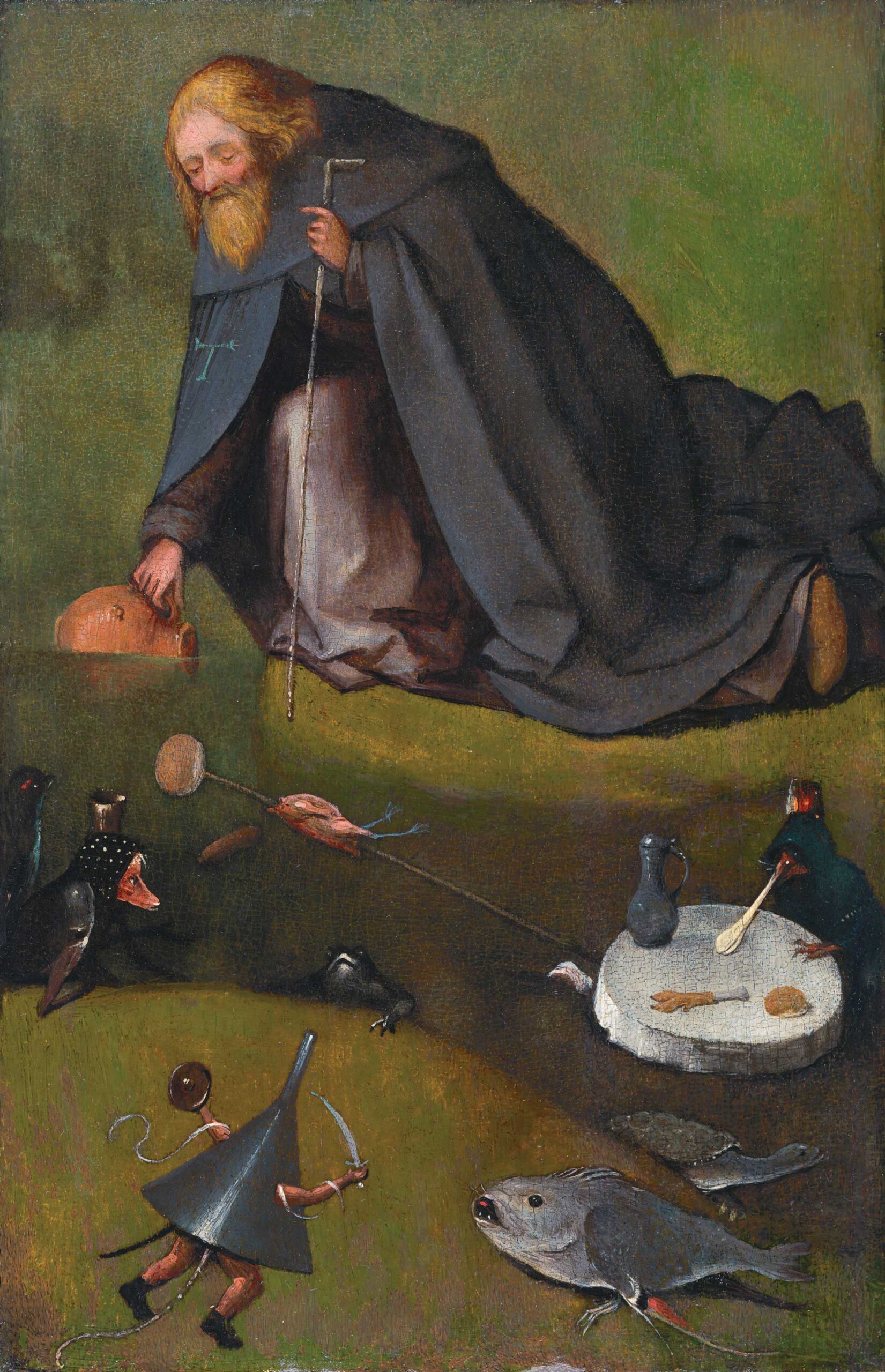
The holy grail is finding out definitively “who did it” — through documentation (e.g., letters or contracts), physical analysis (x-rays or laboratory testing of pigments), and/or connoisseurship (spotting the same pattern of brushwork). In 2017, “The Temptation of St. Anthony,” a 500-year-old painting at Kansas City’s Nelson-Atkins Museum of Art that for 80 years had been consigned to storage as the work of a follower of Hieronymus Bosch (c. 1450–1516), was upgraded to Bosch himself. Why? Because the Bosch Research and Conservation Project had undertaken a detailed study and found the picture to be the genuine article. Every year, new discoveries and reattributions like this occur. It’s a miracle of our time.
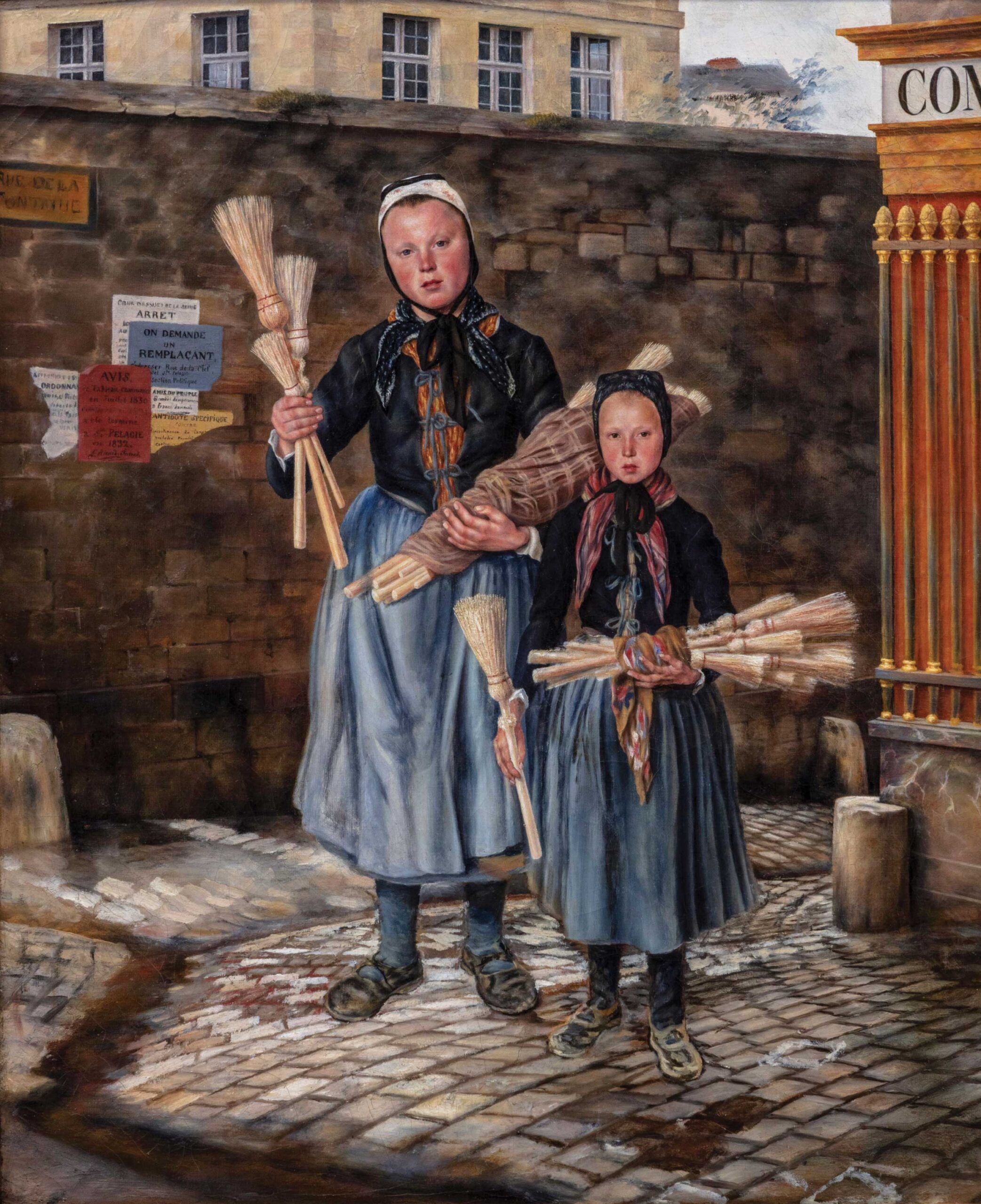
Artists in the past were no less prolific than their successors today, so by definition there are many artworks whose authorship is unknown. Most remain unstudied, so we may never know for certain who painted them. We are powerfully reminded of this state of affairs when we go to examine the lots on display before an auction of Old Masters. For example, gracing a 2016 sale at Sotheby’s London were some fully identified paintings by artists more prominent in their day than in ours.
At that sale, Scotland’s Sir Henry Raeburn (1756–1823) was represented by a half-length “Portrait of a Young Indian Woman” that had been confirmed as a Raeburn by a former director of the Scottish National Gallery. Two Arcadian paintings of peasants tending to their animals with the outline of a town beyond had been attributed to Francesco Zuccarelli (1702–1788) by Federica Spadotto, author of this Italian painter’s 2007 monograph. Yet most of the remaining 200 or so lots were of less certain attribution. Among them were a “Ferrarese School, 16th century,” a “Follower of Andrea del Sarto,” a “Circle of Paolo Veronese,” a “Manner of El Greco,” a “Workshop of Lorenzo di Credi,” an “After Sir Peter Paul Rubens,” and a “Studio of Follower of Jan Brueghel the Younger.”
A sale at Sotheby’s Paris of artworks owned by actor Peter Ustinov similarly contained a range of vague attributions: a bronze sculpture was “probably Russian,” two watercolors were “English School, 18th Century,” a drawing of cow heads was “Attributed to Jean-Baptiste Huet,” a painting was “Circle of Albert Cuyp,” three paintings were “Manner of Alfred Stevens,” a drawing was attributed to a “Follower of Goya,” and another drawing was “After Pablo Picasso.”
What’s the Difference? You may well wonder what the difference is between “Studio of” and “Workshop of.” “Circle of” and “School of” are hardly more helpful. Just how many ways can an auction house say, “We don’t know”? Continue reading in this issue of Fine Art Connoisseur Magazine (November / December 2023)
Attend Realism Live ~ a multi-day virtual art conference led by 20+ world class artists. (No tech skills? No problem! If you can click a link, you can join our event!) Learn more at RealismLive.com!
Story prepared for the web by Cherie Dawn Haas, Editor of Fine Art Today