Sun and Shade
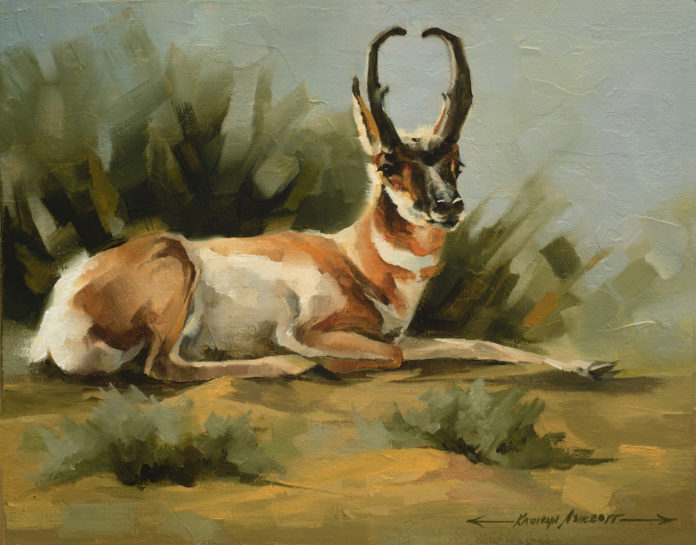
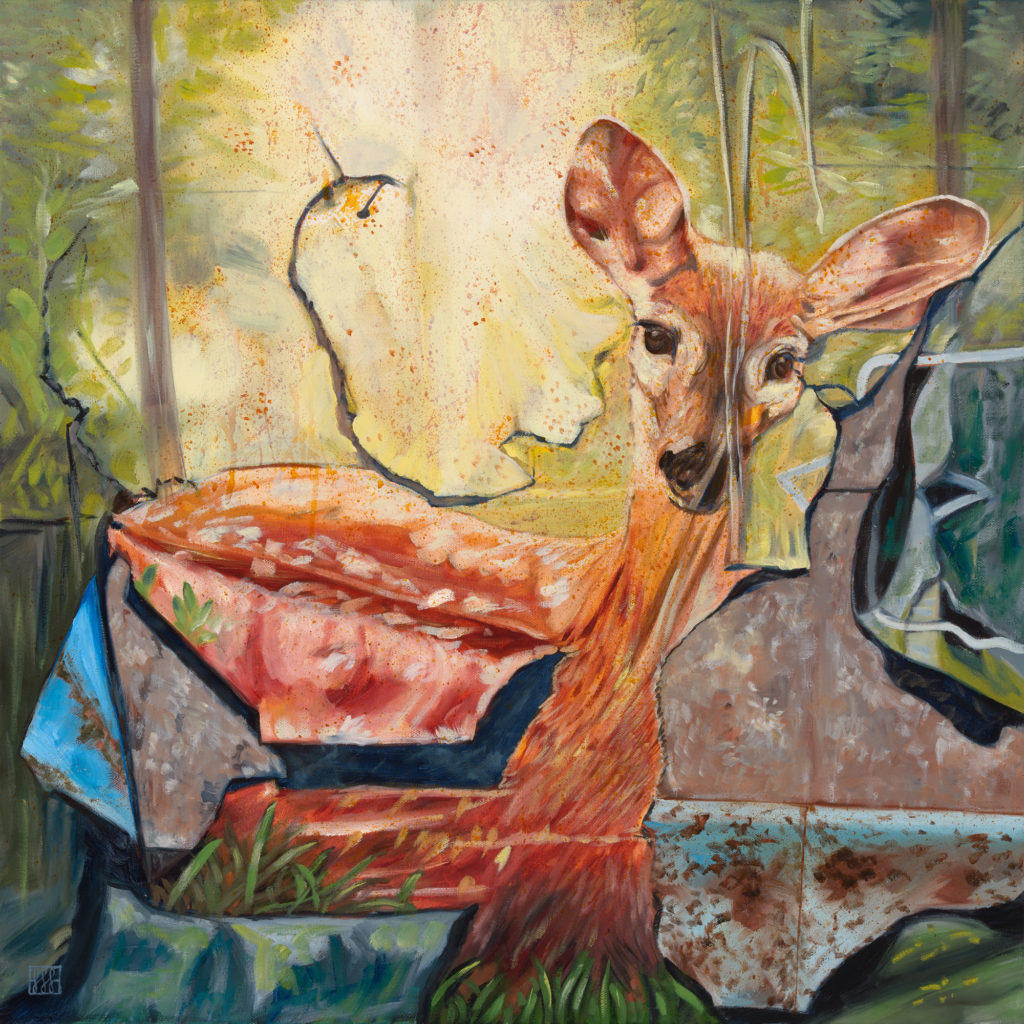
11 X 14 in.
Oil on Belgian linen
Available from the artist
THE ART OF NATURE
My husband and I are fortunate to live within a few miles of some of the best wildlife viewing in North America. We take advantage of that every chance we get. We found this Pronghorn Buck trying to escape the heat of a Summer afternoon. I knew as soon as I saw him that I would have to paint him and Sun and Shade is the result.
Kathryn Ashcroft was born in a small Northern Utah farming town in 1961. She was raised on the family dairy farm where animals were fed before people were and a strong work ethic was instilled in her at a very young age. Many hours were spent on the back of a horse and riding was her favorite pass time. Her Mother, also an artist, created beautiful paintings in oil and this was a great source of inspiration. Kathryn began drawing animals very early and was encouraged and taught by her Mother and by Nature.
Striving to convey the essence of the animal, as opposed to a detailed depiction, she uses a loose, painterly style. The result is a beautiful rendition of what the viewer would see if they were viewing the animal in the wild. Abstract backgrounds bring the focus of the painting to the animal itself.
As a child, Kathryn had ample opportunities to view wildlife in its natural environment. She continues observing and studying animals every day and her paintings are based on personal experiences that she has had. She will not paint an animal unless she has seen it and studied it in the wild. Countless hours are spent outdoors and in nature capturing reference material for her artwork.
The use of light, color, shape and value are important to Kathryn and she is constantly striving to bring all dimensions of her paintings to a higher level.
Her work can be found in collections across the country and internationally. It is her desire that all who view her work will have a greater appreciation for the natural world.
Kathryn is regularly invited to participate in the Southeastern Wildlife Exposition in Charleston, South Carolina, and she has had her work accepted into the prestigious Birds In Art international competition in Wausau, Wisconsin.
Gallery Representation:
Horizon Fine Art Gallery-Jackson, Wyoming
Summit Gallery-Park City, Utah
Sorrel Sky Gallery-Sante Fe, New Mexico
For more of Kathryn’s work you can follow her on Instagram and Facebook as Kathy Ashcroft.
She can be reached through email and by phone: [email protected] 435-890-0912
View more of Kathy’s work at kathyashcroft.com.
Kathy Ellem
Together we succeed
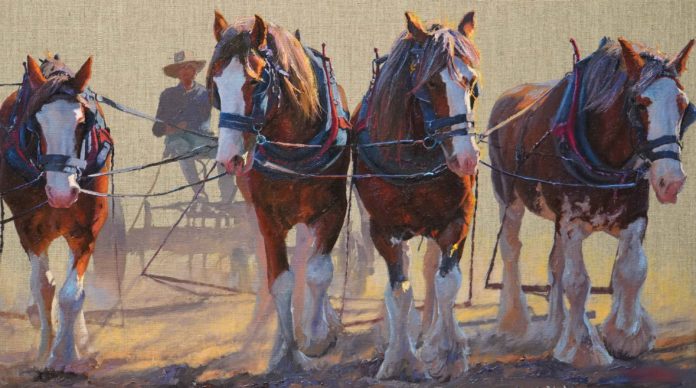
16x28 oil on linen
$3,500
The 50th National Exhibition Jubilee Celebration at Settlers West Galleries (Tucson, AZ) is now online.
Women Artists of the West: 50th Anniversary National Exhibit
March 25 – April 17, 2020 settlerswest.com
From the organizers:
Settlers West is proud to host the Women Artists of the West’s 50th National Juried Exhibition. All paintings and sculpture are available for purchase first come, first-serve online now; preview a selection here:
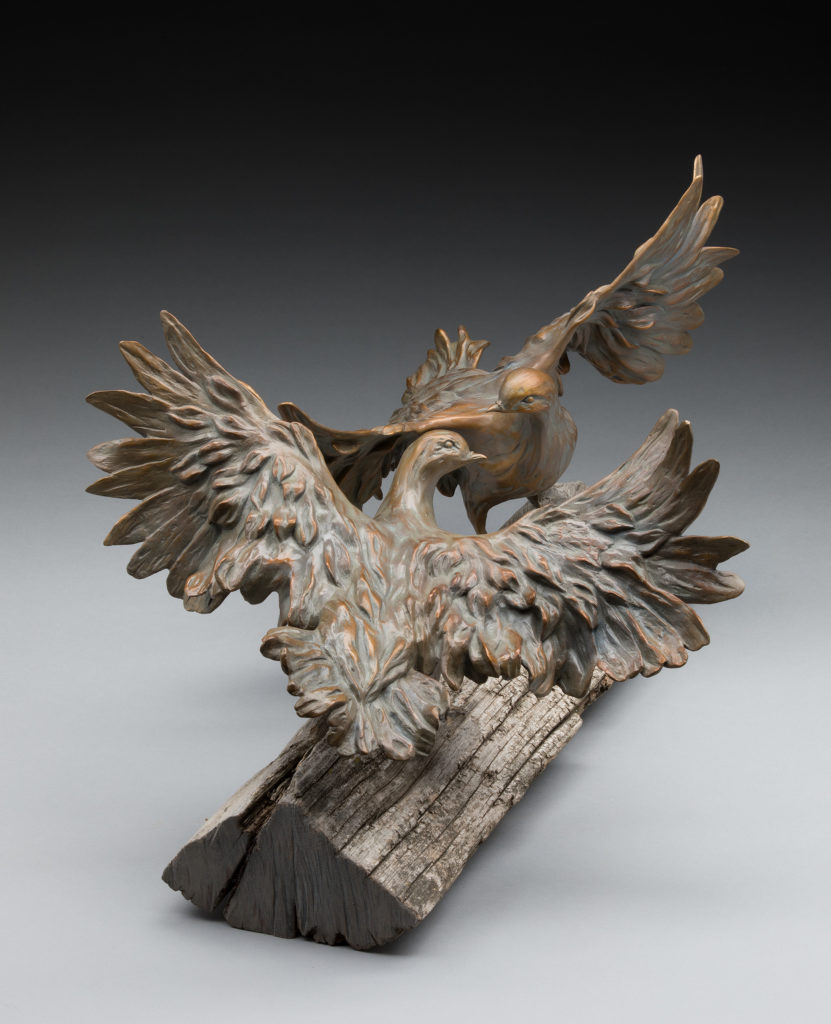
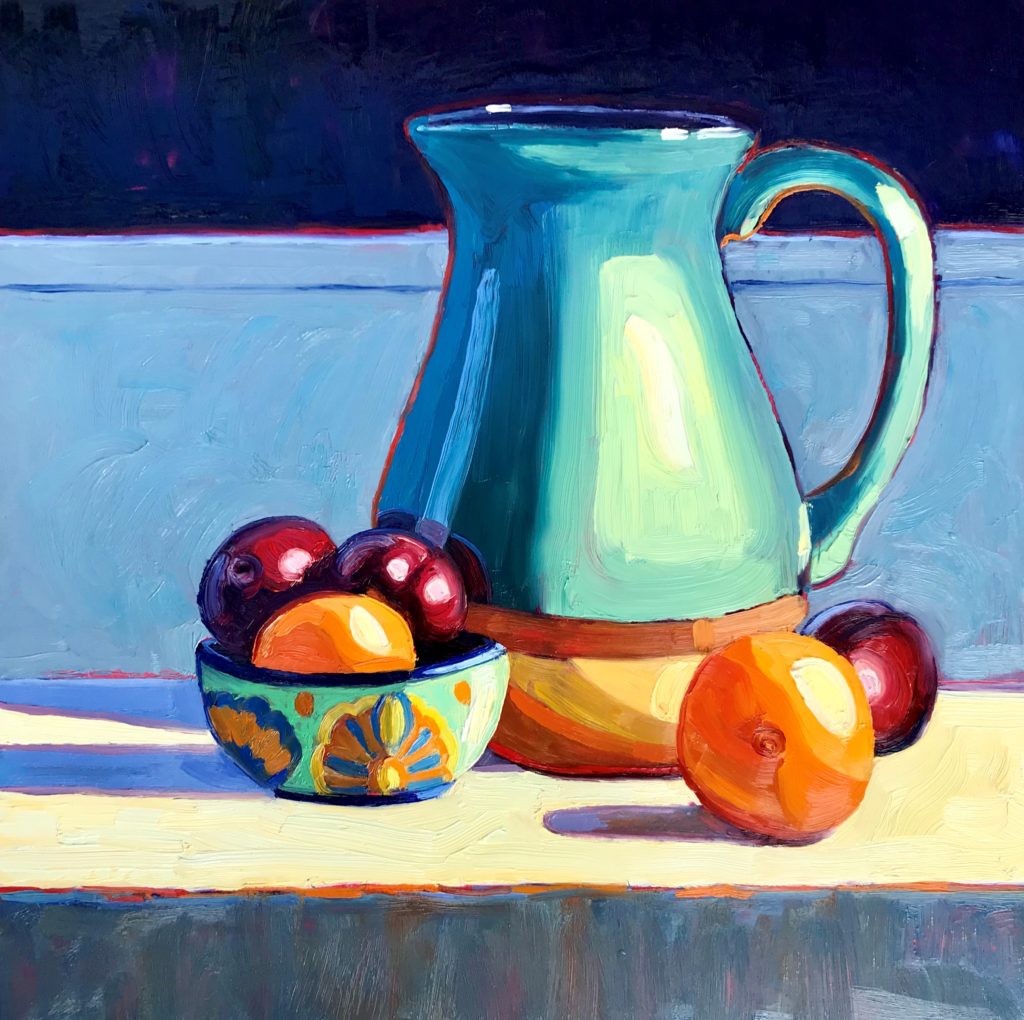
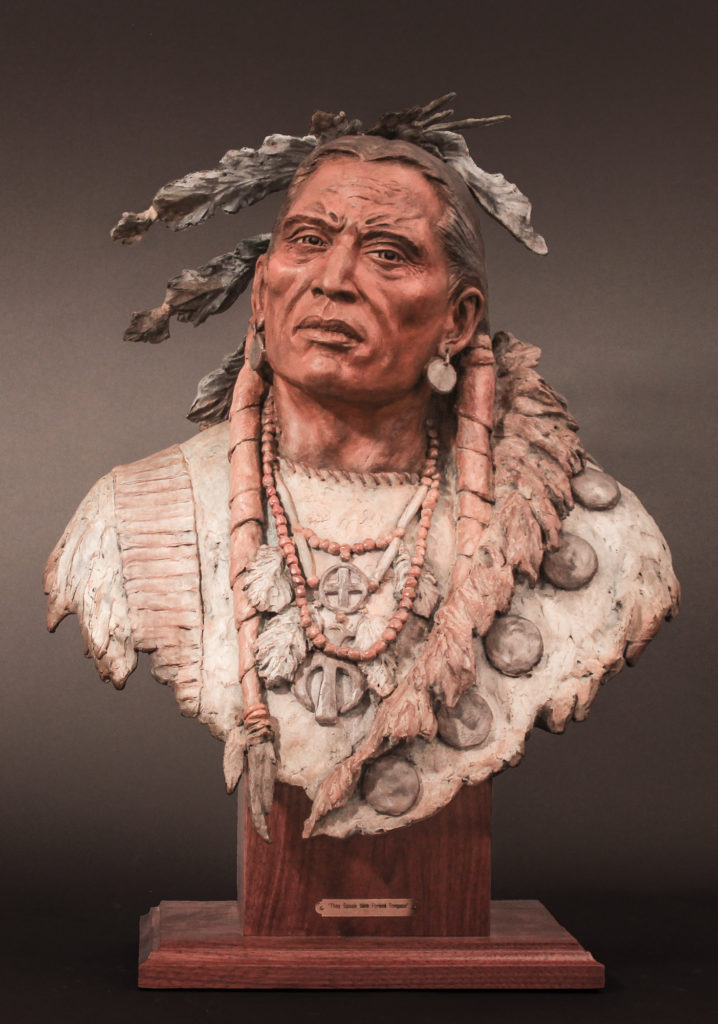
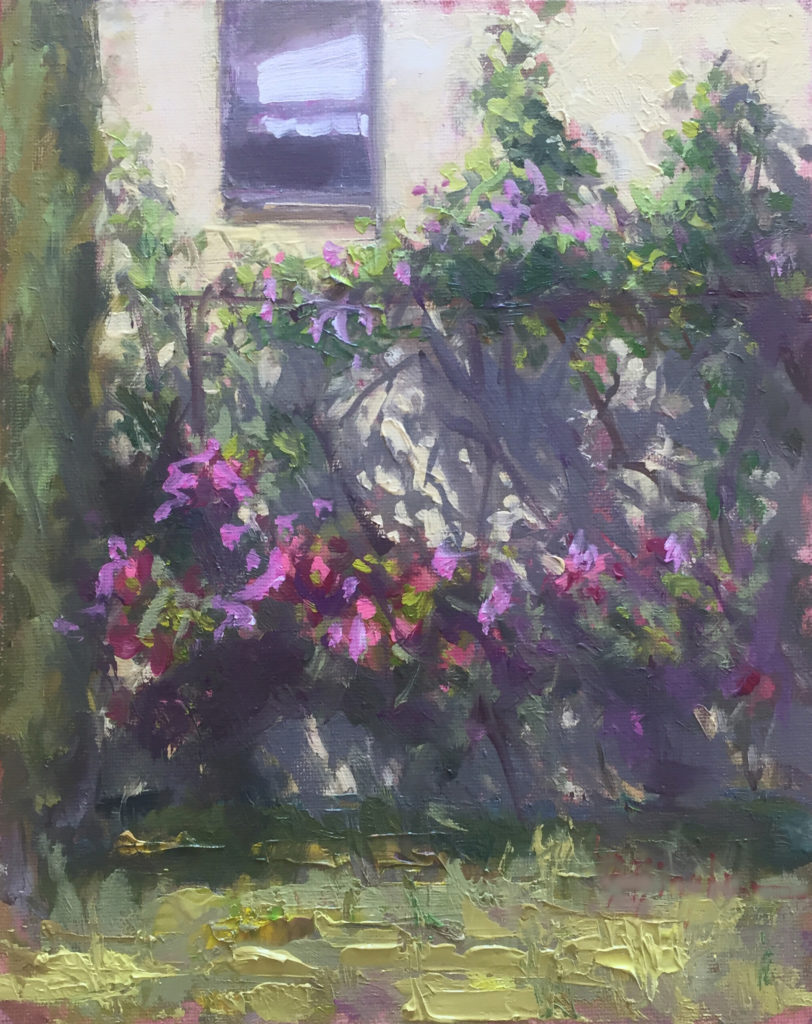
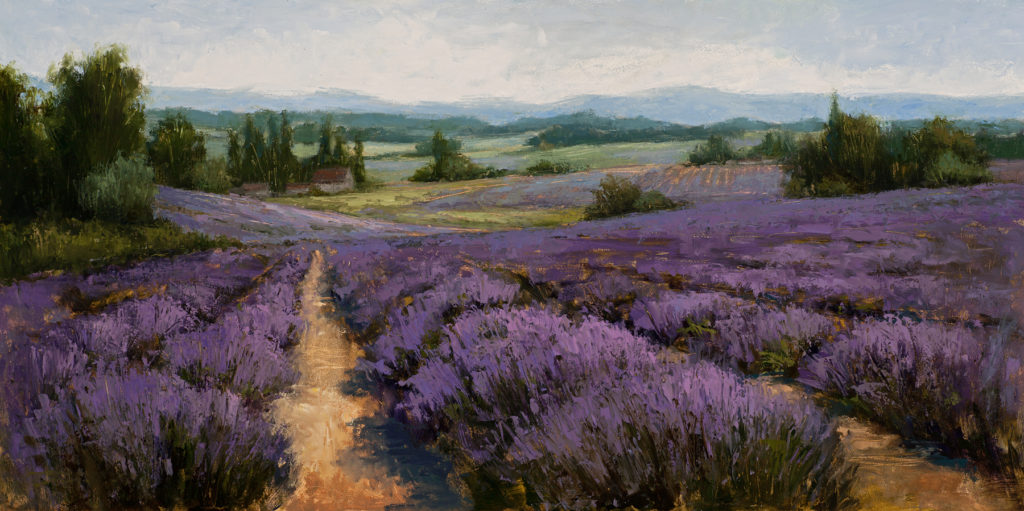
Paula Holtzclaw Creekside Oaks 30×24 oil on linen $6,200Georgene McGonagle Barnyard Follies 13Hx20Wx15.5D bronze & wood $3,500Dena Peterson Green Pitcher with Fruit 16×16 oil on panel $800H.R. Kaiser They Speak With Forked Tongues 25Hx18Wx11D bronze $7,700Bruce Bingham French Rose Shadows 8×10 oil on Linen $850Christine Drewyer In A Blaze of Glory 18×24 oil on linen $5,200Jane Hunt Lavender Fields 12×24 oil on panel $2,200
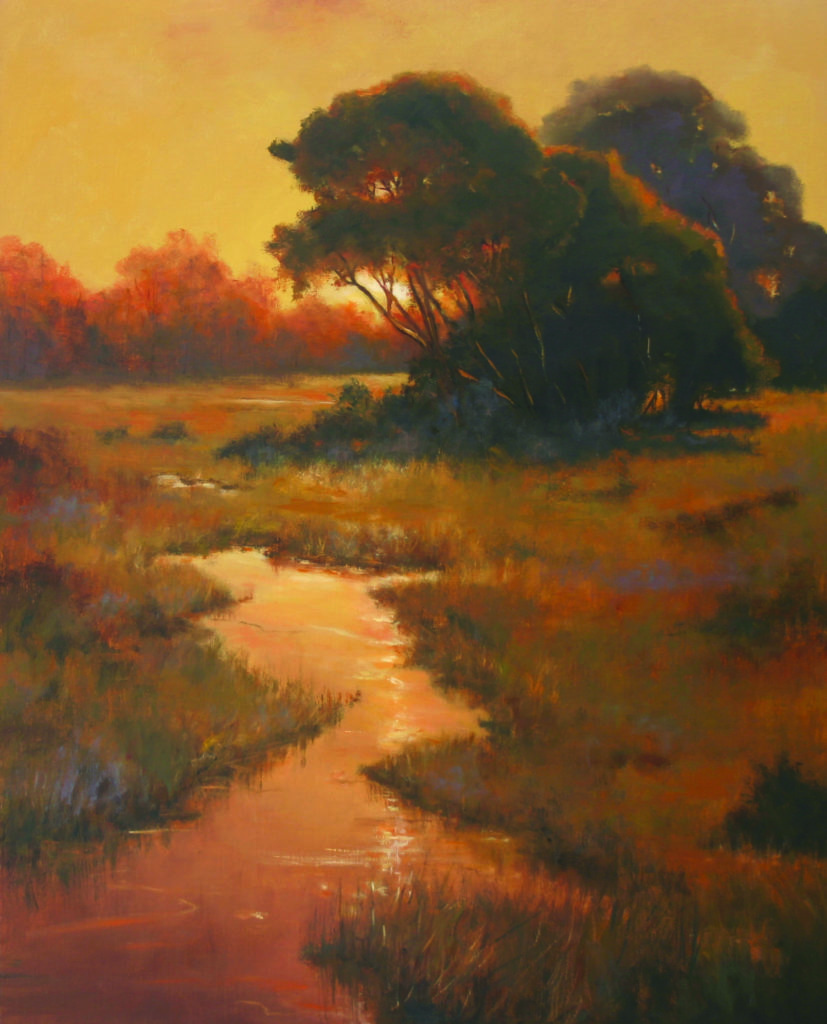
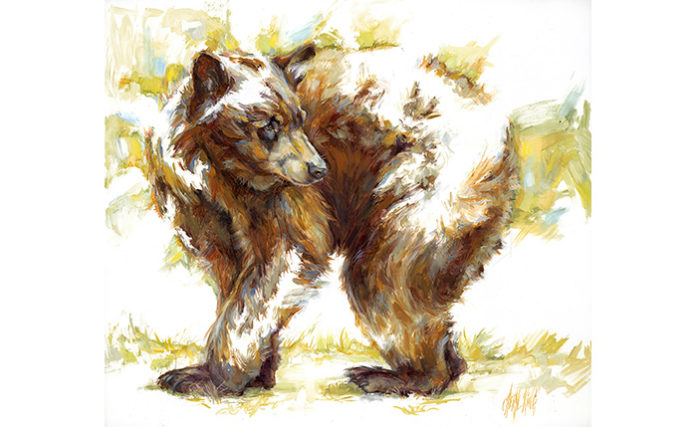
Shy Boy
24 x 27 in.
Oil on aluminum
$2900
Available through the artist or Shopify
Cheryl King has had a lifelong love affair with art and beasts. She grew up immersed in the wilds of the Pacific NW under the guidance of her Father, a twentieth-century mountain man who taught her a great reverence for Mother Nature and her creatures.
A working artist for 30 years, she honed her skills through personal training, workshops, and plenty of brush mileage. Fun loving, bold, honest and energetic are the qualities she endeavors to bring to her art.
She describes the turning point in her career as the month spent studying art in St. Petersburg, Russia, in the summer of 2006. She has painted nearly every subject from still life to figurative, but her true love of animals takes precedence, and this is what she currently devotes her easel time to. Her constant goal is to create images of animals not as beasts but as living, loving, intelligent beings with a full spectrum of emotion.
She’s become increasingly concerned about the dire state of our natural world and how it affects wild creatures. Her current body of work is a reflection upon this sad situation; of how habitats are disappearing, and the wild denizens fade along with them. She refers to them as “Vanishing Nations.”
Cheryl recently launched a clothing line and accessories to help bring attention to the creatures of the world. A portion of each sale will be donated to World Wildlife Fund. High quality clothing that is both fashionable and travel friendly! Her designs can be purchased on Cheryl-King-Studios.myshopify.com.
Cheryl participates in the Out West Art Show every March in Great Falls, Montana, and has gained prominence for her unique style and presentation. She is represented by Going to the Sun Gallery in Whitefish, Montana, and Matheson & Grove in Penticton, Canada. Her work hangs in residences from Australia to Europe, Canada and the USA.
She is a member of Women Artists of the West and the American Impressionist Society as well as Founder and President of the Washington Art Gang. Cheryl resides in Shoreline, Washington, with her husband David and her faithful Boykin Spaniel, Nugget.
To see more of Cheryl’s work, visit her website now.
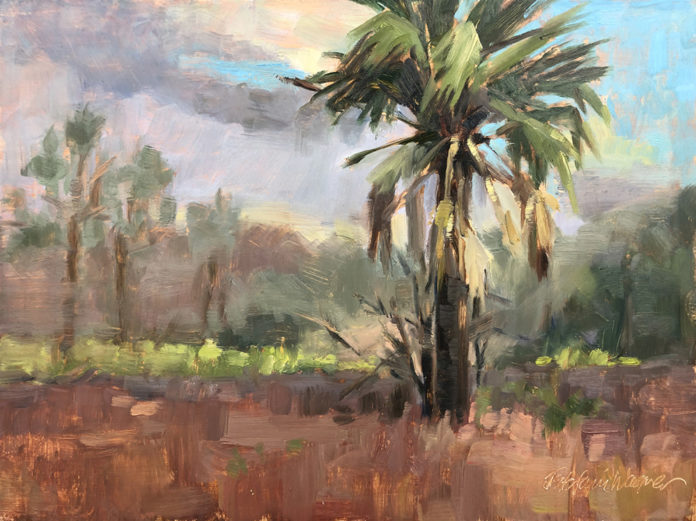
Palm Solo
9 x 12 in.
oil on linen panel
$650
Available from the artist
“Whether painting landscapes, interiors or figures, my primary focus is always the ‘light’ and how it affects the subject I’m trying to capture. Working in pastel and oil, I approach my paintings as a sculptor would, carving out nuances of highlight and shadow.
“An avid plein air artist, I’m inspired by the American landscape and that of my beloved Italy. I find my greatest joy painting on location, taking in the atmosphere, temperature, sounds and smells, as well as the view. I participate in national plein air festivals, traveling throughout the country to capture the uniqueness of each venue. During the cold Michigan winters, I work in my studio creating larger pieces…but always, always chasing the light.”
Jill Stefani Wagner’s artwork has been exhibited in solo and group exhibitions throughout the country and is included in many corporate and private collections. Her paintings have been juried into prestigious national oil and pastel exhibits and have been honored with multiple awards.
One of Jill’s paintings graced the cover of PleinAir Magazine, and her work is often featured in their pages. Fine Art Connoisseur Magazine has highlighted her work as has Pastel Journal and the best-selling French magazine, Practique des Arts. Wagner has been invited Pastel Faculty at the Plein Air Convention for four years and also enjoys teaching workshops and mentoring other artists.
She has been designated a Master Pastelist by the Pastel Society of America and Master Circle in the International Association of Pastel Societies, and also belongs to American Impressionist Society, Oil Painters of America, the Great Lakes Pastel Society and the Degas Pastel Society. Her work is represented by four fine art galleries in the Midwest.
Jill Stefani Wagner received a B.F.A. from The University of Michigan School of Art. She owned an award-winning advertising firm in Ann Arbor, Michigan, before “seeing the light” and becoming a full-time artist.
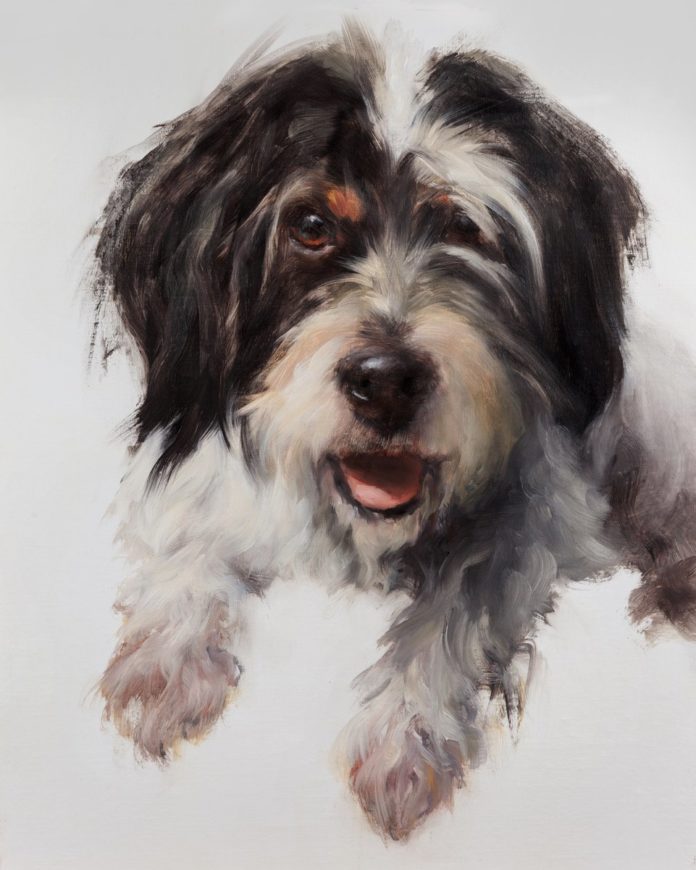
By Johanne Mangi, featured in "The Fine Art of Painting Dog Portraits."
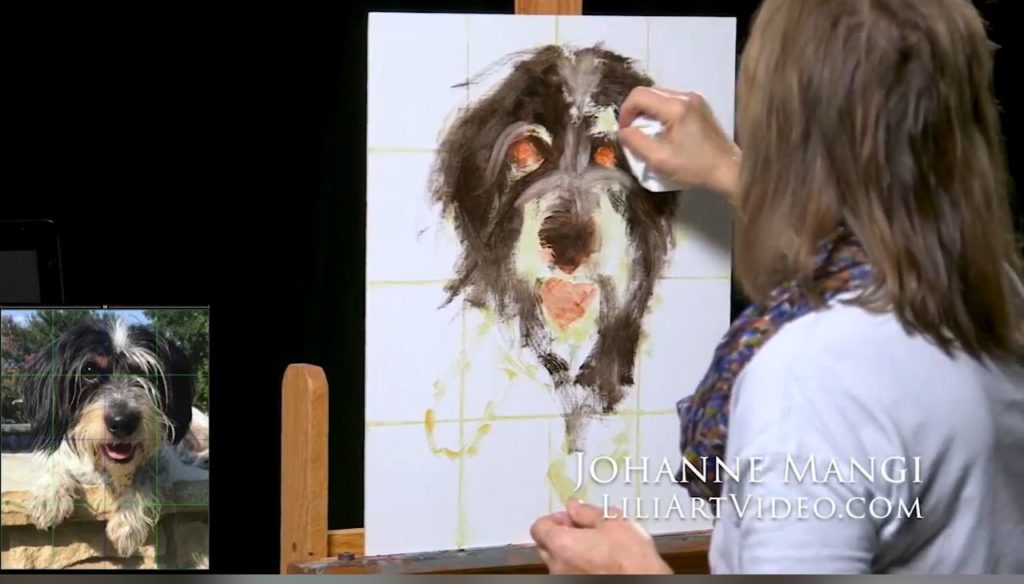
A word from one of our sponsors … Today, we’re traveling into the minds of great artists to discover how they rose to a level of unsurpassed mastery in “The Fine Art of Painting Dog Portraits” with Johanne Mangi.
Have you ever loved a dog so much that you just had to paint it? Well now you can!
In today’s video broadcast, you’ll see the amazing Johanne Mangi bring beautiful dogs to her canvas.
The image shown is “Sam, the Wonder Dog” whose owner is our very own Ali Cruickshank, whom many of you have gotten to know at our live events.
Whether you’re capturing your own beloved pet or creating a painting for someone else, Johanne is going to show you how to paint dog portraits so the piece becomes a treasured heirloom for a family. Don’t miss today’s broadcast if you want to create high-quality dog portraits!
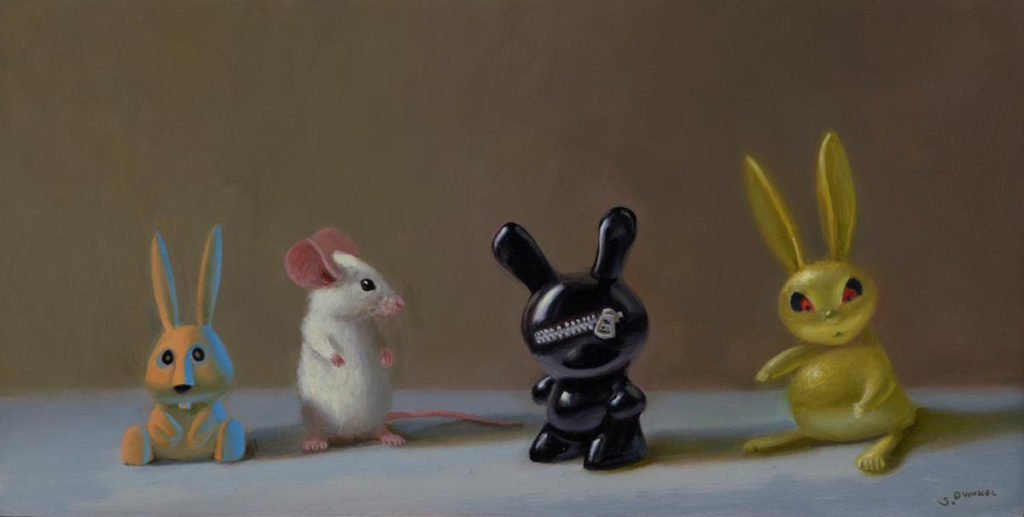
On April 6, 2020, Rehs Contemporary will unveil a digital exhibition of still life paintings and more, A|MUS|E, featuring new works from contemporary artist Stuart Dunkel. Dunkel, who has seen rapid success in the last few years, has compiled more than 40 original paintings for this project – the largest number of available works in one venue by the artist.
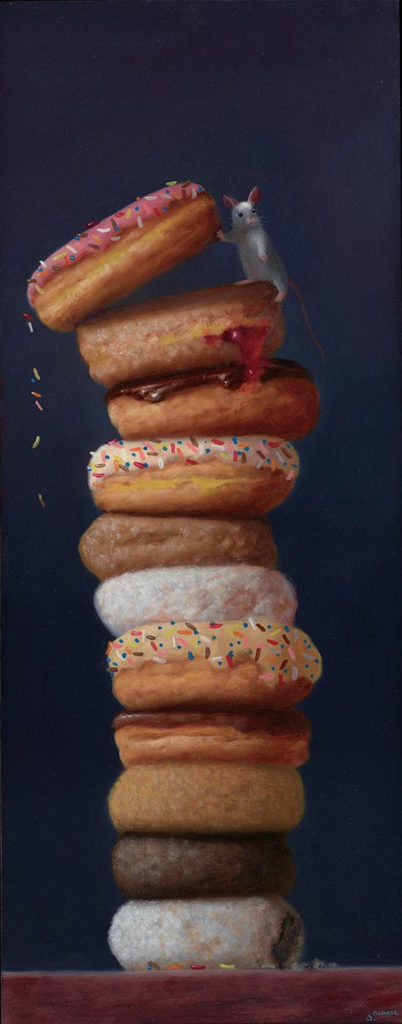
Trouble Maker, Oil on panel, 8 x 20 inches, Signed
More from the gallery:
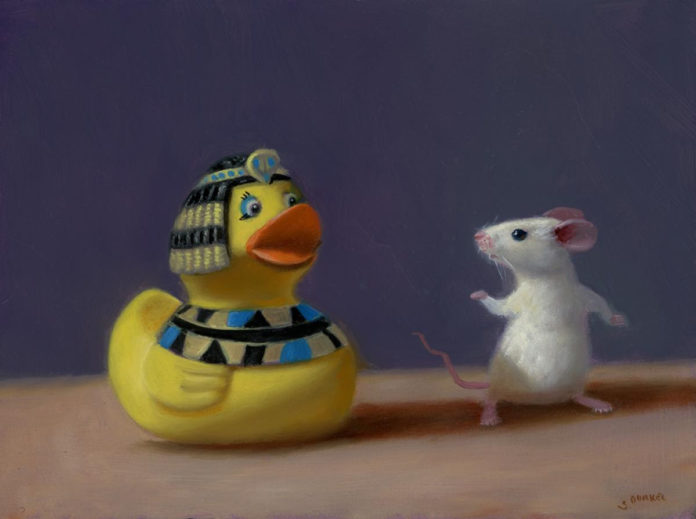
Stuart Dunkel’s subject matter ranges widely – his works can be classified as still life, landscapes, or even genre paintings – but one quirky characteristic is consistent throughout… the presence of a little white mouse named Chuckie; his Muse. A muse is most commonly thought of as the source of inspiration for a creative artist – for Dunkel, he thinks of it as more of a “magnificent obsession.” But it is not just about what he is painting, as the artist says, “there is rhythm and harmony; my life has been dedicated to the pursuit of beauty.”
Dunkel, a world renowned oboist, turned his full attention from music to painting in the mid-1990s. Early on, much of his work focused on rendering various animals… that was until he submitted a painting of a mouse to a local gallery, where it found a buyer. Ever since, the mouse, which is in the biological genus Mus, has become the iconic feature of Dunkel’s work.
The mouse that inhabits his work is clearly autobiographical, but it resonates universally, sharing emotional experiences that range from delight to fear – usually with a twist of humor as well. The seemingly non-stop adventure that Dunkel’s mouse is on, allows the artist to keep a fresh sense to his compositions by developing endless narratives, all in an attempt to amuse his viewers.
As Dunkel puts it, “Chuckie is a problem solver. He meets life events with a goofy, glass half full attitude; and when the situation turns serious, he often glances out at the viewer in futility and disbelief. The true nature of my paintings is to reflect our human emotions through expression – those of being sad, mad, glad, scared and everything in between.”
Family Portrait: Rabbit Oil on panel 6 x 12 inches Signed
Along Dunkel’s many explorations, his little white mouse routinely crosses paths with an assortment of entertaining and odd characters; or stumbles into a kitchen and its enticing offerings; or is merely having some fun. Dunkel’s work has a way of connecting with viewers, oftentimes resulting in someone feeling as if the work was made uniquely for them. The artist takes a rather simple approach in showing us what he believes art should be – something amusing, beautiful and relatable.
A|MUS|E will remain on digital display on the Rehs Contemporary Galleries website April 6-30. Check the website regularly for updates on in-person viewings by appointment.
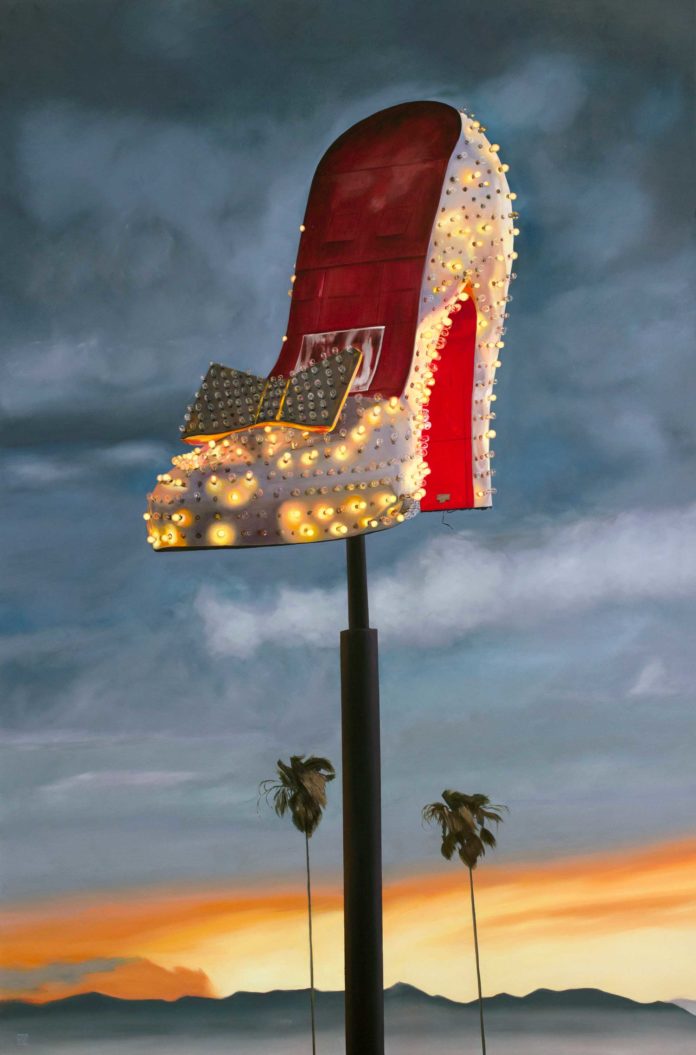
LAUREN SZABO (b. 1988), The Glass Slipper, 2017, oil on canvas, 72 x 48 in., SFMoMA Artists Gallery (San Francisco)
The Contemporary Oil Paintings of Lauren Szabo There is a lot of superb art being made these days; this article by Allison Malafronte shines light a gifted individual.
If you happen upon a 50-foot-high bejeweled glass slipper with flashing lights perched atop a pole in the desert, you are either in Las Vegas or you are looking at a painting by LAUREN SZABO (b. 1988). There is no pun intended, however, in this San Francisco-area-based artist’s work. She paints pictures such as The Glass Slipper to hold a mirror up to pressing trends and truths related to man’s effect on the environment and the future of society.
“Currently, we are facing big questions and concerns with the commercialization and commodification of nature, and we are confronting the power struggle between civilization and nature,” the artist says. “Where is the boundary?” In “The Glass Slipper,” Szabo creates a visual for these blurred lines by juxtaposing the absurdity of a commercial statue against the beautiful backdrop of nature. The painting, of course, is metaphorical. The fact that the metal-and-glass slipper stands high above the palm trees suggests that, in this environment especially, the man-made has been elevated above the natural.
With her background in illustration — she earned a B.F.A. in illustration from the California College of the Arts and completed an M.F.A. in painting at the San Franisco Art Institute — Szabo was a natural candidate for using image-making to send a message. She quickly learned in school that the mentors and fellow artists she admired most were those using their talent to make social, economic, political, and environmental commentaries and to help incite change.
Today, she is part of an emerging movement of artists doing precisely that. “I am an advocate for skill-based representational painting that addresses current issues in American culture and beyond,” Szabo says. “I am part of a generation that shares a collective consciousness of re-evaluating the way humans interact with the environment and one another as our hybrid landscape progresses.”
Additional Contemporary Oil Paintings:
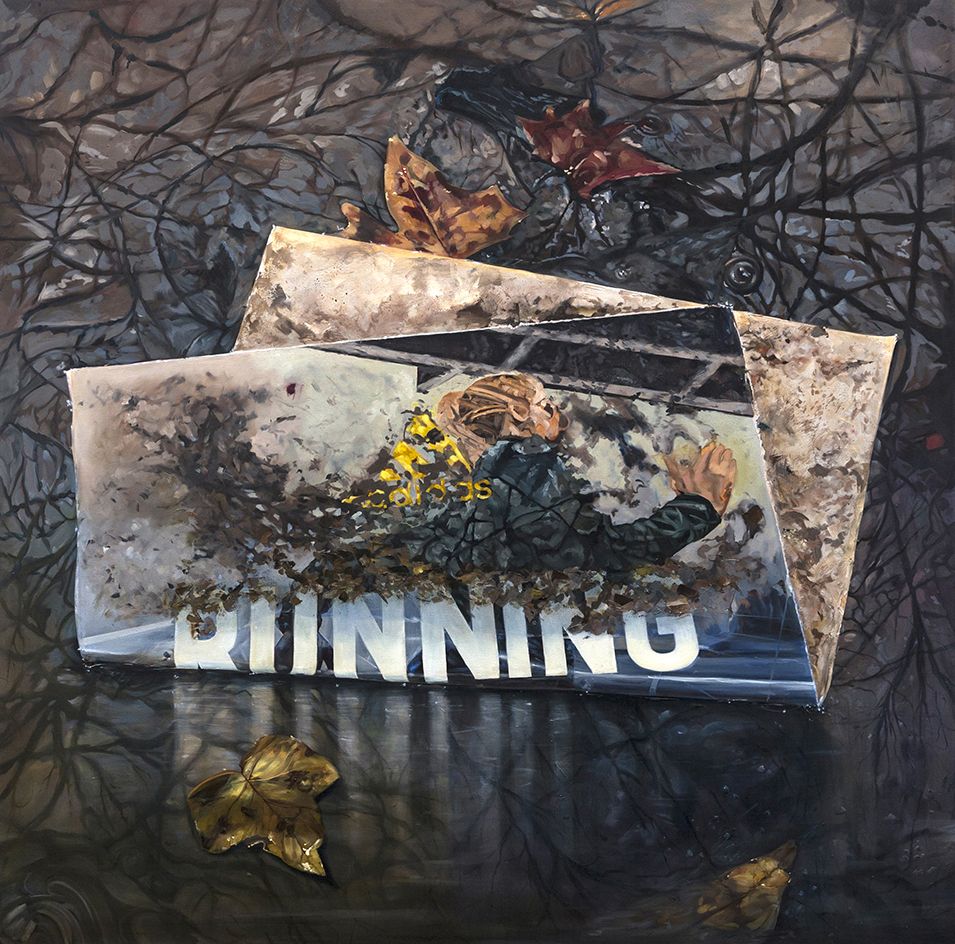
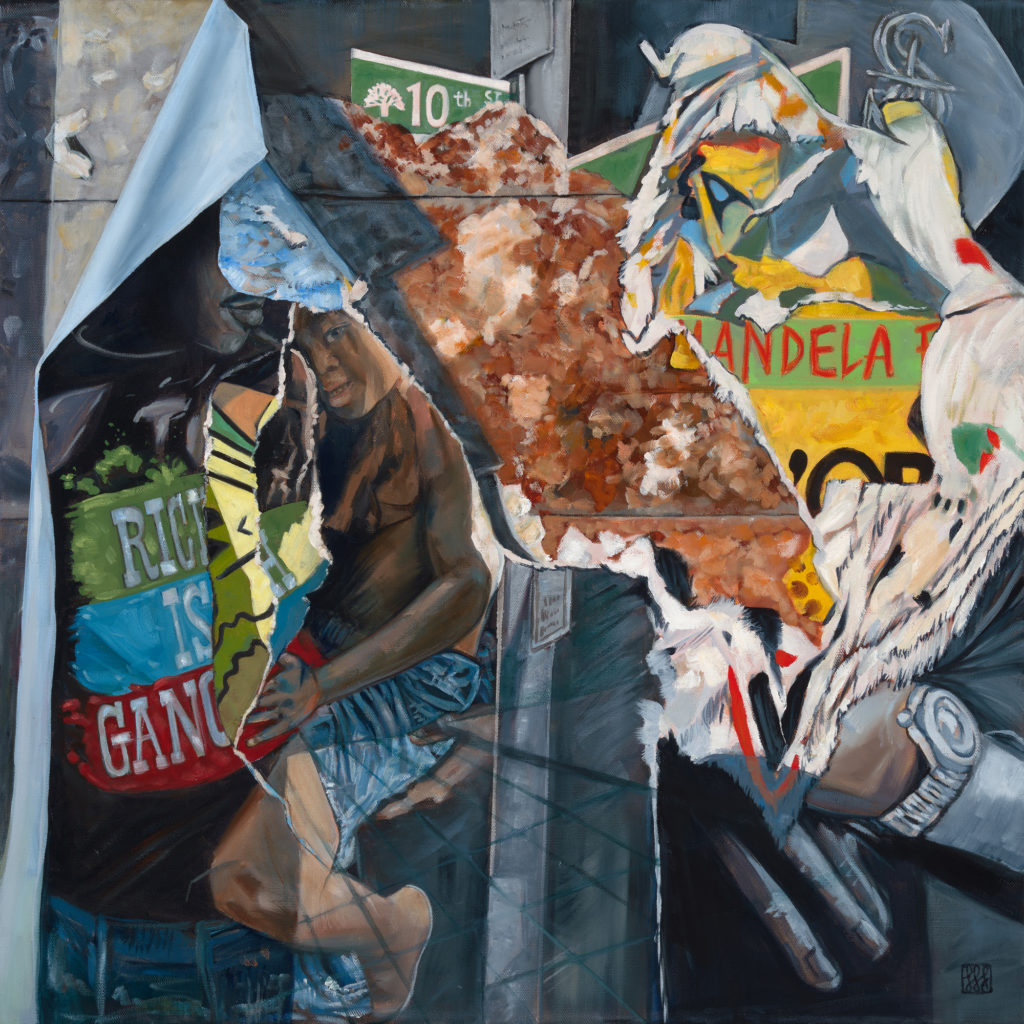
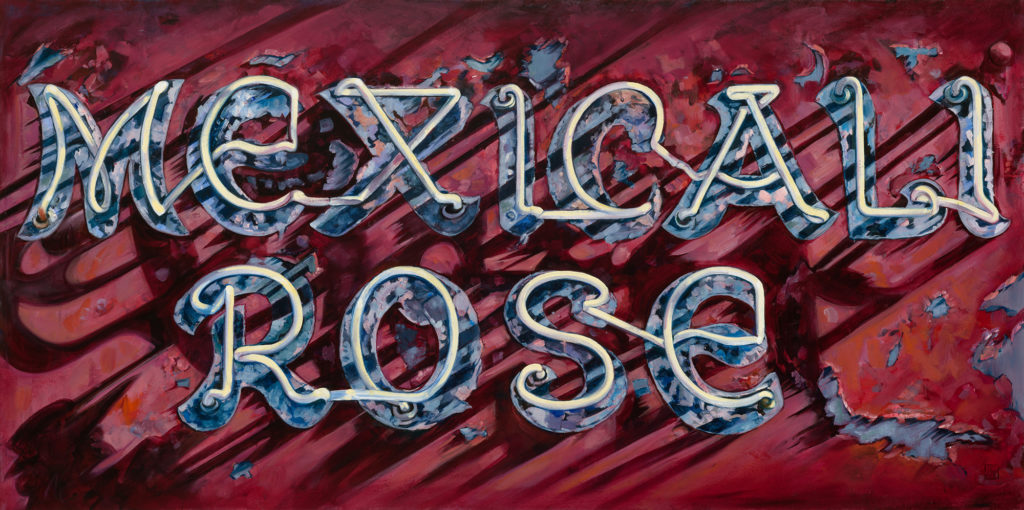
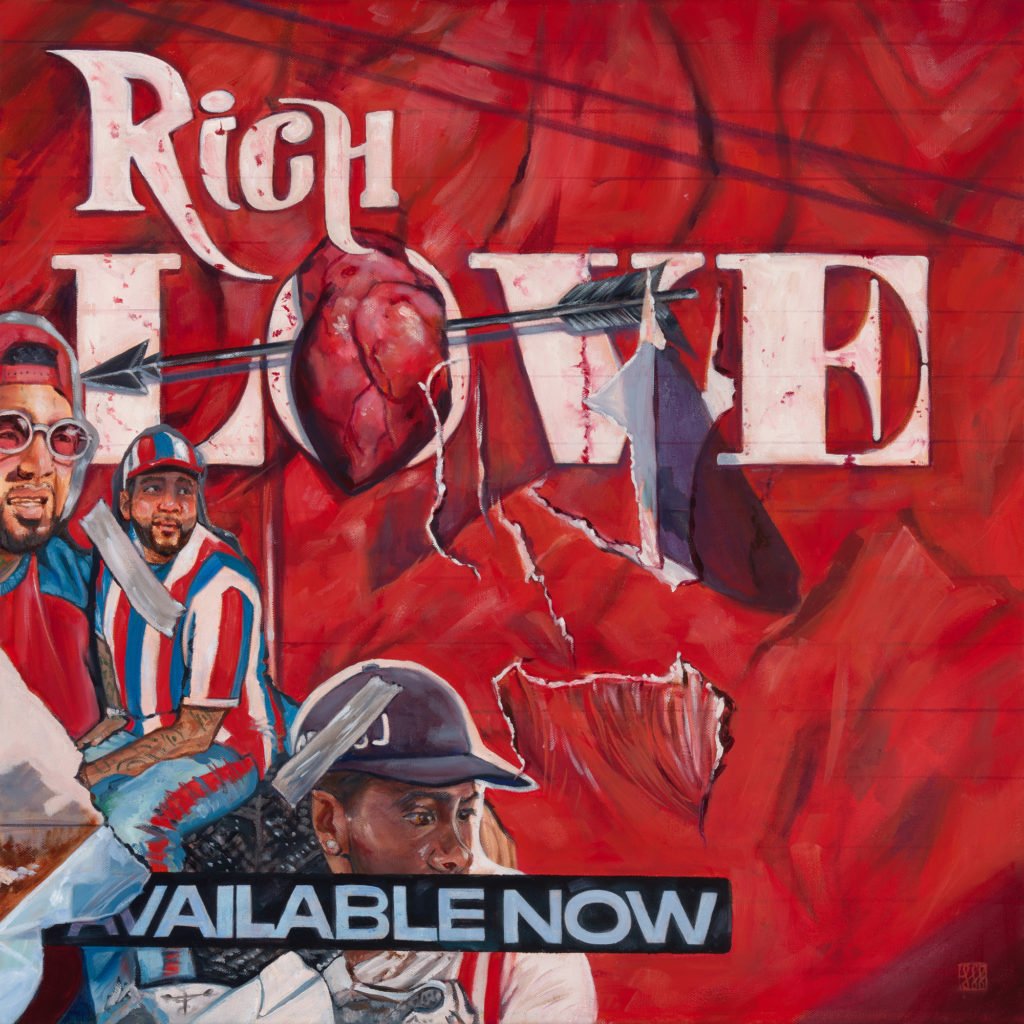
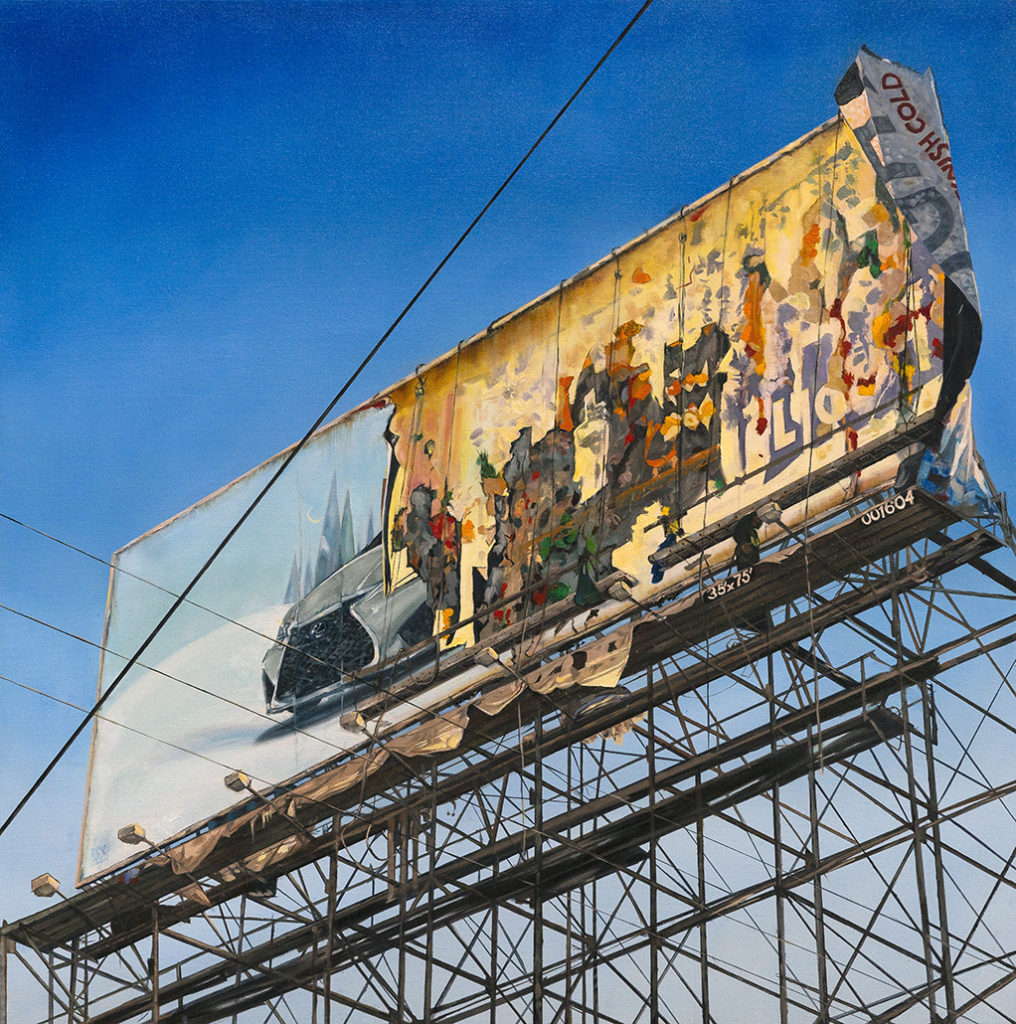
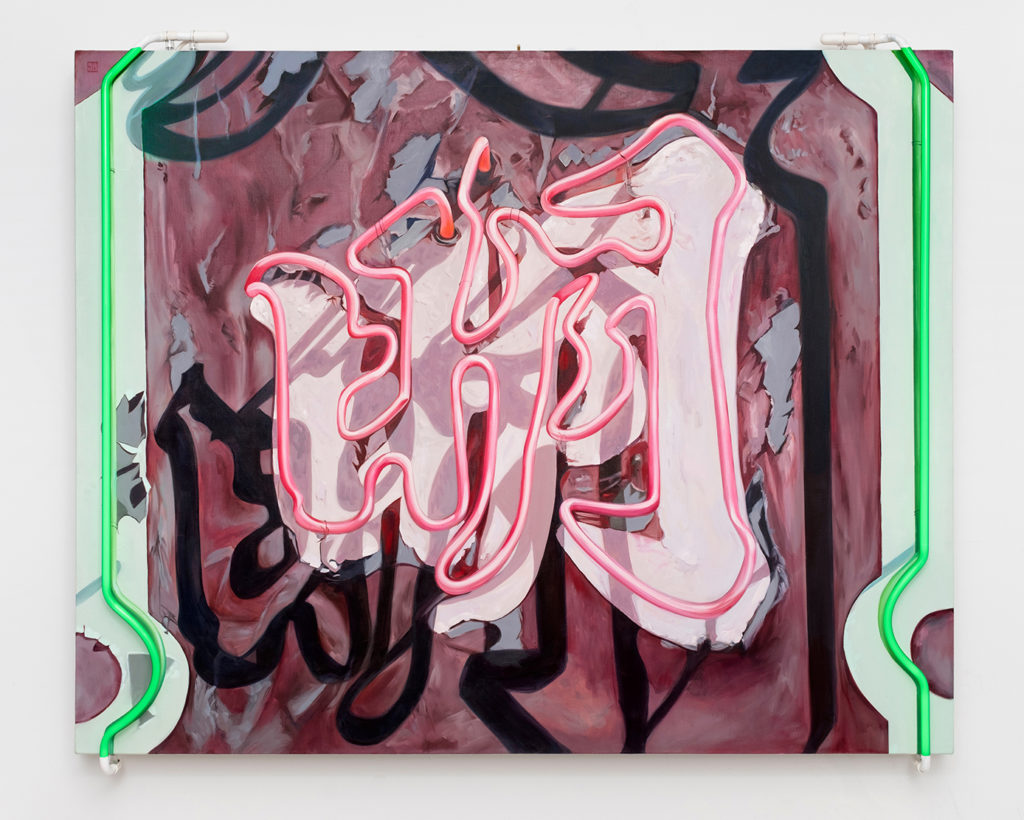
Berlin oil on canvas 76 x 76.5 inches available from the artistTapestry oil on canvas 24 x 24 inches available through SFMOMA Artists GalleryMexicali Rose oil on canvas 24 x 48 inches available from the artistManifest oil on canvas 24 x 24 inches available through Transmission GalleryJoy to Your World oil on canvas 36 x 36 inches available from the artistMing (Fragment No.4) oil on canvas and neon 60 x 50 inches available from the artistHabitat (…in the Headlights) oil on canvas 24 x 24 inches available from the artist
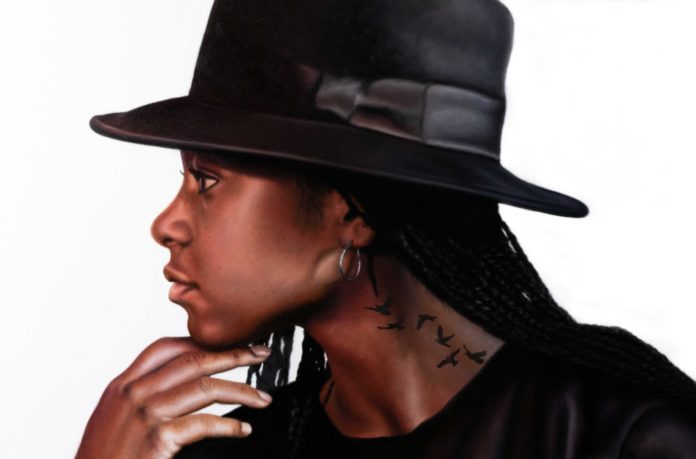
O’Neil Scott “Freethinker” Oil on Panel, 30 x 24 in
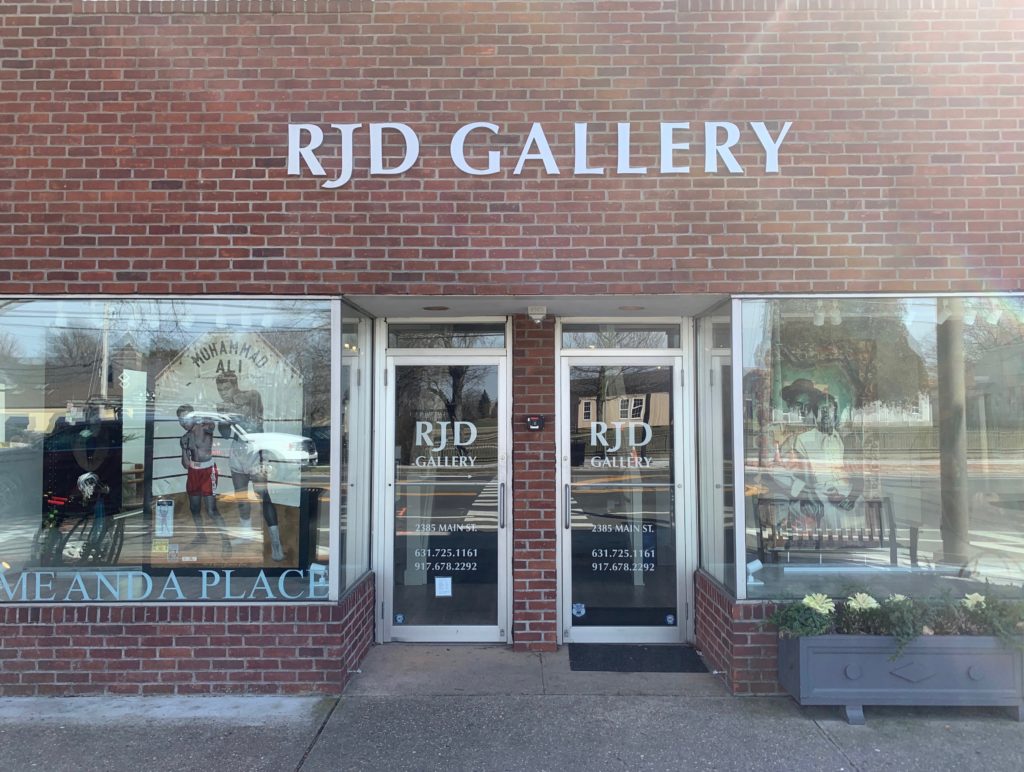
Contemporary Art Galleries > In this new “Gallery Spotlight” series, we’ll be featuring art galleries that are continuing to keep their doors open – in at least a virtual sense, that is. This week’s spotlight is on RJD Gallery in Bridgehampton, New York. RJD Gallery’s focus is on narrative realism, photorealistic portraiture, surrealism and figurative art.
Contemporary Art Galleries: Spotlight on RJD Gallery
Cherie Dawn Haas: It’s no secret that things, due to the coronavirus, have changed dramatically within the past couple of weeks. What adjustments have you made as a gallery since the outbreak? RJD Gallery: We’re very fortunate as we have a strong marketing plan, a loyal following, as well as the RJD website, Artsy, and numerous printed opportunities. Between 75-80% of our sales are online, and we’ve made the necessary changes required in New York to work remotely and still respond to collectors in a timely fashion. Additionally, we’ve started to create a unique series of videos to share with our collector base with virtual shows and commentary available for viewing every month.
Tony Armendariz “Mr. Soul” Watercolor, 21 x 26 in
What’s your biggest priority at this time? Over the next year?
Our biggest priority is to try and safeguard from COVID-19. We are adhering to federal, state and local guidelines, and have temporarily closed the gallery to visitors and employees. However we are still working effectively to let our collectors know that we are still here and that we are working towards 2021 with art openings and museum exhibition dates.
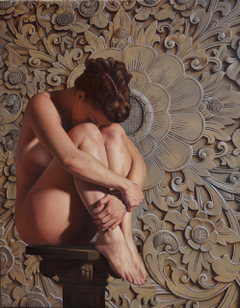
Anne Marie Zanetti “Unfurling” Oil on Canvas, 29.9 x 23.6 in
What advice do you have for collectors as they navigate these times, and beyond?
It’s a wonderful time to enjoy art from the comfort of your home. One can purchase art and do research safely and enjoyably at home for new artists, purchase art at better prices to add to your collection, and grasp the daily pleasure of your viewing it as an integral part of your life at home.
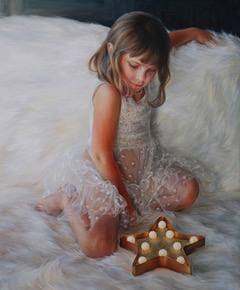
Marianna Foster “My Very Own Star” Oil on Canvas, 30 x 24 in
Anything else you’d like to add about the current issues art galleries are navigating?
The current situation surrounding Coronavirus leaves everyone – individuals and businesses – with the big question of “when will things return to normal?” We all have to do what we can to stay healthy, and support one another. Things will eventually return to normal but we can maintain our businesses by keeping in touch with our customer base and the public.
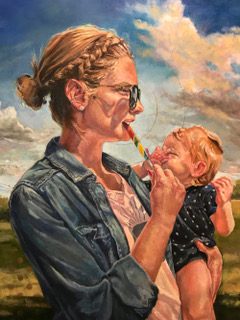
Jennifer Hartzler “Untitled” Oil on Canvas, 24 x 30 in
Aside from the current conditions we’re all facing, please share your advice for artists.
Focus on finding the most appropriate Gallery for your work, for its level of development, and creativity, price point, media, and market focus. Do not try to sell your work without a Gallery; every moment away from your brush, you stifle and misdirect your creativity, paint less, and certainly not as well. We do not paint; we plan and pursue a consistent costly marketing strategy – learned over many years – and speak or email with hundreds of people every week and make sure we are paid properly for art. Most of the artists we know crave and need their privacy and isolation and prefer painting to people or speaking. Many have lost money and been cheated by the predators out there, but with gallery representation, we eliminate them quickly and effectively and avoid any losses from their ever-changing schemes.
We have never not been paid, and our artists have always been paid through our efforts. One other example of why galleries matter and serve a purpose, is most artists do not carry insurance like we do. Worth noting: because of our insurance, we were able to pay all of our gallery artists full value on their artworks from a devastating fire in December of 2016.
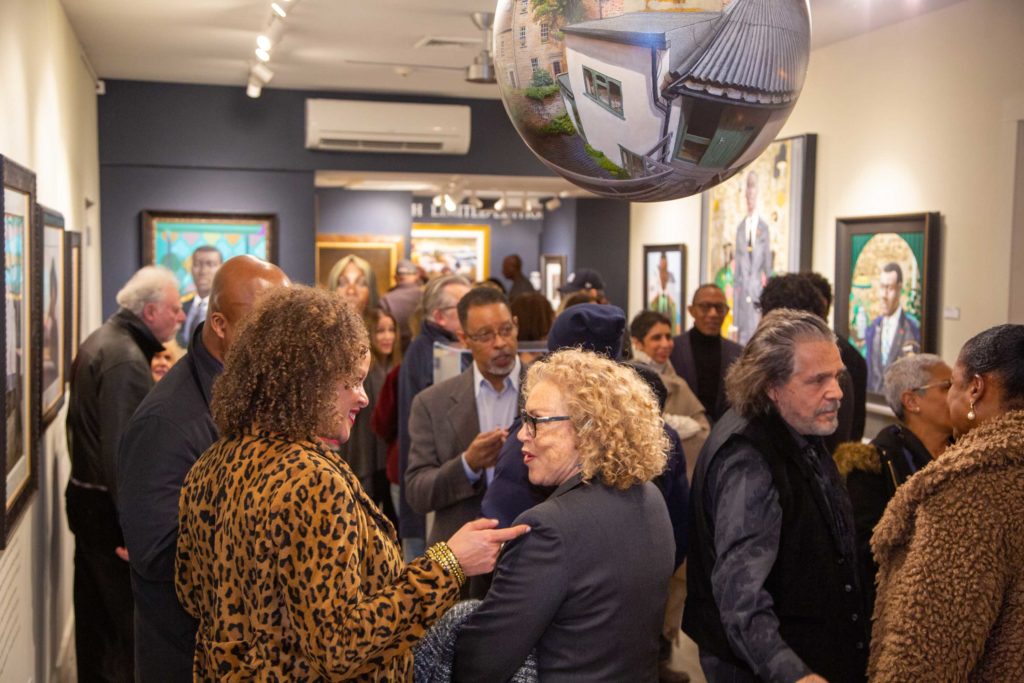
A scene from the opening reception for RJD Gallery’s last exhibition, “A Time and A Place: Layers of Black History” featuring Dean Mitchell.Margaret Minardi “Inner Light” Colored Pencil, 30 x 22 in
Regarding your exhibitions, do you have a current online show?
Here is our 2020 planned schedule (click here to download), which we will hang, and video for virtual exhibitions and comments until things improve.
Anything else you’d like to add?
Everyone should continue to work, maintain a routine, and understand that this current situation will pass. Stay connected to family, friends and clients; support those that are losing funding, like our non-profits. This is one reason we will continue with plans to host our next exhibition “Shades of Light,” as a virtual show, to benefit The Retreat, which we have done for 10 years. This juried art show had over 300 entries with 20 exceptional pieces chosen. Gallery proceeds from the art selected for this show will be donated to this important non-profit organization.
To learn about the contemporary artworks available at RJD Gallery, visit rjdgallery.com. Stay tuned as we continue to feature contemporary art galleries here.
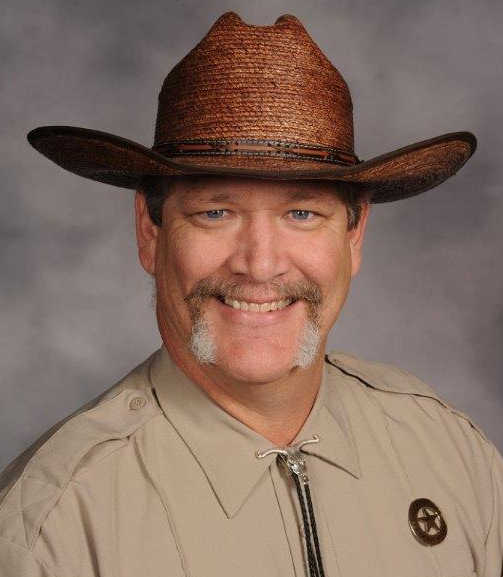
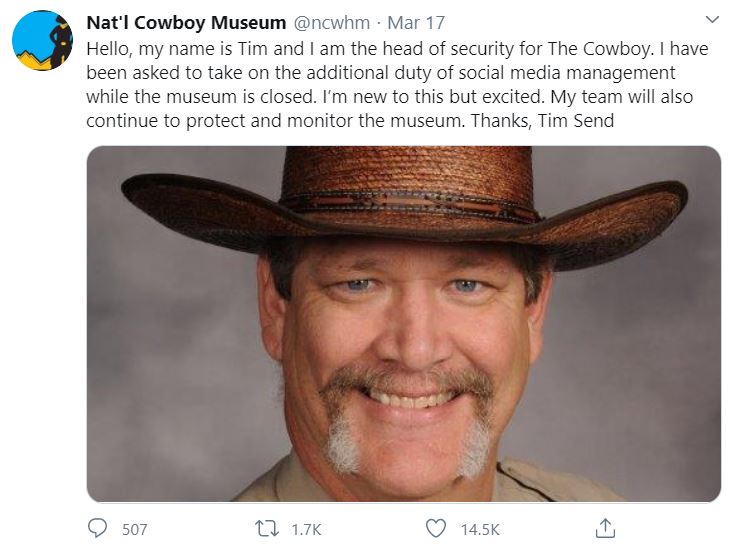
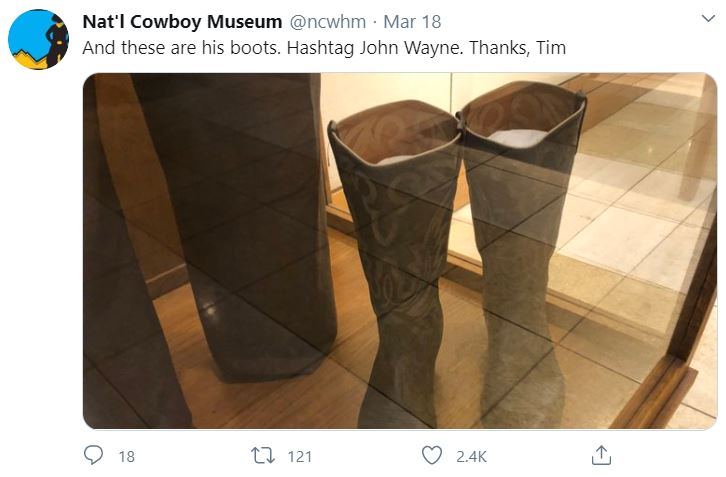
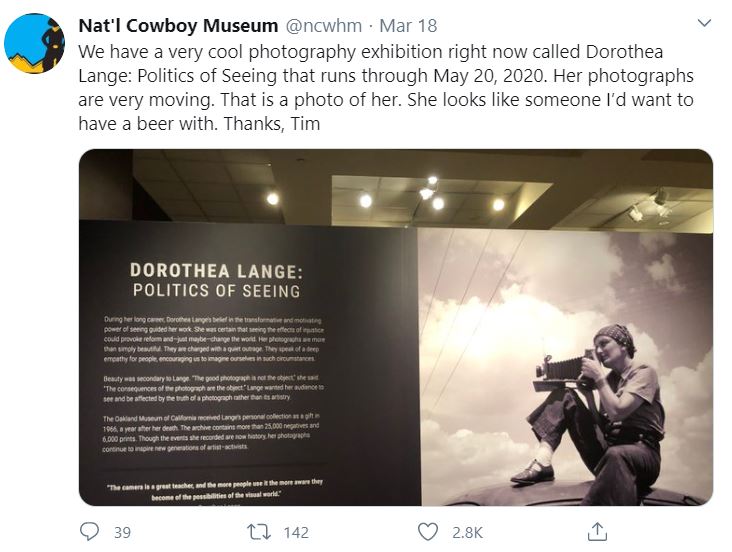
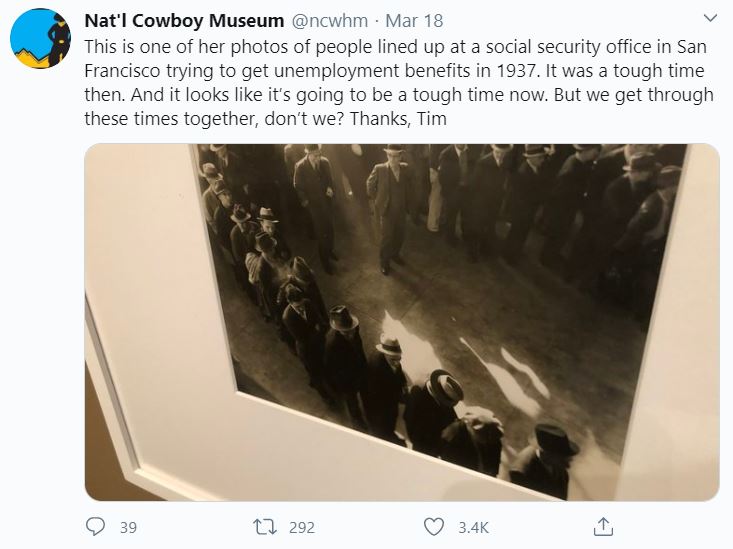
Tim Send, head of Security and Twitter for the National Cowboy Museum
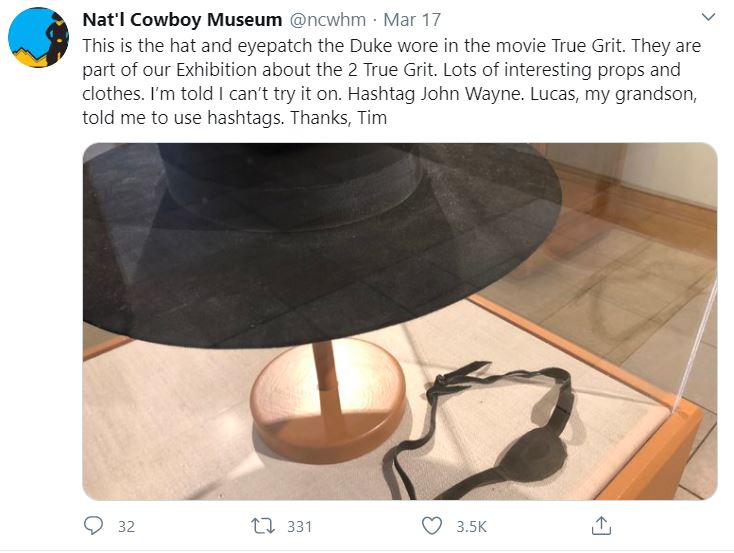
You’ve seen our coverage of the National Cowboy Museum here in Fine Art Today in the past – they hold esteemed events such as the Prix de West, and much more. In these unpredictable times, we’re sharing with you a different angle: with the temporary closing of the museum (due to the coronavirus), they’ve asked their Head of Security to take the reigns of social media as well. We’re so glad they did.
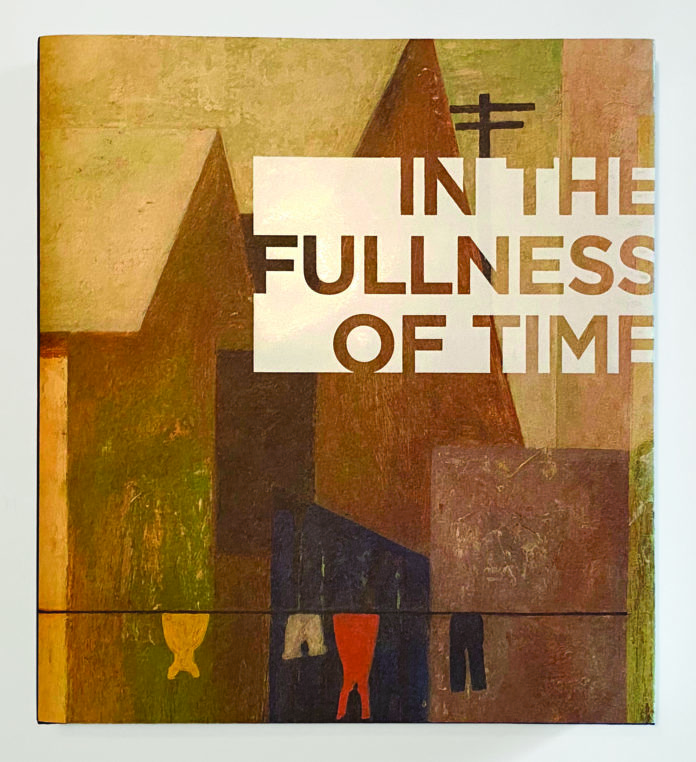
Books for art lovers > Groundbreaking research from the Burchfield Penney Art Center lives on in the 238-page book “In the Fullness of Time.”
The Burchfield Penney Art Center at SUNY Buffalo State recently mounted the exhibition “In the Fullness of Time: Painting in Buffalo 1832–1972.”
On view were 100 works by 86 historical and contemporary artists with ties to Buffalo and the Niagara region of western New York state. They included landscapes, still lifes, and portraits borrowed from private and public collections throughout the region.
Although the show has closed, its groundbreaking research lives on in the 238-page book that accompanied it. Each painting has been honored with a full-page illustration and thorough entry, and at the back of the volume are biographies of every artist.
Fill your mind with useful art stories, the latest trends, upcoming art shows, top artists, and more. Subscribe to Fine Art Today, from the publishers of Fine Art Connoisseur magazine.