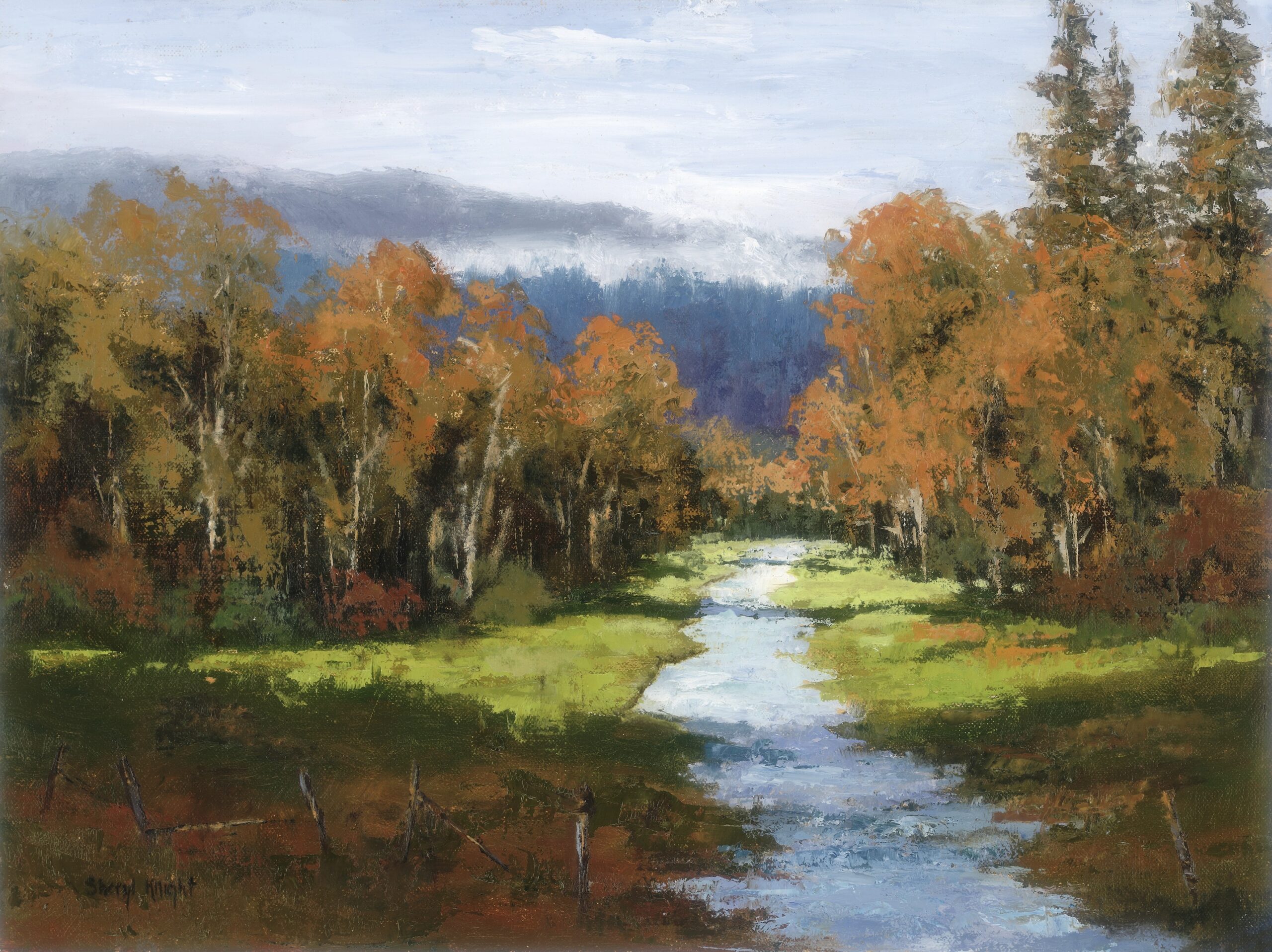
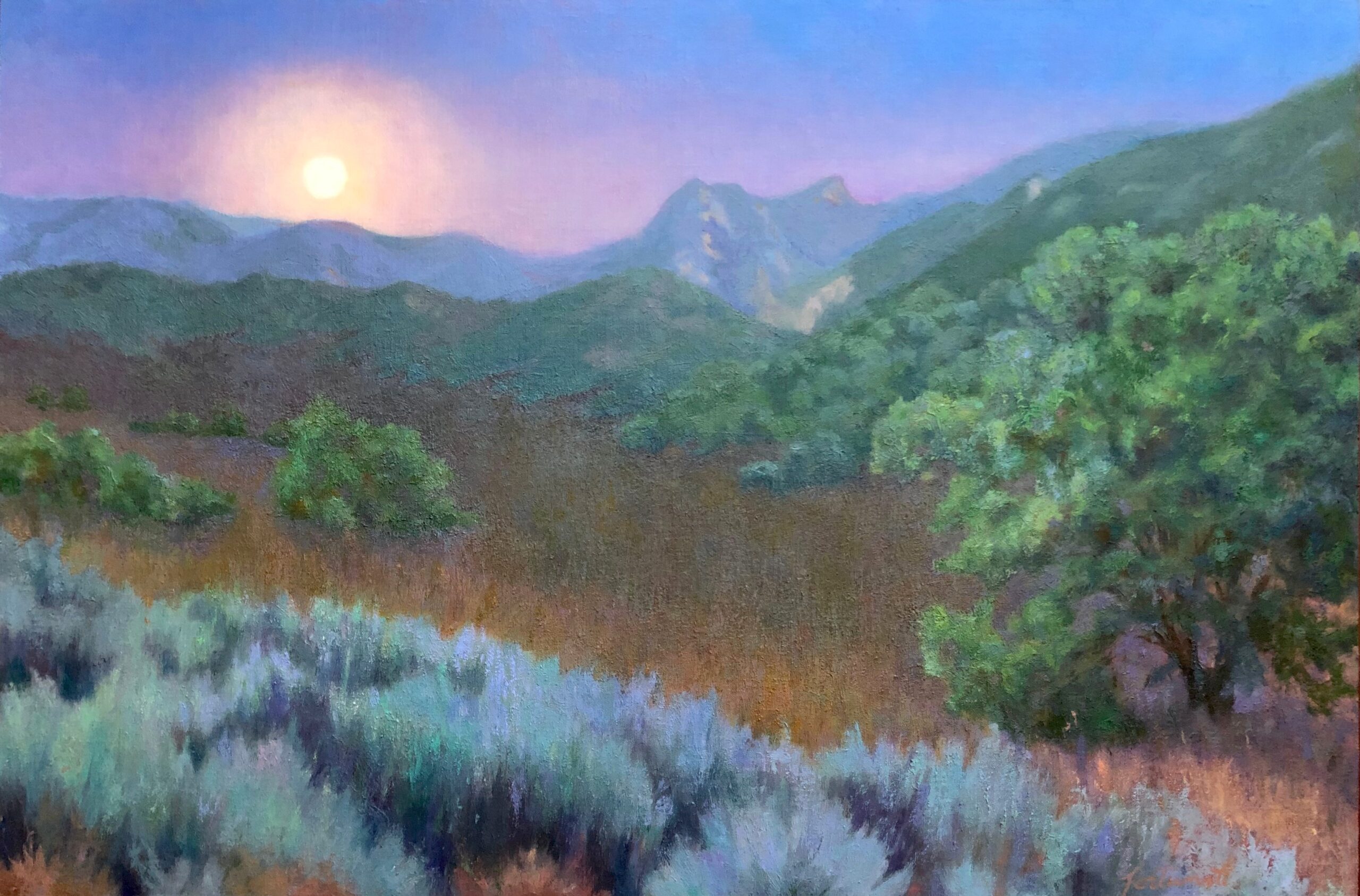
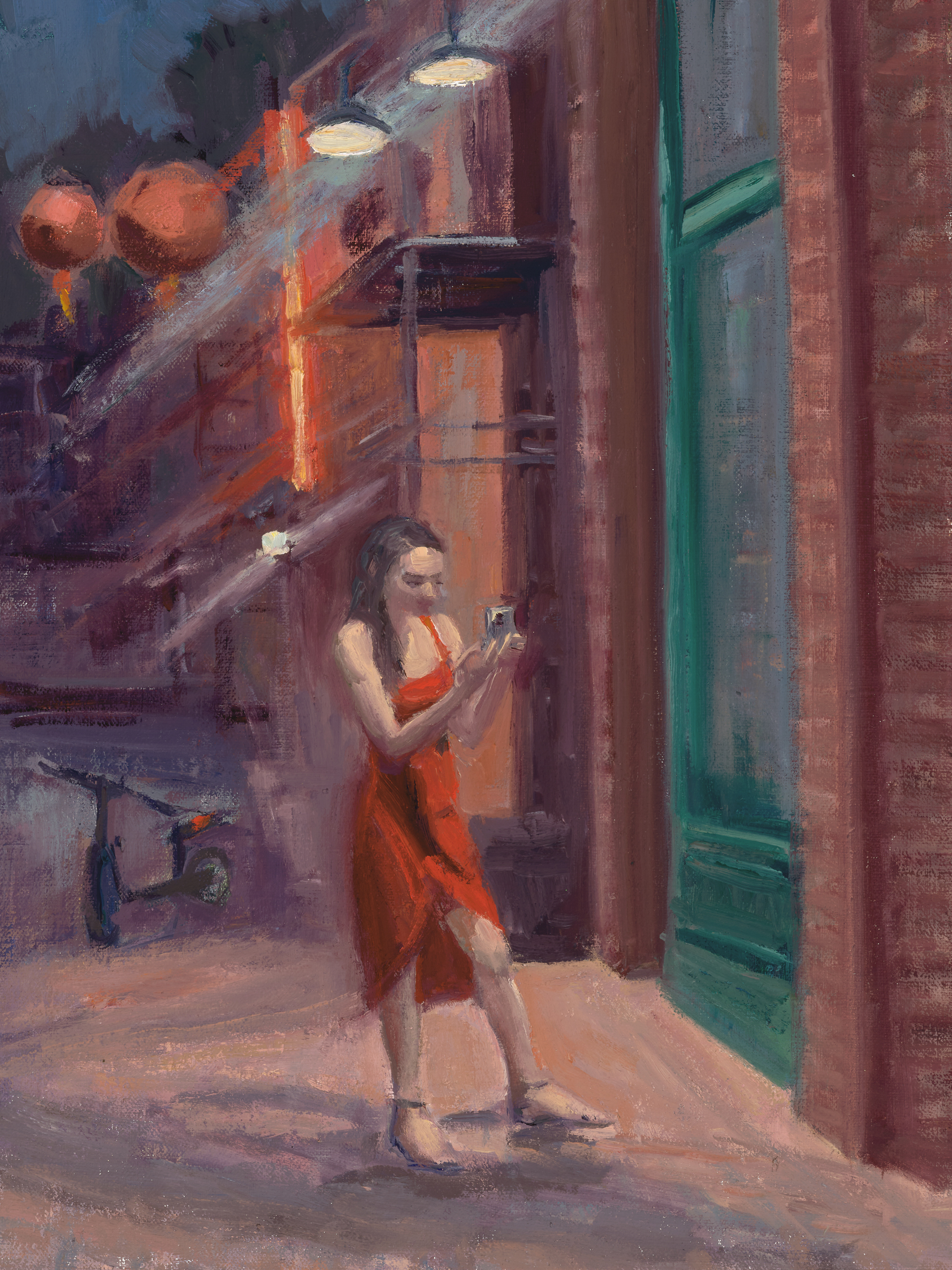
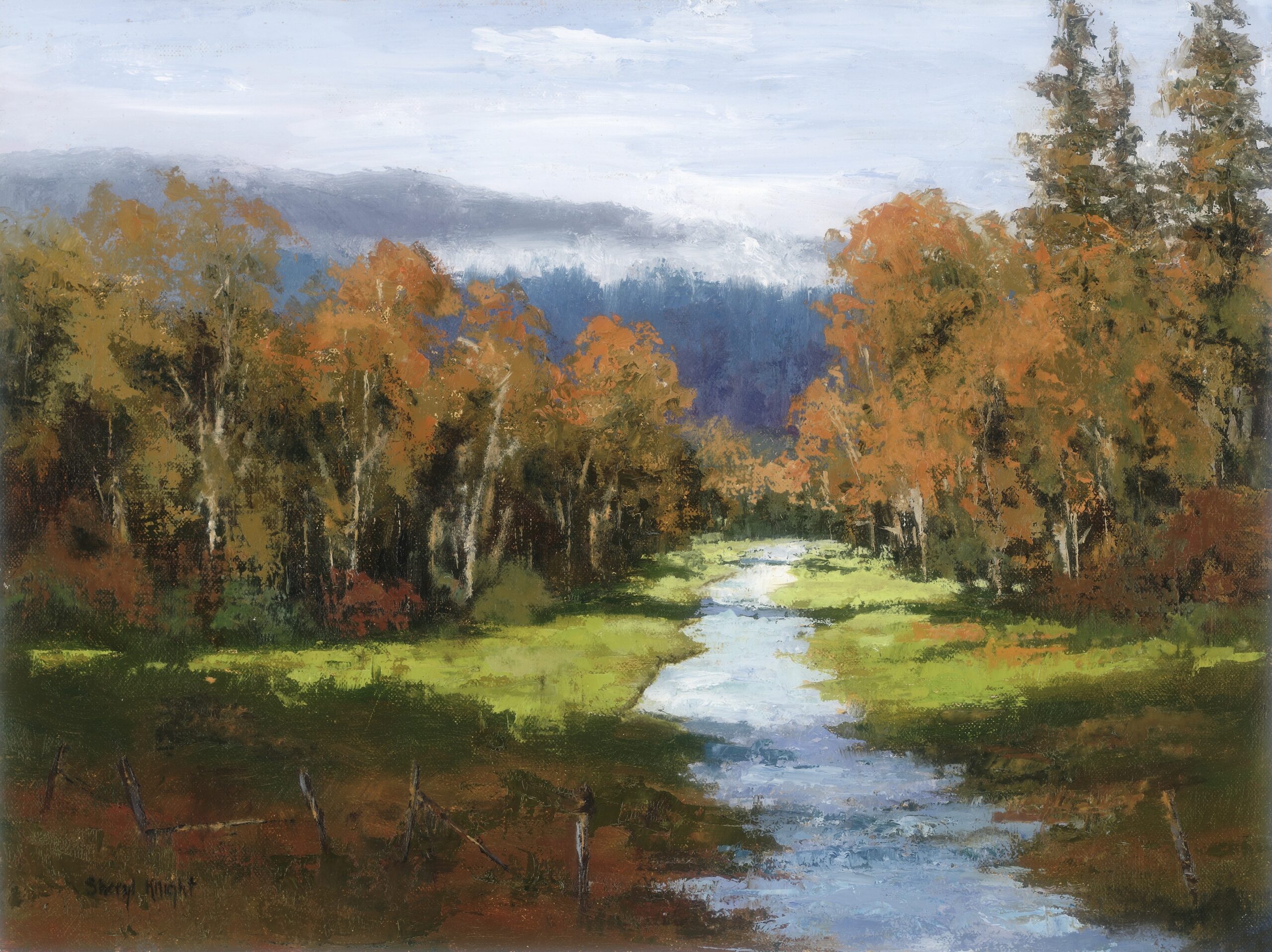
As part of our effort to continue to help artists and art galleries thrive, we’re proud to bring you this week’s “Virtual Gallery Walk.” Browse the artwork below and click the image itself to learn more about it, including how to contact the gallery.
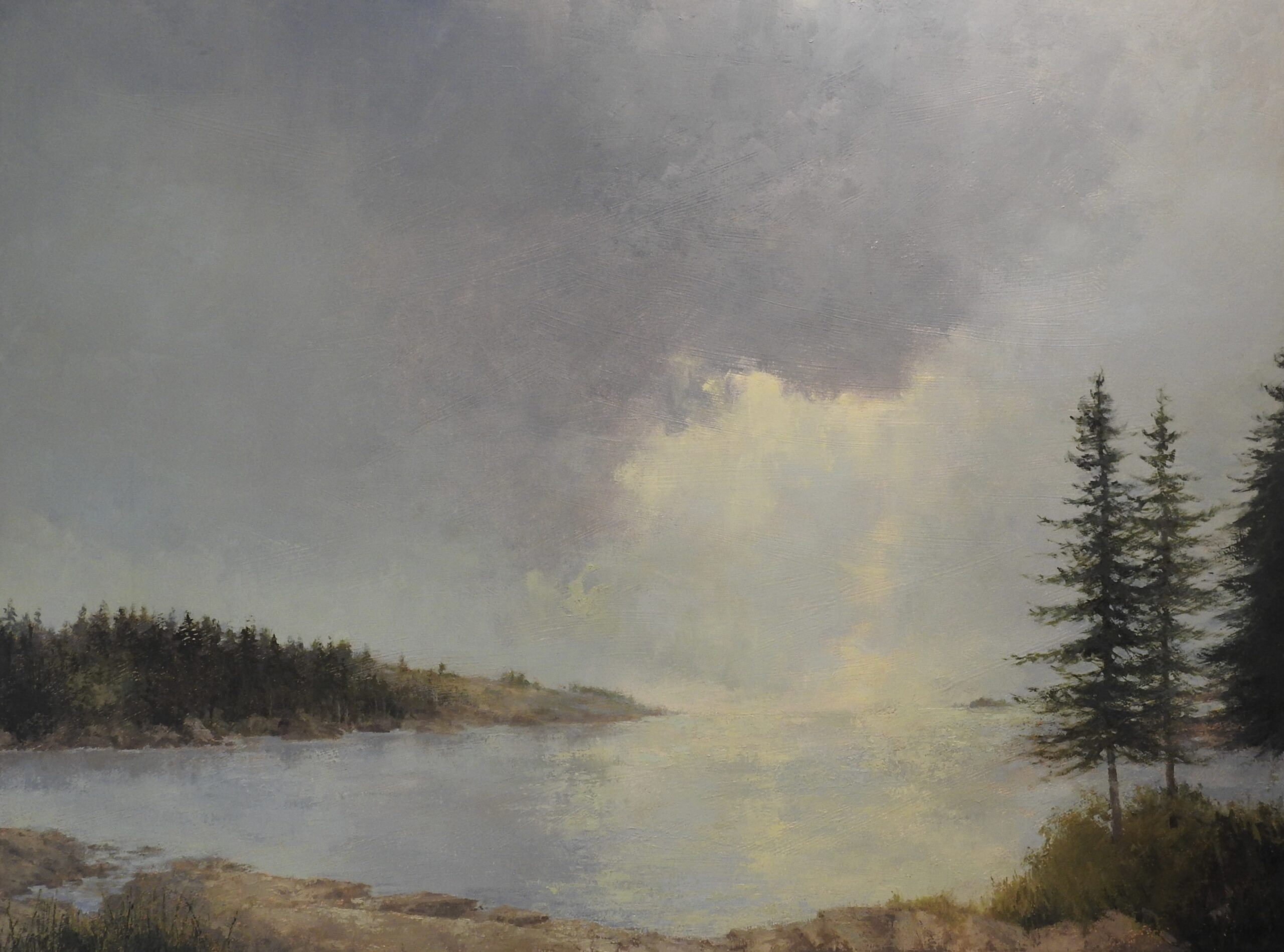
Storm Light, Casco Bay, Jean Schwartz, oil on linen, 36 x 48 in., oil on linen; Calloway Fine Art
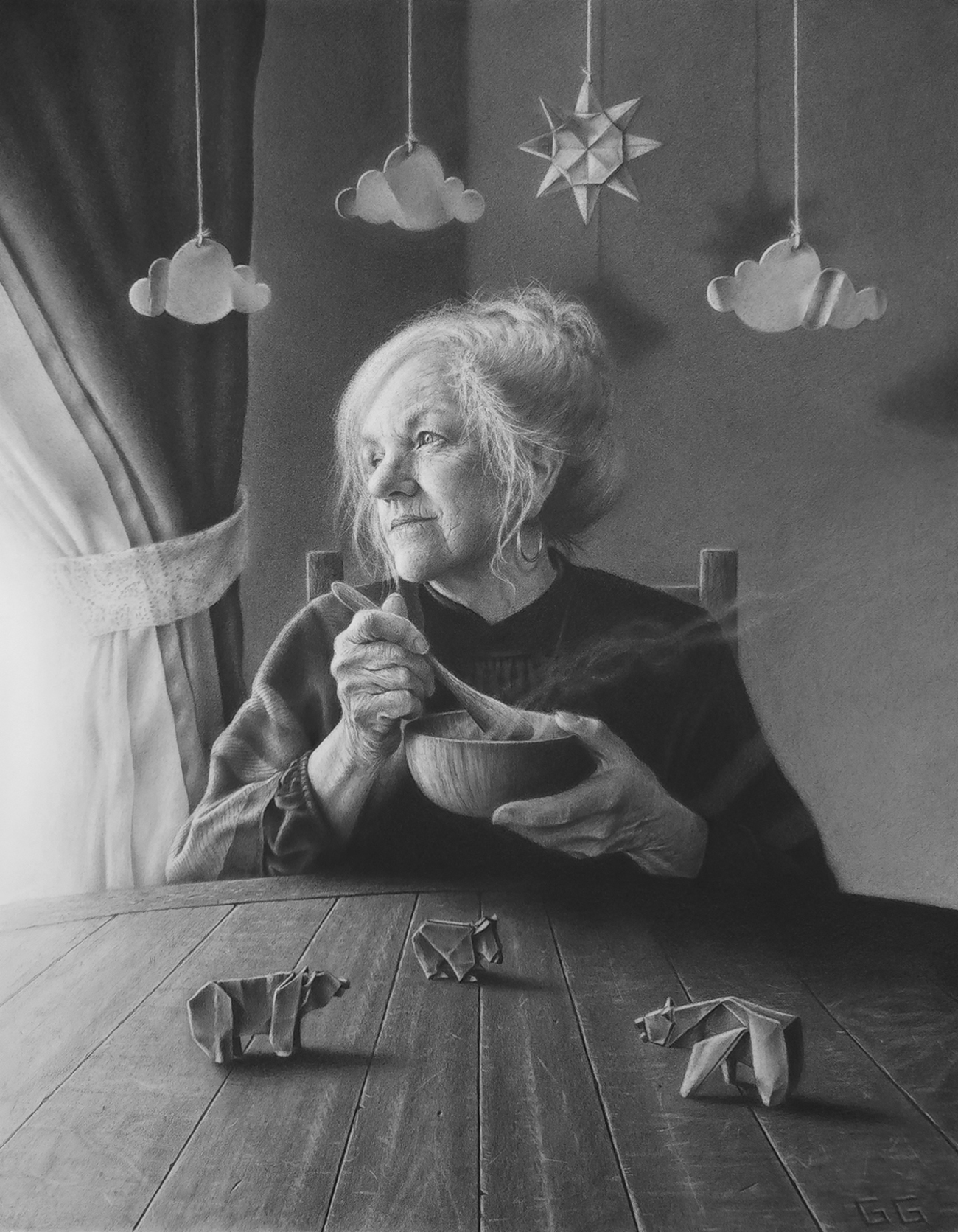
Good Morning Goldilocks, Glenn Gela, graphite and charcoal on paper, 16 x 20 in.; Glenn Gela
Want to see your gallery featured in an upcoming Virtual Gallery Walk? Contact us at [email protected] to advertise today. Don’t delay, as spaces are first come, first served, and availability is limited.
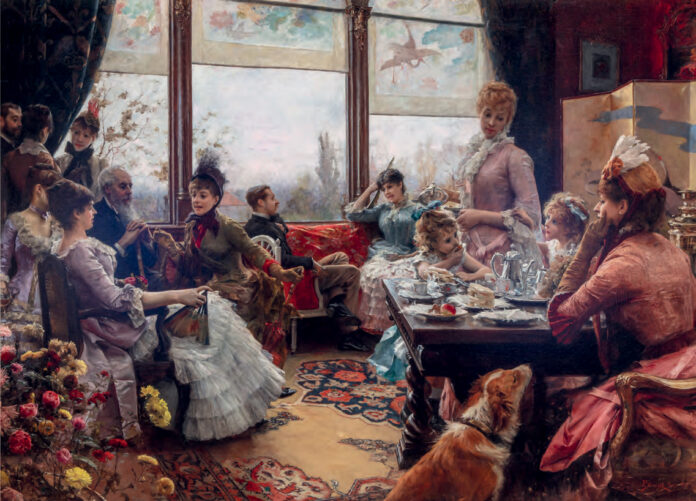
Julius LeBlanc Stewart, "Five O’Clock Tea," 1883–84, oil on canvas, 65 1/2 x 90 1/2 in., collection of Diane Jacobsen, Jacksonville
From Fine Art Connoisseur’s “Historic Masters” series
By Valerie Ann Leeds
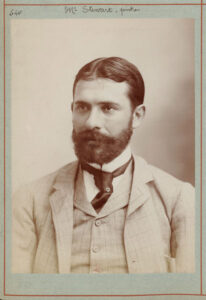
Photograph of Julius LeBlanc Stewart taken by Atelier Nadar, Paris, 1900, photo courtesy Bibliothèque Nationale de France, Paris
At first glance, the art and career of Julius LeBlanc Stewart (1855–1919) suggest the conventional trope of the privileged American-born artist living abroad, yet a closer look defies that stereotype in several respects.
From our contemporary vantage, Stewart was a product of his era and circumstance who epitomizes Belle Époque France — an American artist living in Paris within an intellectual elite and affluent social setting.
His life unfolded against the backdrop of major transformations in European society and industrialization that brought about both economic prosperity and an artistic golden age, in which Stewart actively participated.
The son of a sugar magnate who was an art collector, Stewart spent most of his life in France, having relocated there from Philadelphia with his family when he was 10 years old. Over the years, various commentators called him “Parisianized,” a “Parisian from Philadelphia,” and “the most purely Parisian of the American Painters.” He became a fixture in Paris’s expatriate society and was closely involved with its artist community. He may appear to have lived a decadent and indulged life, yet he remained dedicated to art, a fact confirmed by his prolific output and many submissions to exhibitions in Europe and the United States.
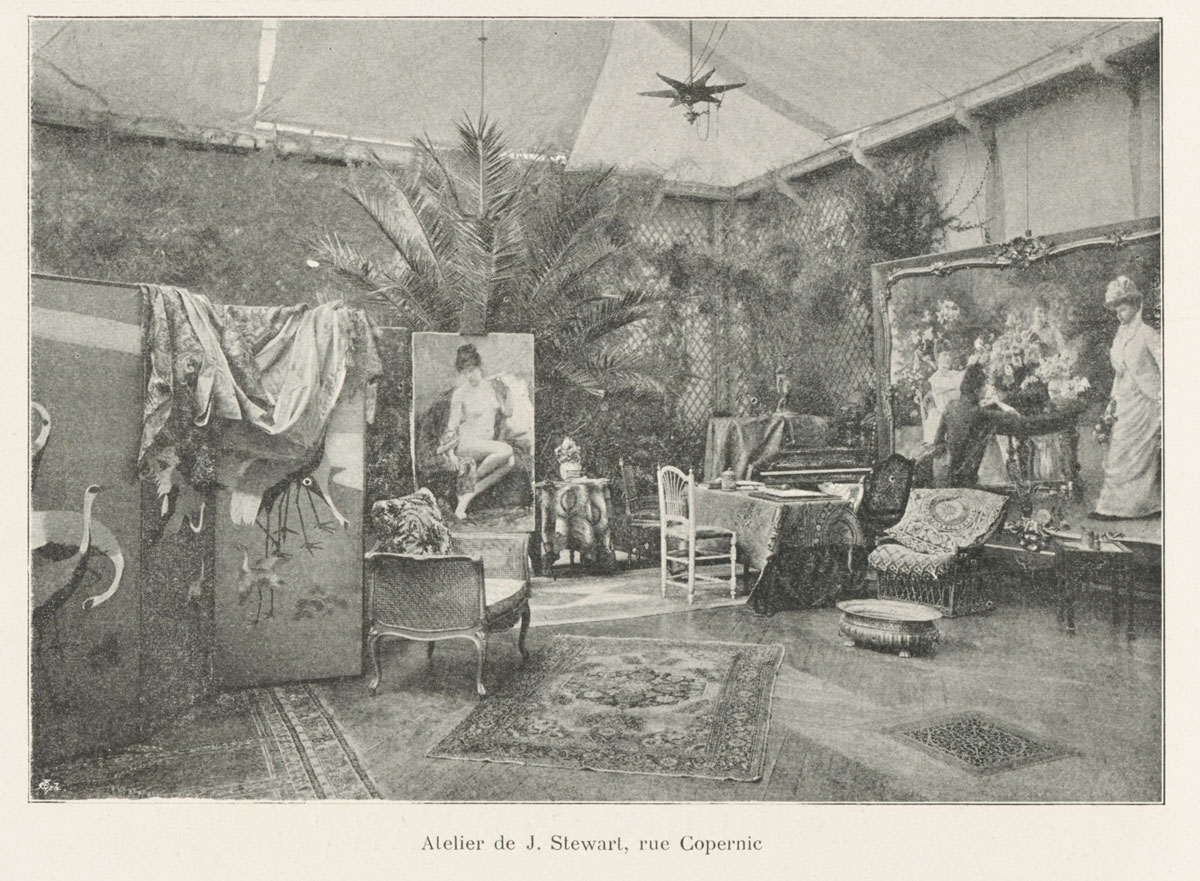
Photograph (by an unidentified photographer) of Stewart’s studio at 36 rue Copernic in Paris, 1890, private collection
Notwithstanding his training and residence in France, and despite painting scenes that were typically French, Stewart was always considered an American; it does not appear that he or his family ever sought French citizenship. It would seem Stewart belonged to the circle of expatriate artists that architect Henry Bacon called the “Paris-bred young Americans.” As many as 6,000 Americans were said to be in the capital’s expatriate colony, which was described as “a little city within a big one.”
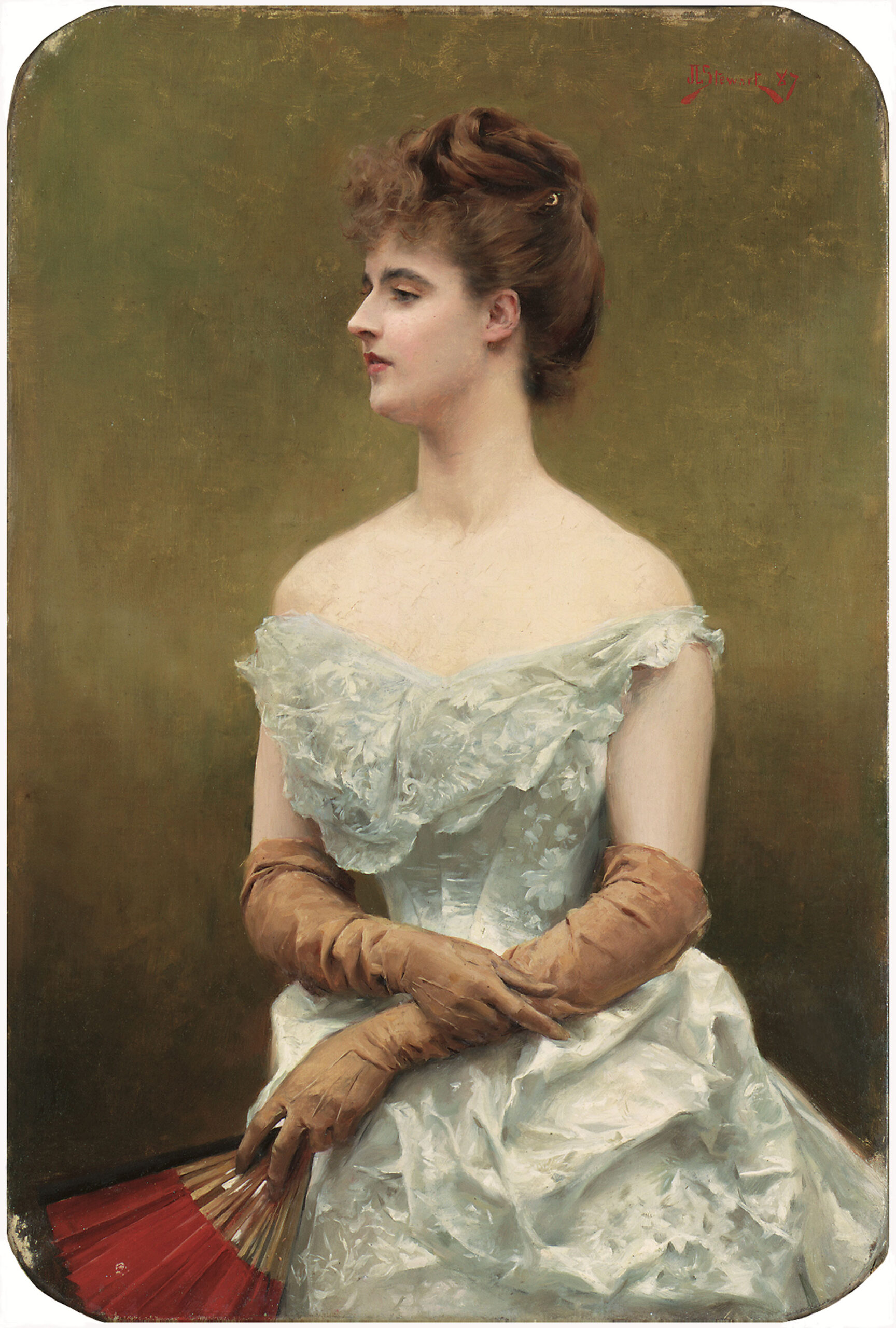
Julius LeBlanc Stewart, “Portrait of the Vicomtesse de Gouy d’Arcy,” 1887, oil on paper mounted on a support, 22 x 14 3/4 in., private collection, New York
Of these artists, Samuel Isham observed: “Paris has been the art school of the world … A few have become Parisians, which is a very different thing from becoming French, but as a rule there has been surprisingly little assimilation.” Having lived in Paris far longer than most visiting American artists, Stewart assimilated more than most, yet his art displays a convergence of American and Continental threads.
Sign up here for the weekly Fine Art Today newsletter, which brings you high-level content while providing you with current and upcoming art exhibitions and events, late-breaking stories, and more from the art collecting world.
Story prepared for the web by Cherie Dawn Haas, Editor of Fine Art Today
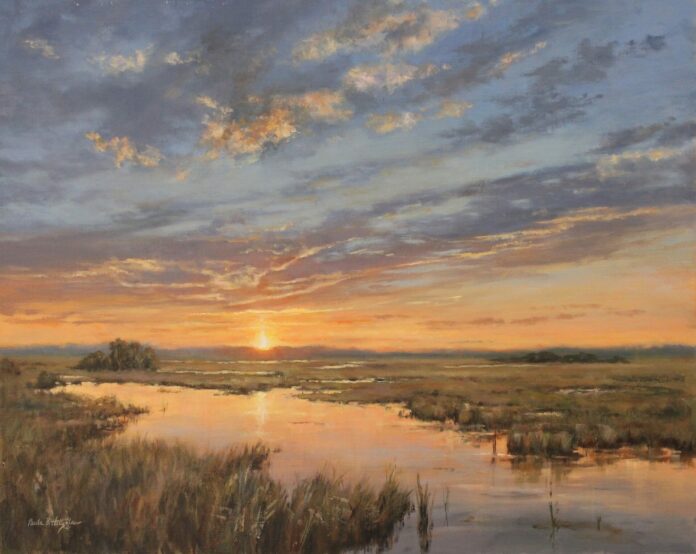
Paula B. Holtzclaw, "Morning's Embrace," 2025, Oil, 24 x 30 in.
This season, central Tennessee is the stage to celebrate American women’s art through a special museum exhibition and Symposium for Women in the Arts.
“Of Mark & Meaning: American Women Artists” opened at the Customs House Museum in Clarksville, TN on February 13. This exhibit is American Women Artists’ tenth museum exhibition as part of the 25 in 25 campaign, an initiative to have 25 museum shows for its members over 25 years.
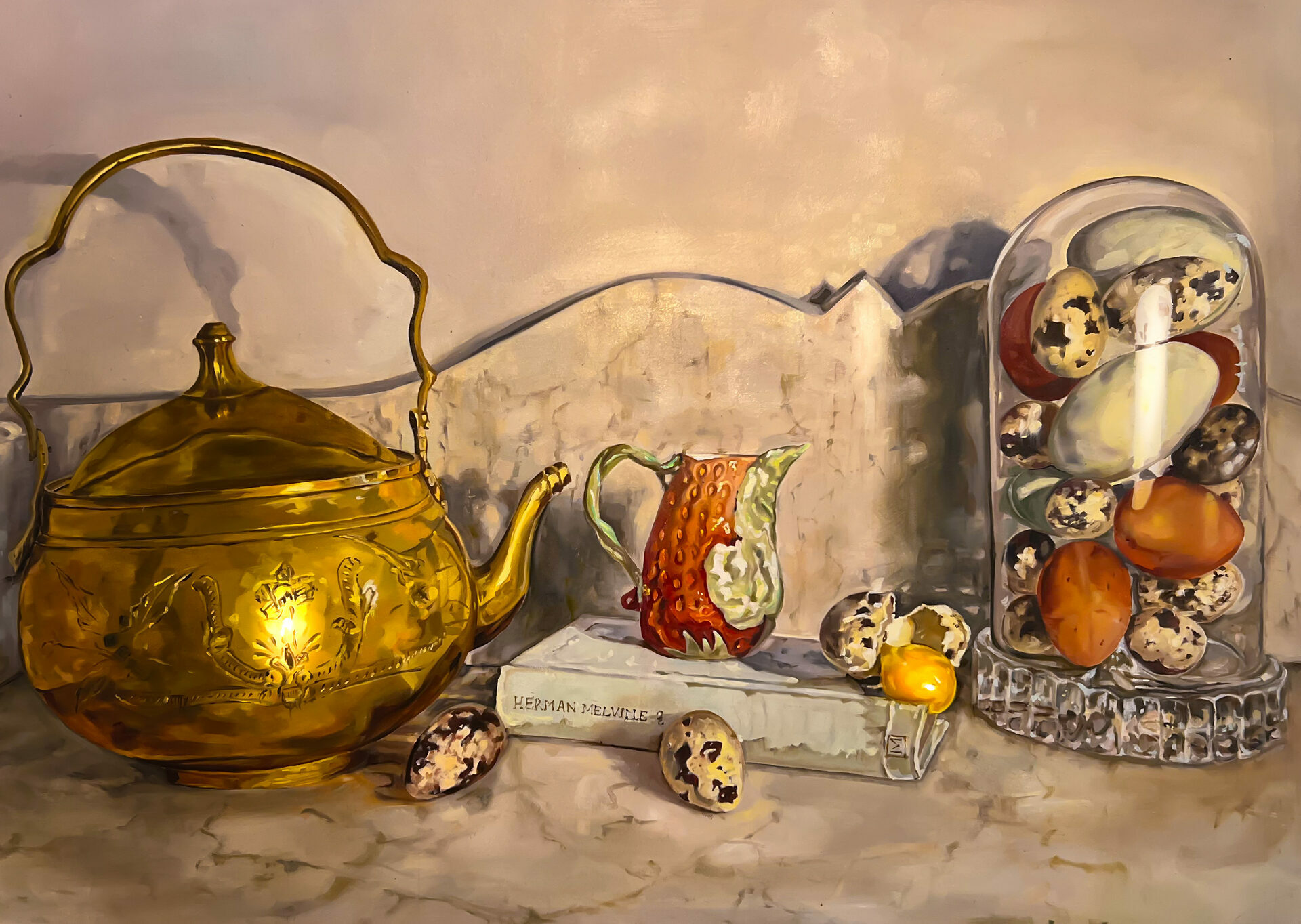
Taylor H Wiedemann, “Loomings,” 2025, Oil, 22 x 28 in.
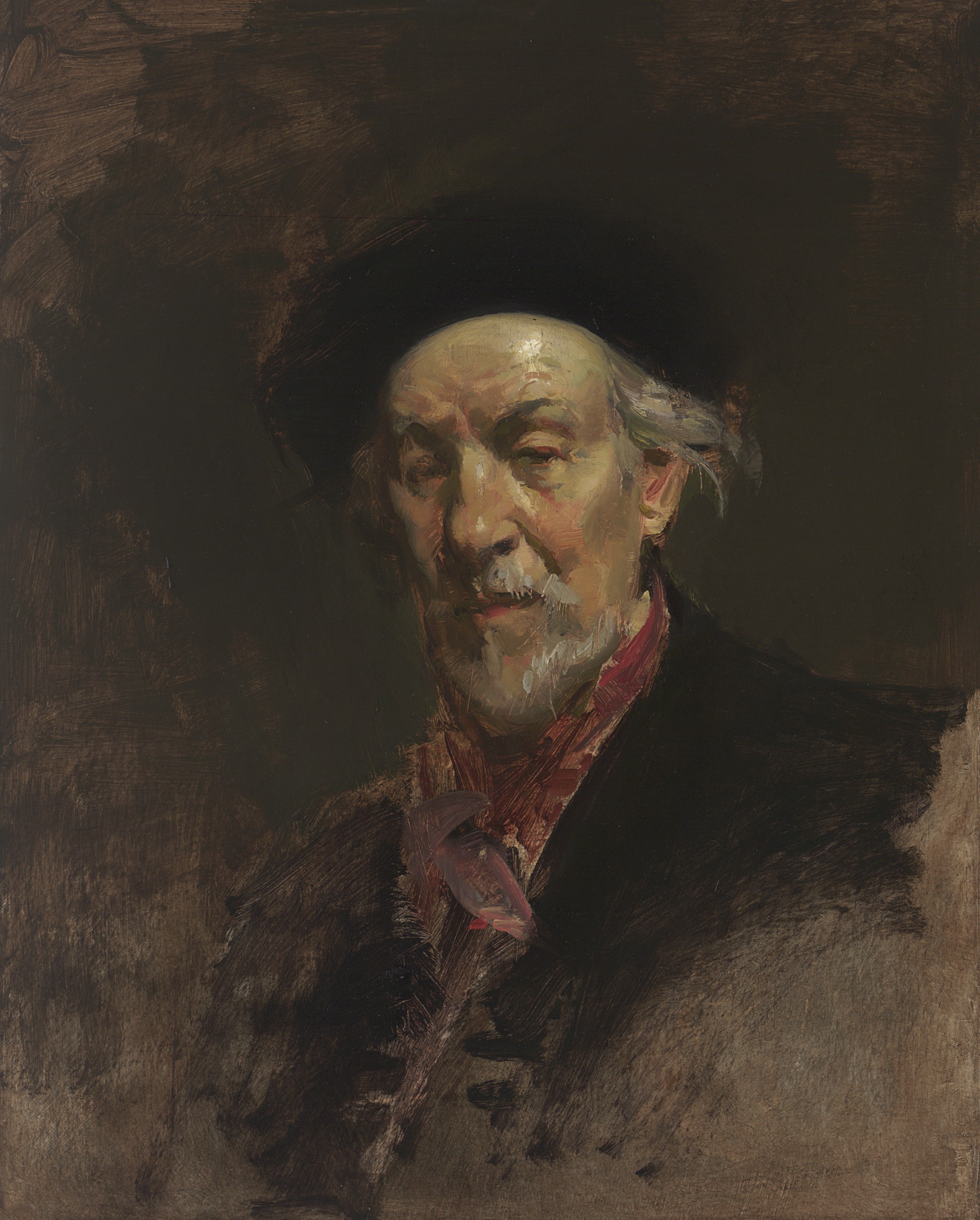
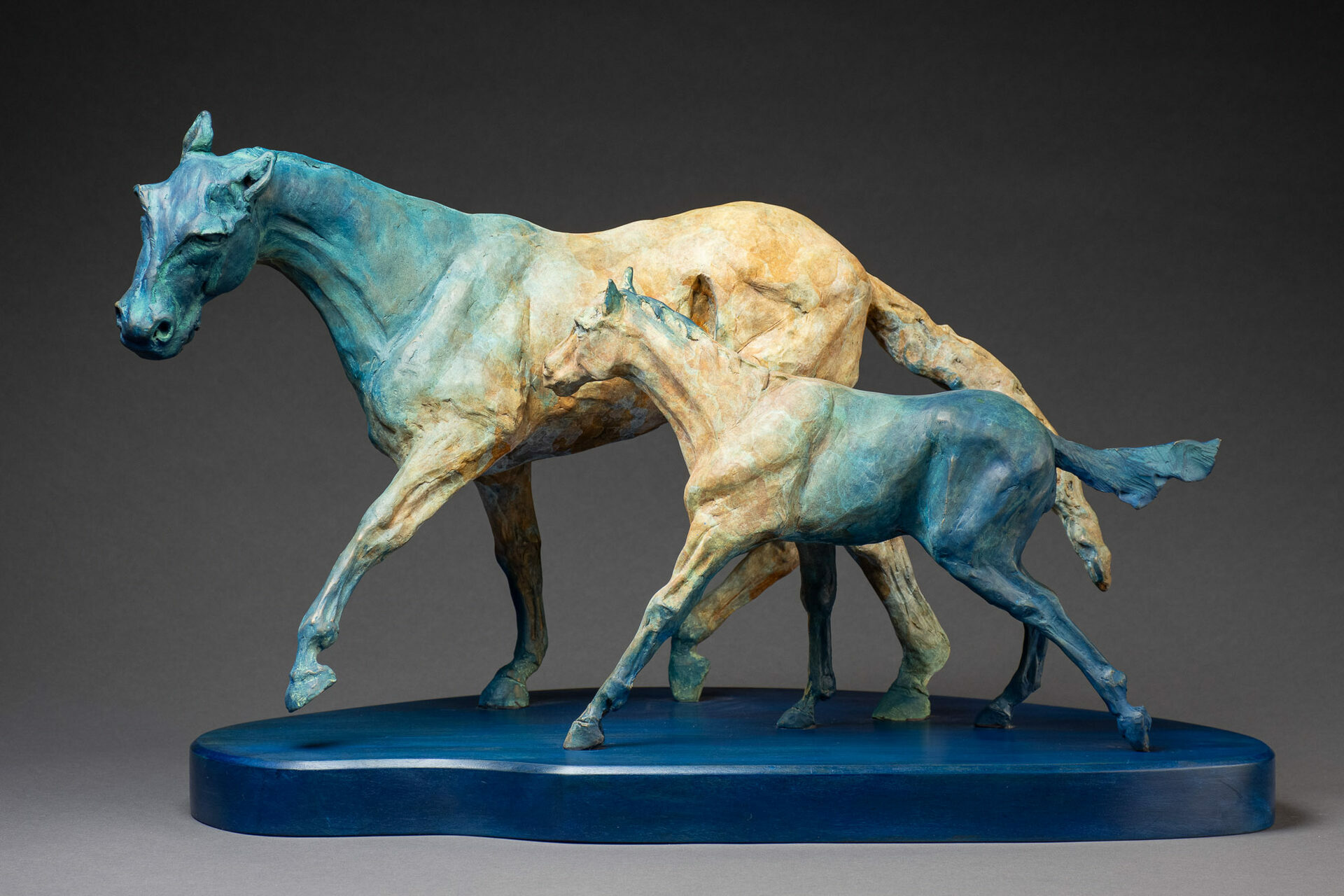
105 works were selected out of 791 impressive entries by professional women artists. World renown artists in this exhibition include Paula B. Holtzclaw, who has a widespread reputation for her ability to capture the drama of nature on canvas; Sherrie McGraw, known as one of America’s foremost painters and instructors; Diana Reuter-Twining, known for her sculptures that capture the beauty of motion; rising Nashville art star Taylor Wiedemann, whose skillfully executed traditional still lifes belie a deeper message about the struggles of womanhood; Star Liana York, whose recent retrospective exhibition of 50 years of her work was an incredible honor for one of the most famous living sculptors of the West; and more.
Sherrie McGraw, “Master,” 2025, Oil, 26.5 x 22.5 in.
Selection jurors included women at the top of their field: Vivian Chiu, a national sculptor based in Virginia who is known for her labor-intensive, repetitive processes to create optical sculptures from wood; Marcia Goldenstein, an accomplished landscape painter and fabric artist and Professor Emerita of Painting and Drawing at the University of Tennessee School of Art; and Kirsten Kokkin, an international award-winning sculptor from Norway known for her dancers and equine works in bronze. Award judges include arts administrators from respected institutions in TN and NY: Katie Delmez, Senior Curator at the Frist Art Museum; Sharon Louden, artist, arts leader, author, teacher, and former Director of the Chautauqua Visual Arts at the Chautauqua Institution; and Nandini Makrandi, Chief Curator at the Hunter Museum of American Art.
Diana Reuter-Twining, “Duet,” 2024, Bronze, 16 x 25 x 11, in.
Artists will compete for over $30,000 in cash awards and in-kind certificates, including a $10,000 Grand Prize sponsored by the Janet and Robert Lee Family Fund. The exhibition is open to the public until April 26, 2026, with a closing reception and awards ceremony on April 24 at the Customs House Museum.
Sign up here for the weekly Fine Art Today newsletter, which brings you high-level content while providing you with current and upcoming art exhibitions and events, late-breaking stories, and more from the art collecting world.
Announcement prepared for the web by Cherie Dawn Haas, Editor of Fine Art Today
As part of our effort to continue to help artists and art galleries thrive, we’re proud to bring you this week’s “Virtual Gallery Walk.” Browse the artwork below and click the image itself to learn more about it, including how to contact the gallery.
Waiting, Laurie Hendricks, oil on linen board; 16 x 12 in.; Laurie Hendricks
Want to see your gallery featured in an upcoming Virtual Gallery Walk? Contact us at [email protected] to advertise today. Don’t delay, as spaces are first come, first served, and availability is limited.
As part of our effort to continue to help artists and art galleries thrive, we’re proud to bring you this week’s “Virtual Gallery Walk.” Browse the artwork below and click the image itself to learn more about it, including how to contact the gallery.
Want to see your gallery featured in an upcoming Virtual Gallery Walk? Contact us at [email protected] to advertise today. Don’t delay, as spaces are first come, first served, and availability is limited.
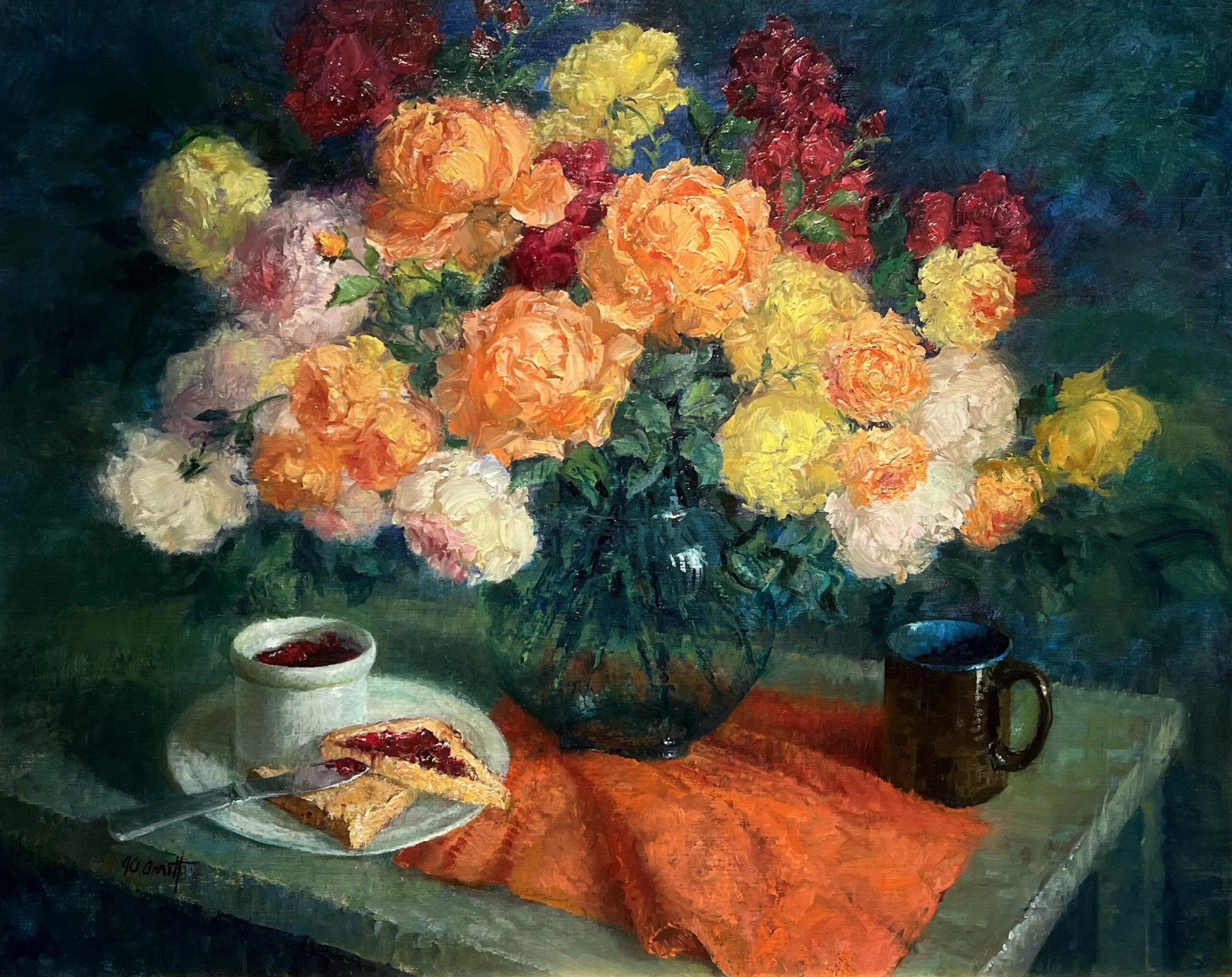
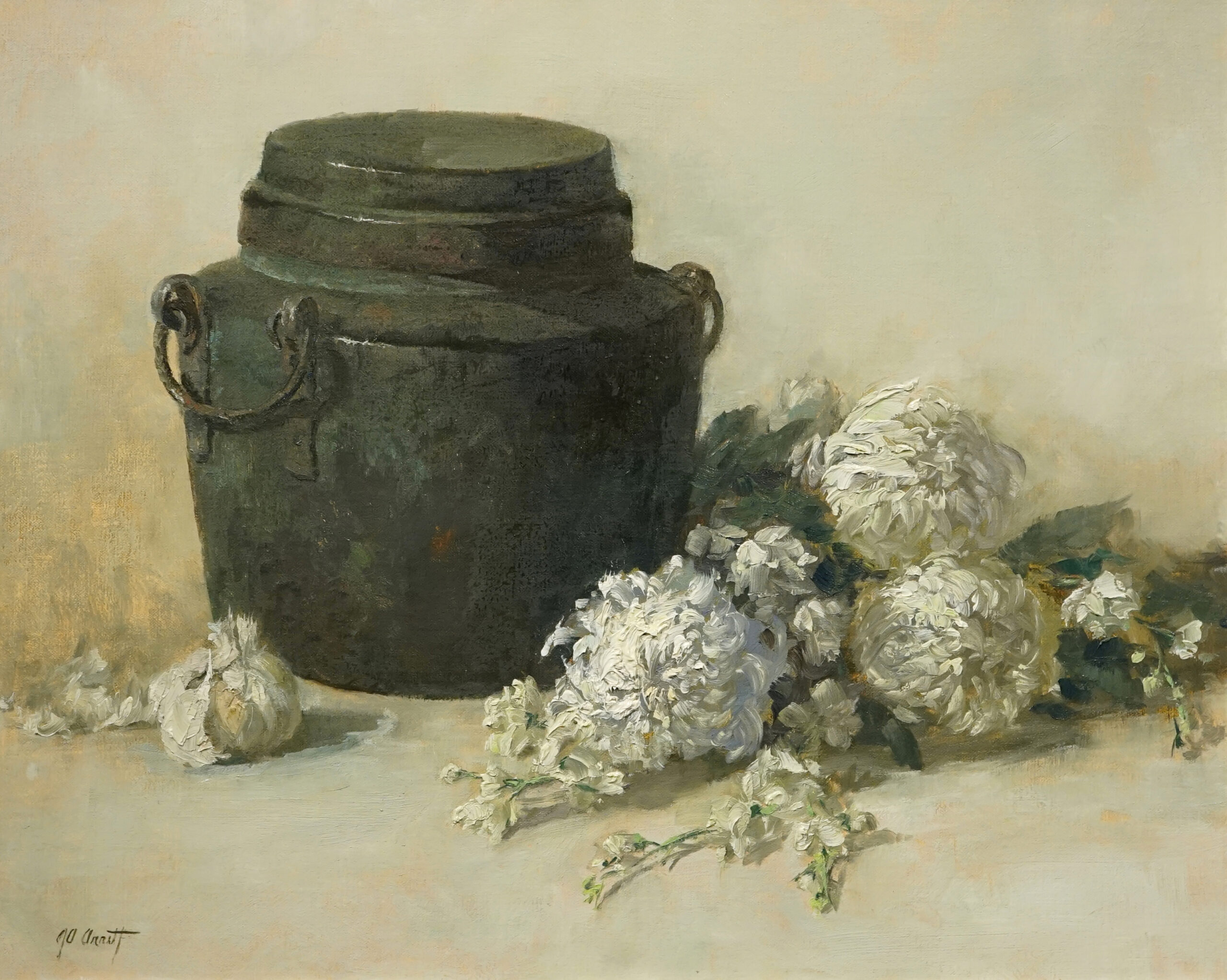
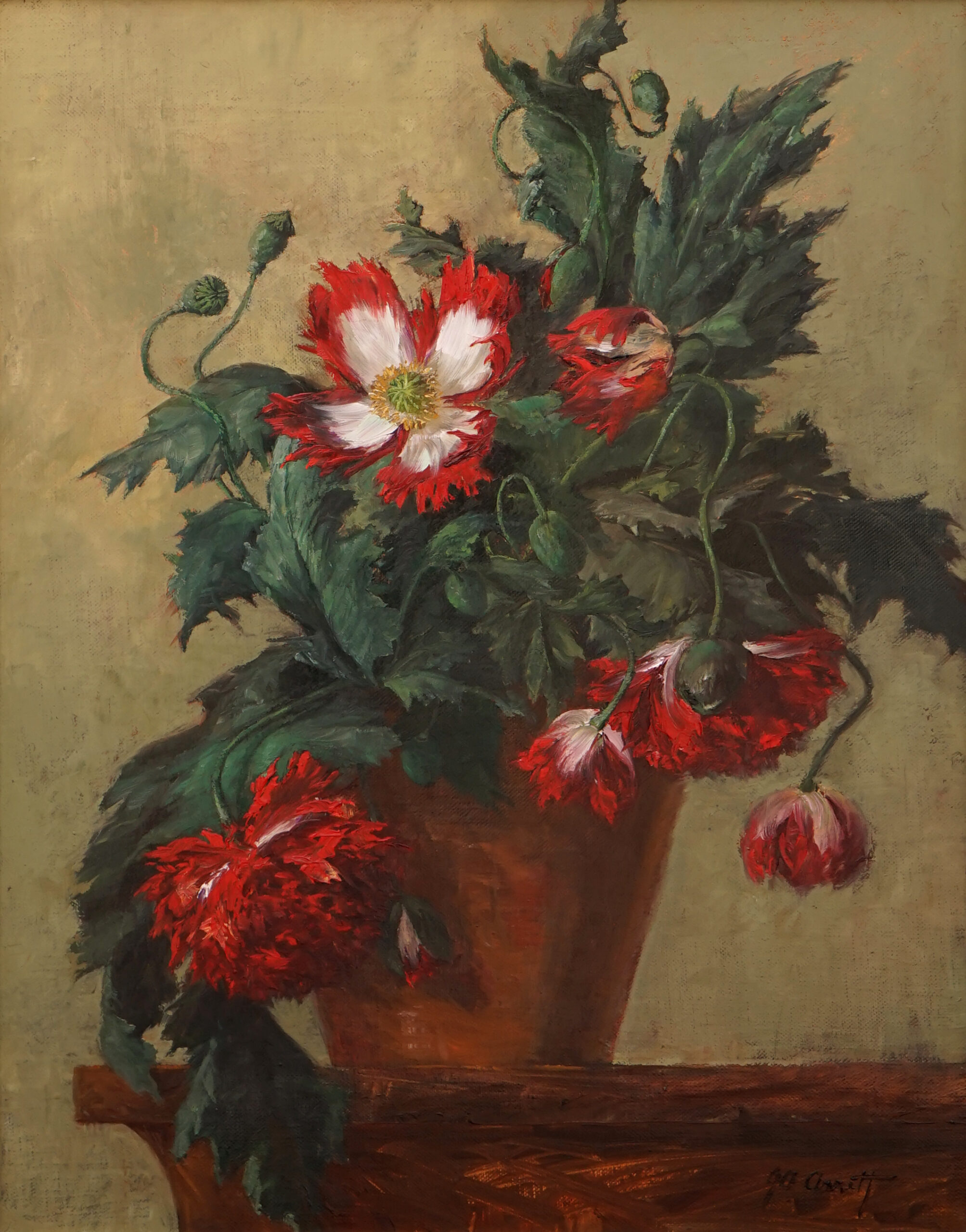
Art With Purpose presents the estate collection of the remaining paintings by Joe Anna Arnett (1950–2024), offering collectors a rare opportunity to acquire works from an artist whose quiet, luminous compositions reflected a profound reverence for life, faith, and beauty. Created over decades of devoted practice, these paintings represent the final available pieces of her artistic legacy.
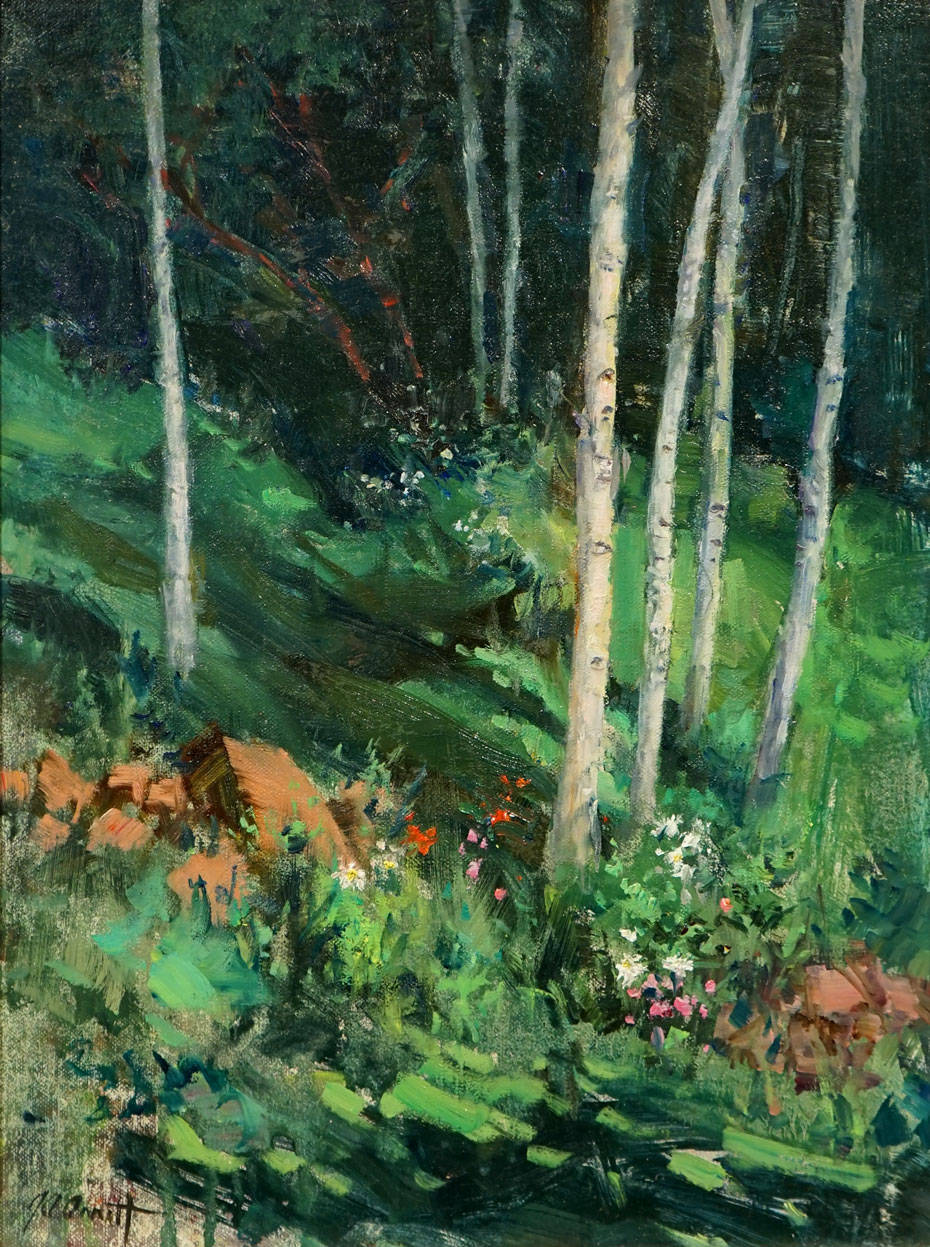
Joe Anna Arnett, “Aspen Shadows,” 16 x 12 in.
Details at a Glance:
Art with Purpose: A Tribute to Joe Anna Arnett
McLarry Fine Art, Santa Fe, NM
April 15-29, 2026
Reception: April 17
Joe Anna Arnett, “Breakfast with Roses,” 24 x 30 in.
From the Organizers:
A reception celebrating Joe Anna’s life and work will welcome collectors and community members, with Joe Anna’s sisters in attendance along with representatives from World Hope International, the humanitarian organization her family has supported in celebration of her life. In tribute to Joe Anna’s generous spirit, a portion of all proceeds will benefit World Hope International.
Joe Anna Arnett, “Chinese Bucket,” 16 x 20 in.
Works are thoughtfully priced, and reasonable offers will be considered in the spirit of placing her art with appreciative collectors. Each acquisition not only preserves Joe Anna’s work for future generations but also extends the compassion and purpose that guided both her art and her life.
Joe Anna Arnett, “Poppies, Danish Flag,” 18 x 14 in.
Sign up here for the weekly Fine Art Today newsletter, which brings you high-level content while providing you with current and upcoming art exhibitions and events, late-breaking stories, and more from the art collecting world.
Announcement prepared for the web by Cherie Dawn Haas, Editor of Fine Art Today
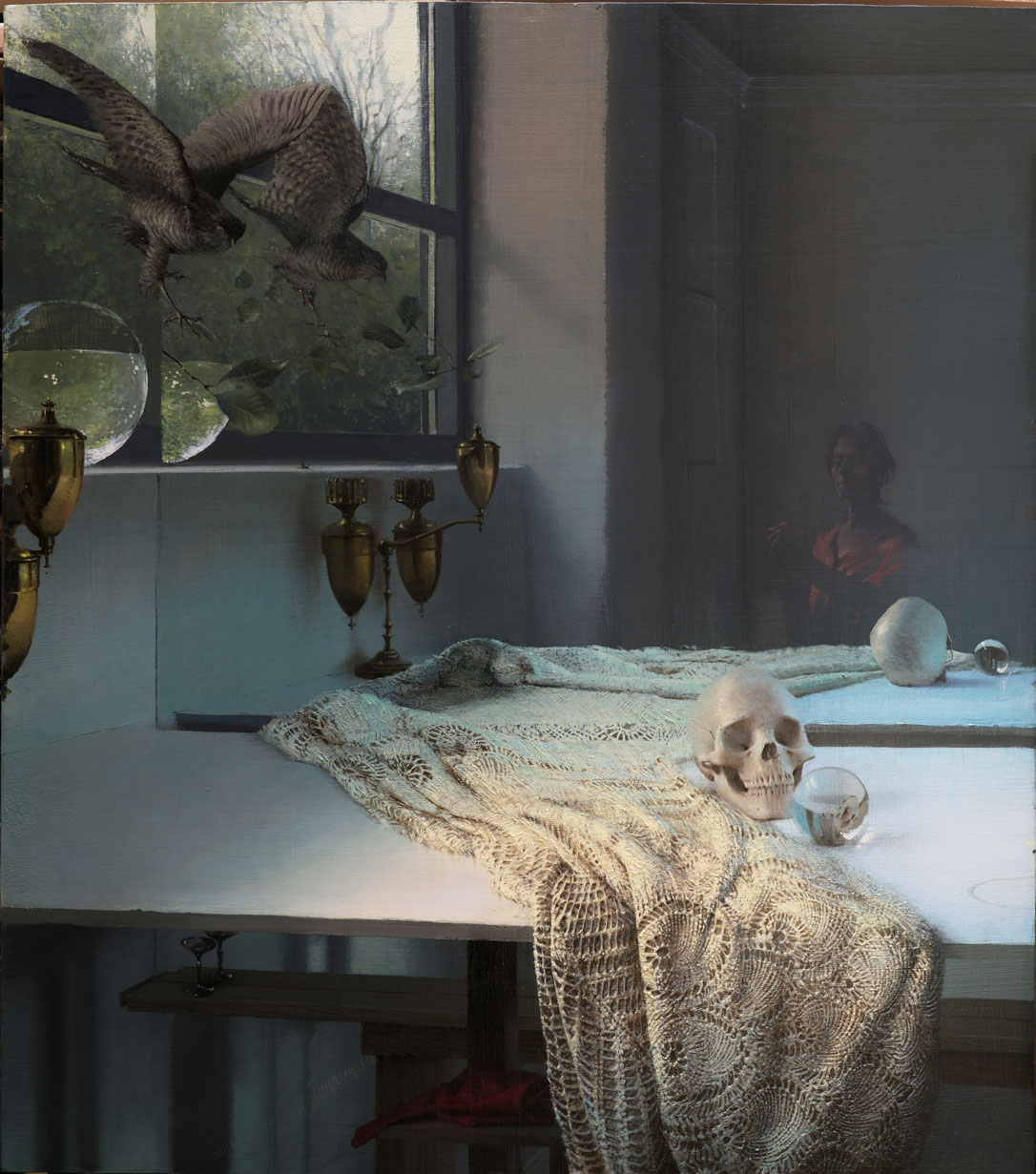
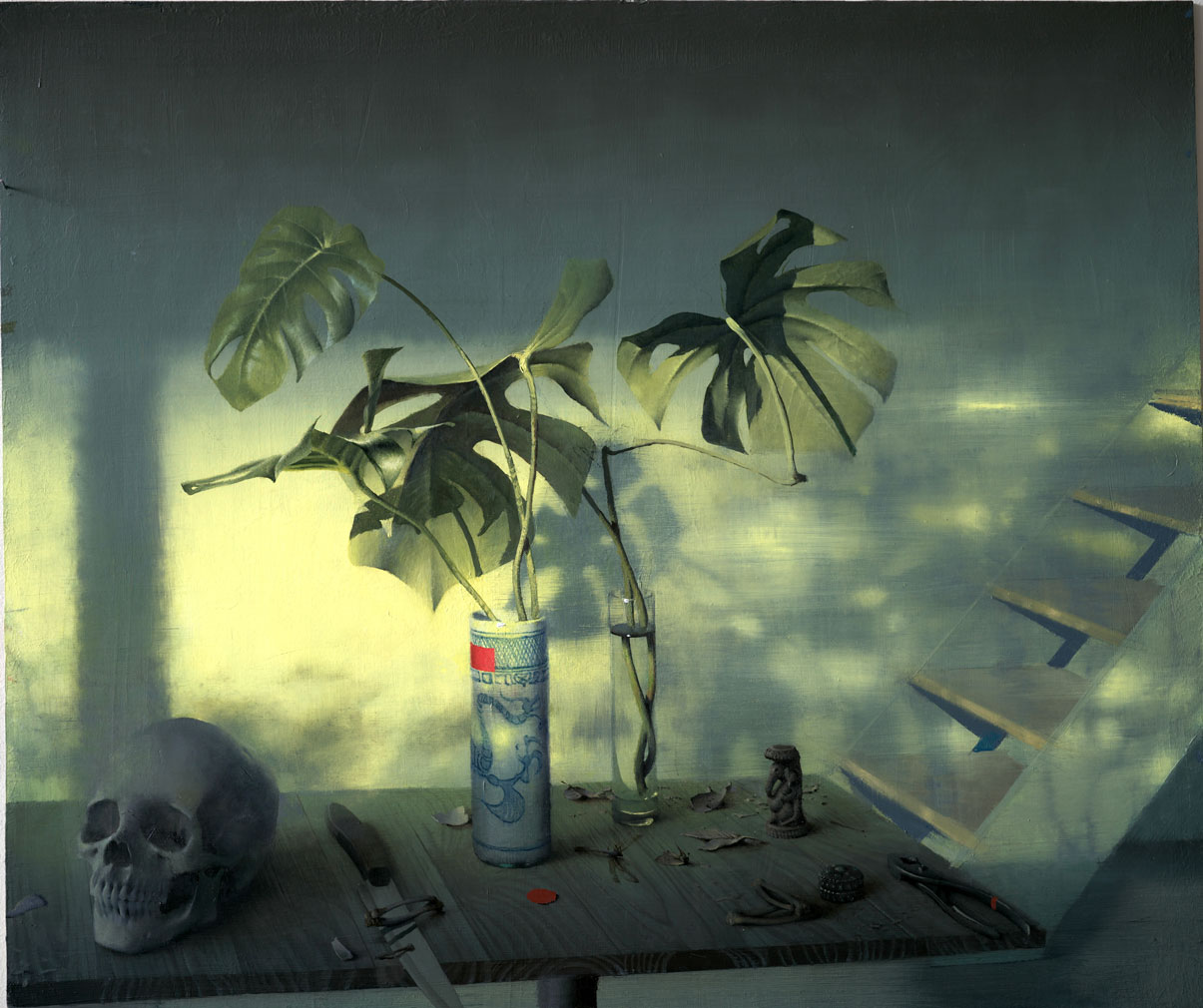
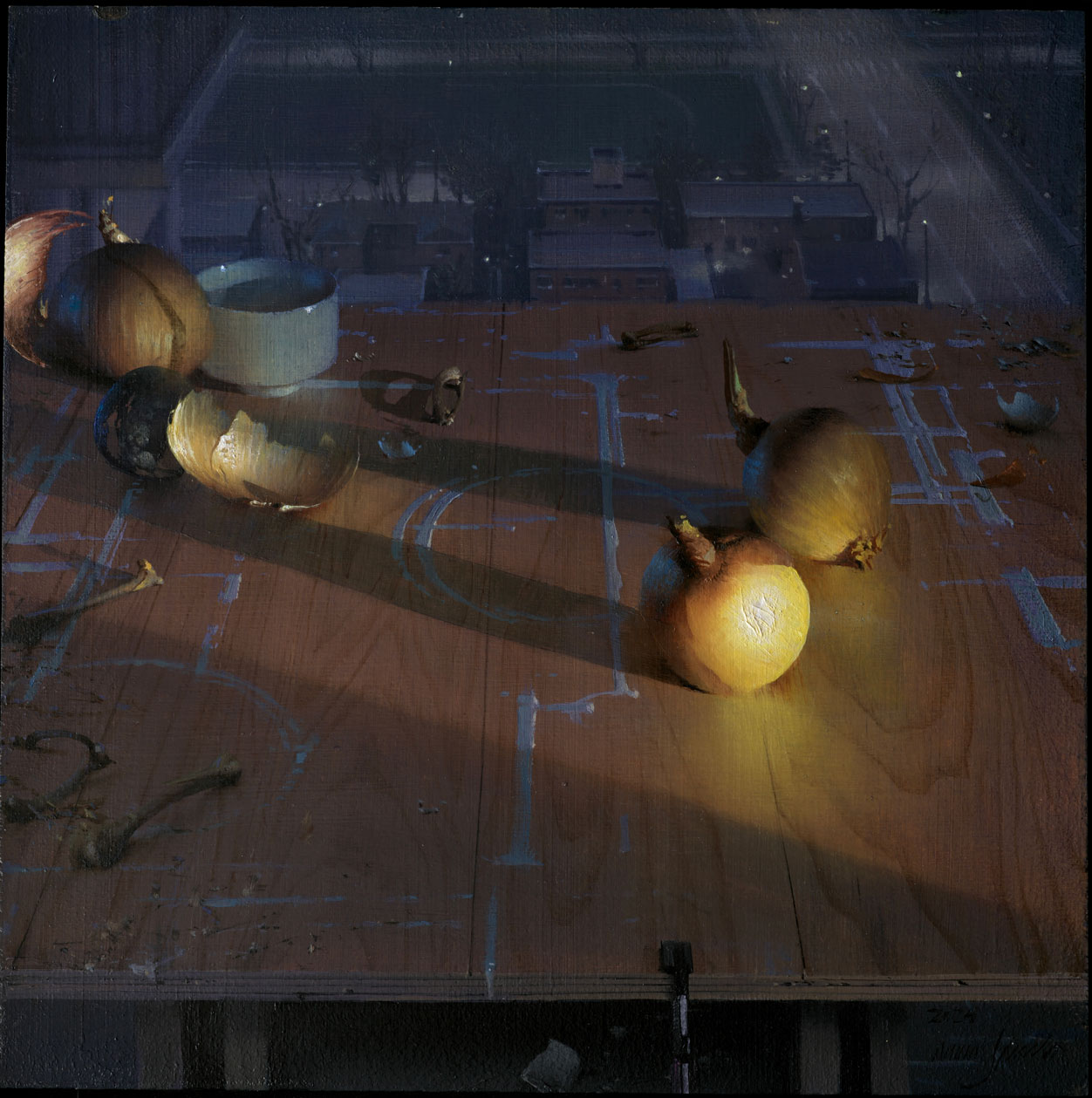
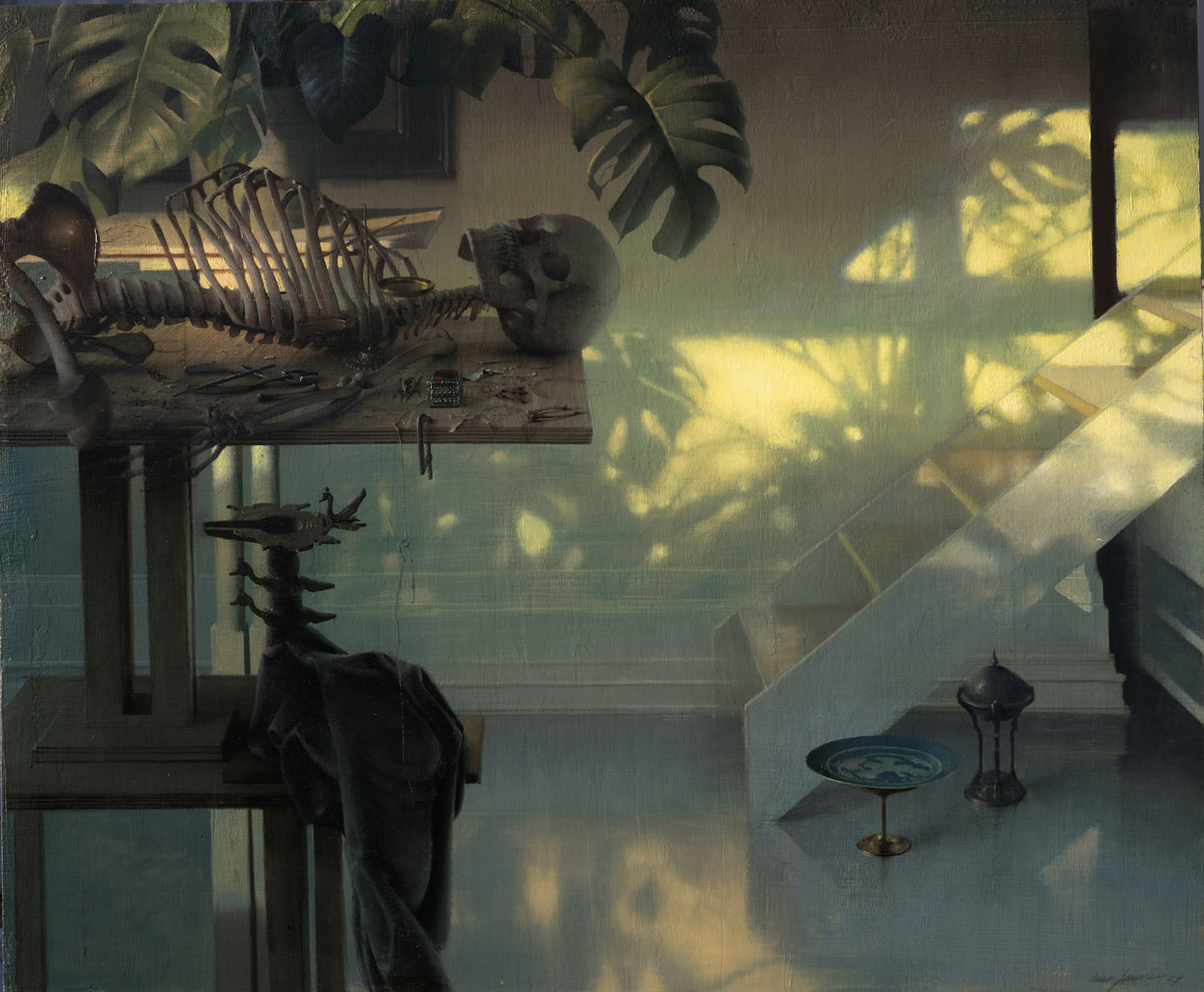
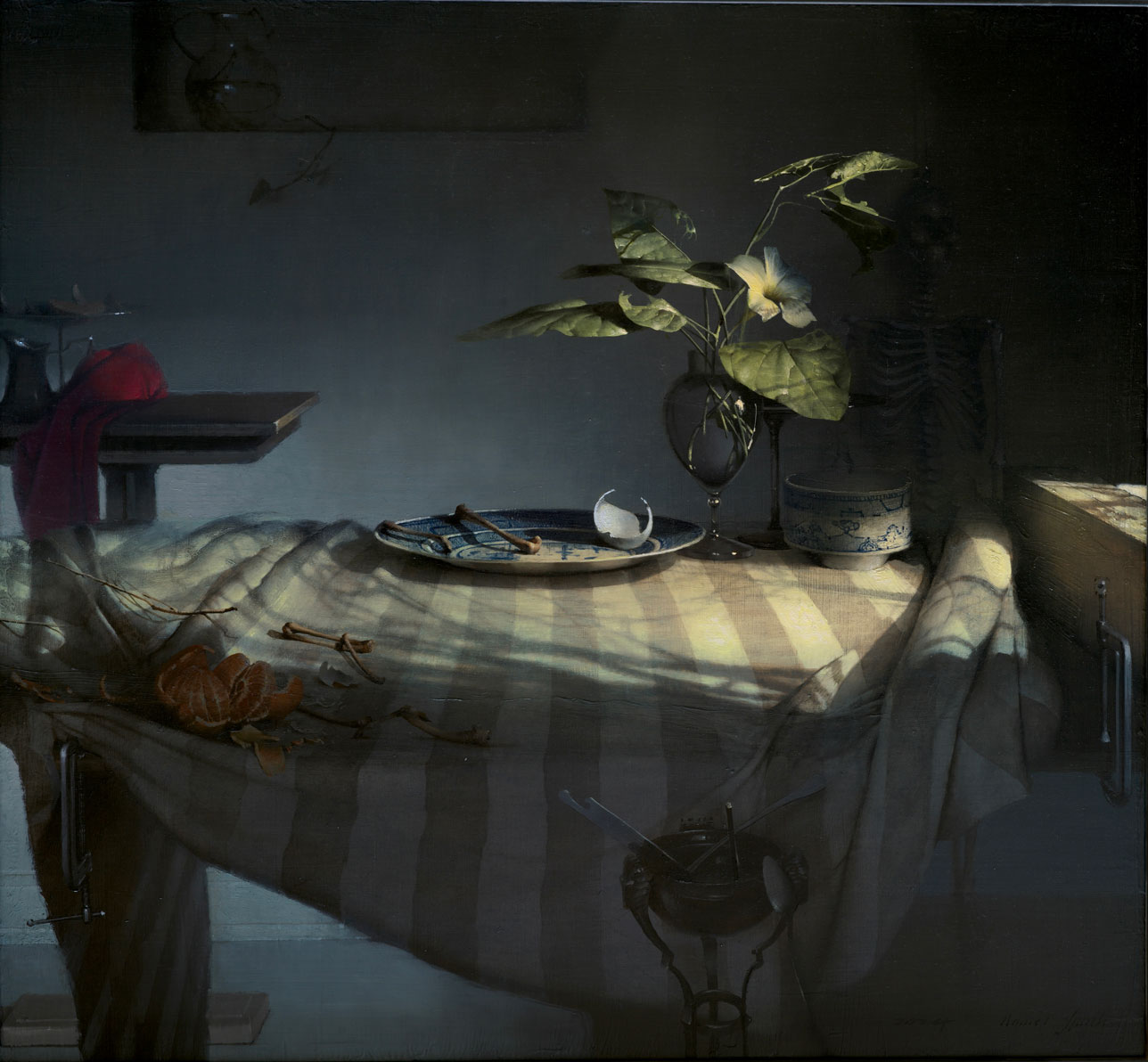
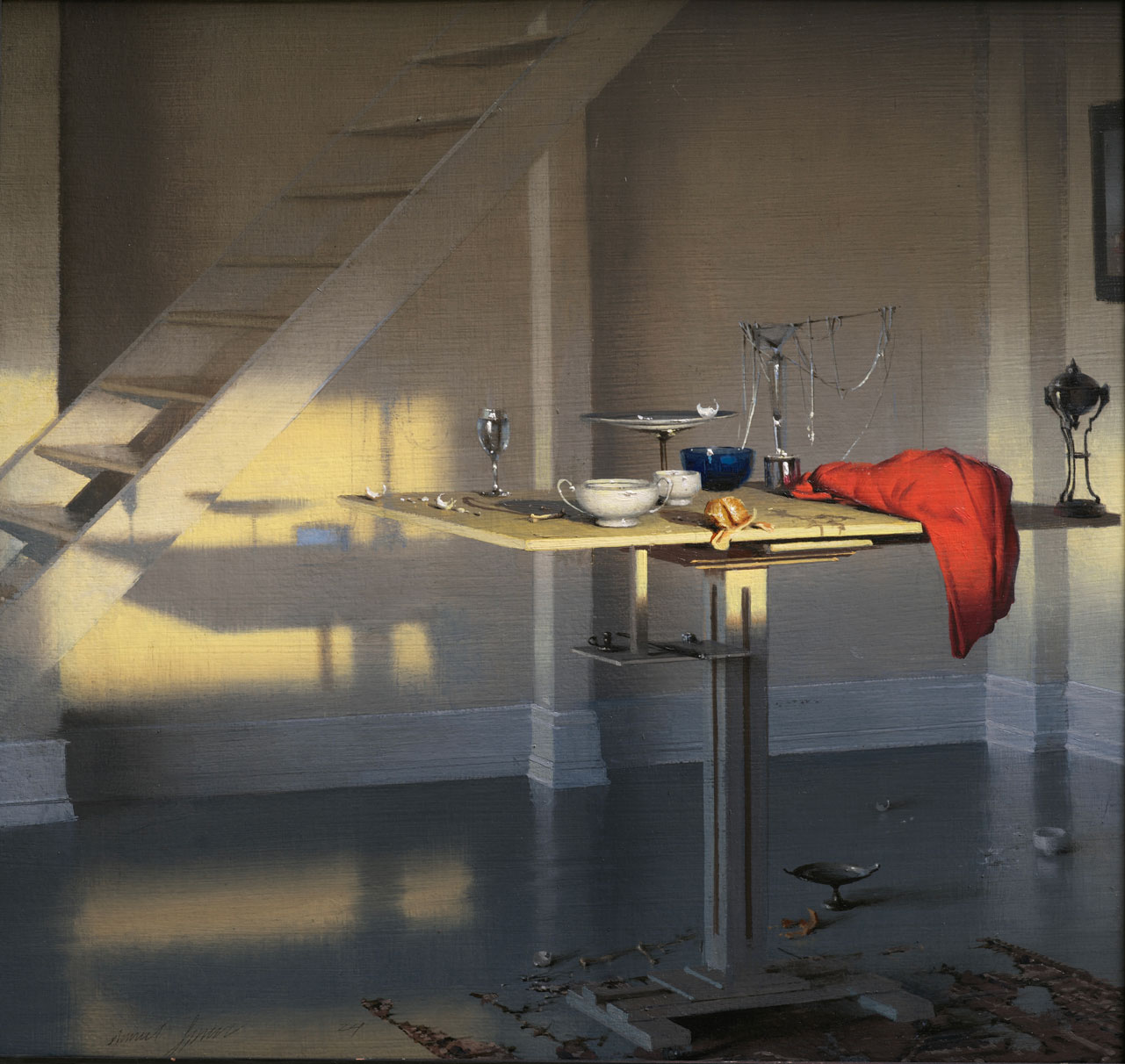
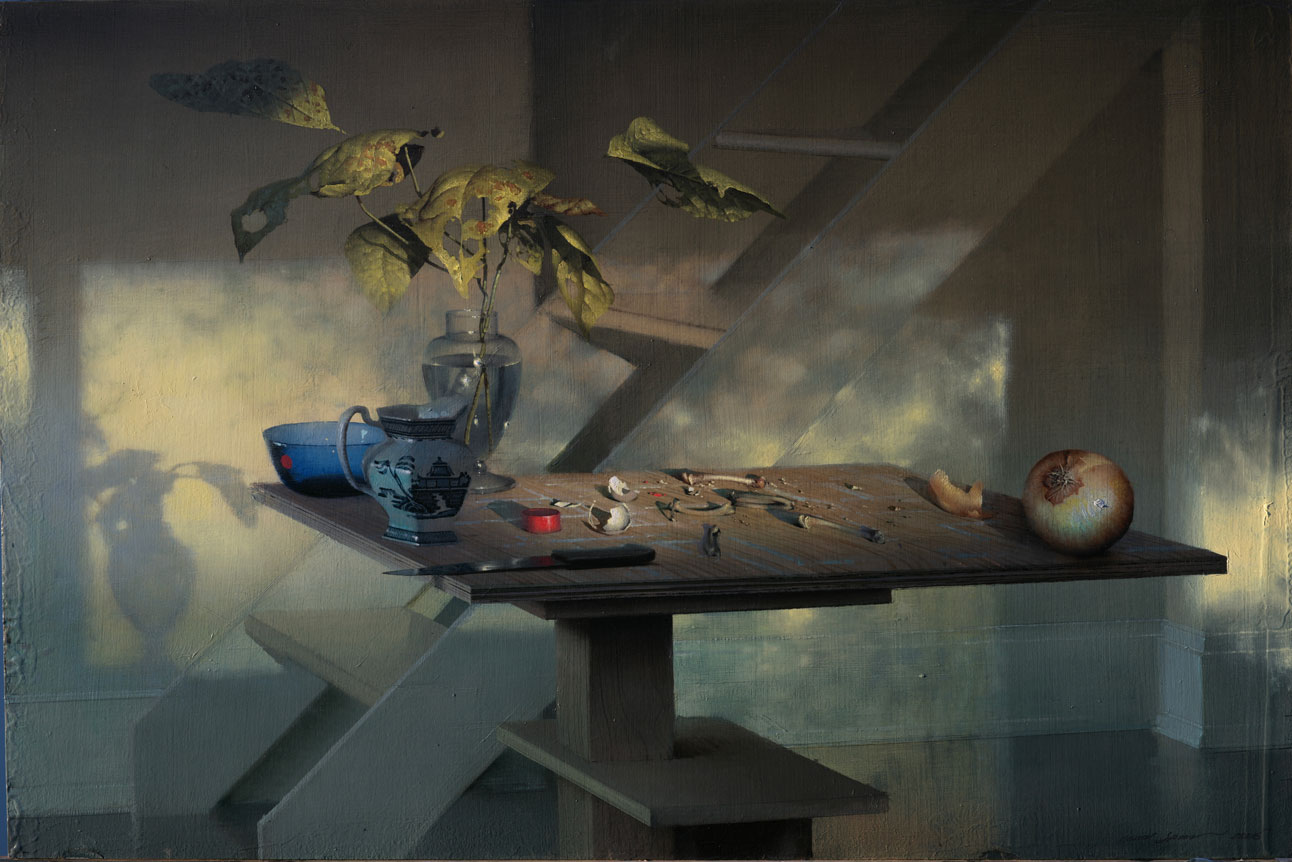
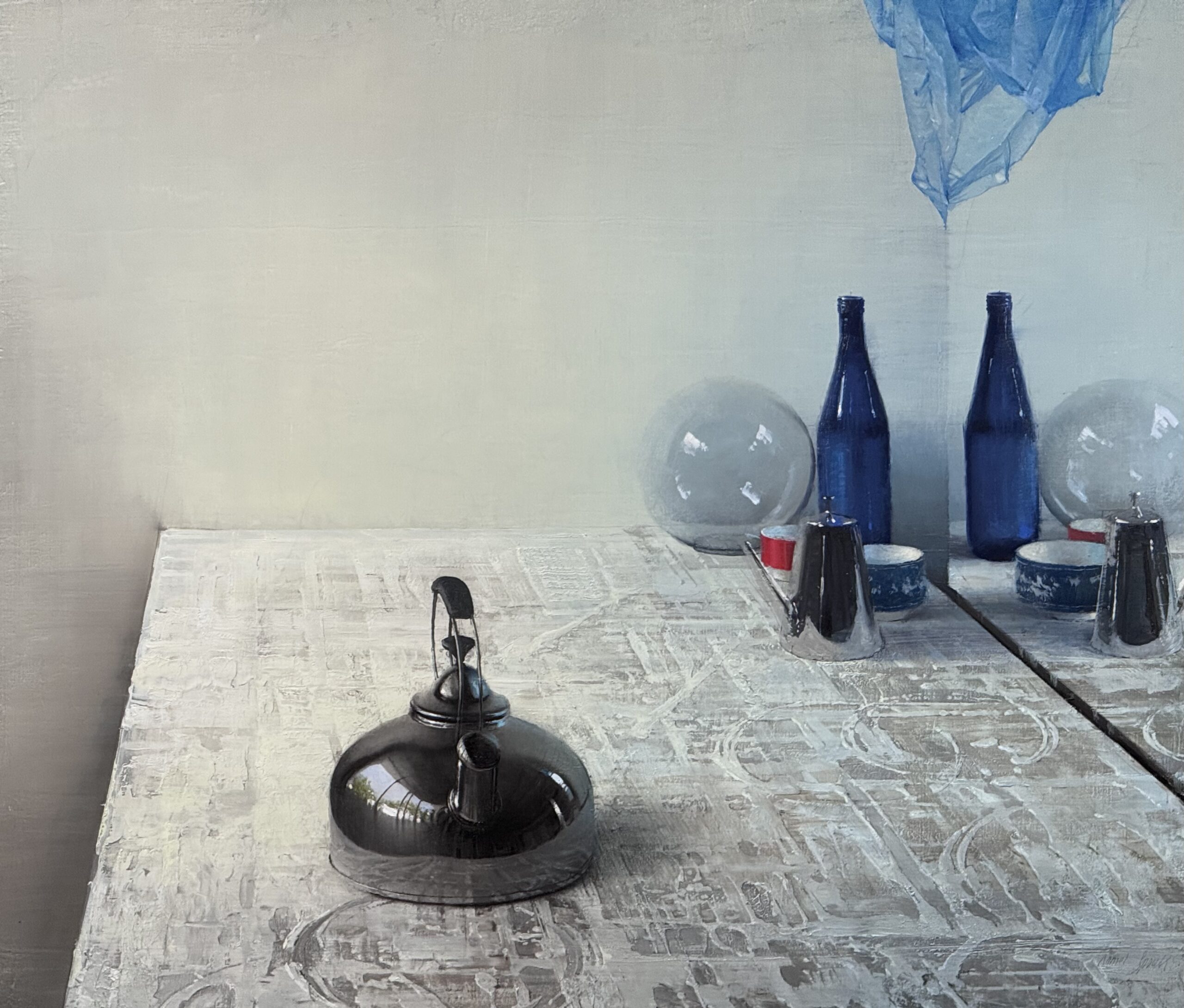
Arcadia Contemporary (NY) Presents Daniel Sprick: “What Remains”
Opening April 2, 2026
From the Gallery:
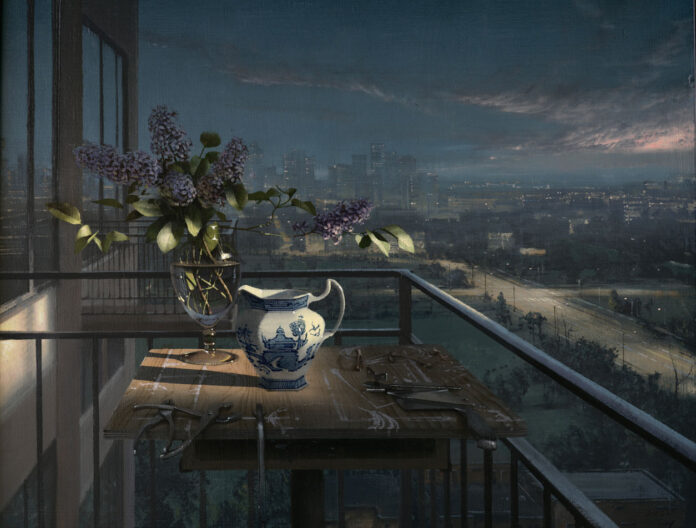
For more than five decades, Daniel Sprick has been recognized as one of the foremost painters working within contemporary realism. Known for his extraordinary technical precision and deeply contemplative imagery, Sprick’s works often appear photographic at first glance, yet reveal themselves slowly through subtle distortions, poetic arrangements of objects, and luminous passages of light that transform ordinary subjects into moments of quiet reflection.
In “What Remains,” Sprick returns to many of the objects and motifs that have appeared throughout his work for decades; skulls, vessels, flowers, tools, and plants. These familiar forms appear alongside fragile remnants such as broken eggshells, bones, and wilted petals. Together they quietly echo the long tradition of vanitas painting, where objects serve as reflections on time, mortality, and renewal. Some of the objects depicted have accompanied the artist from studio to studio for many years, while others appear only briefly before fading away.
“What Remains” marks Daniel Sprick’s third solo exhibition with Arcadia Contemporary and his first since 2011.
“What Dreams May Come”
Created from the artist’s Denver home and studio, these paintings possess a heightened sense of atmosphere as light and space move gently through the compositions. The surrounding environment becomes an active presence within the work as the objects depicted appear less like formal arrangements and more like things quietly inhabiting a lived-in space, suspended in time.
Together, the paintings in “What Remains” suggest a meditation on cycles of life and decay, presence and absence, permanence and change. Familiar objects reappear across time, while fragile fragments speak to the fleeting nature of the moment. Through this balance, Sprick transforms the still life tradition into a quietly philosophical exploration of what persists, fades and returns. In these quiet arrangements, Sprick invites viewers to consider not only the passing of time, but what remains.
Born in Little Rock, Arkansas in 1953, Sprick studied at the Ramon Froman School of Art and the National Academy of Design before earning his BFA from the University of Northern Colorado. He lives and works in Colorado and has exhibited extensively throughout the United States for more than four decades. His works are held in numerous public and private collections, including the Denver Art Museum.
As part of our effort to continue to help artists and art galleries thrive, we’re proud to bring you this week’s “Virtual Gallery Walk.” Browse the artwork below and click the image itself to learn more about it, including how to contact the gallery.
Chasing Sunlight, Marian Fortunati, oil on canvas, 18 x 24 in., Marian Fortunati
Want to see your gallery featured in an upcoming Virtual Gallery Walk? Contact us at [email protected] to advertise today. Don’t delay, as spaces are first come, first served, and availability is limited.
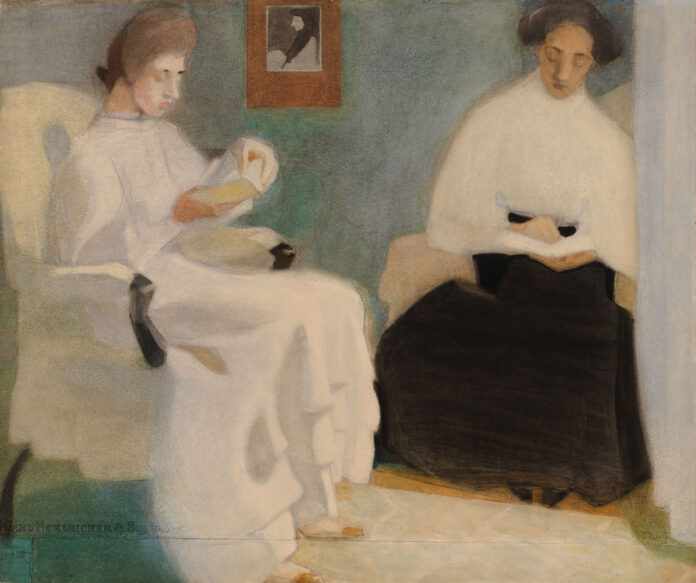
Helene Schjerfbeck, "Girls Reading," 1907, Watercolor, gouache, and pencil on paper, 26 3/8 × 31 1/8 in. (67 × 79 cm), Ateneum Art Museum, Finnish National Gallery, Helsinki (A II 963) SCH.020 ObjectID: 906267, Photo: Finnish National Gallery / Hannu Aaltonen
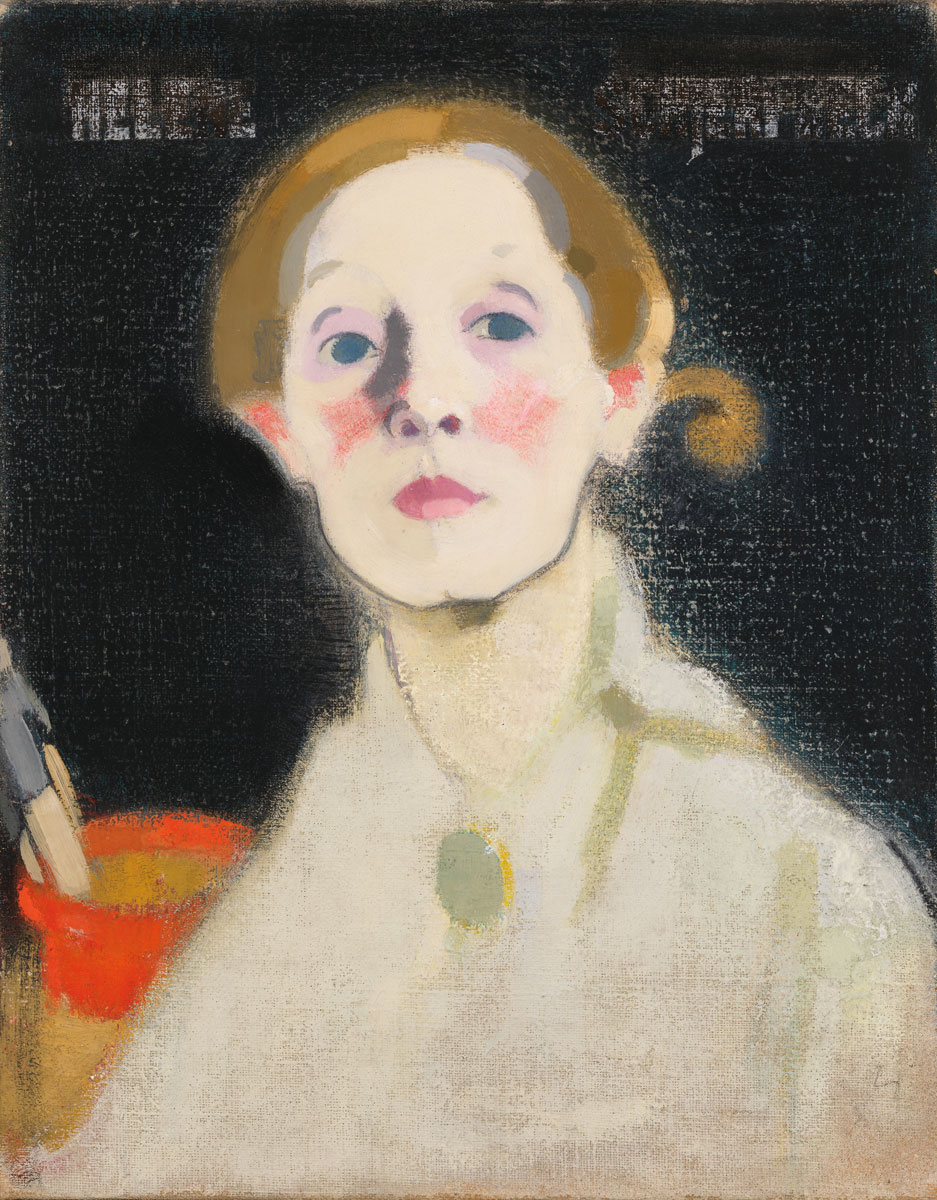
Narrative and portrait paintings on view > Beloved in Nordic countries for her highly original style, Finnish painter Helene Schjerfbeck (1862–1946) is relatively unknown to the rest of the world. Born in Helsinki, Schjerfbeck witnessed civil war and two World Wars as well as the burgeoning of Finland’s national identity following independence from Russian rule in 1917. Despite many personal hardships, Schjerfbeck never wavered in her determination to pursue her passion, painting for most of her life in a remote Nordic country, far removed from Europe’s centers of cultural upheaval and renewal. She once said resolutely, “All that I desire to do is to paint….there is always something to conquer.”
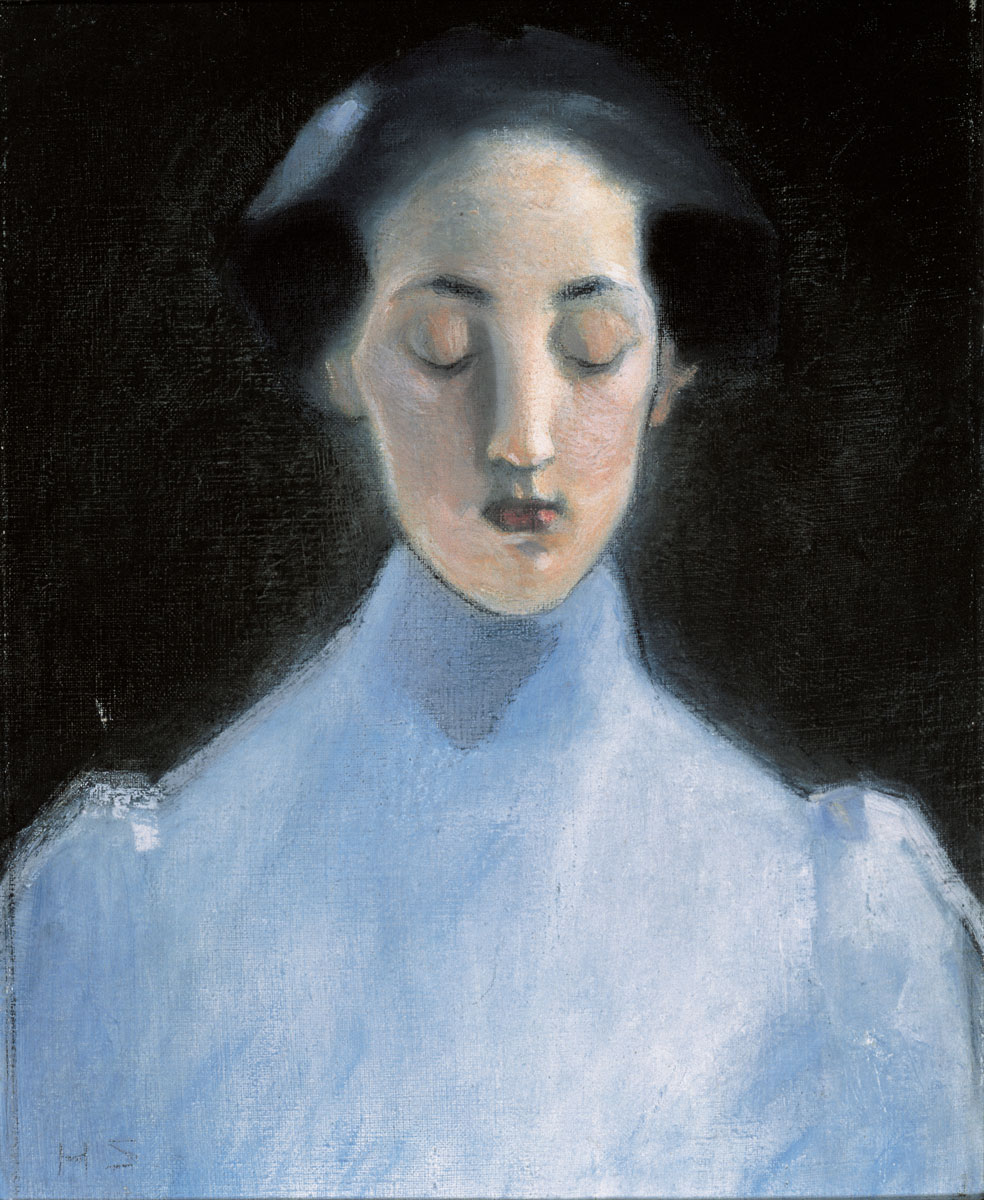
Helene Schjerfbeck (Finnish, Helsinki 1862–1946 Saltsjöbaden), “Self-Portrait with Black Background,” 1915, Oil on canvas, 17 15/16 × 14 3/16 in. (45.5 × 36 cm), Ateneum Art Museum, Finnish National Gallery, Herman and Elisabeth Hallonblad Collection, Helsinki, (A II 1065) SCH.042 ObjectID: 906386, Photo: Finnish National Gallery / Hannu Aaltonen
The Metropolitan Museum of Art’s “Seeing Silence: The Paintings of Helene Schjerfbeck” is the first major exhibition in the United States dedicated to the artist’s work. Featuring nearly 60 works on canvas—including generous loans from the Finnish National Gallery / Ateneum Art Museum, other Finnish museums, and private collections in Finland and Sweden—the exhibition is on view through April 5, 2026.
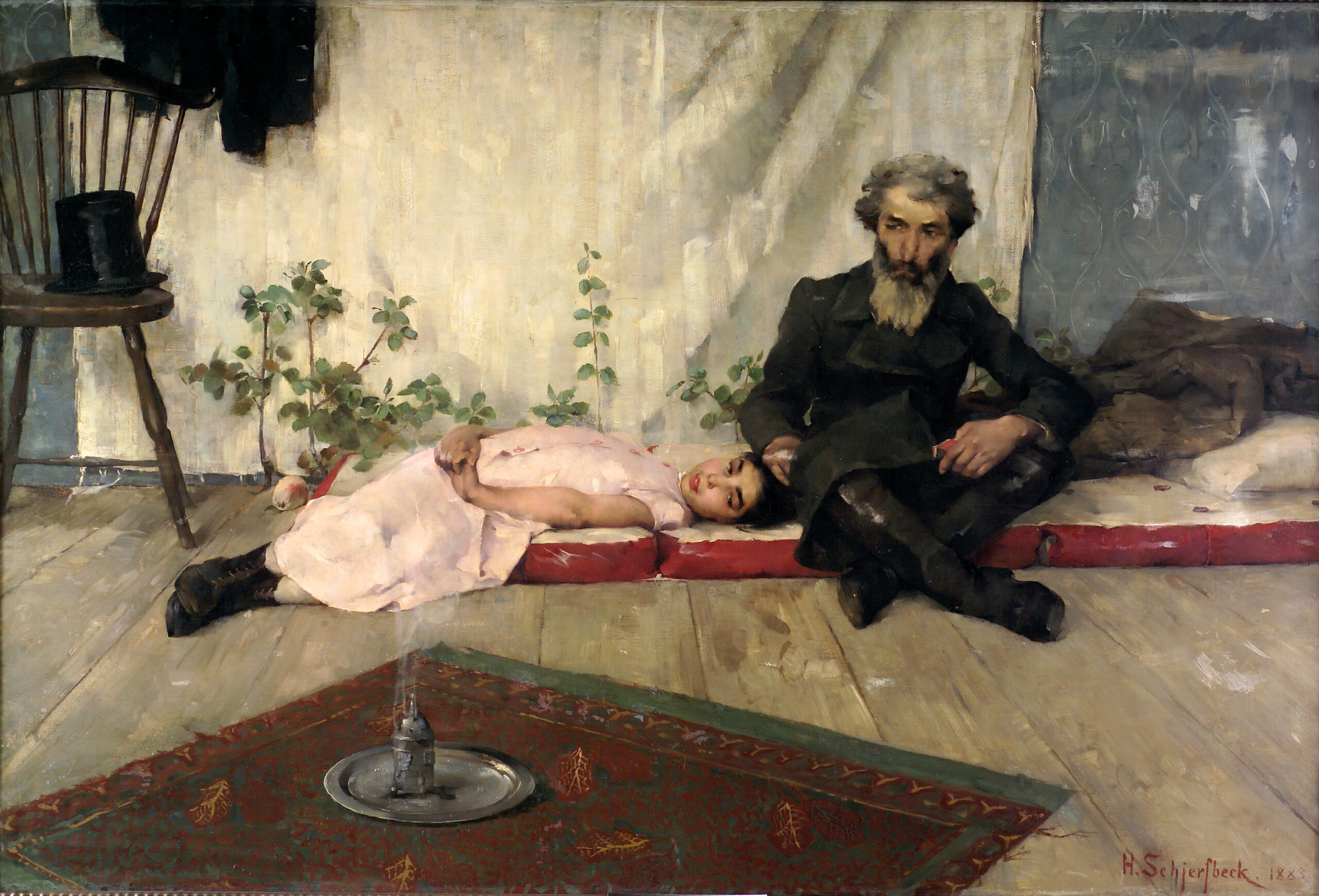
Helene Schjerfbeck, “Fête Juive (Sukkot),” 1883, Oil on canvas, 45 1/4 × 67 11/16 in. (115 × 172 cm), Signe and Ane Gyllenberg Foundation, Helsinki, SCH.005 ObjectID: 906250, Photo: Matias Uusikylä / Signe and Ane Gyllenberg Foundation
“’Seeing Silence’ highlights the work of an extraordinary artist who, though long celebrated in Norway and Sweden as the most outstanding female painter of her time, has not yet achieved well-deserved visibility on this side of the Atlantic,” said Max Hollein, The Met’s Marina Kellen French Director and Chief Executive Officer. “The exhibition invites audiences here to experience Helene Schjerfbeck’s mesmerizing works and distinctive vision for the first time at a major U.S. museum, showcasing the remarkable perspective and introspection of an artist wholly dedicated to her craft over the course of eight decades.”
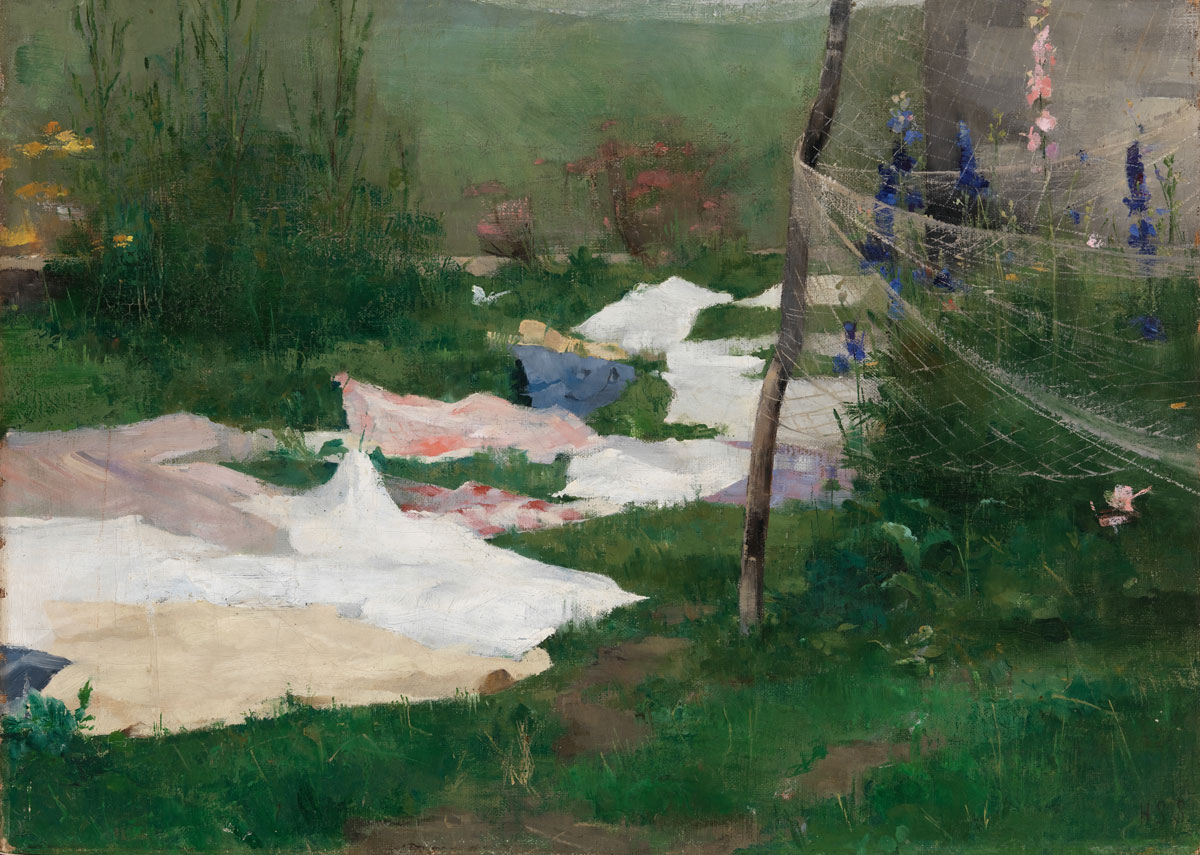
Helene Schjerfbeck, “Clothes Drying,” 1883, Oil on canvas, 15 3/8 × 21 7/16 in. (39 × 54.5 cm), Ateneum Art Museum, Finnish National Gallery, Helsinki (Ta-2005-3) SCH.011 ObjectID: 906256, Photo: Finnish National Gallery / Yehia Eweis
Dita Amory, Robert Lehman Curator in Charge of the Robert Lehman Collection at The Met, said, “Painting in remote Finland without recourse to broader culture and the exchange of contemporary ideas, Schjerfbeck created her own vernacular every day at her easel by sheer force of will. ‘Seeing Silence’ looks beyond art history’s cultural mainstream to one woman who overcame immense struggles to produce a powerful body of work, highlighting her rightful place in the story of modernism.”
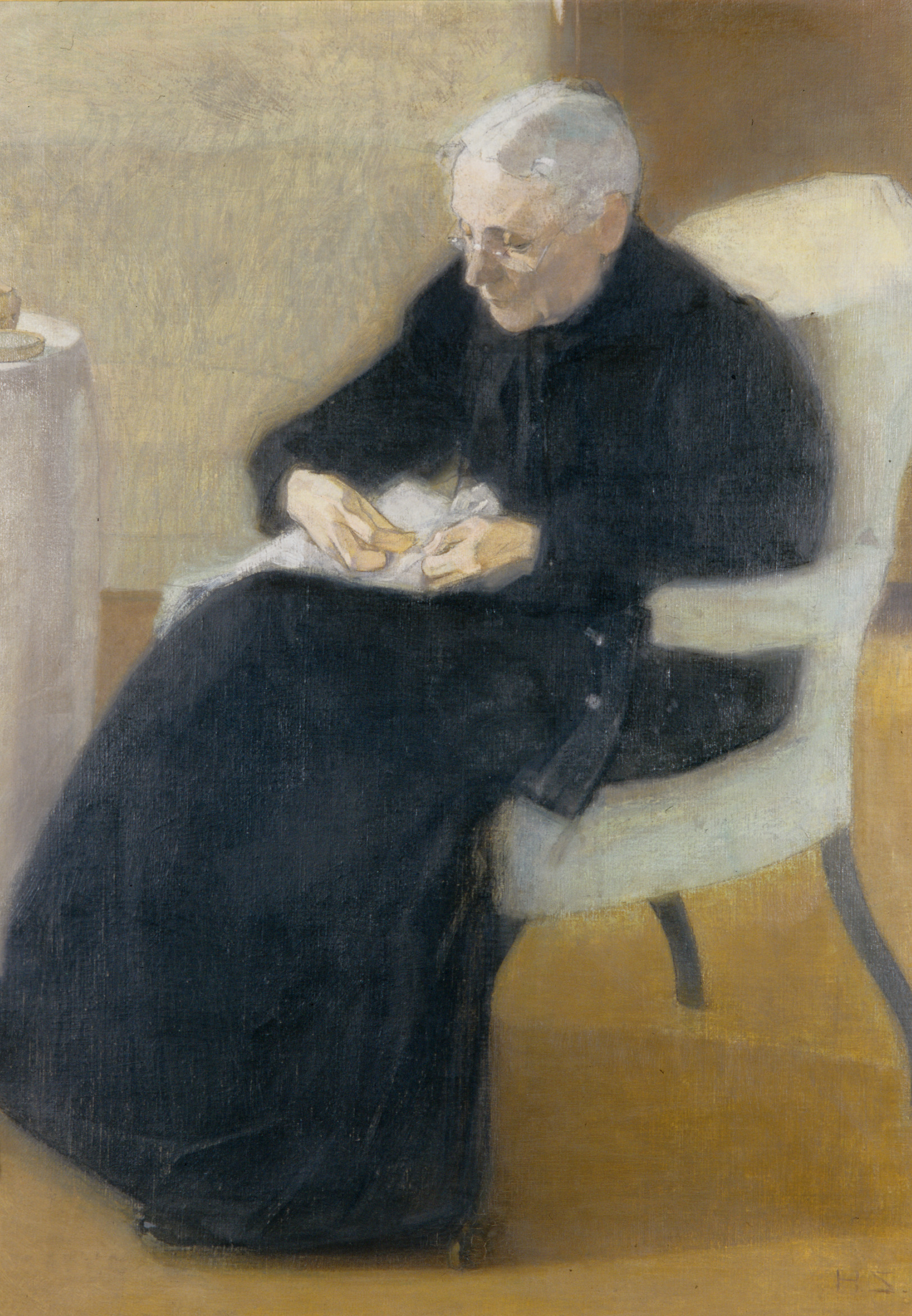
Helene Schjerfbeck, “At Home (Mother Sewing),” 1903, Oil on canvas, 34 1/16 × 24 1/2 in. (86.5 × 62.3 cm), Turku Art Museum, SCH.019 ObjectID: 906264, Photo: Turku ArtMuseum / Kari Lehtinen
“Seeing Silence” traces Schjerfbeck’s artistic development from her early years in Helsinki to the end of her life in Sweden, illuminating the artist’s evolving style from traditional subjects in a realist vein to a painterly language of spare imagery, often densely worked in thick and diluted paint. Schjerfbeck sanded and scratched through layers of paint, sometimes exposing the dense weave of her canvases as she experimented with her materials. As a valuable voice among the many strands of modernism at play throughout the world in the early 20th century, her unique visual language deserves recognition in the codified narratives of art history.
Helene Schjerfbeck, “Silence,” 1907, Tempera and oil on canvas, 17 15/16 × 14 3/16 in. (45.5 × 36 cm), Nordea Art Foundation Finland Collection Helsinki SCH.023 ObjectID: 906270, Photo: Seppo Hilpo
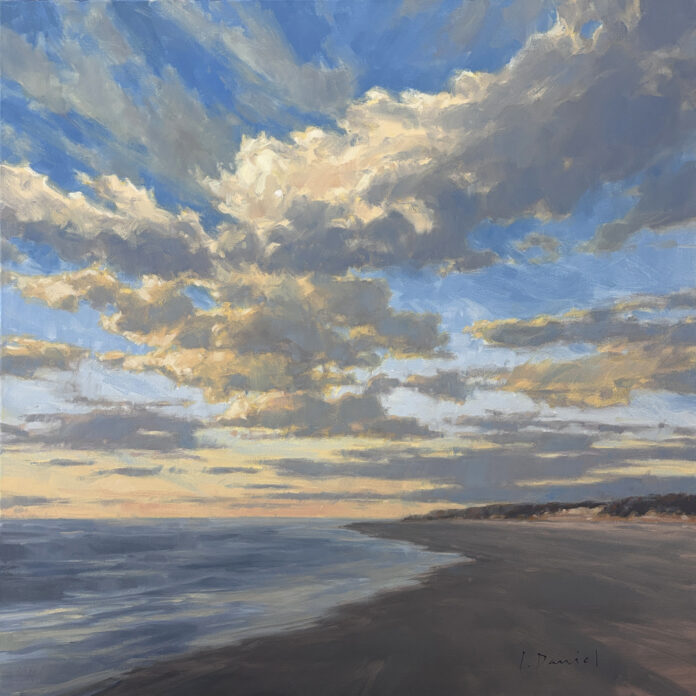
Laurel Daniel, Bursting Forth, 30 x 30 in, oil, 2026.
Laurel Daniel:
PA Today: Plein Air Today: How do you find inspiration?
As a landscape painter living on an island, anticipating the newness of each day keeps me poised for inspiration. From seaside to marshlands, there is a predictable unpredictability to the rhythm of coastal life. The shoreline constantly shifts, the marsh fills and empties, plant life blooms and fades, and the birds are always searching. My current body of work is rooted in a sense of expectancy that comes from watching the fickle dance between marsh and sea… the wonder of swirling skies, the fascination of colorful vegetation, and the ever-intriguing coastal light… never the same, but always compelling.
Fill your mind with useful art stories, the latest trends, upcoming art shows, top artists, and more. Subscribe to Fine Art Today, from the publishers of Fine Art Connoisseur magazine.