Home Blog Page 353

You’re Invited to ‘Local Masters’

0
John Cook, “Hats Off,” oil on canvas, 60 x 40 in. © Southwest Gallery

Two nationally acclaimed painters are getting some local love from their preeminent gallery this spring with a vibrant group exhibition. Who are they, and where does it all take place?

Southwest Gallery in Dallas, Texas, is presenting the works of nationally acclaimed painters John Cook and John Pototschnik during an exhibition titled “Local Masters.” An opening reception, which will be attended by the artists, will take place on Saturday, May 13, from 1-5 p.m.

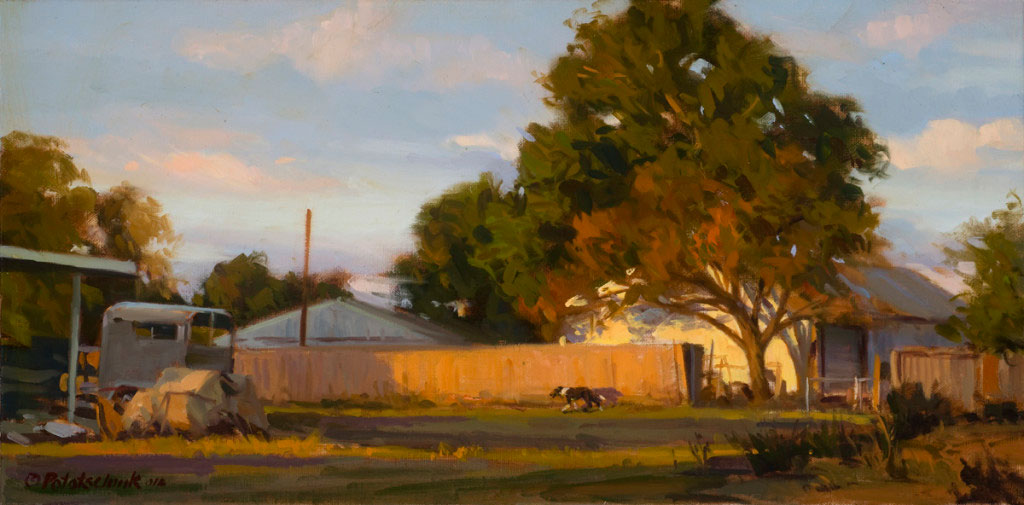
John Pototschnik, “Simply Marvelous,” oil on canvas, 12 x 24 in. © Southwest Gallery
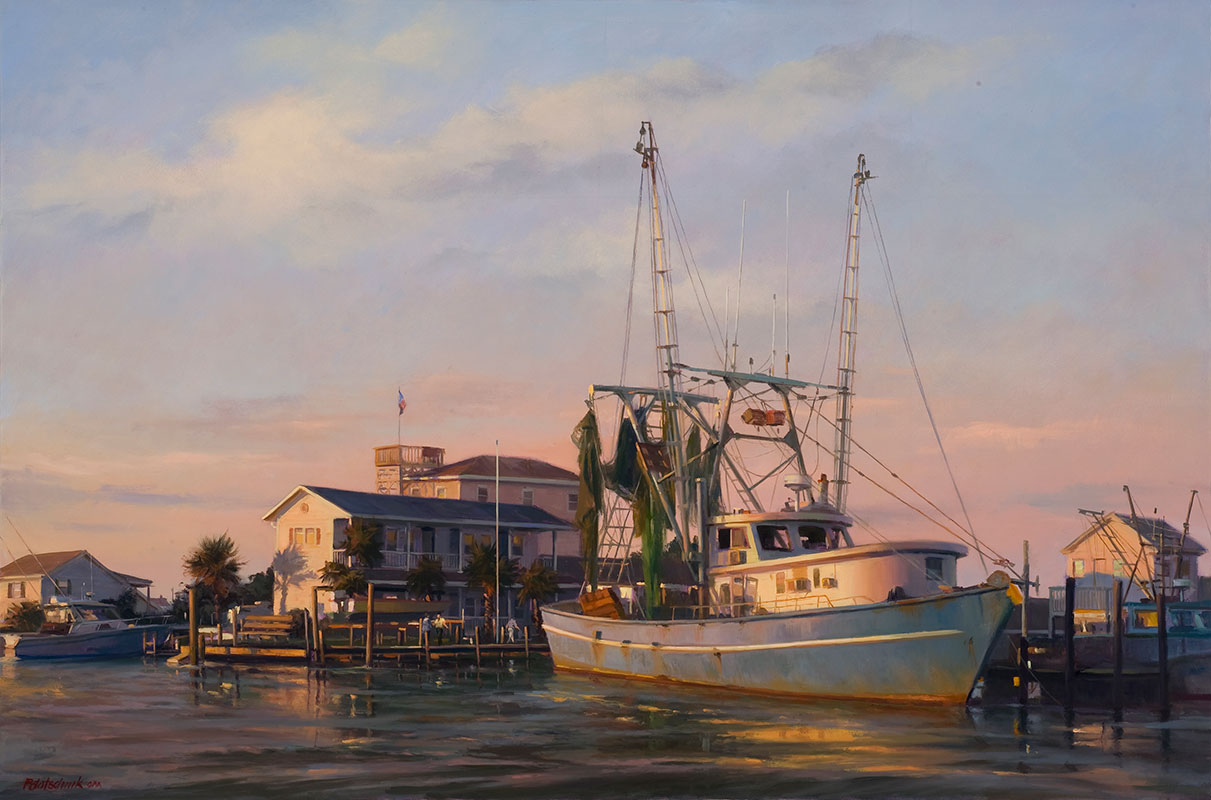
John Pototschnik, “Docked,” oil on canvas, 32 x 48 in. © Southwest Gallery

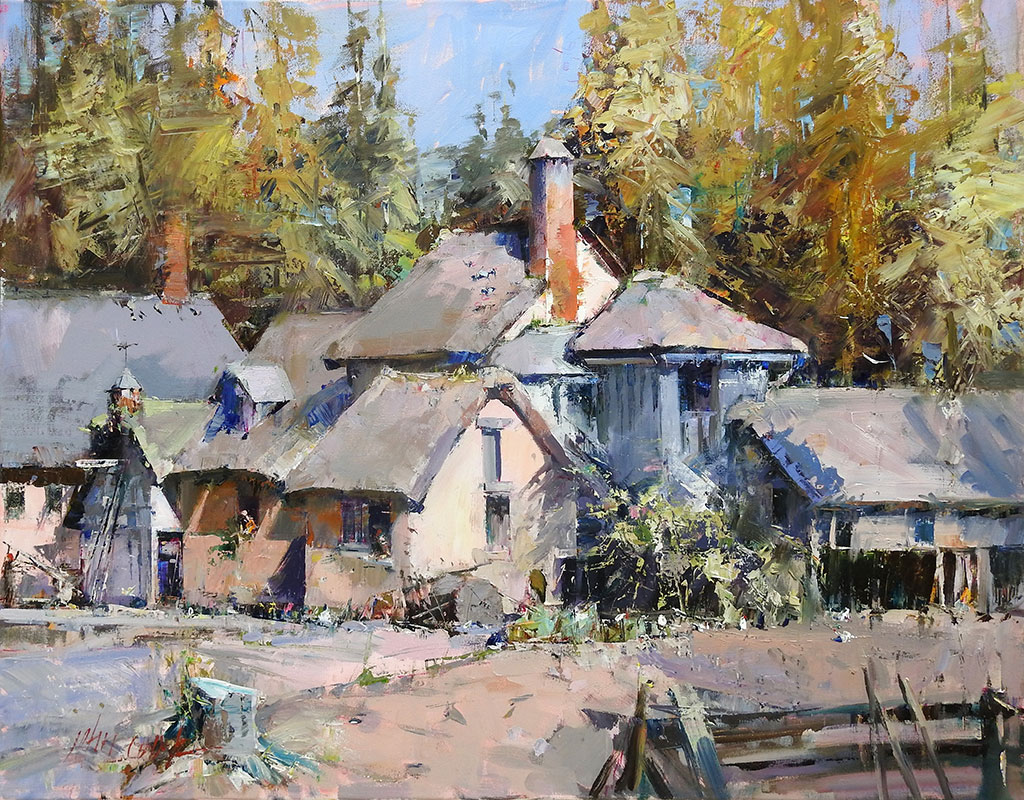
“Action and energy permeate the canvases of John Cook,” the gallery writes. “There is a spontaneous nature to his paintings that conveys his need to quickly achieve the essence of light as it dances, pierces, careens, and bounces to find its way throughout the subject. By drawing with brush rather than pencil, Cook achieves the loose and free style that characterizes his work. Never belabored, each painting reflects his passion to catch a mood with the interplay of light and shade.”

John Cook, “Midmorning Burgandy,” oil on canvas, 60 x 72 in. © Southwest Gallery
John Pototschnik, “View Across the Valley,” oil on canvas, 30 x 30 in. © Southwest Gallery
John Cook, “Timeless,” oil on canvas, 24 x 30 in. © Southwest Gallery

Pototschnick says, “My paintings are not flamboyant, mysterious, trendy or shocking, but I am interested in depicting the truth about life, as I see it, in a naturalistic way free of frills and bravado. I enjoy depicting simple, common, everyday life and its objects as things of beauty and worth. I intend to show the dignity and value of the subjects I paint — just as my artistic influences have. Through continued hard work I want to give to society paintings that transcend the culture and its ever changing tastes … paintings that speak to the heart.”

To learn more, visit Southwest Gallery.

This article was featured in Fine Art Today, a weekly e-newsletter from Fine Art Connoisseur magazine. To start receiving Fine Art Today for free, click here.

How Emotional Were the Ancient Greeks?

0
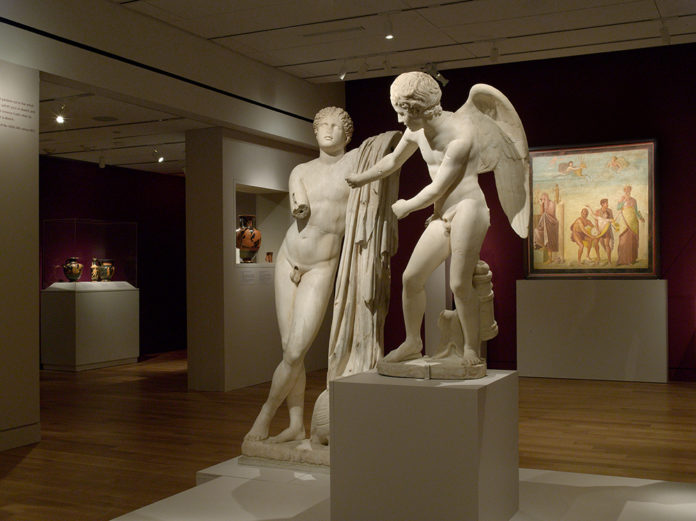
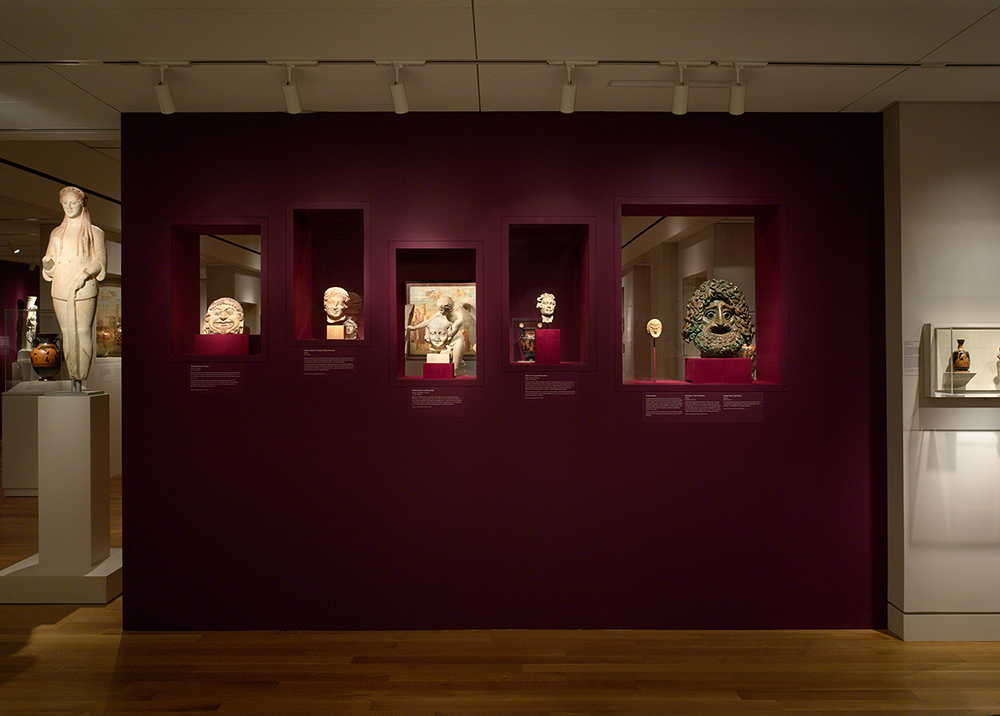
A view of the installation at the Onassis Cultural Center; Image courtesy Onassis Cultural Center 2017

Although the Greeks are best known for their idealized renderings of Olympian gods and the human figure, and for early conceptions of democracy, there were hints of expression and emotion that have often gone unnoticed — until now.

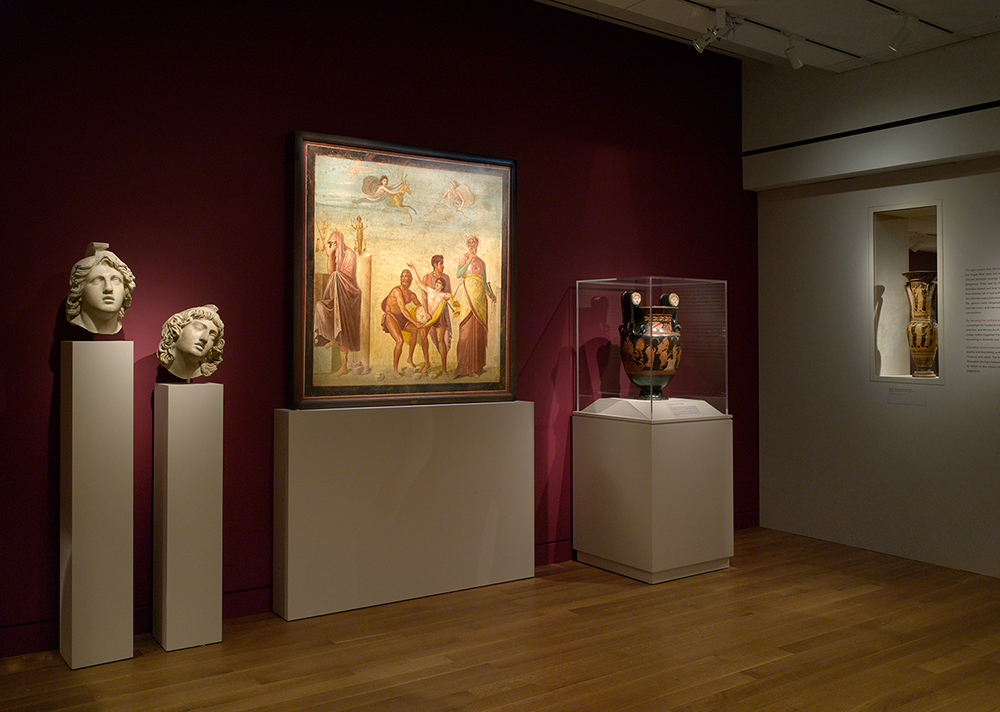
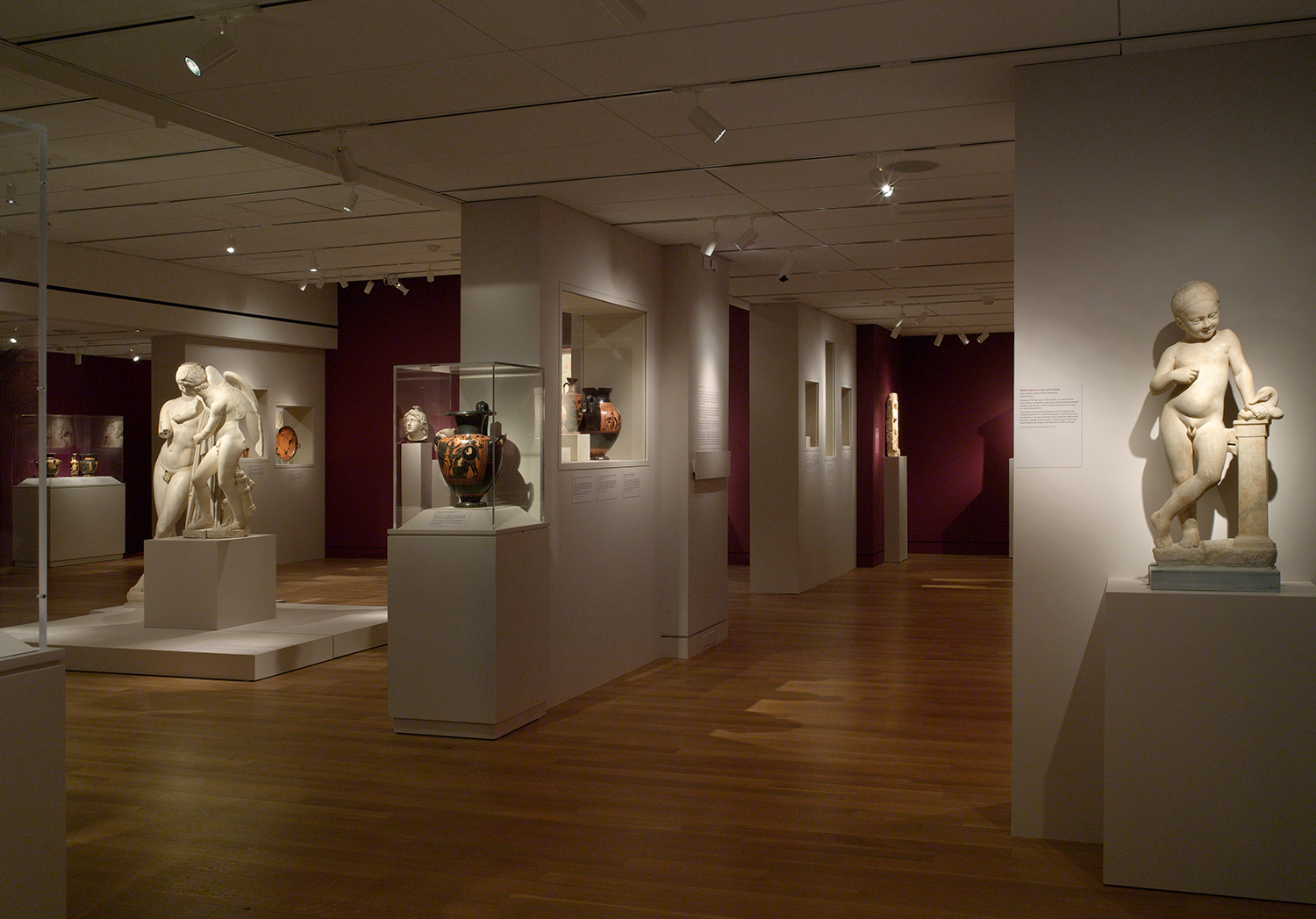
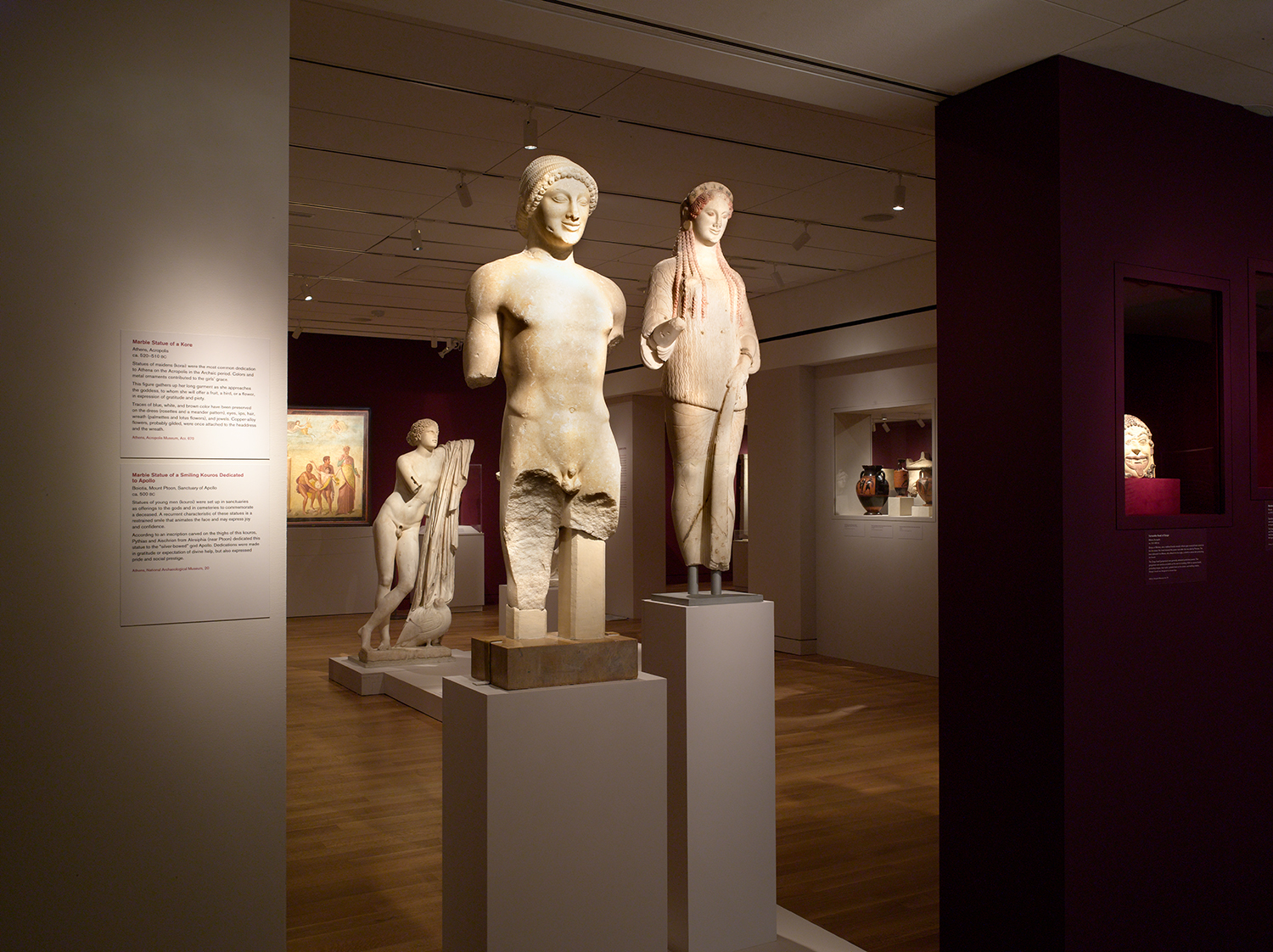
The ways expression and emotion were depicted in some of the most beautiful objects from Classical Greece are the theme of a path-breaking exhibition at the Onassis Cultural Center in New York. Titled “A World of Emotions: Ancient Greece, 700 BCE-200 AD,” the show amasses a collection of more than 130 masterpieces from the finest museums in the world, including (among others) the Acropolis Museum, the National Archaeological Museum Athens, the Louvre Museum, the British Museum, and the Vatican Museums.

A view of the installation at the Onassis Cultural Center; Image courtesy Onassis Cultural Center 2017

“The exhibition explores the ideas and attitudes of people in classical antiquity toward emotion and the ways in which the emotions were depicted,” the Center writes, “revealing how some are striking familiar to us and some shockingly alien. Although ancient Greece is often said to have been flooded with the light of reason, ‘A World of Emotions’ lays bare the far different reality addressed in Homer’s Iliad, whose very first word is menis: wrath.”

“A World of Emotions: Ancient Greece, 700 BCE-200 AD” opened on March 9 and remains on view through June 24. To learn more, visit the Onassis Cultural Center.

This article was featured in Fine Art Today, a weekly e-newsletter from Fine Art Connoisseur magazine. To start receiving Fine Art Today for free, click here.

Old Masters Dominate Upcoming Print Auction

0
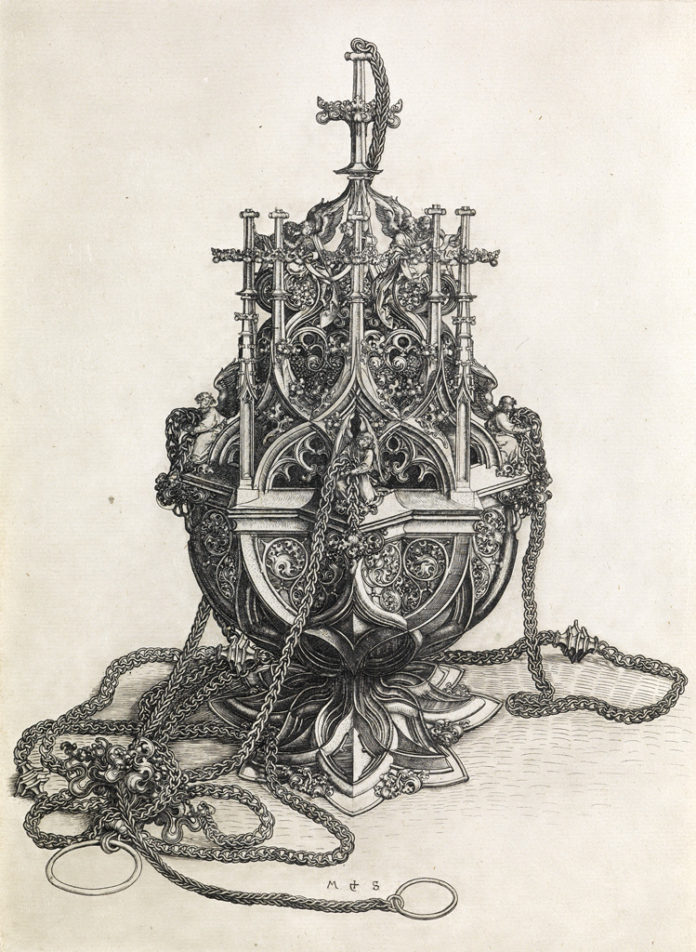
Martin Schongauer, “A Censer,” circa 1485, engraving, ($120,000-$180,000)

Swann Galleries will soon auction an impressive lineup of gorgeous prints, many by art history’s greatest printmakers, during its Spring Prints sale. For fine art collectors and print enthusiasts, this is one auction not to miss. The highlights?

Lovers of prints are aware that Swann Galleries remains one of the premier American venues for Old Master prints, and that trend continues May 2 with Swann’s “Spring Prints Auction.” A diverse range of time periods and artists is covered in the sale, giving collectors countless opportunities to add that special impression to their growing holdings.

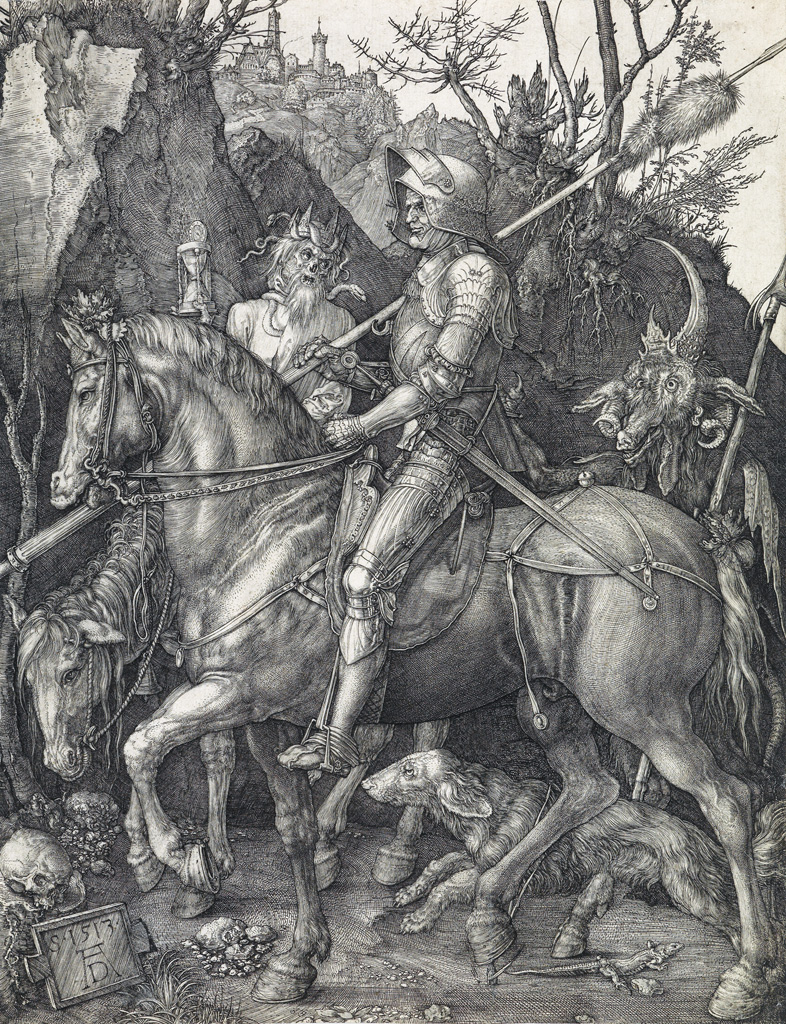
Albrecht Dürer, “Knight, Death, and the Devil,” 1513, engraving ($50,000-$75,000)

Among the highlights of the sale are several iconic engravings by Albrecht Dürer, led by his 1513 “Knight, Death, and the Devil” (estimate $50,000-$75,000). Other important works by the master include “The Sea Monster,” “The Four Horsemen,” and “Melancolia I,” each with estimates between $40,000 and $60,000. An exceptional array of impressions by Rembrandt van Rijn is also available for acquisition, including a rare early impression of “Landscape with a Square Tower,” circa 1650. Other selections include Rembrandt’s “The Omval” and “Abraham Casting out Hagar and Ishmael.” Rounding out the Old Master lots are impressions by iconic artists such as Canaletto, Giovanni Piranesi, and Francisco José de Goya.

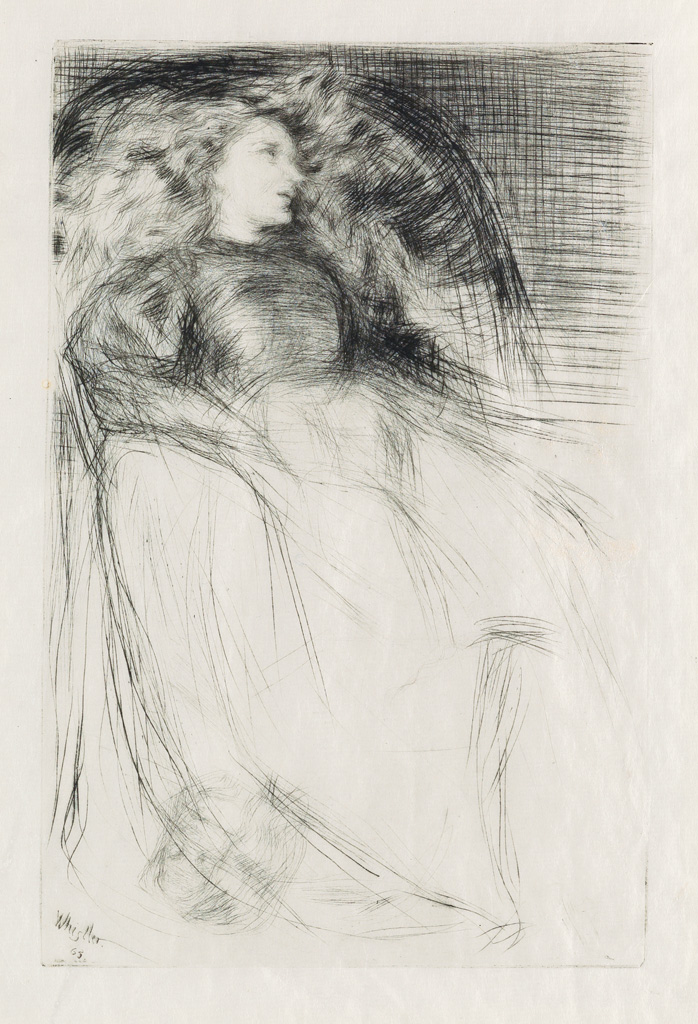
James A.M. Whistler, “Weary,” 1863, drypoint on japan paper, ($40,000-$60,000)

For impressions of the 19th and 20th centuries, selections include works by Marcel Duchamp, René Magritte, Henri Matisse, Emil Nolde, Wassily Kandinsky, Fernand Léger, Edward Hopper, James A.M. Whistler, George Bellows, Rockwell Kent, Georges Braque, Pablo Picasso, and Otto Mueller.

Swann Galleries’ “Spring Prints Auction” kicks off on Tuesday, May 2 at 10:30 a.m. at the venue’s New York City location on East 25th Street. To view selections from the full catalogue, visit Swann Galleries.

This article was featured in Fine Art Today, a weekly e-newsletter from Fine Art Connoisseur magazine. To start receiving Fine Art Today for free, click here.

Wyeth Honored in Maine

1
Andrew Wyeth, “Alvaro and Christina,” 1968, watercolor on paper, 22 1/2 x 28 3/4 in. © Farnsworth Art Museum

Marking the centennial of the artist’s birth, the Farnsworth Art Museum recently began a series of outstanding exhibitions aimed at celebrating Andrew Wyeth’s (1917-2009) invaluable contributions to American 20th-century art. All you need to know is one click away!

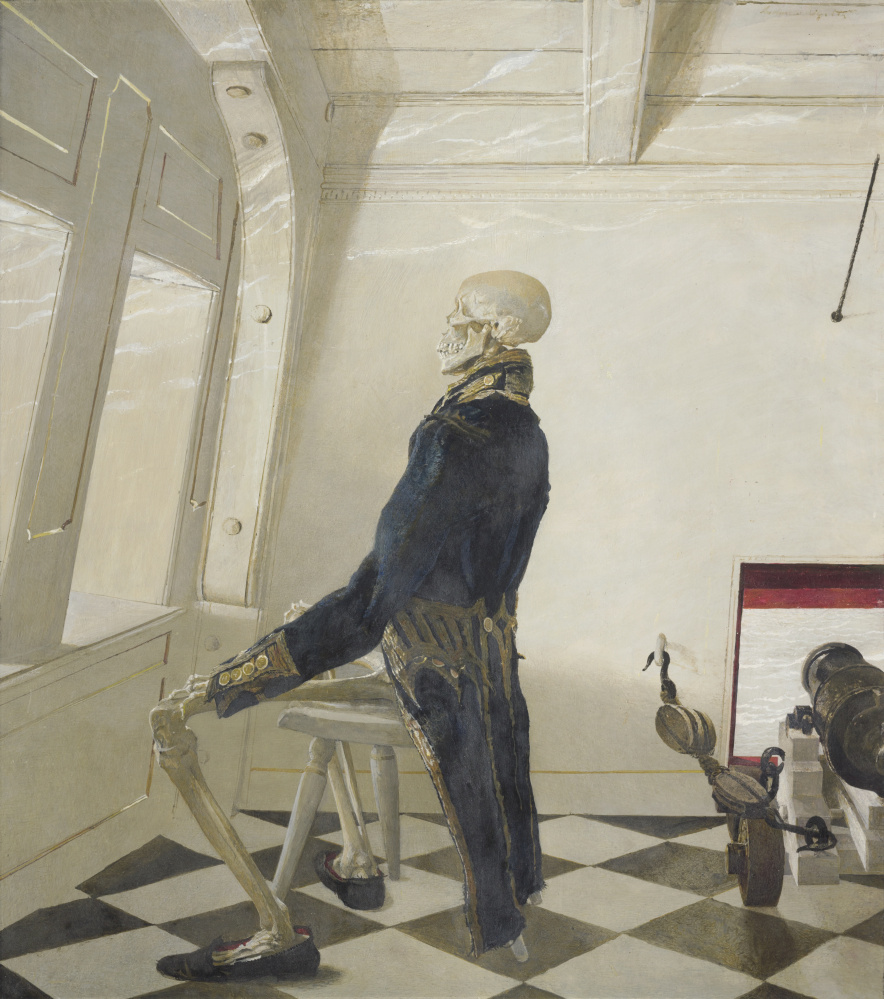
On April 15, the Farnsworth Art Museum in Rockland, Maine, opened the first of a major series of exhibitions dedicated to the art and legacy of important American artist Andrew Wyeth (1917-2009). Titled “Andrew Wyeth at 100,” the series begins with a comprehensive retrospective highlighting Wyeth’s Maine watercolors. Four other shows will explore his temperas and drawings “while a photography exhibition will focus on the Olson House, a major inspiration to the artist for over three decades,” the museum writes.

Andrew Wyeth, “Dr. Syn,” 1981, tempera on panel, © Farnsworth Art Museum

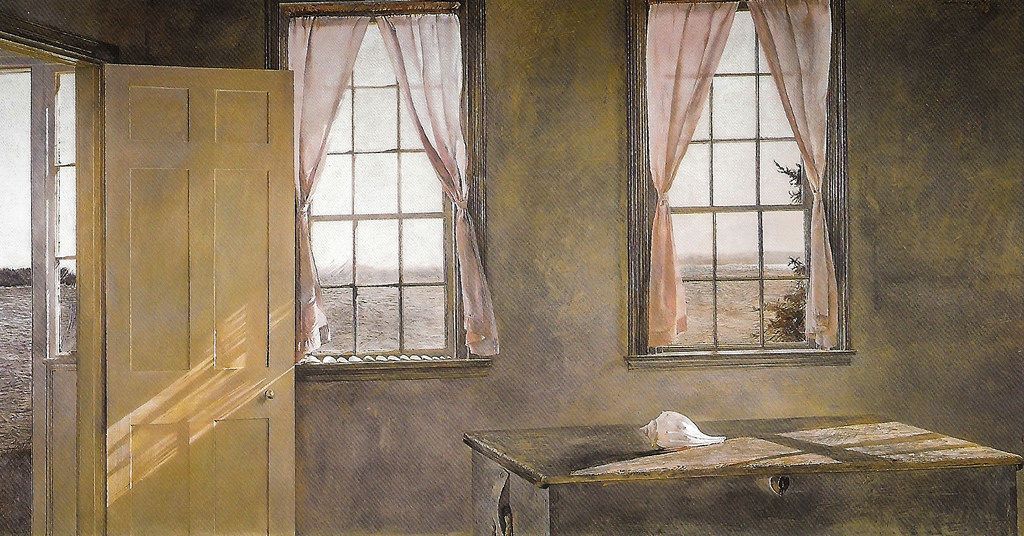
Co-curated by Farnsworth chief curator Michael K. Komanecky, “Andrew Wyeth: Maine Watercolors” opened on April 15 and includes works that represent every phase of the master’s career as well as a study for his final work, a watercolor to be titled “Goodbye My Love.” Two special exhibitions will also center around three of Wyeth’s best known tempera paintings — an intriguing “Self-Portrait” along with “Dr. Syn” and “Her Room.”

Andrew Wyeth, “Her Room,” 1963, tempera on panel, 24 3/4 x 48 in. © Farnsworth Art Museum

“‘The Olson House: Photographer’s Muse’ will feature photographs of the house made famous by Wyeth’s iconic ‘Christina’s World’,” the museum continues, “and will include works by Paul Caponigro, Linda Connor, Tillman Crane, James Moore, Bradley Prescott, Peter Ralson, Kosti Ruohomaa, George Tice, Brian Vanden Brink, and Eva Zembroski. Finally, an exhibition of the artist’s Maine drawings will complete the series. These five projects will be accompanied by a single illustrated catalogue documenting each show, with essays by Farnsworth’s Michael K. Komanecky and Henry Adams. The catalogue will be published by the Farnsworth Art Museum.”

The museum will officially celebrate Wyeth’s birthday with an event on Wednesday, July 12, with a party at 3 p.m. at the Wyeth Center (located at the museum). To learn more, visit the Farnsworth Art Museum.

This article was featured in Fine Art Today, a weekly e-newsletter from Fine Art Connoisseur magazine. To start receiving Fine Art Today for free, click here.

Save the Date: Degas Rediscovered

0
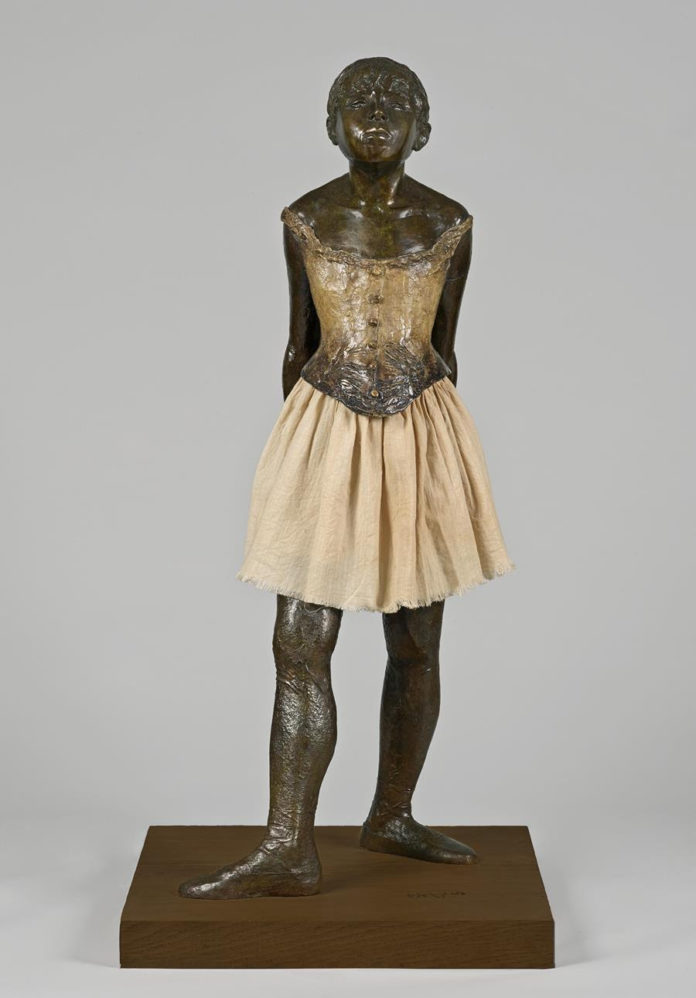
Edgar Degas, “Little Dancer Aged Fourteen,” circa 1881, bronze, 38 15/16 x 13 11/16 x 13 7/8 in. © Stair Sainty

Through the compelling research of Art Historian Dr. Gregory Hedberg, Stair Sainty in London has an incredible story to tell surrounding one of the most significant bronzes in modern art: Degas’ “Petite Danseuse de Quatorze Ans.”

(Art) History is being made at London’s Stair Sainty from April 27 through May 26. The gallery recently announced that it will be exhibiting a stunning bronze sculpture by Edgar Degas (1834-1917), titled “Little Dancer Aged Fourteen.” However, this is only where the fascinating story begins.

Significantly, it is believed that the featured bronze is actually a cast of the original 1881 wax sculpture made in Degas’ lifetime. The exhibition follows the recent publication of a monograph on the sculpture by Dr. Gregory Hedberg, director of European art at the Hirschl & Adler Galleries, New York. In the text, Dr. Hedberg presents a convincing argument that other casts of the sculpture — which display slight differences in the figure’s clothing and pose — are actually representative of Degas’ reworking of the original sculpture.

These later examples (cast after the artist’s death in 1917) are familiar because they exist in museums around the world, from the Tate, London, to the Metropolitan Museum, New York, to the Musée d’Orsay, Paris. Hedberg further demonstrates that the featured bronze at Stair Sainty better matches contemporary descriptions of the bronze that appeared at the 1881 Impressionist Exhibition in Paris.

Gallery owner Guy Stair Sainty adds, “‘Little Dancer, Aged Fourteen’ is one of the most renowned examples of western art and the discovery of the plaster, which Dr. Hedberg convincingly argues, records the wax as it was presented in 1881 and gives us a better understanding of Degas and his artistic development. The startling differences with the bronzes cast from the wax found in Degas’s studio after his death are a revelation and explain why contemporary descriptions of the original bodice, leggings, horse hair wig, pose, and Egyptian qualities of the the first version of Degas’s wax better match details recorded by the bronze that will be shown at the Stair Sainty Gallery.”

To learn more, visit Stair Sainty.

This article was featured in Fine Art Today, a weekly e-newsletter from Fine Art Connoisseur magazine. To start receiving Fine Art Today for free, click here.

Khedoori Gets the Nod from PAMM

0
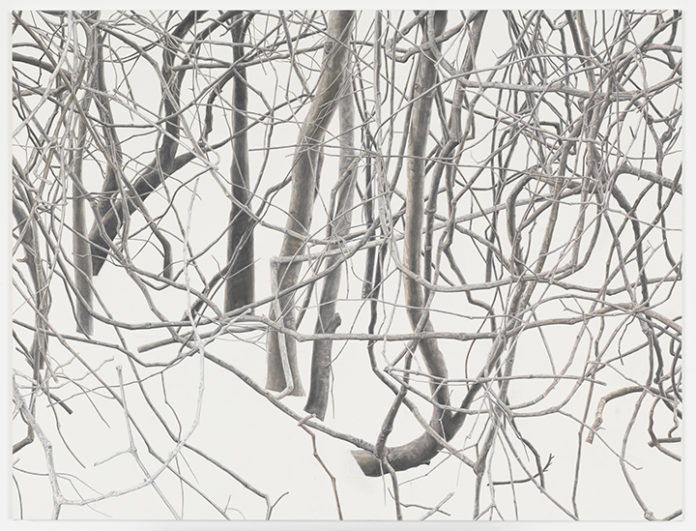
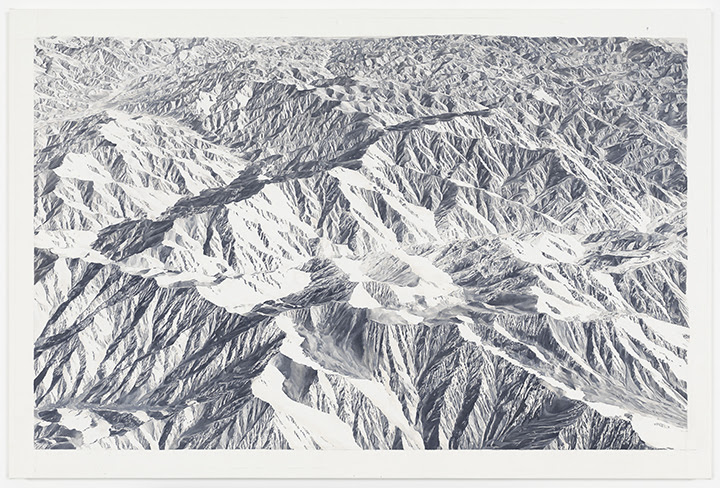
Toba Khedoori, “Untitled (Branches 1),” 2011-12, oil on linen, 31 3/4 x 41 3/8 in. Private Collection

A powerful and nuanced body of work by internationally acclaimed draftswoman Toba Khedoori is being shown at the Pérez Art Museum Miami this summer. Whether large or small in scale, these incredible drawings are sure to make a big impact on you.

A major survey of Toba Khedoori’s oeuvre over the past 22 years is currently underway at the Pérez Art Museum Miami (PAMM) through September 24. Opening on April 21, the exhibition presents nearly 30 works, including the artist’s most recent oil paintings alongside her well-known large-scale works on paper.

Khedoori’s reputation precedes her, as collectors and institutions have for years been captivated by the artist’s detailed drawings, “often depicting architectural elements or objects detached from their surroundings,” as the museum reports. The current exhibition is nearly comprehensive, exploring the artist’s formative drawings through her current creative musings in oil. However, the presentation of the works begins with Khedoori’s recent body of work before moving back in time. “Such reverse chronology highlights the long development of her work,” the museum adds, “from an intimate scale to a much larger scale than she began with.”

Toba Khedoori, “Untitled (Mountains 2),” 2011-12, oil on linen, 27 1/2 x 40 7/8 in., Emanuel Hoffmann Foundation

PAMM director and exhibition curator Franklin Sirmans suggests, “Toba’s work continually reminds us of the power in the hands of an artist to create with simple means — graphite or paint and a surface to be inscribed upon. The exhibition hopefully slows down time, pace, and the museumgoing experience, and encourages a passion for thoughtful and sustained look.”

The museum continues, “Khedoori’s precise draftsmanship and large-scale works on paper, for which she has become known, render objects and spaces familiar yet decontextualized. In recent years, she has transitioned from paper to canvas, producing smaller scale works that hover between representation and abstraction. Like her earlier compositions, these works are enigmatic and acutely detailed. In an art world awash with rapidly moving images and saturated colors, Khedoori remains committed to the silent, slow, and exacting process of working by hand.”

To learn more, visit the Pérez Art Museum Miami.

This article was featured in Fine Art Today, a weekly e-newsletter from Fine Art Connoisseur magazine. To start receiving Fine Art Today for free, click here.

Regarding the Figure. . .

0
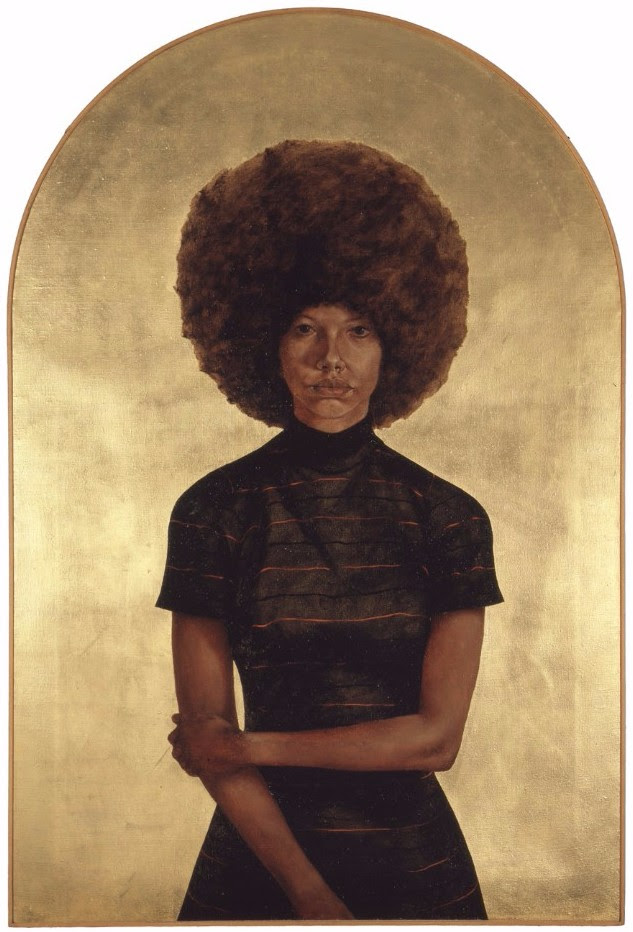
Barkley L. Hendricks, “Lawdy Mama,” 1969, © The Studio Museum in Harlem, 2017

The Studio Museum in Harlem, New York, recently announced a major exhibition series slated for the spring/summer season that’s being met with great anticipation. It’s titled “Regarding the Figure,” and we’ve got all the info you’ll need to decide which ones to see.

April 20 marks the beginning of a series (titled “Regarding the Figure”) of six exhibitions this spring and summer at New York’s The Studio Museum in Harlem that is sure to delight the discerning connoisseur. Three of the exhibitions highlight the ways in which figurative art can both reflect and address African-American history and culture. The first three exhibitions, titled “Rico Gatson: Icons 2007-2017,” “Jamel Shabazz: Crossing 125th,” and “Regarding the Figure” take compelling views on a few different themes.

“Regarding the Figure” will present more than a century of portraiture and figurative work drawn from the museum’s permanent holdings. The following shows showcase the works of Rico Gatson and Jamel Shabazz, exploring each artist’s unique creative vision as African-Americans, including images of African-Americans and cityscapes taken on Harlem’s iconic main street.

Continuing, the museum writes, “These exhibitions are accompanied by two presentations of archival materials. ‘Signature: Graphic Design from the Studio Museum Archive’ explores 50 years of the institution’s history through the lens of printed material; while ‘Smokehouse, 1968-1970’ highlights the Smokehouse Associates, who sought to transform Harlem through public art projects. The latest installation of the popular ‘Harlem Postcards’ project rounds out the season.”

“Regarding the Figure” opens on April 20 and continues through August 6. “Rico Gatson: Icons 2007-2017” and “Jamel Shabazz: Crossing 125th” open April 20 and are on view through August 27. “Signature: Graphic Design from the Studio Museum Archive” is on view through July 2. “Smokehouse, 1968-1970” runs through August 27 while “Harlem Postcards” continues through July 16.

To learn more, visit The Studio Museum in Harlem.

This article was featured in Fine Art Today, a weekly e-newsletter from Fine Art Connoisseur magazine. To start receiving Fine Art Today for free, click here.

The Power of Place in American Art, 1915-1950

0
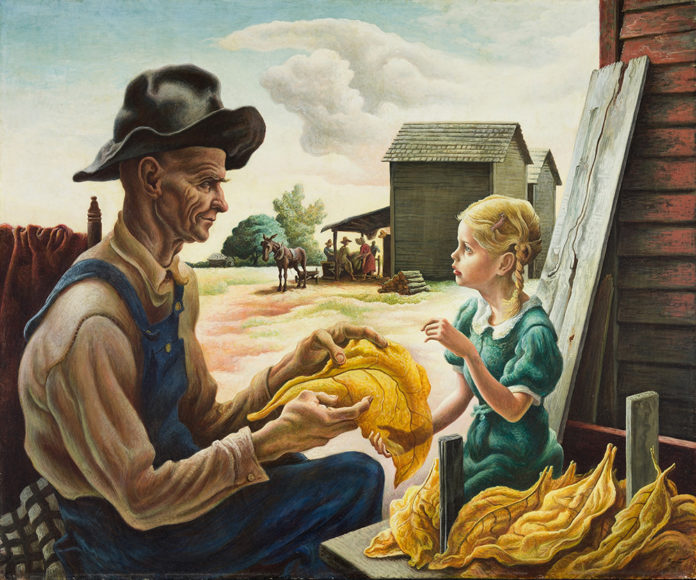
Thomas Hart Benton, “Tobacco Sorters,” circa 1942-1944, tempera on board, 30 1/8 x 36 in. © Crystal Bridges Museum of American Art

Every fine art connoisseur knows that an artist’s location, home, or region has a profound effect on their art. This exhibition of more than 200 works explores American icons of the mid-20th century and how location means everything.

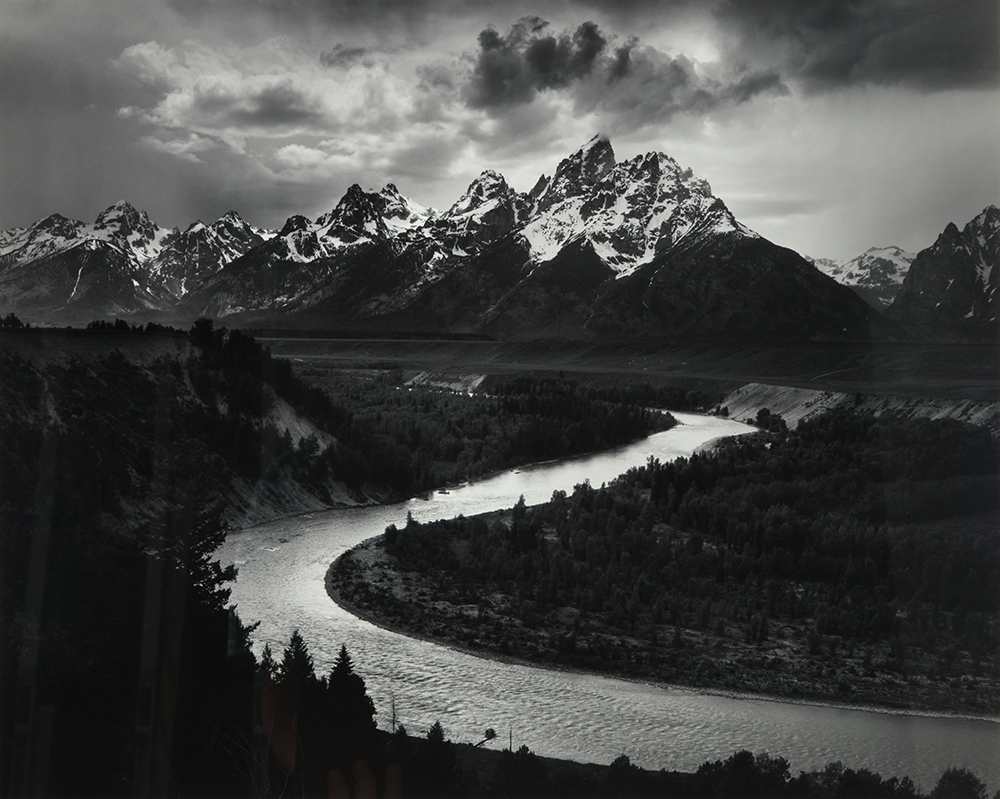
“Cross Country: The Power of Place in American Art, 1915-1950” is a fascinating exhibition on view at Atlanta, Georgia’s High Museum of Art through May 7. As the show title suggests, the museum has brought together a stunning array of American artworks from the first half of the 20th century to highlight the influence that different places had on artists’ creative voices.

Ansel Adams, “Teton Range and Snake River (Grand Teton National Park, Wyoming, 1942),” 1942, printed 1974, gelatin silver print, 15 11/16 x 19 9/16 in. © High Museum of Art

Featuring over 200 artworks and more than 70 from the High Museum’s permanent collection, the exhibition includes paintings, sculpture, photographs, murals, drawings, and much more. Among the represented artists are N.C. Wyeth, Georgia O’Keeffe, Grant Wood, Thomas Hart Benton, Jacob Lawrence, Grandma Moses, Hale Woodruff, Bill Traylor, Ansel Adams, Dorothea Lange, Alfred Stieglitz, and Peter Sekaer.

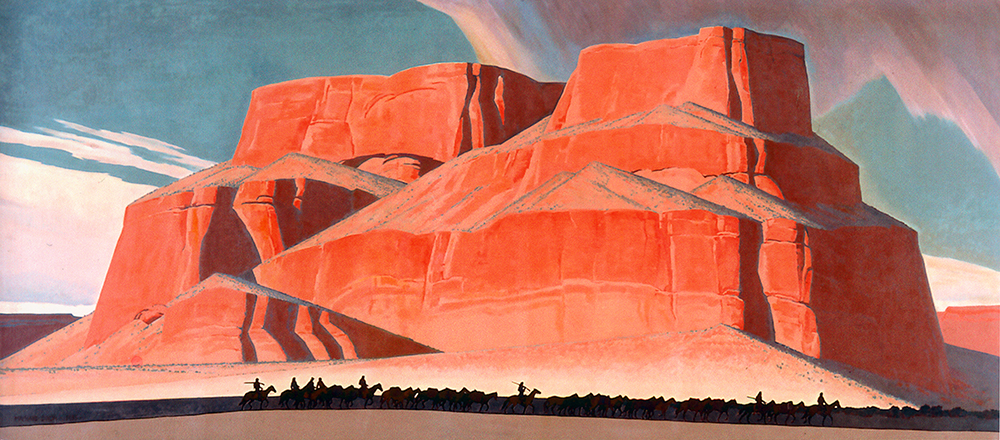
Maynard Dixon, “Red Butte with Mountain Men,” 1935, oil on canvas, 95 x 213 in. © Booth Western Art Museum
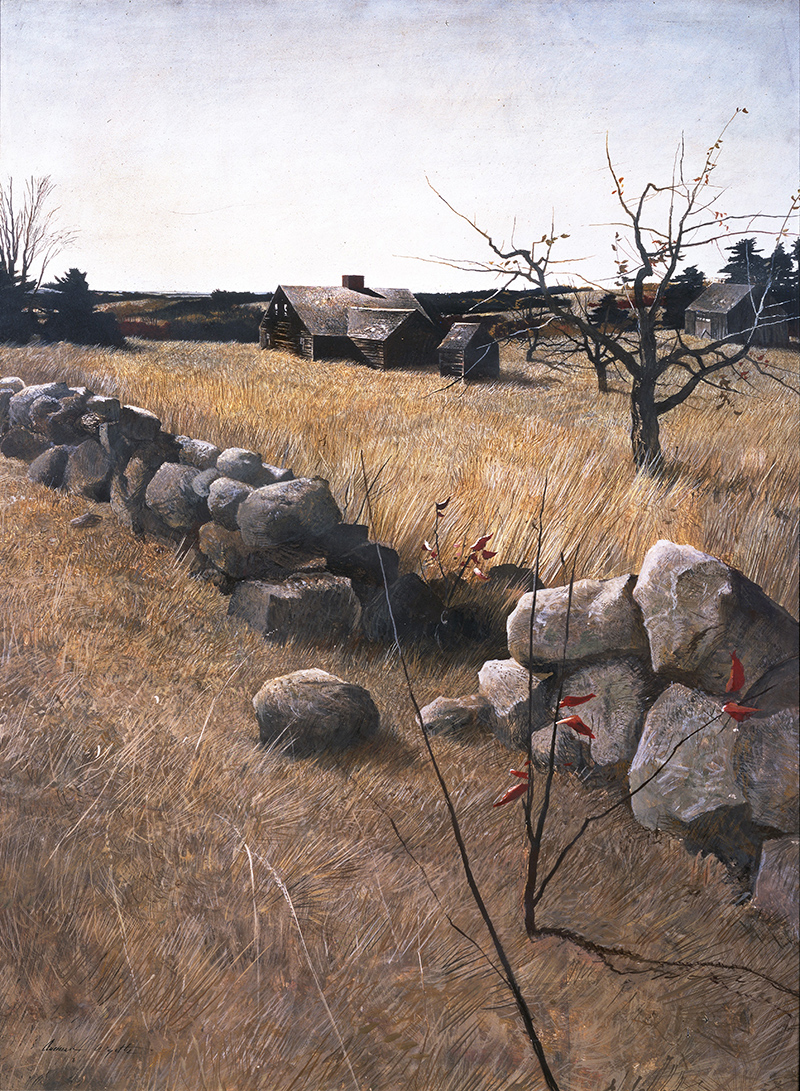
Andrew Wyeth, “The Stone Fence,” 1946, tempera on panel, 25 x 18 5/8 in. Private Collection
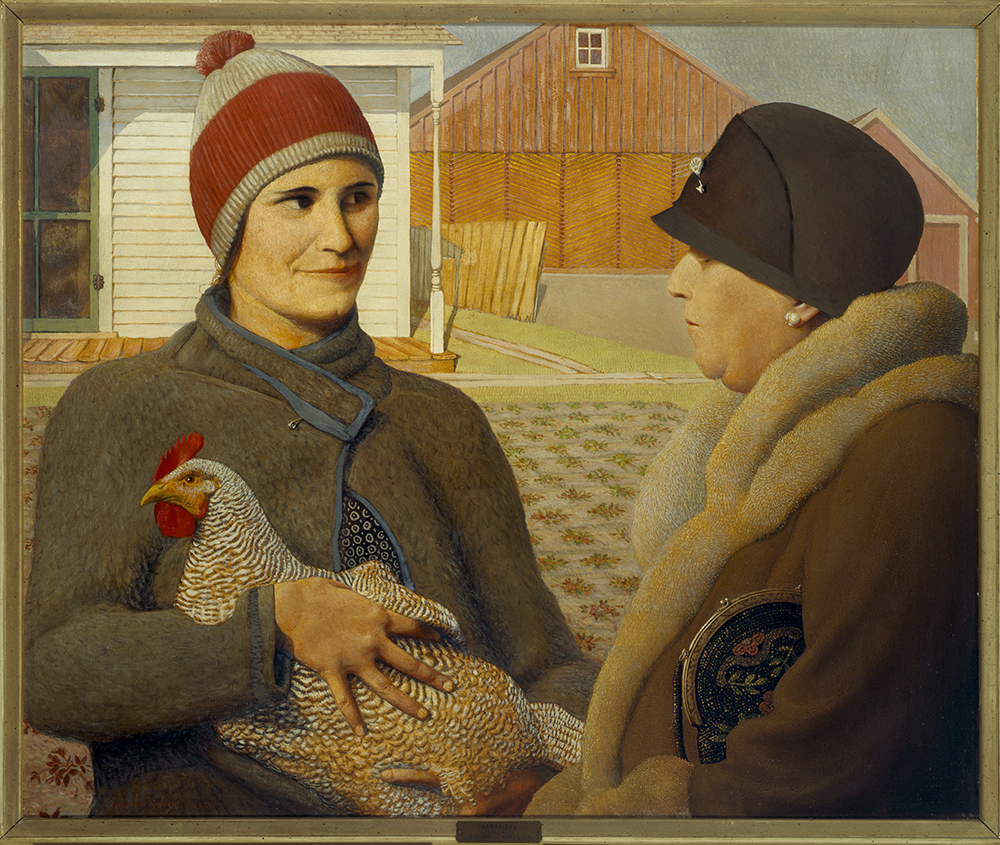
Grant Wood, “Appraisal,” 1932, oil on composition board, © Dubuque Museum of Art

Via the museum, “While the 20th-century city was a significant magnet for modern artists, many sought respite and even refuge in quieter, rural areas. ‘Cross Country’ brings together works by more than 80 artists to explore the impact of the American countryside on their artistic practice and how they adapted the modernist style to express their sense of place.

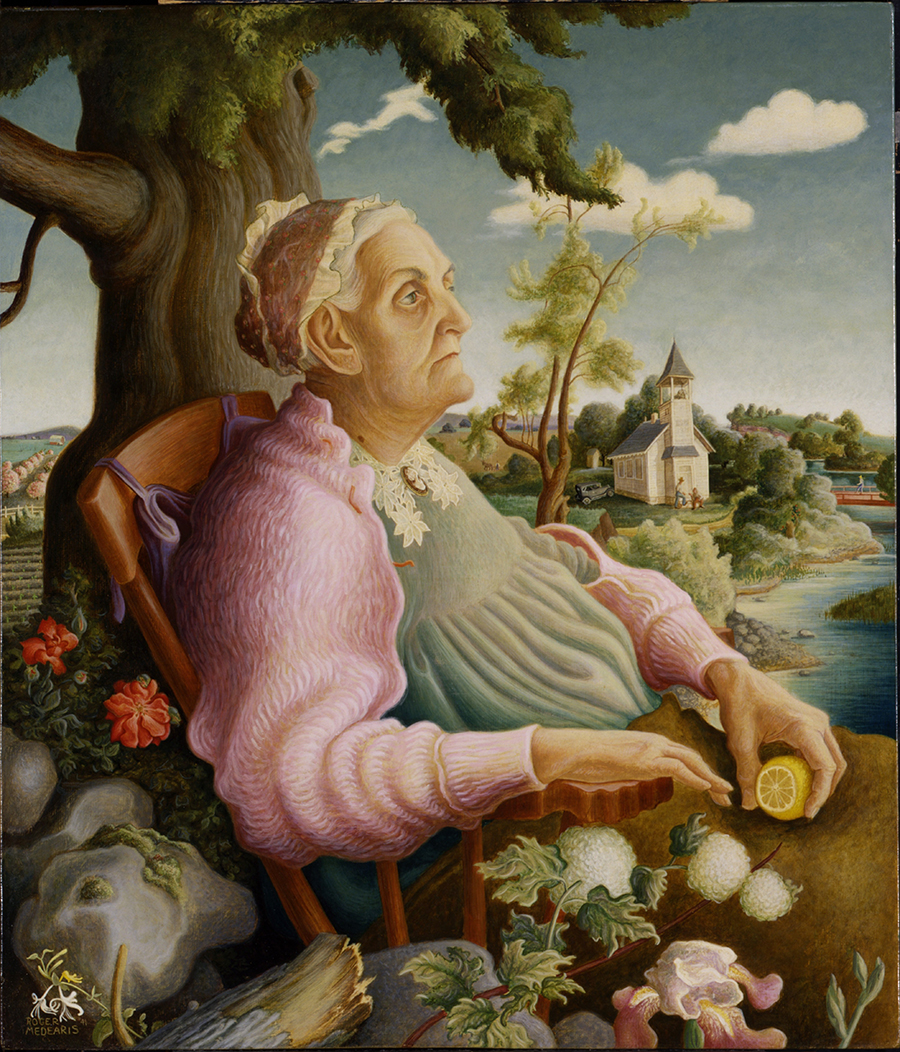
Roger Medearis, “Godly Susan,” 1942, egg tempera on board, 27 5/8 x 23-5/8 in. © Smithsonian American Art Museum

“The exhibition is organized geographically, according to the region depicted in the artworks. Each section incorporates photography and works by self-taught artists to further underscore the diversity of artistic production in the early 20th century.”

To learn more, visit the High Museum of Art.

This article was featured in Fine Art Today, a weekly e-newsletter from Fine Art Connoisseur magazine. To start receiving Fine Art Today for free, click here.

Portrait of the Week: Jean-Auguste-Dominique Ingres, “Louise de Broglie”

0
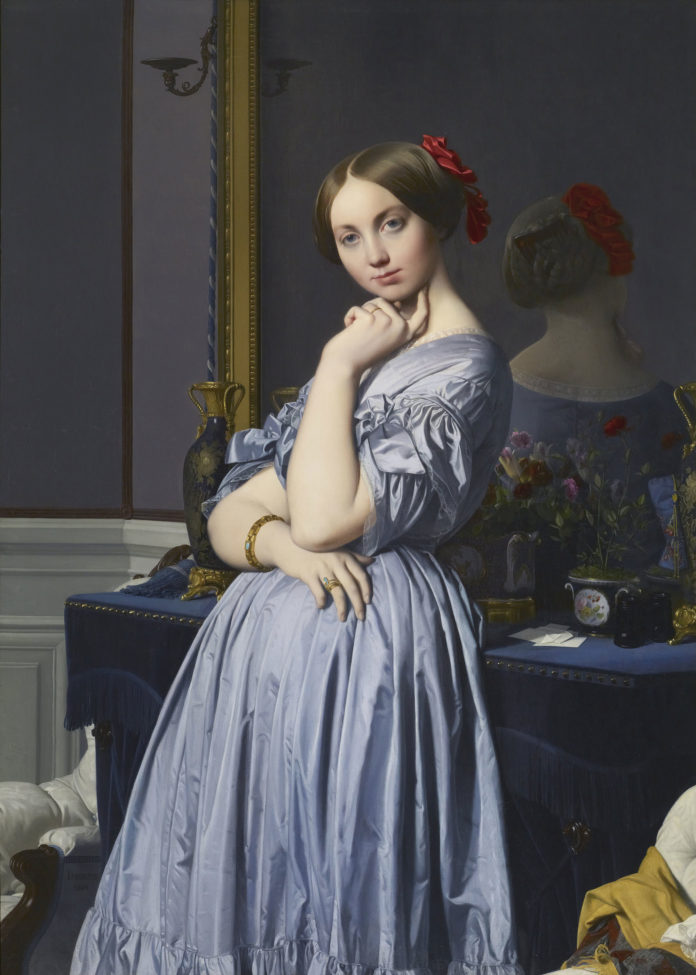
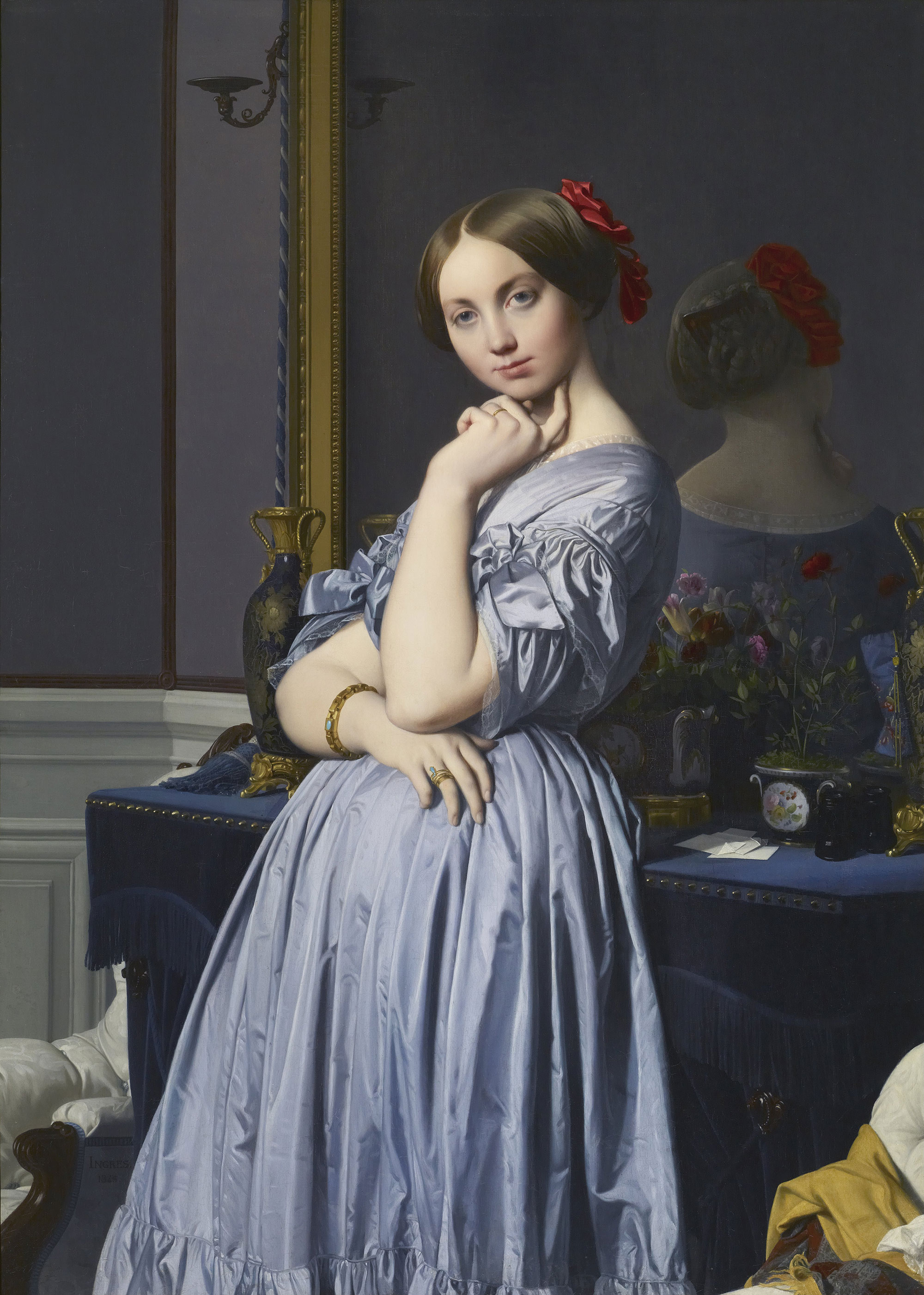
Jean-Auguste-Dominique Ingres, “Louise de Broglie, Countess d’Haussonville,” 1845, oil on canvas, 52 x 36 in. (c) The Frick Collection 2016

In this occasional series, Fine Art Today delves into the world of portraiture, highlighting historical and contemporary examples of superb quality and skill. This week: Jean-Auguste-Dominique Ingres, “Louise de Broglie, Countess d’Haussonville.”

It’s hard to find an adequate place to begin a synopsis of Jean-Auguste-Dominique Ingres’ brilliant 1845 portrait of Louise de Broglie — a difficulty that, perhaps, echoes the obstacles encountered during its production. Indeed, every element within the portrait — from the subject’s pose, her stunning gown, and the flash of vermillion red in her hair, to the clever reflection in the mirror — is perfectly composed and executed with unrivaled mastery.

Jean-Auguste-Dominique Ingres, “Louise de Broglie, Countess d’Haussonville,” 1845, oil on canvas, 52 x 36 in. (c) The Frick Collection 2016

It appears as though we’ve stumbled into the intimate boudoir of the young Comtesse d’Haussonville. She coyly leans against an upholstered fireplace, having just discarded her evening wrap and opera glasses. She raises her hand to her cheek, softly touching her chin as if she’s wondering why you’re here. Ingres’ ability to capture a range of textures and colors in the portrait is simply breathtaking. One is immediately struck by the subject’s satin gown, which reflects a lavender sheen. Also noteworthy is the ribbon in her hair, reproduced in a brilliant red, which is repeated in her lips. The red adds a brief flash and highlight within a composition dominated by cooler tones of purple and blue.

Begun in 1842, this gem of a painting was not achieved without infamous trial and error. A great number of preparatory drawings, including full-scale studies, of the Comtesse survive today. In fact, Ingres produced individual drawings of the raised arm, the subject’s head, and the reflection in the mirror — suggesting the composition and pose presented the artist with challenging visual and perspective problems.

The painting has been owned by the Frick Collection since 1927, and the museum reports that a letter written by Ingres suggested that there were many fruits of his labor regarding this particular work and that the finished product “aroused a storm of approval among her family and friends.”

To learn more, visit The Frick Collection.

This article was featured in Fine Art Today, a weekly e-newsletter from Fine Art Connoisseur magazine. To start receiving Fine Art Today for free, click here.

Dichotomy’s Drama and Narrative Mystery

0

Using Renaissance and Baroque traditions as a catalyst for her dramatic narratives, painter Virginia Derryberry invites the viewer into her creative world — one filled with dichotomy, costume, mystery, and more.

Executed properly, narrative painting has near infinite ways to transport the viewer through places, ideas, and experiences. There can be little doubt that painter Virginia Derryberry has mastered this process, establishing herself among the pantheon of Asheville, North Carolina, artists.

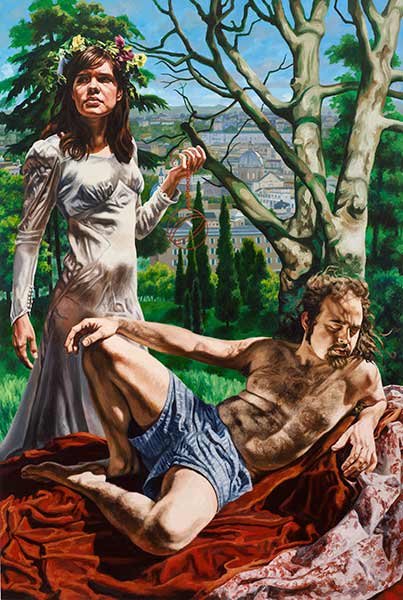
Telling Derryberry’s story has many points of entry, but experiences as a young student at Vanderbilt University proved pivotal for her artistic career. An art history major who occasionally experimented in art-making, Derryberry found herself greatly attracted to Renaissance and Baroque imagery, specifically pictures with strong lighting, complex compositions, and engaging narratives. “Many of these images stay with me,” she writes, “so when I begin the drawing/visual research for a new piece, some kind of related scenario pops up in my head. I use that image (or images) as a catalyst for environment, lighting, body language, and costuming for my models. Over time, I’ve really started to think of myself as being like a cinematographer, always visually ‘scanning’ a space or environment for possibilities. I usually work on ‘suites’ of pieces, sort of a small group of images within a larger series, so one piece often tells me what to do next — not exactly like the chapters in a narrative or scenes in a play — but related to the idea of time, performance, and character development.”

Virginia Derryberry, “Celo,” 2015, oil on canvas with attached fabric, 70 x 47 in. (c) Virginia Derryberry 2016

With this in mind, it should come as no surprise that Derryberry was also an avid performer in theater during her undergraduate career. The artist suggests, “The idea of multiple personalities/personae really engaged me, and I think that is still being played out in my paintings. I paint some of the same people over and over again, but in each piece the persona is slightly different according to lighting, composition, body language, and costuming.”
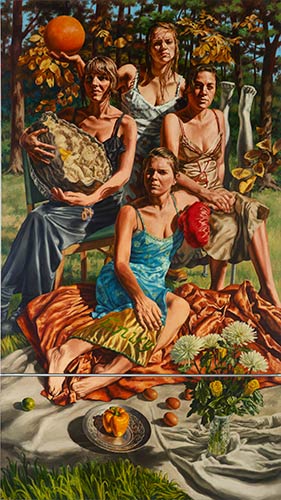

Virginia Derryberry, “The Four Elements,” 2013, oil on canvas, 96 x 54 in. (c) Virginia Derryberry 2016

For nearly a decade, Derryberry’s work has increasingly explored alchemy, a Medieval philosophy based on the principle of rebis — “a belief that most aspects of human nature — and nature in general — are built on the idea of dialogue and contrast,” as Derryberry states. In fact, a number of artists influential to Derryberry, such as Michelangelo Caravaggio, have also found dichotomy and alchemical principles captivating.
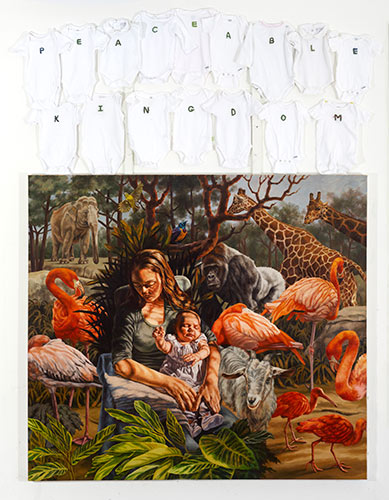

Virginia Derryberry, “Peaceable Kingdom,” 2012, oil on canvas with 16 embroidered ‘onesies,’ 96 x 60 in.
(c) Virginia Derryberry 2016

“Peaceable Kingdom” is an outstanding work that brings each of these concepts and influences to the fore. Derryberry explains how Da Vinci’s “Madonna of the Rocks,” Edward Hicks’ “The Peaceable Kingdom,” and other paintings led to the realization of this magnetic picture: “‘Peaceable Kingdom’ began as a portrait and figure narrative to honor my daughter, Elizabeth, and the birth of her daughter (my granddaughter), Virginia, in 2012. I decided to combine a Madonna and Child format (actually a reference to Da Vinci’s ‘Madonna of the Rocks,’ where Jesus is holding up his hand to John in blessing) with Edward Hicks’ version of ‘The Peaceable Kingdom.’ I’ve always loved the naïve quality of Hicks’ paintings and especially his reference to the idea of the ‘lion laying down with the lamb.’ What struck me about the imagery in this painting is how much the wider environment is included and how it suggests a return to the Garden of Eden. Combining three mythic stories in one — the Garden of Eden, an otherworldly mother and child story, and the possibility of wild animals at peace with one another and humanity — excited and challenged me. My other intent was to go past the Biblical story and to suggest the here and now in terms of the complex struggle that we, as humans, have with finding a peaceful relationship with our environment.

“A contemporary aspect is my use of 16 ‘onesies’ (actually worn by Virginia over time) that I embroidered with the letters of the title. I think their inclusion suggests many things — a larger life and experience beyond one particular child, a ‘levity’ that plays against the gravity and physicality of life and even the suggestion of cloud forms over the earth. Many of these, of course, reference alchemical imagery as well.”
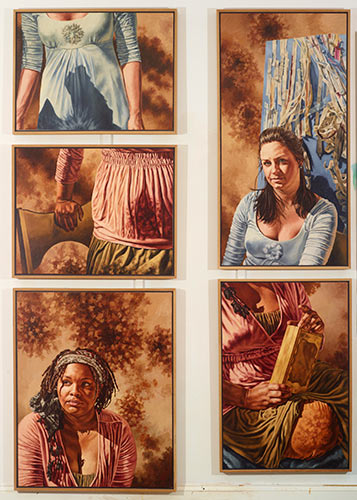

Virginia Derryberry, “Sol and Luna Have a Conversation,” 2015, oil on canvas, 94 x 72 in. (c) Virginia Derryberry 2016

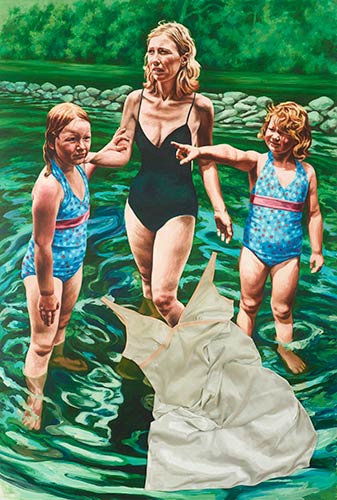
Derryberry’s primary goal with works such as “Peaceable Kingdom” is twofold, involving both confusion and revelation. The play between the two offers a chance for viewers to ignite self-inquiry while participating in the discovery of the narratives. Derryberry writes, “I try to guide the viewer first to be puzzled about what they are seeing. For example, sometimes I deliberately use conflicting light sources or I put in an object or form that simply doesn’t belong. Secondly, I want the viewer to be lured into the painting due to the color and sensuality of the surface, caught, if you will, by the complex paint passages. Once they are in there for a while, hopefully they start to ask questions of the image and, ultimately, questions about themselves. That’s the main reason that I address multiple story lines in a painting — so that I am not deliberately illustrating a specific message but asking for a more metaphorical interpretation.”
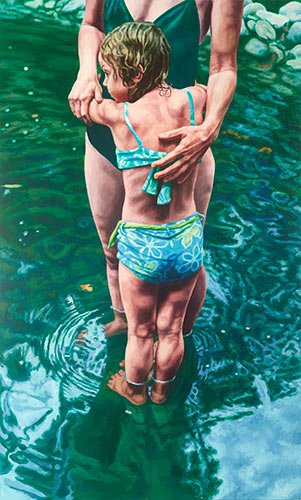

Virginia Derryberry, “Water Duo,” 2014, oil on canvas, 60 x 36 in. (c) Virginia Derryberry 2016

As Derryberry’s teaching career in the Department of Art and Art History at the University of North Carolina at Asheville concludes, one might assume the artist is fading into the sunset. But the truth is quite the opposite. With teaching playing a decreasing role in Derryberry’s life, personal ventures in painting await through a number of solo exhibitions, and artist residency programs in France and Italy. “I have scheduled four upcoming solo exhibitions, titled ‘Private Domain,’” she says, “essentially a traveling exhibition to four separate venues over the next two years, which will give me the opportunity to explore how viewers — mostly college students — react to my work.”

To learn more, visit Virginia Derryberry.

This article was featured in Fine Art Today, a weekly e-newsletter from Fine Art Connoisseur magazine. To start receiving Fine Art Today for free, click here.

WEEKLY NEWS FROM THE ART WORLD

Fill your mind with useful art stories, the latest trends, upcoming art shows, top artists, and more. Subscribe to Fine Art Today, from the publishers of Fine Art Connoisseur magazine.

  • This field is for validation purposes and should be left unchanged.