
Home Blog Page 376

Don’t Miss This Chase

0
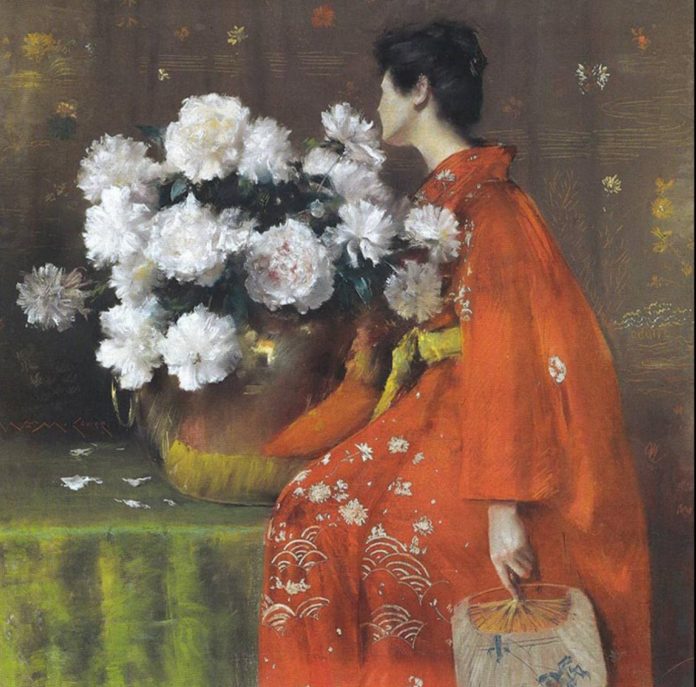
William Merritt Chase, “Spring Flowers (Peonies),” 1889, pastel on paper, (c) Terra Foundation for American Art 2016

Often overlooked but important painter William Merritt Chase (1849-1916) is the subject of a can’t-miss exhibition featuring 80 of the artist’s finest works in oil and pastel.

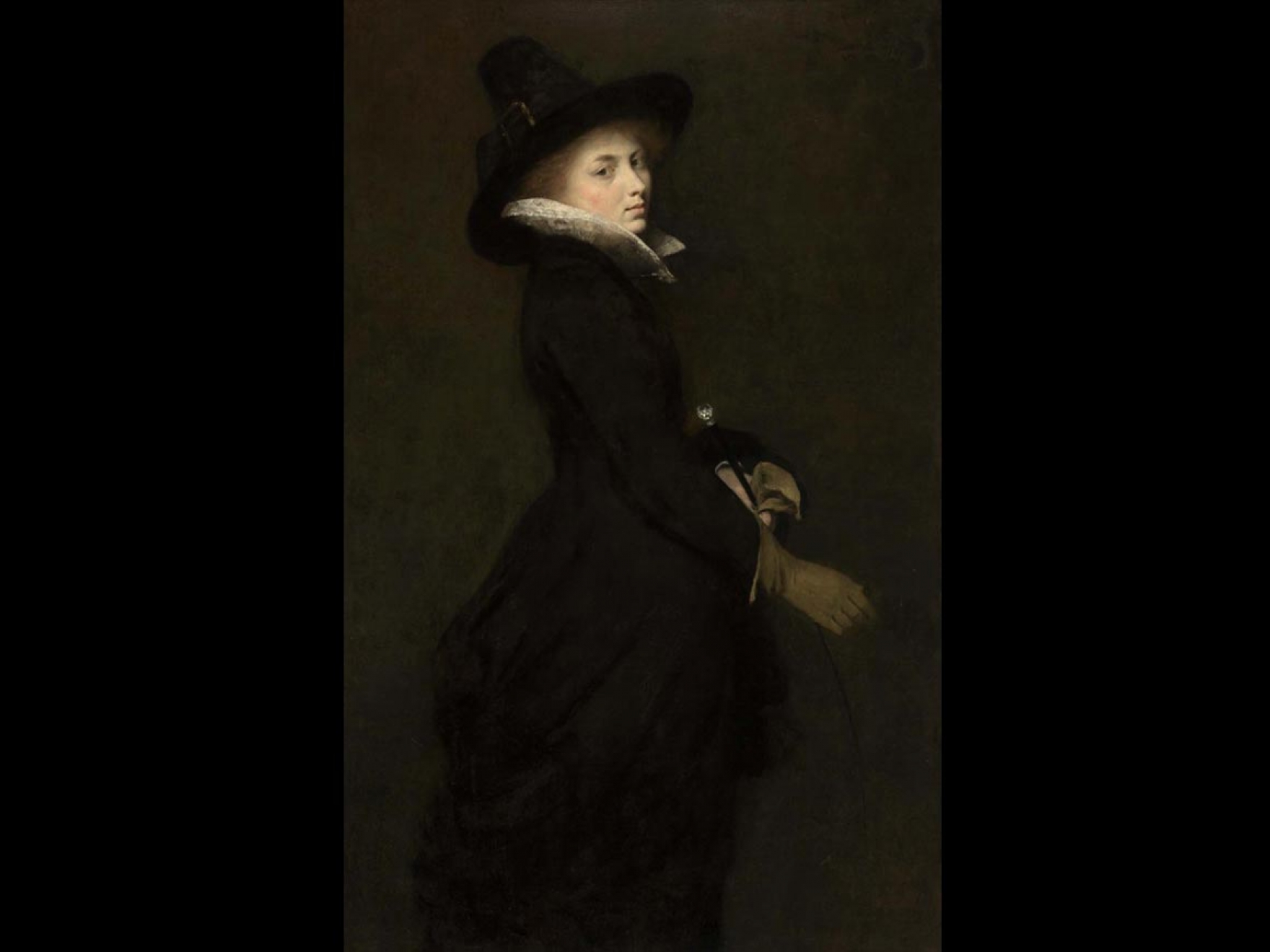
Currently on view through January 16 at the Boston Museum of Fine Arts, “William Merritt Chase: A Modern Master” is a blockbuster exhibition featuring more than 80 of the artist’s finest works in oil and pastel. A brilliant observer and experimental painter, Chase’s influence extended well-beyond the canvas and into many of the most important art circles at the turn of the last century.
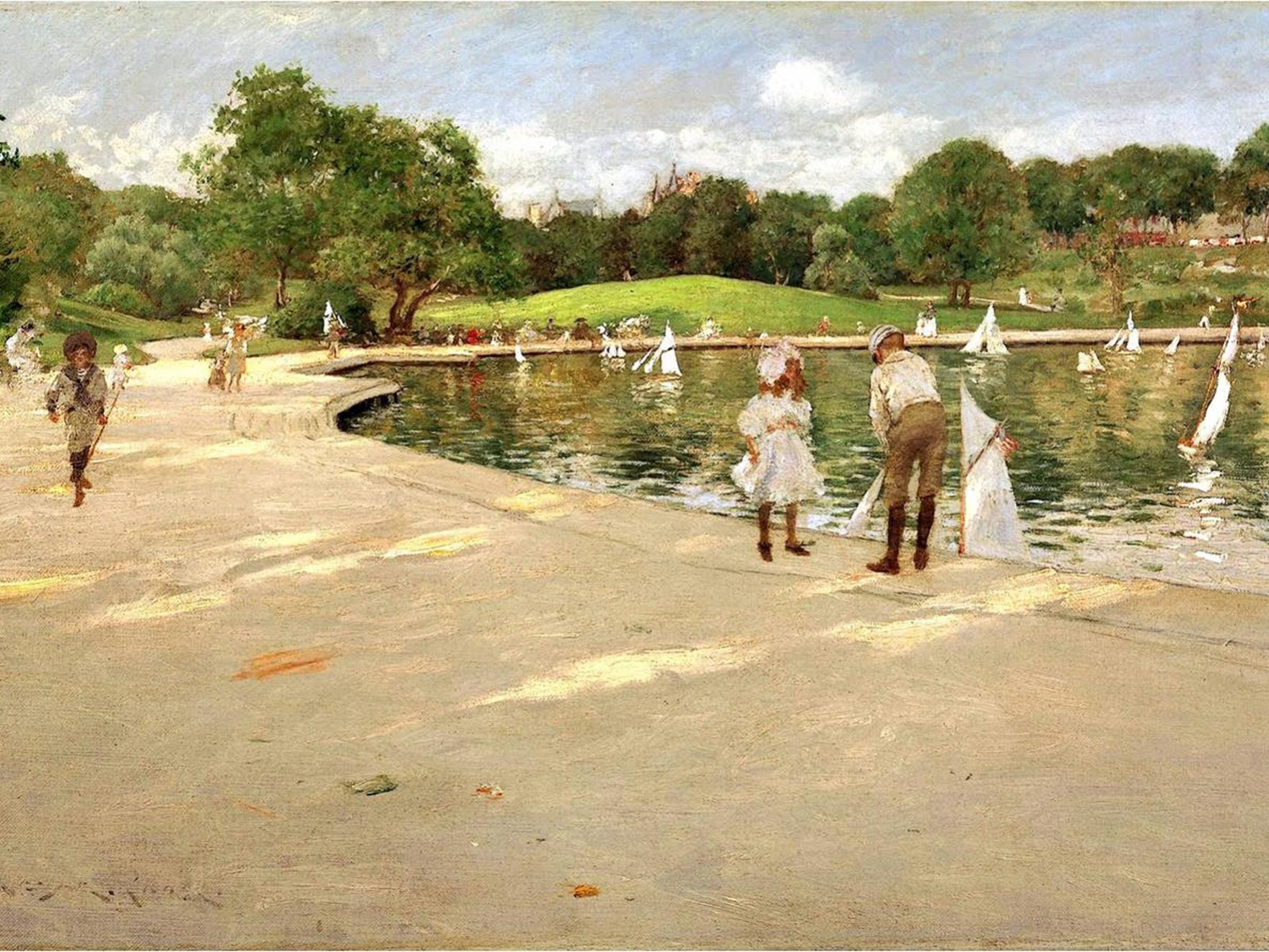
William Merritt Chase, “The Lake for Miniature Yachts,” circa 1888, oil on canvas, (c) Private Collection 2016
William Merritt Chase, “Ready for the Ride,” 1877, oil on canvas, Henry and Zoe Oliver Sherman Fund 2016

Via the museum, “Rediscover this important and overlooked master, praised for his artistic skill in both oil and pastel, as well as for the variety of his subjects: sympathetic images of women, jewel-like landscapes, views of urban parks, and scenes of children at play. The first complete examination of the artist in more than three decades, the exhibition brings together 80 of the painter’s finest works in both oil and pastel, drawn from public and private collections across the United States.”

To learn more, visit the Boston Museum of Fine Arts.

This article was featured in Fine Art Today, a weekly e-newsletter from Fine Art Connoisseur magazine. To start receiving Fine Art Today for free, click here.
Academic Splendor Comes to Florida in Early 2017

0
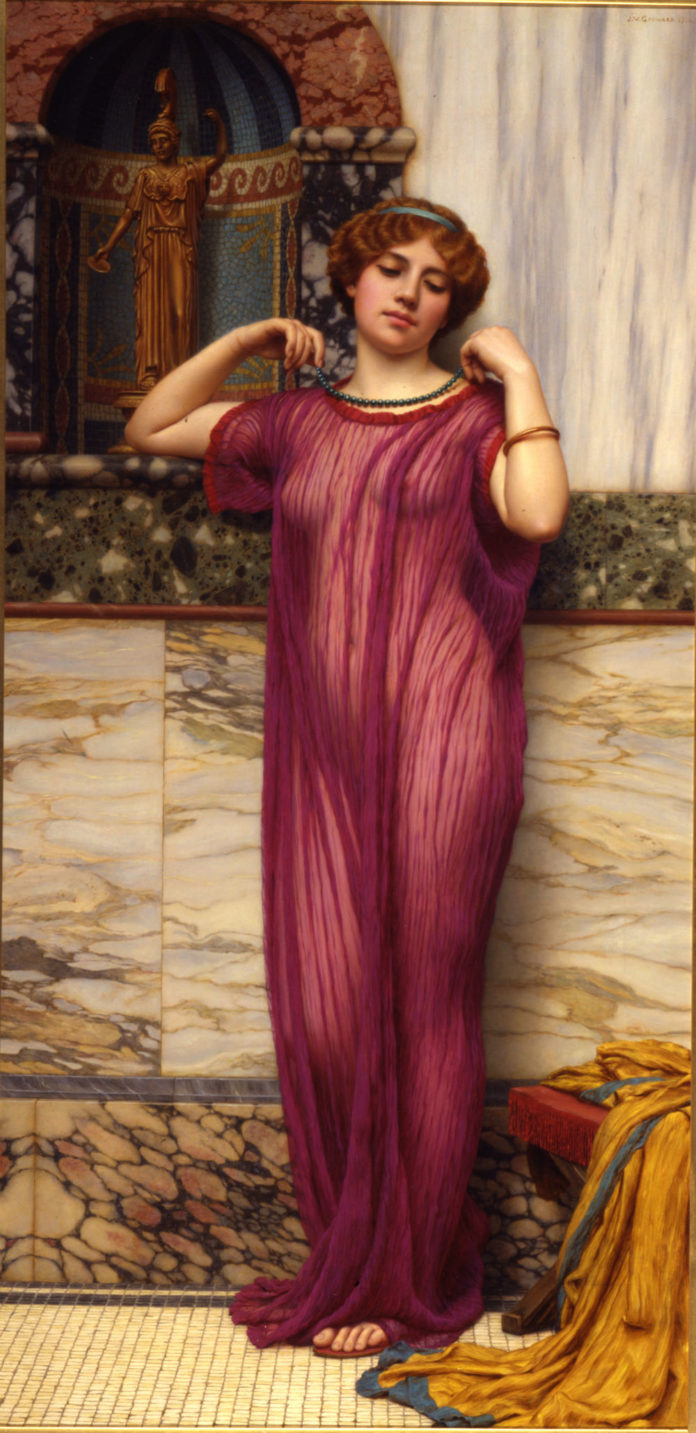
John William Godward R. B. A. (1861-1922), “The Necklace,” 1914, oil on canvas, 19 3/4 x 13 1/2 in. (c) Dahesh Museum of Art, New York 2016

The Dahesh Museum of Art is the only institution in the United States solely dedicated to European academic art of the 19th century, making its robust collection second to none. Masterworks from this iconic collection soon head to Jacksonville, Florida. When and where?

If you’re a reader of Fine Art Connoisseur and Fine Art Today, you probably have an unwavering love for academic painters of the 19th century. During an era when the art world was changing rapidly and the avant-garde was becoming fashionable, there remained staunch adherents to artistic tradition and representation. Although many of them were ridiculed — if not outright rejected — in their own day, appreciation for their marvelous works is currently experiencing a resurgence.

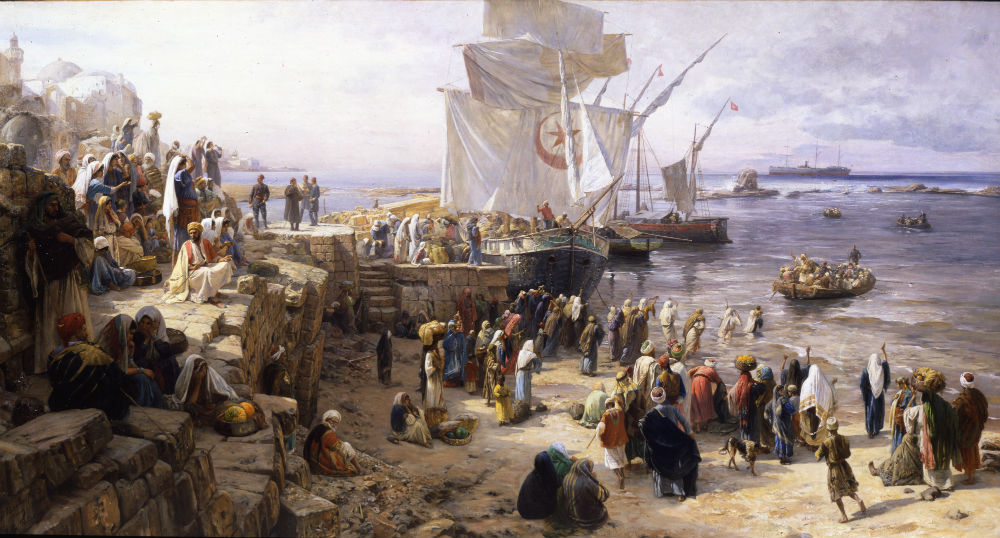
Gustav Bauernfeind (1848-1904), “Jaffa, Recruiting of Turkish Soldiers in Palestine,” 1888, oil on canvas, 58 1/4 x 110 1/4 in. (c) Dahesh Museum of Art, New York 2016

The Dahesh Museum of Art in New York City is the only institution in the United States that is solely dedicated to these masters, and many of its most prized possessions compose a memorable exhibition on view soon at Jacksonville, Florida’s Cummer Museum of Art.

John William Godward R. B. A. (1861-1922), “The Necklace,” 1914, oil on canvas, 19 3/4 x 13 1/2 in. (c) Dahesh Museum of Art, New York 2016

“Academic Splendor: Nineteenth-Century Masterworks from the Dahesh Museum of Art” will open on January 28 to great anticipation. Via the Cummer Museum: “‘Masterworks’ features paintings and sculptures by creative artists trained in the academies and private ateliers of France and other countries, including Jean-Léon Gérôme; William Adolphe Bouguereau; Frederick, Lord Leighton; and Lawrence Alma Tadema.” The exhibition will be on view through April 23.

To learn more, visit the Cummer Museum of Art.

This article was featured in Fine Art Today, a weekly e-newsletter from Fine Art Connoisseur magazine. To start receiving Fine Art Today for free, click here.
The Shimmer of Gold

0
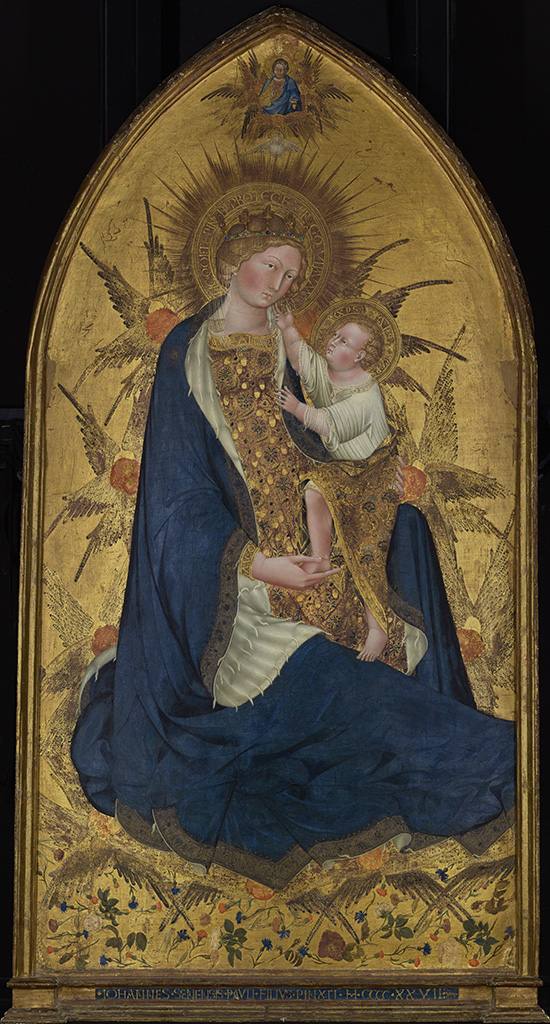
Giovanni di Paolo, “Branchini Madonna,” 1427, tempera and gold leaf on panel, (c) The Norton Simon Foundation, Pasadena 2016

Take a trip back to early Renaissance Siena, Italy, through the dazzling creative vision of Giovanni di Paolo during this mesmerizing exhibition in California.

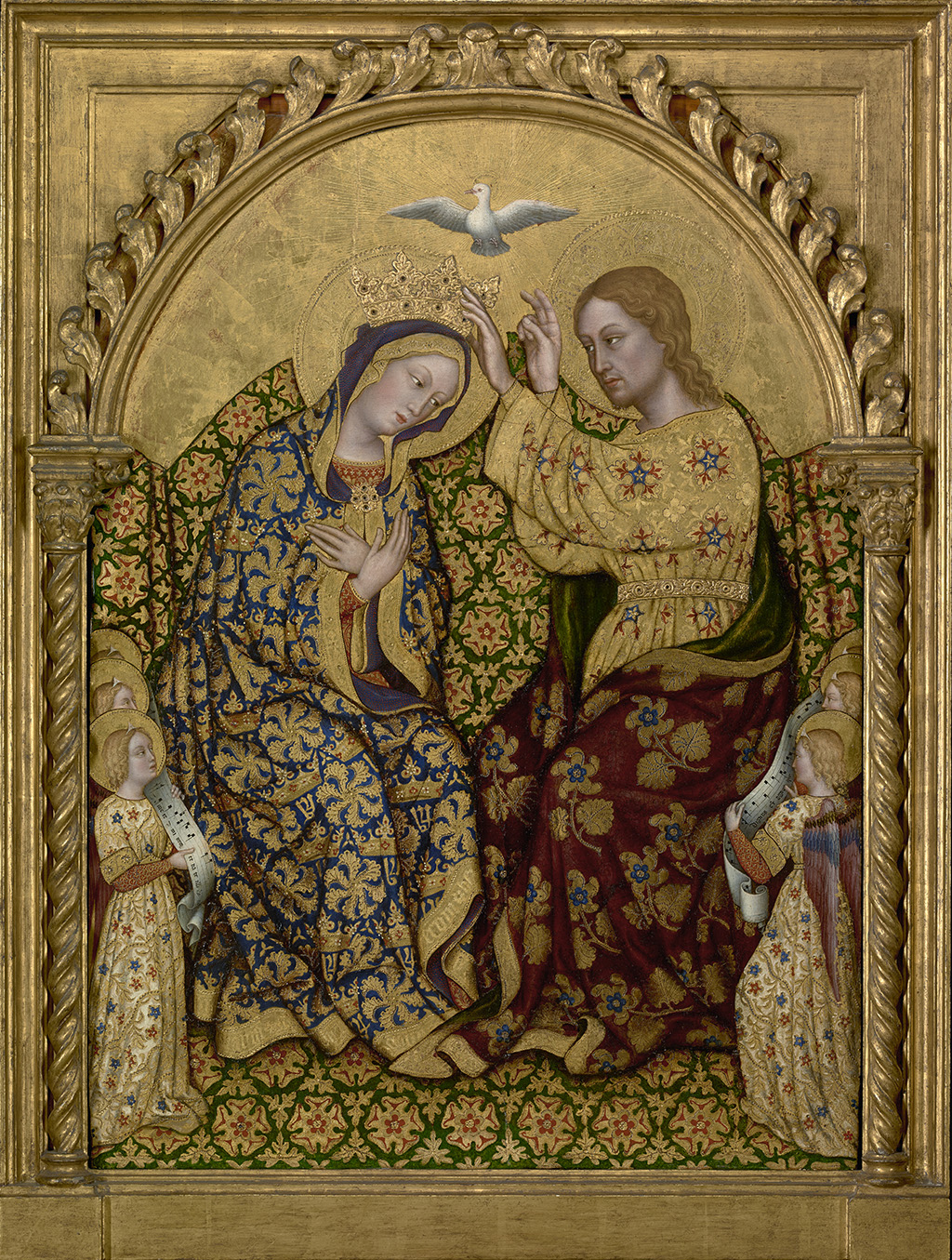
Giovanni di Paolo was one of the first Renaissance men. Both an accomplished egg tempera painter and a manuscript illuminator, Paolo was “one of the most distinctive and imaginative artists working in Siena, Italy, during the Renaissance,” writes the Getty Museum. In an exhibition that opened on October 11, the Getty is currently displaying a sparkling array of originals by Paolo, reuniting several panels from one of his most important commissions, the altarpiece for the Branchini family chapel in the church of San Domenico in Siena.

Gentile da Fabriano, “The Coronation of the Virgin,” circa 1420, tempera and gold leaf on panel, (c) The J. Paul Getty Museum 2016

The exhibition, “The Shimmer of Gold: Giovanni di Paolo in Renaissance Siena,” presents the panels together for the first time since their dispersal, alongside a number of illuminated manuscripts and other paintings by the early master and his contemporaries. Continuing, the Getty reports, “Through recent technical findings, the exhibition reveals his creative use of gold and paint to achieve remarkable luminous effects in both media.”

Giovanni di Paolo, “Branchini Madonna,” 1427, tempera and gold leaf on panel, (c) The Norton Simon Foundation, Pasadena 2016

“The Shimmer of Gold: Giovanni di Paolo in Renaissance Siena” runs through January 8. To learn more, visit the Getty.

This article was featured in Fine Art Today, a weekly e-newsletter from Fine Art Connoisseur magazine. To start receiving Fine Art Today for free, click here.

Reuniting the Masters

0
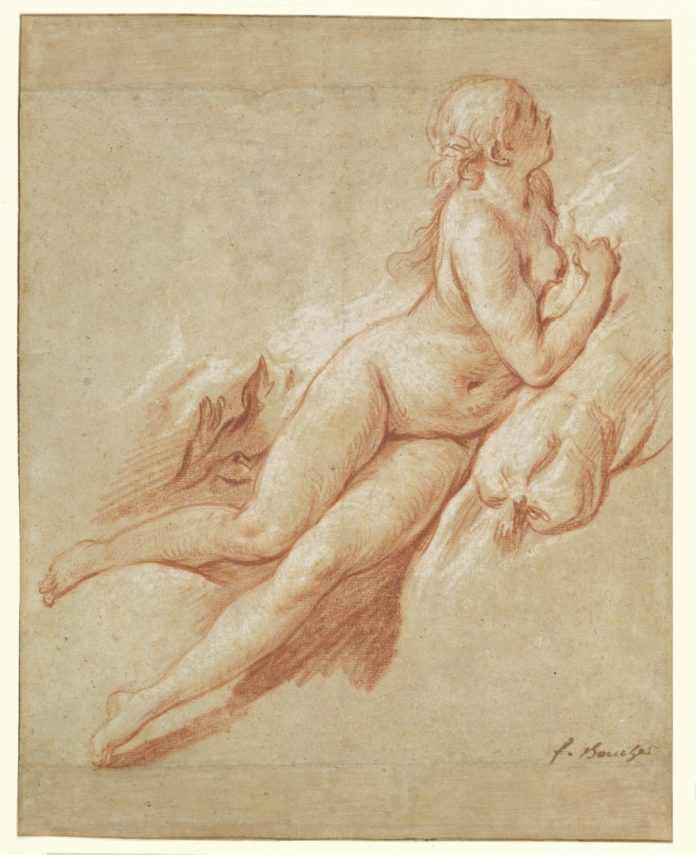
François Boucher, “Study of a Reclining Nude,” 1732, red and white chalk, 32.5 x 24.6 cm. (c) J. Paul Getty Museum 2016

An innovative exhibition is currently on display at the Crocker Museum in Sacramento, California, that reunites centuries-old European master drawings from a number of different modern collections along the West Coast. Who are the principal players?

A number of outstanding master drawings on view together for the first time compose an innovative exhibition at Sacramento’s Crocker Museum. Opened on November 13 and on view through February 5, “Reuniting the Masters” is a brilliant display of Old Master drawings borrowed from some of the most prominent art collections on the West Coast.

François Boucher, “Study of a Reclining Nude,” 1732, red and white chalk, 32.5 x 24.6 cm. (c) J. Paul Getty Museum 2016

“By coincidence or by design, drawings by the same artist, for the same project, and even from the same sketchbook, have made their way separately to the West Coast,” the museum reports. “Bringing these long-estranged drawings together again both illuminates the work and process of specific artists in the rich history of European draughtsmanship and also brings forward the history of drawings collectors, from railroad magnates such as E.B. Crocker to Hollywood actors such as Cary Grant and Vincent Price.”

To learn more, visit the Crocker Art Museum.

This article was featured in Fine Art Today, a weekly e-newsletter from Fine Art Connoisseur magazine. To start receiving Fine Art Today for free, click here.
Light That’s Solid as Stone

0
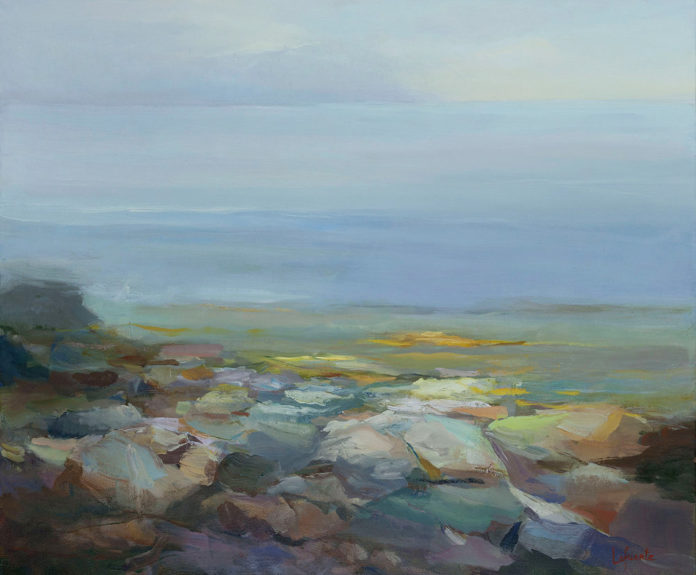
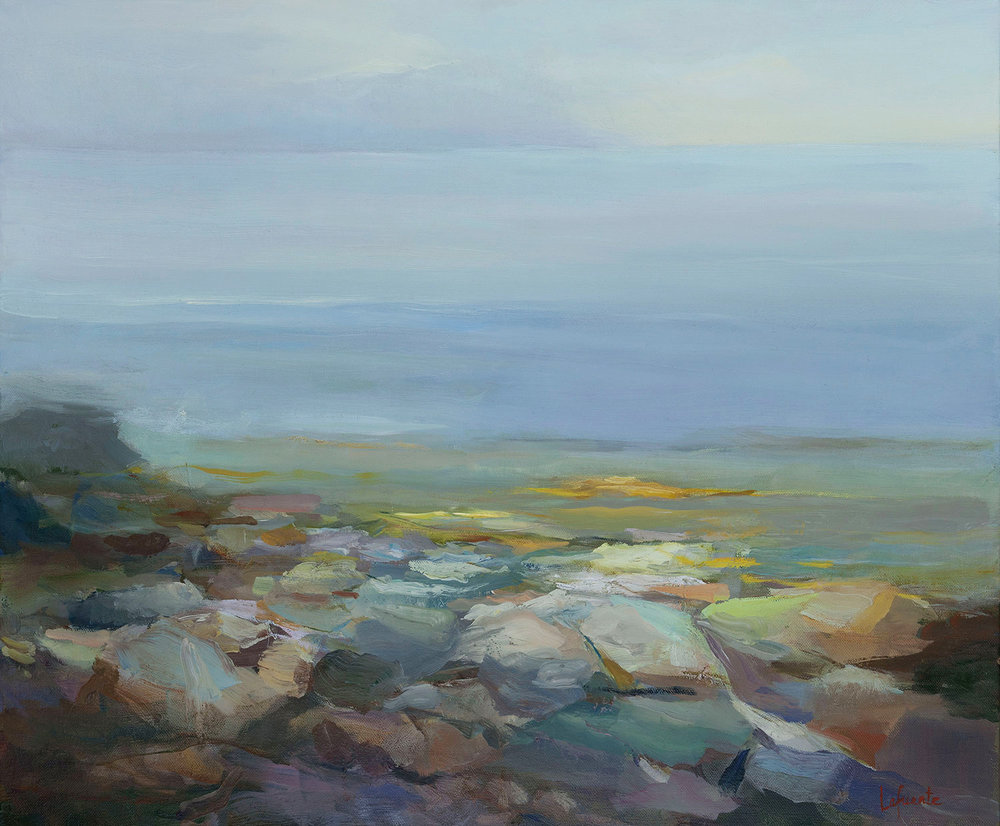
Christine Lafuente, “Rocky Shore and Distant Fog Bank,” oil on linen, 30 x 36 in. (c) Morpeth Contemporary 2016

Incredibly talented painter Christine Lafuente recently mounted a must-see solo exhibition at Morpeth Contemporary in Hopewell, New Jersey, featuring stunning landscapes, cityscapes, and still lifes.

Viewing the colorful works by Christine Lafuente isn’t just a process of aesthetic appreciation, but a journey into the creative experience of the artist. Forms that are solid seem to merge and dissolve together in Lafuente’s paintings, creating an outstanding sense of movement, emotion, and abstraction.

Christine Lafuente, “Rocky Shore and Distant Fog Bank,” oil on linen, 30 x 36 in. (c) Morpeth Contemporary 2016

“Often while painting, the forms and spaces I am looking at begin to merge,” she writes, “and all that had seemed so distinctly separate becomes simply a field of tone. There is air in the trees, there is water in the air, edges are lost, near and far coalesce. Glass reveals itself by what it is not, reflecting and refracting what surrounds it. In a seascape, the tones of water and sky are only known in relation to one another.”

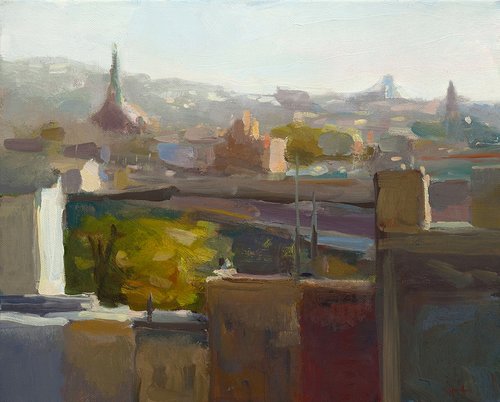
Christine Lafuente, “South Brooklyn with Steeples and Highway,” oil on linen, 16 x 20 in. (c) Morpeth Contemporary 2016

Lafuente’s words describe beautifully her approach to the canvas, in addition to the resulting picture. While her forms merge and — at close inspection — become imperceptible, at distance our brains pull the representation back together in a lovely play of give and take with the art.

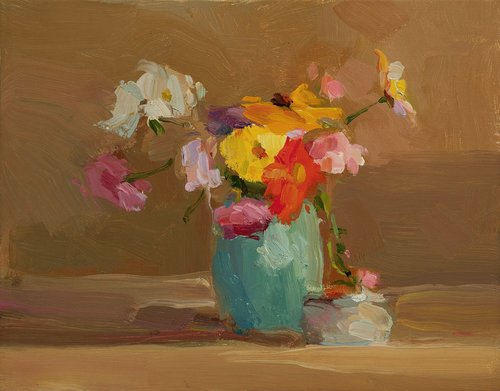
Christine Lafuente, “Wildflowers and Jar of Sea Salt,” oil on linen, 11 x 14 in. (c) Morpeth Contemporary 2016

Continuing, Lafuente says, “Painting by natural light, there is a fragility to the appearance of a scene. For a brief moment, I can see a painting composition so clearly, the light as solid as stones — but like a kaleidoscope, the slightest movement and the whole thing shifts. Even in the cityscape, the sprawling steel, brick, and concrete arrangements of human striving lose their solidity and discreteness in a bath of warm afternoon light. It becomes something else, a musical score of gold pink notes rising from the grey soup, or the tide coming in to disguise and submerge an expanse of sharp granite Acadian rocks.”

“Light, Solid as Stone” opened on December 3 and will be on view through December 31. To learn more, visit Morpeth Contemporary.

This article was featured in Fine Art Today, a weekly e-newsletter from Fine Art Connoisseur magazine. To start receiving Fine Art Today for free, click here.
Buy Equine Art and Support Our Military

0
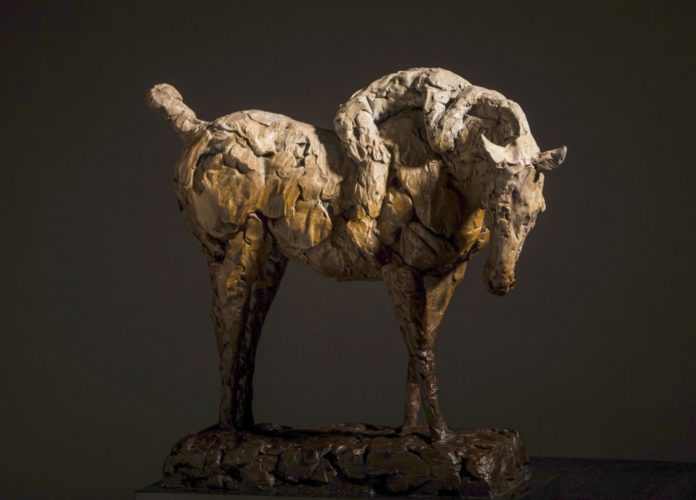
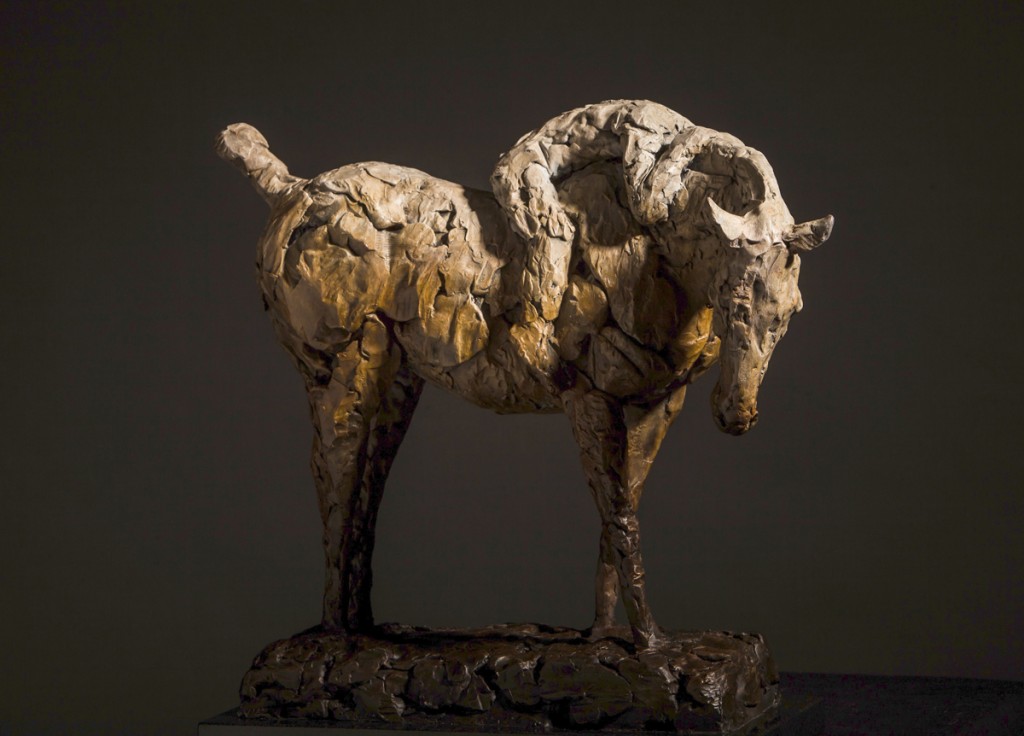
Mark Edward Adams, “Soulmates,” bronze, 19 x 19 x 16 in. (c) McLarry Modern 2016

A wonderful benefit and art-collecting opportunity is currently underway in Santa Fe, New Mexico, featuring a number of stunning equine artworks available for purchase. There’s an added incentive as well. Details here!

What could be better than to walk away with a beautiful work of art knowing your purchase also helps benefit the Cowboy Up! Program? McLarry Modern in conjunction with Horses For Heroes — New Mexico, Inc. is currently hosting an art auction through December 23 in which proceeds from the event will help the heroes who have served our country.

Poteet Victory, “Horse Study in Grey,” oil on canvas, 34 x 42 in. (c) McLarry Modern 2016

Many of the nation’s top painters have generously donated their works for this opportunity. The beneficiary, Cowboy Up!, is “a unique horsemanship, wellness and skillset restructuring program based in Santa Fe, New Mexico,” the organization writes. “It is free to all post 9/11 veterans and active military persons and tailored to those who have sustained PTSD, physical injuries, or have experienced combat trauma. Promoting healing with the use of horses has become one of the most beneficial and cost-effective ways for today’s veterans suffering with PTSD.”

Mark Edward Adams, “Soulmates,” bronze, 19 x 19 x 16 in. (c) McLarry Modern 2016

A closing reception for the auction will be held on December 23 from 3 to 7 P.M. with live entertainment and light refreshments. To learn more, visit McLarry Modern.

This article was featured in Fine Art Today, a weekly e-newsletter from Fine Art Connoisseur magazine. To start receiving Fine Art Today for free, click here.
Stunning New Works at Easton

0
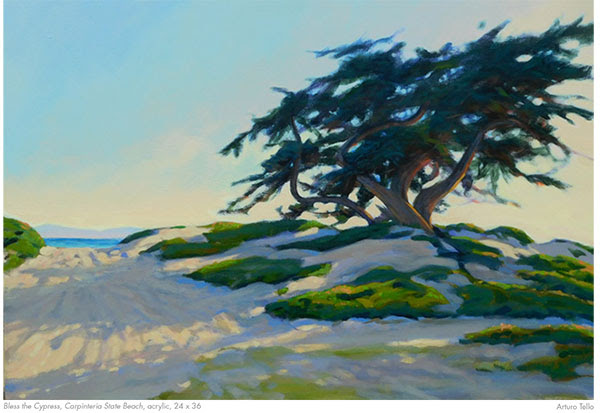
Arturo Tello, “Bless the Cypress, Carpinteria State Beach,” 2016, acrylic, 24 x 36 in. (c) The Easton Gallery 2016

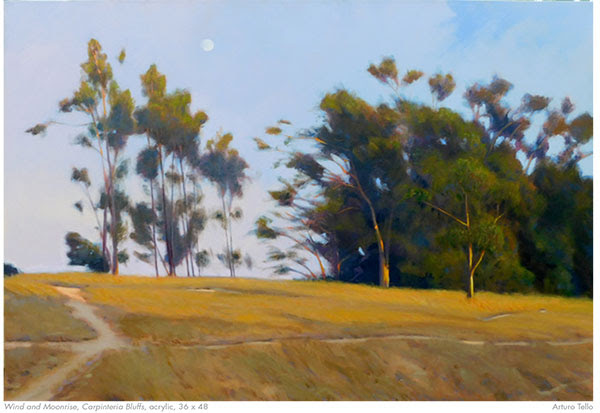
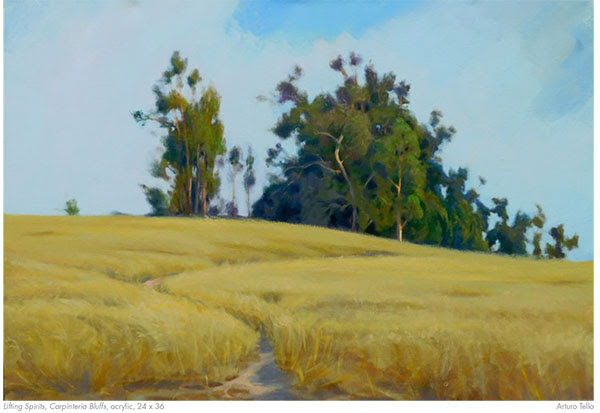
The Easton Gallery in Santa Barbara, California, opens a terrific solo exhibition tomorrow, December 9, featuring new works by adroit painter Arturo Tello. Grab a sneak peek here!

Mexico native and landscape painter Arturo Tello has established a lasting and renowned career for his colorful plein air paintings that feature beautiful California vistas and remote locations. Particularly noteworthy in Tello’s works is the lack of sharp lines. Instead, most of his subjects are represented with rounded, soft, and blended features that give viewers both an atmospheric and a dreamy impression.

Arturo Tello, “Bless the Cypress, Carpinteria State Beach,” 2016, acrylic, 24 x 36 in. (c) The Easton Gallery 2016
Arturo Tello, “Lifting Spirits, Carpinteria Bluffs,” 2016, acrylic, 24 x 36 in. (c) The Easton Gallery 2016
Arturo Tello, “Wind and Moonrise, Carpinteria Bluffs,” 2016, acrylic, 36 x 48 in. (c) The Easton Gallery 2016
Arturo Tello, “Lifting Spirits, Carpinteria Bluffs,” 2016, acrylic, 24 x 36 in. (c) The Easton Gallery 2016

Several new works by Tello will be on view at the Easton Gallery beginning tomorrow, December 9, and continuing through February 12. Also on the schedule is a reception on the 9th from 6-8 P.M. and an artist talk on Sunday, December 11.

To learn more, visit The Easton Gallery.

This article was featured in Fine Art Today, a weekly e-newsletter from Fine Art Connoisseur magazine. To start receiving Fine Art Today for free, click here.
Rodin’s Centenary

0
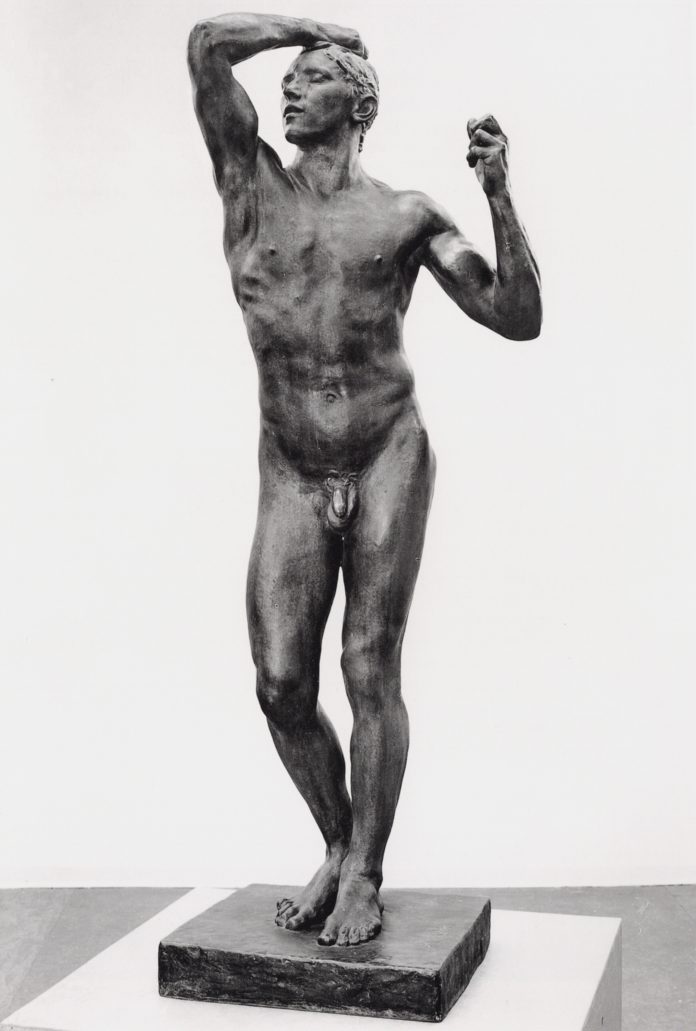
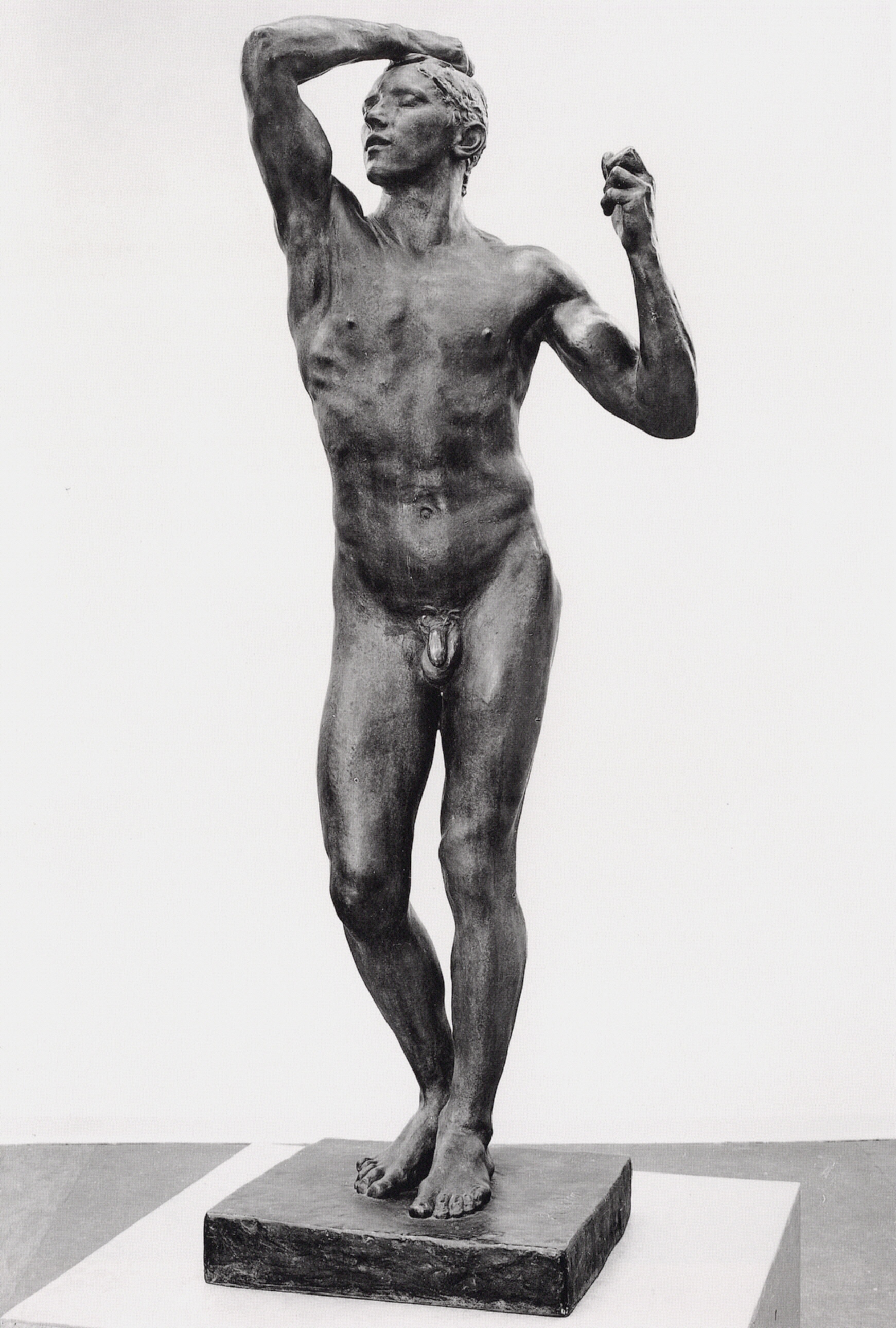
Auguste Rodin, “The Age of Bronze,” 1875, bronze, 71 1/2 x 21 1/4 x 25 1/2 in. (c) FAMSF 2016

Marking the centenary of Auguste Rodin’s 1917 death, the Legion of Honor in San Francisco, California, will play host to approximately 50 bronze, marble, and plaster objects by the modern master. Details here!

Any chance to celebrate the “father of modern sculpture” is one worth taking, and the Legion of Honor in San Francisco is doing just that to celebrate Auguste Rodin’s centenary. Via the press release, “The exhibition will examine the artist’s celebrated life and influential work — from his early days courting controversy with sculptures that bore unexpected levels of naturalism — to his later renown and lasting influence. ‘Rodin Centenary’ is part of a worldwide series of major Rodin projects and will provide Bay Area audiences a significant opportunity to examine and recontextualize the legacy of Rodin.”

Auguste Rodin, “The Age of Bronze,” 1875, bronze, 71 1/2 x 21 1/4 x 25 1/2 in. (c) FAMSF 2016

Fifty works in bronze, marble, and plaster will compose the show, all of them from the Fine Arts Museums of San Francisco’s permanent collection. Max Hollein, director and CEO of the Fine Arts Museums, suggests, “Our Rodin holdings are one of the finest and most significant collections in the United States. This exhibition will surprise visitors and inspire dialogue on Rodin and his impact on artists working today. It is a must-see for anyone who thinks there is nothing left to learn about this towering figure in the history of modern art.”

“Rodin Centenary” opens on January 28, 2017 and will be on view through December 31, 2017. To learn more, visit The Legion of Honor.

This article was featured in Fine Art Today, a weekly e-newsletter from Fine Art Connoisseur magazine. To start receiving Fine Art Today for free, click here.
More Light

0
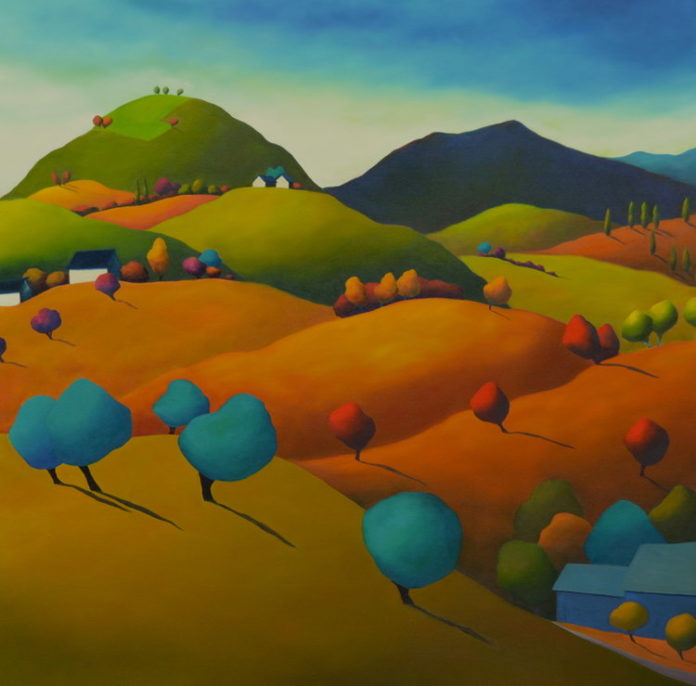
Anne Cady, “The Hills Are Calling Us Home,” oil on canvas, 48 x 48 in. (c) NODG 2016

Group shows featuring miniature delights continue to abound this holiday season, with the latest display of brilliance coming to us from Vergennes, Vermont. Whose works can you expect to see?

Have you finished your holiday shopping for that special art collector and connoisseur in your life? If not, Northern Daughters Gallery in Vergennes, Vermont, is currently showing a range of outstanding works in miniature that will both brighten your day and make your holiday gift list shorter.

Rebecca Kinkead, “Grey Wolf,” oil and wax on panel, 7 x 5 in. (c) NODG 2016

Featuring the works of Anne Cady, Bonnie Baird, Cameron Schmitz, Katie Loesel, Pamela Smith, Rebecca Kinkead, and Sobelman Cortapega, “More Light” includes a fantastic range of subjects, including landscape, figurative, wildlife, and more. Executed in oil, watercolor, acrylic, and other mediums, each work is a lovely display of individual talent and virtuosity.

Anne Cady, “The Hills Are Calling Us Home,” oil on canvas, 48 x 48 in. (c) NODG 2016

The exhibition opened on December 1 and will continue through January 17, 2017. An opening reception will be held at the gallery on December 9 from 5-8 P.M. To learn more, visit Northern Daughters Gallery.

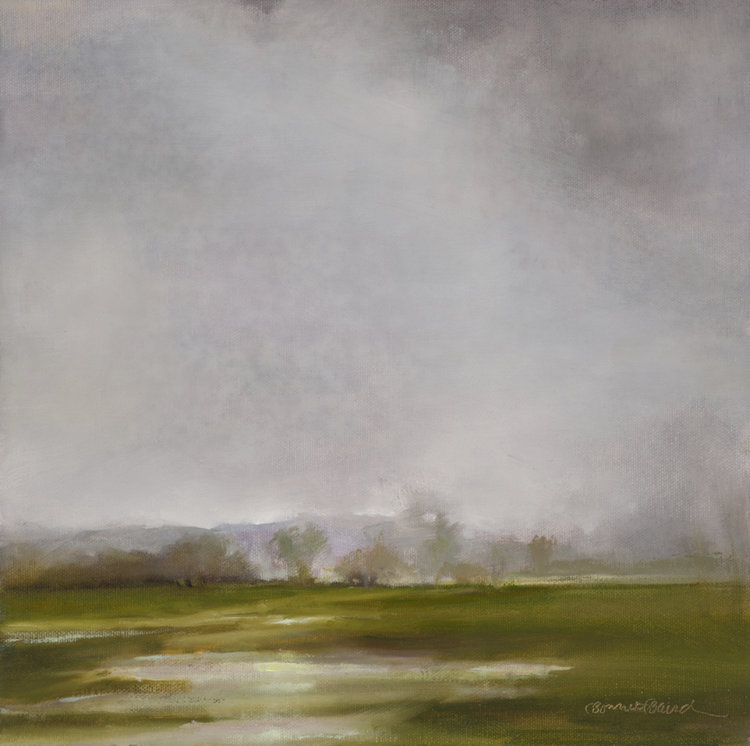
Bonnie Baird, “The Way of the Rain,” oil on panel, 12 x 12 in. (c) NODG 2016

This article was featured in Fine Art Today, a weekly e-newsletter from Fine Art Connoisseur magazine. To start receiving Fine Art Today for free, click here.
Portrait of the Week: Michelangelo Buonarroti, the Florentine “Pietà”

0
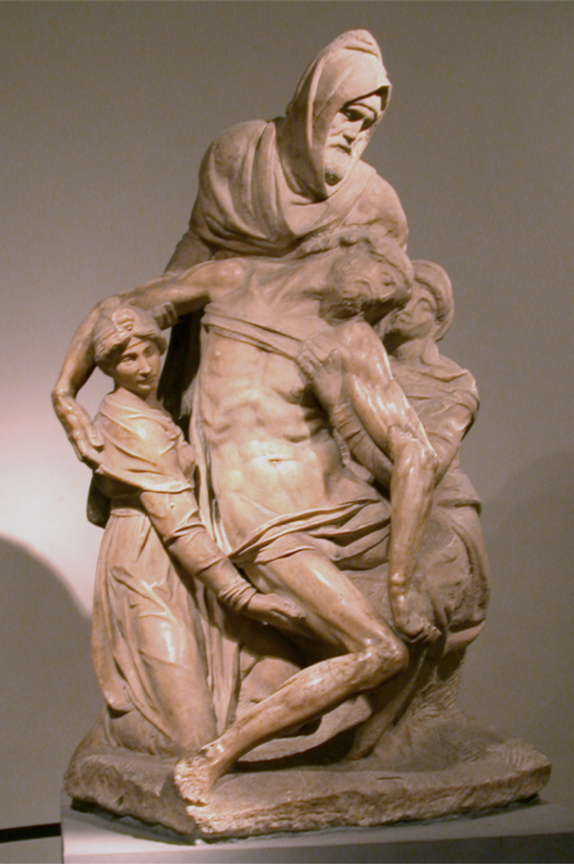
Michelangelo Buonarroti, “Pietà,” ca. 1548-1555, marble, (c) Florence Cathedral 2016

In this occasional series, Fine Art Today delves into the world of portraiture, highlighting historical and contemporary examples of superb quality and skill. This week: Michelangelo Buonarroti, “Florentine Pietà.”

Michelangelo carved one of his only self-portraits in what is arguably his last sculpture: the Florentine “Pietà.” The unfinished group displays four figures in a triangular composition. A large, hooded man hovers over a slumping Christ as he supports the martyr’s upper torso. Christ falls into the lap of his mother as another female figure, presumed here to be Mary Magdalene, supports Christ’s right side, as his arm is draped behind her head and resting delicately on her shoulder. The faces of the two female figures are generalized, and they are distinguished from Christ and the hooded male by their smaller size, at the base of the compositional triangle.

Michelangelo Buonarroti, “Pietà,” ca. 1548-1555, marble, (c) Florence Cathedral 2016

The large hooded figure is more specific and individualized from Christ, the Virgin, and Mary Magdalene. Ascanio Condivi, a pupil and assistant of Michelangelo’s, had intimate knowledge of the sculpture’s production and was the first to identify the large hooded figure at the apex of the composition as Nicodemus in his 1552 biography of Michelangelo. Vasari, too, witnessed the production of the group and took the identification further, recognizing the hooded figure as both Nicodemus and Michelangelo in the second, 1568 version of his Lives of the Artists.

As artists advanced in age and began to contemplate more seriously their inevitable deaths, Joseph of Arimathea and Nicodemus were two biblical men they could have easily appropriated to convey piety and intimacy with Christ’s sufferings. In particular, one biblical account of Nicodemus may have had importance to aging artists. In chapter 3 of the Gospel of John, Jesus tells Nicodemus, “No one can see the kingdom of God unless they are born again.” Confused, Nicodemus asks Jesus how men can be born again when they are old, to which Jesus replies, “Very truly I tell you, no one can enter the kingdom of God unless they are born of water and the Spirit. Flesh gives birth to flesh, but the spirit gives birth to spirit.”

It seems likely that Michelangelo was familiar with scripture and possibly these verses. Teachings surrounding the concept of spiritual rebirth may have held significance for sculptors in their last years. The allure of this hypothesis lies in the fact that Baccio Bandinelli (another sculptor who represented himself as Nicodemus) died shortly after the completion of his monument in 1560; Michelangelo kept the Florentine “Pietà” in his studio until his death in 1564.

This article was featured in Fine Art Today, a weekly e-newsletter from Fine Art Connoisseur magazine. To start receiving Fine Art Today for free, click here.
WEEKLY NEWS FROM THE ART WORLD

Fill your mind with useful art stories, the latest trends, upcoming art shows, top artists, and more. Subscribe to Fine Art Today, from the publishers of Fine Art Connoisseur magazine.

  • This field is for validation purposes and should be left unchanged.