
Home Blog Page 382

Bucolic Bounty in VA

0
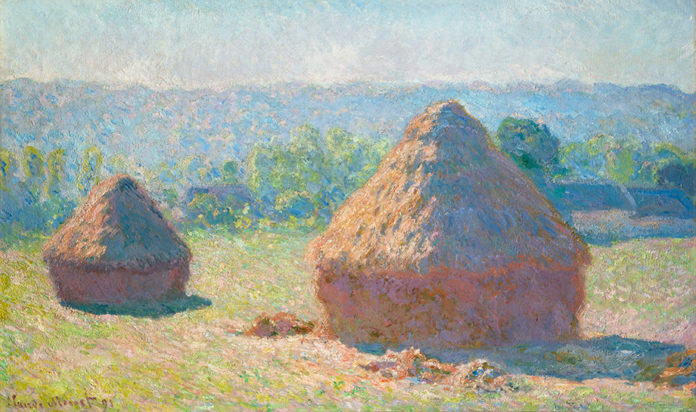
Claude Monet, “Haystacks, Late Summer,” 1891, oil on canvas, (c) Musee d’Orsay, Paris 2016

Featuring masterworks by Monet, Van Gogh, Winslow Homer, and many more, Norfolk, Virginia’s Chrysler Museum of Art recently opened a major exhibition dedicated to some of the biggest champions of plein air and agrarian idealism.

Including many of the biggest names in the history of art, “The Agrarian Ideal” at Norfolk, Virigina’s Chrysler Museum of Art is a gorgeous celebration of the 19th century’s fascination with rural labor and countryside landscapes. Featuring works by Monet, Van Gogh, Winslow Homer, Gauguin, Camille Pissarro, and many others, the exhibition is sure to delight even the most casual of art lovers.
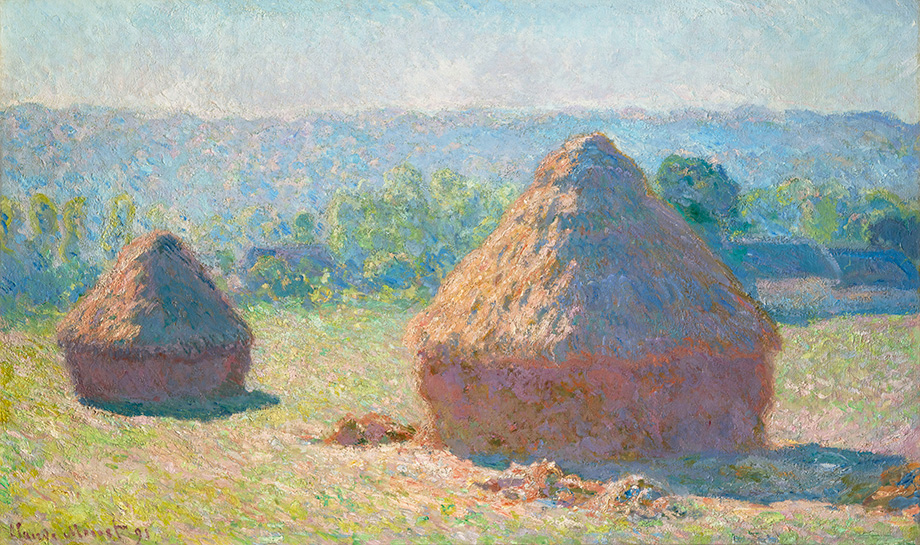
Claude Monet, “Haystacks, Late Summer,” 1891, oil on canvas, (c) Musee d’Orsay, Paris 2016

Via the museum, “The works include paintings on agricultural themes, sculptures, detailed drawings, early photographs and Impressionist masterworks known for their evocation of light. On loan from the Virginia Museum of Fine Arts in Richmond is a breathtaking painting by Vincent Van Gogh from 1889. Titled ‘Wheat Field behind St. Paul’s Hospital, St. Remy,’ the painting is a thrilling addition to an already blockbuster exhibition.”

Continuing, the museum writes, “While the Impressionists are famous for scenes of Paris, in the 1890s many of them departed the city for the country. As Paris had become dangerous, crowded, industrial, and expensive, many of the city’s best artists left to seek simpler subjects and an integrated life untouched by the ills of modernity.”

“The Agrarian Ideal: Monet, van Gogh, Homer, and More” opened on October 7 and remains on view through January 8, 2017. To learn more, visit the Chrysler Museum of Art.

This article was featured in Fine Art Today, a weekly e-newsletter from Fine Art Connoisseur magazine. To start receiving Fine Art Today for free, click here.
The Work of Adam Straus

0
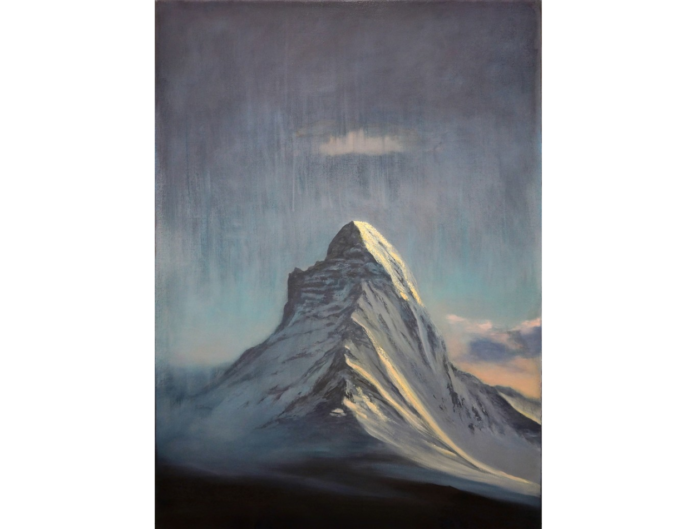
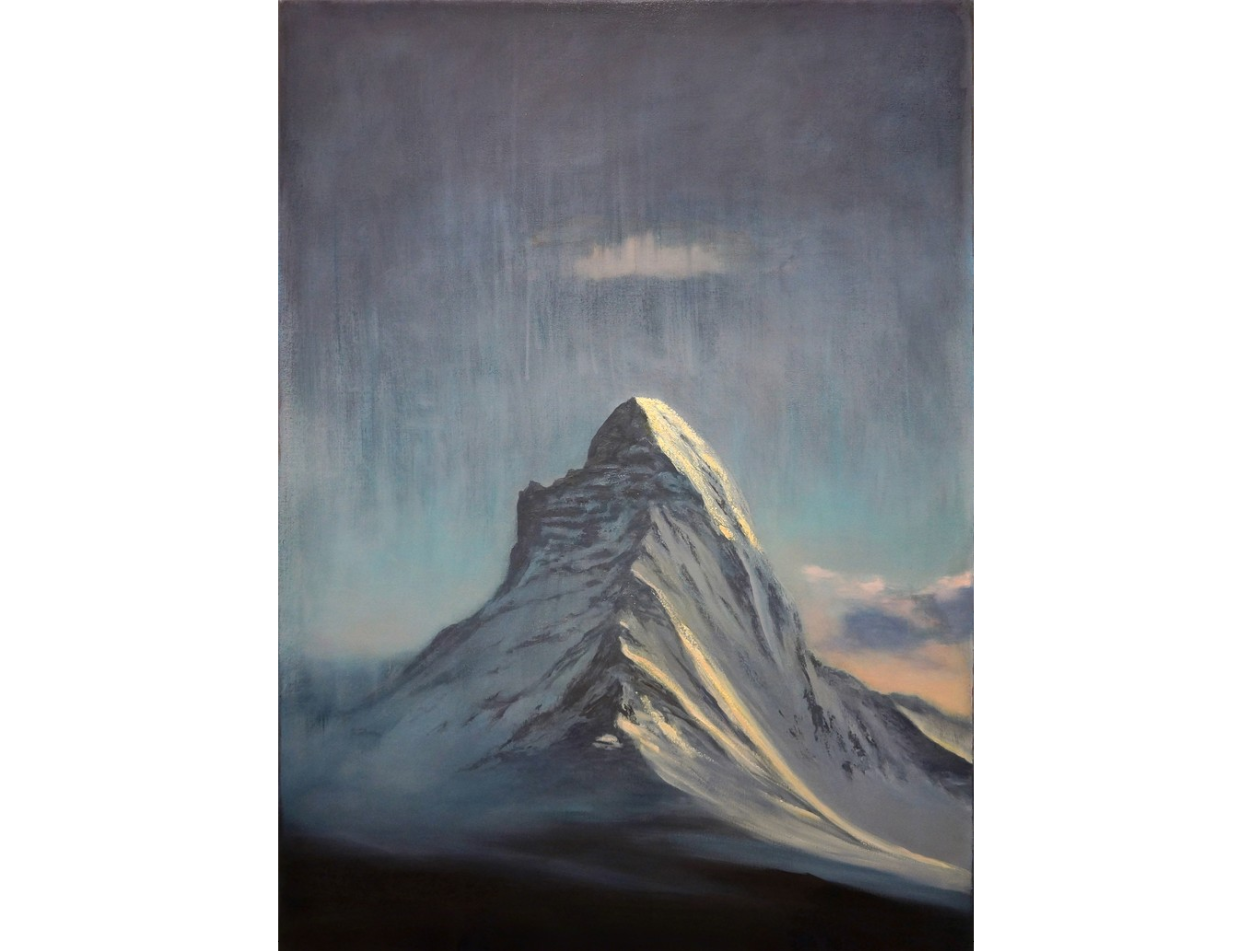
Adam Straus, “Matterhorn,” 2014, oil on canvas, 72 x 48 in. (c) Nohra Haime Gallery 2016

Coinciding with his new monograph, works by experienced artist Adam Straus head to the walls of two prestigious New York City Galleries later this month. Details here!

On view at New York’s Nohra Haime Gallery and Adelson Galleries from November 22 through December 24 are a wide range of works by accomplished artist Adam Straus. With a career spanning nearly four decades, Straus has worked in a variety of media, with representations of each on view during the shows. Among the works to be on view are Straus’ sculptures, paintings, works on paper, and photography.

Adam Straus, “Matterhorn,” 2014, oil on canvas, 72 x 48 in. (c) Nohra Haime Gallery 2016

Via the exhibition press, “Straus is known for his majestic and luminous depictions of the sublime, which are often saturated with a deep concern about social and environmental issues. His penetrating dark humor can transport the viewer to post-apocalyptic worlds and often offers a wry observation on how humans have altered the natural landscape.”

The two exhibitions also coincide with the release of Straus’ new monograph, published by Gli Ori, Italy, this month. Including text written by the artist and award-winning critic and filmmaker Amei Wallach, Adam Straus explores a range of topics, including the artist’s childhood experiences, fascinating moments in his life and career, and much more.

To learn more, visit Adam Straus.

This article was featured in Fine Art Today, a weekly e-newsletter from Fine Art Connoisseur magazine. To start receiving Fine Art Today for free, click here.
Featured Lot: Jasper Francis Cropsey, “Greenwood Lake, New Jersey”

0
Jasper Francis Cropsey, “Greenwood Lake, New Jersey,” 1874, oil on canvas, 12 x 20 in. (c) Clars Auction Gallery 2016

In this ongoing series for Fine Art Today, we take a longer look at the history and features of a soon-to-be-available artwork of note. This week: Jasper Francis Cropsey, “Greenwood Lake, New Jersey.”

An important member of the Hudson River School, painter Jasper Francis Cropsey (1823-1900) is perhaps best known for his stunning autumnal landscapes of the northeastern United States. Frequently pushing the boundaries of naturalism and idealism, Cropsey’s works are often recognized for their vivid colors.

Unfortunately, Cropsey did not achieve much renown during his life, having only been rediscovered in the 1960s. Since then, the appreciation and market for Cropsey’s originals have rocketed. Today, the artist’s works can be found in a number of prestigious private and public collections, including the Metropolitan Museum of Art, the L.A. County Museum of Art, and the Detroit Institute of Arts, to name a few.

Jasper Francis Cropsey, “Greenwood Lake, New Jersey,” 1874, oil on canvas, 12 x 20 in. (c) Clars Auction Gallery 2016

Like his Hudson River colleagues, Cropsey viewed landscape as the ultimate art form — a direct expression and manifestation of God. His views of unspoiled American landscapes fostered in him a strong sense of patriotism as well.

Heading to auction on November 13 via Clars Auction Gallery in Oakland, California, is a stunning autumnal view by Cropsey. Dated to 1874, this mature work is a quintessential picture in the artist’s oeuvre. In a work set along the mountainous shores of Greenwood Lake in New Jersey, viewers find themselves in a small cove. The colors are absolutely brilliant in the painting, with yellows, oranges, reds, and ribbons of green dotting the shores. A golden haze blankets the scene as well, endowing the work with a dreamy tone.

Auction estimates are between $80,000 and $120,000. To learn more, visit Live Auctioneers.

This article was featured in Fine Art Today, a weekly e-newsletter from Fine Art Connoisseur magazine. To start receiving Fine Art Today for free, click here.

Portrait of the Week: Erin Anderson, “Felix Looking Backward, Looking Forward”

0
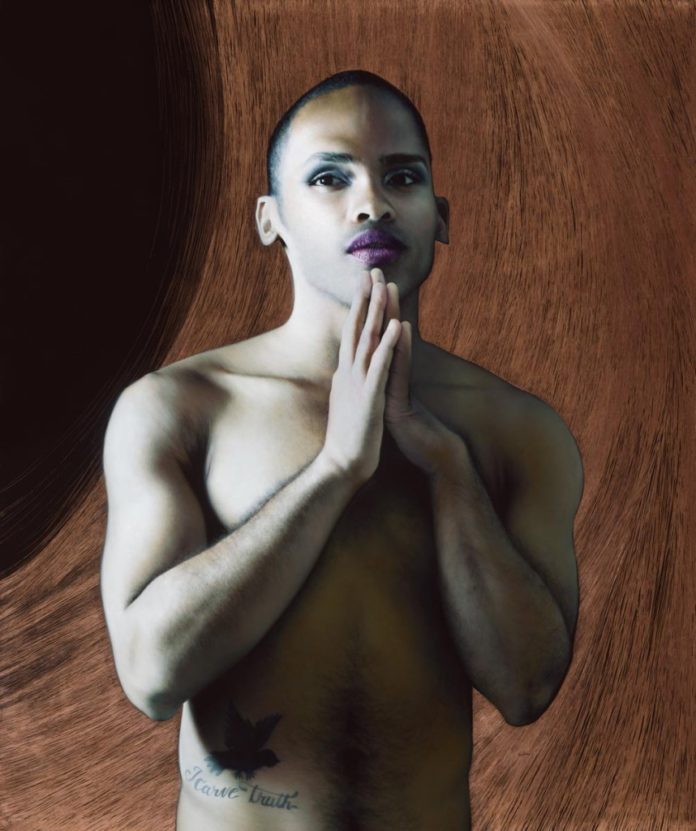
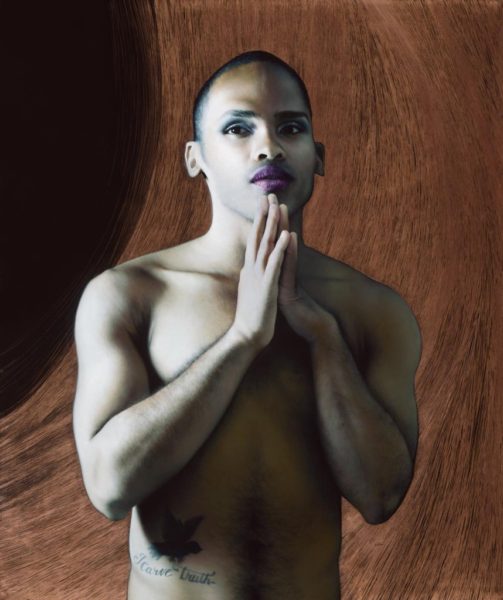
Erin Anderson, “Felix Looking Backward, Looking Forward,” 2015, oil on copper, 36 x 30 in. (c) Erin Anderson 2016

In this occasional series, Fine Art Today delves into the world of portraiture, highlighting historical and contemporary examples of superb quality and skill. This week: Erin Anderson, “Felix Looking Backward, Looking Forward.”

Although Erin Anderson’s magnificent portrait “Felix Looking Backward, Looking Forward” graces the cover of Fine Art Connoisseur’s November/December 2016 issue, we simply couldn’t pass the opportunity to highlight the work once more as this week’s feature portrait.

Erin Anderson, “Felix Looking Backward, Looking Forward,” 2015, oil on copper, 36 x 30 in. (c) Erin Anderson 2016

Executed on a copper sheet, a three-quarter figure pensively stands at center and — presumably — in the nude. His hands are pressed together and raised to his chin, and a flash of brilliant purple emanates from his soft lips. “My compositions remain anchored in representational figure painting juxtaposed by abstraction,” writes Anderson. “The metal substrate and paint work in concert to communicate layers or levels of reality: one that is easily perceived and directly in front of us and one that can be felt and is dynamic or changing. To explore the connective nature of our experience, I make visual comparisons between the figure and systems in nature. I find that studying the ways in which nature is connected informs the ways I create atmosphere within and around my subjects. The ensuing work is an exploration of our relationships to one another and our fundamental connection with the environment.”

To learn more, visit Erin Anderson.

This article was featured in Fine Art Today, a weekly e-newsletter from Fine Art Connoisseur magazine. To start receiving Fine Art Today for free, click here.
Featured Artwork: Michael Chesley Johnson presented by the Grand Canyon Celebration of Art

0
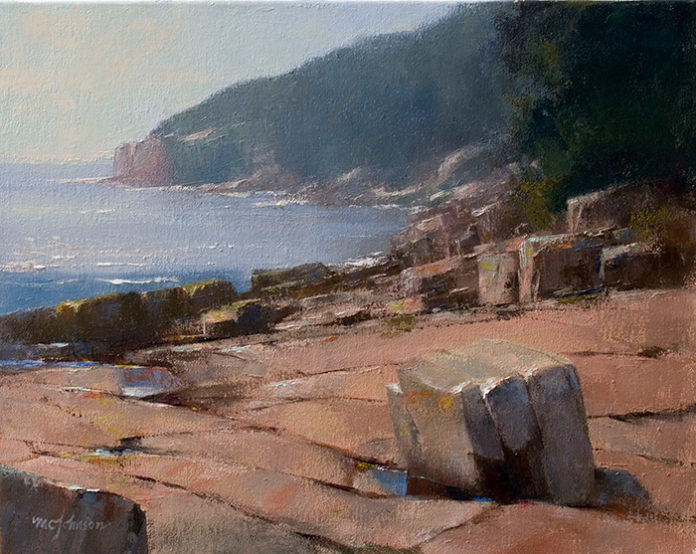
"Toward Otter Point" by Michael Chesley Johnson

“Toward Otter Point”

oil on canvas

16 x 20 in.

About the Artist:

Michael Chesley Johnson is one of the 26 artists who participated in this year’s Grand Canyon Celebration of Art, which took place at the South Rim of Grand Canyon September 10-17, 2016.  Now in its 8th year, the plein air event features artists painting at various locations around and in the Canyon. The exhibit and sale of their work at Kolb Studio on the South Rim will continue through January 16, 2017. The exhibit is open daily and is free and open to the public.

For this year’s Celebration of Art honoring the 100 year anniversary of the National Park Service, the artists were encouraged to submit a studio painting of any of the national parks. As Johnson divides his time between coastal Maine and Cornville, Arizona, he chose to paint Mount Desert Island in Acadia National Park.

Speaking about “Toward Otter Point” Johnson says: “I have been hiking and painting there for decades, but my favorite vista is of Otter Point. It hasn’t lost any of its ruggedness since explorer Samuel de Champlain struck a ledge there in 1604. I wanted to depict the bright haze of a later summer’s day, when the sun still shines full power through the thin mist.”

Elected a Master Pastellist by Pastel Artists Canada in 2008, Johnson is also a Signature Member of the American Impressionist Society and the Pastel Society of America as well as a juried member of Oil Painters of America.

For more information and a schedule of events please visit:

https://www.grandcanyon.org/arts-and-culture/2017-celebration-art

Contact Kathy Duley [email protected] 480.277.0458

Featured Artwork: Leslie Duke presented by the Celebration of Fine Art

0
"One of Five" by Leslie Duke

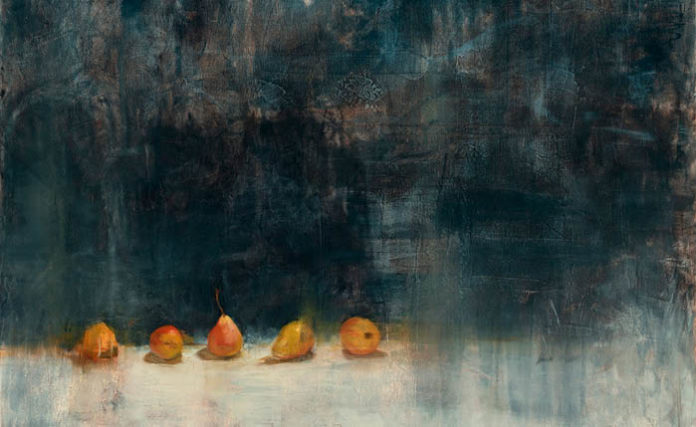
“One of Five”

Oil on board

30 x 30 in.

About the Artist:

Leslie Duke is an illustrator-turned-fine artist.  A deep love for color and texture is clearly visible in her work, as well as an enthusiasm for finding the intrinsic beauty in seemingly simple subject matter.

Leslie is fascinated with color, particularly with its ability to prompt an emotional response from its audience. Her work explores color’s emotive capacity, focusing more on the overall atmosphere created by the color palette of each piece, rather than the actual subject matter depicted.  This approach is meant to create a unique visual experience, one that facilitates an inner dialogue by quietly probing the subconscious.

In addition to her BFA Illustration from Brigham Young University, Leslie has participated in workshops and studied with Daniel Keys and Sherrie McGraw, as well as a William Whitaker Apprenticeship from 2009-2013.  Leslie resides in Springville, UT with her musician husband and their energetic dogs.  She is an adjunct professor at Brigham Young University, and loves spending time in her studio, traveling, eating spicy foods and enjoying a good laugh.

Leslie’s work can be seen at the Celebration of Fine Art in Scottsdale January 14 through March 26. 2017.  The Celebration of Fine Art is a unique art experience which gives visitors the opportunity to watch 100 artists in their working studios under one roof.  Open daily from 10 am to 6 pm, visitors enjoy strolling through the 100 artists’ studios under the 40,000 square foot exhibit tent.  Artists are on-site creating, allowing the visitor to watch them at work, discover what inspires them and the techniques used to create the works of art.  Come to Scottsdale to see more of Leslie’s works in person and discover the stories behind each unique work of art.

www.celebrateart.com

Featured Artwork: Heather Arenas WAOW PAAC

0

“No Time For That”

Oil on birch

18 x 24 in.

About the Artist:

Recently awarded Master Signature status with the Women Artists of the West and Associate with Distinction with the American Women Artists, Heather works hard to share her knowledge with other artists by mentoring and volunteering. She participates in national shows such as the OPA Salon, AWA and WAOW exhibitions and offers critiques and instructional classes through OpenStudioOnline.com.

Heather’s work is available through:

Reinert Fine Art in Charleston, SC

Reflection Gallery in Santa Fe, NM

Mary Williams Fine Art in Boulder, CO

View more of Heather’s work and workshop and event dates at www.heatherarenas.com.

Featured Lot: George Inness, “Evening Glow”

1
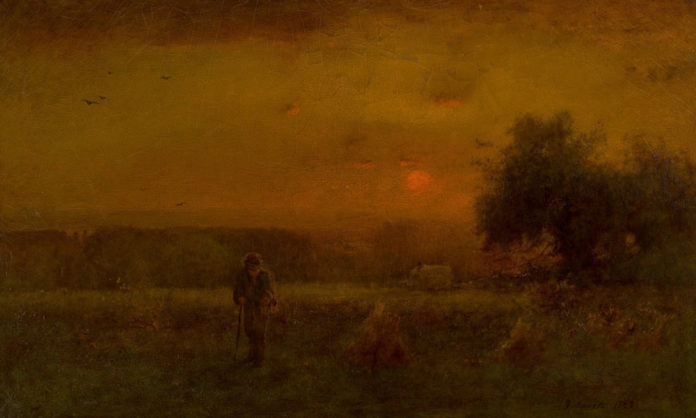
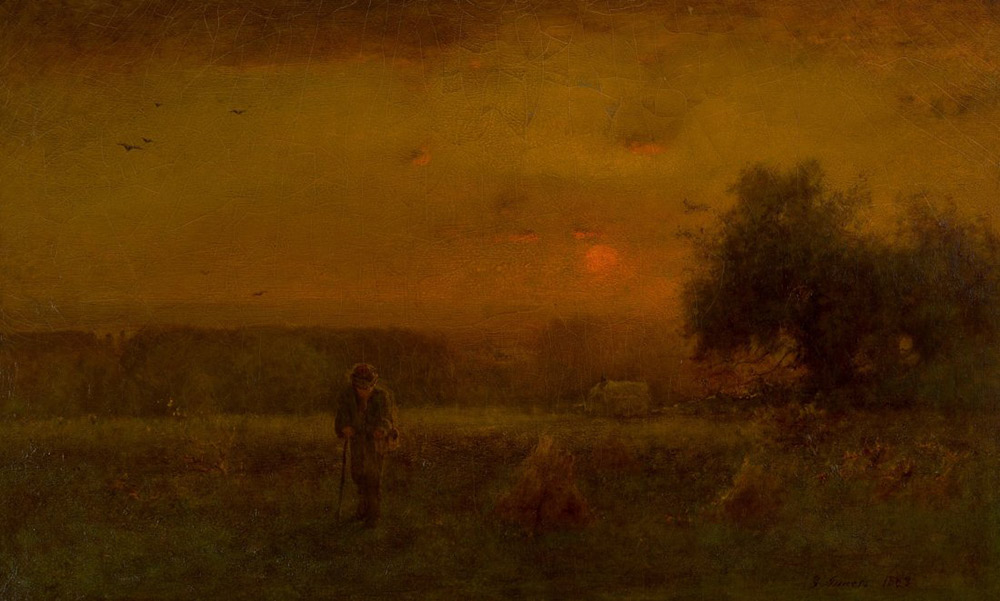
George Inness, “Evening Glow,” 1883, oil on canvas, 22 x 36 in. (c) Heritage Auctions 2016

In this ongoing series for Fine Art Today, we take a longer look at the history and features of a soon-to-be-available artwork of note. This week: George Inness, “Evening Glow.”

Collectors will be excited to hear of the latest opportunity to own a stunning original from one of America’s most influential 19th-century painters, George Inness (1825-1894). During a career that spanned more than 40 years and over 1,000 paintings, Inness evolved his style between realism and impressionism. Even so, critics always maintained that Inness’ pictures were powerful and highly successful efforts to elicit depth of mood, atmosphere, and emotion.

Born in Newburgh, New York, in 1825, Inness was already cultivating his artistic talent by 1839, when he studied for several months under the tutelage of painter John Jesse Barker. Through the 1840s, Inness continued his studies in a range of opportunities, including as a map engraver, apprentice under Régis François Gignoux, and at the National Academy of Design (NAD). It was at the NAD that Inness first encountered works by artists of the Hudson River School, which had an immediate and lasting impact on the young painter. Early works by Inness clearly display his love for Asher Durand and Thomas Cole, among others. Tightly rendered and often depicting deep, receding spaces, Inness’ young works were clearly of an academic and realist tradition.

George Inness, “Evening Glow,” 1883, oil on canvas, 22 x 36 in. (c) Heritage Auctions 2016

As the artist grew, so too did his work, becoming ever more atmospheric, experimental, expressive, and impressionistic. Although he would never fully commit to either full abstraction or realism, Inness’ works display a compelling range of creativity that continues to intrigue scholars and connoisseurs today.

A stunning original by Inness heads to the auction block via Heritage Auctions on November 12. Reading more like a J.M.W. Turner than a Thomas Cole, “Evening Glow” is an atmospheric and moody masterpiece. According to Heritage, “‘Evening Glow’ marks a turning point in Inness’ career and stands as one of his first and finest ‘aesthetic’ paintings. Prior to this watershed moment, during the early 1880s, Inness specialized in two types of paintings: plein air pastorals and figure paintings. In 1883, he abruptly abandoned these genres in favor of the ‘aesthetic style,’ which had been popularized by James Abbott McNeill Whistler in London and was gaining traction in the U.S. among such figure painters as Thomas Wilmer Dewing and William Merritt Chase.”

Within “Evening Glow,” a soft orange glow blankets the canvas. In a painting set — as its title suggests — during the waning hours of the day, a lone figure solemnly walks toward the viewer. Although a few details can be deciphered — birds dotting the sky, a lone tree and haystacks — the overall impression of the painting is hazy with soft edges and earthy hues. It is dated to 1883, just when Inness was making his stylistic turn, and auction estimates are between $120,000 and $180,000.

To learn more, visit Heritage Auctions.

This article was featured in Fine Art Today, a weekly e-newsletter from Fine Art Connoisseur magazine. To start receiving Fine Art Today for free, click here.
Modernism Without Apologies

0
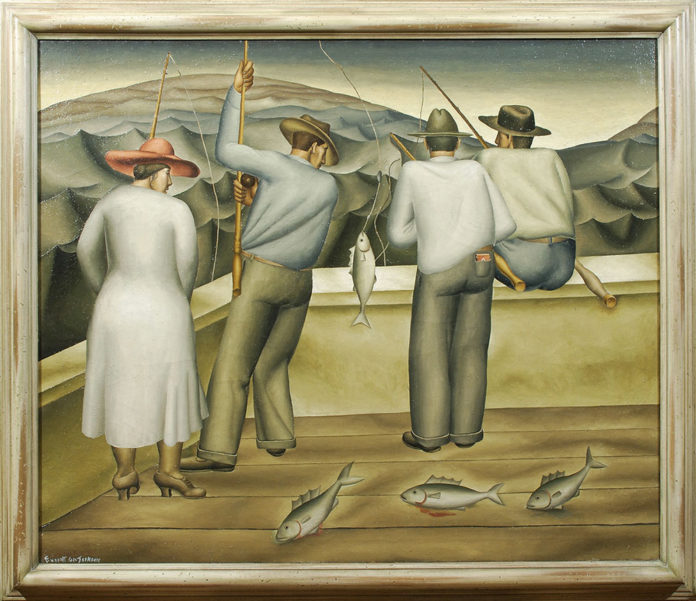
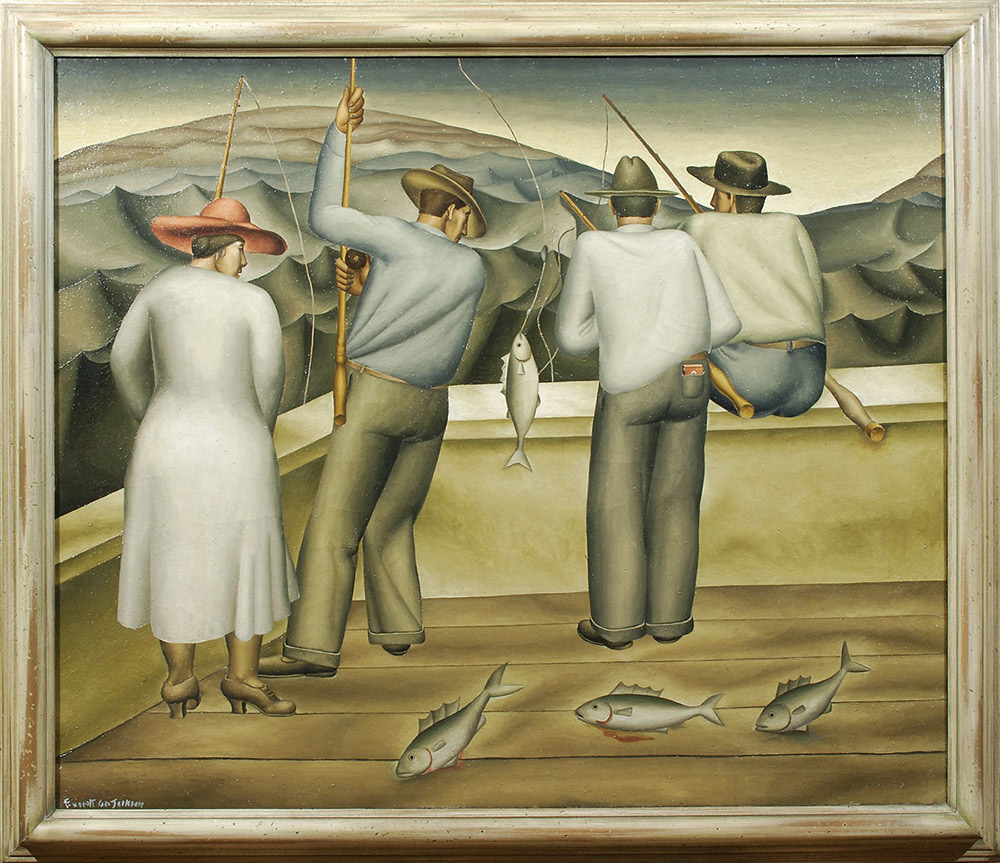
Everett Gee Jackson, “The Fishing Barge,” circa 1933, oil on canvas, 37 1/2 x 44 1/2 in. (c) Hirschl & Adler Galleries 2016v

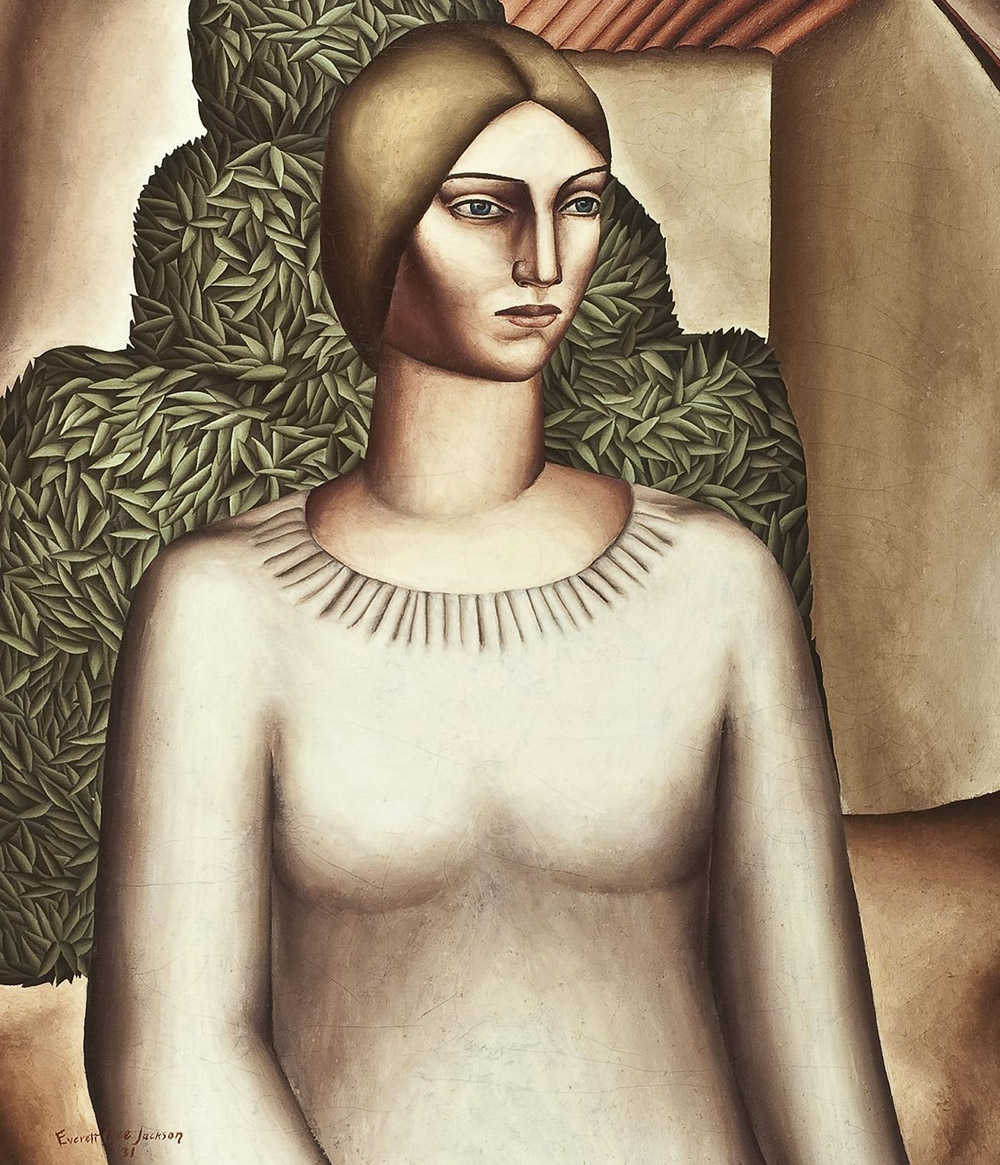
Texas-born icon Everett Gee Jackson is the subject of a wonderful exhibition at Hirschl & Adler Galleries in New York City. Jackson was the first major conduit for the introduction of Mexican Modernism into the United States, so this show has both collecting and historical value.

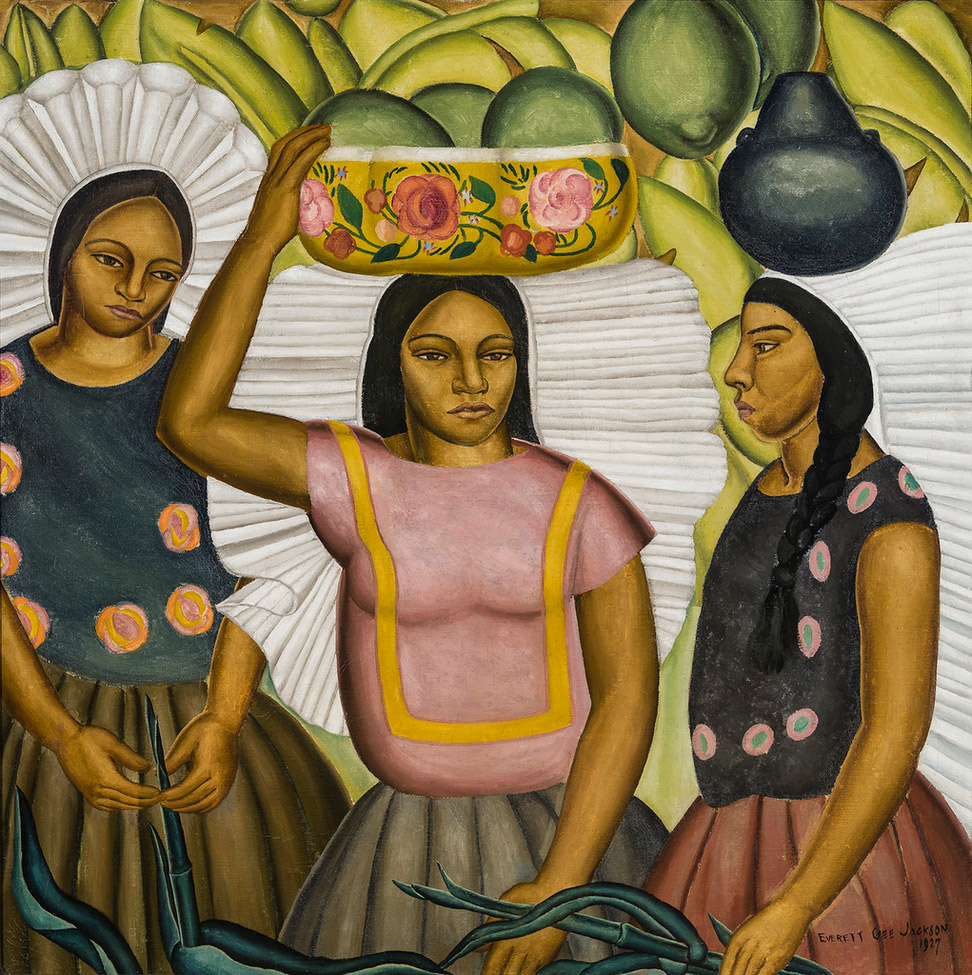
Featuring some 18 works by master painter Everett Gee Jackson (1900-1905), “Modernism Without Apologies” is a stunning exhibition on view for just a few more days at New York City’s Hirschl & Adler Galleries. Jackson is well-known in art history as one of the first major artists to introduce modernism from Mexico to the United States during the World War eras. Intimately inspired by Mexico’s monumental artists, including Diego Rivera, Jose Orozco, and David Siqueiros, “Jackson’s paintings quickly broke free from the constraints of decorative impressionism and morphed into sculptural dimensionality” the gallery writes. “Jackson’s figures suddenly had tangible form, the same rounded solidity seen in Rivera and Siqueiros. His best figure paintings, such as the brilliant ‘Tehuantepec Women,’ painted in Texas from studies made in Oaxaca state while recuperating from a bout with malaria, clearly show Jackson’s indebtedness to the Syndicate muralists. The rounded figures of three indigenous women are contrasted by flat, fluted patterns flowing against a golden background of tropical foliage. Mural-like in its effect, ‘Tehuantepec Women’ is a capstone to Jackson’s career-altering years in Mexico.”

Everett Gee Jackson, “Girl with Acacia Tree,” 1931, oil on canvas, 27 x 30 in. (c) Hirschl & Adler Galleries 2016
Everett Gee Jackson, “The Fishing Barge,” circa 1933, oil on canvas, 37 1/2 x 44 1/2 in. (c) Hirschl & Adler Galleries 2016v
Everett Gee Jackson, “Tehuantepec Women,” 1927, oil on canvas, 32 x 32 in. (c) Hirschl & Adler Galleries 2016

“Modernism Without Apologies” opened on October 13 and will remain on view through November 19. To learn more, visit Hirschl & Adler Galleries.

This article was featured in Fine Art Today, a weekly e-newsletter from Fine Art Connoisseur magazine. To start receiving Fine Art Today for free, click here.
Conservation through Art

0
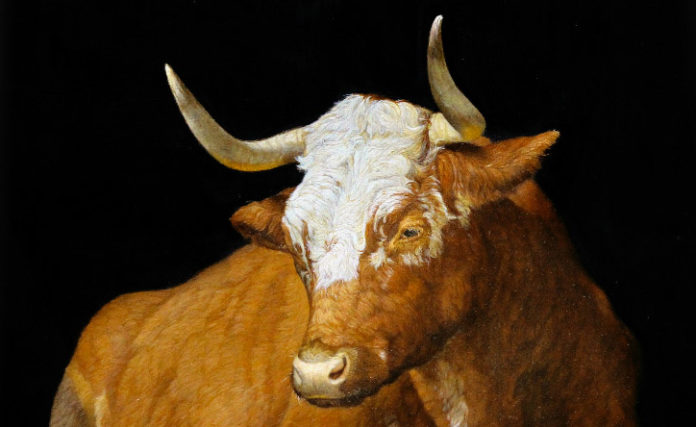
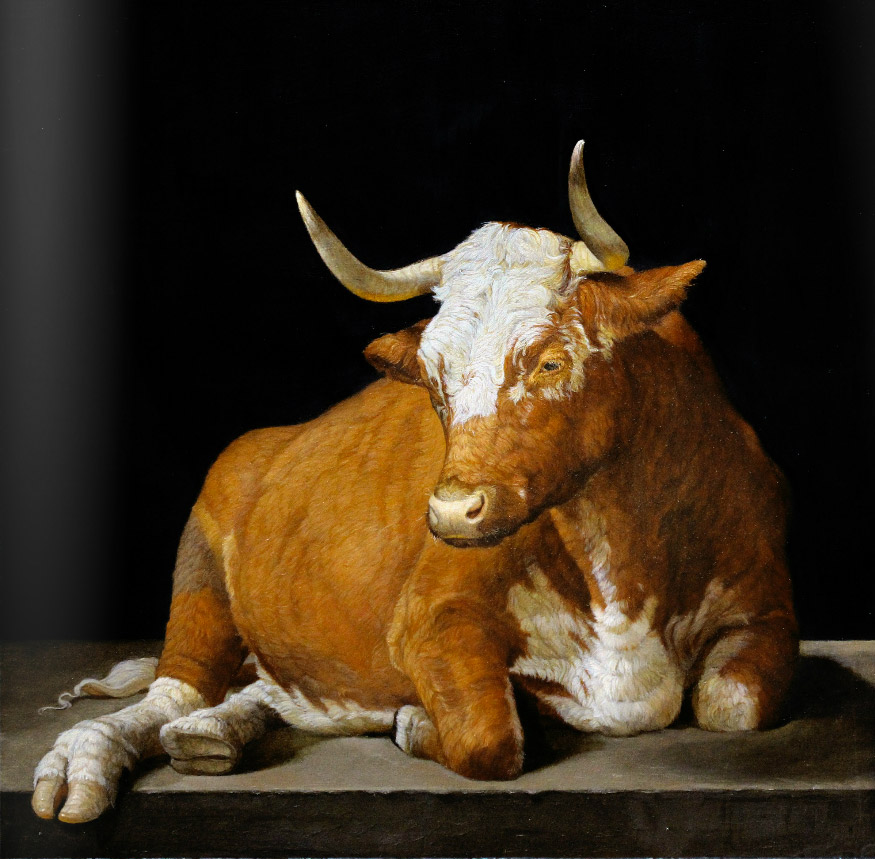
Patricia Traub, “Lineback Cow,” oil on panel, 12 x 12 in. (c) Gallery Henoch 2016

Activist and wildlife artist Patricia Traub is overjoyed to present her first solo exhibition in New York at Gallery Henoch this month. Majestic and statuesque, her subjects are sure to invite discussion on multiple fronts.

On view through November 26, “Animal Empathy” is politically provocative and artistically profound. Featuring 14 paintings by acclaimed painter Patricia Traub, the exhibition delves into the controversial realm of animal cruelty, conservation, and so much more.

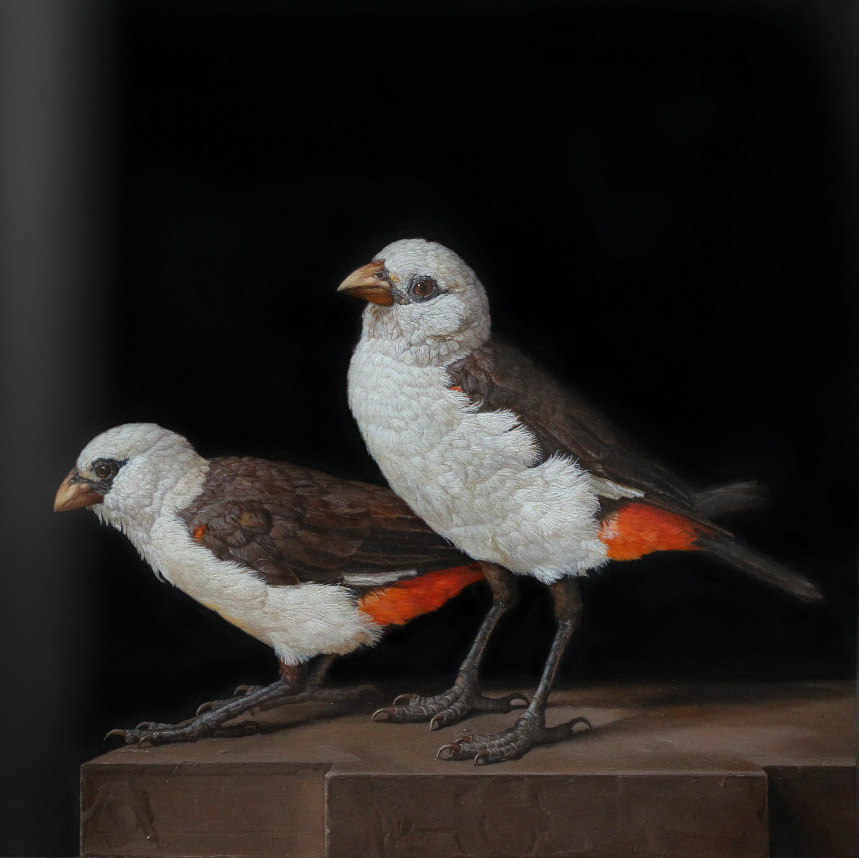
Patricia Traub, “A Pair of Buffalo Weavers,” oil on panel, 12 x 12 in. (c) Gallery Henoch 2016
Patricia Traub, “Lineback Cow,” oil on panel, 12 x 12 in. (c) Gallery Henoch 2016

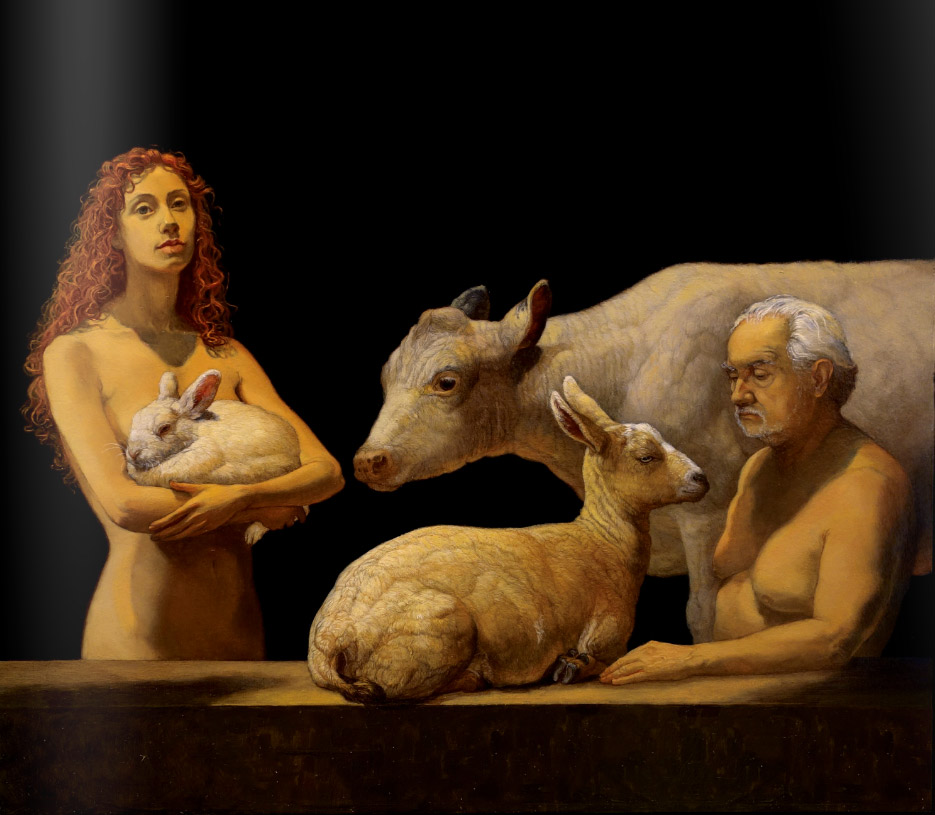
Via the gallery release, “Traub’s empathy and activism coalesce in closely studied wildlife vignettes. She depicts mostly mammals and birds, standing before the viewer in resolute posture against the deep soot of the universe. Traub effortlessly ‘humanizes’ her subjects, conveying the individual, its fur, feathers, gesture and weight, that carry the signs of a distinctive being. In doing so she draws out the consciousness of each Colobus Monkey or Buffalo Weaver, in compositions resembling a modern day Albrecht Dürer. To unpack the significance of each subject, Traub notes every animal has a specific petition, for example, the Rambouillet Ram is bred for its merino wool and is a cornerstone of the meat trade. By isolating the animals on sterile precipices of rectangular earth Traub places the animal on display. This reinforces our shared human jurisdiction over their stewardship while avoiding maudlin bromides.”

Patricia Traub, “Watching Over Them,” oil on panel, 10 1/2 x 12 in. (c) Gallery Henoch 2016

To learn more, visit Gallery Henoch.

This article was featured in Fine Art Today, a weekly e-newsletter from Fine Art Connoisseur magazine. To start receiving Fine Art Today for free, click here.
WEEKLY NEWS FROM THE ART WORLD

Fill your mind with useful art stories, the latest trends, upcoming art shows, top artists, and more. Subscribe to Fine Art Today, from the publishers of Fine Art Connoisseur magazine.

  • This field is for validation purposes and should be left unchanged.