
Master Drawings New York (MDNY), the U.S. fair dedicated to exceptional works on paper, is pleased to share highlights for its 20th anniversary edition, taking place through February 7, 2026, across more than two dozen galleries on the Upper East Side.
The 2026 fair will feature 36 exhibitors, including 11 first-time participants, presenting works on paper from the 15th to the 21st centuries, along with select paintings, sculpture, and photography. To commemorate the milestone, MDNY will publish a special anniversary book, “20 Objects for 20 Years,” highlighting some of the most important artworks to have appeared at the fair since its founding, from participating galleries past and present.
More from the organizers:
Exhibitions across the fair explore a wide range of themes and subjects, from birds and animals, gardenscapes, and biblical scenes, to mysticism, still lifes and striking portraiture, as well as historical engagements with WWII concentration camp drawings, overlooked Nordic impressionists, and early drawings of the Sistine Chapel—offering depth and surprise at every turn.
Visitors can expect to see works from celebrated artists like Harriet Hosmer (American, 1830-1908), Mark Tobey (American, 1890-1976), Giovanni Battista Tiepolo (Italian, 1696-1770), Mercedes Matter (American, 1913-2001), Fernand Léger (French, 1881-1955), and Egon Schiele (Austrian, 1890-1918), as well as under-recognized artists ripe for rediscovery like Ellen Jolin (Swiss, 1854-1939), Toshio Bando (Japanese, 1895-1973), Alfredo Pina (Italian, 1887-1966), Allan Crite (American, 1910-2007), Gösta Adrian-Nilsson (Swedish, 1884-1965), and Bertha Wegmann (Swiss, 1846-1926).
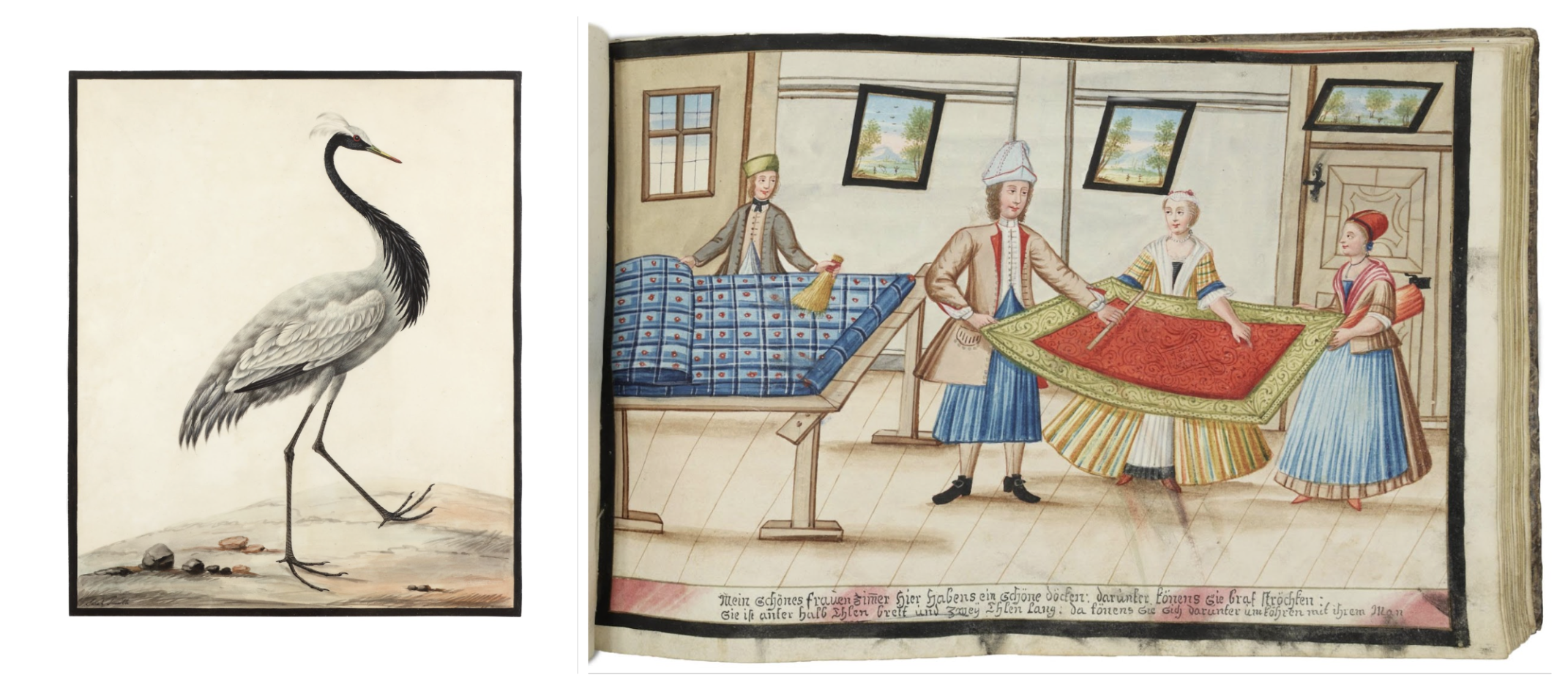
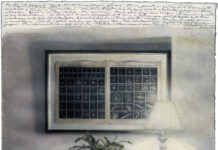
Right: J.F. Hörmannsperger, “Album and baroque pattern book of the Imperial blanket maker J.F. Hörmannsperger,” Vienna, 1736. Hand colou, engraving and gouache washed raised in gilt and silver.
The 20th anniversary edition of Master Drawings New York positions the fair as both a celebration of legacy and a timely reflection on why works on paper matter now. Across centuries and disciplines, a unifying theme emerges: the renewed urgency of the artist’s hand in an era increasingly shaped by digital mediation and AI-generated imagery.
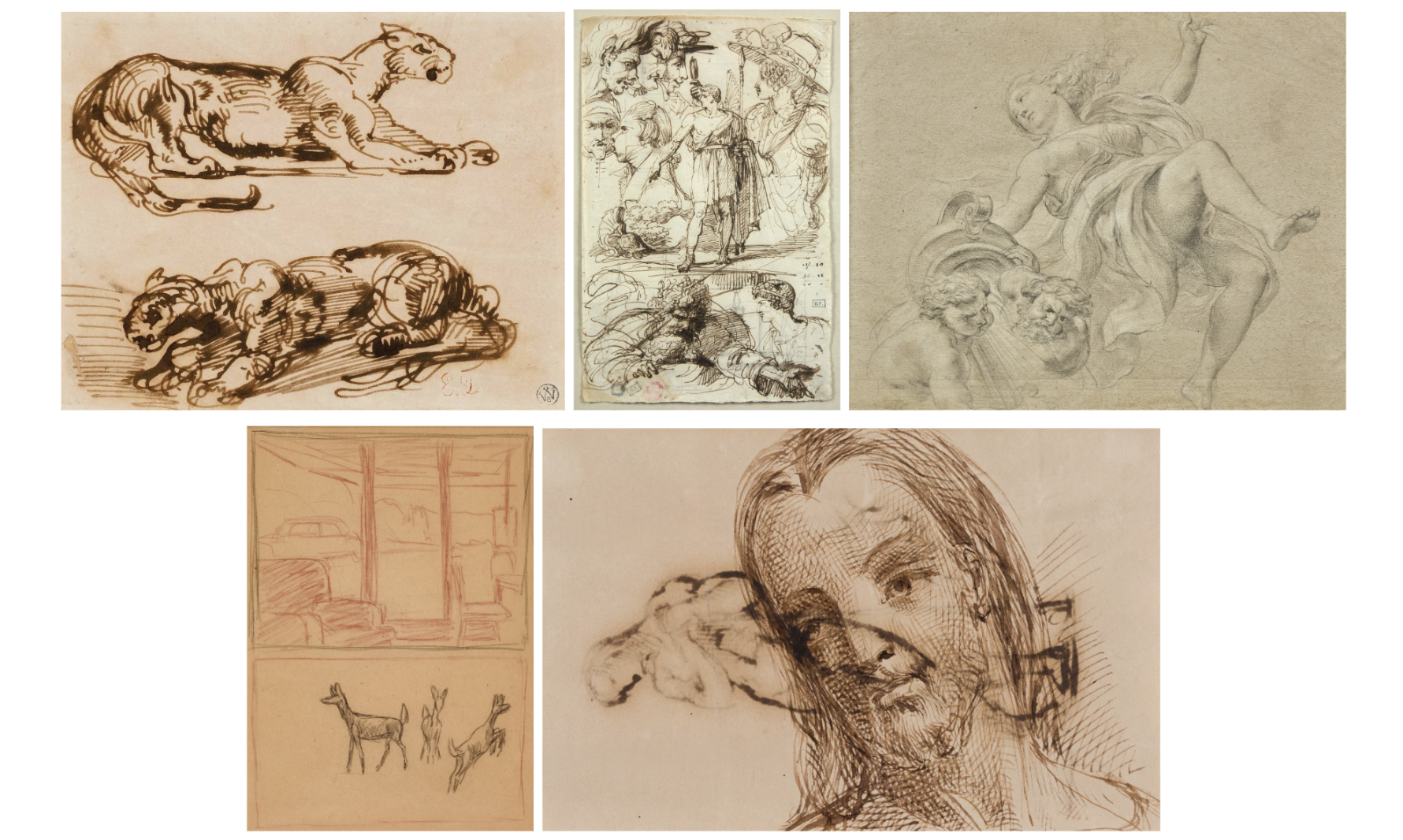
2. Luigi Sabatelli (Florence, 1772- Milan, 1850), “Caricatures and old-fashioned figures,” Pencil, pen and brown ink on laid and watermarked paper. Courtesy: Miriam Di Penta Fine Arts.
3. Lorenzo de Ferrari (1680-1744), “Allegorical Figures of Virtue and the Winds” (preparatory drawing for fresco). Genoa, 1740. Black chalk heightened with white. Courtesy: Didier Aaron.
Bottom, left to right: 1. Edward Hopper (1882-1967) “Studies of Room and Deer,” Double-sided. C.1950s. Conté crayon on paper. Courtesy: Agar Marteau Fine Art.
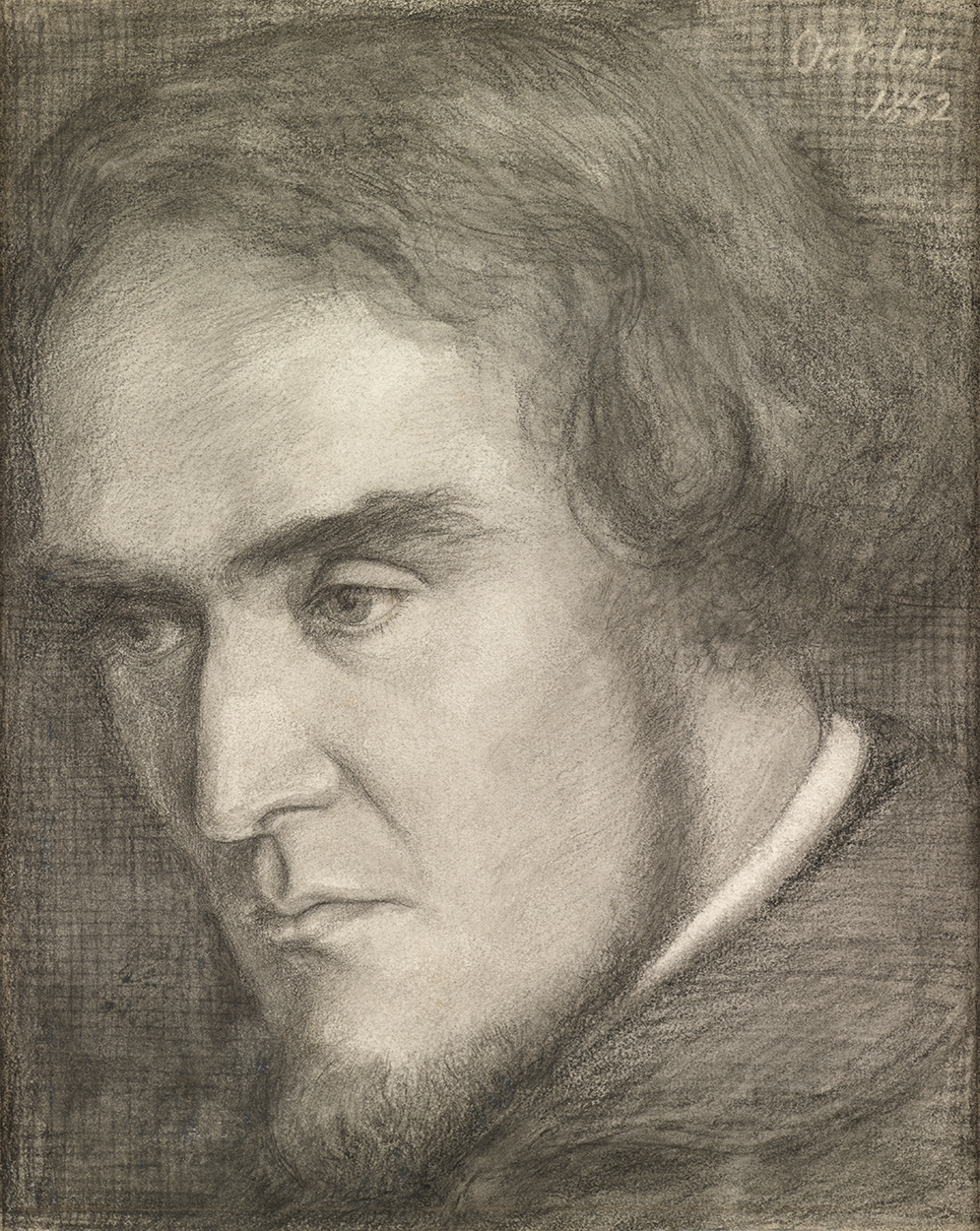
2. George Richmond (1809-1896), “Portrait Sketch of Samuel Palmer (1805-1881),” C. 1828-1830. Pen and Ink. Courtesy: Abbott and Holder.
Drawing—intimate, exploratory, and irreducibly human—anchors the fair’s presentations, from Old Master studies and rediscovered sketches to contemporary works that lay bare the virtuosic faculties of touch, line, and material presence. Among the exhibited works, viewers will have a chance to consider the artfulness of works on paper in their more utilitarian guises—as scientific illustrations, those of the literary variety, architectural sketches, and more.
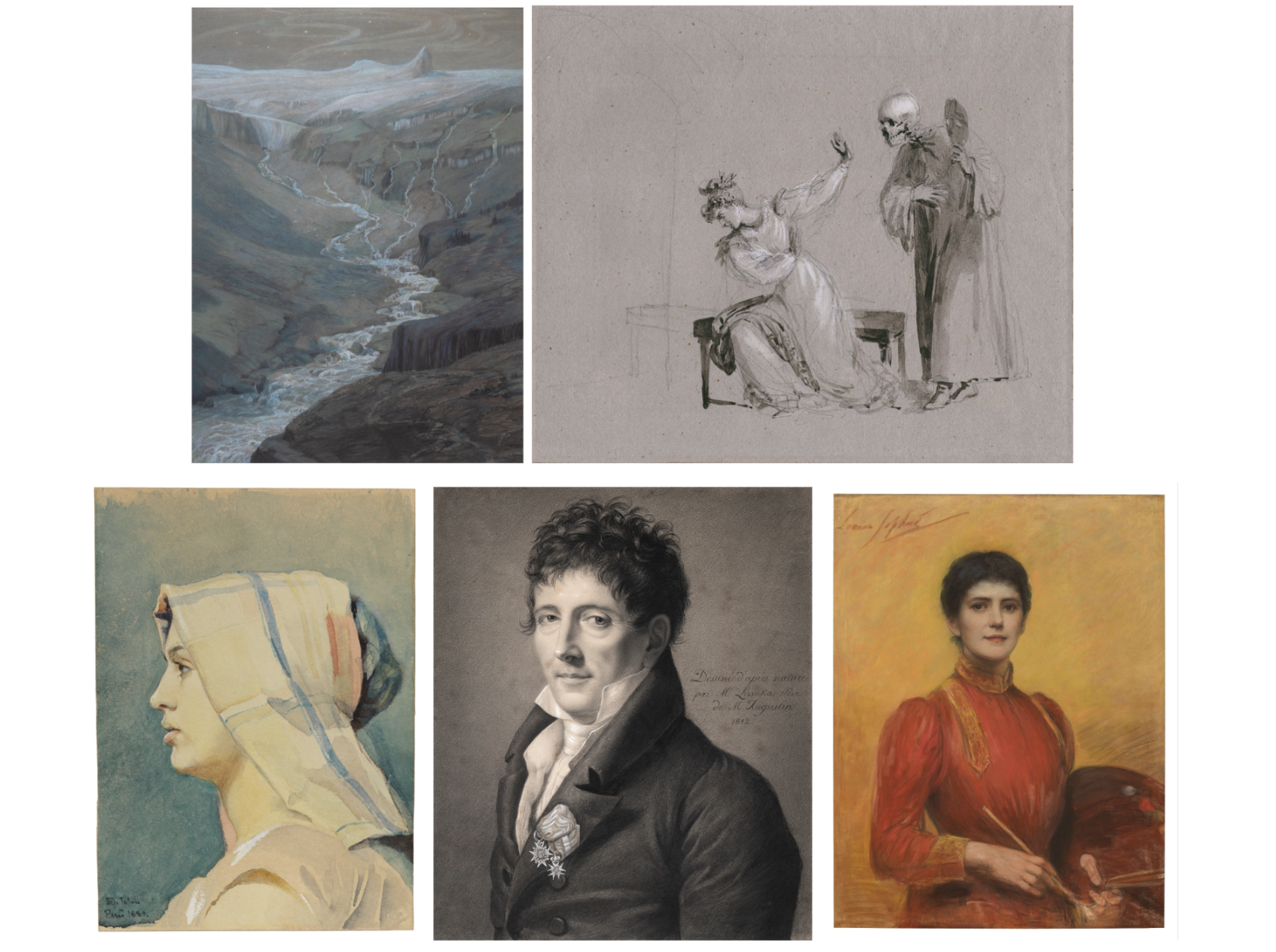
2. Stéphanie de Virieu (French, 1785-1873), “La Mort au masque,” C. 1819-1823. Pencil, ink wash and white gouache on beige paper. Courtesy: Jill Newhouse Gallery
Bottom, left to right: 1. Ellen Jolin (1861-1943), “Portrait of a French Woman,” Vastervik, Sweden, 1889. Watercolor and gouache on paper. Courtesy: Harry Gready & Benappi Fine Art.
2. Lizinka Aimée Zoe de Mirbel (1796-1849), “Portrait of a Gentleman,” 1812. Charcoal on paper. Courtesy: Charles Ede.
3. Louise Jopling (1843-1933), “A Study in Red, Portrait of the Artist,” Manchester, England, 1890. Pastel on linen. Courtesy: The Maas Gallery
Equally central is MDNY’s identity as a fair of discovery. Set within a walkable network of galleries on the Upper East Side, the fair encourages close comparison, sustained attention, and meaningful dialogue between past and present. Visitors will encounter not only rare and newly surfaced works, but also stories of provenance, reattribution, and scholarly rediscovery, including the continued efforts to give women artists across centuries their due recognition. Conversations between seasoned experts and younger collectors further underscore how connoisseurship continues to evolve.
For more information and highlights, visit: www.masterdrawingsnewyork.com/artworks.