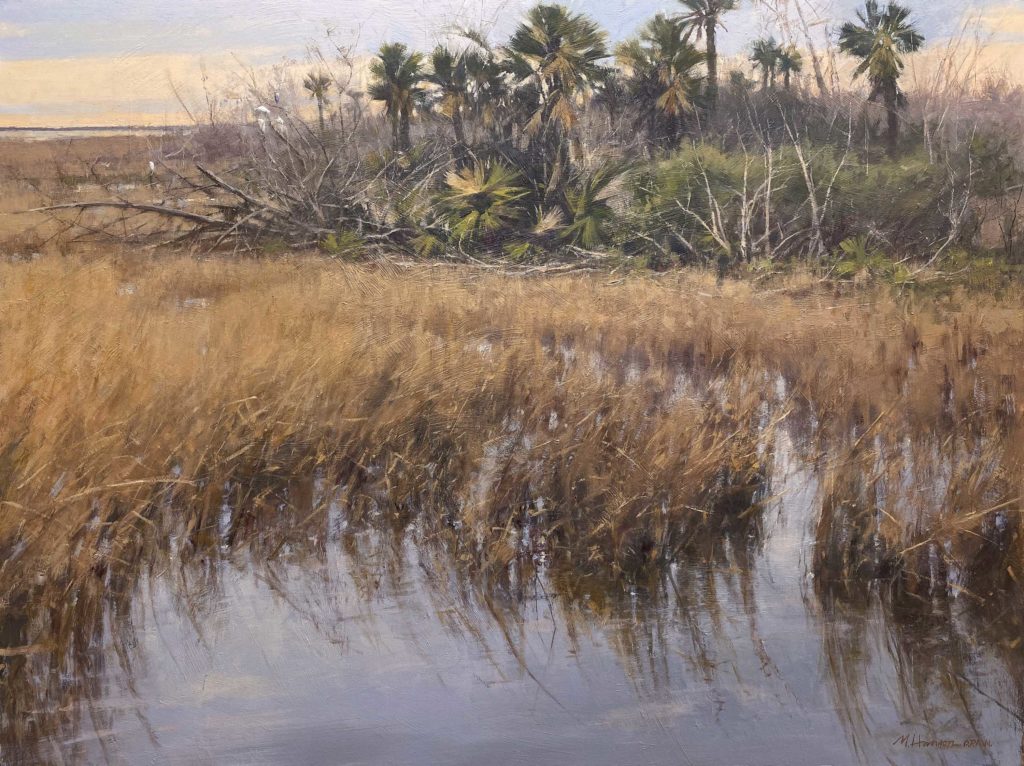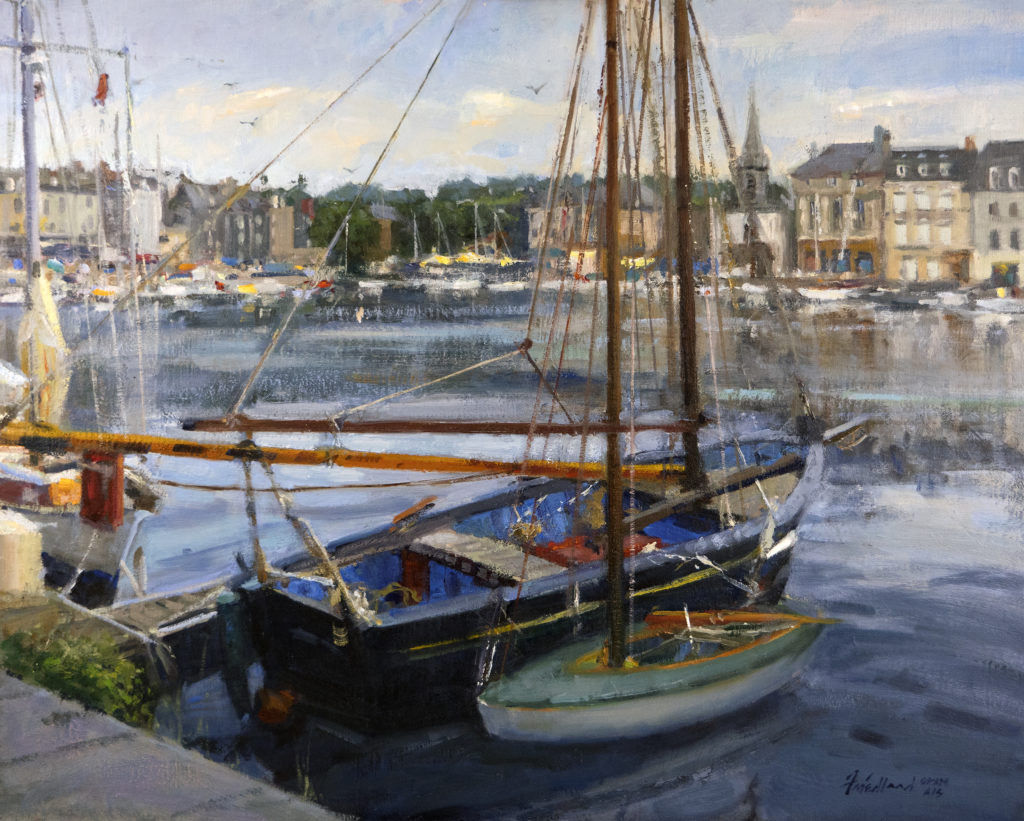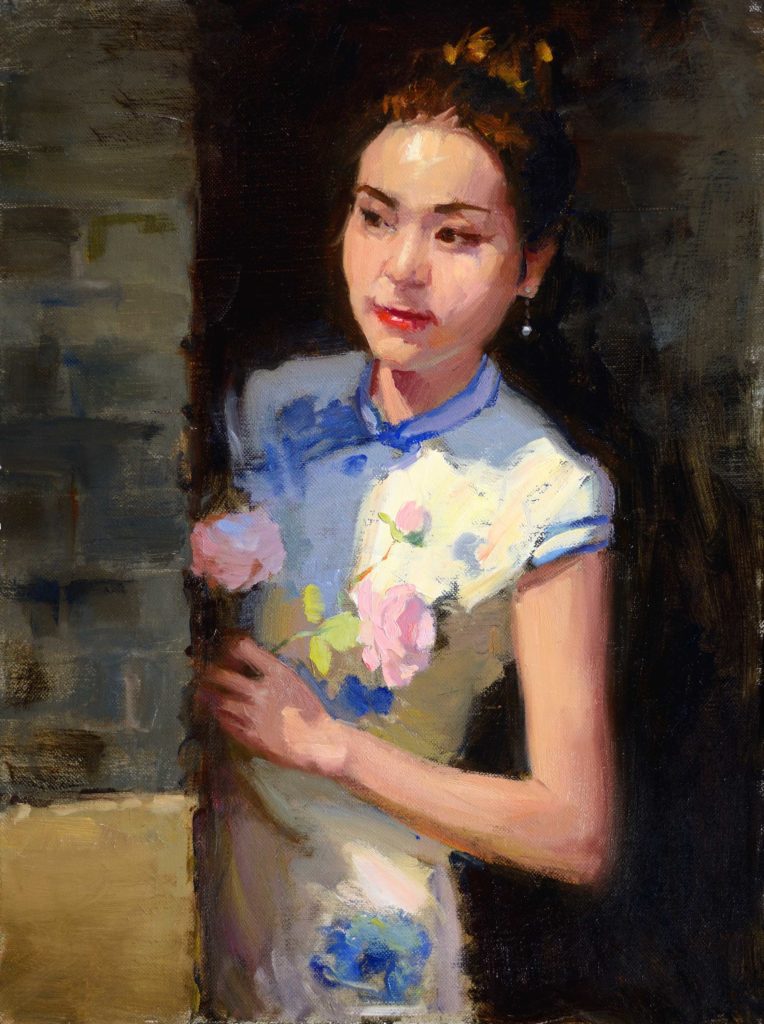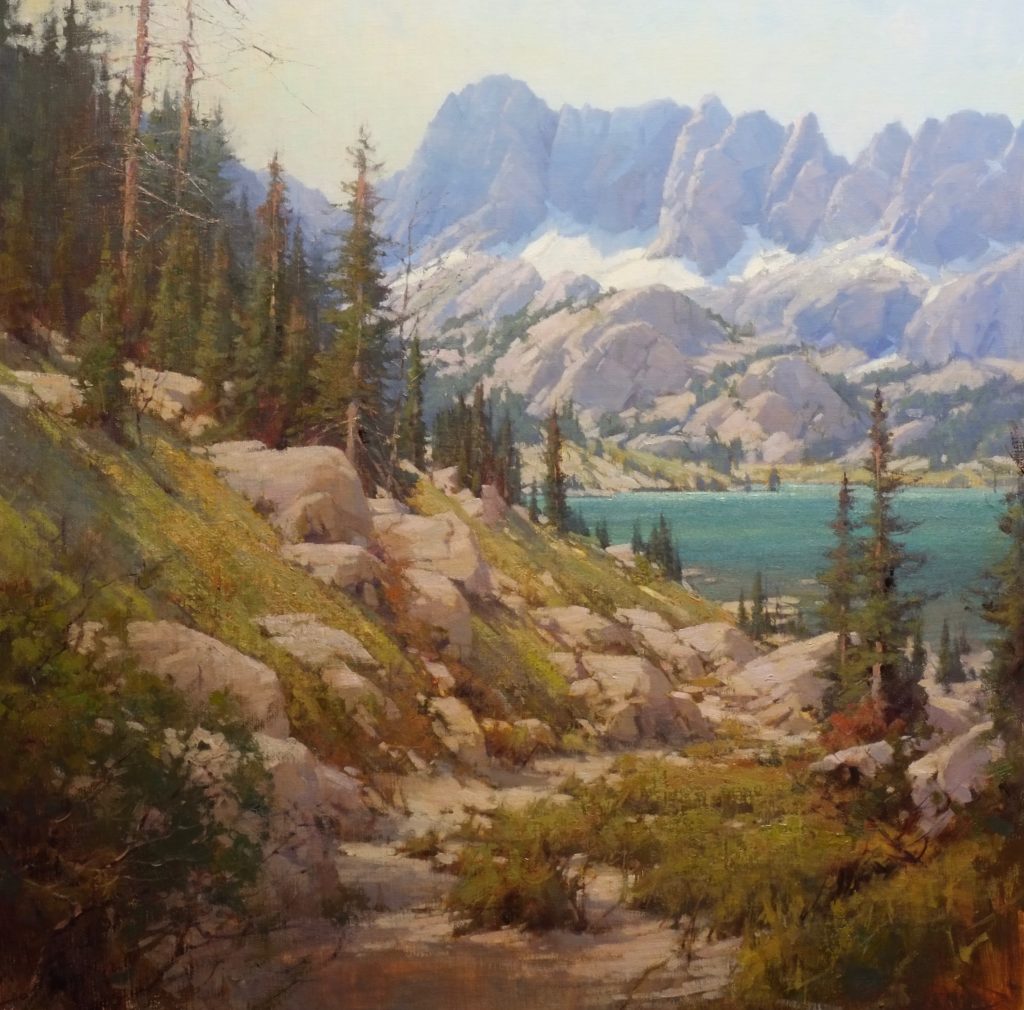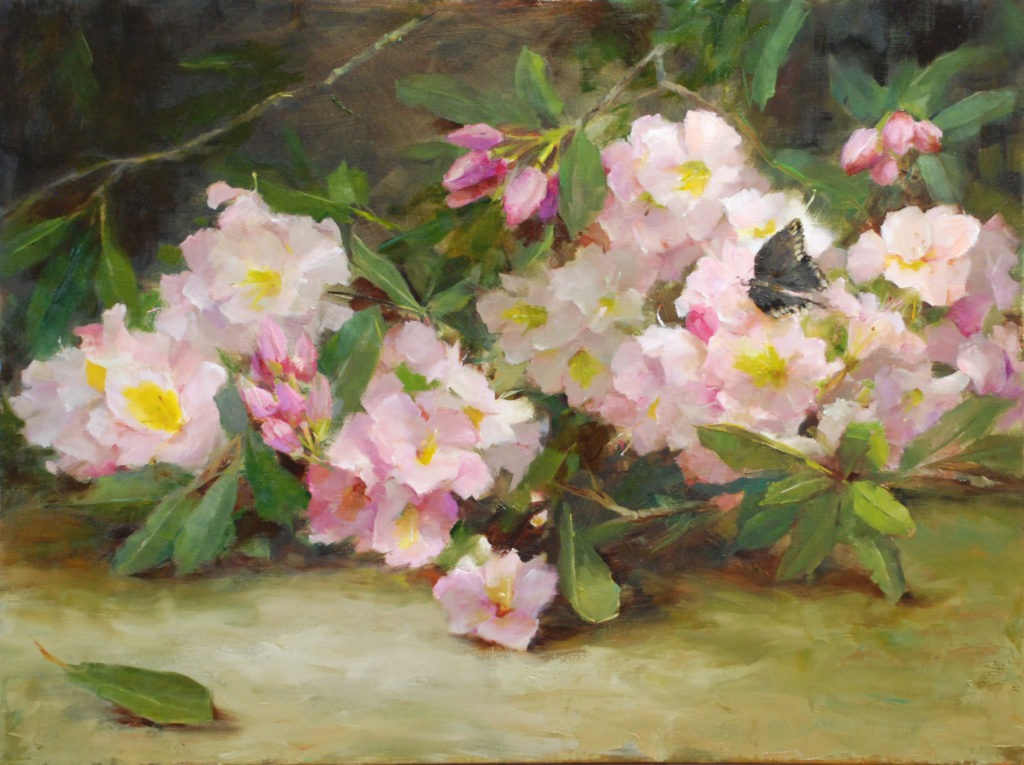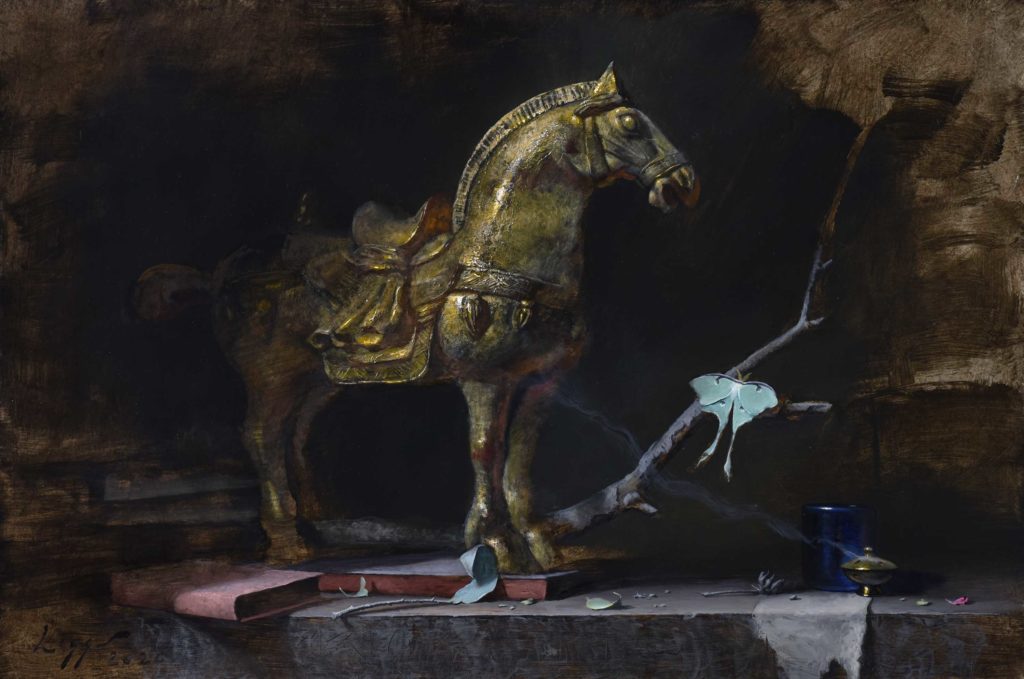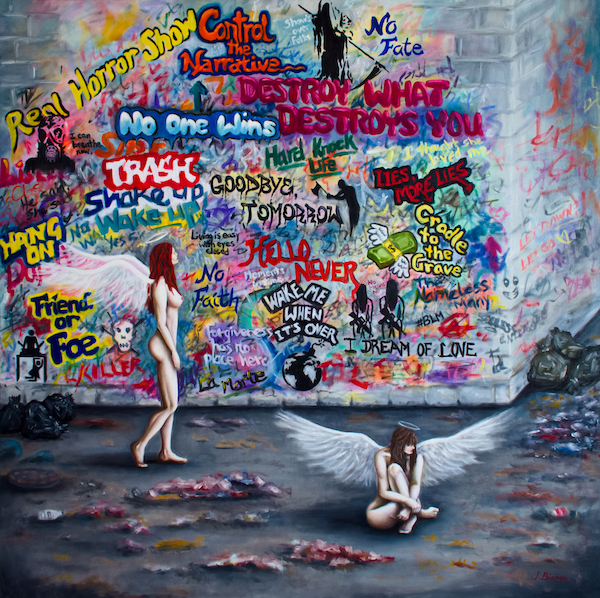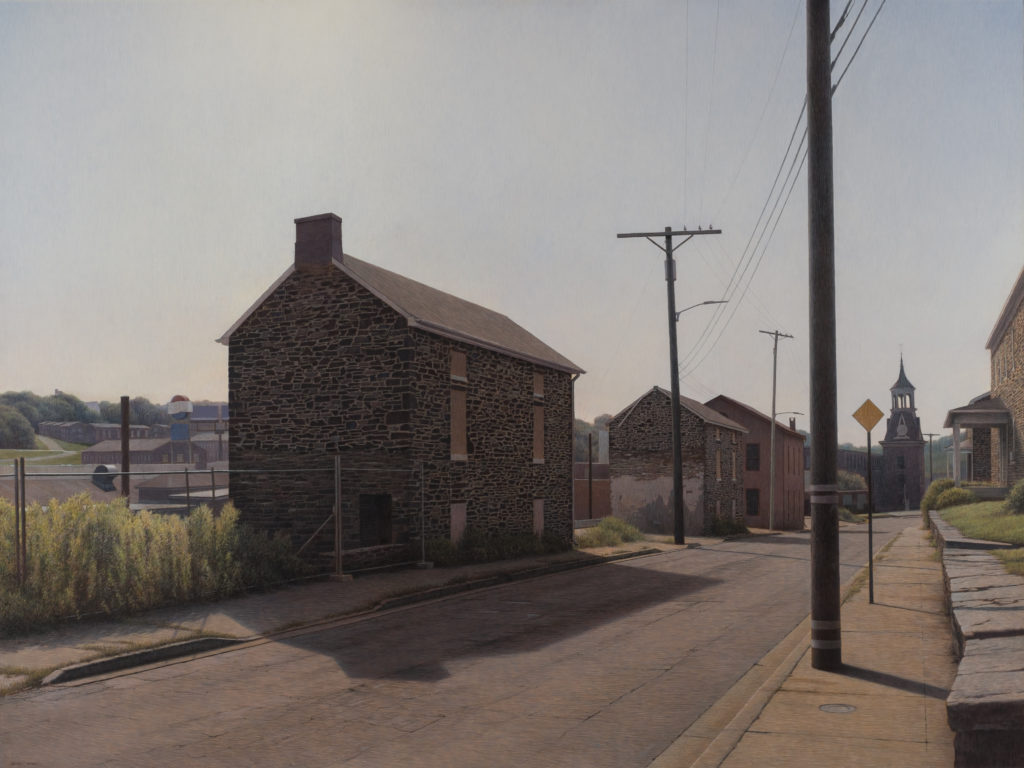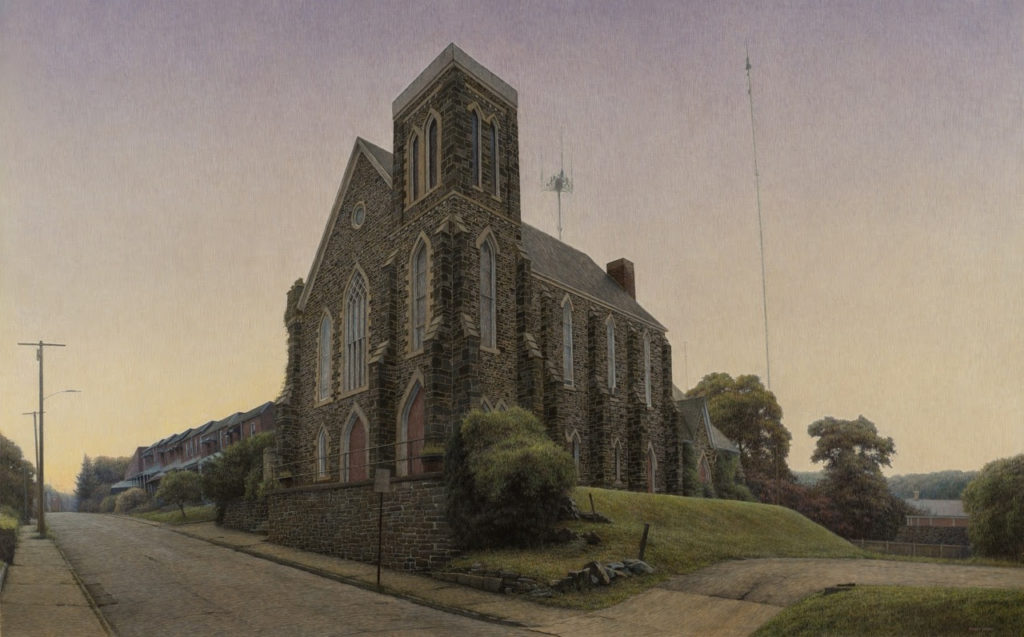

As part of our effort to continue to help artists and art galleries thrive, we’re proud to bring you this new “Virtual Gallery Walk.” Browse the paintings below and click the image itself to learn more about it, including how to contact the gallery.
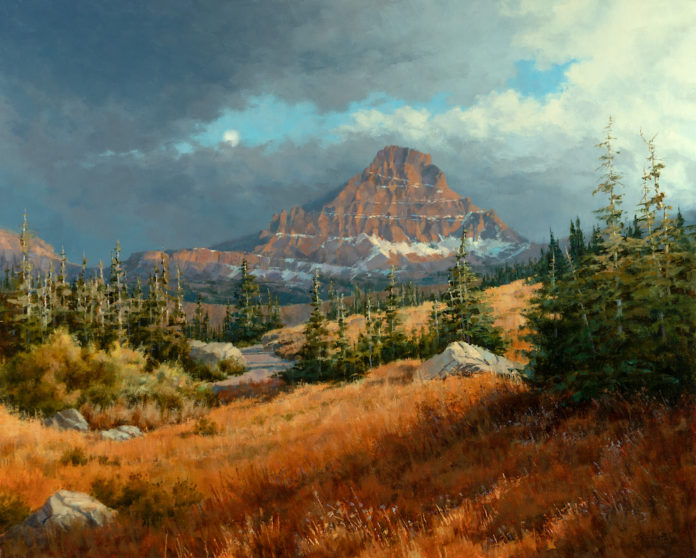
Maroon Sunset by Roger Dale Brown, Oil, 30 x 40 in; Anderson Fine Art Gallery
Elephant Bonsai by Lauren Pretorius, Oil on Panel, framed 16 x 20 in.; Bluestone Fine Art Gallery
Water View by Brian Kliewer, Oil on Canvas, 24 x 36 in.; Williams Fine Art Dealers
The Gift of Time by Kim Lordier, Pastel on Archival Board, 30 x 40 in.; Rieser Fine Art
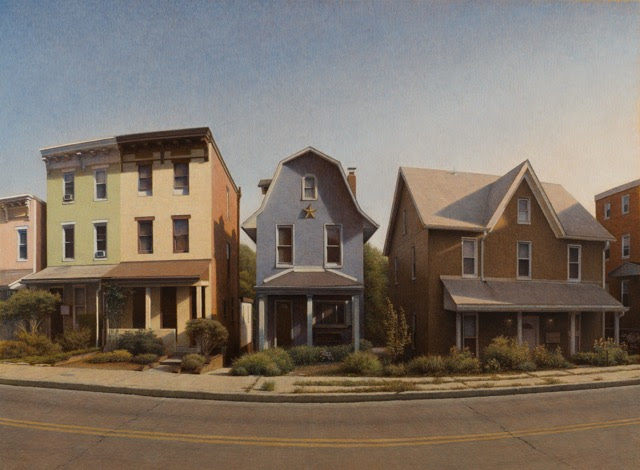
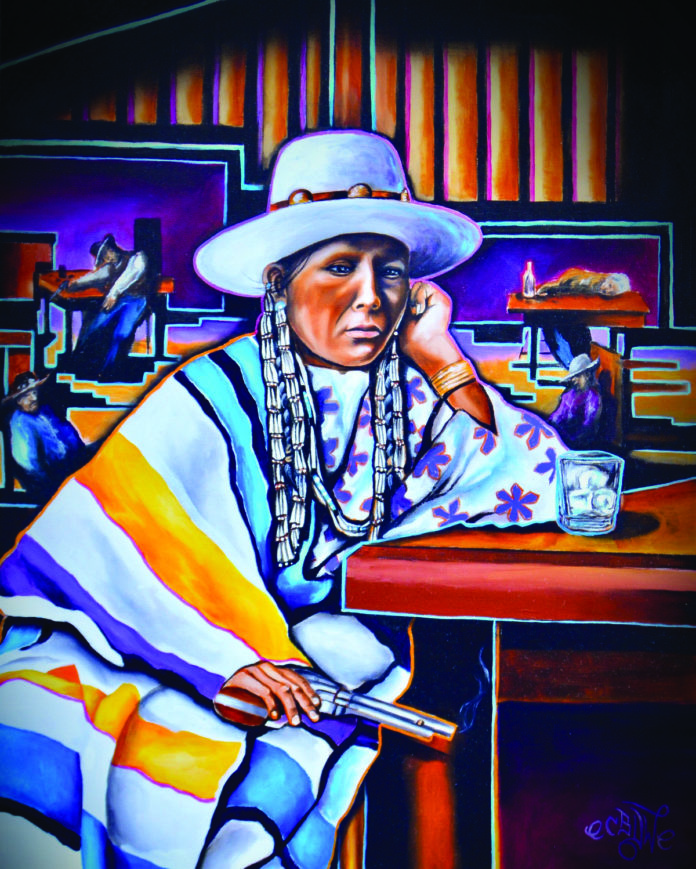
Dunkin Donuts by Cesar Santander, Acrylic and Oil on Canvas, 23 3/4 x 29 3/4 in., Signed; Rehs Contemporary
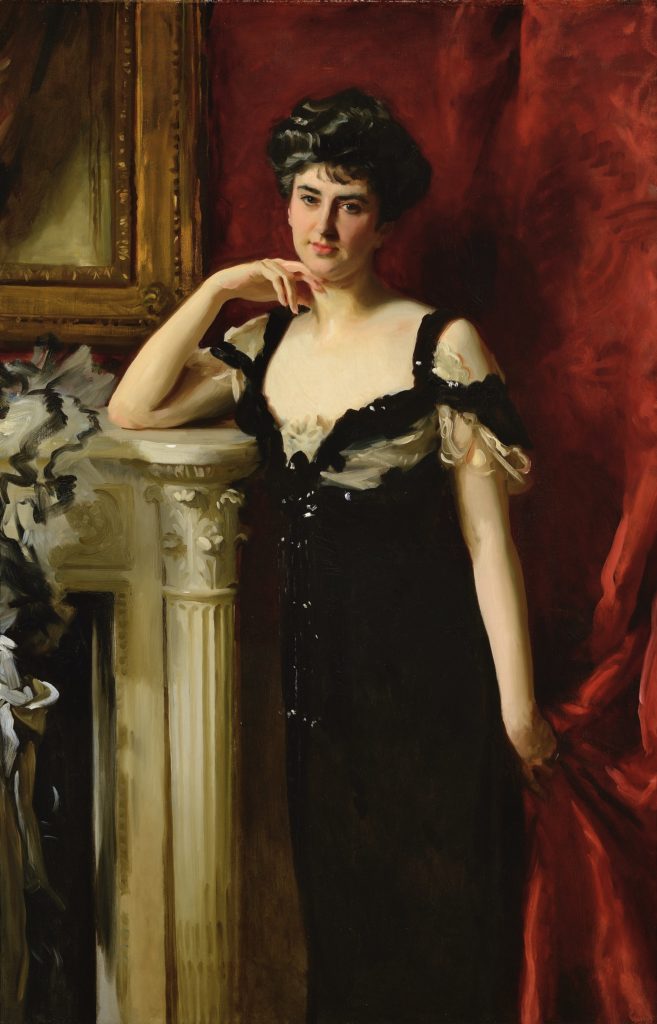
Le Réveil de Vénus (The Awakening of Venus) by Louis-Joseph Courtat (1847-1909), Oil on Canvas, 57 3/4 x 81 in., Signed and dated 1883; Rehs Galleries, Inc.
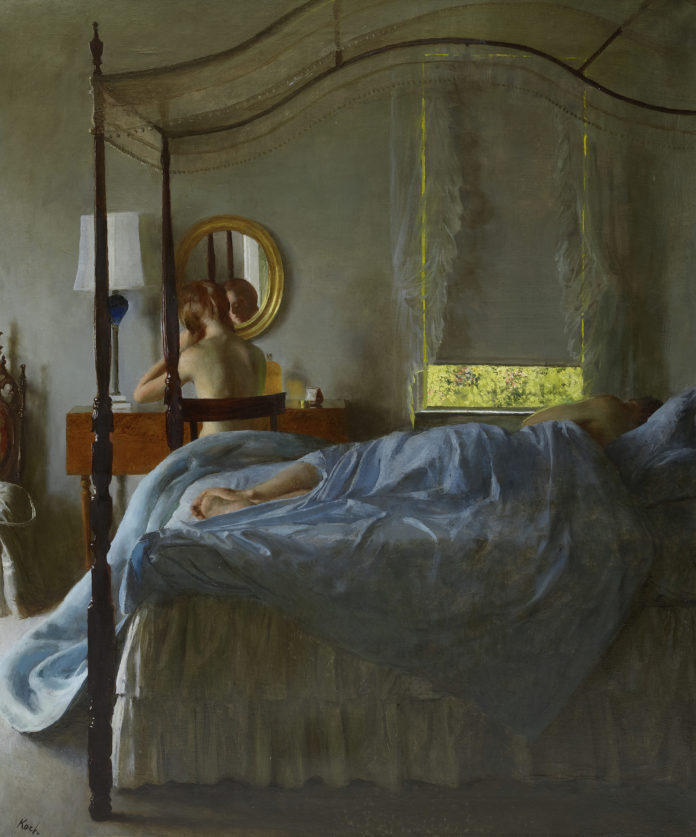
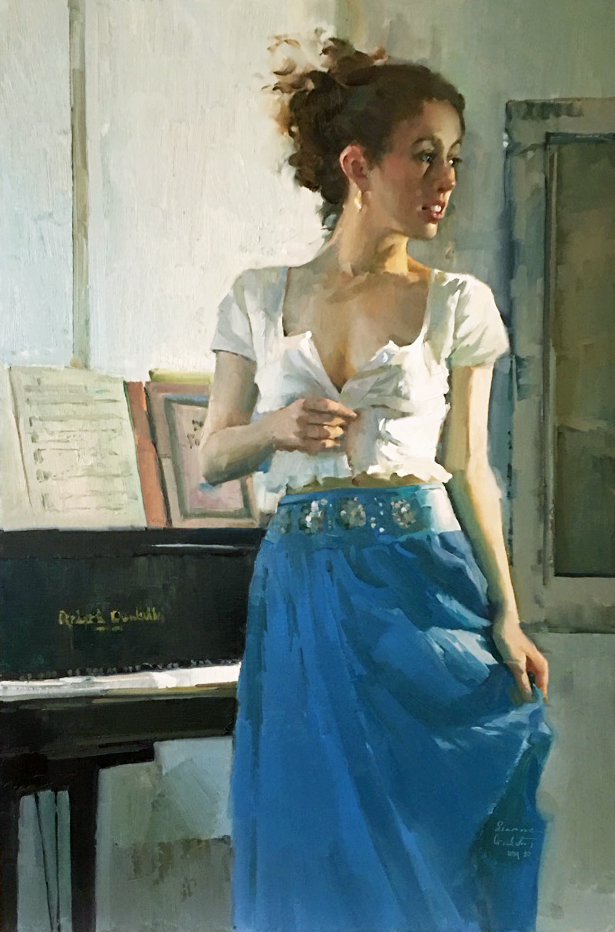
Respite by Mia Bergeron, Oil on Linen, 36 x 26 in.; Vanessa Rothe Fine Art Gallery
Peonies by a Window by Susan Abbott, Oil on Linen, 36 x 36 in., Vermont Artisan Designs
Want to see your gallery featured in an upcoming Virtual Gallery Walk? Contact us at [email protected] to advertise today – don’t delay, as spaces are first-come first-serve and availability is limited.
The Luminous Landscape: New Paintings by Kim Lordier opens July 1, 2020.
Rieser Fine Art is honored to present their 6th bi-annual exhibition of Kim Lordier’s incredible art. In The Luminous Landscape: New Paintings by Kim Lordier, Kim focuses mainly on the light and moods of California’s Central Coast. From the first morning light to the last glow of evening, you can feel the warmth of the sun and the cool of the fog, as sun and fog do their endless tango along the beaches, through the cypress trees, and into the oak-studded hills. You can hear the excitement of crashing waves, or rest in the quiet of a country road at dusk. But above all else is the luminous light, the glow of a fleeting moment on a special day, that no one captures better than Kim Lordier.
The Gift of Time was created during the beginning of the global pandemic. A time of uncertainty, Lordier depicts a sense of calm and hope for the future. About her painting she writes:
“Dusk, an hour that drifts into the next. A marriage of tone and color blurring boundaries with luminous light. With special meaning in a memorable world. I am humbled and pray for the gift of a new day.”
The Luminous Landscape: New Paintings by Kim Lordier opens July 1, 2020.
Read about the creative inspiration behind the new collection here: The Luminous Landscape
Rieser Fine Art
Dolores between 5th & 6th in Su Vecino Court Carmel-by-the-Sea, CA
(831) 620-0530 www.rieserfineart.com
Barbara Ernst Prey, "Pathways," 2020, Watercolor on paper, 29.5 x 42 inches
This year marks the 20th anniversary of Barbara Prey Projects, a gallery and exhibition space in Port Clyde, Maine, housed in what was once an inn frequented by such locals as the artist N.C. Wyeth. Barbara Ernst Prey has painted and exhibited in Maine for more than 40 years, regularly drawing inspiration from its scenic coast.
Barbara Ernst Prey, “On Island,” 2019, Watercolor on paper, 28 x 40 inches
On view are two exhibitions:
Through September 7 “20 in 2020: Celebrating 2 Decades,” highlighting Prey’s monumental watercolors of simple, light-filled interiors used by members of the now-defunct Shaker religious sect.
August 14 – September 7 “Mother-Daughter: Two Generations” marks the first joint showing of art by Barbara Ernst Prey and her late mother, Peggy Joubert Ernst (1923–2005), who once headed the design department at Pratt Institute (Brooklyn).
Although it’s been many thousands – if not millions – of years since ancient civilizations and some extinct animal species flourished, their legacies continue to fascinate and live on through the creative vision of artist James Gurney. Welcome to Dinotopia and other lost worlds.
It was 128 years ago when — in October of 1888 — the first issue of National Geographic was published. Containing articles, illustrations, and photographs covering geography, history, world culture, and more, the magazine has inspired generations across the globe to understand the world beyond — and before — them.
One of these was artist James Gurney, who as a child would journey back in time through the illustrated pages of the magazine. “I would tiptoe into the hallway late at night” Gurney remembers, “and read about pilots in biplanes flying over uncharted Incan ruins. After school I would dig excavation pits in my suburban back yard, hoping to find a dinosaur bone or maybe even a lost temple. Even though I didn’t find much of what I imagined, I made up for it by sculpting it out of clay or drawing it on paper.”
James Gurney, “Waterfall City Afternoon Light,” 2001, oil, 24 x 52 in. (c) ARC, Private collection 2016
Today, Gurney continues a similar process, working as a painter and illustrator of imagined worlds that seem factually plausible. He also paints paleoart, scientific reconstructions of actual extinct life. “Paleoart is wildlife art for the time traveler,” he says. “I’ve always been interested in creating an alternate universe that my viewers can travel to during those moments of daydreaming. My inspiration has always come from the 19th century Salon painters and the Golden Age illustrators, who used their training to breathe life into mythic adventures and historical epics.”
James Gurney in his studio, (c) Photo courtesy of the Artist 2016
Gurney’s artistic vision undoubtedly developed from both his childhood experiences and his early professional career. Eventually, Gurney grew from a child reading National Geographic to an illustrator working for the magazine. He recalls, “Looking back, I suppose that illustration work was an ideal training ground for the kind of visual world I was trying to develop, because I was called upon to paint all sorts of subjects. I traveled to Jerusalem, Athens, and Rome on assignment for National Geographic. It was a huge inspiration to see those famous old cities. I spent time with Rick Bronson, an archaeologist who was just like Indiana Jones. He led me through overgrown jungles to find little-known Etruscan ruins, and we descended down ladders into newly discovered tombs. Sitting around the campfire at night, Dr. Bronson and I would talk about dreams of discovering a lost city along the lines of Machu Picchu or Troy. I realized that I could always make a painting of such a lost city, and that led to painting ‘Waterfall City: Afternoon Light.’”
James Gurney, “Titanoboa,” 2009, oil, 18 x 14 in. (c) ARC, Private collection 2016
Adventure seems apropos to describe Gurney’s work — one isn’t quite sure what to expect. From plein air oils, to fantasy and science, to a fantasy universe called “Dinotopia” developed in a series of New-York-Times bestselling illustrated books, Gurney’s artistic range is eclectic, impressive, and tantalizing. Exhibitions of his original artwork have traveled to over 30 art museums in the United States, England, France, Italy, and Switzerland.
James Gurney, “Sinking of the Cumberland,” 2005, oil, 30 x 40 in. (c) ARC, Private collection 2016
The artist’s creative process can be equally varied. However, for Gurney, a typical process begins “with small thumbnail sketches in pencil, pen, or watercolor.” He says, “If it’s an architectural subject or a dinosaur, I’ll often build a little maquette to establish shadows and angles. Sometimes I’ll do a small color study or comprehensive sketch. If the painting requires scientific or historical accuracy, I consult with experts at every stage of the process and incorporate their suggestions. After all these studies, I develop a line drawing — and sometimes a full charcoal drawing — and finally begin the final painting.”
Gurney’s art has been leading him on a variety of new adventures, both on and off the canvas, and many of them are documented on his blog “GurneyJourney” and on his Instagram and YouTube channels. “I’ve kept several doors open all through my career” he says, “painting in the studio, sketching on location, teaching, writing, illustration, video production, animation, and storytelling. Lately I’ve been doing more self-publishing, particularly in the video art instruction category. I also have new story worlds that I’m developing, and I expect to continue with my blogging, which I’ve done daily since 2007.”
Here’s a fascinating look into one of Gurney’s projects in which the artist was commissioned to paint the now-extinct Pelagornis Sandersi, the largest bird in history:
Pastel artist Nancie King Mertz works from photo references and from life en plein air. Known for her cityscapes of Chicago, here she explains how she takes a dull reference photo and creates from it a lively scene.
How I Paint Cityscapes
BY NANCIE KING MERTZ
I began this piece (shown at top) with the “tick mark map” I always use: I simply place quick notes of vine charcoal on the surface (mounted UART #320), indicating the perspective and the structure placement. Various warm and cool darks (only) are then applied with my signature Richeson soft pastels, using the side in broad strokes, but with a light touch. In this painting, the darks formed a “U” to indicate the street, cars, and structures. By treating them all as one dark value-shape, the design is more cohesive as I later paint over with mid and light values.
But before I introduce any mid to light values, the darks are washed in with denatured alcohol and a #6 Grey Matters fan brush. I use a vertical stroke when painting buildings, and this initial brushwork helps define windows and subtle details as the painting progresses. After a short drying time, I begin with the mid and light values, cleaning up the brushwork and carving out the negative space around the hard elements.
The side getting the most direct light becomes the “warm side” by pushing the color into the reds and golds. The opposite side of the street is cool, and consists of blues, violets, and blue greens. However, strong light bounces onto buildings opposite, so I always include a few subtle warm color notes on the cool side to heighten the color harmony. Warm greens are added to the sunlit trees, serving as a balance to the cool green opposite.
The Sienna pastel box and my signature Urban and Atmospheric Landscape pastels and brushes are all compliments of the Jack Richeson Co. This is my travel set for plein air, demos, and workshops, and it all fits into a rolling cart that I place in the overhead bin when flying — easy-peasy!
For a step-by-step visual demo of my process, the Urban Pastel Painting video by Liliedahl allows the painter to follow along to create a painting of “the L” that Chicago is famous for.
Related > Listen to Eric Rhoads interview Nancie King Mertz on the PleinAir Podcast (originally published May 2018):
Peter Trippi of Fine Art Connoisseur magazine recently co-hosted a conversation with Betty Stadish of the Wethersfield Academy for the Arts with special guests Zoey Frank, Arthur Haywood, and Richard T. Scott.
“The Wonder of Reading” by Arthur Haywood“Lifted” by Arthur Haywood“Cosmic Tales” by Arthur Haywood“Where Liberty Dwells” by Richard T. Scott“Nostalgia” by Richard T. Scott“Washer Dryer” by Zoey Frank“Watermelon” by Zoey Frank
The Wethersfield Academy for the Arts is hosting its 2020 Art Challenge Competition, judged by Peter Trippi in September. Please click here for the prospectus.
“Early Morning in the Driftless,” oil on canvas, 36 x 30 inches, copyright Bob White, 2020
Painters paint what they know, love, and understand, which for many means the infinite sources of inspiration found in nature. Deeply moved by his life experiences “running amok” in the rural Midwest, this artist has found his own creative way to answer the call of the wild.
There is a truthfulness, familiarity, and simplicity to White’s landscapes that urge us to look more closely and discover the man behind them, if not plan one’s own next hiking or camping trip.
“I believe a painter should paint what he knows, loves, and understands” White says. “I grew up deeply influenced by my outdoor experiences — hunting, trapping, fishing, and generally running amok in the marshes, fields, and woodlots that surround my rural, Midwestern childhood home.”
“The Sound of Snow,” 36 x 30 inches, oil on canvas, copyright Bob White, 2019
From an early age, White idolized those guided by and immersed within the outdoors, such as the canonical characters Daniel Boone or Davy Crockett. Art, it seems, was his other passion, and the two seemed destined to collide — at least, at some point. “I studied art in high school and college,” he says, “but back in the ’70s there was very little support for representational work. So I painted on my own and studied art history to gain a historical perspective on the work I preferred.
“With little or no hopes of supporting myself in the arts, I graduated with a degree in counseling and worked as a therapist with troubled adolescents and their families. After three years, I was burned out, and found a job as a fishing guide in Alaska. I began to paint the life I was living, and found support for the images I created. In due course, I could support myself by guiding fly fishermen in Alaska during the summer, in Argentina during the winter, and painting in between. Eventually, my artwork began to play a bigger part in my life. Now, I find myself painting and writing full-time.”
“Color and Light Reflected – Brown Trout,” 30 x 24 inches, oil on canvas, copyright Bob White, 2019
Fast forward to today, and White has found himself featured in numerous sporting publications, including Fly Rod & Reel magazine, Ducks Unlimited magazine, Gray’s Sporting Journal, Shooting Sportsman, and a myriad of other national and international publications.
How do his popular pictures begin? For White, the creative process starts rather simply: with drawing. “Whether I’m working from field notes and sketches, photographs, or in plein air, I generally have a vision of the finished painting or drawing in my mind before I begin,” he says. “This vision dictates my choice of medium; oil, watercolor, or pencil. I consider my drawing the foundation of every image I create and devote a lot of time to developing the composition and preliminary drawing so that once my colors are mixed, I am free to concentrate fully upon the process of painting.”
Once paint enters the equation, White relies on his experience as a father (and his formal artistic training, of course) to help realize the scene. “I believe that creating a painting is a parallel experience to raising a child,” he says. “They are both conceived in passion and guided to maturity through struggle and patience. Like children, every painting is different. Some require stern and constant attention … others practically raise themselves, and the best we can do is stay out of the way. In the end, the dilemma is also the same: When do we step aside and let them stand on their own?”
The answer is never simple, but White appears to have found at least as much success in guiding paintings as guiding fly fishermen.
“Glide,” 44 x 32 inches, oil on canvas, copyright Bob White, 2019
Like the sublime works of the Hudson River School or Winslow Homer’s captured fleeting moments, White aims to create images that elicit nostalgia and emotion from his viewers. “I know that a painting is successful when viewing it elicits sensory responses beyond just the visual,” he says. “When someone viewing my work feels the coolness of a shadow and the warmth of the sun, when one hears wind in the trees, or the sound of water as it tumbles over a streambed, smells and tastes sun-warmed pines or a heavy morning fog … when someone viewing my work says, ‘I’ve been there,’ then I know I’ve gotten it right.”
The collectors, publications, and galleries that continue to come calling strongly suggest White gets it right often, and it will be exciting to see how his art continues to evolve in the future. “At nearly 60 years of age, I should think of retirement,” White admits. “Though if I were ever able to retire, I’d probably do exactly what I am now. I look forward to a lot of sporting travel and recording those experiences on canvas and paper to share with others.”
Bob lives in Marine on St. Croix, Minnesota with his wife, Lisa, children Jakob, Jamie, and Tommy, and their dog Frisbee.
Fine Art Today covers artists and products we think you’ll love. Linked products are independently selected and linked to for your convenience. If you buy something using a link on this page, Streamline Publishing may receive a small share of that sale.
Explore the highly-anticipated exhibition, “Edward Hopper and the American Hotel,” presented by Schahet Hotels at the Indianapolis Museum of Art at Newfields through October 25, 2020. This exhibition will be welcoming guests back inside the IMA Galleries for the first time since mid-March. Travel back in time to experience the iconic American painter like never before in this major loan exhibition.
“Newfields is thrilled to welcome guests back inside the Indianapolis Museum of Art with this major exhibition,” said Dr. Charles L. Venable, the Melvin & Bren Simon Director and CEO of Newfields. “While Hopper has long been considered one of the most important American masters, interest in his work has soared during this period of anxiousness and isolation. His depictions of individuals alone in their hotel rooms and even completely empty rooms have even more relevance now.”
The exhibition will feature 57 of Edward Hopper’s (1882-1967) paintings, drawings, watercolors, and magazine covers – including the Indianapolis Museum of Art’s iconic Hotel Lobby — that show his fascination with commonplace hospitality settings of the time. Hopper’s work is often explored through a lens of loneliness, but American Hotel provides a different context for the celebrated American artist’s work.
Guests will discover how 20th-century Americans participated in travel culture, depending on their race, gender, and class; and see how Hopper’s works fit into a larger tradition of the role of the hotel in art. Hopper’s paintings and works on paper will be presented alongside 31 works by over 20 other artists including Derrick Adams, David Hockney, Cindy Sherman and John Singer Sargent.
Edward Hopper (American, 1882–1967), Cover for Hotel Management, May 1925. Courtesy of Questex Media Group.
The works will be accompanied by firsthand accounts of travel culture in Hopper’s time in the form of photographs, postcards and personal stories from Americans of different walks of life. While the white artist and his wife Josephine ‘Jo” Nivision Hopper could check into virtually any hotel of their choice in the mid-20th century, this was not true for Black Americans nor single women because of racism and sexism. These facts are highlighted in the show to give a more accurate depiction of hotel culture in America during this time.
The exhibition will feature a life-size recreation of Hopper’s Western Motel painting that will invite guests to peer into a mid-century modern getaway, much like the woman painted in the original scene. After a long day of travel (through Newfields) stop by Pop-Up: Hotel Bar, just steps away from the exhibition space, to sip cocktails that were popular among Americans during this time.
“Edward Hopper and the American Hotel” was organized by the Virginia Museum of Fine Arts, in partnership with the Indianapolis Museum of Art at Newfields. The exhibition was conceived and curated by Dr. Leo G. Mazow, the Virginia Museum of Fine Art’s Louise B. and J. Hartwood Cochrane Curator of American Art, and curated for the Indianapolis Museum of Art at Newfields by Anna Stein, Assistant Curator of Works on Paper.
“There have been so many exhibitions and books written about the famous Edward Hopper. This one takes an especially thoughtful and creative approach to de-mystifying a great artist,” said Stein. “Dr. Mazow has brought together a stunning group of artworks that can rarely be seen together, and our team is so excited to present them in Indianapolis.”
Members will have the first chance to see the exhibition on July 17 and 18 during Member Days. AskMe! docents will be available to answer questions, chat about artwork and provide insider stories Tuesday through Thursday from 2 to 3 p.m. and Friday through Sunday 12:30 to 1:30 p.m. and 2 to 3 p.m. An exhibition catalogue complete with removable maps of Hoppers travels will be available for purchase in The Museum & Garden Shop as well as the exhibition shop at the end of the exhibition.
“Supporting this exhibition is a perfect way for Schahet Hotels to give back to our community as we all begin to emerge from our homes and visit arts and culture institutions again” said Gary Schahet, president of Schahet Hotels LLC and member of the Board of Trustees at Newfields. “We are so proud to support this stellar exhibition.”
Edward Hopper and the American Hotel is presented by Schahet Hotels. Lead support is provided by Charles L. Venable & Martin K. Webb and Drs. Marian and Patrick Pettengill. Additional support is generously provided by Ann W. King, Barnes & Thornburg LLP, Ms. Nancy L. McMillan and Brad & Terri Warnecke.
Newfields indoor spaces including the Indianapolis Museum of Art, the Lilly House, The Museum & Garden Shop, and The Café, opened to the public on July 19. The Garden, The Virginia B. Fairbanks Art & Nature Park and The Beer Garden will also remain open. Newfields will require all guests to wear facial covering while inside, and maintain a social distance of six feet. All guests, including members, will need to reserve tickets in advance on the Newfields website. This process will allow us to safely control the crowd size to comply with large gathering protocols, and will also ensure your visit is completely contactless. Learn more and reserve tickets at discovernewfields.org.
Martin Eichinger, “From the Heart,” cast bronze ed. 50, 60 x 32 x 36 in. (c) Martin Eichinger 2016
Because of our intimate familiarity with it, the human body in art has a unique ability to communicate an infinite variety of emotions, ideas, concepts, and stories, which is why Martin Eichinger prefers to be called a narrative artist rather than a figurative sculptor. What story will you find?
Can you think of reasons that performances such as ice skating, floor gymnastics, or ballet are so beautiful to watch? Perhaps it’s the dancer’s defying of physical limitations, the practiced synchronization — or is it something spiritual? The Holt Ballet Conservatory offers, “To see what the human body can accomplish when the human heart is determined and devoted teaches all of us over and over that persistence overcomes limitation. The beauty of the dancer’s body and its liquid movement, the music and its choreography, the costumes and sets, and the exchange of human energy — audience and dancer.”
Indeed, viewing the exquisite figurative sculptures by master artist Martin Eichinger draws many parallels with award-winning ballet performances. Often composed in dramatic, expressive, and powerful gestures, Eichinger’s work communicates with viewers on a fundamental and spiritual level that has left collectors and enthusiasts entranced for nearly 30 years. “I’m interested in having my sculptures say more about us as people, about our spirits or our aspirations,” the sculptor says. “By sharing story and emotion through the human form, I feel connected in a deeper way, both with the people who view it and, perhaps most importantly, to the sculpture I am working on.”
Martin Eichinger, “One with the Universe,” cast bronze ed. 75, 60 in. (c) Martin Eichinger 2016
Eichinger’s journey to become one of the most renowned artists living today is a fascinating story itself, beginning with Mr. Hop in the 8th grade. “He exposed me both to the process of ‘making’ art (my most fun class), and also, in the art history portion of our class, taught us about the Renaissance and how all types of artists, independent scientists, thinkers, and adventurers had reshaped civilization,” Eichinger recalls. “The Age of Enlightenment presented artists as part of the thinking and moral structure that this new age brought forth. I thought, ‘Wow! That’s worthy.’”
Martin Eichinger, “Seeing in the Dark,” cast bronze ed. 75, 29 x 14 x 17 in. (c) Martin Eichinger 2016
After earning a bachelor’s degree in commercial art and advertising, Eichinger set out as an independent contractor, enjoying the flexibility of choosing his own clients and projects, which also afforded him maximum creative efficiency and input. Eichinger’s schedule also allowed him to slowly develop his independent work, but the endeavor hadn’t become financially sustainable.
Martin Eichinger, “Fortify My Spirit,” cast bronze ed. 75, 44 x 20 x 13 in. (c) Martin Eichinger 2016
The artist remembers, “A significant client who once passed through my home asked about my collection of bronzes. He stated that he had a pretty significant collection of sculptures himself and had never seen this artist’s work before. He was shocked when I told him they were mine. After talking about his project, which we had worked together on for a couple of months, he paused, a slow kind of pause, to tell me he really liked my designs for his museum exhibits, but if I was able to make the sculptures in the other room, why was I wasting my time ‘doing this shit design work’ for him? I staggered back and Mr. Hop flashed through my mind: ‘Yes, Martin, why?’ The rest, as they say, has been history in the making.”
Martin Eichinger, “Event Horizon,” cast bronze ed. 50, 23 in. (c) Martin Eichinger 2016
Since that fateful encounter with his client, Eichinger has ascended the ranks of investment-worthy artists, and was recently called “the direct heir to Canova and Carpeau” by Richard Speer of Willamette Week, who also described the sculptor’s command of anatomy as “flawless.”
To be sure, flawless is but one of many words one could use to describe “From the Heart,” a beautiful exploration of male liberation and masculinity. As Eichinger describes it, “‘From the Heart’ portrays a man’s liberation achieved through emotions of the heart rather than the mind. The physical balance of the figure above the flowing column mirrors the spiritual balance reached through the acknowledgment of his feminine side. While the gesture initially seems to leave the man vulnerable, a redefined strength emerges; a man strong enough to swoon.”
Martin Eichinger, “From the Heart,” cast bronze ed. 50, 60 x 32 x 36 in. (c) Martin Eichinger 2016
“Fortify My Spirit” is another exquisite example of Eichinger’s brilliance. Only one of a four-part “Meditation Series,” the sculpture is — and was — a profound journey for the artist, both creatively and spiritually. “My goal is to produce artwork that comes from a place deep inside of me, and I have used meditation techniques to quiet the chatter and help make clear what remains,” says Eichinger. “Using a simple meditation of counting my breaths, 1 through 4, each breath first manifesting as a thought and eventually becoming a vision. ‘One with the Universe’ reminds me that I am part of something bigger than me. ‘To Love Is to Be’ is about the essential nature of loving and being loved. ‘Three Options Are Open’ rejects polarized or black-and-white thinking and helps me see new possibilities. ‘Fortify My Spirit’ is an acknowledgment that my request for strength has been answered. Together they create a mythic grounding or a collective narrative for my being.”
Eichinger is as motivated and enlivened by his art as he’s ever been, and collectors continue to acquire his sculptures in droves. His success is a potent reminder of art’s fundamental need to visually communicate intangible and larger humanistic themes during these modern times, and of the efficacy of traditional methods in conveying such themes. Although our time on earth is limited, one can rest assured that the spirit and humanity within each of Eichinger’s sculptures is part of an artistic lineage that extends from the Paleolithic “Venus of Willendorf” through our indefinite future.
Scott Fraser, "Circle, Square, Circle, Square," oil on panel, 9 x 17 in.
This painting is a composition about bold shapes and repeating patterns. The crackers and clothespins become almost sculptural against a keyed-up red back-ground and reflective black glass.
Scott Fraser (American, b. 1957) is a leading figure in twenty-first century realist painting, specializing in taking ordinary objects and composing them in extraordinary ways.
Many adjectives have been used to describe his work: quirky, intense, humorous, thoughtful; but above all, there is a sense of the personal in his unique compositions.
Fraser taps into a variety of influences, including art history, former teachers, friends and family.
His work can be found in over 25 museum collections around the country including the Metropolitan Museum of Art; the Denver Art Museum; the Fine Arts Museums of San Francisco; and the Butler Institute of American Art, Youngstown, OH.
Trompe l’Oeil Paintings by Scott Fraser:
“Peacock Swallowtail – Front and Back” is part of a recent series I have been doing on butterflies. The difference between the top and bottom sides of their wings is fascinating to me. It’s hard to believe they are the same butterfly, with such variation of markings and color. The greatest challenge is capturing their luminosity with oil paint, which will never match the real-life iridescence of the tiny scales on their wings.
Scott Fraser, “Peacock Swallowtail – Front and Back,” oil on panel, 12 x 8 inches
I have always been fascinated by spirals. They have a visual magnetism that draws people in. I find this works particularly well with shells and their accompanying shore-line debris. The objects in this spiral were all collected from places in Nantucket when my wife and I visited the island for my solo show in 2015. We had a delightful time beach combing and exploring the area. I am from Colorado, so anytime I visit places by the ocean, I collect shells and objects with the idea they might end up in a painting someday.
Scott Fraser, “Nantucket Spiral,” oil on panel, 20.5 x 32.5 inches
The design of “Watch Tower” may look random but in fact I spent a lot of time creating the complex structure of pencils woven together in a way that is strong and stable. I like the visual impact of the sharp pencils cradling the tender fruit. I frequently put pears in my still-lifes since their shape evokes the human form.
Scott Fraser, “Watch Tower,” oil on panel, 14 x 10 inches
I love art history, and in “Sinking Ship” have used this particular woman’s face from Georges de La Tour’s painting, “The Fortune Teller” in several other paintings. It has a different impact depending on the subject matter around it. This time her face is on a produce bag and she is eyeing the ship off her starboard side. There is strong visual tension created by the goldfish fleeing from the sinking ship to the opening in the bottom of her portrait. I leave what happens behind that little door to the viewer’s imagination.
Scott Fraser, “Sinking Ship,” oil on panel, 28 x 43 inches
My intention in “(Take a Seat) Levitation,” is for the viewer to imagine that the chairs are being levitated by the silver egg. It reminds me of old-school stage magic such as spoon bending or sleight of hand. I love the sculptural quality of this little silver egg with its bird feet. Its reflective surface captures my whole studio in a microcosm. I have used it in a number of paintings since its quirky construction lends itself to such a variety of narrative possibilities.
Scott Fraser, “(Take a Seat) Levitation,” oil on panel, 12 x 23 inches
This exhibition of new works is on view through August 20, 2020 Nantucket at Quidley and Co.
Fill your mind with useful art stories, the latest trends, upcoming art shows, top artists, and more. Subscribe to Fine Art Today, from the publishers of Fine Art Connoisseur magazine.