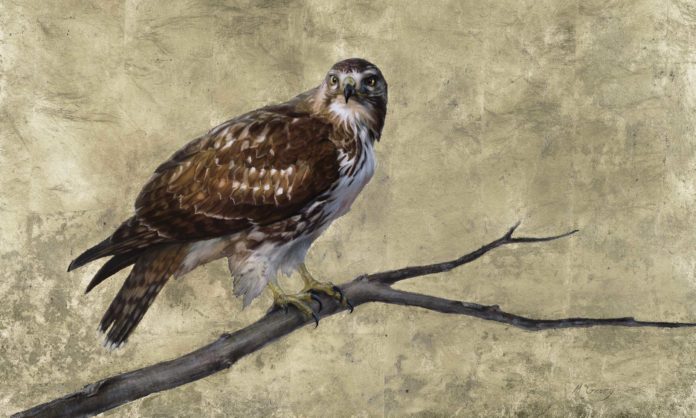
Anne McGrory (b. 1959), "Red-tailed Hawk," 2020, pastel and 18-karat gold leaf on mounted paper, 15 x 24 in., available through the artist
ART & THE ANIMAL EXHIBITION / Society of Animal Artists
Turtle Bay Exploration Park
Redding, California societyofanimalartists.com turtlebay.org
Through January 1, 2023
Recent works by 125 members of the Society of Animal Artists (SAA) are on view in the organization’s 62nd annual Art & the Animal exhibition. Visitors to California’s Turtle Bay Exploration Park will encounter art depicting a variety of species, made in a wide range of styles, sizes, and techniques.
On October 30, half of the show’s art-works were deinstalled so that they can be shown at the Hiram Blauvelt Art Museum (Oradell, New Jersey, November 19, 2022–January 15, 2023) and finally at the Ella Carothers Dunnegan Gallery of Art (Bolivar, Missouri, February 11–April 2, 2023).
Founded in 1960, SAA is devoted to promoting excellence in the portrayal of creatures sharing our planet, and to public education through exhibitions, lectures, and demonstrations. Its membership represents a veritable who’s who of animal artists worldwide.
> Visit EricRhoads.com to learn about more opportunities for artists and art collectors, including retreats, international art trips, art conventions, and more.
> Sign up to receive Fine Art Today, our free weekly e-newsletter
As part of our effort to continue to help artists and art galleries thrive, we’re proud to bring you this week’s “Virtual Gallery Walk.” Browse the artwork below and click the image itself to learn more about it, including how to contact the gallery.
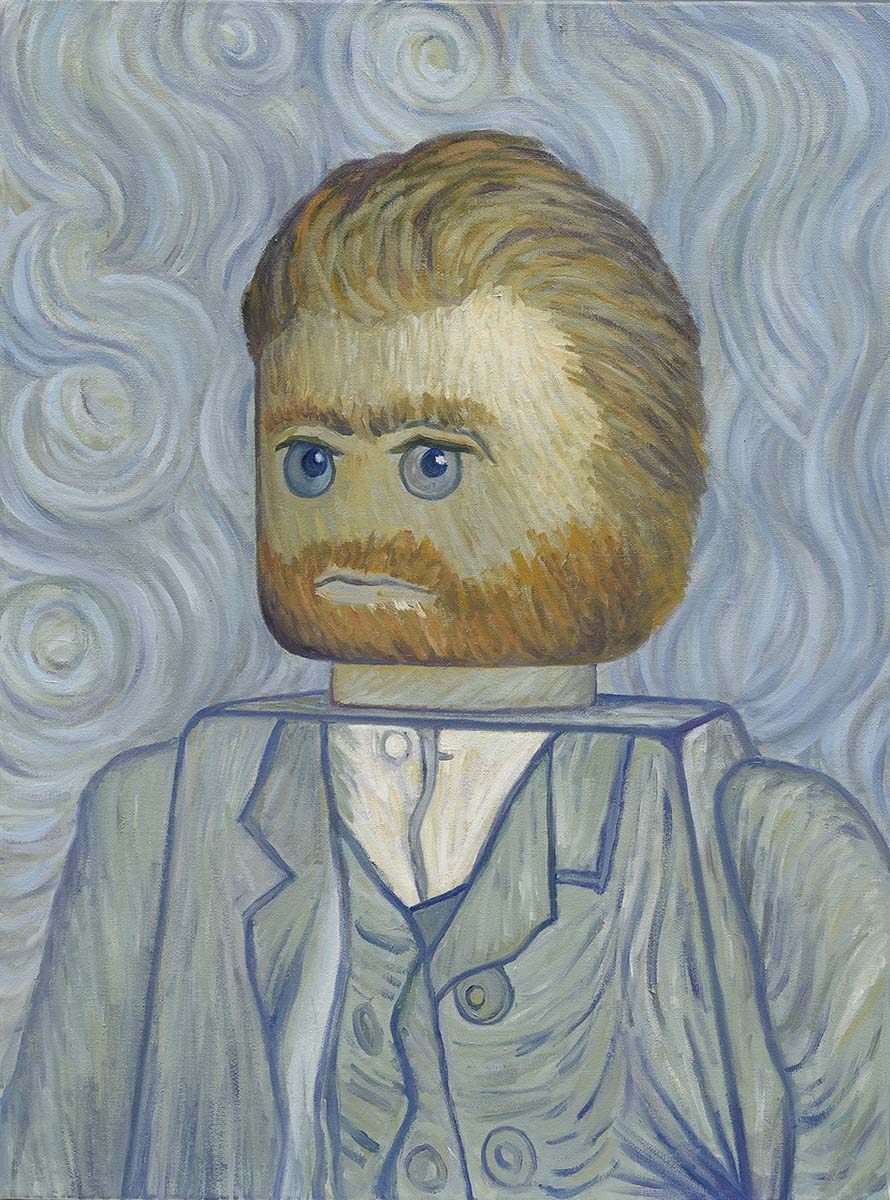
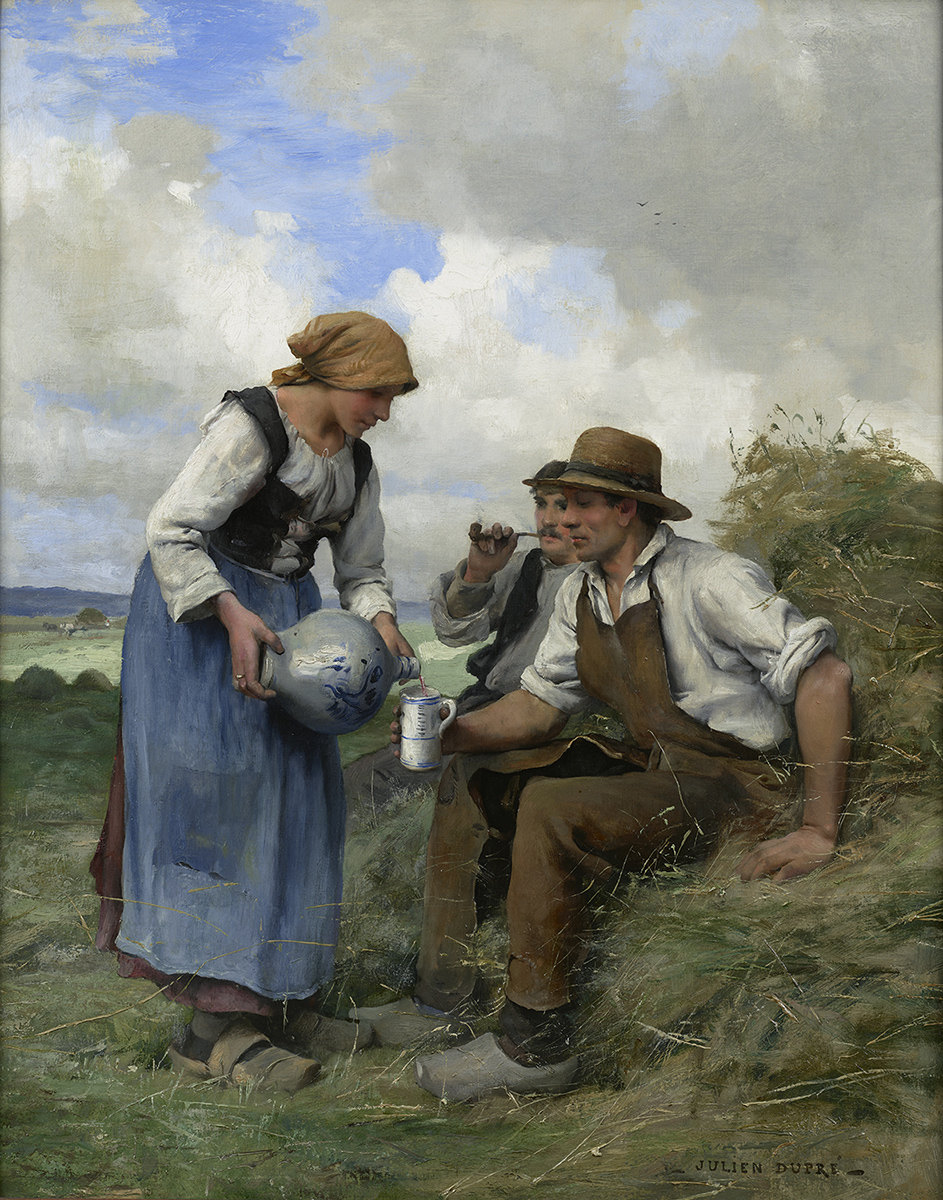
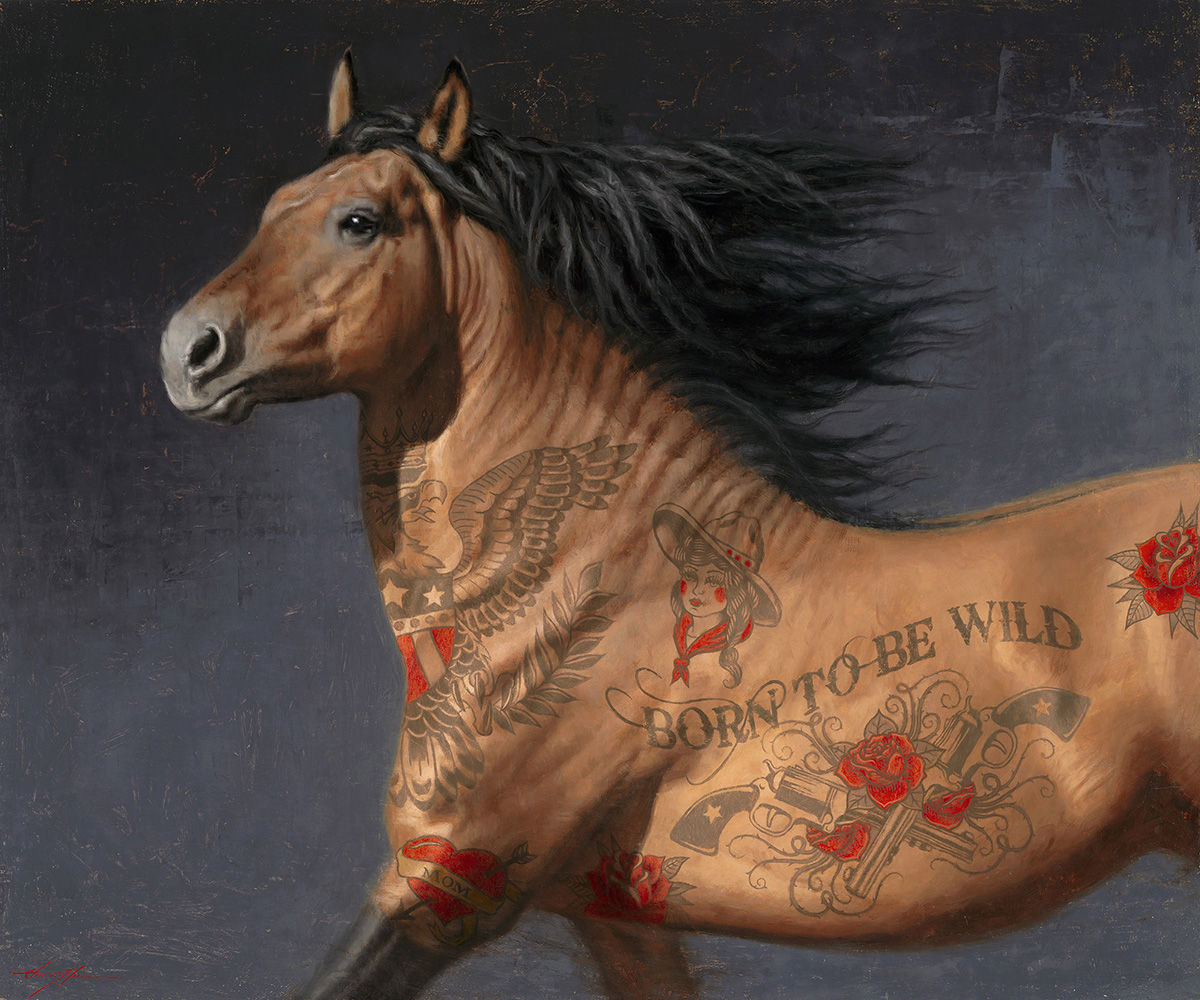
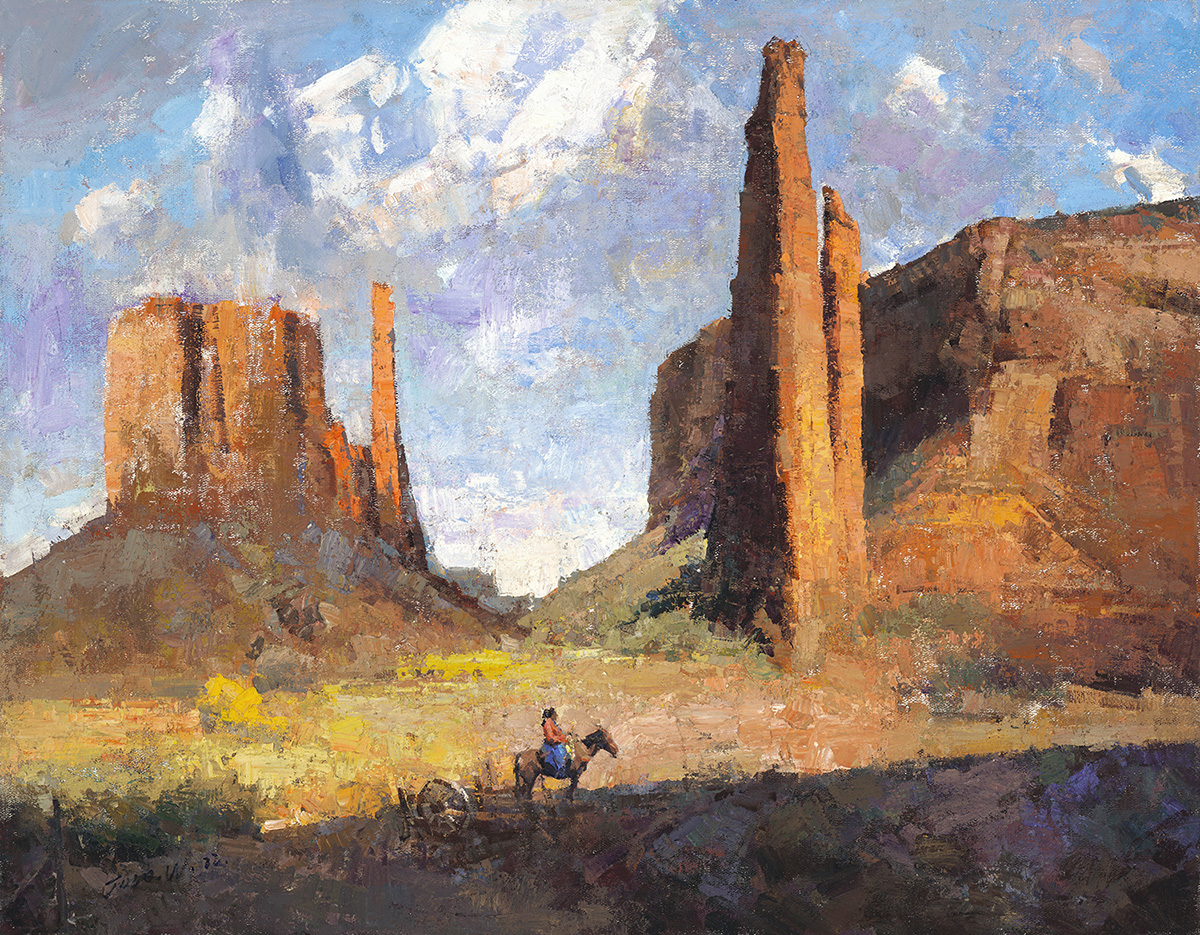
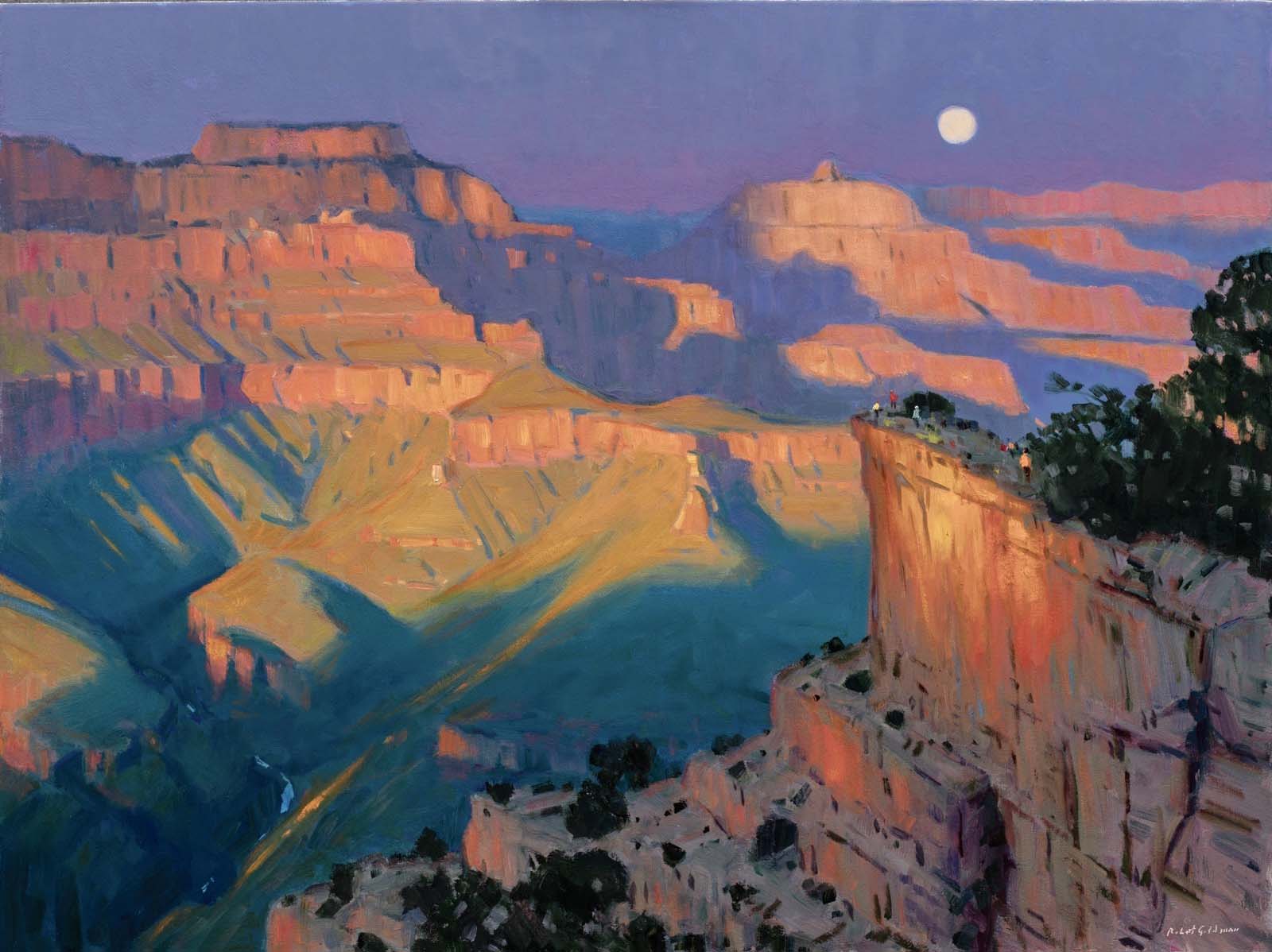
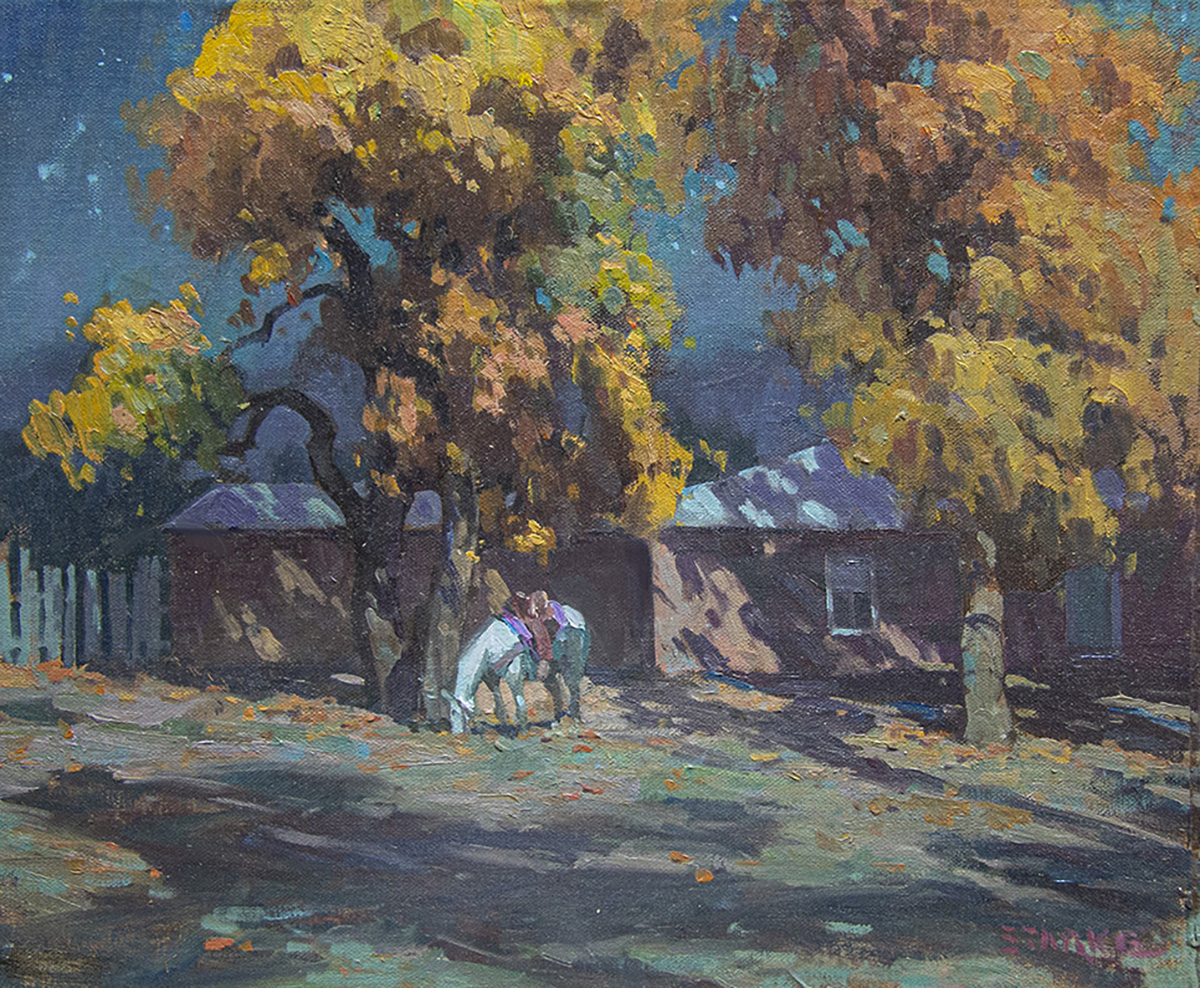
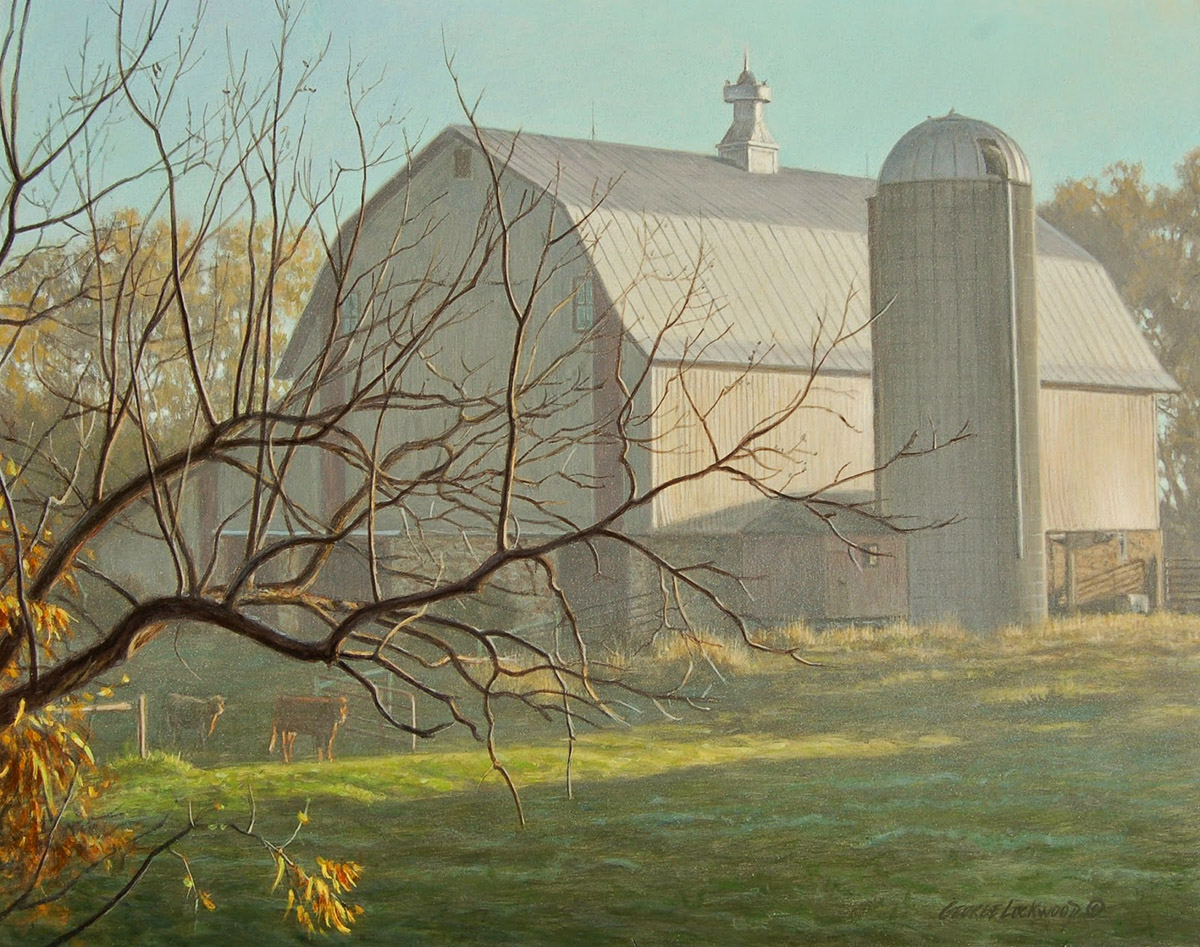
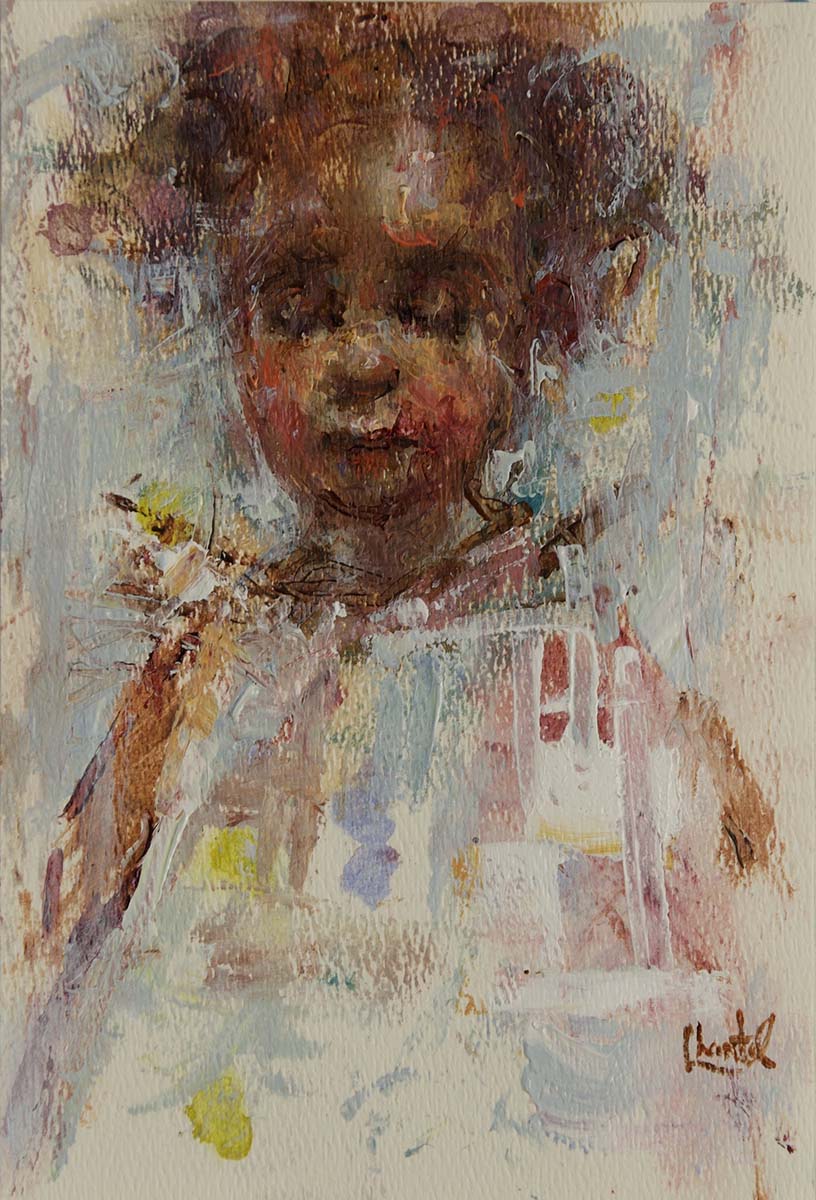
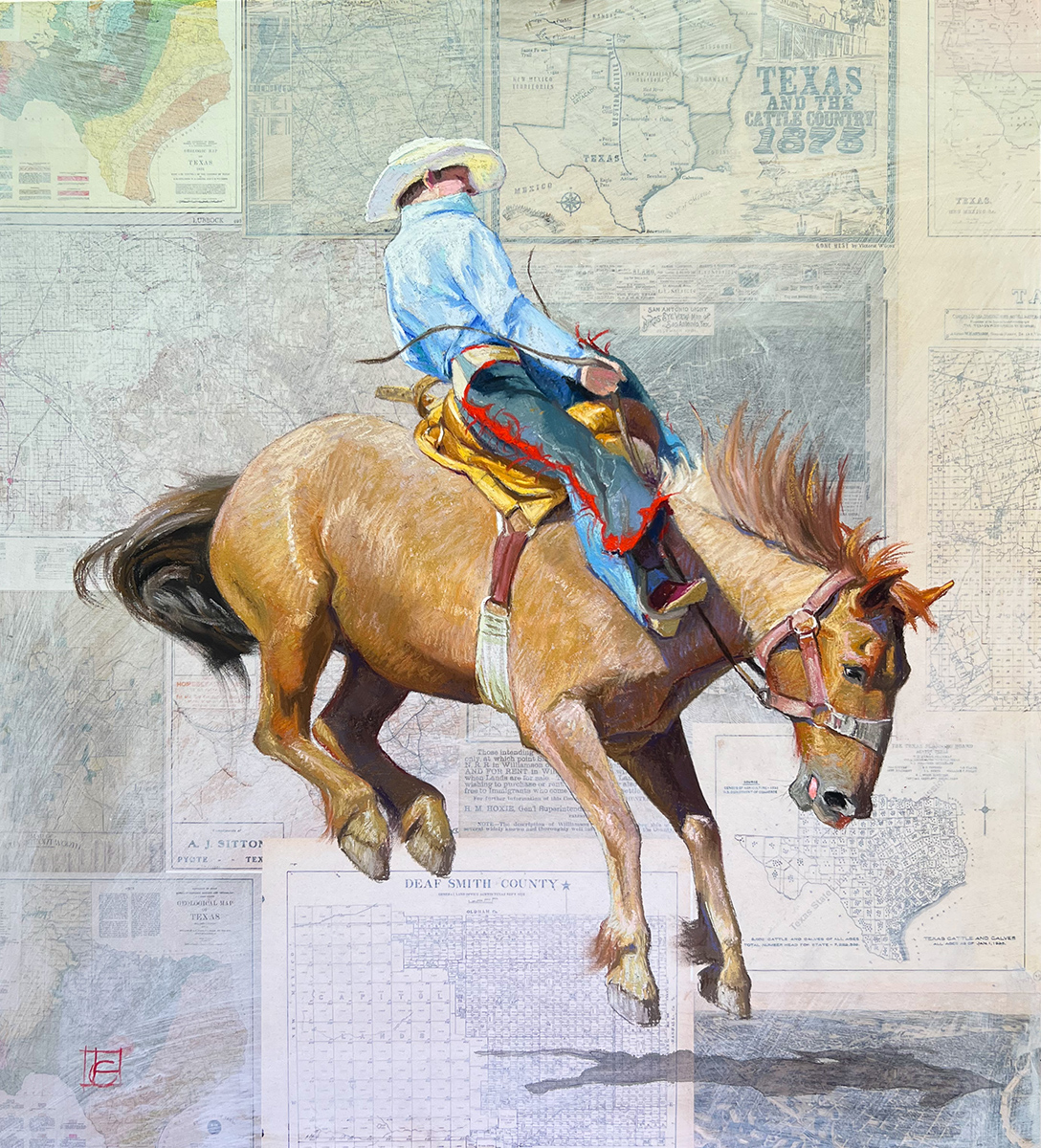
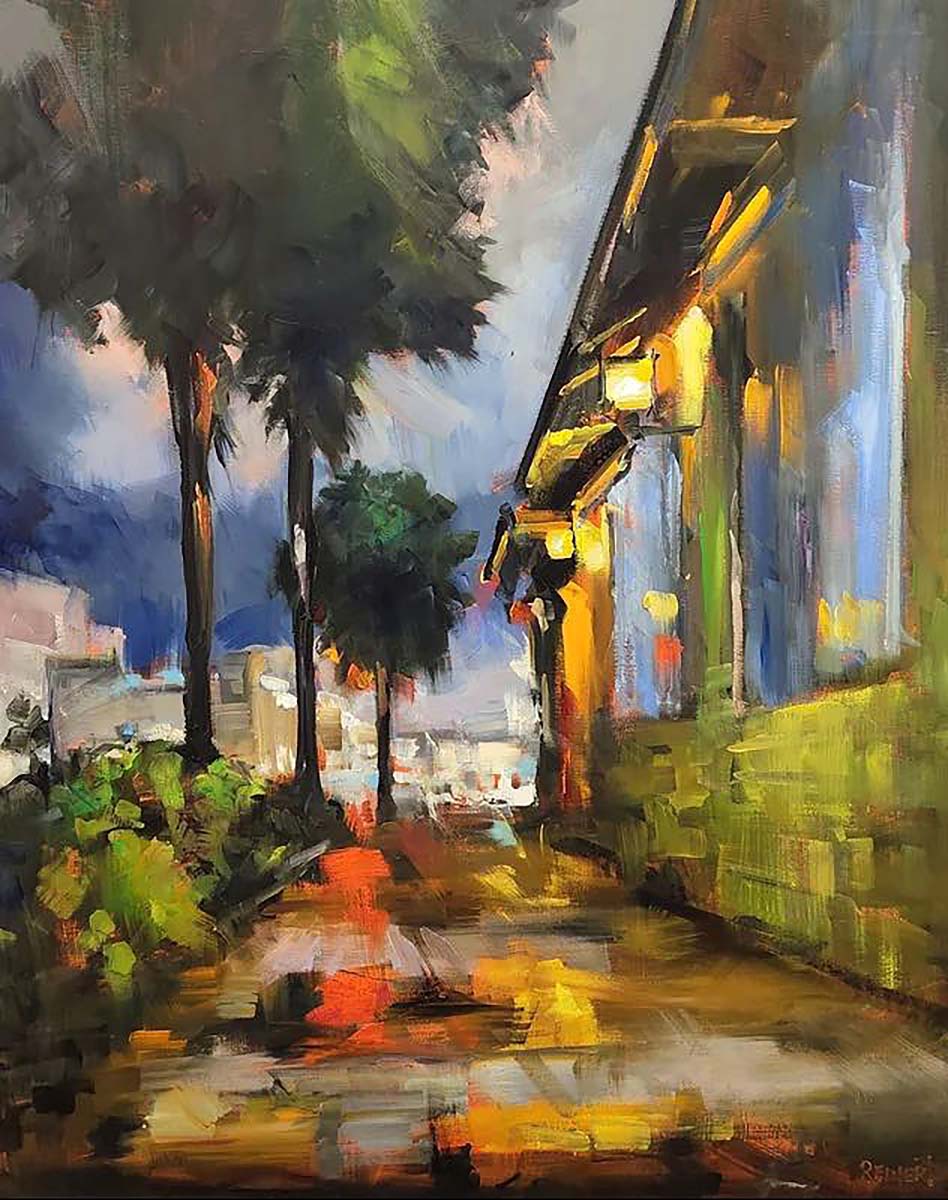
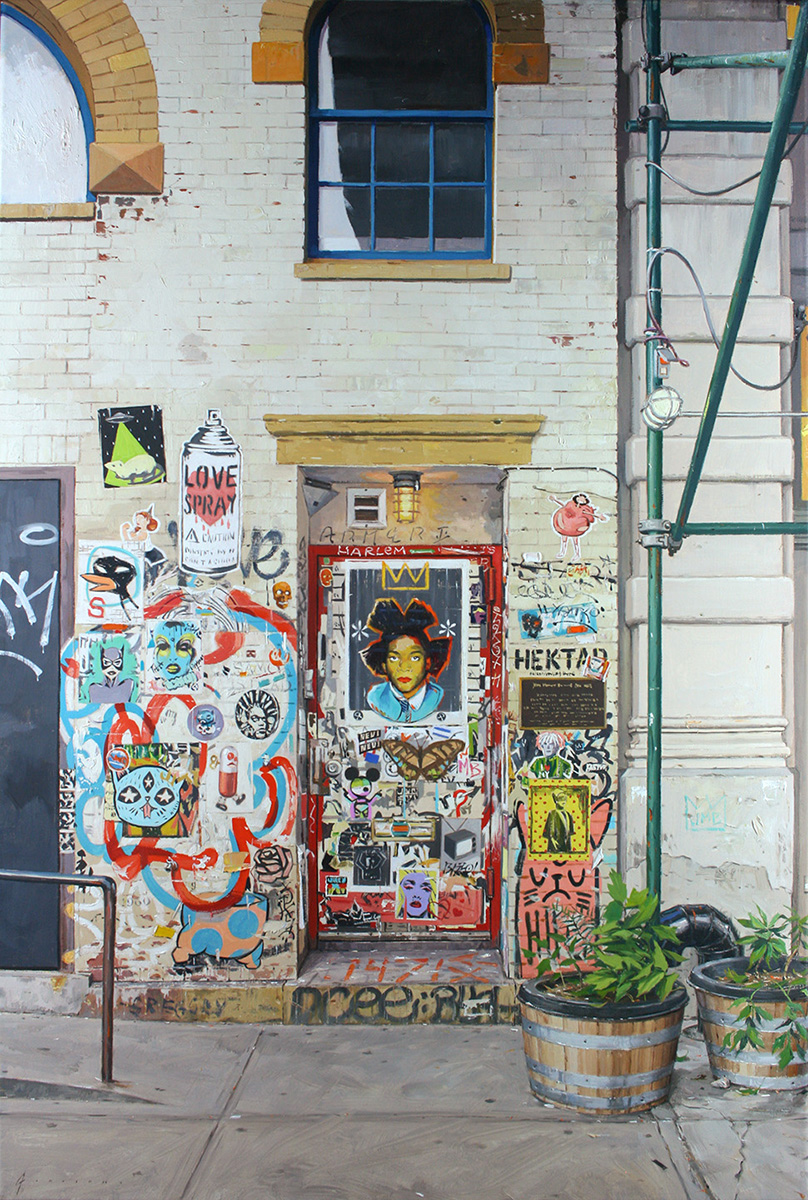
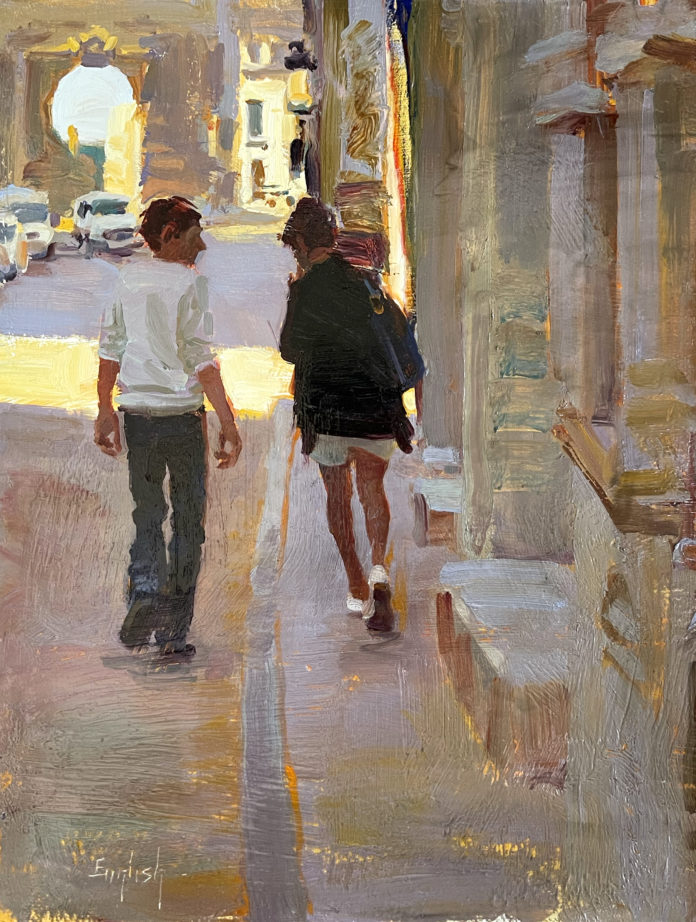
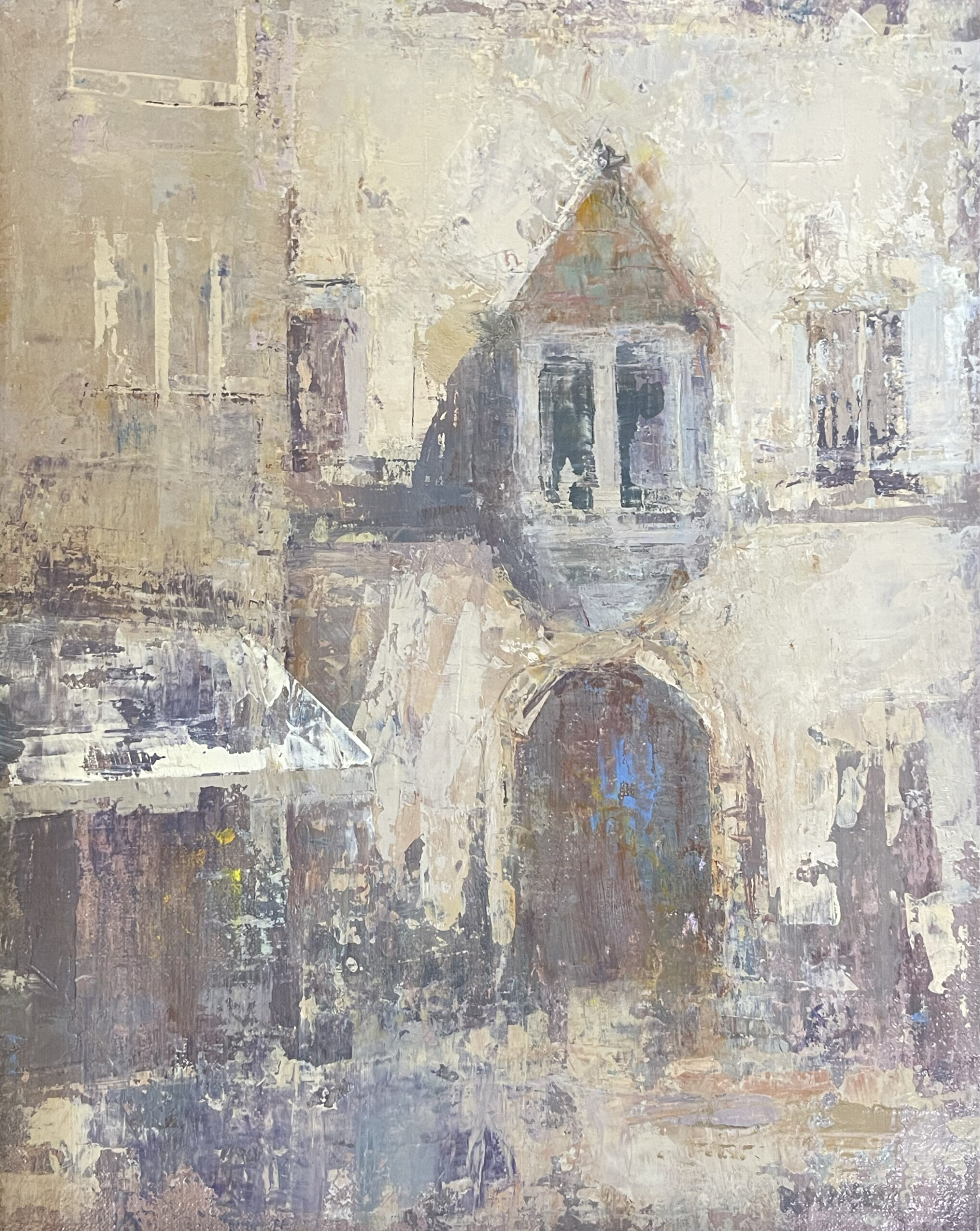
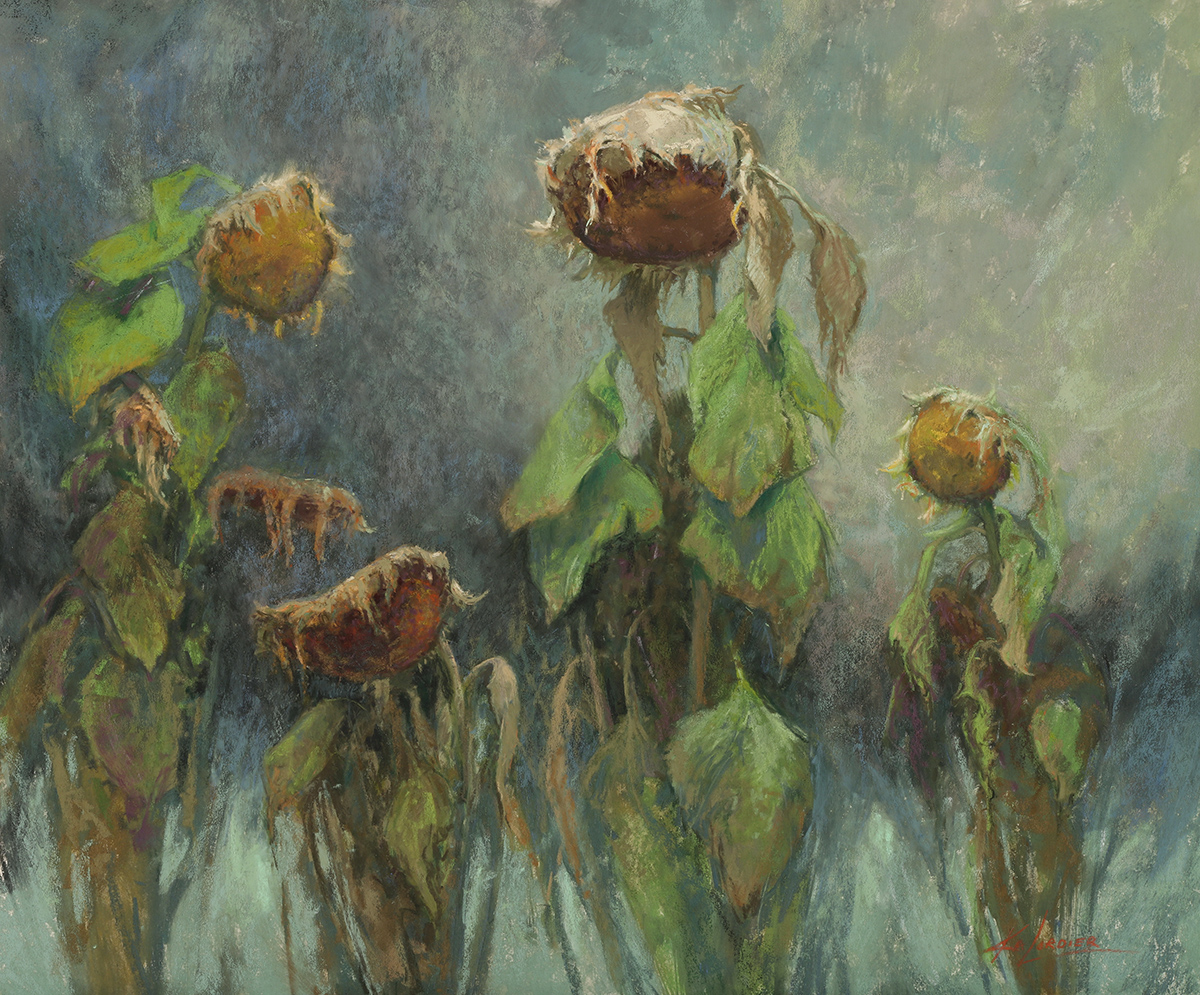
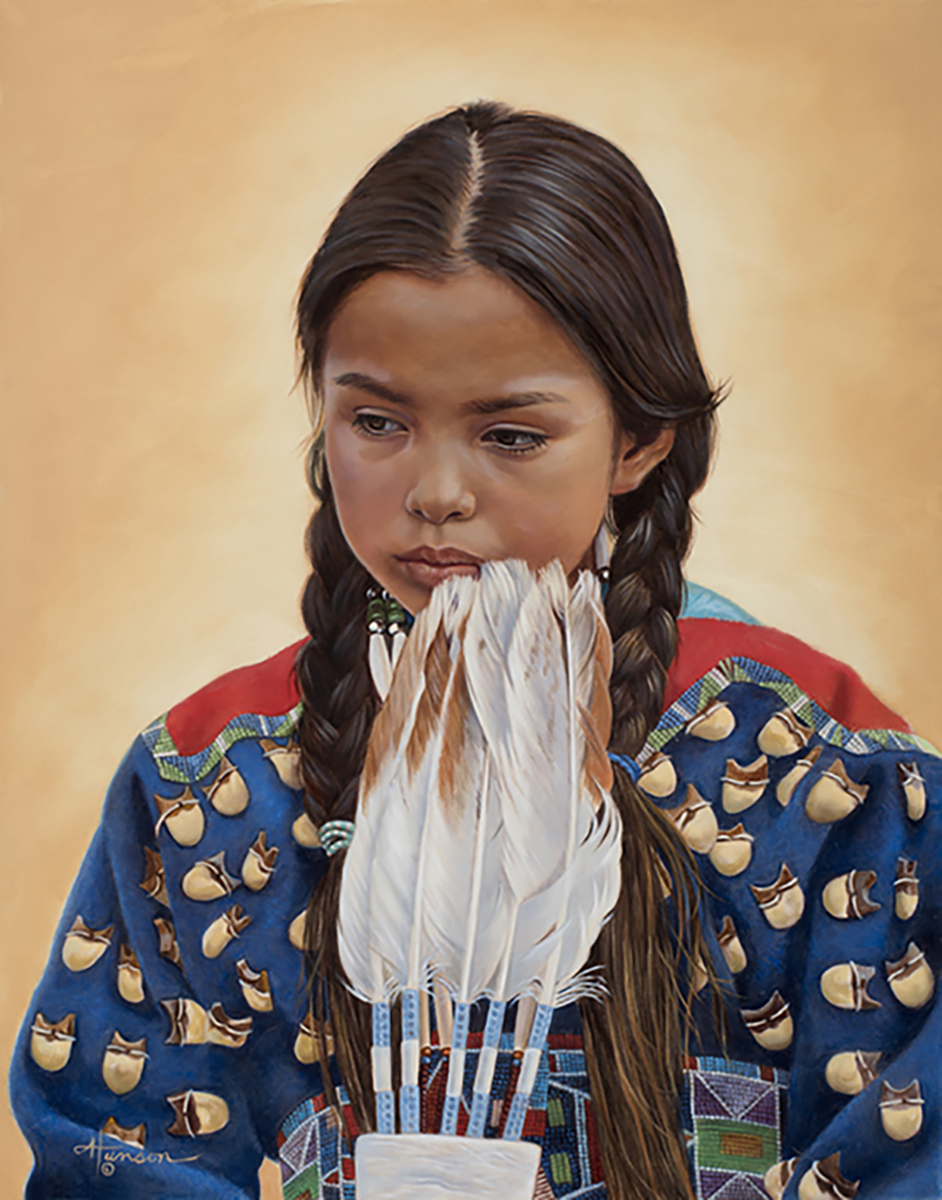
Soar, Paul Batch, oil, 24 x 30 in; Anderson Fine Art GalleryVan Pop, Stefano Bolcato B. 1967, oil on canvas, 15.75 x 13.80 in, Signed; Rehs ContemporaryHarvester’s Rest, Julien Dupré (1851 – 1910), oil on canvas, 32.125 x 25.75 in., Signed; Rehs Galleries, Inc.Born To Be Wild, Chauncey Homer, oil on linen, 36 x 30; Chauncey Homer Fine ArtIn Anticipation Jove Wang, 39 x 50 in., oil, 2022. LPAPA Gallery ‘Artist in Residence’ Solo Exhibition: Jove Wang The Great American West Nov. 3-28.Evening Tranquility, Robert Goldman, oil/canvas , 30 x 40 in.; Grand Canyon Celebration of ArtNew Mexico Ranch – Night Passage, Phil Starke, oil 10 x 12 in.; ArtzLineMorning Sun, George Lockwood, acrylic on panel, 11 x 14 in; George LockwoodNew Dress, Chantel Lynn Barber, acrylic on watercolor paper, 9 x 6 in; dk Gallery / Chantel Lynn BarberYou Can’t Tame Me! Lisa Gleim, pastel on Texas map collage, 25 x 23 in; Lisa Gleim, Coors Western Art Exhibit & SaleComposition In Red & Green, Rick Reinert, oil on linen, 30 x 24 in; Reinert Fine ArtBasquiat’s Studio on Great Jones Street, Vincent Giarrano, oil on canvas, 36 x 24 in.; Susan Powell Fine Art
Want to see your gallery featured in an upcoming Virtual Gallery Walk? Contact us at [email protected] to advertise today. Don’t delay, as spaces are first come, first served, and availability is limited.
Beaux Arts 2022 is going to be a hybrid event this year. Our Online Silent Auction, November 10 -12, will showcase the works of leading artists featuring paintings, drawings, and sculptures. Please join us online for our virtual auction. We also invite you to attend our in-person event on Saturday, November 12 starting at 6 pm. This festive gala is set to be an evening of fun, a celebration of beauty, and a night of revelry for Scottsdale Artists’ School. Guests will enjoy music, libations, a light dinner, and special door prizes. Mingle with artists, both local and visiting, and get the opportunity to acquire original works of art.
All bidding is online whether attending our in-person party or joining virtually.
Donna Ramsey, “Rothenburg ob der Tauber,” oil, 10 x 8 in.
Over the past 39 years, Scottsdale Artists’ School, a 501(c)(3) non-profit organization, has been a prominent influence in the art community and continues to teach the fundamentals of fine art to artists and aspiring artists of all ages and skill levels. The School offers programs to a wide range of students, including children in our public schools, families, adults, and many others who might not be able to attend without assistance. Proceeds from the fundraiser are essential to supporting these programs.
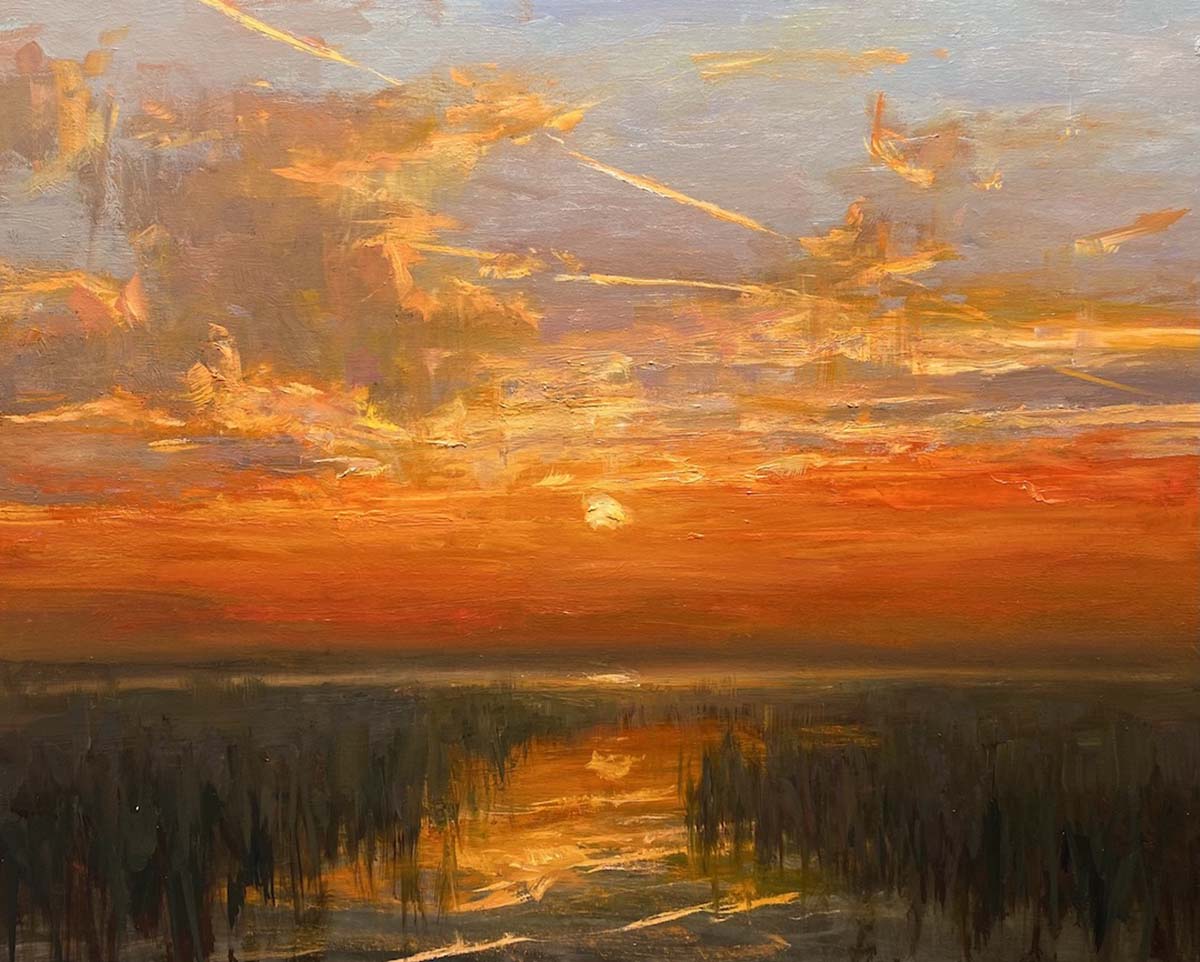
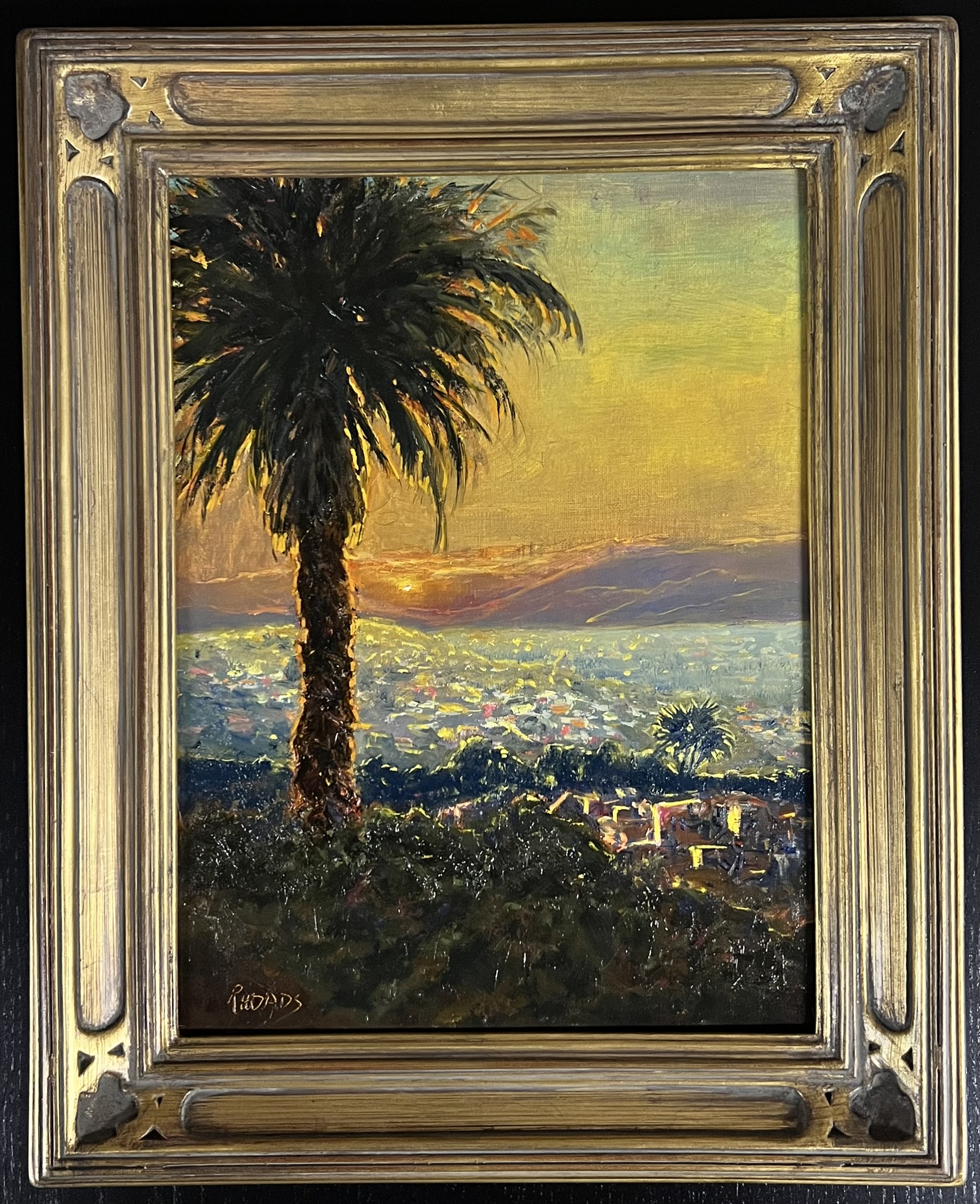
Eric Rhoads, “San Miguel de Allende Sunset,” 9 x 12 in.
This year’s silent auction will feature travel packages, themed baskets as well as a variety of artwork from well-known professional artists, including Signature Artist Douglas Fryer. A limited set of juried work from the school’s student artists will also be available.
Participants will also be able to purchase raffle tickets for the sculpture “Midnight at the Oasis” by Signature Sculptor Sandy Scott. In-person attendees will also be entered to win a variety of Door Prizes.
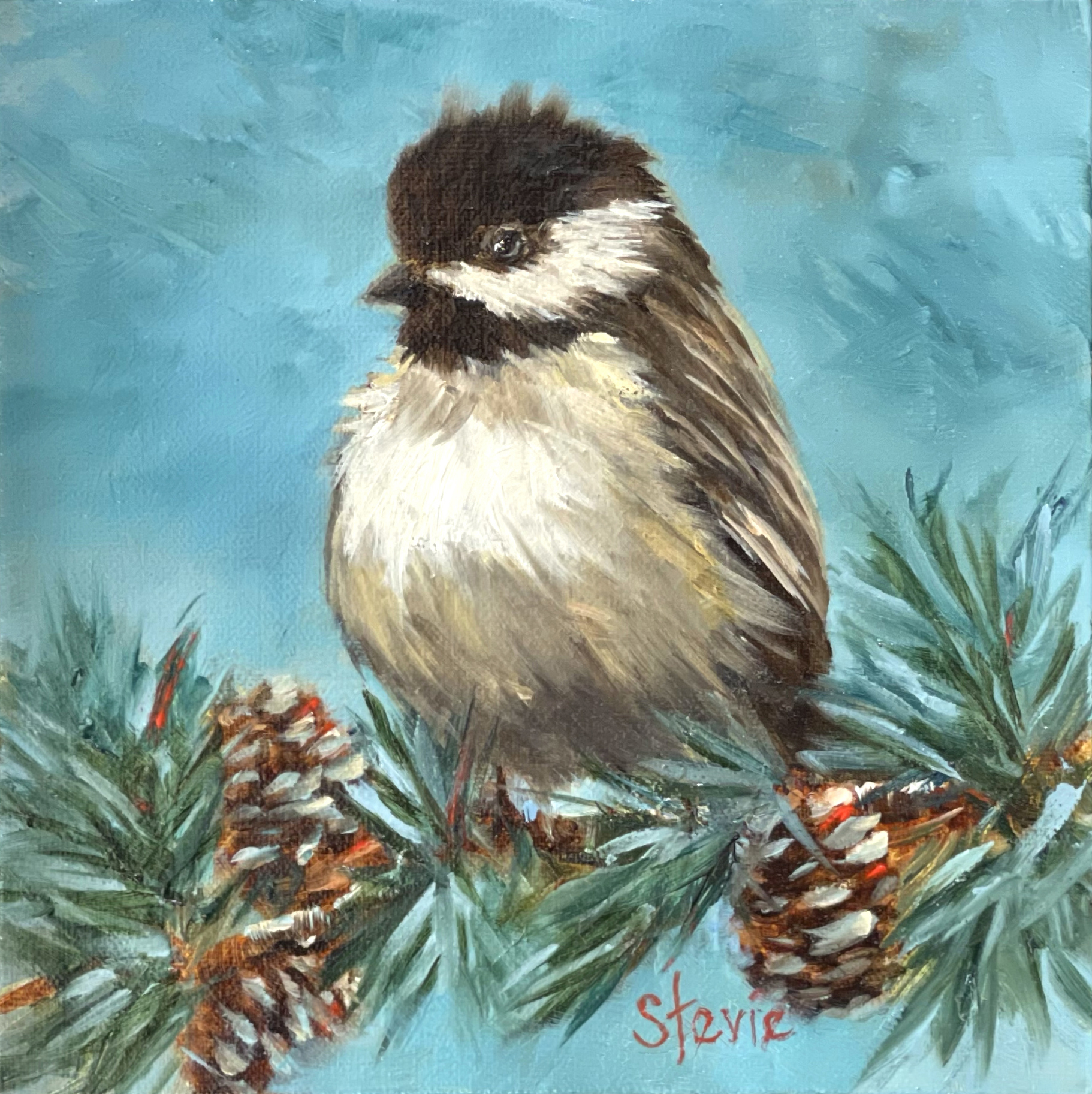
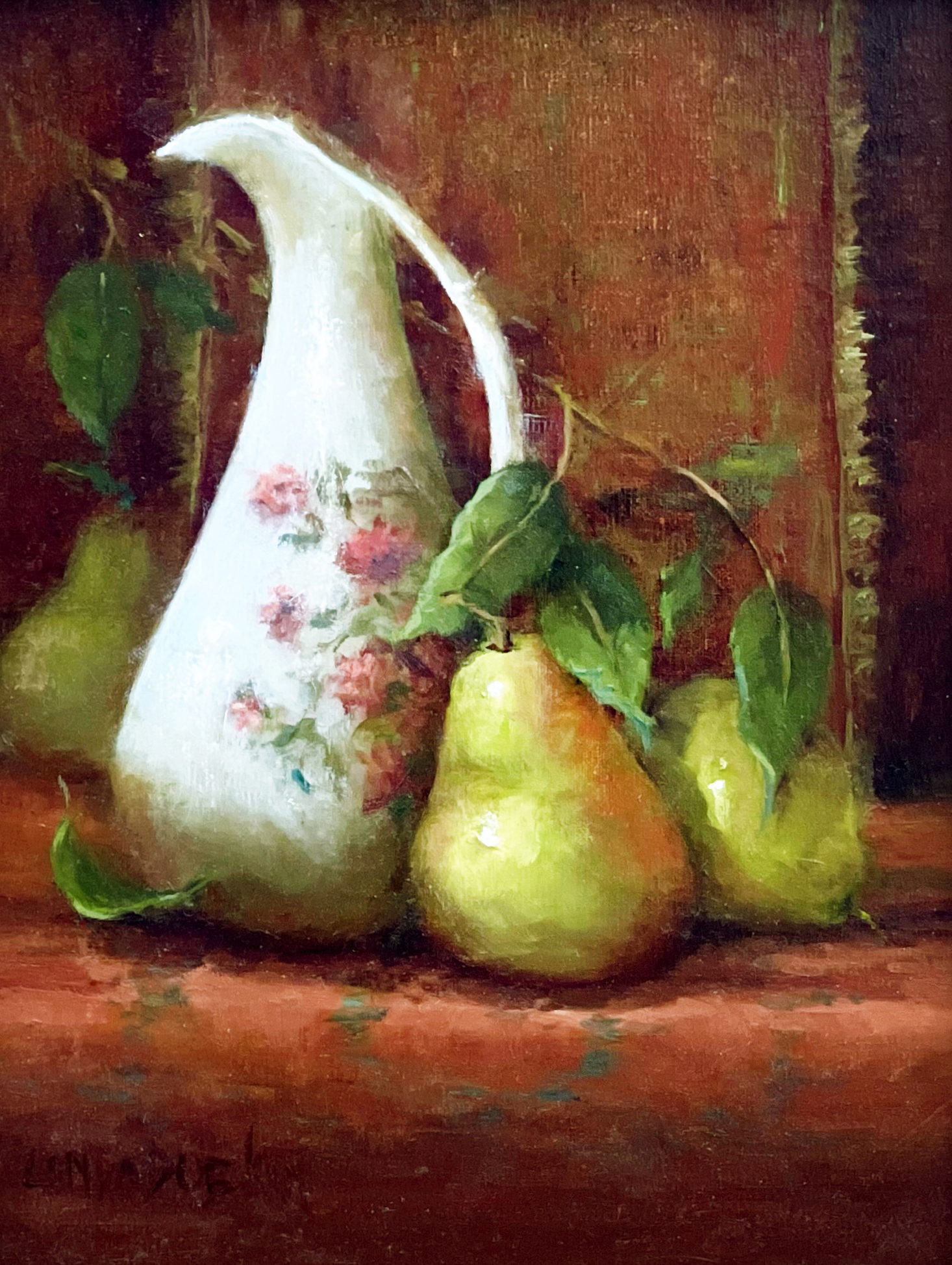
Stevie Denny, “Winter Visitor,” oil, 6 x 6 in.Linda Dobkin, “Tapestry and Fruit,” oil, 12 x 9 in.
> Visit EricRhoads.com to learn about more opportunities for artists and art collectors, including retreats, international art trips, art conventions, art auction news, and more.
> Sign up to receive Fine Art Today, our free weekly e-newsletter
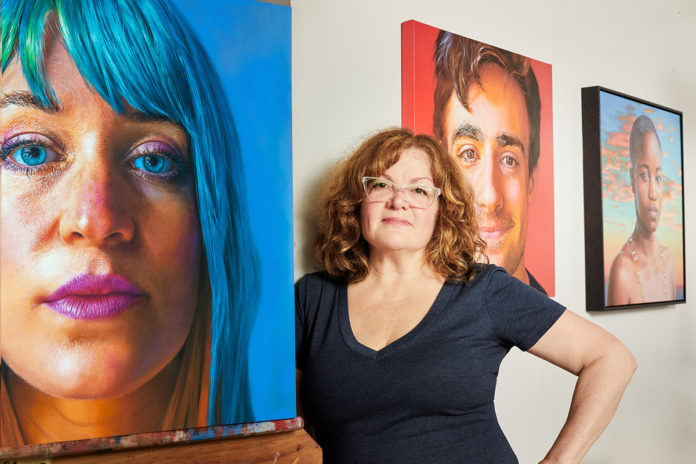
Artist Nadine Robbins with Spotlight Award painting "Kara"
How do you describe success? Nadine Robbins: As a creative person, I define success in many ways. First, supporting other artists enriches both their and my experiences in the art world. The joy and comradery are infectious! Second is my commitment to creating artwork that I’m proud of. Staying true to my unique vision while constantly pushing myself to grow and experiment is good for the soul. And lastly, having the good fortune to paint full-time. Not everyone is as fortunate.
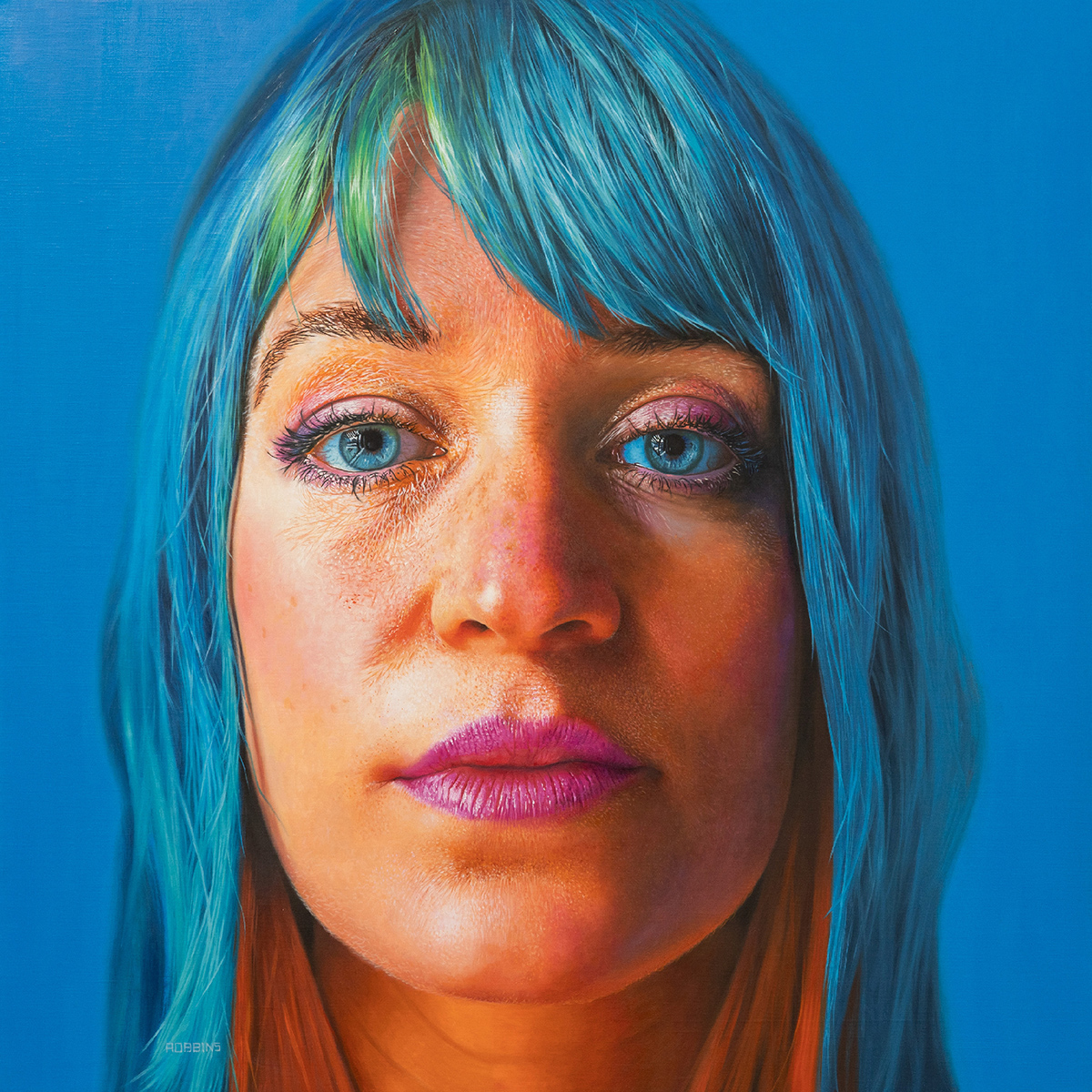
Nadine Robbins, Kara, oil on linen, 24 x 24 in, 2021
Nadine Robbins: “Kara” is a portrait painting of my hair stylist, who had blue hair the day I came to her salon. It was a perfect match for her eyes, and I asked if I could paint her. She agreed. The result has a strong and melancholy emotion which is exactly who she is.
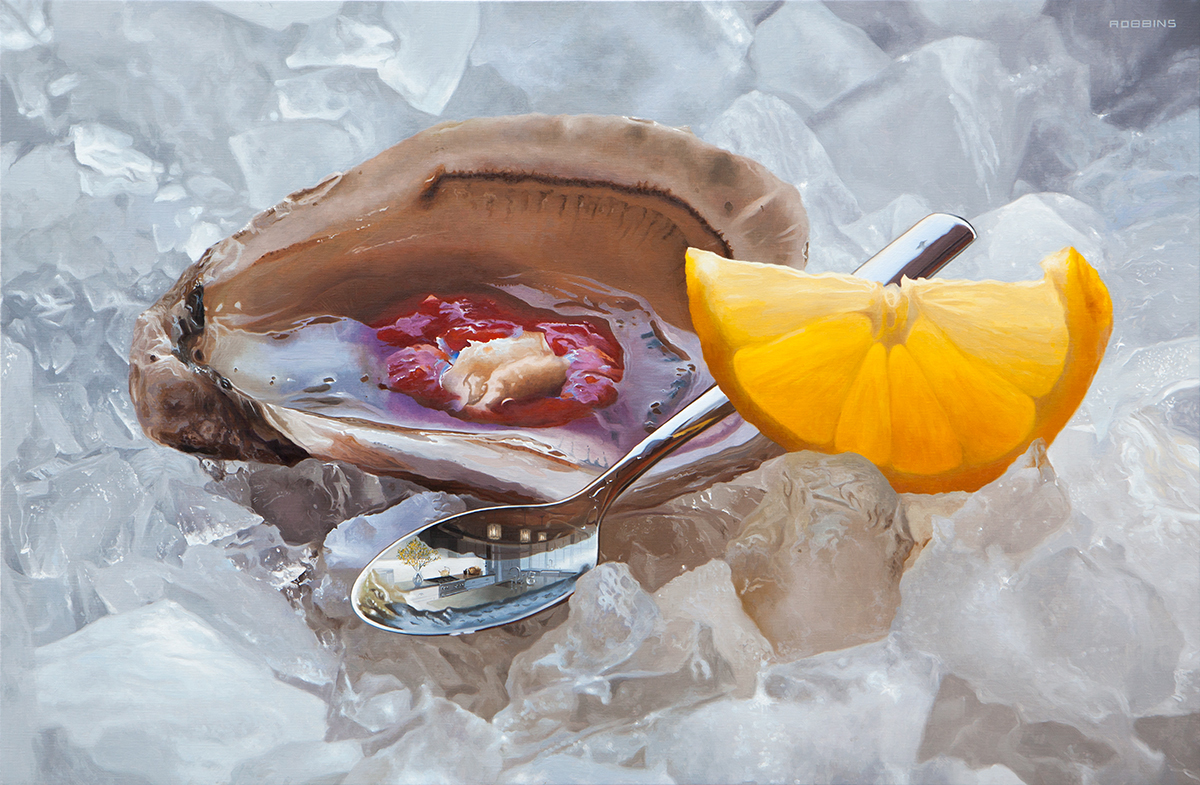
Nadine Robbins, Fishers Island Memory, oil on linen, 24 x 36 in, 2017
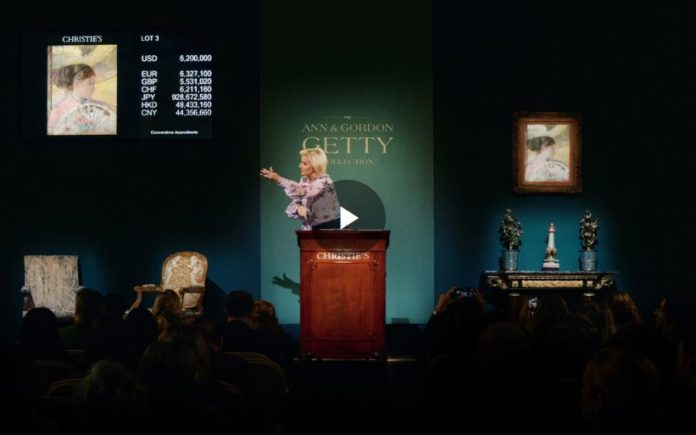
From Christie’s: The Ann and Gordon Getty collection exceeds $150 million across 10 sold-out auctions
More from the organizers:
The sale of more than 1,500 fine and decorative art objects from the Getty collection realised over $150 million, all of which will benefit the couple’s charity, The Ann & Gordon Getty Foundation for the Arts.
An extraordinary series of auctions from the celebrated collection of Ann and Gordon Getty concluded on 25 October, achieving a total in excess of $150 million. Across two weeks and ten auctions — four live, six online — more than 1,500 works of fine and decorative art, jewelry, and textiles from the couple’s private collection were 100% sold.
This success ranks The Ann & Gordon Getty Collection among the top three collections of both fine and decorative arts to sell at Christie’s, alongside The Collection of Yves Saint Laurent and Pierre Bergé and The Collection of Peggy and David Rockefeller.
‘We are all immensely proud to have overseen a week of sales that has confirmed Ann Getty’s exquisite taste and singular eye for excellence,’ said Jonathan Rendell, Christie’s Deputy Chairman. ‘It is especially gratifying to see the strength in interest across the board from Chinese Works of Art, to English and Continental Furniture, to textiles, table decorations, and handbags. The Getty sales are proof that the market continues to value great connoisseurship and that quality is timeless.’
> Visit EricRhoads.com to learn about more opportunities for artists and art collectors, including retreats, international art trips, art conventions, and more.
> Sign up to receive Fine Art Today, our free weekly e-newsletter
Adrian Gottlieb, "Mesquite Sunset," 2022, oil on panel, 28 x 40 in., T.H. Brennen Fine Art (Scottsdale); featured in the November/December 2022 issue of Fine Art Connoisseur magazine
From the Fine Art Connoisseur November/December 2022 Editor’s Note:
Seeking America’s Top Collectors
Most of the artworks illustrated in this issue have been owned, or will soon be owned, by a living, breathing collector. It is, first and foremost, collectors that Fine Art Connoisseur aims to serve and inspire, and for that reason we have been running lengthy Hidden Collection articles ever since this magazine was founded.
In addition, since 2015 we have highlighted America’s leading collectors of contemporary realist art in a shorter format — two pages dedicated to an individual collector or a couple. So far, this unique initiative has covered 82 separate collections, and now we are busy planning our next crop, to appear in the March/April 2023 issue of Fine Art Connoisseur.
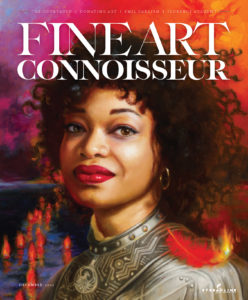
On the Cover: Terry Strickland (b. 1960), “Phoenix Rising” (detail), 2022, oil on panel, 16 x 12 in., 33 Contemporary Gallery (Chicago)
There are great collections — many still being formed — in every region of this country, and no one person could possibly know all of them. Though our research is well underway and we already have some terrific names in hand, I hereby invite you to send me suggestions or nominations for other collectors. Our criteria are simple: they must be U.S. residents (still living) who have collected, or are continuing to collect, superb contemporary realist art created any time after 1980.
Ideas are welcome from everyone: the collectors themselves, their friends, families, dealers, advisers, curators, etc. Please just send me an e-mail ([email protected]) and I will move it forward. Rest assured that our team is discreet; all communications with col-lectors will be virtual, and we will not turn up unannounced at their homes to take photos! The individuals selected will have an opportunity to fact-check everything, and in fact, they themselves will provide the photos to be illustrated. That said, it’s our editorial team’s decision who goes in, and who doesn’t.
In every field of human endeavor, role models are essential. Art collecting is no different, and we fully expect to be inspired by what our next group of connoisseurs have accomplished. Thank you for giving this request some thought; we look forward to sharing our findings with you next March.
What are your thoughts? Share your letter to the Editor below in the comments.
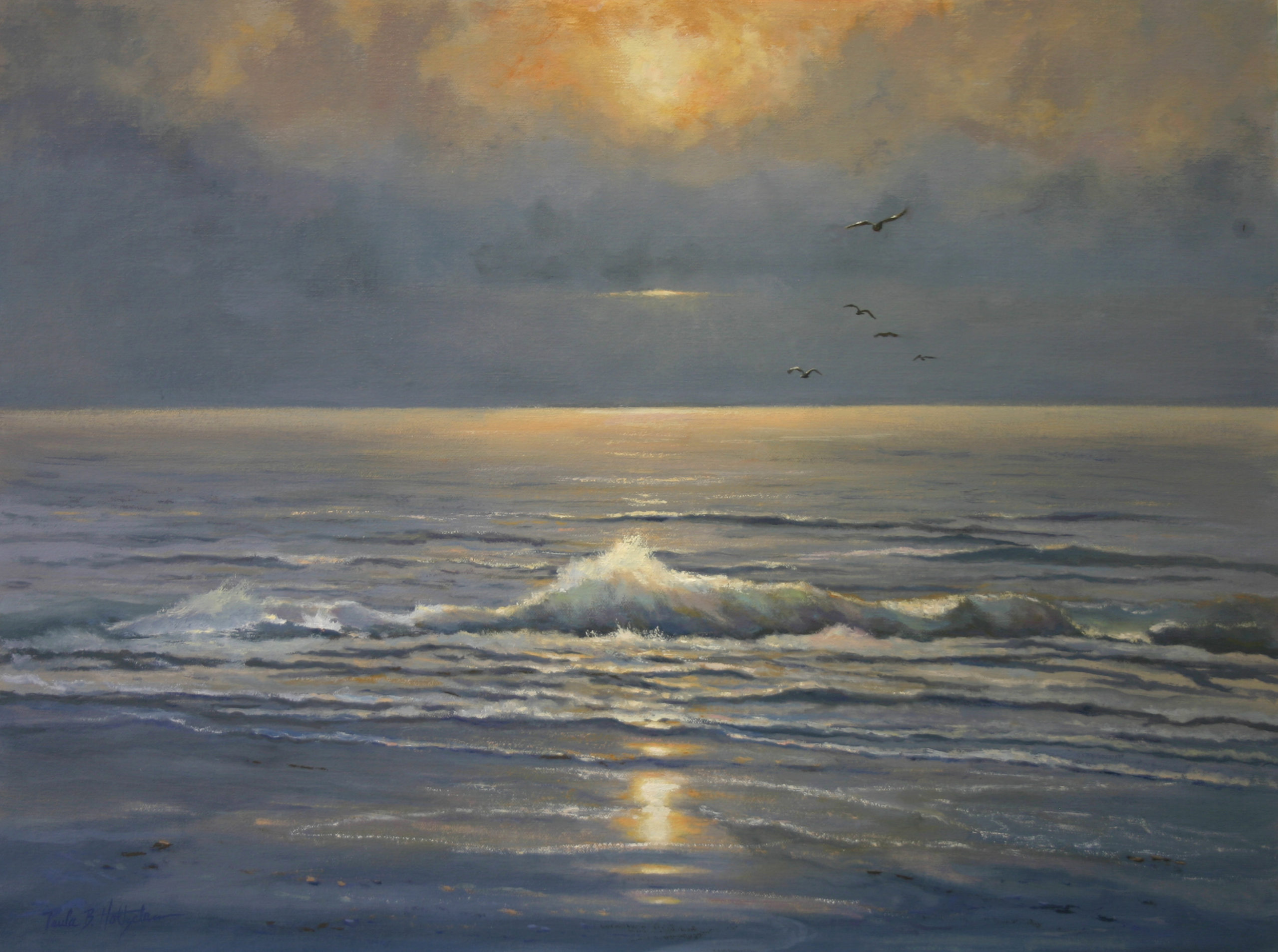
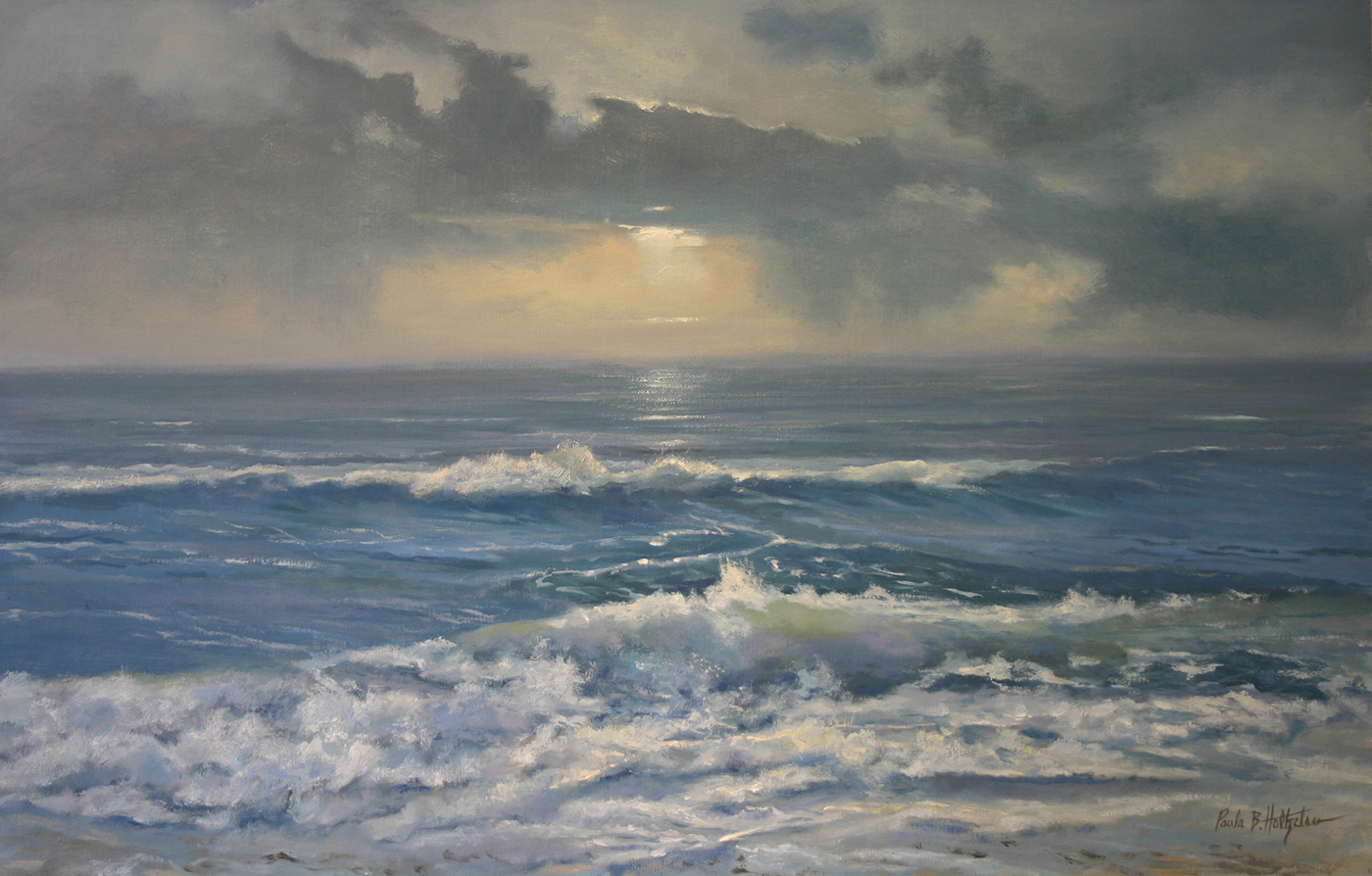
Paula B. Holtzclaw, “Evening Blaze,” Oil, 24 x 30 in, Available through Cheryl Newby Gallery, Pawleys Island, SC
Paula B. Holtzclaw: “I choose to paint what is beautiful and meaningful, knowing that this act of celebrating and communicating the beauty in this world has the power to uplift and inspire.”
As “Tonalist” George Inness might, my goal is to evoke a quiet sensory emotion, a moment of contemplation, an atmosphere.
Paula B. Holtzclaw, “Morning Flight,” Oil 18 x 24 in, Available through Cheryl Newby GalleryPaula B. Holtzclaw, “Looks Like Rain,” 16 x 20 Available through Wilcox Gallery, Jackson Hole, WY
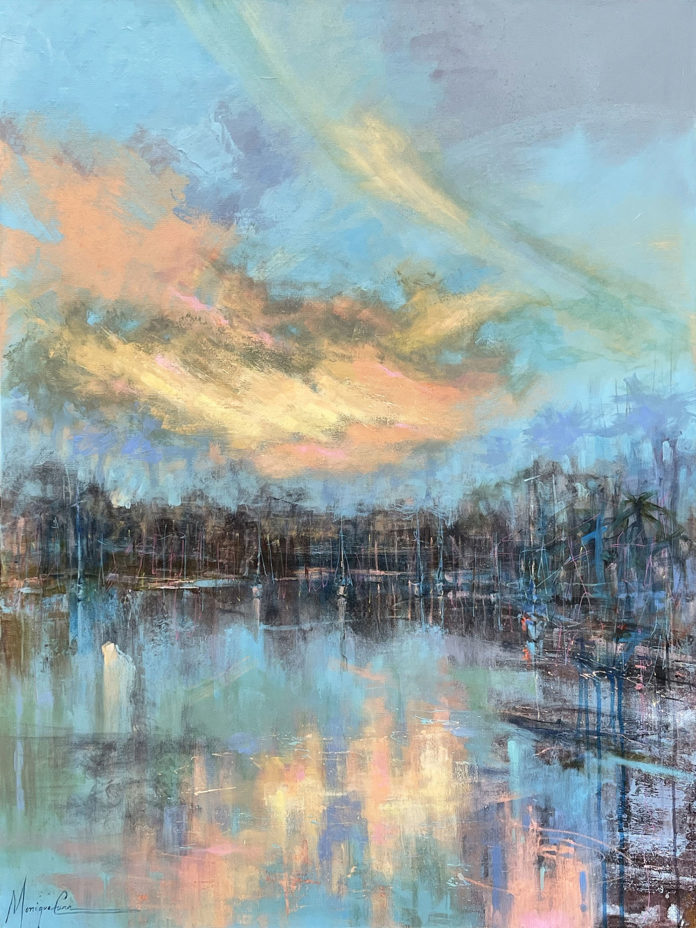
Monique Carr, “Morning Beauty,” acrylic and oil on canvas, 40 x 30 in. $4,000 Available at Dare Gallery
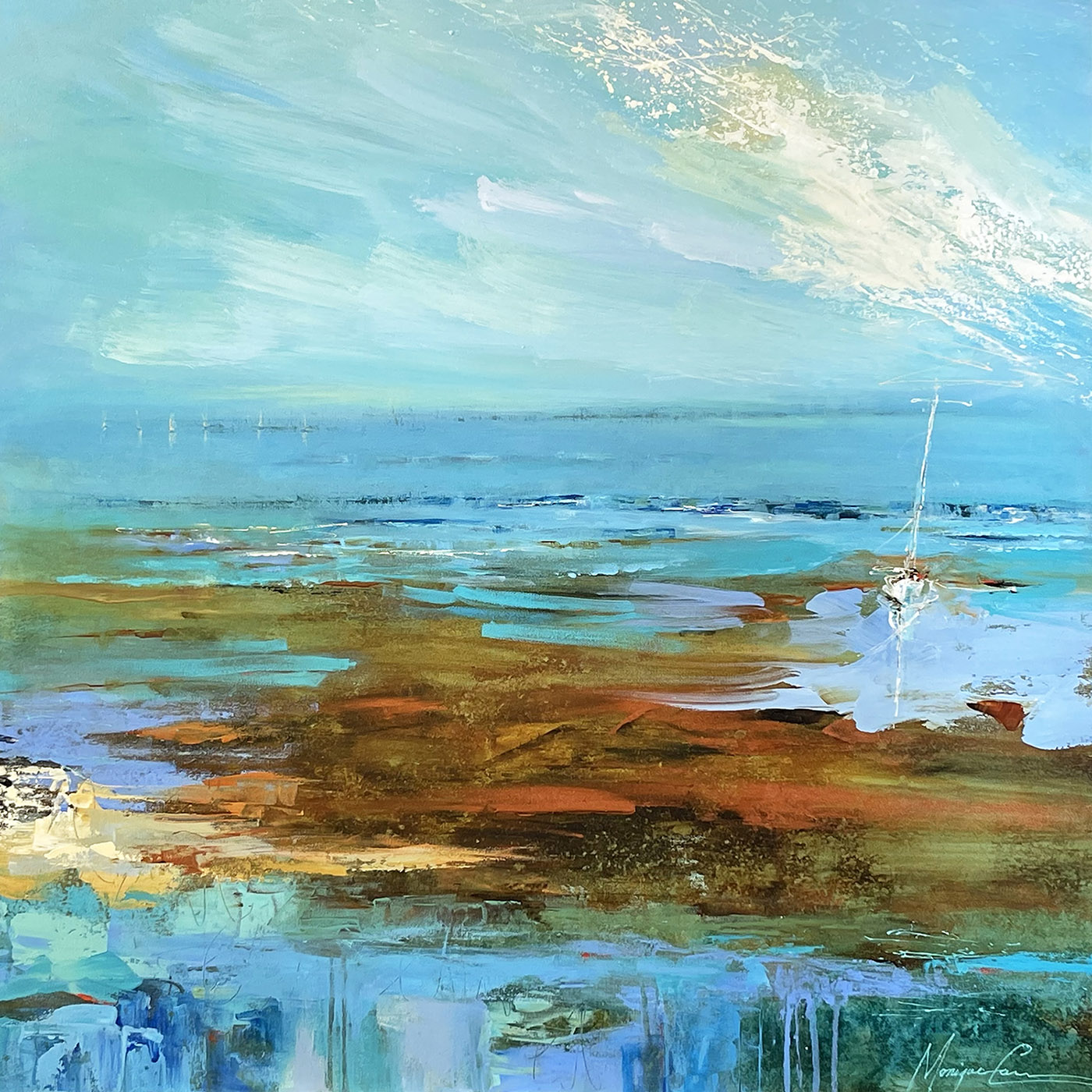
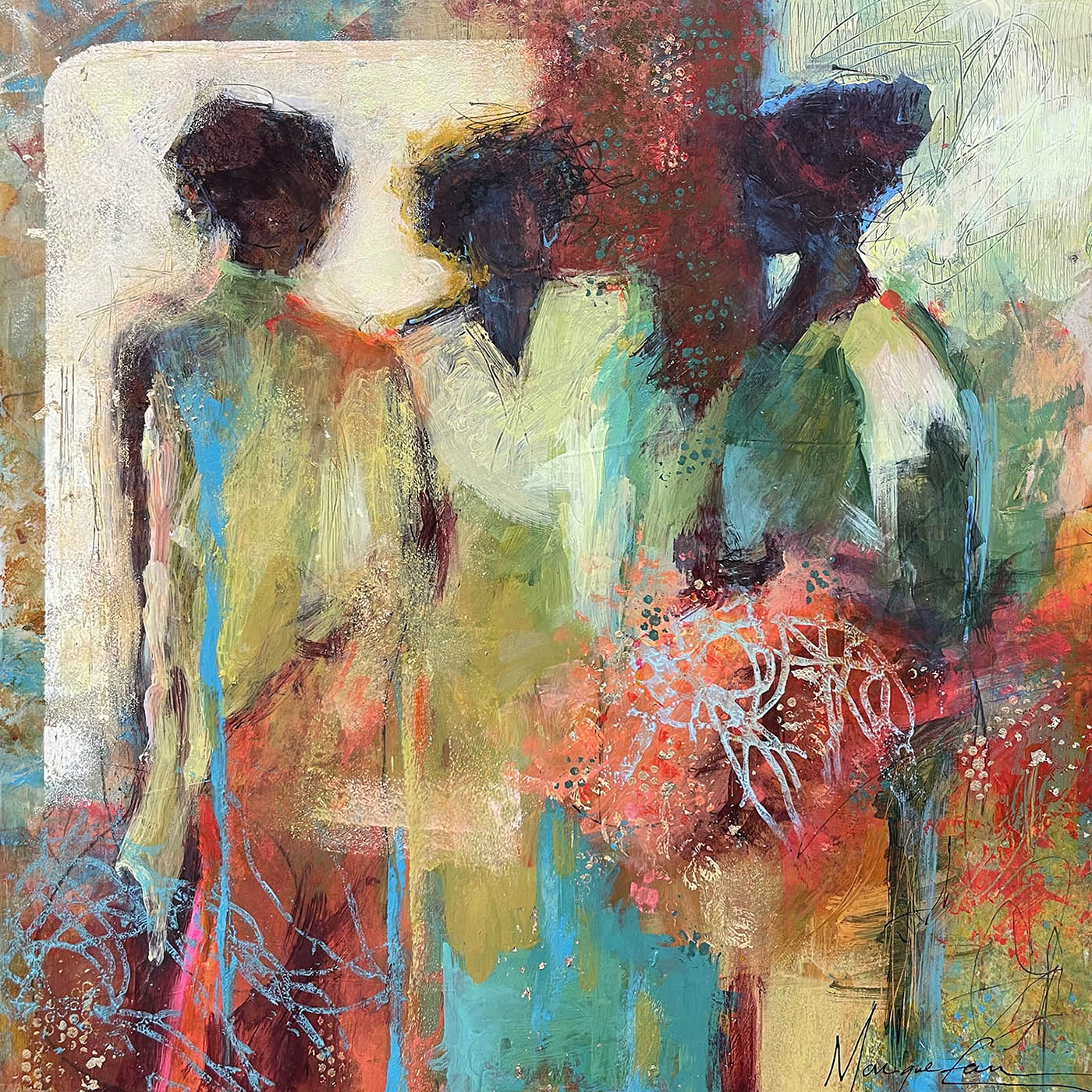
Monique Carr: Monique is showing a collection of seascapes for her solo exhibit in November, titled “Changing Horizons”, at Dare Gallery, Charleston SC. You will see how the horizon can change with the mood of each seascape. In addition to the landscape, she is adding some abstract figures representing women in colorful attire. The artist reception is on November 4, 5-8pm. The show ends November 26.
In June 2023, Monique will be teaching a workshop in Provence. See link below for more info.
Monique Carr, “Treasured Memories,” acrylic on canvas, 36 x 36 in., $4,300 Available at Dare GalleryMonique Carr, “Perfect Harmony,” acrylic on panel, 16 x 16 in. $2,000 Available at Dare Gallery
As part of our effort to continue to help artists and art galleries thrive, we’re proud to bring you this week’s “Virtual Gallery Walk.” Browse the artwork below and click the image itself to learn more about it, including how to contact the gallery.
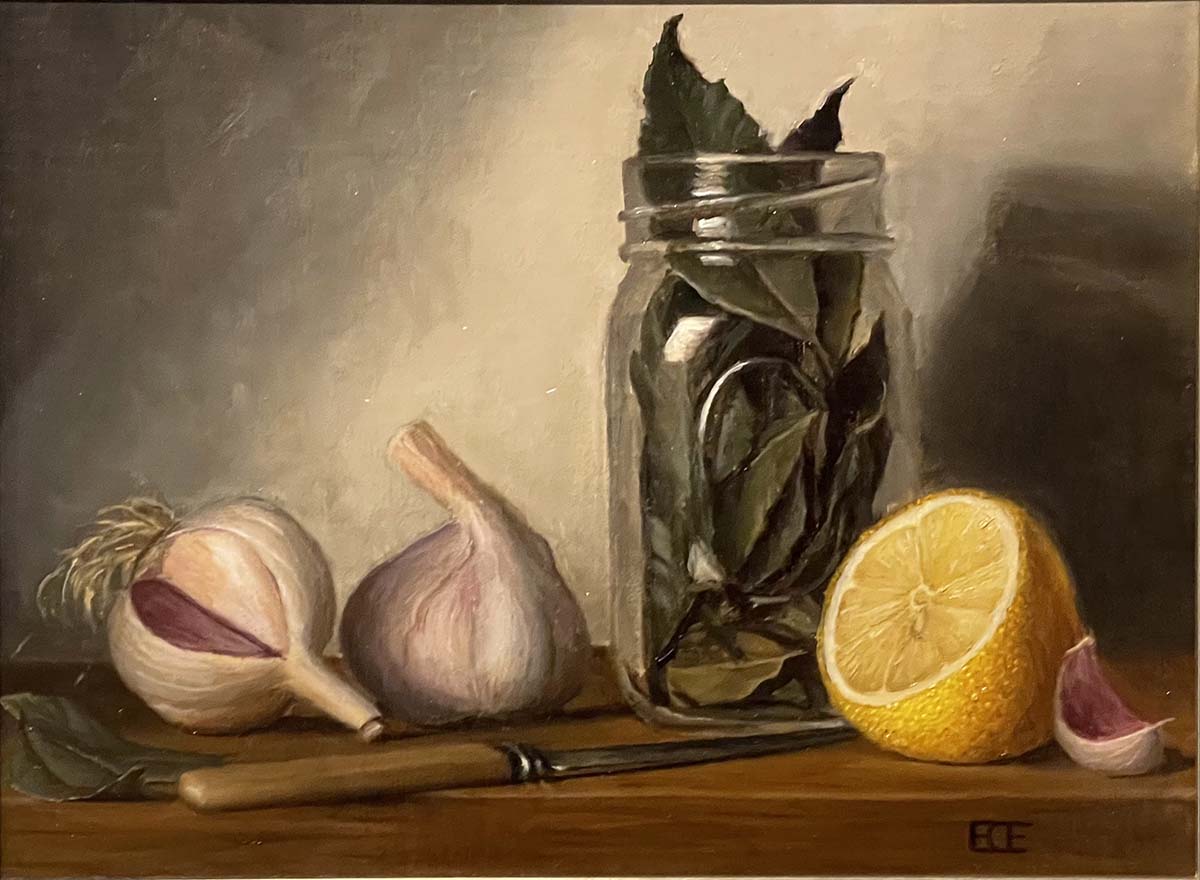
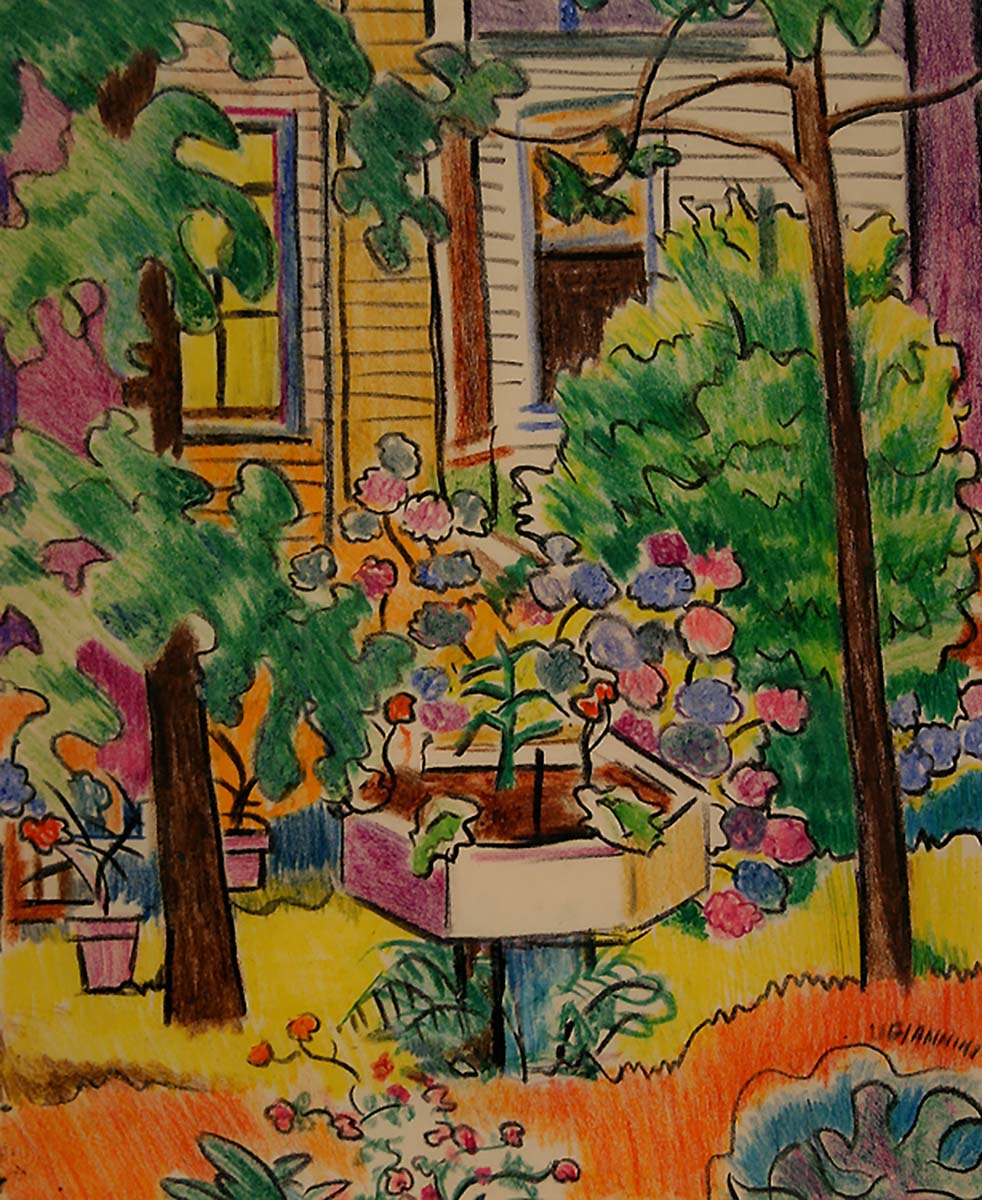
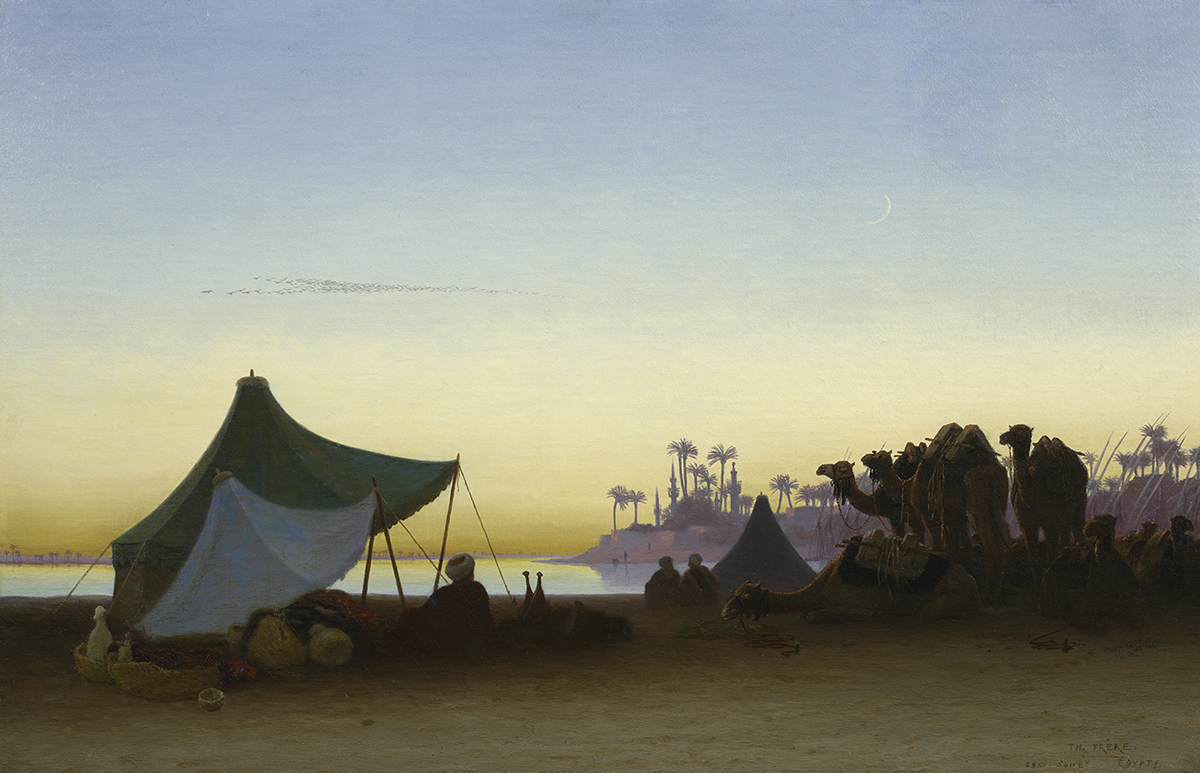
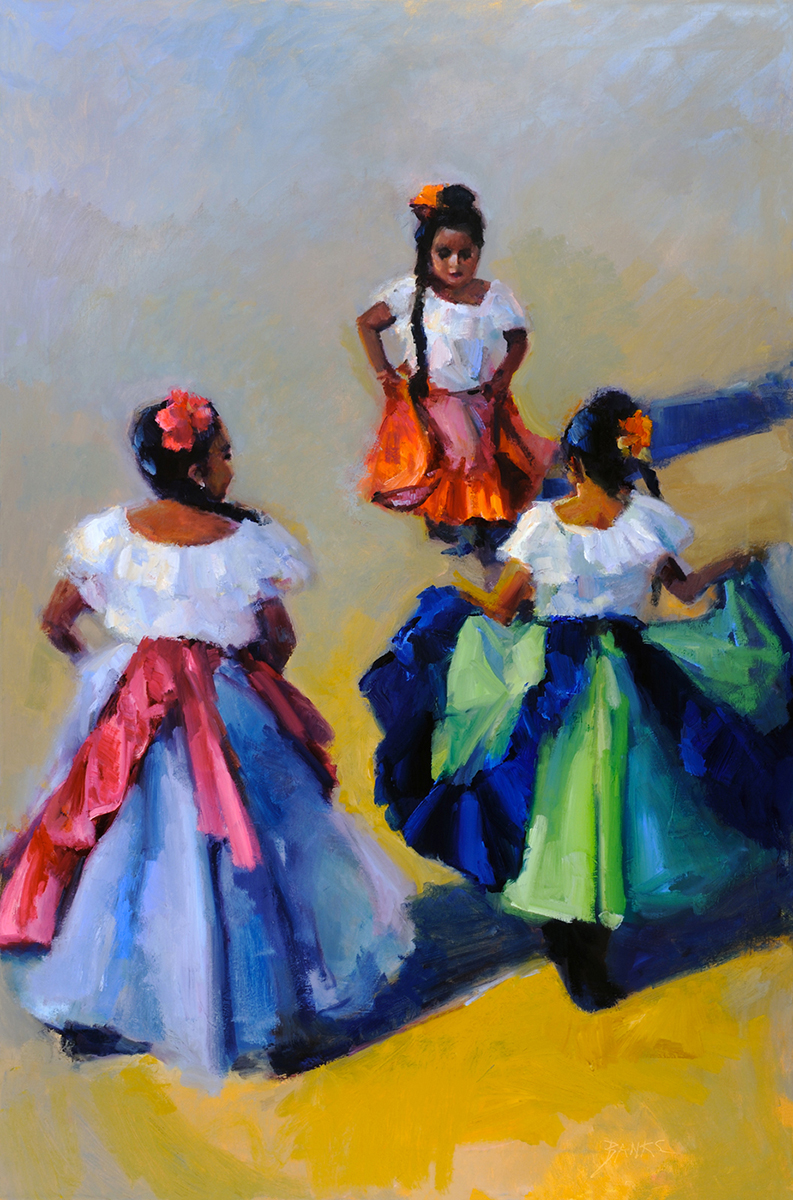
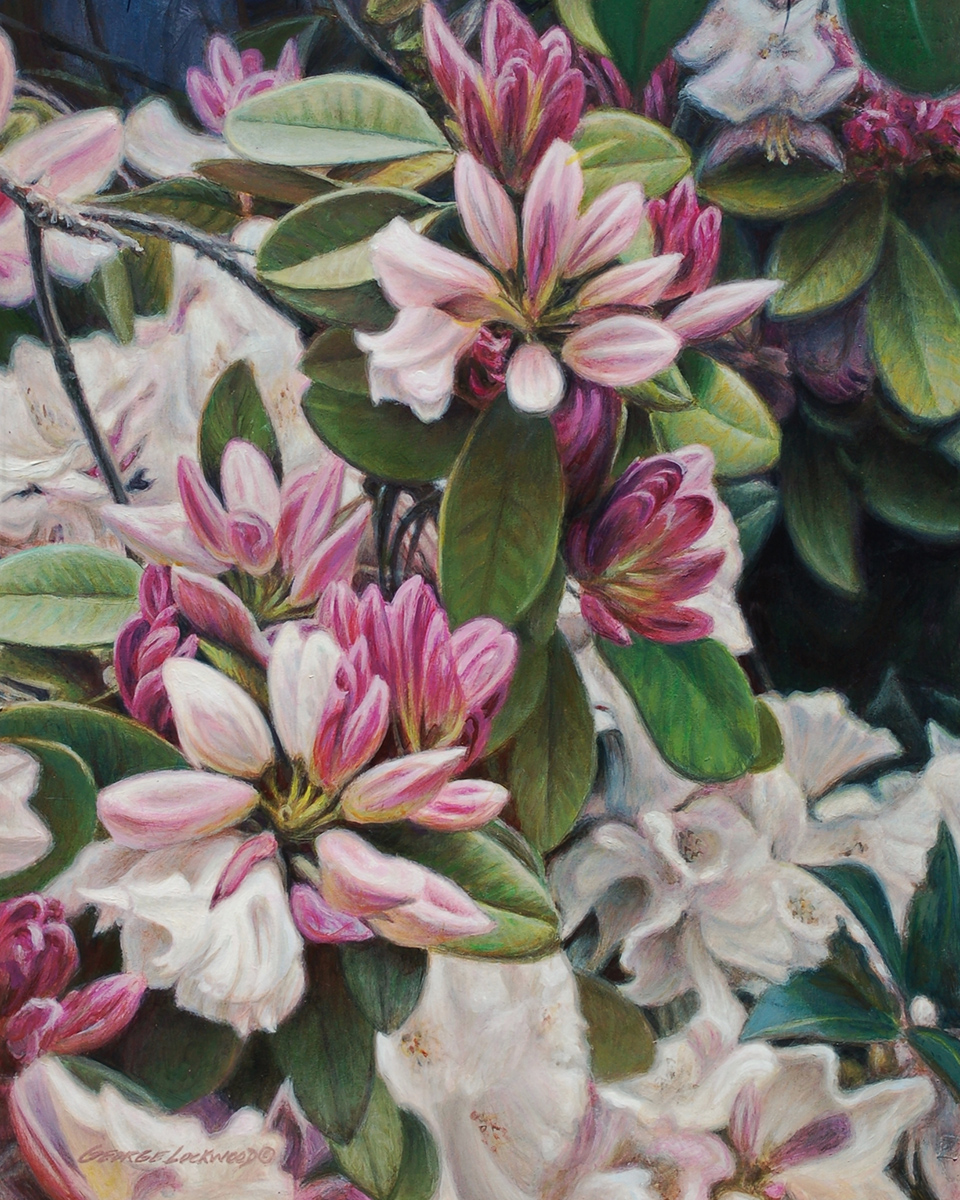
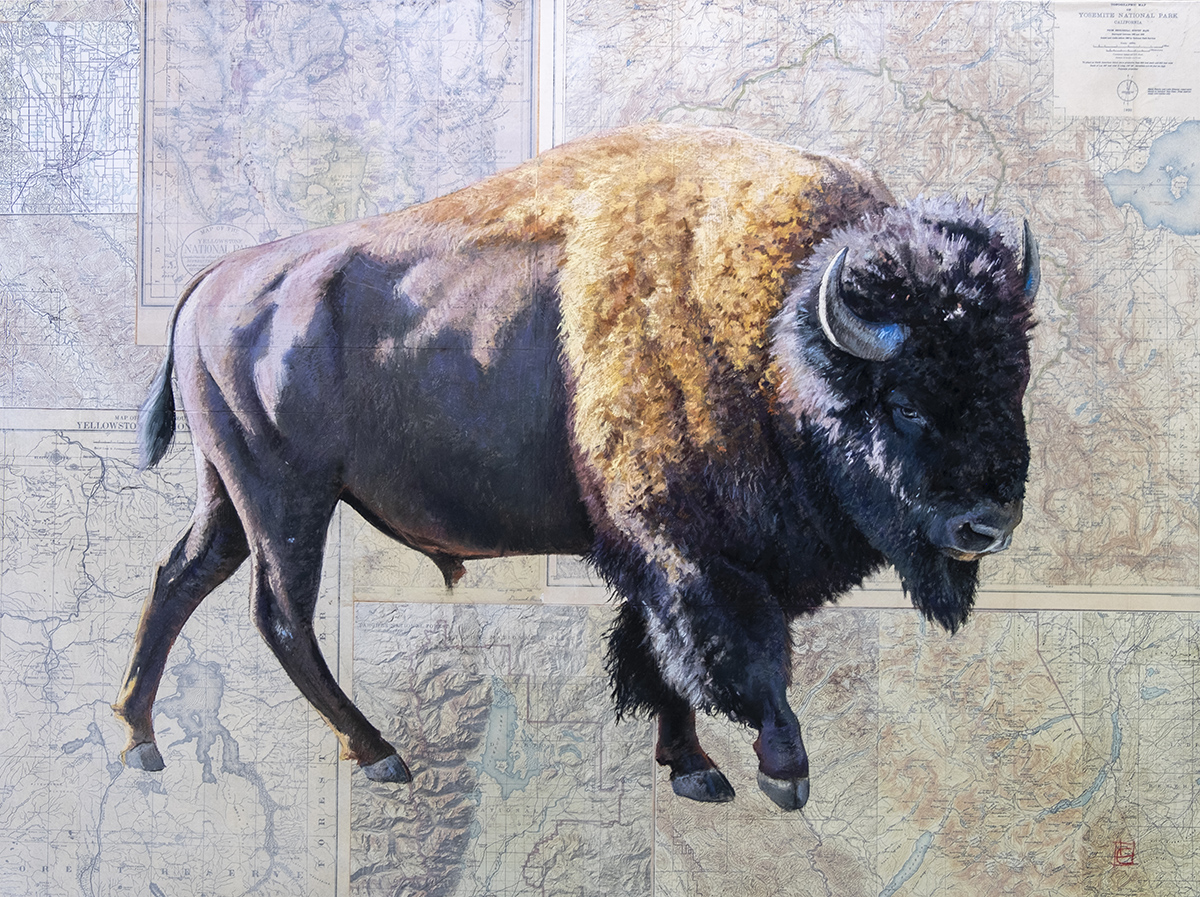
Bay Leaf, Lemon and Garlic, Barbara Efchak, oil, 9 x 12 in.; Anderson Fine Art GalleryMy Father’s Garden, Ugo Giannini (1919 – 1993), Wax crayon on paper, 16 1/2 x 13 1/2 in., Signed; Rehs ContemporaryBeni-Souef, Egypte, Charles Theodore Frere (1814 – 1888), oil on canvas, 16 x 24.5 in., Signed and inscribed Beni-Souef, Egypte; Rehs Galleries, Inc.Joyful Dance, Jill Banks, oil on linen, 36 x 24 in.; Jill BanksIs it Just Me? Kim Lordier, pastel on archival board, 20 x 24 in.; Kim LordierMaking Plans, Ann Hanson, oil, 14 x 11 in; ArtzLine.comSpring Symphony, George Lockwood, acrylic on panel, 20 x 16 in; George LockwoodOnly in America, Lisa Gleim, pastel on ephemera, 36 x 48 in; Lisa Gleim
Want to see your gallery featured in an upcoming Virtual Gallery Walk? Contact us at [email protected] to advertise today. Don’t delay, as spaces are first come, first served, and availability is limited.
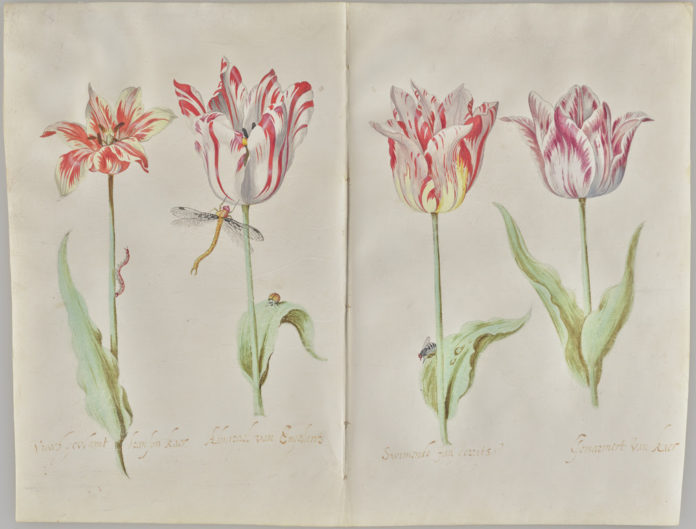
"Four Tulips," about 1635-1645. Jacob Marrel (German, active in the Netherlands, 1613/14-1681). Watercolor and opaque watercolor heightened with gum over metalpoint on parchment. 33.9 × 44.6 cm (13 3/8 × 17 9/16 in.). The J. Paul Getty Museum, Los Angeles
The J. Paul Getty Museum is presenting “Dutch Drawings from a Collector’s Cabinet,” an exhibition showcasing for the first time a magnificent group of 17th-century drawings acquired from a private collector in 2019. On view through January 15, 2023, the exhibition features 50 works by artists from the Dutch Republic, including Rembrandt van Rijn, Adriaen van de Velde, Jacob van Ruisdael, and Aelbert Cuyp, among others.
“This exhibition celebrates a landmark acquisition for the Getty Museum, one that enables us to showcase a more complete history of Dutch art and makes our holdings in this area one of the strongest in the United States,” says Timothy Potts, Maria Hummer-Tuttle and Robert Tuttle Director of the J. Paul Getty Museum. “This marks the first time these works are being publicly displayed together, and we are delighted to be able to share them with visitors and scholars for their study and enjoyment.”
“One of the things that makes this acquisition particularly significant is that several of the drawings in the group are by artists whose work is very rarely available on the market,” says Stephanie Schrader, curator of Drawings at the Getty Museum and co-curator of the exhibition. “The exhibition spotlights the collection and invites visitors to explore the subjects and techniques that made artists of the Dutch Republic so renowned and beloved.”
The Dutch Republic was the most prosperous nation in Europe in the 17th century, a time when its global trade, military, science, and art were highly regarded. The exhibition showcases this period of great artistic achievement when drawings became increasingly valued as independent works of art.
The exhibition presents a diverse range of genres and subjects, from a selection of rare landscapes and seascapes, religious scenes, figure studies and portraits, to colorful botanical illustrations. A standout landscape drawing in the exhibition is Adriaen van de Velde’s “The House with a Little Tower Seen from the Northeast,” which offers a quintessential evocation of the Dutch flat countryside framed by stretches of sky and water. Another landscape, Jacob van Ruisdael’s “A Cottage among Trees,” boldly rendered in black chalk, documents the artist’s travels to Bentheim in Westphalia.
While Dutch artists often rendered naturalistic subjects emblematic of their native land, many also flocked to Rome to immerse themselves in the study of ancient monuments. “Dutch artists were enchanted by the warm, golden Italian sunlight and vibrant history of the landscape,” said Casey Lee, curatorial assistant in the Drawings Department at the Getty Museum. “This exhibition offers insight into the significant influence Italian subjects played in Dutch art during this time, from Roman ruins to Corinthian columns.”
The exhibition includes several religious and historical scenes, including a striking work titled “Crucifixion” by Samuel van Hoogstraten, one of Rembrandt’s most talented pupils, along with an elaborate compositional study by Gerrit van Honthorst titled “Allegorical Portrait of the Four Eldest Children of the King and Queen of Bohemia.”
Among the many portraits and figure studies featured in the exhibition is “Peasants Playing Backgammon and Merry-making in a Tavern,” a comical scene by Cornelis Dusart portrayed in vibrant watercolors on luxurious vellum. Two more standout works are “Young Woman at a Balustrade,” a highly detailed portrait of a woman by Jan de Bray, and “Young Man Leaning on a Stick,” a rare early figure study by Rembrandt, made while he was working in Leiden, Netherlands at the beginning of his career.
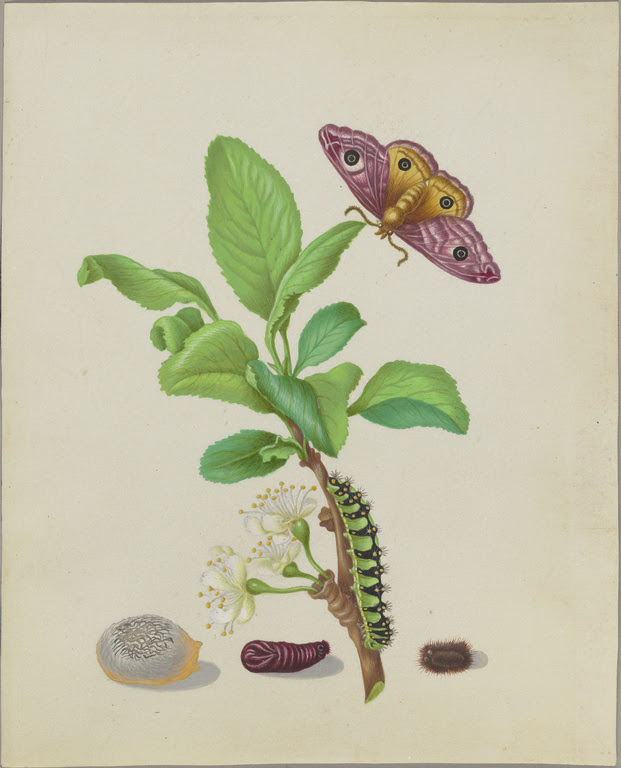
“Metamorphosis of a Small Emperor Moth on a Damson Plum” (Plate 13 of The Caterpillar Book), 1679. Maria Sibylla Merian (German, active in the Netherlands, 1647-1717). Watercolor and opaque watercolor over counterproof print on parchmant. 18.7 × 14.9 cm (7 3/8 × 5 7/8 in.). The J. Paul Getty Museum, Los Angeles
Five botanical drawings in the exhibition demonstrate the fascination with the natural world and the interaction of art and science in the Netherlands. Jacob Marrel’s imposing watercolor, “Four Tulips,” speaks to “tulipmania,” a period when the speculative prices for tulip bulbs reached astonishing heights before the market collapse in 1637. Maria Sibylla Merian’s watercolor “Metamorphosis of a Small Emperor Moth on a Damson Plum” is a meticulous rendering of the metamorphosis of an emperor moth from egg to caterpillar based on a counterproof from her Caterpillar Book of 1679.
“Dutch Drawings from a Collector’s Cabinet” is curated by Stephanie Schrader, curator of Drawings, and Casey Lee, curatorial assistant in the Drawings Department at the Getty Museum.
> Visit EricRhoads.com to learn about more opportunities for artists and art collectors, including retreats, international art trips, art conventions, and more.
> Sign up to receive Fine Art Today, our free weekly e-newsletter
Fill your mind with useful art stories, the latest trends, upcoming art shows, top artists, and more. Subscribe to Fine Art Today, from the publishers of Fine Art Connoisseur magazine.