Unusual for an American institution, this one has been promoting women artists since its first annual exhibition in 1811 …
Women in Motion: 150 Years of Women’s Artistic Networks at PAFA
Philadelphia pafa.org
through July 24, 2022
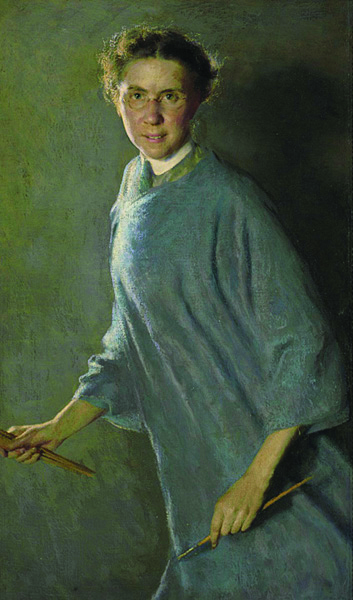
Margaret Foster Richardson (1881–1945), “A Motion Picture,” 1912, oil on canvas, 40 3/4 x 23 1/8 in., gift of the Henry D. Gilpin Fund, 1913.13
The Pennsylvania Academy of the Fine Arts (PAFA) has proudly organized the exhibition “Women in Motion: 150 Years of Women’s Artistic Networks at PAFA.” Unusual for an American institution, PAFA has been promoting women artists since its first annual exhibition in 1811, and this project explores the many female talents who showed, studied, and taught there right up until 1945.
On view are more than 80 works by approximately 50 artists, most drawn from PAFA’s rich collection, including many recent acquisitions.
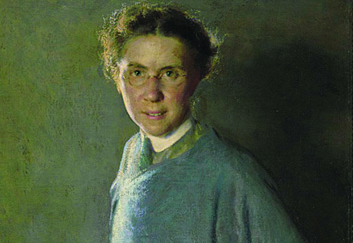
Illustrated here is a superb, if unfamiliar, self-portrait by Margaret Foster Richardson. She presents herself with paintbrushes in hand, striding forward into the light, gazing at us self-confidently. Remarkable in her era would have been the decision to paint herself wearing eye-glasses, a no-nonsense hairstyle, a painter’s smock, and a rather masculine collar and tie. Clearly this woman has big things to paint and no time for fussiness.
> Visit EricRhoads.com to learn about more opportunities for artists and art collectors, including retreats, international art trips, art conventions, and more.
> Sign up to receive Fine Art Today, our free weekly e-newsletter
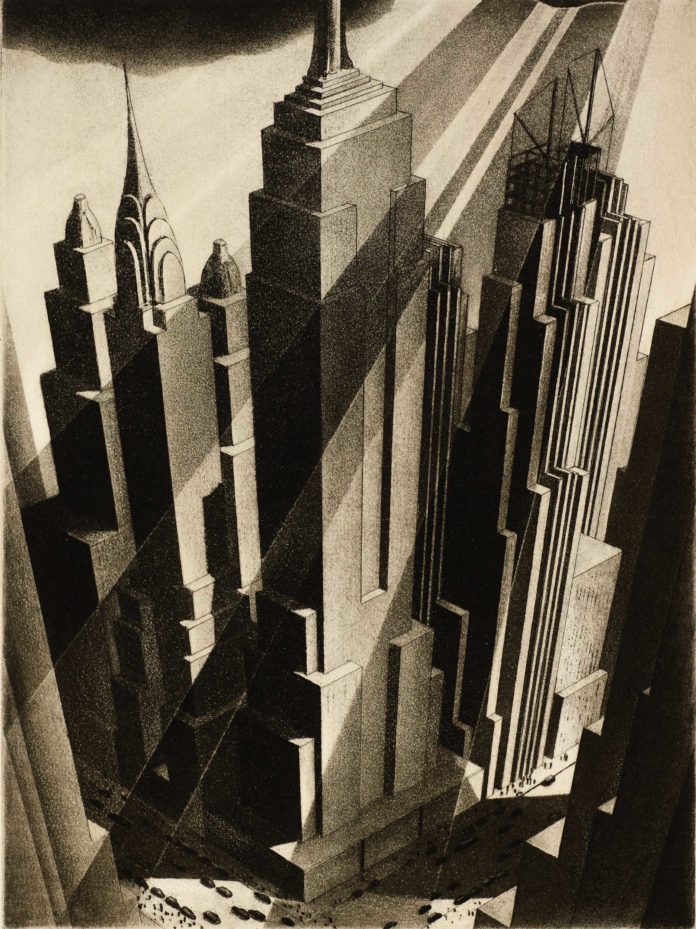
Samuel L. Margolies (1897–1974), "Man’s Canyons," 1936, etching and aquatint on paper, 11 7/8 x
8 13/16 in., The Wolfsonian–Florida International University, Mitchell Wolfson, Jr. Collection, 83.4.32
On View: “Aerial Vision”
Miami Beach wolfsonian.org
through April 24, 2022
On view at the Wolfsonian, part of Florida International University, is the intriguing exhibition “Aerial Vision.” It features more than 100 paintings, prints, drawings, design objects, magazine covers, and other items — drawn primarily from the museum’s rich collection — that reveal how airplanes, skyscrapers, elevators, and other early 20th-century inventions allowed humankind to gaze up, look down, and move with speed to new heights. These technological advances forever changed the way we humans see the world around us.
The resulting imagery ranges from the mundane (e.g., window washing scenes) to the reverent (“the cult of the airplane pilot”), and from the breathtaking (bird’s-eye views of cities) to the fantastical (skyscraper airports). These themes interested people all over the world, from the Italian Futurists to the designers of Japanese aviation-themed board games. Their reactions varied, too, from a sense of awe, power, or privilege to anxiety and fear — per-haps of aerial bombardment, or maybe of the long shadows cast on city streets by skyscrapers towering above them.
Today we take many of these ideas for granted, but a century ago, it was all new and being worked out in art and design. Miami is an ideal city to consider these themes, given its history as an aviation center connecting the U.S. and Latin America.
> Visit EricRhoads.com to learn about more opportunities for artists and art collectors, including retreats, international art trips, art conventions, and more.
> Sign up to receive Fine Art Today, our free weekly e-newsletter
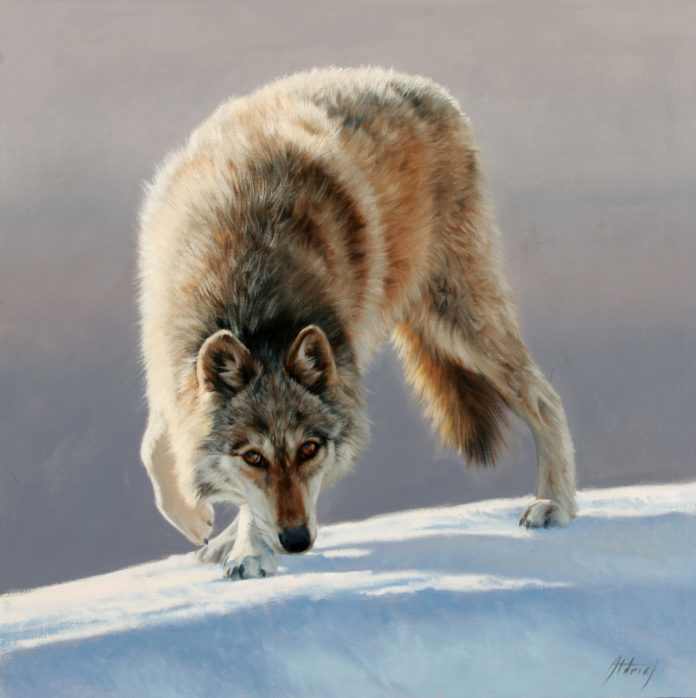
EDWARD ALDRICH (b. 1965), "On the Scent," 2018, oil on panel, 24 x 24 in., Sorrel Sky Gallery (Santa Fe and Durango, CO)
BY MAX GILLIES
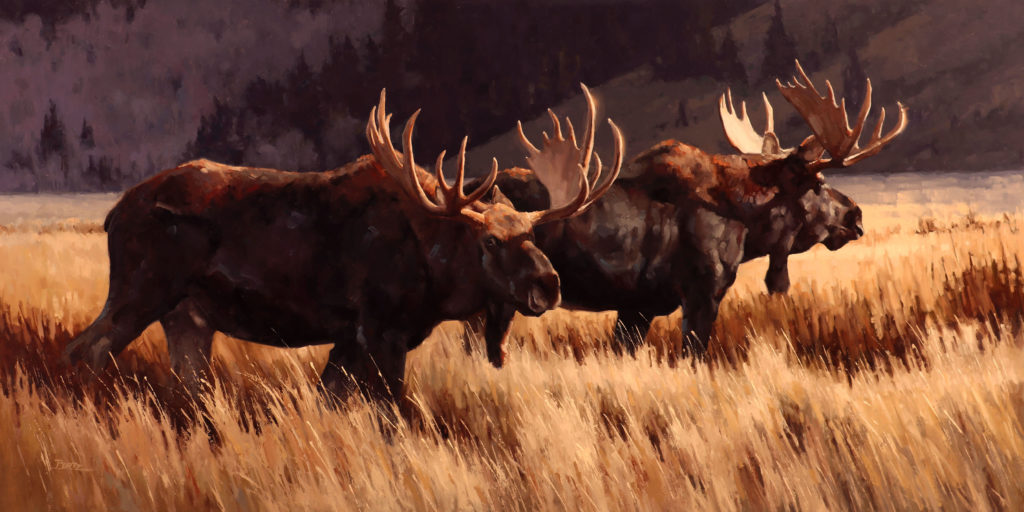
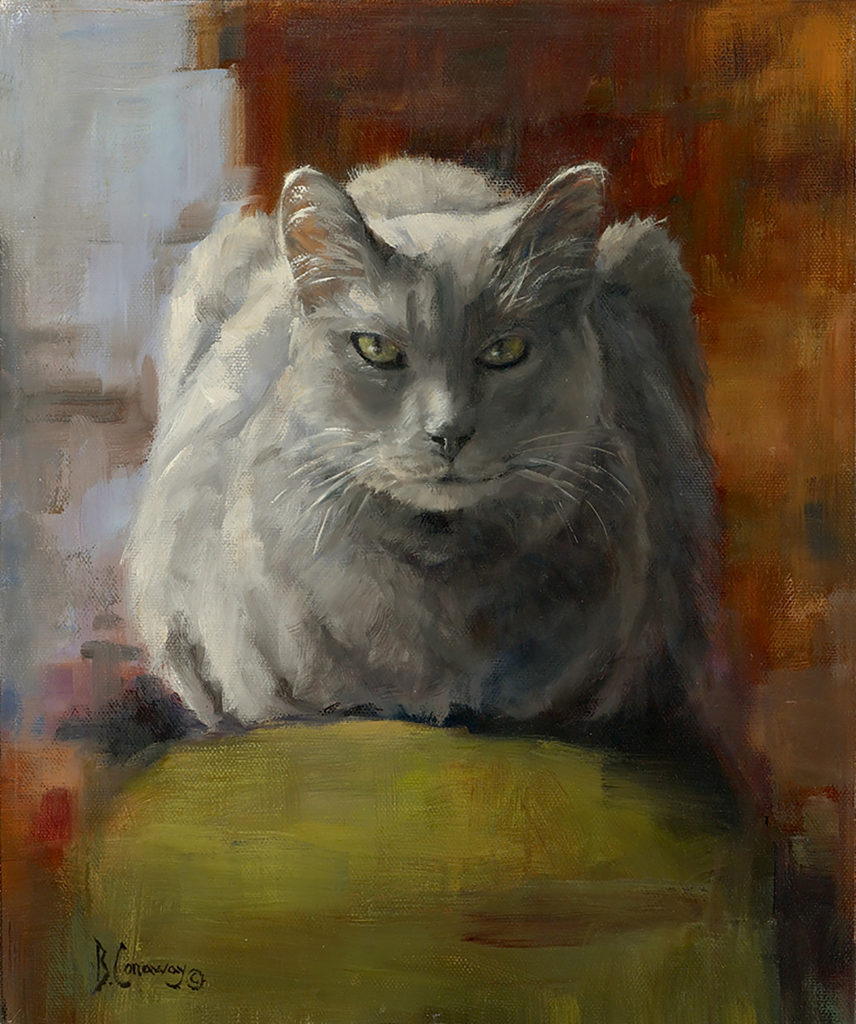
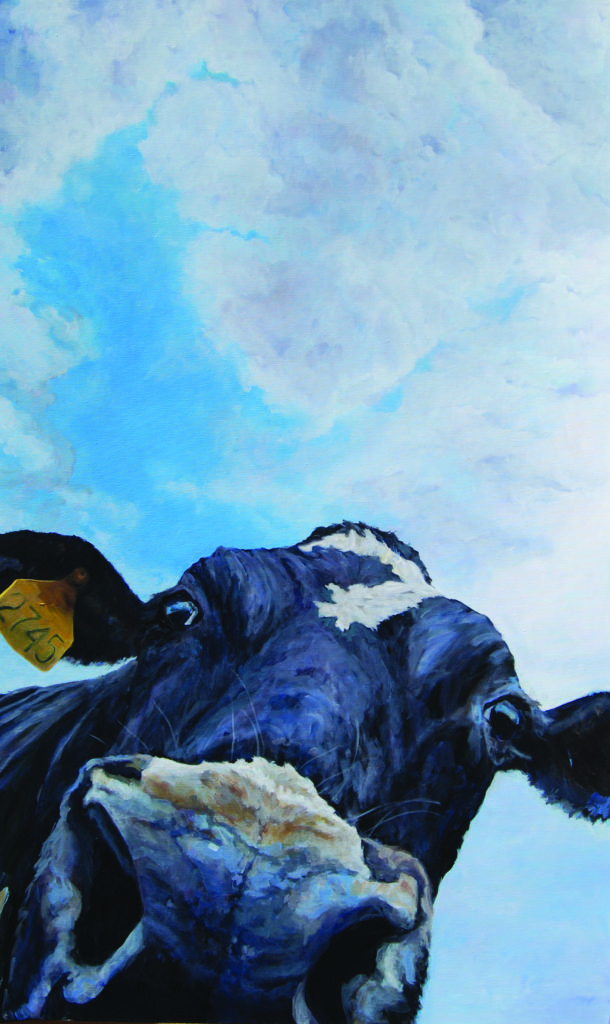
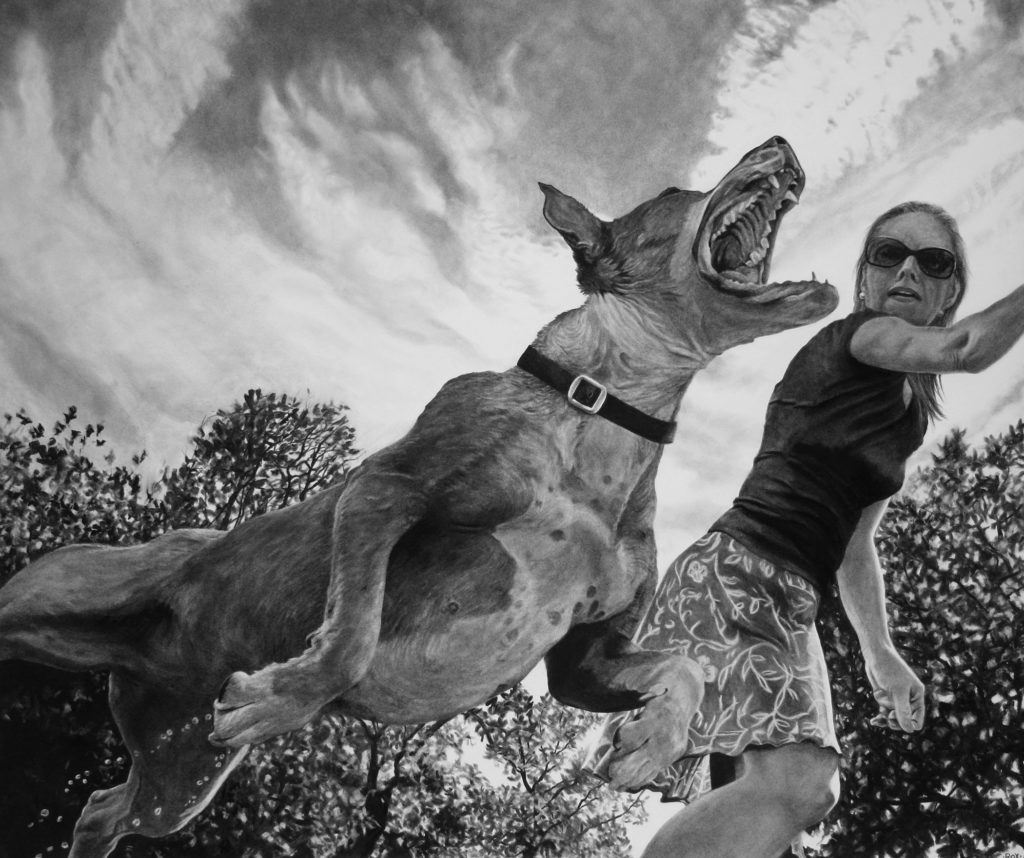
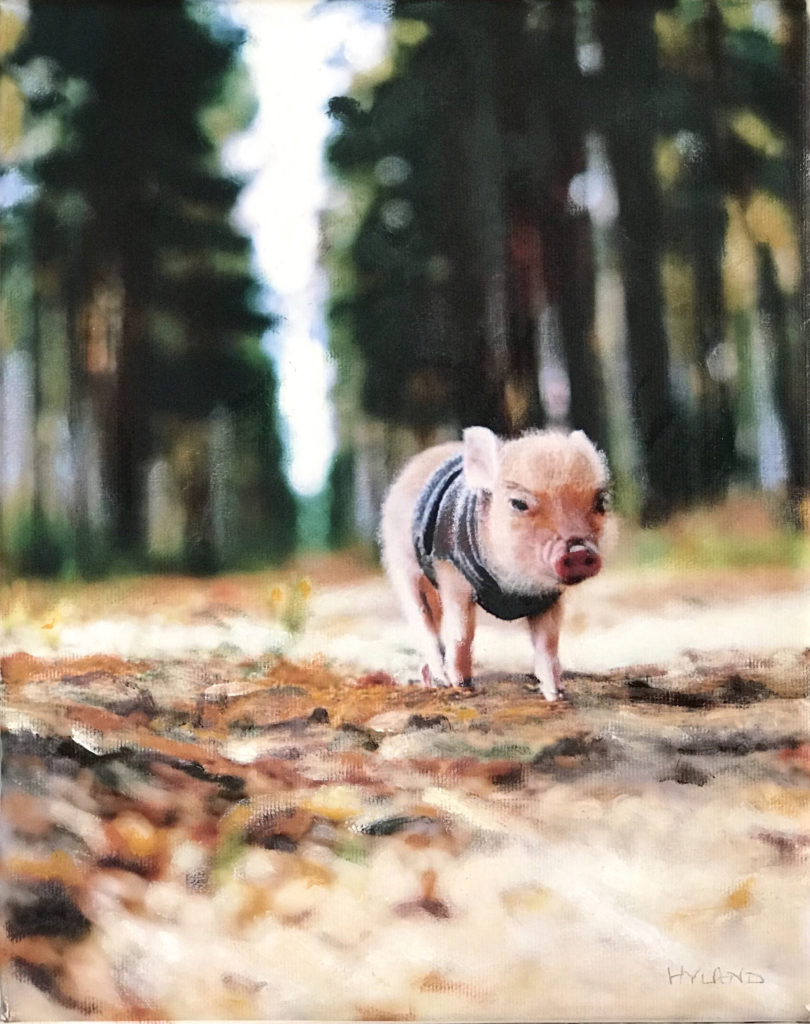
As fellow residents of Earth, animals have always fascinated humans, especially the artists among us. Thus many creatures appear in prehistoric cave paintings, and today the desire to depict them endures, actually stronger than ever. The artworks illustrated here confirm this ongoing enthusiasm. Enjoy this truly national array of offerings — all encouraging evidence that this longstanding genre is alive and well.
Paintings of Wildlife, Pets, and Farm Animals
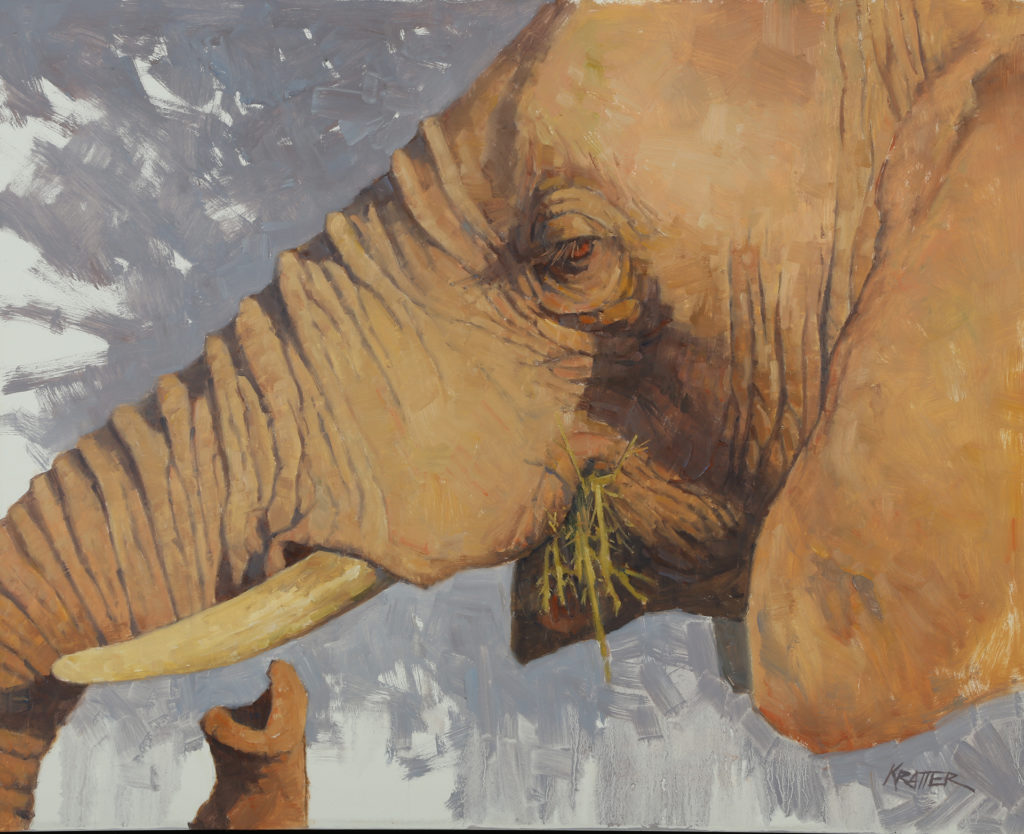
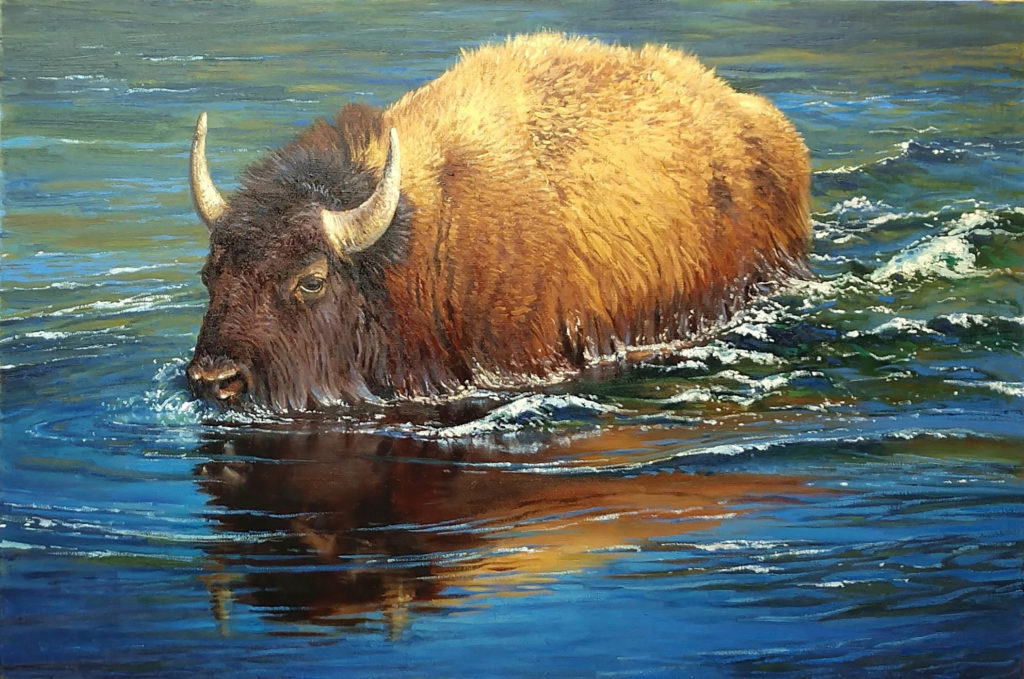
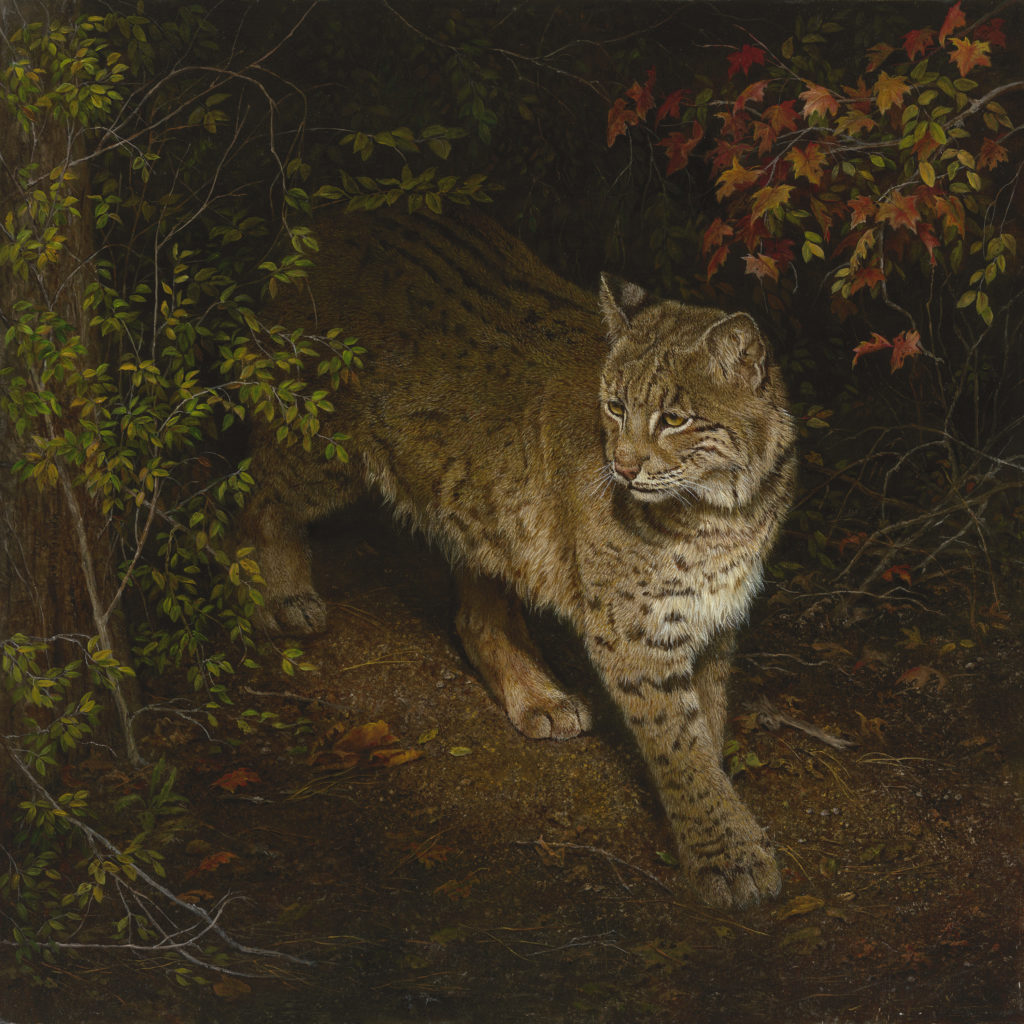
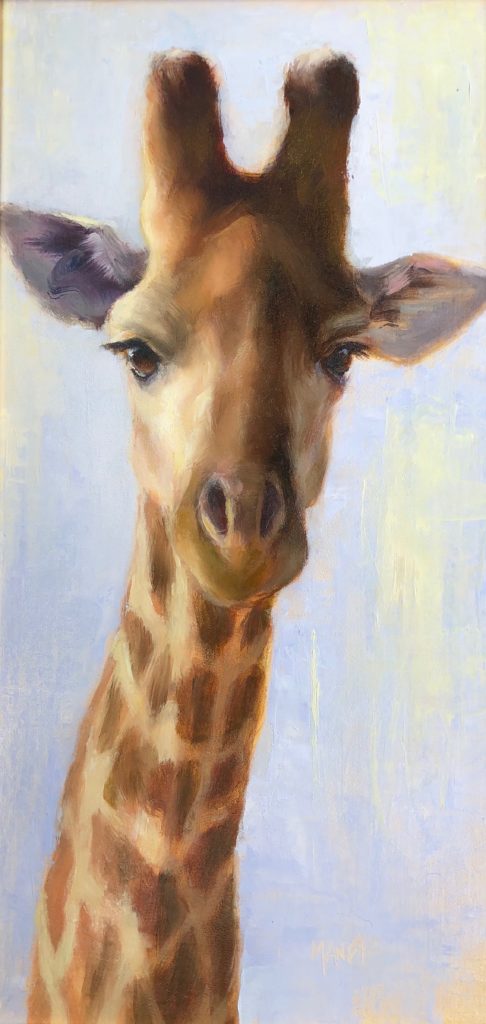
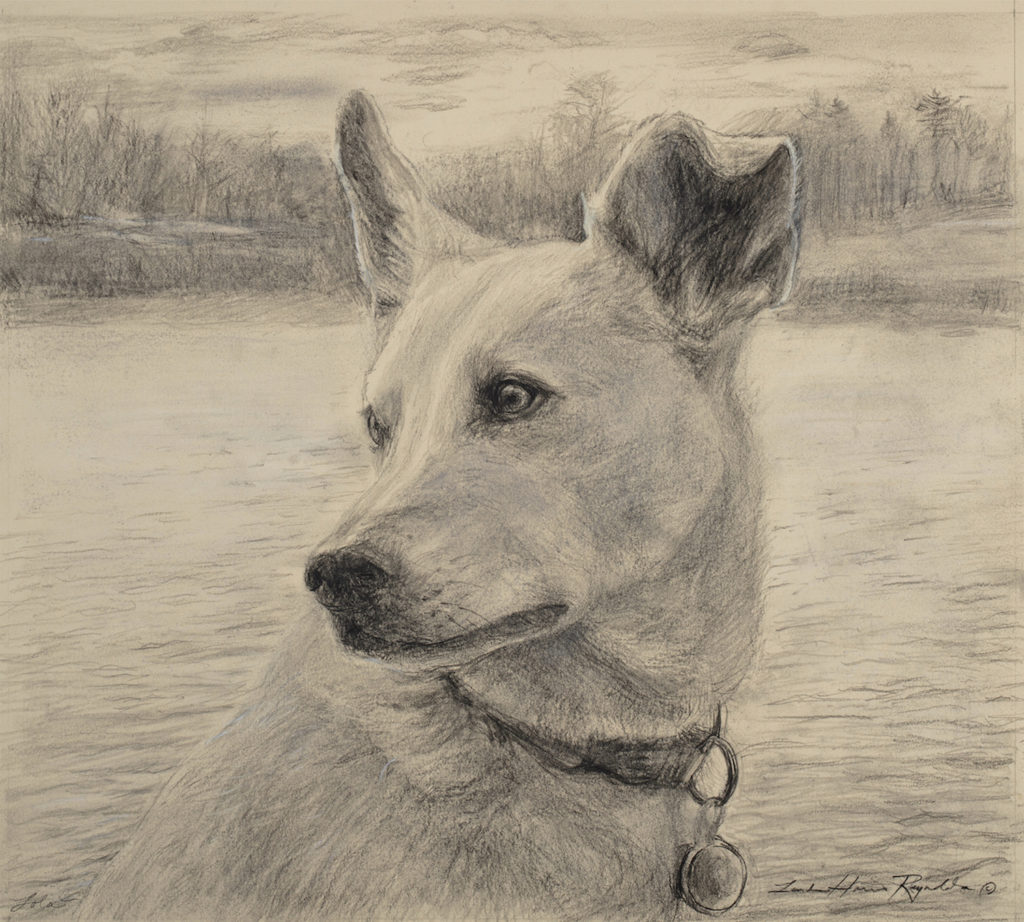
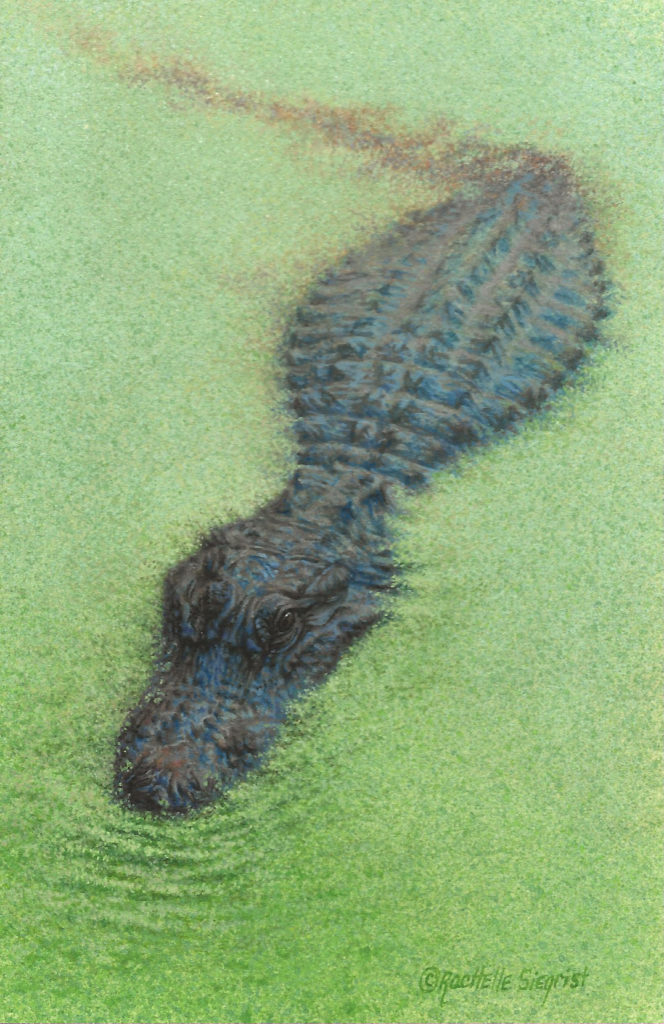
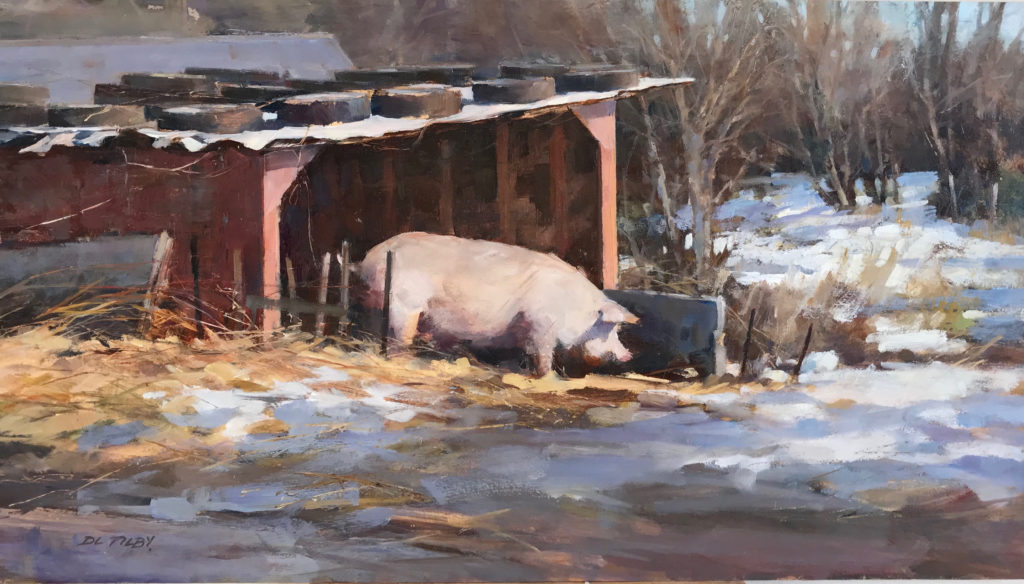
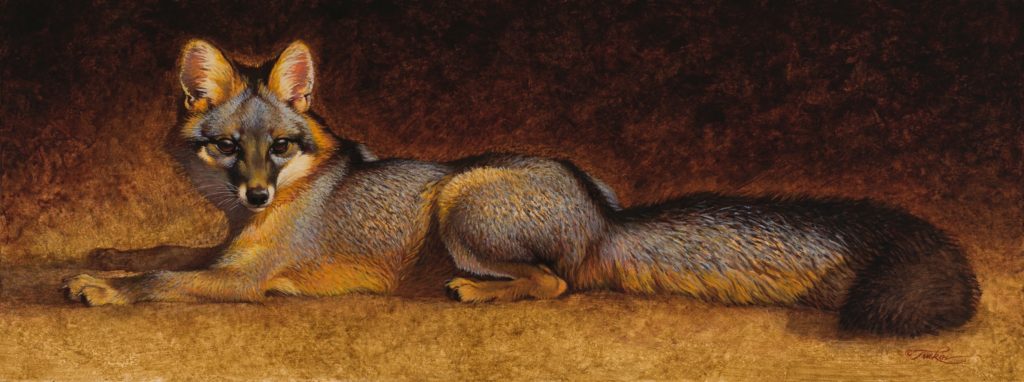
JIM BORTZ (b. 1963), “He Ain’t Heavy,” 2019, oil on board, 18 x 36 in., available from the artistBARBARA CONAWAY (b. 1956), “Lucy,” 2008, oil on linen, 12 x 10 in., collection of the artistHEATHER FOSTER (b. 1968), “View from a Blade of Grass,” 2019, acrylic on canvas, 60 x 36 in., Ann Korologos Gallery (Basalt, CO)ROX CORBETT (b. 1956), “Dog Park,” 2018, charcoal on paper, 20 x 24 in.JOHN HYLAND (b. 1954), “Giuseppe Pig,” 2018, oil on canvas, 10 x 8 in., private collectionPAUL KRATTER (b. 1956), “Elephant Grazing,” 2019, oil on panel, 16 x 20 in.JOHN POTTER (b. 1957), “Making Waves,” 2019, oil on canvas, 20 x 30 in.KARLA MANN (b. 1945), “Out of the Shadows,” 2018, oil on canvas on board, 16 x 16 in., private collectionJOHANNE MANGI (b. 1953), “A Youngster,” oil on linen, 16 x 8 in., available from the artistLINDA HARRIS REYNOLDS (b. 1957), “Lola,” 2019, charcoal and chalk on paper, 13 x 14 1/2 in., collection of David DixonRACHELLE SIEGRIST (b. 1970), “Stealthy Approach,” 2019, watercolor on rag board, 4 1/2 x 2 1/2 in.DEBORAH TILBY (b. 1955), “Lochside Pig,” 2019, oil on panel, 14 x 24 in., collection of Susan WalterEZRA TUCKER (b. 1955), “A Warm Gray,” 2019, acrylic on board, 15 x 40 in., available from the artist
> Visit EricRhoads.com to learn about more opportunities for artists and art collectors, including retreats, international art trips, art conventions, and more.
> Sign up to receive Fine Art Today, our free weekly e-newsletter
As part of our effort to continue to help artists and art galleries thrive, we’re proud to bring you this week’s “Virtual Gallery Walk.” Browse the artwork below and click the image itself to learn more about it, including how to contact the gallery.
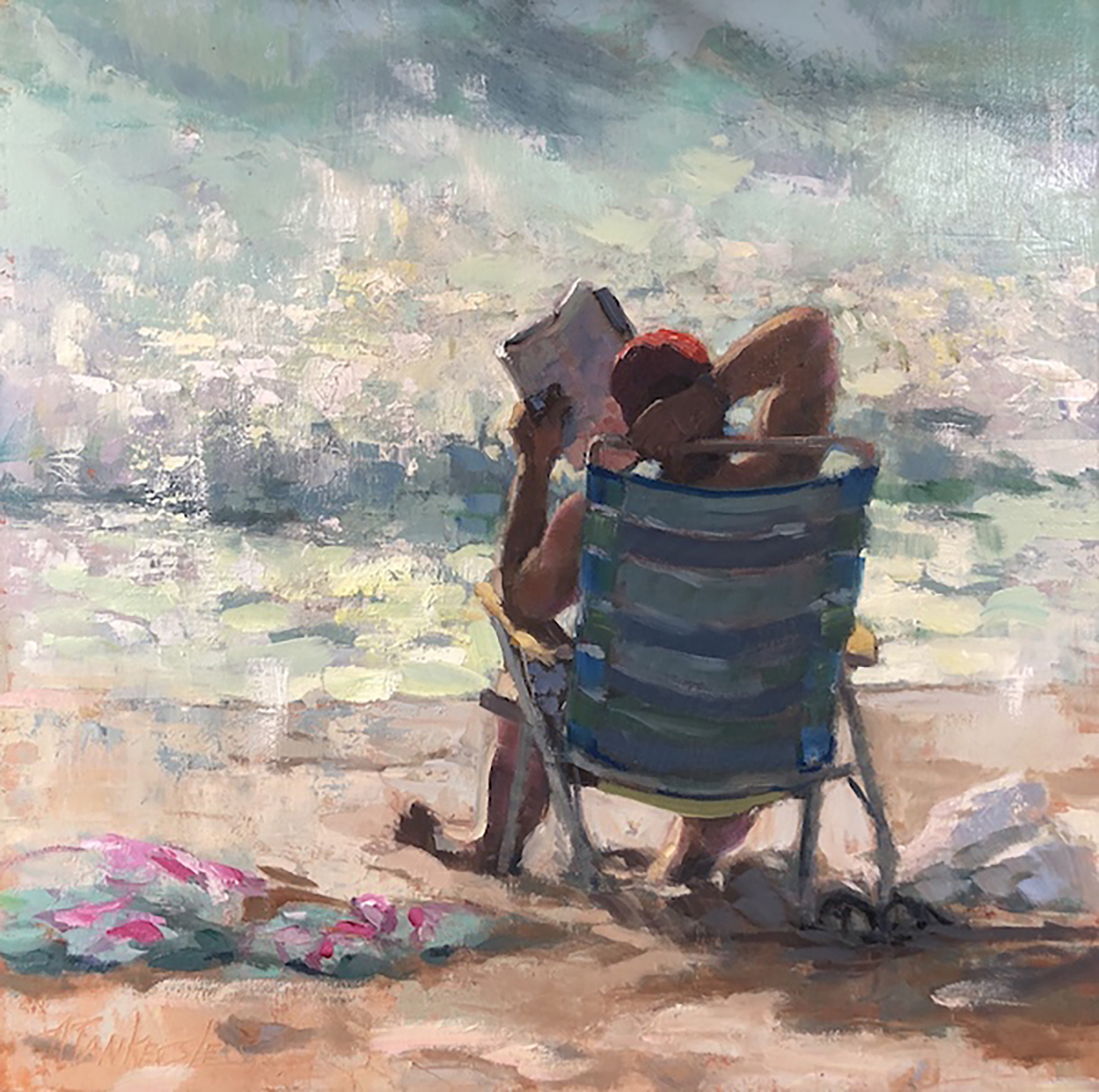
MORNING MAGAZINE, NANCY TANKERSLEY, oil, 16×16 in., ANDERSON FINE ART GALLERY
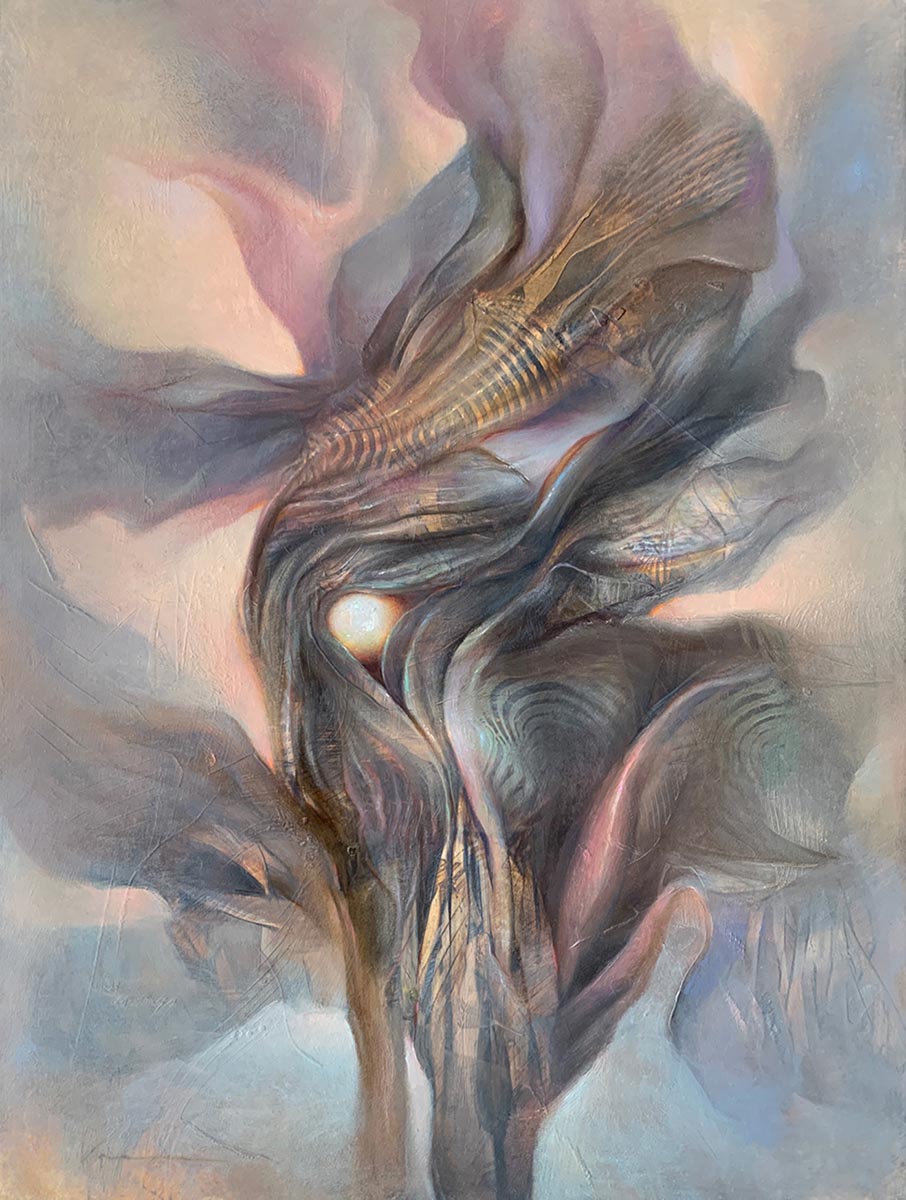
Radiant Nucleus by ANESSA LEMEN (BORN 1970), Oil on panel, 16 x 12 in, Signed; Rehs Contemporary
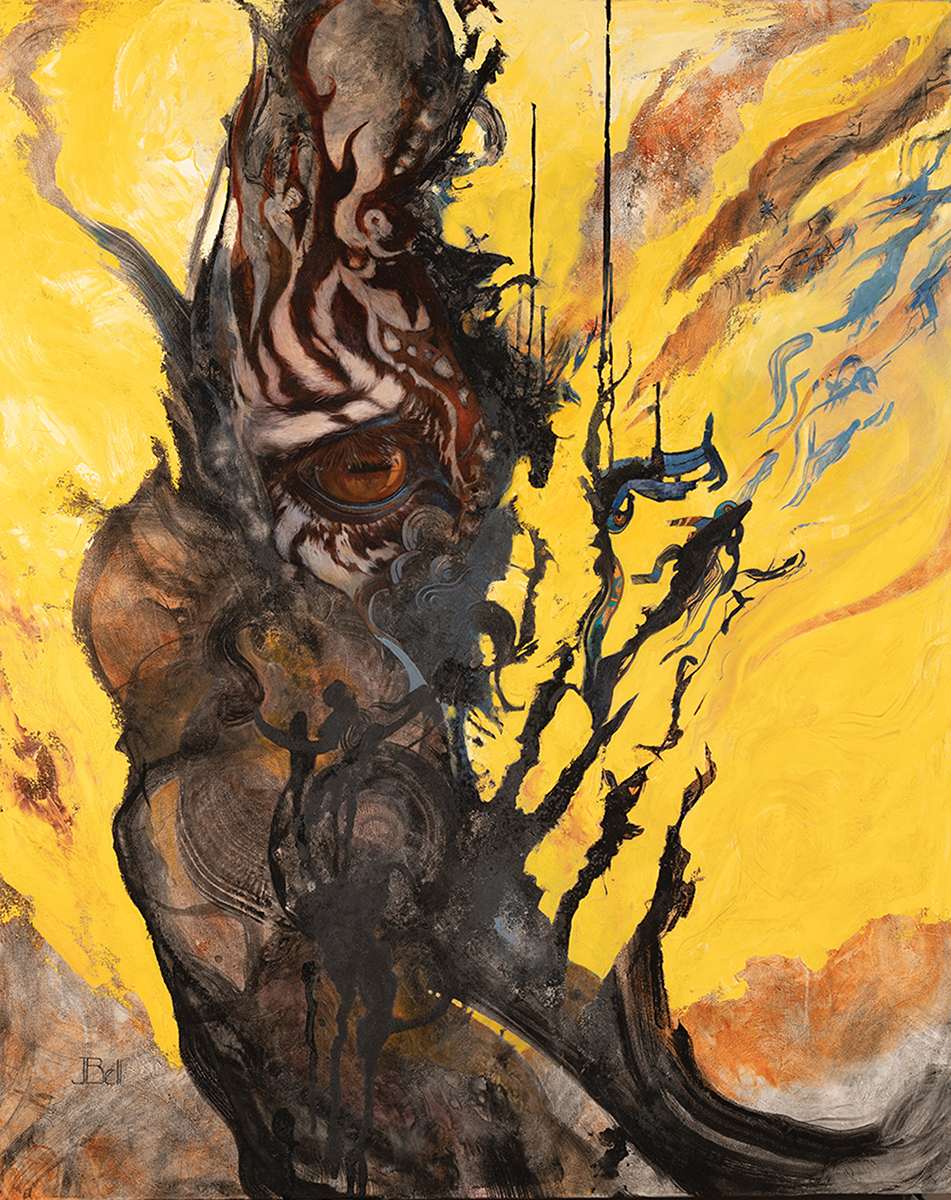
Tree of Life by JULIE BELL, Oil on canvas, 60 x 48 in, Signed; Rehs Contemporary
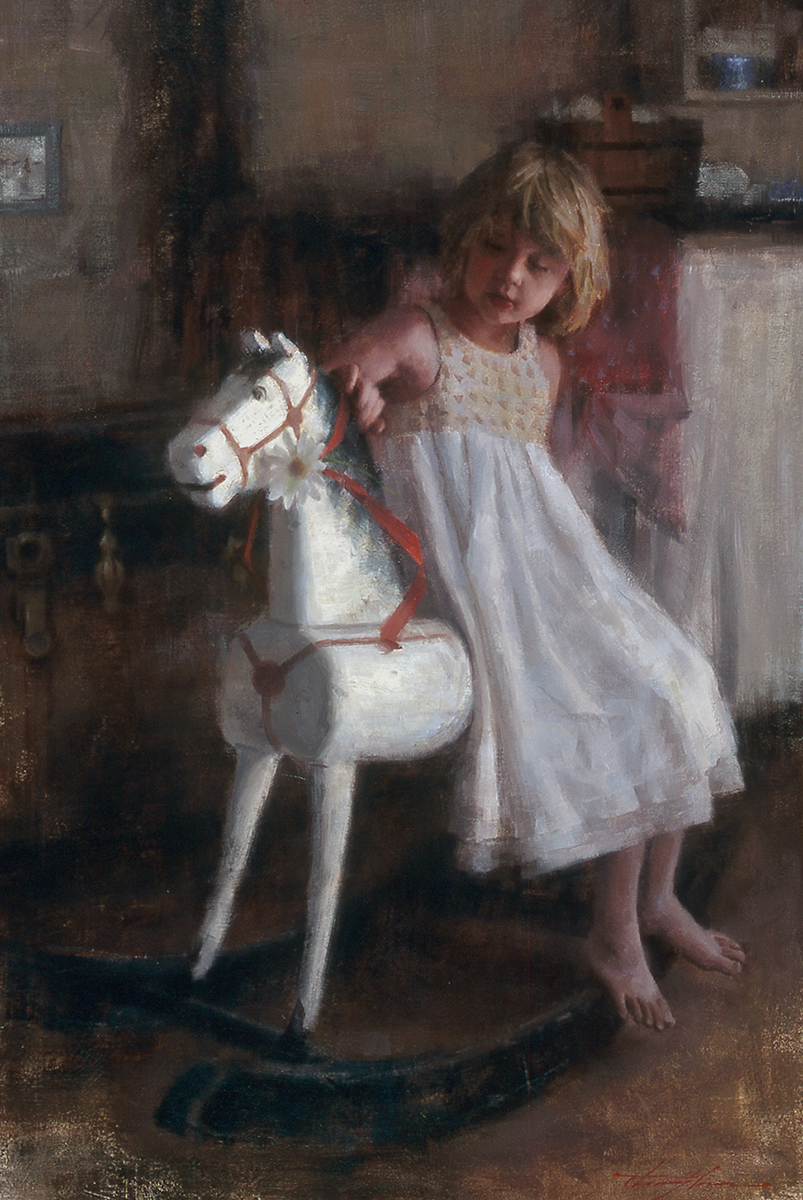
Tender Moments, oil on linen, 36 x 24 in; Chauncey Homer
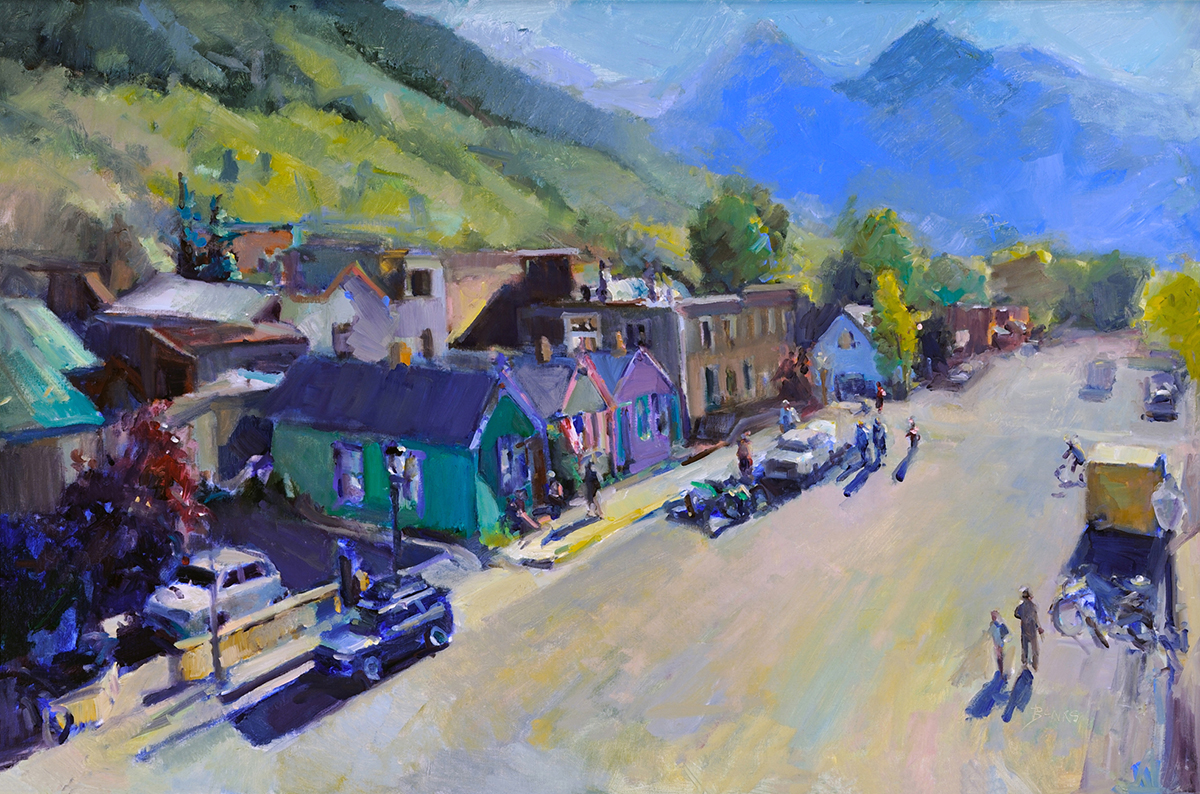
Good Morning Telluride, Jill Banks, Oil on linen, 24 x 36 in.; jillbanks.com
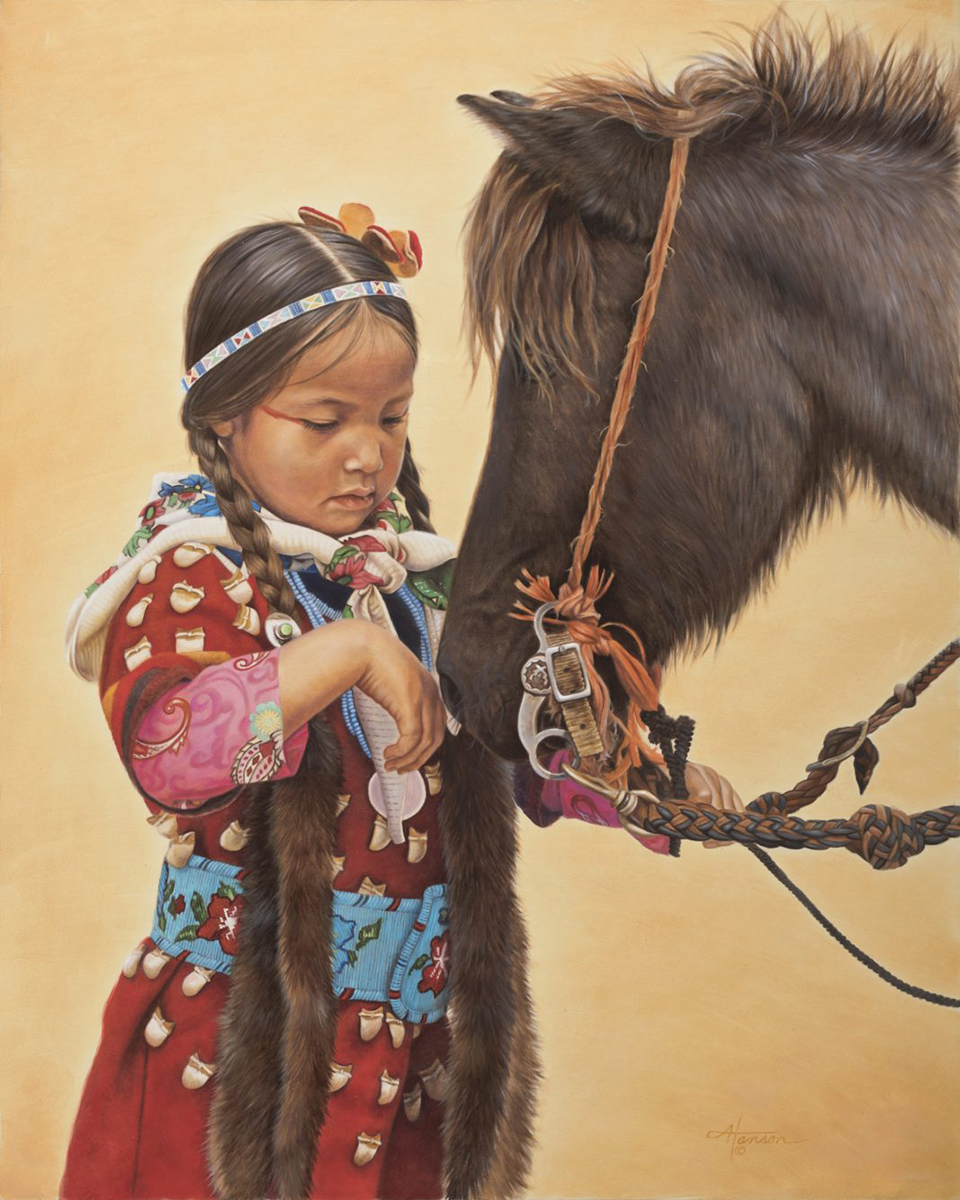
Ann Hanson, Making Friends, oil, 20 x 16 in., ArtzLine.com
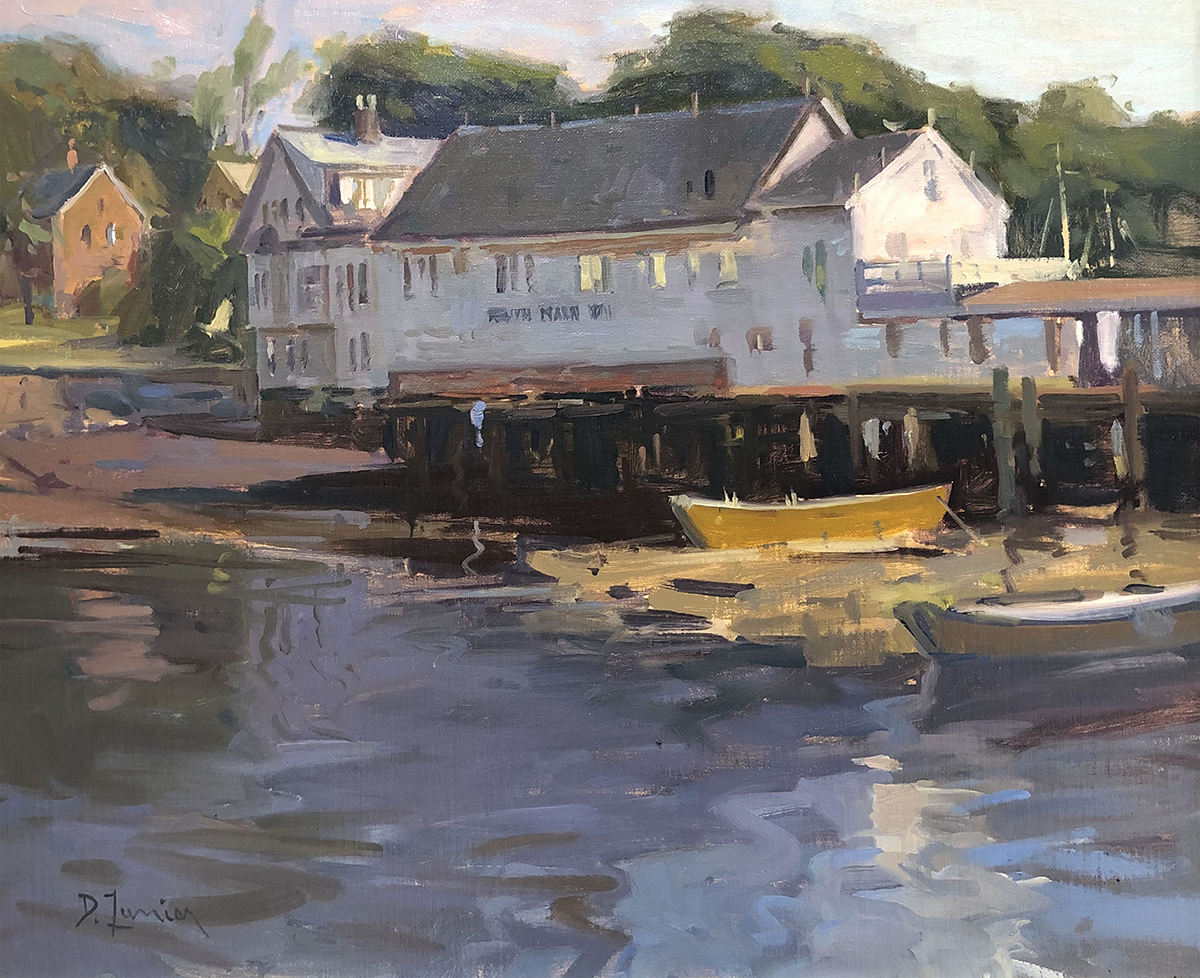
Late Light – Maine, David Lussier, oil, 20 x 24 in., 2022;LPAPA Art Gallery
Want to see your gallery featured in an upcoming Virtual Gallery Walk? Contact us at [email protected] to advertise today. Don’t delay, as spaces are first come, first served, and availability is limited.
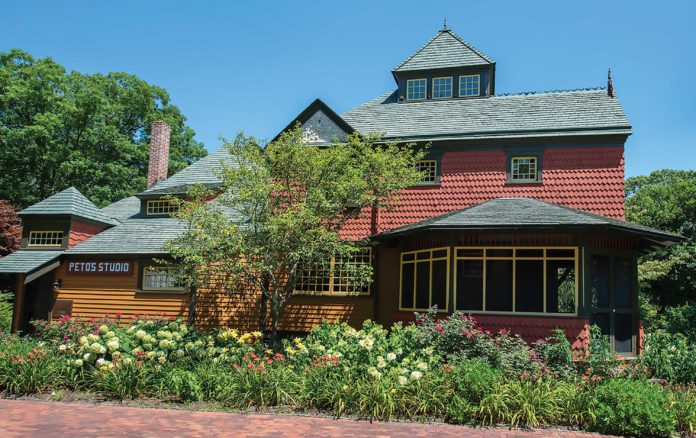
The John F. Peto Studio
Museum ("John F. Peto's Past, Present & Future; Fine Art Connoisseur magazine, March/April 2022)
From the Fine Art Connoisseur March/April 2022 Editor’s Note:
Two Birds, One Stone?
Across America, retail stores and office buildings continue to empty as more consumers shop from home and professionals choose to remain working there. At the same time, artists are struggling to find affordable studio spaces in the group settings that help them inspire each other.
For better or worse, it is creativity — more than manufacturing or services — that keeps the U.S. out in front; the world looks to our visual and performing artists, designers, video gamers, and other creatives to lead the way. Yet many of these folks have been priced out of the areas where they once gathered, even as the rest of us drive past shopping malls and main streets plastered with “for rent” signs. Surely there’s a way to solve both problems simultaneously?
Yes, Virginia, there is. Recently I was glad to learn that the young Fort Lauderdale-based “vacancy management company” Zero Empty Spaces opened its 23rd location — its first outside Florida — at the upscale Natick Mall in Massachusetts. Its newest outpost once housed the luxury fashion brand Burberry, and its next-door neighbor is a Louis Vuitton boutique. Hardly shabby, but now the 12 lucky artists moving in will pay only $4.50 per square foot, including all utilities and without having to commit to more than one month at a time. The spaces available to them range in size from 70 to 238 square feet, enough to suit every budget.
Those artist-tenants will sign up for one front desk shift per week, allowing the facility to be open during regular mall hours. All those well-heeled shoppers can watch the art being made and will (almost certainly) buy those creations to take home. In the meantime, the artists get to connect with each other, though they need not always keep their studio doors open.
This model would not suit every artist, but it’s a promising one and should be replicated elsewhere. ZES co-founders Evan Snow and Andrew Martineau currently operate similar facilities in such Florida locations as Doral, Hallandale, Hollywood, Fort Lauderdale Beach, Boca Raton, Lake Worth, Palm Beach Gardens, and Sarasota.
Martineau notes, “The way we plan any of our new locations is based on outreach from property owners and artists,” generally those who have heard about the ZES concept and can suggest a suitable new location. Not surprisingly, many shopping center owners have contacted ZES since it launched in 2019; now under review for viability are possible sites in Rhode Island, California, Illinois, and Virginia.
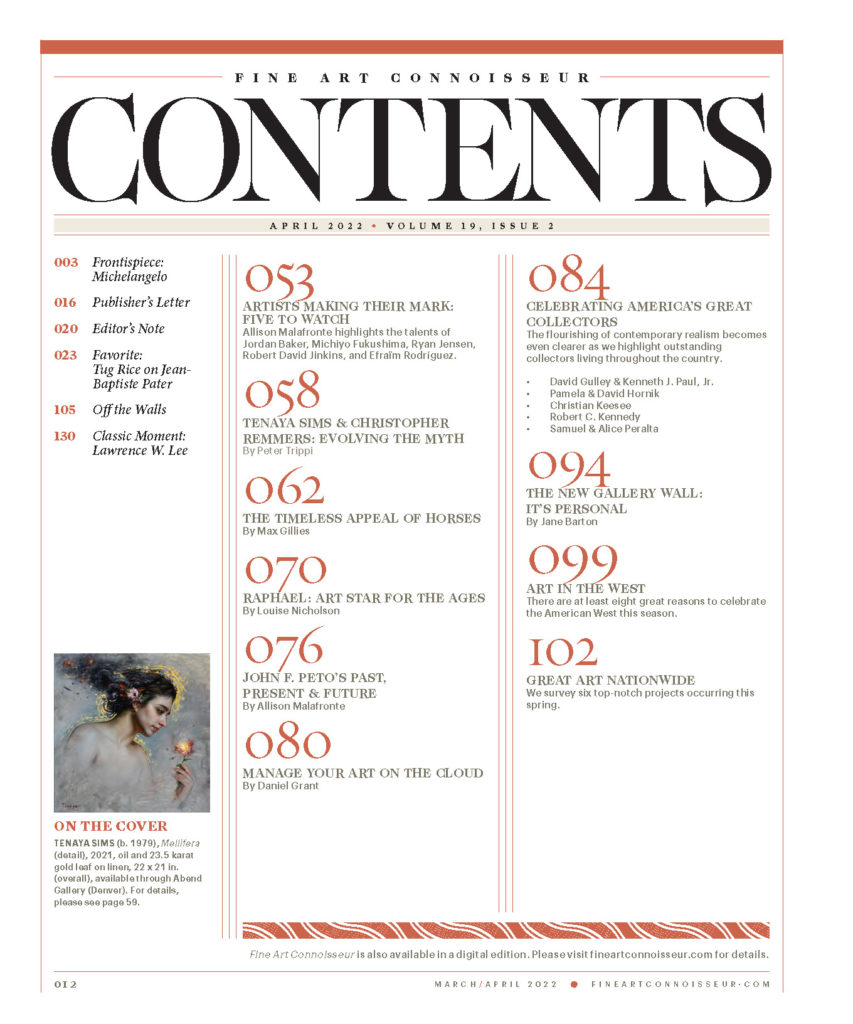
Tenaya Sims(b. 1979), “Mellifera” (detail), 2021, oil and 23.5 karat gold leaf on linen, 22 x 21 in. (overall), available through Abend Gallery (Denver)
I know this model works because I grew up near the Torpedo Factory Art Center in Alexandria, Virginia, a near suburb of Washington, D.C. During the 1970s, that hulking, outmoded plant overlooking the Potomac River was reimagined by an enthusiastic band of art and preservation advocates; it remains a popular place for artists to work and browsers to learn and collect. The artistic energy emanating from a community like it grows exponentially over time, with tenants always becoming more proficient thanks to the (inevitable, healthy) mix of admiration and competition.
Due to its massive size and downtown location, the Torpedo Factory had to be either repurposed or demolished, but now every town in America is witnessing unsightly and depressing vacancies in every possible context. Please, let’s all work together — marshaling our private entrepreneurs as well as our tax and zoning authorities — to transition those empty spaces into sites of creativity.
As a reminder of how crucial an artist’s studio environment is, we have just started (on page 76) a new article category, “Studios: Where Creativity Happens.” It launches with Allison Malafronte’s fascinating article about the John F. Peto Studio Museum in New Jersey.
And this issue also offers a new round of profiles highlighting the exemplary collectors of contemporary realism we so admire. It is people like them who keep our artists busy and excited, and we salute them all for buying so very well with their eyes, minds, and hearts.
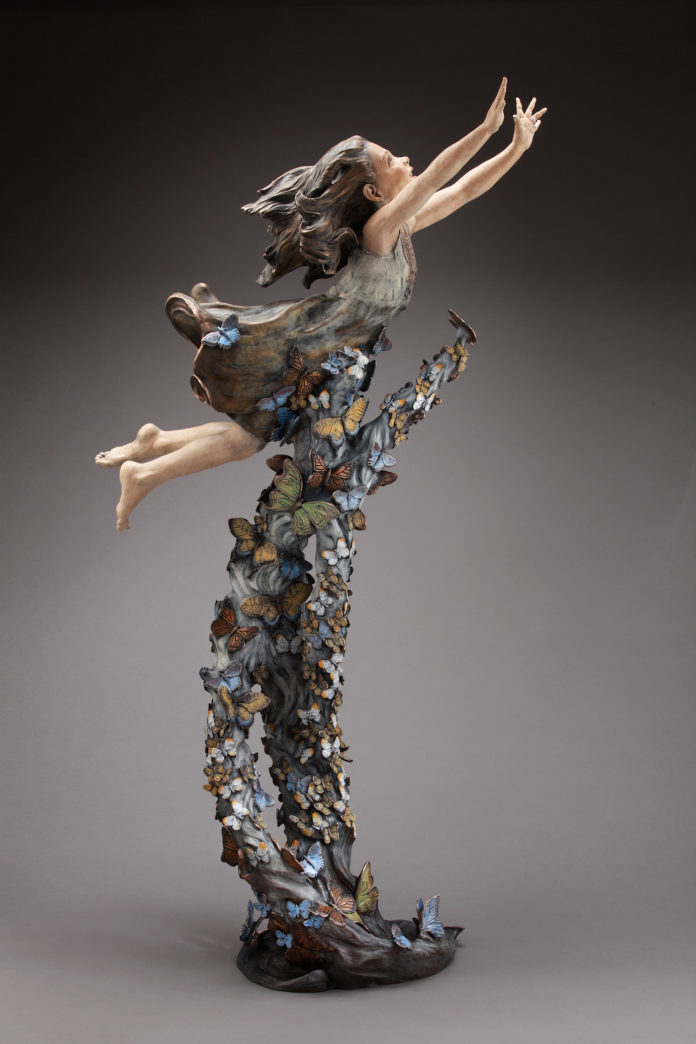
Angela Mia de la Vega, Lift Her with Butterflies, Bronze, 69”h x 18”w x 34”d; available at Thornwood Gallery, Santa Fe, NM
Angela Mia de la Vega: “Lift Her with Butterflies” is a little girl being uplifted to her greatest joy and freedom by a supporting swirl of butterflies. As a mother of two girls and one son, I see this sculpture as a celebration of the growth of our children as they are encouraged and loved by family and friends around them.
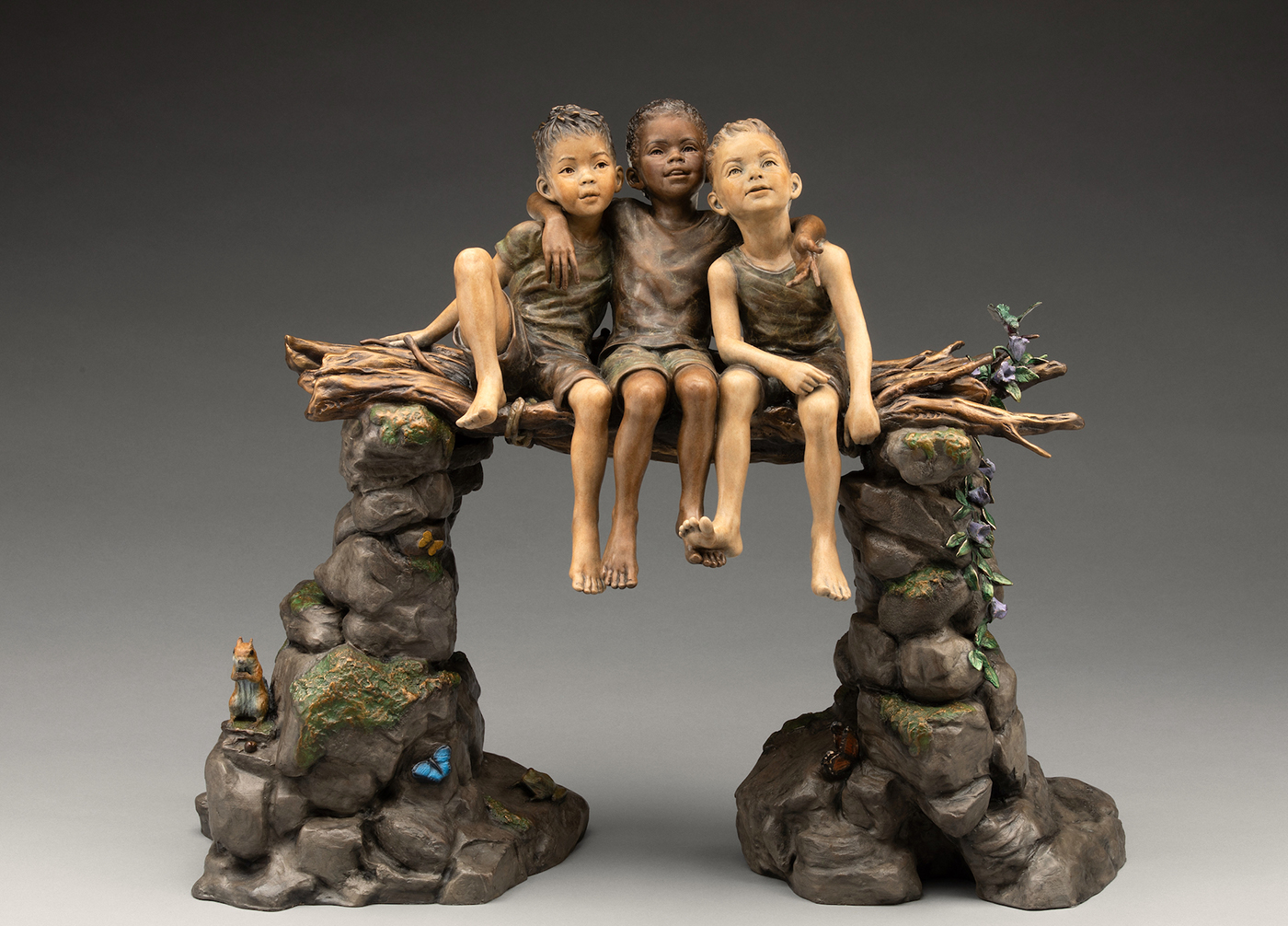
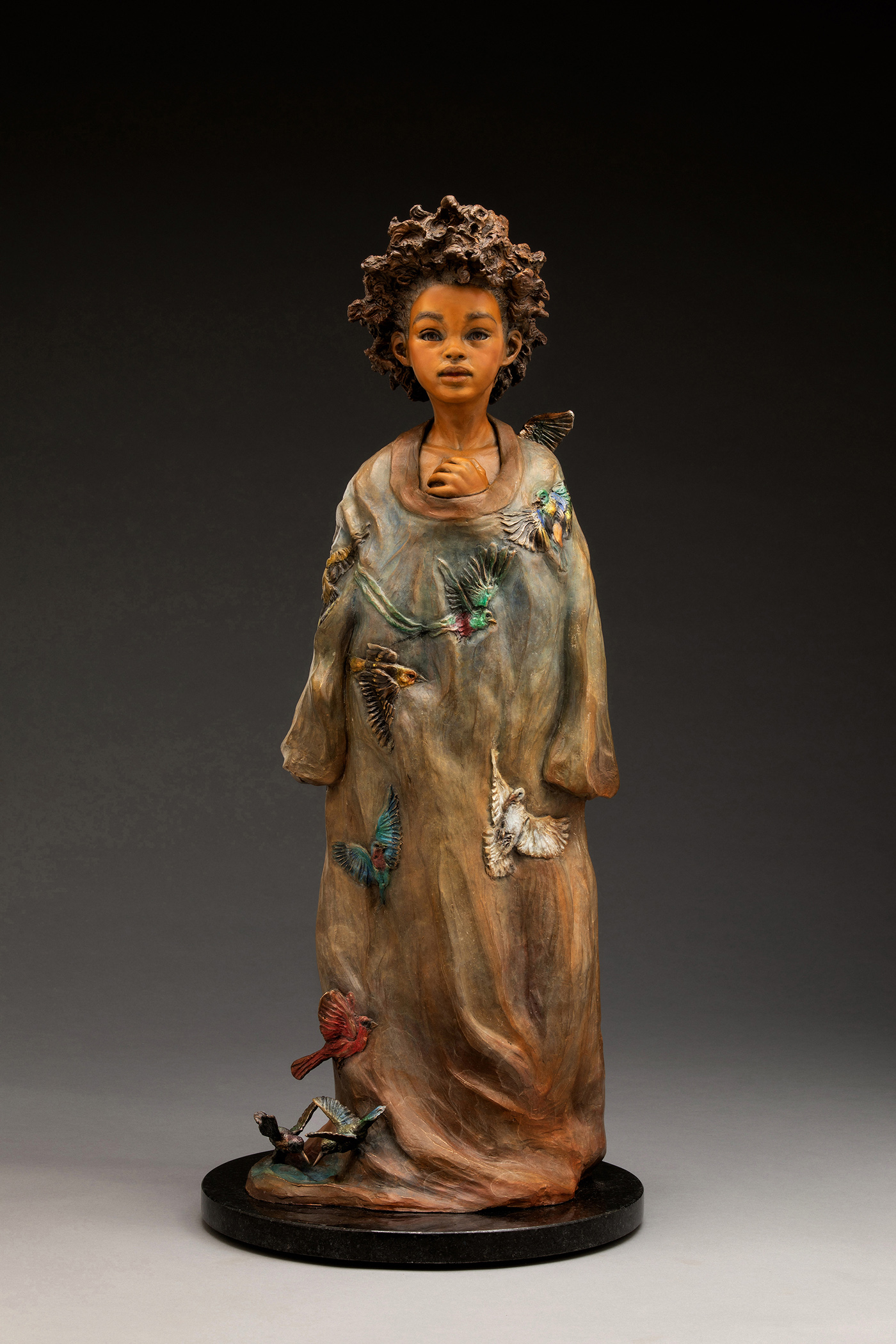
Angela Mia de la Vega, Bridge of Brotherhood, Bronze, 18”h x 21”w x 8”d; available at Mockingbird Gallery in Bend, OR, and TH Brennen Fine Art in Scottsdale, AZAngela Mia de la Vega, Arise, Bronze, 27”h x 9”w x 8”d; available at Signature Gallery in Las Vegas, NV
Valerie Craig, “Now and Then,” oil, 10 x 12 in, sold
Captivated especially by the landscape, Valerie continues to be a student of art, always reaching for a higher level of excellence, while discovering and expressing her own voice.
“Now and Then” was awarded Best in Show in the 2021 American Impressionist Society’s Annual Small Works Exhibition. Laura is a Signature Member of the American Impressionist Society and is a masterclass workshop tutor in 2022 Ireland’s Art in the Open festival.
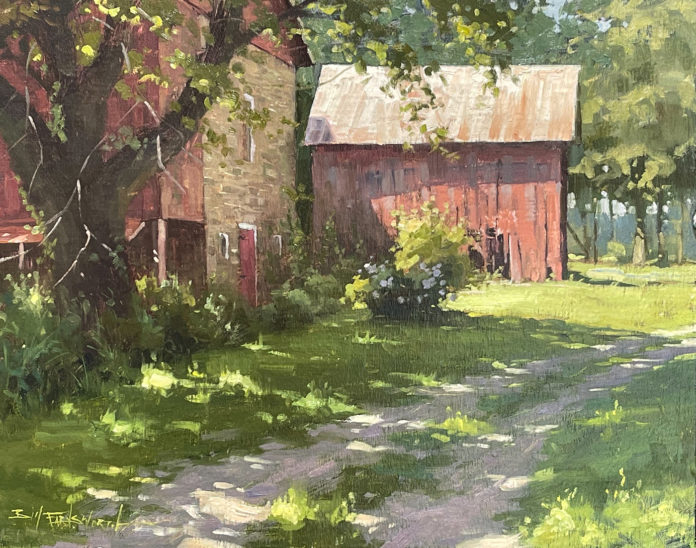
Bill Farnsworth, “Cool Shade,” oil on linen, 16 x 20 in, available through the artist
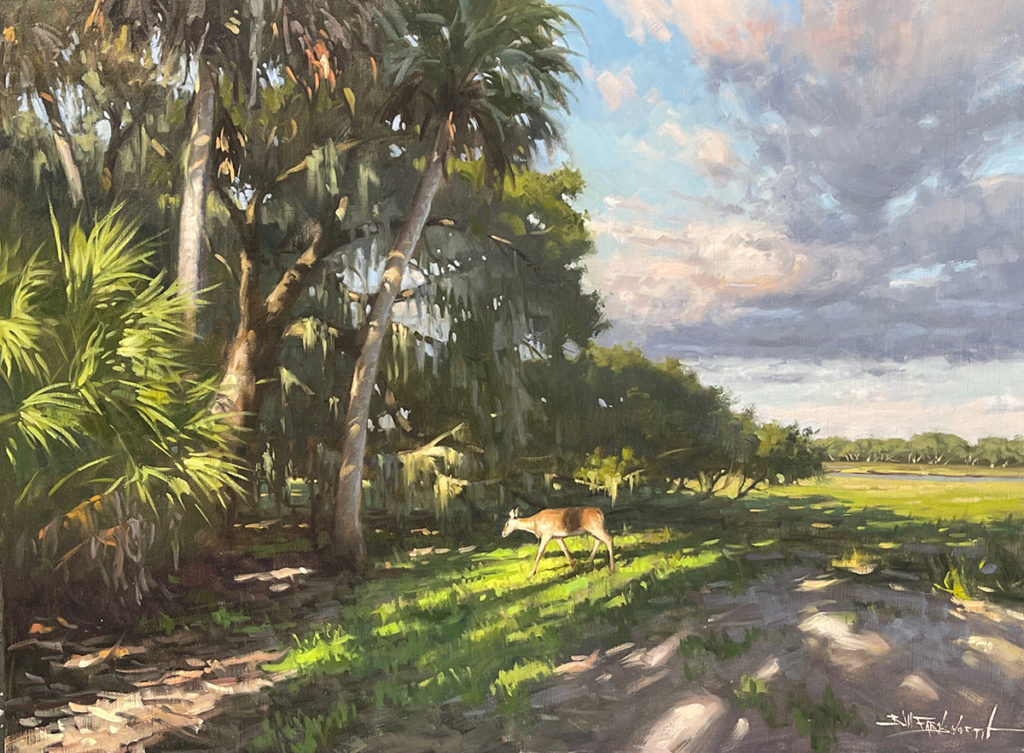
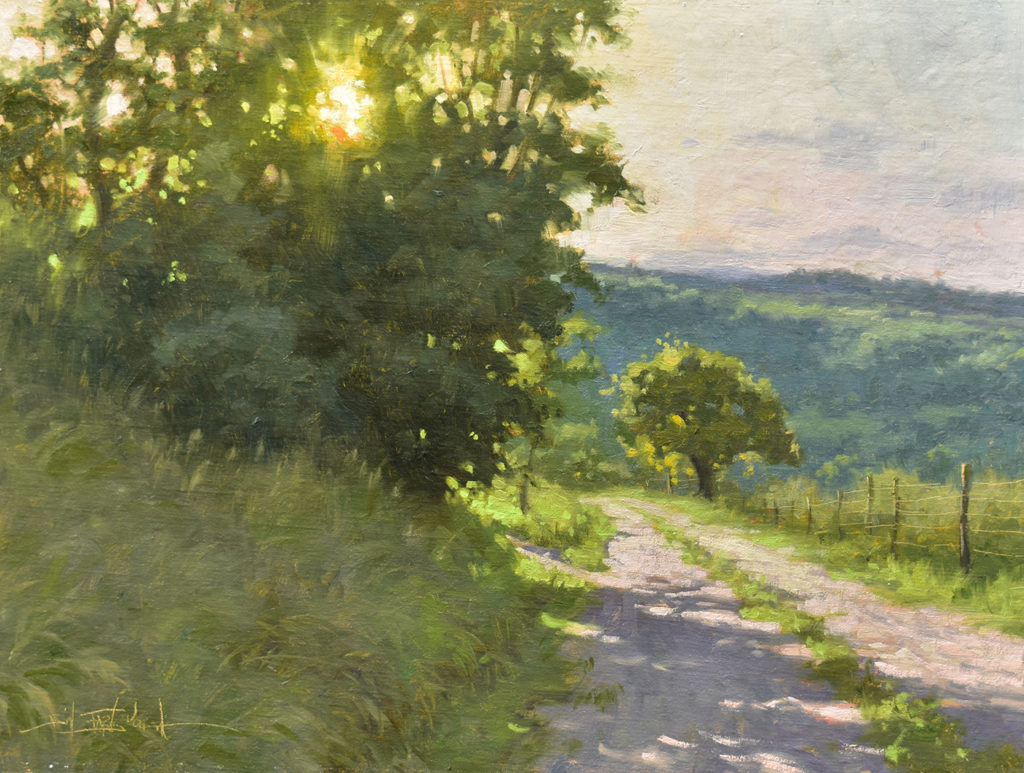
Bill Farnsworth: Cool Shade was a studio piece that was inspired from my trip to Bucks County PA. I wanted to capture that rich cool green in the shadows contrasted to the warm summer sunlight on the barn. “Out of the Shadows” was inspired from The Myakka State Park where a deer walked right into my photograph. “Take Me Back” is in the eastern hilly part of Tuscany with narrow country roads and atmospheric light.
Bill Farnsworth, “Out of the Shadows,” 30 x 40 in, oil on Linen, available through The Reinert Gallery 843-694-2445Bill Farnsworth, “Take Me Back,” 12 x 16 in, oil on linen, available through The Waterhouse Gallery 805-452-1062
LAUREL DANIEL,“The Waves and Wind Still Know”, oil on canvas, 48 x 60 in,
Available through Museum of Western Art, Kerrville TX
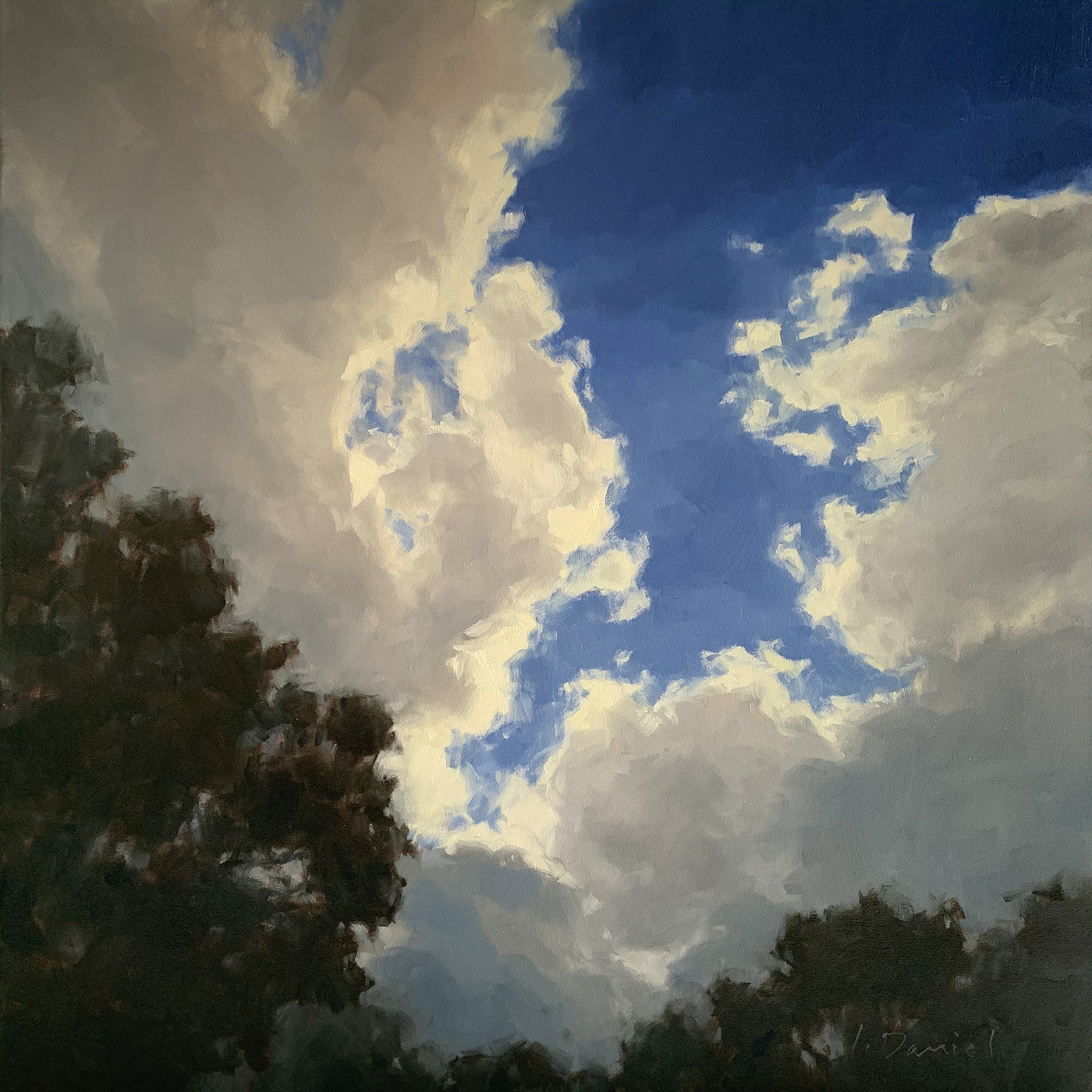
Look for Laurel Daniel’s newest body of work at The Museum of Western Art in Kerrville, Texas. She joins nine other acclaimed artists for a group show entitled, “The Heaven’s Declare – Celebrating the Glory of the Skies” which runs from April 1 – July 7, 2022. In each of her twelve pieces, Daniel observes distinctive attributes of the heavens… noticing how they offer us glimpses of eternity and proclaim the presence of our great Creator.
LAUREL DANIEL, “Glory Surrounds”, oil on canvas, 30 x 30 in., Available through Museum of Western Art, Kerrville TXLAUREL DANIEL, “Love’s Pure Light”, oil on canvas, 30 x 30 in., Available through Museum of Western Art, Kerrville TX
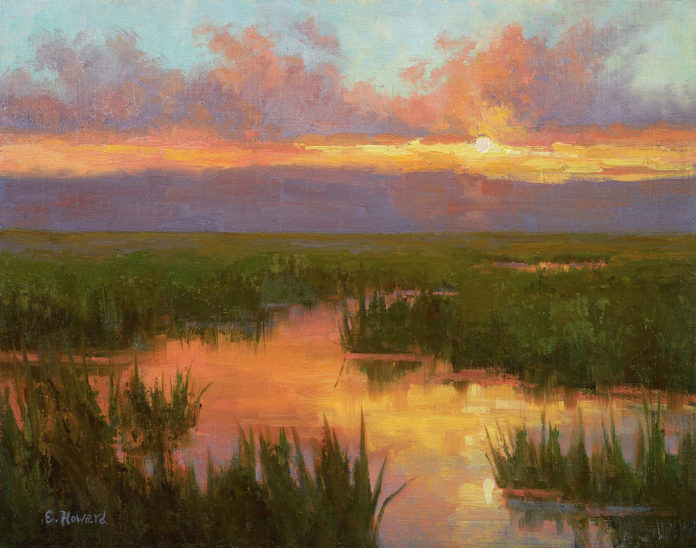
Ellen Howard, "Restful Light" 11x14, Oil, Arnould Gallery in Marblehead, MA.
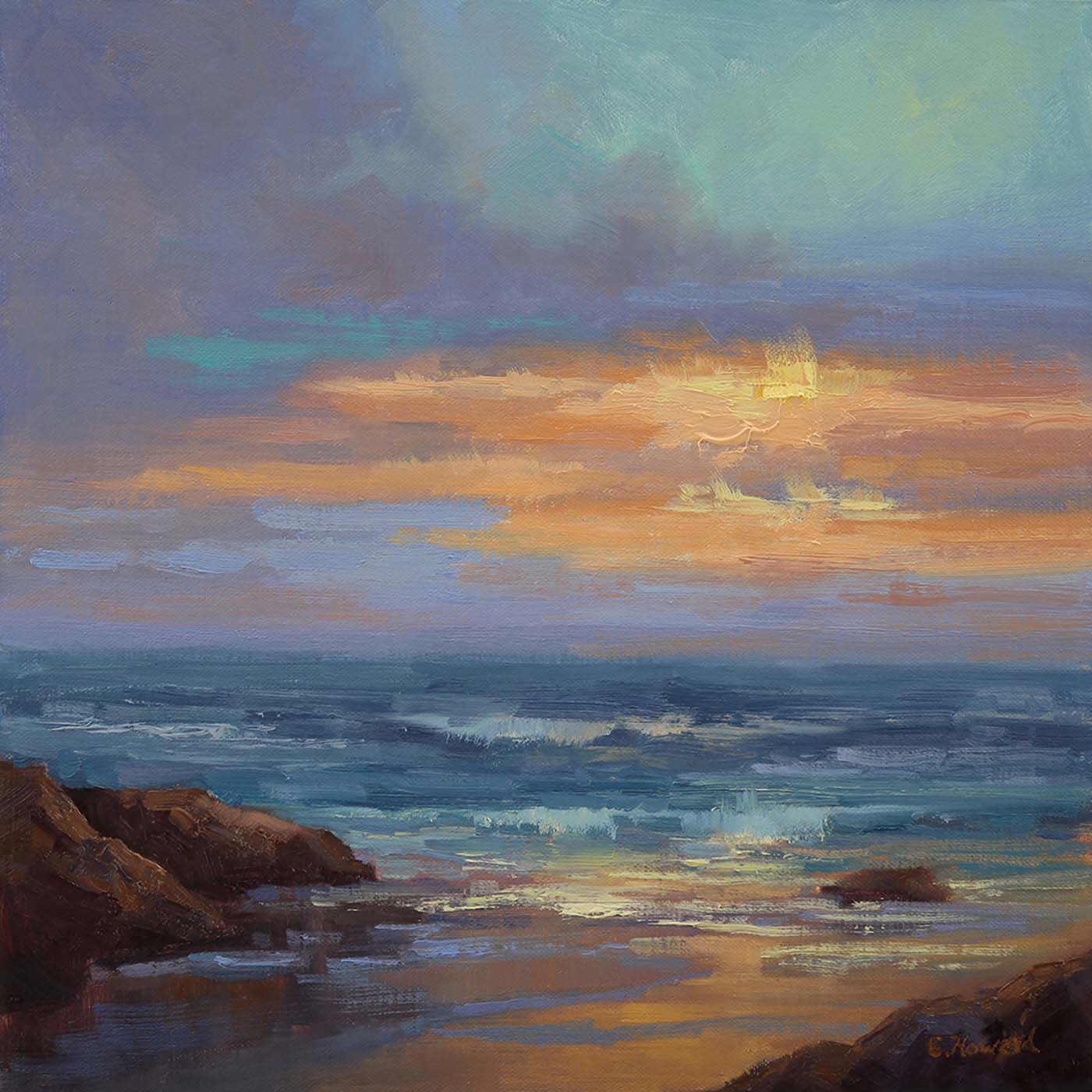
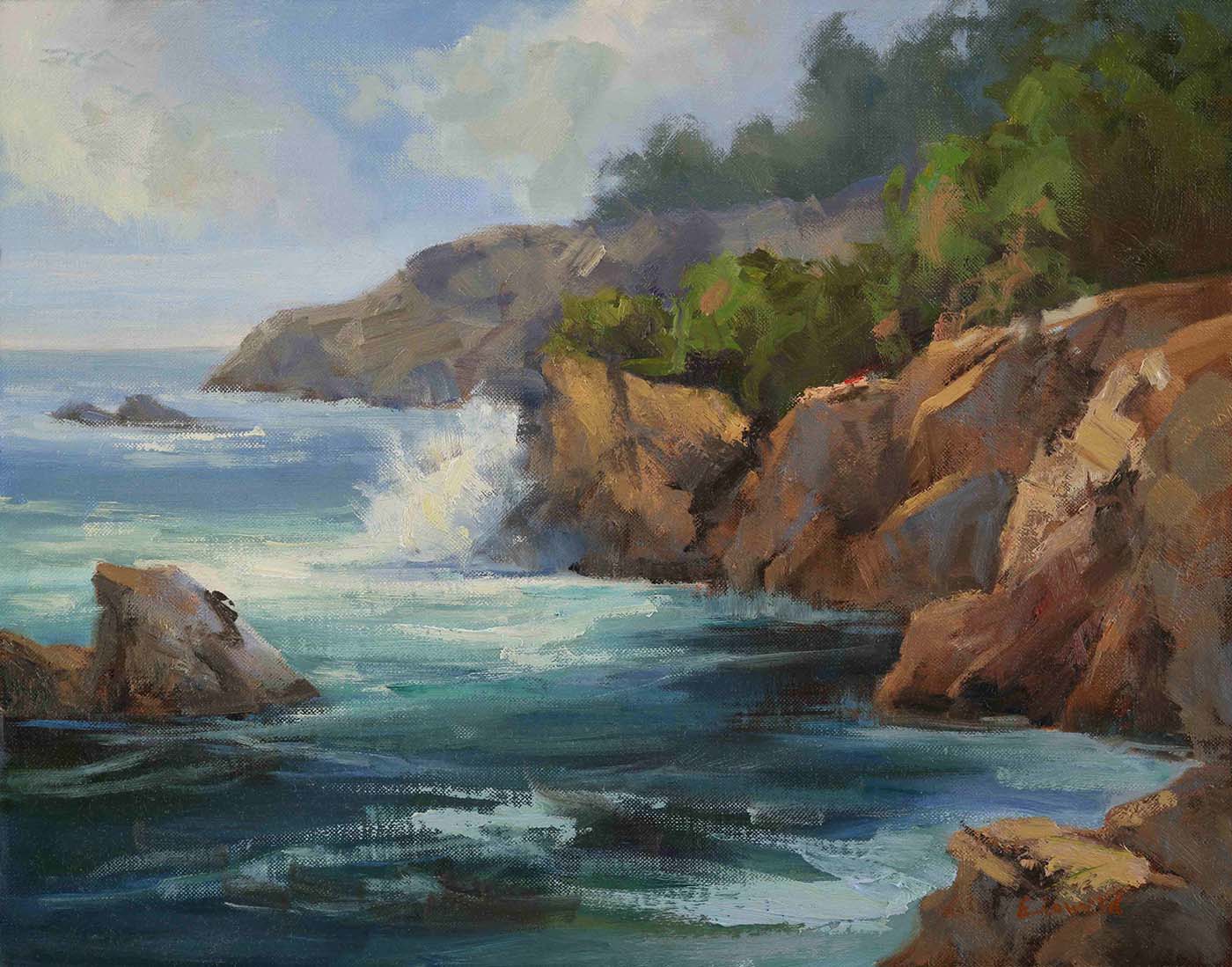
Ellen Howard is a northern California Artist who enjoys the transitory elements of nature and loves discovering quiet unexplored areas.
The marshlands have always been one of her favorite subjects to paint. During Covid Ellen experimented with painting sunsets capturing the warmth and vitality of evening light as it cascading across the land at day’s end.
Fill your mind with useful art stories, the latest trends, upcoming art shows, top artists, and more. Subscribe to Fine Art Today, from the publishers of Fine Art Connoisseur magazine.


 Download the March/April 2022 issue here