As part of our effort to continue to help artists and art galleries thrive, we’re proud to bring you this week’s “Virtual Gallery Walk.” Browse the artwork below and click the image itself to learn more about it, including how to contact the gallery.
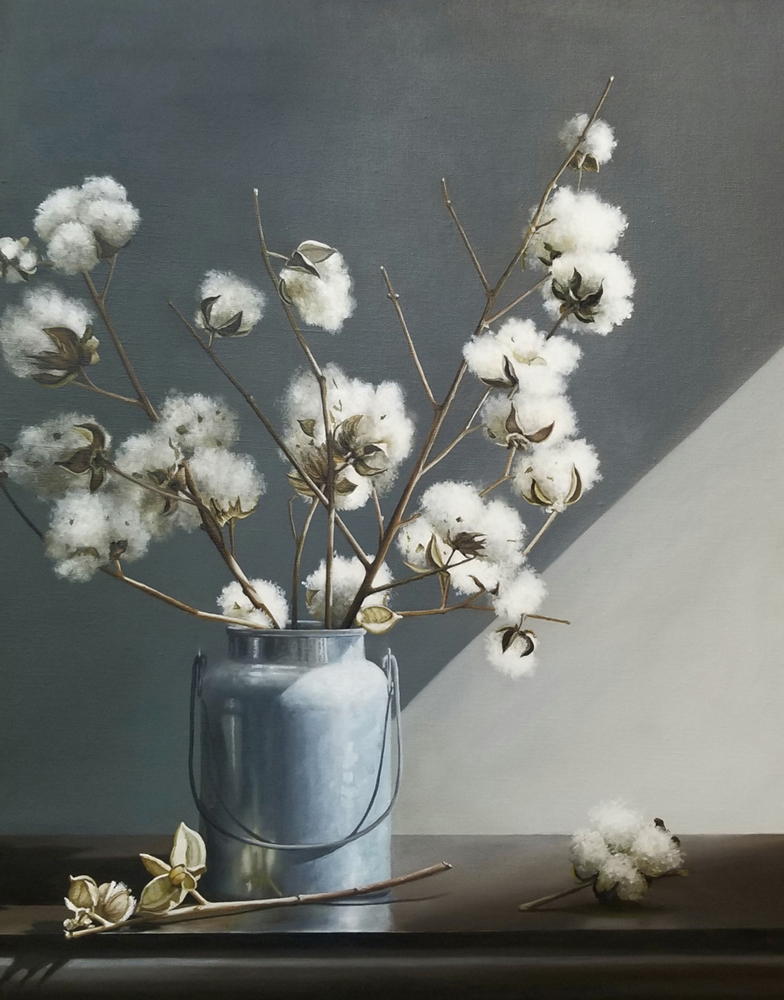
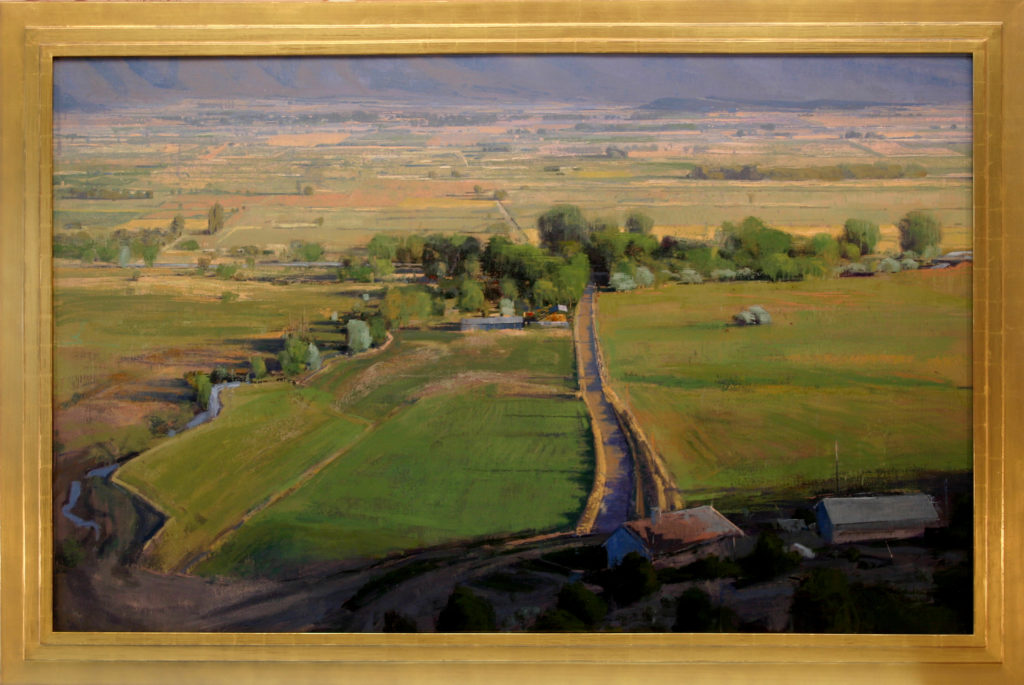
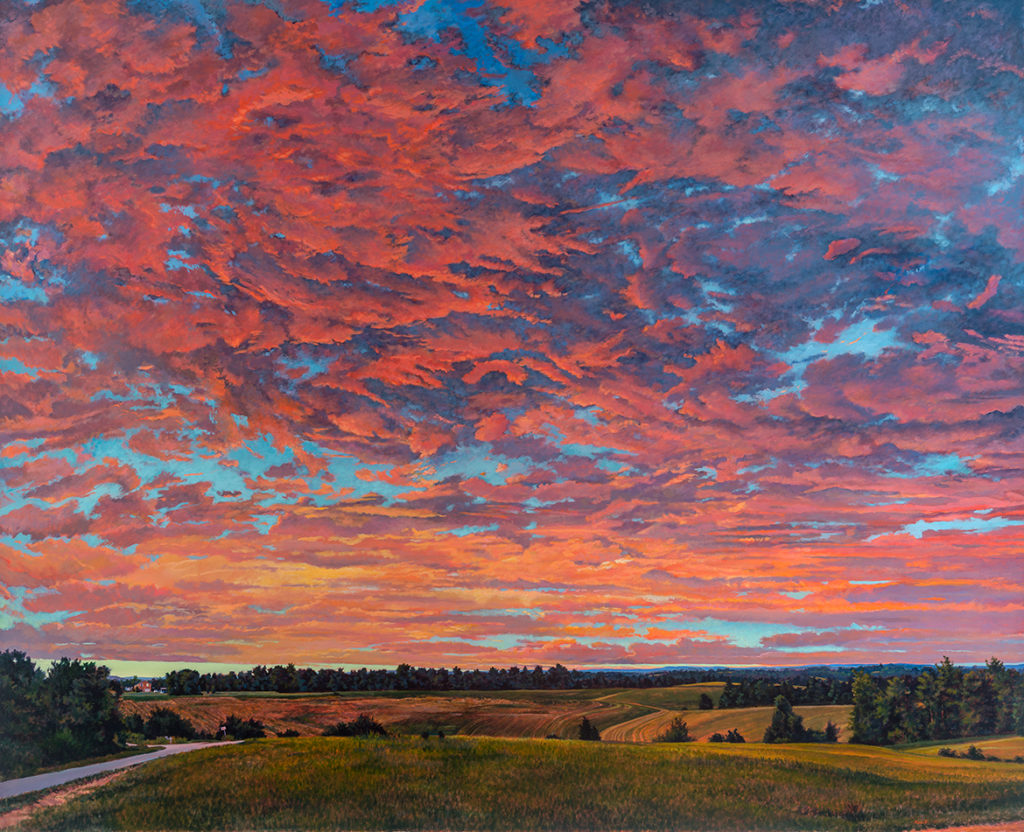
Stems of Cotton by Loren DiBenedetto, Oil, 30 x 24 in.; Anderson Fine Art Gallery
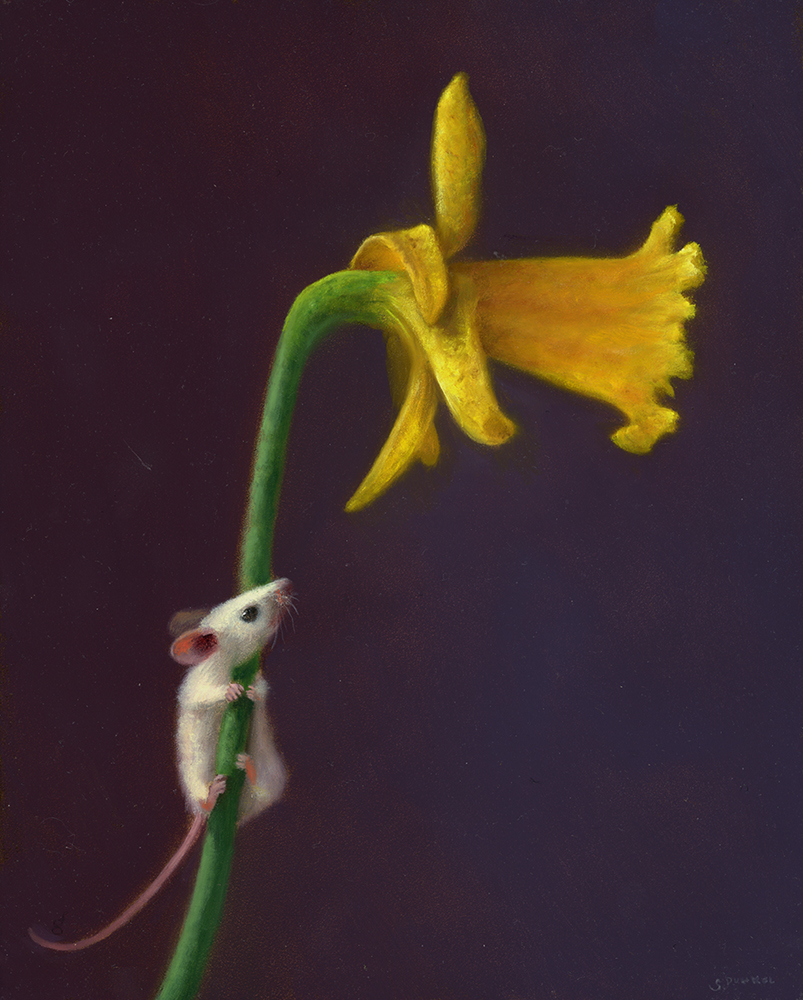
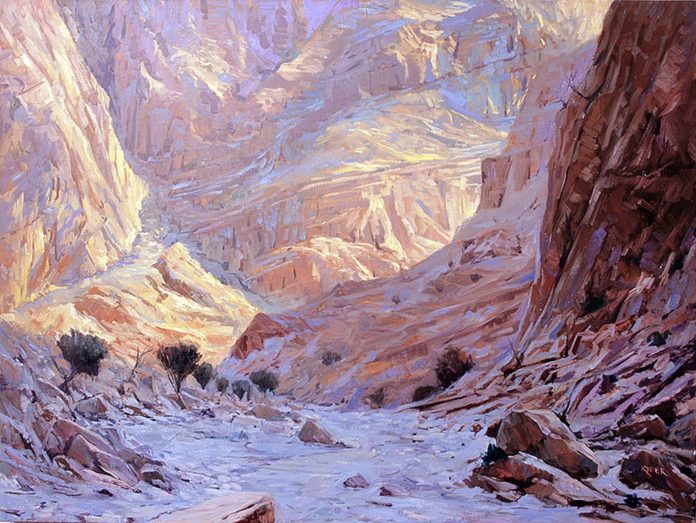
Curious Yellow by Stuart Dunkel (Born 1952), Oil on panel, 10 x 8 in., Signed; Rehs Contemporary
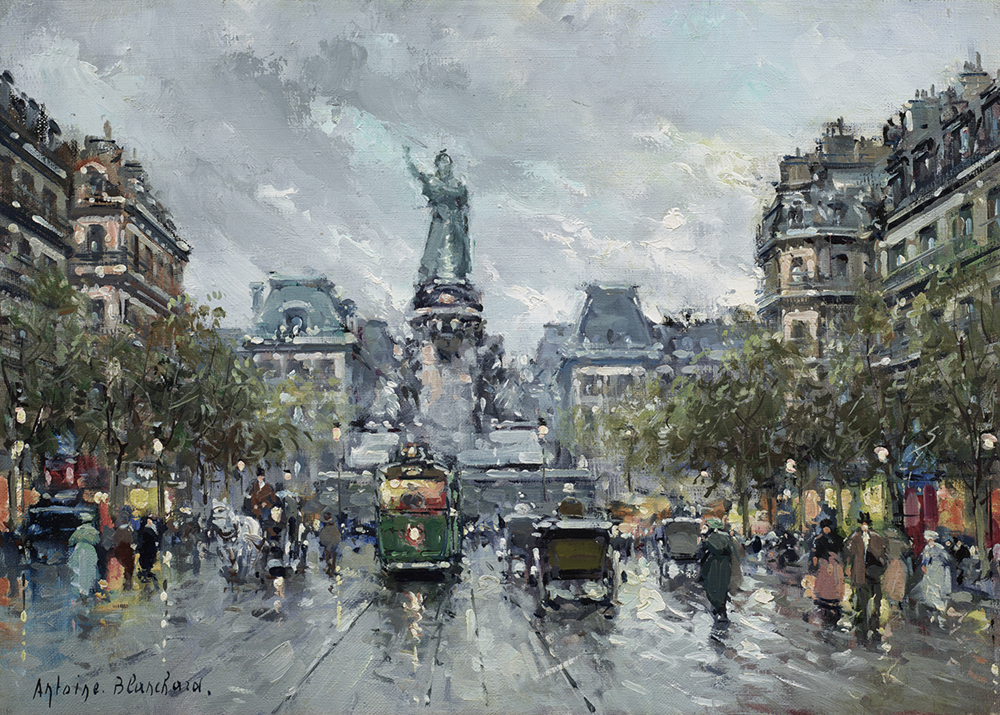
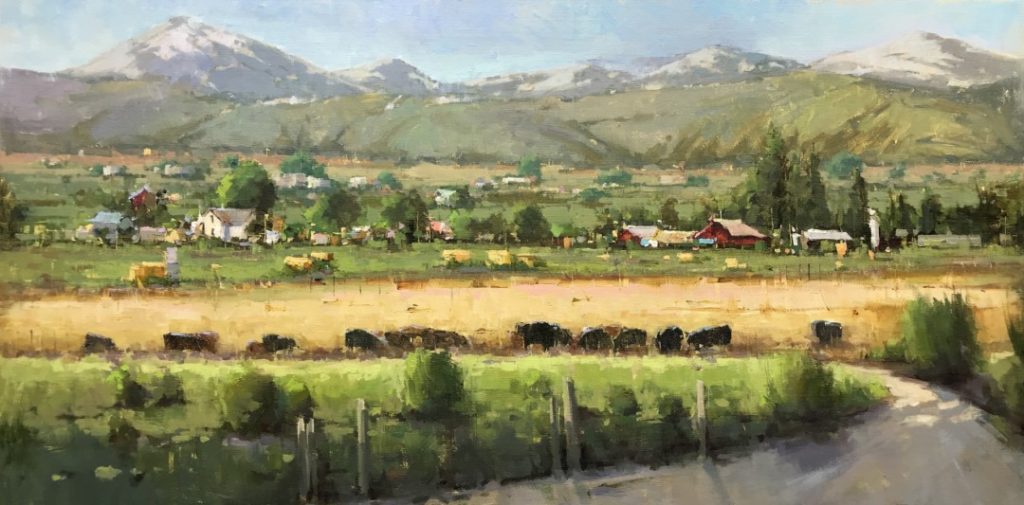
Place de la Republique by Antoine Blanchard (1910 – 1988), Oil on canvas, 13 x 18 in., Signed; Rehs Galleries, Inc.
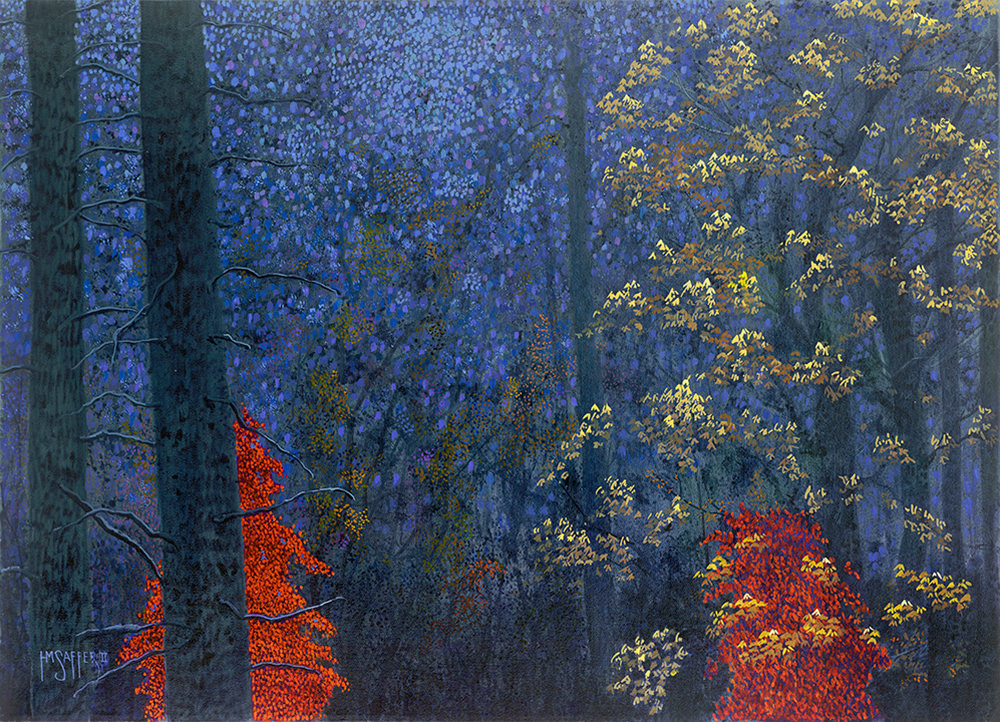
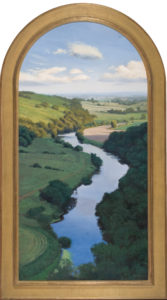
Forest Magic III by H.M. Saffer II, Oil on canvas, 26 x 36 in.; Vermont Artisan Designs
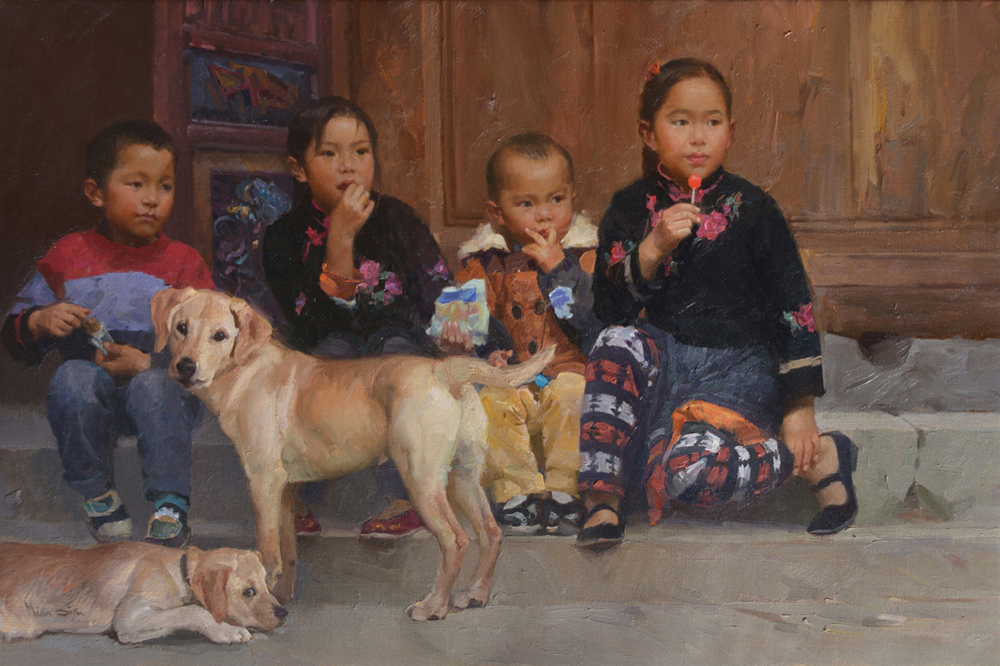
What’s Next by Mian Situ, Oil, 20 x 30 in.; ArtzLine
Want to see your gallery featured in an upcoming Virtual Gallery Walk? Contact us at [email protected] to advertise today. Don’t delay, as spaces are first come, first served, and availability is limited.
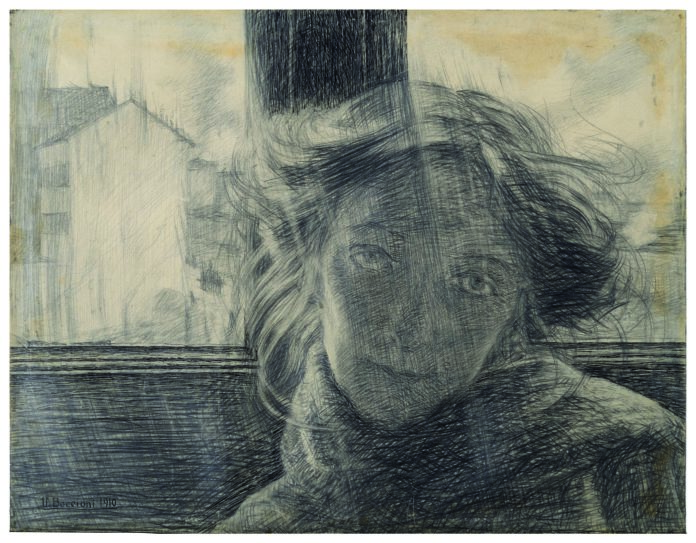
Umberto Boccioni (1882–1916), "Against the Light (Controluce)," 1910, graphite pencil and black ink on paper, 14 13/16 x 19 1/4 in., Collezione Ramo, Milan, photo: Studio Vandrasch
The Menil Drawing Institute is presenting “Silent Revolutions: Italian Drawings from the Twentieth Century,” the first major survey of such material mounted in the U.S. Most have been borrowed from Milan’s Collezione Ramo, and among their creators are such starry names as Alighiero Boetti, Giorgio de Chirico, and Lucio Fontana.
Twentieth-century Italy gave rise to a nearly continuous series of revolutionary artistic movements, ranging from futurism to spatialism to Arte Povera. Often overlooked by most observers is the crucial role that drawing played, giving artists free rein to experiment with materials and techniques.
For example, illustrated above is Umberto Boccioni’s “Against the Light (Controluce),” which depicts a young woman before a window with oblique rays of light falling across her face. The composition’s innovative sense of transparency hints at Boccioni’s interest in the optical interpenetration of bodies, which he further developed as leader of the futurist movement.
Exhibition Details:
“Silent Revolutions: Italian Drawings from the Twentieth Century”
Through April 11, 2021
Menil Drawing Institute, Houston, Texas menil.org
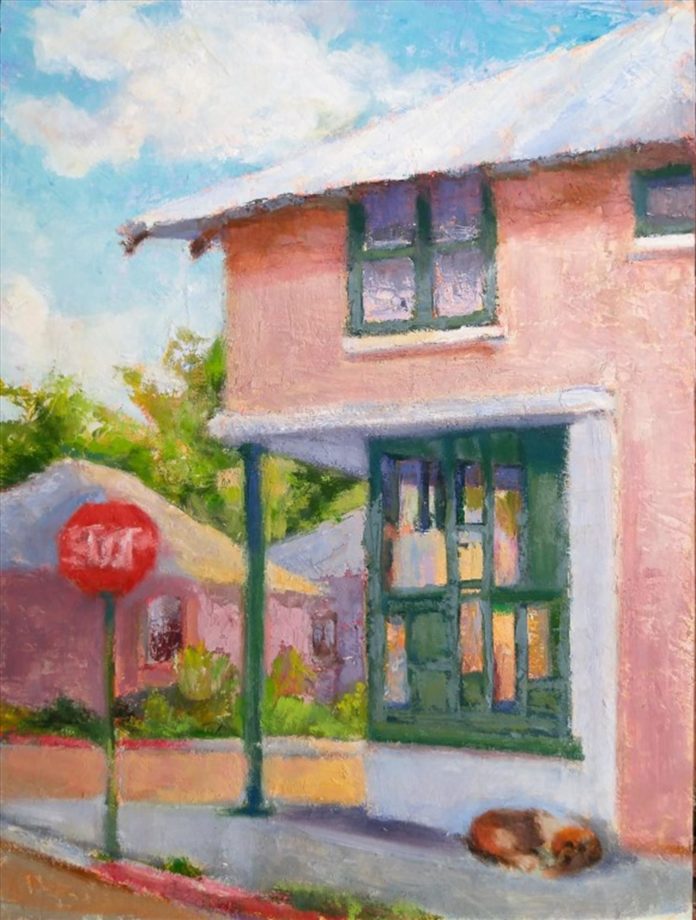
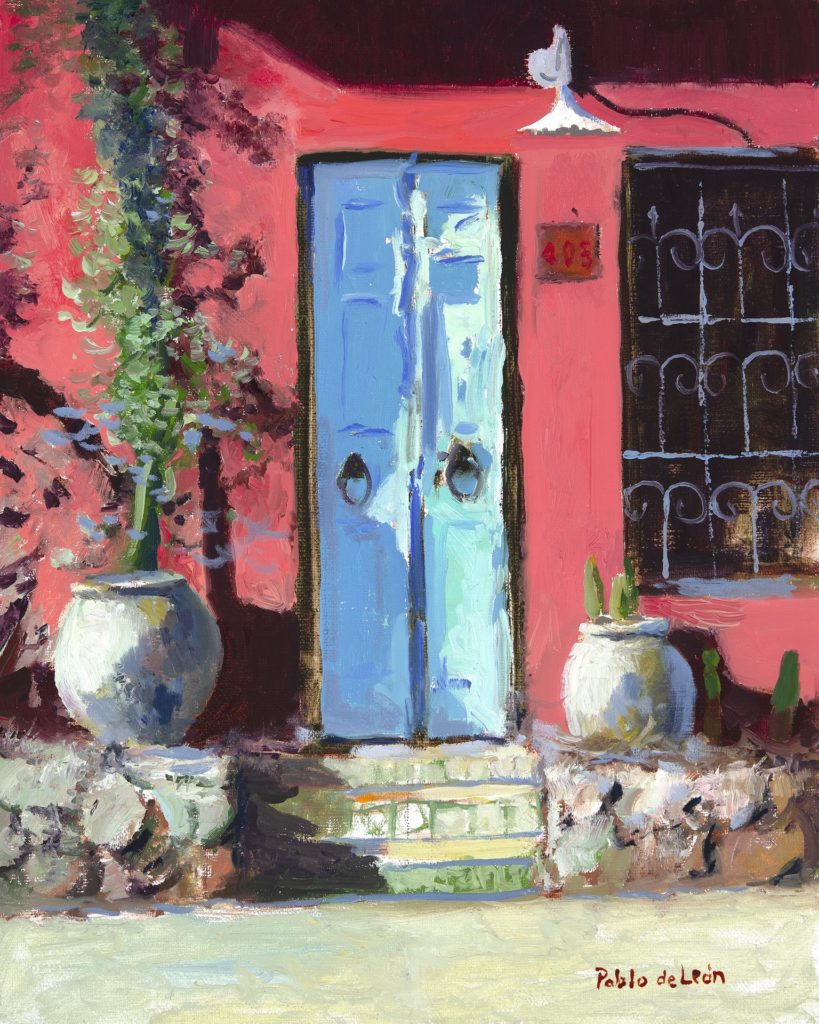
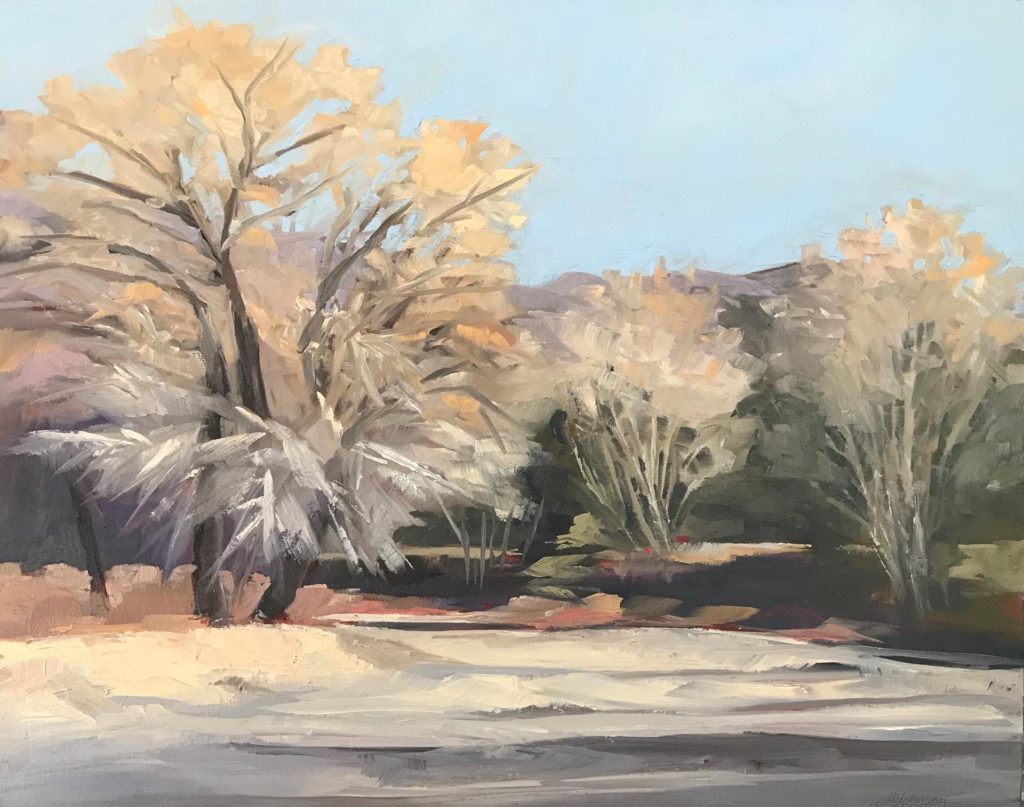
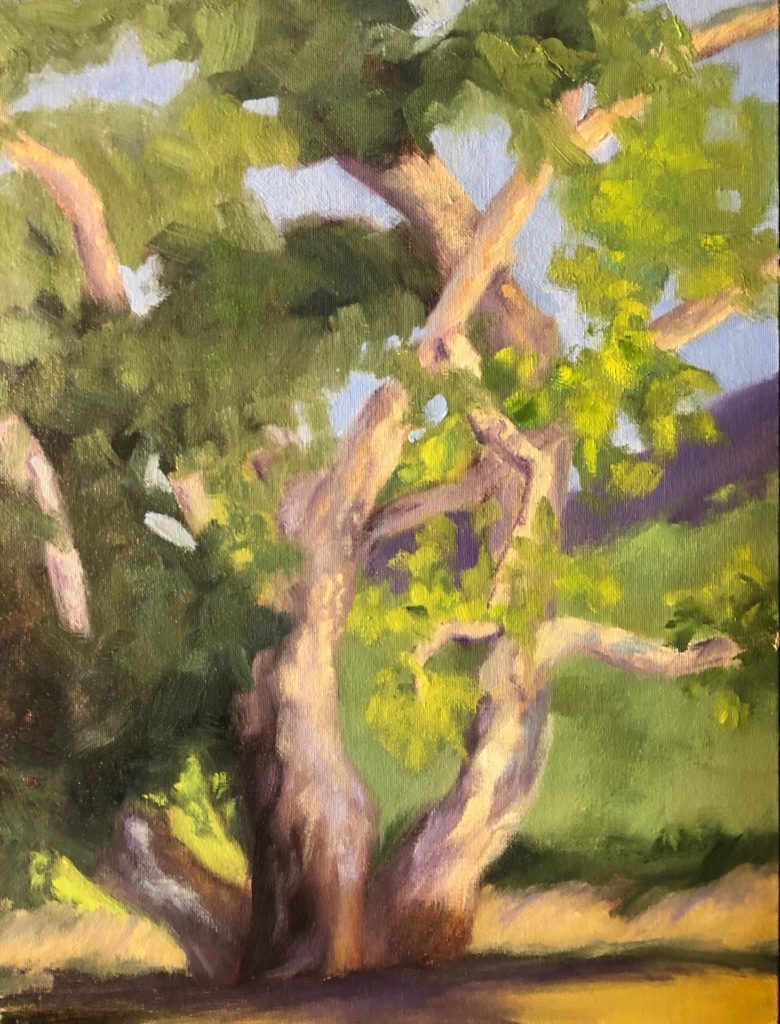
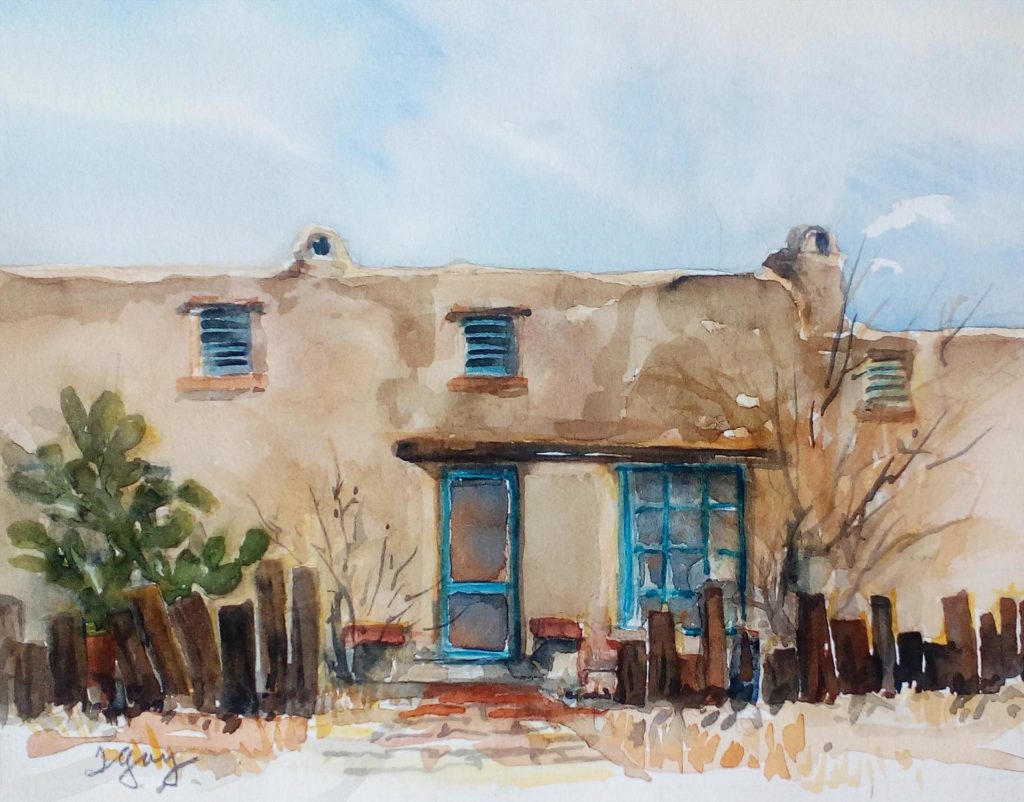
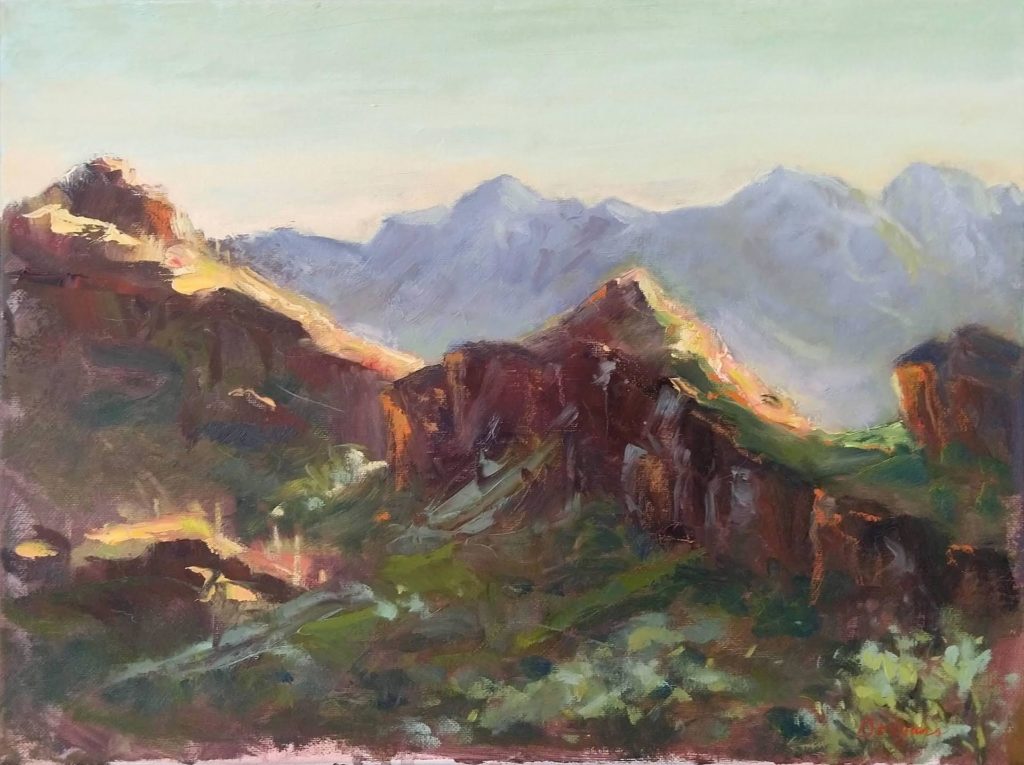
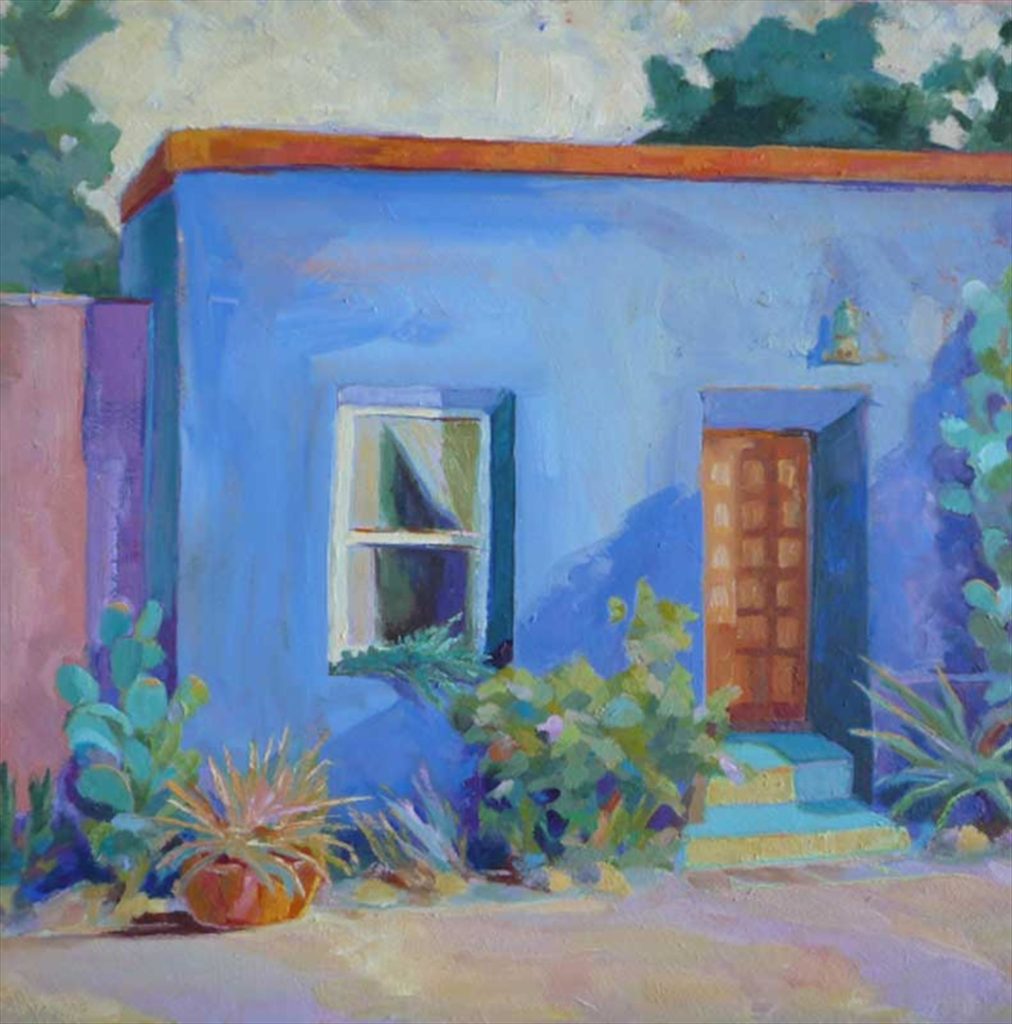
The Sonoran Plein Air Painters have a current show titled “Sonoran Light,” which features 49 new paintings from 35 artists created this past year, and is hosted by the Tucson Desert Art Museum/Four Corners Gallery. The paintings were created on location, outdoors in the Sonoran Region of Arizona. Landscapes, portraits of historic houses, and buildings are highlights of the display.
The show was juried by respected Plein Air artist Casey Cheuvront of Utah, member of Oil Painters of America.
“We are honored to have past Tucson Mayor and art aficionado Jonathan Rothschild serve as judge of awards,” said the organizers.
Pablo deLeon, “Blue Doors on Meyer”Judith Johnson, “Tanque Verde Wash in January”Emely McConkey, “Summer Sycamore”Terri Gay, “Old Ft. Lowell Adobe”Jan Deligans, “Morning Light on Gates Pass Mountains”Denyse Fenelon, “Blue Barrio”
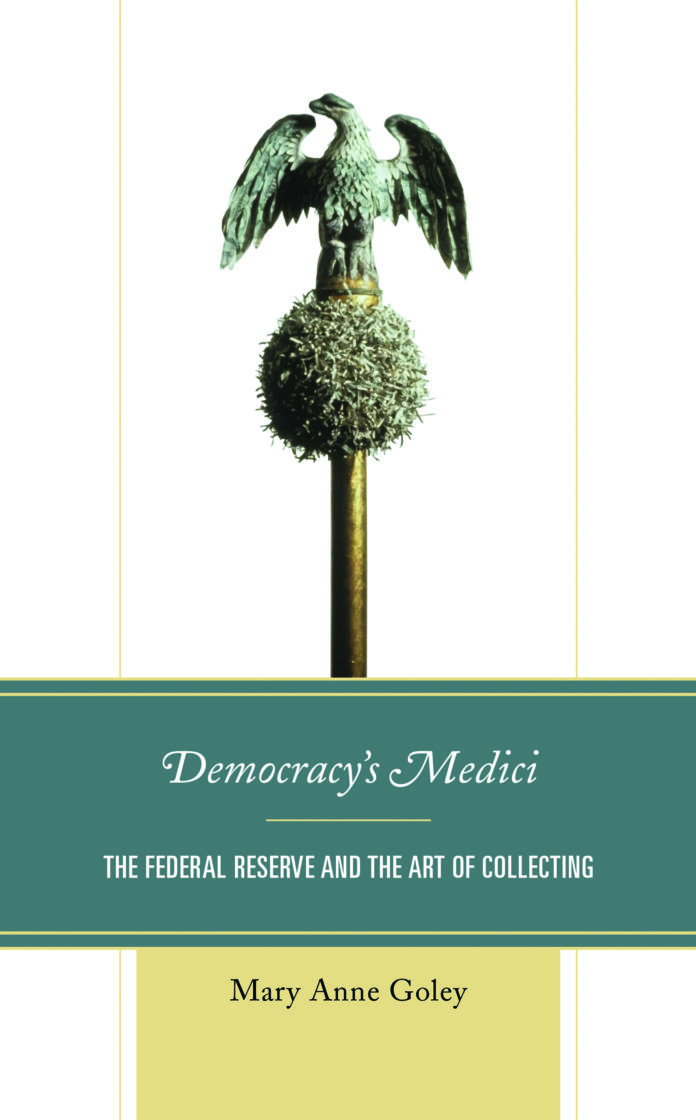
Democracy’s Medici: The Federal Reserve and the Art of Collecting
Now Rowman & Littlefield has published the book “Democracy’s Medici: The Federal Reserve and the Art of Collecting.”
The art historian Mary Anne Goley was the founding director of the Fine Arts Program of the Federal Reserve Board in Washington, D.C. From 1975 through 2006, she led its 15-member advisory panel and liaisoned with the Fed’s powerful board members and 36 system-wide bank presidents.
Goley and her staff acquired works of art for the Fed’s permanent collection and organized more than 110 exhibitions on subjects ranging from New York graffiti artists to the Scottish architect Charles Rennie Mackintosh. Particularly notable were her collaborations with central banks and museums in Austria, Greece, Hungary, Israel, Poland, Romania, Spain, Switzerland, and the Netherlands, which brought to Washington an array of shows on such previously overlooked topics as the Hague School and its American legacy, the paintings of Edward Steichen, Austrian Biedermeier, and Polish constructivism.
In “Democracy’s Medici,” Goley offers an insider’s view of the Fed’s institutional culture, the larger-than-life personalities she met, and the significance of the Fine Arts Program in this unique context. For details, visit rowman.com.
> Visit EricRhoads.com to learn about more opportunities for artists and art collectors, including retreats, international art trips, art conventions, and more.
> Sign up to receive Fine Art Today, our free weekly e-newsletter
Much of writing about art strikes me as something akin to a technical manual on how one should kiss their lover—a cold analytical treatise on something very dear and personal, as if the way one purses one’s lips sums up the entire experience. Another style of writing about art attempts to psychoanalyze or examine the metaphysics of the experience of creating a painting.
When an artist paints, how they “purse their lips;” that is, what subject matter, materials or techniques they use, is important, but not nearly as important as the intimate union of artist and viewer that should take place. All communication, including painting, is an act of intimacy.
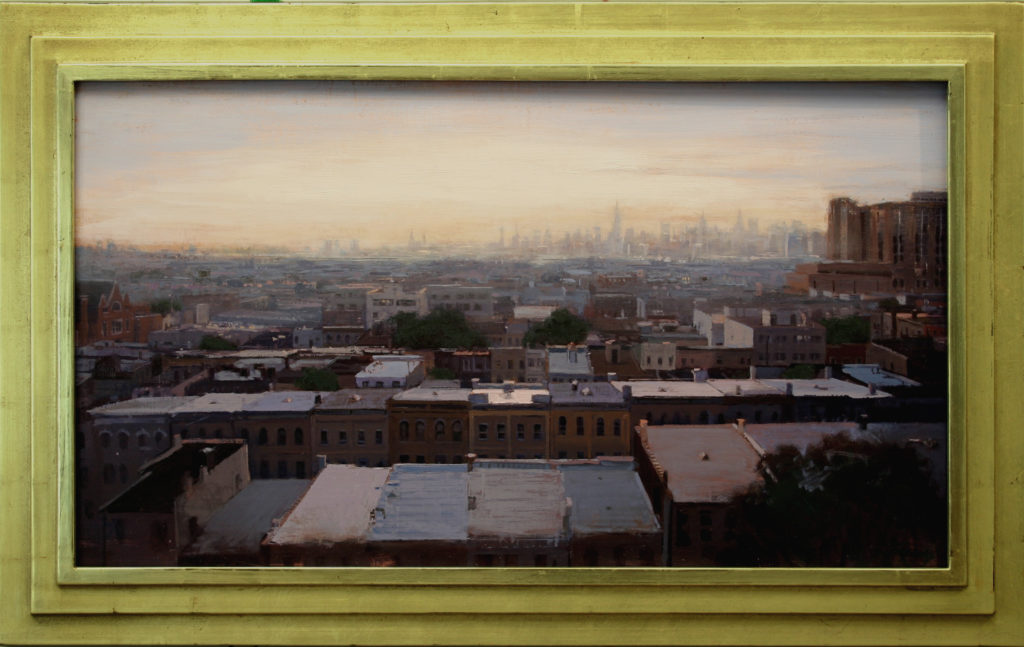
Brad Aldridge, “Brooklyn Twilight,” 20 x 35 inches, Oil on canvas
When viewing the paintings that move me the most, I can almost sense the faint warm breath of the artist on the back of my neck, looking over my shoulder and observing their creation springing to life before us. That experience doesn’t come from merely painting to fulfill some deadline, nor does it happen when the artist focuses solely on the practice or virtuosity of their medium. It comes from having something to say, and then having an earnest desire to share that personal “something” with others.
To be sure, if the poet never settles down to the excruciatingly slow and difficult task of learning grammar, then he is very limited in the precision, range and nuance of what he can express. But learning the rules and techniques of writing should always be done with the aim of the writer being liberated to express himself without restraint. Then something wonderful can happen. We come to a meeting of the minds. We get a glimpse into that person, and he or she has the joy of being understood and finding others who see the world as they do. They learn they are not alone. We understand the point they’re trying to convey.
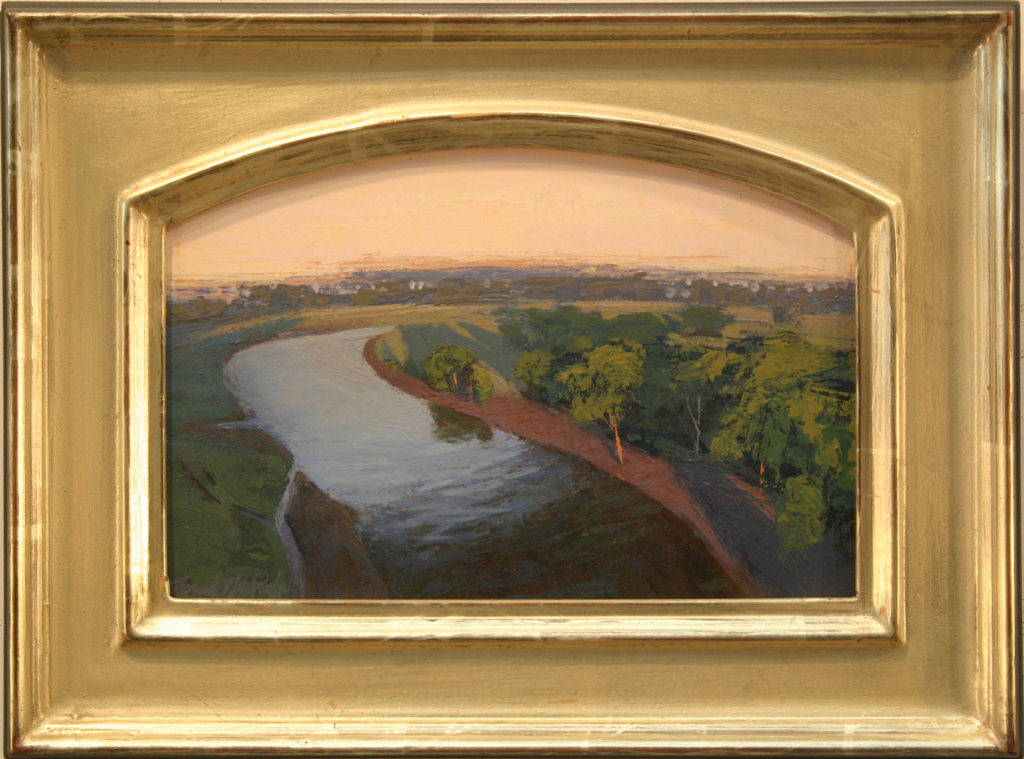
Brad Aldridge, “Winding River,” 6 x 9 inches, Oil on canvas
In the illustrious words of Steve Martin in the movie Planes, Trains and Automobiles: “When you’re telling these little stories, here’s a good idea. Have a point! It makes it so much more interesting for the listener!” Often I see paintings (sometimes on my own easel) that seem to be dedicated solely to the practice of their visual grammar and yet they never seem to get to a point. Other paintings never really seem to commit to the hard work of learning their ABCs in the first place.
Unfortunately, we too often settle for merely going through the exercise of painting the lifeless shell of things, or creating widgets to fulfill a deadline. Of course, how else are we to ever become masters of our craft, if not by practice? We must practice, but it must be practice with the ultimate aim of a heartfelt sharing and giving of ourselves.
Brad Aldridge, “A Far-Off Country,” 60 x 102 inches, Oil on canvas
I had a professor who once told me that a painting needs a reason to exist, that it shouldn’t look like a picture torn out of a magazine, or a meaningless snapshot of the back yard. When I evaluate my own work, I often ask myself, “Am I just adding to the heap?” In other words, is my work joining the mountain of lifeless paintings created throughout history and filling countless galleries today, or is it something inward, personal and beautiful?
One phrase that troubles me a little is when I hear artists say of their painting, “Yeah, it’s kinda fun, isn’t it?” It feels as if some cad is flirting with my sister! To me, that sentiment connotes the half-hearted dabbling of a dilettante. Now, I realize that phrase is often spoken as a self-effacing and humble way to deflect praise of an artist’s efforts.
I also don’t wish to minimize the wonderful importance of fun as a theme or motif in art. Peter Pan is a story, on one level, about fun, but J. M. Barrie took his fun very seriously, laboriously developing an intricate landscape full of characters, and lovingly weaving a complex set of narratives throughout. His painstaking creation is intimate, passionate, and earnest fun.
Another important way I try to keep my art vital and living is to constantly push myself. I love art that works out to the edge of the artist’s abilities. I sense who the artist is not only by what they can do, but what they attempt to do and fail. I don’t have much interest in art that “plays it safe.”
In my best paintings I’m pushing myself hard enough that I’m showing you my strengths as well as my weaknesses, thus sharing with you exactly who I am. We artists put ourselves in an incredibly vulnerable position, but that’s what we signed up for.
Brad Aldridge, “Evening Shadows,” 68.5 x 34 inches, Oil on canvas
In his Nobel Prize acceptance speech, Ernest Hemingway wrote: [The writer] “does his work alone and if he is a good enough writer he must face eternity, or the lack of it, each day.
“For a true writer each book should be a new beginning where he tries again for something that is beyond attainment. He should always try for something that has never been done or that others have tried and failed. Then sometimes, with great luck, he will succeed.
“How simple the writing of literature would be if it were only necessary to write in another way what has been well written. It is because we have had such great writers in the past that a writer is driven far out past where he can go, out to where no one can help him.”
You may be saying at this point, “Alright Brad, so what are some valid and vital themes one might share through art, if simply sharing a beautiful scene isn’t sufficient?” Well, each artist must answer that question for him or herself, but I think a place to start is by looking at the big themes of humanity: hope and disappointment, peace and conflict, love and loss, joy and despair.
Sharing the beauty of a sunrise can be a great theme for painting. Surely the lifeblood of the resurging realist movement in art is that beauty is, always has been, and always will be relevant. But an artist might delve even deeper into the exploration of why that sunrise is so moving, inspiring, and universally hopeful to humankind. Is it merely the correct shade of the red sky, or are there more profound truths at work?
The world in which I find myself has elements of dark and brooding uncertainty and despair, contrasted with longing, beauty and triumph. I strive to endow my paintings with these elements. I often fall short of creating a personal and giving experience, but my best paintings are filled with an intimate sharing of love, honesty, and an earnest hope for the future.
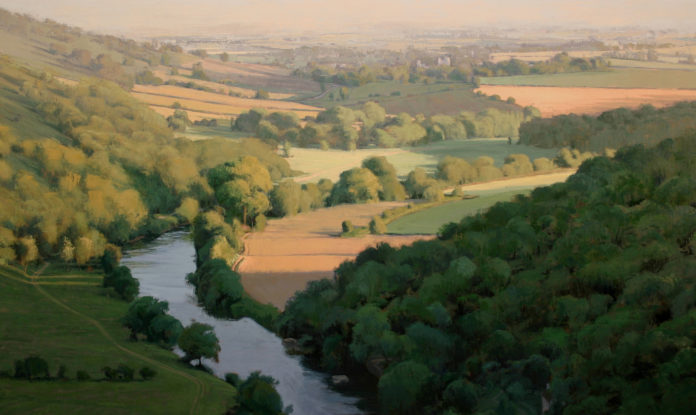
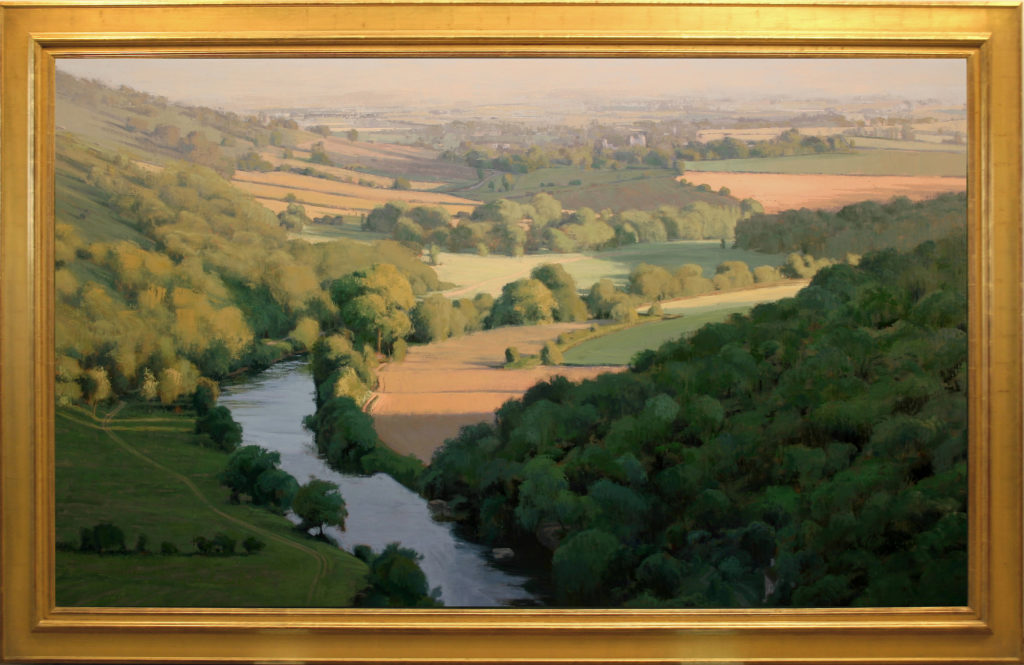
Brad Aldridge, “Twilight Valley,” 60 x 96 inches, Oil on canvas
> Visit EricRhoads.com to learn about more opportunities for artists and art collectors, including retreats, international art trips, art conventions, and more.
> Sign up to receive Fine Art Today, our free weekly e-newsletter
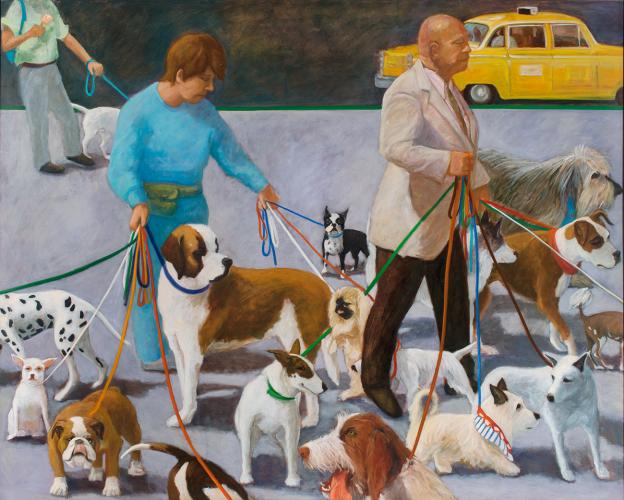
Susan Contreras, "New York Dog Walkers," 1989, oil on linen, 58 x 73 in.
LewAllen Galleries in Santa Fe, New Mexico, is hosting an exhibition of contemporary art from the collection of the late Edgar Foster Daniels, who was long regarded for his patronage of the arts. Daniels resided in Santa Fe during the last 42 years of his life and was awarded the prestigious New Mexico Governor’s Award for Excellence in the Arts in 2015.
More from the gallery:
Daniels’ history of thoughtful and quiet giving, which supported numerous productions of opera, chamber music, and theater across the United States and abroad, also reflected his reputation as an ardent supporter of North Carolina and New Mexico artists and as a discerning collector of fine art. Daniels is acclaimed for his generosity in underwriting numerous opera productions, chamber music, and theater, having supported opera worldwide and serving on the Board of Directors of such companies as The Metropolitan Opera, The San Francisco Opera, the Lyric Opera of Chicago, The Los Angeles Opera, the Royal Opera House in London, the Houston Grand Opera, and The Santa Fe Opera, where he was described as “one of the most generous supporters… in its entire history.”
Edgar Foster Daniels collected both contemporary and historic masterworks, but this exhibition highlights his patronage of well-known 20th century artists from New Mexico and Daniels’ home state of North Carolina. This collection displays a discerning, inquisitive, and sometimes eccentric eye, an appreciation for craft, and an engagement with a range of artistic attitudes and perspectives.
Among the more than 30 works included in the exhibition are paintings and assemblages by noted New Mexico artists John Fincher, Susan Hertel, and Susan Contreras, as well as two distinguished artists from North Carolina, Danny Robinette and Maude Gatewood.
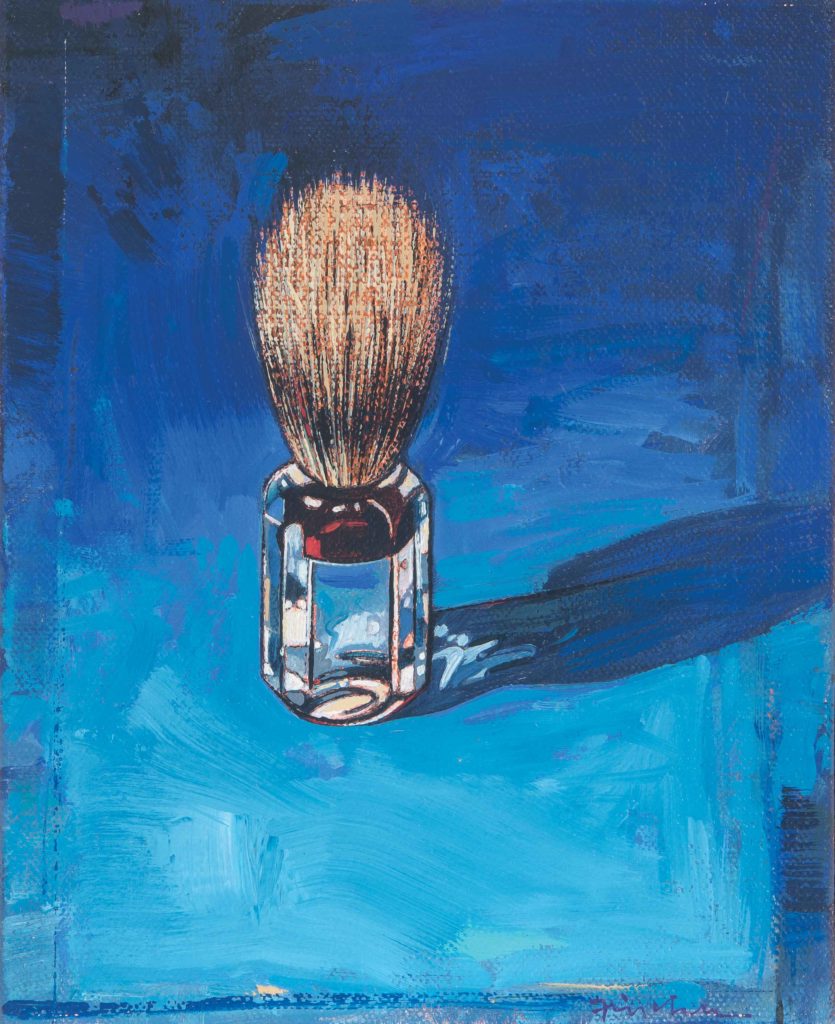
John Fincher (b. 1941), “MGM Brush,” early 1980s, oil on canvas, 10 x 8 in.Danny Robinette (1954-2005), Untitled, oil on canvas, 55.88 x 68 in.
This exhibition reveals both the exquisite connoisseurship of a major figure in arts and culture, as well as intimate examples of the particular contemporary art with which he chose to surround himself. These works represent parts of Daniels’ enduring legacy as a major collector and benefactor of fine arts.
“Leading Works from the Contemporary Art Collection of Edgar Foster Daniels” is on view through March 27, 2021. For more details, please visit lewallengalleries.com.
> Visit EricRhoads.com to learn about more opportunities for artists and art collectors, including retreats, international art trips, art conventions, and more.
> Sign up to receive Fine Art Today, our free weekly e-newsletter
First Place, January 2021 Plein Air Salon
"Morning Theatre" (oil, 35 x 47 in.) by Matthew Ryder
RydersCanvas.com
Contemporary Fine Art Landscapes > The Plein Air Salon, a monthly art competition, rewards artists with $33,000 in cash prizes and exposure of their work, with the winning painting featured on the cover of Plein Air magazine.
In this roundup, view the works of 10 winning paintings from the recent January and February cycles. If you’re interested in learning more about a specific painting, please visit the artist’s website to see if the work is still available and to browse more of their works.
1. “Foothills” by Michele Usibelli
Best Western, February 2021 Plein Air Salon “Foothills” (oil, 18 x 36 in.) by Michele Usibelli MicheleUsibelli.com
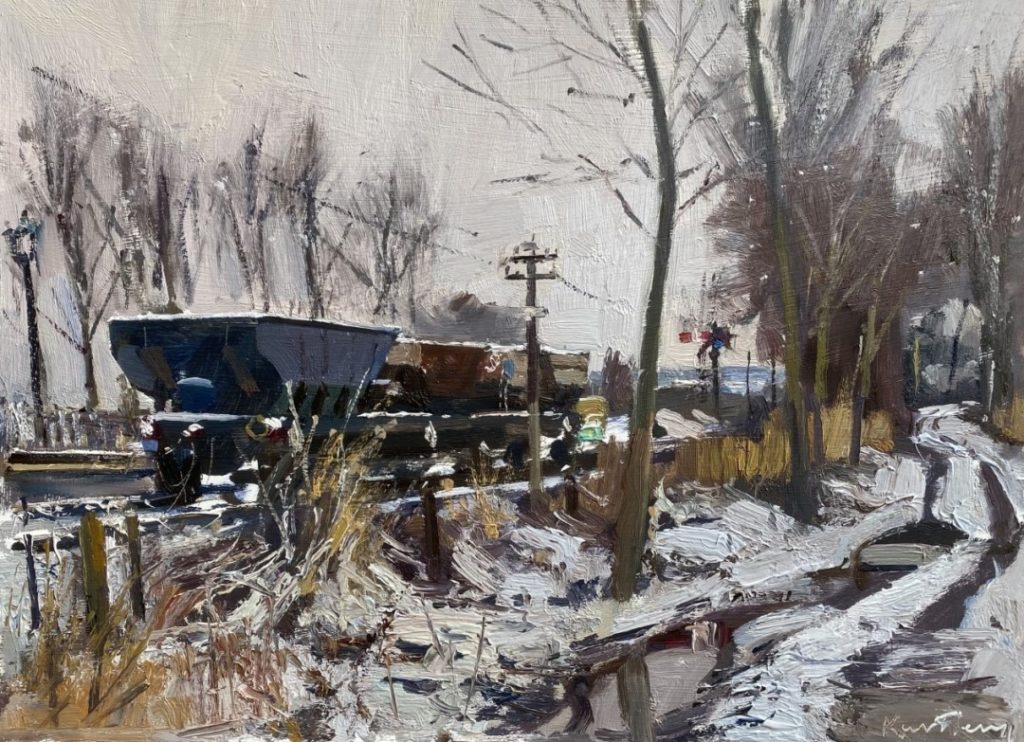
2. “Coal Carts, Winter” by Karl Terry
Best Plein Air Work, February 2021 Plein Air Salon “Coal Carts, Winter” (oil, 12 x 16 in.) by Karl Terry KarlTerry.co.uk
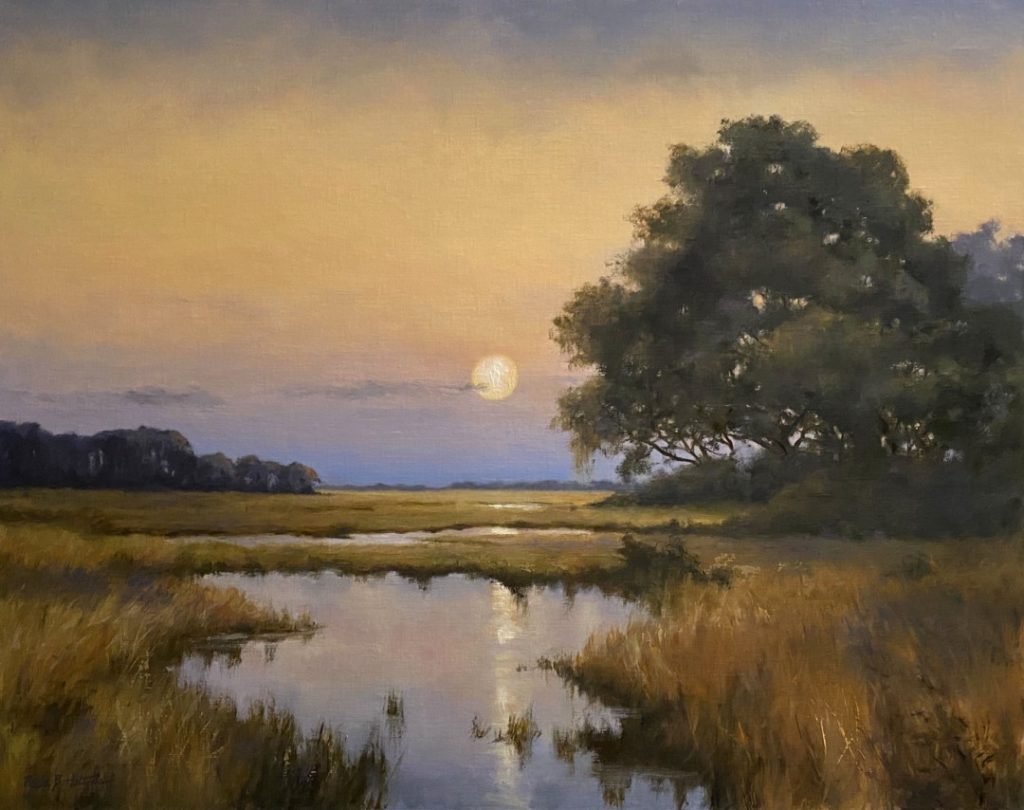
3. “Moonlit Whispers” by Paula Holtzclaw
Best Landscape, February 2021 Plein Air Salon “Moonlit Whispers” (oil, 24 x 30 in.) by Paula Holtzclaw PaulabHoltzclawfineart.com
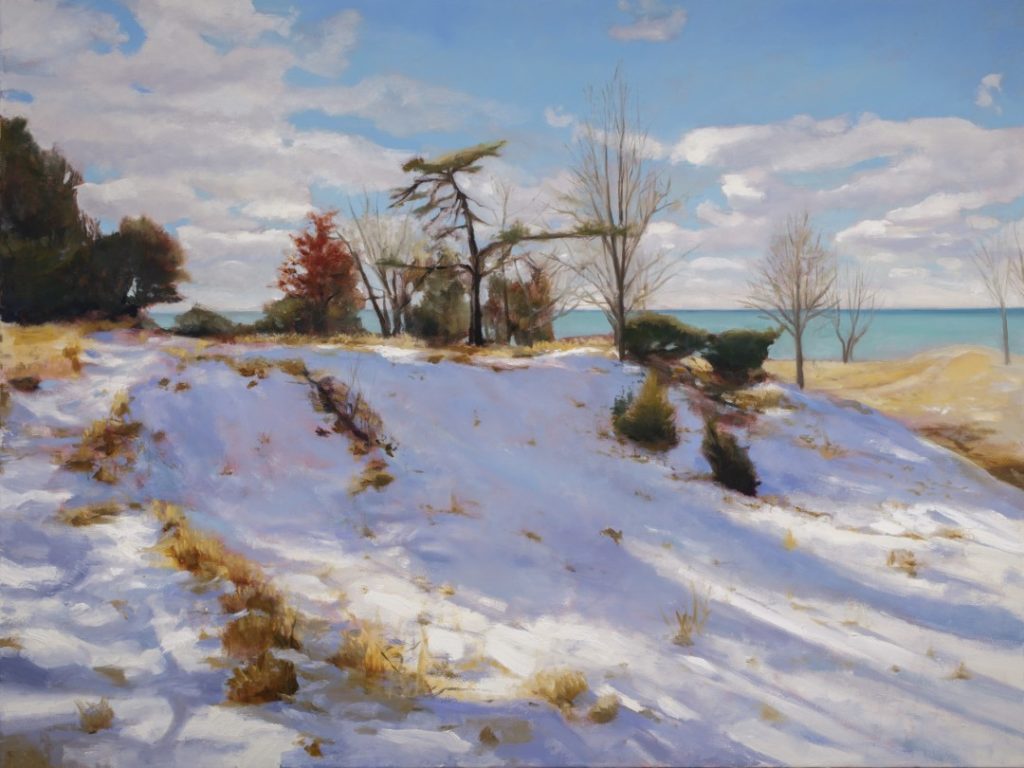
4. “Winter Light” by Anthony Cairo
Best Artist Under 30, February 2021 Plein Air Salon “Winter Light” (oil, 30 x 40 in.) by Anthony Cairo AnthonymCairo.com
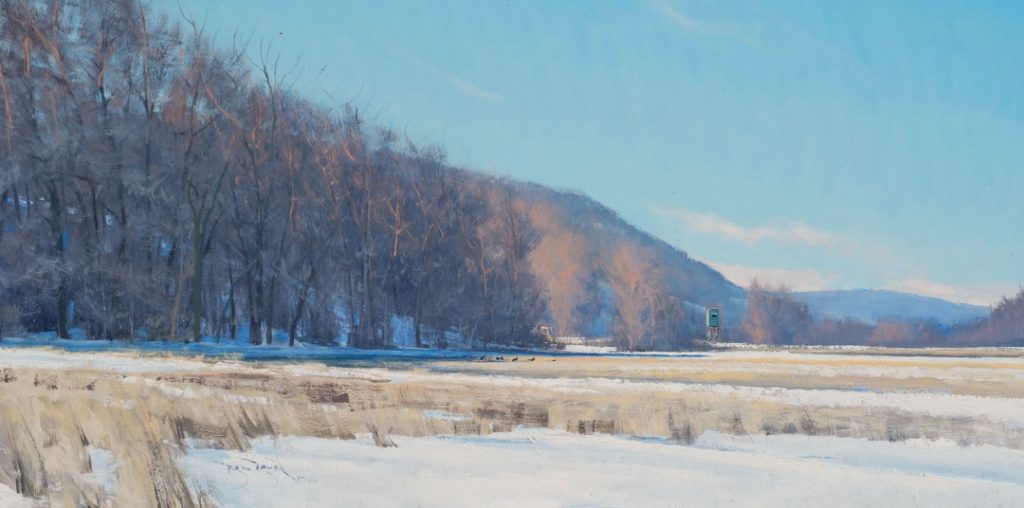
5. “Morning Light In River Falls” by Ben Bauer
Third Place Overall, February 2021 Plein Air Salon “Morning Light In River Falls” (oil, 12 x 24 in.) by Ben Bauer BenBauerfineart.com
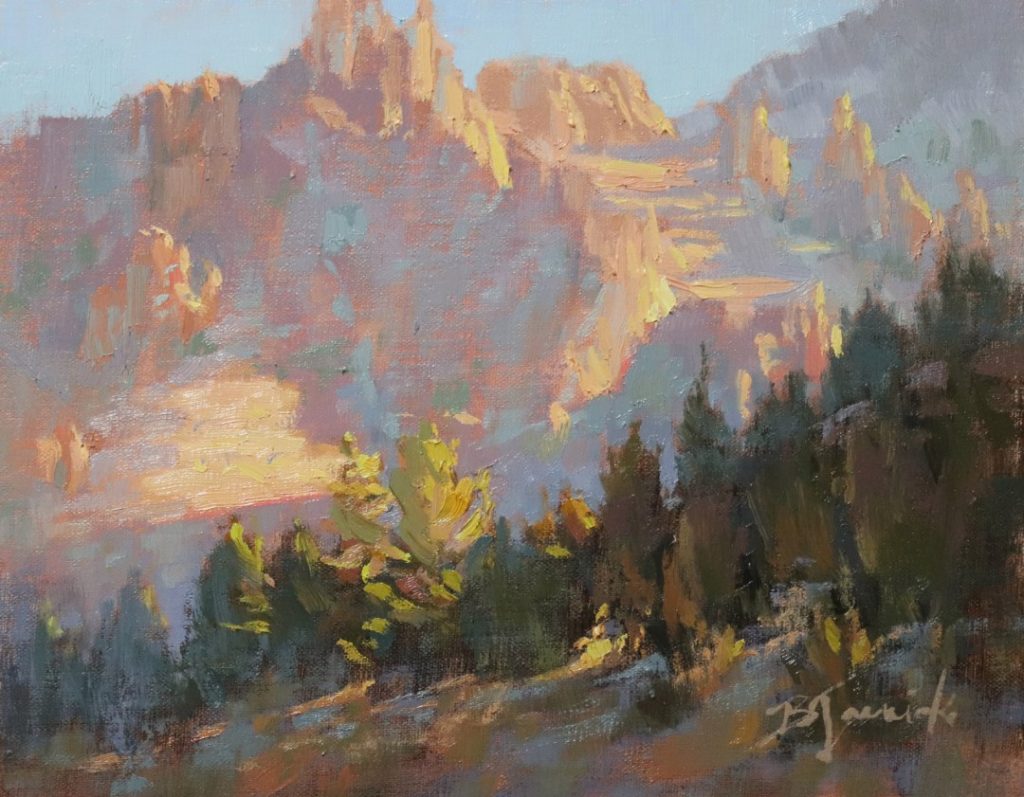
6. “Crisp Morning at Smith Rock” by Barbara Jaenicke
Best Western, January 2021 Plein Air Salon “Crisp Morning at Smith Rock” (oil, 8 x 10 in.) by Barbara Jaenicke BarbaraJaenicke.com
7. “Saddle Peak in December” by Aaron Schuerr
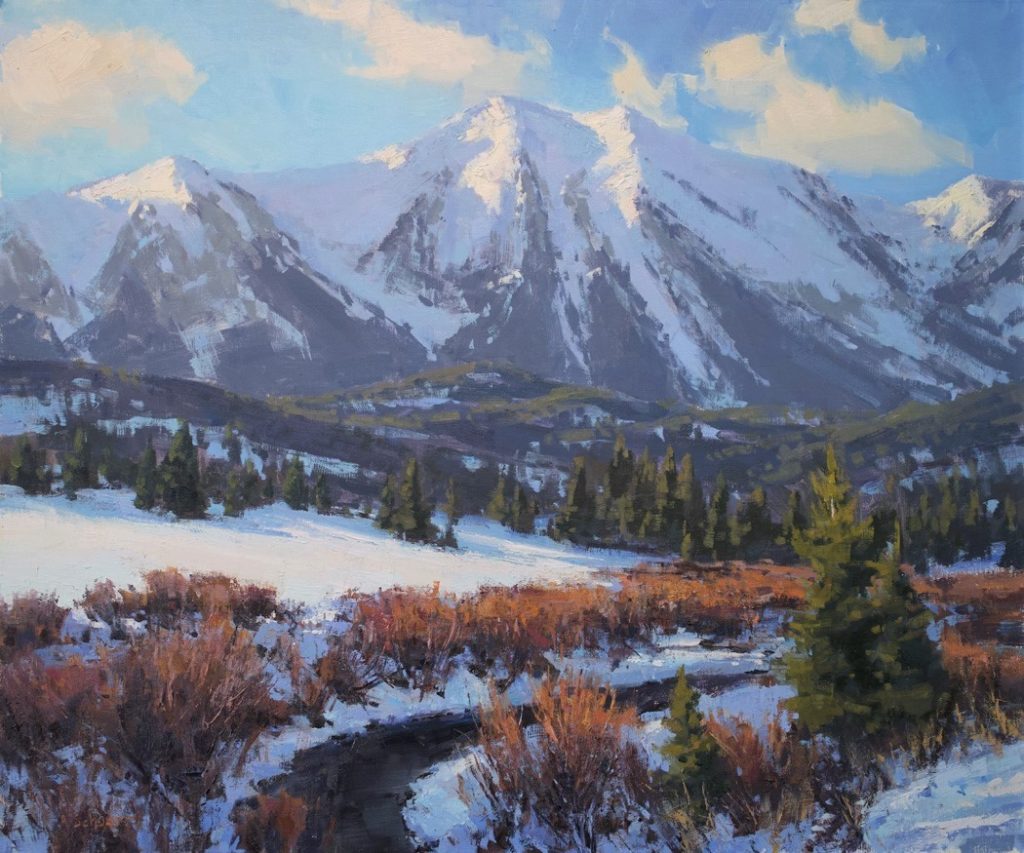
Third Place Overall, January 2021 Plein Air Salon “Saddle Peak in December” (oil, 20 x 24 in.) by Aaron Schuerr AaronSchuerr.com
8. “Morning Light” by Michael Situ
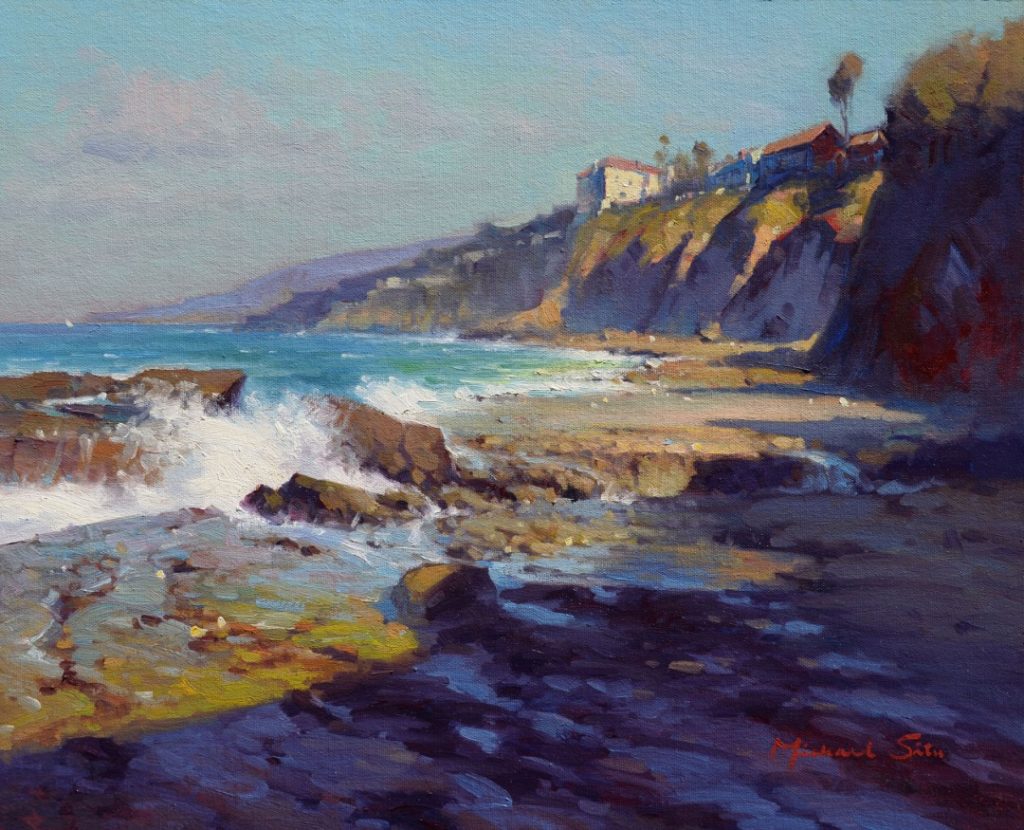
Best Oil, January 2021 Plein Air Salon “Morning Light” (oil, 16 x 20 in.) by Michael Situ MichaelSitu.com
9. “Morning Theatre” by Matthew Ryder
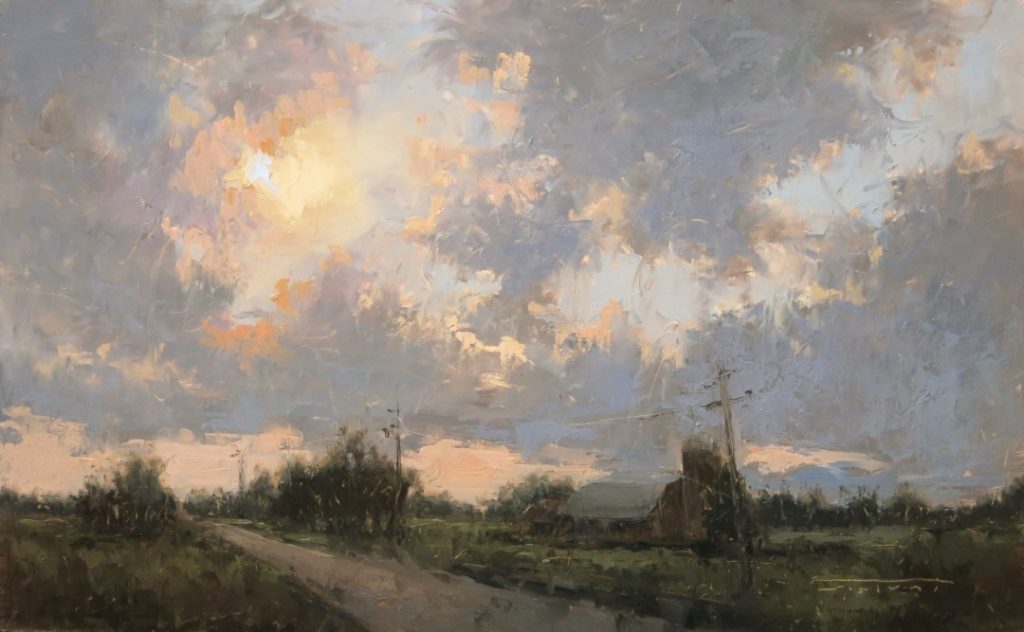
First Place, January 2021 Plein Air Salon “Morning Theatre” (oil, 35 x 47 in.) by Matthew Ryder RydersCanvas.com
10. “Q Road Sunset” by Jane Hunt
Best Landscape, January 2021 Plein Air Salon “Q Road Sunset” (oil, 10 x 16 in.) by Jane Hunt JaneHuntArt.com
Visit PleinAirSalon.com to view all of the winners from the January and February 2021 and earlier cycles.
Winners in each monthly competition of the Plein Air Salon may receive recognition and exposure through Plein Air magazine’s print magazine, e-newsletter, and social media, as well as through Fine Art Today. Winners of each competition will also be entered into the annual competition which will take place at the Plein Air Convention & Expo May 17-20, 2022 in Santa Fe, NM.
> Visit EricRhoads.com to learn about more opportunities for artists and art collectors, including retreats, international art trips, art conventions, and more.
> Sign up to receive Fine Art Today, our free weekly e-newsletter
As part of our effort to continue to help artists and art galleries thrive, we’re proud to bring you this week’s “Virtual Gallery Walk.” Browse the artwork below and click the image itself to learn more about it, including how to contact the gallery.
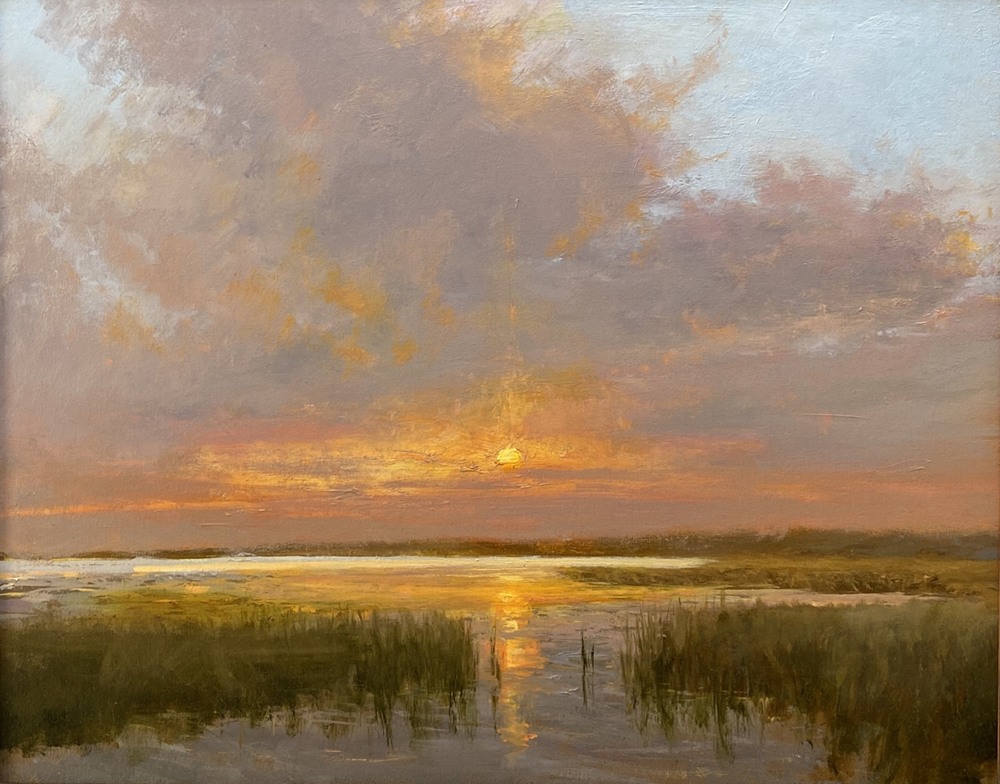
Rising by Paul Batch, Oil, 24 x 30 in.; Anderson Fine Art Gallery
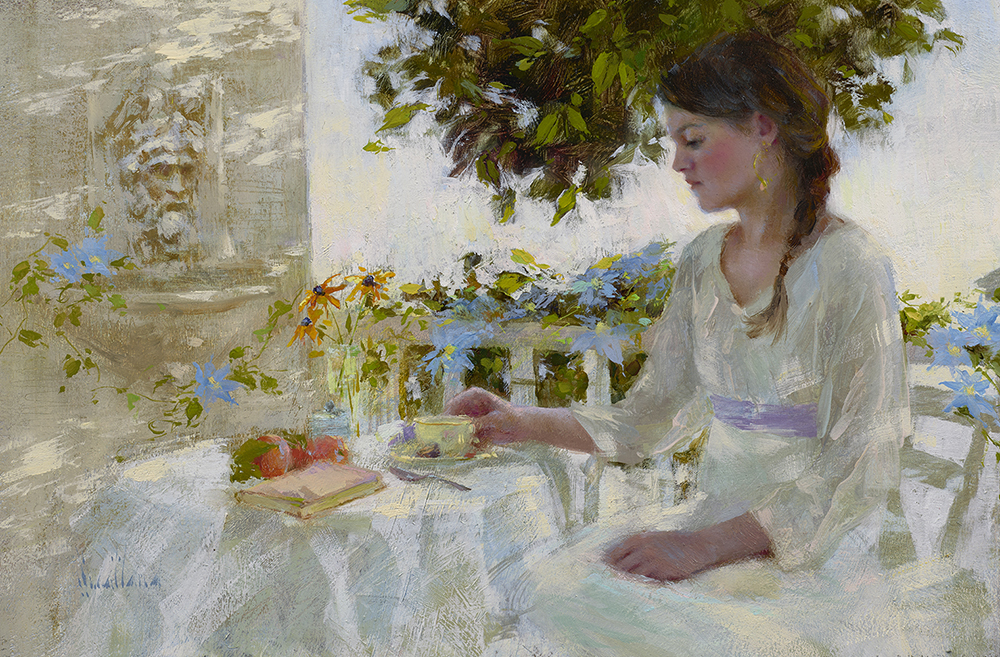
Garden Tea by Katie Swatland (Born 1981), Oil on panel, 8 x 12 in., Signed; Rehs Contemporary
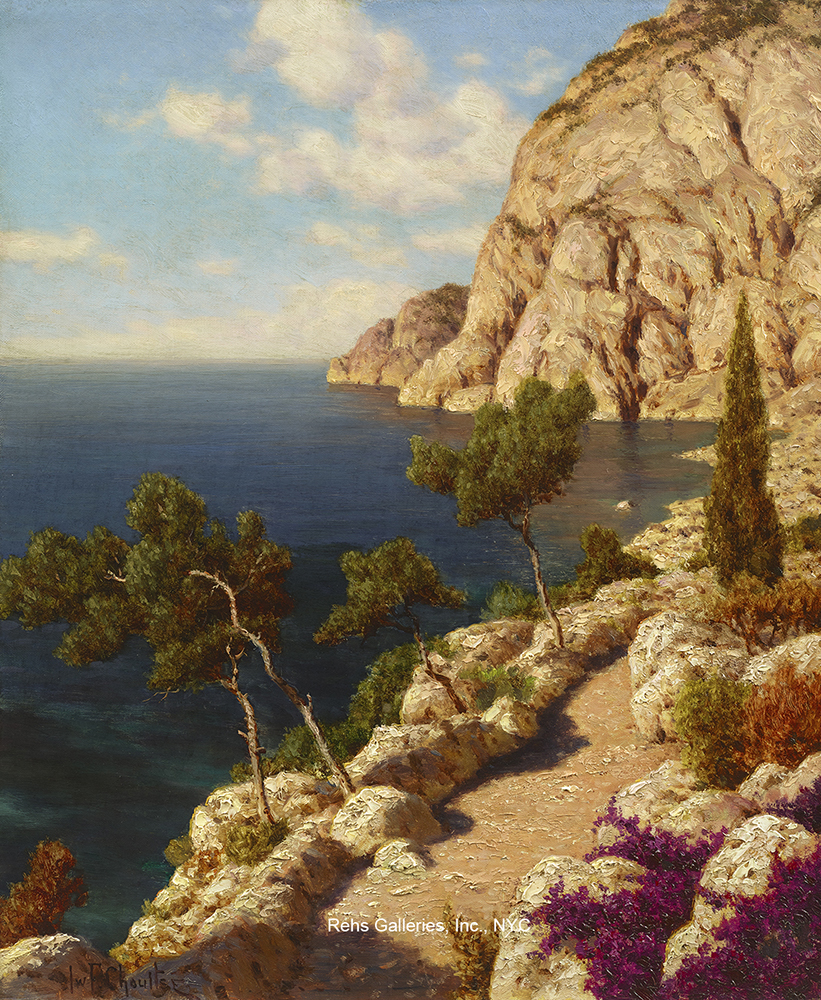
Capri by Ivan Fedorovich Choultse (1877 – 1932), Oil on canvas, 18 x 15 in., Signed; Rehs Galleries, Inc.
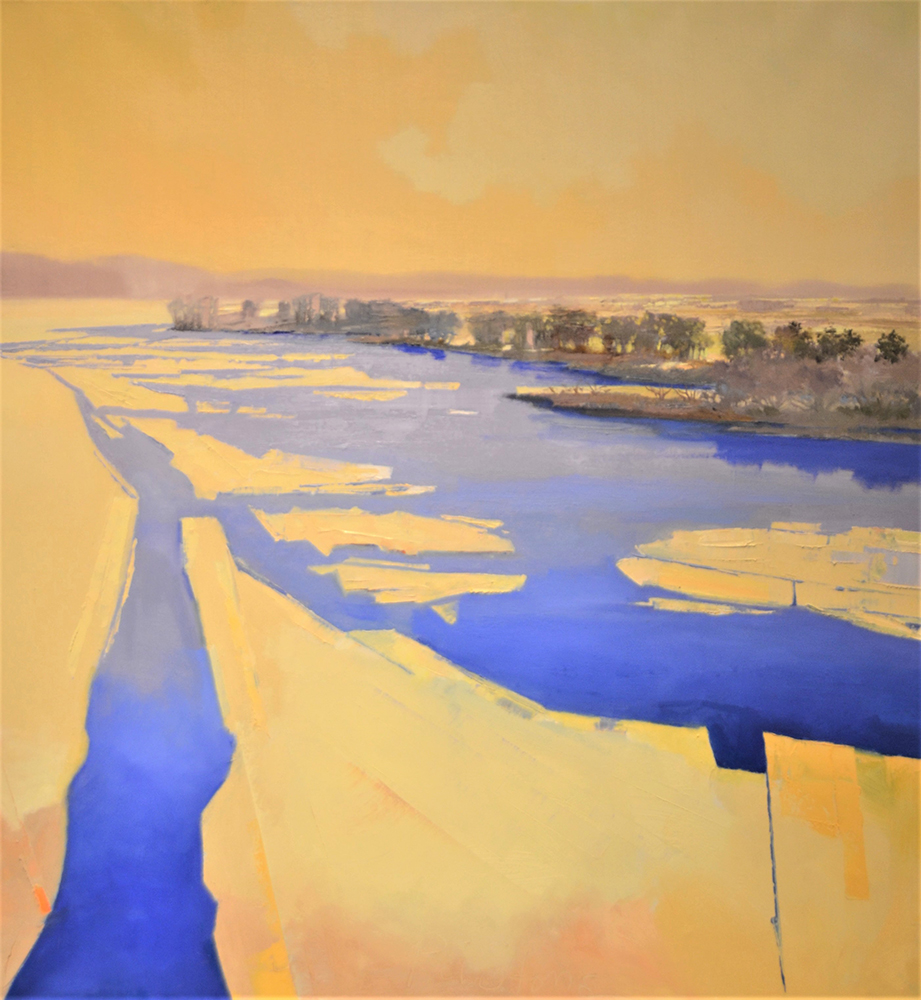
Ice Out by Paul G. Stone, Oil on canvas, 40 x 37 in.; Vermont Artisan Designs
Want to see your gallery featured in an upcoming Virtual Gallery Walk? Contact us at [email protected] to advertise today. Don’t delay, as spaces are first come, first served, and availability is limited.
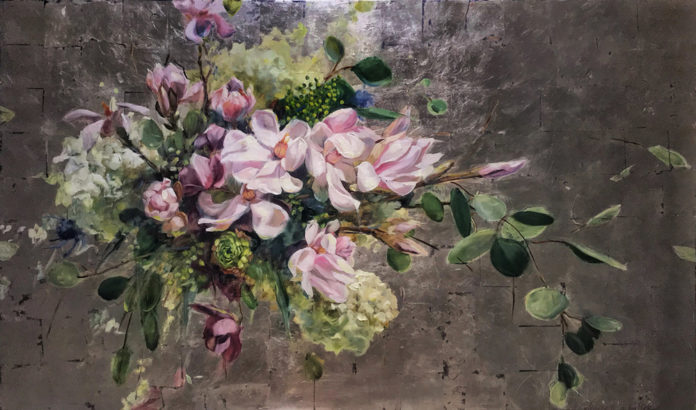
Tulip Tree and Hellebores
By Elizabeth Butler
36 x 60 in.
Oil and silver leaf on panel
$8,900
As native of Arizona, Elizabeth Butler has always been inspired by the beauty of nature. In turn her floral and botanical works of art inspire other to appreciate the gifts of nature. Her current body of work makes an effort to accomplish that with flowers. She arranges and paints them in such a way to draw attention to that life-giving fullness they embody. She carefully selects and arranges the flowers and photographs them as reference, but also keeps the live bouquet as inspiration as she lets her imagination run free.
Discover more of her work at www.celebrateart.com and visit her, along with 100 other artists, at the Celebration of Fine Art in Scottsdale, Arizona, January 16–March 28, 2021. Contact us at 480-443-7695 or [email protected]
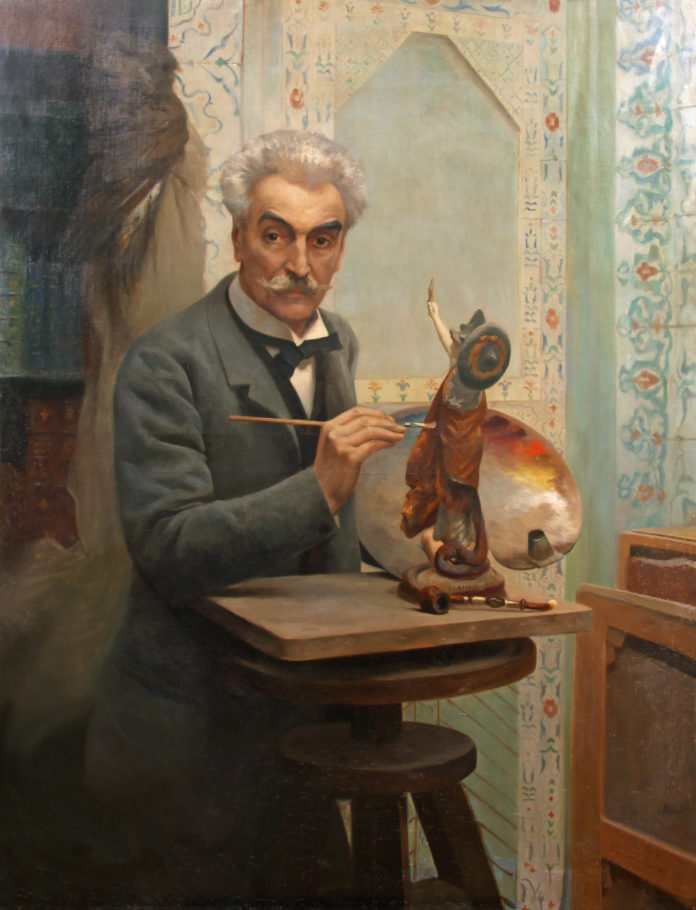
Fernand Corman (1845-1924), "Jean-Léon Gérôme," 1891, oil on canvas, 51 x 39 1/2 in., collection of Jon Swihart
A shared passion for researching the life and art of Jean-Léon Gérôme, and the lessons that can be learned 150 years later.
Mentor and Master: The Enduring Influence of Jean-Léon Gérôme
BY EMILY M. WEEKS
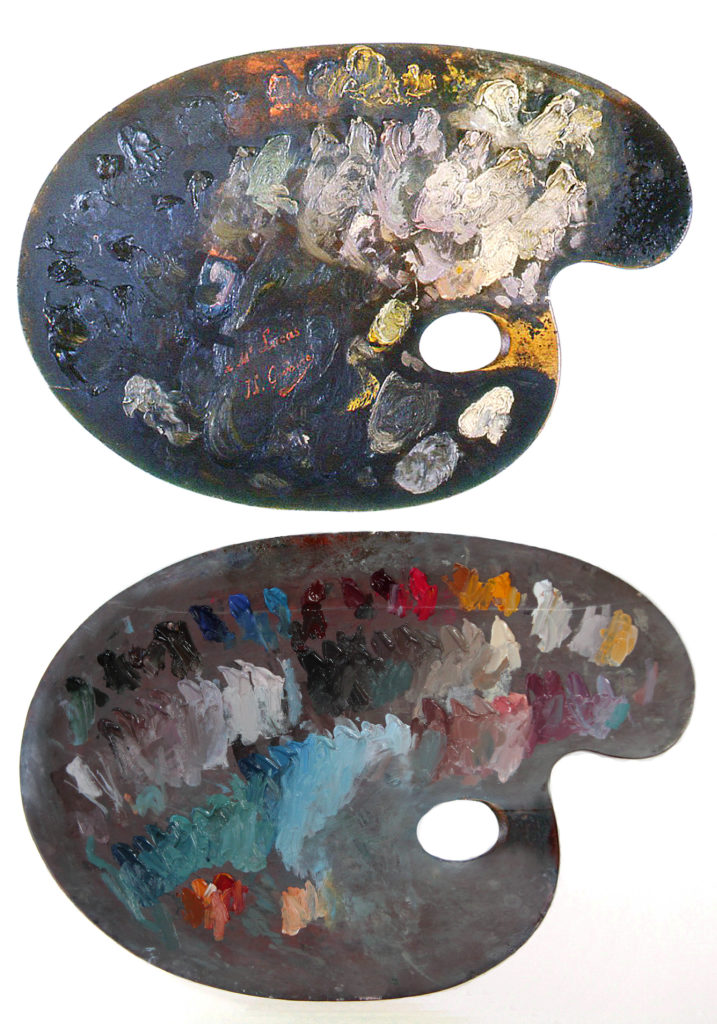
In 1980, the California realist painter Jon Swihart (b. 1954) learned that the Baltimore Museum of Art possessed a group of artists’ palettes. Among them was the well-worn palette of Jean-Léon Gérôme (1824–1904), the French academician Swihart had long admired. Impressed by Swihart’s excitement during their phone conversation, a museum registrar kindly measured and photographed the historic palette for him.
Within a few weeks, Swihart had an exact replica made and still uses it to this day. “My palette has become a sort of talisman,” Swihart explains, “and I feel a deep connection with Gérôme while holding it.”
Top: Jean-Léon Gérôme’s wooden palette, 11 x 16 in., Baltimore Museum of Art, George A. Lucas Collection; Bottom: Jon Swihart’s wooden palette, 11 x 16 in.
Swihart’s enthusiasm for Gérôme is evident throughout his Santa Monica studio. His paintings, inspired by some of the master’s best-known compositions, are propped on easels, their surfaces as smooth and painstakingly precise as Gérôme’s slick, detailed originals. The door of Swihart’s studio is similarly revealing: an Arabic phrase is painted across the chestnut-colored wood, lifted directly from the inscribed portal that appears in an early Gérôme painting of a Sudanese guard. (Written in Ottoman script, this quotation from the Quran reads “Your Lord is indeed the Creator of All, the All-Knowing.”)1
Scattered throughout Swihart’s studio — and also in the comfortable home he shares with his wife and fellow artist Kimberly Merrill — is a selection of Gérôme paintings, drawings, and sculptures the artist has acquired over the years. They, along with a wealth of related ephemera, form a thoughtfully curated collection that is both museum-like in quality and, in its deep and visible influence on Swihart’s daily life and artistic practice, animate and approachable as well.
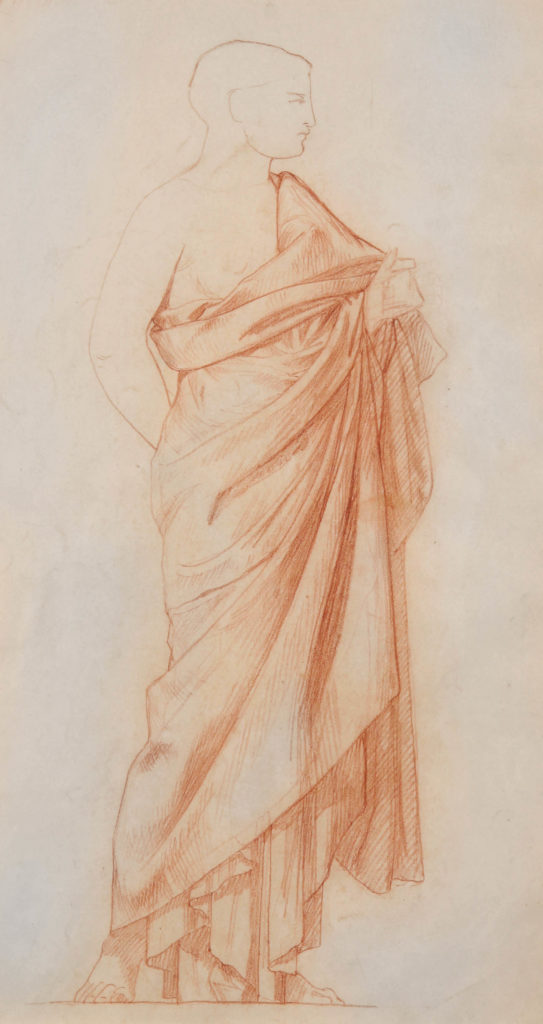
”Although I regard all the Gérômes in my collection like holy scripture,” Swihart muses, “one of my favorite pieces is an early study of a draped figure. I love this drawing because it is so intimate and so telling, like a window into the artist’s mind and soul. It embodies what I believe is at the heart of Gérôme’s work, and what I strive for in my own — sincerity, reverence, restraint, and economy of form.”
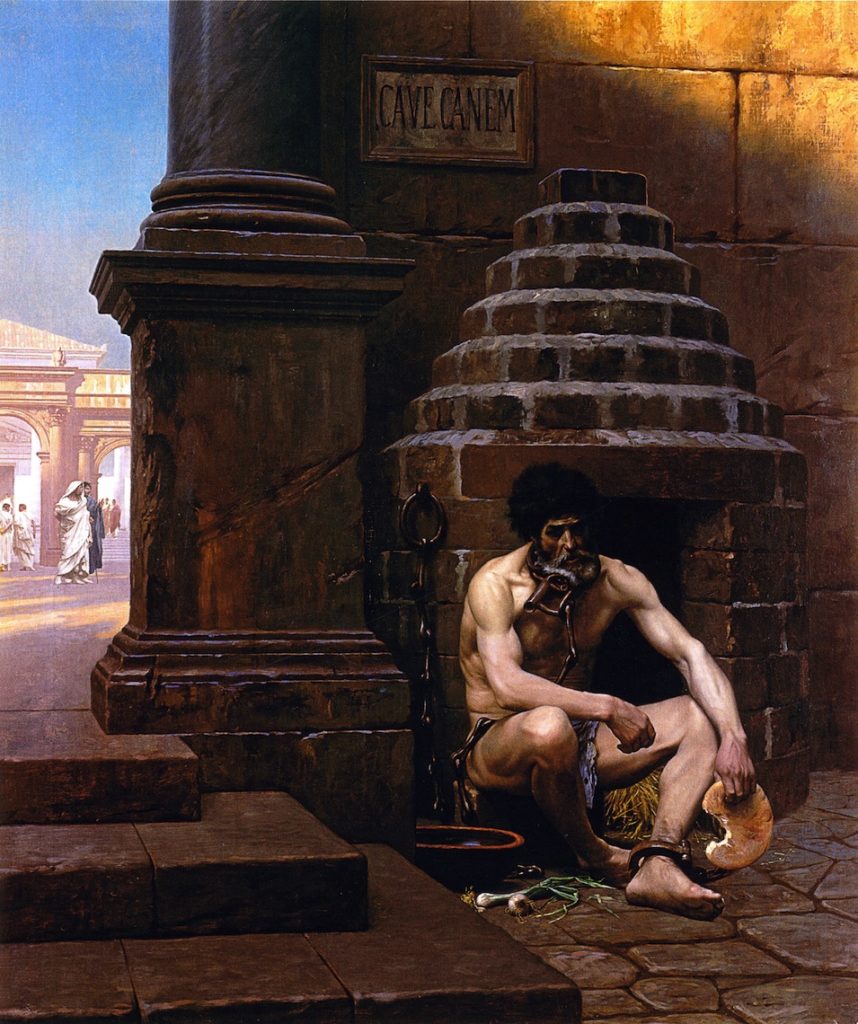
Jon Swihart, Untitled, 1986, oil on panel, 11 x 14 1/2 in., private collectionJean-Léon Gérôme, “Cave Canem,” 1881, oil on canvas, 41 3/4 x 35 in., Musée Georges-Garret, Vesoul, France
AWE AT FIRST SIGHT
Swihart’s interest in Gérôme began in 1972, when he found at the Santa Monica library the catalogue of a retrospective at the Dayton Art Institute.
“I had never heard of Gérôme and was instantly enthralled by his paintings,” Swihart recalls. “This was the mentor I had been seeking!”
Determined to learn more about this 19th-century master, Swihart was surprised to find that little research had been undertaken: “At that time, there was virtually no information available on Gérôme, which fueled my obsession and curiosity all the more. Then a few scholarly articles began to appear, all written by Gerald M. Ackerman [1928–2016], who, I later discovered, lived near me in California. The first time we met, we spent the entire day meticulously going through his massive Gérôme archive.
“It was one of the most powerful experiences of my life, and I left that evening with my arms full of irreplaceable documents that he generously allowed me to borrow. That was the beginning of a long friendship with Jerry, in which we shared our passion for all things Gérôme.” (Swihart’s geographic serendipity would continue; he only recently discovered that a neighbor and collector of his art — a friend for 30-odd years — was in fact the great-niece of Fanny Field Hering, Gérôme’s contemporaneous American biographer.)
Though remarkable in many ways, Gérôme’s powerful influence on Swihart, a practicing American figurative painter, is not without precedent. Indeed, during the course of Gérôme’s long and prolific career, no fewer than 150 American artists passed through his Paris atelier, learning the nuances of his academic style and finding inspiration in his extensive travels and exotic subject matter. (Gérôme traveled throughout the Middle East between the 1850s and 1880s, accumulating a vast library of sketches, props, and souvenirs that were used for his later paintings.)
Among the most famous of these students were Frederick Arthur Bridgman, Thomas Eakins, Edwin Lord Weeks, and J. Alden Weir, who each took from Gérôme’s training elements they adapted for their own idiosyncratic purposes.
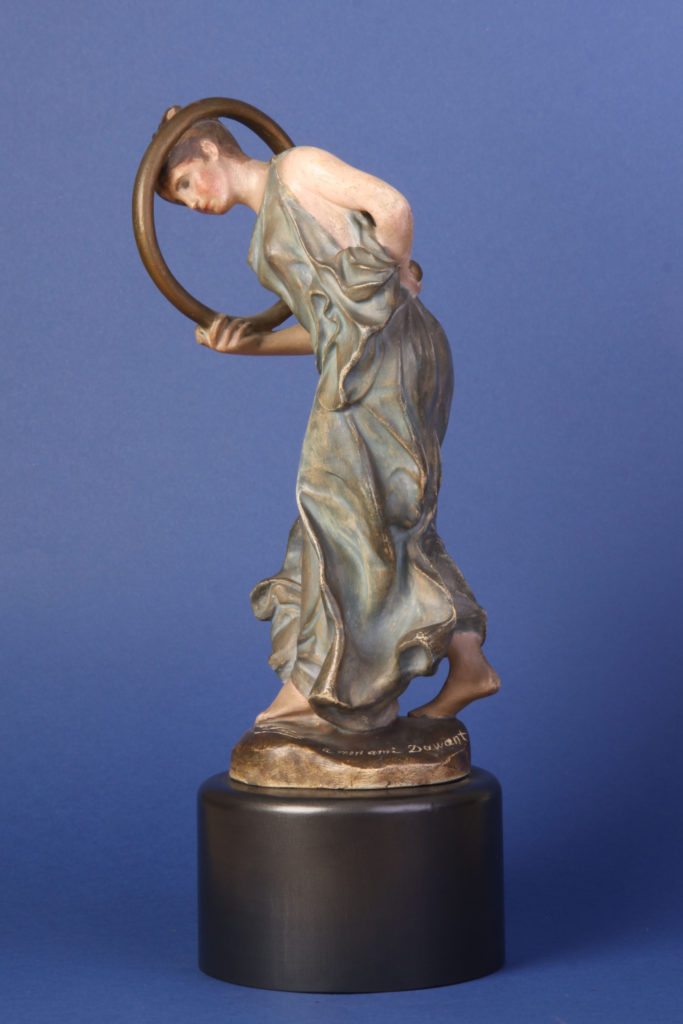
Jean-Léon Gérôme, “The Hoop Dancer,” 1891, painted plaster, 9 1/8 in. high, collection of Jon SwihartJean-Léon Gérôme, “Draped Figure,” c. 1852, 12 x 6 in., red chalk on paper, collection of Jon Swihart
For Swihart, the lessons from Gérôme have been many and varied — and each equally profound. “In the wake of Abstract Expressionism in the 1970s and ’80s,” Swihart explains, “art schools frowned upon developing any skills in drawing and painting. So, with no real support or guidance, my approach to creating realistic art was unfocused and random. But the discovery of Gérôme gave me a clear goal of what I wanted to achieve.”
He continues, “Gérôme is a great mentor because countless pencil drawings, oil sketches, and abandoned half-finished paintings have surfaced thanks to his growing popularity over the last few decades, providing numerous opportunities to observe his creative and decision-making processes. It’s actually inspiring to watch him struggle from a mediocre beginning until he creates a masterpiece. This kind of visible agonizing — the persistence and effort we see — makes Gérôme very human and accessible to me.”
Swihart’s admiration extends to the most specific aspects of Gérôme’s technique. He has adopted the master’s practice of developing and improving an idea through a series of sketches, which culminate in a resolved oil study that, in Swihart’s words, “allows for total concentration when executing the final painting.”
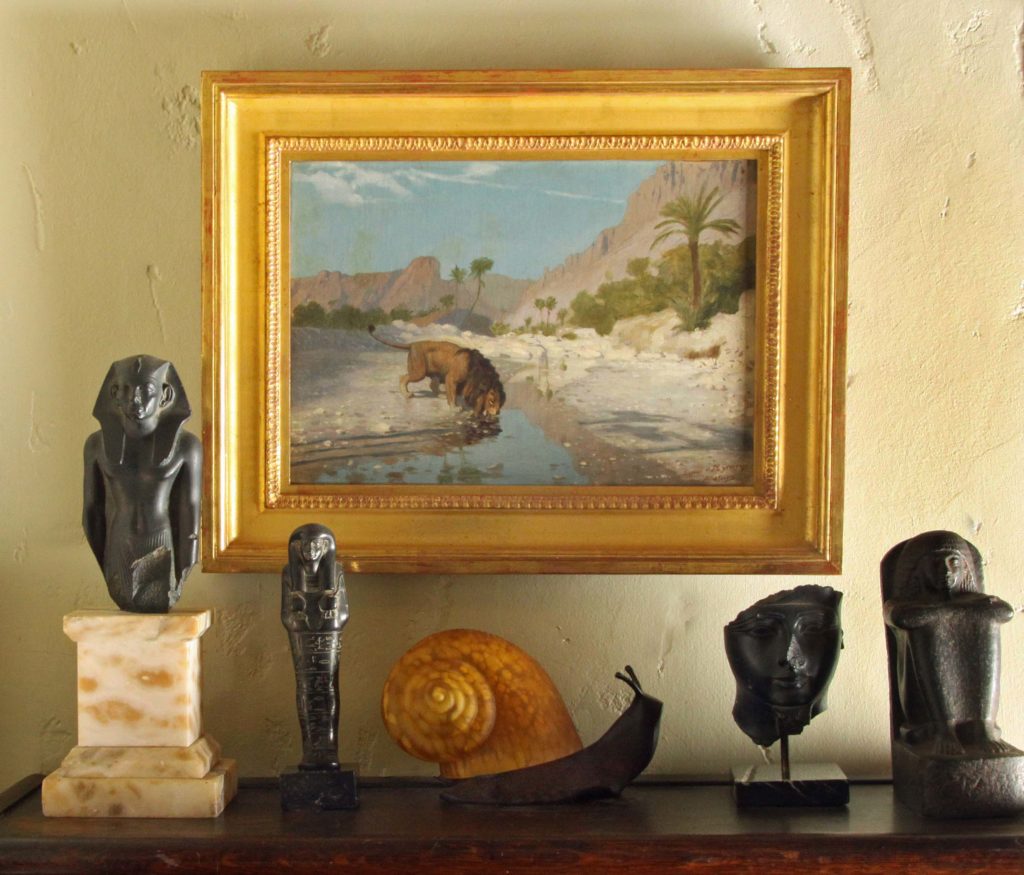
One such oil study by Gérôme, among the last to be finished before his death in 1904, holds a special place in Swihart’s home. Displayed in characteristically thought-provoking fashion, with complementary or amusing objects nearby, “Lion in the Desert” both educates and offers a continual source of inspiration to Swihart, who sees beneath its brilliant hues.2
Jean-Léon Gérôme, “Lion in the Desert,” c. 1903, oil on canvas, 11 1/2 x 16 in., collection of Jon Swihart
“I use the same orderly painting process witnessed here,” he observes, “first toning the canvas or panel with an imprimatura, or preliminary stain of color, then making a precise drawing over it, adding a thin roughed-in underpainting, and finally, putting in the fully finished upper layer, with only one area being completed at a time. I also use Gérôme’s oil-resin painting medium.”
A MASTER WHO LOOKED BACK AND AHEAD
Such dedication would surely have been appreciated by Gérôme, perhaps the most disciplined artist of his day. Born in Vesoul, France, in 1824, Gérôme began his career as a leader of a group of young painters studying in Paris with Charles Gleyre and Paul Delaroche.
Inspired by Greek art and the recent discoveries of frescoes at Pompeii and Herculaneum (sites that Gérôme visited), as well as by contemporaries’ love of narrative and a modicum of scandal, these Néo-grecs painted antique genre scenes with a salacious touch and a distinctive, sun-drenched palette. Such subjects were the perfect vehicle for Gérôme to display his lifelong love of drama, theater, gesture, and costume, and to indulge his developing and seemingly divergent interests in color, light, and the archeological reconstruction of the classical and, later, Eastern worlds.
Gérôme’s path to Orientalism — the genre for which he would become best known — began in 1856, when he first traveled to Egypt with a group of colleagues and friends. Subsequent trips to the region expanded his repertoire of subjects, and confirmed — at least in contemporaries’ eyes — his talents as an ethnographer and his reputation as a privileged witness to all aspects of Middle Eastern life.3
In addition to these firsthand observations, and the artifacts and decorative objects he brought back, Gérôme made great use of the latest technology and scholarship to create his art. An ardent supporter of photography, he accumulated a massive archive of amateur and professional photographs, which he added to his bookshelves of academic publications on Islamic culture, architecture, and design.
Though his subjects are more domestic, Swihart arrives at them through a similarly rigorous investigative process, and via many of the same means. Photographs — most taken by Swihart himself — provide a practical solution to the demands of his hyper-realistic style, releasing his models from what would other-wise be an endless marathon of sittings and offering a means by which to study even the most minute detail. (Swihart is quick to correct anyone who compares his work to photography, however, explaining that it is instead, much like Gérôme’s, “an intuitive blend of fidelity to reality and poetic license that just happens to resemble a photo.”)
Travel and bookish research also contribute directly and indirectly to Swihart’s artistry. During one of his many trips to France (his “magical faraway land of dreams”), he embarked on a pilgrimage of sorts. It included measuring and drawing the floor plan of one of Gérôme’s studios (now an office space); visiting the room in which the artist was born and the street corner where he waved farewell to his dining companions on the night he died; and visiting descendants of the artist, who shared their stories and the artworks they inherited to help bring the master to life.
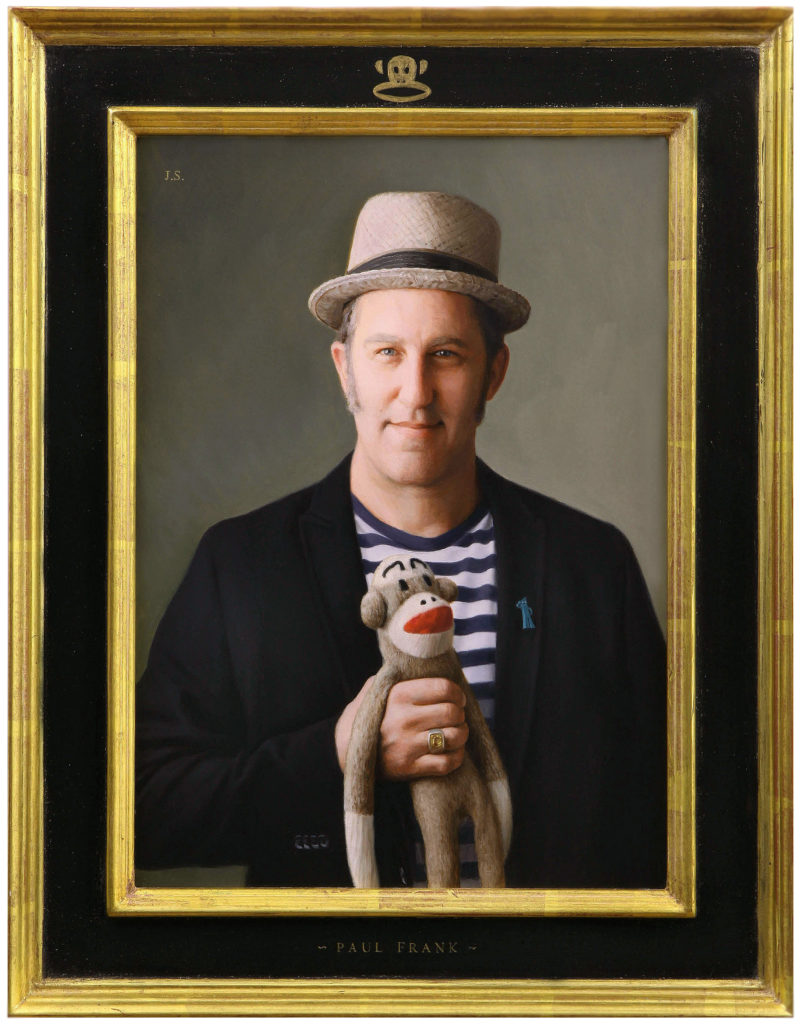
The sum of these experiences and the logs of quantifiable data — which constitute an archive that, in many ways, rivals Ackerman’s — add a gloss of erudition and an element of history to even the most modern and “popular” of Swihart’s paintings. His 2014 portrait of the legendary cartoonist, artist, and fashion designer Paul Frank, for example, traces its lineage to the penetrating figure studies and society commissions produced by Gérôme and, rather cleverly, to a dynamic portrait of Gérôme at work, painted by his peer Fernand Cormon and also owned by Swihart.
John Swihart, “Portrait of Paul Frank,” 2014, oil on panel, 12 x 8 1/2 in., private collection
It is this connection with the past — between the works Swihart collects and those he is inspired to create — that grounds and guides him at every turn. “The artist,” Gérôme once advised his students, “should be a poet in conception, a determined, honest, and sincere workman in the execution.”
As a young man, Swihart once taped this quotation to his studio wall. Ever since, Gérôme’s words have become an all-embracing philosophy, resonating as powerfully today as they did more than 150 years ago.
EMILY M. WEEKS is an independent art historian and consultant for museums, auction houses, and private collectors in America, Europe, and the Middle East. Her areas of expertise include Orientalism and 19th-century British and European visual culture; she is also the acknowledged expert on the artist Jean-Léon Gérôme.
Endnotes:
1. Surah Al-Hijr 15, verse 86.
2. A more complete version of this painting is in the Albright-Knox Art Gallery, Buffalo.
3. Today, the “realism” of Gérôme’s Orientalist works is rightly called into question.
Fill your mind with useful art stories, the latest trends, upcoming art shows, top artists, and more. Subscribe to Fine Art Today, from the publishers of Fine Art Connoisseur magazine.