
Home Blog Page 200

The Briscoe Opens with Special Tours, Perks, and Discounts

0
Briscoe Western Art Museum

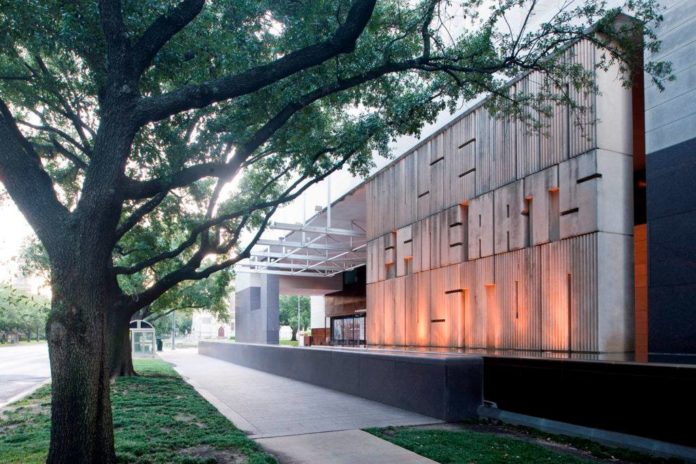
Saddle up and head West from the heart of San Antonio when the Briscoe Western Art Museum reopens May 23. The museum that features the saddles of Western icons such as Roy Rogers, Buffalo Bill and Pancho Villa is opening its doors again, welcoming everyone with special admission rates, early member access, exclusive tours and enhanced safety protocols.
Briscoe Western Art Museum
The saddle of Roy Rogers

Tipping Our Hat to Healthcare Heroes

Sharing the spirit and beauty of the West through art and artifacts, the Briscoe Western Art Museum brings the vibrant history and stories of the American West to life. The Briscoe is welcoming all healthcare workers to saddle up and enjoy the museum for free throughout the summer. Just show your valid identification so the museum can say thank you. The museum’s reopening weekend also includes half-price general admission for everyone. May 23-25, everyone over the age of 12 can enjoy the museum for just $5 per person. Children 12 and younger receive free admission.

Briscoe Western Art Museum2020 Night of Artists Open to the Public

The museum’s reopening means everyone can finally enjoy the 2020 Night of Artists Exhibition and Art Sale. Night of Artists draws artists, collectors and art enthusiasts from around the country each year to celebrate Western art. Originally set to open in March, the museum’s largest annual exhibition features more than 300 new works of painting, sculpture and mixed media by 80 of the country’s leading contemporary Western artists. Everyone will be transported West through scenic landscapes, inspired Native Americans and classic cowboys, stunning wildlife and detailed portraiture.

To celebrate the opening of the exhibition, Michael Duchemin, Ph.D., President and CEO of the Briscoe Western Art Museum, will lead tours of Night of Artists, sharing his insights on this year’s works. Duchemin has worked since 1984 as an executive director, chief curator, exhibition and program developer, historian, and author specializing in the cultural and intellectual history of the United States with an emphasis on the American West.

“Now more than ever, we need the opportunity to experience art. This year’s Night of Artists works are truly among the best I’ve seen. Our reopening means we can finally share this extraordinary exhibition in person,” said Duchemin. “Art has the power to lift spirits and provide relief from the weights of daily living and celebrating the beauty and impact of the rich stories shared through Western art is the heart of the Briscoe. We look forward to safely sharing the spirit and beauty of Night of Artists with everyone.”

Briscoe Western Art Museum
The museum’s reopening protocols include staff wearing masks, additional sanitizers and cleaning protocols, as well as the installation of plexiglass in both visitor services and the museum store.

Giving Everyone Wide Open Spaces: Reopening Protocols

To safely welcome guests, the Briscoe will only welcome 25 percent of its admission capacity, monitoring attendance through ticket counts and limiting admissions as necessary. The museum’s reopening protocols include staff wearing masks, additional sanitizers and cleaning protocols, as well as the installation of plexiglass in both visitor services and the museum store. Tickets and memberships may be purchased in advance online to limit in person interaction. Interactive displays will remain closed. The McNutt Sculpture Garden, the museum’s beautiful outdoor courtyard featuring bronze sculptures depicting iconic figures of the American West, will be open for guests to enjoy. Details on the reopening protocols are available on the museum’s website.

Briscoe Western Art Museum


> Sign up to receive Fine Art Today, our free weekly e-newsletter

> And click here to subscribe to Fine Art Connoisseur magazine, so you never miss an issue

Friday Virtual Gallery Walk for May 15, 2020

0
Friday Virtual Gallery Walk

As part of our effort to help keep artists and art galleries thriving, we’re proud to bring you this new “Virtual Gallery Walk.” Browse the paintings below and click the image itself to learn more about it, including how to contact the gallery.

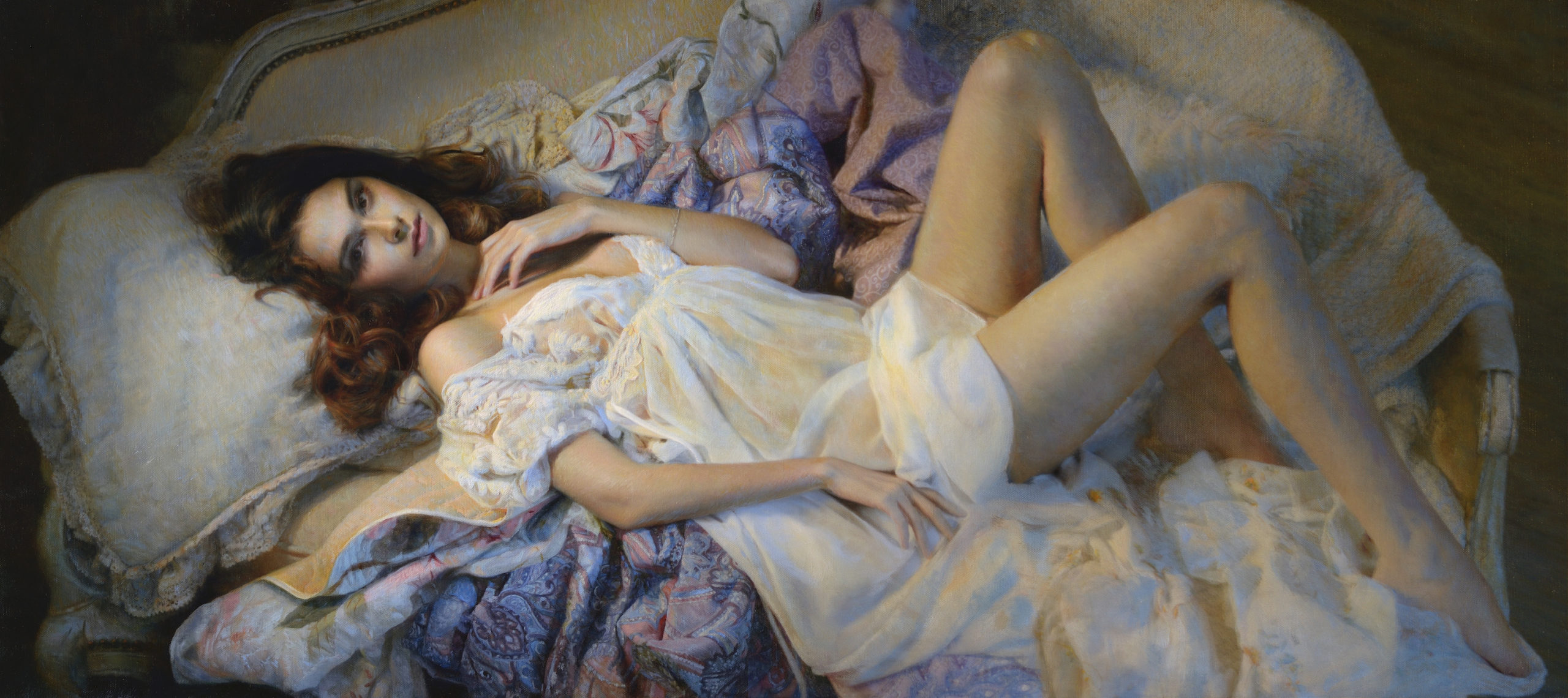
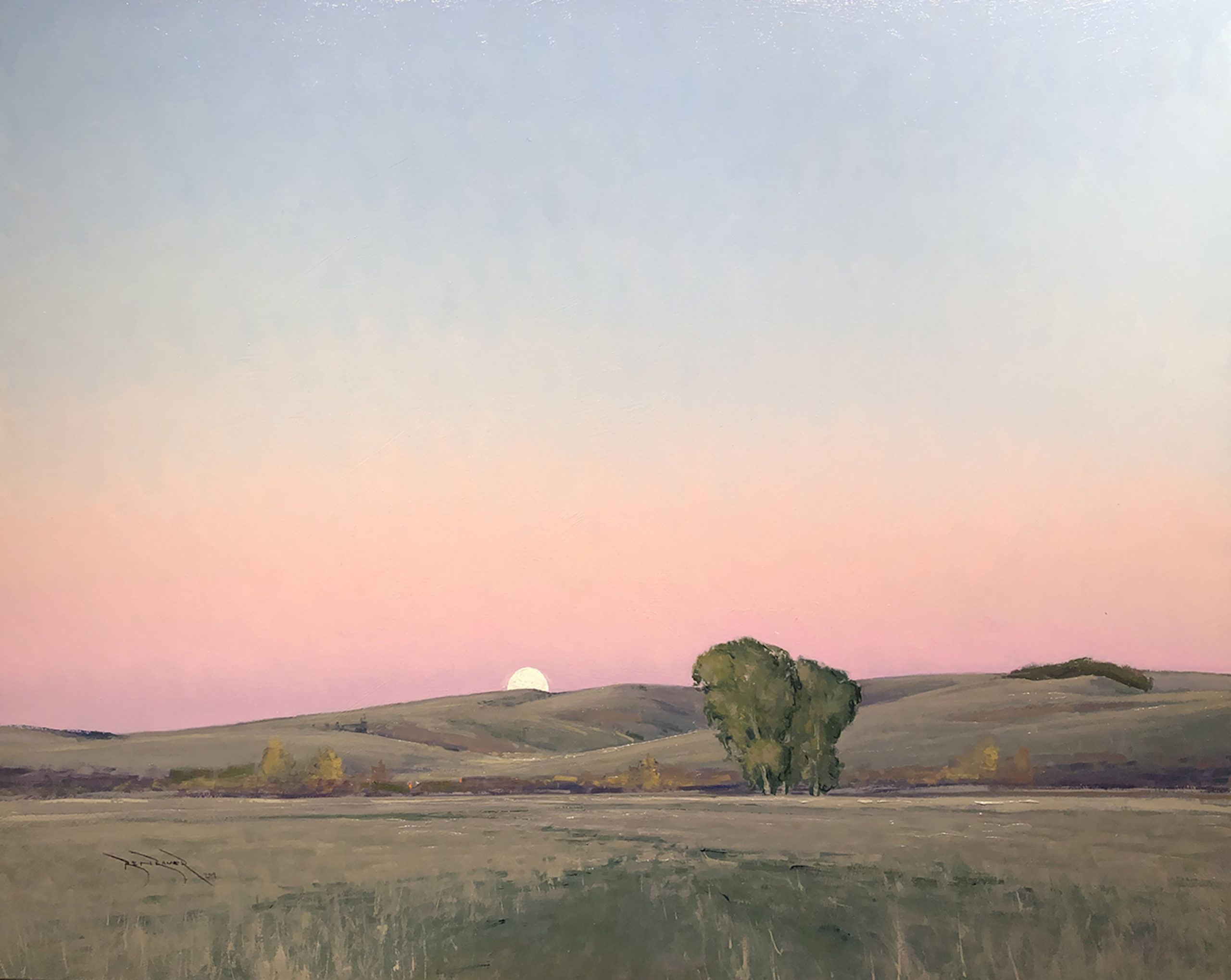
Paix by Debra Ferrari, Amor Vincit Omnia Series, Oil on Canvas, 84 x 84 in.; Ferrari Gallery


A Quiet Seclusion by Brent Cotton, Oil on Linen, 20 x 26 in.; Trailside Galleries


Watchful Mother by Trevor Swanson, Oil, 24 x 30 in.,; Pitzer’s Fine Arts


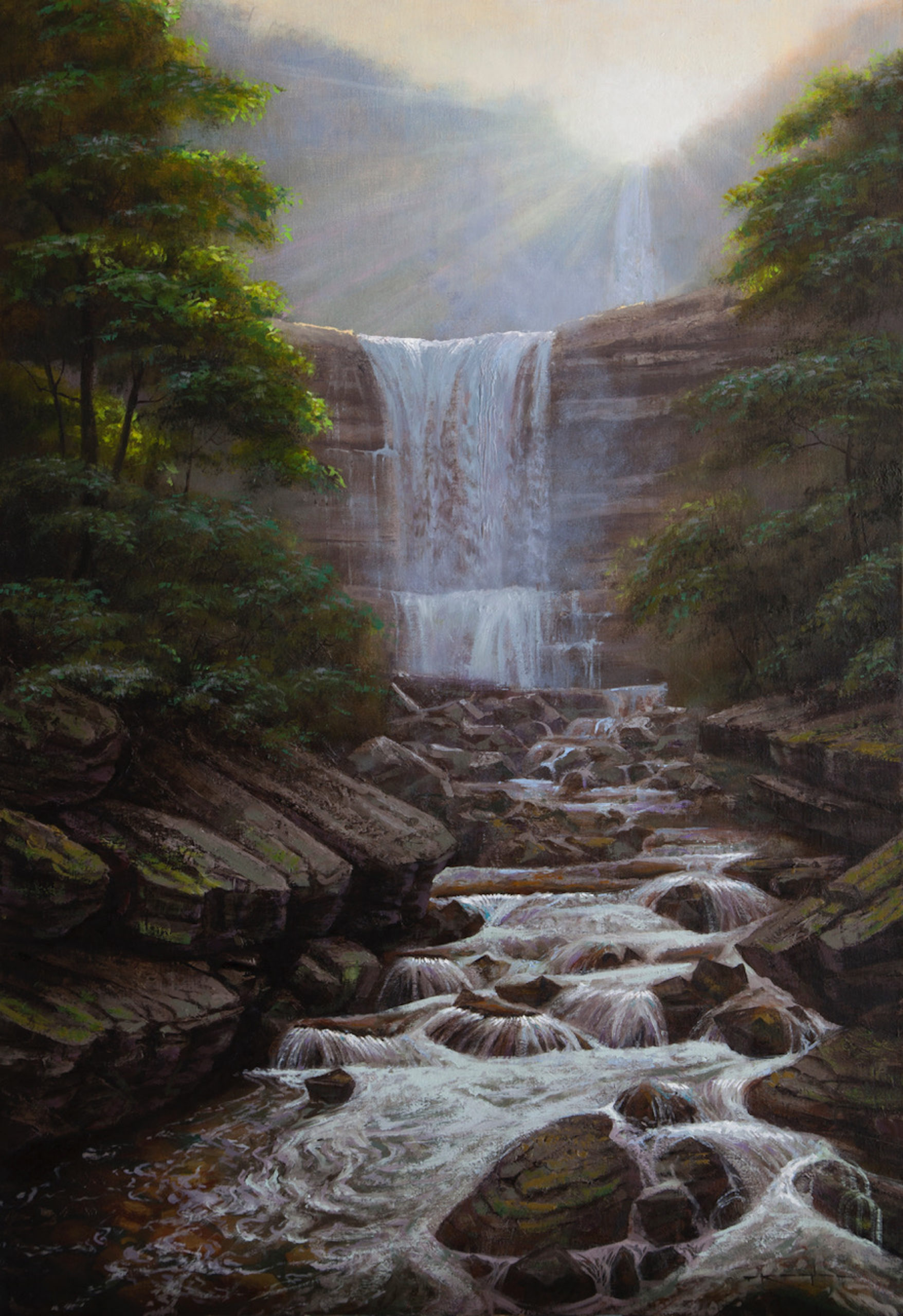
The Sacred Place by William Kalwick, Oil, 36 x 30 in.; Pitzer’s Fine Arts


Madonna and Child with Angels in the Clouds by Jacopo Amigoni (Italian, ca. 1680–1752), Oil on Canvas, 23 1⁄4 x 12 1⁄2 in.; Robert Simon Fine Art


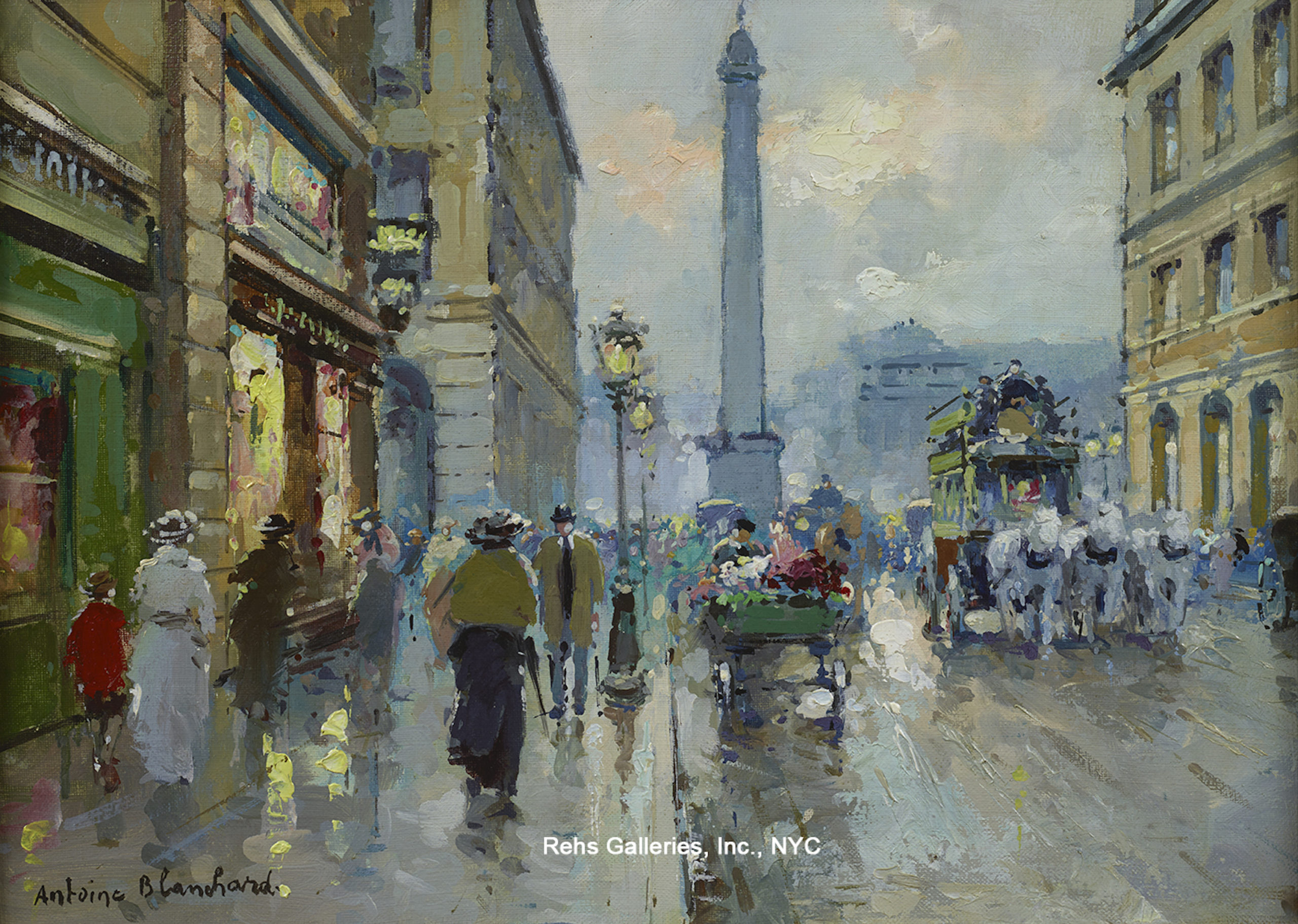
Summer Along the River by Louis Aston Knight (1873-1948), Oil on Canvas, 26 x 32 in.; Rehs Galleries, Inc.


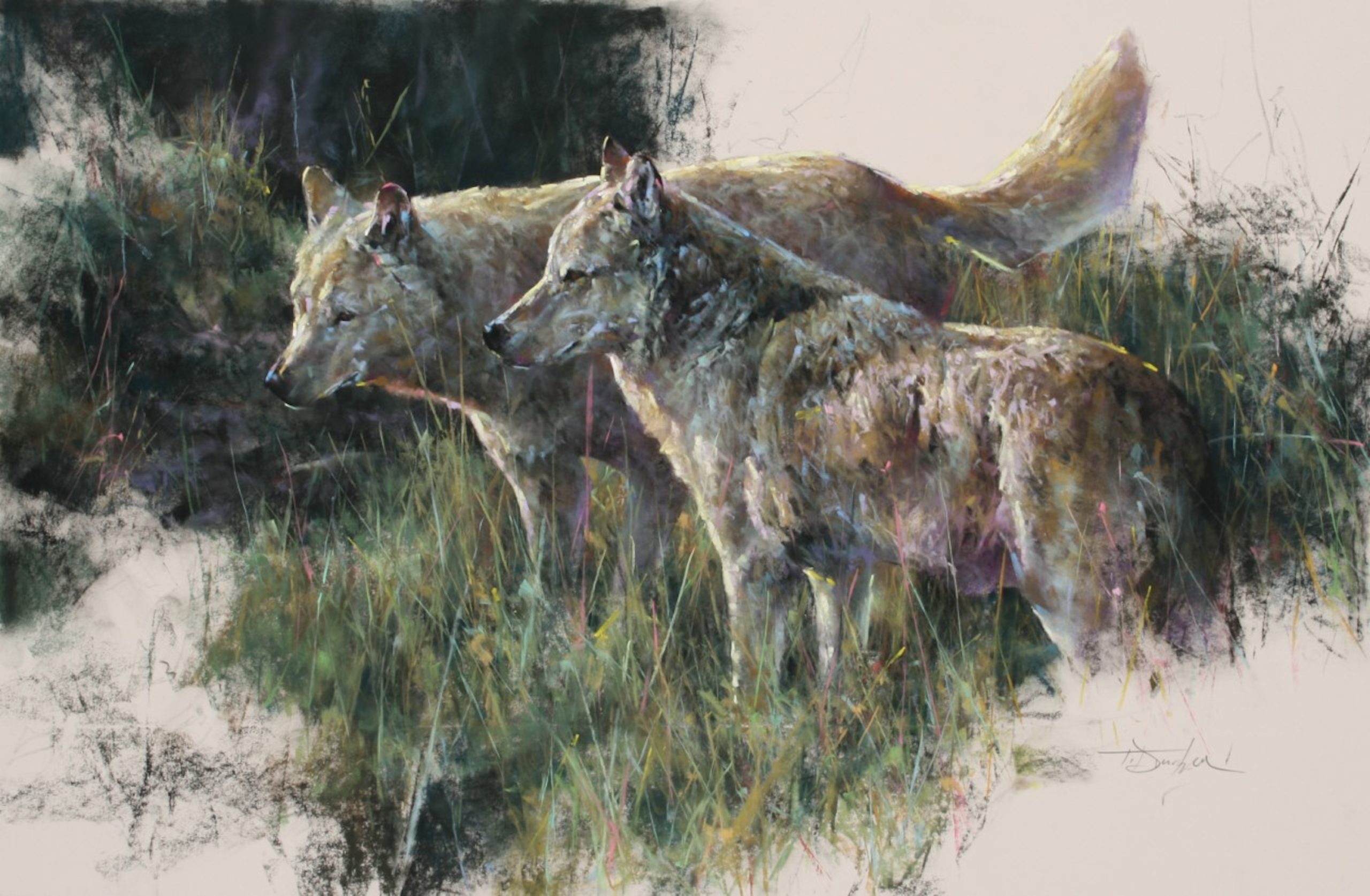
Smoky Wolf by Julie Bell, Graphite on Clayboard, 10 x 8 in.; Rehs Contemporary Galleries, Inc.


In the Shadow by Gelena Pavlenko, Oil on Linen, 20 x 16 in.; Lotton Gallery


A Place to Rest by Robert Bolster, Oil on Canvas, 11 x 17 in.; Tree’s Place Gallery


Soupe a l’Oignon by Blair Atherholt, Oil on Panel, 12 x 19.5.; Gallery 330


Pink Peonies by Ekaterina Ermilkina, Oil, 24 x 24 in.; Bluestone Fine Art Gallery

Want to see your gallery featured in an upcoming Virtual Gallery Walk? Contact us at [email protected] to advertise today – don’t delay, as spaces are first-come first-serve and availability is limited.

Narrative Art > A Life of Their Own

0
Contemporary Realism - David Bowers - FineArtConnoisseur.com
David Bowers, “Ship of Fools,” oil on linen, 24 x 34 in. (c) David Bowers 2017

Narrative Art > Learning more about the creative process of David Bowers, one could get the sense he’s simply a conduit of pure inspiration. Focusing on technique, his pictures take on a life of their own, which frequently results in outstandingly beautiful works with unconventional narratives.

Narrative art - David Bowers - FineArtConnoisseur.com
David Bowers, “Thinking of Adam,” 8 x 10, oil on Belgian linen mounted to panel

As one might expect from the tantalizing hints above, prolific artist David Bowers begins his creative process with a scene, subject, or idea that captures his attention. Using pencil or brown ink — and sometimes completing a watercolor study — Bowers records the source of inspiration. Once born, the paintings follow their own individual journeys, and it seems the end product is quite unpredictable.

Contemporary Realism - David Bowers - FineArtConnoisseur.com
David Bowers, “Made in America,” 2011, oil on linen, 44 x 24 in.
Narrative art - David Bowers - FineArtConnoisseur.com
David Bowers, “Preserving America,” 25 x 21, oil on linen

“People always want to know what I was thinking when I create one of my more unusual paintings,” Bowers says. “My answer to them is simple: I just really wanted to paint that girl wrapped in plastic, holding a dead rat. The story sometimes just happens during the painting process. Sometimes the hidden narrative or true meaning is in the title itself. I am often inspired by an image that I see and my painting materializes from that image. It will often morph into so much more.”

Narrative art - David Bowers - FineArtConnoisseur.com
David Bowers, “Lisa, The Shield Maiden,” 24 x 18, oil on wood panel

This process can be challenging and frustrating to follow, and Mrs. Bowers deserves some credit. “Halfway through a painting, I’m always in flux as to where I want to go with it and often complain to my wife that I don’t like the painting, it’s not working out, and I want to destroy it,” the artist writes. “I wouldn’t be nearly as prolific if it weren’t for her. She tells me, ‘You always say that at this stage of the painting and it will work out in the end. It’s a beautiful painting and you are not going to destroy it!’”

Thank goodness, because she’s absolutely right; Bowers’ paintings are outstanding examples of contemporary realism, and his narratives are fresh, original, and captivating.

Narrative art - David Bowers - FineArtConnoisseur.com
David Bowers, “Dreaded Silence,” 15 x 40, oil on Belgian linen over panel
Contemporary Realism - David Bowers - FineArtConnoisseur.com
David Bowers, “Tears from Heaven,” oil on linen, 15 x 40 in.

“Tears from Heaven” is a pertinent example. Bowers says, “This work was inspired by a wall in the Seattle Art Museum. The wall had a variety of busts and heads from antiquity in different degrees of decay attached to the wall. I loved the texture of the heads and how the shadows cascaded down against the wall. I love music and am a beginner guitar player, so I thought how interesting it would be to do something similar with rock and pop stars that died tragically and before their time.”

Contemporary realism - David Bowers - FineArtConnoisseur.com
David Bowers, “Finding the Gold,” oil on Belgian linen, 34 x 24 in.
Narrative art - David Bowers - FineArtConnoisseur.com
David Bowers, “Family Tree,” 48 x 36, oil on linen, 2011

Ultimately, Bowers seeks to perfect his technique, endeavoring to make each painting better than the last. With this in mind, it shouldn’t surprise that Bowers was inspired early in his career by the Dutch masters — their luxurious surfaces, captivating narratives, and subtle sense of humor. Today, only the desire to have a near-perfect finish on the surfaces of his work remains.

“Now I try to paint without thinking of any past influences and create my own unique vision,” he says. “I spend a lot of time digging minute dust particles from my surfaces. I also sand the paintings carefully between layers with pumice stone powder to help with the removal of dust particles. My wife often says that I look like a mad scientist when I am creating a panel.”

Contemporary realism - David Bowers - FineArtConnoisseur.com
David Bowers, “Bust My Bubble,” 2013, oil on linen, 26 x 32 in.
Narrative art - David Bowers - FineArtConnoisseur.com
David Bowers, “Bad Day in Toyland III (My Last Train),” 22 x 18, oil on Belgian linen

Modern-day Victor Frankenstein or not, Bowers indeed uses paint to bring his unique visions to the world, and the life they take on continues to draw collectors and connoisseurs. “My favorite quote was from Billy Joel. He said, ‘In a world filled with mediocrity, just being competent makes you seem extraordinary.’ I will never settle for mediocrity. My drive is to make the next painting better than the last!”

Additional Narrative Art Works by David Bower:

Narrative art - David Bowers - FineArtConnoisseur.com
David Bowers, “Venus Against the Wind,” 20 x 18, oil on Belgian linen
Narrative art - David Bowers - FineArtConnoisseur.com
David Bowers, “Alice and the Poison Mushrooms,” 22.5 x 16.5, oil on wood
Narrative art - David Bowers - FineArtConnoisseur.com
David Bowers, “Listen,” 24 x 18, oil on panel

To learn more, visit David Bowers.


> Sign up to receive Fine Art Today, our free weekly e-newsletter

May 21 Auction: Old Master Through Modern Prints

0
Fine art auctions - Cassatt drawings
Above: Detail of "Hélène of Septeuil" by Mary Cassatt (full image shown below)

Swann Galleries will offer a live online sale of Old Master Through Modern Prints on Thursday, May 21. With the largest selection of old master prints to be found at auction in America as well as important modern works, this sale offers an impressive array of fine material, including a special section dedicated to fine old master prints and drawings from the collection of the late art dealer Matthew Rutenberg.

More from Swann Galleries:

Matthew Rutenberg was a respected figure within the art world with an extraordinary knowledge of Western art history, particularly Old Master works. Notable drawings include a late-sixteenth-century sheet of studies of flying putti from the Sienese School ($3,000-5,000); Standing Female Nude, a 1916 black and white chalk study by Julio González ($7,000-10,000); and Ruins of the Temple of Diana, Nimes, a watercolor, pen and ink drawing by Jacob Philipp Hackert ($4,000-6,000).

Lot 67: Julio González, “Standing Female Nude,” black and white chalk, 1916. Estimate $7,000 to $10,000. From the Collection of Old Master Prints & Drawings of Matthew Rutenberg.

Included among the Old Masters are exceptional examples by Albrecht Dürer and Francisco José de Goya. Highlights from the selection include woodcuts by Dürer Hercules Conquering the Molionide Twins, 1946-98, and The Vision of the Seven Candlesticks, 1498, estimated at $15,000 to $20,000 apiece; and a first edition of Goya’s circa 1834 aquatint and etching Modo de Volar carrying an estimate of $7,000 to $10,000.

There are many fine works by Rembrandt van Rijn, including lifetime impressions of the etchings Self Portrait with Raised Sabre, 1634 ($30,000-50,000); Landscape with an Obelisk, circa 1650 ($25,000-35,000); and The Good Samaritan, 1633 ($10,000-15,000). Prints by Pieter Bruegel, Hendrick Golzius and Giovanni B. Piranesi round out the superb offering.

Nineteenth-century works include Mary Cassatt’s two drypoints Hélène of Septeuil, circa 1890, and Baby’s Back, 1890, both expected to bring $7,000 to $10,000. Also featured is a remarkable run of etchings by James A.M. Whistler, most notably works from the artist’s first and second Venice etchings: The Two Doorways, 1879-80 ($12,000-18,000), and San Biagio, 1879-80 ($10,000-15,000).

Lot 322: Mary Cassatt, “Hélène of Septeuil,” drypoint, circa 1890. Estimate $7,000 to $10,000.

Modernists are represented by Die Brück artists Erich Heckel, with Männerbildnis, color woodcut, 1919 ($40,000-60,000), and Edvard Munch, with Den Tykke Horen, color woodcut, 1899 ($25,000-35,000).

Lot 449: Erich Heckel, “Männerbildnis,” color woodblock, 1919. Estimate $40,000 to $60,000.

Further Modernist stalwarts include Pablo Picasso with Faune Dévoilant une Femme, a 1934 etching from the Vollard Suite ($50,000-80,000); and Jacques Villon with Monsieur D. Lisant, 1913, is among the last of the major Cubist prints Villon created between 1911 and 1914 ($25,000-25,000). Henri Matisse, Joan Miró and Salvador Dalí also feature.

Lot 415: Pablo Picasso, “Buste Modern Style,” lithograph, 1949. Estimate $40,000 to $60,000.

Rufino Tamayo leads a run of Latin American art with Galaxia, a 1977 color mixografía set to come across the block at $10,000 to $15,000. Also of note is Roberto Matta with Etoile des Jardins, color etching, 1995 ($8,000-12,000); a group of five color lithographs dating to 1968 and 1969 by David A. Siqueiros ($2,000-3,000); and Miguel Covarrubias’s Rice Granary, Bali, lithograph, circa 1943 ($1,500-2,500).

Lot 402: Rufino Tamayo, “Galaxia,” color mixografía, 1977. Estimate $10,000 to $15,000.

While current restrictions will not allow for in-person examination of the material, Swann Galleries staff will prepare condition reports and provide additional photographs of material on request. Advance order bids can be placed directly with the specialist for the sale or on Swann’s website, and limited, pre-arranged phone bidding will be available. Live online bidding platforms available will be the Swann Galleries App, Invaluable, and Live Auctioneers. The complete catalogue and bidding information is available at www.swanngalleries.com and on the Swann Galleries App.

Books for Art Lovers: The Life and Art of Wilson Hurley

0
Books for Art Lovers: The Life and Art of Wilson Hurley
"Summer Afternoon Light on the Mummy Cave," 2006, oil, 32 x 40 in.

Written by Wilson’s artist/wife Rosalyn Roembke Hurley, The Life and Art of Wilson Hurley: Celebrating the Richness of Reality focuses on her husband’s four-decade commitment to sharing what he described as “a very real love that I have for the world. I experience physical pleasure when I look at it.”

Books for Art Lovers: The Life and Art of Wilson Hurley
“The Quiet Waters of Zion,” 1980, oil, 32 x 40 in.

Renowned for depicting landscapes, weather phenomena, and space exploration into our solar system, Hurley had a remarkable ability to convey both the richness of reality, while simultaneously compelling viewers to revel in the magnificence of a moment. His philosophy of combining science and art—head and heart— is apparent in everything from a dramatic sunrise at the Grand Canyon to a still life of a night-blooming cereus blossom.

Books for Art Lovers: The Life and Art of Wilson Hurley
“Columbia at 30 Seconds,” 1981, oil, 40 x 36 in.

Often working in large formats, his monumental “Windows to the West” project at the National Cowboy and Western Heritage Museum in Oklahoma City is covered from conception through his innovations in painting, shipping, mounting, and installing five 16-by-36-foot triptychs.

Books for Art Lovers: The Life and Art of Wilson Hurley
Wilson Hurley with New Mexico Suite central panel, 16 x 16 ft

Highlights of Hurley’s youth include growing up in Leesburg, VA, pursuit of degrees at West Point and The George Washington University Law School, and a lifelong love of flying. Paintings from his service as a pilot during the Vietnam War illustrate how viewing the world from a cockpit impacted Hurley’s predilection for glorious cloud formations.

Books for Art Lovers: The Life and Art of Wilson Hurley
“Sunset at Angostura,” 2005, oil, 45 x 72 in.
Books for Art Lovers: The Life and Art of Wilson Hurley
“The Sun Sets on Werner Voss,” 1990, oil, 48 x 48 in.

His studies of the Old Masters and artists such as George Inness, John Constable, and the Impressionists reinforced his decision at age 40 to become more than a Sunday painter and to follow the advice of Peter Hurd not to attend art school but to commit himself to learning from the giants of the past and then “paint, and paint some more.”

Books for Art Lovers: The Life and Art of Wilson Hurley
“Summer on the Mesa,” 1984, oil, 36 x 48 in.

Rosalyn, whose painting career was mentored by her husband, also shares Wilson’s methods, techniques, and philosophy of art whether painting in the studio or outdoors. His commitment to plein air fieldwork at the behest of his mentor Bob Lougheed reveals why Hurley also paid forward his knowledge. In letters published here for the first time, Hurley elucidates his personal goals as examples that might help young and mid-career painters find their unique paths. In judging art, as he was often asked to do, he offers insights in evaluating the elements of art. Also of interest are preliminary sketches and thumbnails that illuminate how he took a vast vista and transformed it into a work of art.

Books for Art Lovers: The Life and Art of Wilson Hurley
Wilson and Roz Hurley, 1984

A wordsmith himself, Hurley’s commentary accompanies two portfolios comprising 78 paintings. From his Prix de West winner “Los Alamos Country” to World War I Bristol F-2 fighter aircraft, the clipper ship Sea Witch, and a Mariner 4 Mars flyby, he shares historical details, insights, and his affection for places nearby and faraway.

Books for Art Lovers: The Life and Art of Wilson Hurley
“The Golden Hind 1579,” 1990, oil, 36 x 71 in.

At the core of Hurley’s passion was his belief that he lived in a new age of discovery: “Where I’m luckier [than my predecessors] is that I live during a time when our view of the world has a much greater perspective. We’ve seen it from outside the world. We’ve had views that are so vast and breathtaking that they couldn’t even imagine them. I feel as if I have lived through an age of discovery much like the people did in the Renaissance when they discovered the New World.”

Books for Art Lovers: The Life and Art of Wilson Hurley
“At the Head of Echo Canyon,” 1984, oil, 48 x 48 in.
Books for Art Lovers: The Life and Art of Wilson Hurley
“Buddha Temple From the Hopi Wall,” 1978, 60 x 120 in.

From beginning to end, this book celebrates nature and the human craving to learn more about our place in the universe. As noted in the foreword by Peter Hassrick, director emeritus of the Buffalo Bill Center for the West, “Wilson Hurley lived and looked and loved larger than life…. His heart tugged the whole of his ample being into a world of inextricable union between man and nature – one that demanded the full embrace of his physical, spiritual, and creative self and defined him as a man and an artist. His were not solemn meditations on a Thoreau-sized forest pond but rather boisterous proclamations of vast scale considering the dynamics of Earth’s most spectacular marvels.”

Fine Art Today covers artists and products we think you’ll love. Linked products are independently selected and linked to for your convenience. If you buy something using a link on this page, Streamline Publishing may receive a small share of that sale.


> Sign up to receive Fine Art Today, our free weekly e-newsletter

Investigate these Narrative Mysteries

0
Narrative Art - Fineartconnoisseur.com
Virginia Derryberry, “Alchemical Wedding,” 2011, oil on canvas, 72 x 48 in. (c) Virginia Derryberry 2017

Using Renaissance and Baroque traditions as a catalyst for her dramatic narrative art, painter Virginia Derryberry invites the viewer into her creative world — one filled with dichotomy, costume, mystery, and more.

Executed properly, narrative painting has near-infinite ways to transport the viewer through places, ideas, and experiences. There can be little doubt that painter Virginia Derryberry has mastered this process, establishing herself among the pantheon of Asheville, North Carolina, artists.

Derryberry’s story has many points of entry, but experiences as a young student at Vanderbilt University proved pivotal for her artistic career. An art history major who occasionally experimented in art-making, Derryberry found herself greatly attracted to Renaissance and Baroque imagery, specifically pictures with strong lighting, complex compositions, and engaging narratives. “Many of these images stay with me,” she writes, “so when I begin the drawing/visual research for a new piece, some kind of related scenario pops up in my head. I use that image (or images) as a catalyst for environment, lighting, body language, and costuming for my models. Over time, I’ve really started to think of myself as being like a cinematographer, always visually ‘scanning’ a space or environment for possibilities. I usually work on ‘suites’ of pieces, sort of a small group of images within a larger series, so one piece often tells me what to do next — not exactly like the chapters in a narrative or scenes in a play — but related to the idea of time, performance, and character development.”

Narrative Art - Virginia Derryberry, “Celo,” 2015, oil on canvas with attached fabric, 70 x 47 in. (c) Virginia Derryberry 2017
Virginia Derryberry, “Celo,” 2015, oil on canvas with attached fabric, 70 x 47 in. (c) Virginia Derryberry 2017

With this in mind, it should come as no surprise that Derryberry was also an avid performer in theater during her undergraduate career. The artist suggests, “The idea of multiple personalities/personae really engaged me, and I think that is still being played out in my paintings. I paint some of the same people over and over again, but in each piece the persona is slightly different according to lighting, composition, body language, and costuming.”

Narrative Art - Virginia Derryberry, “The Four Elements,” 2013, oil on canvas, 96 x 54 in. (c) Virginia Derryberry 2017
Virginia Derryberry, “The Four Elements,” 2013, oil on canvas, 96 x 54 in. (c) Virginia Derryberry 2017

For nearly a decade, Derryberry’s work has increasingly explored alchemy, a Medieval philosophy based on the principle of rebis — “a belief that most aspects of human nature — and nature in general — are built on the idea of dialogue and contrast,” as Derryberry states. In fact, a number of artists influential to Derryberry, such as Michelangelo Caravaggio, have also found dichotomy and alchemical principles captivating.

Narrative Art - Virginia Derryberry, “Peaceable Kingdom,” 2012, oil on canvas with 16 embroidered “onesies,” 96 x 60 in. (c) Virginia Derryberry 2017
Virginia Derryberry, “Peaceable Kingdom,” 2012, oil on canvas with 16 embroidered “onesies,” 96 x 60 in. (c) Virginia Derryberry 2017

“Peaceable Kingdom” is an outstanding work that brings each of these concepts and influences to the fore. Derryberry explains how Da Vinci’s “Madonna of the Rocks,” Edward Hicks’ “The Peaceable Kingdom,” and other paintings led to the realization of this magnetic picture: “‘Peaceable Kingdom’ began as a portrait and figure narrative to honor my daughter, Elizabeth, and the birth of her daughter (my granddaughter), Virginia, in 2012. I decided to combine a Madonna and Child format (actually a reference to Da Vinci’s ‘Madonna of the Rocks,’ where Jesus is holding up his hand to John in blessing) with Edward Hicks’ version of ‘The Peaceable Kingdom.’ I’ve always loved the naïve quality of Hicks’ paintings and especially his reference to the idea of the ‘lion laying down with the lamb.’ What struck me about the imagery in this painting is how much the wider environment is included and how it suggests a return to the Garden of Eden. Combining three mythic stories in one — the Garden of Eden, an otherworldly mother and child story, and the possibility of wild animals at peace with one another and humanity — excited and challenged me. My other intent was to go past the Biblical story and to suggest the here and now in terms of the complex struggle that we, as humans, have with finding a peaceful relationship with our environment.

Narrative Art - Virginia Derryberry, “Sol and Luna Have a Conversation,” 2015, oil on canvas, 94 x 72 in. (c) Virginia Derryberry 2017
Virginia Derryberry, “Sol and Luna Have a Conversation,” 2015, oil on canvas, 94 x 72 in. (c) Virginia Derryberry 2017

“A contemporary aspect is my use of 16 ‘onesies’ (actually worn by Virginia over time) that I embroidered with the letters of the title. I think their inclusion suggests many things — a larger life and experience beyond one particular child, a ‘levity’ that plays against the gravity and physicality of life, and even the suggestion of cloud forms over the earth. Many of these, of course, reference alchemical imagery as well.”

Narrative Art - Virginia Derryberry, “Water Duo,” 2014, oil on canvas, 60 x 36 in. (c) Virginia Derryberry 2017
Virginia Derryberry, “Water Duo,” 2014, oil on canvas, 60 x 36 in. (c) Virginia Derryberry 2017

Derryberry’s primary goal with works such as “Peaceable Kingdom” is twofold, involving both confusion and revelation. The play between the two offers a chance for viewers to ignite self-inquiry while participating in the discovery of the narratives. Derryberry writes, “I try to guide the viewer first to be puzzled about what they are seeing. For example, sometimes I deliberately use conflicting light sources or I put in an object or form that simply doesn’t belong. Secondly, I want the viewer to be lured into the painting due to the color and sensuality of the surface, caught, if you will, by the complex paint passages. Once they are in there for a while, hopefully they start to ask questions of the image and, ultimately, questions about themselves. That’s the main reason that I address multiple story lines in a painting — so that I am not deliberately illustrating a specific message but asking for a more metaphorical interpretation.”

As Derryberry’s teaching career in the Department of Art and Art History at the University of North Carolina at Asheville concludes, one might assume the artist is fading into the sunset. But the truth is quite the opposite. With teaching playing a decreasing role in Derryberry’s life, personal ventures in painting await through a number of solo exhibitions, and artist residency programs in France and Italy. “I have scheduled four upcoming solo exhibitions, titled ‘Private Domain,’” she says, “essentially a traveling exhibition to four separate venues over the next two years, which will give me the opportunity to explore how viewers — mostly college students — react to my work.”

To learn more, visit Virginia Derryberry.

This article was originally published by Andrew Webster in 2017. 


> Sign up to receive Fine Art Today, our free weekly e-newsletter

Newbery Art Prize for Classical Artists, Sculptors, Architects, and Designers

0
Newbury Arts Prize painting
"Sotto la Luna" by Fra Henry Newbery, Circa 1899

When Francis Henry Newbery started the Newbery Arts Prize in 1875, the telephone had only just been invented. A year later, over 800 artists from around the world filled The Royal Albert Hall in London with over three thousand works of art.

Fra Henry Newbery, Circa 1927

With a £75,000 cash prize across the three categories, the art competition celebrates classical artists, sculptors, architects, and designers. Application opens May 15, 2020.

“We want to recognise the cultural brilliance of artists and designers, and we want everyone’s help to discover them and, just as Newbery did, we are also offering the original prize of One Hundred Guineas and The Newbery Trophy for the people choice,” said Jeremy Gower, Owner of Henry Newbery & Co. and Director of the Arts Competition.

Artists will have the option to sell their art through the competition and the public have the option to view the entries. This is primarily a competition for the classical arts and strictly follows the rules set out by Newbery himself nearly one hundred and fifty years ago.

Newbury Arts Prize
The First Newbery Arts Prize Giving, The Royal Albert Hall 1876
Fra Henry Newbery in his Corfe Chapel Studio Circa 1929
Tin Plate photograph of Jeremy ‘Stitch’ Gower, director of The Newbery Arts Prize by Carl Wilson
Director Jeremy Gower launches The Newbery Arts Prize 15th May 2020 on the steps of The Royal Albert Hall, London

Timeline:

  • Closing Date for Entries – November 15, 2020
  • All artworks to be submitted by March 15, 2021
  • Up to Three entries per application for either one category or mixed
  • Entry Fee £150
  • Artists can be nominated by public with artists permission

Application for entry and T&C’s can be found on the website www.newberyprize.com


> Sign up to receive Fine Art Today, our free weekly e-newsletter

> Click here to subscribe to Fine Art Connoisseur magazine, so you never miss an issue

> Join us for Realism Live, October 2020

Realism Live virtual art conference

Friday Virtual Gallery Walk for May 8, 2020

0
Friday Virtual Gallery Walk

As part of our effort to continue to help keep artists and art galleries thriving, we’re proud to bring you this new “Virtual Gallery Walk.” Browse the paintings below and click the image itself to learn more about it, including how to contact the gallery.

Fairplay by James Ferrari, Upcycled Car Parts & Stainless Steel, 66 x 31 x 14 in.; Ferrari Gallery


Dusk at Coyote Creek, 1879 by Morgan Weistling, Oil on Linen, 34 x 40 in.; Trailside Galleries


Happy Days by G.Harvey, Oil, 20 x 16 in.; Pitzer’s Fine Art


Deep in the West by Robert Peters, Oil, 30 x 36 in.; Pitzer’s Fine Arts


A Young Mother by Hugues Merle (Paris, 1823–1881), Oil on Canvas, 39 1⁄2 x 32 inches, signed and dated 1865; Robert Simon Fine Art


Marche aux fleurs, Madeleine by Constantin Kluge (1912-2003), Oil on Canvas, 30 x 38 in.; Rehs Galleries, Inc.


Mari by Vanessa Lemen, Oil on Panel, 10 x 8 in.; Rehs Contemporary Galleries, Inc.


Cherry Blossom in Spring by Vakhtang, Oil on Linen, 16 x 16 in.; Lotton Gallery


Heavenly Light by Marieluise Hutchinson, Oil on Panel, 11 x 14 in.; Tree’s Place Gallery


A Peaceful Place by Julie Davis, Oil on Panel, 18 x 24.; Gallery 330


Want to see your gallery featured in an upcoming Virtual Gallery Walk? Contact us at [email protected] to advertise today – don’t delay, as spaces are first-come first-serve and availability is limited.

Featured Artwork: Christopher Remmers

0

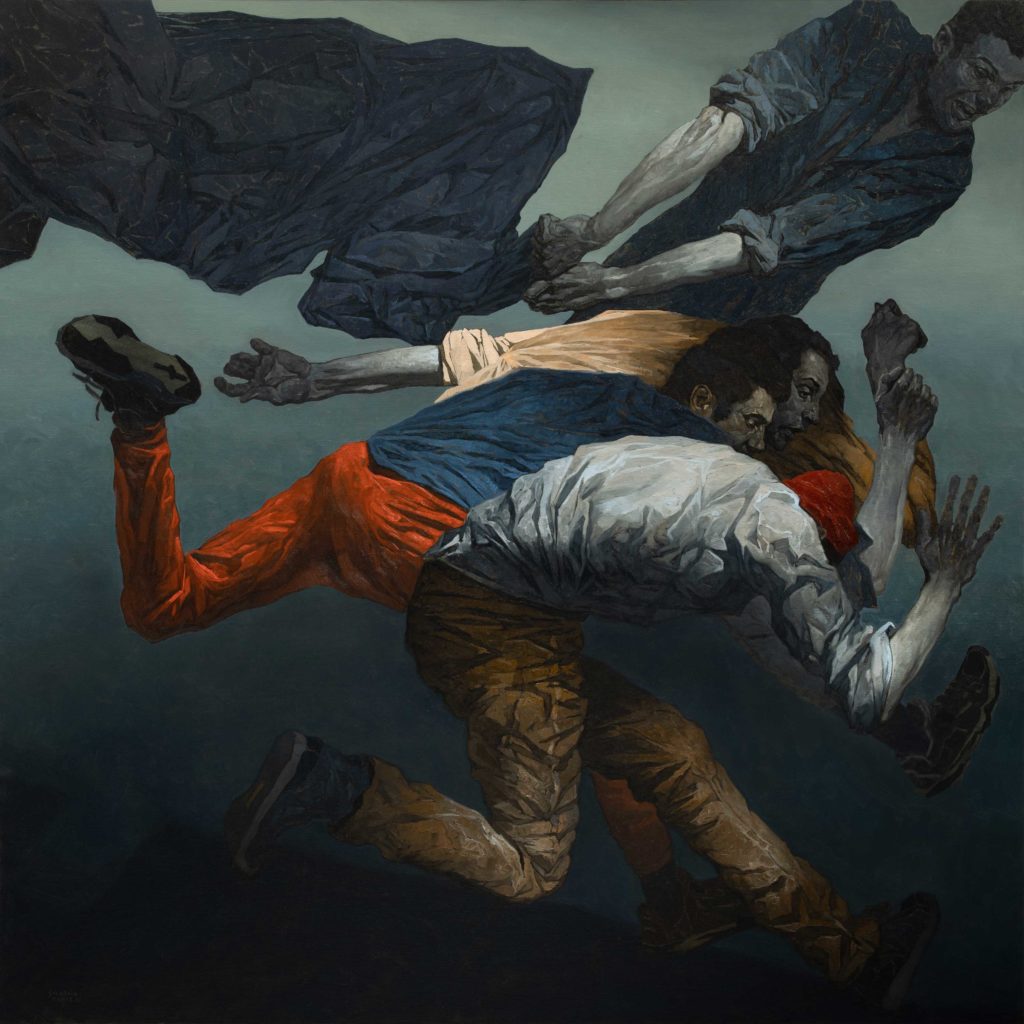
Subversion
Oil on on Canvas
30 x 24 in.
2020
Available through Artsy

Christopher Remmers is an American painter based in the Pacific Northwest. Having studied classical painting and drawing under Virgil Elliott, he moved on to study narrative composition and design under the guidance of Tenaya Sims at the Georgetown Atelier. His work is recognized for its realistic depiction of the human form in surreal environments. His large-scale, figurative paintings explore mysticism and psychedelia through the timelessness of mythological narratives. Christopher’s work has received recognition from the ARC Salon and can be found in collections around the world. He is represented by 33 Contemporary Gallery in Chicago.

About Subversion:
Subversion started as a study for a much larger narrative painting. Christopher Remmers was exploring how to render a very specific effect of “dis-integration” of form on a technical level. At some point, the painting took an unexpected direction. The artist found himself navigating the mechanism between the conscious and un-conscious and the often-times contradictory relationship of each. There was a recognition of the undermining agenda between these parts of ourselves and the necessity to override certain conditioning in our aims for a higher goal. These conflicts become manifest in many ways, but nothing more archetypical than the battle between light and dark.

California Art Club: 109th Annual Gold Medal Exhibition

0
Contemporary still life paintings - FineArtConnoisseur.com
Mary Kay West, "The Pastry Shelf," Oil on panel, 24 x 18 in., Collection of the Artist

The California Art Club (CAC) will present its 109th Annual Gold Medal Exhibition, a display of contemporary-traditional fine art, in an online collaboration with the Hilbert Museum of California Art at Chapman University from Saturday, May 16 to Saturday, June 13, 2020.

The virtual exhibition will feature more than 150 works of art, ranging from pristine landscapes and seascapes to evocative figurative works and still lifes. The un-themed showcase pays tribute to the California Impressionist movement that was inspired by the pioneering artists who founded the organization along the banks of the Arroyo Seco in 1909.

Impressionist paintings - FineArtConnoisseur.com
John Cosby
Last Light
Oil on linen
32 x 48 inches
Collection of the Artist

Exhibiting artists include nationally renowned painters and sculptors, as well as up-and-coming artists, who have employed time-honored techniques to create works that provide a commentary on issues currently facing society, including environmentalism and diversity.

“The California Art Club is thrilled to partner for the first time with the Hilbert Museum of California Art to present our signature event,” says CAC president and artist Peter Adams. “Our shared dedication to spotlighting not only artwork that is uniquely Californian, but also the cultural development of the Golden State, will allow us to raise the bar, once again, for our Annual Gold Medal Exhibition.”

“We’re delighted to host the California Art Club’s Gold Medal Exhibition at the Hilbert Museum,” says Mary Platt, director of the museum. “We look forward with great anticipation to our first opportunity to work with this venerable and highly respected organization, and we know our visitors will enjoy viewing the beauty and diversity of our state through the eyes of these outstanding artists.”

Impressionist paintings - FineArtConnoisseur.com
Dan Schultz
Autumn’s Carpet
Oil on linen
12 x 16 inches
Collection of the Artist

Because the art organization’s mission includes fostering a greater understanding and appreciation for traditional art forms and its classical techniques, it will present a series of free online educational programs during the display.

Contemporary landscape paintings - FineArtConnoisseur.com
Scott W. Prior
Bakersfield
Oil on panel
36 x 36 inches
Collection of the Artist

The programming kicks off on opening day with a virtual tour with art historian Jean Stern, the foremost authority on California Impressionism. Other programs during the four-week exhibition include virtual studio visits with Gold Medal artists, “Ask the Artist” question-and-answer opportunities, and demonstrations from master artists.

Contemporary art sculptures - FineArtConnoisseur.com
Adam Matano
Rascal
Bronze on a steel base
82 x 36 x 21 inches
Collection of the Artist

The presenting sponsor of the 109th Annual Gold Medal Exhibition is Majestic Realty Company. For more information about the exhibition and its programs, visit californiaartclub.org.


> Sign up to receive Fine Art Today, our free weekly e-newsletter

> And click here to subscribe to Fine Art Connoisseur magazine, so you never miss an issue

WEEKLY NEWS FROM THE ART WORLD

Fill your mind with useful art stories, the latest trends, upcoming art shows, top artists, and more. Subscribe to Fine Art Today, from the publishers of Fine Art Connoisseur magazine.

  • This field is for validation purposes and should be left unchanged.