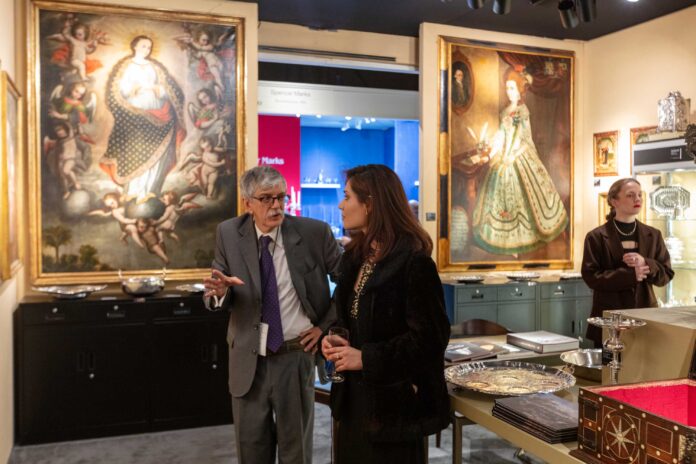
From opening night of The Winter Show in 2023; photo by Simon Cherry
The Winter Show has announced exhibitor and programming highlights for its 70th anniversary edition at the Park Avenue Armory, showcasing exceptional antiques and fine art from ancient times to the contemporary. Taking place January 19–28, 2024, The Show includes over 70 leading dealers from 7 countries across the globe, alongside the fair’s acclaimed programming and special presentations.
More from the organizers of this fine art event:
New, returning, and longtime exhibitors pair museum-quality works with a dedication to sharing the finest in visual and material culture with an international audience. All ticket proceeds from the fair and its benefit events, including the Opening Night Party on January 18 and Young Collectors Night on January 25, directly fund East Side House Settlement. Chubb returns as The Winter Show’s presenting sponsor for the Show’s 70th Anniversary, celebrating 28 years of partnership and support.
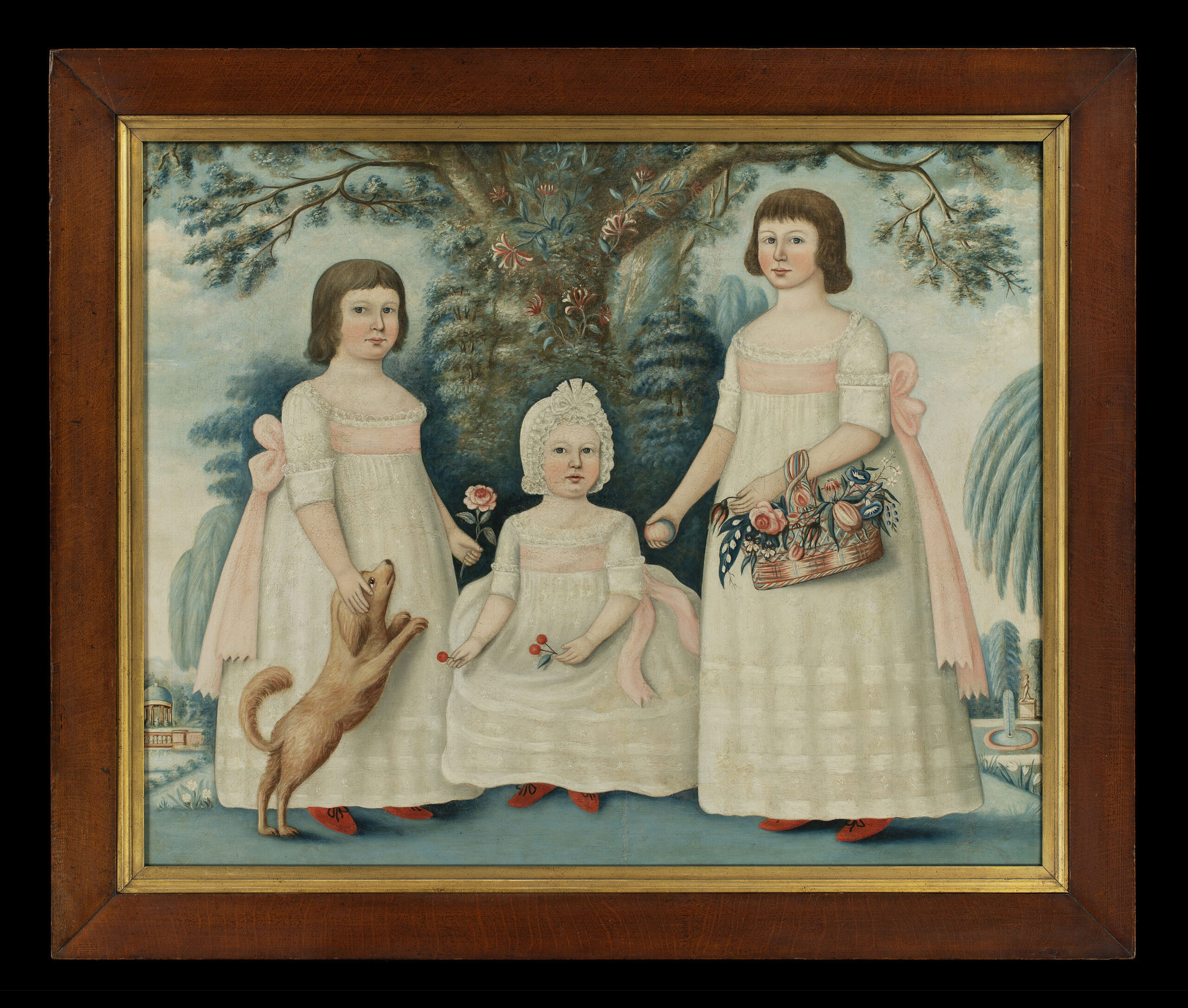
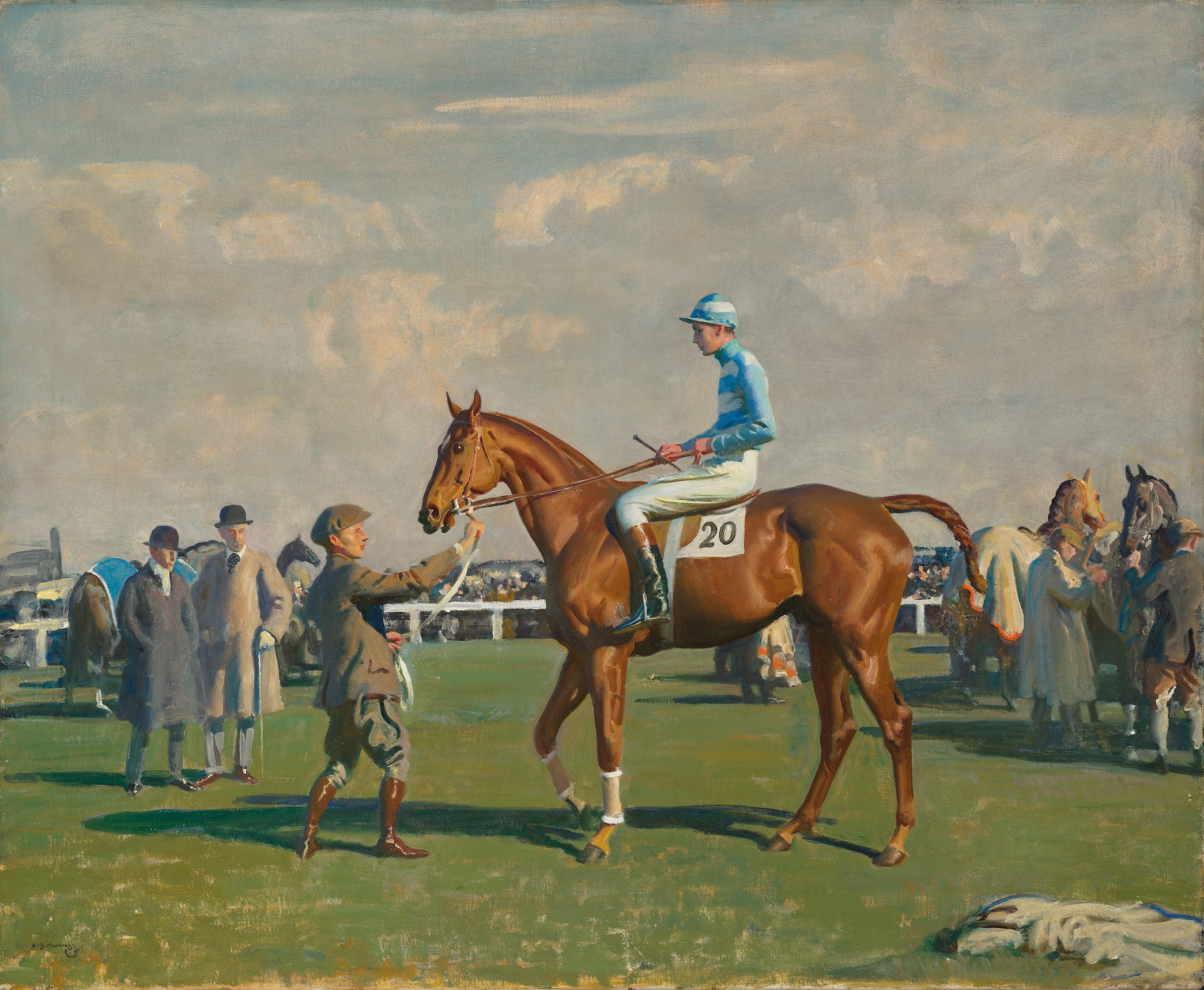
Magnificent Large Scale Family Portrait Depicting Three Sisters Standing Full Length Each Wearing a White Dress with Pink Ribbons and Red Shoes in a Stylised Landscape. One Stroking a Pet Dog and Holding. Rose, the Youngest wearing a Bonnet and Holding Cherries, the Eldest with a Basket of Flowers. English Naive School, c.1820. Framed Dimensions: 49″ H X 58 1/2″ W. Exhibitor: Robert Young Antiques, London, UKSir Alfred J. Munnings (1878-1959), “Davy Jones With The Hon. Anthony Mildmay Up,” Oil on canvas, Signed lower left: A.J. MUNNINGS. Painted in 1937. 36 x 44 in. (91.5 x 111.5 cm). Exhibitor: Rountree Tyron Galleries, Petworth, UK
“The 70th Anniversary edition of The Winter Show continues to exceed expectations with the quality of works our esteemed dealers are bringing,” shares Executive Director Helen Allen. “Collectors, connoisseurs, and the curious alike will find displays ranging time, material, geography, cultures, and makers, but what unifies these diverse highlights is the unique standard of quality we maintain through our partnership with exhibitors. Alongside what will be presented on the Show floor, this year also promises to offer enlightening programming that will complement the educational goals of The Winter Show, culminating with our special exhibition Focus: Americana.”
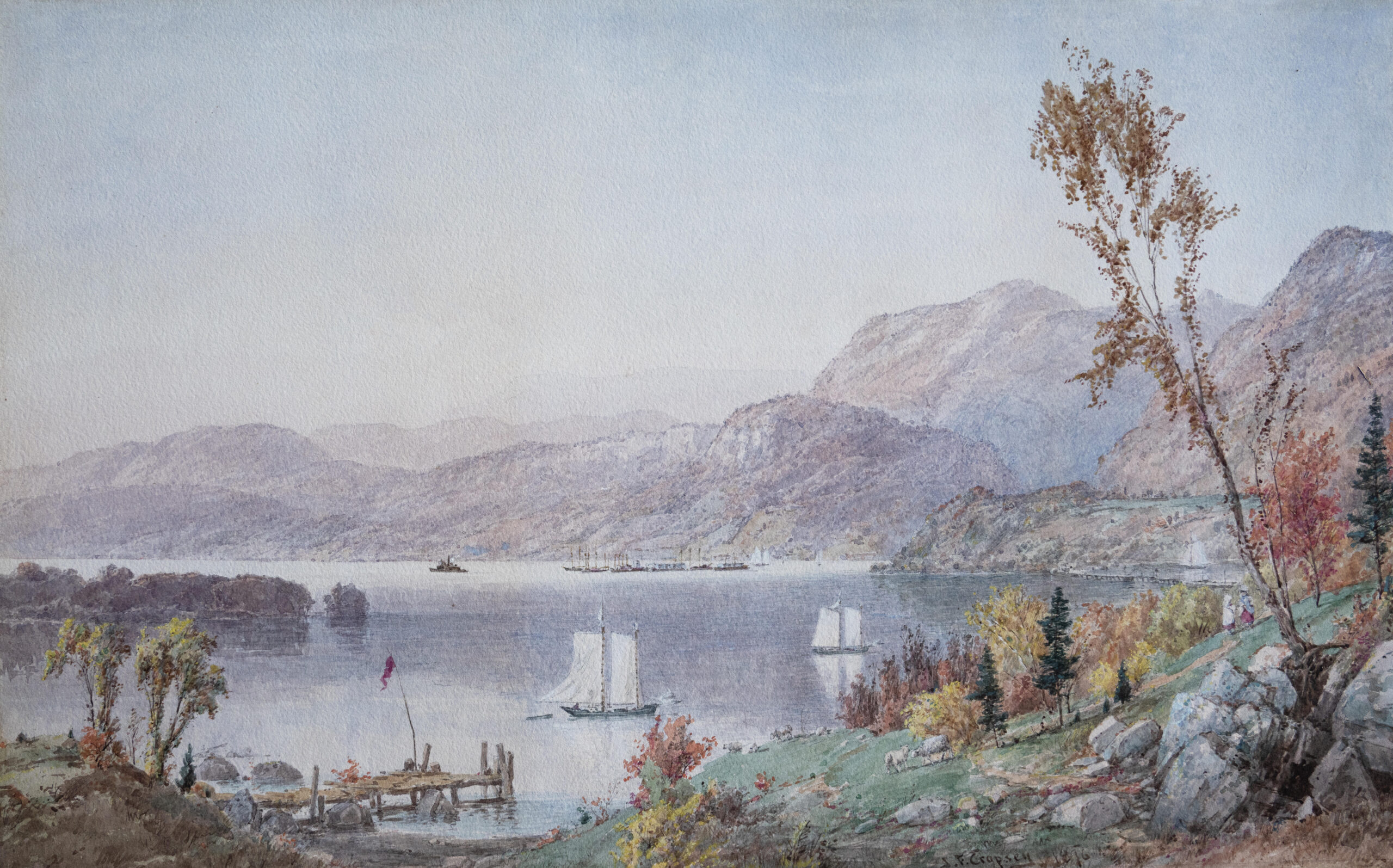
“Indian Summer on the Hudson. View near Peekskill,” 1896. Watercolor on paper, 17 7/8 x 27 inches Signed and dated lower center. Exhibitor: Thomas Colville Fine Art, Guilford, CT
The Winter Show’s commitment to quality establishes it as the preeminent antique and fine art fair in the United States. Maintaining a legacy for connoisseurship, every object that is presented on the Show floor is vetted for authenticity, date, and condition by a committee of more than 120 experts from the United States and Europe.
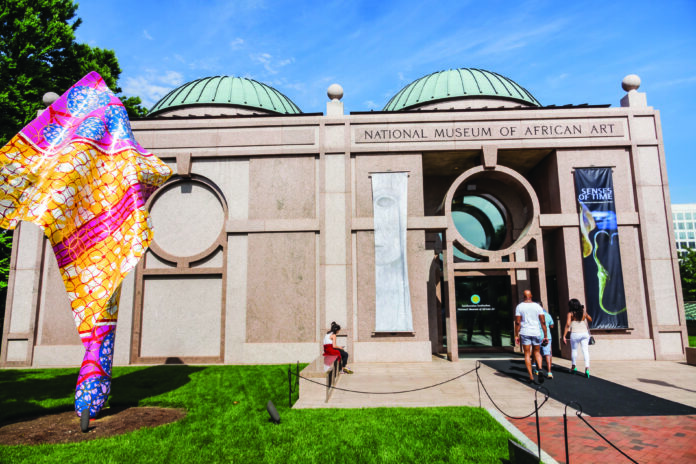
Like many institutions, the Smithsonian Institution’s National Museum of African Art cannot guarantee that objects donated will be placed on exhibition or that they will be exhibited or stored intact as a single collection.
Donating art to an art museum should be a no-brainer, but, in fact, many museums reject far more proposed donations than they accept. Here’s why, and alternative options.
Giving It Away
By Daniel Grant
By most measures, giving to charity is a good thing. Donating cash to nonprofit organizations, books to libraries, clothes to the Salvation Army, child care items to homeless shelters, or artworks to museums helps the public in general and those in need particularly. Moreover, donors receive a tax deduction equal to the value of the donation. Win-win.
Yet there frequently are times when prospective recipient organizations do not want your gift. Cash is rarely a problem unless the donor’s money is ill-gotten (e.g., the Sackler family’s name has been removed from numerous institutions in light of their role in the opioid epidemic). But libraries increasingly turn down book donations (they have too many already), the Salvation Army only wants items that are “gently used” and in full working order, and pre-owned cribs, plush toys, and car seats are now refused by all child-related organizations regardless of their condition.
Giving art to an art museum should be a no-brainer, but, in fact, many museums reject far more proposed donations than they accept. “Ninety to ninety-five percent of material that is offered to museums is declined,” says Michael Duffy, national head of art and collectibles planning in the private banking division at Bank of America. (He acknowledges these numbers are anecdotal, since no one has formally tallied the objects offered to, then accepted or rejected by, U.S. museums, but they correlate with his experience working with art collectors.)
This reality often comes as a surprise to collectors or their heirs who, in Duffy’s words, “think of their objects as assets.” Museums, by contrast, often view new accessions to their permanent collections as “liabilities.” (After all, every item a museum owns takes up valuable “real estate” and needs to be secured, insured, catalogued, and stored in a suitable environment.)
Let’s start with the most basic reason a museum might turn down an artwork: the piece is not in line with the institution’s mission. For instance, a venue devoted to contemporary art has no need for an impressionist painting, regardless of the work’s quality or importance. Even if the institution does collect and display artworks consistent with what a prospective donor is offering, it may still demur if it already has pieces just like the one being proffered. Or the proposed donation may not be as good — in condition or aesthetic quality — as others already in the collection. Moreover, proposed artworks that will need substantial conservation are a red flag.
Then there are the more subtle problems that museum directors do not want to take on. For example, the attribution may be questionable. Is this painting by Rembrandt or just attributed to Rembrandt? Perhaps it can only be designated as Studio of Rembrandt or School of Rembrandt. In each case, the determination moves further and further away from something definitive, requiring costly research by the museum that accepts the painting and then a diminution of value for the donor whose charitable tax deduction drops accordingly.
Other issues are title (does the collector have full ownership of the piece, unencumbered by liens or claims of theft by former owners or foreign governments?) and provenance, the chain of ownership that is ideally an unbroken line from the artist’s studio to the current owner’s home. In cases where these matters are unclear, the institution needs to devote staff time and money to research. Gaps in the chain of ownership, or the possibility of future claims that the artwork was looted or connected to money laundering (using ill-gotten gains to purchase artworks then sold on to produce “clean” money), also might result in expensive legal challenges to the museum.
Prospective donors may also have expectations about what a museum will do for them that the institution cannot meet. For instance, a collector may stipulate that all of his donations must be exhibited together (reflecting his own vision of the entirety), that some or all must be displayed regularly, or that none can ever be sold. Some even insist upon all of these conditions. “Almost every museum has established accession policies that bar conditions on gifts,” says New York City art adviser Todd Levin. This is in large part because curators and directors don’t want to tie their successors’ hands with binding agreements.
Some institutions make this quite clear from the outset when communicating with prospective donors. The Smithsonian Institution’s National Museum of African Art, for example, solicits gifts of objects, but its website states, “All acquisitions should be outright, unconditional, and irrevocable upon transfer to the museum. The museum cannot guarantee that objects donated will be placed on exhibition or that they will be exhibited or stored intact as a single collection.”
On a more informal basis, professionals representing collectors urge their clients who are looking to donate to “be realistic,” says Boston-based lawyer Nicholas O’Donnell. “If I represent a donor who wants everything to stay together, and for nothing to ever be sold, I tell that person, ‘No one will agree to that.’”
In general, museum officials are more interested in “cherry-picking” — selecting from a private collection only those individual works that complement or differ from pieces already in the permanent collection — than in accepting many works, some of which may be ill-suited for the institution. “With very few exceptions, most collections are not donatable,” O’Donnell says.
Quite understandably, collectors may be in love with what they have purchased over the years, but they’ll probably discover that museum professionals have other priorities and interests. Levin recalls a couple of collectors of American craft who had built their collection over 25–30 years. At a party they met the director of a local museum, who “was very excited to hear they were interested in donating their collection. Not long afterward, he visited their home, took one look and saw that it wasn’t of the right caliber for the museum. He was very gracious to them, but wasn’t interested. The collectors were crestfallen.”
Because museums look at gifted objects as liabilities, officials regularly seek to offset their conservation, insurance, research, and storage costs by requesting cash donations to accompany the objects. Duffy says he once advised “a client who wanted to donate a small Monet painting to [Atlanta’s] High Museum, which considered it secondary or tertiary to Monet’s masterworks,” though it would have been more willing to accept it were the gift accompanied by some cash. But “the donor did not want to also contribute $50,000.” Another Bank of America client had “an early Van Gogh, painted before this artist’s work became more colorful.” The first museum he approached would only take it if it came with $100,000. “The donor was offended,” Duffy explains, “and ultimately found another museum that wanted only $50,000.”
Strategies to Consider When Donating Art
Collectors may spend a lifetime assembling artworks that represent a certain theme or are particularly meaningful to them. But then the process of estate planning, or the finality of death itself, can result in these pieces flying off in different directions — some donated to museums, others taken by heirs, others sold commercially.
Generally, there are three things collectors can do with artworks, antiques, or other collectibles as part of their estate planning.
Option 1 is to bequeath everything to your heirs and let them worry about it; no inheritance tax is due as long as the entire estate falls below the Internal Revenue Service’s current $12.06 million threshold. (If the estate is worth more than that, the federal tax on inherited items ranges from 18 to 40 percent, and state taxes may also be due.)
Option 2 is to have the pieces sold off upon your death; this can incur a capital gains tax of 28 percent, or even 39.6 percent, depending on how long the objects were in your collection.
Option 3 is to have the pieces donated to a museum or other charitable institution upon your death, thus reducing your estate’s overall value while obtaining a charitable deduction. Understandably, quite a few collectors prefer this third option.
In order for a donor to receive a full “fair market value” income tax deduction, the recipient organization must prove that its use of the artwork will further its own tax-exempt purpose, referred to by the IRS as “related use.” If there is no related use, the donors’ charitable deduction will be limited to their “cost basis” in the work — what they originally paid for it. In this case, a painting purchased for $50,000 that is now worth $500,000 would provide the donor with only a $50,000 deduction.
Additionally, if a charity — art museum or otherwise — sells the donated work within three years of receiving it, that sale must be reported to the IRS and the donor’s fair market value deduction may be retroactively lowered to his or her original purchase price, plus certain expenses. As a practical matter, donors should clarify with the recipient institution that the gift must be kept for at least three years. This is especially relevant with charities that solicit artworks they intend to sell off during benefit auctions that generate operating funds.
For some owners of large, valuable collections, there is one more possibility: establishing their own foundation or museum, which will keep the art together long-term. You get all the benefits of the charitable deduction, control over how and which objects are displayed, and the gratification of seeing your own taste memorialized by an institution with your name on the door. Examples created fairly recently include the (Peter) Brant Foundation Art Study Center in Manhattan and Greenwich, Connecticut; the Linda Pace Foundation in San Antonio; The Broad (established by Eli and Edythe Broad) in Los Angeles; and the (Mera and Don) Rubell Family Collection in Miami and Washington, D.C.
For some of these donors, it is control that may matter most. “It’s really not tax-driven,” says Diana Wierbicki, a partner at the law firm of Withers LLP, where numerous clients have set up such museums. Usually these entail collections worth more than $100 million: “You need enough value and volume to make it worth doing,” Wierbicki explains.
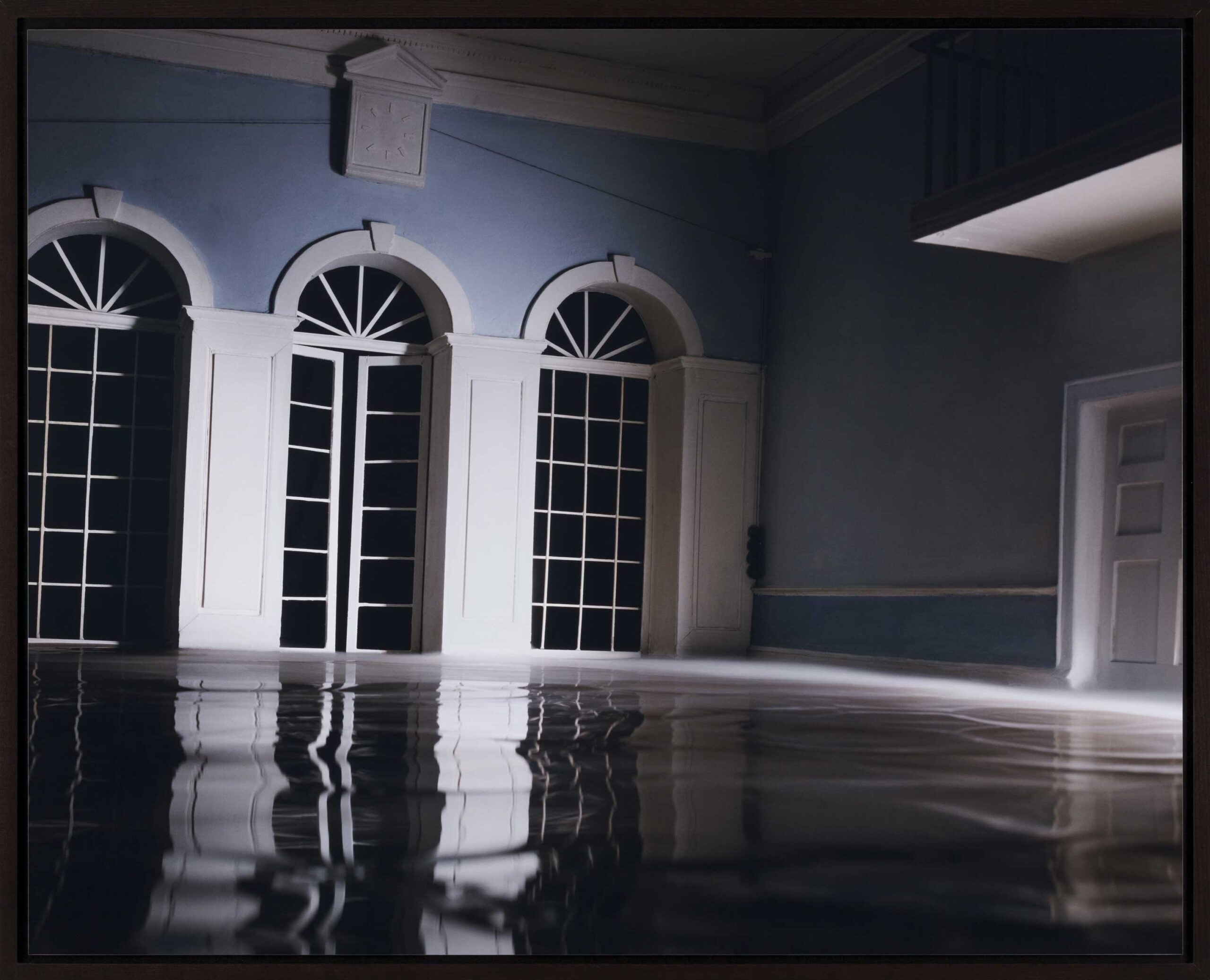
Museum Exchange coordinated collector Sue Stoffel’s gift of this photograph by James Casebere (b. 1953) to the Sheldon Museum of Art at the University of Nebraska, Lincoln: Monticello #3, 2001, digital C-print mounted on aluminum. 48 x 60 in.
Other Options for Donating Art
For those not quite as well-heeled, finding a home for your artworks is a task that many professional art advisers can undertake for you, charging either by the hour (usually in excess of $200 per hour) or on a negotiated per-project basis. Lela Hersh, a Chicago-based adviser for whom collection management is as much a part of her work as helping clients buy and sell pieces, is proud to have helped Joseph and Jory Shapiro. Ultimately, they donated a group of paintings to Chicago’s Museum of Contemporary Art (MCA), works on paper to the Art Institute of Chicago, and other works to Rosary College, Spertus College, and the University of Notre Dame. “Eclectic collections can’t go to just one place,” Hersh notes.
A firm launched in 2021, Museum Exchange, specializes in placing artworks in museums, hospitals, universities, and libraries, helping collectors determine where and when to donate their objects. Chief growth officer Michael Darling (formerly MCA’s chief curator) says, “We have 160-plus museums and over 300 donors participating throughout North America and as such have a great chance of finding a good fit.”
Its process is straightforward. Museum Exchange publishes quarterly catalogues of artworks being offered by collectors, viewable by museum staff who submit proposals to receive the artworks as gifts. Donors then select one museum from those various expressions of interest. After a match is made, Museum Exchange manages the donation process through its digital interface, streamlining the potentially complex and cumbersome logistics of a charitable gift.
With or without an adviser’s help, it makes sense for collectors planning their estates to contact museum curators and directors now to indicate what they own and to ascertain if the institutions would be interested in receiving those objects as donations. Too often, Michael Duffy says, collectors just indicate in their wills that their objects should go to a specific museum, leaving their heirs to discover that the objects are actually unwanted and thus require disposition in some other way. The harsh reality that museums reject so many proposed gifts is not limited to the largest and most prestigious institutions; it happens at smaller, regional ones, too. “Collectors shouldn’t mistake their local museum for Goodwill, donating unwanted tangible personal property without first speaking with the museum’s curator or other staff,” Duffy concludes.
About the Author: Daniel Grant is a contributing writer to Fine Art Connoisseur and author of The Business of Being an Artist (Allworth Press).
Plein Air Paintings > Exhibition Details at a Glance:
Plein Air Washington Artists (PAWA) Winter Exhibition “Plein Air to Studio”
Cole Gallery
Edmonds, Washington https://colegallery.net/
Through February 11, 2024
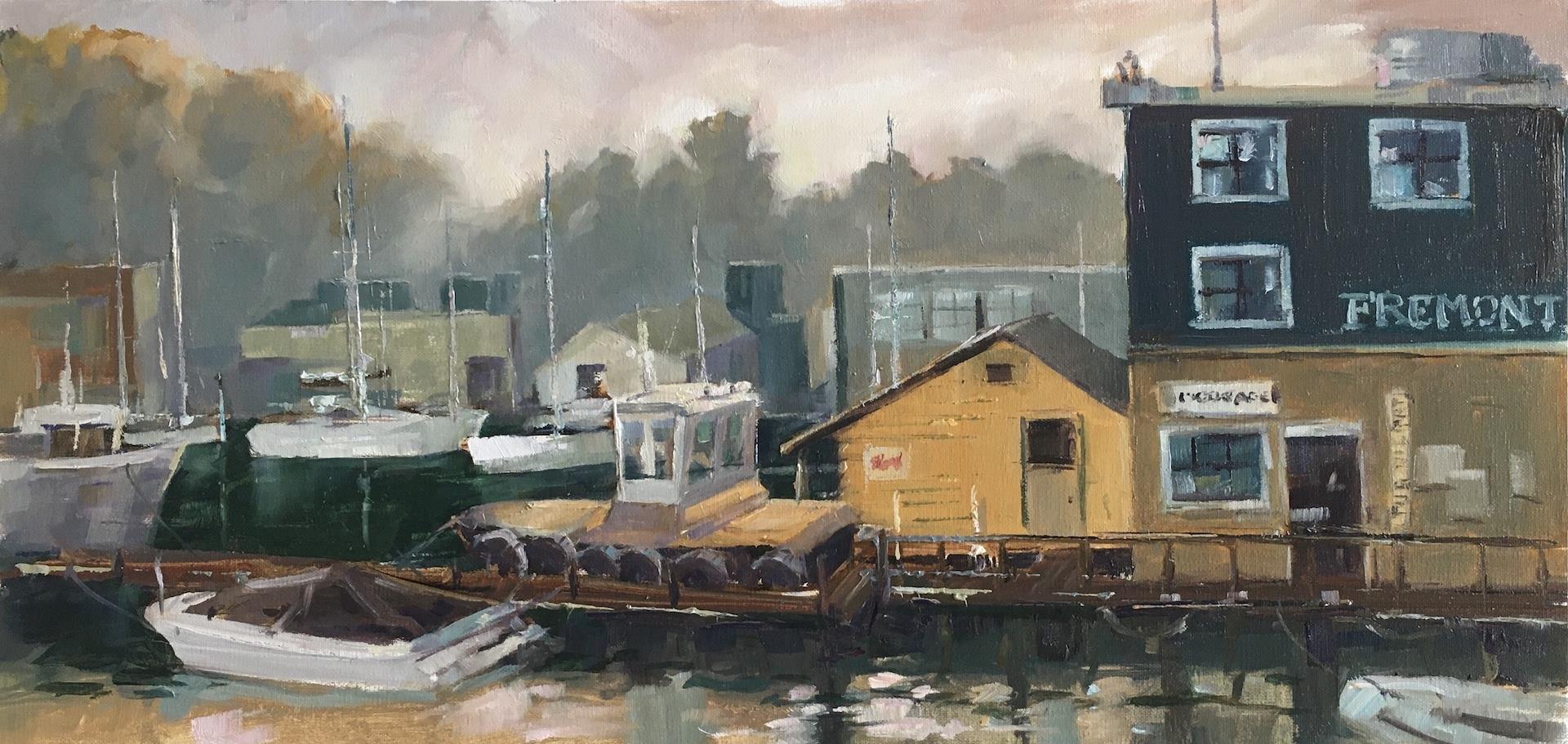
Kelly Bailey, “Buoyed Up,” oil, 10 x 20 in.
From the gallery:
The PAWA Exhibition encompasses the best of member plein air and studio works from the year, featuring 75 paintings. The plein air work expresses the raw passion of painting outdoors, in the elements. These fine artists, hailing from all over Washington State, often bring their work back to the studio to paint larger works, keeping their fresh on-site experience at heart. This show’s plein air paintings paired with their studio mates, as well as stand-alone studio paintings, provide a fascinating view into the artist’s process.
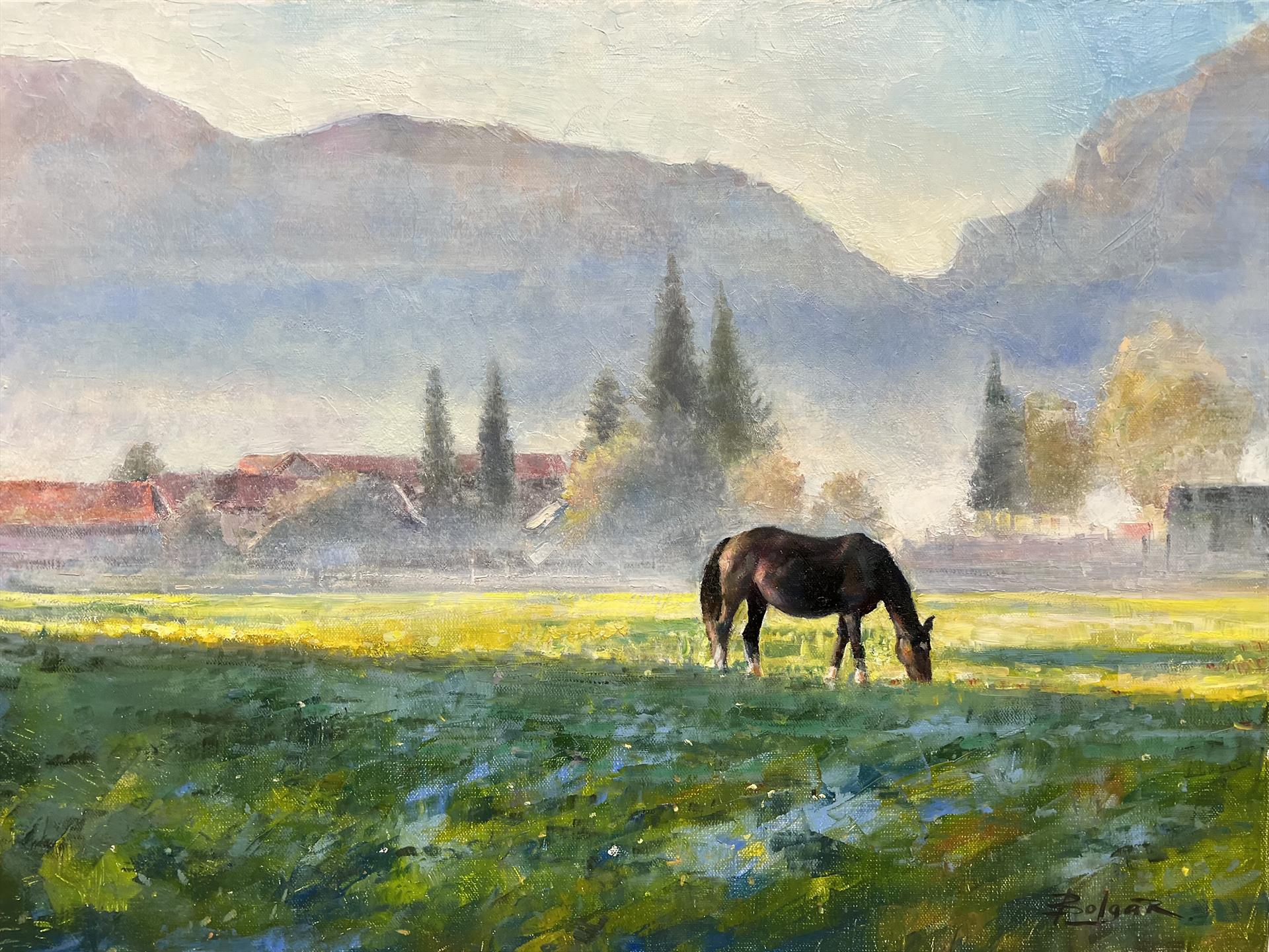
Olga Bolgar, “Foggy Morning,” oil, 18 x 24 in.
PAWA was established in the year 2000 to organize groups of artists to paint together in the most beautiful areas of Washington and beyond. With now over 350 members, PAWA presents in this juried show the finest collection of traditional landscape paintings from plein air artists in the state.
Pat Clayton, “Sunrise in Tumwater Canyon,” oil, 20 x 30 in.
Awards for this show will be juried by nationally recognized, award-winning artist Kimball Geisler, recipient of the Grand Prize for the 2022 Plein Air Salon Annual Competition. Geisler, in love with the great outdoors, follows in the footsteps of his beloved John Muir by devoting his career to the study of nature through painting. Kimball Geisler has enjoyed consistent sales and positive feedback from collectors and prominent artists. In 2021 he was inducted as a member of Plein Air Painters of America where he has served as vice president. His work has been featured in full articles in prominent art magazines, and it has taken him to incredible locations in many different states and other countries. He has earned awards through various painting competitions and shows, including the Grand Prize for the annual PleinAir Salon for 2022.
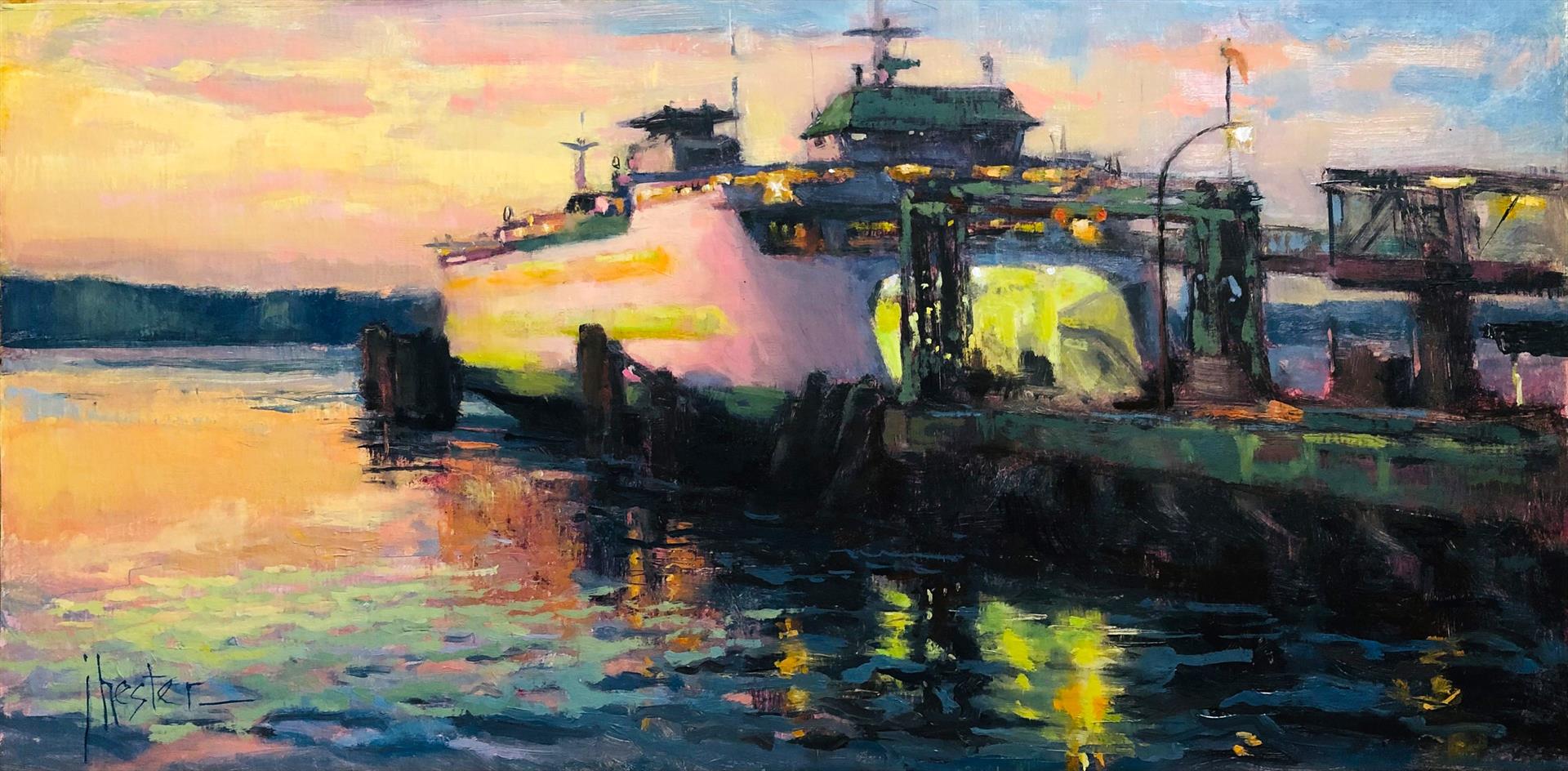
Joyce Hester, “First Run at First Light,” oil, 10 x 20 in.
As part of our effort to continue to help artists and art galleries thrive, we’re proud to bring you this week’s “Virtual Gallery Walk.” Browse the artwork below and click the image itself to learn more about it, including how to contact the gallery.
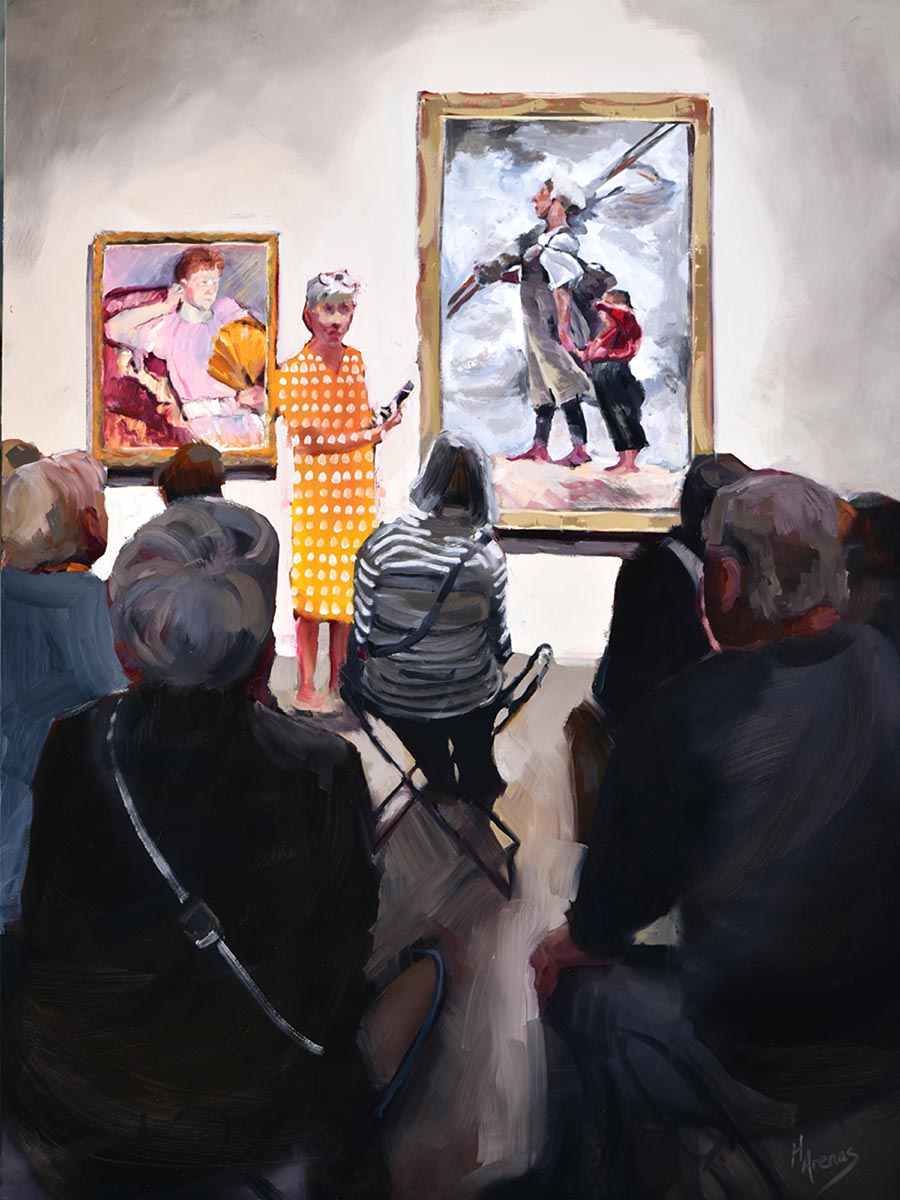
Paved Roads 2, Heather Arenas, oil on cradled wood, 40 x 30 in; Heather Arenas; Solo Exhibition, ‘Standing Out in a Crowd’, ArtCenter Manatee, Bradenton, FL, 1/3-26
Want to see your gallery featured in an upcoming Virtual Gallery Walk? Contact us at [email protected] to advertise today. Don’t delay, as spaces are first come, first served, and availability is limited.Virtual Gallery Walk for October 20th, 2023
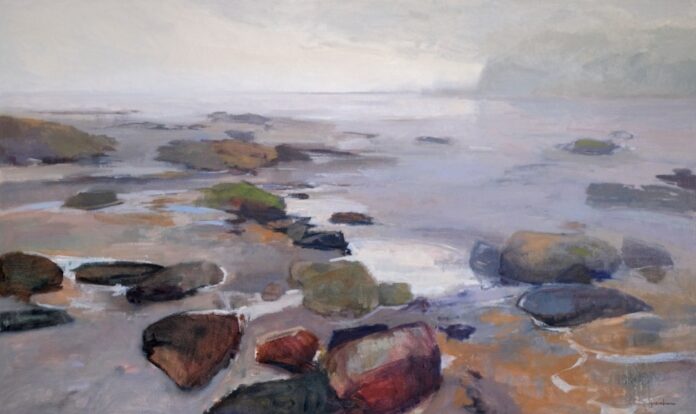
Maria Josenhans (Canada), “Endless Agate Beach,” Oil, 36×60 in.
We’d like to congratulate Maria Josenhans for winning Overall First Place in the November 2023 PleinAir Salon, judged by Skip Whitcomb.
“The Josenhans water painting is a beautiful orchestration of natural shapes and color harmonies,” Skip said. “It is woven together with lost and found edges and values that move the viewer through an exciting journey of the entire surface of her canvas. It’s an outstanding example of what Whistler referred to as ‘visual poetry.’”
“Direct observation is at the core of all of my paintings,” Maria says. “When I am struck by something my impulse is to describe it in paint. I want to study its tangible and intangible qualities, and to notice something that perhaps was thought too banal for consideration.
“I find that given time, most things reveal themselves as perfect, just as they are. Observing and translating my vision, thoughts, and feelings into paint is how I have come to reconcile my desire to paint with my insatiable love of the outdoors.
“If beauty is truly in the eye of the beholder, then it is my hope that when others look at my paintings they too may recall their own unguarded moments with nature and delight in a tender tribute to the ordinary.”
In the spirit of the French Salon created by the Academie des Beaux-Arts in Paris, this annual online art competition, with 11 monthly cycles, leading to the annual Salon Grand Prize winners, is designed to stimulate artistic growth through competition. The competition rewards artists with $50,000 in cash prizes and exposure of their work, with the winning painting featured on the cover of PleinAir® Magazine.
Winners in each monthly competition may receive recognition and exposure through PleinAir Magazine’s print magazine, e-newsletters, websites, and social media. Winners of each competition will also be entered into the annual competition. The Annual Awards will be presented live at the next Plein Air Convention & Expo.
The next round of the PleinAir Salon has begun so hurry, as this competition ends on the last day of the month. Enter your best art in the PleinAir Salon here.
.
PleinAir® Magazine is a registered trademark of Streamline Publishing, Inc.
Fine Art Collection Spotlight > Christian Keesee moves frequently among his art-filled homes and offices in New York City, Oklahoma City, and Green Mountain Falls, Colorado. Though he enjoys his work as an investor and chairman of Oklahoma’s Kirkpatrick Bank, it is philanthropy that lies closer to his heart, particularly in the arts, education, animal well-being, conservation, and preservation. “But at the very center of everything I do is arts education,” Chris explains. “I truly believe that if you can draw, you have a certain kind of power over your life. Plus, as they say, ‘There is no harm in a little beauty.’”
Christian Keesee
Chris grew up in Oklahoma City, where he “came by art naturally because it was discussed by my family over dinner — not just how it’s made, but also collecting and how museums work.” His mother, Joan Kirkpatrick, majored in art at college, and her own mother had minored in it, then co-founded the Oklahoma City Museum of Art. His father, Konrad, had shifted from real estate to become an international representative for Christie’s, so it’s unsurprising that the family’s first stop when visiting a new place was its art museum.
Chris is grateful to have inherited many fine and decorative artworks through his family, which helps explain why roughly a third of his collection is by historical artists including Cassatt, Picasso, and Henri. (He has complemented them with his own purchases of Fragonard, Bierstadt, Boudin, Fantin-Latour, Gris, and others.) He is quick to note how deeply he has been inspired by his involvement with the Frick Collection, Tate Americas Foundation, and Metropolitan Museum of Art; it was Tate, for example, that familiarized him with British artists now in his collection, such as Julian Opie.
In 1989 Chris followed in his grandparents’ footsteps by founding another Oklahoma City institution, the Oklahoma Contemporary Arts Center, where he remains chairman. He raised $30 million to construct its new building, which opened in February 2020, just in time to close for the pandemic. That unveiling, he observes, “brought my collecting full circle — from my family’s original interest in art and education to supporting new artists as they come along.”
Chris’s own collecting journey started at 13, when he spent $50 on a print of an elegant blonde lounging on a settee, originally painted by Louis Icart (1888–1950). “She reminded me of my father’s mother, who had died young,” he explains. “And I still own it.” While at Pepperdine University, he bought a Peter Max painting, but art did not become a serious interest until he moved to Manhattan in his late 20s. There his father introduced him to the major galleries and auctioneers. He also hired Julie Maguire, who still manages his collection as well as the Brett Weston Archive, established by that great photographer (1911–1993) and acquired by Chris in 1996.
During those early New York years, Chris formed two groups of artworks. One was contemporary Canadian imagery, primarily of nature, for which he explored much of that scenic country. The other was “non-conformist” Soviet artists, who had been pushing communism’s constraints; he still relishes that scene’s excitement, as well as the thrill when his grandmother Eleanor invited the great Houston collector Dominique de Menil to see those unfamiliar pieces.
Today Chris’s art collection ranges widely in style and format. Among the living artists represented are Cat Balco, Vanessa Beecroft, Dan Colen, Michael Craig-Martin, Jose Dávila, Melvin Edwards, Olafur Eliasson, Christaan Felber, Zipora Fried, Robert Gober, Christopher Makos, Julian Opie, Tomás Saraceno, Richard Serra, Judith Turner, and James Turrell. He says his acquisitions are “based on both instincts and aesthetics, and also more practical matters like the money being available and having the time to focus. There is no particular method, but I buy mainly through the leading auction houses, galleries, and fairs.”
It’s always difficult for a passionate collector to choose a favorite, but when probed, Chris gamely cites his first major purchase, Richard Avedon’s famous 1955 photograph Dovima with Elephants, which he calls an “icon of the intersection of fashion and art.” It hangs in his bedroom, not far from another favorite, a small painting by Jean-Honoré Fragonard.
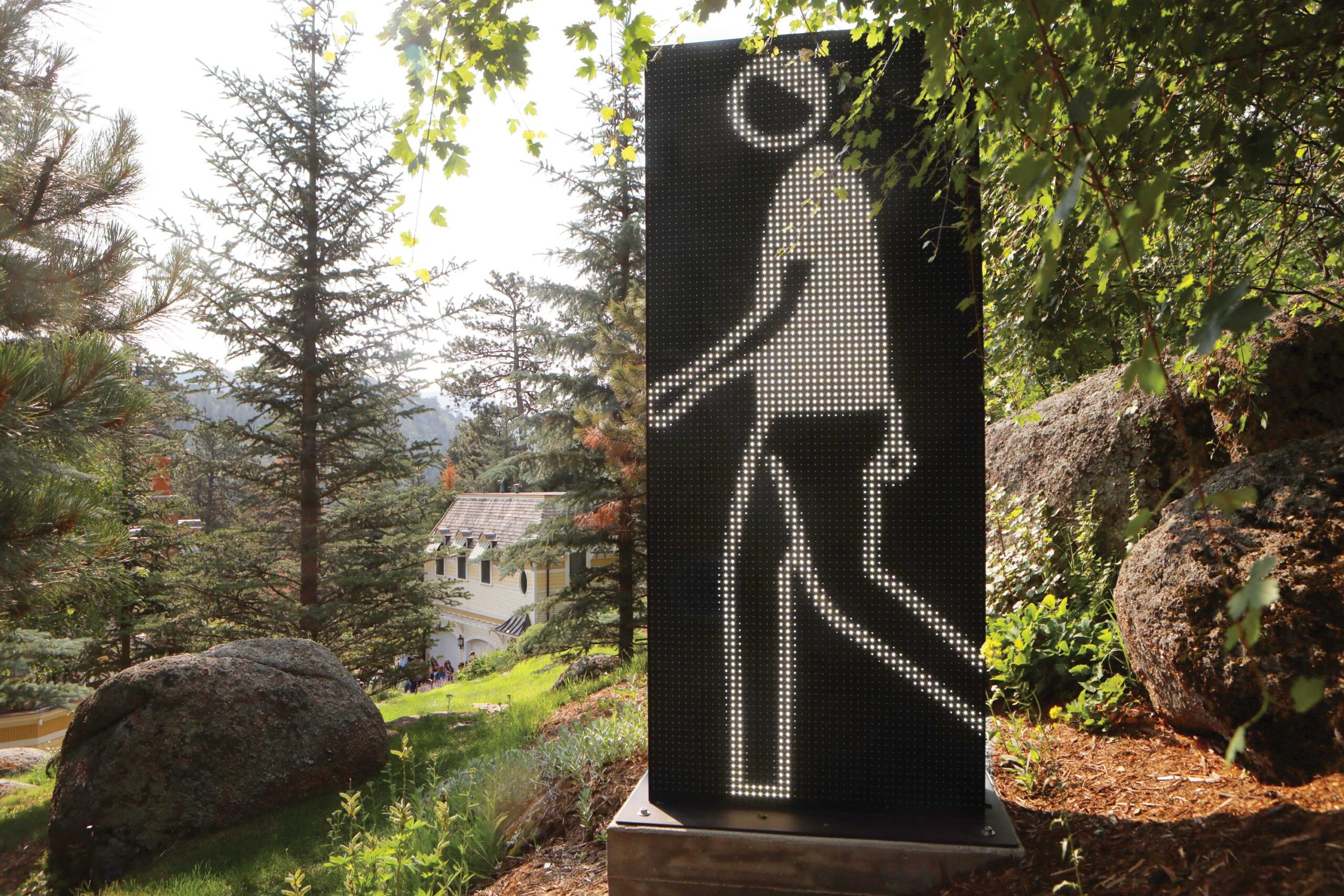
In 2006, Chris co-founded the Green Box Arts Festival near Colorado Springs with his partner, the choreographer Larry Keigwin. Much of its activity focuses on dance, but its grounds feature important installations such as the Opie monolith shown below. In June 2023 they unveiled a sky space commissioned from James Turrell. Chris notes that he and Larry recently deaccessioned almost 100 artworks; they subsequently rotated in other pieces and the new look “feels very good.”
Chris says he does not know all of “his” artists personally, and sometimes even worries that meeting them might affect his view of their art. Fortunately, he loved visiting Dan Colen’s studio in upstate New York and now they are friendly. When he spotted Christaan Felber’s work in The New York Times Magazine, he promptly “commissioned him to photograph my son, Blake, and me. Later he shot our houses in Oklahoma and New York. Relationships develop over time,” he concludes, “and that’s as it should be.”
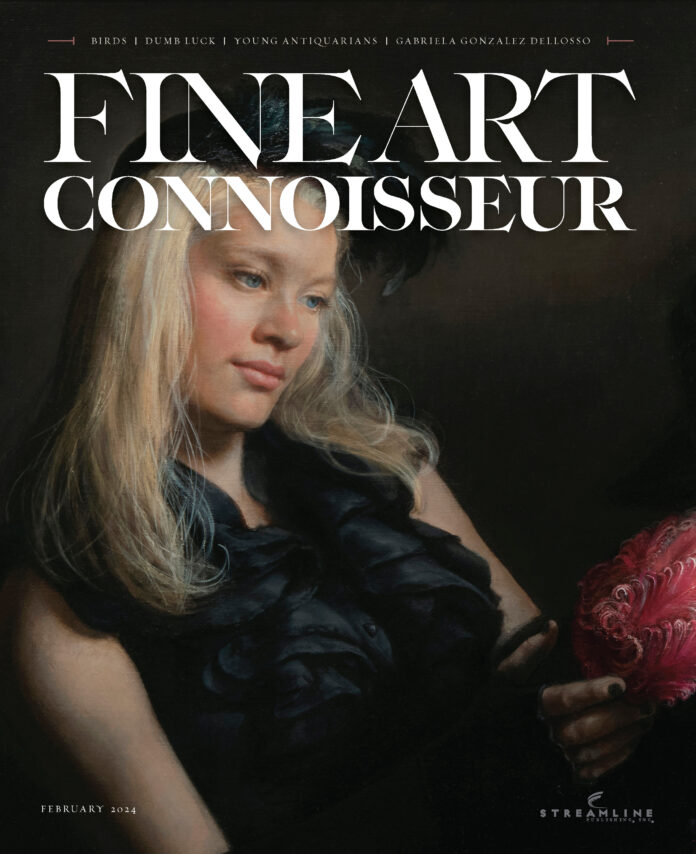
Published six times per year, Fine Art Connoisseur is now a widely consulted platform for the world’s most knowledgeable experts, who write articles that inform readers and give them the tools necessary to make better purchasing decisions.
ON THE COVER
Gabriela Gonzalez Dellosso (b. 1968), “The Milliner’s Shop” (detail), 2014, oil on linen, 32 x 40 in. (overall), collection of Joseph and MaryBeth Cusenza
Artists Making Their Mark: Five to Watch
Brandon Rosas highlights the talents of Polina Barskaya, Jana Buettner, Dhewadi Hadjab, Jason Kowalski, and Erin Schulz
Gabriela Gonzalez Dellosso Looks Back, and Forward
By Peter Trippi
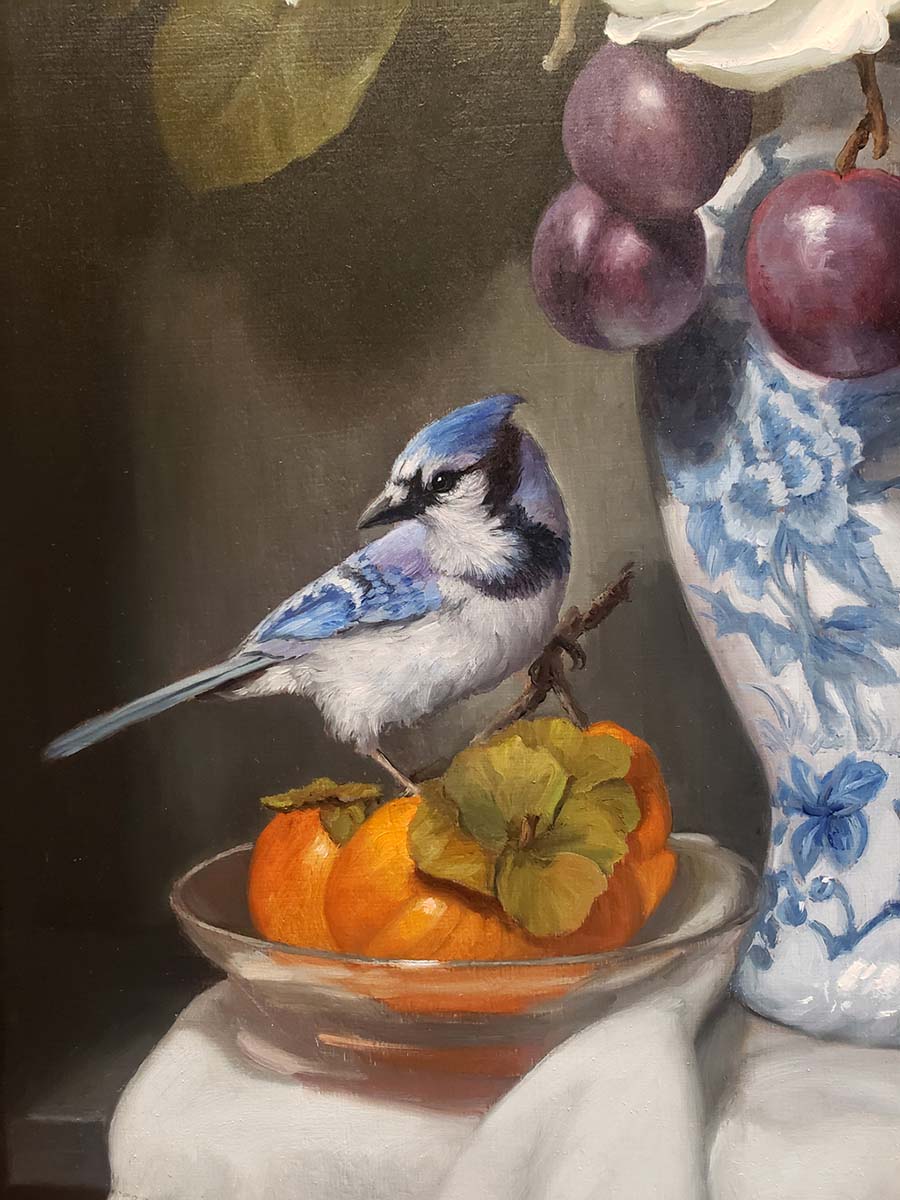
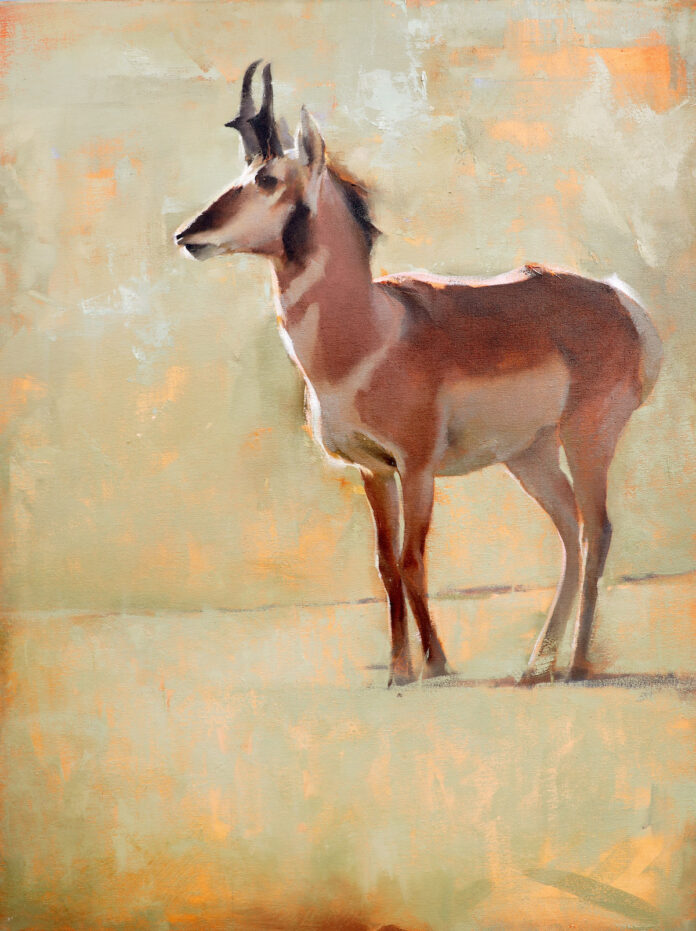
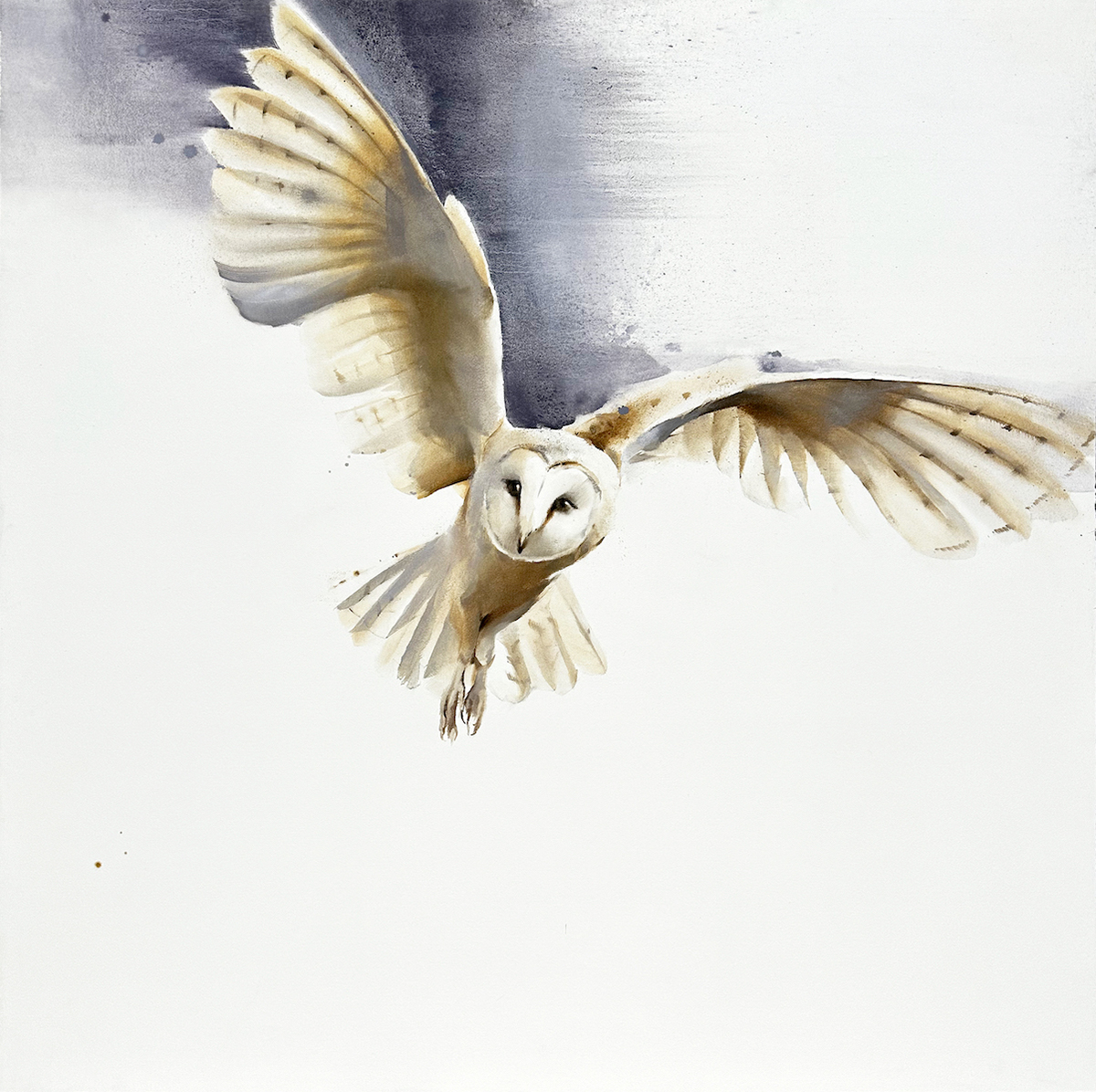
Avian Art Takes Flight
By Kelly Compton
A Treasure Restored
By Peter Trippi
Ann Getty’s Discerning Eye Endures
By Thomas Connors
Dumb Luck, Or … ?
By Daniel Grant
Favorite: Coming Into Port
By David Masello
A Collector of Collectors
By David Masello
An Artful Pairing: Stockholm & Madrid
By Peter Trippi
Great Art Worldwide
We survey 5 top-notch projects occurring this season.
Fine Art Connoisseur‘s jargon-free text and large color illustrations are attracting an ever-growing readership passionate about high-quality artworks and the fascinating stories around them. It serves art collectors and enthusiasts with innovative articles about representational paintings, sculptures, drawings, and prints — both historical and contemporary, American and European. Fine Art Connoisseur covers the museums, galleries, fairs, auction houses, and private collections where great art is found.
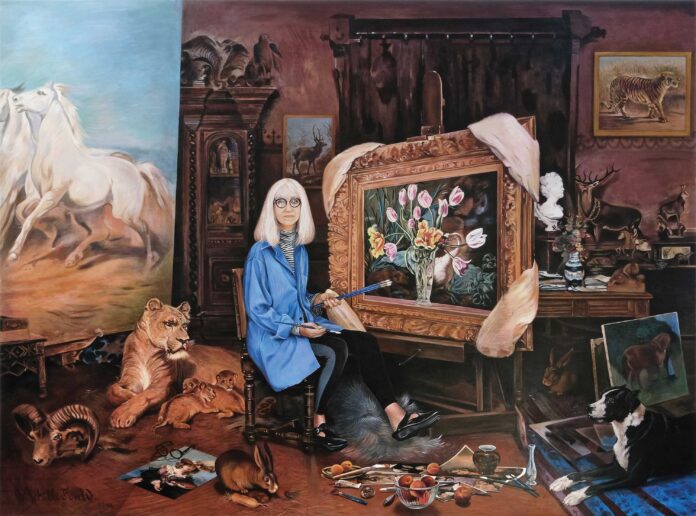
Sherrie Wolf (b. 1952), "Self-Portrait in Rose Bonheur's Studio," 2023, oil on canvas, 70 x 95 in., Russo Lee Gallery (Portland, Oregon)
From the Fine Art Connoisseur January/February 2024 Editor’s Note:
Onward and Upward
Fine Art Connoisseur magazine, January/February 2024
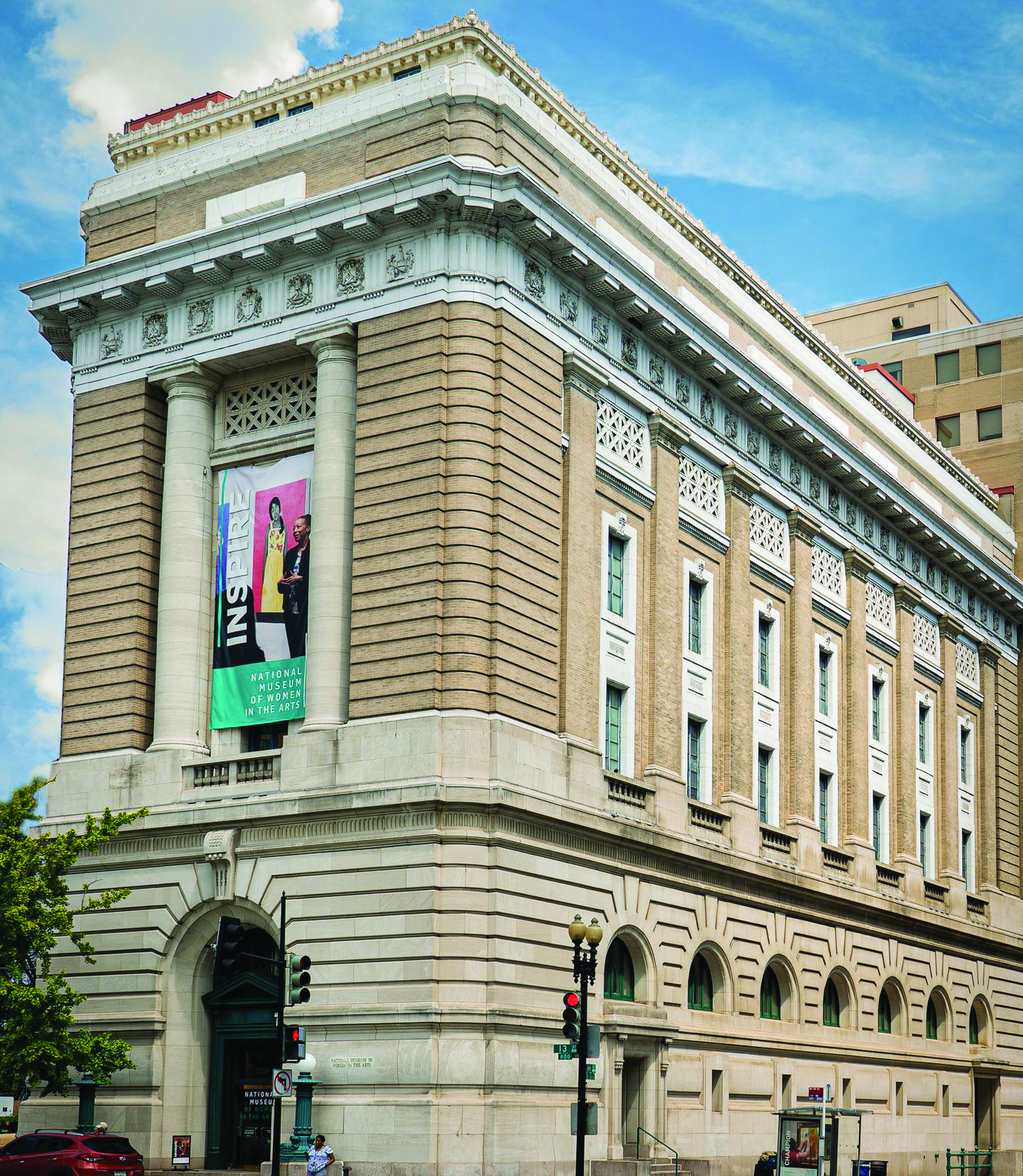
In Washington, D.C., this October, the National Museum of Women in the Arts (NMWA) reopened after a two-year renovation of its historic building. When I first learned of its plans to close, I winced because I clearly remember visiting during its inaugural year — 1987. That was 37 years ago! Even though I had grown up around art museums (my late mother worked at the Smithsonian Institution and National Gallery of Art), I remember marveling over many female artists I had never even heard of.
Back then, some critics thought the museum’s founder, Wilhemina Cole Holladay (1922–2021), was consigning female artists to a kind of “ghetto,” and that she should have donated her core collection to an existing museum where the public could see them alongside their male counterparts. But she knew that only a fraction of her works (by big names like Kahlo and O’Keeffe) would have been displayed regularly; surely the rest would have ended up in storage.
Thanks to NMWA and many other organizations and people, the visibility of women artists — both historical and contemporary — has soared since 1987. Yet on many fronts (including pricing, auction sales, and solo exhibitions), the situation is still far from equitable. We are moving in the right direction, but NMWA remains essential as a place where we can always — not sometimes — discover and rediscover a range of women artists. Its upgraded facility will allow the curatorial team to mount even more ambitious projects, and I look forward to visiting as often as possible.
The National Museum of Women in the Arts in downtown Washington, D.C.; photo: Cameron Robinson
NMWA has long stood out among U.S. museums for its national and international committees, which champion women artists far beyond Washington. Committee members plan local programs that highlight the museum’s mission, collection, exhibitions, and activities. They also work with NMWA staff to increase membership, donate works of art, and fund exhibitions, education programs, and object conservation. Details are available at nmwa.org/support/committees, with links leading to the committees in Arizona, Arkansas, Northern and Southern California, Colorado, Georgia, Greater Kansas City, Massachusetts, Mississippi, New Mexico, New York, Ohio, Oregon, Texas, Washington, and Wyoming. Getting involved not only benefits NMWA, but also connects you with kindred spirits in your own region.
See you in Washington soon.
What are your thoughts? Share your letter to the Editor below in the comments.
“Born to Run,” Kathryn Mapes Turner, oil on canvas, 40 x 30 in., available through Turner Fine Art, Jackson, WY
Kathryn Mapes Turner: The artwork of Kathryn Mapes Turner has unfolded from the mountain valley of Jackson Hole, Wyoming. Here she was born as the fourth generation to be raised on the Triangle X Ranch in Grand Teton National Park. Here her consciousness of the natural world began. She grew up riding the trails of the valley, learning wilderness lore and gaining an eye for landscape. The happy synergy of a receptive spirit and a place of magnificent beauty, set the course for her life.
“Beauty, Ever Ancient,” Kathryn Mapes Turner, oil on rag, 48 x 48 in., available through Turner Fine Art, Jackson, WY“No Place Like Home,” Kathryn Mapes Turner, watercolor on paper, 10 x 11 in., available through Turner Fine Art, Jackson, WY
“Sunset at SeaTac”, Richard Boyer, oil on board, 30 x 30 in., available through Mockingbird Gallery, Bend, OR
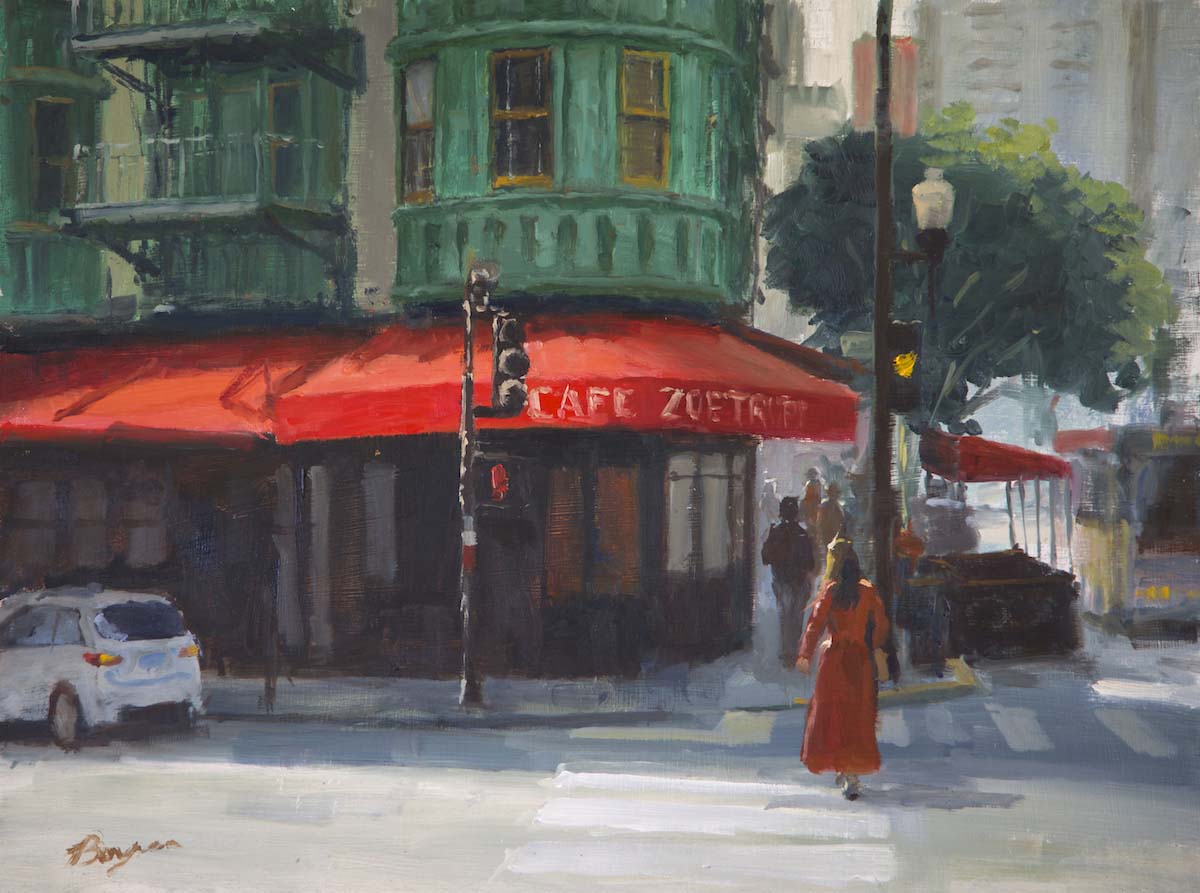
Richard Boyer: I like the idea of being challenged in a painting. With so much information to put on the canvas one really has to simplify and get a little abstract in order to get all the information recorded down in the painting session. I have some friends who I paint with in the city and the amount of time one has to paint the light is changing so fast you can actually see the shadows moving across the buildings.
“Embarcadero Trolley’s,” Richard Boyer, oil on board, 18 x 18 in., available through Cole Gallery, Edmonds, WA“Morning at Zoetrope Café,” Richard Boyer, oil on board, 12×16 in., private collection
Fill your mind with useful art stories, the latest trends, upcoming art shows, top artists, and more. Subscribe to Fine Art Today, from the publishers of Fine Art Connoisseur magazine.